Dog Beds for Large Dogs
Finding the perfect dog bed for your large furry friend is essential to ensure they have a comfortable and cozy place to rest and relax. Our selection of dog beds for large dogs offers a variety of styles, sizes, and materials to suit your pet's needs and preferences. Whether your canine companion prefers a plush cushion, a supportive orthopedic bed, or a durable outdoor option, we have you covered. Explore our range of dog beds designed specifically for larger breeds to provide them with the ultimate sleeping experience they deserve.
Sort











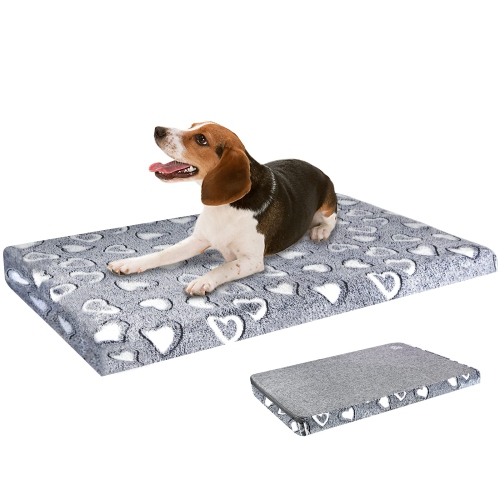


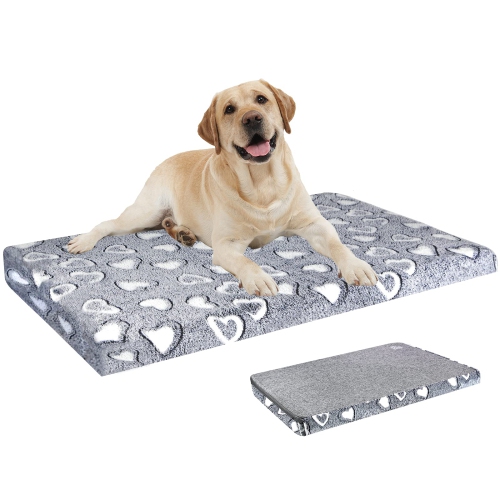
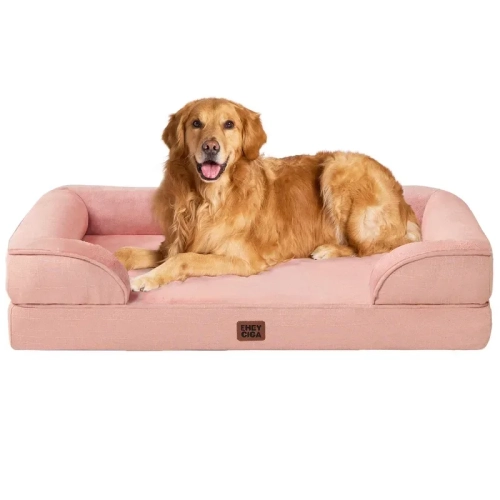
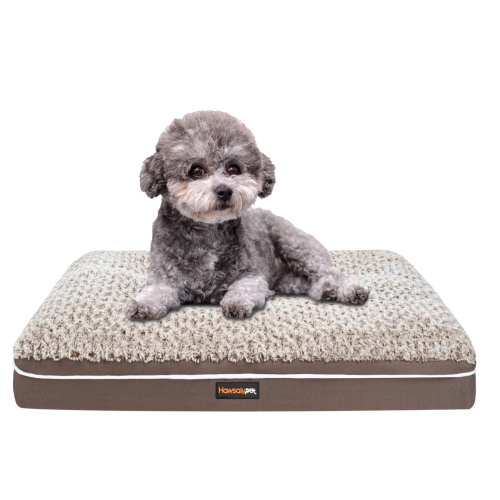
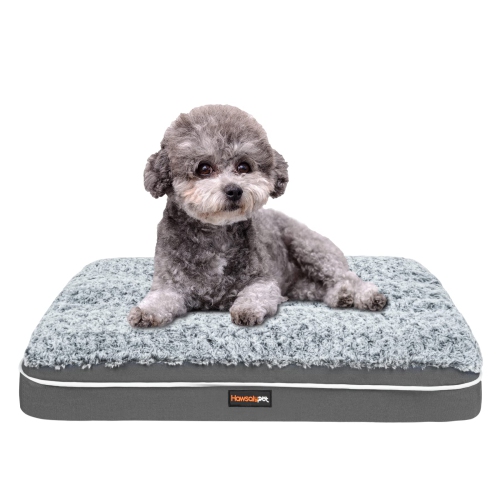

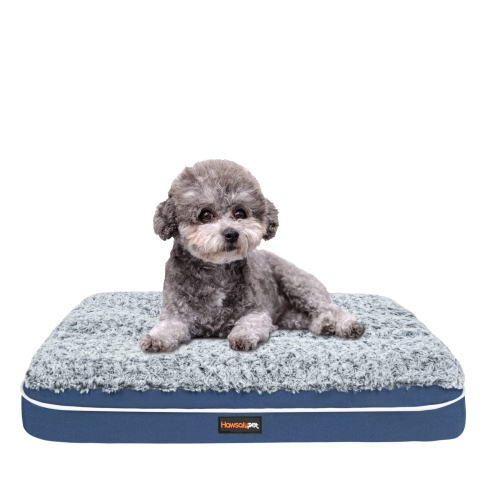


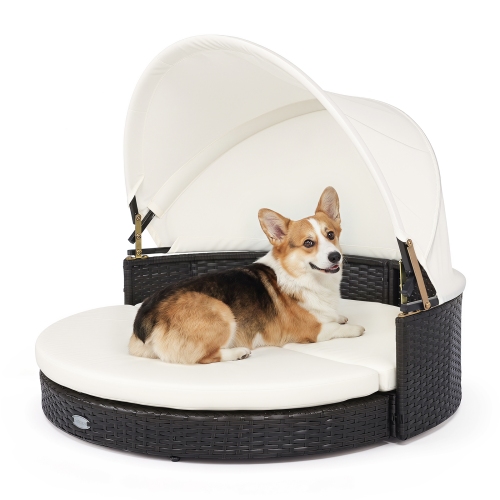


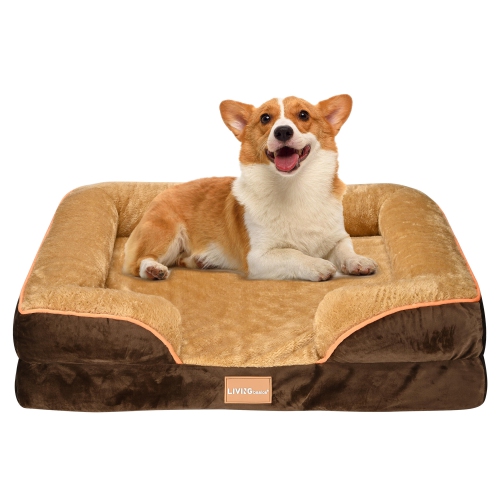














A comfortable fit goes beyond your dog’s weight
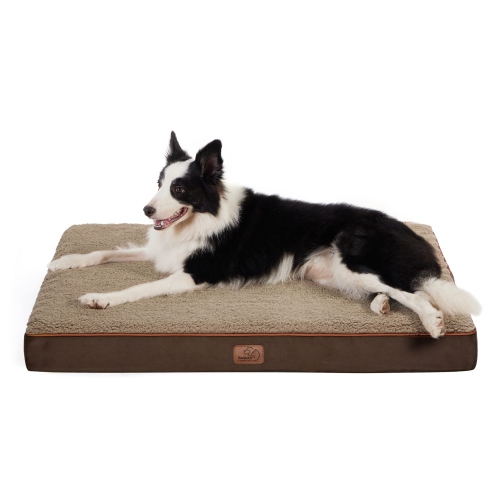
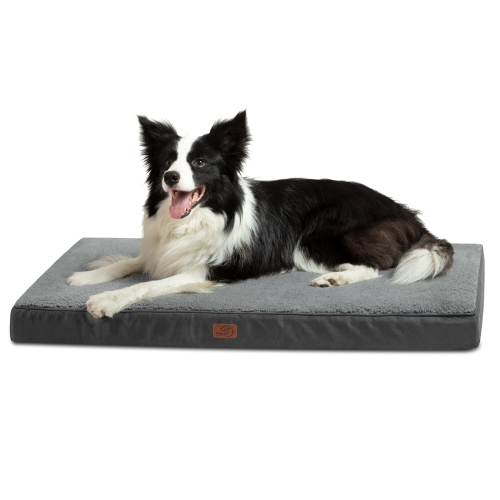
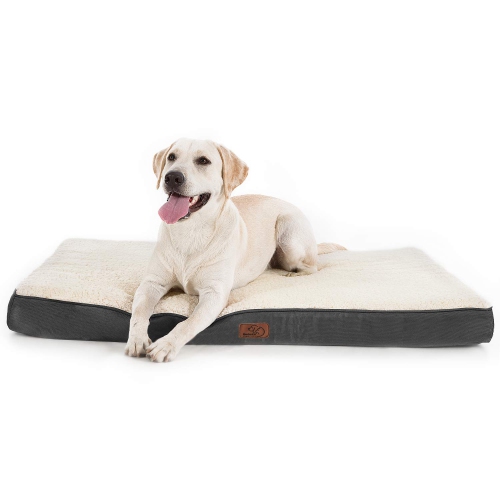
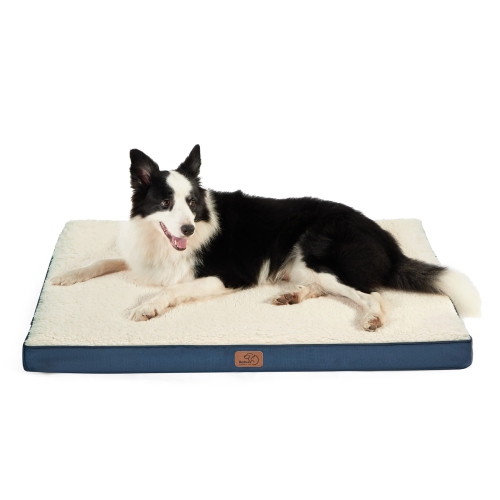
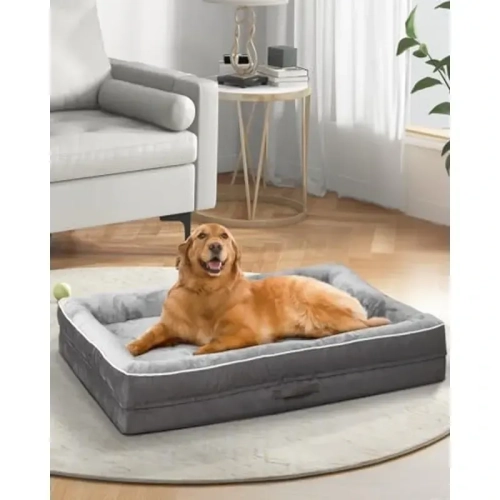
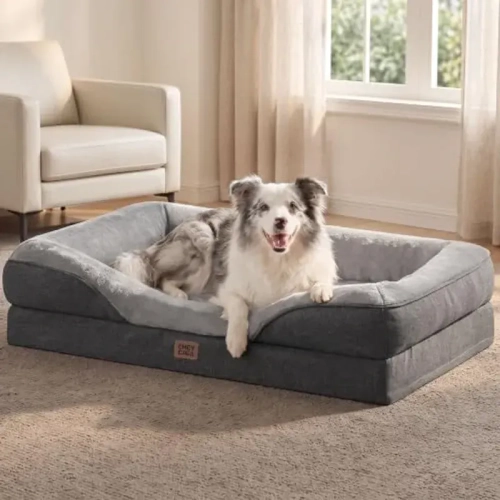
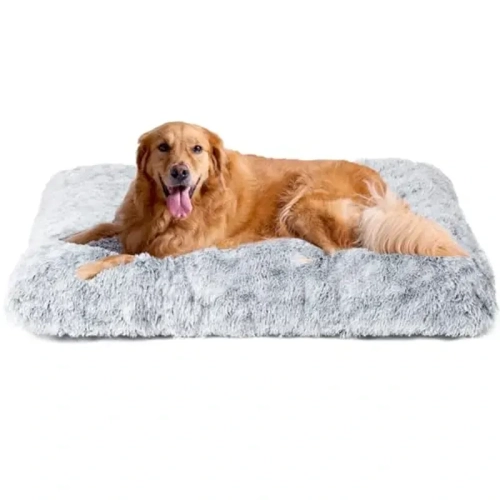
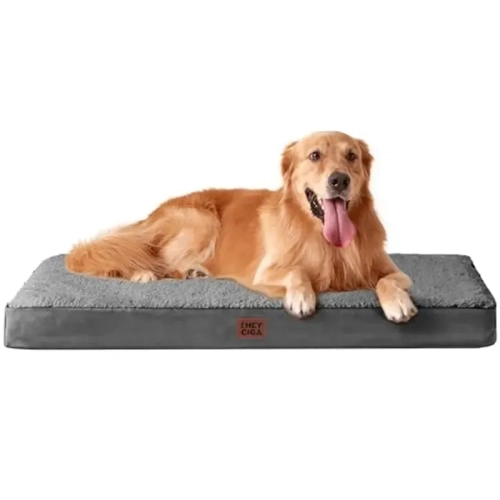
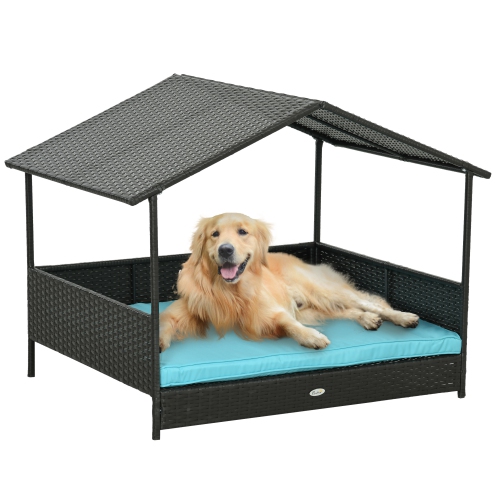
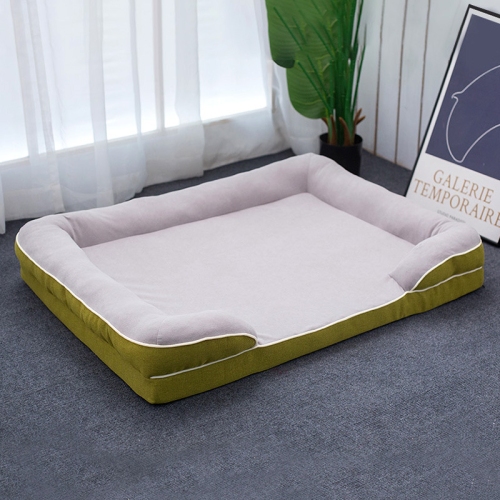
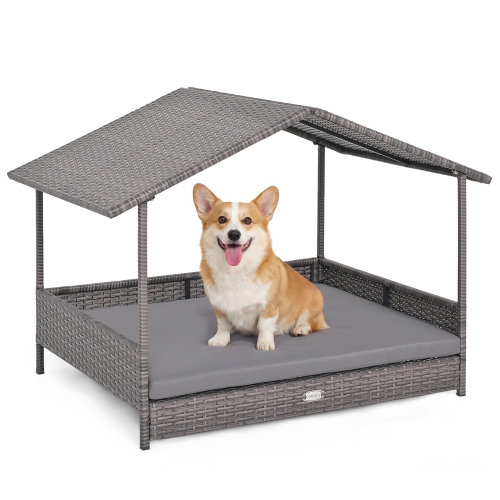
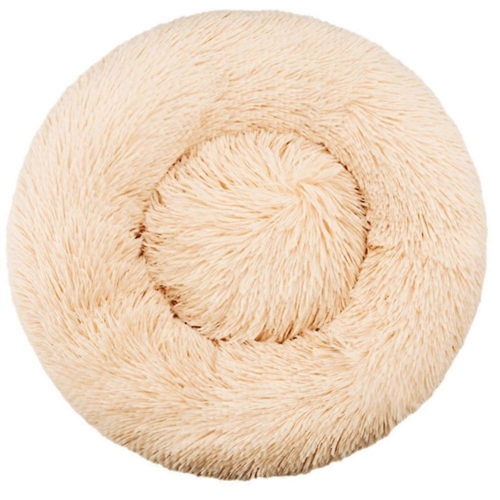
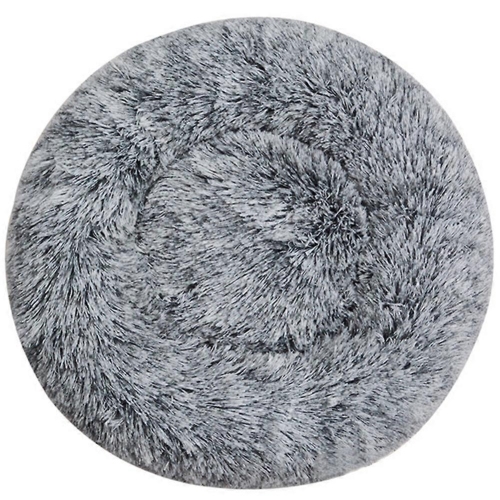
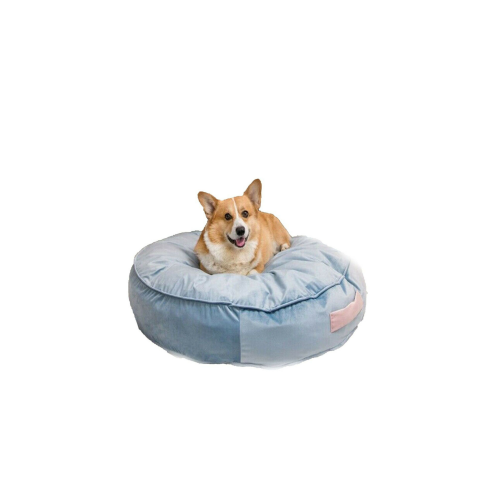
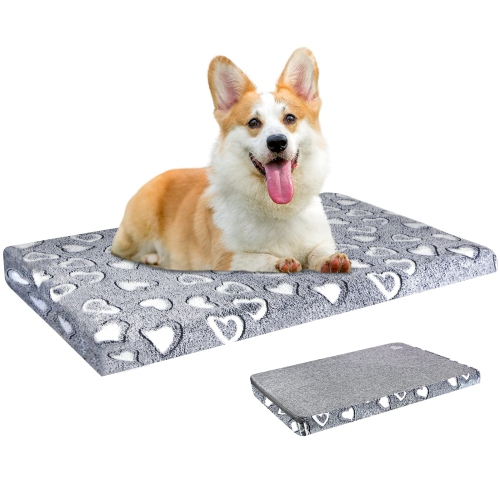
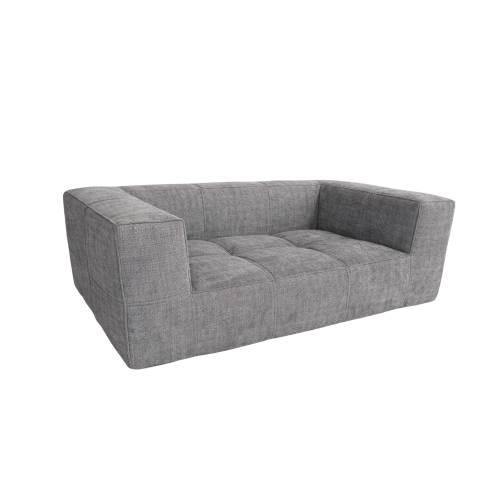
Dog beds for large dogs provide a dedicated place to stretch out, curl up, and rest without competing for space on the sofa. A well-fitting bed accommodates more than a dog’s weight: body length, sleeping position, and ease of entry all influence how comfortable it feels. A tall, lean dog that sleeps with legs extended may need a longer sleeping surface than a heavier dog that prefers a tight curl. Large and extra-large size labels vary between designs, so the usable sleeping area matters more than the label alone. Measuring a dog from nose to rump while resting, then allowing extra room for extended paws and natural movement, gives a useful starting point for comparing dimensions. On bolster beds, the raised sides take up part of the overall footprint, leaving a smaller centre area than the outside measurements suggest. Flat mattress-style beds offer an open surface for sprawling, while beds with raised edges give dogs somewhere to lean or rest their chin. A design with three raised sides and an open front can combine that enclosed feeling with a more accessible entrance. Round and oval shapes often suit dogs that curl up, whereas rectangular beds can accommodate stretched-out sleepers and sit neatly along a wall. The bed’s position in the home also affects the right fit. A quiet corner beside the family seating area lets a dog stay close without lying across a walkway, while a second resting spot near a home office can suit a dog that follows its owner from room to room. There should be enough clear floor space to approach, turn around, and step off comfortably. For households with two large dogs, separate beds allow each dog to settle independently rather than sharing a surface that leaves one hanging over the edge. The most useful size is one that fits both the dog’s relaxed posture and the room where the bed will be used.
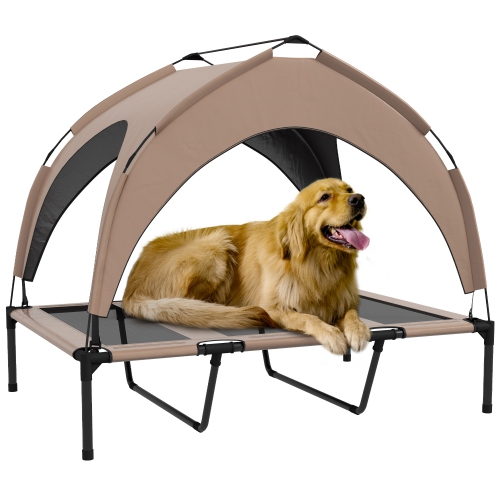
Materials and construction determine how a large dog bed feels beneath a heavier body and how well it holds its shape through everyday use. Foam mattresses provide a more even resting surface than loosely filled cushions, although their firmness and resistance to compression vary. Memory foam contours under pressure, while a firmer support layer underneath can help keep the dog from sinking through to the floor. Shredded foam and fibre-filled beds have a softer, nest-like feel, but their filling may shift or need fluffing to maintain an even surface. Beds described as orthopaedic differ in construction; the term alone does not establish the foam’s thickness, firmness, or suitability for a particular dog. For older dogs or dogs with mobility limitations, a supportive surface and a low entrance can make settling down less awkward, though a bed is not a substitute for veterinary care. Very deep cushioning may feel inviting but can also make standing up harder for a dog that needs secure footing. The outer fabric adds another layer of comfort and practicality. Smooth, tightly woven covers can be easier to brush free of hair, while plush fabrics provide a soft resting surface but may hold fur more noticeably. Dogs that circle and paw at their bedding put repeated strain on seams, corners, and zippers, making reinforced stitching and protected closures useful details. A removable cover with a securely tucked zipper can limit access to loose parts, but no fabric bed should be assumed to withstand determined chewing. For dogs that chew or swallow bedding, supervision and prompt removal of damaged material are important. Raised cot-style beds offer a different construction, using fabric stretched across a frame rather than a padded mattress. Their suitability depends on the stated weight limit, frame stability, fabric tension, and the dog’s ability to step onto the surface. Whatever the style, the bed should remain steady as the dog climbs on, changes position, or pushes up to stand.
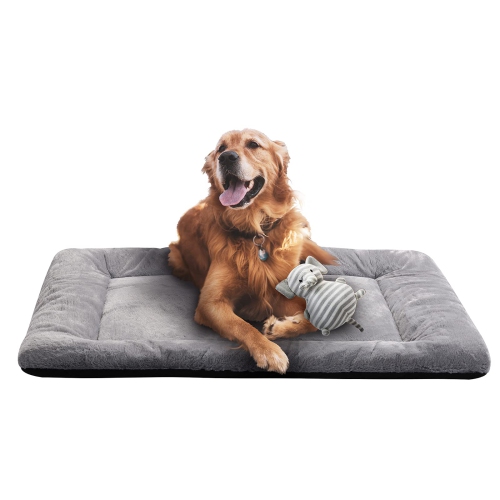
Care requirements are especially noticeable with large dog beds because covers, cushions, and inserts can be bulky. A removable, machine-washable cover can simplify routine cleaning, but a washable cover does not necessarily mean the foam or inner cushion can go into the machine. Care labels should distinguish between the outer fabric, liner, and filling, including any drying restrictions. Checking the cover’s size against the washing machine’s capacity helps avoid a bed that is difficult to maintain at home. A spare cover can be useful while the other is being washed, and an inner protective liner can help shield the cushion from drool or occasional accidents. Water-resistant fabric and waterproof protection are not interchangeable: moisture may still pass through seams, zippers, or an unprotected underside. Prompt cleaning and thorough drying help keep bedding fresh without leaving dampness trapped inside thick padding. Between washes, vacuuming seams and brushing away loose hair can reduce buildup where a dog rests its head or tucks its paws. The underside deserves attention too, particularly on hardwood, laminate, or tile, where a suitable non-slip backing can help prevent movement during entry and exit. Any backing should be compatible with the floor finish, and the area beneath the bed should stay clean and dry. For travel or visits with family, a lighter mat or foldable bed may be easier to transport than a deep mattress, provided it still offers enough room and cushioning for its intended use. Crate beds need to match the crate’s internal dimensions and lie flat without bunching against the sides. Where a dog also needs access to an approved raised resting area, Pet Stairs for Large Dogs may complement the setup when their dimensions, weight capacity, and stability suit the dog and the furniture. A large dog bed can also be a thoughtful gift for a pet-owning household when the dog’s measurements, habits, and care needs are known. Matching those everyday details creates a resting place that works as naturally for the household as it does for the dog.
Top selling and popular products
-
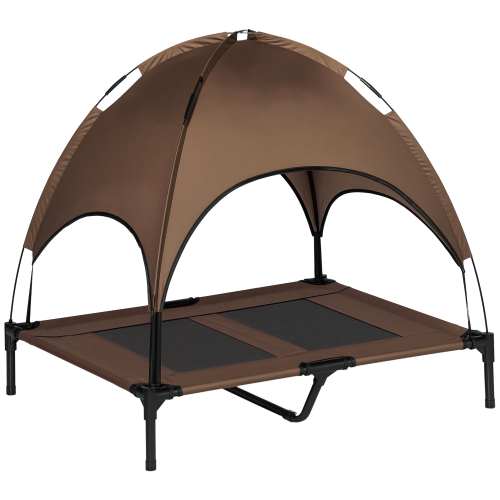 Your price for this item is $56.99
-
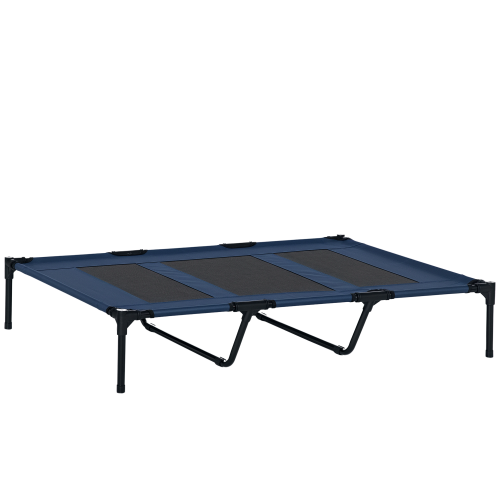 Your price for this item is $55.99
-
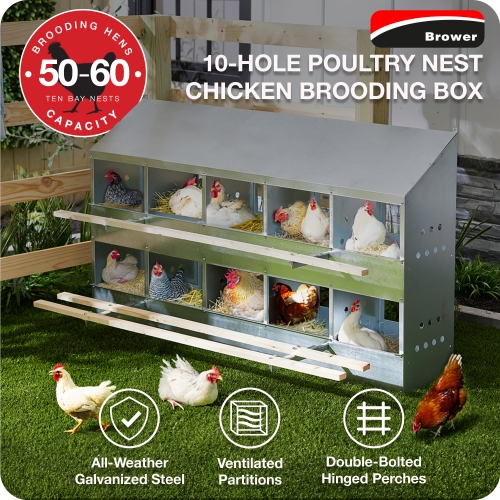 Your price for this item is $764.99
-
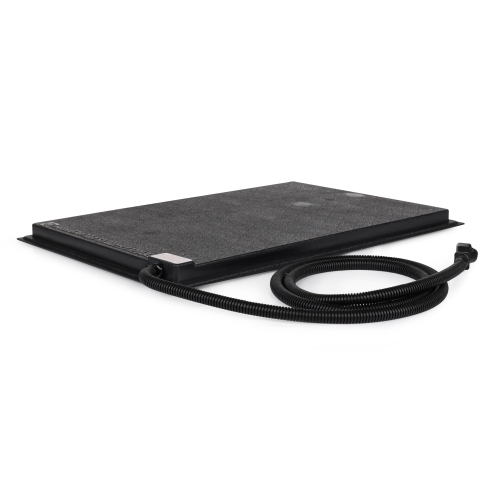 Your price for this item is $155.99
-
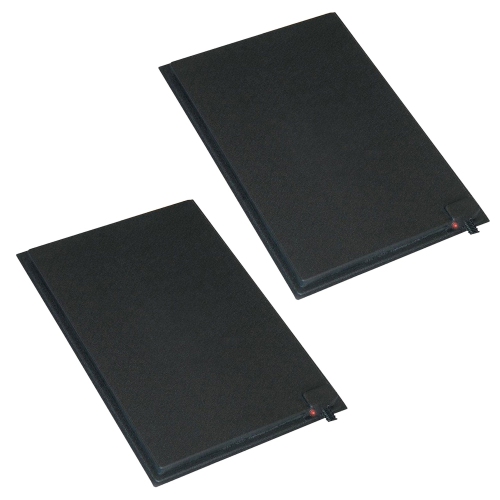 Your price for this item is $193.99
-
 Your price for this item is $271.99
-
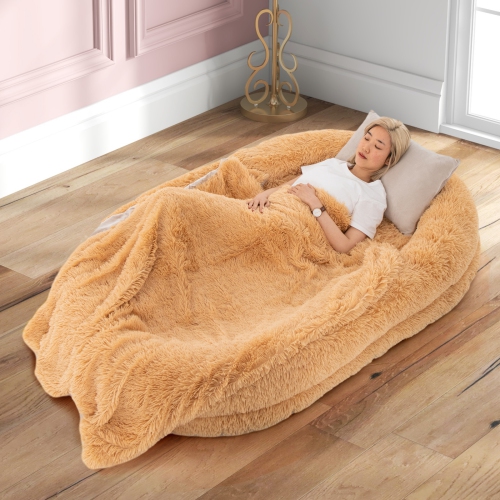 Your price for this item is $179.99
-
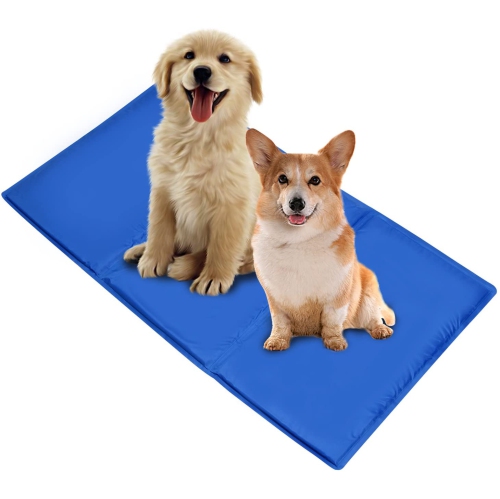 Your price for this item is $24.99
Discover more categories related to Dog Beds for Large Dogs
Top Collections:
Pokemon Centers, Kindle Devices, Best Budget Office Chairs, Canon G7X Cameras, Apple iPhones 16, Samsung Galaxy Phones, Refurbished Apple Laptops, Laptops for Students, iPhone 15 Apple, Budget Smartphones
Some products may be subject to Environmental Handling Fees
(EHF) depending on your province.
Learn more about EHFs.