Dog Cages for Small Dogs
Looking for the perfect dog cage for your small furry friend? Look no further! Our wide selection of dog cages for small dogs has everything you need to provide a comfortable and secure space for your beloved pet. Whether you're looking for a portable option for on-the-go adventures or a sturdy crate for at-home use, we have the perfect solution to meet your needs. With various sizes, styles, and features available, you can find the ideal dog cage that fits both your dog's needs and your personal preferences. Explore our collection today and give your small dog the cozy retreat they deserve.
Sort


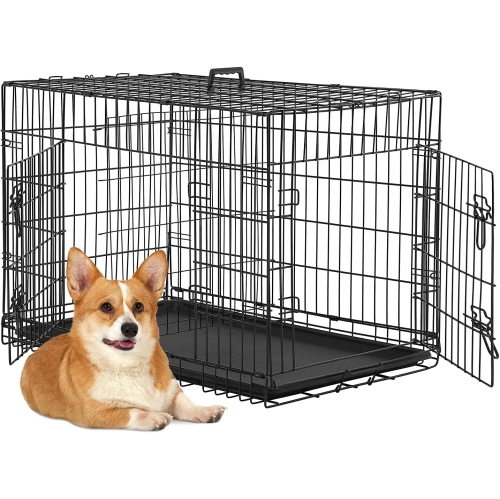
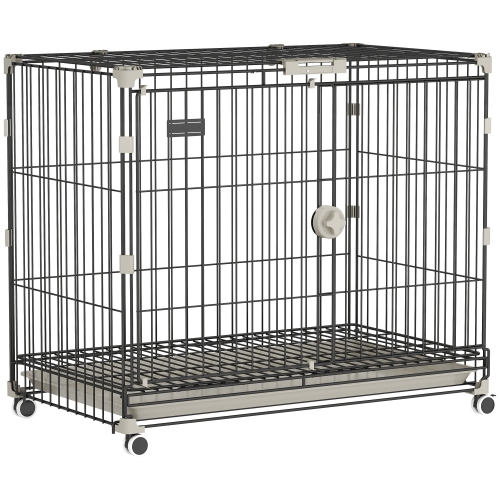
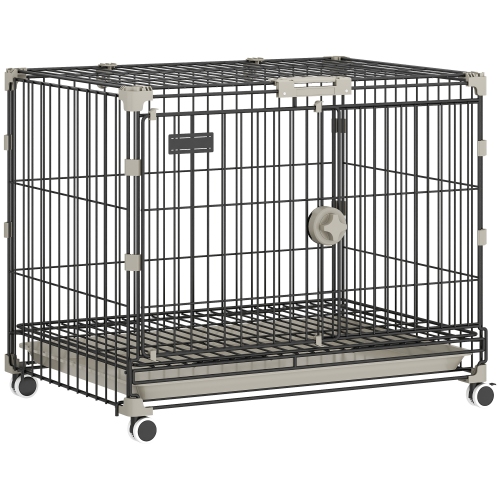
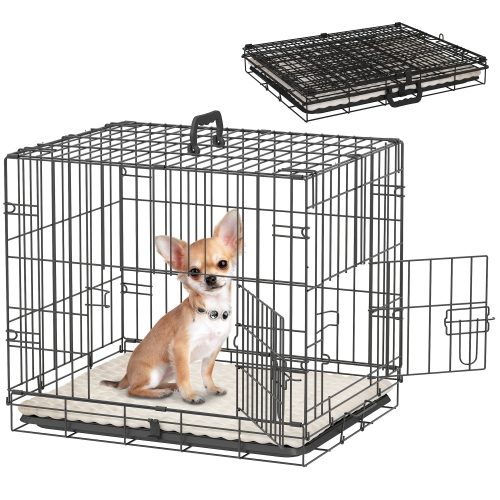

A comfortable crate fit goes beyond size labels
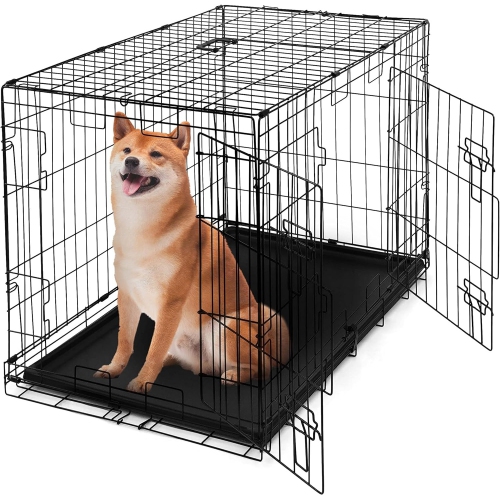
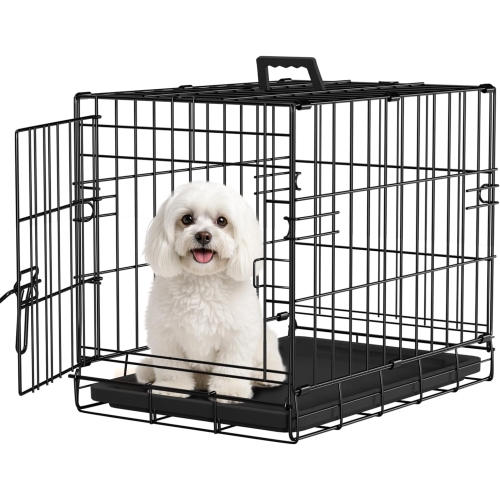
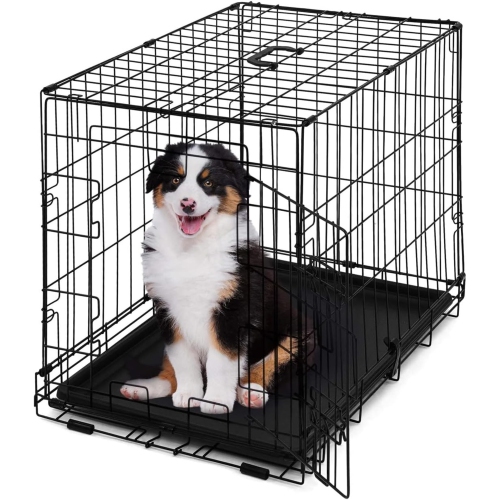
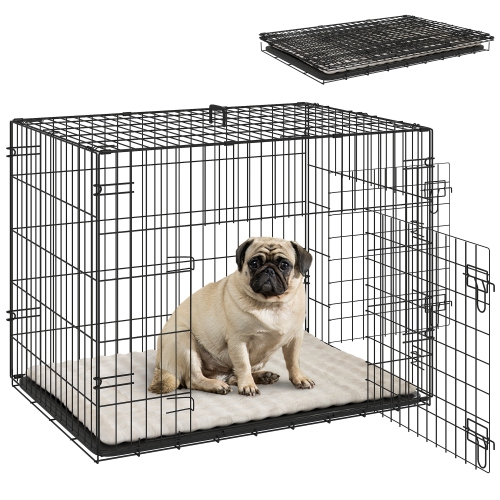
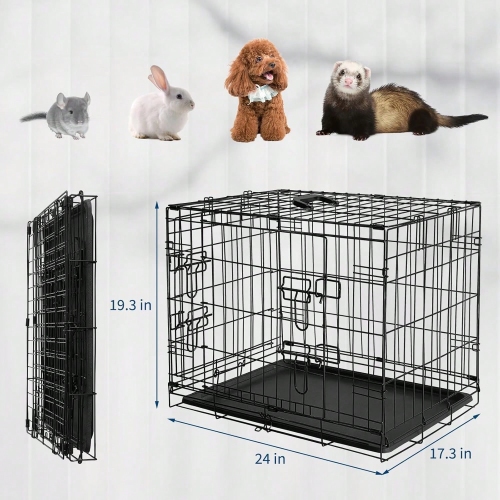
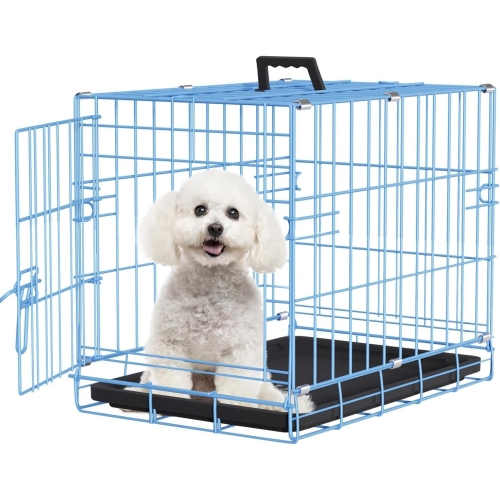
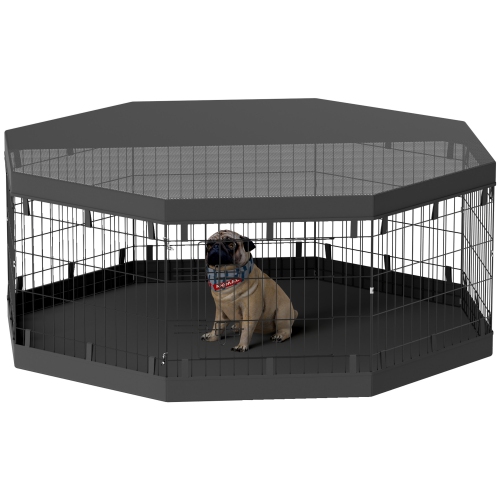
Dog cages for small dogs provide a defined place to rest, settle into household routines, and spend short periods safely contained when needed. Often called dog crates, they come in wire, rigid plastic, fabric, and furniture-style designs, each suited to different habits and spaces. Small dog crates commonly measure about 18 to 30 inches long, but size labels and weight recommendations vary by manufacturer. A dog’s actual measurements matter more than a breed name or a “small” label: the interior should allow the dog to stand naturally without crouching, turn around easily, and lie comfortably on their side. Measure from the nose to the base of the tail and from the floor to the top of the head or ears, whichever is higher, then follow the manufacturer’s sizing instructions for clearance. A long-bodied dog and a compact dog of the same weight may need quite different proportions. Interior dimensions are especially important because sloping sides, thick walls, and bedding can reduce usable space. The doorway should also be comfortable to pass through, particularly for an older dog that finds a raised threshold awkward. For a puppy, a securely fitted divider can make a larger crate usable as the dog grows, provided the partition leaves enough room for comfortable movement and has no gaps that could trap a paw. Bar spacing deserves close attention with very small dogs; openings should not allow the head to pass through or create spaces where paws or the jaw could become caught. A crate that is too cramped is not made suitable by adding a cushion or leaving its door open. Dogs whose measurements fall beyond a smaller enclosure may be better matched to Medium Size Dog Cages, with the same attention to interior clearance and ease of entry. The right fit supports a relaxed resting posture rather than simply accommodating the dog when sitting upright.
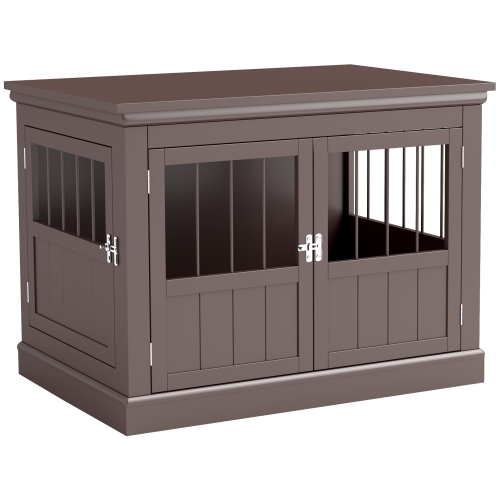
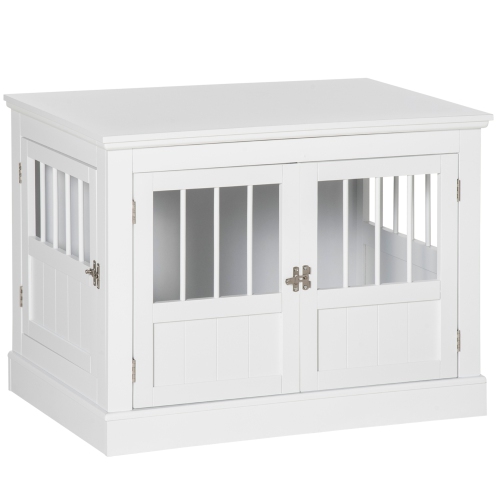
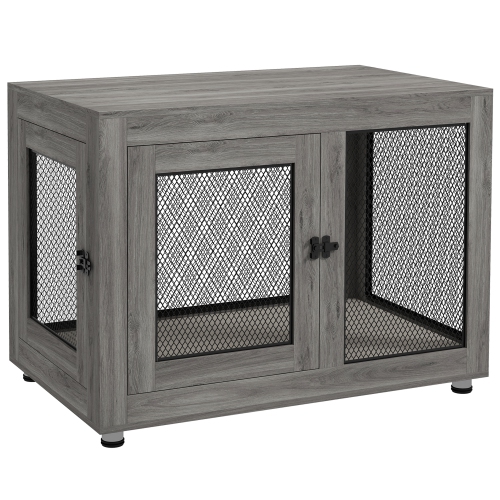
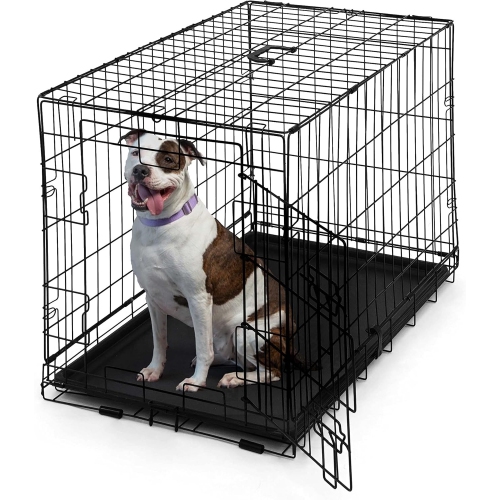
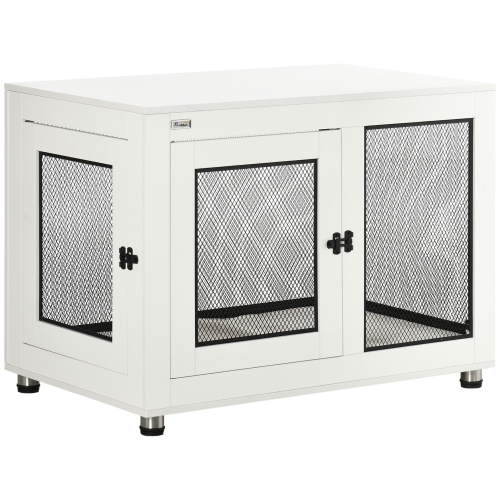
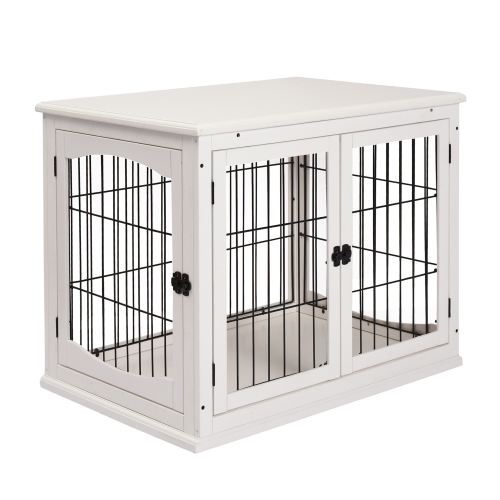
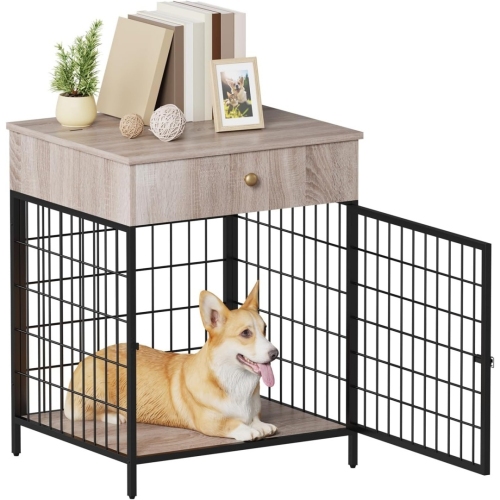
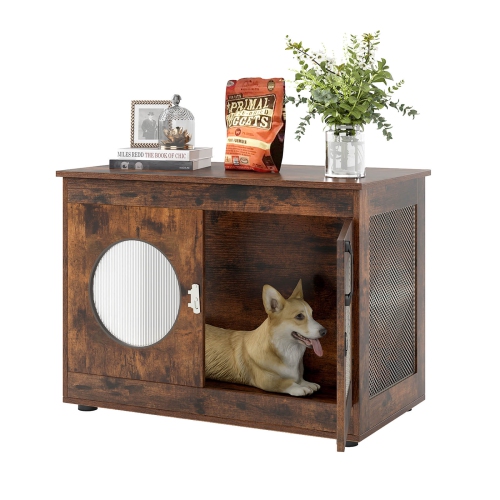
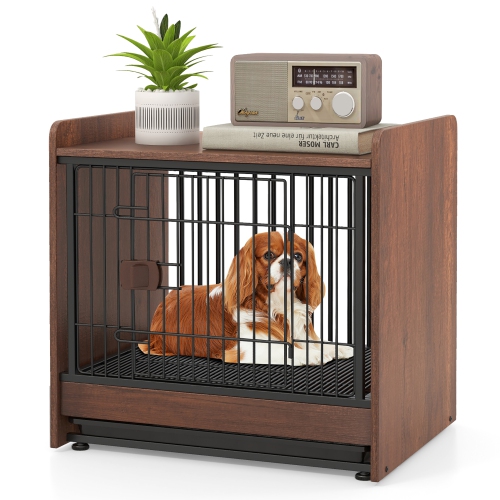
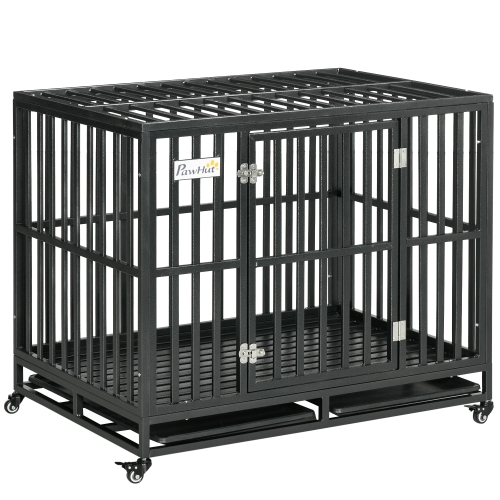
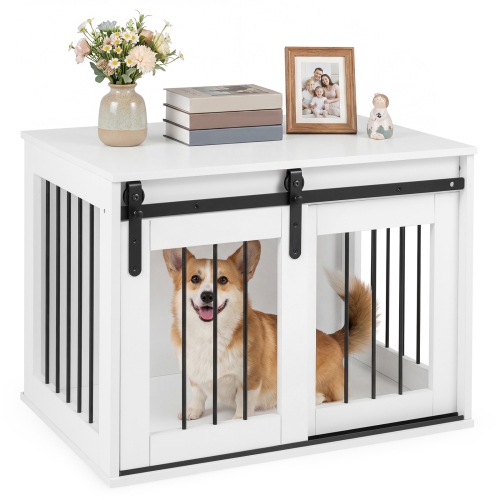
Materials affect visibility, cleaning, portability, and how a small dog cage fits into everyday life. Wire crates offer open sightlines, which can suit dogs that settle more easily when they can see familiar people nearby. Many fold flat for storage, although their weight and folded dimensions still matter when moving them between rooms or packing them into a vehicle. Smooth welds, an intact finish, and properly aligned panels are useful signs to check, along with latches that close fully without leaving the door loose. A removable tray makes it easier to deal with muddy paws, shed hair, or a toilet-training accident, while a stable base helps prevent rattling when a dog changes position. Rigid plastic crates usually have more enclosed sides and a wire door, creating a sheltered space with less surrounding visual activity. Their usefulness depends on adequate ventilation, secure connections between the upper and lower sections, and access to interior corners for cleaning. Soft-sided crates are generally lighter and easier to pack, but mesh panels and zipped openings are not appropriate for dogs that chew, scratch, or push persistently against an enclosure. They tend to suit dogs already comfortable resting in a crate rather than puppies still learning what they can mouth. Furniture-style cages can sit more naturally beside a sofa or in a living room, combining an enclosed dog space with a table-like exterior. Their appearance should not take priority over airflow, chew resistance, or washable interior surfaces. Wood and composite panels may be vulnerable to gnawing and repeated moisture, so construction matters as much as the finish. Door layout also changes how a crate works in a small home. Front-and-side access can make placement beside furniture more flexible, while a single door needs enough clear floor space to open fully. Any door should stay clear of walkways and close without catching bedding. A low-profile mat, where appropriate for the dog’s chewing habits, can add comfort without crowding the interior or making the entrance harder to use.
Intended use helps distinguish a resting crate at home from an enclosure suitable for outings or transport. A cage used beside a desk may need a steady frame and a convenient door more than a carrying handle; one that moves between a household and a pet sitter’s home may benefit from straightforward assembly and secure folding hardware. A handle does not necessarily mean a crate can be lifted with a dog inside, so carrying instructions and load limits should always be checked. Likewise, an ordinary household cage is not automatically suitable for vehicle restraint, and airline acceptance depends on the carrier’s requirements as well as the dog’s dimensions. For home use, placement in a calm area near normal household activity can help a dog feel included without putting the enclosure in a busy passageway. Keep cords and other chewable objects out of reach through the sides. Introduce the space gradually with the door open, allowing the dog to investigate and build a comfortable association before practising brief periods with the door closed. A crate should not be used as punishment or as a substitute for exercise, companionship, and toilet breaks. Puppies, older dogs, and dogs with health concerns may need particularly frequent attention, while persistent distress calls for advice from a veterinarian or qualified behaviour professional rather than a stronger latch alone. Collars, harnesses, and dangling tags can catch on crate components, so removing snag hazards is an important part of preparing the space. Routine care is usually simple but should match the materials: remove loose hair, wash suitable bedding, clean trays and hard surfaces with a pet-appropriate cleaner, and let everything dry thoroughly before reassembly. Check hinges, fasteners, seams, and tray edges regularly for wear or damage, especially after folding or transporting the crate. For someone welcoming a small dog, a cage can be a practical gift when the recipient has confirmed the dog’s measurements, habits, and preferred setup. Thoughtful sizing and sound construction make the difference between an enclosure that merely fits a room and a comfortable resting space that fits the dog’s daily life.
Materials affect visibility, cleaning, portability, and how a small dog cage fits into everyday life. Wire crates offer open sightlines, which can suit dogs that settle more easily when they can see familiar people nearby. Many fold flat for storage, although their weight and folded dimensions still matter when moving them between rooms or packing them into a vehicle. Smooth welds, an intact finish, and properly aligned panels are useful signs to check, along with latches that close fully without leaving the door loose. A removable tray makes it easier to deal with muddy paws, shed hair, or a toilet-training accident, while a stable base helps prevent rattling when a dog changes position. Rigid plastic crates usually have more enclosed sides and a wire door, creating a sheltered space with less surrounding visual activity. Their usefulness depends on adequate ventilation, secure connections between the upper and lower sections, and access to interior corners for cleaning. Soft-sided crates are generally lighter and easier to pack, but mesh panels and zipped openings are not appropriate for dogs that chew, scratch, or push persistently against an enclosure. They tend to suit dogs already comfortable resting in a crate rather than puppies still learning what they can mouth. Furniture-style cages can sit more naturally beside a sofa or in a living room, combining an enclosed dog space with a table-like exterior. Their appearance should not take priority over airflow, chew resistance, or washable interior surfaces. Wood and composite panels may be vulnerable to gnawing and repeated moisture, so construction matters as much as the finish. Door layout also changes how a crate works in a small home. Front-and-side access can make placement beside furniture more flexible, while a single door needs enough clear floor space to open fully. Any door should stay clear of walkways and close without catching bedding. A low-profile mat, where appropriate for the dog’s chewing habits, can add comfort without crowding the interior or making the entrance harder to use.
Intended use helps distinguish a resting crate at home from an enclosure suitable for outings or transport. A cage used beside a desk may need a steady frame and a convenient door more than a carrying handle; one that moves between a household and a pet sitter’s home may benefit from straightforward assembly and secure folding hardware. A handle does not necessarily mean a crate can be lifted with a dog inside, so carrying instructions and load limits should always be checked. Likewise, an ordinary household cage is not automatically suitable for vehicle restraint, and airline acceptance depends on the carrier’s requirements as well as the dog’s dimensions. For home use, placement in a calm area near normal household activity can help a dog feel included without putting the enclosure in a busy passageway. Keep cords and other chewable objects out of reach through the sides. Introduce the space gradually with the door open, allowing the dog to investigate and build a comfortable association before practising brief periods with the door closed. A crate should not be used as punishment or as a substitute for exercise, companionship, and toilet breaks. Puppies, older dogs, and dogs with health concerns may need particularly frequent attention, while persistent distress calls for advice from a veterinarian or qualified behaviour professional rather than a stronger latch alone. Collars, harnesses, and dangling tags can catch on crate components, so removing snag hazards is an important part of preparing the space. Routine care is usually simple but should match the materials: remove loose hair, wash suitable bedding, clean trays and hard surfaces with a pet-appropriate cleaner, and let everything dry thoroughly before reassembly. Check hinges, fasteners, seams, and tray edges regularly for wear or damage, especially after folding or transporting the crate. For someone welcoming a small dog, a cage can be a practical gift when the recipient has confirmed the dog’s measurements, habits, and preferred setup. Thoughtful sizing and sound construction make the difference between an enclosure that merely fits a room and a comfortable resting space that fits the dog’s daily life.
Top selling and popular products
-
 Your price for this item is $229.99
 -
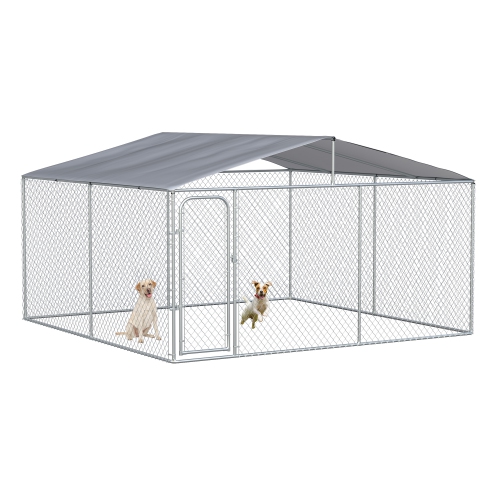 Your price for this item is $559.99
 -
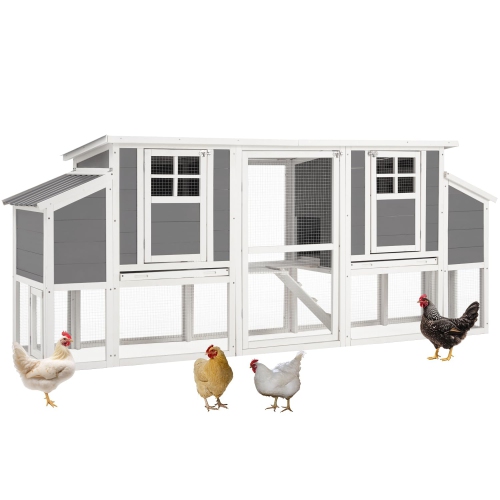 Your price for this item is $399.99
 -
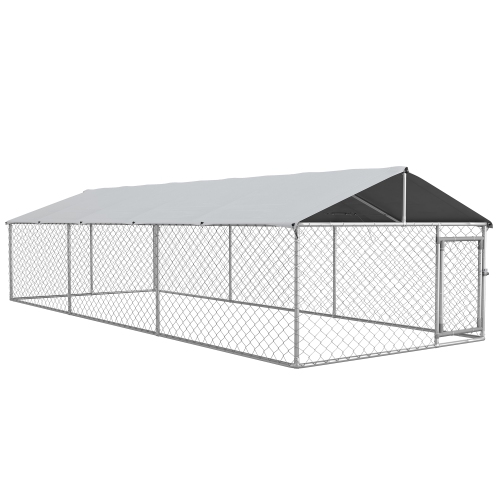 Your price for this item is $499.99
 -
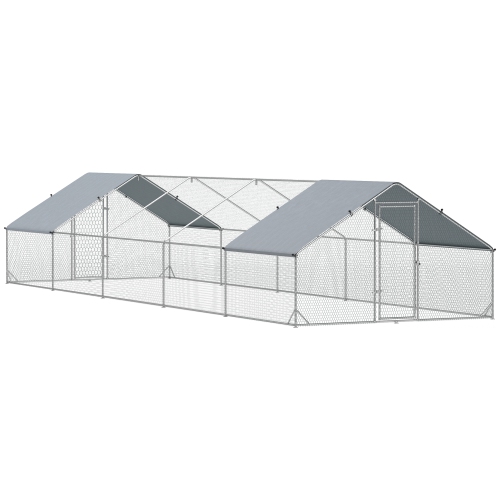 Your price for this item is $479.99
 -
 Your price for this item is $239.99
 -
 Your price for this item is $174.99
 -
 Your price for this item is $269.99
Discover more categories related to Dog Cages for Small Dogs
Top Collections:
Pokemon Centers, Kindle Devices, Best Budget Office Chairs, Apple iPhones 16, Best Laptops for Writers, iPhone 15 Apple, Canon G7X Cameras, Refurbished Apple Laptops, Alarm Clock, Motorola Razr Phones
Some products may be subject to Environmental Handling Fees
(EHF) depending on your province.
Learn more about EHFs.