Dog Harnesses
When it comes to taking your furry friend for a walk, having the right dog harness can make all the difference. A well-fitted harness not only ensures your dog's safety and comfort but also gives you better control during walks or outdoor adventures. From adjustable designs to padded options, there is a wide range of dog harnesses available to suit different breeds and sizes. Whether you're looking for a harness for training purposes or simply want to upgrade your pup's walking gear, exploring our collection of dog harnesses will help you find the perfect fit for your canine companion.
Sort
How fit and leash placement affect walking comfort
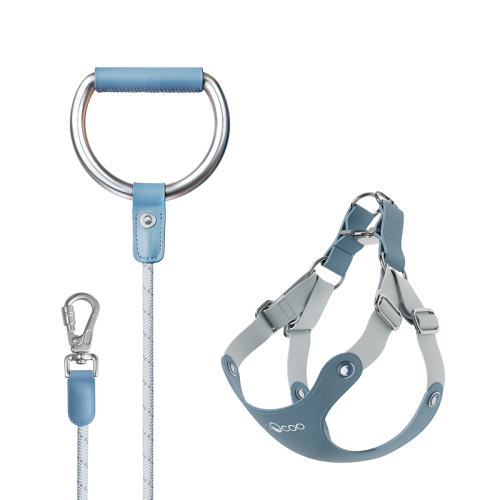
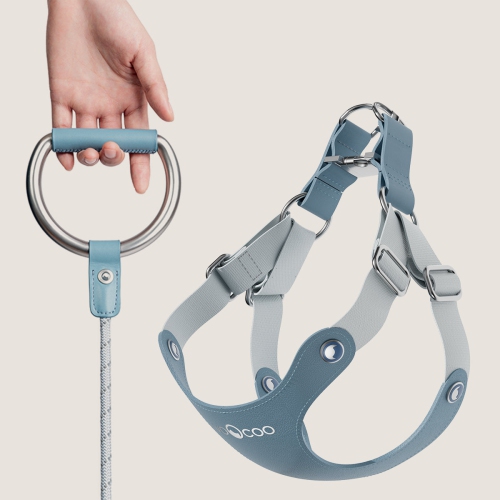
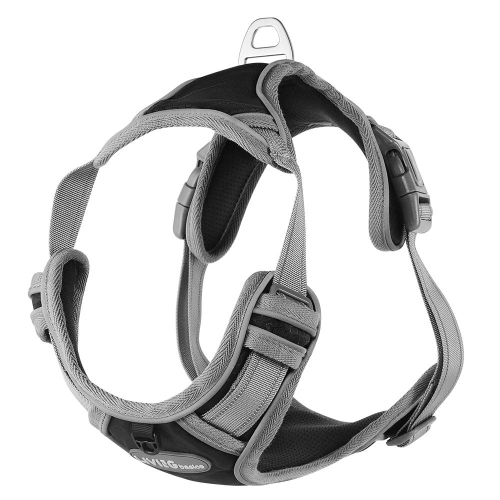
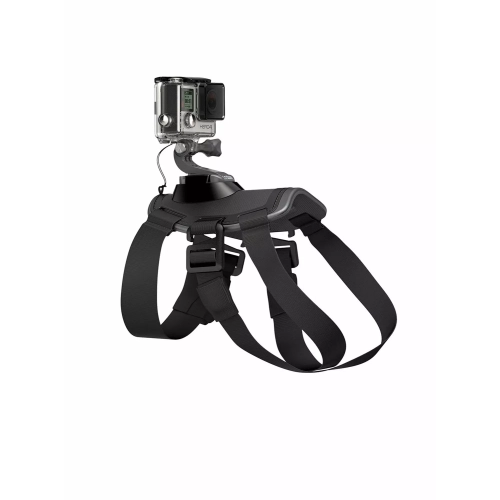
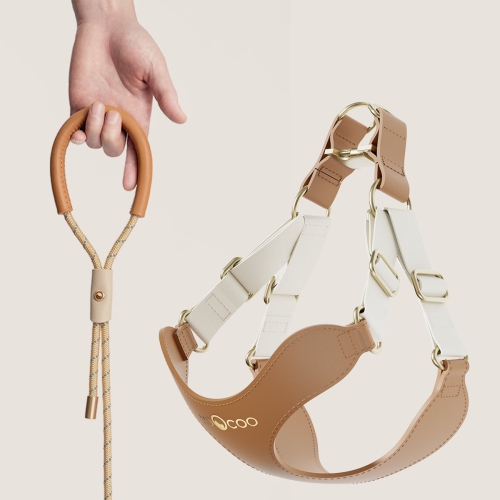
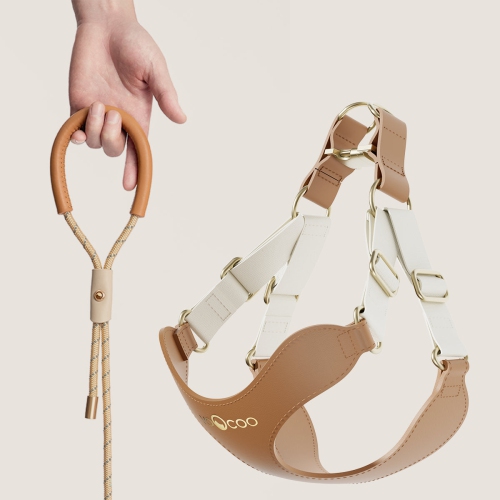
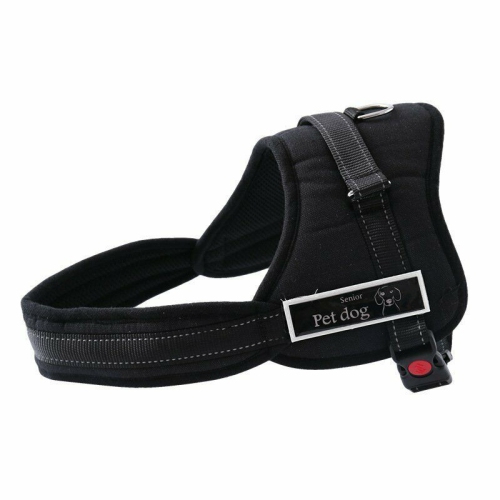
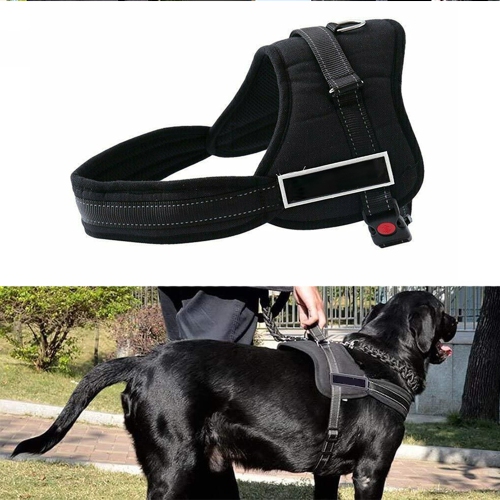
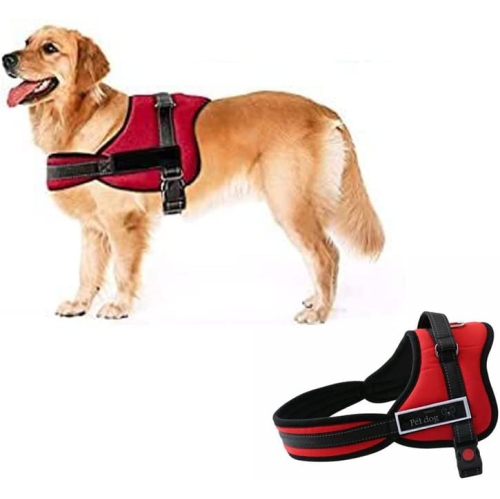
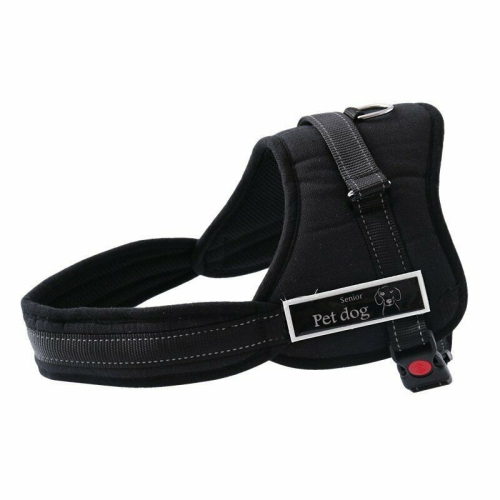
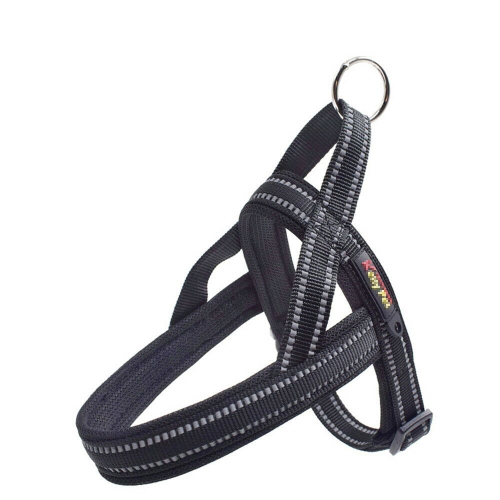
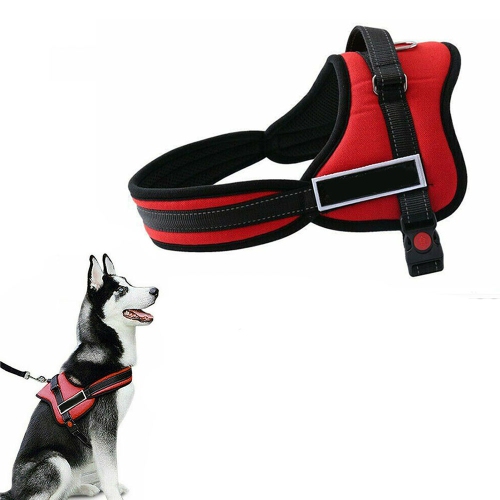
Dog harnesses provide a leash attachment around a dog’s torso, spreading pressure across the chest and body rather than concentrating it at the neck. A well-fitted harness can be a comfortable option for everyday walks, particularly for dogs that pull or need less pressure around the throat. The shape, strap placement, and attachment points all affect how a harness feels in motion, whether a dog is stopping to sniff along a neighbourhood sidewalk or stepping over roots on a wooded trail. Back-clip harnesses place the leash connection on top of the body and can suit dogs that already walk with a loose leash. Front-clip harnesses attach at the chest and can help redirect a dog that pulls, although they do not replace patient training and rewards for calm walking. Dual-clip designs offer both attachment positions, giving handlers flexibility as walking habits and activities change. Step-in styles let a dog place its front paws through the openings before the harness fastens, while overhead styles usually slip over the head and buckle around the body. The more comfortable choice depends partly on handling preferences: some dogs dislike having equipment passed over their ears, while others find lifting their paws unsettling. Lightweight designs can suit short outings and smaller frames, whereas broader straps and thoughtfully placed padding may offer comfort for longer walks. Coverage alone does not determine support; the harness still needs to match the dog’s proportions and allow a natural stride. For puppies learning leash manners, adult dogs with established routines, and older companions enjoying a slower pace, ease of fastening can make daily outings simpler. A harness also gives dog walkers and other caregivers a consistent attachment point, provided each person knows how to check the fit and secure the buckles. Pairing the harness with suitable dog leashes helps match the walking setup to the dog’s size, strength, and usual activities.
Fit matters more than a size label, since a small, medium, or large harness can have different measurements across designs. Chest girth is commonly measured around the widest part of the rib cage, just behind the front legs, using a soft measuring tape. Some sizing charts also call for neck circumference, body length, or weight, so the measurements required for the particular design should take priority over breed alone. Two dogs of a similar weight may need quite different shapes if one has a deep chest and narrow waist while the other has a broader, more compact build. Adjustable neck and chest straps can help accommodate those differences without leaving loose sections that shift during a walk. As a general starting point, there should be room to slide two fingers comfortably beneath the straps, but this check does not replace the maker’s fitting directions or a look at how the harness moves on the dog. A good fit stays reasonably centred, avoids pressure against the throat, and leaves enough clearance behind the front legs to prevent rubbing. Straps should not dig into the skin or noticeably limit shoulder movement. Watching a dog walk, turn, sit, and lower its head to sniff can reveal issues that are easy to miss while it stands still. A harness that rotates, gaps at the chest, or slips towards the elbows may need adjustment or a different shape. Dogs that startle and back away from the leash need particular attention to fit, since an ordinary walking harness is not necessarily escape-proof. Growing puppies need frequent checks, and changes in weight, coat thickness, or grooming can also alter how snugly the straps sit. During the cooler months, fitting a harness over a coat may require adjustment if the design permits that use. An oversized harness bought for a puppy to grow into can shift too much to be secure, making a suitable current fit more useful than extra room.
Materials and construction influence how a dog harness handles repeated walks, damp grass, muddy paths, and the occasional enthusiastic roll. Nylon and polyester webbing are common choices for flexible straps, while mesh panels allow airflow and can reduce bulk against the body. Padded chest sections may soften contact, but thick padding can hold moisture and take longer to dry. Smooth edges, tidy stitching, and covered seams are worth attention around areas that move constantly, especially behind the front legs. Leather has a different feel and care routine, often requiring cleaning and conditioning according to the maker’s directions rather than soaking or machine washing. Whatever the material, secure buckles, sound adjustment sliders, and firmly attached leash rings are central to dependable everyday use. Reflective detailing can make a harness more noticeable when light falls on it during darker morning or evening walks, though it does not make a dog visible in every situation or replace other visibility precautions. A top handle may help a handler steady a dog briefly where the design allows, but a standard walking harness should not be used to lift or suspend a dog. Dogs needing mobility assistance require equipment intended for that purpose, ideally chosen with veterinary advice. Likewise, a walking harness is not automatically a vehicle restraint; car travel calls for a restraint designed for vehicle use, with relevant crash-testing information and clear fitting instructions. Routine care helps keep everyday equipment comfortable: remove grit from straps and buckles, follow the washing label, and let the harness dry fully before storing it. Fraying webbing, cracked fasteners, damaged stitching, or distorted attachment rings are signs that replacement may be needed. For households with several dogs, separate fit adjustments help avoid mistakes when getting ready at the door. Harnesses can also be practical gifts for someone welcoming a dog, especially when the recipient can confirm measurements and handling preferences first. The most useful choice is one that suits the dog’s body and daily routine, fastens without a struggle, and remains comfortable from the first stretch of pavement to the last sniff before home.
Fit matters more than a size label, since a small, medium, or large harness can have different measurements across designs. Chest girth is commonly measured around the widest part of the rib cage, just behind the front legs, using a soft measuring tape. Some sizing charts also call for neck circumference, body length, or weight, so the measurements required for the particular design should take priority over breed alone. Two dogs of a similar weight may need quite different shapes if one has a deep chest and narrow waist while the other has a broader, more compact build. Adjustable neck and chest straps can help accommodate those differences without leaving loose sections that shift during a walk. As a general starting point, there should be room to slide two fingers comfortably beneath the straps, but this check does not replace the maker’s fitting directions or a look at how the harness moves on the dog. A good fit stays reasonably centred, avoids pressure against the throat, and leaves enough clearance behind the front legs to prevent rubbing. Straps should not dig into the skin or noticeably limit shoulder movement. Watching a dog walk, turn, sit, and lower its head to sniff can reveal issues that are easy to miss while it stands still. A harness that rotates, gaps at the chest, or slips towards the elbows may need adjustment or a different shape. Dogs that startle and back away from the leash need particular attention to fit, since an ordinary walking harness is not necessarily escape-proof. Growing puppies need frequent checks, and changes in weight, coat thickness, or grooming can also alter how snugly the straps sit. During the cooler months, fitting a harness over a coat may require adjustment if the design permits that use. An oversized harness bought for a puppy to grow into can shift too much to be secure, making a suitable current fit more useful than extra room.
Materials and construction influence how a dog harness handles repeated walks, damp grass, muddy paths, and the occasional enthusiastic roll. Nylon and polyester webbing are common choices for flexible straps, while mesh panels allow airflow and can reduce bulk against the body. Padded chest sections may soften contact, but thick padding can hold moisture and take longer to dry. Smooth edges, tidy stitching, and covered seams are worth attention around areas that move constantly, especially behind the front legs. Leather has a different feel and care routine, often requiring cleaning and conditioning according to the maker’s directions rather than soaking or machine washing. Whatever the material, secure buckles, sound adjustment sliders, and firmly attached leash rings are central to dependable everyday use. Reflective detailing can make a harness more noticeable when light falls on it during darker morning or evening walks, though it does not make a dog visible in every situation or replace other visibility precautions. A top handle may help a handler steady a dog briefly where the design allows, but a standard walking harness should not be used to lift or suspend a dog. Dogs needing mobility assistance require equipment intended for that purpose, ideally chosen with veterinary advice. Likewise, a walking harness is not automatically a vehicle restraint; car travel calls for a restraint designed for vehicle use, with relevant crash-testing information and clear fitting instructions. Routine care helps keep everyday equipment comfortable: remove grit from straps and buckles, follow the washing label, and let the harness dry fully before storing it. Fraying webbing, cracked fasteners, damaged stitching, or distorted attachment rings are signs that replacement may be needed. For households with several dogs, separate fit adjustments help avoid mistakes when getting ready at the door. Harnesses can also be practical gifts for someone welcoming a dog, especially when the recipient can confirm measurements and handling preferences first. The most useful choice is one that suits the dog’s body and daily routine, fastens without a struggle, and remains comfortable from the first stretch of pavement to the last sniff before home.
Top selling and popular products
-
 Your price for this item is $94.99
 -
 Your price for this item is $9.99
 -
 Your price for this item is $94.99
 -
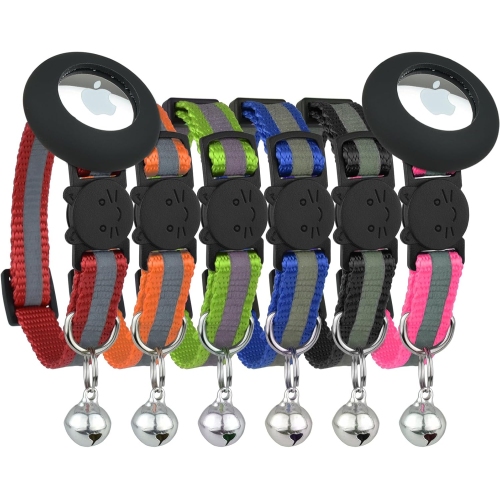 Your price for this item is $9.99
 -
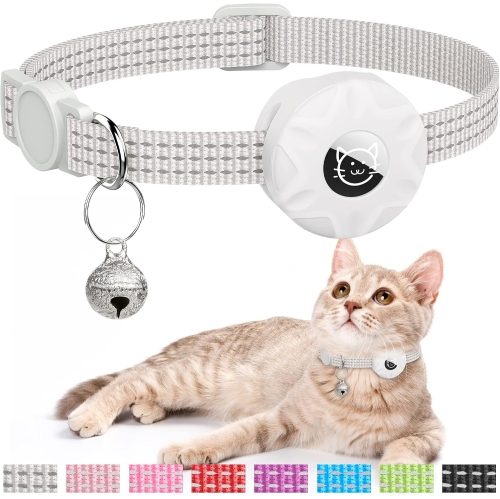 Your price for this item is $10.99
 -
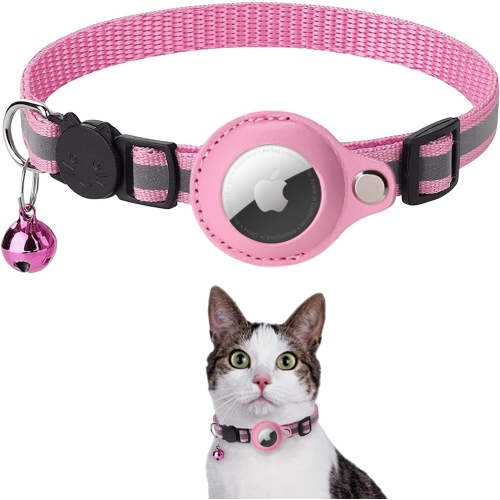 Your price for this item is $9.99
 -
 Your price for this item is $39.99
 -
![BATTPIT [4 Pack] Silicon Airtag Case Compatible w Airtag 2021, Air Tag Protective Holder for Dog, Cat, Pet Collar Loop Holder, Safety Anti-Lost](https://multimedia.bbycastatic.ca/multimedia/products/500x500/157/15780/15780080.jpeg) Your price for this item is $16.99
Your price for this item is $16.99
Discover more categories related to Dog Harnesses
Top Collections:
Pokemon Centers, Kindle Devices, Best Budget Office Chairs, Apple iPhones 16, Best Laptops for Writers, iPhone 15 Apple, Canon G7X Cameras, Refurbished Apple Laptops, Alarm Clock, Motorola Razr Phones
Some products may be subject to Environmental Handling Fees
(EHF) depending on your province.
Learn more about EHFs.