Dog Run Fence
A dog run fence is an essential addition to any pet-friendly home, providing a safe and secure environment for your furry friend to enjoy the great outdoors. Whether you have a sprawling backyard or a cozy garden space, these fences create a designated area where your dog can play, exercise, and explore without worry. Perfect for pet owners who want to give their dogs the freedom they crave while ensuring peace of mind, a dog run fence offers durability, versatility, and ease of installation. Explore various options that cater to different needs and preferences, making it simple to find the perfect fit for both your dog and your outdoor space.
Sort
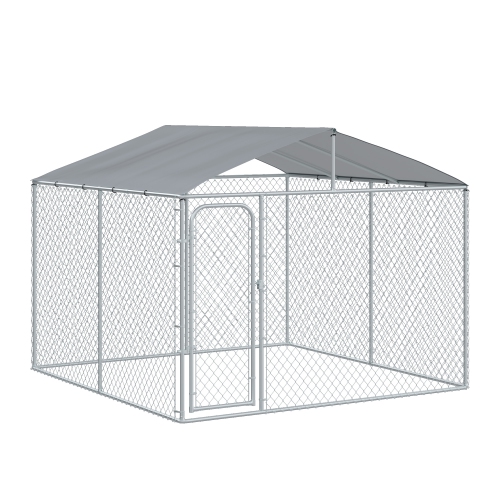
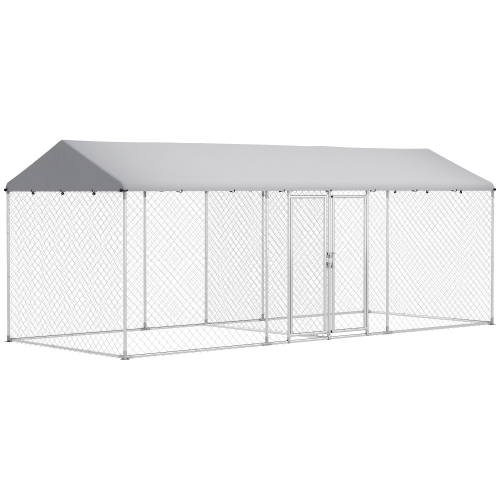
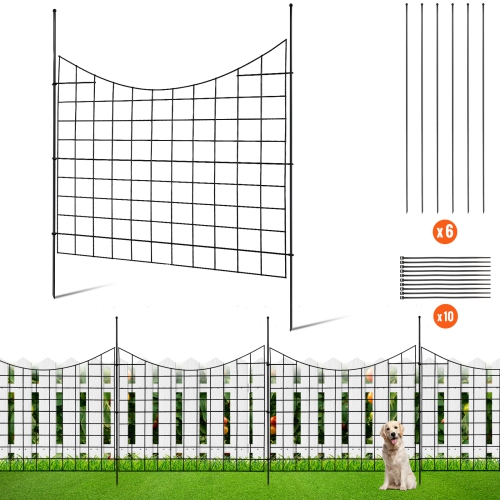
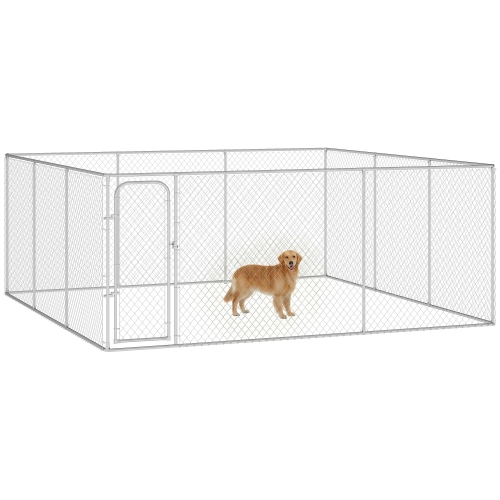
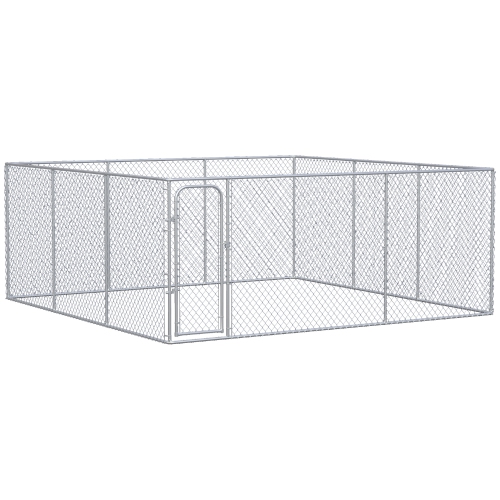
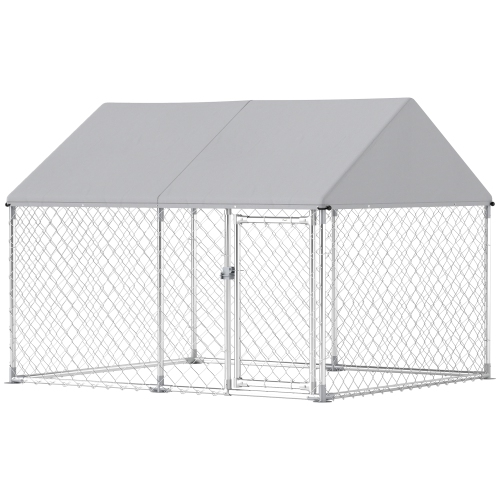
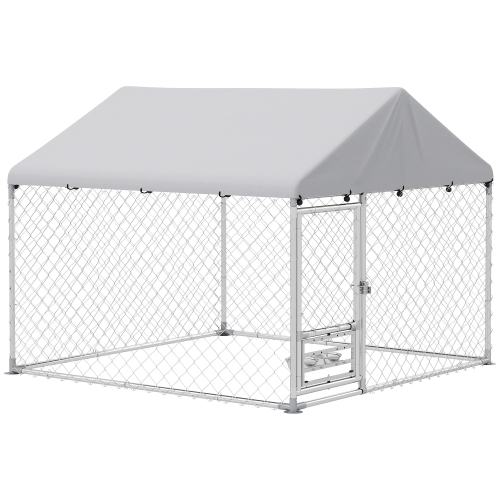
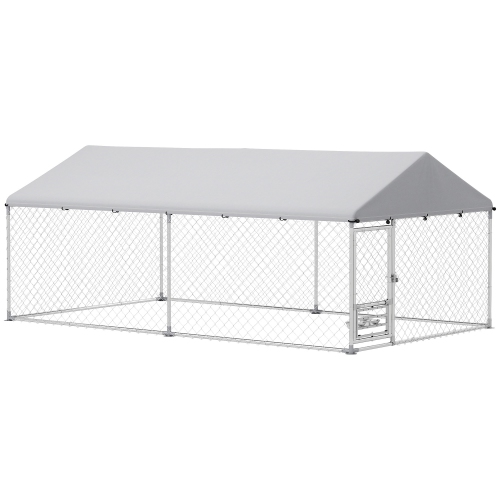
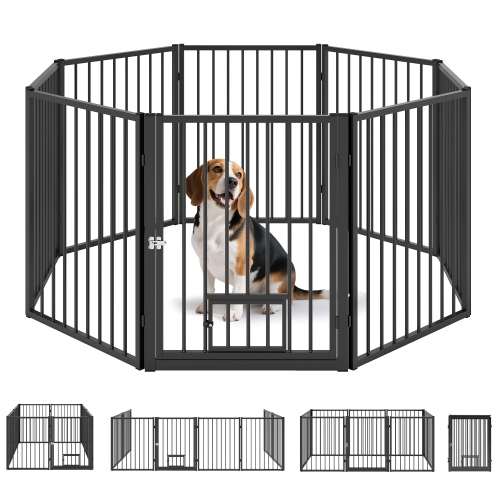
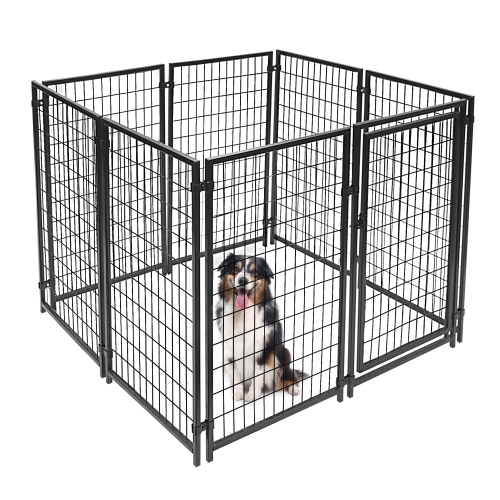
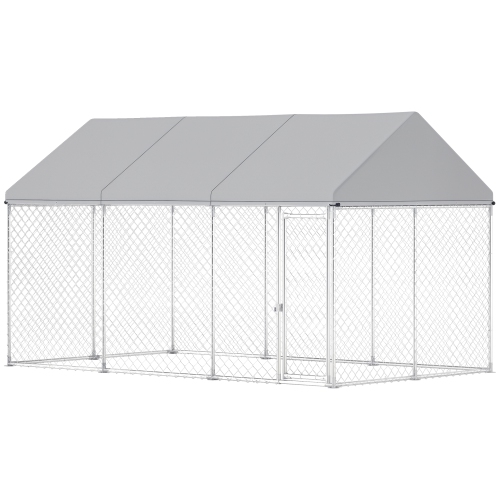
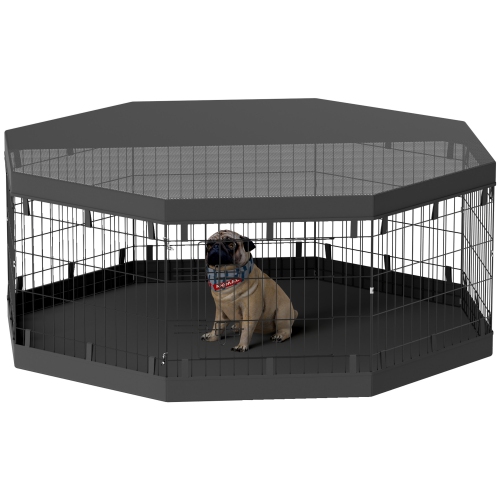
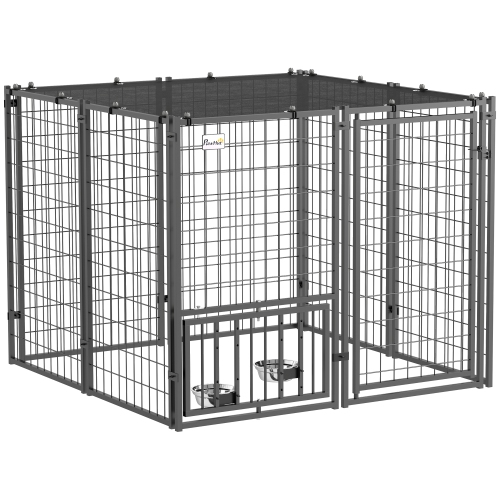
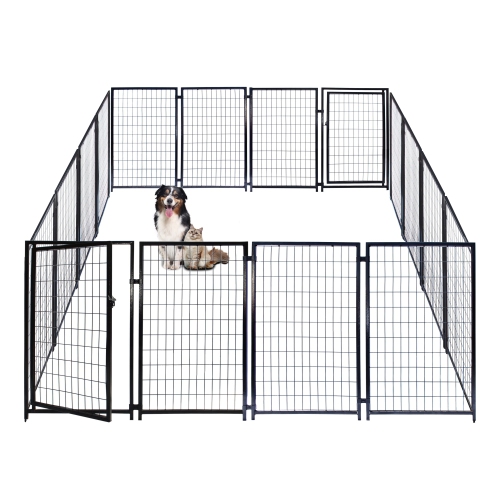
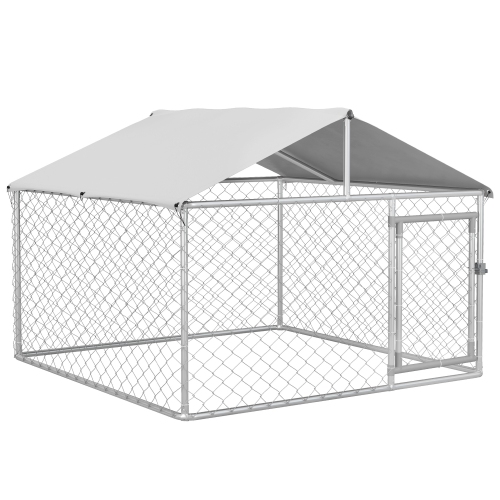
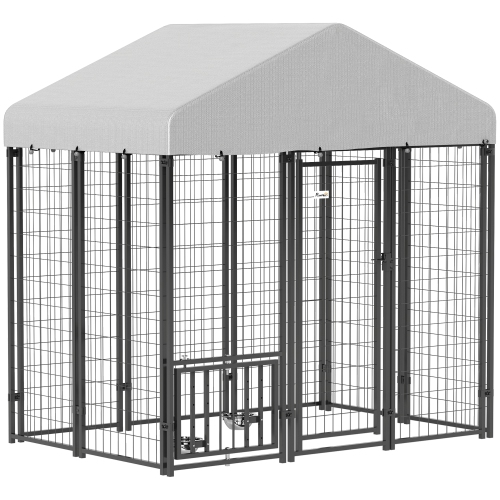
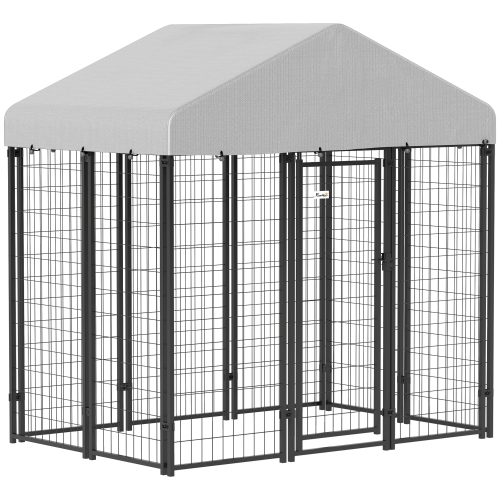
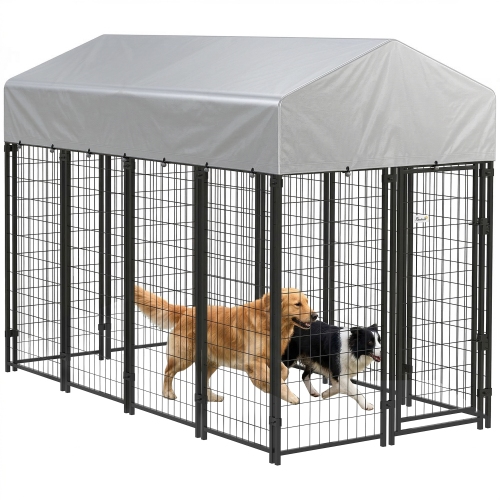
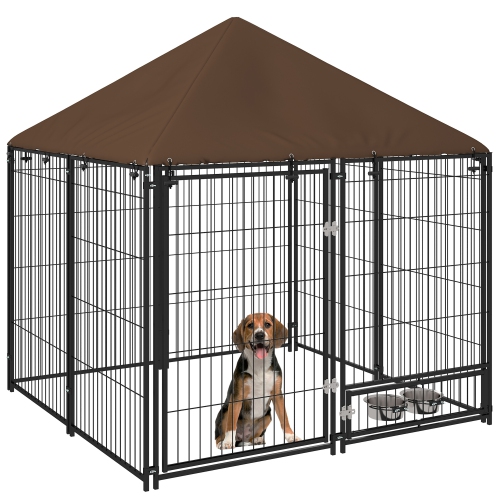
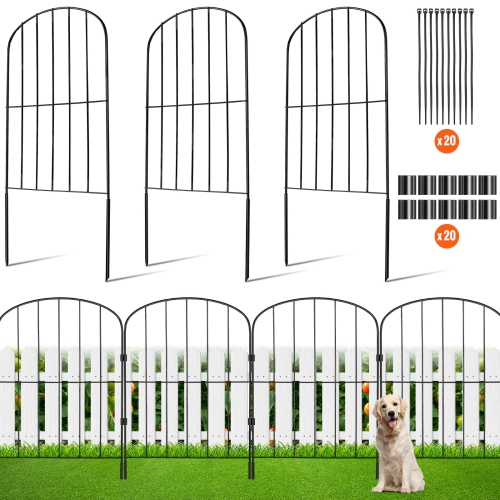
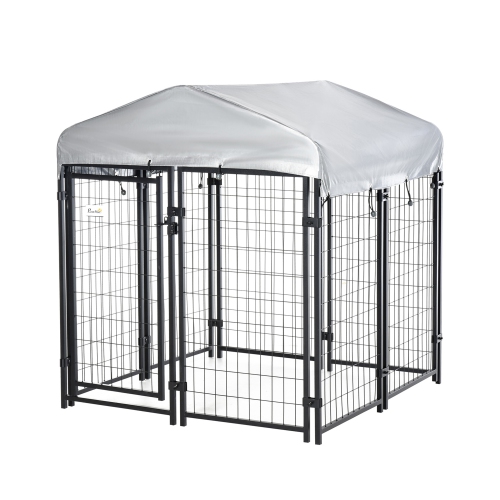
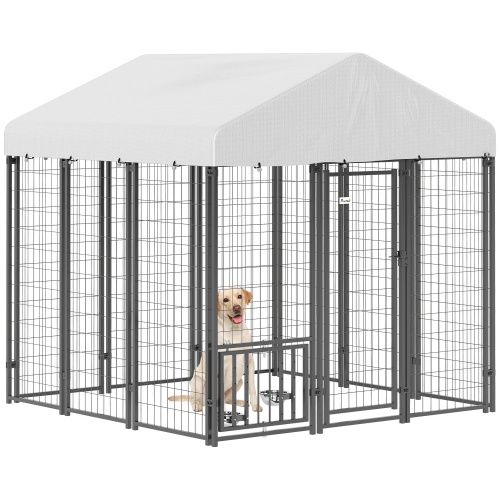
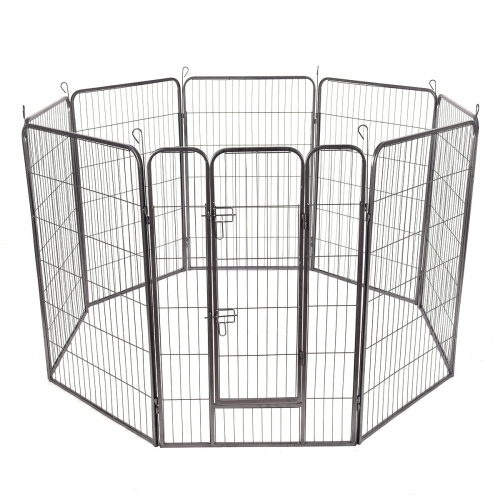
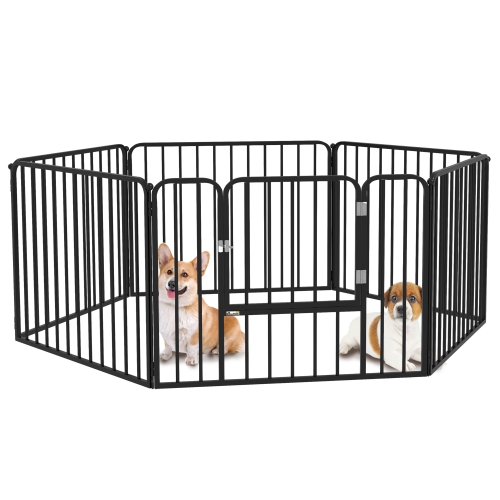
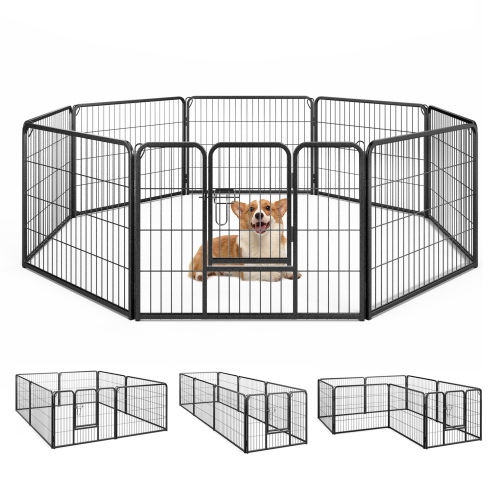
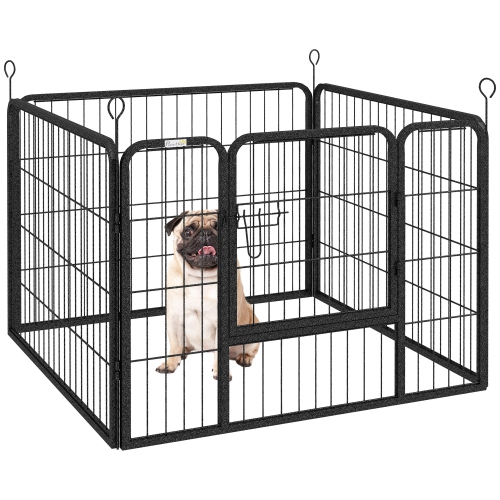
Secure outdoor exercise spaces for dogs of every size
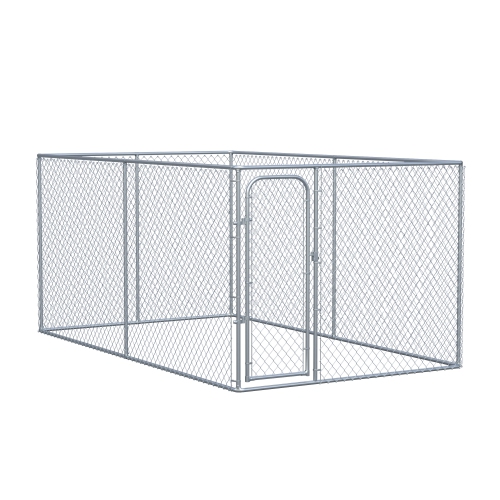
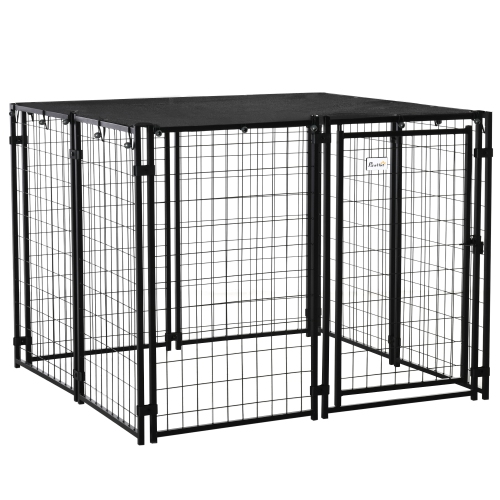
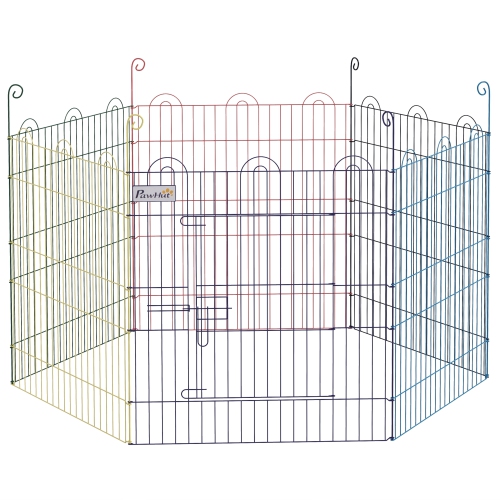
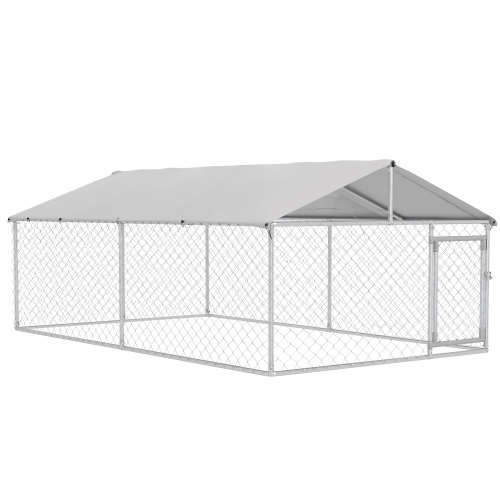
A dog run fence creates a dedicated outdoor area where dogs can stretch their legs, sniff, play and enjoy fresh air without wandering into the street, neighbouring yards or garden beds. It can be a practical choice for homes without a fully enclosed yard, properties with open boundaries, or families that want to give a dog more freedom while keeping everyday supervision manageable. A dog run may be freestanding, attached to the side of a home, built against an existing fence or incorporated into a larger outdoor space. Some families use one as a permanent exercise area, while others choose a modular or portable setup that can be moved around the yard, taken to a cottage or used during home renovations. As the weather warms, a secure run gives energetic dogs a place to burn off extra energy outdoors; during the cooler months, it can still provide a convenient, contained area for short exercise breaks when a full walk is not practical. When browsing a Dog Fence Outdoor, consider the dog’s size, strength, jumping ability and temperament, as well as the available space and the way the run will be used. A calm small dog may be comfortable in a compact enclosure, while a large, athletic or determined dog may need taller panels, a wider exercise area and especially secure doors. Many dog runs are around 6 feet high, which can contain many dogs, but dogs that climb, jump or use nearby objects as launching points may require a taller design. Measure the intended location carefully, allowing enough room for a dog to move naturally rather than simply standing in one place. It is also worth checking whether the structure can be anchored securely to the ground and whether its dimensions suit the available patio, lawn or side yard.
The construction material affects the appearance, maintenance needs and everyday durability of a dog run fence. Chain-link panels are a familiar option that allow plenty of airflow and visibility, making it easy for dogs to watch activity around the yard. Welded-wire panels offer a more rigid structure, with evenly spaced openings that can help reduce the chance of paws becoming caught. Smaller mesh openings are particularly useful for puppies and smaller dogs, while heavier-gauge wire may be better suited to larger or more active breeds. Metal panels, including galvanized or coated steel, are often selected for their sturdy feel and straightforward design. Vinyl-coated surfaces can provide a smoother finish and may blend easily with outdoor surroundings. Wood fencing can create a more traditional look and may offer additional privacy, although solid sections can reduce visibility and airflow. Vinyl or other solid panels may be helpful for dogs that become overexcited by passing pedestrians, vehicles or other animals, while open fencing can be preferable for dogs that feel more settled when they can see their surroundings. Look closely at the panel edges, connection points, posts and door frame, since these areas receive regular pressure from a dog leaning, pawing or running along the perimeter. A reliable latch should close firmly and be positioned where a clever dog cannot nudge it open. For puppies, small breeds and dogs that like to investigate, check every gap at ground level and around the gate. The base should sit flush with the surface or be secured in a way that discourages digging, especially in loose soil. A run with a roof or covered section can provide shade and protection from light rain, while a separate sheltered area can give a dog a comfortable place to rest after play. Avoid placing the enclosure where water collects, and keep its location clear of sharp objects, unstable furniture and low branches that could help an agile dog climb.
Dog run fence products can suit a wide range of households, from new dog owners establishing a safe routine to experienced pet families creating a more convenient outdoor play space. They may also be a thoughtful gift for someone welcoming a rescue dog, moving into a home with a yard or preparing a secure area for a puppy. For a growing dog, adjustable or modular panels can make it easier to adapt the layout as needs change. A temporary run may be useful for visitors who bring a dog, families spending time at a seasonal property or households that need a contained space while landscaping, building or repairing a larger fence. A permanent installation can become part of the daily routine: a dog may head outside in the morning to explore the grass, return for a drink and settle under a shaded section while the household enjoys the yard. Before choosing a configuration, think about where food, water and a bed or weather-resistant shelter will be placed, and leave sufficient room for cleaning and opening the gate without crowding the dog. If the run connects to a home or existing fence, confirm that the attachment points are compatible and that the surrounding boundary does not create an escape route. If it is freestanding, review the anchoring method and the surface beneath it, since a determined dog can shift a lightweight enclosure. Regularly inspect latches, fasteners, posts, mesh and the ground line, particularly after strong wind, heavy rain or periods of active digging. The right dog run fence balances security, visibility, comfort and ease of use, giving dogs a contained place to exercise while helping households feel more at ease during outdoor time.
The construction material affects the appearance, maintenance needs and everyday durability of a dog run fence. Chain-link panels are a familiar option that allow plenty of airflow and visibility, making it easy for dogs to watch activity around the yard. Welded-wire panels offer a more rigid structure, with evenly spaced openings that can help reduce the chance of paws becoming caught. Smaller mesh openings are particularly useful for puppies and smaller dogs, while heavier-gauge wire may be better suited to larger or more active breeds. Metal panels, including galvanized or coated steel, are often selected for their sturdy feel and straightforward design. Vinyl-coated surfaces can provide a smoother finish and may blend easily with outdoor surroundings. Wood fencing can create a more traditional look and may offer additional privacy, although solid sections can reduce visibility and airflow. Vinyl or other solid panels may be helpful for dogs that become overexcited by passing pedestrians, vehicles or other animals, while open fencing can be preferable for dogs that feel more settled when they can see their surroundings. Look closely at the panel edges, connection points, posts and door frame, since these areas receive regular pressure from a dog leaning, pawing or running along the perimeter. A reliable latch should close firmly and be positioned where a clever dog cannot nudge it open. For puppies, small breeds and dogs that like to investigate, check every gap at ground level and around the gate. The base should sit flush with the surface or be secured in a way that discourages digging, especially in loose soil. A run with a roof or covered section can provide shade and protection from light rain, while a separate sheltered area can give a dog a comfortable place to rest after play. Avoid placing the enclosure where water collects, and keep its location clear of sharp objects, unstable furniture and low branches that could help an agile dog climb.
Dog run fence products can suit a wide range of households, from new dog owners establishing a safe routine to experienced pet families creating a more convenient outdoor play space. They may also be a thoughtful gift for someone welcoming a rescue dog, moving into a home with a yard or preparing a secure area for a puppy. For a growing dog, adjustable or modular panels can make it easier to adapt the layout as needs change. A temporary run may be useful for visitors who bring a dog, families spending time at a seasonal property or households that need a contained space while landscaping, building or repairing a larger fence. A permanent installation can become part of the daily routine: a dog may head outside in the morning to explore the grass, return for a drink and settle under a shaded section while the household enjoys the yard. Before choosing a configuration, think about where food, water and a bed or weather-resistant shelter will be placed, and leave sufficient room for cleaning and opening the gate without crowding the dog. If the run connects to a home or existing fence, confirm that the attachment points are compatible and that the surrounding boundary does not create an escape route. If it is freestanding, review the anchoring method and the surface beneath it, since a determined dog can shift a lightweight enclosure. Regularly inspect latches, fasteners, posts, mesh and the ground line, particularly after strong wind, heavy rain or periods of active digging. The right dog run fence balances security, visibility, comfort and ease of use, giving dogs a contained place to exercise while helping households feel more at ease during outdoor time.
Top selling and popular products
-
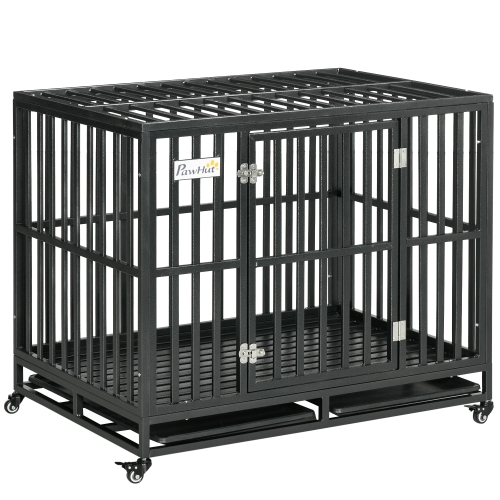 Your price for this item is $229.99
 -
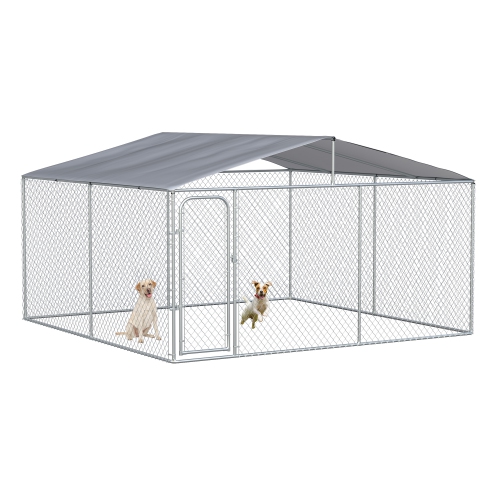 Your price for this item is $559.99
 -
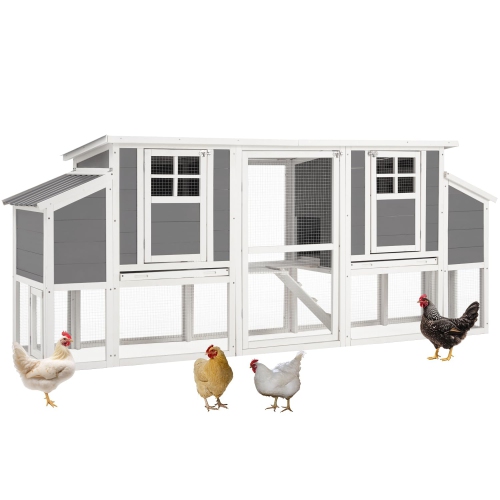 Your price for this item is $399.99
 -
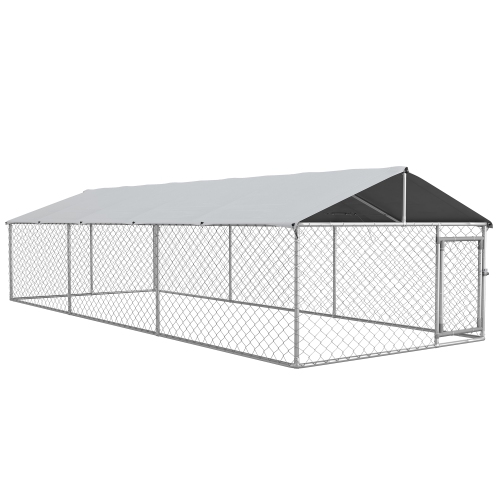 Your price for this item is $499.99
 -
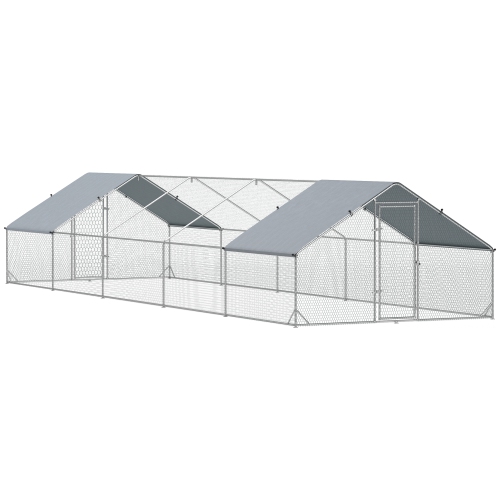 Your price for this item is $479.99
 -
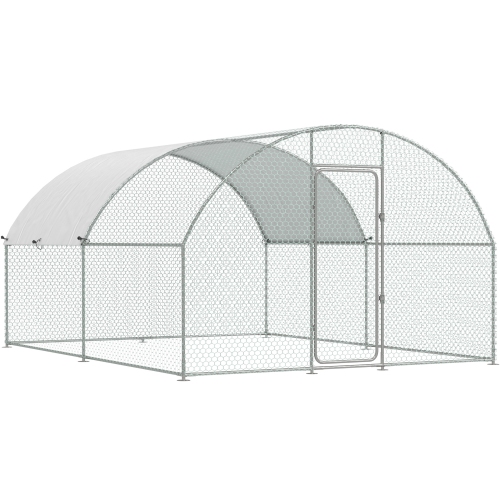 Your price for this item is $227.99
 -
 Your price for this item is $419.99
 -
 Your price for this item is $279.99
Discover more categories related to Dog Run Fence
Top Collections:
Pokemon Centers, Kindle Devices, Best Budget Office Chairs, Apple iPhones 16, Canon G7X Cameras, iPhone 15 Apple, Alarm Clock, Refurbished Apple Laptops, Flip Phones, Best Laptops for Writers
Some products may be subject to Environmental Handling Fees
(EHF) depending on your province.
Learn more about EHFs.