Down Duvet Canada
Transform your sleep experience with a luxurious down duvet, the perfect addition to any Canadian bedroom. Known for their exceptional warmth and lightweight feel, down duvets offer unparalleled comfort throughout the year. Whether you're braving chilly winter nights or seeking a cozy layer during the mild summer months, these duvets provide the ideal balance of insulation and breathability. With a variety of sizes and fill options available, finding the perfect down duvet to suit your personal preferences has never been easier. Embrace the ultimate in relaxation and elevate your sleep sanctuary with a down duvet designed to keep you comfortable all night long.
Sort
What to know about down duvet warmth and loft
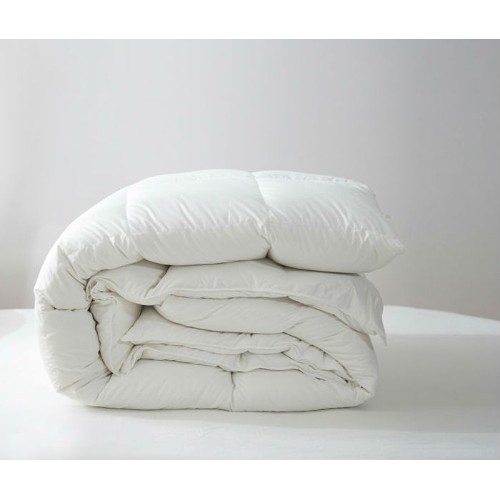
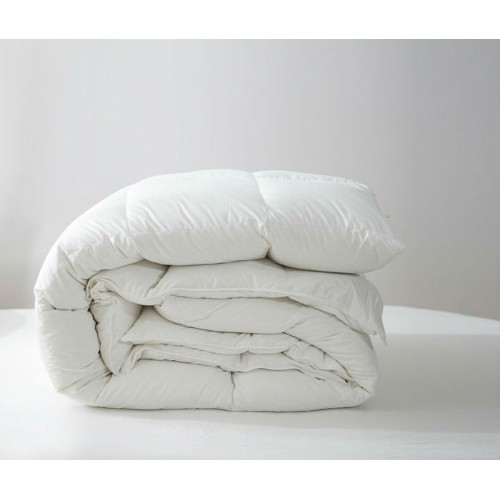
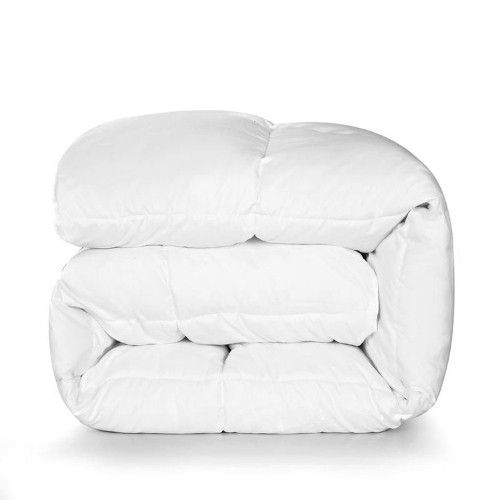
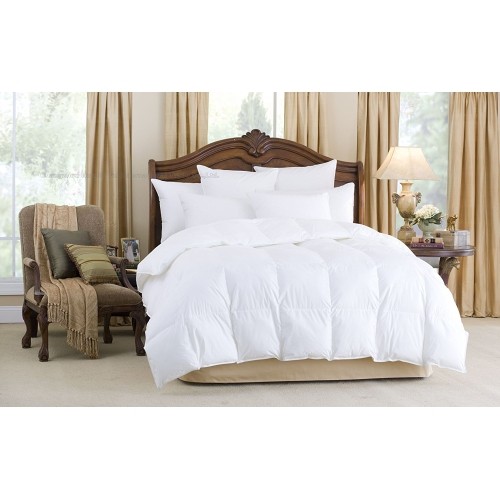
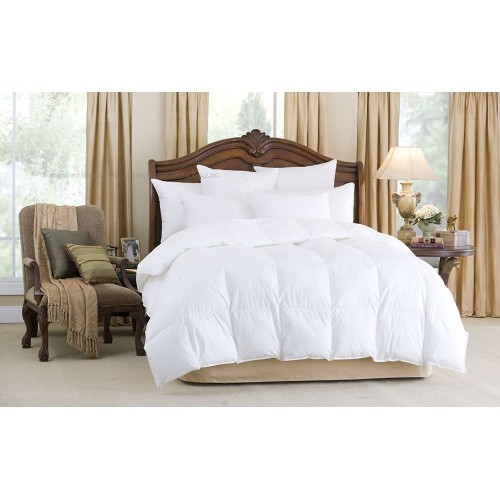
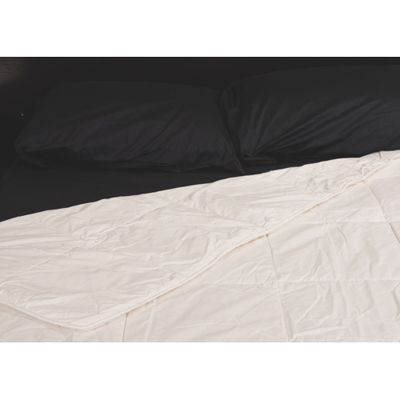
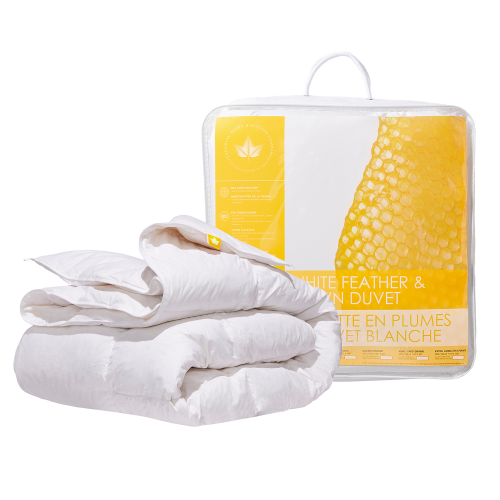
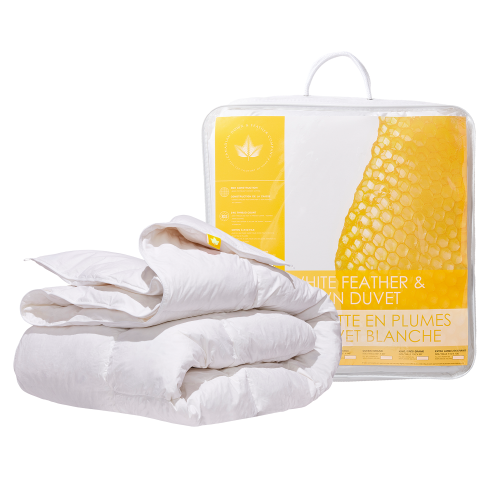
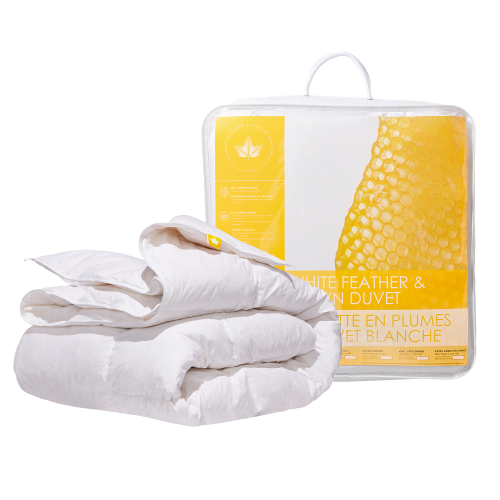
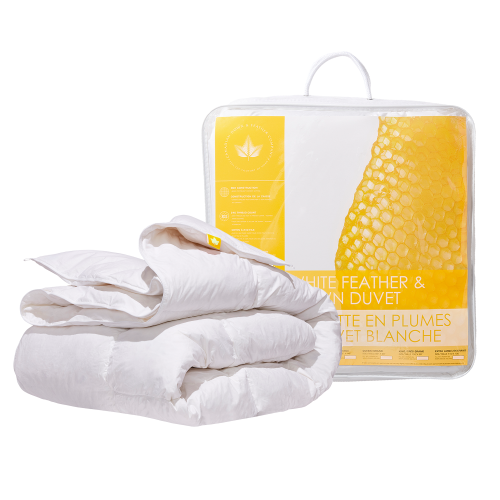
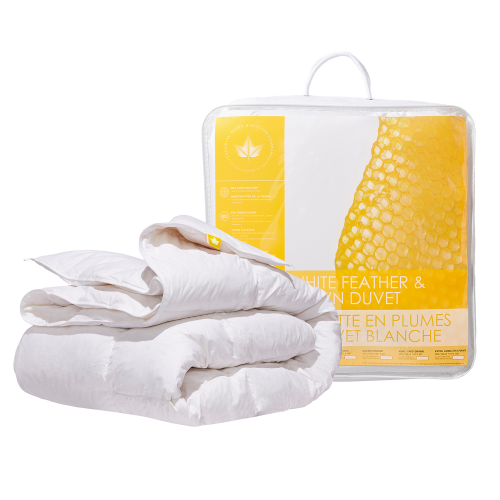
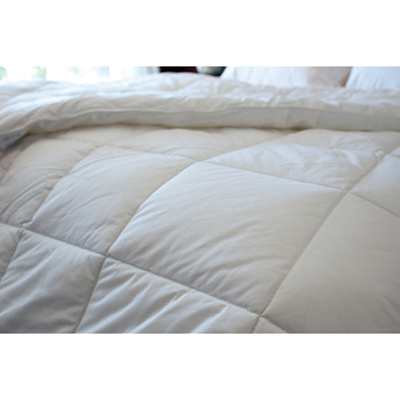
A down duvet can make a noticeable difference to the feel of a bedroom, especially during the cooler months when a thin blanket no longer provides enough comfort. Filled with the soft, three-dimensional clusters found beneath the outer feathers of waterfowl, a down duvet is designed to trap warm air while remaining lighter than many synthetic or feather-filled alternatives. This combination of warmth and loft gives the bedding a lofty, cloud-like appearance without creating a heavy layer over the body. Shoppers comparing down duvet options in Canada will typically find choices in Twin, Double, Queen, King, and larger sizes, along with different warmth levels for a range of bedrooms and sleeping preferences. A summer-weight duvet can suit warm rooms, apartments with steady heating, or people who tend to sleep hot; a regular or all-season weight is often a practical choice for moderate indoor temperatures; and a winter-weight duvet can provide extra insulation for cold sleepers, drafty rooms, or homes where the temperature drops overnight. As a general guide, summer weight may be comfortable in rooms around 22°C or warmer, regular weight often suits rooms between 16°C and 21°C, and winter weight may be preferred at 15°C or below. These ranges are only starting points, since personal comfort, pyjamas, mattress construction, and room humidity all affect how warm a bed feels. Someone who prefers to sleep with a window slightly open may appreciate more insulation than a person in a well-heated condominium, while a shared bed may call for a balanced option that feels comfortable to both sleepers.
Fill power is one of the most useful specifications to compare when choosing a down duvet. It describes the amount of space an ounce of down occupies when fully lofted, so a higher number generally indicates larger, airier clusters that can provide more insulation with less fill weight. A fill power of 650 or higher can offer a comfortable balance of loft, warmth, and everyday versatility, while 700+ and 800+ options are often chosen by shoppers looking for a particularly light, lofty feel. Fill power should not be viewed on its own, however, because the total amount of fill and the duvet’s warmth rating also influence performance. A high-loft summer duvet may feel lighter and cooler than a lower-loft winter duvet with more fill. Construction is another important consideration. Baffle-box designs use internal fabric walls to help keep the down distributed across the duvet, reducing cold spots and supporting an even layer of warmth from edge to edge. Stitched-through designs can offer a more streamlined profile and may be well suited to lighter bedding. The outer shell also affects the experience: tightly woven cotton, including smooth sateen finishes, can feel soft against the duvet cover while helping contain the fill. Thread counts around 300 to 600 are common among premium-feeling shells, but weave, fibre quality, and construction matter as much as the number itself. Look for secure stitching, neatly finished edges, corner loops, and clear care instructions. Corner loops make it easier to attach a cover and help prevent the duvet from shifting inside it, particularly when the bed is made with a cover sized to match. For a coordinated setup, a Twin bed can be paired with a Twin Duvet Cover Canada selection, while larger beds benefit from covers designed for their exact dimensions.
Down duvets can be a thoughtful housewarming, wedding, graduation, or winter comfort gift because they combine daily usefulness with a more personal sense of luxury. They may be especially appreciated by someone moving into a first home, setting up a guest room, or replacing bedding after years of use. When choosing one for another person, size is the first detail to confirm, followed by their sleeping style and the usual temperature of their room. A regular or all-season duvet is generally the most flexible gift when those details are unknown, while a lighter option may be better for a warm sleeper and a heavier option for someone who is always reaching for another blanket. A duvet cover should be used to protect the shell from body oils, spills, and everyday dust, allowing the duvet itself to be cleaned less often according to its care label. Fluffing the duvet when making the bed helps restore its loft, and gently shaking it from several sides can redistribute the fill after a night’s sleep. Avoid compressing it in a small space for long periods, since down benefits from room to expand and breathe between uses. When seasonal bedding is stored, a breathable fabric bag is preferable to a sealed plastic container, provided the duvet is completely dry before packing. With the right size, fill power, warmth level, shell, and construction, a down duvet can create the inviting feeling of settling beneath a soft layer of warm air—comfortable for quiet weekend mornings, restful nights, and the cooler stretch of the year.
Fill power is one of the most useful specifications to compare when choosing a down duvet. It describes the amount of space an ounce of down occupies when fully lofted, so a higher number generally indicates larger, airier clusters that can provide more insulation with less fill weight. A fill power of 650 or higher can offer a comfortable balance of loft, warmth, and everyday versatility, while 700+ and 800+ options are often chosen by shoppers looking for a particularly light, lofty feel. Fill power should not be viewed on its own, however, because the total amount of fill and the duvet’s warmth rating also influence performance. A high-loft summer duvet may feel lighter and cooler than a lower-loft winter duvet with more fill. Construction is another important consideration. Baffle-box designs use internal fabric walls to help keep the down distributed across the duvet, reducing cold spots and supporting an even layer of warmth from edge to edge. Stitched-through designs can offer a more streamlined profile and may be well suited to lighter bedding. The outer shell also affects the experience: tightly woven cotton, including smooth sateen finishes, can feel soft against the duvet cover while helping contain the fill. Thread counts around 300 to 600 are common among premium-feeling shells, but weave, fibre quality, and construction matter as much as the number itself. Look for secure stitching, neatly finished edges, corner loops, and clear care instructions. Corner loops make it easier to attach a cover and help prevent the duvet from shifting inside it, particularly when the bed is made with a cover sized to match. For a coordinated setup, a Twin bed can be paired with a Twin Duvet Cover Canada selection, while larger beds benefit from covers designed for their exact dimensions.
Down duvets can be a thoughtful housewarming, wedding, graduation, or winter comfort gift because they combine daily usefulness with a more personal sense of luxury. They may be especially appreciated by someone moving into a first home, setting up a guest room, or replacing bedding after years of use. When choosing one for another person, size is the first detail to confirm, followed by their sleeping style and the usual temperature of their room. A regular or all-season duvet is generally the most flexible gift when those details are unknown, while a lighter option may be better for a warm sleeper and a heavier option for someone who is always reaching for another blanket. A duvet cover should be used to protect the shell from body oils, spills, and everyday dust, allowing the duvet itself to be cleaned less often according to its care label. Fluffing the duvet when making the bed helps restore its loft, and gently shaking it from several sides can redistribute the fill after a night’s sleep. Avoid compressing it in a small space for long periods, since down benefits from room to expand and breathe between uses. When seasonal bedding is stored, a breathable fabric bag is preferable to a sealed plastic container, provided the duvet is completely dry before packing. With the right size, fill power, warmth level, shell, and construction, a down duvet can create the inviting feeling of settling beneath a soft layer of warm air—comfortable for quiet weekend mornings, restful nights, and the cooler stretch of the year.
Top selling and popular products
-
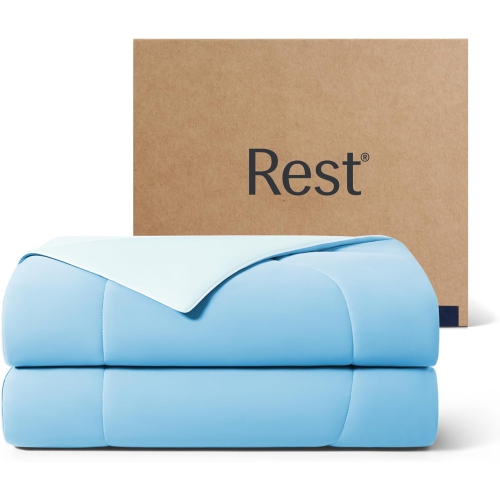 Your price for this item is $129
 -
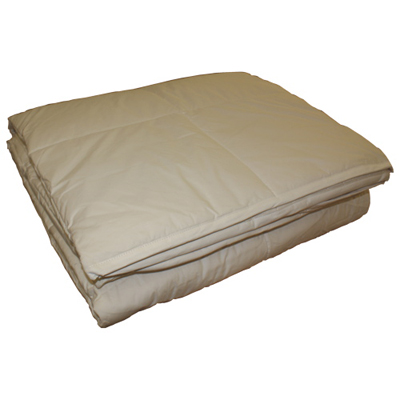 Your price for this item is $155.98
 -
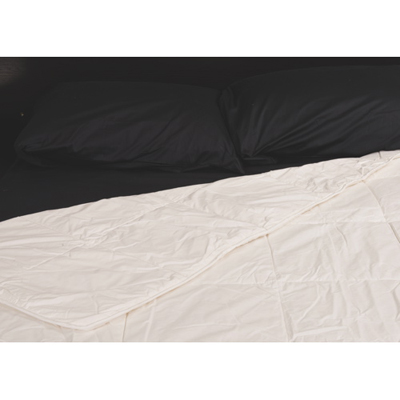 Your price for this item is $229.99
 -
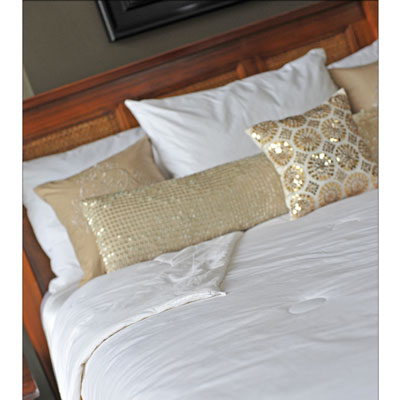 Your price for this item is $219.99
 -
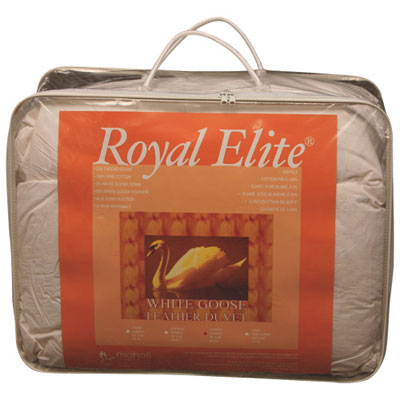 Your price for this item is $135.98
 -
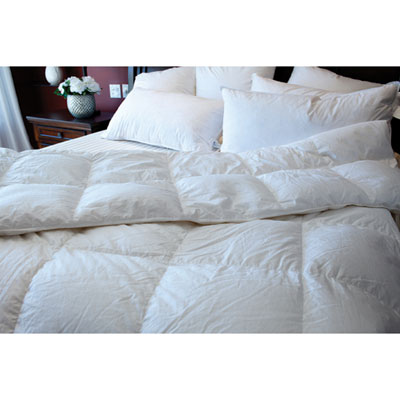 Your price for this item is $549.99
 -
 Your price for this item is $151.98
 -
 Your price for this item is $90
Discover more categories related to Down Duvet Canada
Top Collections:
Pokemon Centers, Kindle Devices, Best Budget Office Chairs, Apple iPhones 16, Best Laptops for Writers, iPhone 15 Apple, Canon G7X Cameras, Refurbished Apple Laptops, Alarm Clock, Motorola Razr Phones
Some products may be subject to Environmental Handling Fees
(EHF) depending on your province.
Learn more about EHFs.