Easy To Clean Dining Room Chairs
Easy To Clean Dining Room Chairs are the perfect addition to any home looking for style and convenience in one package. Designed with busy households in mind, these chairs make it simple to maintain a fresh and inviting dining space. Whether you’re hosting family dinners or casual gatherings, choosing Easy To Clean Dining Room Chairs helps keep your dining area looking its best with minimal effort. Discover a variety of designs and finishes to complement your décor while enjoying the benefit of easy upkeep.
Sort
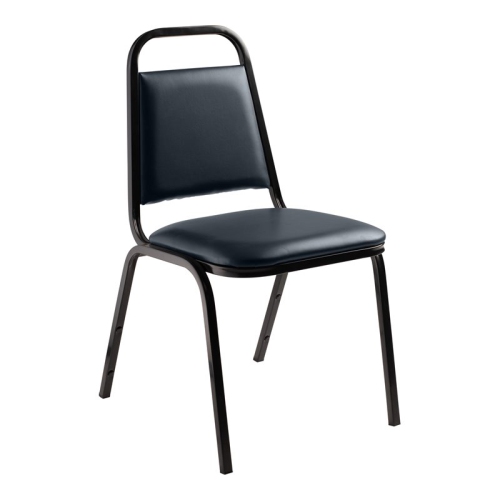
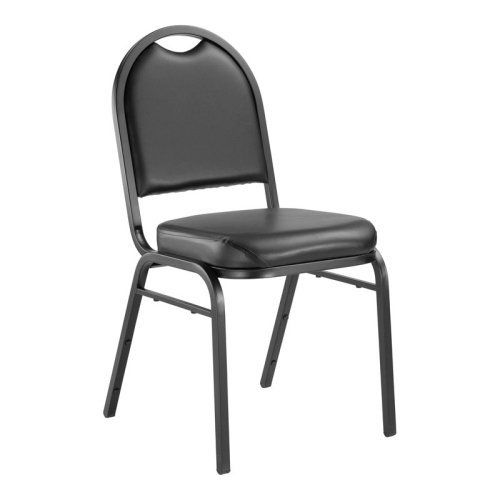
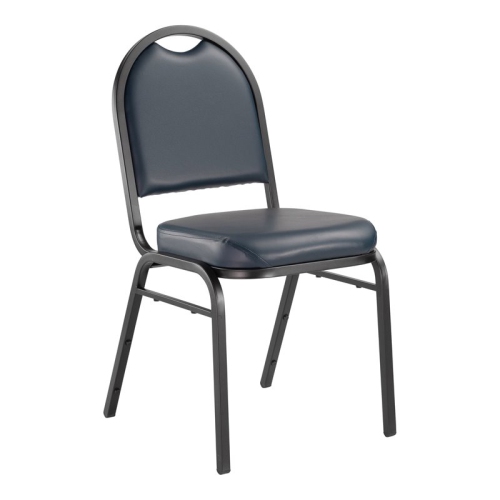
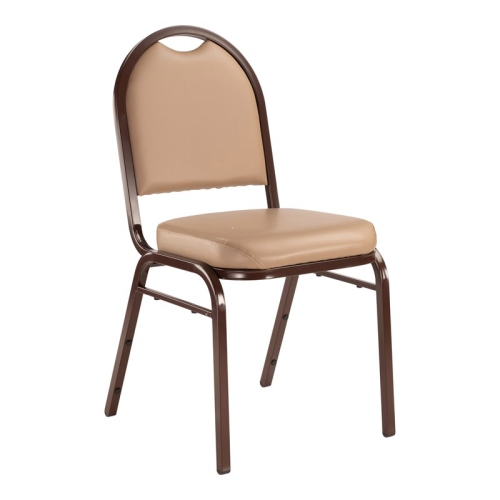
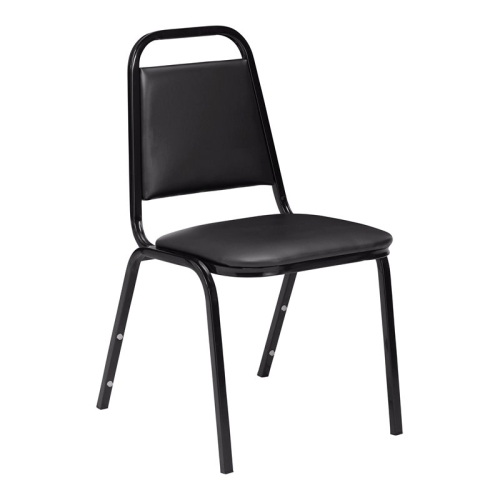

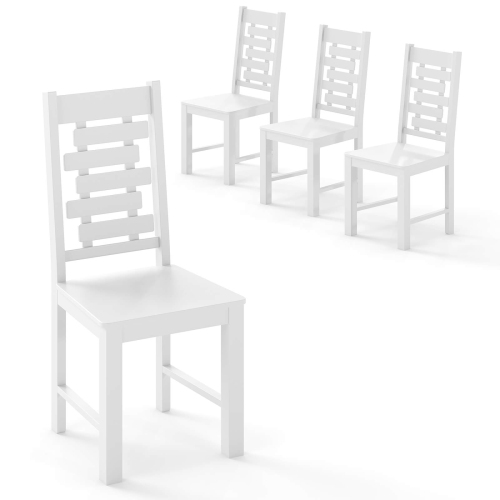
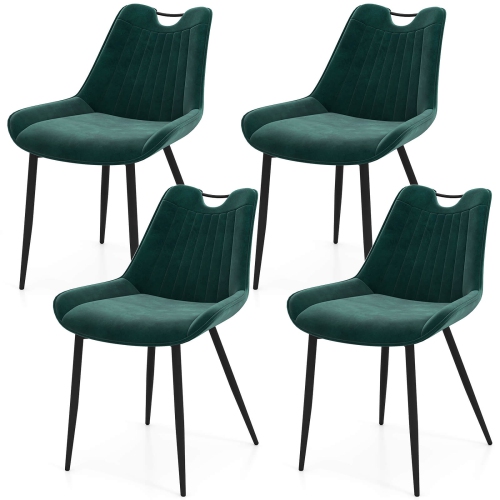
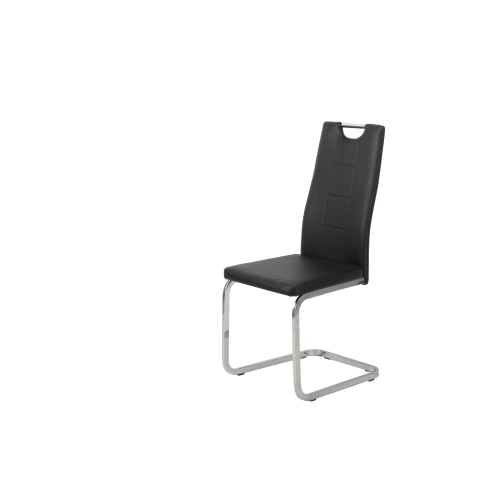
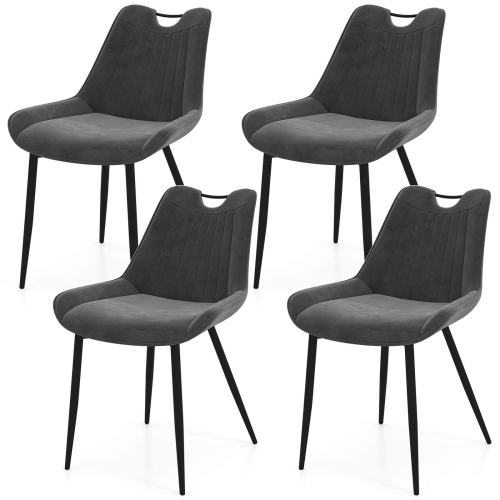
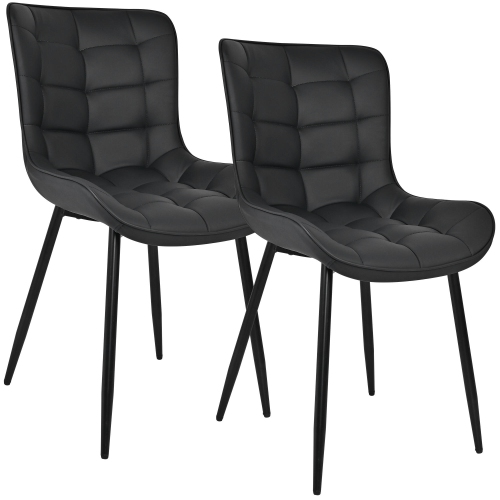
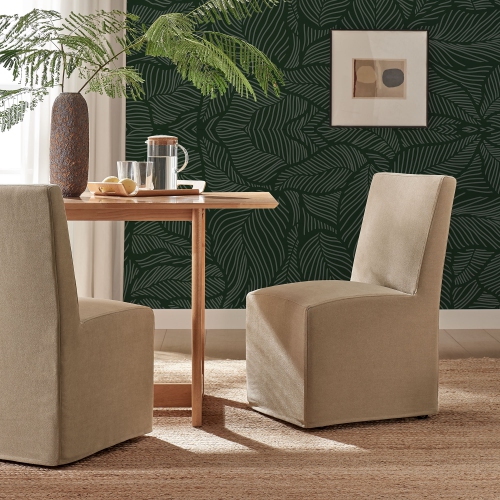
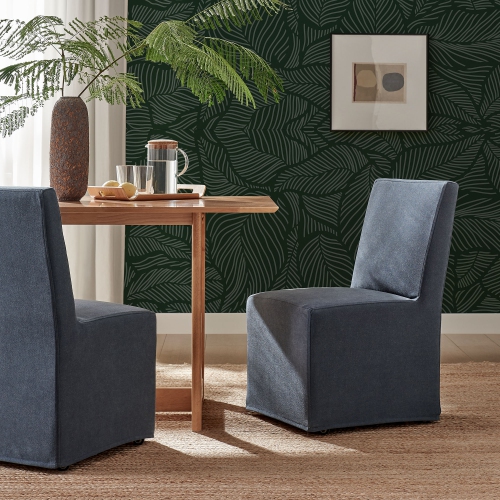
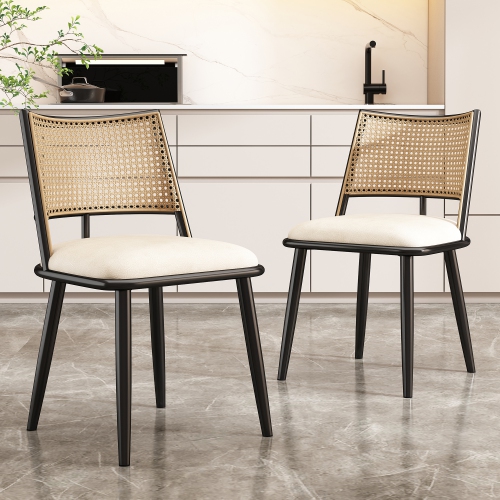
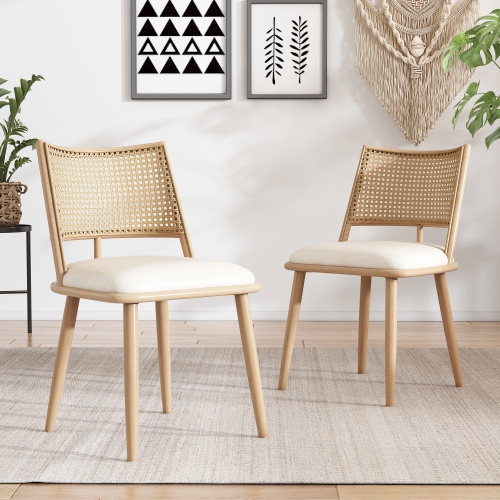
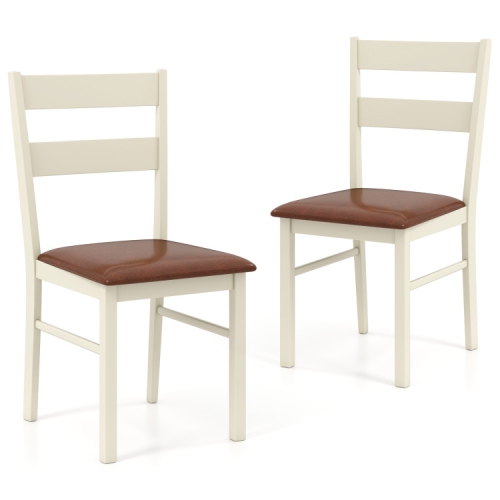
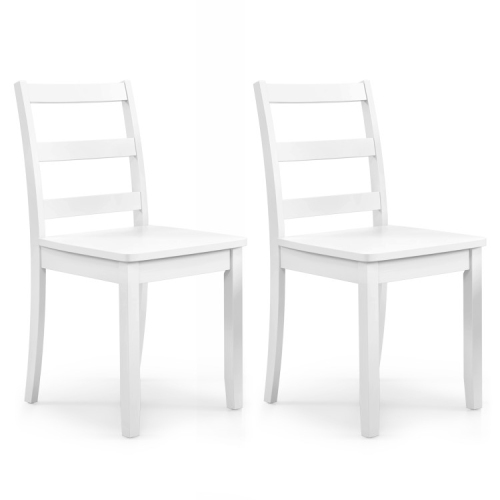
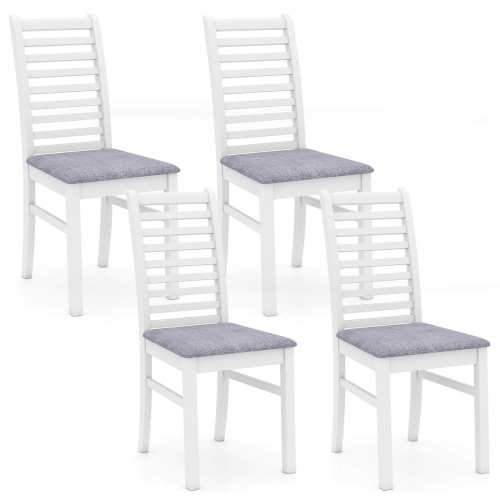
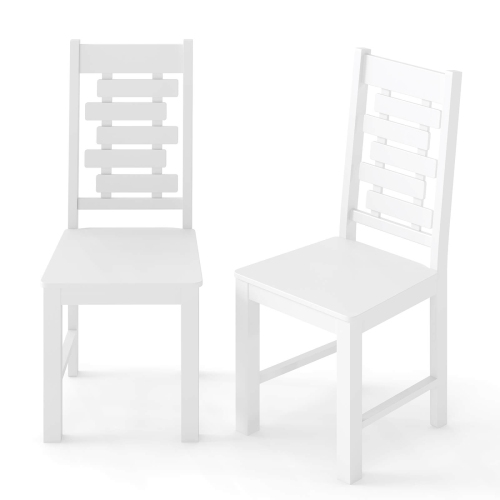
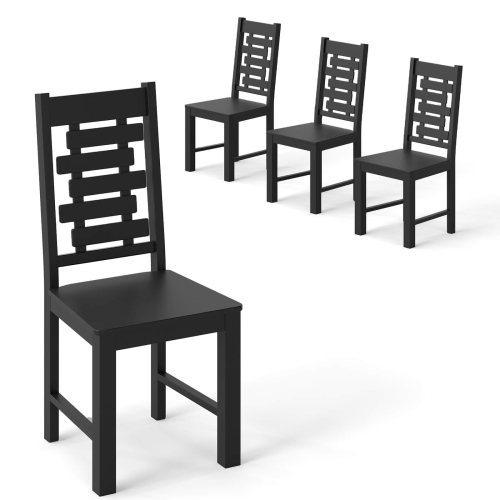
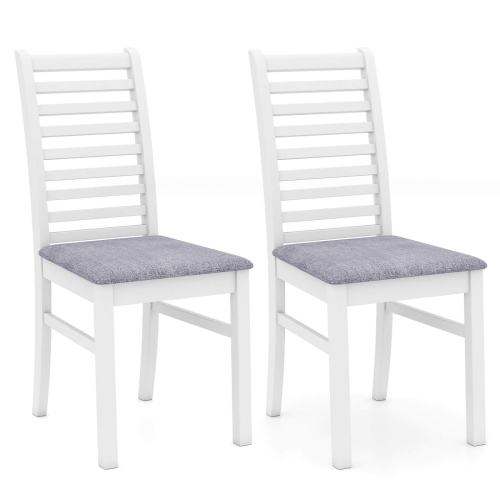
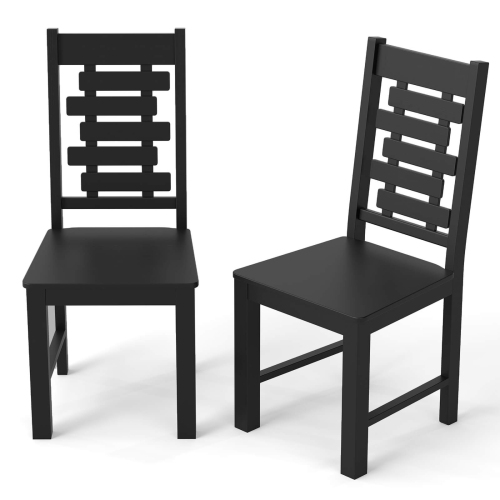
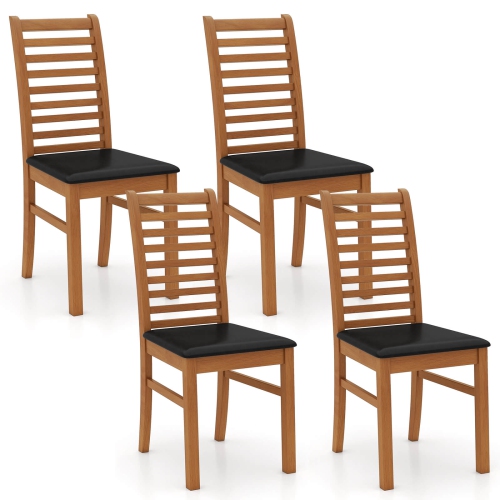
Fewer seams mean fewer places for crumbs to hide
Easy-to-clean dining room chairs make everyday meals more manageable by pairing comfortable seating with surfaces that release crumbs, splashes, and sticky fingerprints without demanding elaborate care. The easiest dining chairs to clean generally have smooth, non-porous seats and backs, such as moulded plastic, finished metal, or wipeable faux leather, with few seams or crevices where food can collect. Sealed wood and stain-resistant upholstery can also be practical choices, although their care requirements depend on the finish or fabric. In a busy dining area, those differences become noticeable after a bowl of tomato pasta, a spilled glass of juice, or a child’s afternoon craft project. A solid seat can usually be wiped down without working around buttons or stitching, while a padded chair may offer more cushioning but need closer attention along its edges. Moulded plastic is useful for casual dining spaces because its continuous surface often leaves fewer places for crumbs to settle. Metal chairs offer a similarly straightforward surface when their finish is intact, though joints, exposed fasteners, and decorative openings can take more effort to clean. Faux leather provides an upholstered look with a surface that can often be wiped with a soft, damp cloth; it still needs protection from sharp objects, abrasive scrubbers, and cleaning products that could damage its coating. Finished wood brings visible grain and warmth to a room, but spills should be removed promptly rather than left to sit along joints or worn areas. No chair material is completely maintenance-free, and a wipeable surface is not necessarily suitable for soaking or disinfecting with any household cleaner. The manufacturer’s care directions remain the best reference for protecting the surface. For households where dining chairs serve through breakfast, homework, and dinner, simple construction and an appropriate finish can matter just as much as colour or shape.
Comfort and fit are equally important, since dining chairs need to work with the table and the people sitting around it. Seat height should leave enough room beneath the tabletop and any apron for legs to move comfortably, rather than forcing knees against the underside. A gap of roughly 10 to 12 inches between the seat and tabletop is a common starting point, but the table’s construction, cushion compression, and individual comfort all affect the fit. Seat width and depth influence how relaxed a chair feels during a long meal, while the backrest’s shape determines whether it supports an upright dining position or encourages a more reclined posture. Arms can provide a comfortable place to rest forearms, but they may prevent a chair from sliding under the table. In a compact dining nook, armless chairs often tuck away more neatly and leave clearer walking space. It is also worth allowing enough room to pull each chair back without bumping a wall, cabinet, or neighbouring seat. Lightweight chairs are easier to move when sweeping up crumbs, while heavier frames may feel more substantial but require more effort to reposition. Appropriate floor glides can help chairs move smoothly and reduce the chance of marks, although the right glide material depends on the flooring. Upholstered seating suits people who linger over meals, work at the dining table, or prefer a softer seat. Performance fabrics may resist certain spills and stains, but the term does not mean that every liquid will bead up or that every mark will wash away. Tightly woven fabric, minimal tufting, and fewer stitched channels can simplify routine upkeep. Removable covers offer another possibility when their care label permits washing, though some require spot cleaning or professional cleaning instead. A washable cover is only convenient if removing and refitting it is manageable. For homes with children or pets, a balance of cushioning, accessible surfaces, and sturdy construction can be more useful than choosing a chair for softness alone.
Durability comes from the whole chair, not just the material on its seat. Secure joints, a stable base, an intact finish, and a suitable stated weight capacity all contribute to seating that stands up to regular use. Chairs that are frequently pulled across the floor or moved between rooms benefit from frames and connections designed for that handling. Following assembly directions and checking fasteners as recommended can help prevent looseness from becoming a persistent wobble. Surface details also influence how a chair looks after repeated cleaning. Pale upholstery may show sauce or dark clothing transfer more readily, while very dark finishes can make dust and pale crumbs more visible. A lightly textured finish may disguise small marks, but deep grain, woven panels, and heavily textured upholstery can hold debris that a quick wipe misses. For everyday care, removing loose crumbs before wiping helps avoid spreading grit across the seat. A soft cloth and a cleaning solution approved for the material are usually a better starting point than a harsh scrubber; fabric spills generally benefit from blotting rather than rubbing. Drying cleaned surfaces and avoiding excess moisture around joints help protect wood, metal connections, and upholstery layers. These practical details leave plenty of room for personal style. Smooth curved seats can soften the look of a simple dining table, slim metal frames can suit a compact apartment, and wipeable padded chairs can bring a more tailored feel to a shared family dining space. In an open-plan room, repeating a colour or frame finish across dining chairs and easy-to-clean bar stools can create a connected look without requiring identical seating at every surface. Dining chairs and stools still need to match their respective table or counter heights. Whether the dining area hosts quick meals for two or a full table of guests, well-fitted chairs with accessible surfaces help keep the space comfortable, welcoming, and easier to care for between meals.
Comfort and fit are equally important, since dining chairs need to work with the table and the people sitting around it. Seat height should leave enough room beneath the tabletop and any apron for legs to move comfortably, rather than forcing knees against the underside. A gap of roughly 10 to 12 inches between the seat and tabletop is a common starting point, but the table’s construction, cushion compression, and individual comfort all affect the fit. Seat width and depth influence how relaxed a chair feels during a long meal, while the backrest’s shape determines whether it supports an upright dining position or encourages a more reclined posture. Arms can provide a comfortable place to rest forearms, but they may prevent a chair from sliding under the table. In a compact dining nook, armless chairs often tuck away more neatly and leave clearer walking space. It is also worth allowing enough room to pull each chair back without bumping a wall, cabinet, or neighbouring seat. Lightweight chairs are easier to move when sweeping up crumbs, while heavier frames may feel more substantial but require more effort to reposition. Appropriate floor glides can help chairs move smoothly and reduce the chance of marks, although the right glide material depends on the flooring. Upholstered seating suits people who linger over meals, work at the dining table, or prefer a softer seat. Performance fabrics may resist certain spills and stains, but the term does not mean that every liquid will bead up or that every mark will wash away. Tightly woven fabric, minimal tufting, and fewer stitched channels can simplify routine upkeep. Removable covers offer another possibility when their care label permits washing, though some require spot cleaning or professional cleaning instead. A washable cover is only convenient if removing and refitting it is manageable. For homes with children or pets, a balance of cushioning, accessible surfaces, and sturdy construction can be more useful than choosing a chair for softness alone.
Durability comes from the whole chair, not just the material on its seat. Secure joints, a stable base, an intact finish, and a suitable stated weight capacity all contribute to seating that stands up to regular use. Chairs that are frequently pulled across the floor or moved between rooms benefit from frames and connections designed for that handling. Following assembly directions and checking fasteners as recommended can help prevent looseness from becoming a persistent wobble. Surface details also influence how a chair looks after repeated cleaning. Pale upholstery may show sauce or dark clothing transfer more readily, while very dark finishes can make dust and pale crumbs more visible. A lightly textured finish may disguise small marks, but deep grain, woven panels, and heavily textured upholstery can hold debris that a quick wipe misses. For everyday care, removing loose crumbs before wiping helps avoid spreading grit across the seat. A soft cloth and a cleaning solution approved for the material are usually a better starting point than a harsh scrubber; fabric spills generally benefit from blotting rather than rubbing. Drying cleaned surfaces and avoiding excess moisture around joints help protect wood, metal connections, and upholstery layers. These practical details leave plenty of room for personal style. Smooth curved seats can soften the look of a simple dining table, slim metal frames can suit a compact apartment, and wipeable padded chairs can bring a more tailored feel to a shared family dining space. In an open-plan room, repeating a colour or frame finish across dining chairs and easy-to-clean bar stools can create a connected look without requiring identical seating at every surface. Dining chairs and stools still need to match their respective table or counter heights. Whether the dining area hosts quick meals for two or a full table of guests, well-fitted chairs with accessible surfaces help keep the space comfortable, welcoming, and easier to care for between meals.
Top selling and popular products
-
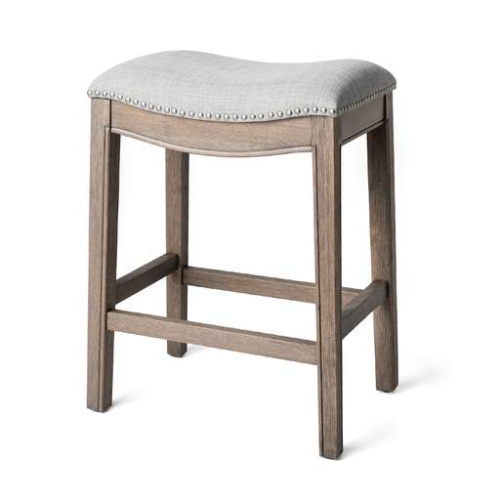 Your price for this item is $208.99
 -
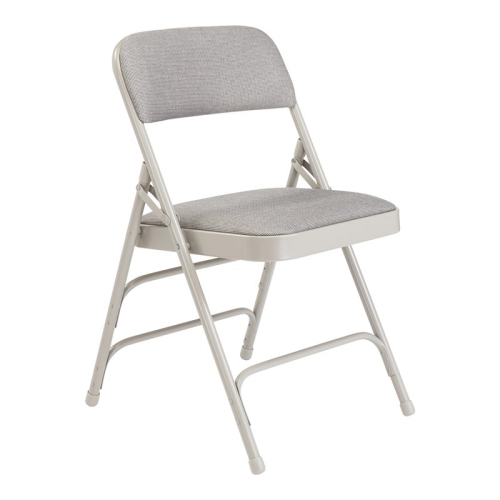 Your price for this item is $395.27
 -
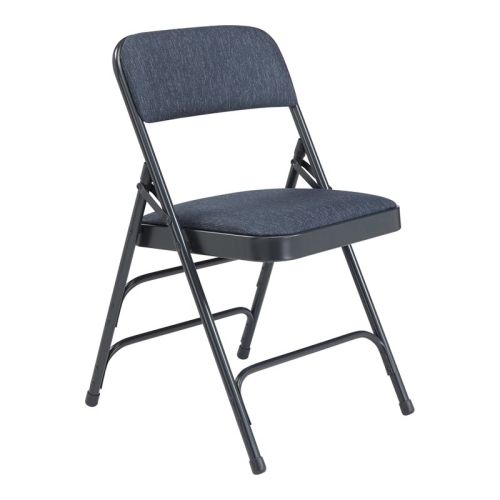 Your price for this item is $413.92
 -
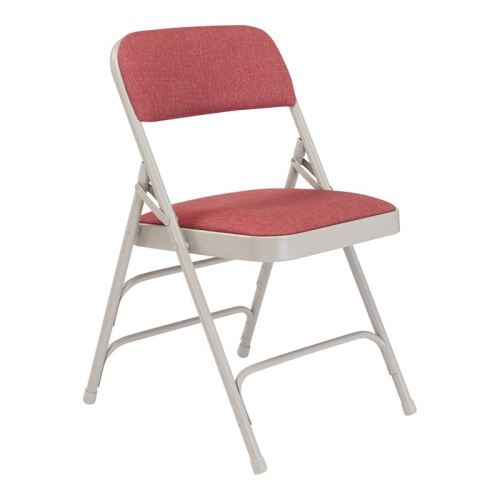 Your price for this item is $399.16
 -
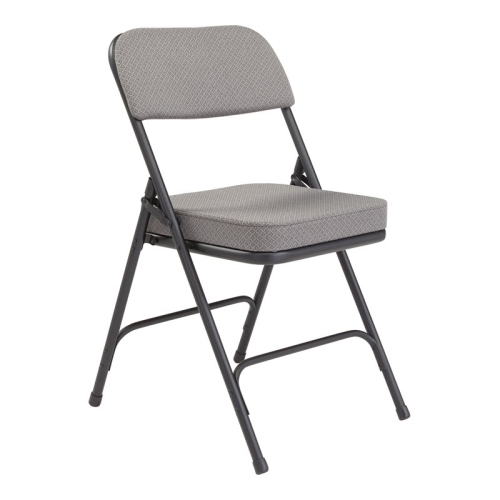 Your price for this item is $282.44
 -
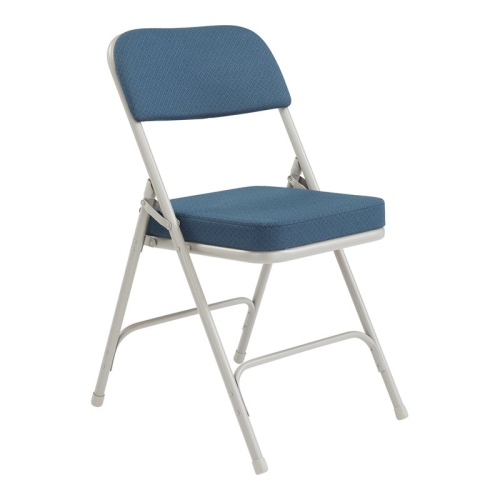 Your price for this item is $279.98
 -
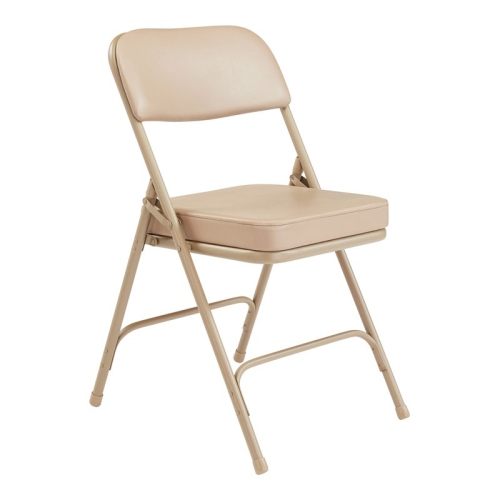 Your price for this item is $278.44
 -
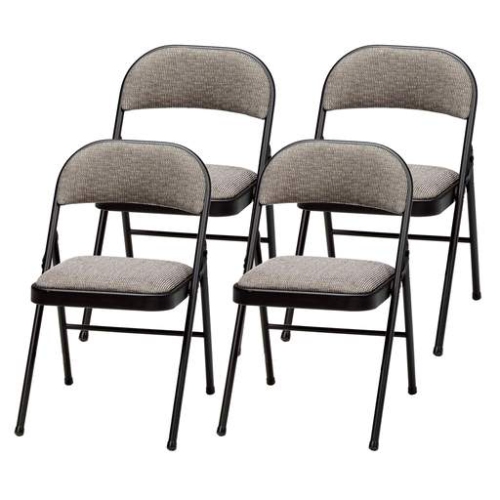 Your price for this item is $335.99
Discover more categories related to Easy To Clean Dining Room Chairs
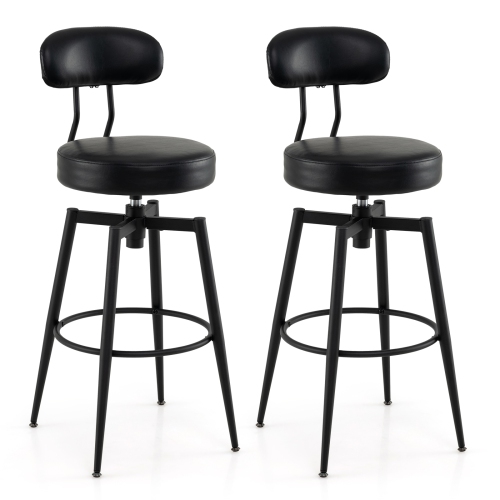
Top Collections:
Pokemon Centers, Kindle Devices, Best Budget Office Chairs, Apple iPhones 16, Canon G7X Cameras, iPhone 15 Apple, Alarm Clock, Refurbished Apple Laptops, Flip Phones, Best Laptops for Writers
Some products may be subject to Environmental Handling Fees
(EHF) depending on your province.
Learn more about EHFs.