Elegant Wedding Chair Covers
Elevate the look of any wedding celebration with Elegant Wedding Chair Covers, designed to transform ordinary seating into a sophisticated setting. Perfect for ceremonies, receptions, and special events, these chair covers add a refined touch that complements any décor style. Explore a variety of options to create a cohesive and memorable atmosphere that enhances every moment of your big day.
Sort


How fabric and fit shape your wedding seating
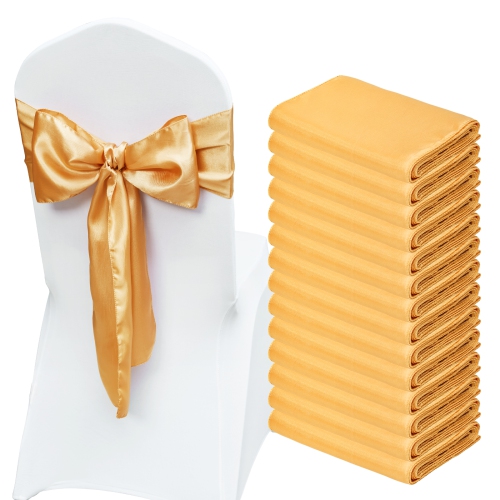
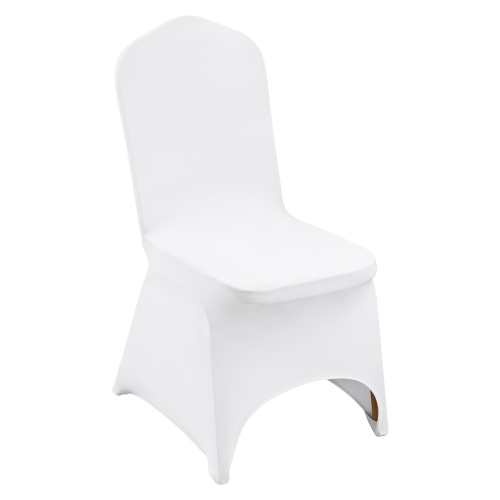
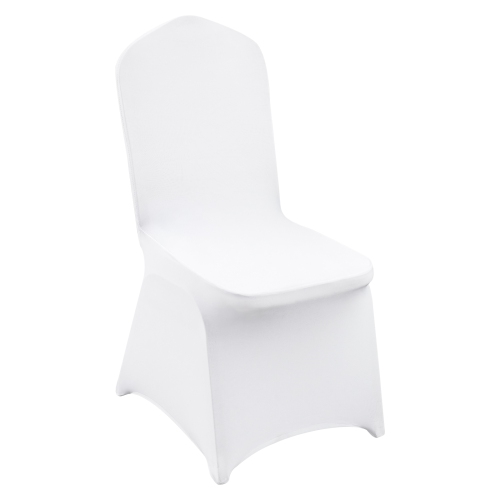
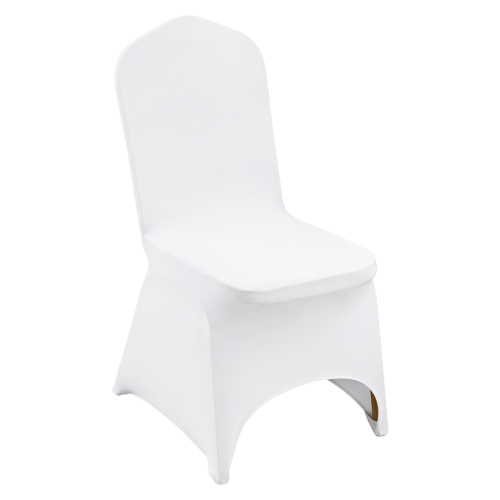
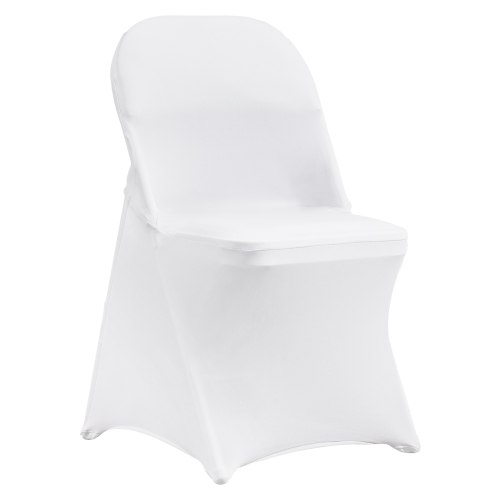
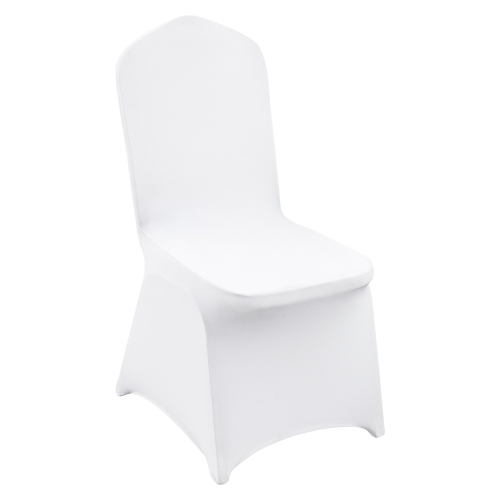
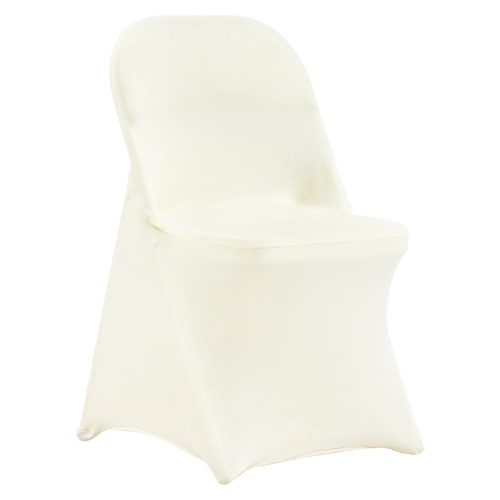
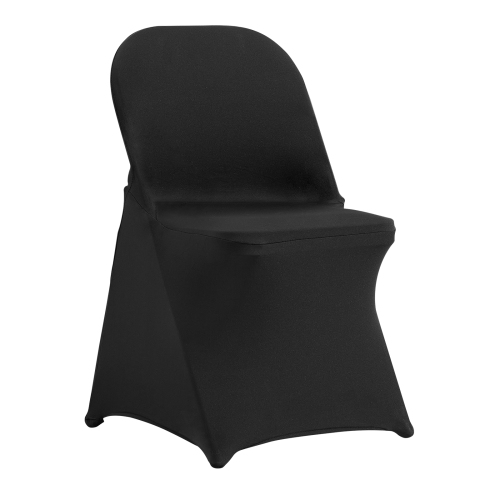
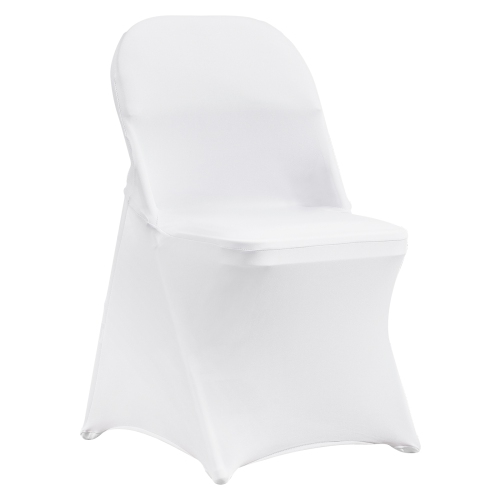
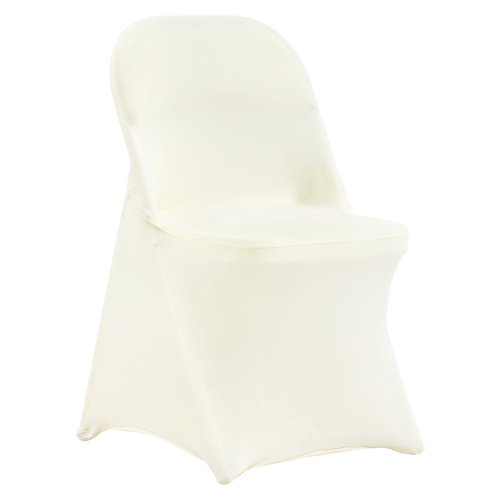
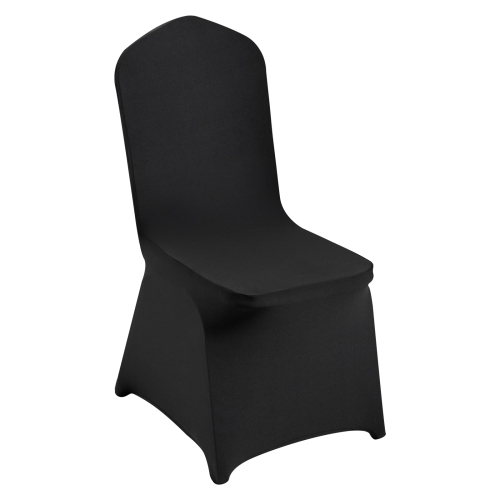
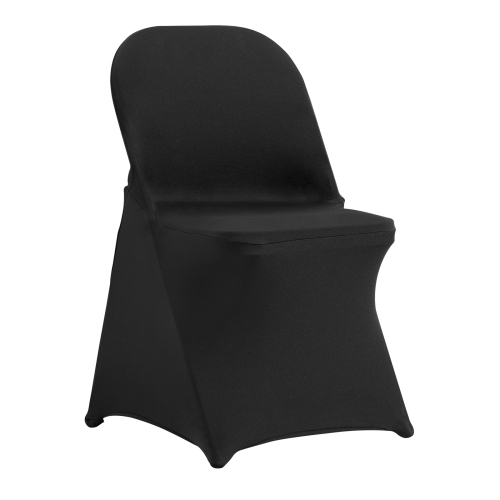
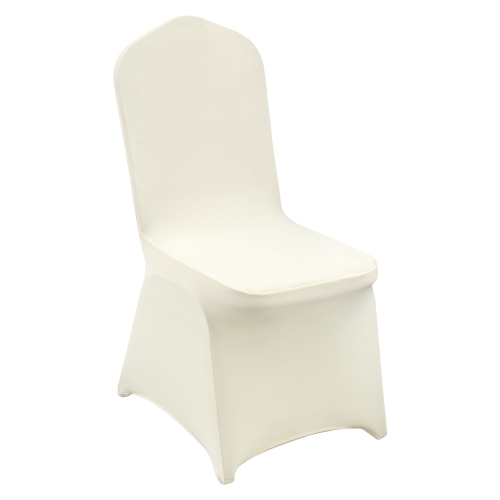
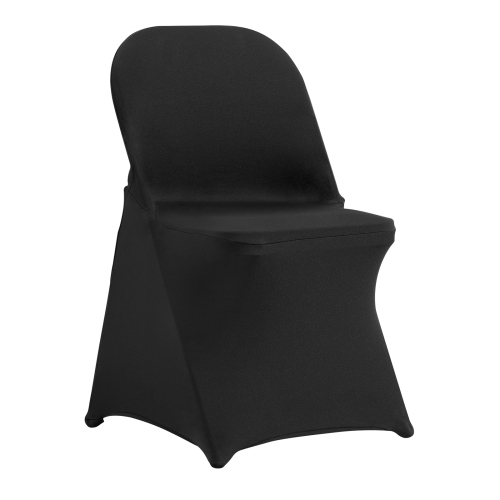
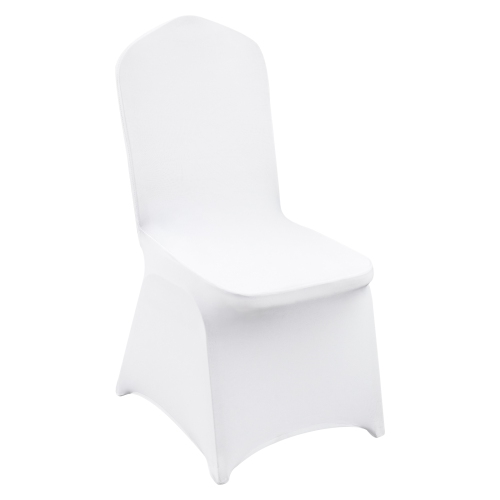
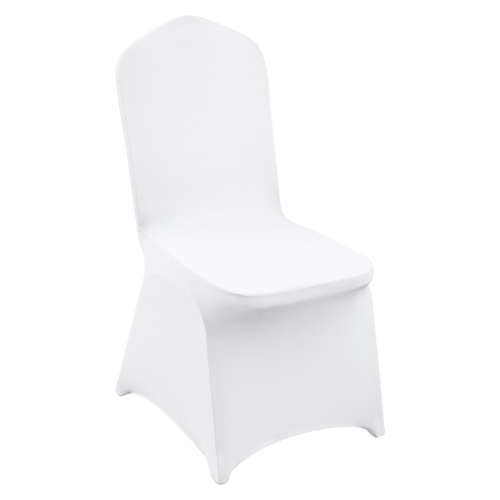
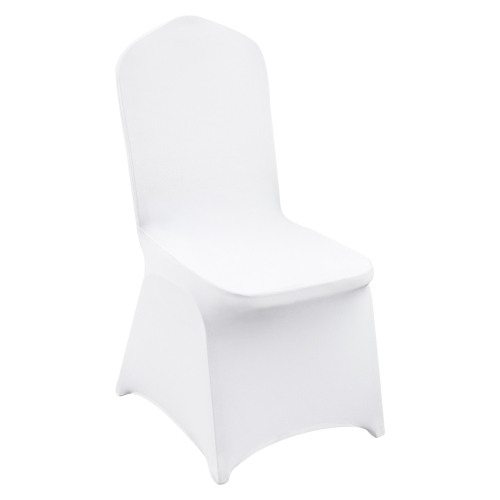
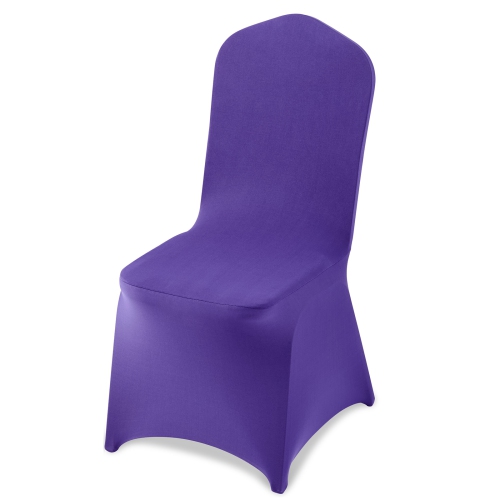
Elegant wedding chair covers give ceremony and reception seating a cohesive finish, softening plain chair frames and bringing the room’s colour palette down to each place setting. Their effect depends on both fabric and shape: a close-fitting stretch cover creates a clean outline, while a softly draped slipcover lends a more flowing, formal appearance. Polyester and spandex blends are commonly used for fitted covers because they stretch around the backrest and seat; woven polyester offers a more structured drape with less give. Satin, a fabric construction rather than a fibre type, has a smooth surface that reflects light and can make a simple chair look more dressed up. Lace adds visible pattern, while tulle creates airy volume and chiffon falls in light, fluid folds. These sheer materials generally work as overlays, hoods, or accents rather than concealing a chair completely. Organza has more body than chiffon, making it well suited to bows that hold their shape. For a restrained reception setting, matte covers paired with narrow sashes can complement crisp table linens without competing with flowers or glassware. A more romantic arrangement might combine a smooth base cover with a lace back panel or gently gathered fabric. Ruched detailing adds depth on its own, so an additional bow may not be necessary. White remains a versatile starting point, particularly when the seating needs to sit comfortably alongside several accent colours. A selection of White Chair Covers can suit anything from an understated ceremony aisle to a formal reception with layered linens. The distinction between bright white, soft white, and ivory matters when covers sit beside tablecloths, as undertones that look similar separately can appear quite different together. Looking at fabrics side by side under the venue’s lighting helps reveal those differences, as well as whether a finish appears softly lustrous or strongly reflective. Full coverage is useful for bringing mismatched seating into one visual scheme, whereas a partial drape leaves attractive woodwork or an open chair back visible.
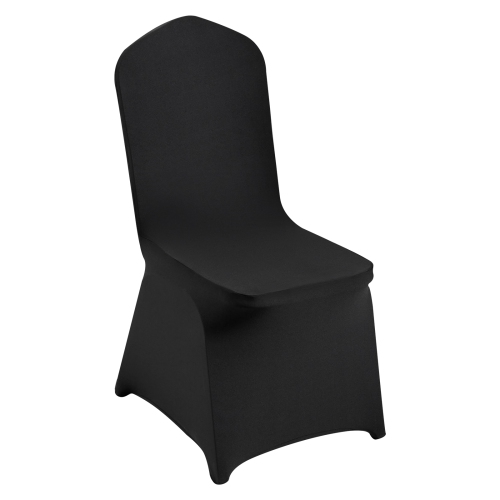
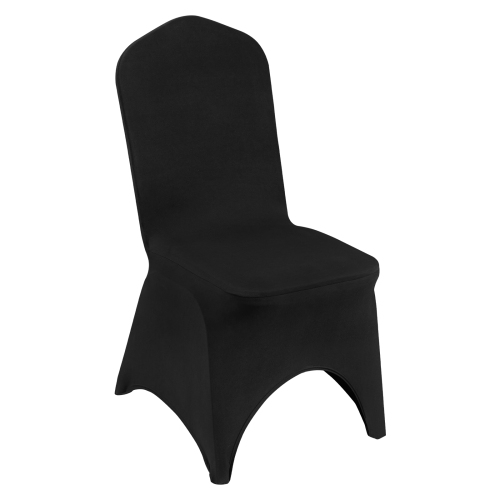
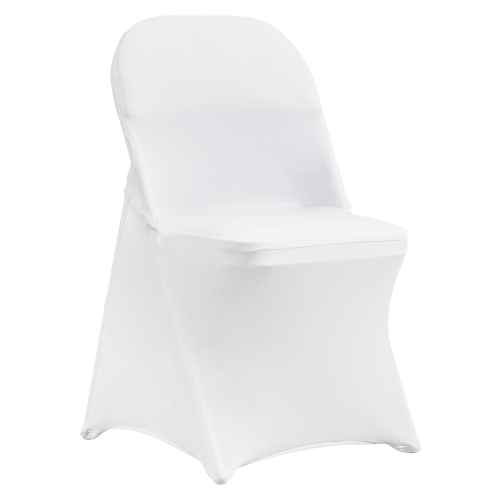
Fit is what makes a wedding chair cover look intentional rather than improvised. Banquet chairs, folding chairs, and decorative dining chairs have different proportions, even when their overall heights seem similar. A rounded banquet back needs a different allowance from a square backrest, and a folding chair’s angled legs can affect how a fitted cover stretches towards the floor. Useful measurements include overall chair height, backrest width and height, seat width and depth, and the distance from the seat to the floor. Arms, unusually thick padding, flared backs, and projecting frame joints also affect compatibility. A description such as universal fit usually means the cover accommodates a range of shapes, not that it will suit every chair. Stretch designs often use foot pockets to anchor the fabric around the legs; those pockets need to match the chair layout without pulling seams excessively tight. Reinforcement at these contact points is especially helpful where chairs will be moved between a ceremony and a reception. Woven slipcovers rely more on their cut, ties, and fabric allowance, with a looser silhouette that can disguise variations in the frame beneath. A trial fitting on the actual venue chair is more revealing than measurements alone: the seat should remain comfortable, the back should sit neatly, and the cover should stay in place when someone sits down and stands up. A hem that pools on the floor may look dramatic in a photograph but can catch under shoes or chair legs during dinner. Sashes and trailing panels also need enough clearance for guests and serving staff to move between tables. On aisle seats, bows or floral accents are best positioned where they will not narrow the walkway or press against a guest’s back. Chair hoods can provide a lighter finishing touch when only the backrest needs dressing, particularly on seating with an appealing frame. For the couple’s chairs or a small head table, a fuller drape can create distinction while keeping the rest of the seating simpler. The most effective arrangement balances the appearance from across the room with the practical experience of sitting through speeches, dinner, and conversation.
Care and construction deserve as much attention as the finished look, especially for wedding planners, venue teams, and families preparing seating for several celebrations. Fibre content, seam quality, and the care label offer useful clues about how a cover will handle setup, cleaning, and storage. Machine-washable polyester can simplify care when the label permits it, but wash settings, drying methods, and stain treatments still vary. Stretch fabrics may need low heat or air drying to protect their elasticity, while lace, applied trims, and loosely woven accents can require gentler handling to prevent snags. Satin surfaces can show pulls, pressure marks, or water spotting depending on their composition and finish, so an inconspicuous test is sensible before treating a visible area. Steaming or ironing is appropriate only where the care instructions allow it; excessive heat can damage synthetic fibres or flatten decorative details. Food and drink marks are easier to address when spills are blotted promptly rather than rubbed into the weave. After cleaning, covers should be completely dry before being folded or hung, with detachable sashes stored separately to reduce tangling. For repeated use, evenly sewn hems, secure ties, and reinforced stress points tend to matter more than elaborate embellishment. Opacity is another practical consideration: a pale cover may reveal a dark chair frame or patterned upholstery beneath it, particularly when the fabric is stretched. A fitting under the lighting planned for the event can show whether the coverage is sufficient. For couples organizing their own wedding, manageable fastenings and a consistent fit can make dressing a room of chairs far less fiddly. Event professionals may place greater emphasis on reliable cleaning results and construction that tolerates frequent handling. These covers can also serve at engagement celebrations, bridal showers, and anniversary dinners where a coordinated seating arrangement suits the occasion. Whether the desired finish is tailored, softly draped, or delicately textured, the strongest choice is one that works with the chair underneath, complements the surrounding linens, and remains comfortable throughout the celebration.
Fit is what makes a wedding chair cover look intentional rather than improvised. Banquet chairs, folding chairs, and decorative dining chairs have different proportions, even when their overall heights seem similar. A rounded banquet back needs a different allowance from a square backrest, and a folding chair’s angled legs can affect how a fitted cover stretches towards the floor. Useful measurements include overall chair height, backrest width and height, seat width and depth, and the distance from the seat to the floor. Arms, unusually thick padding, flared backs, and projecting frame joints also affect compatibility. A description such as universal fit usually means the cover accommodates a range of shapes, not that it will suit every chair. Stretch designs often use foot pockets to anchor the fabric around the legs; those pockets need to match the chair layout without pulling seams excessively tight. Reinforcement at these contact points is especially helpful where chairs will be moved between a ceremony and a reception. Woven slipcovers rely more on their cut, ties, and fabric allowance, with a looser silhouette that can disguise variations in the frame beneath. A trial fitting on the actual venue chair is more revealing than measurements alone: the seat should remain comfortable, the back should sit neatly, and the cover should stay in place when someone sits down and stands up. A hem that pools on the floor may look dramatic in a photograph but can catch under shoes or chair legs during dinner. Sashes and trailing panels also need enough clearance for guests and serving staff to move between tables. On aisle seats, bows or floral accents are best positioned where they will not narrow the walkway or press against a guest’s back. Chair hoods can provide a lighter finishing touch when only the backrest needs dressing, particularly on seating with an appealing frame. For the couple’s chairs or a small head table, a fuller drape can create distinction while keeping the rest of the seating simpler. The most effective arrangement balances the appearance from across the room with the practical experience of sitting through speeches, dinner, and conversation.
Care and construction deserve as much attention as the finished look, especially for wedding planners, venue teams, and families preparing seating for several celebrations. Fibre content, seam quality, and the care label offer useful clues about how a cover will handle setup, cleaning, and storage. Machine-washable polyester can simplify care when the label permits it, but wash settings, drying methods, and stain treatments still vary. Stretch fabrics may need low heat or air drying to protect their elasticity, while lace, applied trims, and loosely woven accents can require gentler handling to prevent snags. Satin surfaces can show pulls, pressure marks, or water spotting depending on their composition and finish, so an inconspicuous test is sensible before treating a visible area. Steaming or ironing is appropriate only where the care instructions allow it; excessive heat can damage synthetic fibres or flatten decorative details. Food and drink marks are easier to address when spills are blotted promptly rather than rubbed into the weave. After cleaning, covers should be completely dry before being folded or hung, with detachable sashes stored separately to reduce tangling. For repeated use, evenly sewn hems, secure ties, and reinforced stress points tend to matter more than elaborate embellishment. Opacity is another practical consideration: a pale cover may reveal a dark chair frame or patterned upholstery beneath it, particularly when the fabric is stretched. A fitting under the lighting planned for the event can show whether the coverage is sufficient. For couples organizing their own wedding, manageable fastenings and a consistent fit can make dressing a room of chairs far less fiddly. Event professionals may place greater emphasis on reliable cleaning results and construction that tolerates frequent handling. These covers can also serve at engagement celebrations, bridal showers, and anniversary dinners where a coordinated seating arrangement suits the occasion. Whether the desired finish is tailored, softly draped, or delicately textured, the strongest choice is one that works with the chair underneath, complements the surrounding linens, and remains comfortable throughout the celebration.
Top selling and popular products
-
 Your price for this item is $537.55
 -
 Your price for this item is $250.99
 -
 Your price for this item is $186.99
 -
 Your price for this item is $231.99
 -
 Your price for this item is $230.99
 -
 Your price for this item is $238.99
 -
 Your price for this item is $226.99
 -
 Your price for this item is $193.99
Discover more categories related to Elegant Wedding Chair Covers
Top Collections:
Pokemon Centers, Kindle Devices, Best Budget Office Chairs, Apple iPhones 16, Best Laptops for Writers, iPhone 15 Apple, Canon G7X Cameras, Refurbished Apple Laptops, Alarm Clock, Motorola Razr Phones
Some products may be subject to Environmental Handling Fees
(EHF) depending on your province.
Learn more about EHFs.