Emergency Power Stations for Winter

Emergency power stations for winter provide backup power for essentials during seasonal outages. Explore portable power stations with your key devices in mind, from phones and lights to other compatible electronics. Compare battery capacity, output wattage and charging options to find a model suited to your needs, and check its operating temperature range if you plan to use it in cold conditions.
Read More

Sort

Emergency Power Stations for Winter

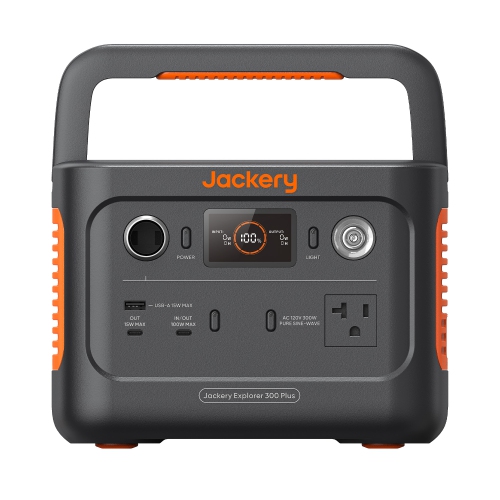
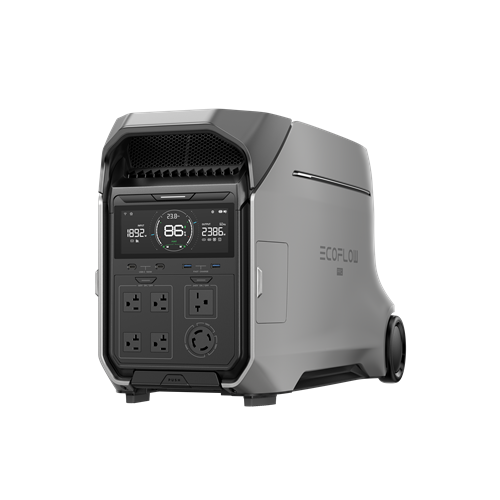
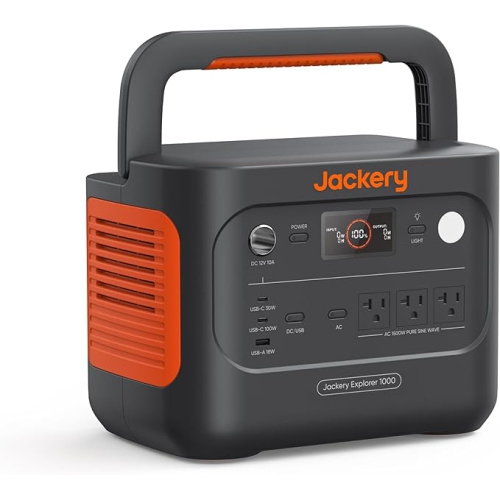
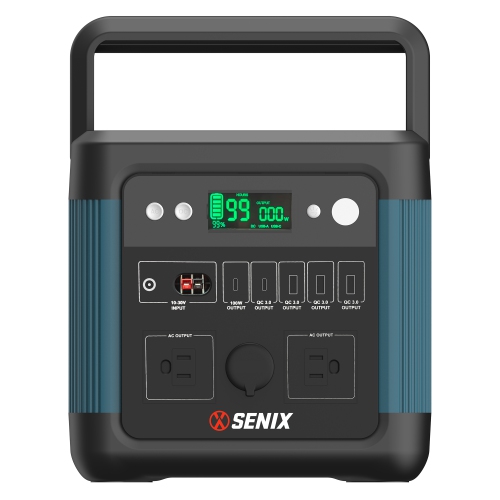
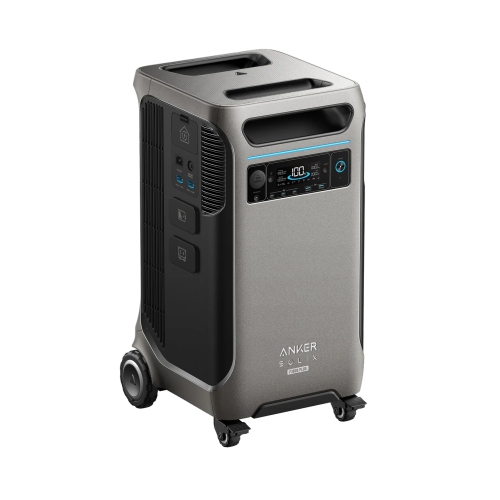
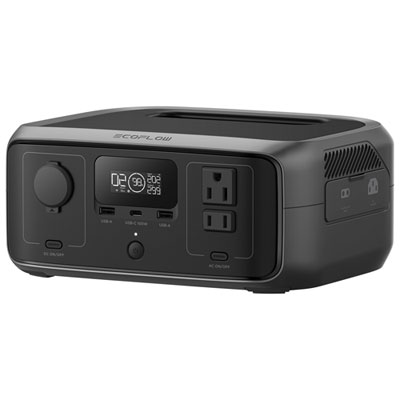
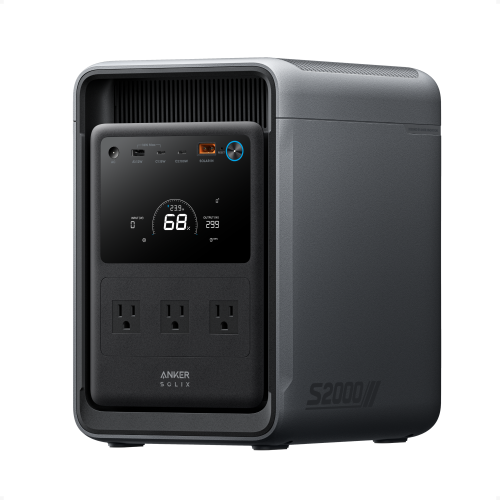
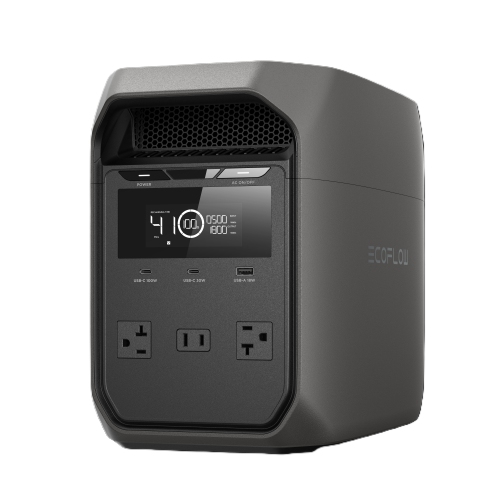
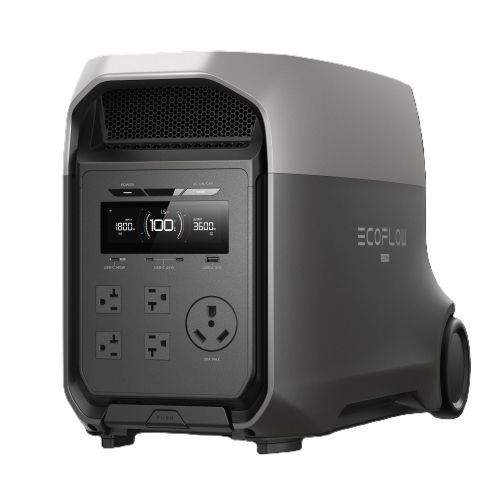
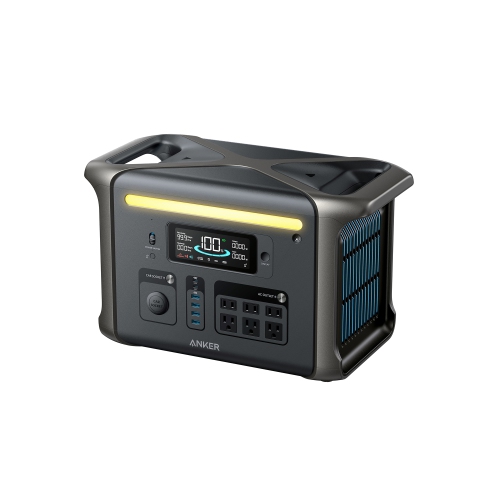
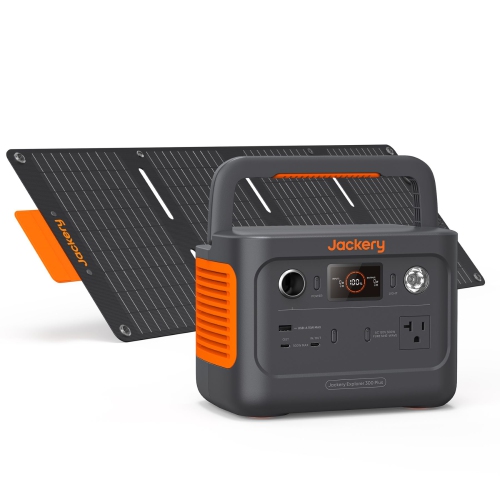
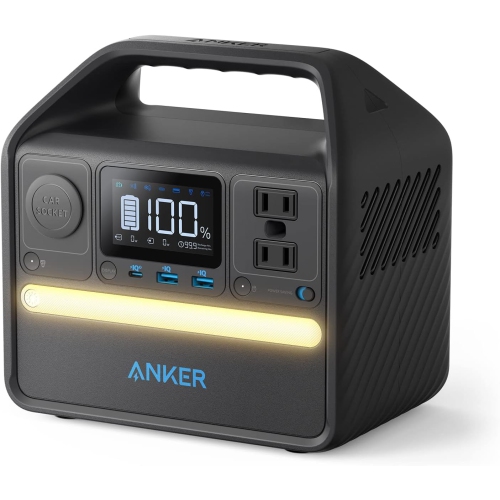
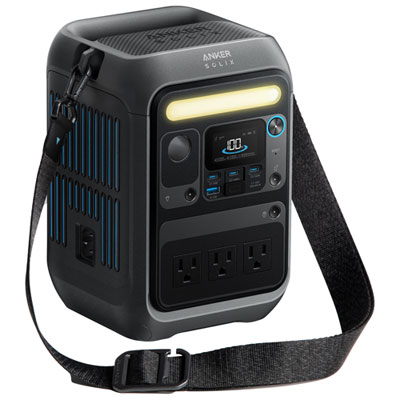
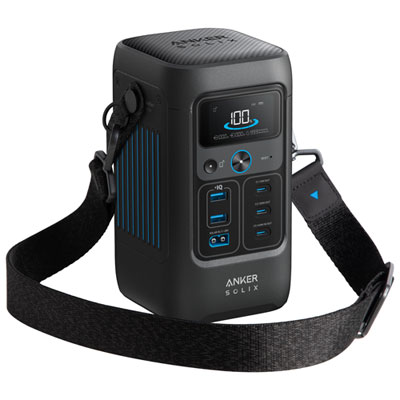
When a winter storm knocks out the lights, a charged phone, a working lamp, and a little extra battery power can make the evening feel much more manageable. Emergency Power Stations for Winter bring together portable battery options for those moments when the usual wall outlets are no longer available. They can help keep everyday essentials running, whether you’re waiting out an outage in a city apartment, preparing a rural home for heavy snowfall, or spending a snowy weekend at the cottage. Unlike fuel-powered generators, battery power stations supply electricity without engine exhaust, making them a practical option for indoor backup when used according to the manufacturer’s instructions. Picture a lamp beside the sofa, phones charging within reach, and a radio keeping you up to date while snow piles up outside. The right station depends on which devices you want to power and how long you need them to last; keeping a few small essentials charged takes far less capacity than supporting larger household appliances.

Battery capacity and output power are two of the most useful details to compare. Capacity, measured in watt-hours, helps indicate how much energy a station stores, while its output rating in watts determines which devices it can run at once. A higher-capacity model may offer longer runtime, but actual results depend on the connected equipment, conversion losses, temperature, and the station’s own power use. For a realistic starting point, add up the wattage of the essentials you expect to use together, then check both the continuous output and any surge requirements. Appliances with motors, such as refrigerators, can need extra power when they start. Electric heaters, kettles, and other heat-producing appliances draw substantial power and can drain a battery quickly, so a portable station should not be treated as a substitute for a safe heating plan. Look closely at the outlet selection, too: AC outlets suit many household devices, while USB-A and USB-C ports can charge compatible phones, tablets, and laptops directly. Backing up a modem and Wi-Fi router may help you stay connected, although internet access still depends on your provider’s network remaining operational.

Winter readiness also comes down to details that are easy to overlook until the hallway is dark. A readable charge display, accessible controls, a sturdy handle, and a weight you can comfortably lift all matter when moving a station from a storage shelf to the room where it is needed. Check charging times and supported charging methods so you know how readily you can top it up before a storm or between outages. Cold temperatures can reduce available battery performance, and many batteries have strict charging temperature limits; follow the specified operating and storage ranges rather than leaving the unit in an unheated garage or vehicle all season. Keep it dry, allow the clearance required by the manufacturer, and check its charge periodically while it is stored. For cottage owners, apartment dwellers, or family members who like to be prepared, a power station can also be a thoughtful, practical gift. Match its size to the recipient’s needs and ability to carry it, and leave room for a few useful extras, such as compatible charging cables and a low-power lamp. If backup power is needed for medical equipment, confirm compatibility and runtime requirements with the equipment provider and maintain a separate emergency plan rather than relying on a general-purpose battery alone.

Read More

FAQ

Some products may be subject to Environmental Handling Fees (EHF) depending on your province. Learn more about EHFs.