Enameled Cast Iron Cookware
Upgrade your kitchen with the timeless elegance and exceptional cooking performance of enameled cast iron cookware. Crafted to perfection, this collection showcases the perfect blend of style and functionality, making it a must-have for any cooking enthusiast. Whether you're simmering soups, braising meats, or baking mouthwatering casseroles, this enameled cast iron cookware provides even heat distribution and superior heat retention for delicious results every time.
Sort
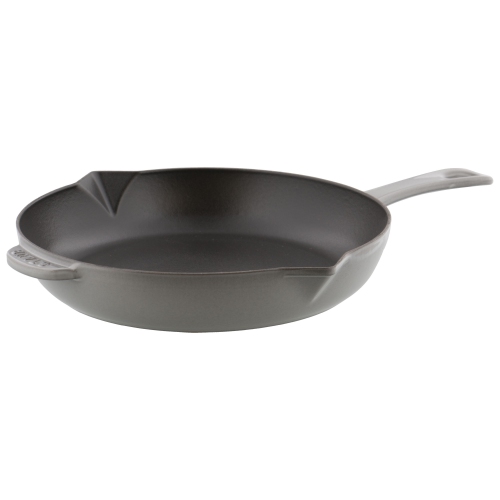
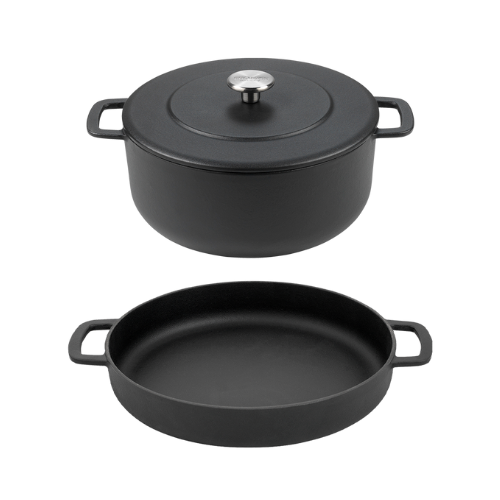
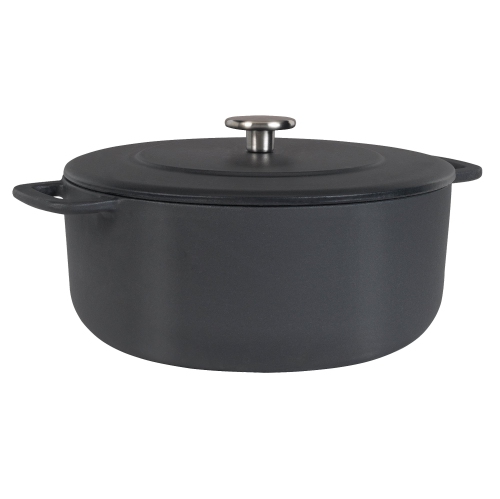
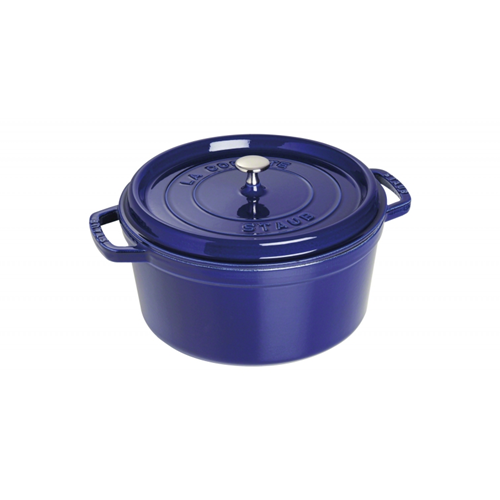
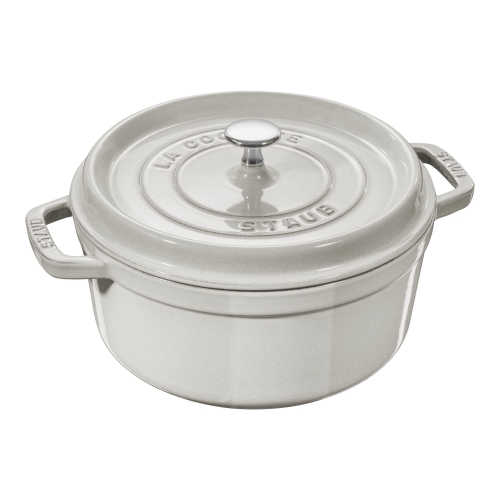
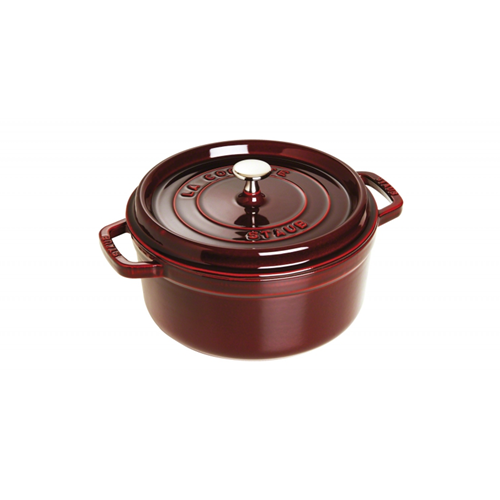
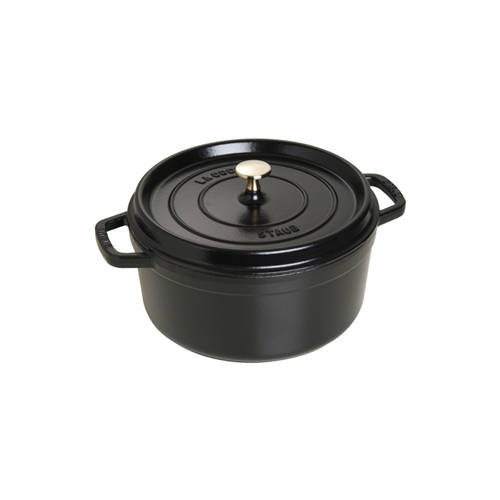
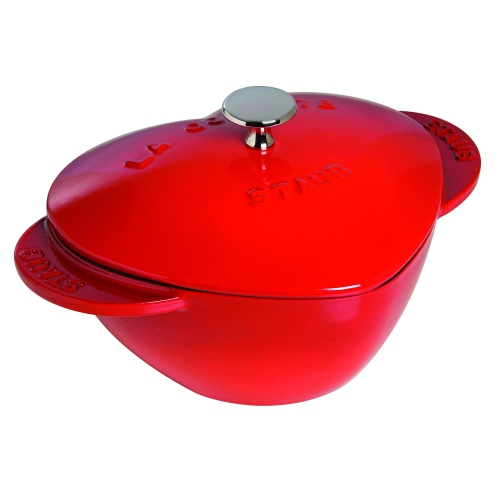
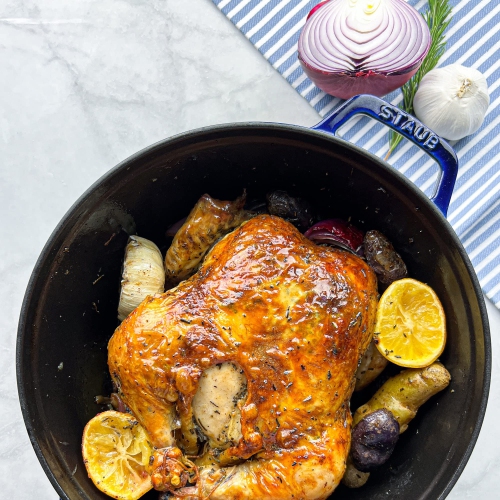
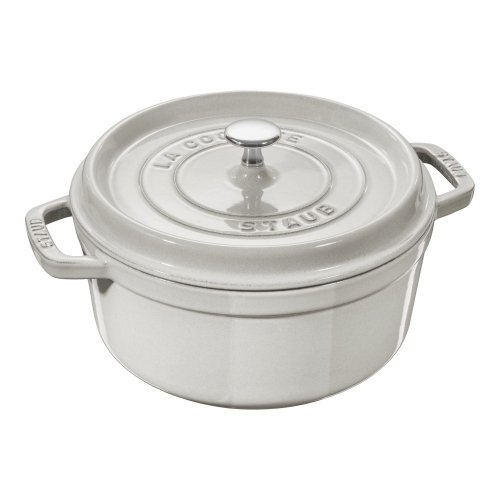
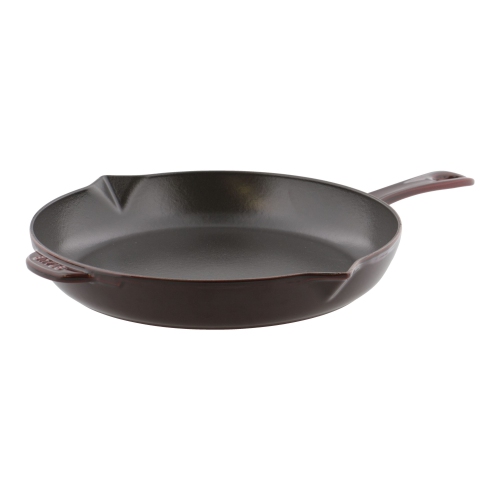
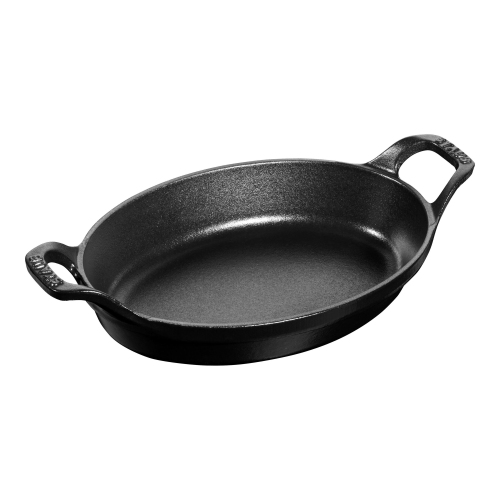
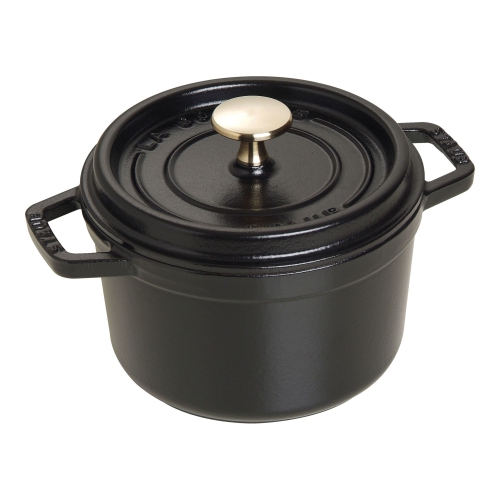
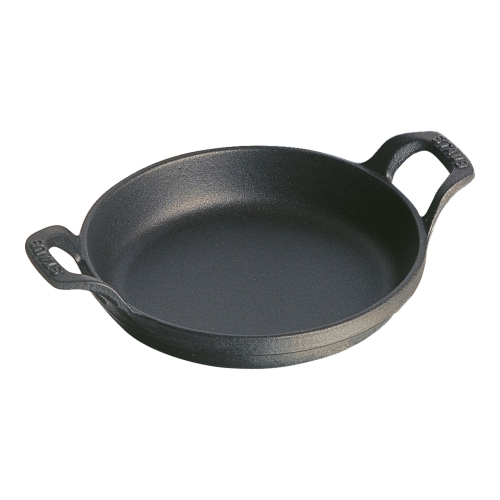
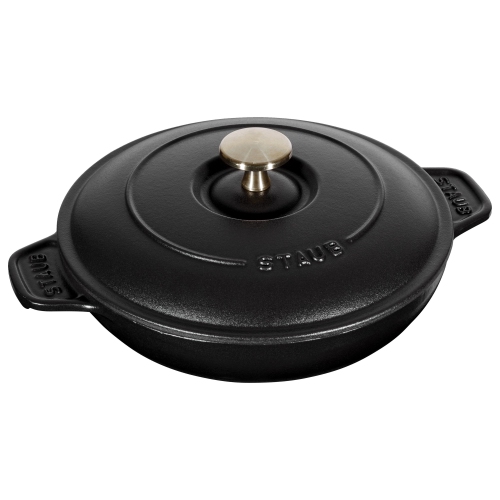
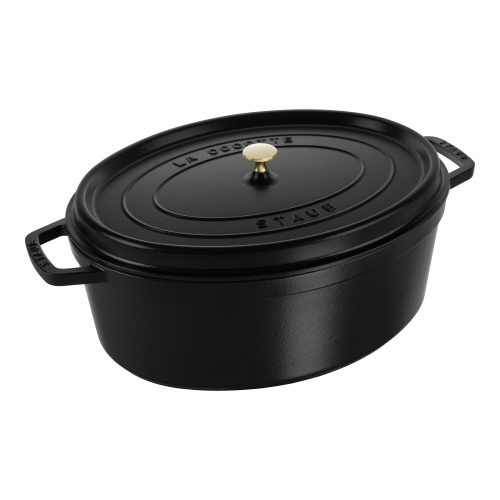
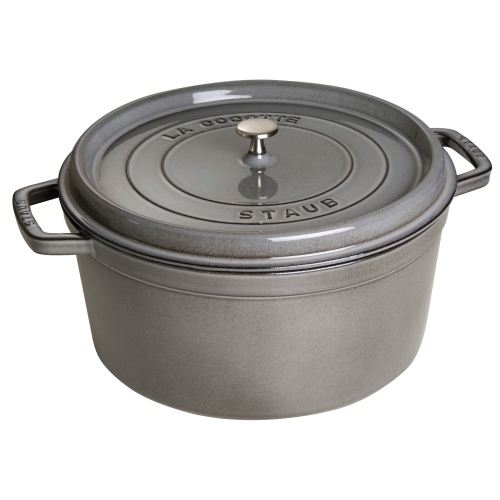
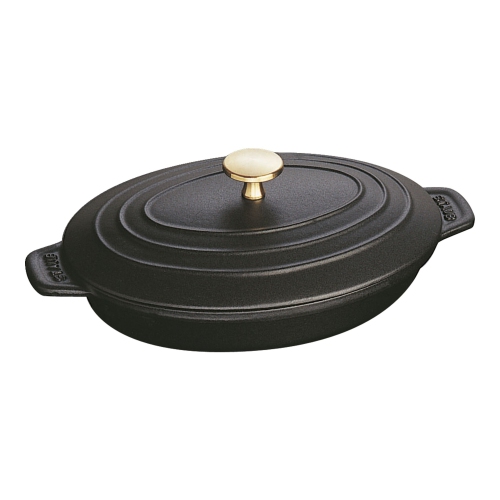
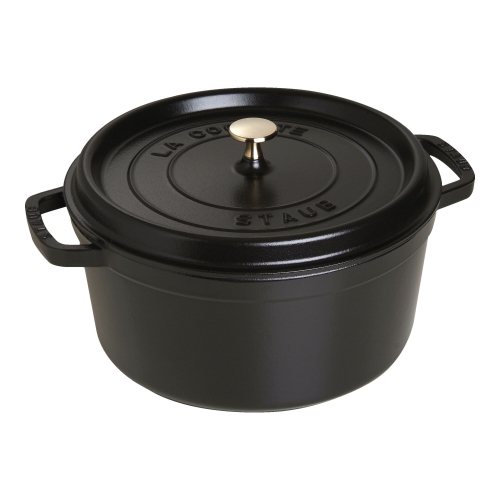
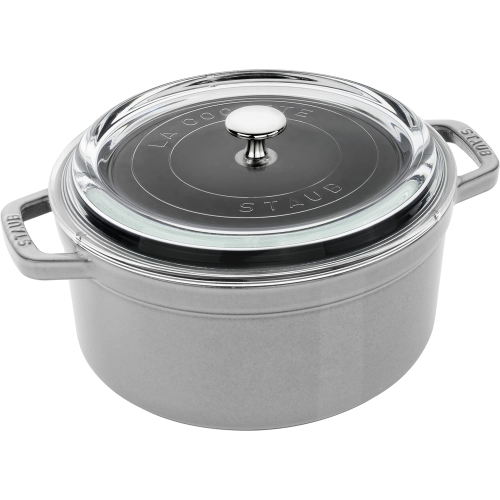
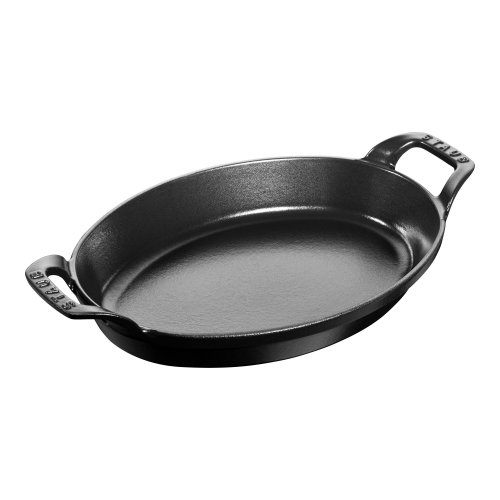
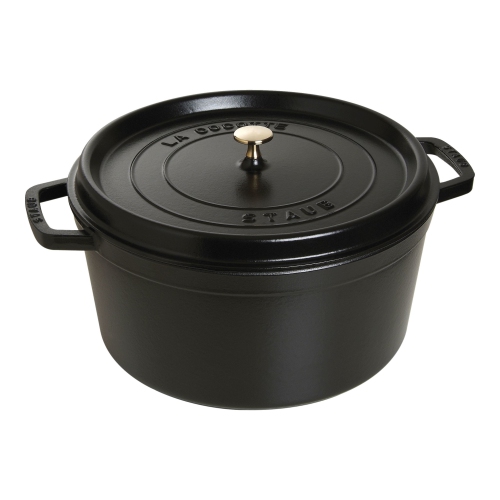


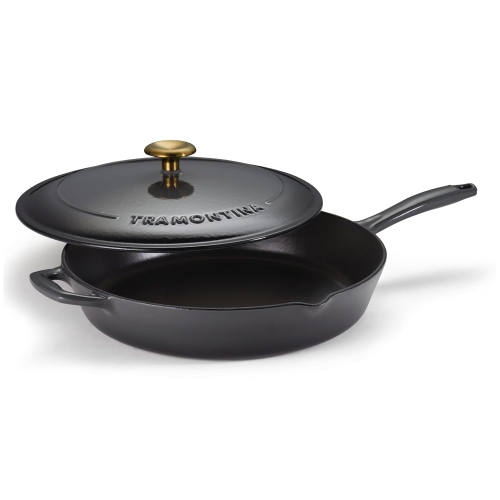
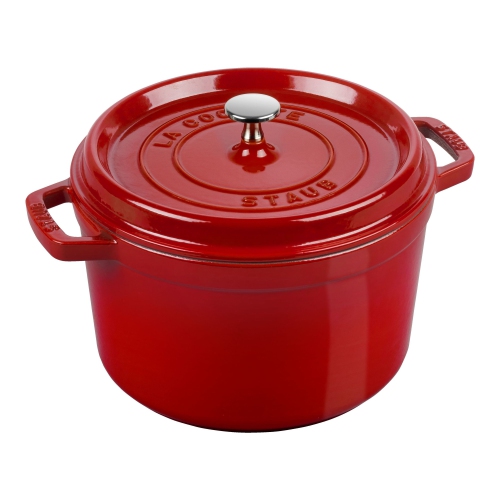
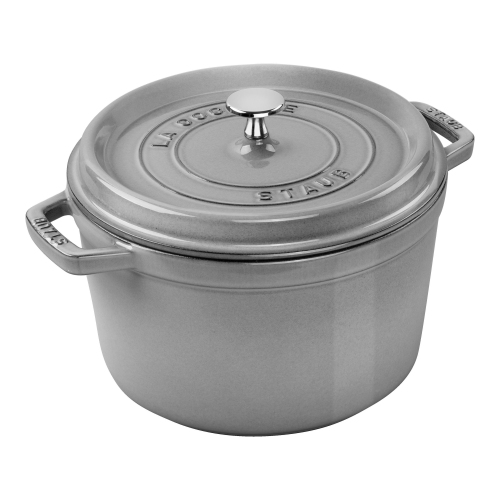
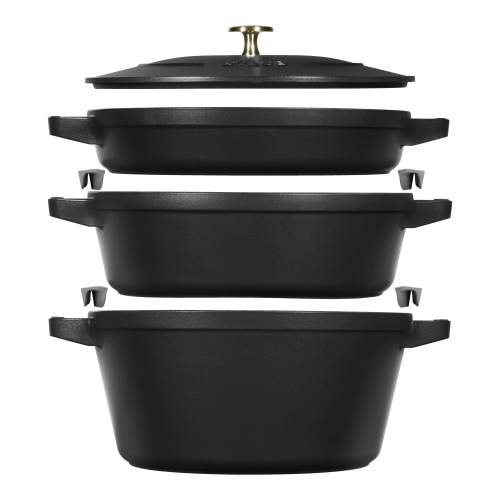
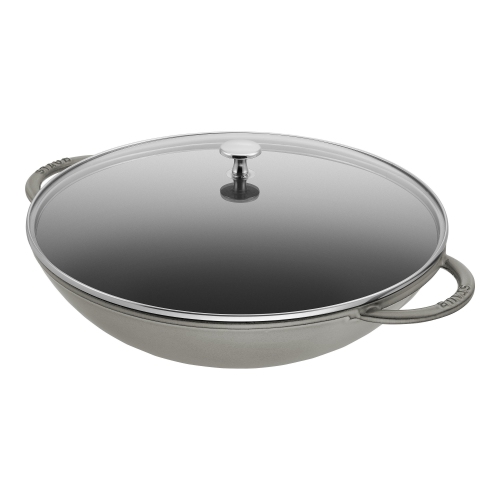
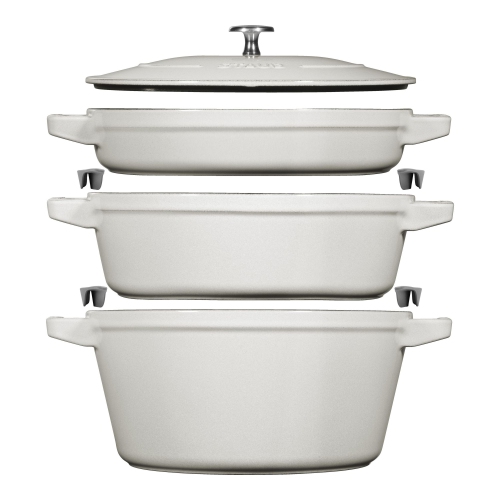
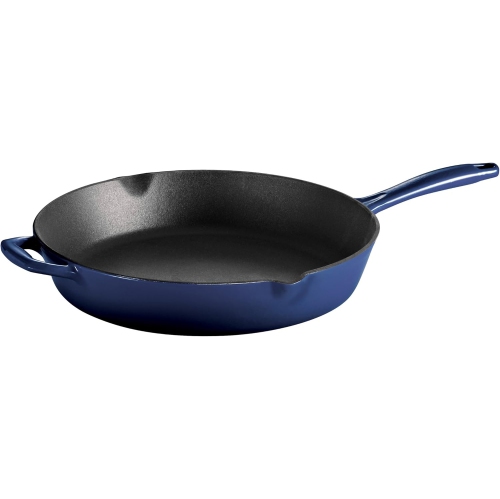

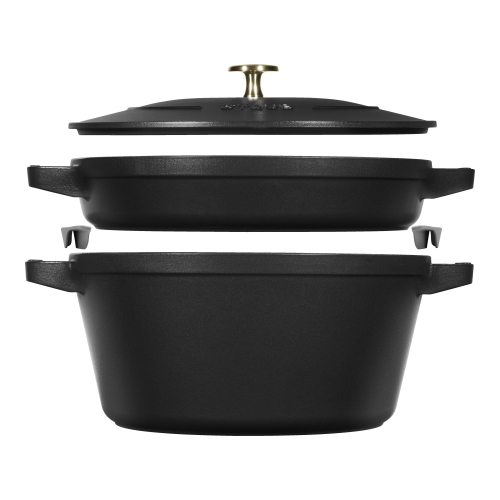
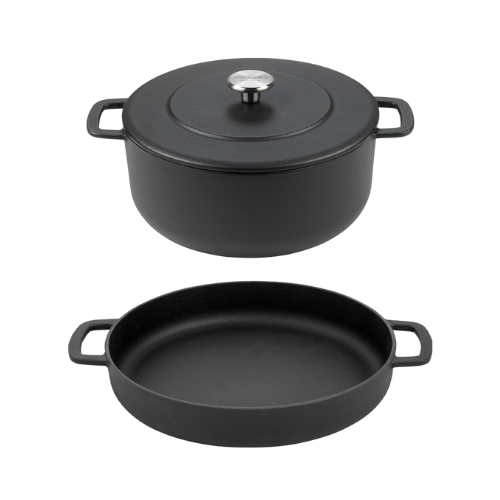
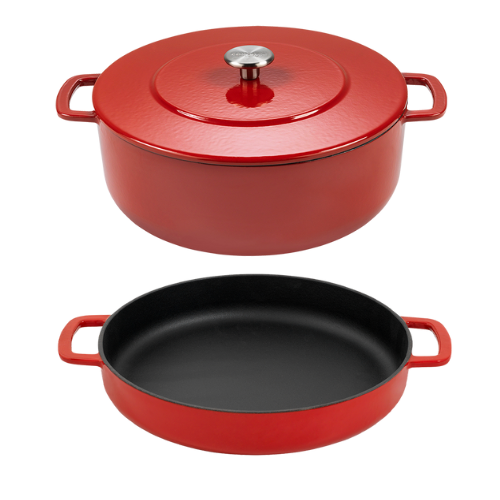
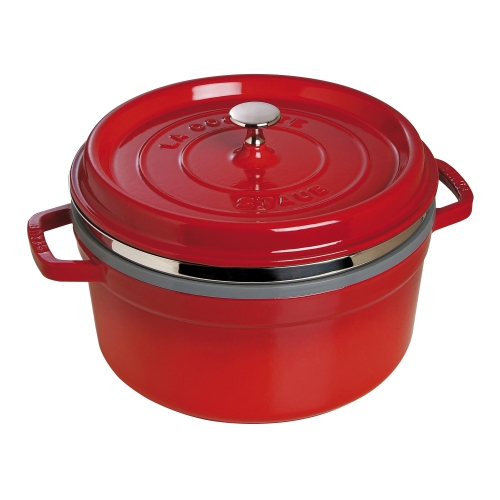
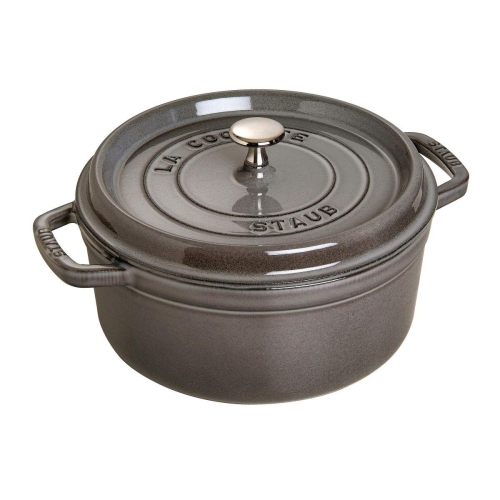
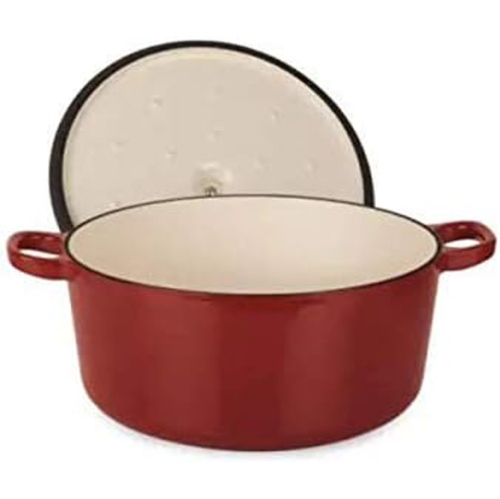
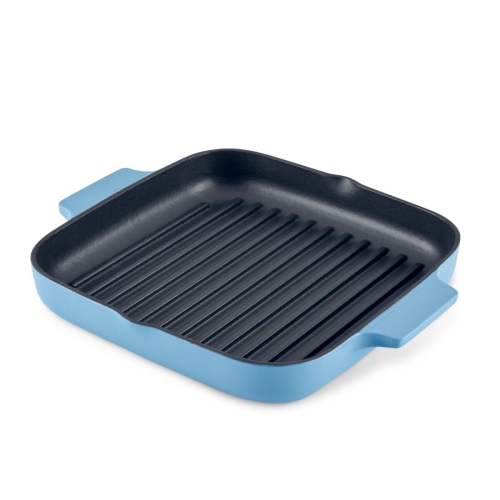
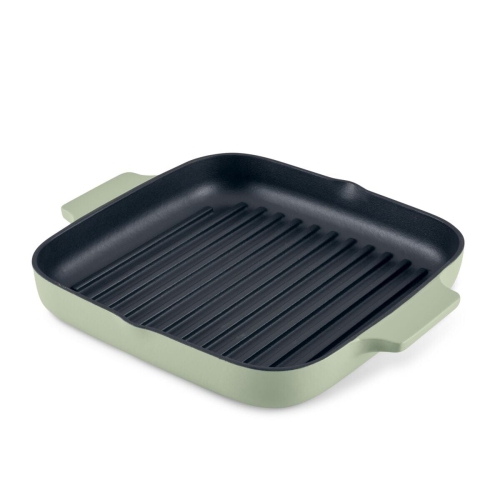
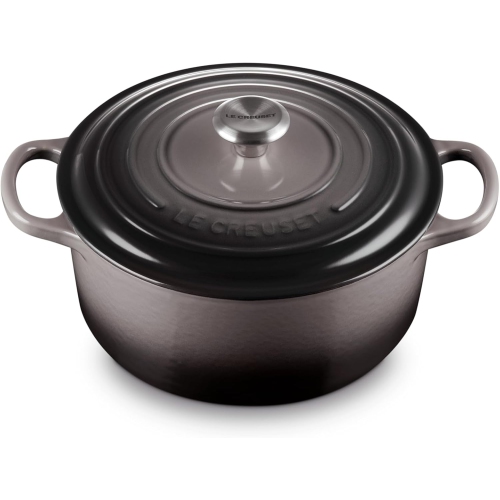
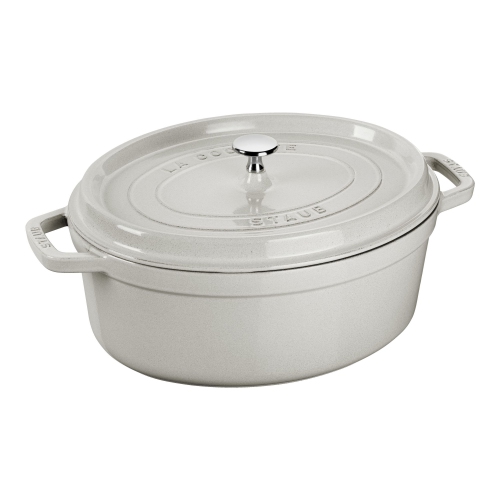
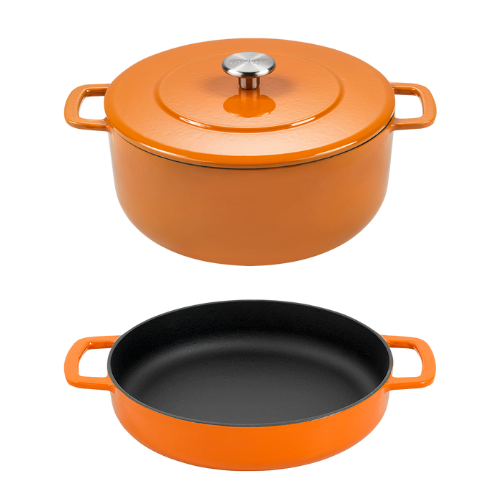
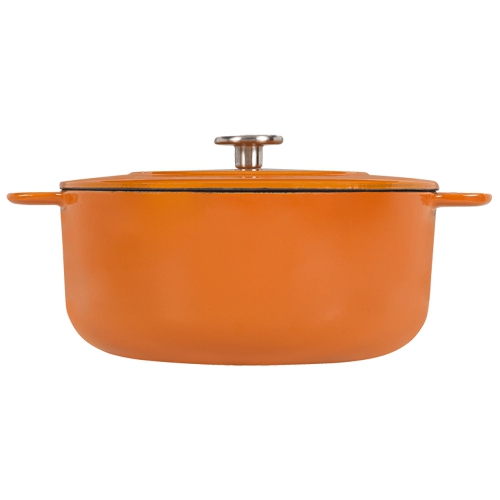
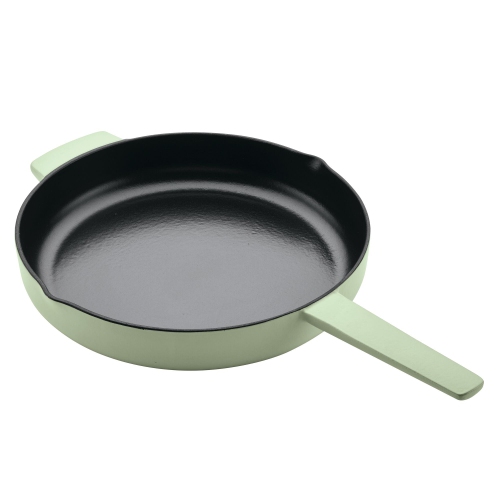
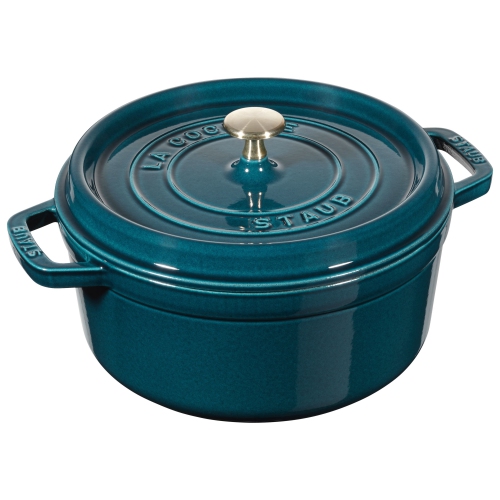
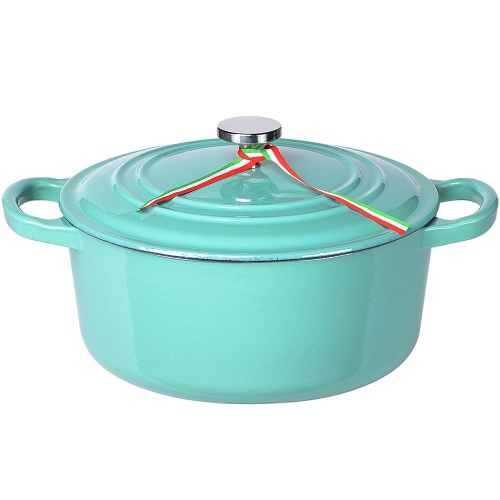
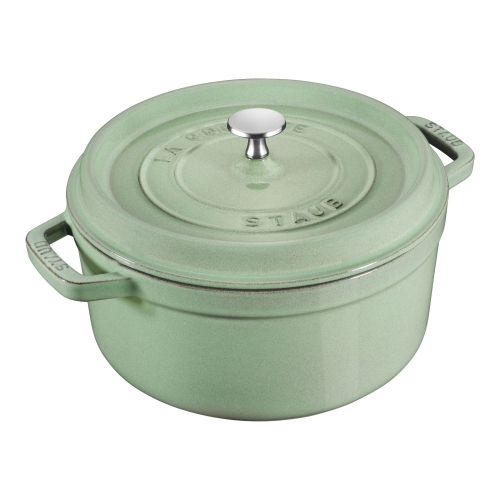
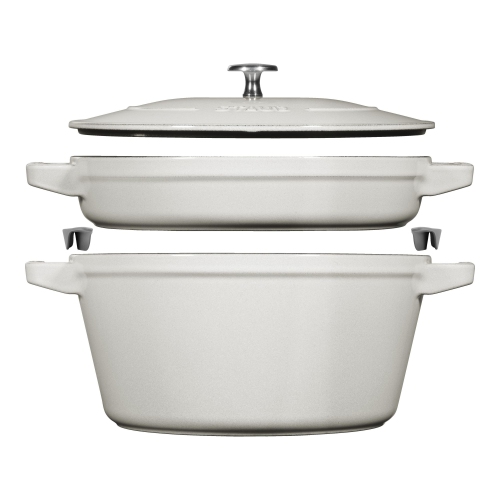
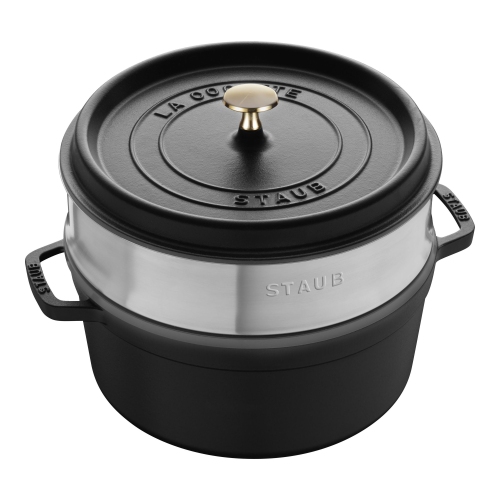
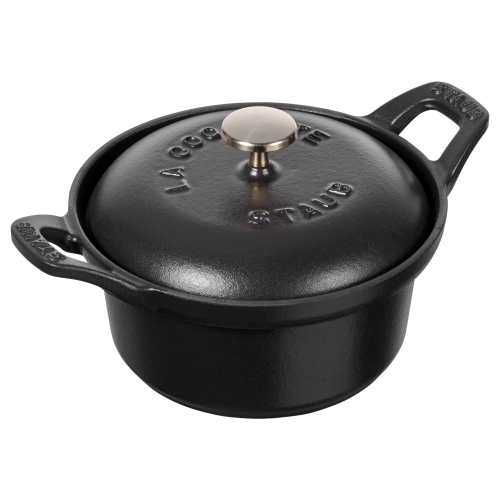
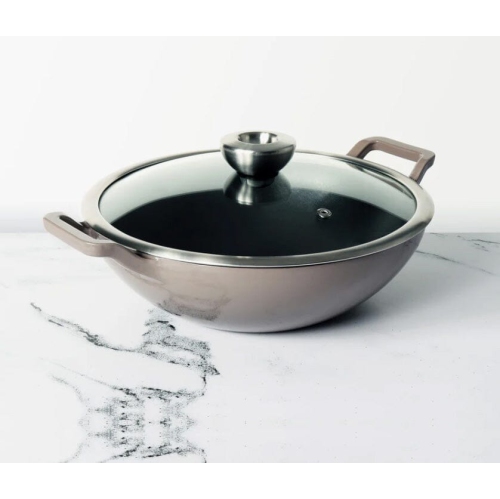
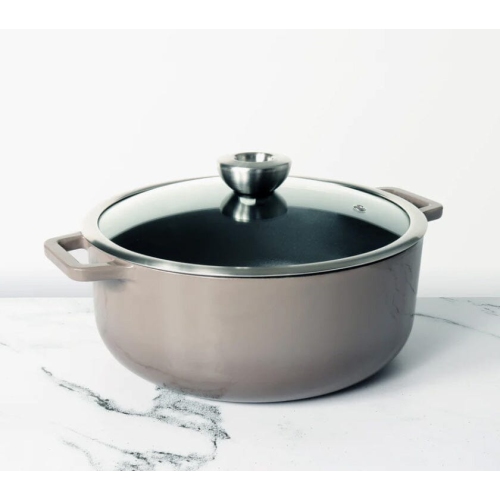
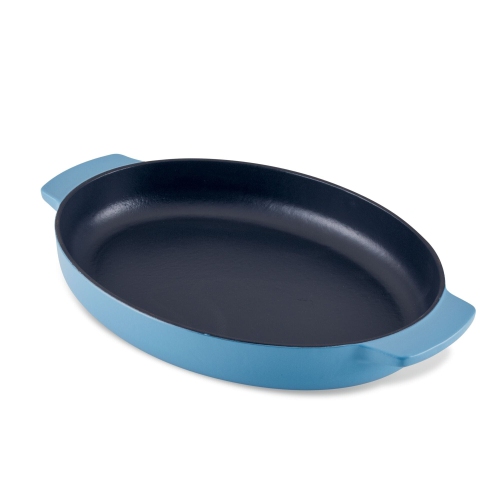
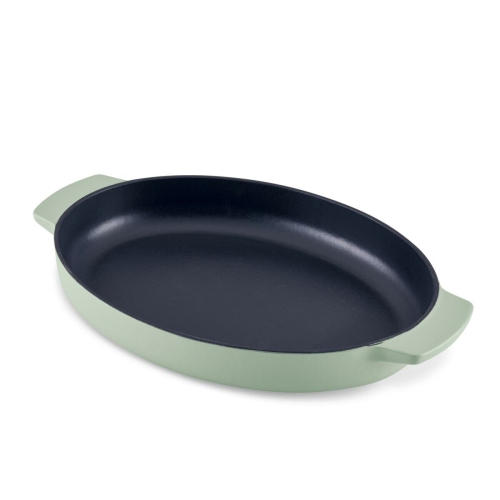
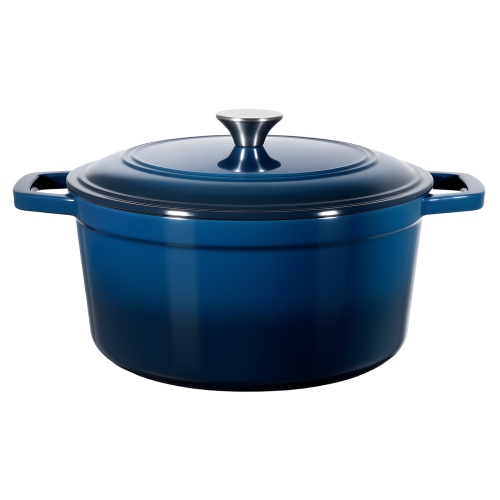
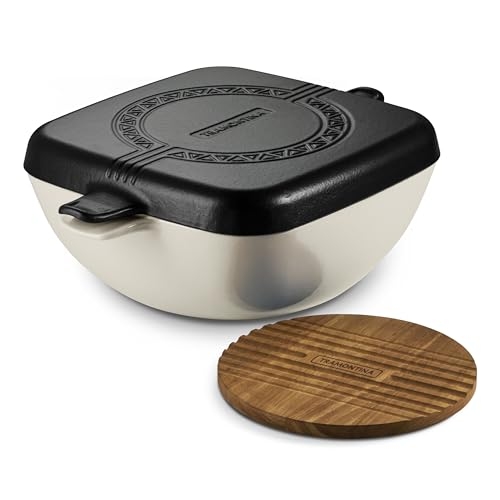
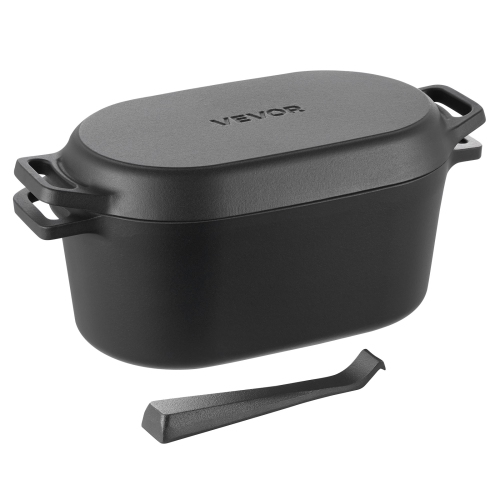
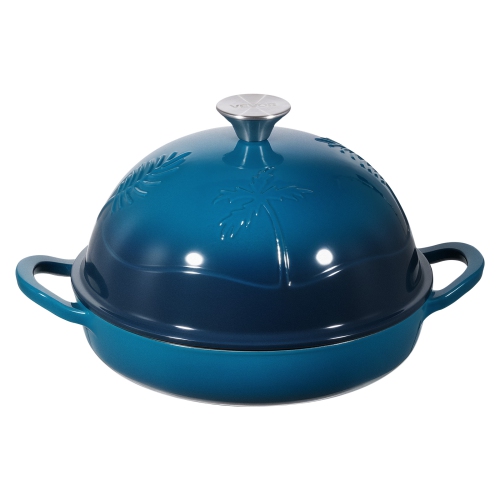
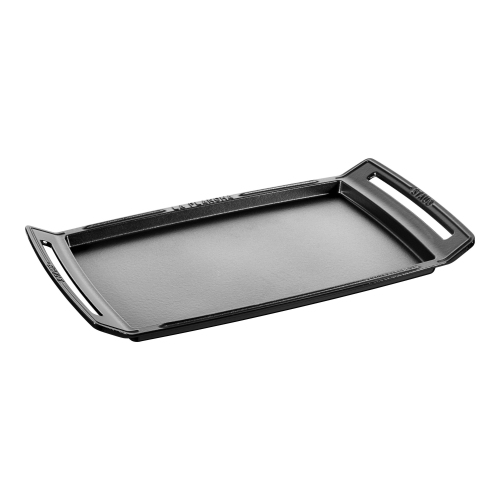
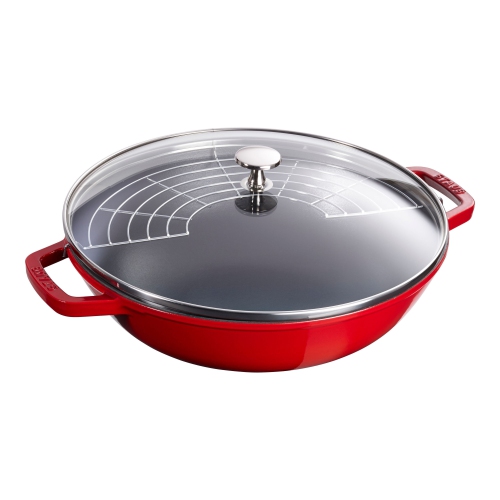
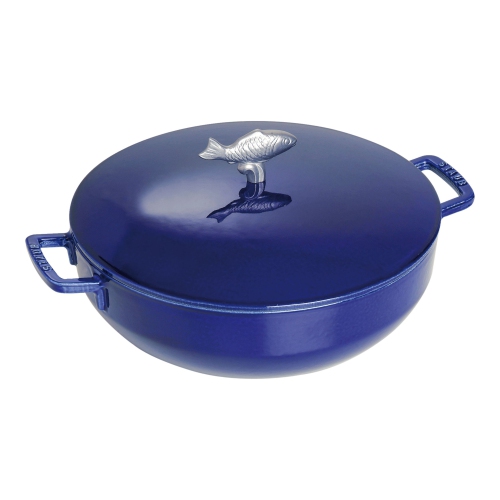
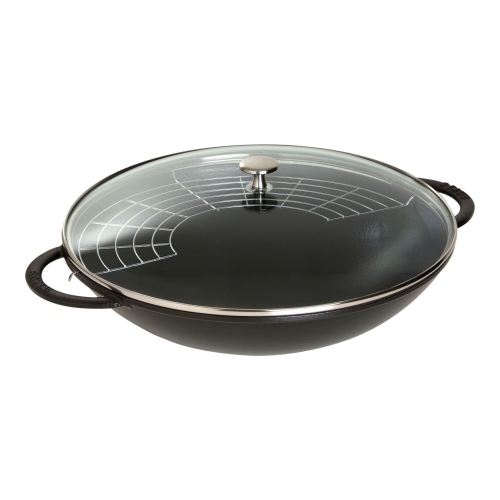
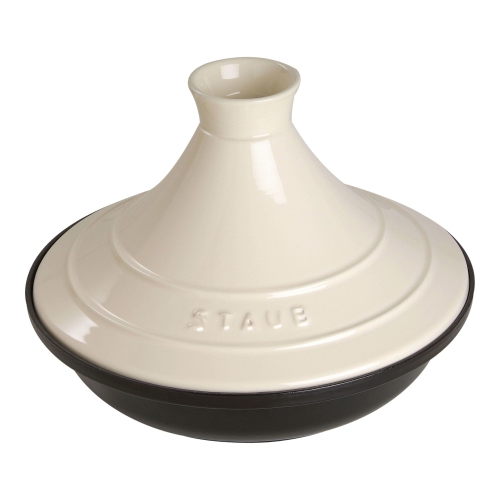
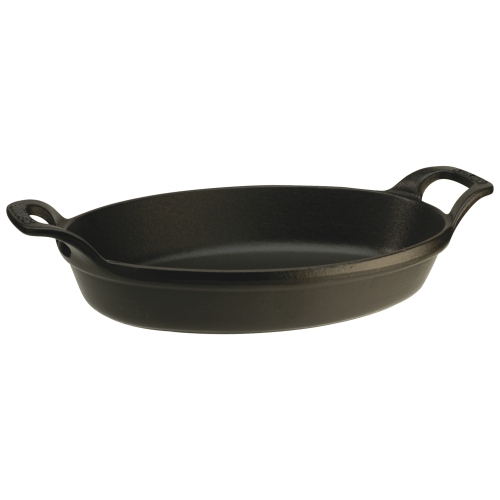
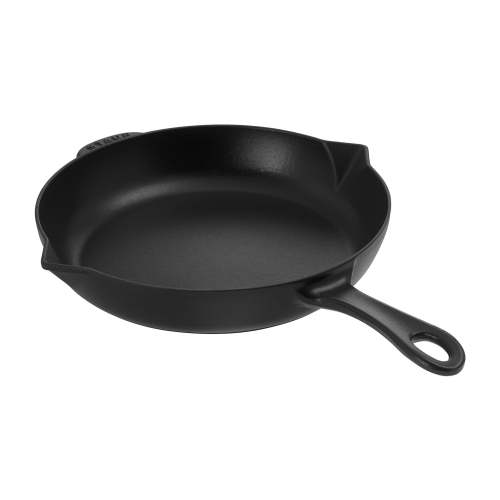
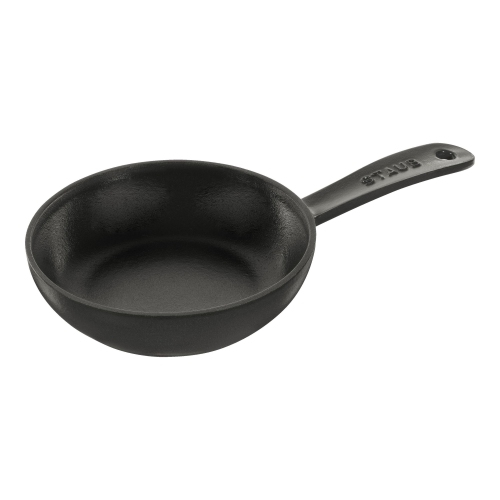
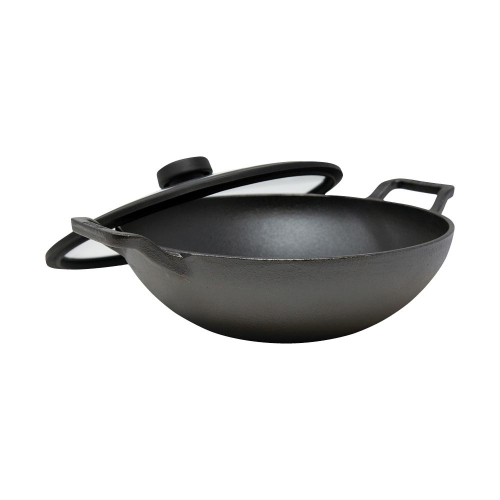
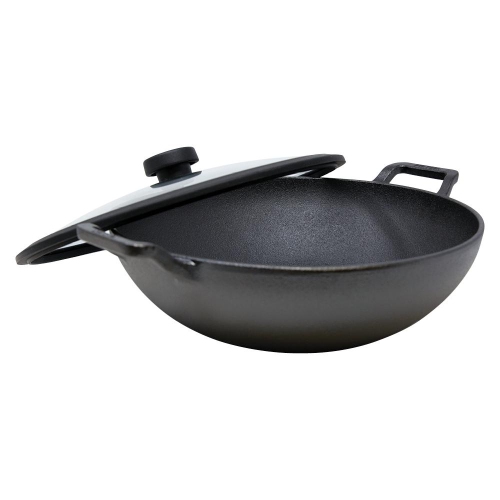
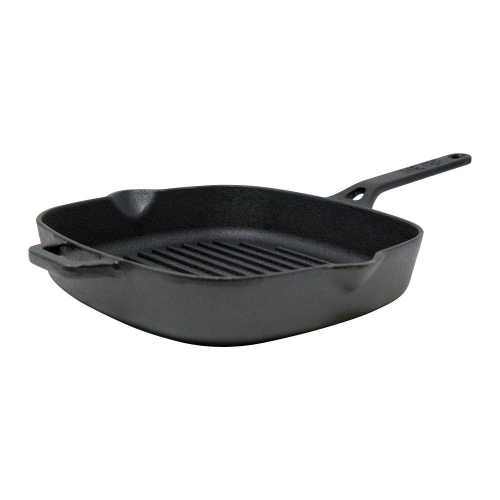
Steady heat and gentle care for versatile cooking
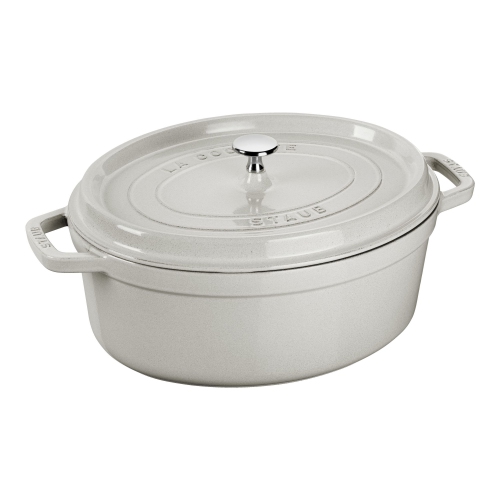
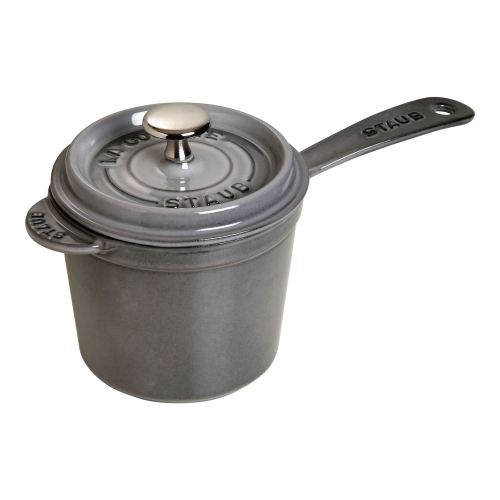
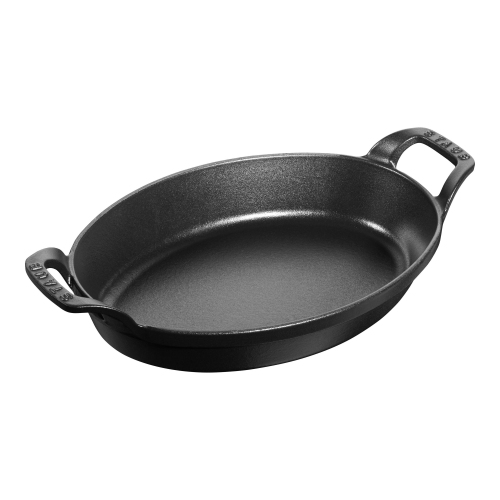
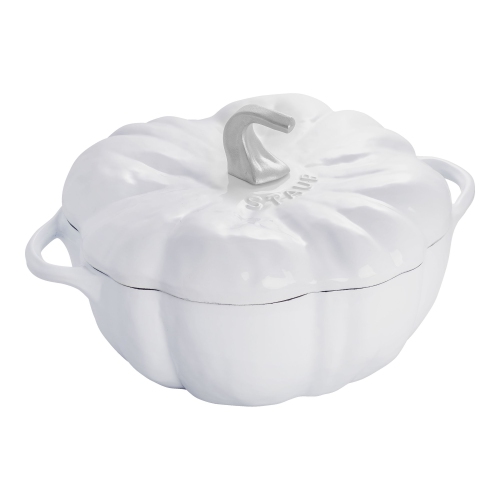
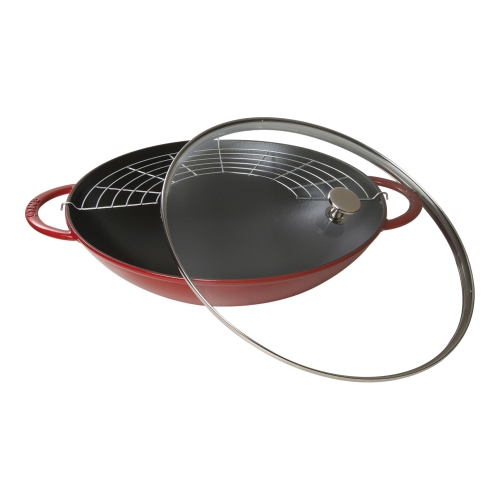
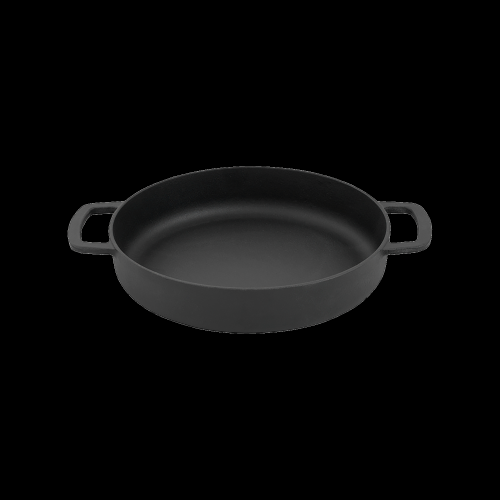
Enameled cast iron cookware brings together the heat retention of traditional cast iron and the smooth, sealed surface of porcelain enamel. The result is sturdy cookware that can hold a steady temperature for simmering, braising, baking, searing and slow cooking. Dutch ovens are especially useful for soups, stews, chilli, curries, casseroles and bread, while braisers offer a broad cooking surface for browning ingredients before finishing them in a little liquid. Enameled cast iron skillets can move from stovetop to oven for dishes such as roasted vegetables, baked pasta, frittatas and skillet desserts. Because cast iron is dense and slow to lose heat, it helps maintain an even cooking environment when cold ingredients are added, making it well suited to recipes that benefit from gentle, consistent cooking. The enamel coating also creates a non-reactive cooking surface, so ingredients such as tomatoes, citrus, vinegar and wine can be used without the concerns associated with bare cast iron reacting with acidic foods. Unlike uncoated cast iron, enameled cookware does not require seasoning with oil to maintain its cooking surface, and it will not develop rust through ordinary use when it is cleaned and dried properly. Its substantial construction makes it a practical choice for home cooks who enjoy preparing food from scratch, families who appreciate meals that can be served straight from the oven, and anyone who wants one versatile piece for several stages of a recipe. It can also be a thoughtful gift for a new homeowner, an enthusiastic cook, a couple setting up a kitchen or someone building a collection of dependable cookware. The weight and durable feel give it a reassuring presence on the stovetop, while the enamel finish makes it suitable for bringing a finished dish to the table. During the cooler months, a covered pot filled with a slowly simmered stew or braise can turn an ordinary evening meal into something warm and inviting; as the weather warms, the same cookware can be used for tomato-based sauces, baked vegetables, hearty grains and one-pan meals that keep preparation straightforward.
When choosing enameled cast iron cookware, consider the shape, capacity, cooking surface and type of meals you prepare most often. A deeper pot with a lid is useful for larger batches of soup, stock, pasta sauce or pulled meat, while a wide, shallower vessel gives ingredients more room to brown and makes it easier to reduce sauces. A skillet is a practical choice for stovetop searing, oven cooking and recipes that are served directly from the pan. Capacity matters as much as shape: a smaller piece may be convenient for side dishes, sauces and meals for one or two people, while a larger pot can accommodate family portions or food prepared ahead for leftovers. Look at the lid fit, handle design and overall weight, especially if the cookware will be moved between the stovetop, oven and table. Cast iron is naturally heavy, and a full pot becomes heavier still, so broad handles that provide a secure grip can make lifting and carrying more comfortable. Check the stated oven compatibility and any recommendations for use on induction, gas, electric or glass cooktops before choosing a piece. It is also helpful to consider storage space, since these vessels are solidly built and may need a low, accessible cupboard rather than a high shelf. For a broader selection of traditional cast iron shapes and cooking vessels, explore Cast Iron Pots And Pans. Enameled cast iron can be used for everyday cooking, but it is particularly valuable when a recipe moves from high-heat browning to a covered simmer or from the stovetop into the oven. The covered design helps retain moisture, allowing tougher cuts of meat, dried beans and firm vegetables to become tender over time. A wide skillet or braiser can help develop a browned surface on ingredients before liquid is added, building deeper flavour without requiring several separate pans. For baking, the heat-holding properties can support an even, steady result in dishes that benefit from a well-heated vessel. These pieces are not limited to elaborate recipes; they are just as useful for reheating leftovers, warming a sauce or preparing a simple one-pot dinner.
Proper care helps preserve the enamel finish and keeps the cookware looking and performing well. Although the surface is sealed and does not need seasoning, it should still be treated gently. Avoid heating an empty pot or pan for an extended period, and use low-to-medium heat for most stovetop cooking unless the care instructions specify otherwise. Cast iron retains heat efficiently, so a gradual preheat is usually enough; turning the burner to its highest setting can create unnecessary stress on the enamel and may lead to discolouration or damage over time. Thermal shock is another important consideration. Allow hot cookware to cool before placing it in cold water, and avoid transferring a very hot vessel directly onto a cold or wet surface. Once it has cooled, wash it with warm water and mild dish soap, using a soft sponge or non-abrasive brush to remove food. Hand washing is generally recommended to help maintain the finish and gloss, even when a particular piece is labelled dishwasher safe. Stubborn residue can often be loosened by soaking the cookware in warm, soapy water or simmering water gently inside it rather than scraping aggressively. Wooden, silicone or other non-metal utensils are a sensible choice for protecting the enamel from scratches and chips, and metal scouring pads should be avoided. Dry the cookware thoroughly after washing, paying attention to the rim and around the lid, then store it where it will not be knocked against other heavy objects. With mindful handling, enameled cast iron cookware can become a dependable part of a kitchen routine: a pot for a fragrant stew, a pan for a family breakfast, or a serving piece that keeps food warm while everyone gathers around the table.
When choosing enameled cast iron cookware, consider the shape, capacity, cooking surface and type of meals you prepare most often. A deeper pot with a lid is useful for larger batches of soup, stock, pasta sauce or pulled meat, while a wide, shallower vessel gives ingredients more room to brown and makes it easier to reduce sauces. A skillet is a practical choice for stovetop searing, oven cooking and recipes that are served directly from the pan. Capacity matters as much as shape: a smaller piece may be convenient for side dishes, sauces and meals for one or two people, while a larger pot can accommodate family portions or food prepared ahead for leftovers. Look at the lid fit, handle design and overall weight, especially if the cookware will be moved between the stovetop, oven and table. Cast iron is naturally heavy, and a full pot becomes heavier still, so broad handles that provide a secure grip can make lifting and carrying more comfortable. Check the stated oven compatibility and any recommendations for use on induction, gas, electric or glass cooktops before choosing a piece. It is also helpful to consider storage space, since these vessels are solidly built and may need a low, accessible cupboard rather than a high shelf. For a broader selection of traditional cast iron shapes and cooking vessels, explore Cast Iron Pots And Pans. Enameled cast iron can be used for everyday cooking, but it is particularly valuable when a recipe moves from high-heat browning to a covered simmer or from the stovetop into the oven. The covered design helps retain moisture, allowing tougher cuts of meat, dried beans and firm vegetables to become tender over time. A wide skillet or braiser can help develop a browned surface on ingredients before liquid is added, building deeper flavour without requiring several separate pans. For baking, the heat-holding properties can support an even, steady result in dishes that benefit from a well-heated vessel. These pieces are not limited to elaborate recipes; they are just as useful for reheating leftovers, warming a sauce or preparing a simple one-pot dinner.
Proper care helps preserve the enamel finish and keeps the cookware looking and performing well. Although the surface is sealed and does not need seasoning, it should still be treated gently. Avoid heating an empty pot or pan for an extended period, and use low-to-medium heat for most stovetop cooking unless the care instructions specify otherwise. Cast iron retains heat efficiently, so a gradual preheat is usually enough; turning the burner to its highest setting can create unnecessary stress on the enamel and may lead to discolouration or damage over time. Thermal shock is another important consideration. Allow hot cookware to cool before placing it in cold water, and avoid transferring a very hot vessel directly onto a cold or wet surface. Once it has cooled, wash it with warm water and mild dish soap, using a soft sponge or non-abrasive brush to remove food. Hand washing is generally recommended to help maintain the finish and gloss, even when a particular piece is labelled dishwasher safe. Stubborn residue can often be loosened by soaking the cookware in warm, soapy water or simmering water gently inside it rather than scraping aggressively. Wooden, silicone or other non-metal utensils are a sensible choice for protecting the enamel from scratches and chips, and metal scouring pads should be avoided. Dry the cookware thoroughly after washing, paying attention to the rim and around the lid, then store it where it will not be knocked against other heavy objects. With mindful handling, enameled cast iron cookware can become a dependable part of a kitchen routine: a pot for a fragrant stew, a pan for a family breakfast, or a serving piece that keeps food warm while everyone gathers around the table.
Top selling and popular products
-
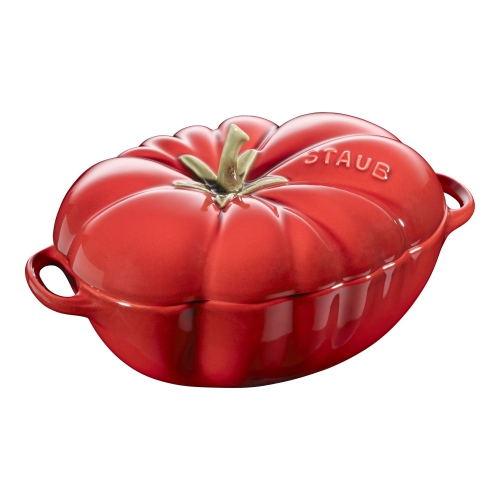 Your price for this item is $59.99
 -
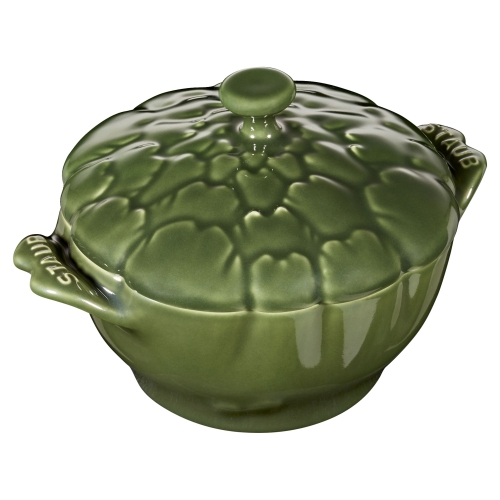 Your price for this item is $59.99
 -
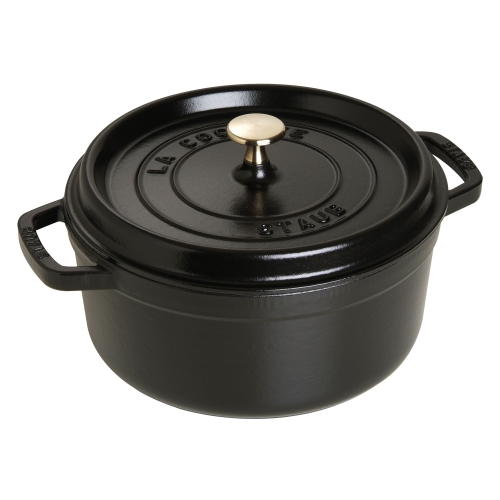 Your price for this item is $399.99
 -
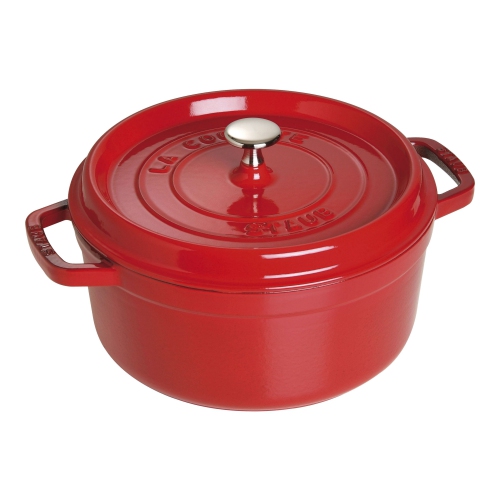 Your price for this item is $399.99
 -
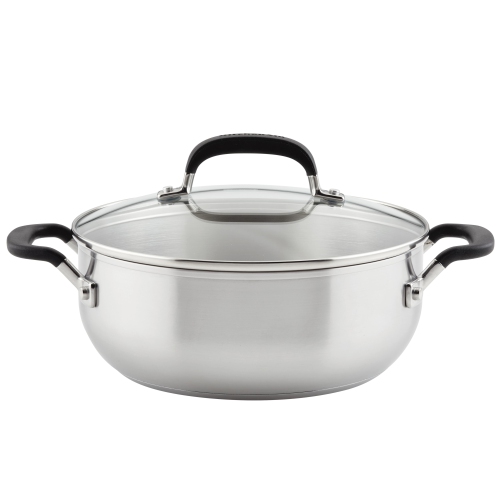 Your price for this item is $69.99
 -
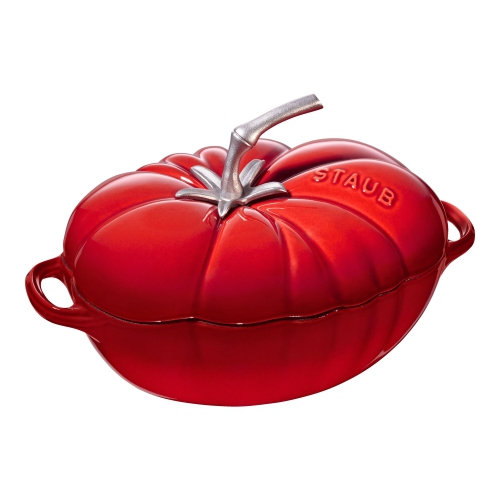 Your price for this item is $399.99
 -
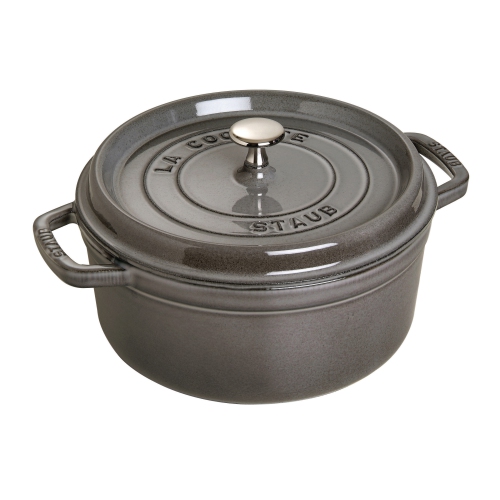 Your price for this item is $399.99
 -
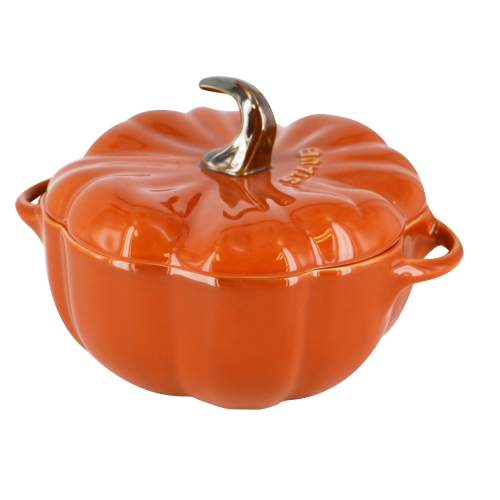 Your price for this item is $69.99
Discover more categories related to Enameled Cast Iron Cookware
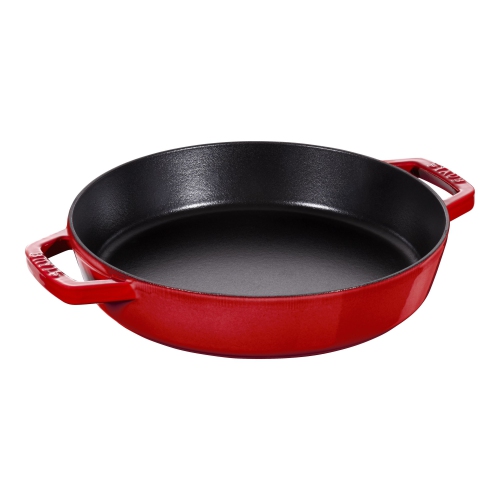
Top Collections:
Pokemon Centers, Kindle Devices, Best Budget Office Chairs, Apple iPhones 16, Best Laptops for Writers, iPhone 15 Apple, Canon G7X Cameras, Refurbished Apple Laptops, Alarm Clock, Motorola Razr Phones
Some products may be subject to Environmental Handling Fees
(EHF) depending on your province.
Learn more about EHFs.