Extra Wide Chairs
Looking for a chair that offers extra space and comfort? Look no further than our collection of extra-wide chairs. Designed to provide ample seating room, these chairs are perfect for those who prefer a little extra wiggle room or need additional support. Whether you're looking to relax in your living room, create a cozy reading nook, or add seating to your office space, extra-wide chairs have something to suit every style and preference. Here are some great options available.
Sort


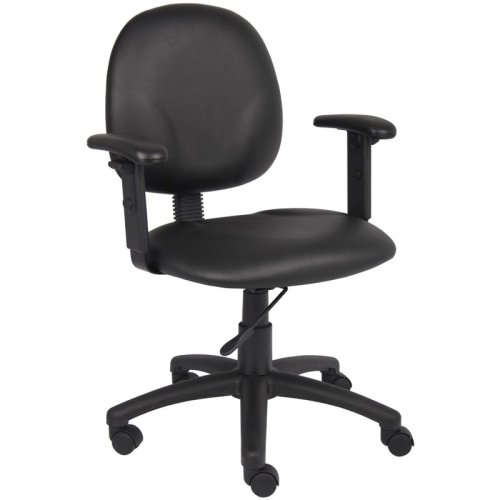
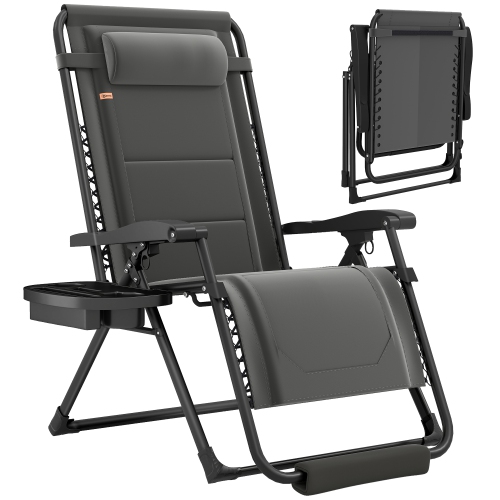
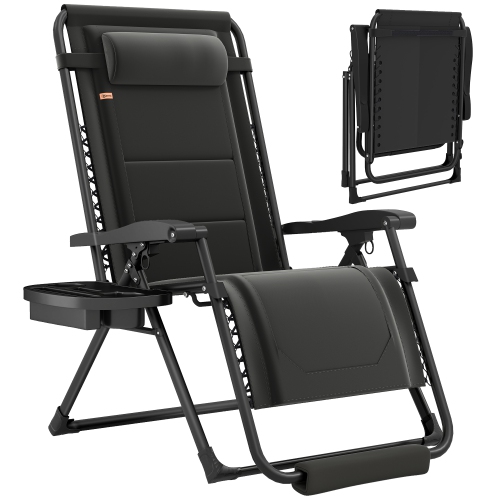
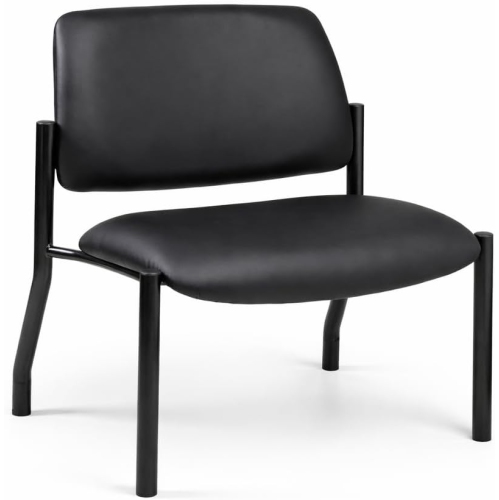

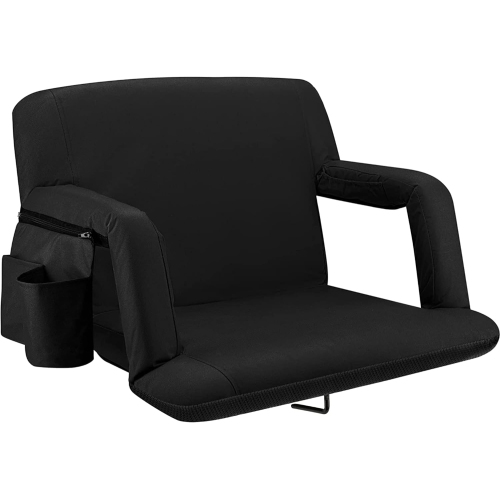
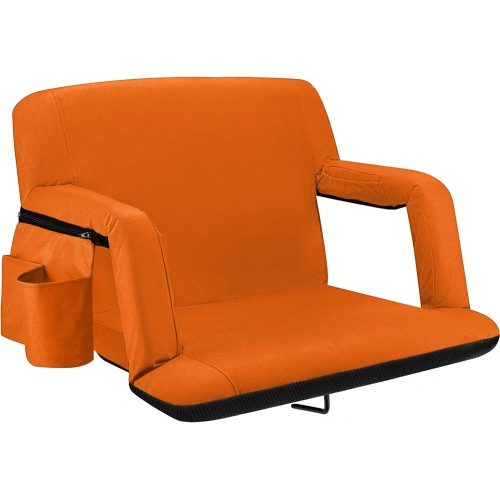
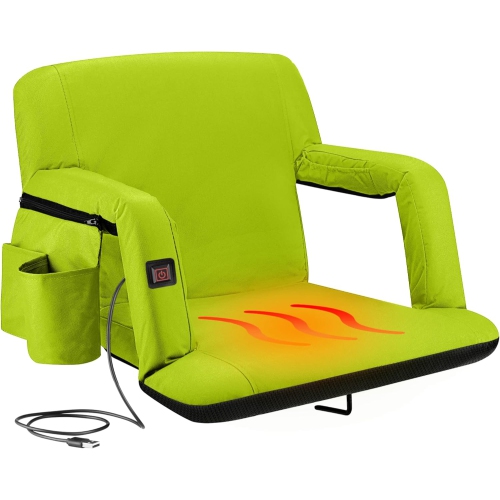
Why usable seat space matters more than overall width
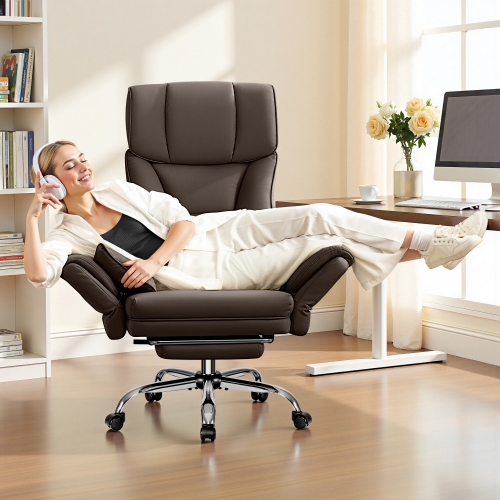
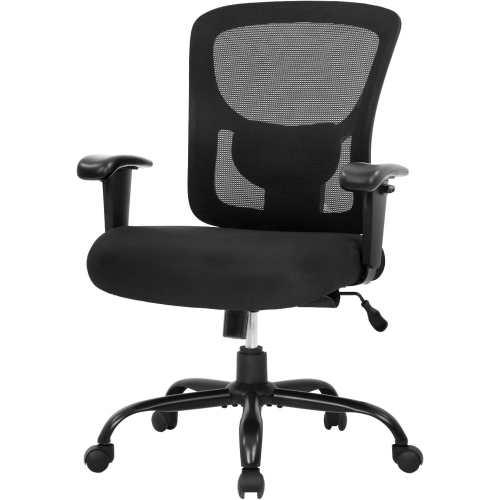
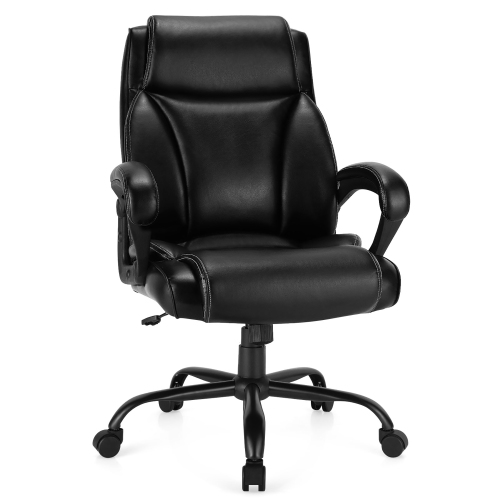
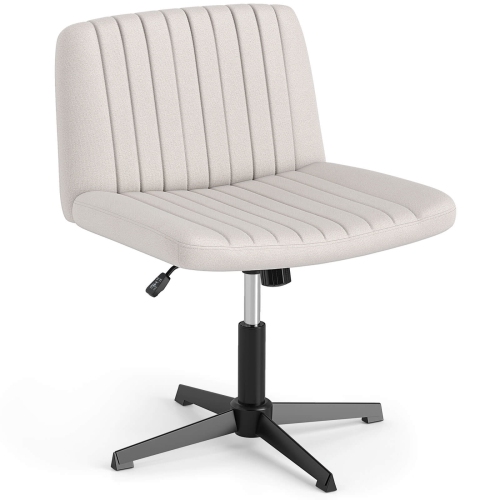
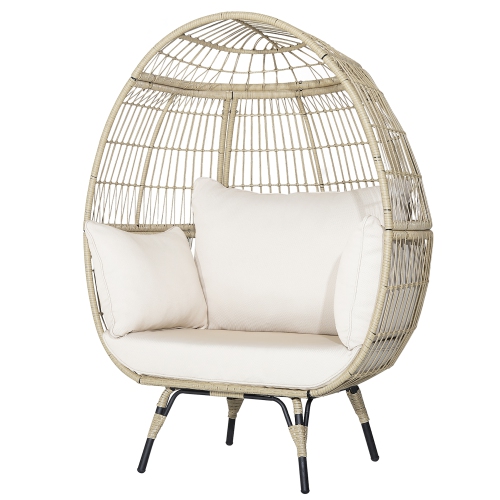
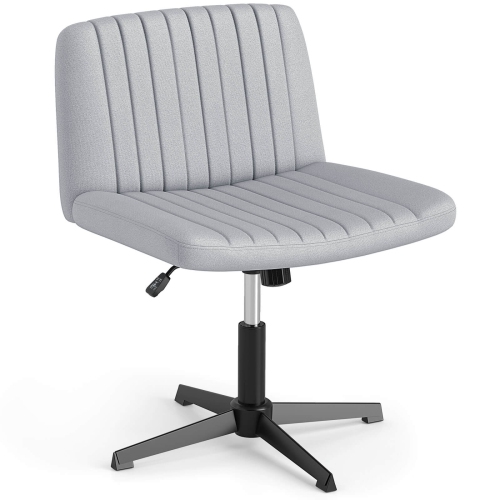
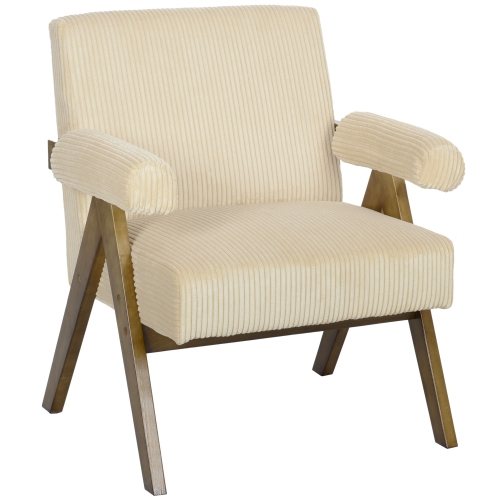
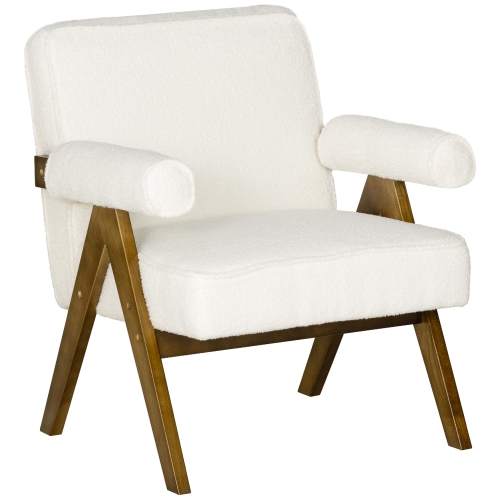
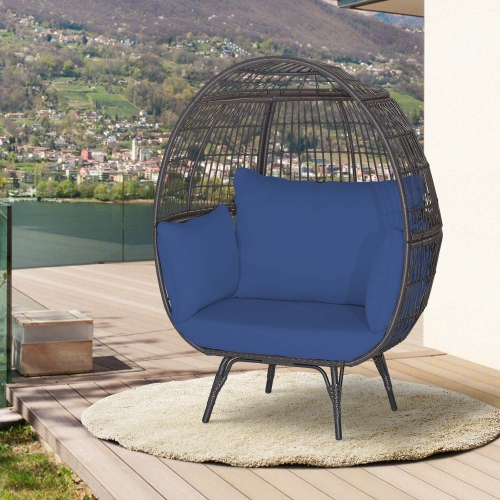
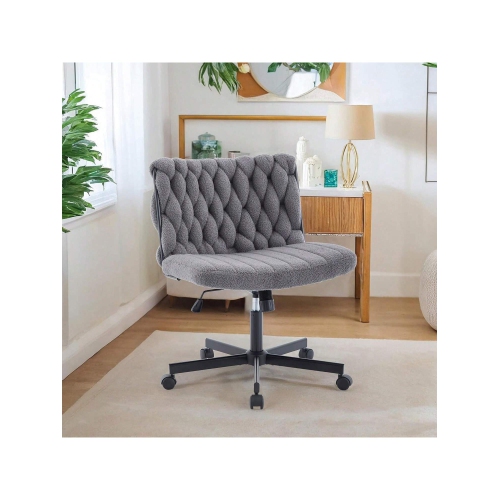
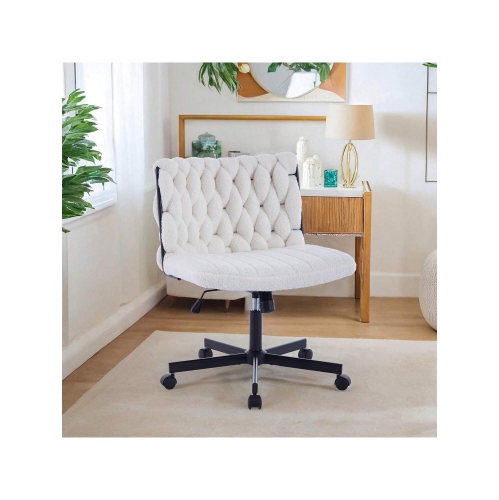
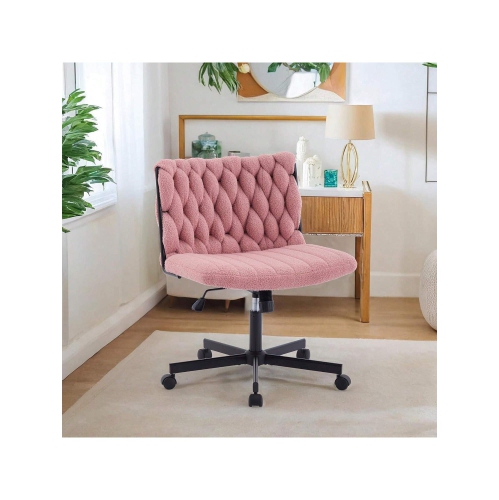
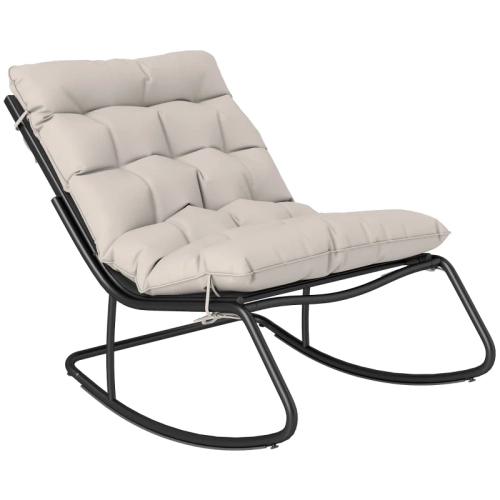
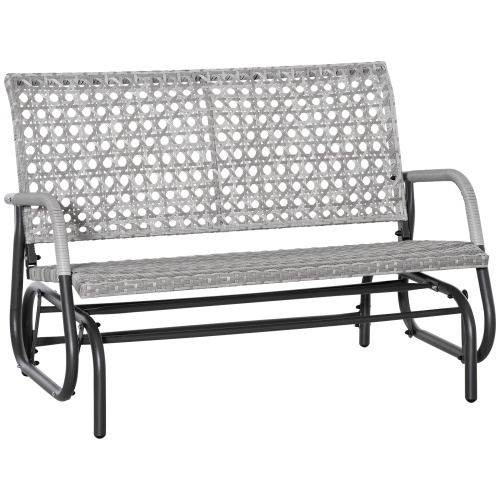
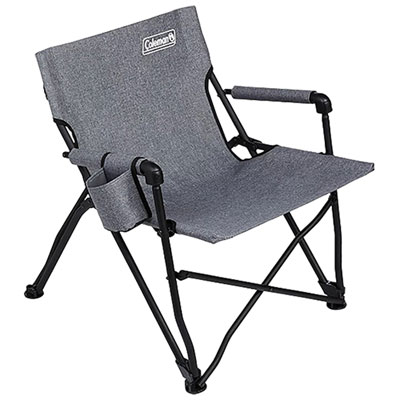
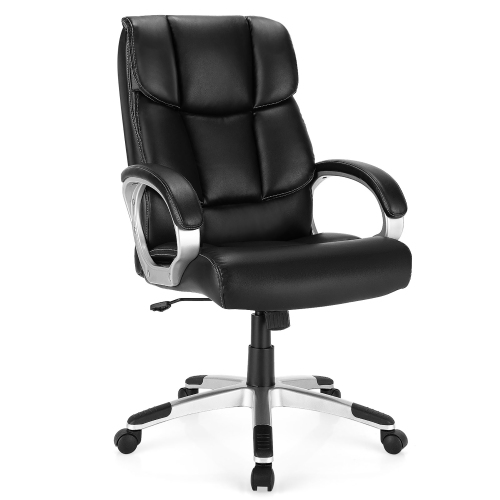
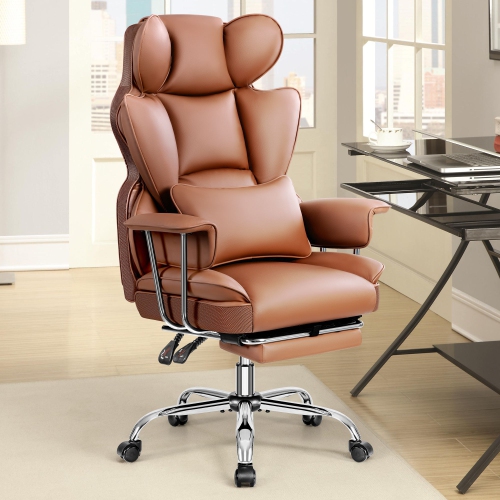
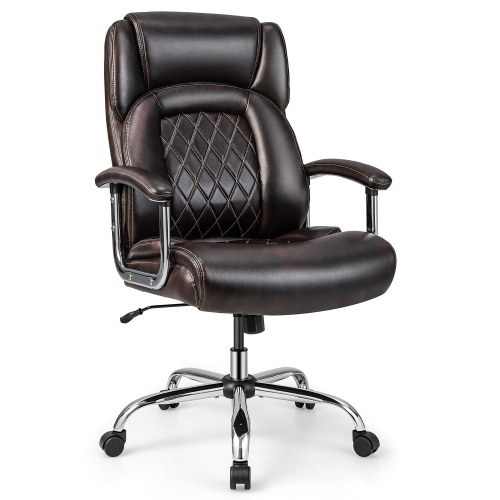
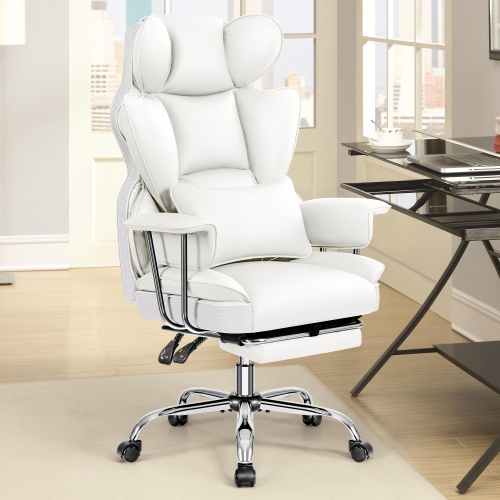
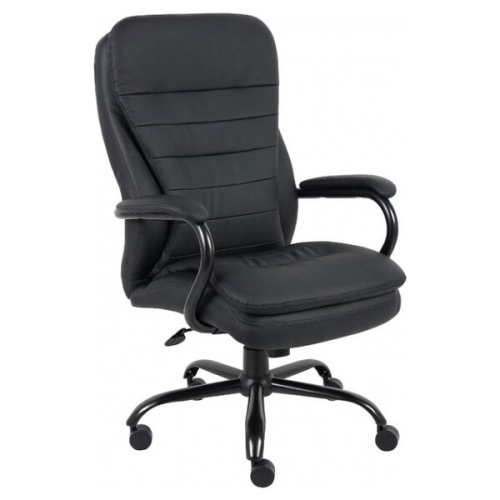
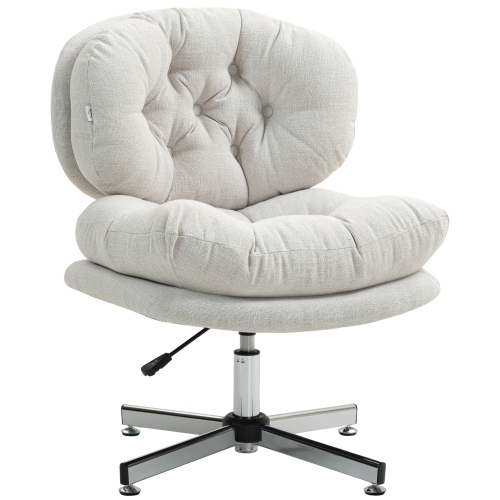
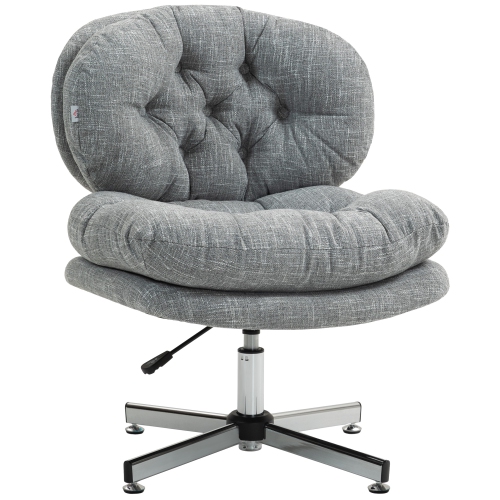
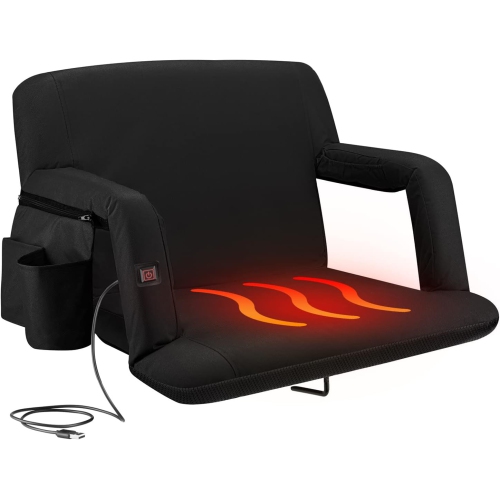
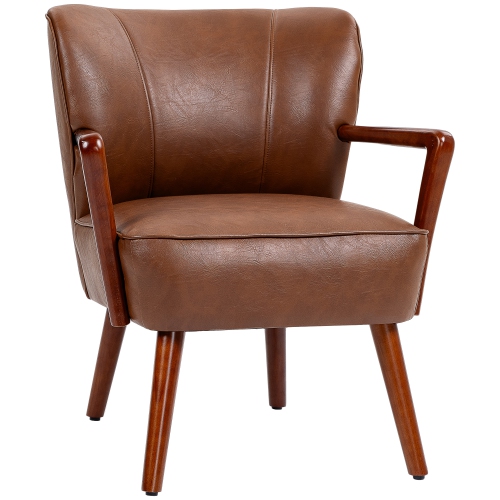
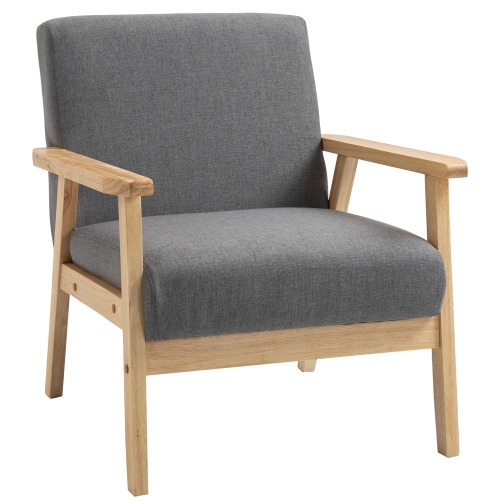
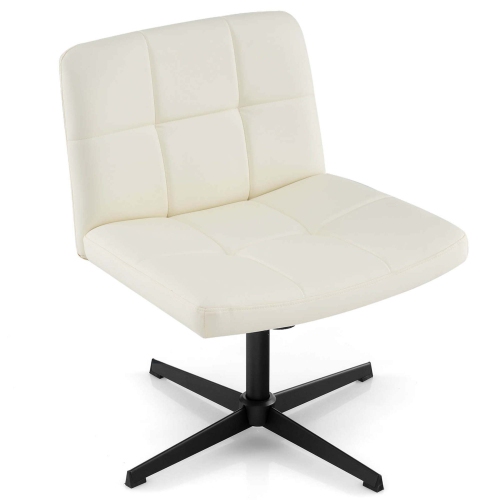
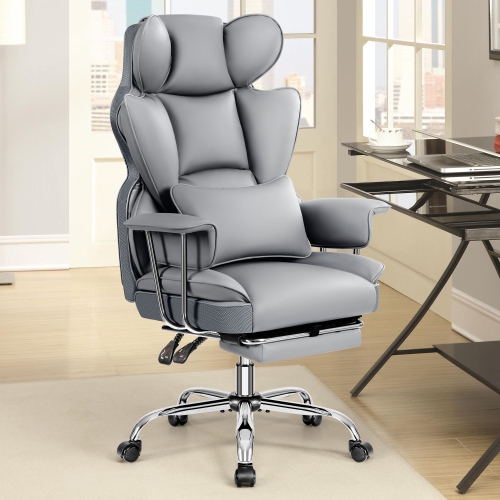
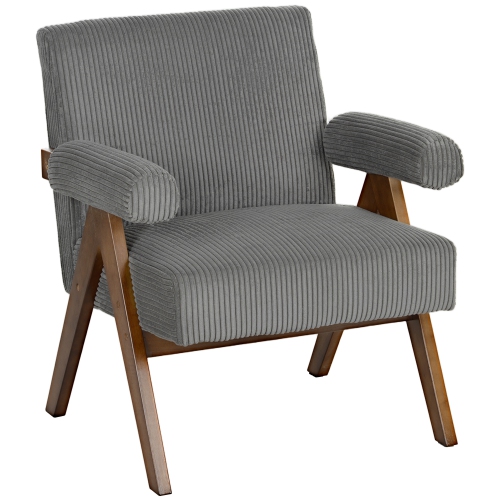
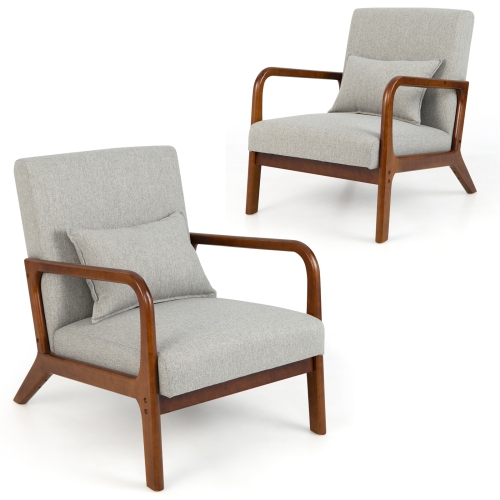
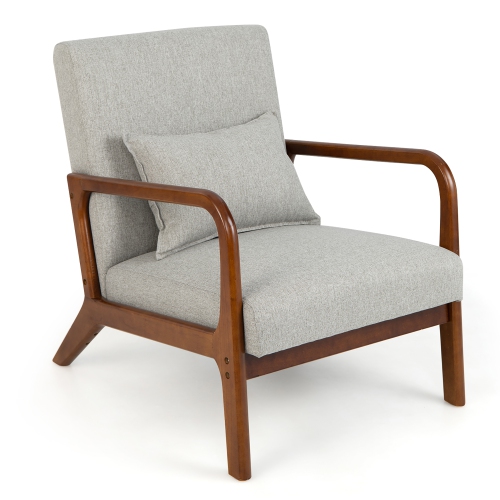
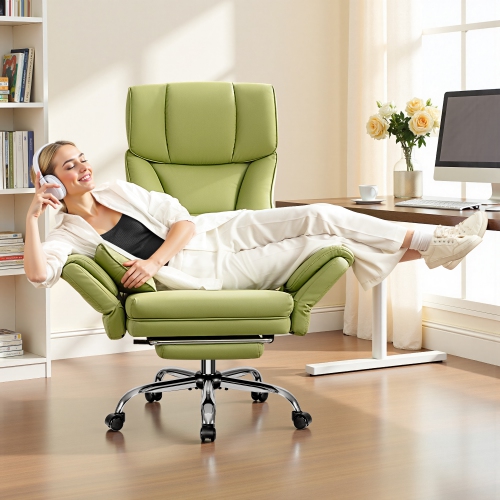
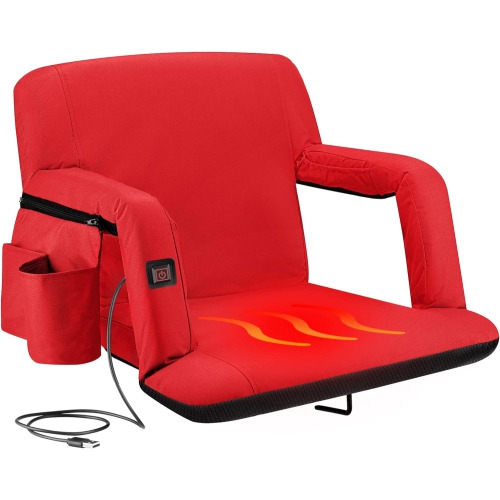
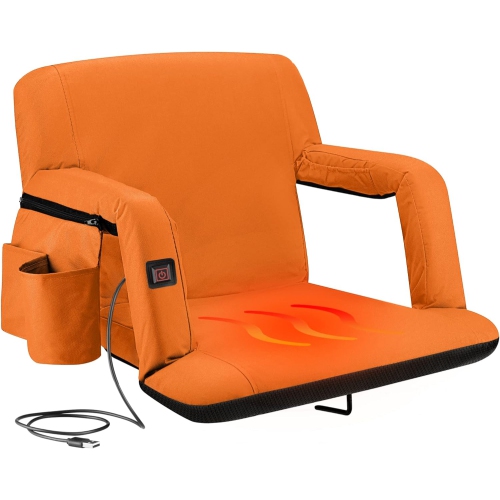
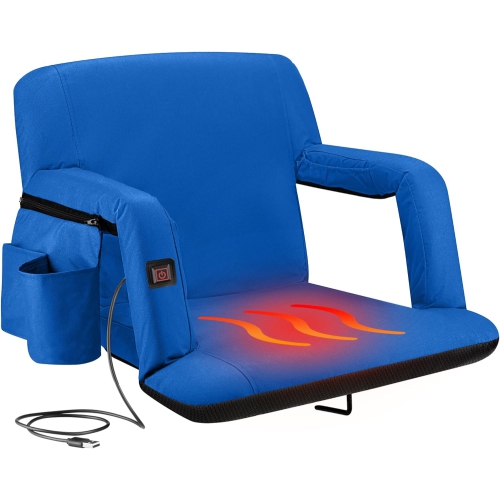
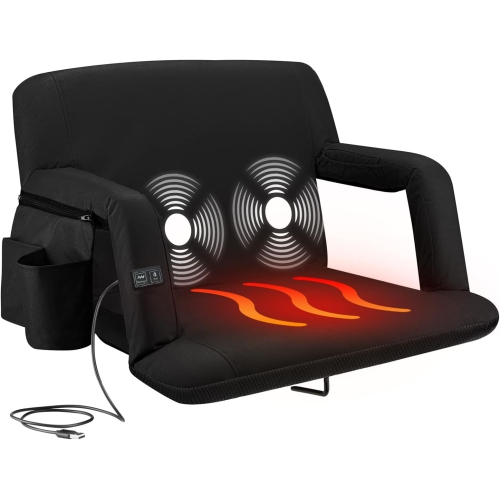
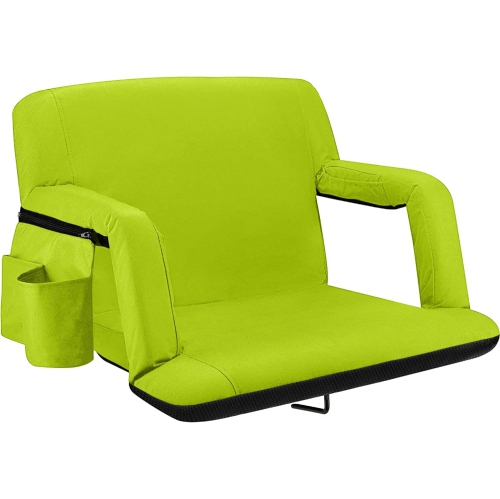
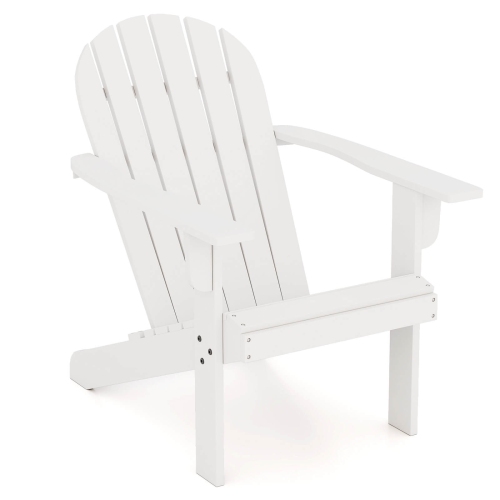
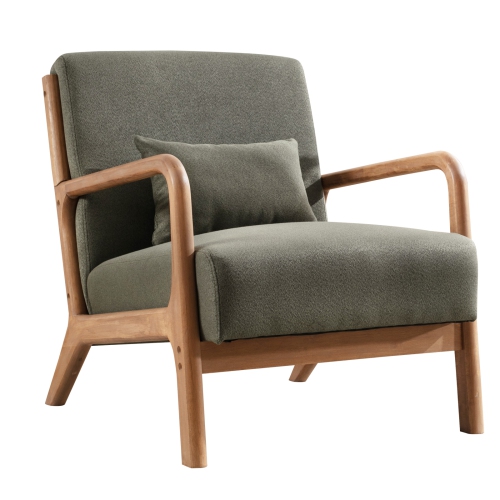
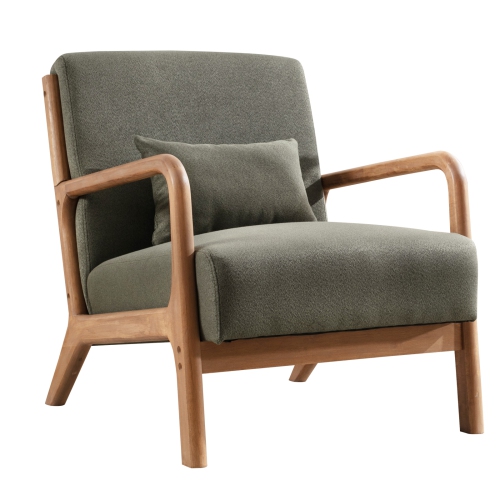
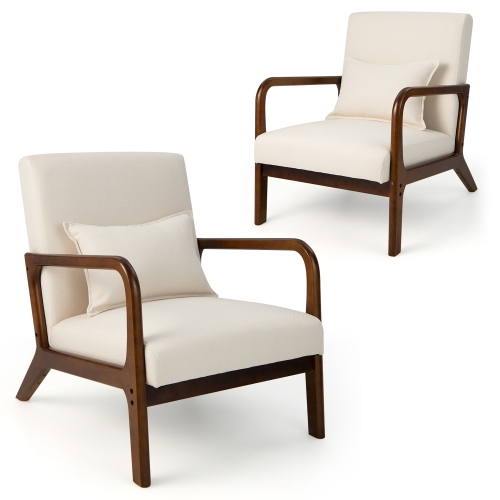
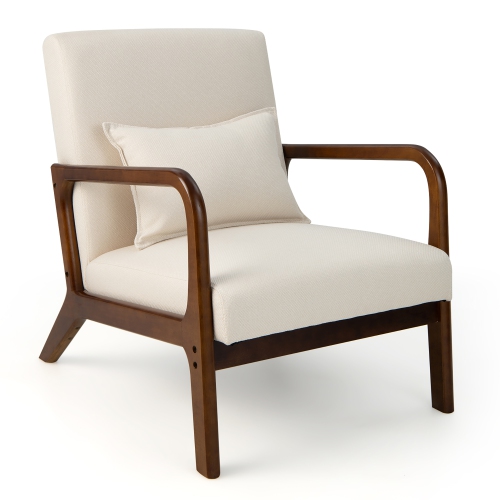
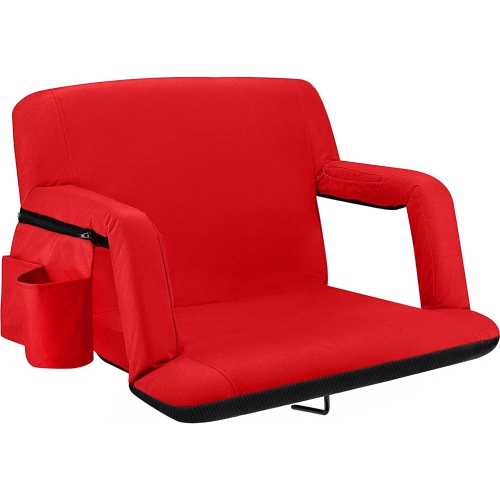
Extra wide chairs offer more side-to-side seating space than standard chairs, making them a comfortable option for reading, watching television, working, or relaxing with room to shift position. The term covers several types of seating, from oversized accent chairs and chair-and-a-half designs to wider office chairs and recliners. There is no universal measurement that makes a chair extra wide, so the usable seat dimensions matter more than the label alone. Some oversized upholstered accent chairs measure approximately 40 to 50 inches across the outside, but thick arms and cushioning can leave a considerably narrower sitting area. Seat width is the space between the arms or side cushions; overall width includes the chair’s entire frame. That distinction is especially useful when comparing a broad, rolled-arm chair with a slimmer, straight-sided design. Seat depth and height also shape the fit. A deep cushion offers room to curl up with a book, while a shallower seat may suit someone who prefers to sit upright with their feet resting on the floor. A wider chair can appeal to people who find conventional seats restrictive, taller adults looking for more room to settle in, or anyone furnishing a generous reading nook. However, width alone does not establish weight capacity, back support, or suitability for a particular body size. Each of those details needs its own assessment. An oversized lounge chair is also not automatically designed to seat two people, even when its proportions resemble a small loveseat. In a living room, a chair-and-a-half can create a distinct place to unwind without taking up as much length along a wall as a sofa. In a bedroom or den, a wide accent chair can provide a comfortable spot for reading or listening to music, provided its scale leaves enough room to move around nearby furniture. The most useful extra space is the space that supports the way the chair will actually be used.
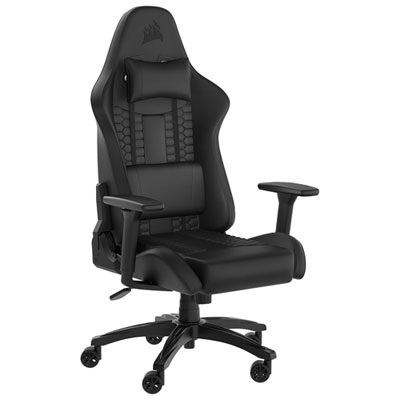
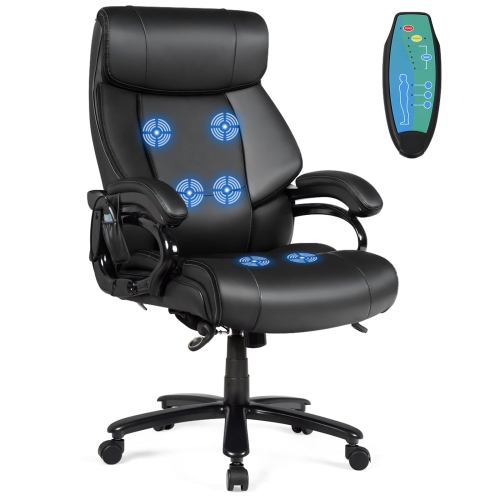
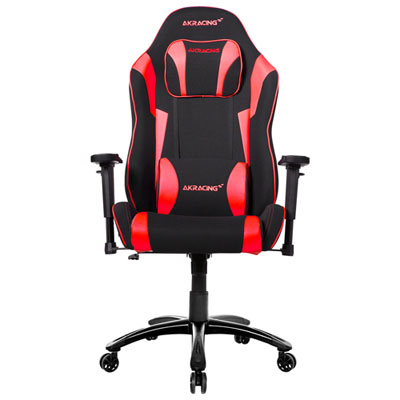
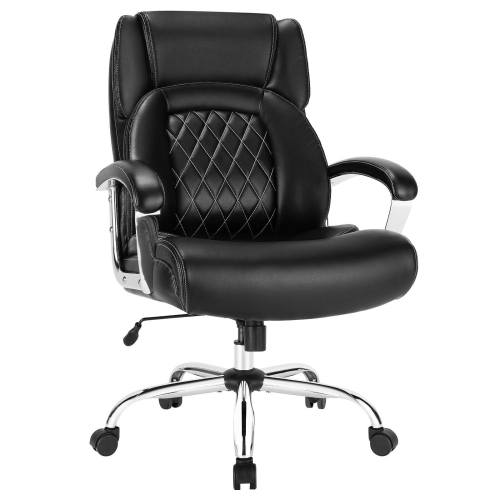
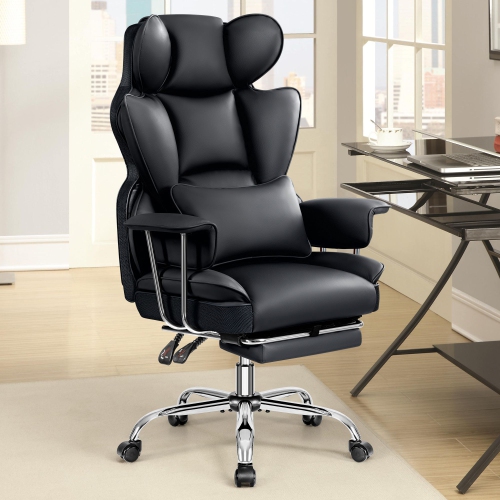
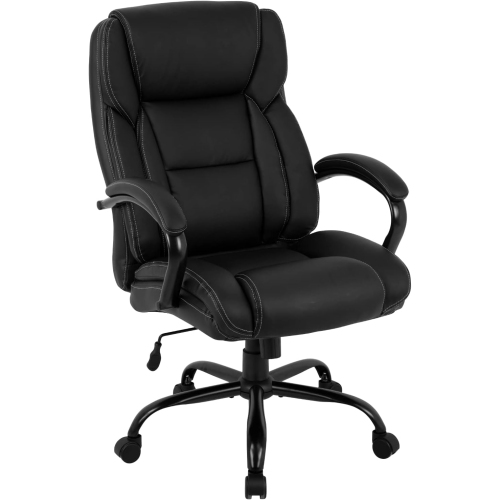
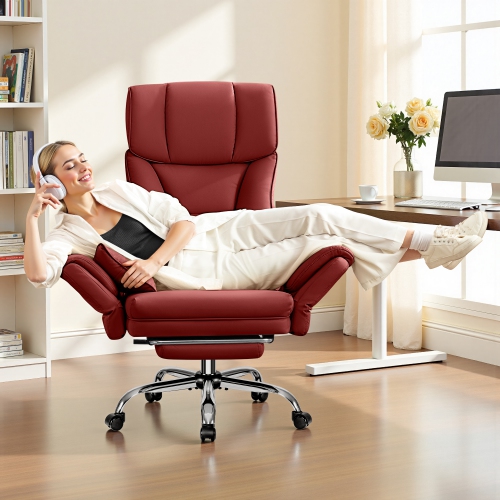
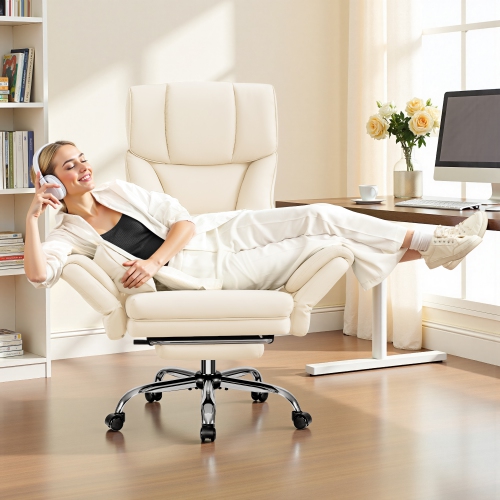
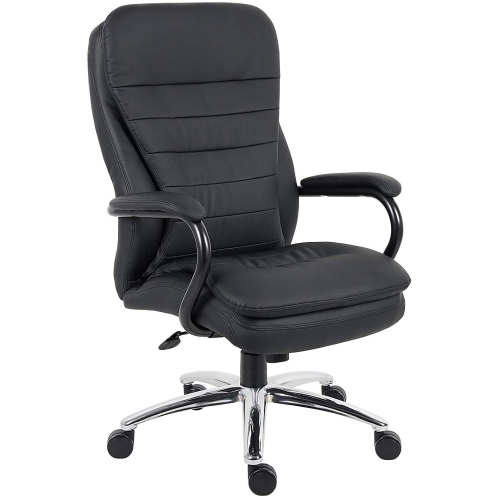
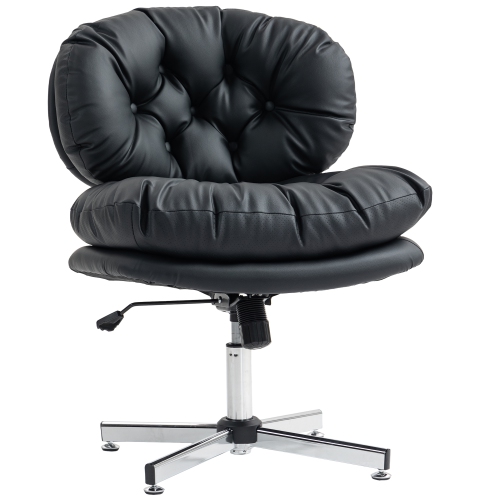
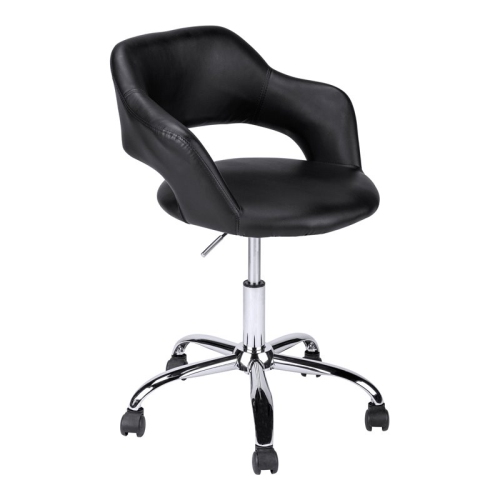
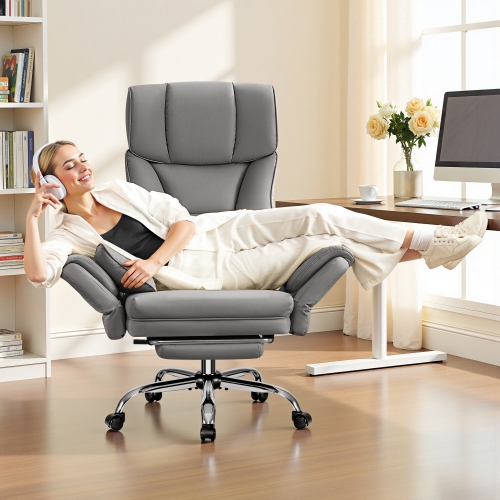
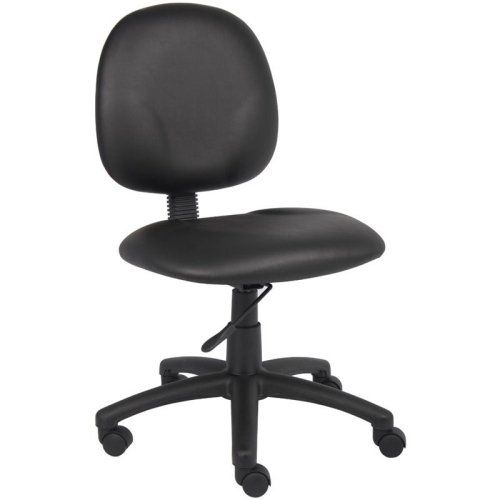
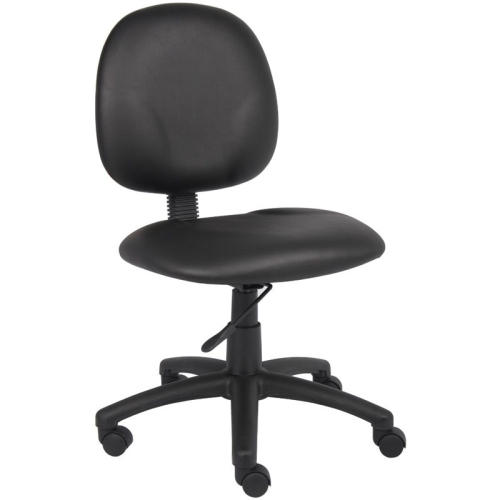
Comfort depends on how the chair’s proportions, cushioning, and support work together. For upright sitting, the backrest should be reachable without forcing the sitter to slide so far back that the front edge presses behind the knees. A loose back cushion can reduce usable seat depth, while a fixed, upright back may create a more structured feel. Broad armrests offer somewhere to rest forearms, but their height and firmness matter when reading a hardcover book or holding a tablet. People who use armrests for support when standing may prefer a stable chair with firm, securely attached arms rather than low, heavily padded sides. Softer cushions allow more sinking in; firmer cushions can make changing position and getting up feel more manageable. Neither approach is inherently better, and the cushion fill, underlying springs or webbing, and frame construction all contribute to the experience. For a chair that will see hours of daily use, details such as reinforced joints, an appropriate stated weight capacity, and secure leg attachments deserve attention alongside upholstery. Solid wood, plywood, and metal can all be used in chair frames, with durability depending on the design and quality of construction rather than the material name alone. Reclining and swivel chairs introduce additional considerations, including the strength of their mechanisms and the clearance needed to operate them. A recliner needs space for the footrest to extend and, depending on its design, for the back to move. A swivel chair needs enough room to turn without its arms hitting a side table. For desk use, a wide lounge chair is not a substitute for task seating with suitable adjustments. Wider office chairs should be assessed for seat height, lumbar support, armrest placement, and compatibility with the desk. Shoppers looking specifically for roomier workplace seating can also explore Big and Tall Chairs, where individual dimensions and stated weight limits remain important points of comparison. Extra width and a higher weight capacity are separate features, and neither should be assumed from the other.
Upholstery influences both the look of an extra wide chair and the care it needs over time. Woven fabrics can offer texture and a relaxed appearance, while chenille has a soft, plush surface that suits comfortable lounging spaces. Velvet brings a distinct sheen, though its pile can show changes in direction and pressure marks. Smooth leather can be easier to wipe after minor spills when cared for according to the manufacturer’s directions, but it can scratch and may require an approved conditioner. Faux leather has its own cleaning requirements and should not be treated with products intended for genuine leather unless the care instructions permit them. In homes with pets, tightly woven fabric may be less prone to catching claws than an open-loop texture, although no upholstery is completely scratch-proof. Removable cushion covers can simplify upkeep, but a zipper does not necessarily mean a cover is machine washable. Checking the care label before cleaning helps prevent shrinkage, colour changes, or damage to the backing. Regular vacuuming with an upholstery attachment removes crumbs and dust from seams and the gaps beside cushions; rotating reversible cushions, where permitted, can help distribute wear. Spills are generally best blotted promptly rather than rubbed, followed by the cleaning method specified for the material. Beyond the fabric, an extra wide chair needs a practical place in the room and a workable route into the home. Measuring doorways, stair turns, lifts, and hallways is just as important as measuring the final floor space. Removable legs or backs may help with delivery, but only when the chair is designed to come apart that way. Marking the overall footprint on the floor with removable tape can show whether a wide seat will crowd a coffee table, block a drawer, or narrow a walkway. Visually, exposed legs and slim arms can give a large chair a lighter presence, while a low base and substantial cushions create a more grounded look. A nearby lamp and a reachable side table complete a reading spot without requiring an entire furniture arrangement. Careful attention to fit, construction, and everyday upkeep helps an extra wide chair feel like a natural part of the room rather than simply a larger piece of furniture.
Comfort depends on how the chair’s proportions, cushioning, and support work together. For upright sitting, the backrest should be reachable without forcing the sitter to slide so far back that the front edge presses behind the knees. A loose back cushion can reduce usable seat depth, while a fixed, upright back may create a more structured feel. Broad armrests offer somewhere to rest forearms, but their height and firmness matter when reading a hardcover book or holding a tablet. People who use armrests for support when standing may prefer a stable chair with firm, securely attached arms rather than low, heavily padded sides. Softer cushions allow more sinking in; firmer cushions can make changing position and getting up feel more manageable. Neither approach is inherently better, and the cushion fill, underlying springs or webbing, and frame construction all contribute to the experience. For a chair that will see hours of daily use, details such as reinforced joints, an appropriate stated weight capacity, and secure leg attachments deserve attention alongside upholstery. Solid wood, plywood, and metal can all be used in chair frames, with durability depending on the design and quality of construction rather than the material name alone. Reclining and swivel chairs introduce additional considerations, including the strength of their mechanisms and the clearance needed to operate them. A recliner needs space for the footrest to extend and, depending on its design, for the back to move. A swivel chair needs enough room to turn without its arms hitting a side table. For desk use, a wide lounge chair is not a substitute for task seating with suitable adjustments. Wider office chairs should be assessed for seat height, lumbar support, armrest placement, and compatibility with the desk. Shoppers looking specifically for roomier workplace seating can also explore Big and Tall Chairs, where individual dimensions and stated weight limits remain important points of comparison. Extra width and a higher weight capacity are separate features, and neither should be assumed from the other.
Upholstery influences both the look of an extra wide chair and the care it needs over time. Woven fabrics can offer texture and a relaxed appearance, while chenille has a soft, plush surface that suits comfortable lounging spaces. Velvet brings a distinct sheen, though its pile can show changes in direction and pressure marks. Smooth leather can be easier to wipe after minor spills when cared for according to the manufacturer’s directions, but it can scratch and may require an approved conditioner. Faux leather has its own cleaning requirements and should not be treated with products intended for genuine leather unless the care instructions permit them. In homes with pets, tightly woven fabric may be less prone to catching claws than an open-loop texture, although no upholstery is completely scratch-proof. Removable cushion covers can simplify upkeep, but a zipper does not necessarily mean a cover is machine washable. Checking the care label before cleaning helps prevent shrinkage, colour changes, or damage to the backing. Regular vacuuming with an upholstery attachment removes crumbs and dust from seams and the gaps beside cushions; rotating reversible cushions, where permitted, can help distribute wear. Spills are generally best blotted promptly rather than rubbed, followed by the cleaning method specified for the material. Beyond the fabric, an extra wide chair needs a practical place in the room and a workable route into the home. Measuring doorways, stair turns, lifts, and hallways is just as important as measuring the final floor space. Removable legs or backs may help with delivery, but only when the chair is designed to come apart that way. Marking the overall footprint on the floor with removable tape can show whether a wide seat will crowd a coffee table, block a drawer, or narrow a walkway. Visually, exposed legs and slim arms can give a large chair a lighter presence, while a low base and substantial cushions create a more grounded look. A nearby lamp and a reachable side table complete a reading spot without requiring an entire furniture arrangement. Careful attention to fit, construction, and everyday upkeep helps an extra wide chair feel like a natural part of the room rather than simply a larger piece of furniture.
Top selling and popular products
-
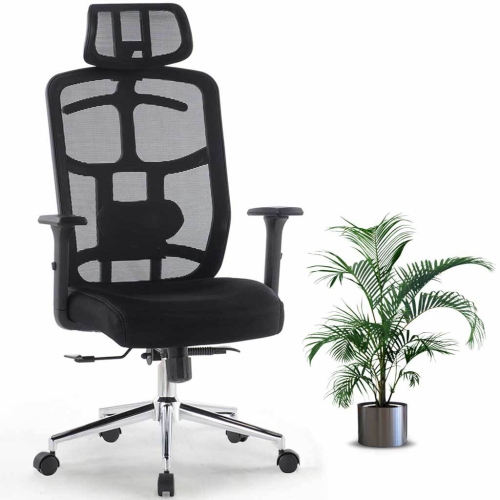 Your price for this item is $114.99
 -
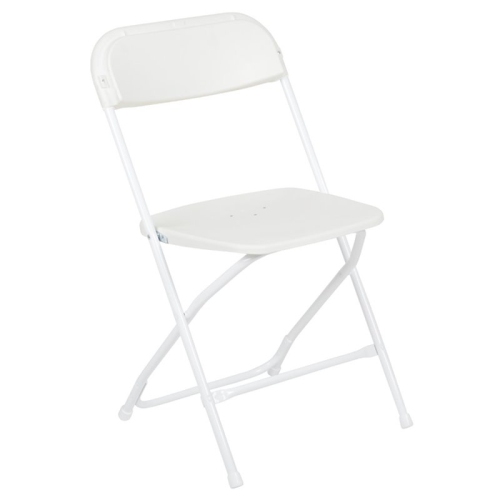 Your price for this item is $123
 -
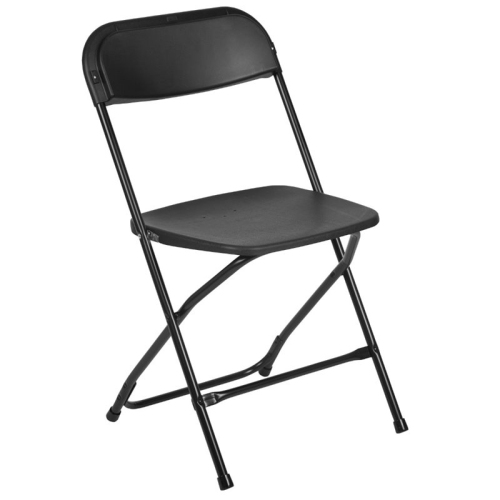 Your price for this item is $139.99
 -
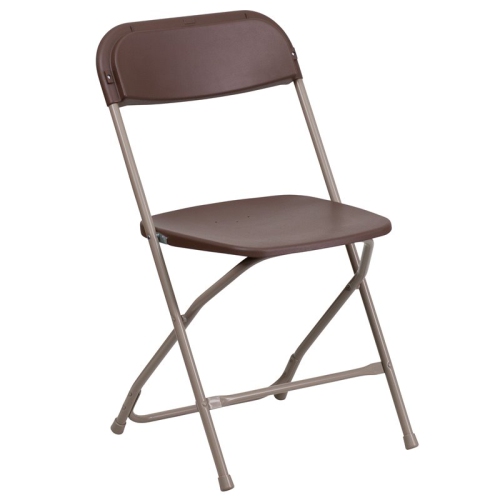 Your price for this item is $139.99
 -
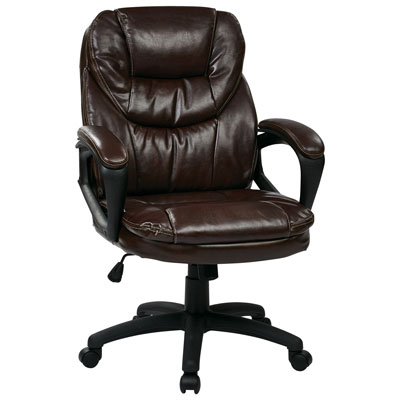 Your price for this item is $203.98
 -
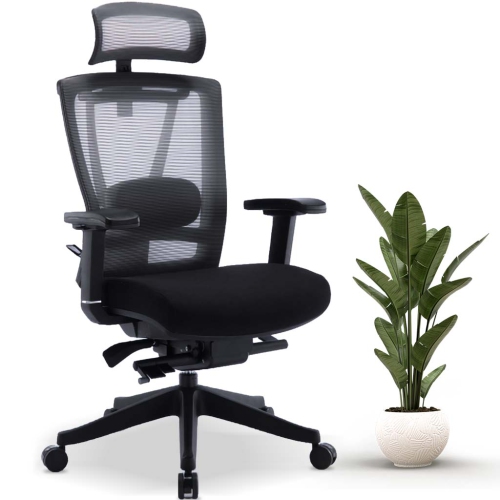 Your price for this item is $379.99
 -
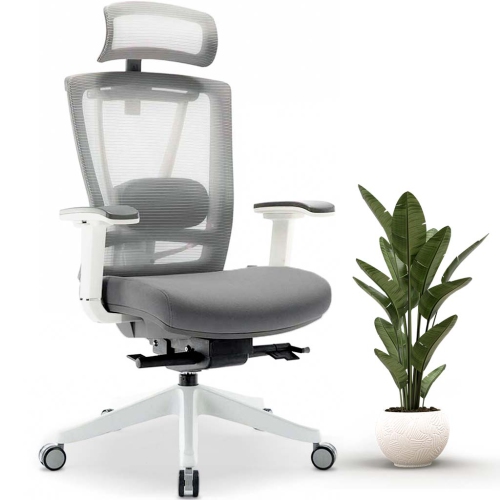 Your price for this item is $379.99
 -
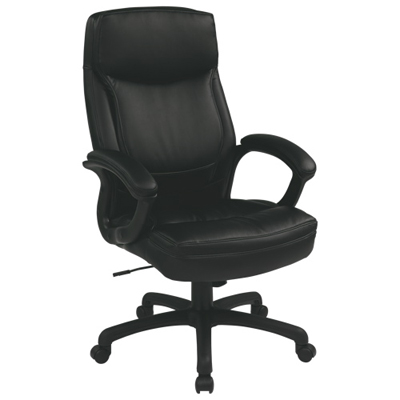 Your price for this item is $594.99
Discover more categories related to Extra Wide Chairs
Top Collections:
Pokemon Centers, Kindle Devices, Best Budget Office Chairs, Apple iPhones 16, Best Laptops for Writers, iPhone 15 Apple, Canon G7X Cameras, Refurbished Apple Laptops, Alarm Clock, Motorola Razr Phones
Some products may be subject to Environmental Handling Fees
(EHF) depending on your province.
Learn more about EHFs.