Fabric Awnings
Fabric awnings are a stylish and functional addition to any outdoor space, providing shade and protection from the elements while enhancing the aesthetic appeal of your home or business. Whether you're looking to create a cozy retreat on your patio, shield your windows from harsh sunlight, or add a touch of elegance to your storefront, fabric awnings offer versatility and practicality. With a variety of sizes, styles, and colors to choose from, finding the perfect fabric awning to suit your needs and complement your property's design has never been easier. Explore our selection of fabric awnings to elevate your outdoor experience today.
Sort
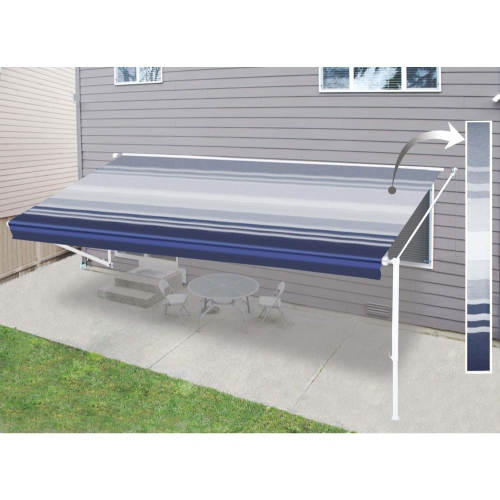
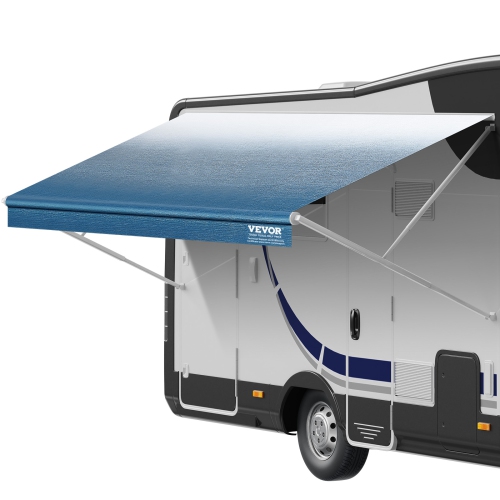
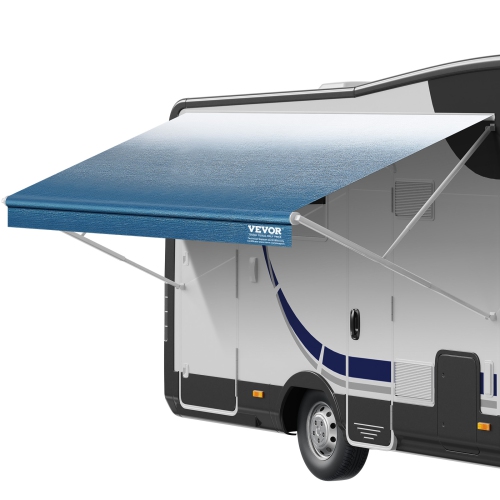

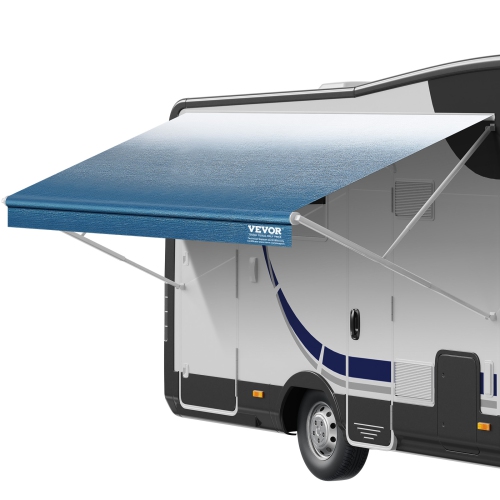
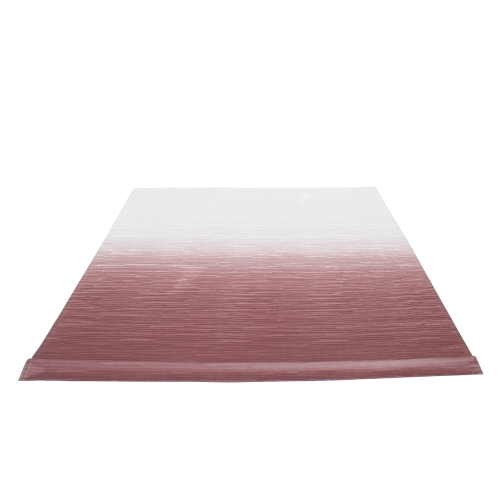
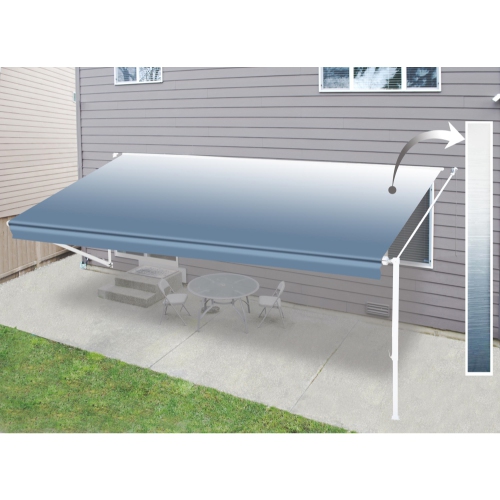
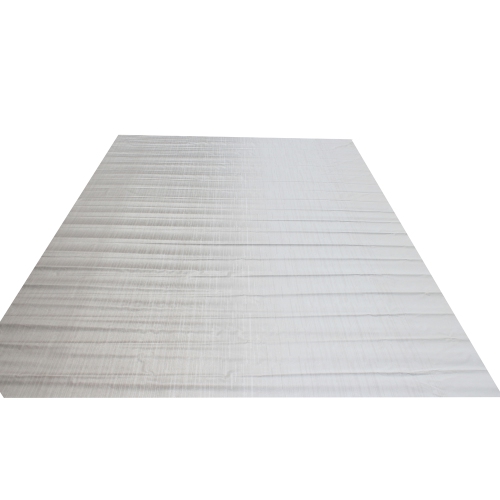
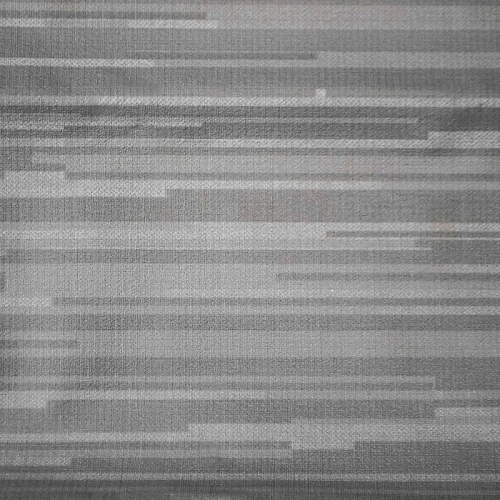
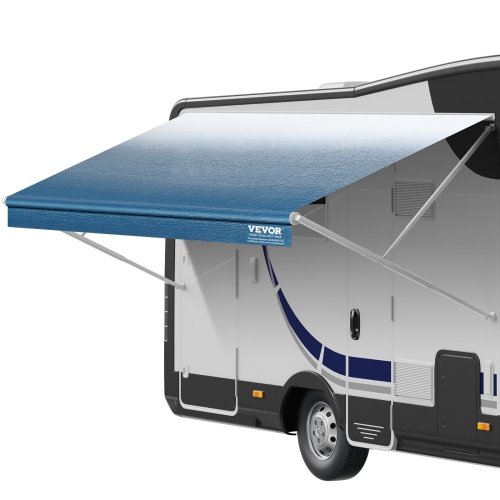
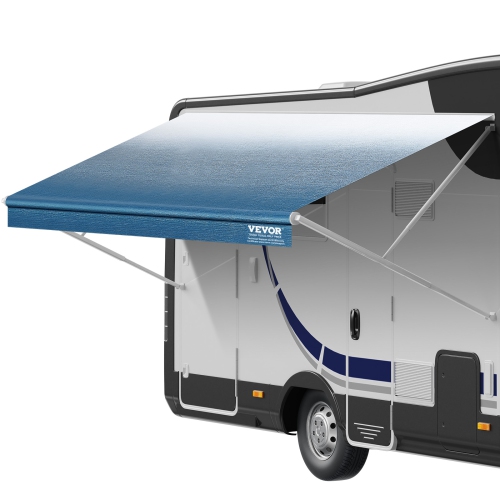
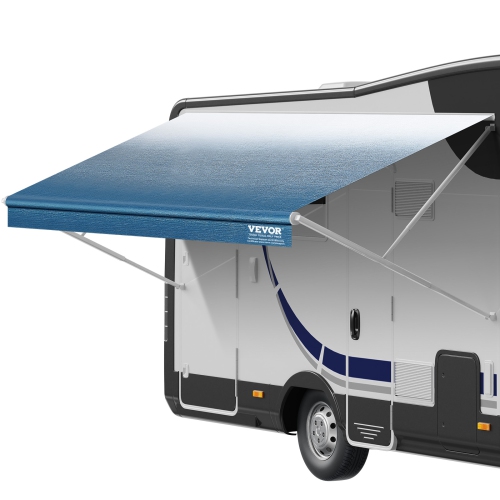
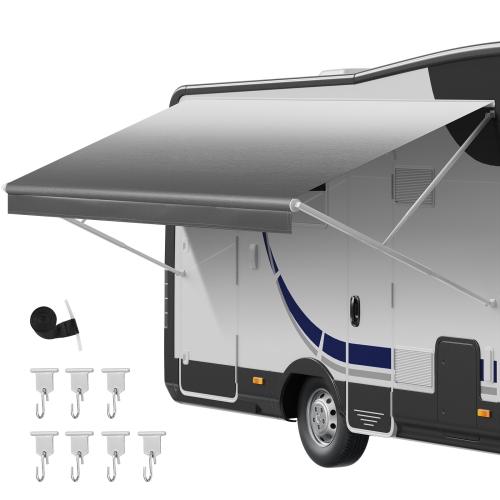
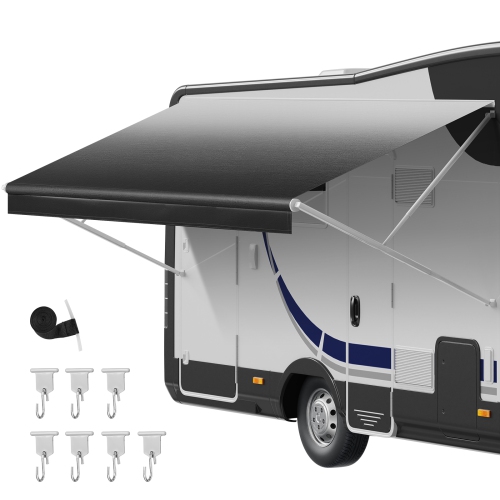
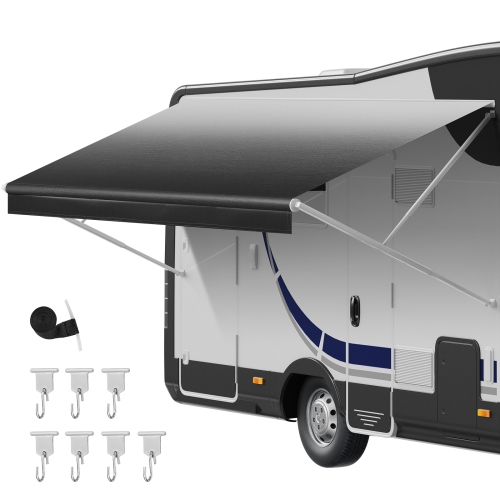
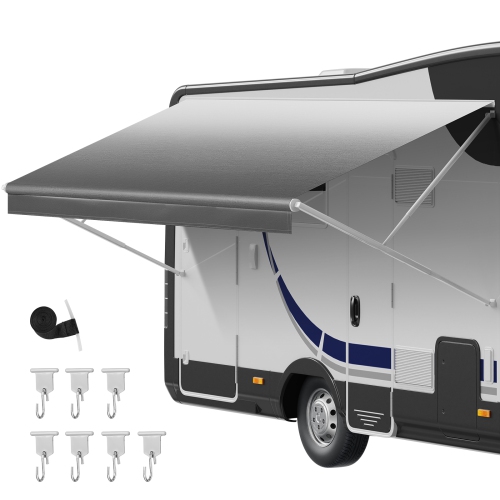
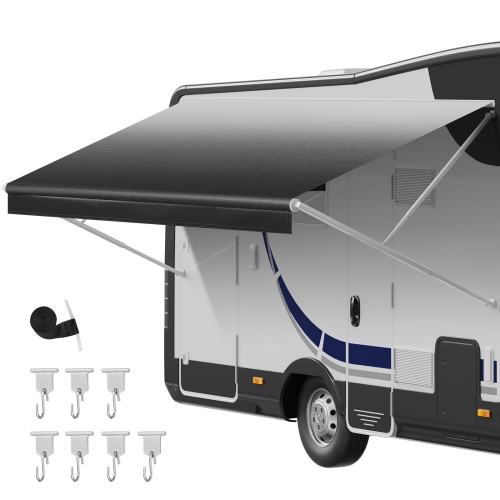
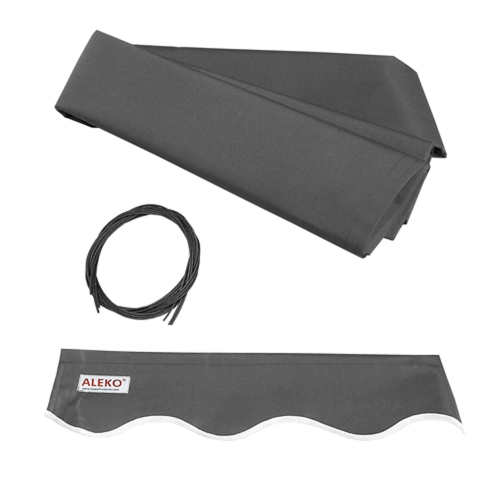
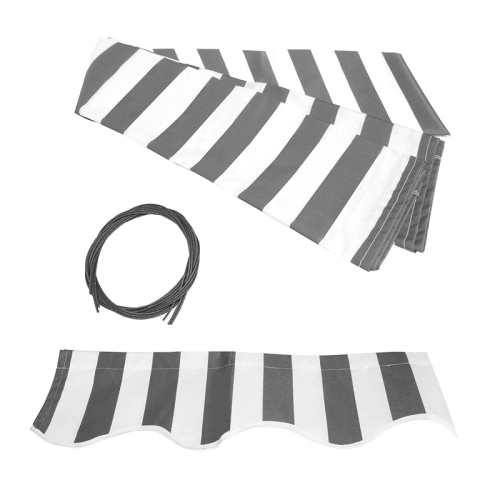
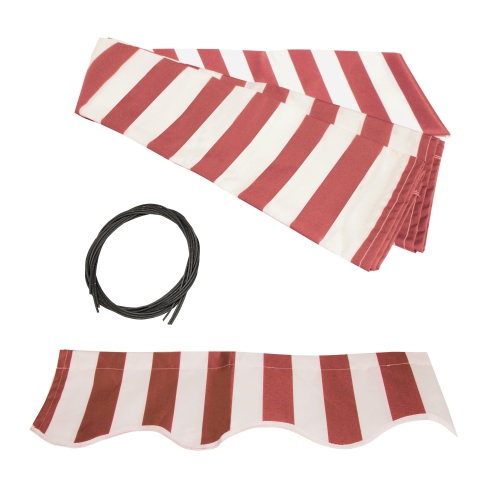
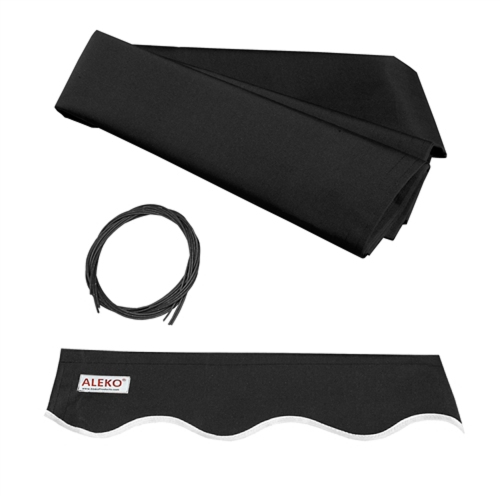
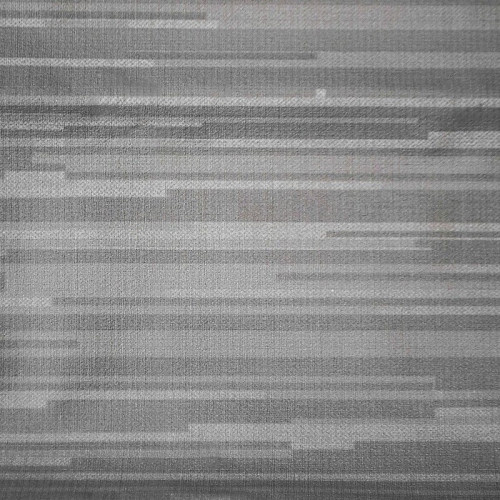
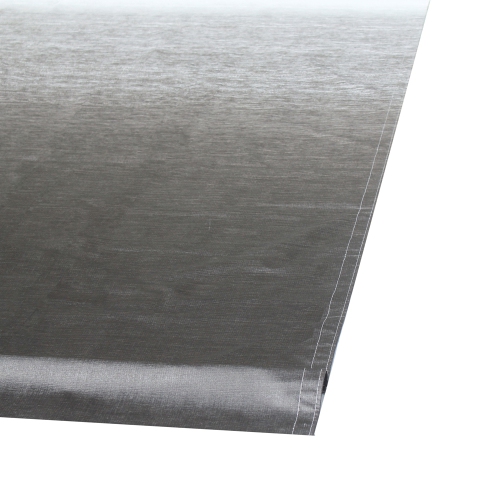
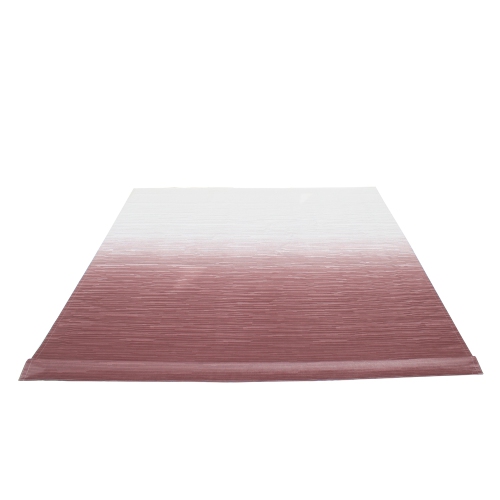
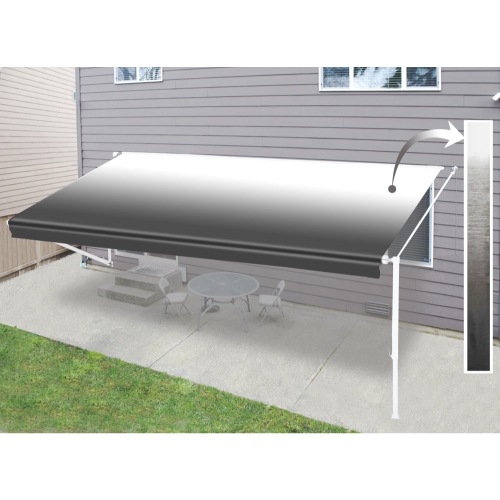
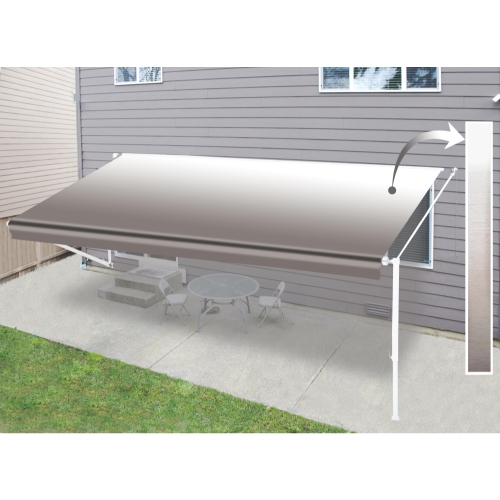
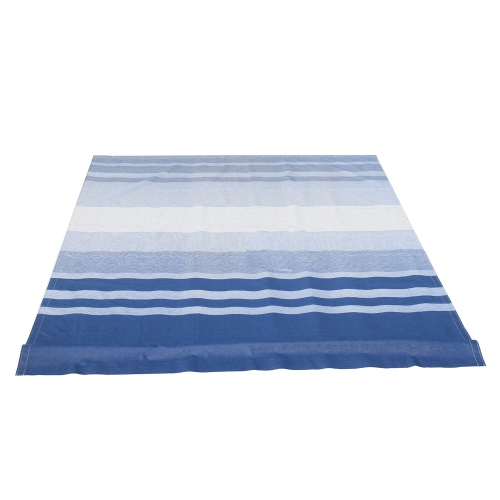
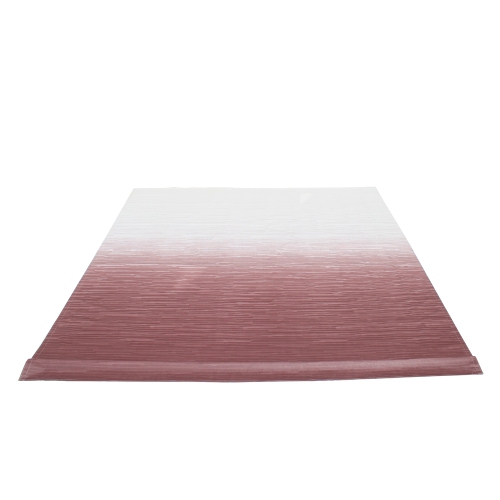
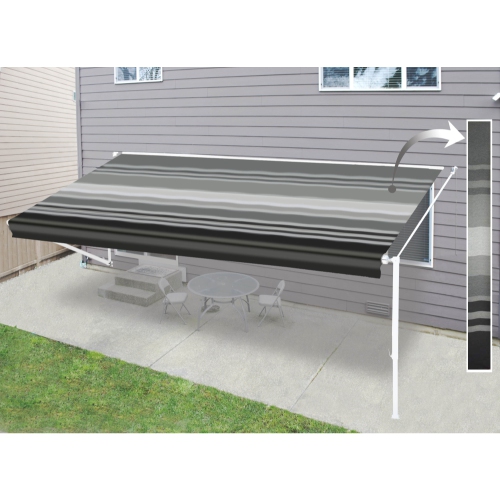
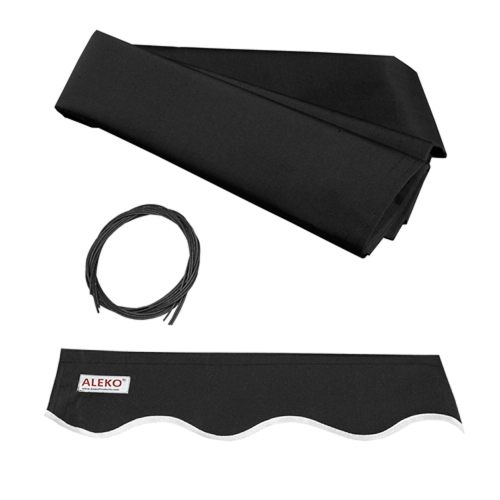
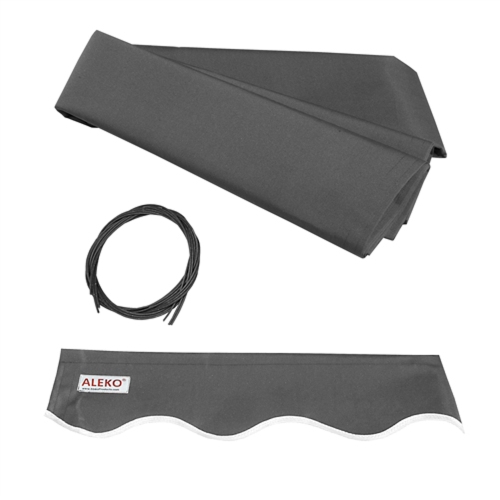
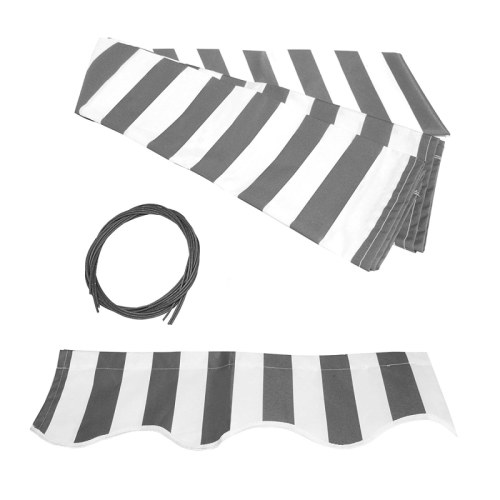
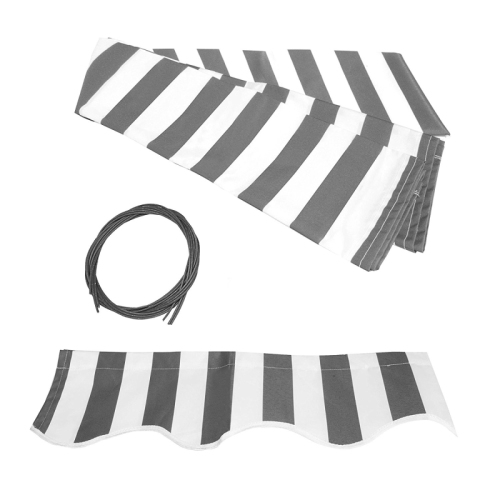
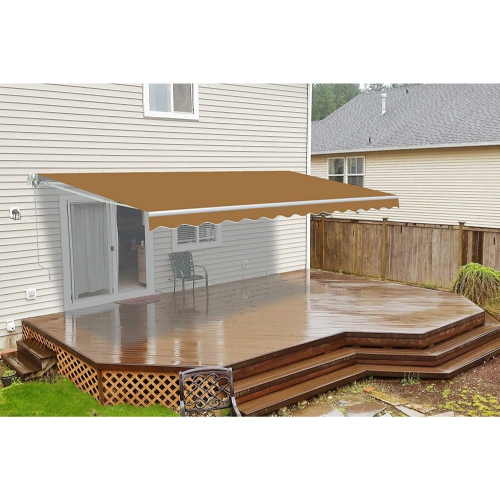
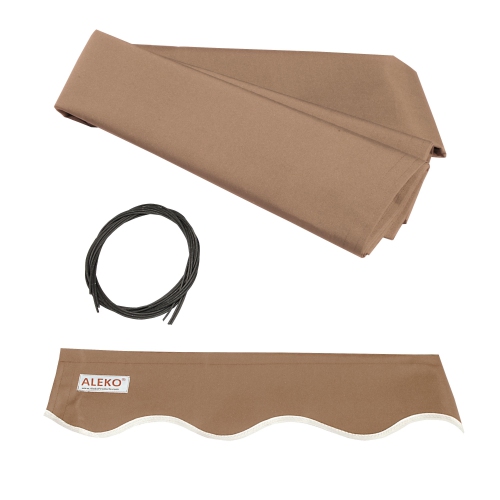
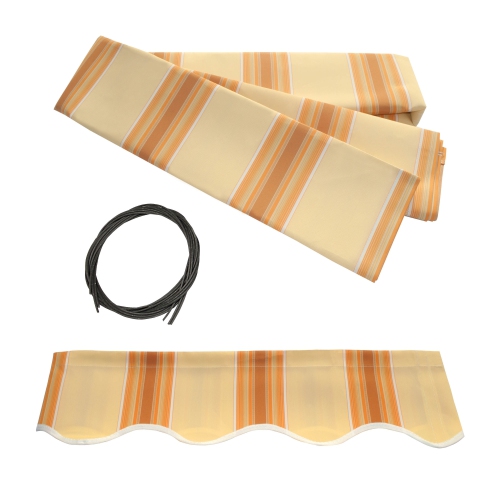
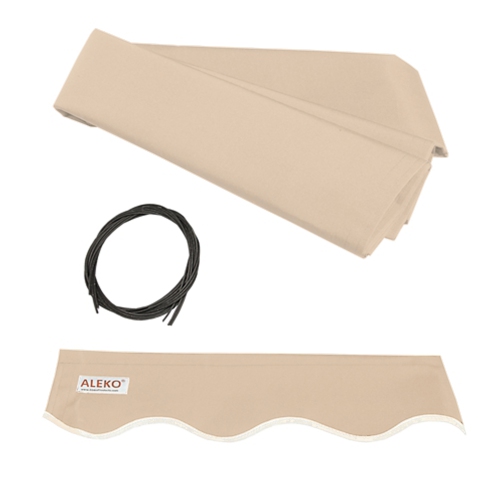
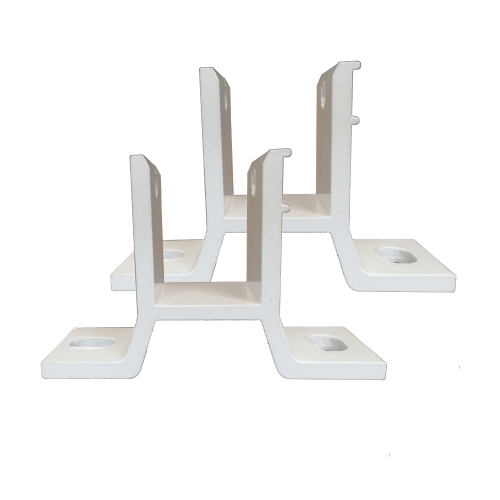
Practical shade with a softer architectural finish
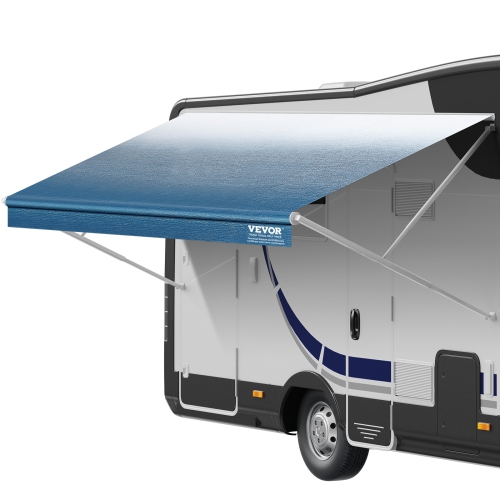
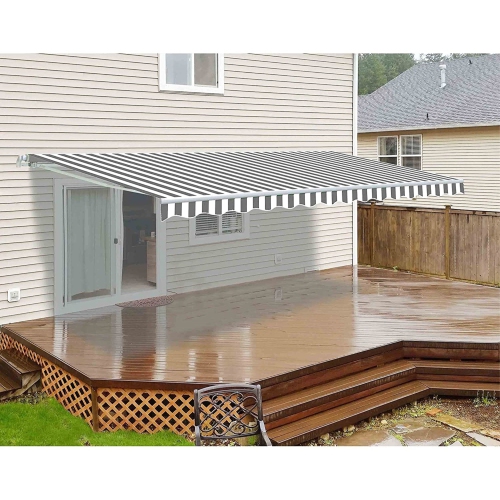
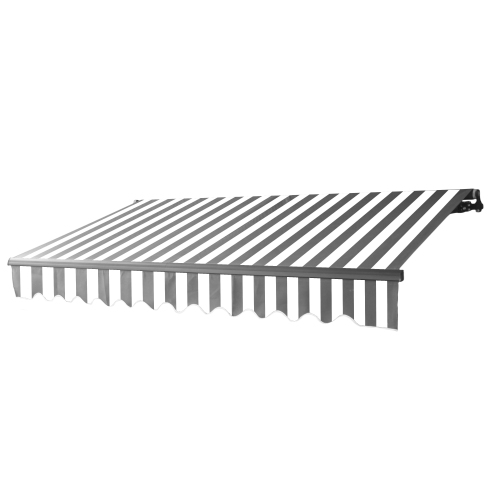
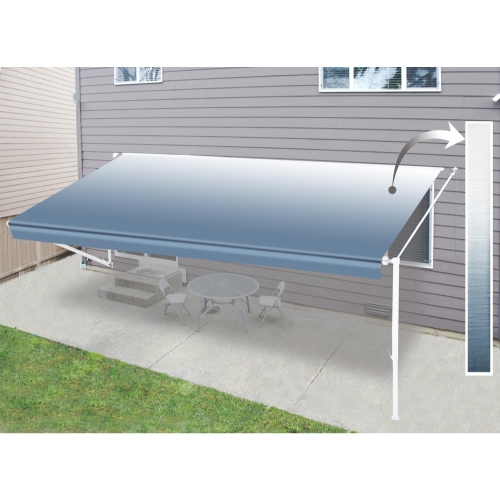
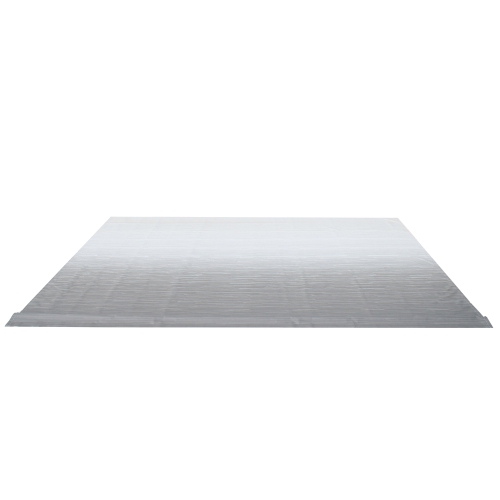
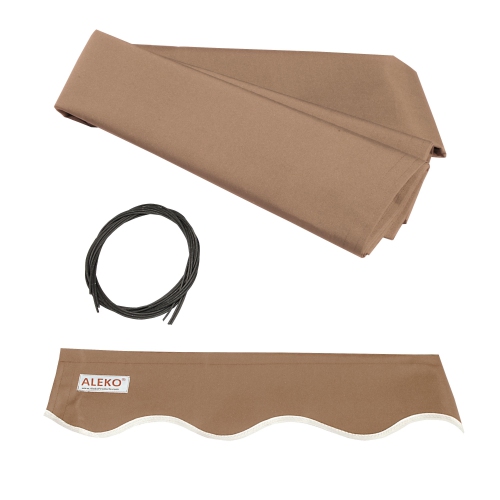
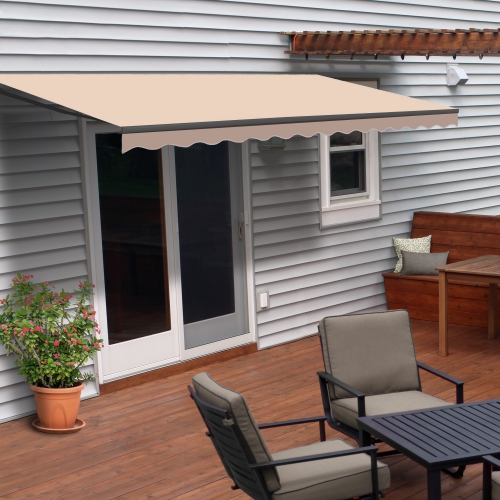
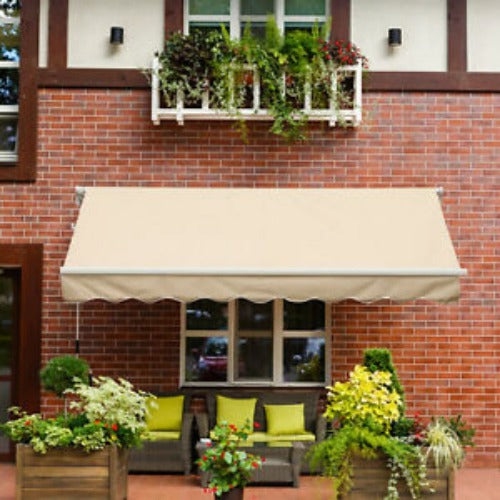
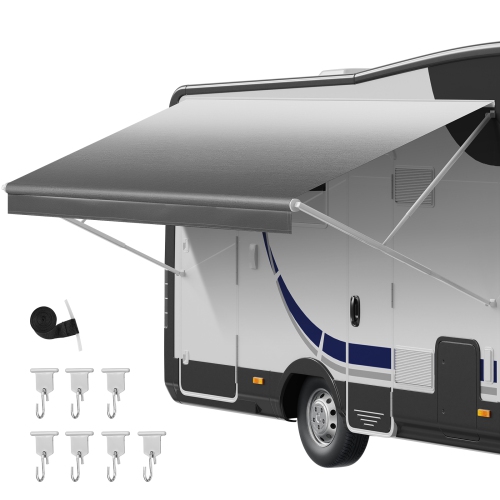
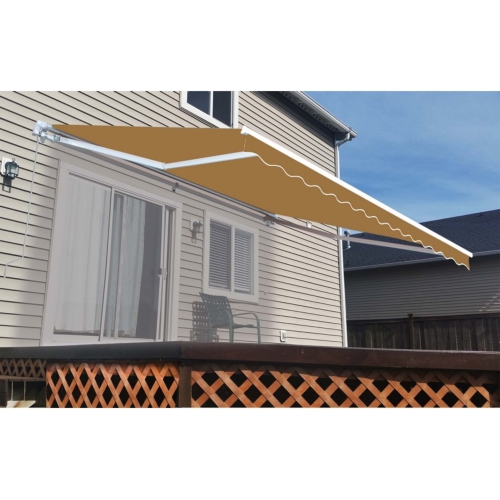
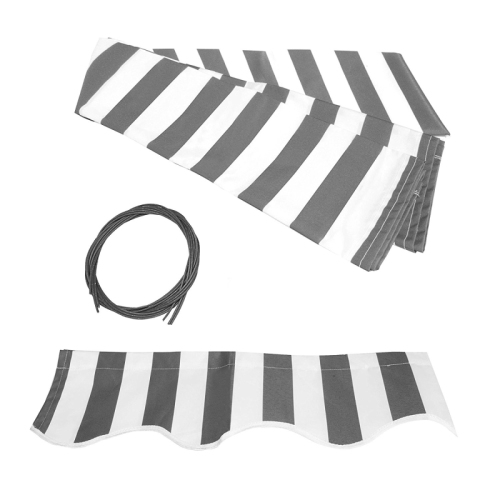
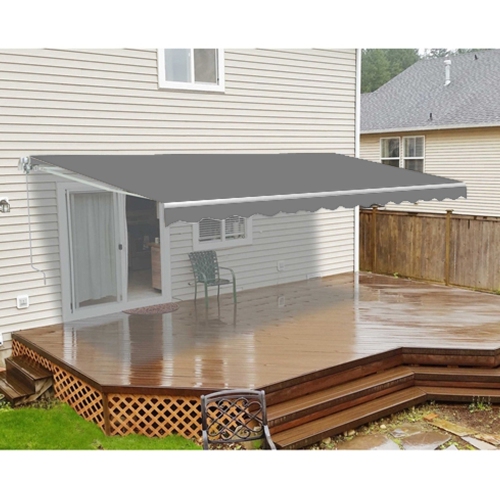
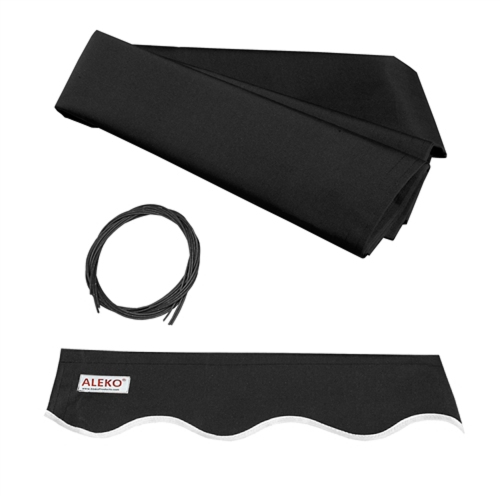
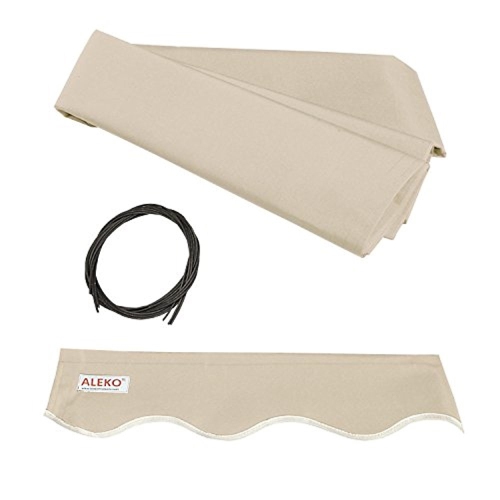
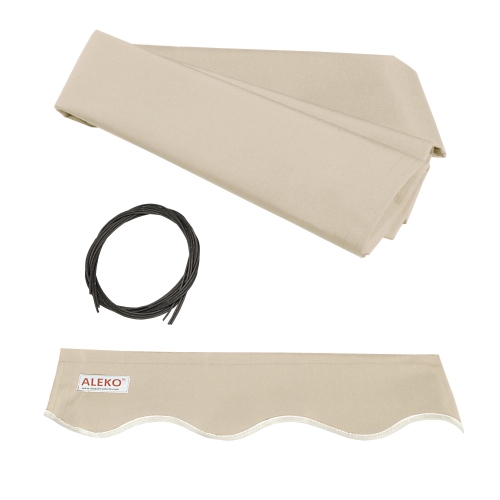
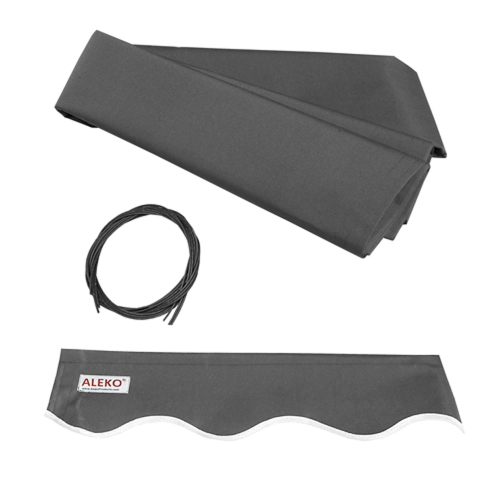
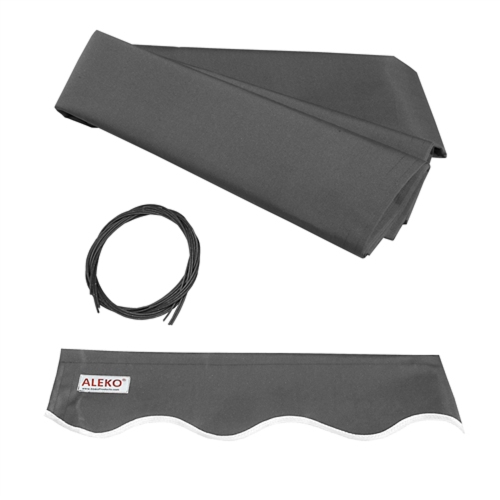
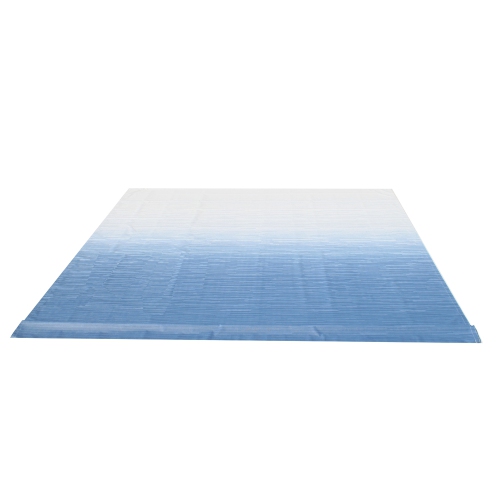
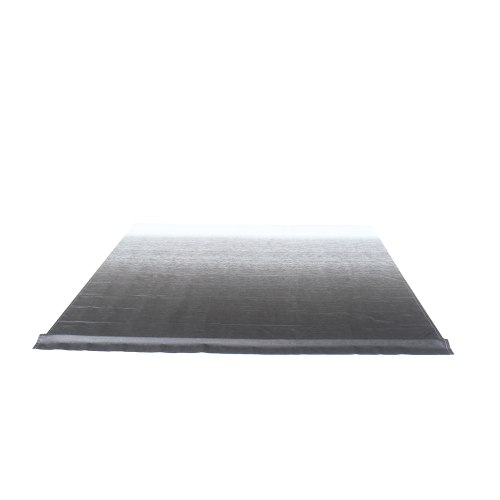
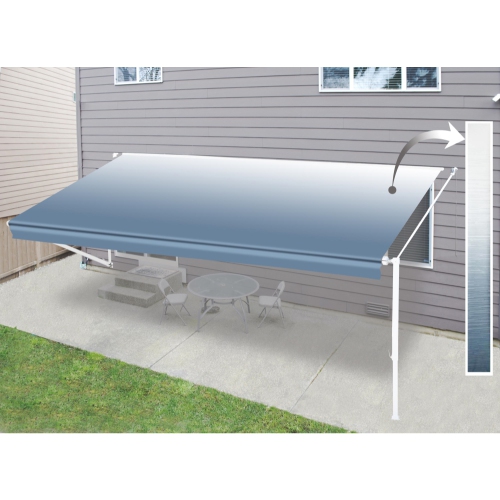
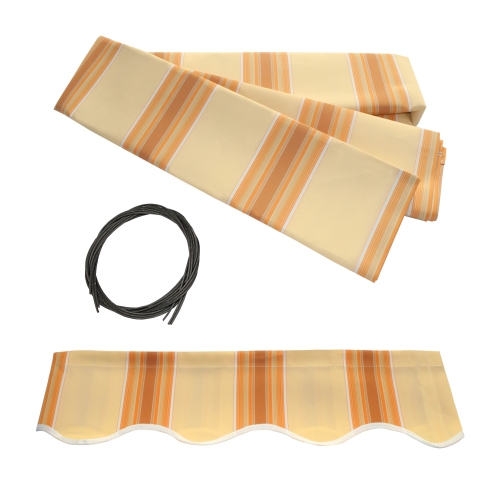
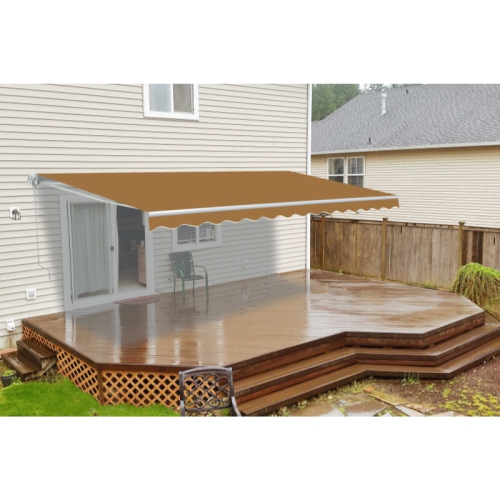
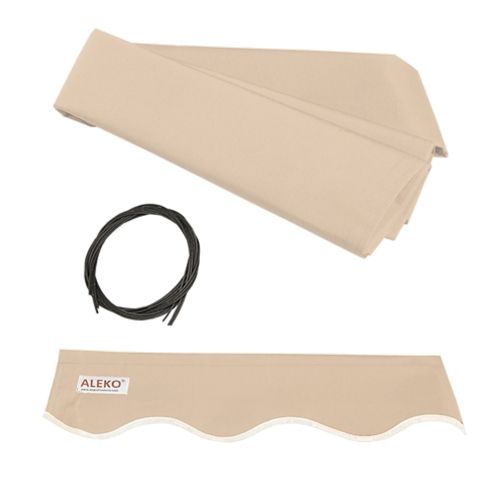
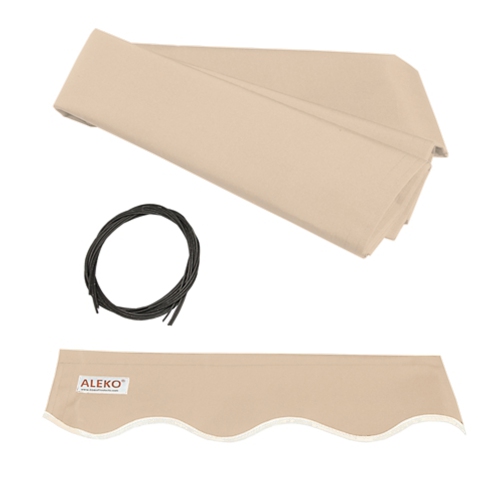
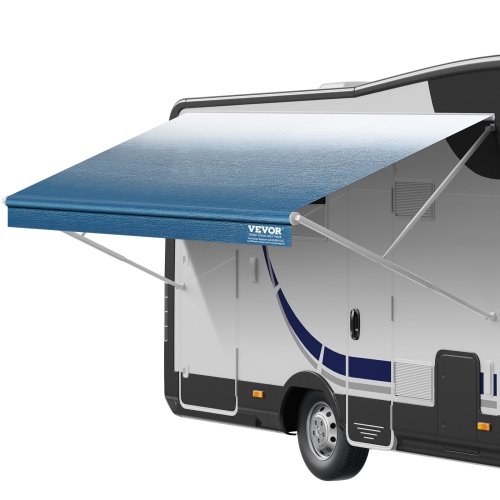
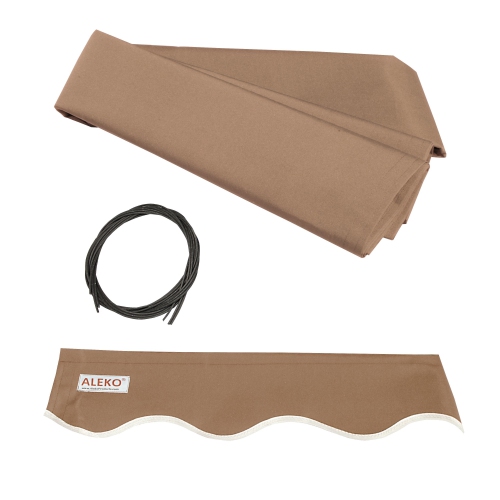
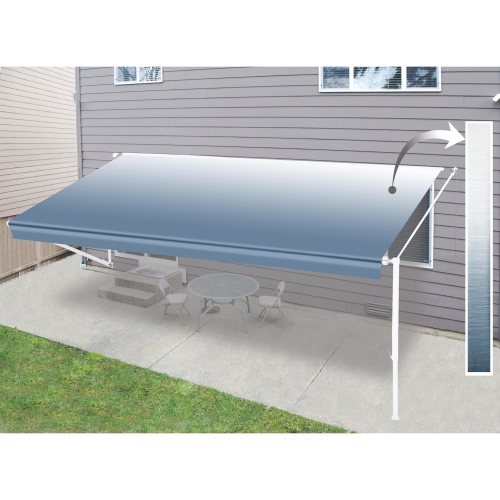
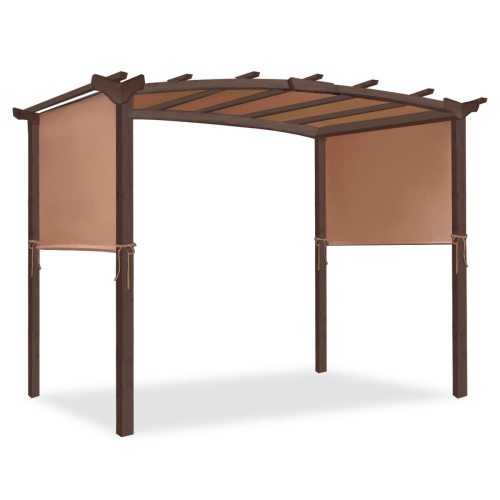
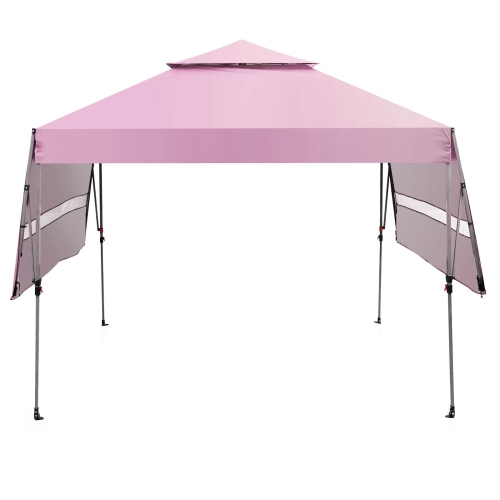
Fabric awnings bring shade and a softer architectural finish to patios, decks, balconies, windows, and doorways. A canvas-like canopy above a dining table can make an outdoor meal more comfortable, while a neatly fitted window awning can help limit direct sunlight and glare inside an adjacent room. Their appeal comes from the combination of practical coverage and visual texture: fabric breaks up the hard lines of brick, siding, glass, and metal without enclosing the space beneath it. Retractable designs let the canopy extend when shade is wanted and tuck away when a more open setting suits the occasion. Fixed designs keep a consistent profile and may suit entrances or windows where regular coverage is the main purpose. The right proportions depend on both the area being shaded and the surface supporting the awning. Width describes coverage along the wall, while projection describes how far the canopy reaches outward; neither measurement alone tells the whole story. A compact seating area may need enough projection to cover the chairs as well as the table, especially when people pull their seats back. Above a doorway, clearance for the door’s swing, nearby lights, and any steps matters just as much as the canopy’s appearance. Sun angle also affects where the shadow falls, so an awning directly overhead may not block low sunlight arriving from the side. For a balcony, the position of railings and neighbouring structures can further shape the usable coverage. Solid colours create a quieter look against patterned brickwork, while stripes add definition to a broad canopy and can echo details in cushions or outdoor furniture. A straight valance offers a clean edge; a scalloped finish feels more traditional. These details help fabric awnings suit anything from a small reading spot outside a kitchen to a larger gathering space, provided the dimensions and mounting requirements match the setting.
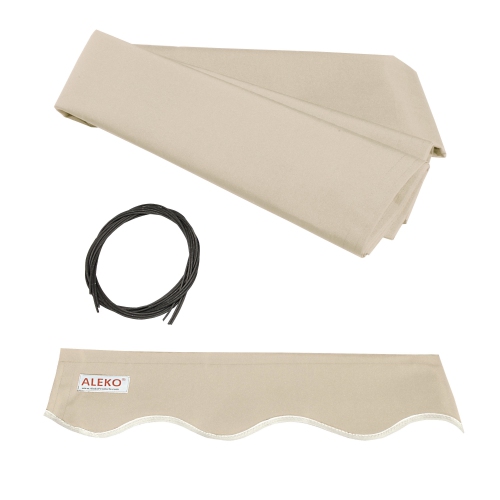
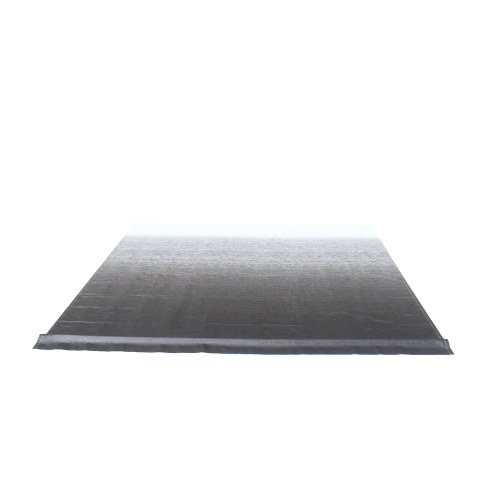
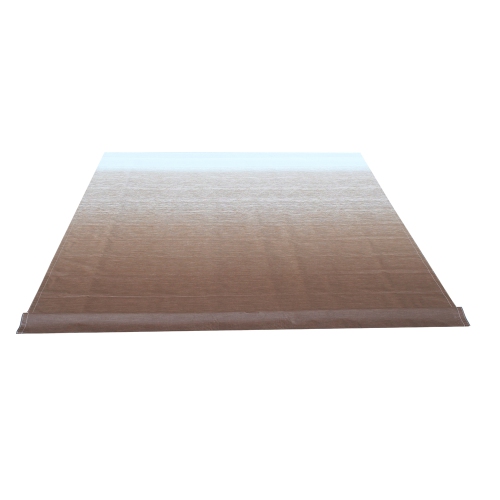
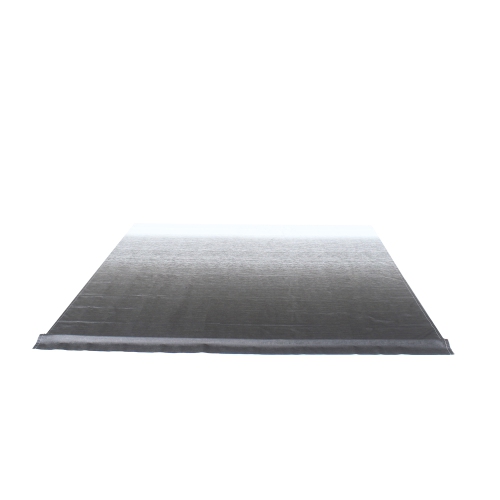
Fabric choice influences how an awning looks, handles exposure, and responds to routine cleaning. Acrylic and polyester are common options, with performance depending on the weave, weight, finish, and construction rather than the fibre name alone. Solution-dyed acrylic has colour incorporated into the fibre, a feature often associated with resistance to fading. Polyester may include coatings that improve water resistance or help the fabric maintain its shape. These differences matter on an exposed deck, where the canopy receives direct sunlight for long stretches, or above a frequently used entrance where appearance is especially noticeable. Water-resistant fabric is not necessarily waterproof, and even a coated canopy depends on suitable tension, pitch, and drainage to shed water effectively. Seams and attachment points also affect performance. An awning intended mainly for shade should not be treated as a shelter for heavy rain, snow, or strong winds. Fabric density and colour influence the brightness beneath the canopy: a pale shade can keep the space feeling light, while a darker colour may create deeper visual shade. Neither colour nor thickness alone establishes UV protection, so a stated protection rating is more useful than appearance when that feature matters. Stitching, reinforced edges, and secure attachment channels deserve attention because they help the canopy retain its shape through repeated use. The supporting frame is equally important. Aluminum offers relatively light weight and resistance to rust, while steel components may rely on protective finishes to resist corrosion. Hardware compatibility and the condition of those finishes contribute to long-term durability. For replacement awning fabric, the existing frame determines more than the overall size. Roller dimensions, attachment style, valance configuration, and the manufacturer’s measuring method can all affect fit. A replacement canopy that looks close in size may still be unsuitable if its edge fittings do not match. Coordinating these details helps avoid loose sections, uneven rolling, or unnecessary strain on the mechanism, while preserving the tailored appearance that makes a fabric awning feel like part of the building.
Everyday convenience depends on how the awning is operated and how easily it can be cared for. A manual crank offers straightforward control without a powered connection, although the handle needs to be within comfortable reach and have space to turn. Motorized operation can be useful for a wider canopy or for someone who would find regular cranking difficult. Controls, electrical requirements, and any automatic retraction features vary by design; a wind sensor is a helpful feature where supported, not a substitute for following the awning’s operating limits. Installation deserves the same attention as fabric and frame selection. Wall cladding alone may not provide adequate support, and the correct brackets and fasteners depend on the structure behind it. Mounting height and pitch must allow the fabric to clear doors and direct runoff appropriately without compromising headroom. Professional installation may be appropriate where structural assessment, difficult access, or electrical work is involved. Renters and condominium residents may also need permission before attaching an awning to an exterior wall. Once installed, routine care usually starts with removing loose leaves and debris before they become trapped in folds or around the roller. Cleaning methods should follow the fabric manufacturer’s directions; a soft brush and a suitable mild cleaning solution are often preferable to abrasive scrubbing or high-pressure washing. Allowing the canopy to dry before it stays rolled up helps limit musty odours and mildew. If it must be retracted while damp, extending it to dry when conditions permit is a useful habit. Periodic checks for loose fittings, frayed edges, uneven tension, and worn moving parts can reveal small problems before they affect operation. Retractable awnings generally need to be closed before conditions exceed their rating, while fixed designs require care suited to their construction and expected loads. For storefront entrances, customer seating areas, or other business settings, Commercial Awnings offer a related category to explore, with installation requirements, clearance, and frequency of use deserving particular attention. In a residential setting, thoughtful sizing and manageable upkeep make fabric awnings a practical finishing touch for spaces used for dining, conversation, or a quiet afternoon outdoors.
Fabric choice influences how an awning looks, handles exposure, and responds to routine cleaning. Acrylic and polyester are common options, with performance depending on the weave, weight, finish, and construction rather than the fibre name alone. Solution-dyed acrylic has colour incorporated into the fibre, a feature often associated with resistance to fading. Polyester may include coatings that improve water resistance or help the fabric maintain its shape. These differences matter on an exposed deck, where the canopy receives direct sunlight for long stretches, or above a frequently used entrance where appearance is especially noticeable. Water-resistant fabric is not necessarily waterproof, and even a coated canopy depends on suitable tension, pitch, and drainage to shed water effectively. Seams and attachment points also affect performance. An awning intended mainly for shade should not be treated as a shelter for heavy rain, snow, or strong winds. Fabric density and colour influence the brightness beneath the canopy: a pale shade can keep the space feeling light, while a darker colour may create deeper visual shade. Neither colour nor thickness alone establishes UV protection, so a stated protection rating is more useful than appearance when that feature matters. Stitching, reinforced edges, and secure attachment channels deserve attention because they help the canopy retain its shape through repeated use. The supporting frame is equally important. Aluminum offers relatively light weight and resistance to rust, while steel components may rely on protective finishes to resist corrosion. Hardware compatibility and the condition of those finishes contribute to long-term durability. For replacement awning fabric, the existing frame determines more than the overall size. Roller dimensions, attachment style, valance configuration, and the manufacturer’s measuring method can all affect fit. A replacement canopy that looks close in size may still be unsuitable if its edge fittings do not match. Coordinating these details helps avoid loose sections, uneven rolling, or unnecessary strain on the mechanism, while preserving the tailored appearance that makes a fabric awning feel like part of the building.
Everyday convenience depends on how the awning is operated and how easily it can be cared for. A manual crank offers straightforward control without a powered connection, although the handle needs to be within comfortable reach and have space to turn. Motorized operation can be useful for a wider canopy or for someone who would find regular cranking difficult. Controls, electrical requirements, and any automatic retraction features vary by design; a wind sensor is a helpful feature where supported, not a substitute for following the awning’s operating limits. Installation deserves the same attention as fabric and frame selection. Wall cladding alone may not provide adequate support, and the correct brackets and fasteners depend on the structure behind it. Mounting height and pitch must allow the fabric to clear doors and direct runoff appropriately without compromising headroom. Professional installation may be appropriate where structural assessment, difficult access, or electrical work is involved. Renters and condominium residents may also need permission before attaching an awning to an exterior wall. Once installed, routine care usually starts with removing loose leaves and debris before they become trapped in folds or around the roller. Cleaning methods should follow the fabric manufacturer’s directions; a soft brush and a suitable mild cleaning solution are often preferable to abrasive scrubbing or high-pressure washing. Allowing the canopy to dry before it stays rolled up helps limit musty odours and mildew. If it must be retracted while damp, extending it to dry when conditions permit is a useful habit. Periodic checks for loose fittings, frayed edges, uneven tension, and worn moving parts can reveal small problems before they affect operation. Retractable awnings generally need to be closed before conditions exceed their rating, while fixed designs require care suited to their construction and expected loads. For storefront entrances, customer seating areas, or other business settings, Commercial Awnings offer a related category to explore, with installation requirements, clearance, and frequency of use deserving particular attention. In a residential setting, thoughtful sizing and manageable upkeep make fabric awnings a practical finishing touch for spaces used for dining, conversation, or a quiet afternoon outdoors.
Top selling and popular products
-
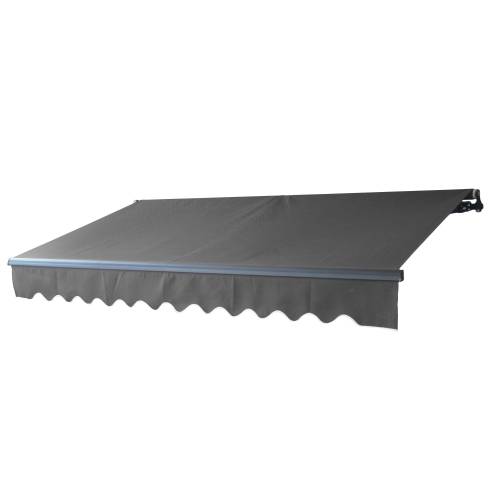 Your price for this item is $819
 -
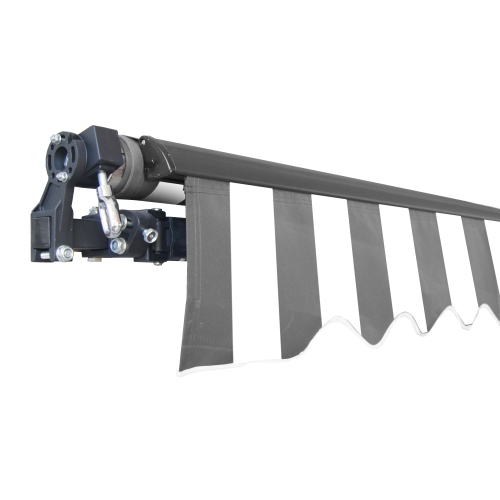 Your price for this item is $625
 -
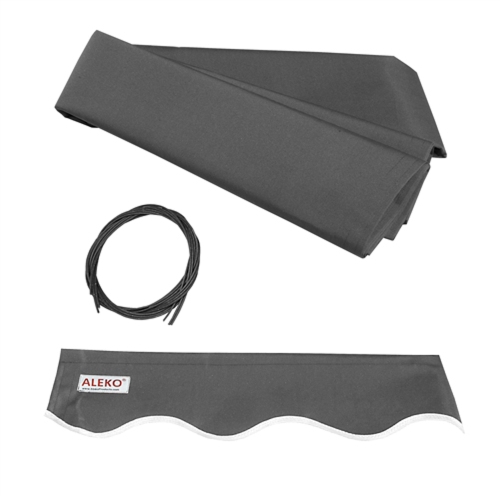 Your price for this item is $176
 -
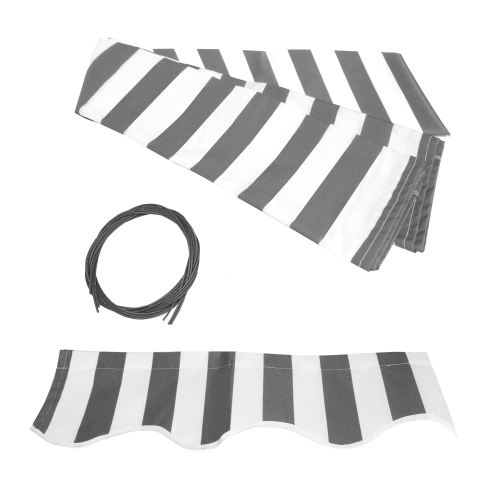 Your price for this item is $749
 -
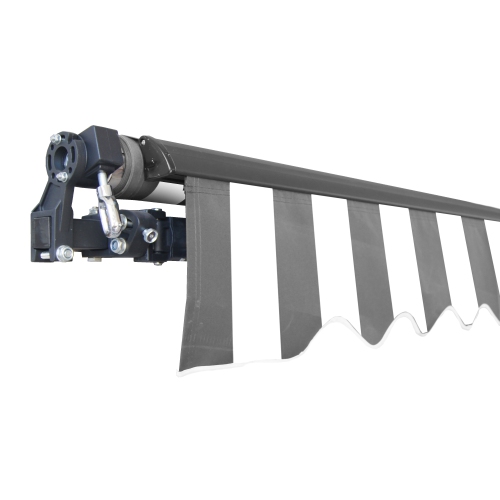 Your price for this item is $819
 -
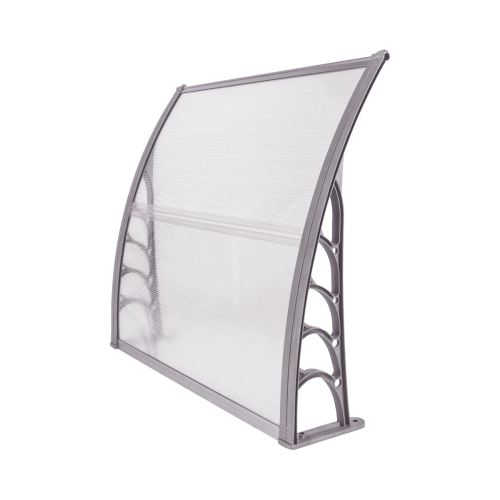 Your price for this item is $68.99
 -
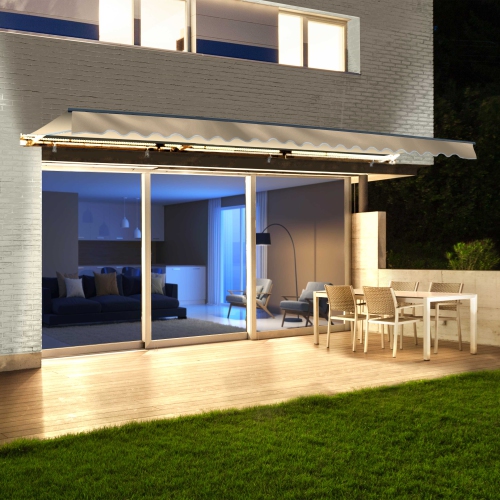 Your price for this item is $1029
 -
 Your price for this item is $321.99
Discover more categories related to Fabric Awnings
Top Collections:
Pokemon Centers, Kindle Devices, Best Budget Office Chairs, Apple iPhones 16, Canon G7X Cameras, iPhone 15 Apple, Alarm Clock, Refurbished Apple Laptops, Flip Phones, Best Laptops for Writers
Some products may be subject to Environmental Handling Fees
(EHF) depending on your province.
Learn more about EHFs.