Fabric Tablecloths
Elevate your dining experience with our collection of fabric tablecloths that effortlessly blend style and functionality. Whether you're hosting a casual brunch or a formal dinner party, these versatile tablecloths are perfect for adding a touch of elegance to any occasion. Crafted from high-quality fabrics, our range of tablecloths comes in an array of colors, patterns, and sizes to suit your taste and complement your existing decor.
Sort
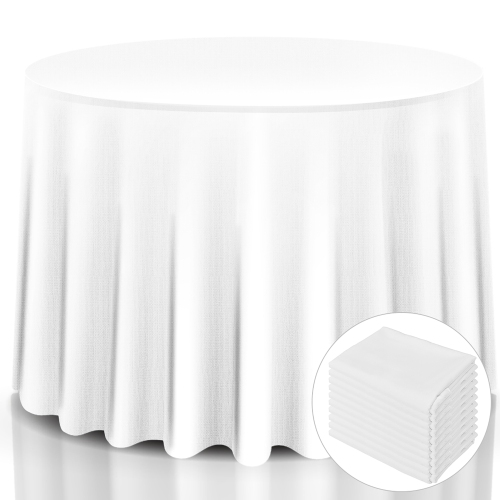
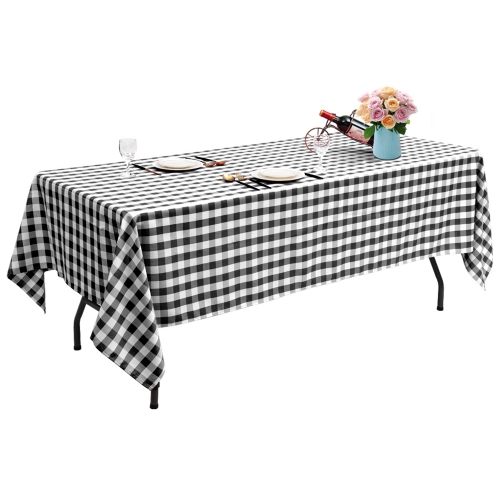
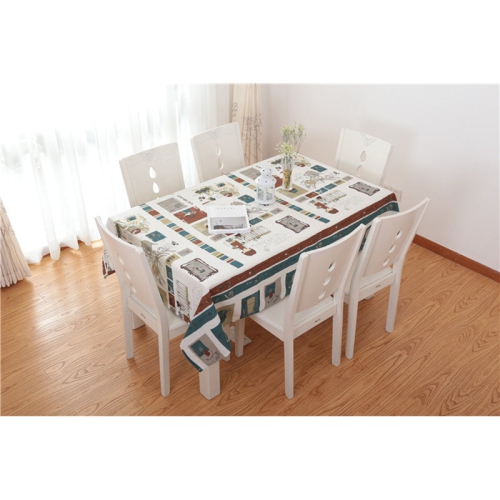
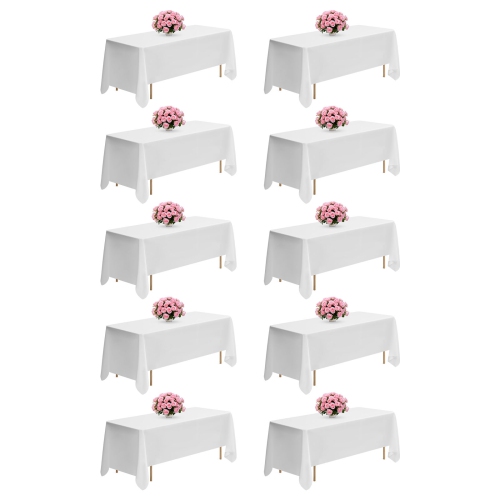
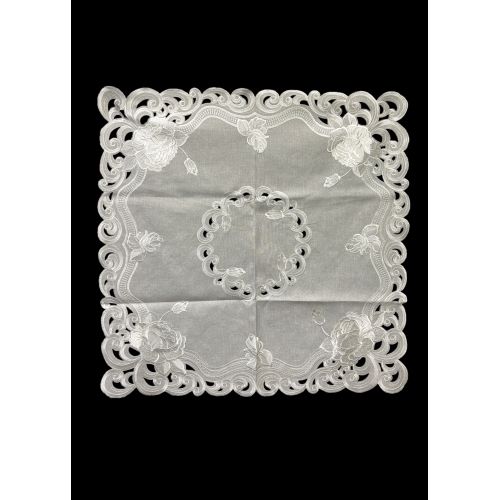
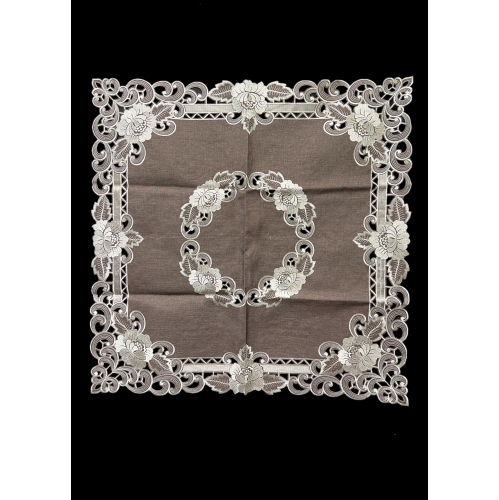
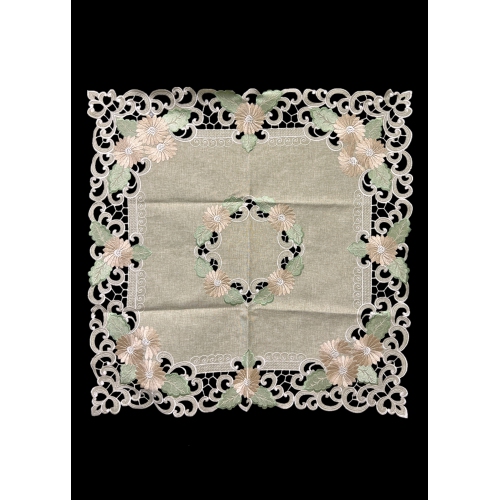
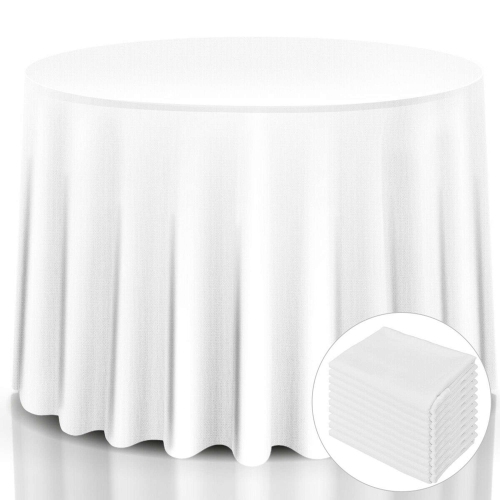
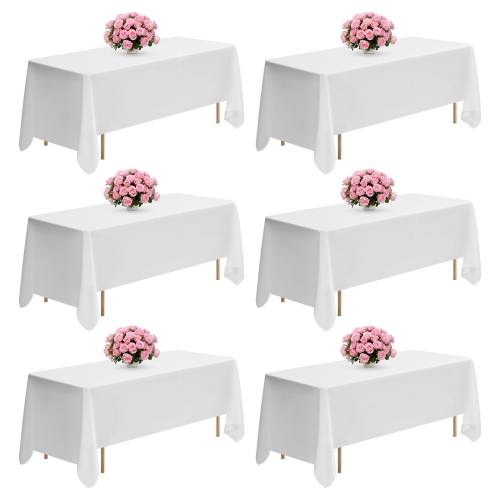
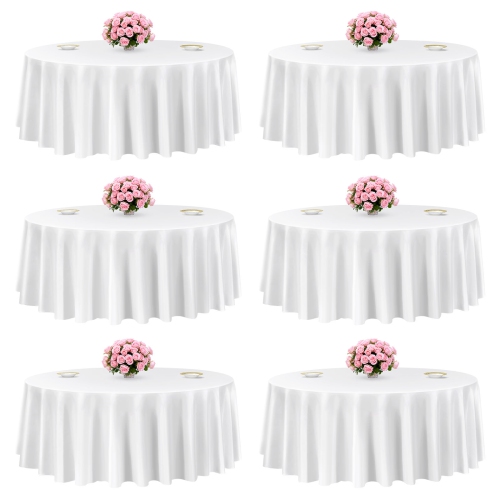
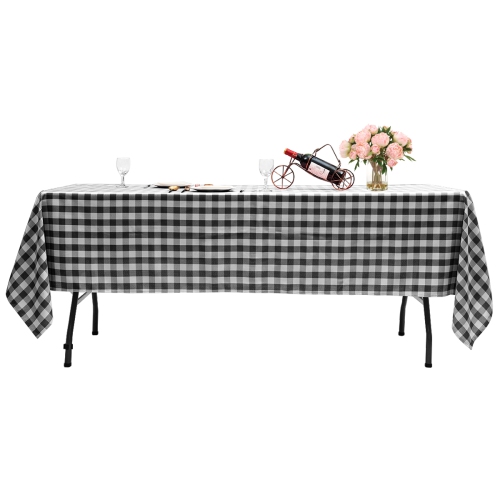
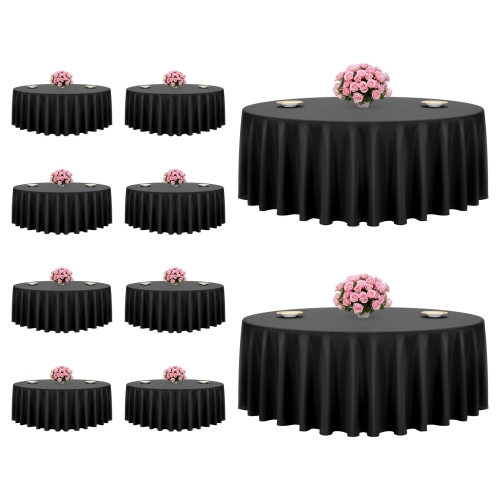
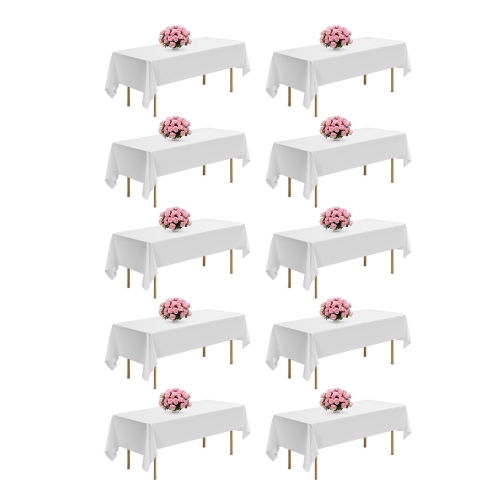
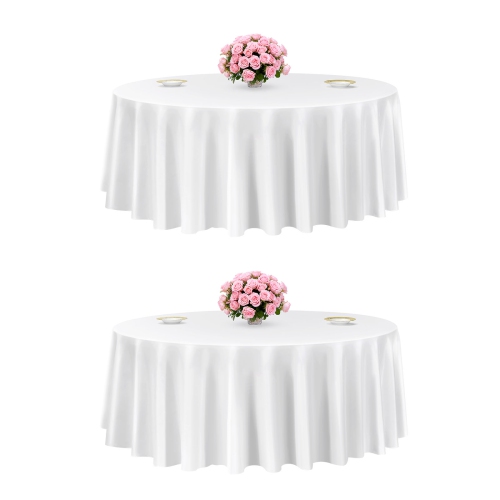
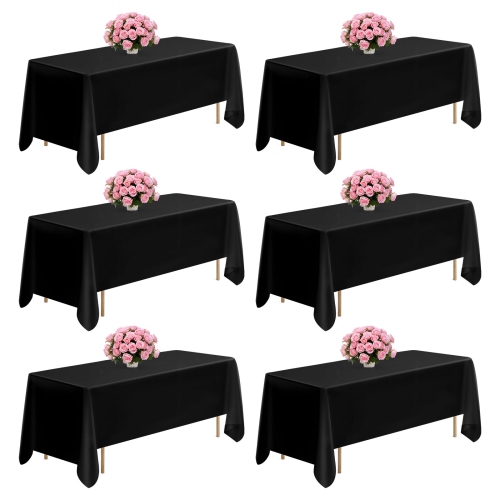
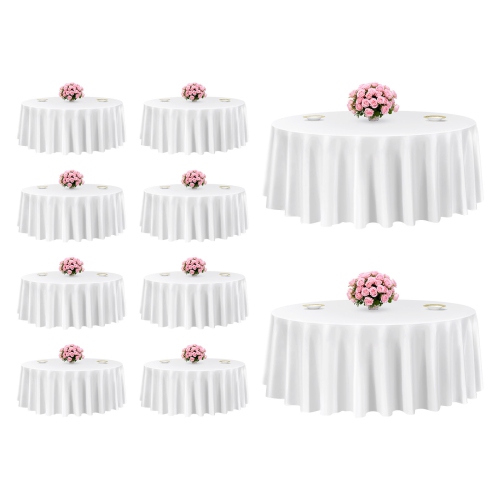
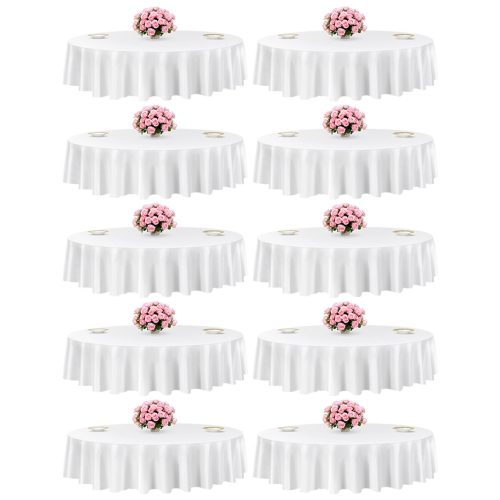
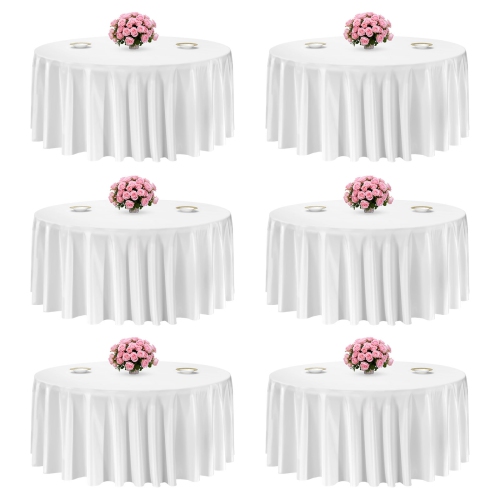
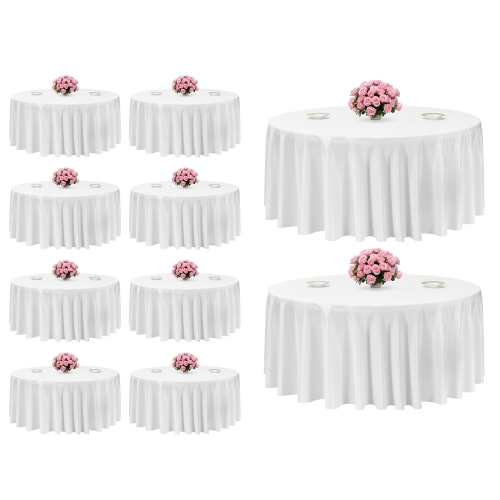
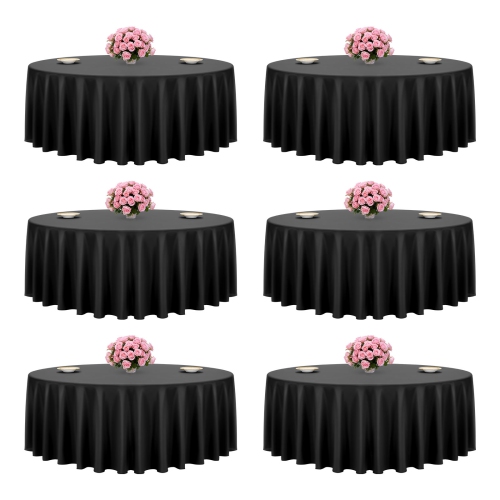
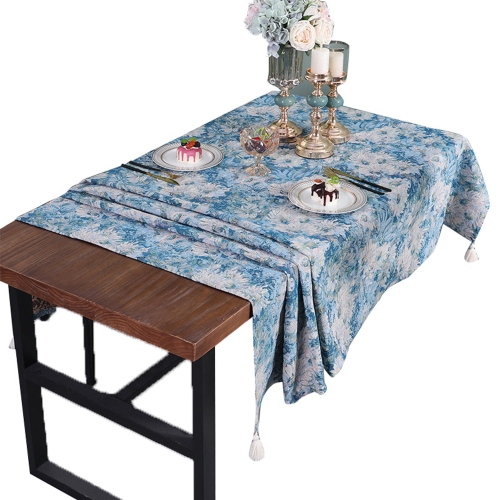
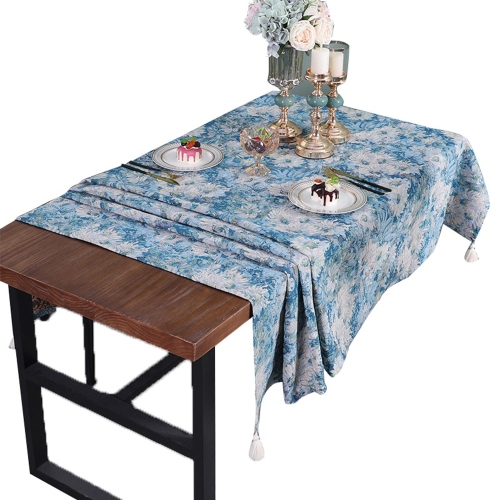
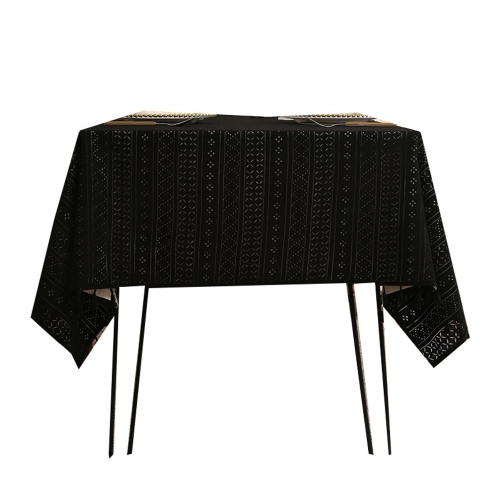
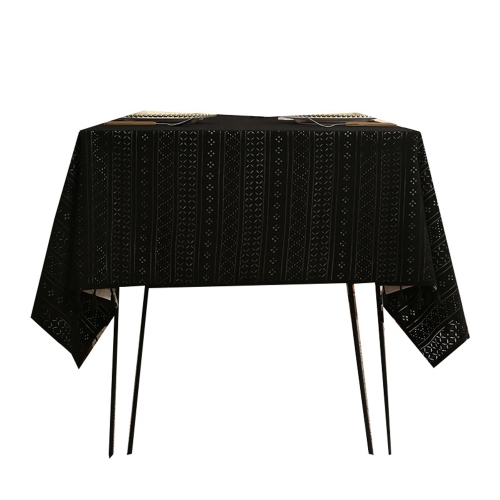
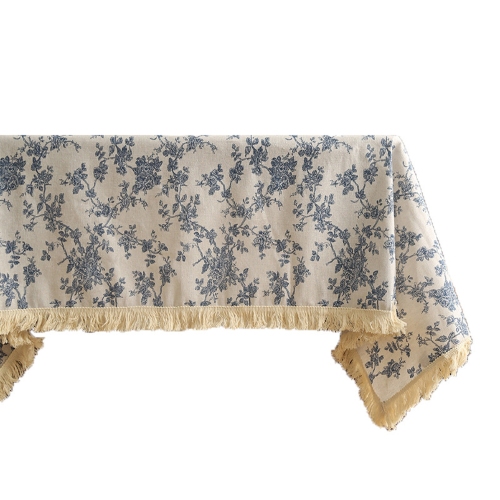
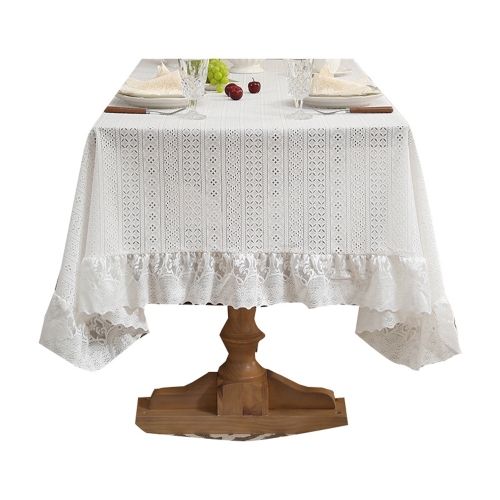
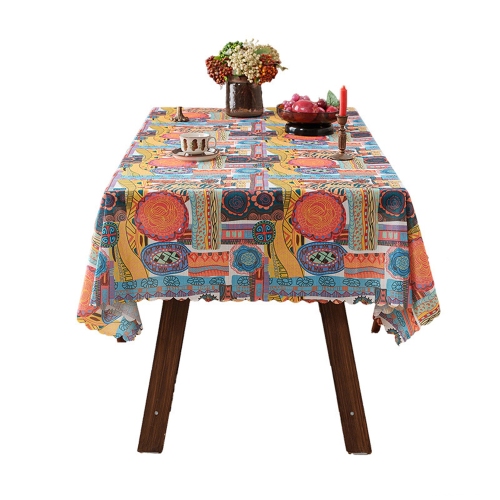
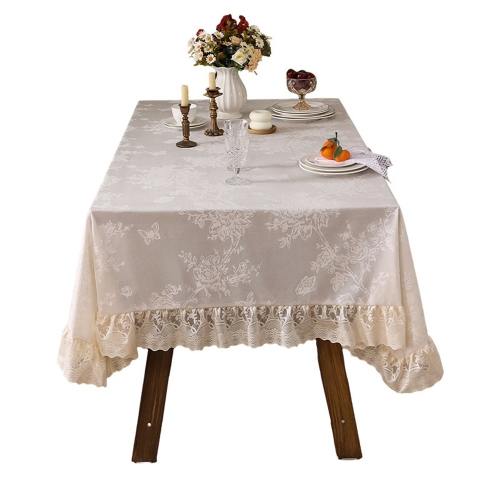
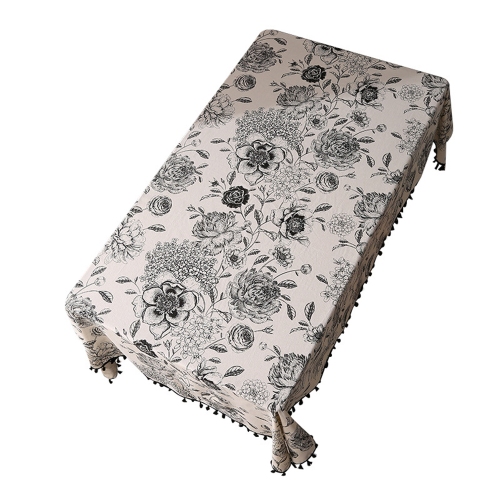
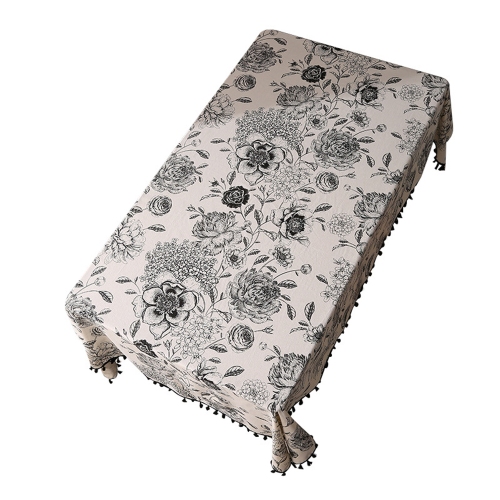
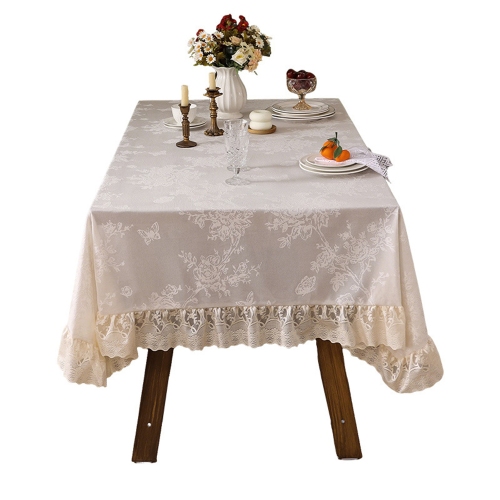
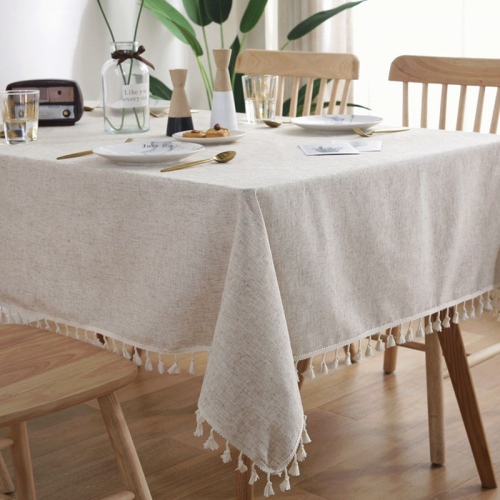
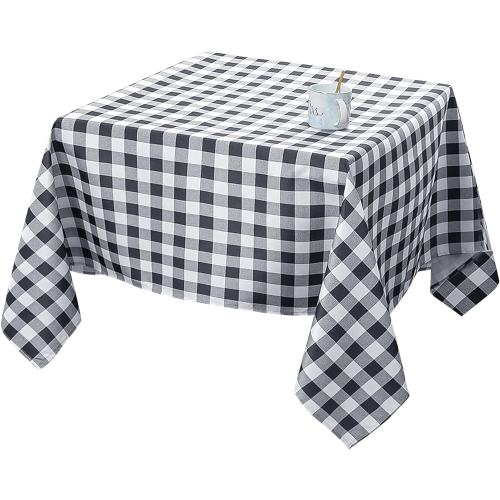
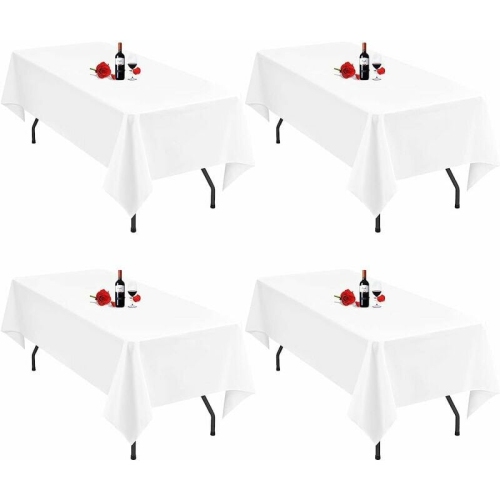
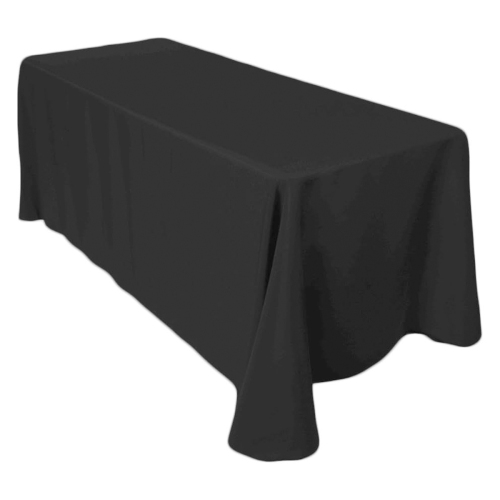
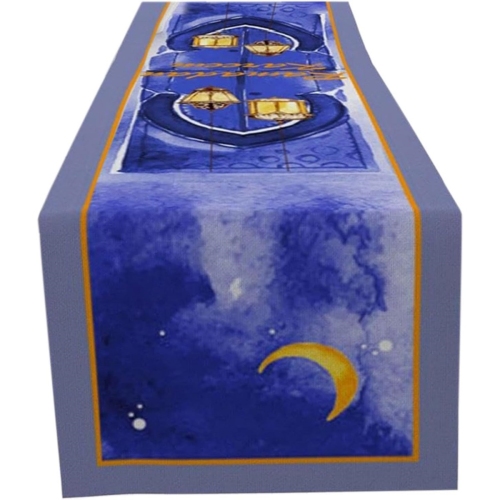
Soft texture and practical protection for everyday dining
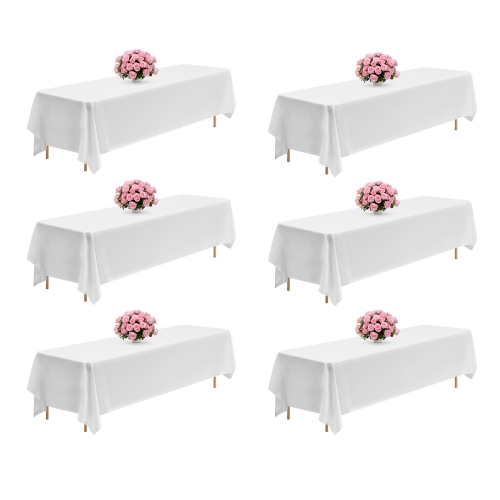
Fabric tablecloths bring colour, texture, and a finished look to dining tables, kitchen tables, and buffet settings, whether the occasion is a family meal or a gathering with friends. Their appeal is practical as well as visual: a cloth creates a washable surface for everyday dining, softens the sound of plates and cutlery, and helps shield the tabletop from light surface wear. Cotton, linen, polyester, and blended fabrics each offer a different balance of softness, drape, and care requirements. Cotton generally feels soft and familiar, with a relaxed appearance that suits breakfast nooks and busy dining rooms. Depending on its weave and finish, it can range from lightweight and casual to substantial enough for a more dressed-up setting. Linen has a distinctive texture and a fluid drape, with natural creasing that gives a table an easy, lived-in character. It works particularly well when the table setting calls for texture rather than a perfectly smooth surface. Polyester often offers good wrinkle resistance and holds its shape well through repeated use, making it a practical consideration for frequent entertaining. Cotton-polyester blends can combine some of cotton’s softness with easier wrinkle management, although performance depends on the proportions and construction. Fabric weight matters, too. A lighter cloth can feel airy and informal, while a heavier weave usually hangs more firmly at the edges. Neither weight alone nor fibre content guarantees quality; even stitching, neatly finished hems, and a consistent weave also contribute to how well a cloth wears. The broader Table Cloths collection provides another way to explore table coverings alongside fabric styles. For a home where the same table serves breakfast, homework, and dinner, a washable cloth that is easy to remove may be more useful than one requiring delicate handling. For a table used mainly for hosting, a generous drape or a richly textured weave may take priority.
The right fit depends on the tabletop’s shape, its measurements, and how far the fabric should hang over each edge. Rectangular, square, round, and oval fabric tablecloths create different silhouettes, and matching the cloth to the table shape generally produces the most even drop. Measure the tabletop rather than relying on the number of seats, since two tables that seat six can have quite different dimensions. For a rectangular or square table, add twice the desired drop to both the length and width. A tabletop measuring 150 cm by 90 cm, for example, needs a cloth measuring 190 cm by 130 cm to create a 20 cm drop on every side. For a round table, add twice the drop to the diameter. A drop of roughly 15 to 25 cm often works comfortably for everyday meals, while a longer drop can give a more formal appearance. These are starting points rather than fixed rules: chair arms, benches, table height, and the way people move around the room can all affect the most comfortable length. A long cloth should not bunch on a seated guest’s lap or trail where someone could step on it. Households with young children may prefer a shorter overhang that is less tempting to pull. If a dining table has an extension leaf, measure it in the arrangement used for the intended occasion; the cloth that fits a compact weekday table may look noticeably short when the leaf is added. Shape can also be part of the styling. A square cloth on a round table creates pointed corners instead of an even hemline, which can look intentional when the proportions are balanced. Colour and pattern influence the result just as much as size. A plain cloth lets patterned dishes stand out, while stripes, checks, or woven motifs can give simple dinnerware more presence. Pale shades create a soft backdrop, deeper colours add contrast, and a visible weave brings interest without relying on a bold print.
Care requirements are worth considering alongside appearance, especially when a fabric tablecloth will be used several times a week. Check the care label for washing temperature, drying instructions, and whether ironing is suitable; similar-looking fabrics can need different treatment because of their dyes, finishes, or fibre blends. Cotton and linen may shrink, particularly when exposed to washing or drying conditions beyond those specified, so any stated shrinkage allowance matters when choosing a close fit. Some fabrics look best pressed, while others are intended to retain a relaxed texture. Removing a washable cloth promptly after the wash or drying cycle, as its care instructions allow, can help reduce stubborn creases. Folded storage is convenient, though hanging a larger cloth may reduce the deep fold lines that show across the centre of the table. Spills are easiest to manage when addressed promptly: gently blot excess liquid rather than rubbing it further into the fibres, then follow the recommended stain treatment. A stain-resistant finish may provide extra time to respond, but it does not make a cloth stain-proof, and its performance can change with wear and washing. Likewise, a fabric tablecloth is not a substitute for a trivet beneath hot cookware or a waterproof protector when moisture could damage the tabletop. A separate underlay can add cushioning and help reduce movement, provided it is suitable for the table’s finish. For frequent family meals, closely woven fabric, secure hems, and straightforward laundering can make everyday use less demanding. For dinner parties, anniversary meals, or a buffet, texture and drape can help establish the setting without elaborate arrangements: a softly creased linen surface, a simple centrepiece, and neatly placed napkins can be enough. Fabric tablecloths can also make thoughtful housewarming or wedding gifts when the recipient’s table dimensions and taste are known. A versatile colour and manageable care routine often make the gift easier to use regularly, allowing the cloth to become part of ordinary meals as well as memorable gatherings.
The right fit depends on the tabletop’s shape, its measurements, and how far the fabric should hang over each edge. Rectangular, square, round, and oval fabric tablecloths create different silhouettes, and matching the cloth to the table shape generally produces the most even drop. Measure the tabletop rather than relying on the number of seats, since two tables that seat six can have quite different dimensions. For a rectangular or square table, add twice the desired drop to both the length and width. A tabletop measuring 150 cm by 90 cm, for example, needs a cloth measuring 190 cm by 130 cm to create a 20 cm drop on every side. For a round table, add twice the drop to the diameter. A drop of roughly 15 to 25 cm often works comfortably for everyday meals, while a longer drop can give a more formal appearance. These are starting points rather than fixed rules: chair arms, benches, table height, and the way people move around the room can all affect the most comfortable length. A long cloth should not bunch on a seated guest’s lap or trail where someone could step on it. Households with young children may prefer a shorter overhang that is less tempting to pull. If a dining table has an extension leaf, measure it in the arrangement used for the intended occasion; the cloth that fits a compact weekday table may look noticeably short when the leaf is added. Shape can also be part of the styling. A square cloth on a round table creates pointed corners instead of an even hemline, which can look intentional when the proportions are balanced. Colour and pattern influence the result just as much as size. A plain cloth lets patterned dishes stand out, while stripes, checks, or woven motifs can give simple dinnerware more presence. Pale shades create a soft backdrop, deeper colours add contrast, and a visible weave brings interest without relying on a bold print.
Care requirements are worth considering alongside appearance, especially when a fabric tablecloth will be used several times a week. Check the care label for washing temperature, drying instructions, and whether ironing is suitable; similar-looking fabrics can need different treatment because of their dyes, finishes, or fibre blends. Cotton and linen may shrink, particularly when exposed to washing or drying conditions beyond those specified, so any stated shrinkage allowance matters when choosing a close fit. Some fabrics look best pressed, while others are intended to retain a relaxed texture. Removing a washable cloth promptly after the wash or drying cycle, as its care instructions allow, can help reduce stubborn creases. Folded storage is convenient, though hanging a larger cloth may reduce the deep fold lines that show across the centre of the table. Spills are easiest to manage when addressed promptly: gently blot excess liquid rather than rubbing it further into the fibres, then follow the recommended stain treatment. A stain-resistant finish may provide extra time to respond, but it does not make a cloth stain-proof, and its performance can change with wear and washing. Likewise, a fabric tablecloth is not a substitute for a trivet beneath hot cookware or a waterproof protector when moisture could damage the tabletop. A separate underlay can add cushioning and help reduce movement, provided it is suitable for the table’s finish. For frequent family meals, closely woven fabric, secure hems, and straightforward laundering can make everyday use less demanding. For dinner parties, anniversary meals, or a buffet, texture and drape can help establish the setting without elaborate arrangements: a softly creased linen surface, a simple centrepiece, and neatly placed napkins can be enough. Fabric tablecloths can also make thoughtful housewarming or wedding gifts when the recipient’s table dimensions and taste are known. A versatile colour and manageable care routine often make the gift easier to use regularly, allowing the cloth to become part of ordinary meals as well as memorable gatherings.
Top selling and popular products
-
 Your price for this item is $1459.99
 -
 Your price for this item is $79.34
 -
 Your price for this item is $40.99
 -
 Your price for this item is $41.9
 -
 Your price for this item is $96.9
 -
 Your price for this item is $435.2
 -
 Your price for this item is $72.9
 -
 Your price for this item is $29.4
Discover more categories related to Fabric Tablecloths
Top Collections:
Pokemon Centers, Kindle Devices, Best Budget Office Chairs, Apple iPhones 16, Best Laptops for Writers, iPhone 15 Apple, Canon G7X Cameras, Refurbished Apple Laptops, Alarm Clock, Motorola Razr Phones
Some products may be subject to Environmental Handling Fees
(EHF) depending on your province.
Learn more about EHFs.