Farmhouse Buffets
Enhance the charm of your dining area with our selection of farmhouse buffets, designed to bring a touch of rustic elegance to your home decor. Whether you're looking for ample storage space, timeless design, or a versatile piece that complements your existing furniture, our collection of farmhouse buffets offers a range of options to suit your needs. From distressed finishes to classic wood tones, these pieces are crafted to add both style and functionality to your living space. Explore our assortment of farmhouse buffets and elevate the aesthetic appeal of your home today.
Sort
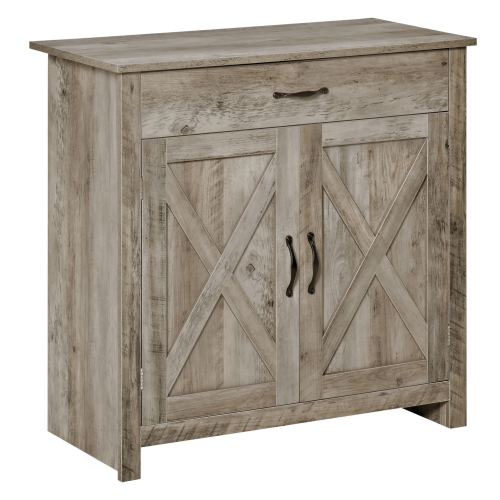

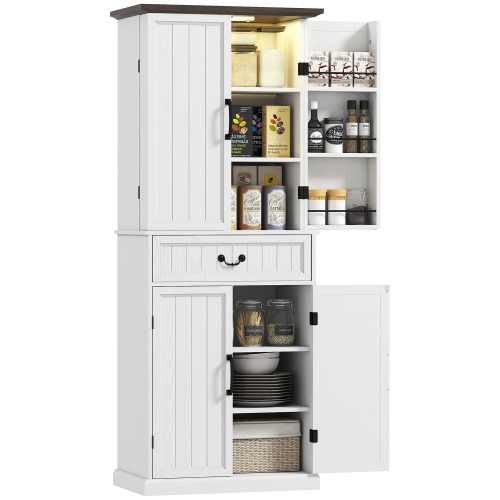

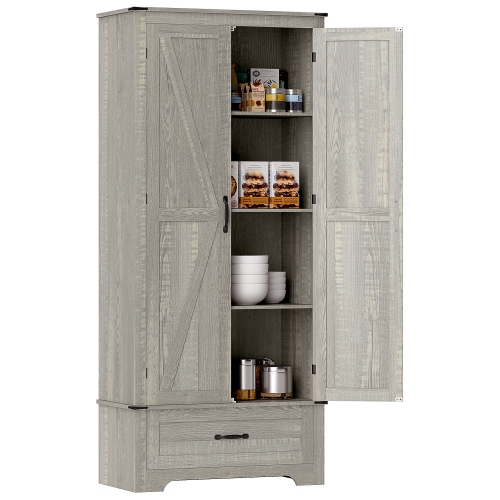
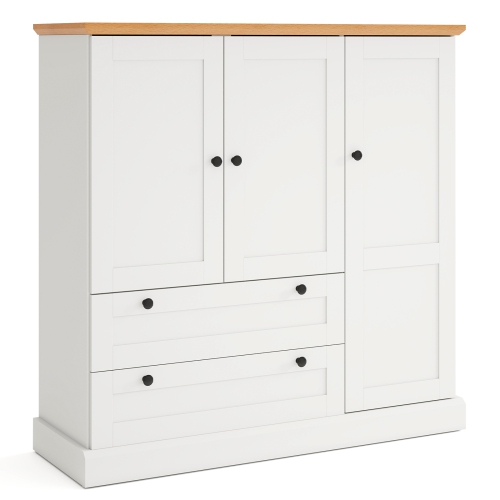
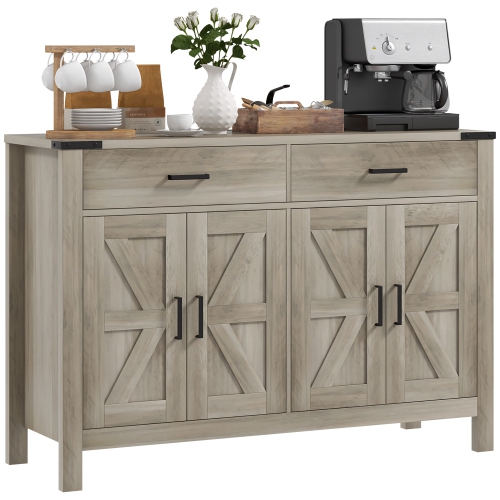
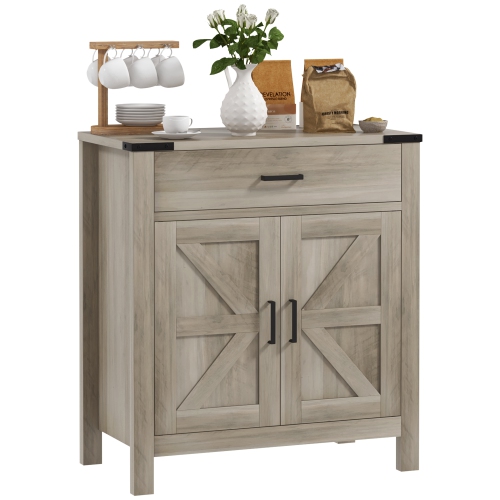
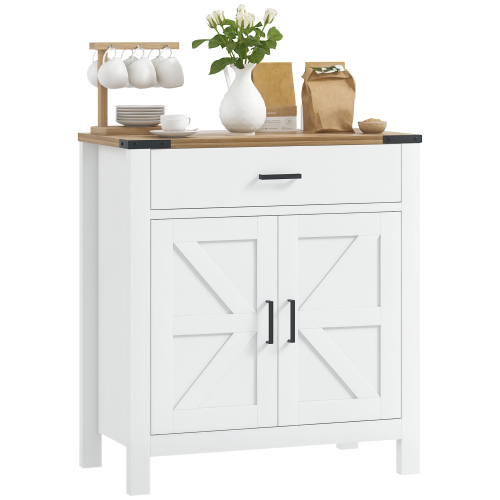
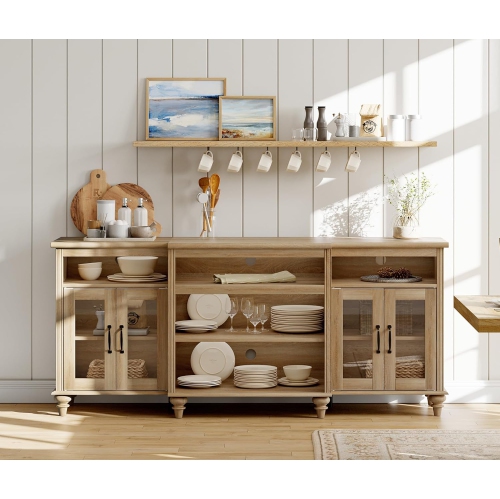

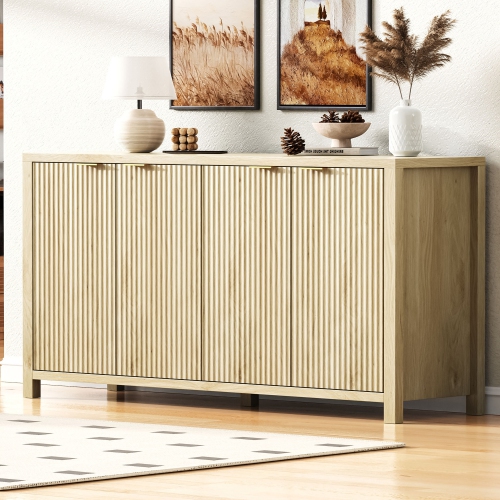
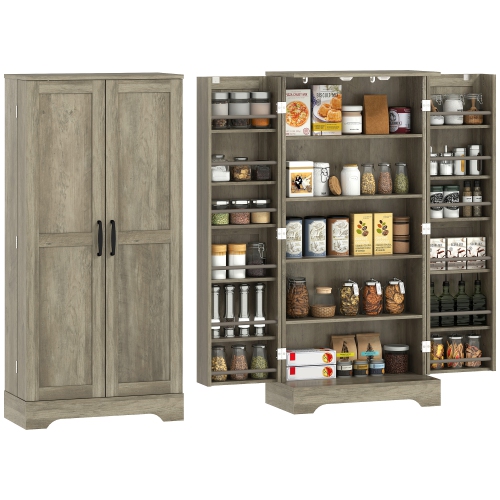
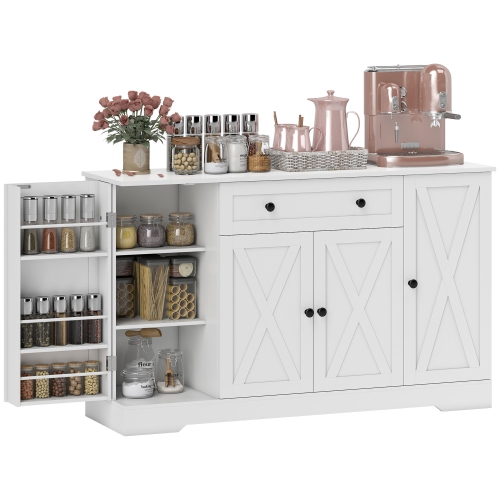
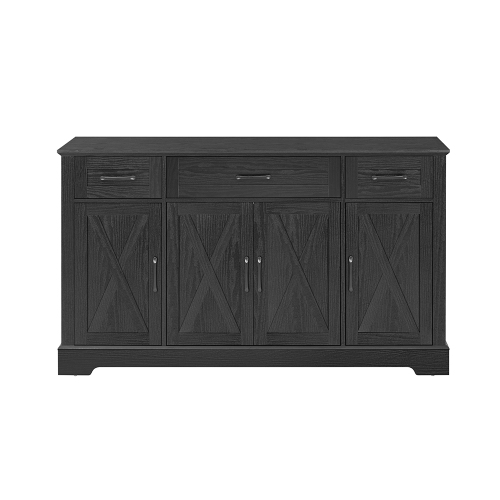

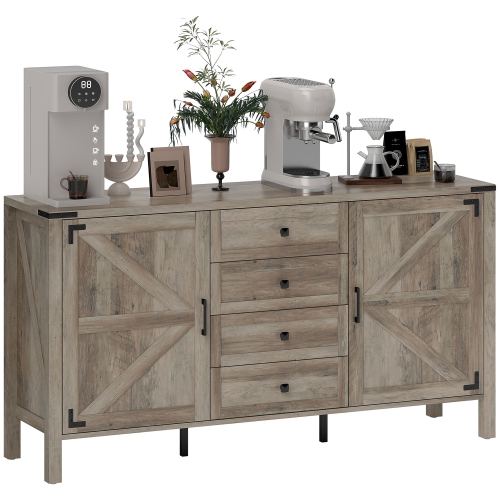
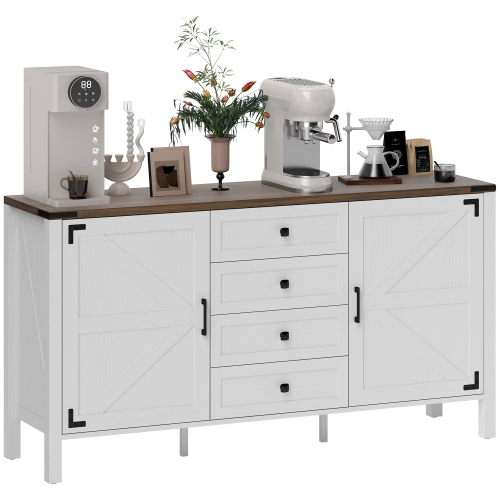
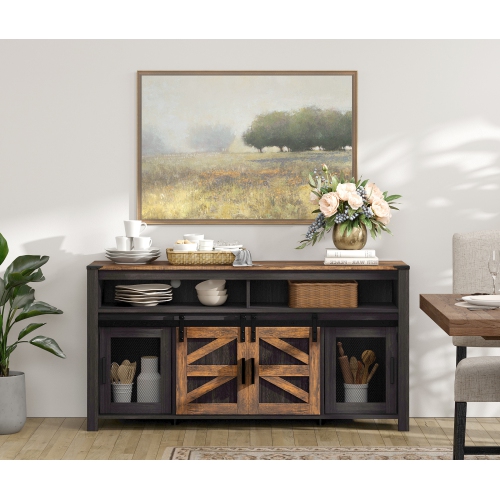
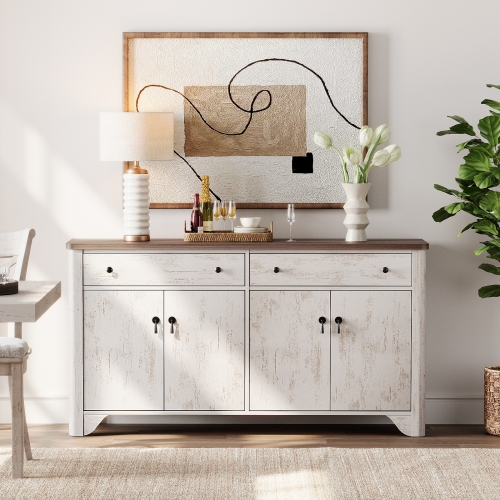
Rustic character with storage that suits your dining routine
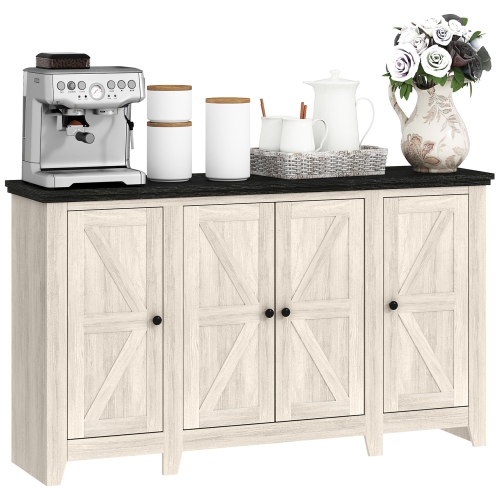
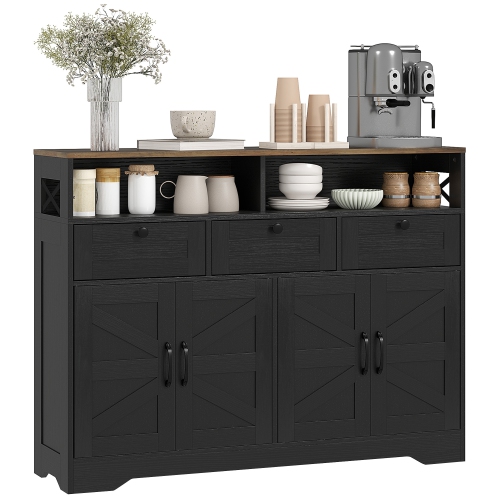
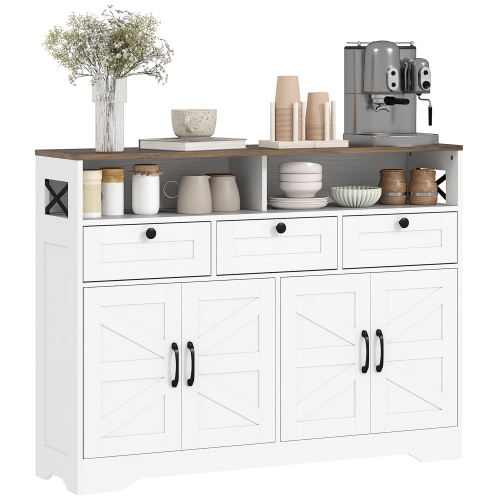
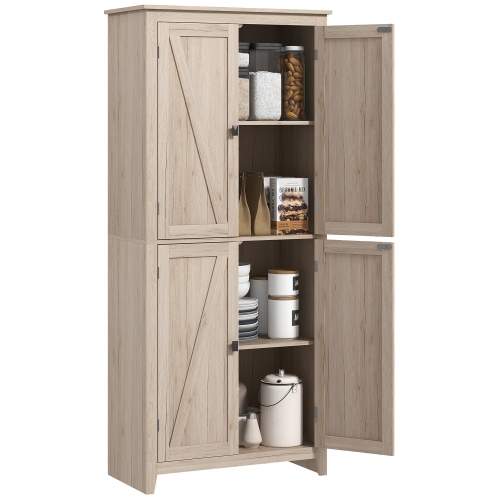
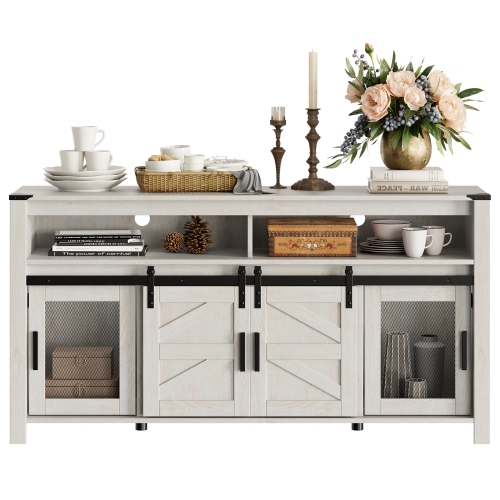
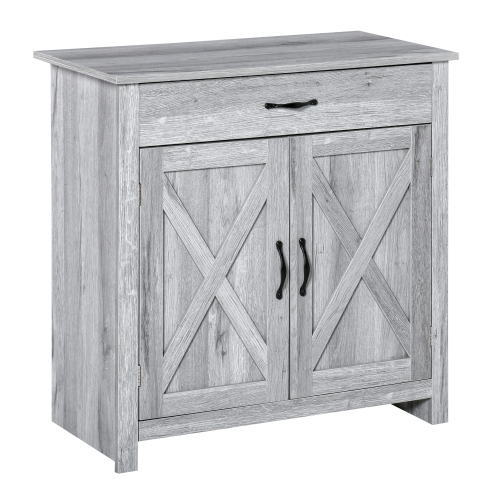
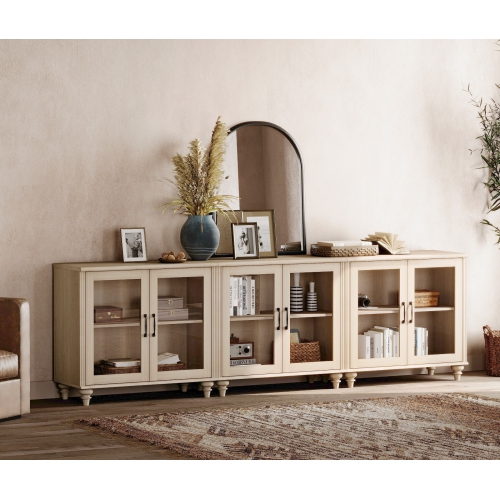
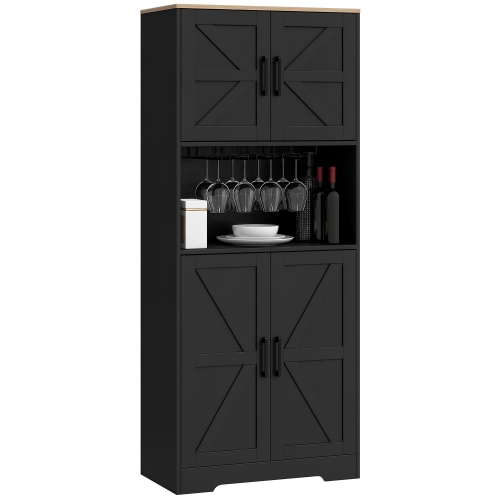
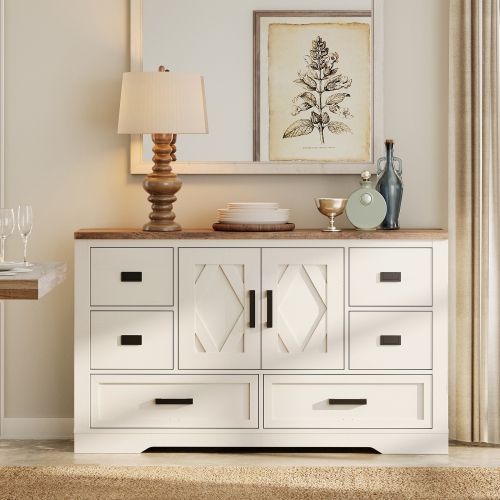
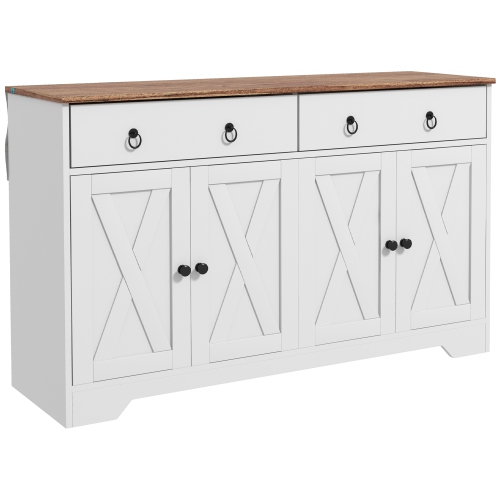
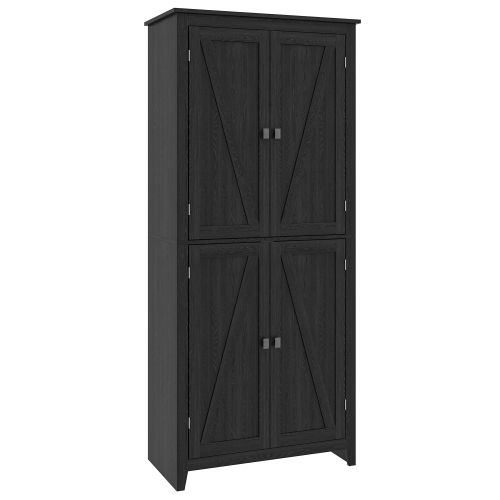
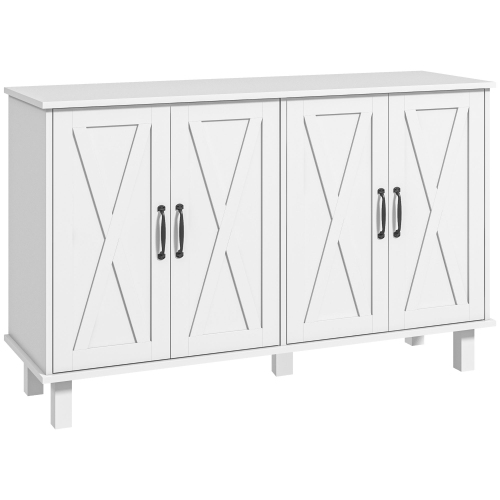
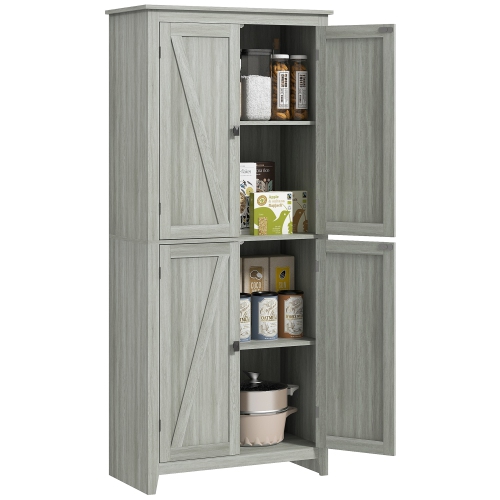
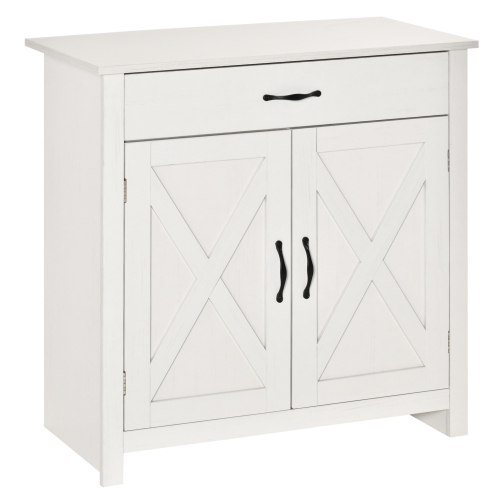
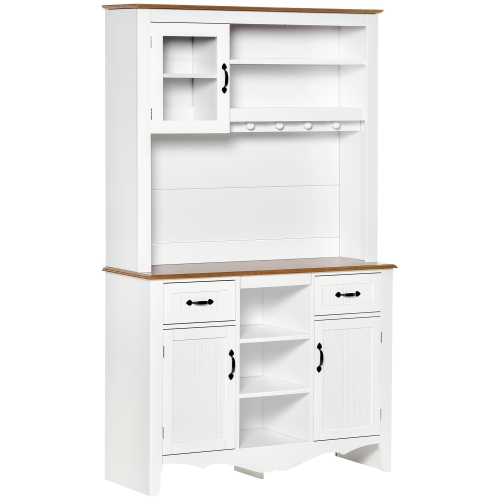
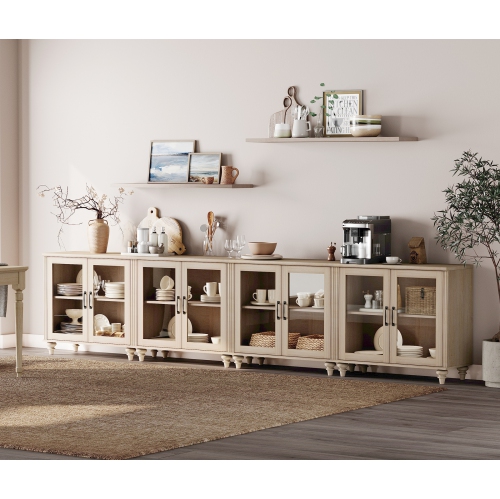
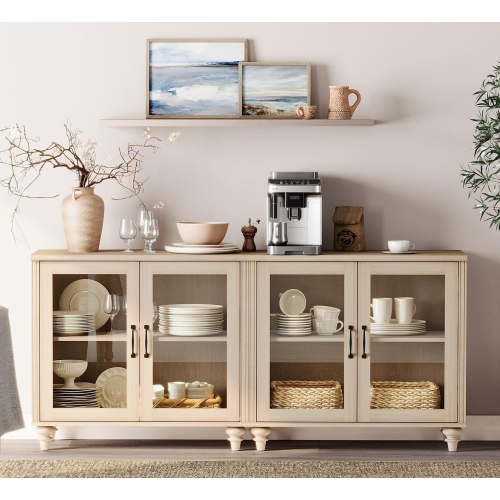
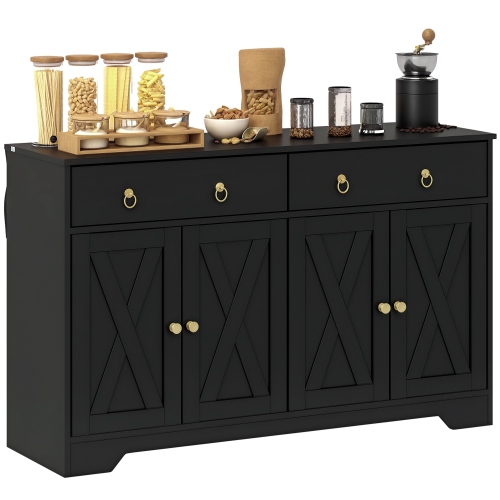
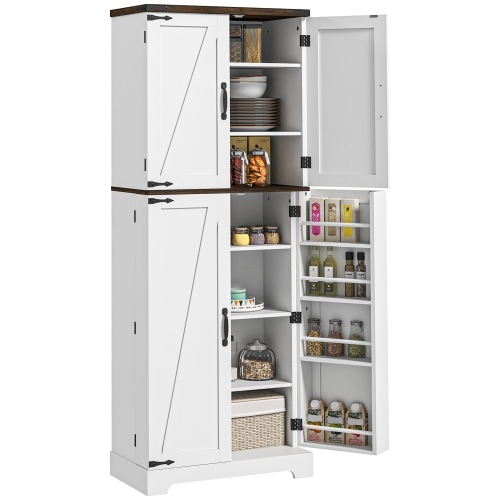
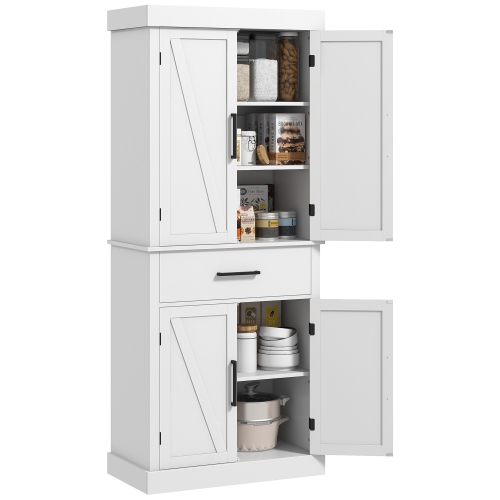
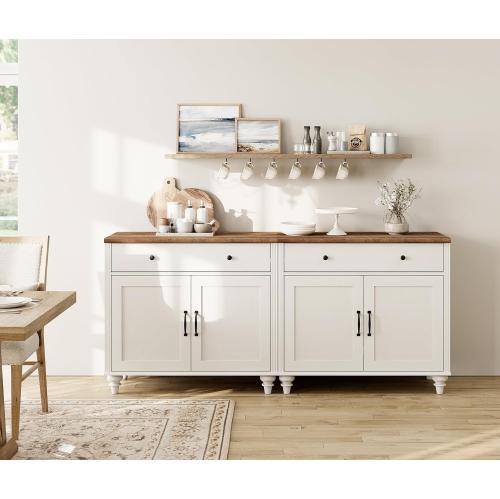
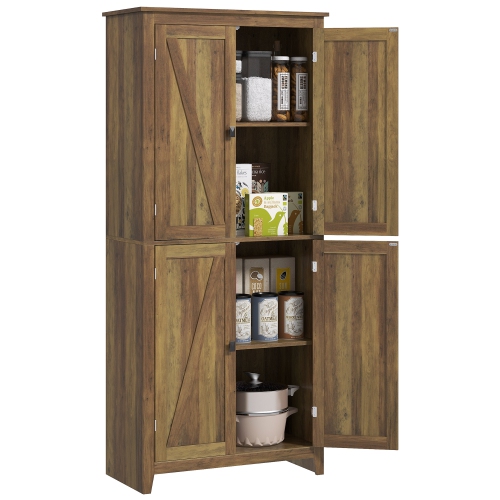
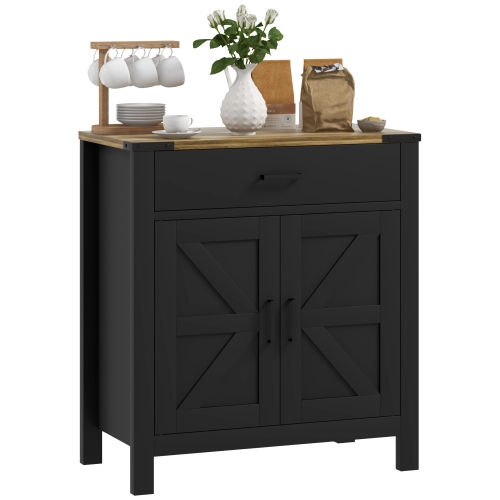
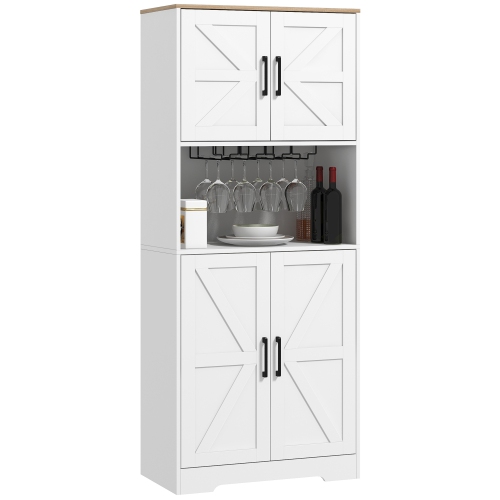
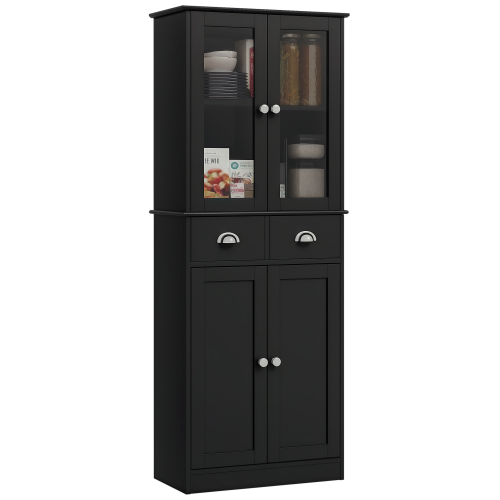
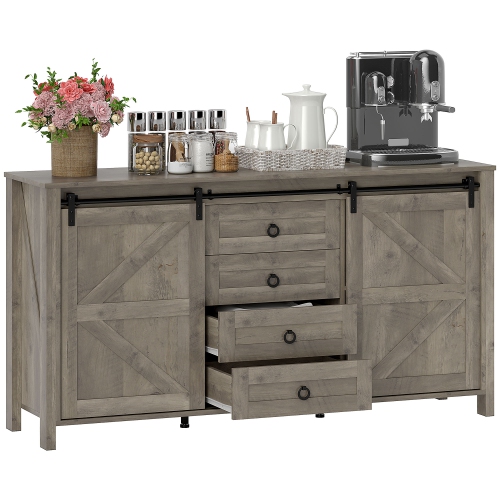
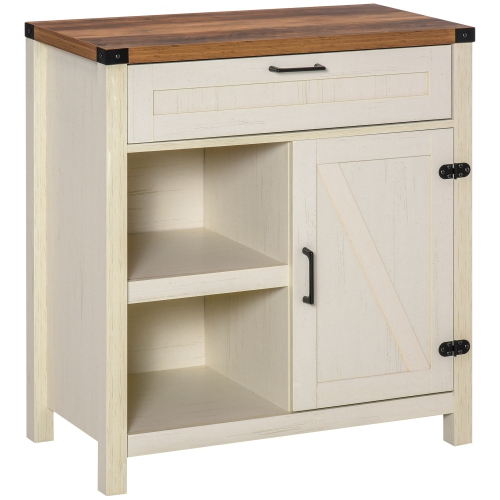
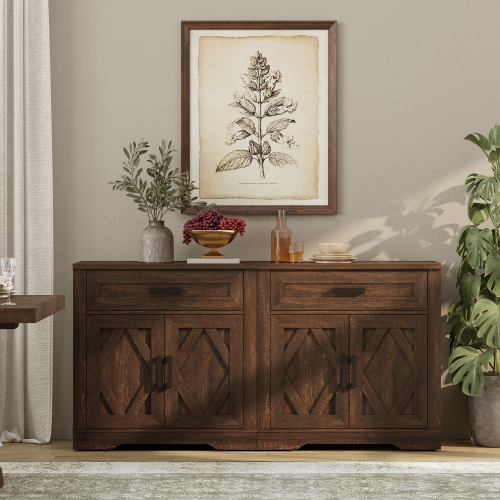
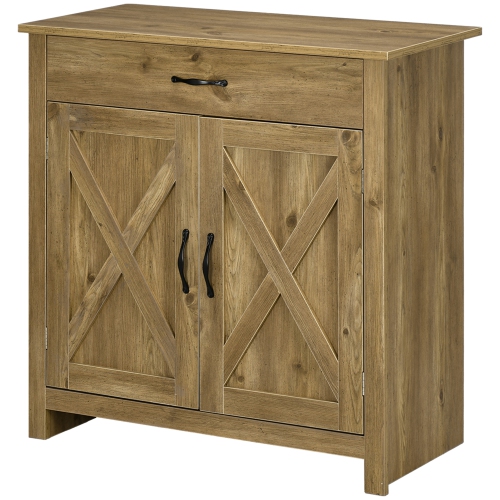
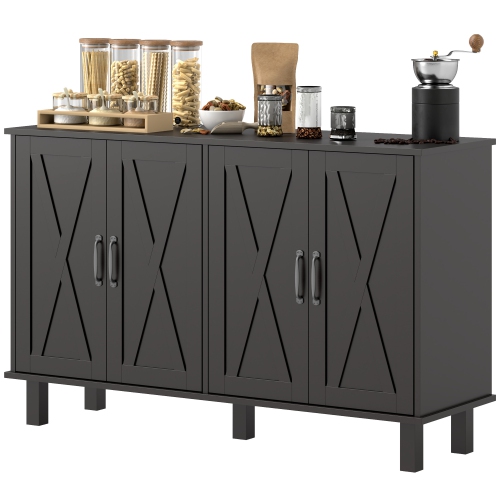
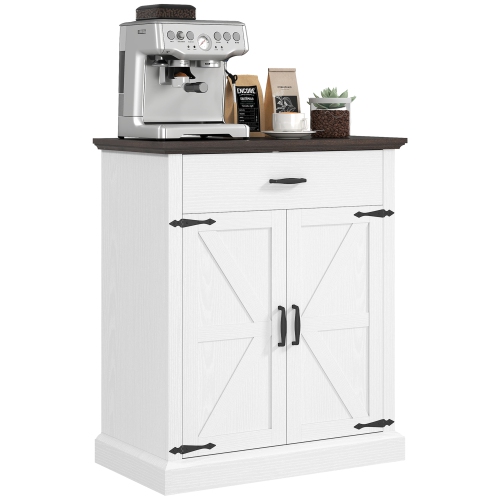
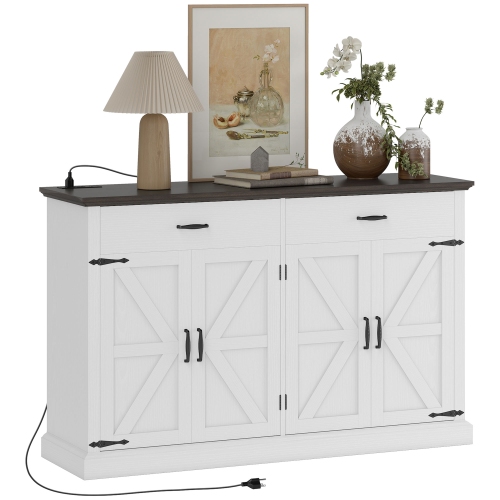
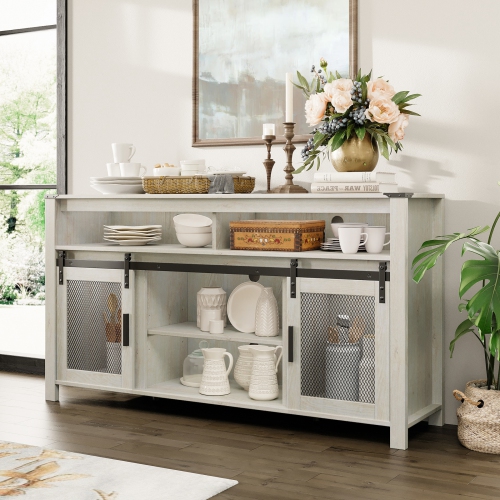
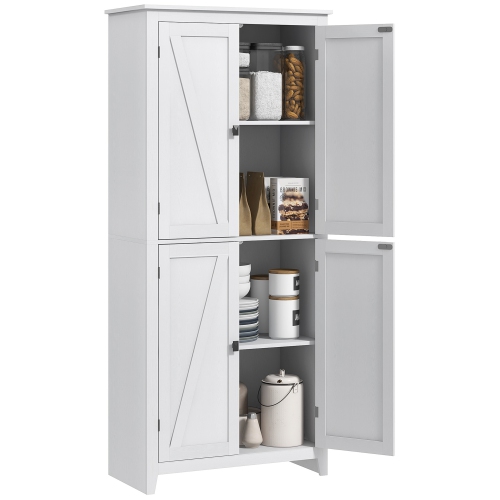
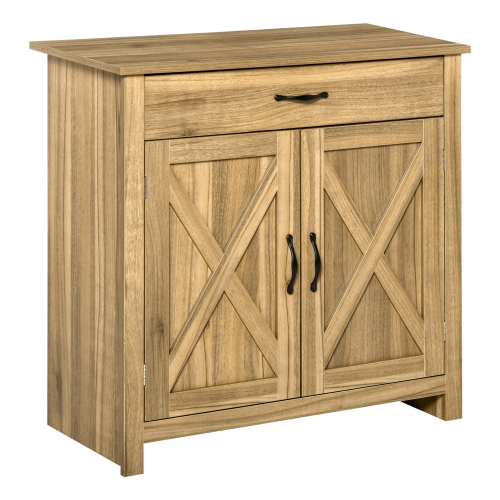
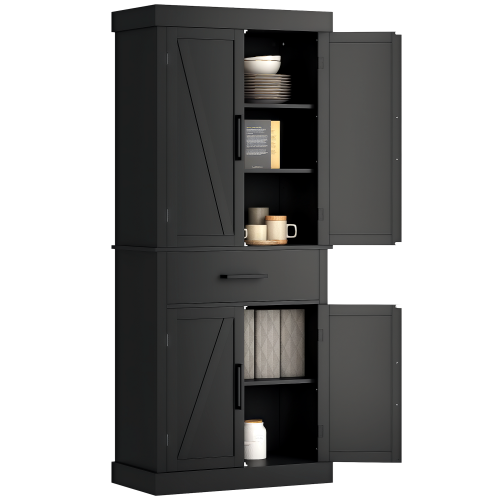
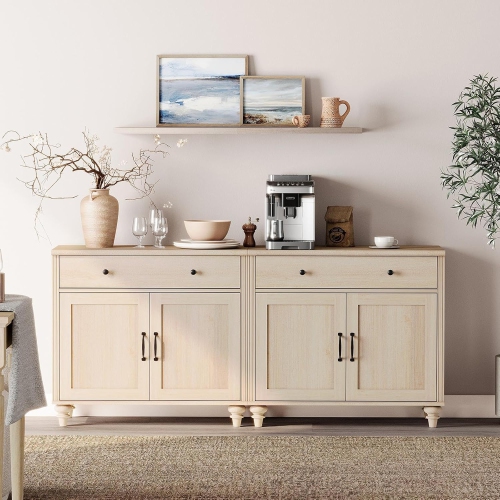
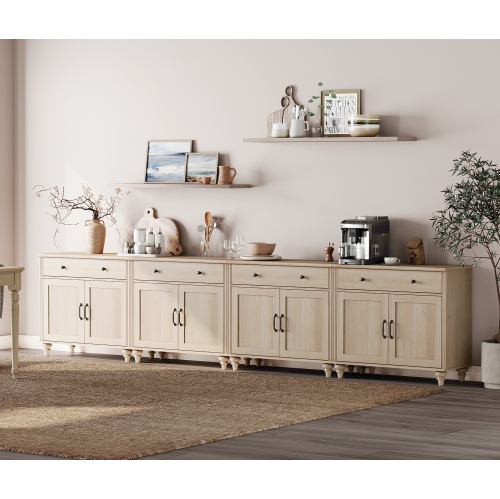
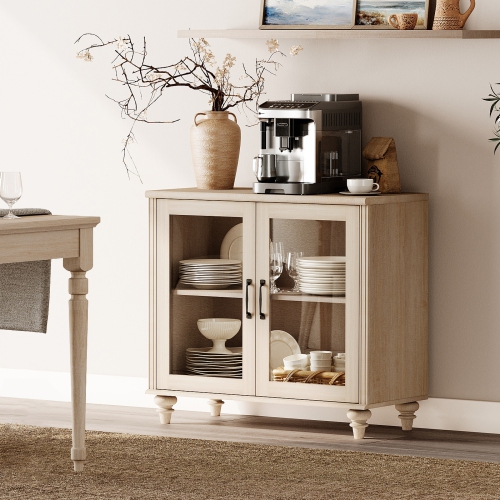
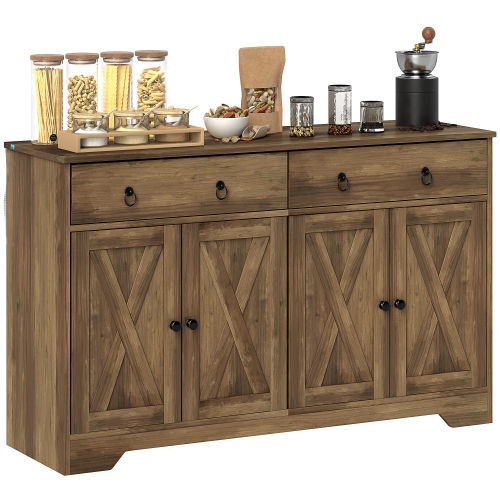
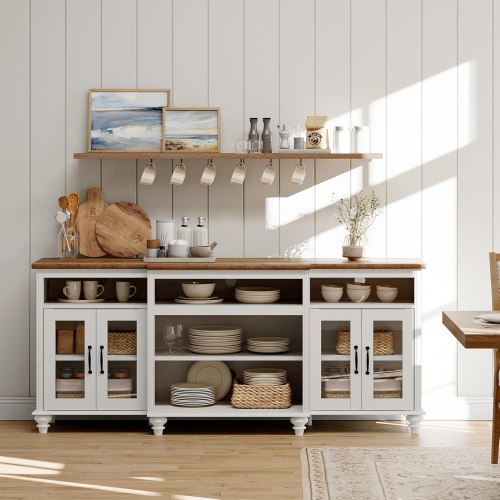
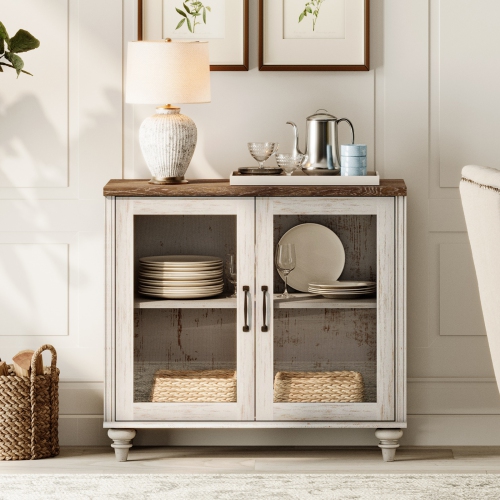
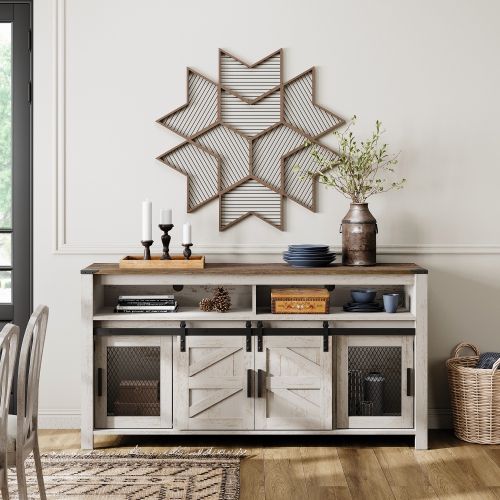
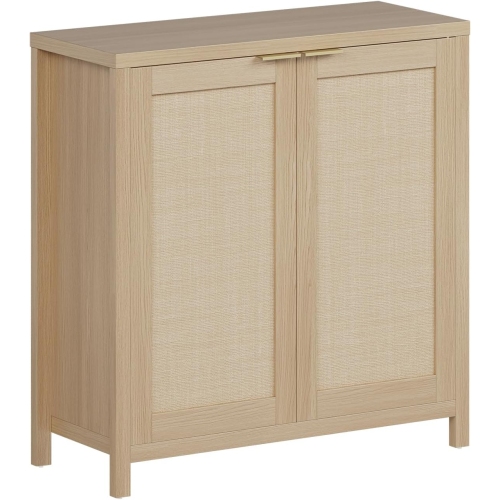
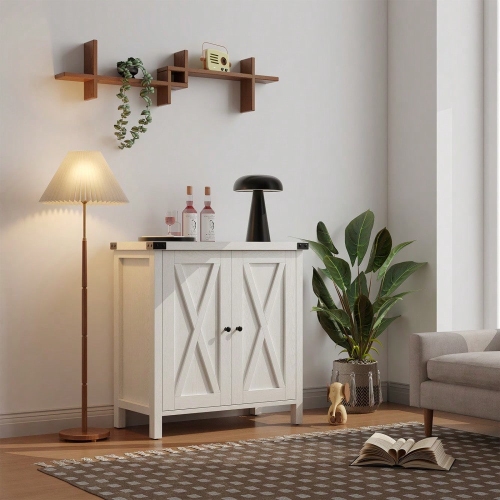
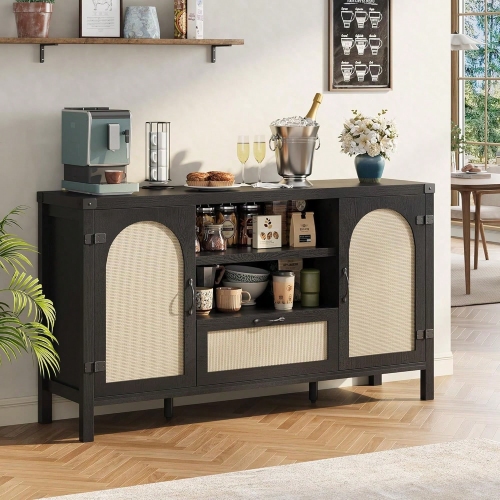
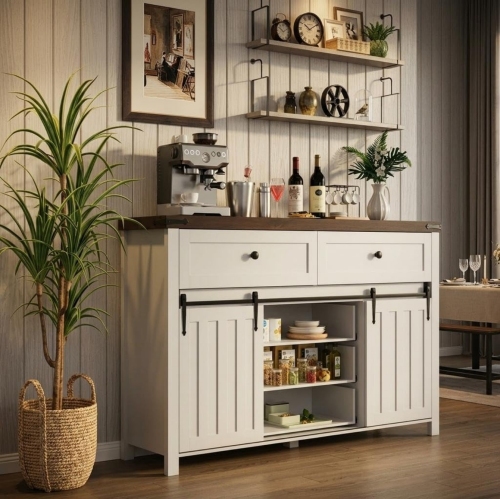
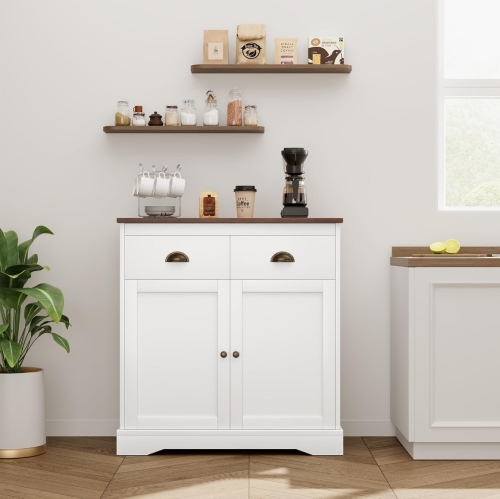
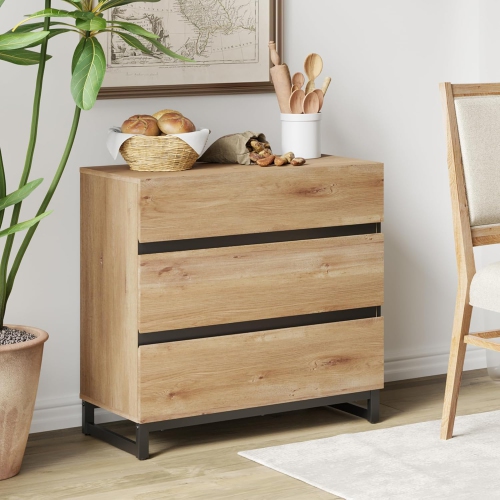
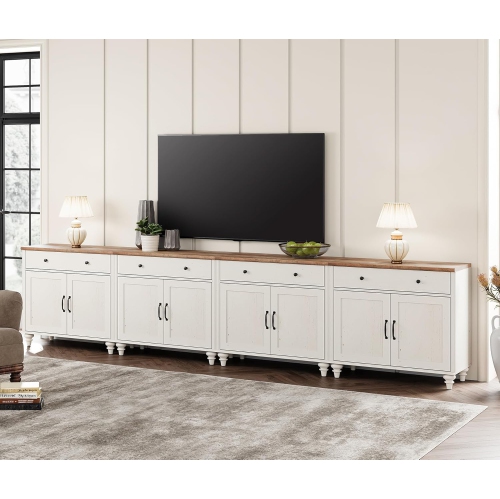
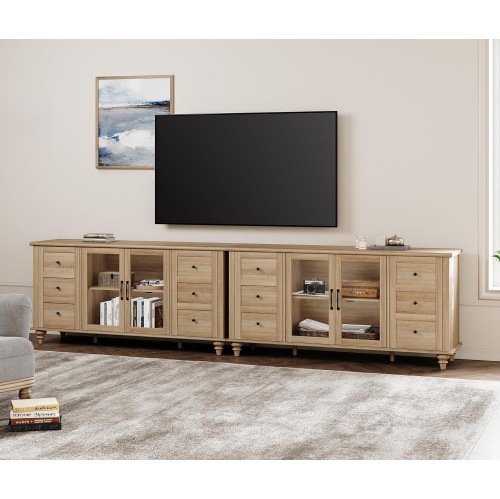
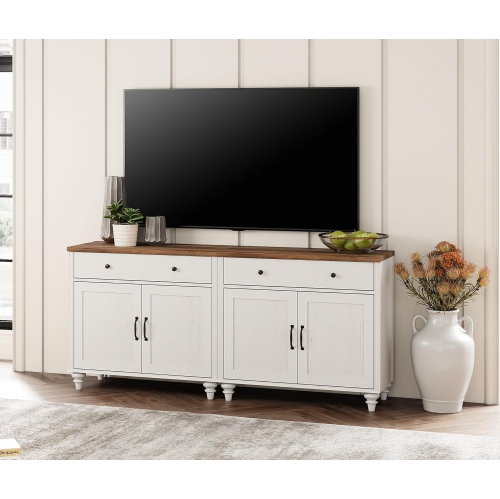
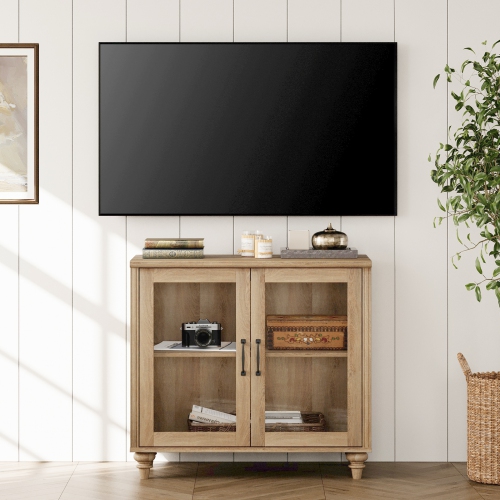
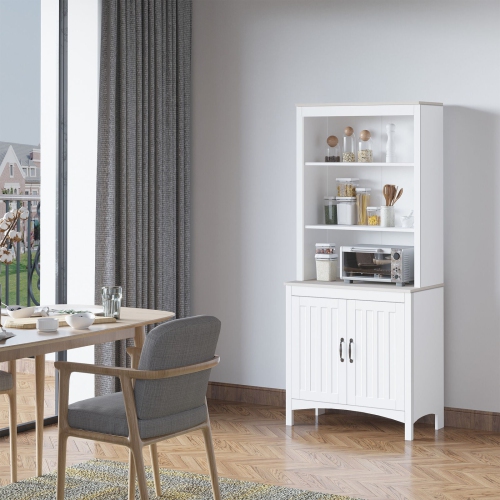
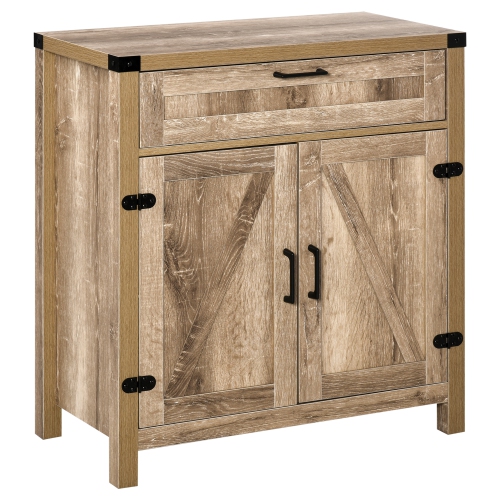
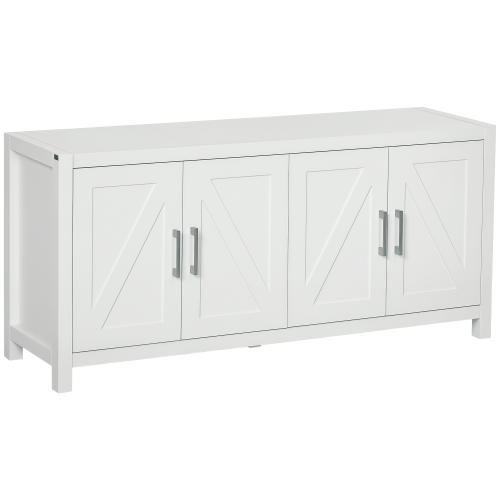
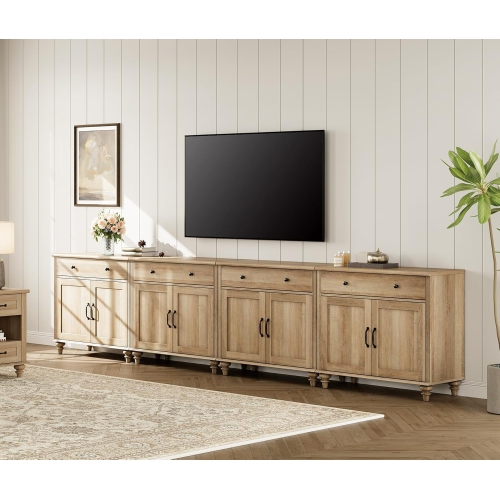
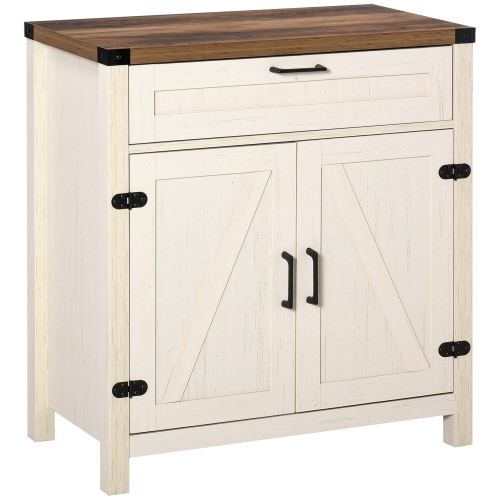
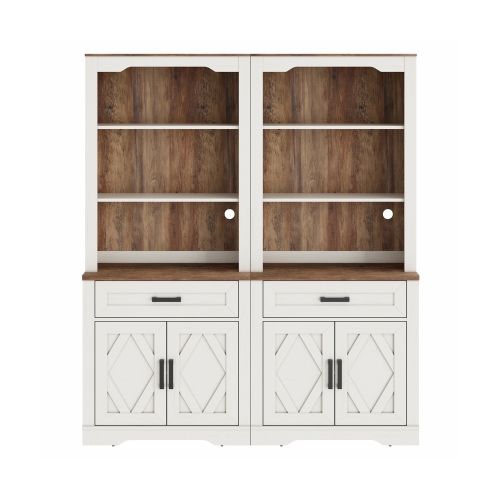
Farmhouse buffets are freestanding storage cabinets that combine a serving surface with enclosed space for dining essentials. Their appeal comes from the balance of practical storage and relaxed, rustic character: wood-grain finishes, framed doors, dark metal handles, and simple shapes that feel at home beside a substantial dining table. Some lean towards a traditional farmhouse look with turned feet, panelled fronts, and lightly distressed finishes; others use straight lines, slim hardware, and contrasting colours for a more modern interpretation. A white cabinet with a wood-look top creates a different effect from a deep brown buffet with black pulls, even when both have a similar layout. The terms buffet and sideboard often overlap, so browsing Farmhouse Sideboards can also help when comparing proportions and storage arrangements. In either case, the right fit depends on the room and the pieces that need a home. A buffet around 44 to 48 inches wide can suit a smaller dining area or an unused wall near the kitchen, while a cabinet around 58 to 60 inches wide provides a broader surface for serving dishes. Wider designs, including those around 70 to 72 inches, need more wall space but can anchor a large dining room and separate table linens, dinnerware, and entertaining supplies into distinct sections. These dimensions are useful reference points rather than fixed size categories. Depth matters just as much as width: a shallow cabinet can preserve a walkway, while a deeper one may better accommodate platters and larger bowls. Height affects how comfortably the surface works for setting down dishes or pouring drinks. In a furnished room, the cabinet also needs enough clearance for drawers and doors to open without meeting a pulled-out dining chair. Sliding barn-style doors reduce the space needed in front for a door swing, although their panels may cover one compartment while another is open.
Materials and construction shape both the appearance of a farmhouse buffet and how it handles everyday use. Solid wood can bring varied grain patterns, visible knots, and a substantial feel, with natural differences that make each piece look slightly different. Wood veneer provides a real wood surface over a supporting core, while engineered wood with a laminate or other applied finish can offer a consistent colour and pattern. None of these descriptions alone tells the whole story of durability. Panel thickness, joinery, shelf support, hardware, and the quality of the finish all contribute to how a cabinet performs. A drawer holding folded napkins has different demands from a shelf stacked with heavy stoneware, making the stated weight limits for individual shelves and the top especially useful. Adjustable shelves help accommodate taller pitchers or serving bowls, but the internal measurements still need to account for hinges, centre dividers, and door tracks. Drawers that open smoothly and provide enough usable depth make smaller dining accessories easier to organize. Metal pulls should feel secure, and doors should sit evenly when the cabinet is properly assembled and levelled. Farmhouse styling may include intentional distressing, but that appearance does not mean a surface is unaffected by spills, scratches, or heat. A soft cloth and the cleaning method specified for the finish are generally more suitable than abrasive pads or strong cleaners. Promptly wiping up water rings and placing protective mats beneath serving pieces helps limit surface damage. Hot cookware needs a suitable heat-resistant trivet rather than direct contact with the top. Heavy dishes are best stored within the cabinet’s load limits, with weight distributed rather than concentrated on one shelf. Assembly quality matters too: securely fitted backing, correctly installed fasteners, and any supplied anti-tip hardware contribute to stability. Adjustable feet, where included, can help compensate for a slightly uneven floor without leaving the cabinet rocking during use.
The most useful storage layout reflects what happens around the dining table. A household that serves shared meals may appreciate broad shelves for stacks of plates, with drawers above for cutlery and cloth napkins. Someone who entertains with several small dishes may need separate compartments for platters, shallow bowls, and serving utensils rather than one large open cavity. Closed doors keep these essentials out of sight between meals, while glass-front sections or open shelves make favourite ceramics part of the room’s display. Each arrangement has a trade-off: open storage is easy to reach but leaves its contents visible, and glass doors still call for a reasonably tidy interior. A farmhouse buffet can also work as a coffee station, provided its surface, dimensions, and load rating suit the intended setup. A coffee maker needs the clearances specified by its manufacturer, access to an appropriate outlet, and protection beneath areas exposed to drips. Mugs, tea supplies, and spare cups can sit nearby without crowding the working surface. In a living or dining area, the same cabinet might hold board games, table linens, or serving accessories, giving shared household essentials a defined place. For smaller homes, that flexibility can make a buffet useful beyond formal dining, particularly where built-in storage is limited. Its appearance can connect neighbouring spaces without matching every piece of furniture exactly. A wood tone that picks up the dining table’s undertones, or black hardware that echoes nearby lighting, creates continuity without requiring an identical finish. A lamp, framed print, or ceramic bowl can soften the top, with enough clear space left to set down a tray when guests arrive. Furniture should still serve the routine rather than dictate it: frequently used dishes belong within easy reach, heavier pieces need stable lower storage, and the serving surface works best when it is not permanently crowded. With suitable proportions, practical compartments, and a finish suited to daily handling, a farmhouse buffet brings storage and a welcoming focal point to the same part of the home.
Materials and construction shape both the appearance of a farmhouse buffet and how it handles everyday use. Solid wood can bring varied grain patterns, visible knots, and a substantial feel, with natural differences that make each piece look slightly different. Wood veneer provides a real wood surface over a supporting core, while engineered wood with a laminate or other applied finish can offer a consistent colour and pattern. None of these descriptions alone tells the whole story of durability. Panel thickness, joinery, shelf support, hardware, and the quality of the finish all contribute to how a cabinet performs. A drawer holding folded napkins has different demands from a shelf stacked with heavy stoneware, making the stated weight limits for individual shelves and the top especially useful. Adjustable shelves help accommodate taller pitchers or serving bowls, but the internal measurements still need to account for hinges, centre dividers, and door tracks. Drawers that open smoothly and provide enough usable depth make smaller dining accessories easier to organize. Metal pulls should feel secure, and doors should sit evenly when the cabinet is properly assembled and levelled. Farmhouse styling may include intentional distressing, but that appearance does not mean a surface is unaffected by spills, scratches, or heat. A soft cloth and the cleaning method specified for the finish are generally more suitable than abrasive pads or strong cleaners. Promptly wiping up water rings and placing protective mats beneath serving pieces helps limit surface damage. Hot cookware needs a suitable heat-resistant trivet rather than direct contact with the top. Heavy dishes are best stored within the cabinet’s load limits, with weight distributed rather than concentrated on one shelf. Assembly quality matters too: securely fitted backing, correctly installed fasteners, and any supplied anti-tip hardware contribute to stability. Adjustable feet, where included, can help compensate for a slightly uneven floor without leaving the cabinet rocking during use.
The most useful storage layout reflects what happens around the dining table. A household that serves shared meals may appreciate broad shelves for stacks of plates, with drawers above for cutlery and cloth napkins. Someone who entertains with several small dishes may need separate compartments for platters, shallow bowls, and serving utensils rather than one large open cavity. Closed doors keep these essentials out of sight between meals, while glass-front sections or open shelves make favourite ceramics part of the room’s display. Each arrangement has a trade-off: open storage is easy to reach but leaves its contents visible, and glass doors still call for a reasonably tidy interior. A farmhouse buffet can also work as a coffee station, provided its surface, dimensions, and load rating suit the intended setup. A coffee maker needs the clearances specified by its manufacturer, access to an appropriate outlet, and protection beneath areas exposed to drips. Mugs, tea supplies, and spare cups can sit nearby without crowding the working surface. In a living or dining area, the same cabinet might hold board games, table linens, or serving accessories, giving shared household essentials a defined place. For smaller homes, that flexibility can make a buffet useful beyond formal dining, particularly where built-in storage is limited. Its appearance can connect neighbouring spaces without matching every piece of furniture exactly. A wood tone that picks up the dining table’s undertones, or black hardware that echoes nearby lighting, creates continuity without requiring an identical finish. A lamp, framed print, or ceramic bowl can soften the top, with enough clear space left to set down a tray when guests arrive. Furniture should still serve the routine rather than dictate it: frequently used dishes belong within easy reach, heavier pieces need stable lower storage, and the serving surface works best when it is not permanently crowded. With suitable proportions, practical compartments, and a finish suited to daily handling, a farmhouse buffet brings storage and a welcoming focal point to the same part of the home.
Top selling and popular products
-
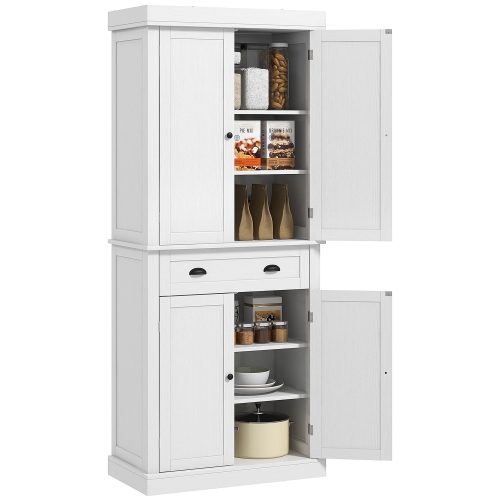 Your price for this item is $269.99
 -
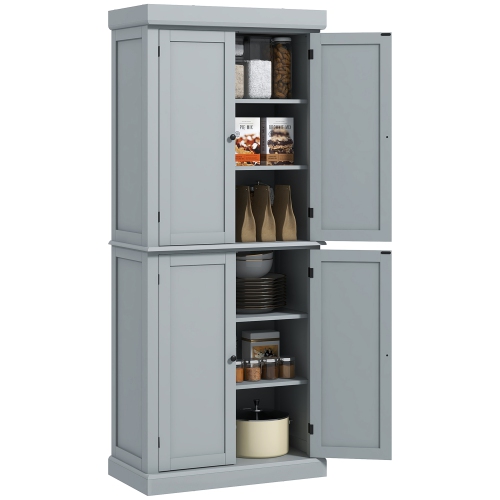 Your price for this item is $299.99
 -
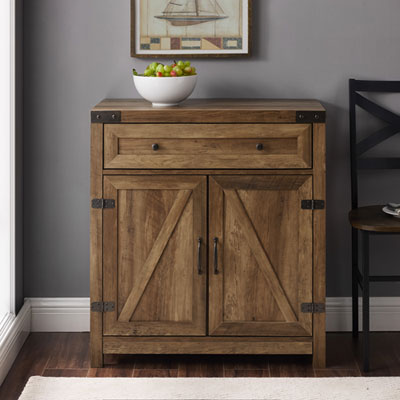 Your price for this item is $401.99
 -
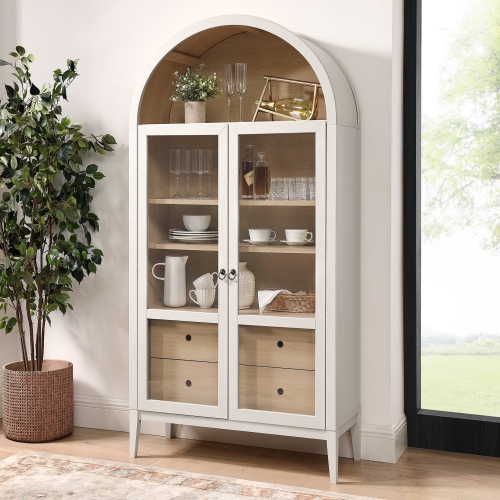 Your price for this item is $1028.59
 -
 Your price for this item is $1028.59
 -
 Your price for this item is $1028.59
 -
 Your price for this item is $593.99
 -
 Your price for this item is $154.99
Discover more categories related to Farmhouse Buffets


Top Collections:
Pokemon Centers, Kindle Devices, Best Budget Office Chairs, Apple iPhones 16, Samsung Galaxy Phones, Canon G7X Cameras, iPhone 15 Apple, Flip Phones, Best Laptops for Writers, Alarm Clock
Some products may be subject to Environmental Handling Fees
(EHF) depending on your province.
Learn more about EHFs.