Farmhouse Sideboards
Looking to add a touch of rustic charm and practical storage to your dining room or living space? Our collection of farmhouse sideboards offers a perfect blend of style and functionality. With their classic designs, distressed finishes, and ample storage options, these sideboards are ideal for bringing a cozy and welcoming feel to your home decor. Whether you're looking to display your favorite dinnerware, store linens, or keep clutter out of sight, our farmhouse sideboards are versatile pieces that can enhance both the aesthetic appeal and organization of any room.
Sort
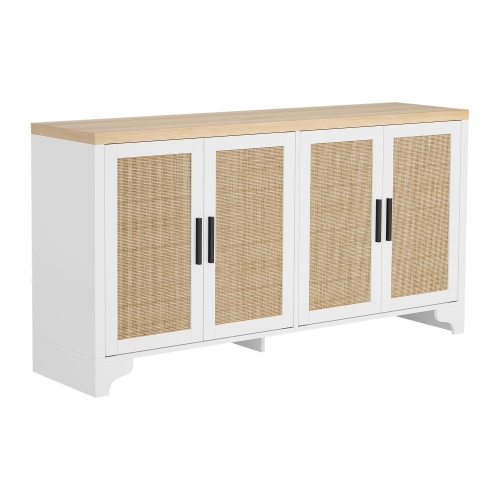
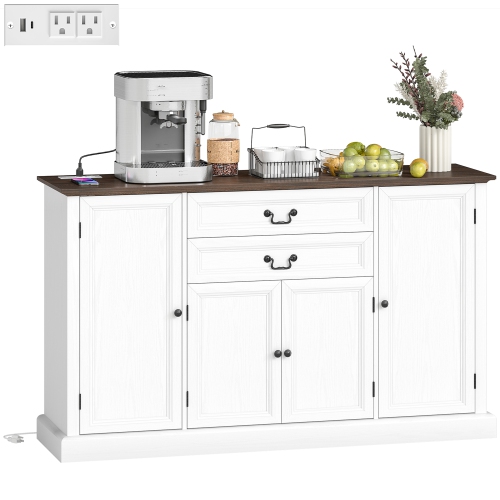

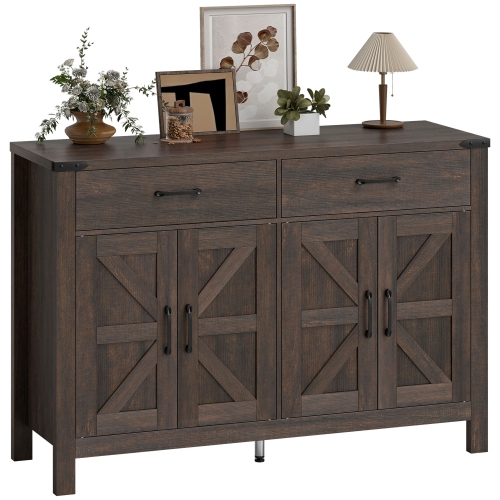
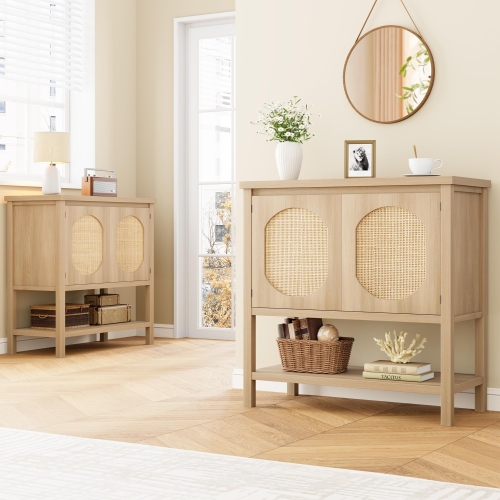
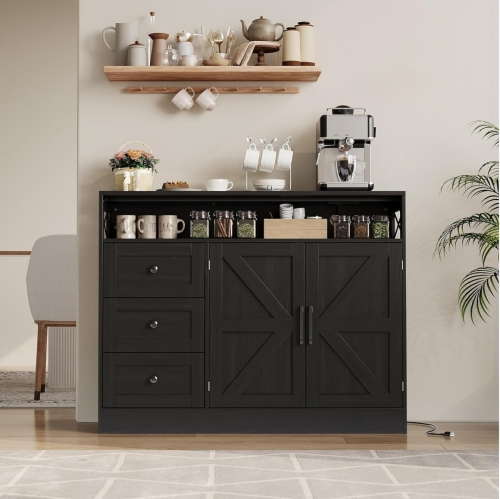
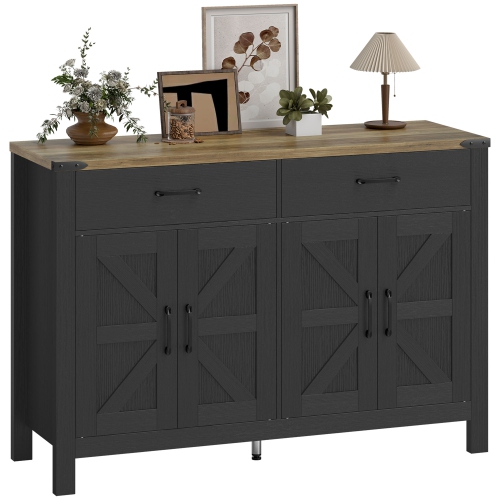
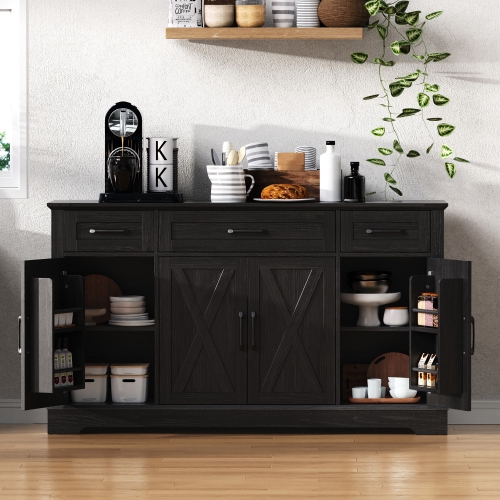
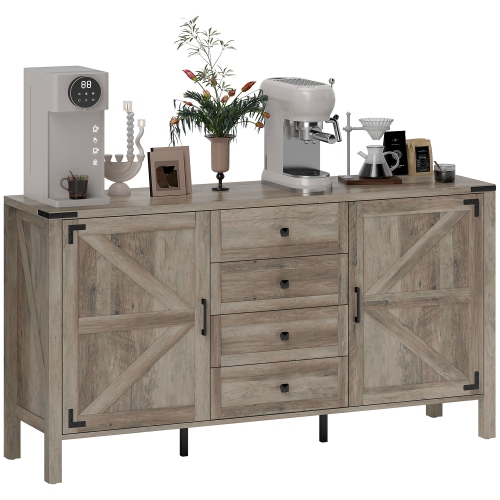
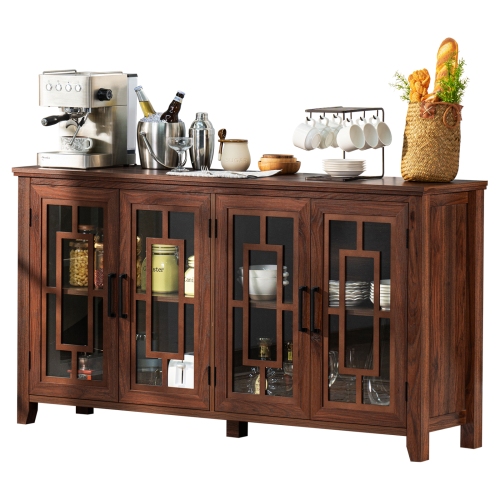
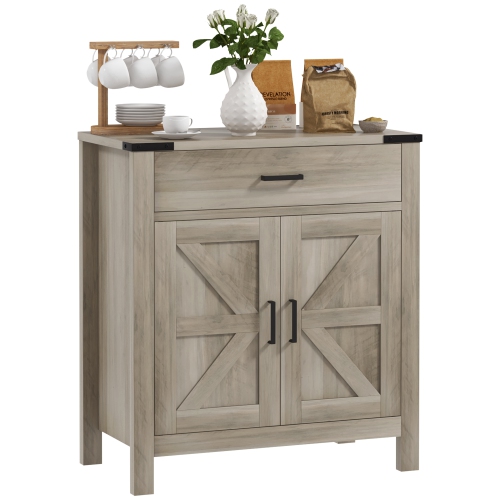
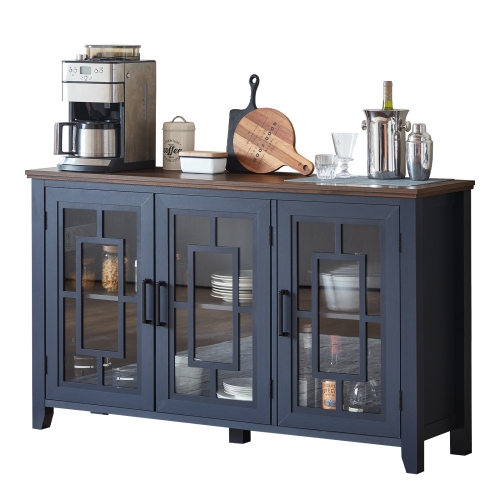
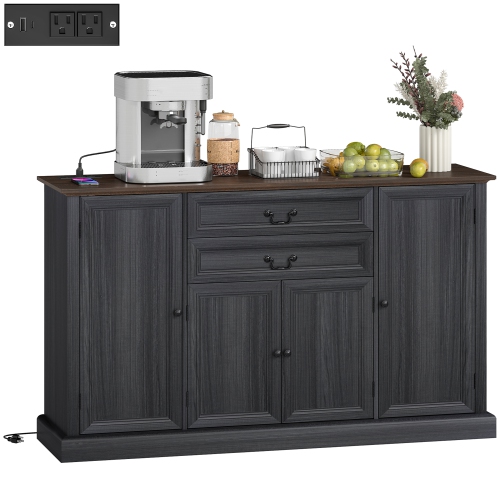
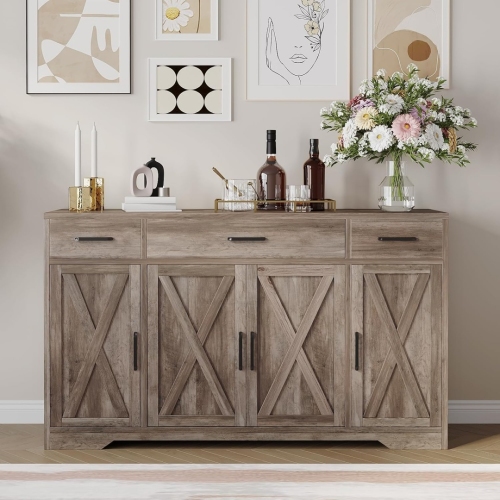
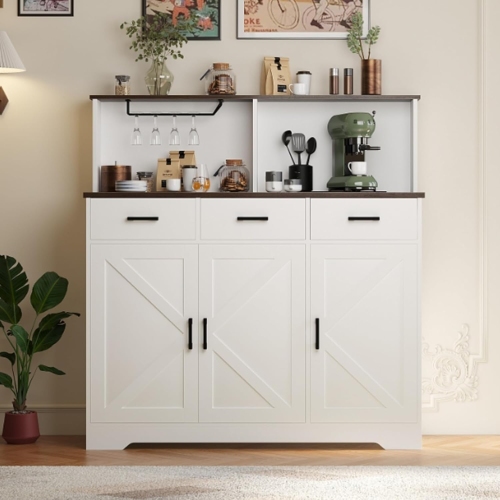
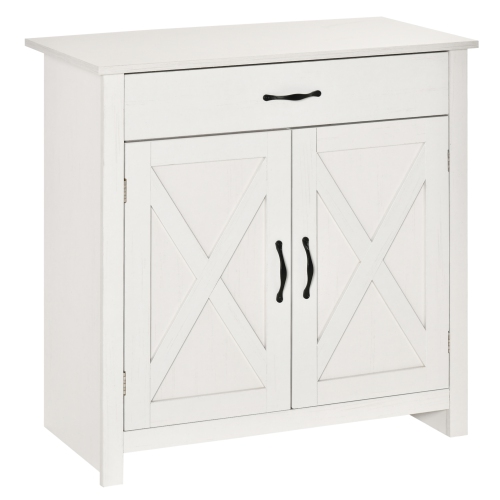
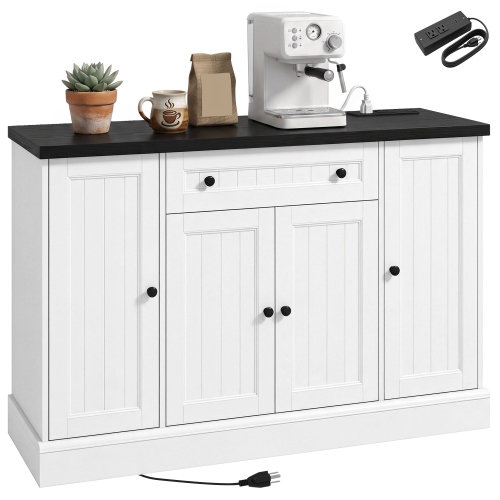
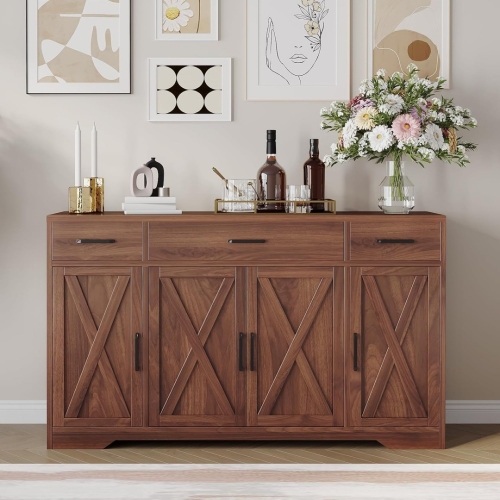
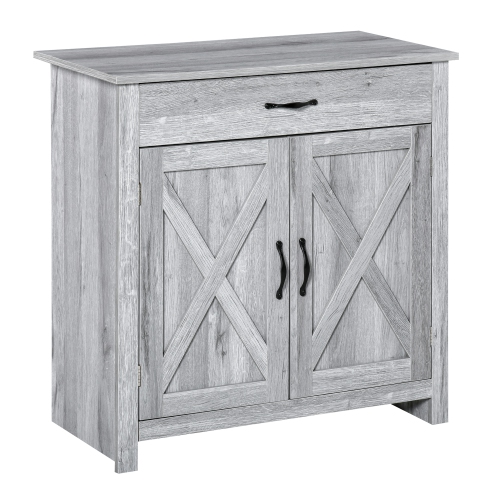
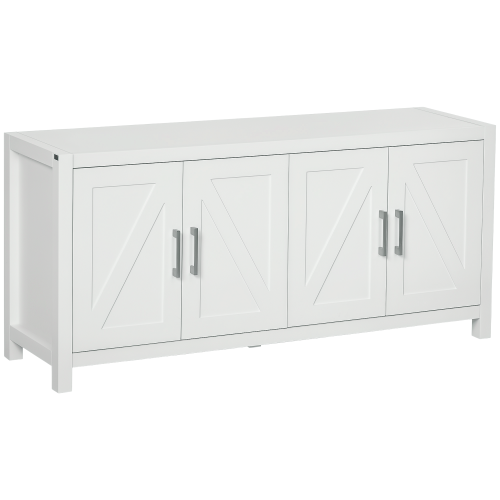
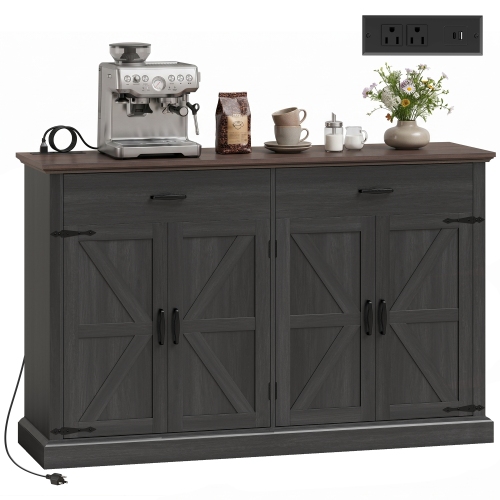
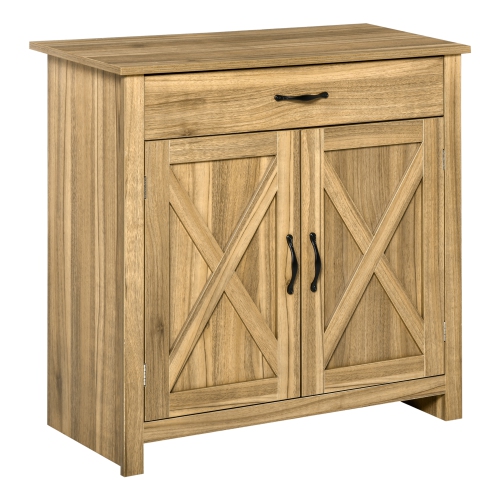
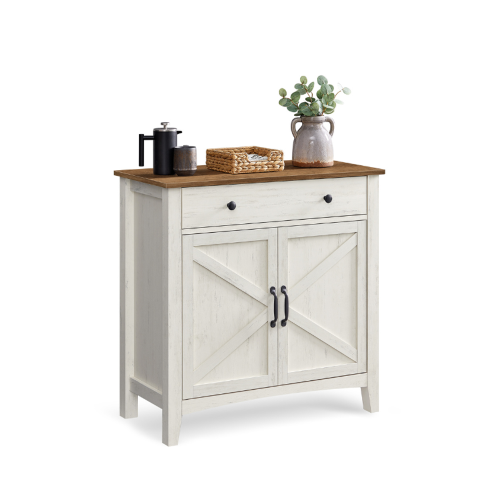
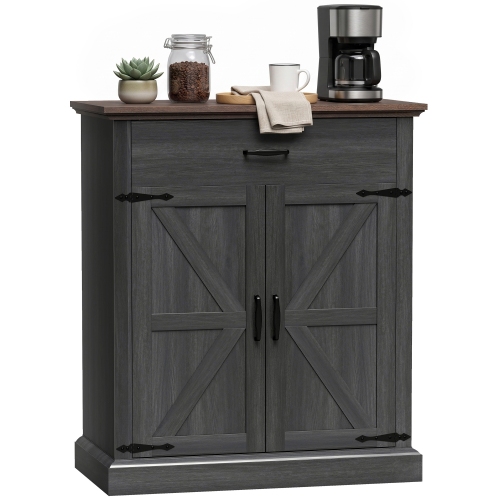
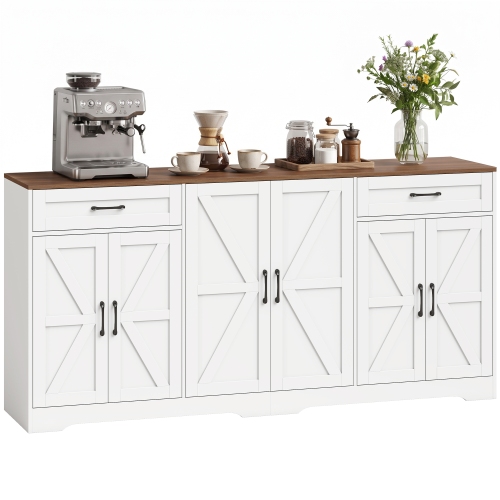
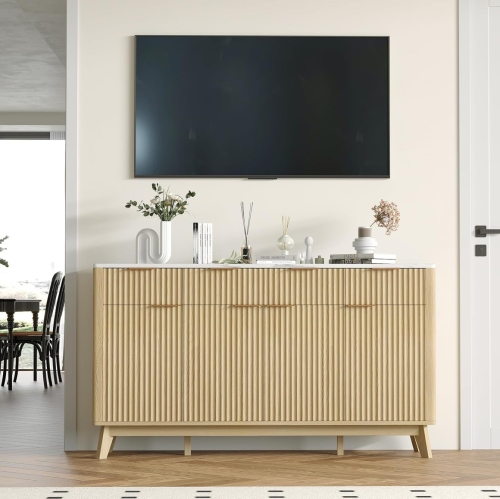
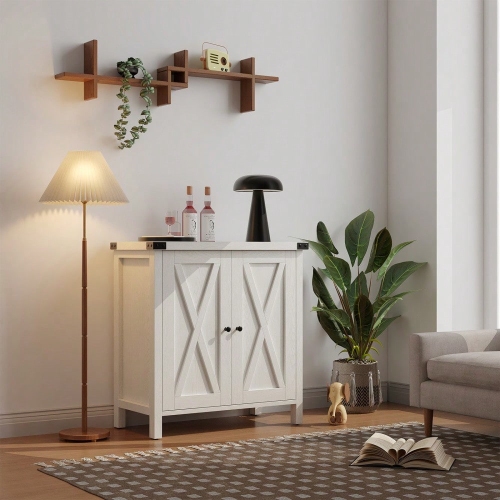
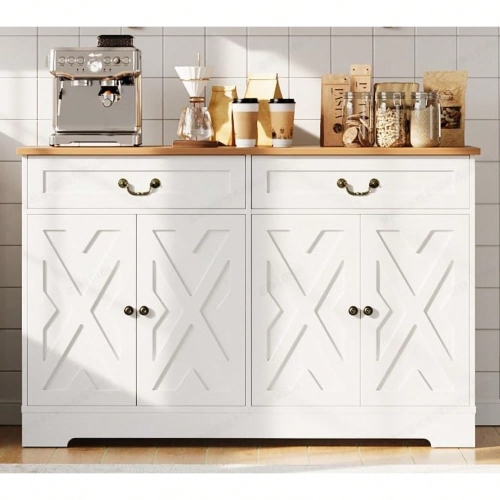
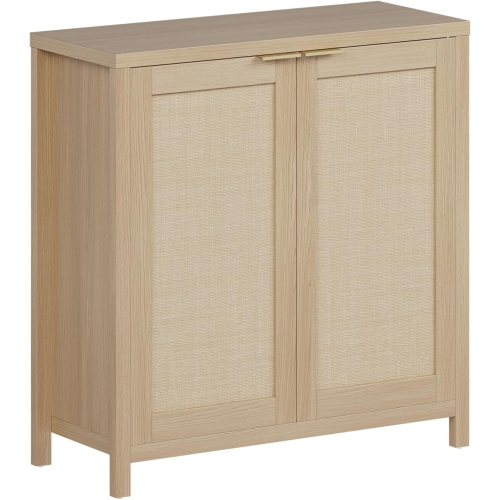
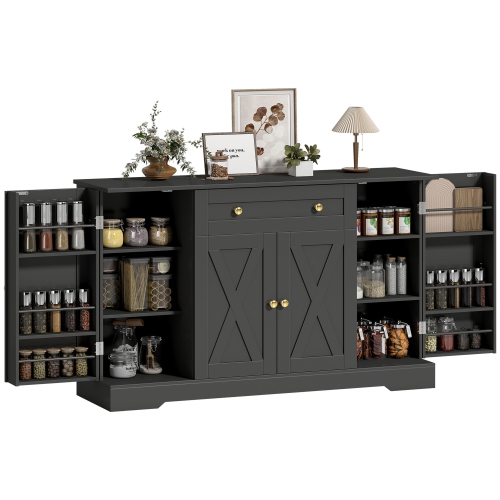
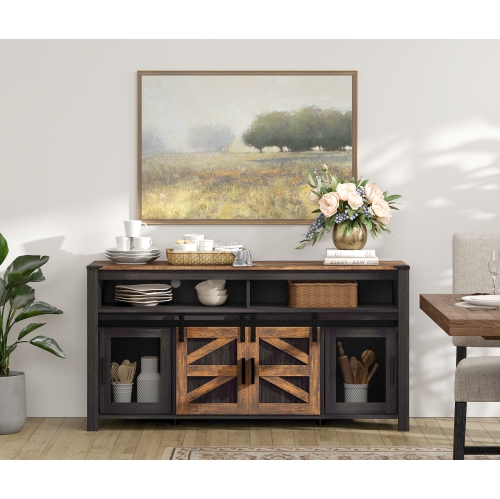
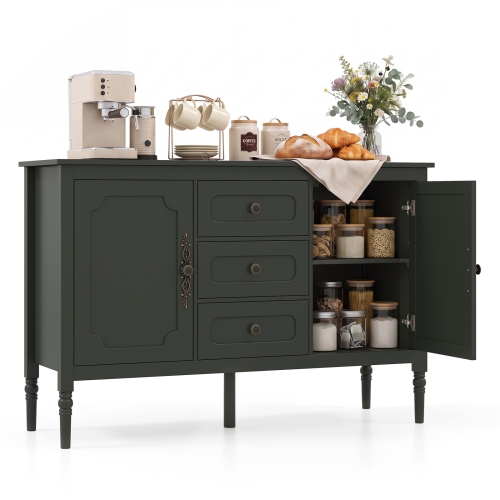
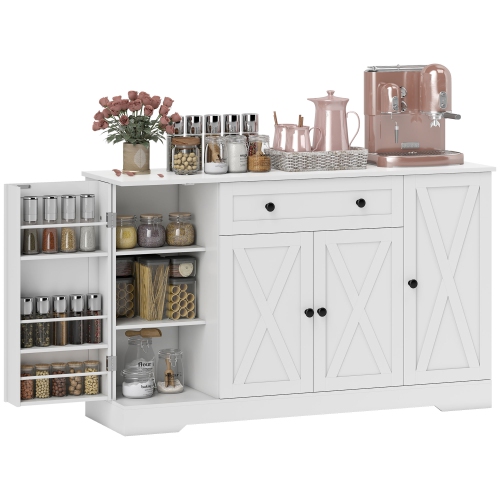
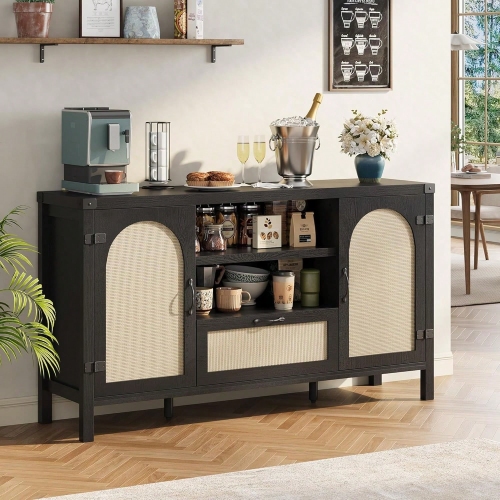
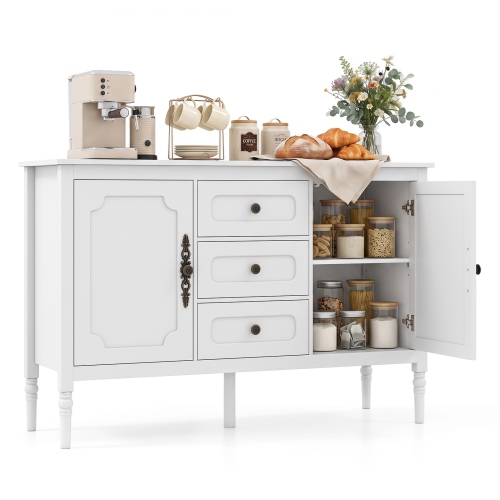
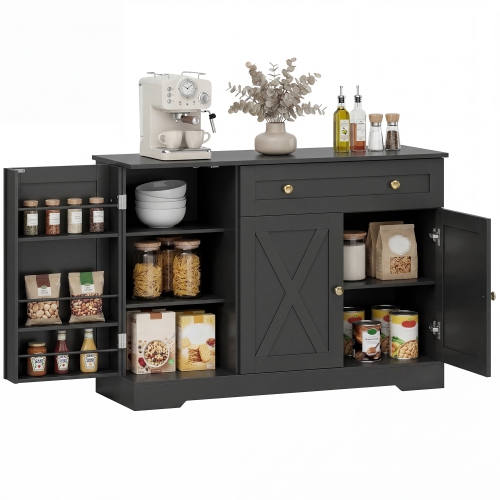
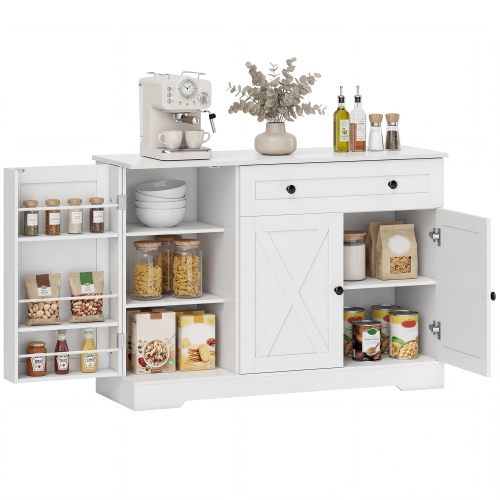
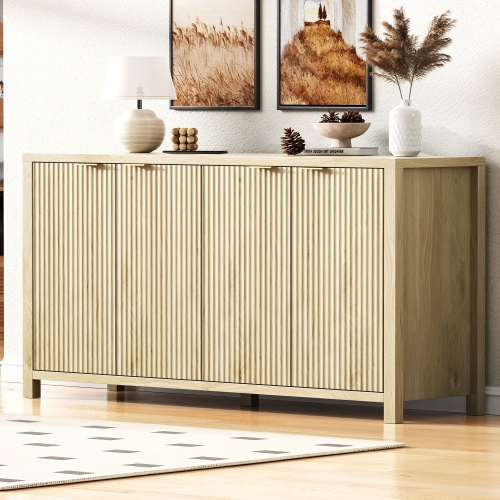
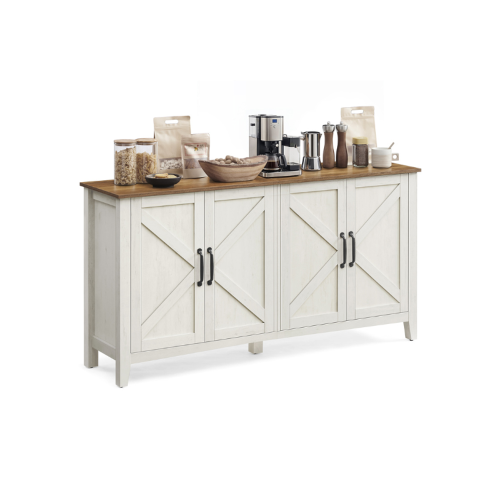
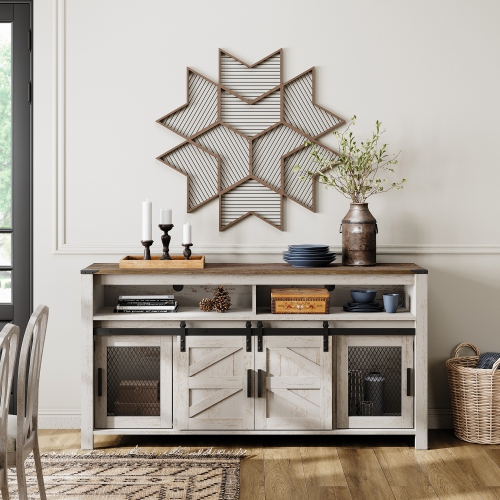
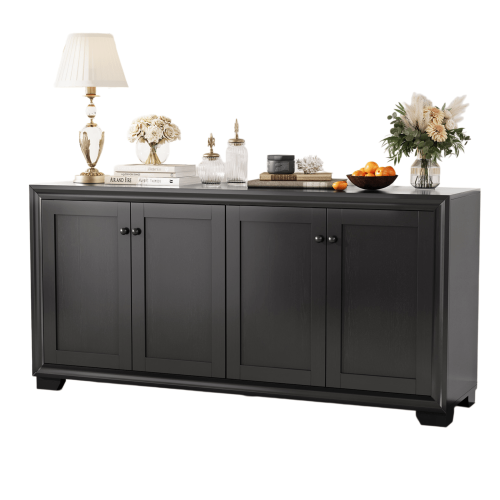
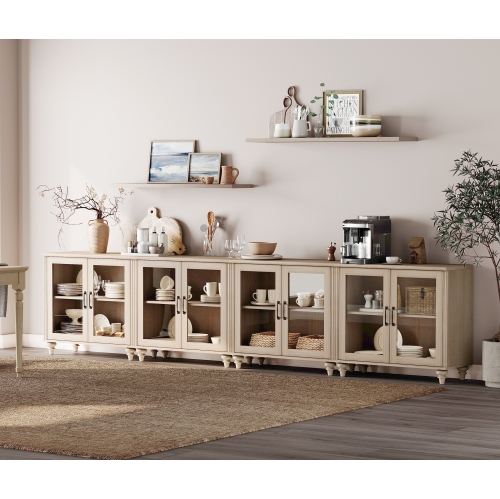
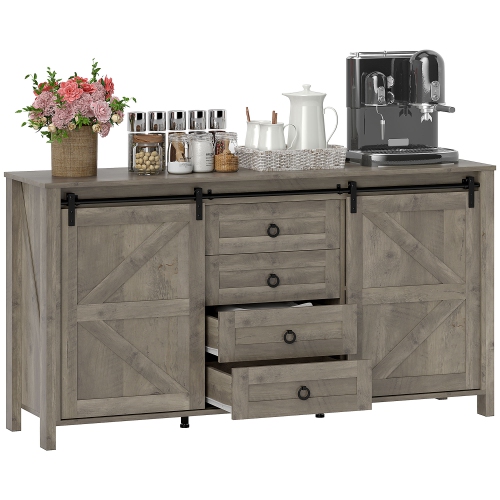
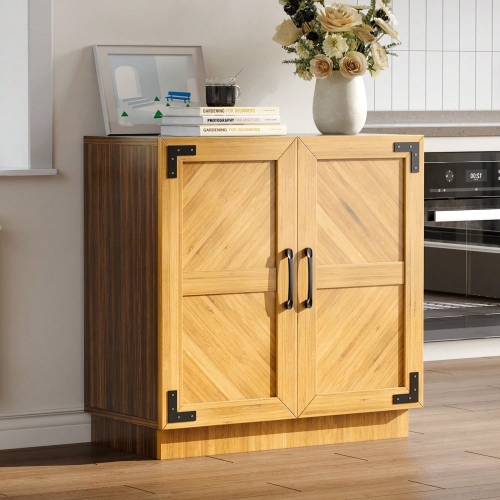
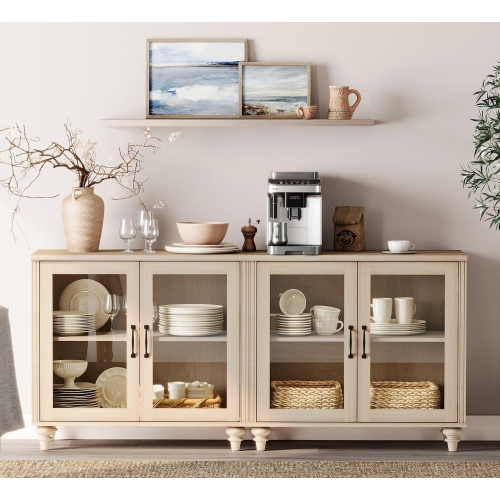
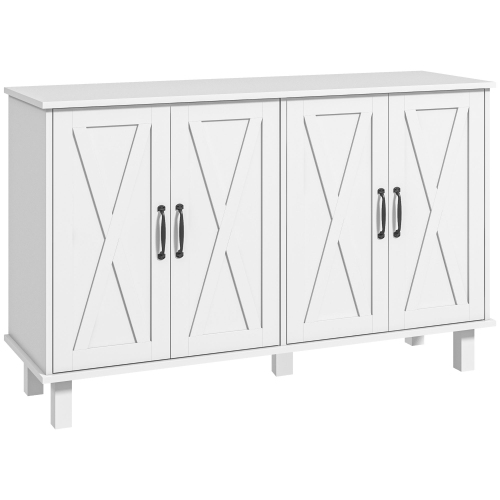
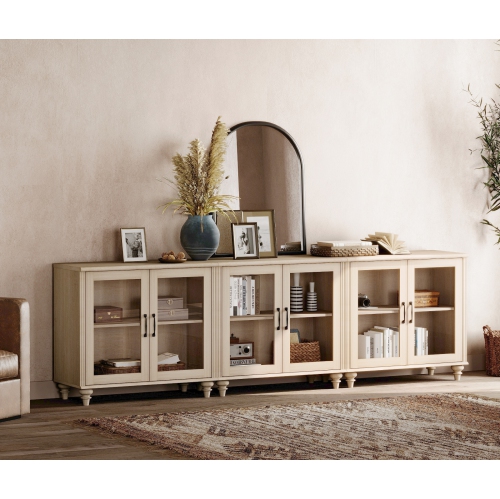
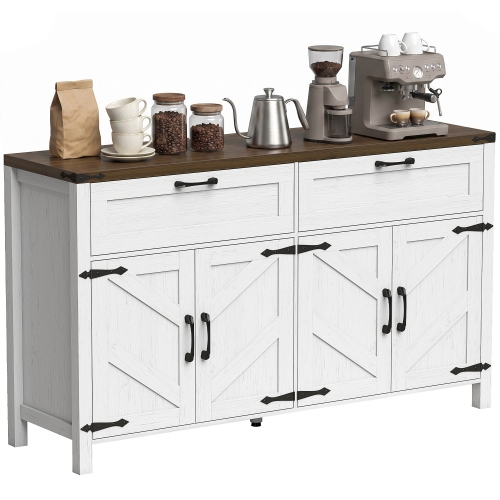
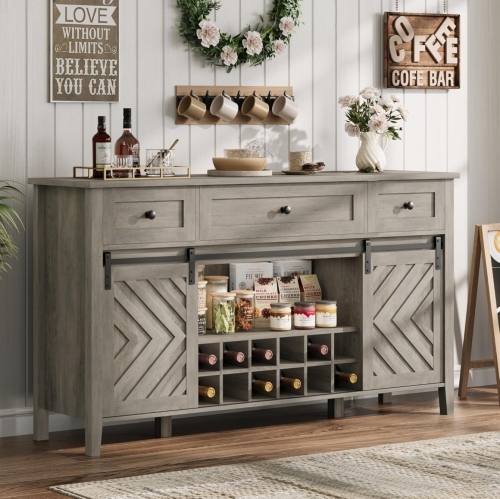
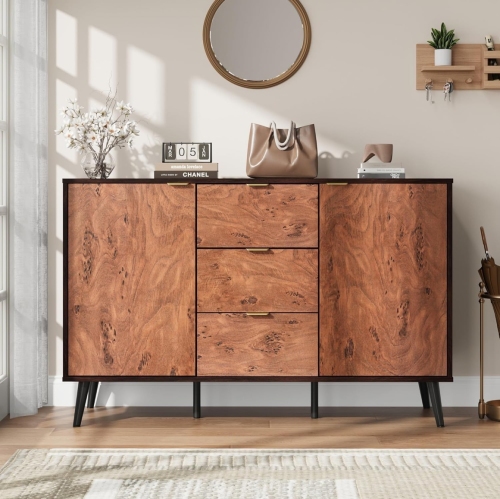
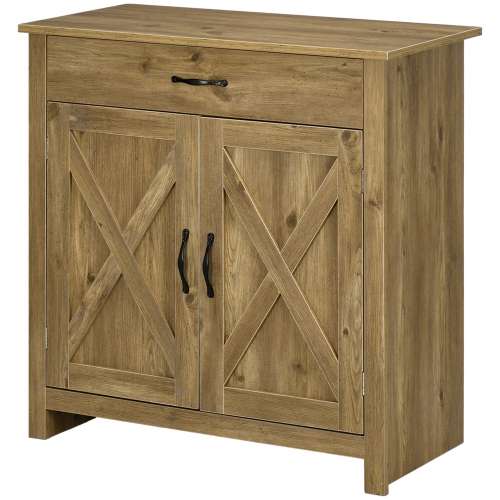
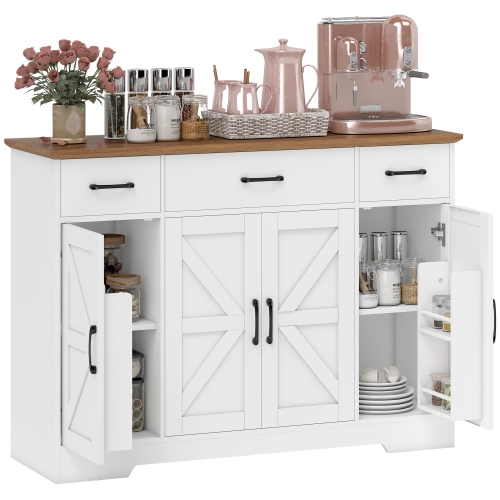
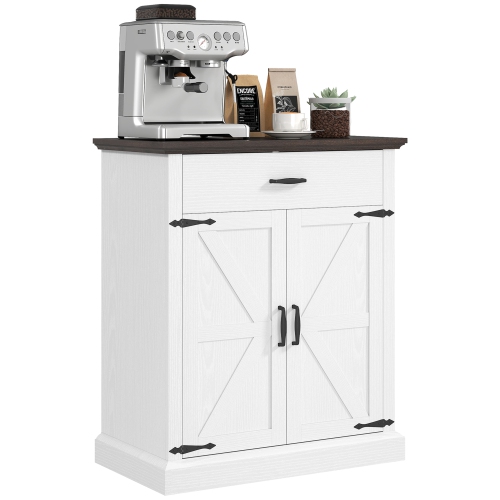
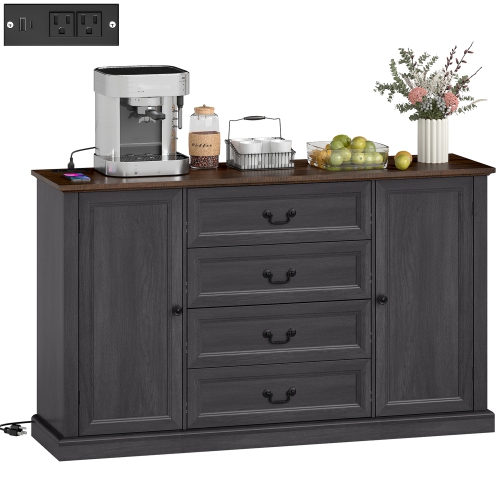

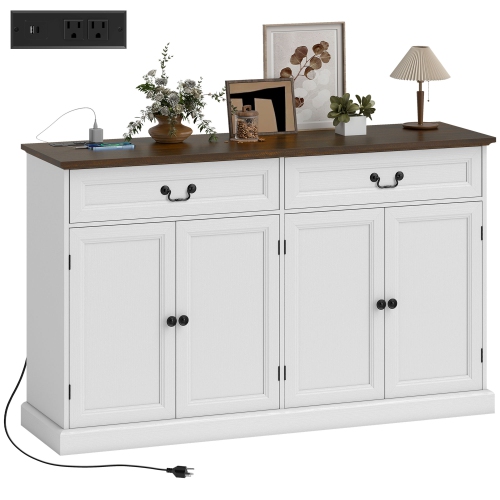
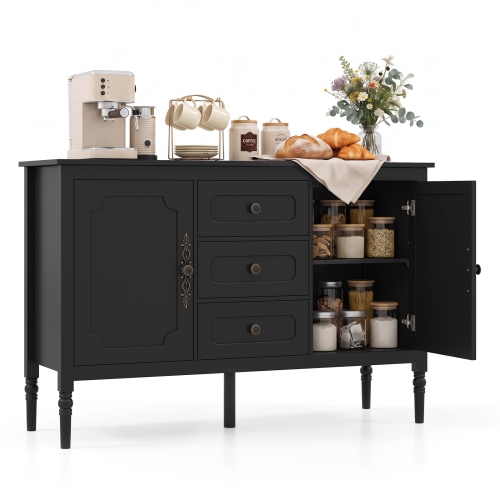
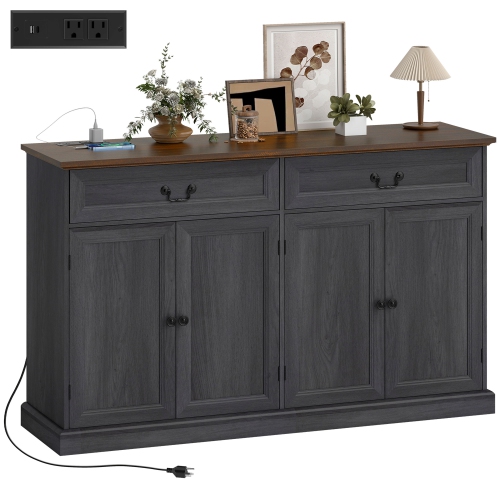
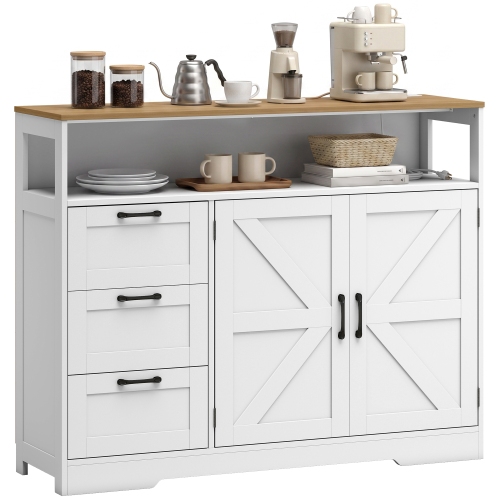
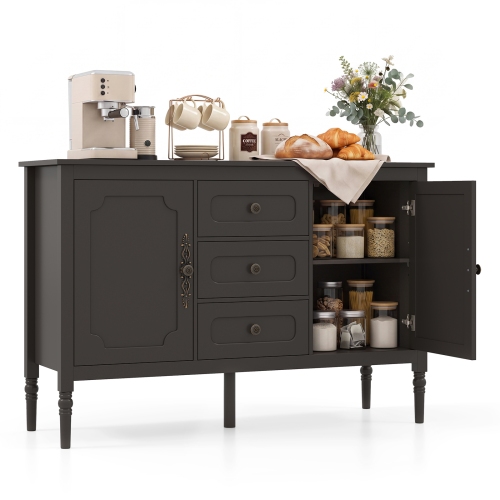
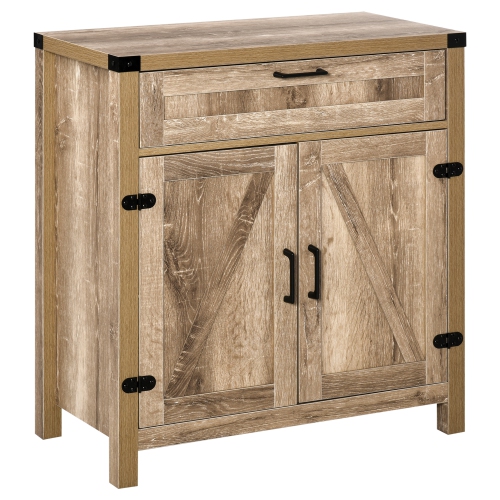
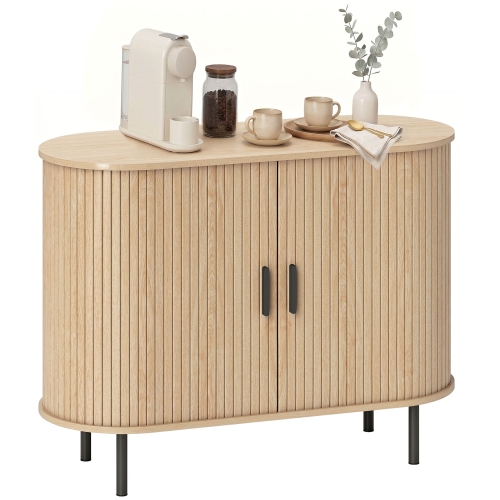
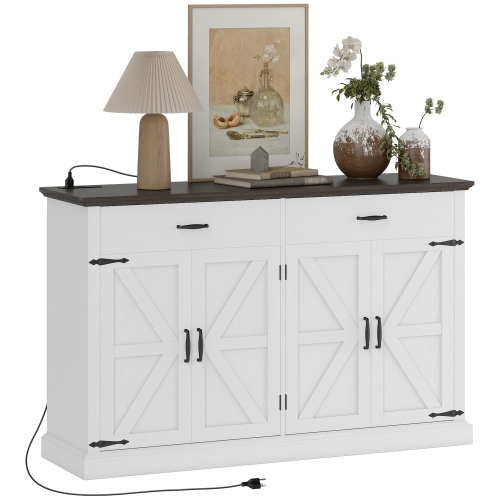
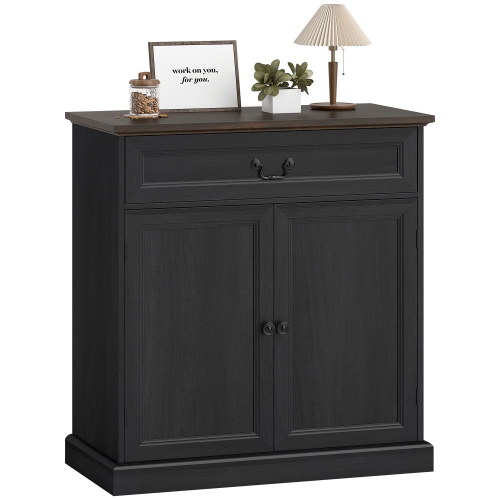
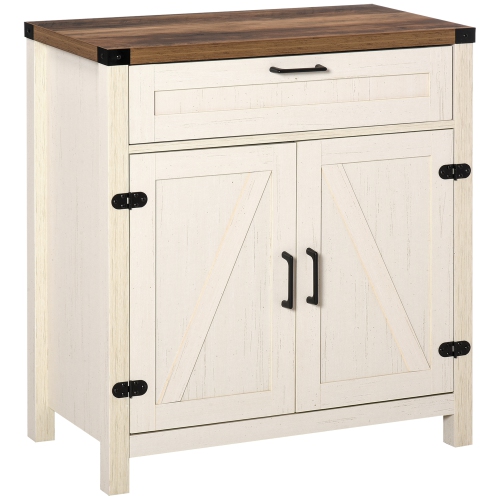
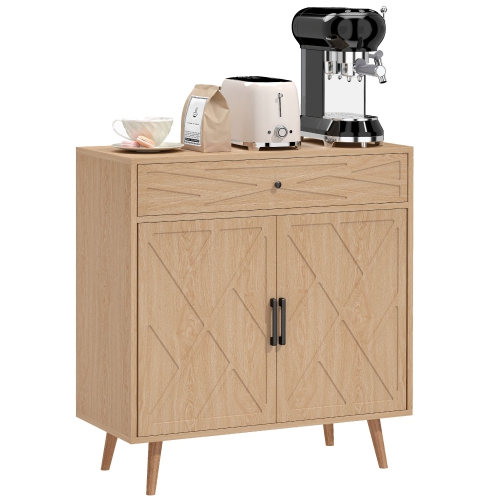
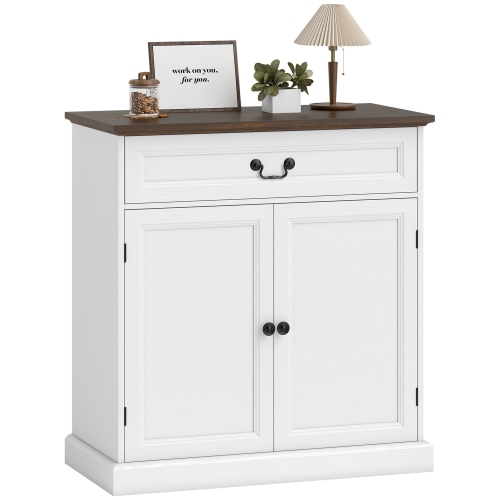
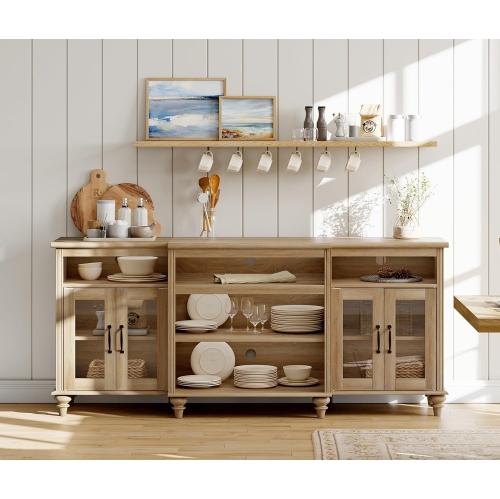
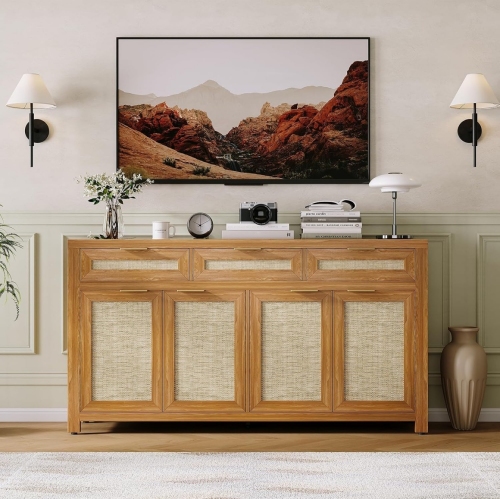
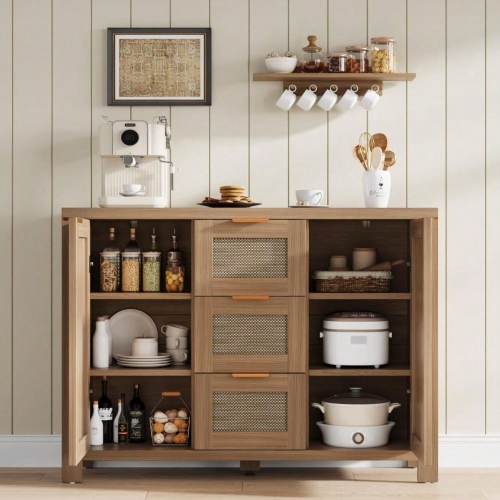
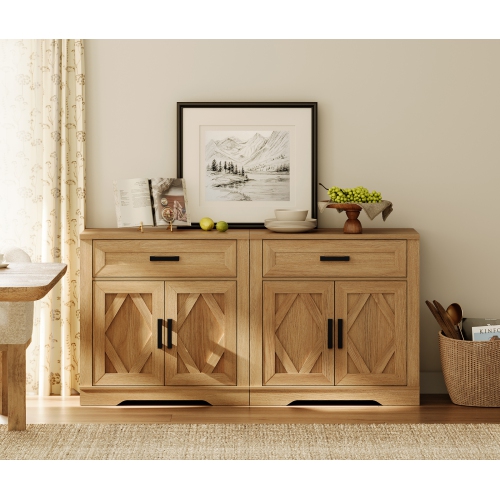
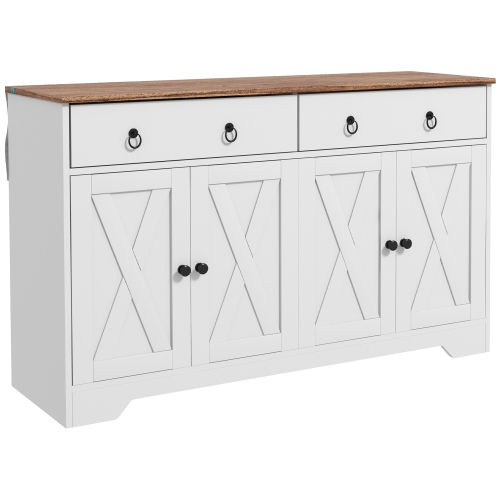
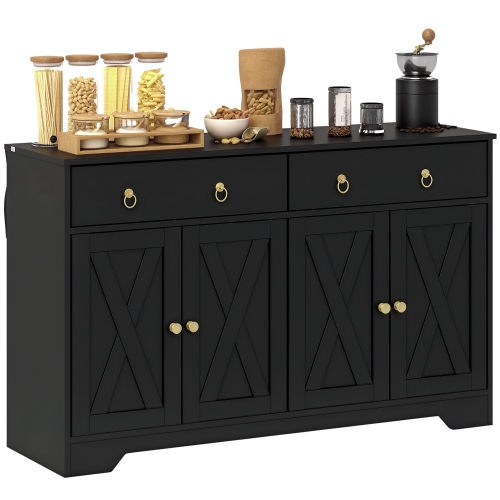
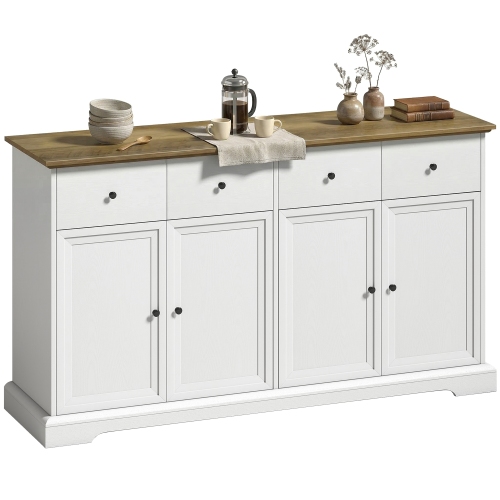
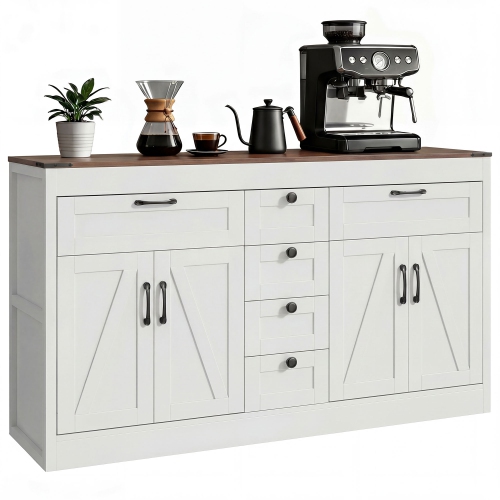
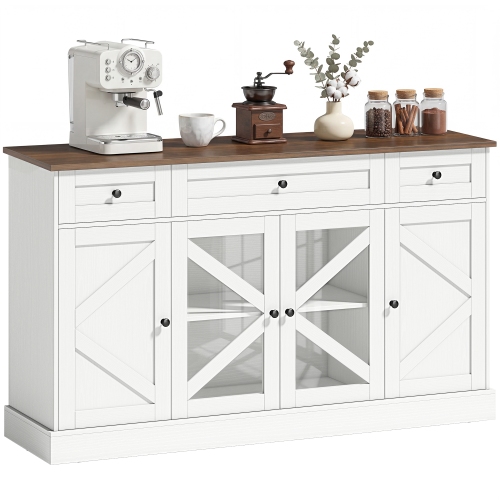
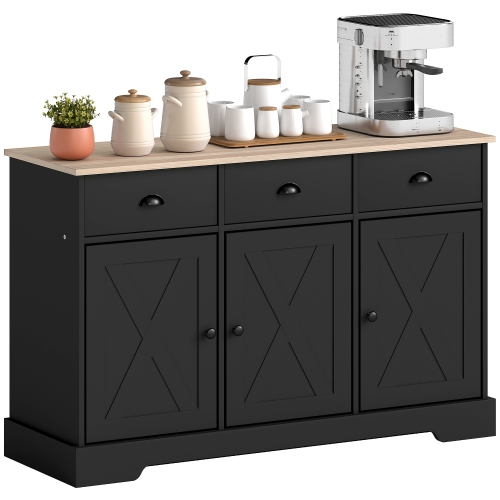
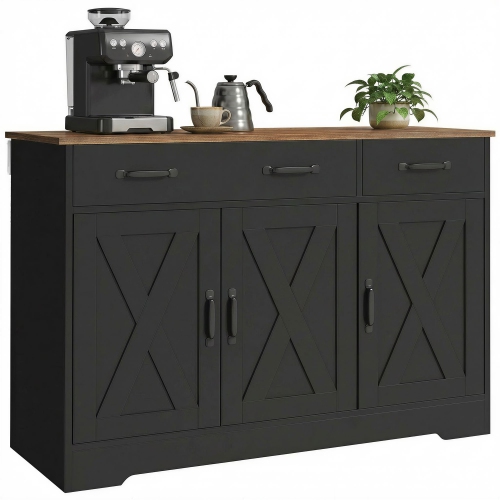
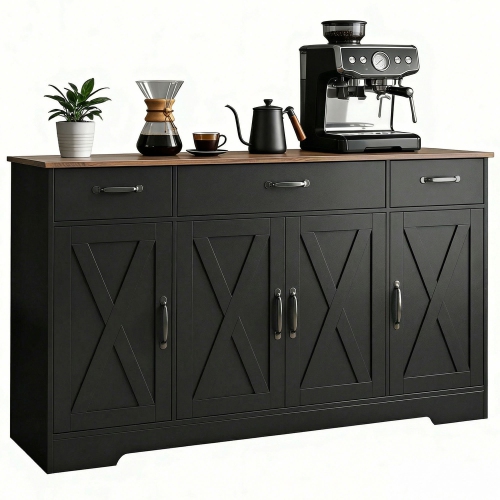
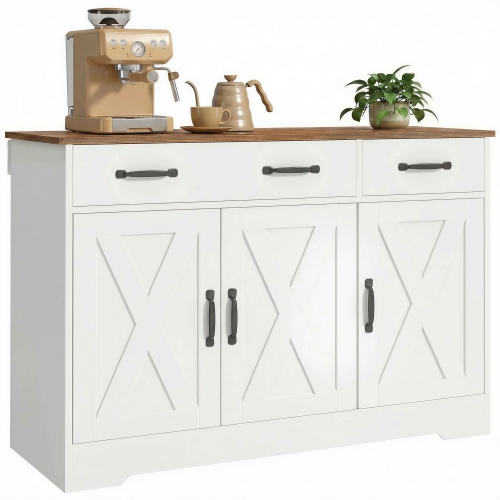
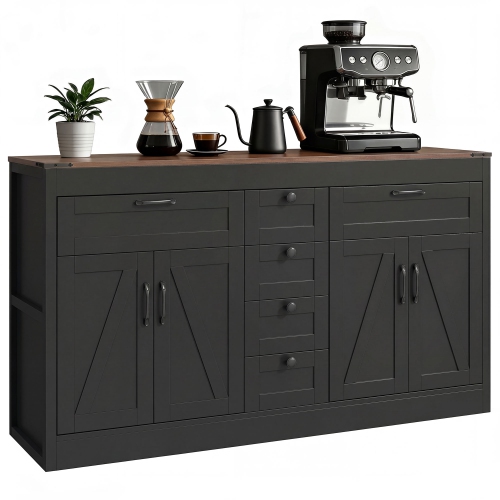
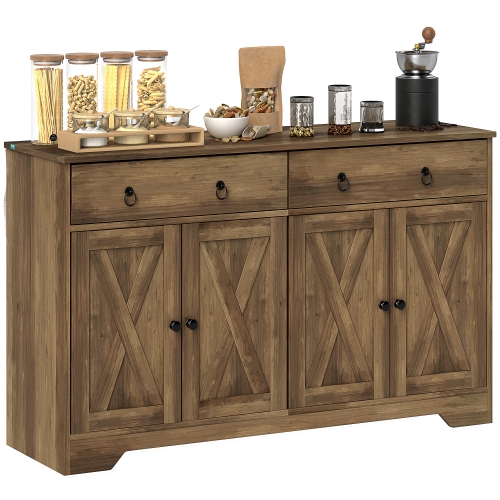
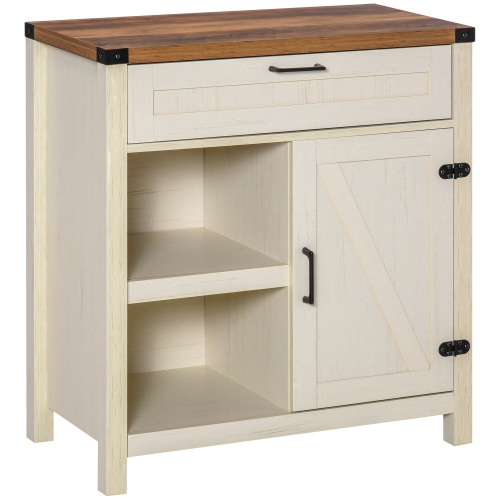
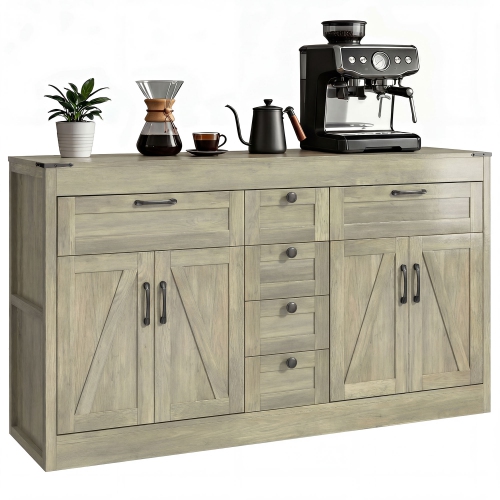
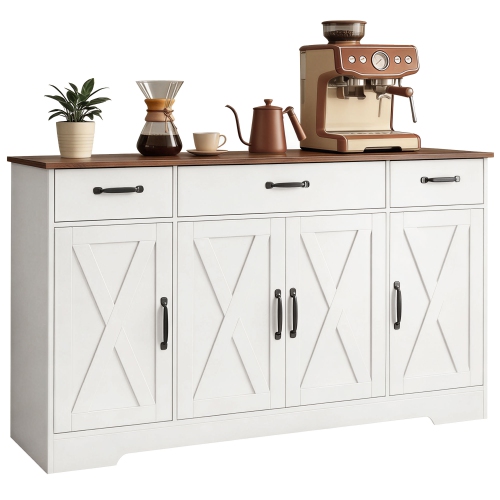
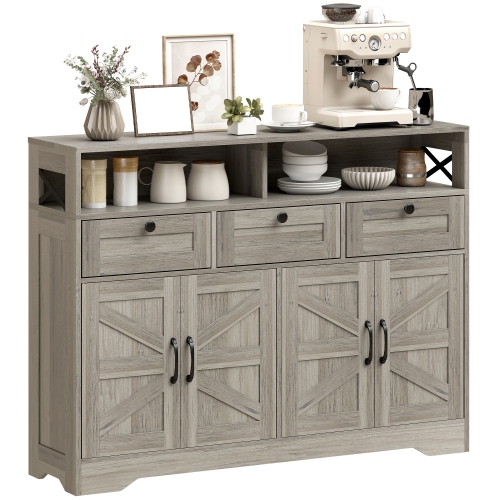
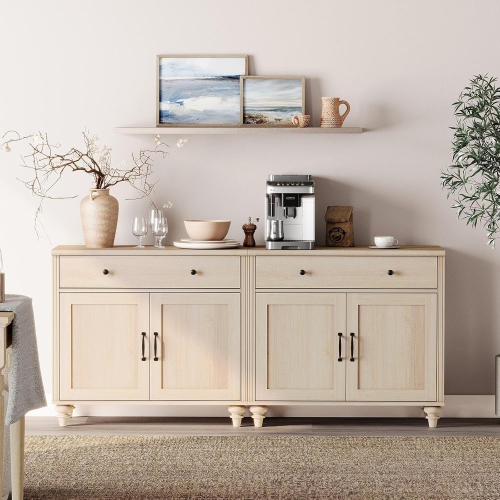
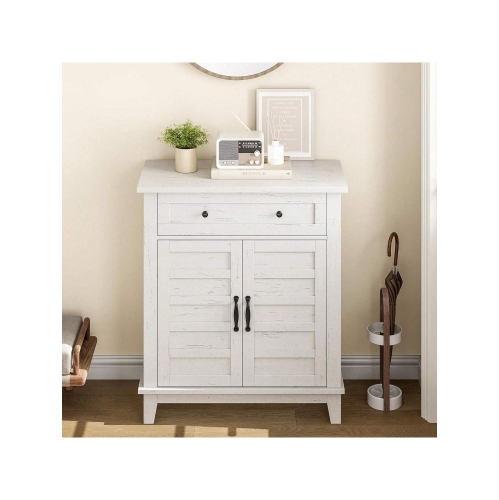
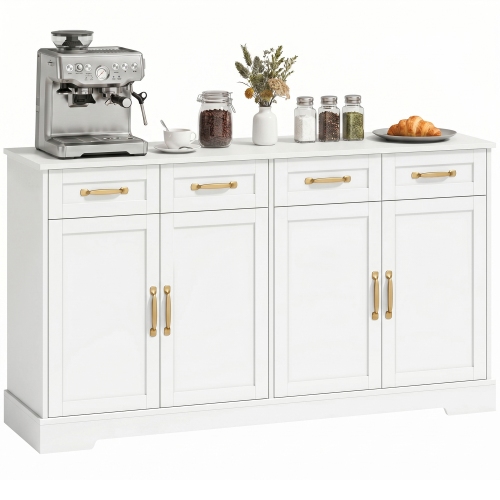
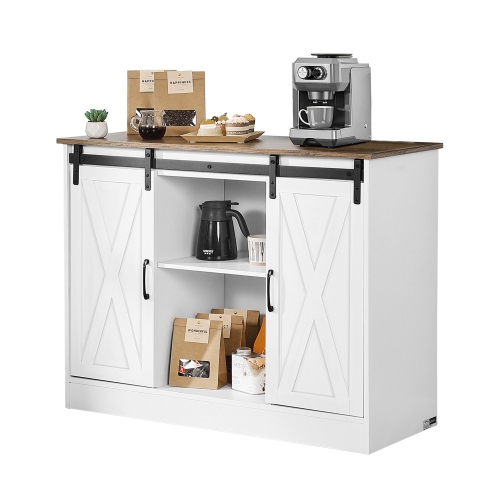
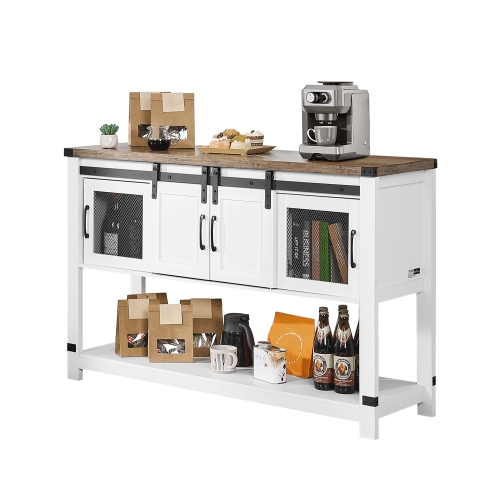
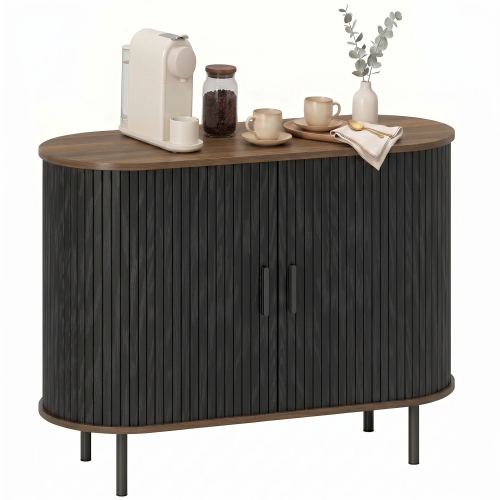
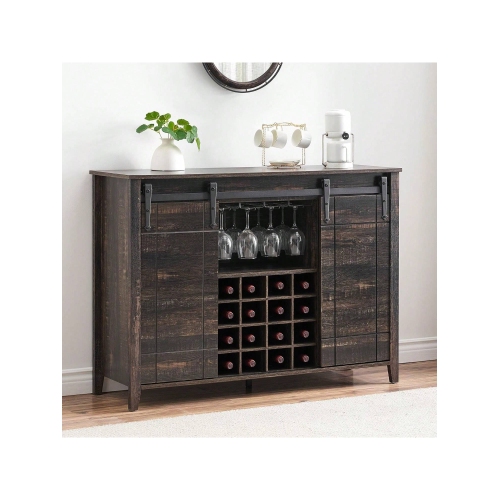
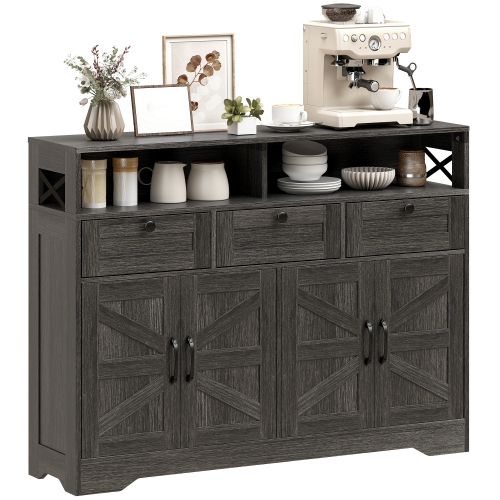

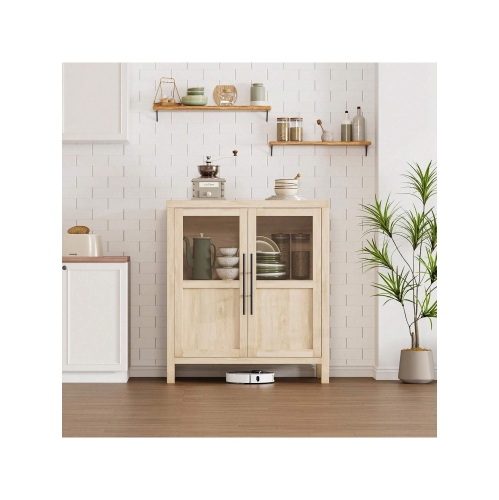
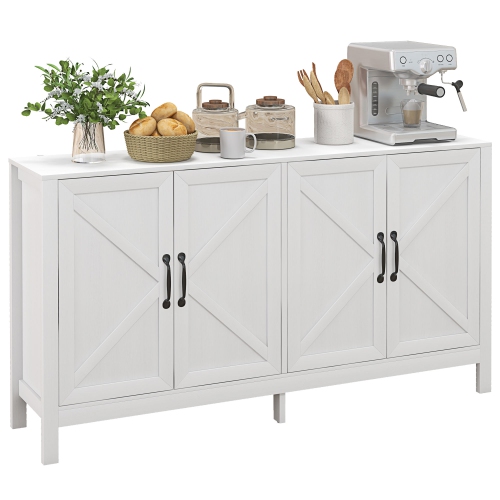
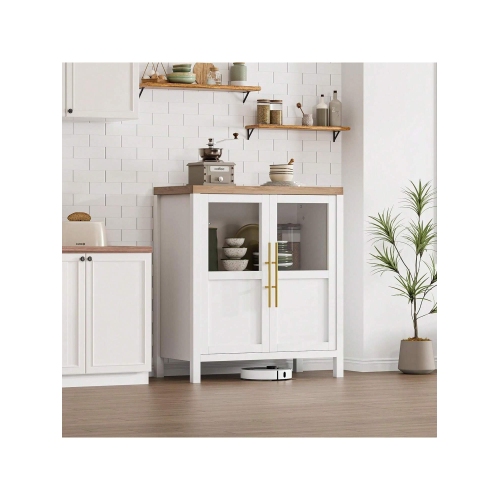
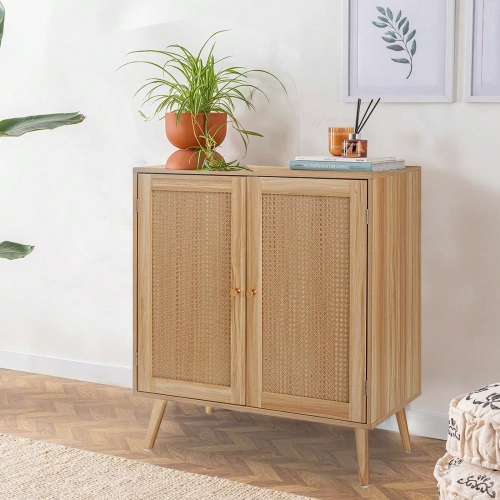
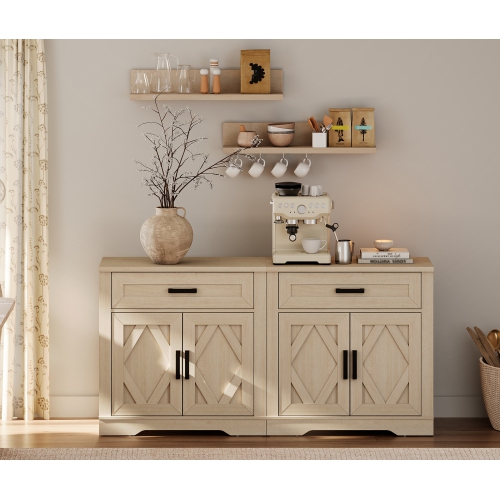
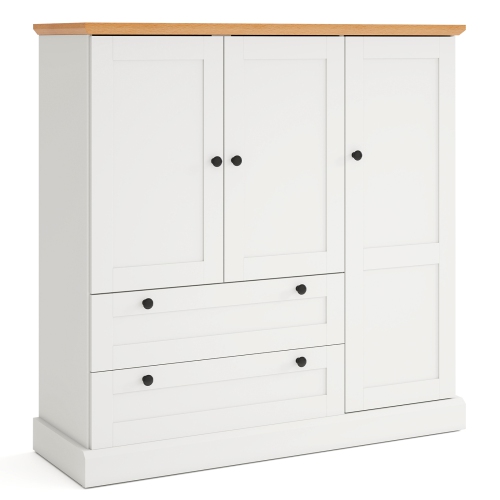
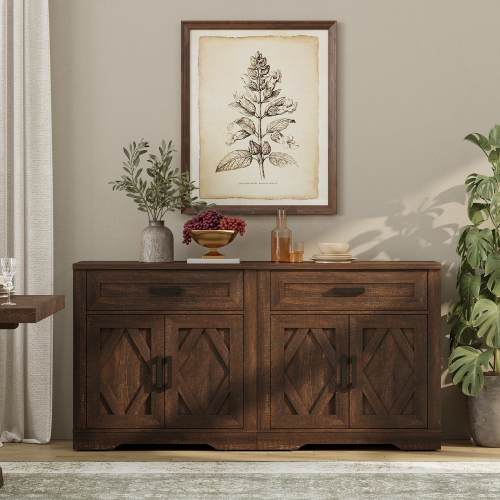
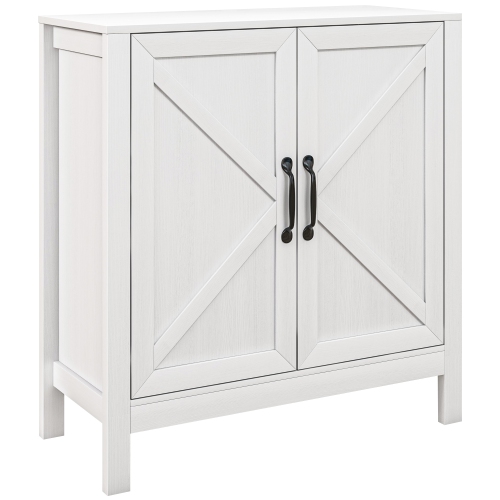
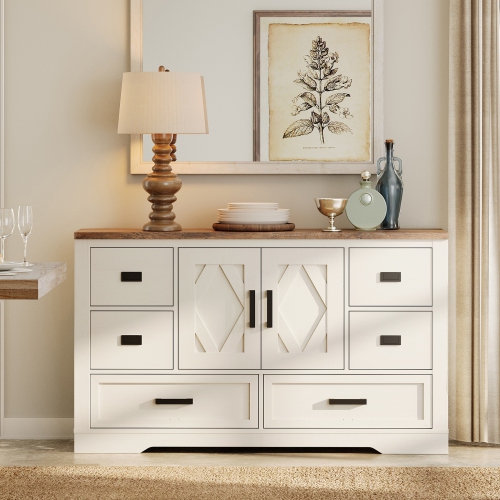
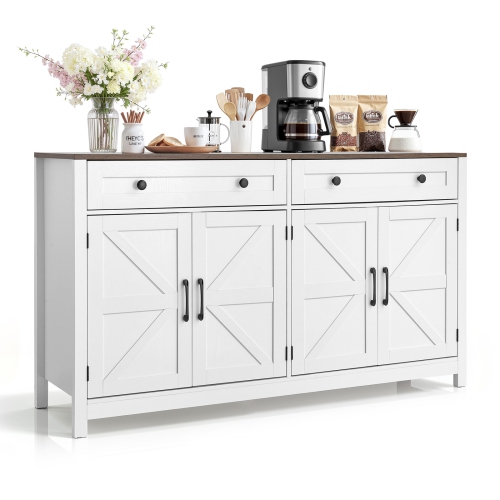
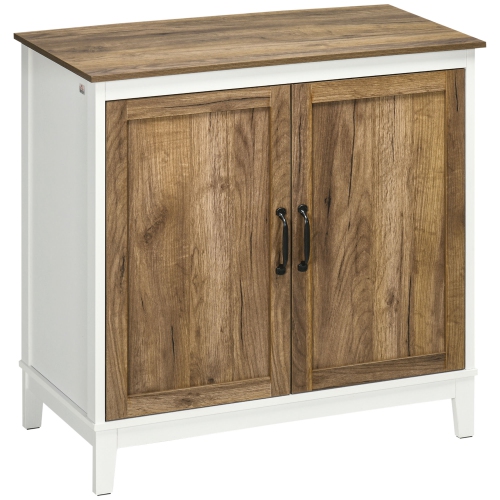
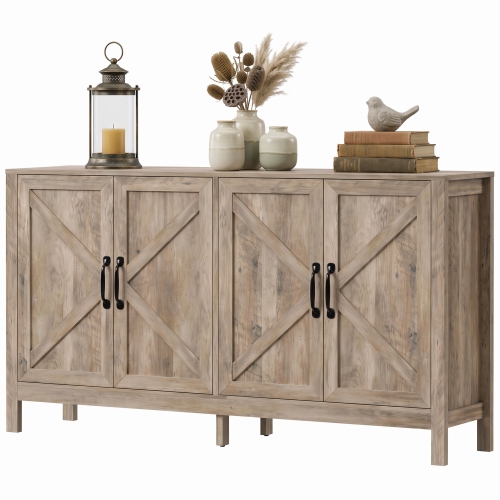
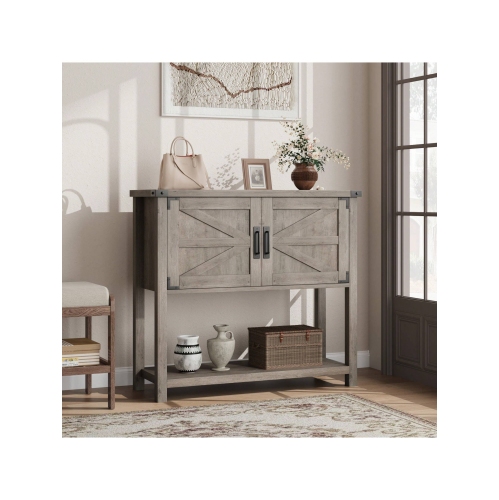
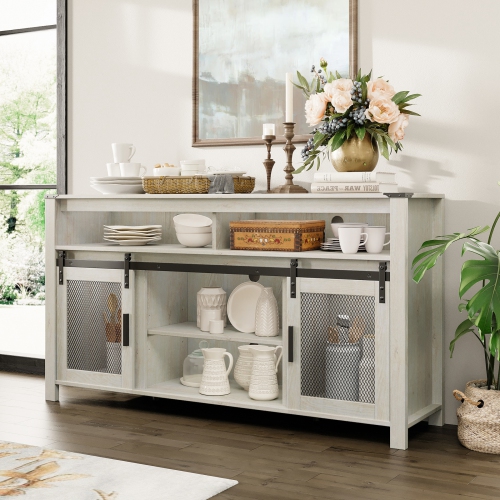
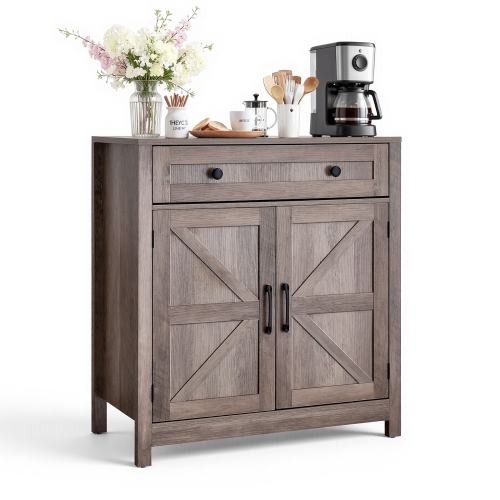

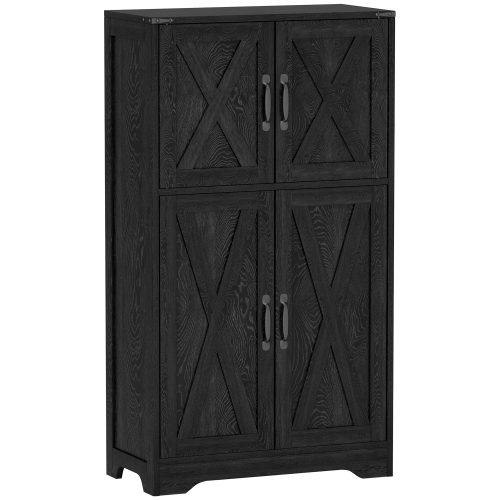
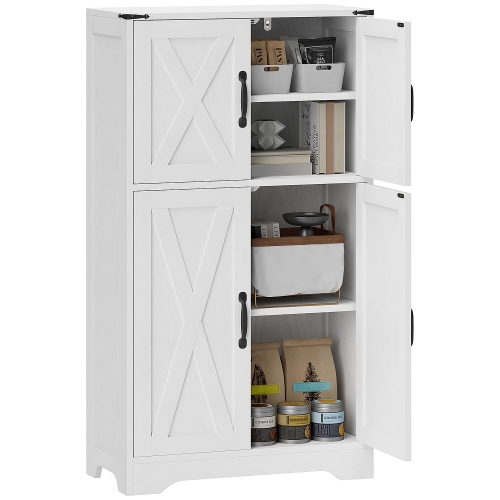
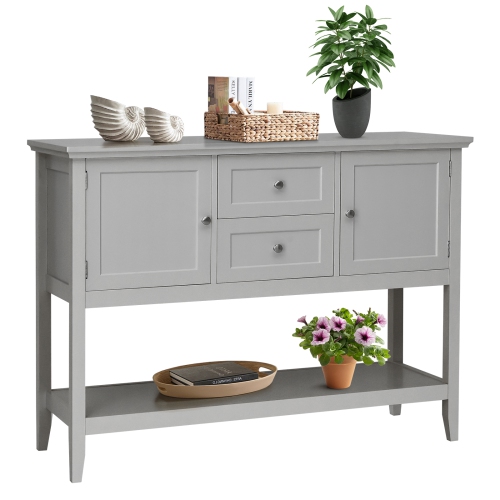
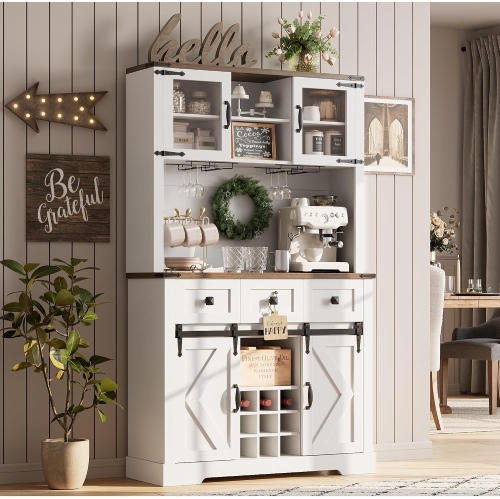
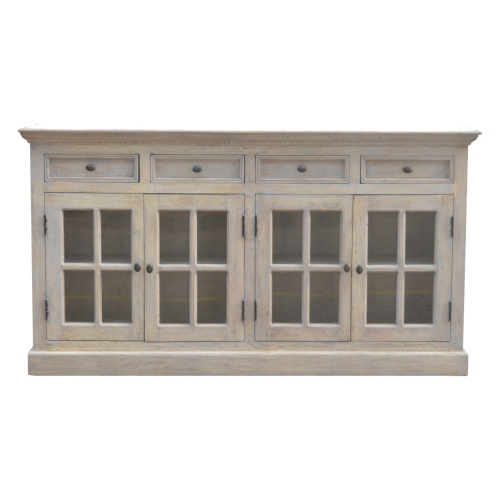
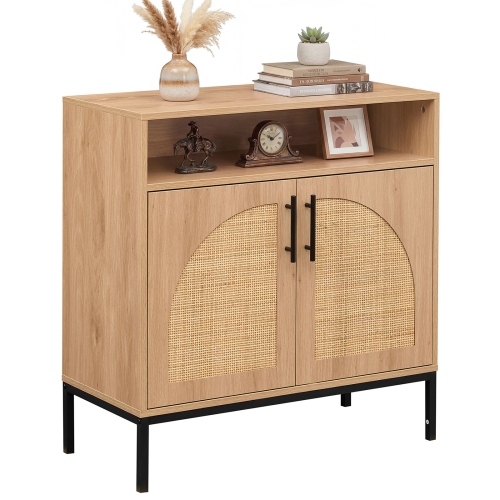
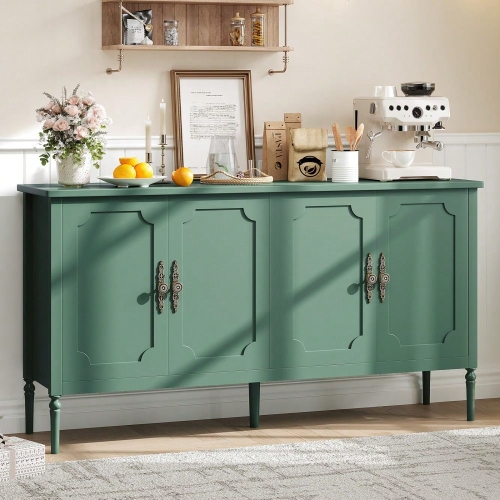
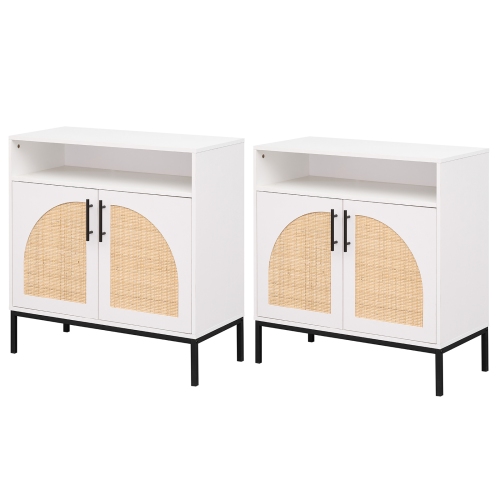
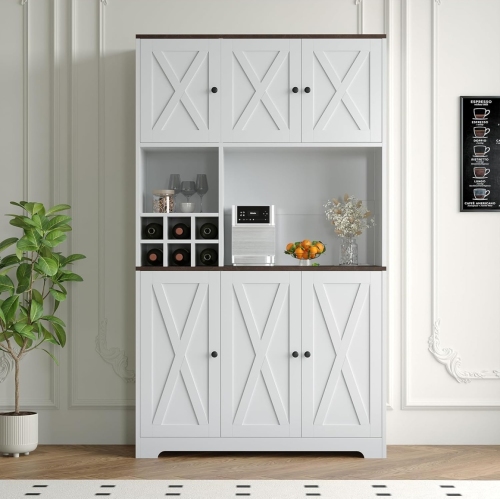
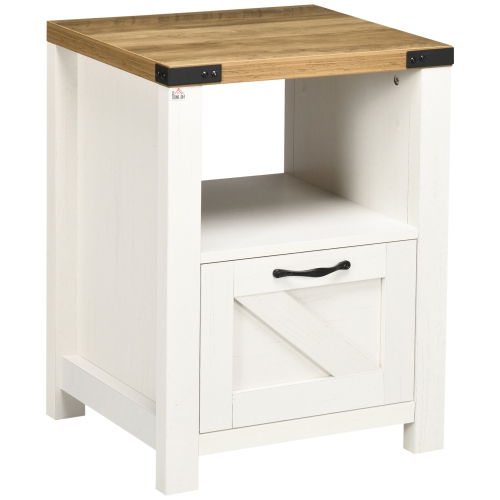
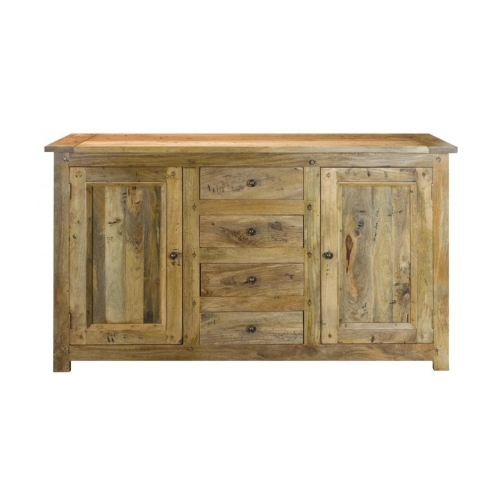
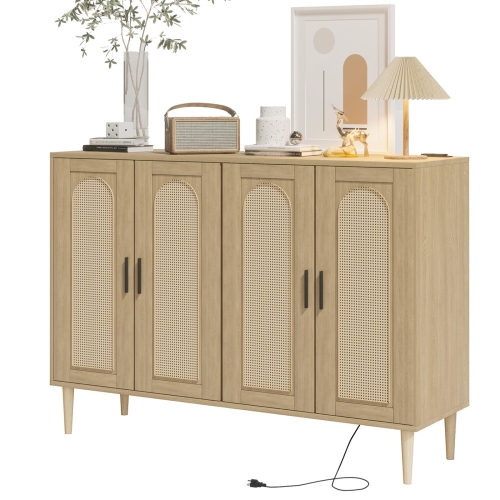
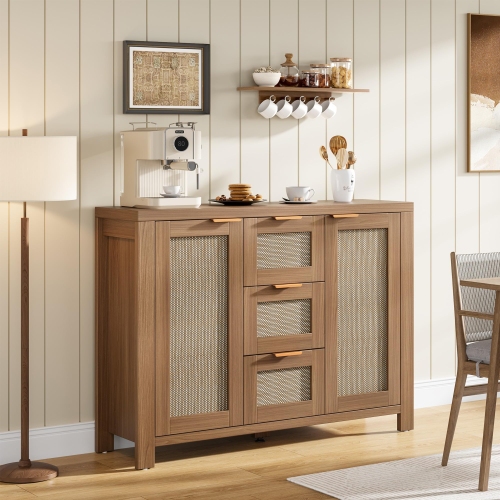
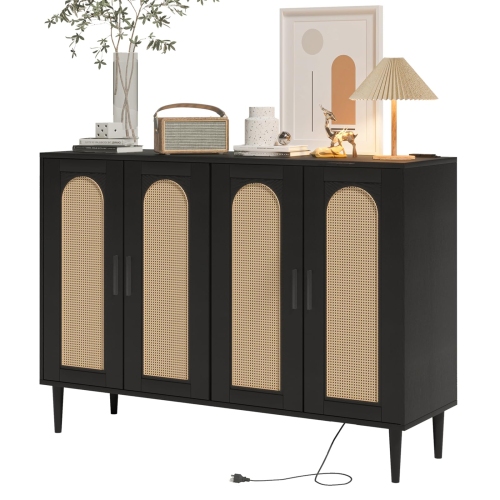
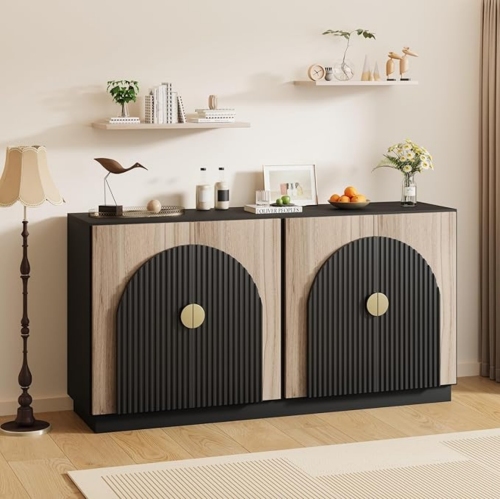
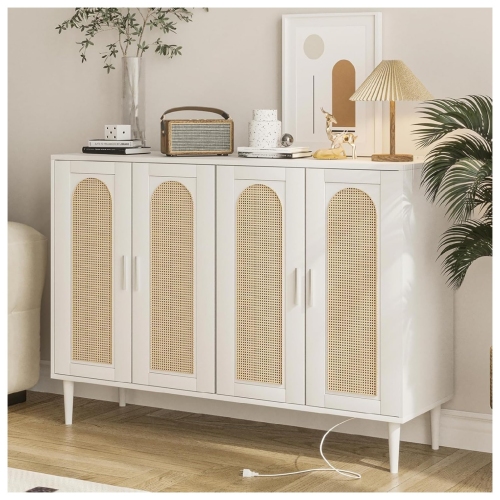
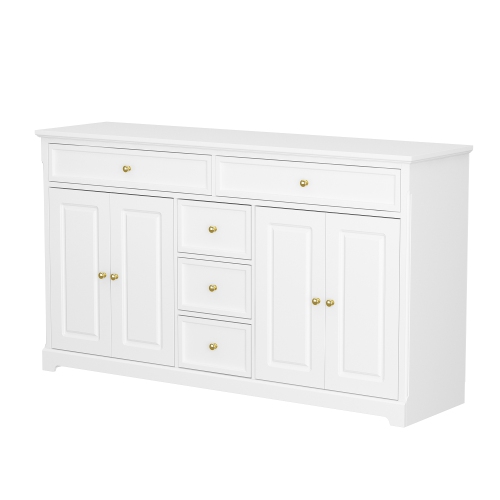


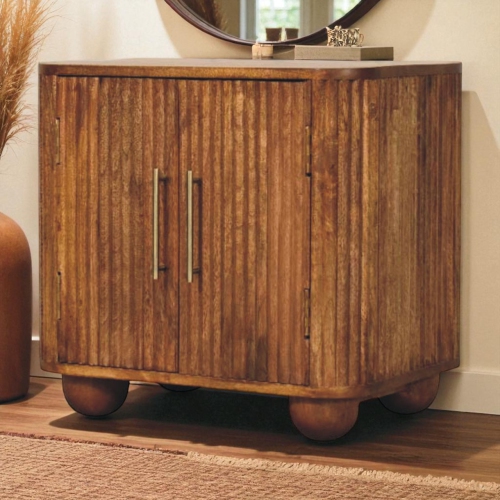
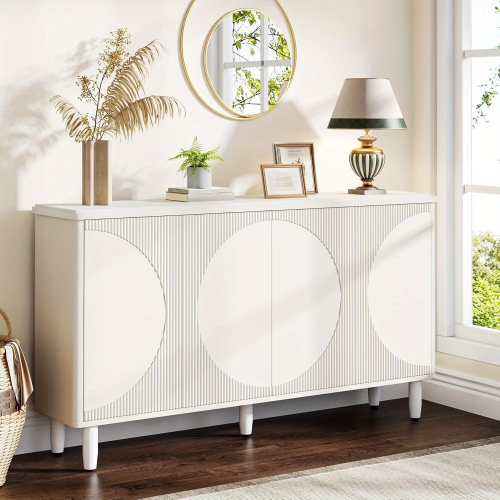
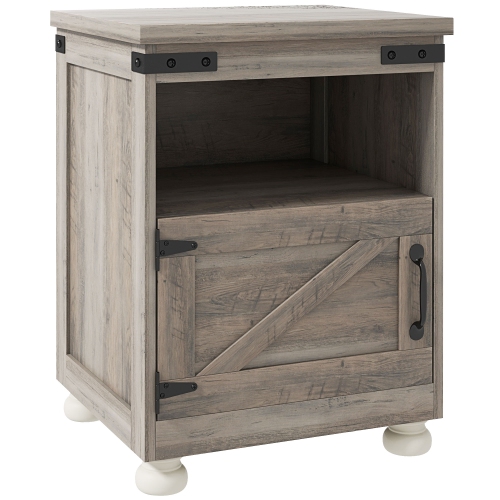
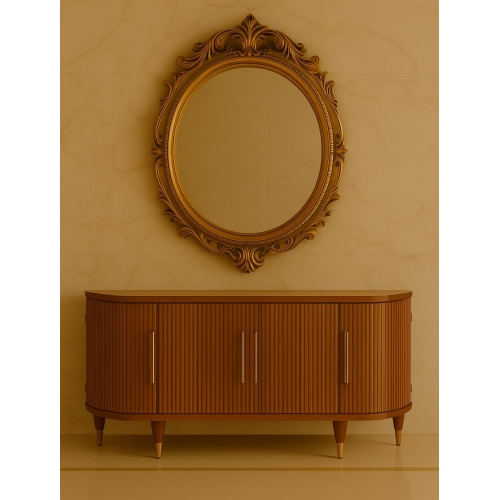
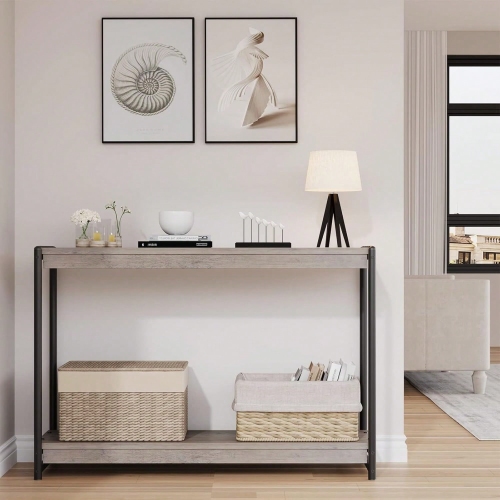
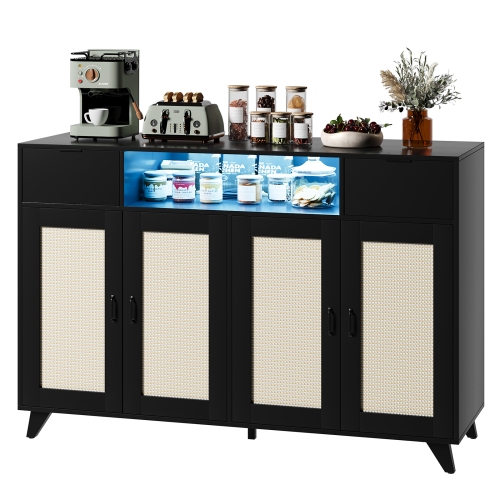
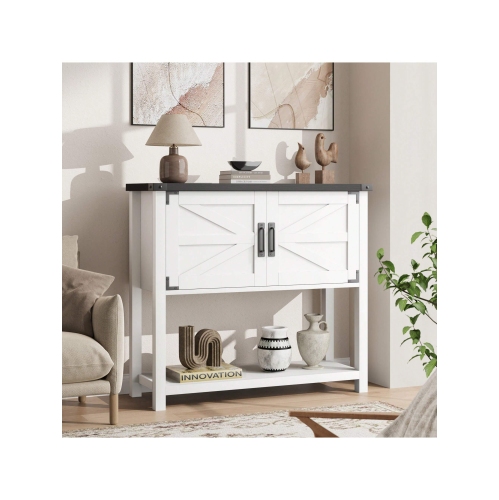
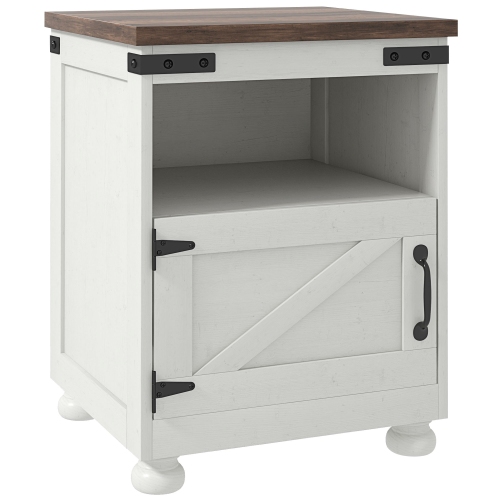
Rustic storage that keeps serving pieces close at hand
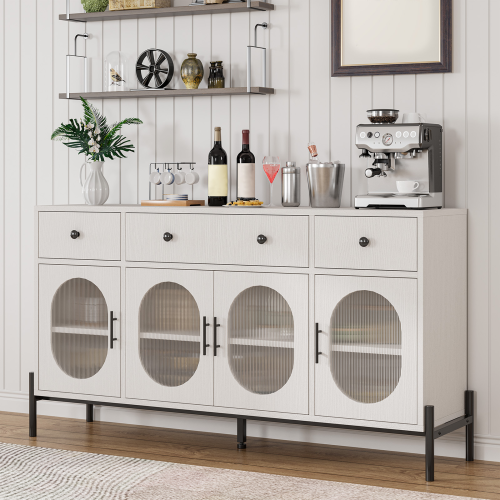
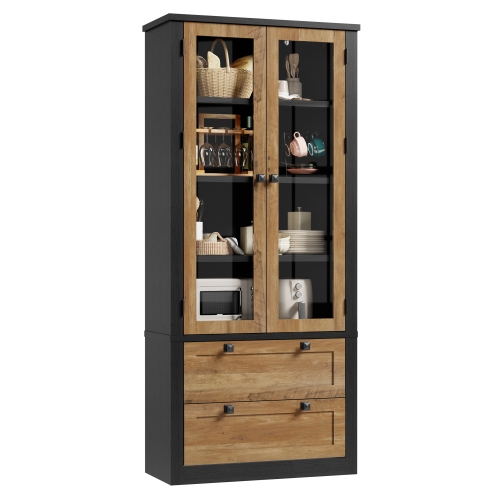
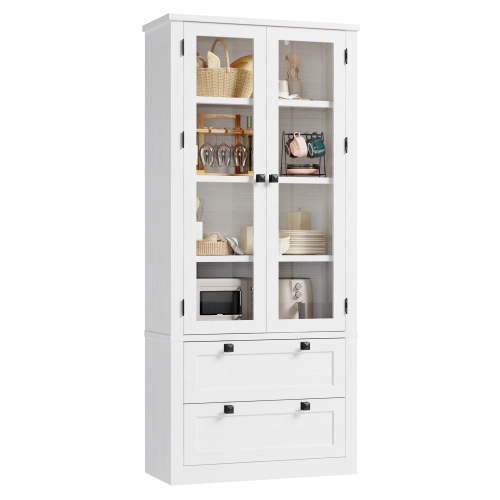
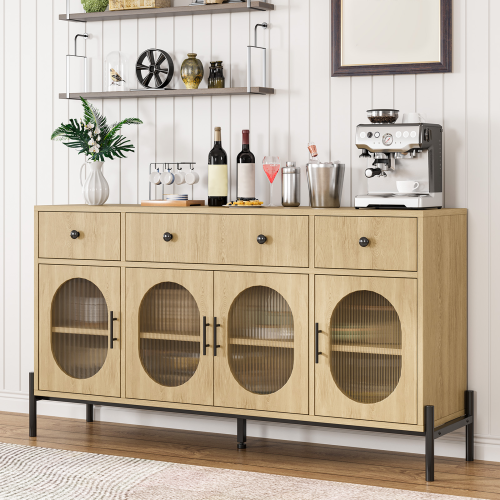
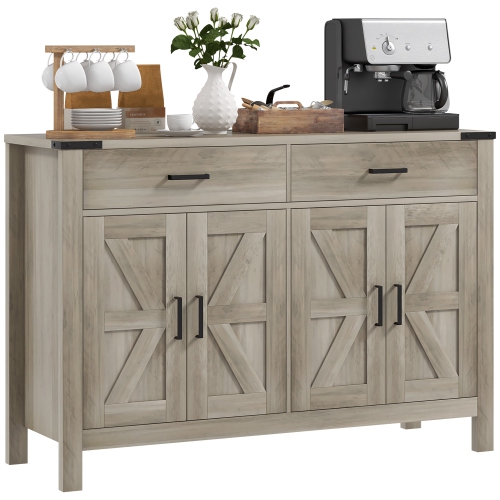
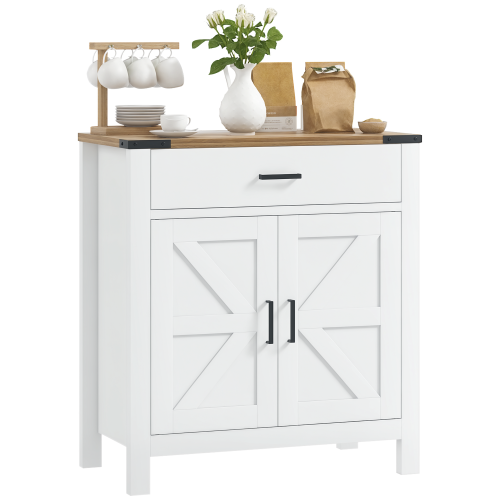
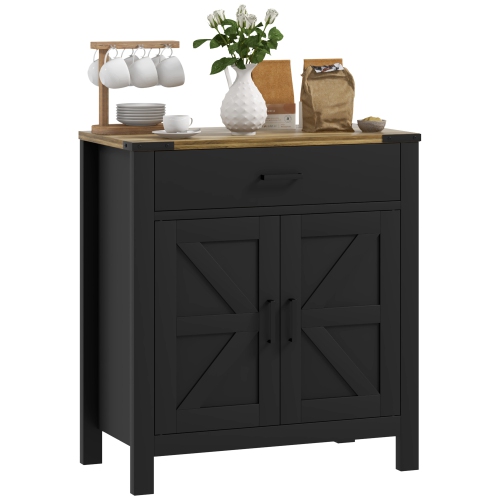
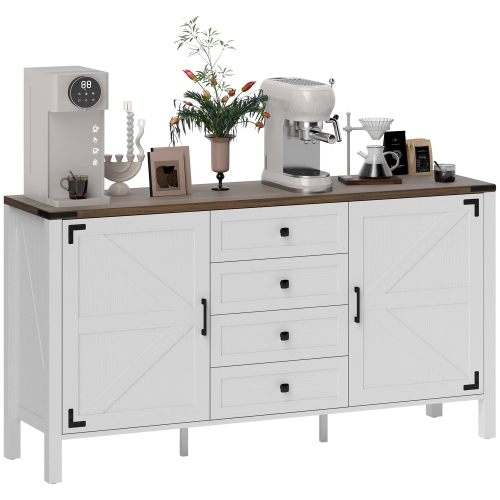
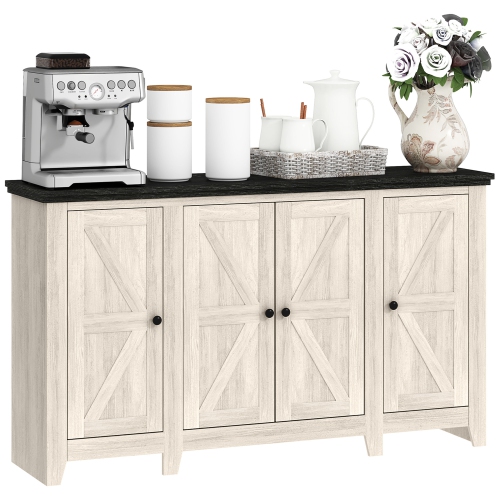
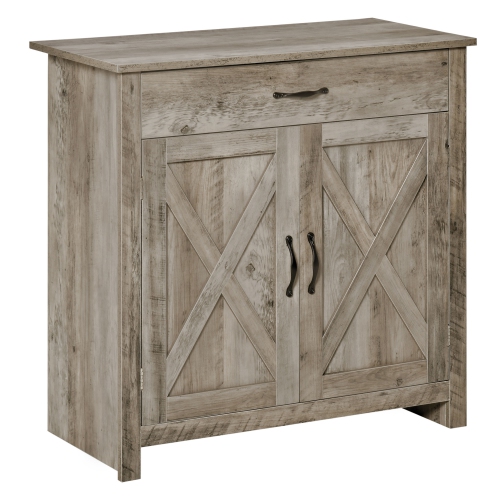
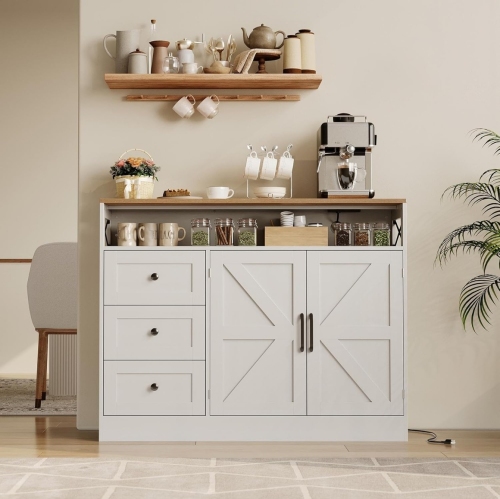
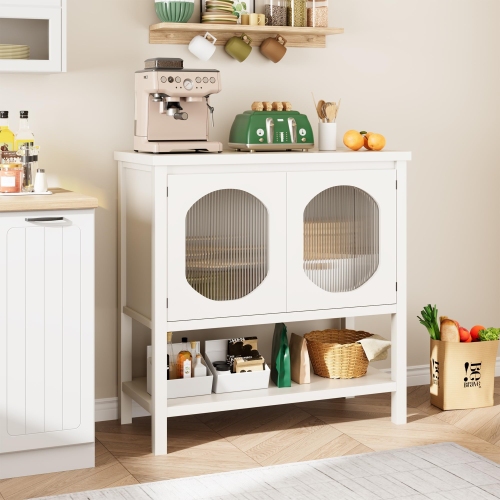
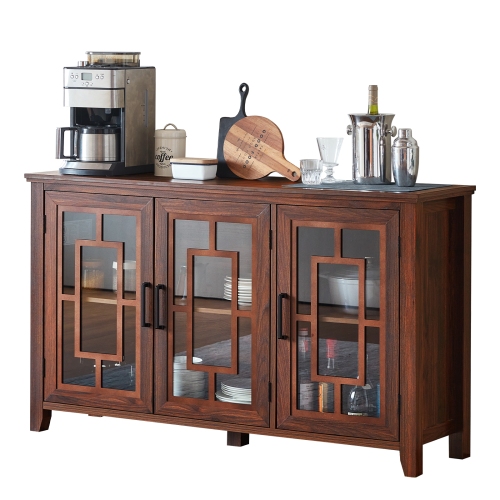
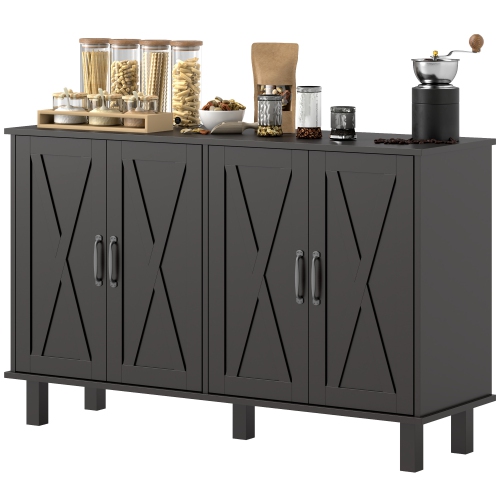
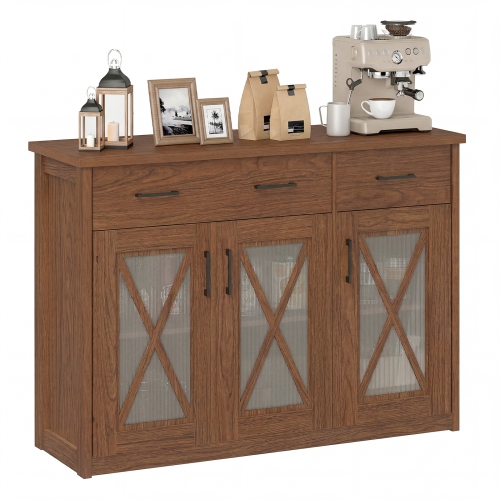
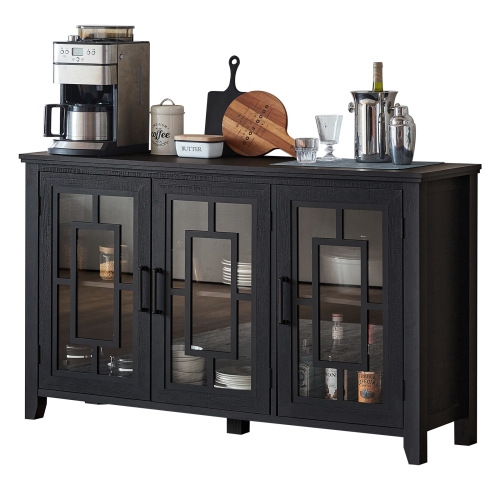
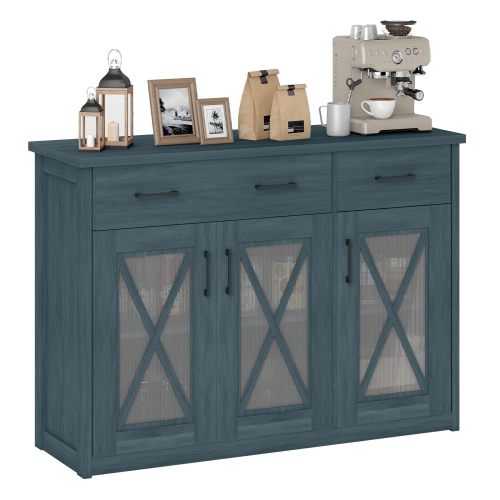
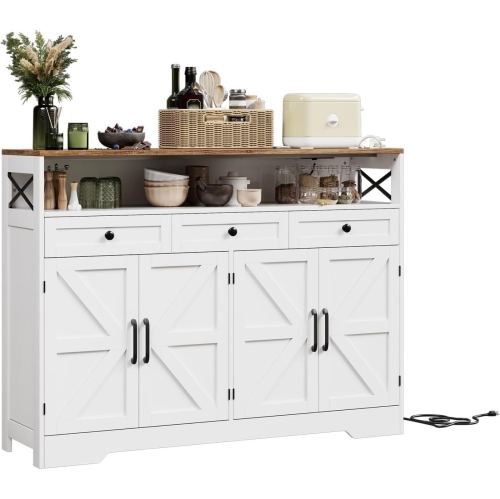
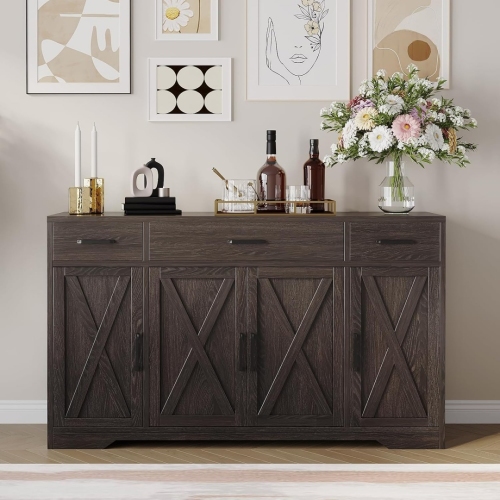
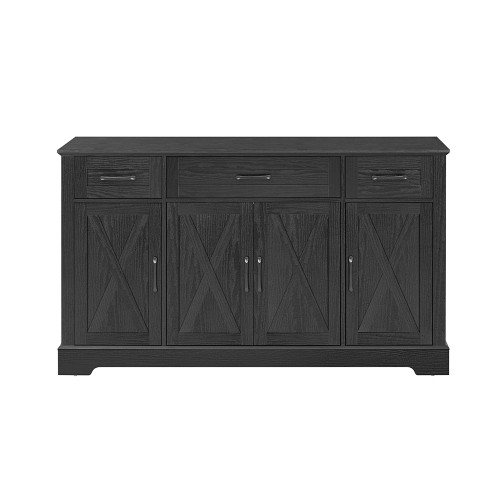
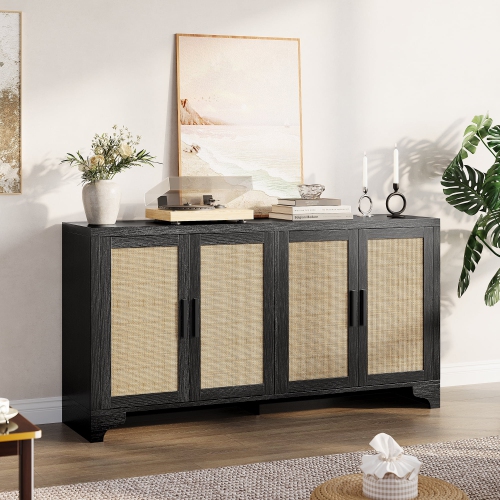
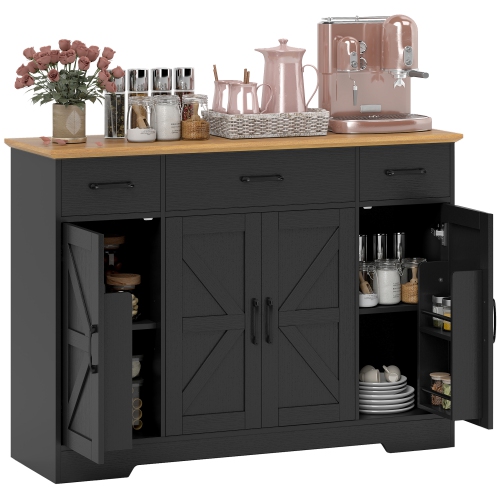
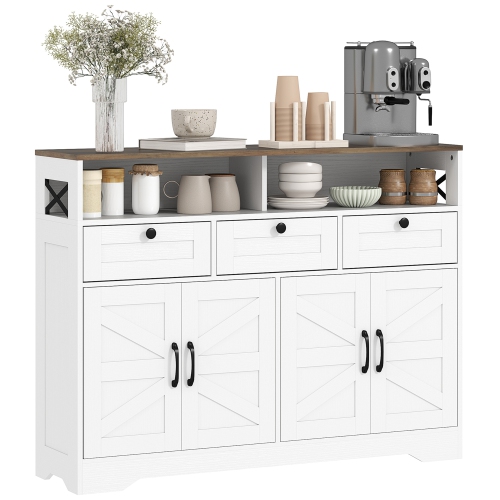
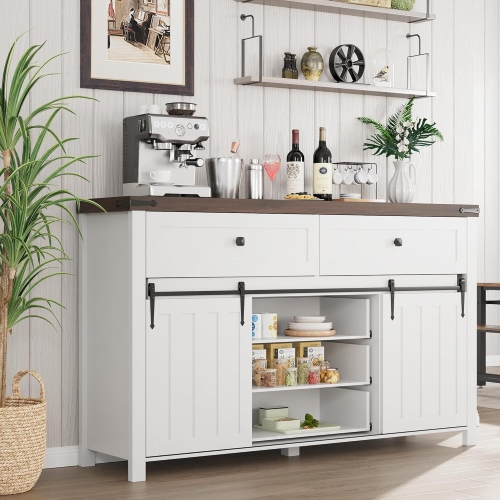
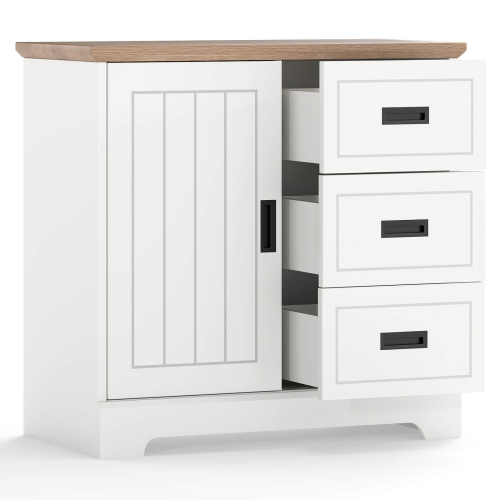
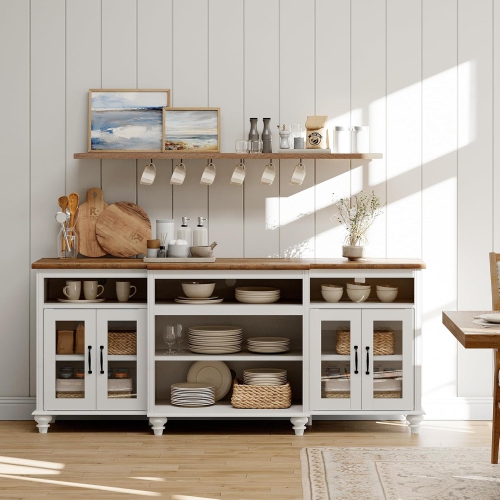
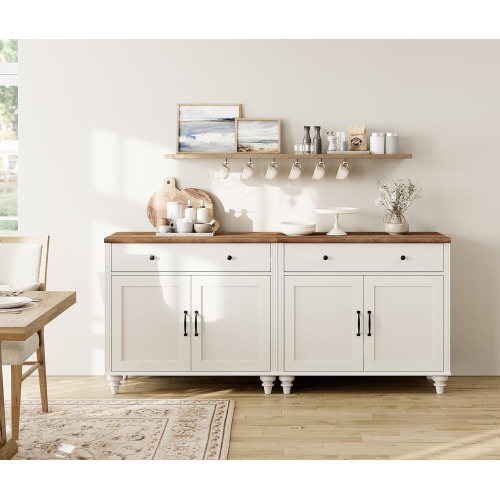
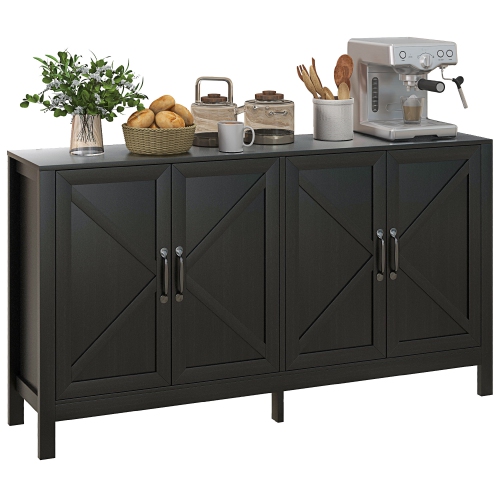
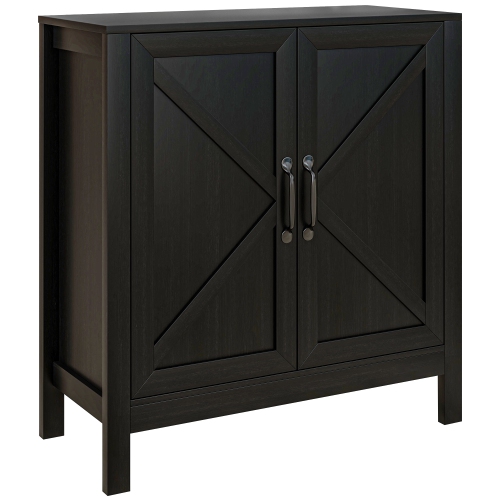
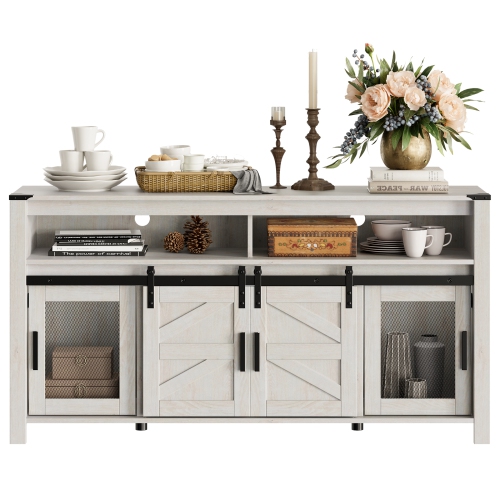
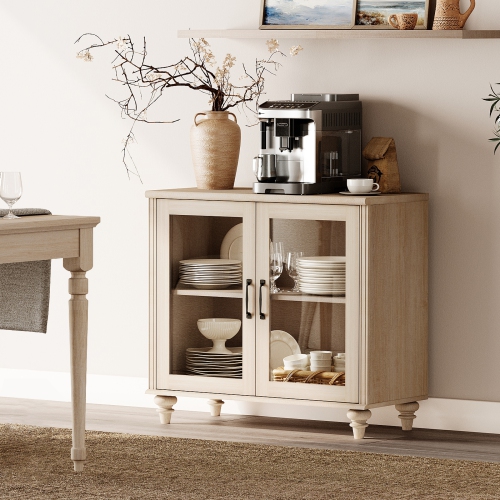
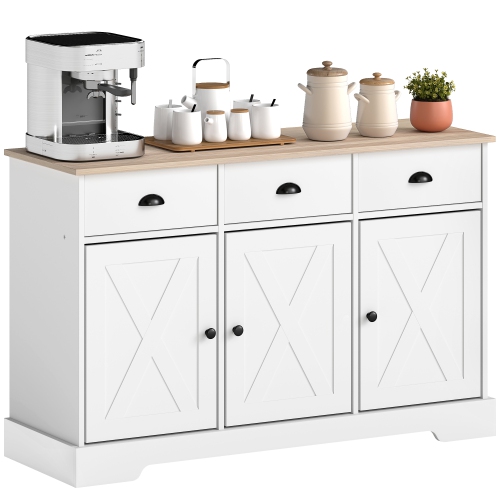
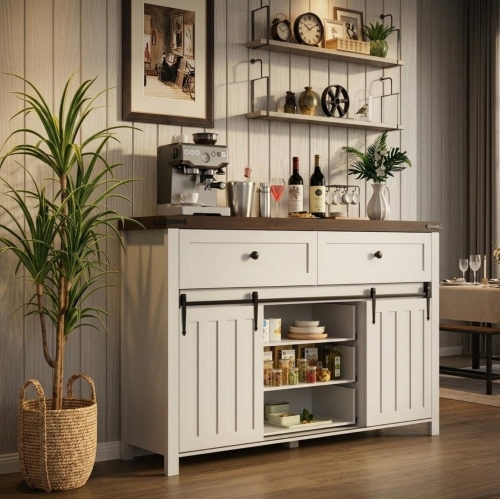
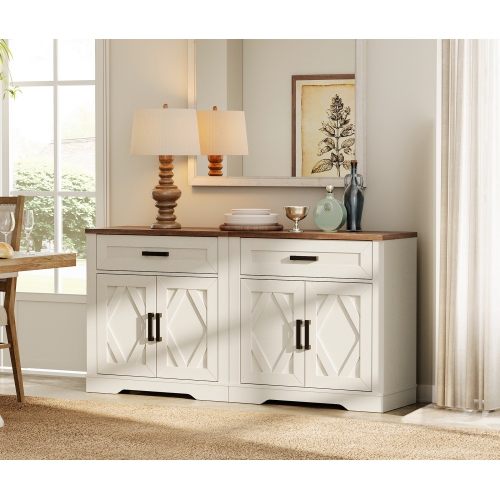
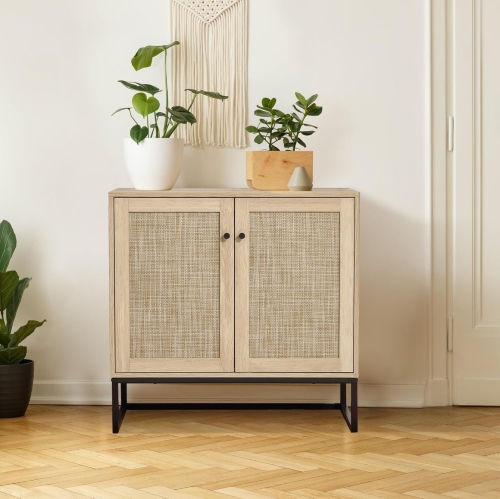
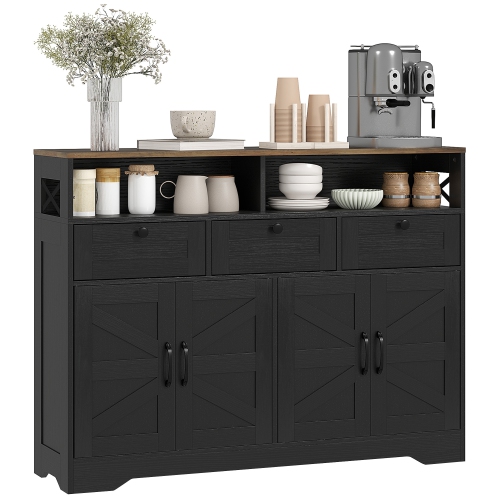
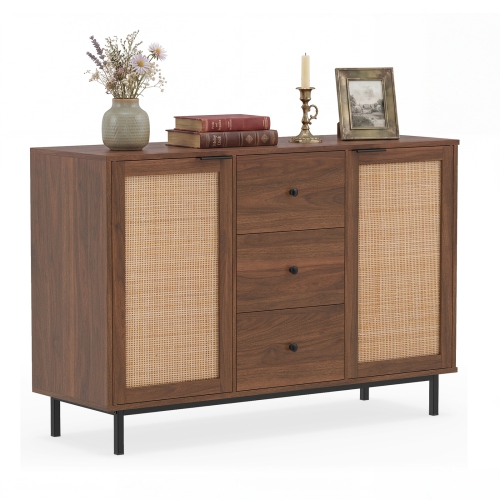
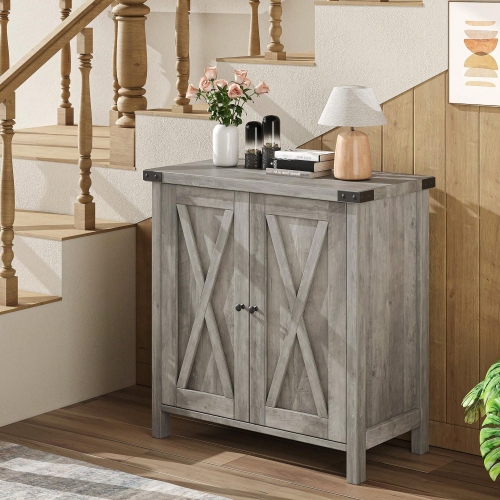
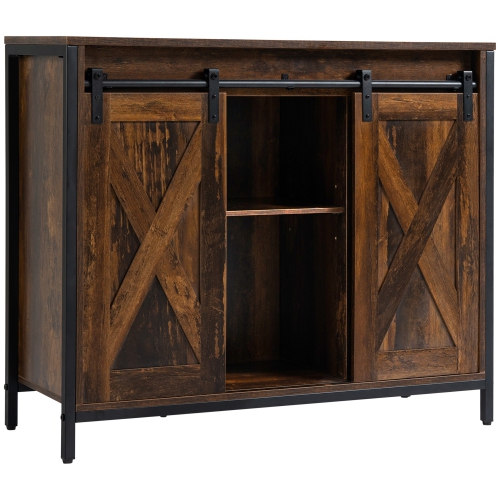
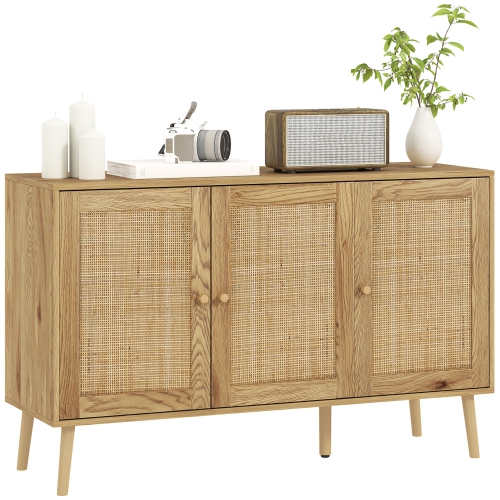
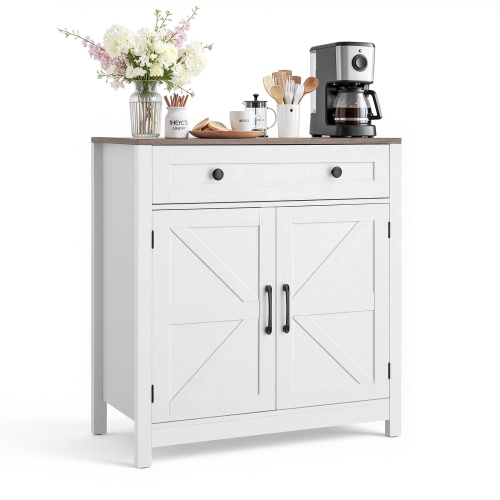
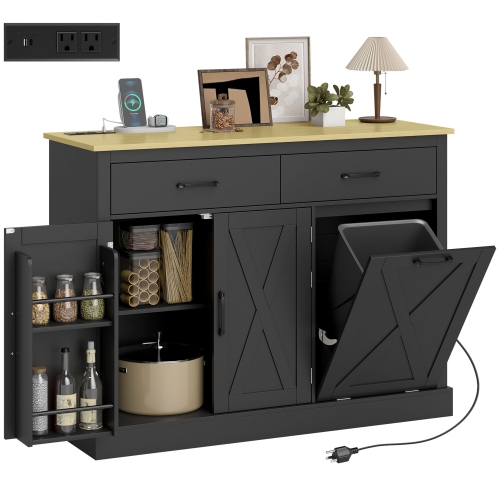
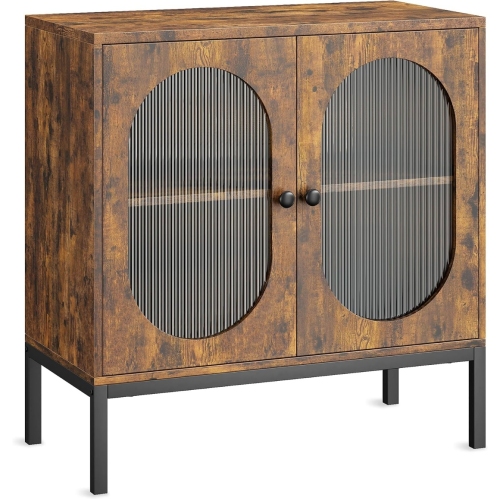
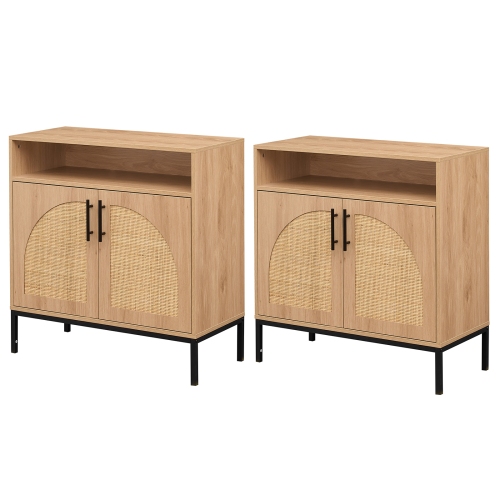
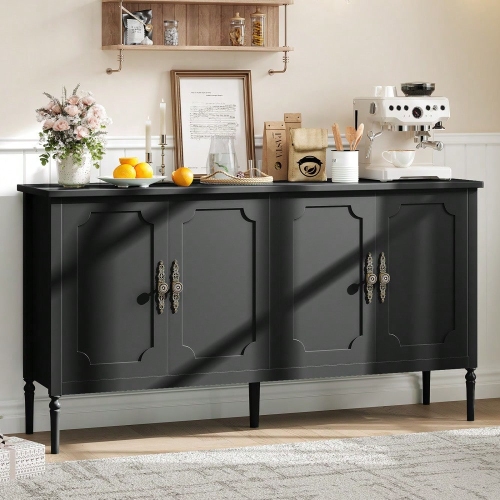
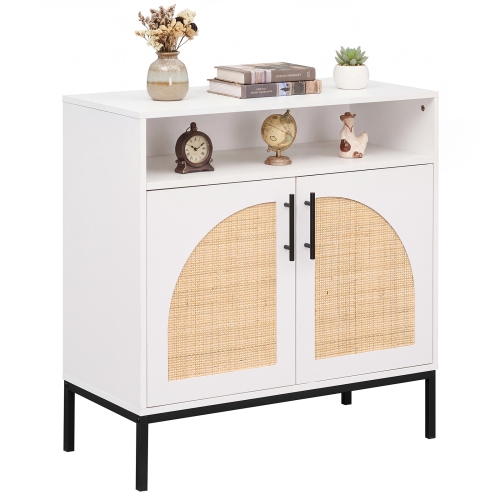
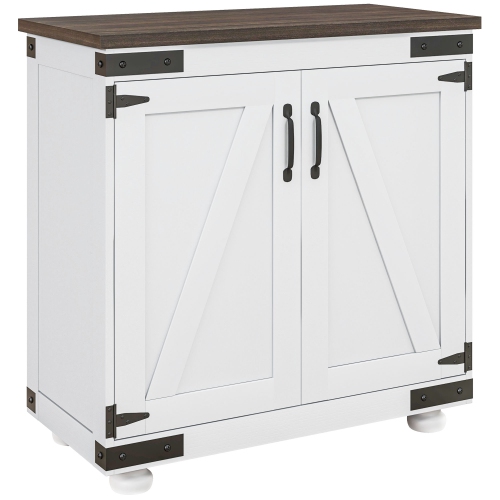
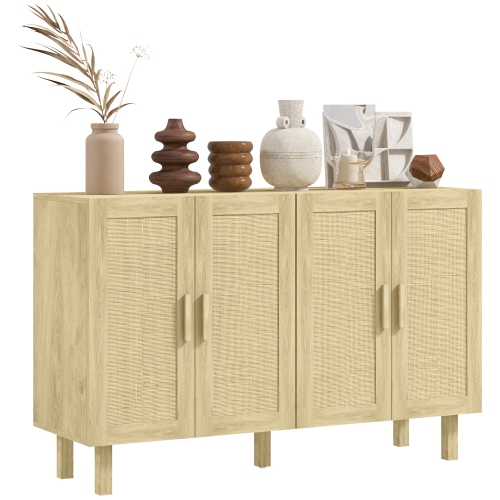
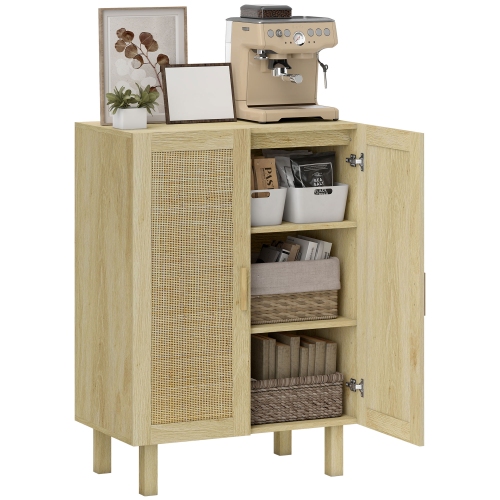
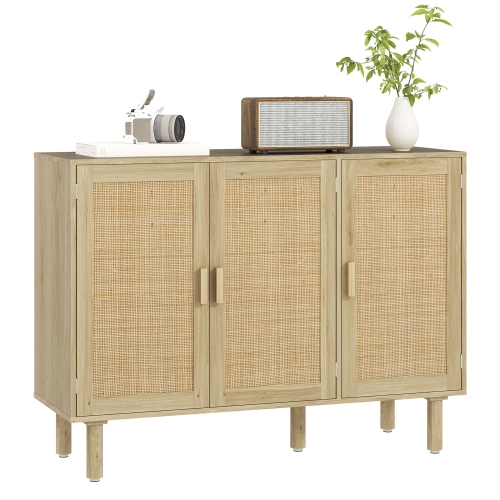
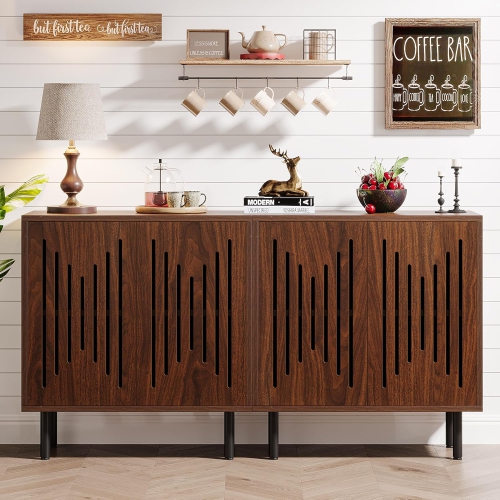
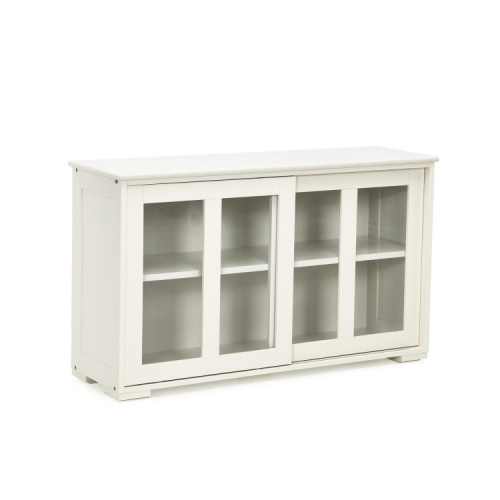
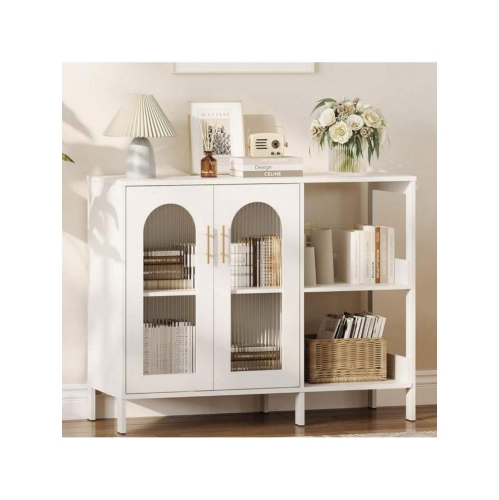
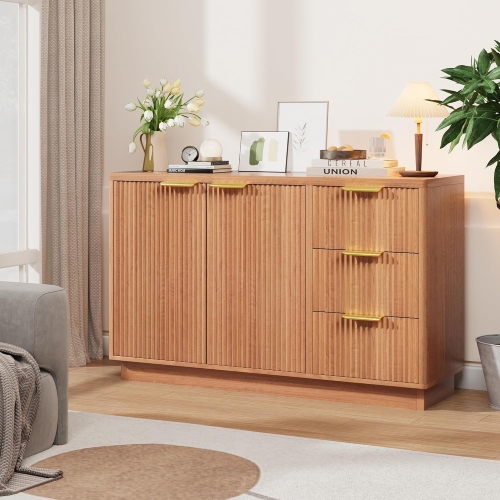
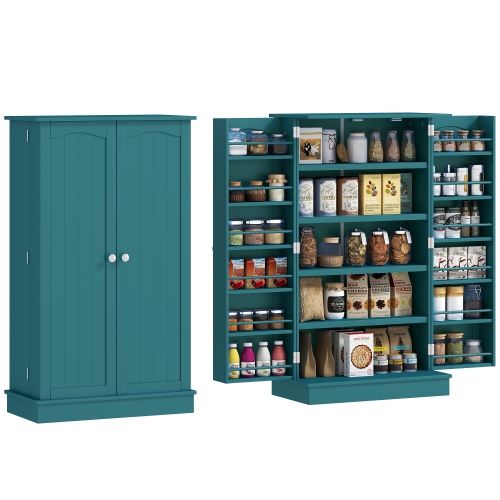
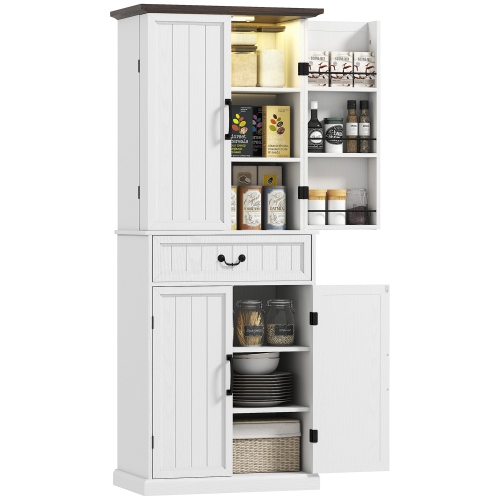
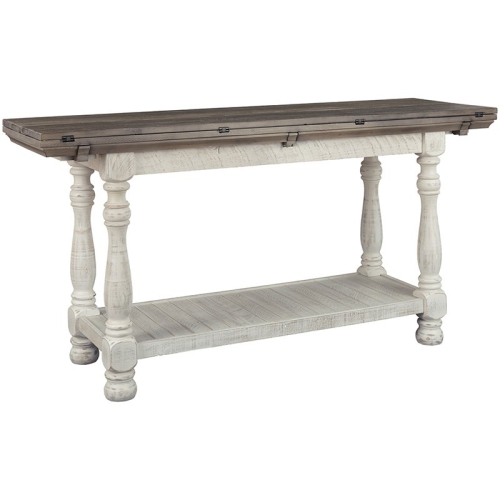
Farmhouse sideboards are low storage cabinets that combine a generous top surface with cupboards, drawers, or open shelving, bringing a relaxed, rustic character to dining rooms and shared living spaces. Their defining details often include visible wood grain, panelled doors, simple metal pulls, turned feet, or barn-style sliding doors. Some lean towards a traditional country look with distressed finishes and substantial proportions; others pair clean lines with lightly textured surfaces for a more understated, modern farmhouse style. White, cream, grey, and natural wood tones can sit comfortably alongside upholstered dining chairs, woven baskets, and everyday ceramic dishes without requiring every finish in the room to match. Often described as buffet cabinets or dining room storage cabinets, farmhouse sideboards are especially useful for keeping serving pieces close to the table while leaving the tabletop clear. Material choice influences both appearance and everyday care. Solid wood offers natural variation in grain and can develop small marks that become part of its character, although softer woods such as pine may dent more readily than harder species. Wood veneer provides a real wood surface over a supporting core, while MDF and particleboard are commonly used beneath painted, laminated, or wood-look finishes. These materials should be assessed by their construction and surface treatment rather than appearance alone: secure joints, well-supported shelves, neatly finished edges, and firmly attached hardware all contribute to dependable use. Reclaimed wood may show knots, nail marks, or uneven colouring, giving the cabinet a more individual appearance without necessarily indicating a defect. A smooth painted finish creates a cleaner visual effect, while a textured finish makes grain and distressing more prominent. For a coordinated room, farmhouse sideboards can share a wood tone, handle finish, or door detail with other farmhouse furniture, rather than repeating every feature. That approach leaves room for a dining table with a different finish or a favourite upholstered chair while keeping the overall arrangement connected.
The most useful farmhouse sideboard is one that suits both the room’s dimensions and the belongings it needs to hold. Width determines how much wall space the cabinet occupies, but depth often has a greater effect on how comfortably people move around it. In a dining room, allow enough space for chairs to pull out and for someone to pass behind a seated guest without bumping into handles or corners. Hinged doors need clearance to open, and drawers should extend without meeting a chair back or nearby doorway. Sliding barn-style doors can be practical where outward-opening doors would be awkward, though they usually expose only part of the cabinet at a time. Their tracks and overlapping panels can also limit access to particular compartments, making the interior layout worth checking closely. Measure baseboards, wall vents, and nearby outlets as well as the open wall, since these can affect how close a sideboard sits to the surface behind it. Height matters when the top will be used for serving or setting down dishes, and a taller cabinet may feel more prominent beneath a window or beside a dining table. Inside, adjustable shelves help accommodate tall pitchers, stacked bowls, and serving platters, while drawers give cutlery, napkins, and small accessories a defined place. Deep cupboards may hold bulky cookware well, but frequently used pieces are easier to reach when they are not hidden behind several layers of storage. Open shelves offer quick access to baskets or favourite dishes; closed doors keep less decorative essentials out of sight. Glass-panelled doors provide a middle ground, showing the contents while helping keep dust off stored pieces. Shelf and drawer load limits are particularly important for heavy dinnerware, small appliances, or tightly packed books. The route into the room deserves attention too: packaged dimensions, narrow stairs, tight corners, and assembly requirements can all affect how straightforward it is to bring a cabinet home and position it safely.
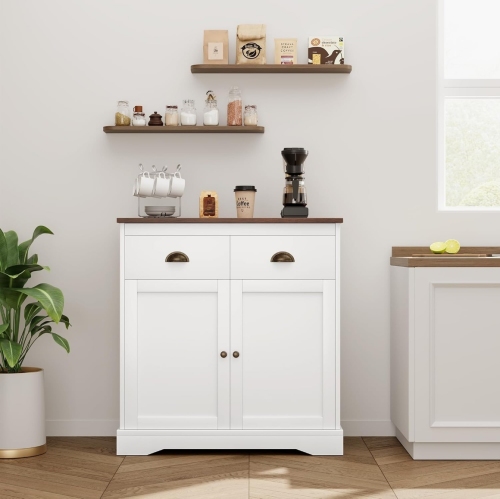
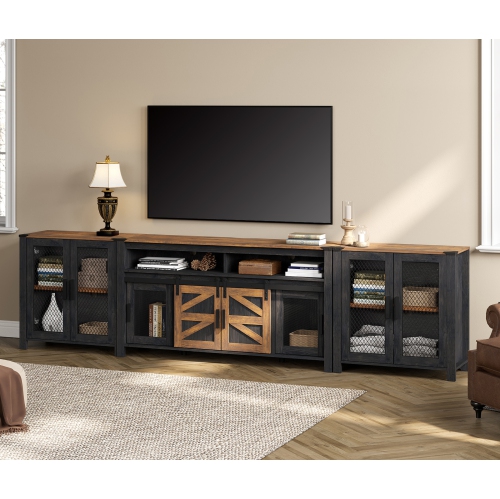
Beyond the dining room, farmhouse sideboards can provide purposeful storage in spaces that otherwise collect loose belongings. In a living room, a cabinet can hold board games, spare throws, and entertaining essentials, with a lamp and a small group of framed photographs on top. In an entryway, a shallower design may offer a landing place for keys and bags, provided it leaves a clear path through the door. A coffee station is another practical use, with mugs on an accessible shelf and supplies organized in drawers, but appliances need appropriate clearance, a suitable nearby outlet, and a surface protected from spills. Steam and moisture can damage some finishes, so follow both the appliance instructions and the cabinet’s care guidance before setting up a kettle or coffee maker. A farmhouse sideboard should serve as a TV stand only when its dimensions, top weight capacity, stability, and manufacturer’s intended use support that purpose; enclosed electronics also need suitable ventilation and cable access. For households sharing storage, arranging frequently used belongings within easy reach can make the cabinet more useful than simply filling every compartment. Heavy pieces generally belong on lower shelves, while occasional serving dishes can occupy less accessible spaces. Day-to-day care is usually straightforward: dust with a soft cloth, wipe up spills promptly, and use cleaning products approved for the finish. Avoid soaking seams or leaving damp cloths against the surface, particularly on cabinets made with wood-based panels. Coasters, placemats, and protective pads help prevent rings and scratches, while hot serving dishes need a suitable trivet rather than direct contact with the top. Check handles and assembly fittings periodically, and use any supplied wall-restraint hardware according to the manufacturer’s instructions, especially in homes with children or pets. These practical details help a farmhouse sideboard remain a reliable part of daily routines, whether it stores dishes for a busy household, organizes a compact apartment, or gives a dedicated dining room a welcoming finishing touch.
Top selling and popular products
-
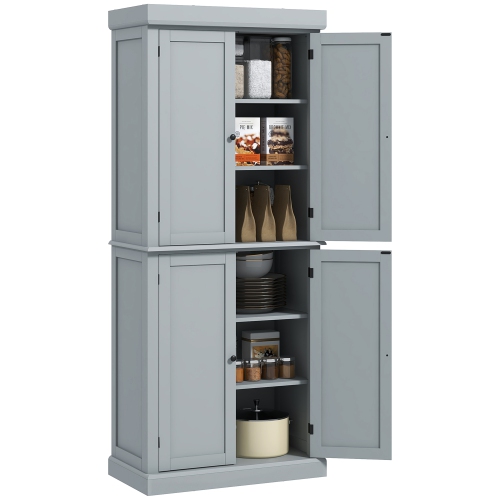 Your price for this item is $285
-
 Your price for this item is $155.99
-
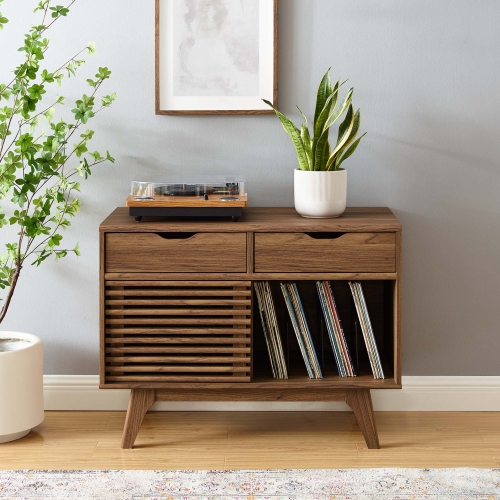 Your price for this item is $452.93
-
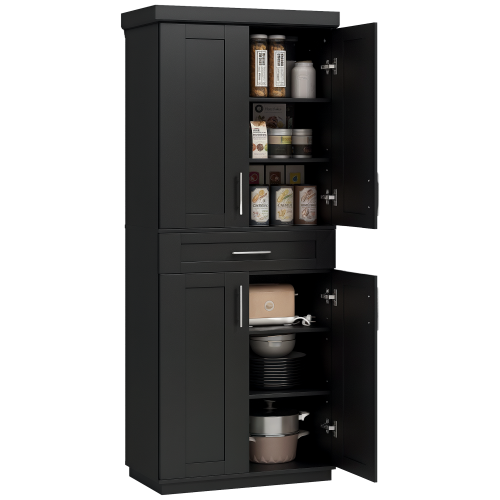 Your price for this item is $269.99
-
 Your price for this item is $12.97
-
 Your price for this item is $155.99
-
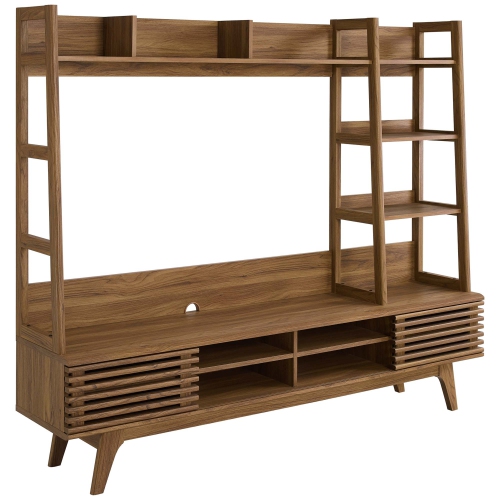 Your price for this item is $885.06
-
 Your price for this item is $132.99
Discover more categories related to Farmhouse Sideboards
Top Collections:
Best Black Friday Deals This Year, Best Black Friday Deals On Electronics, Kindle Devices, Dyson Airwrap, Best Cameras for Sports Photography, Best Budget Office Chairs, Canon G7X Cameras, PS5 Pro Consoles, Best Black Friday Deals On Apple Products, XBOX One S Consoles
Some products may be subject to Environmental Handling Fees
(EHF) depending on your province.
Learn more about EHFs.