File Carts On Wheels
Whether you're looking to organize your home office or streamline your workplace, file carts on wheels are a must-have solution for keeping your documents and supplies easily accessible. These versatile carts offer the perfect combination of mobility and storage, allowing you to effortlessly move your files from one room to another. With a range of styles and sizes available, finding the right file cart to suit your needs is a breeze. From compact designs that fit snugly under desks to spacious options with multiple tiers, our collection has something for everyone.
Sort
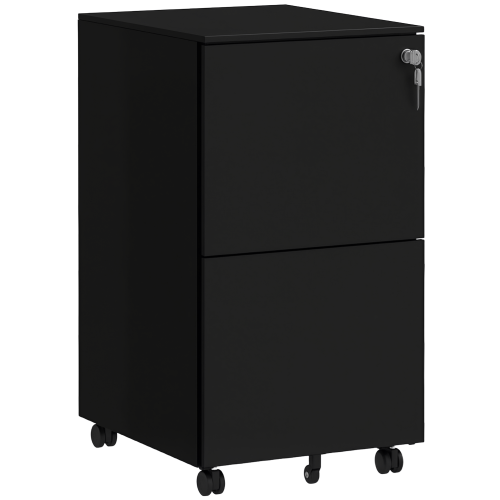
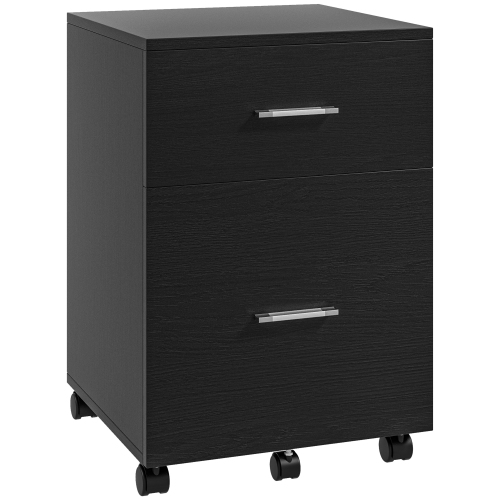

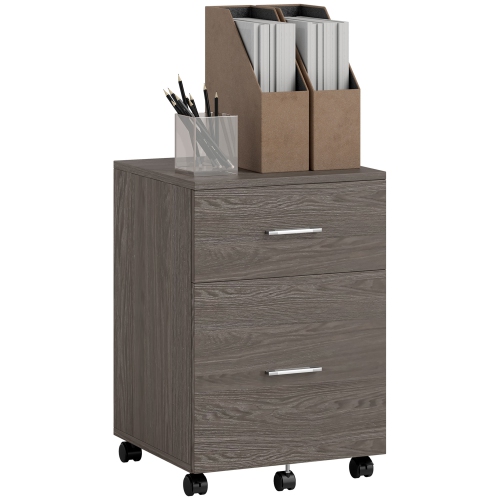
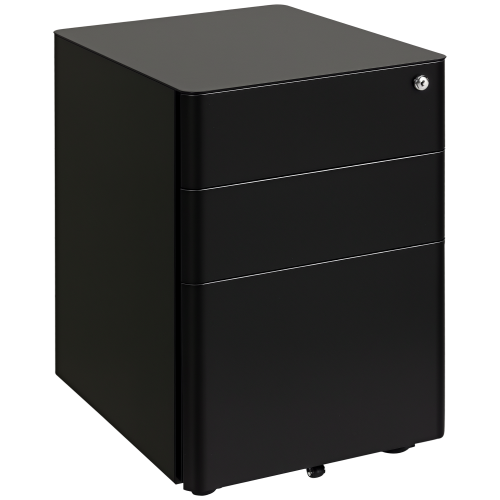
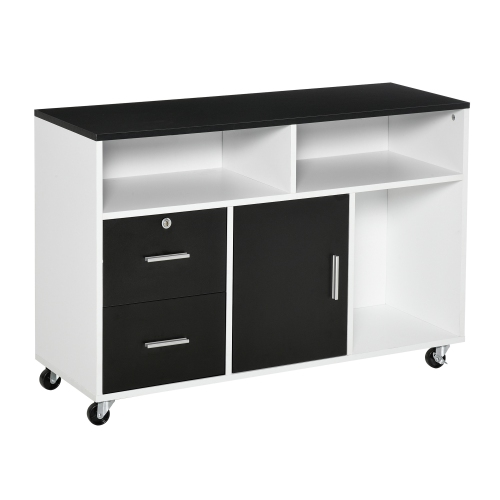
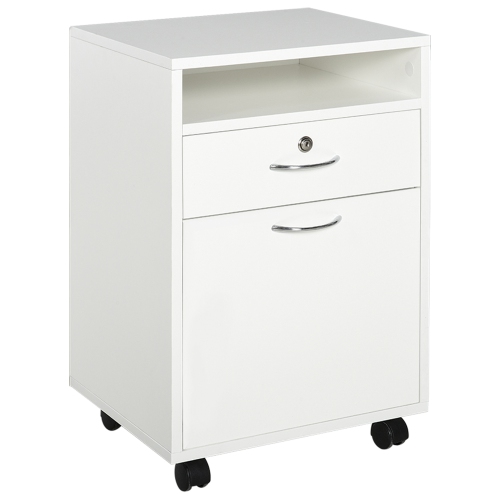
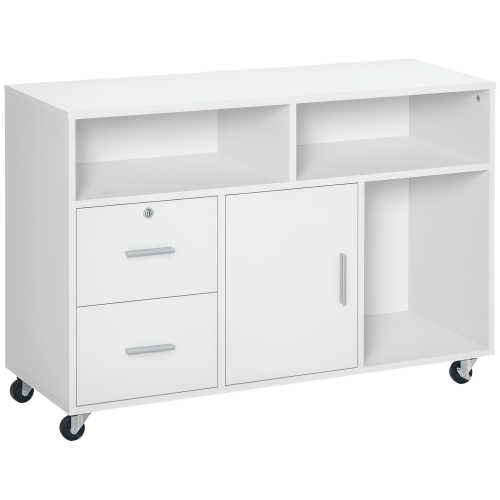
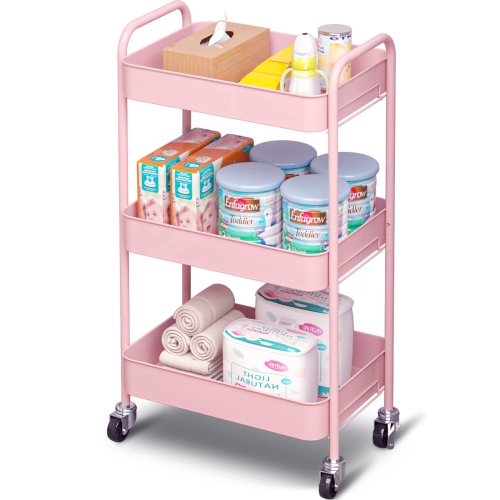
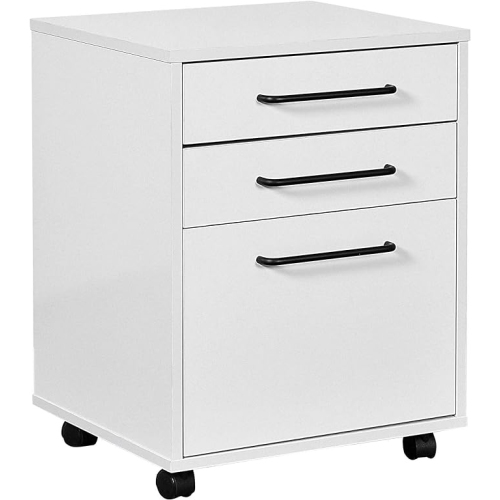
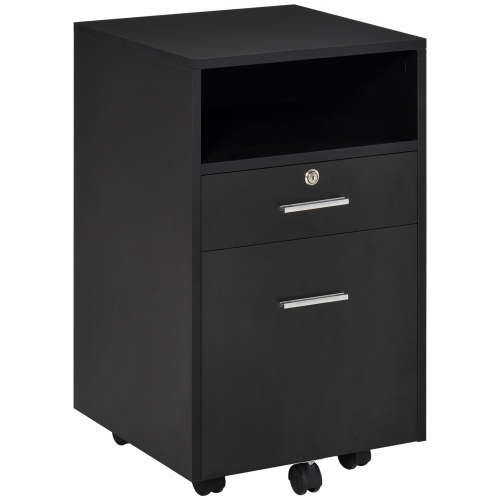
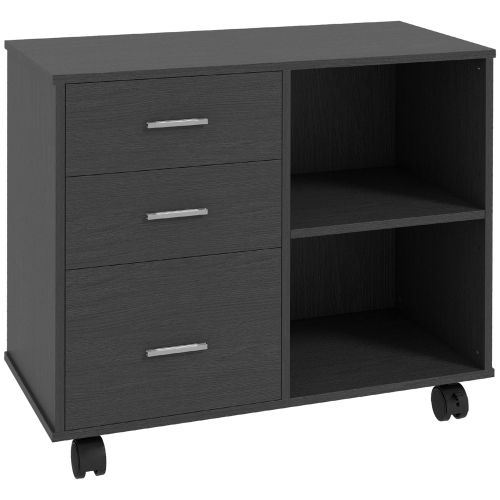
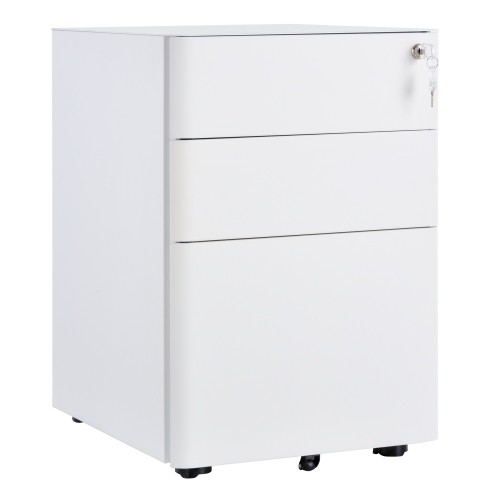
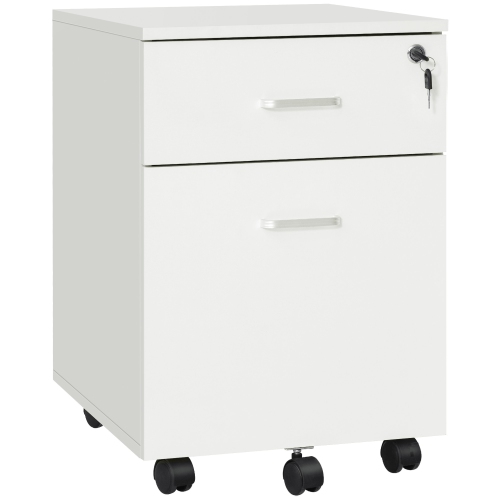
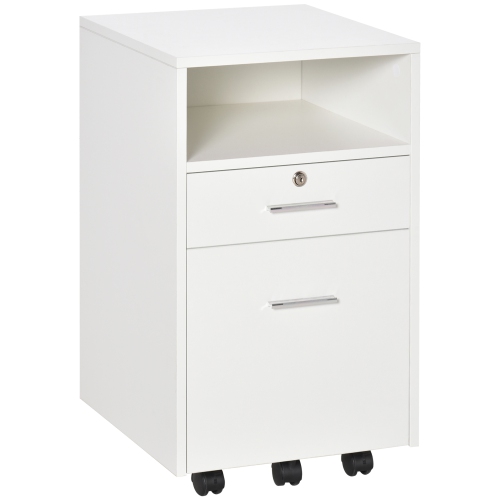
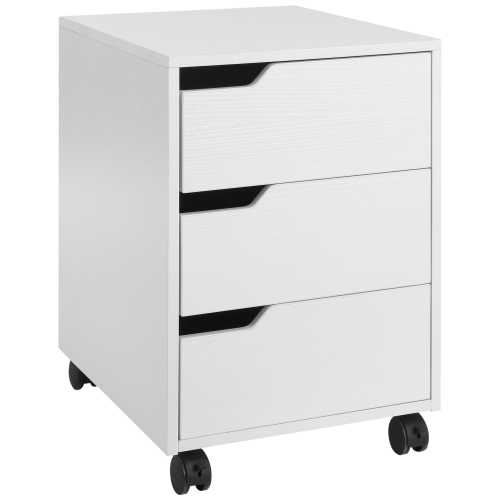
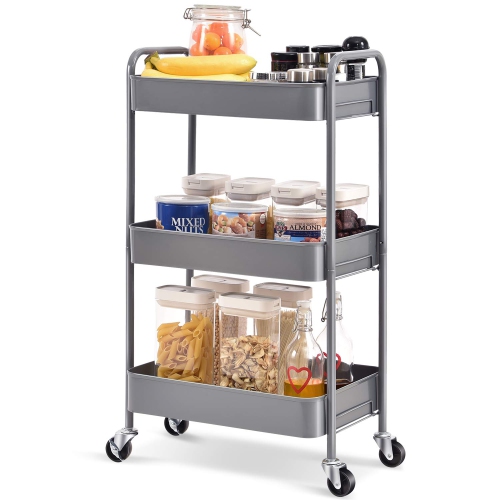
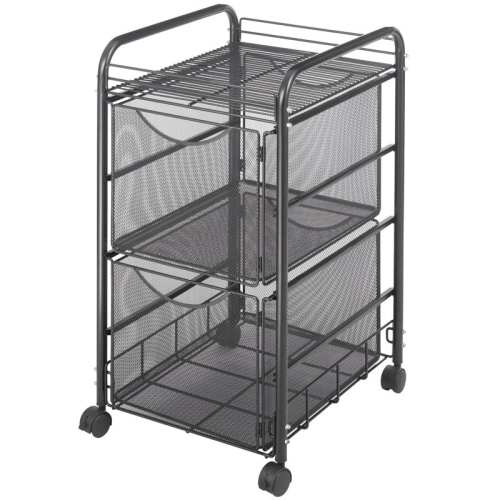
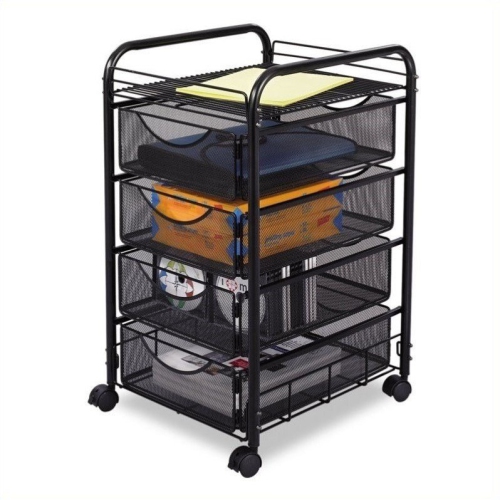
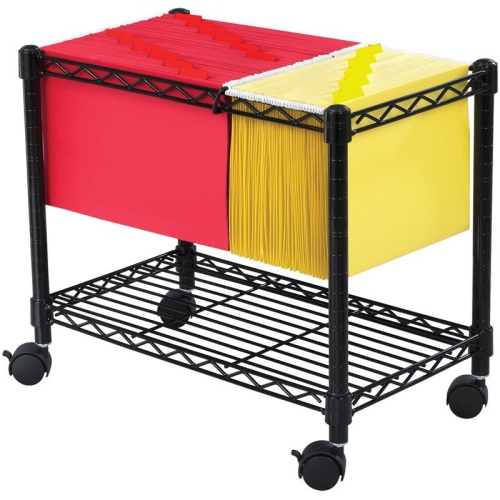

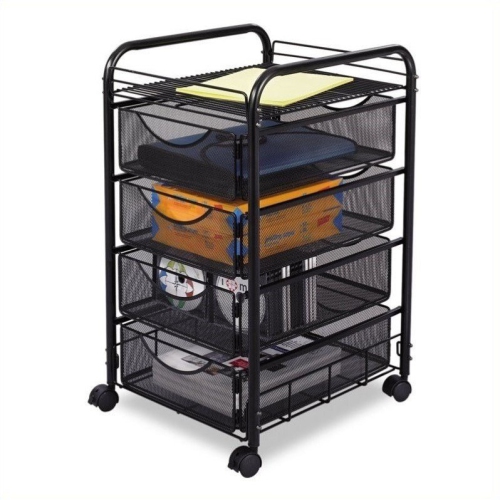
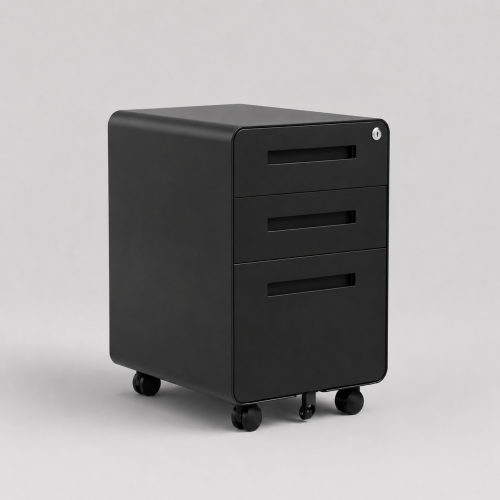
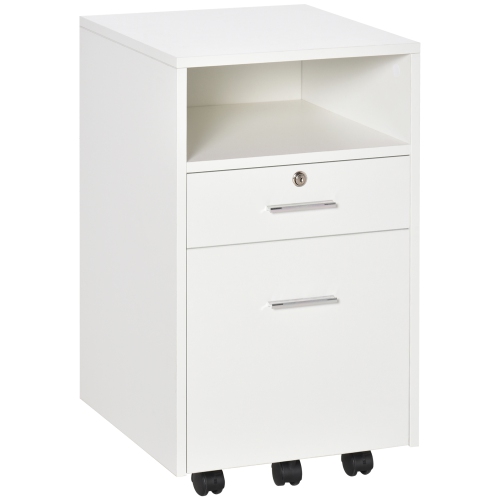
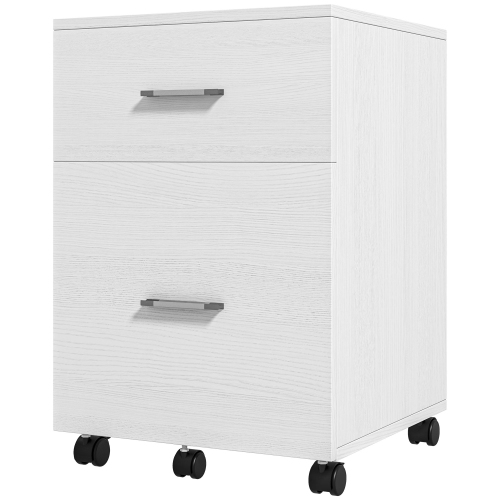
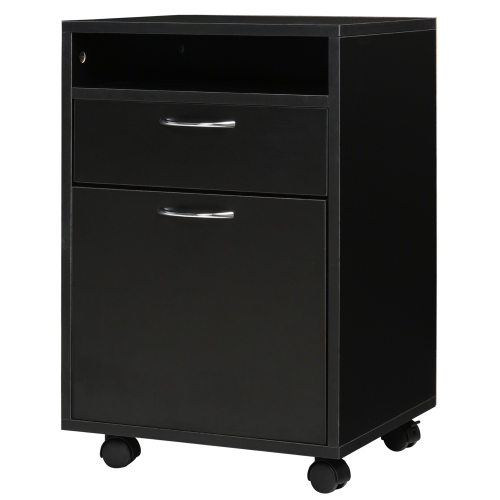
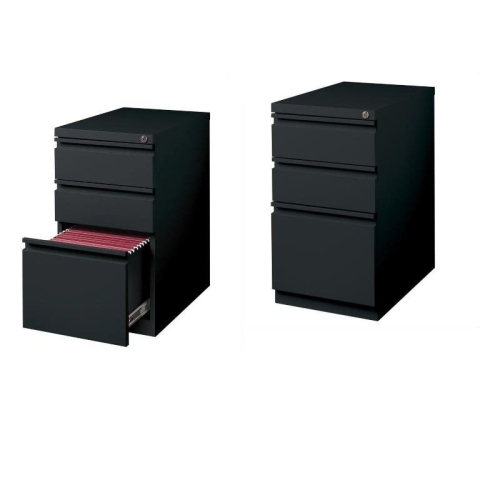
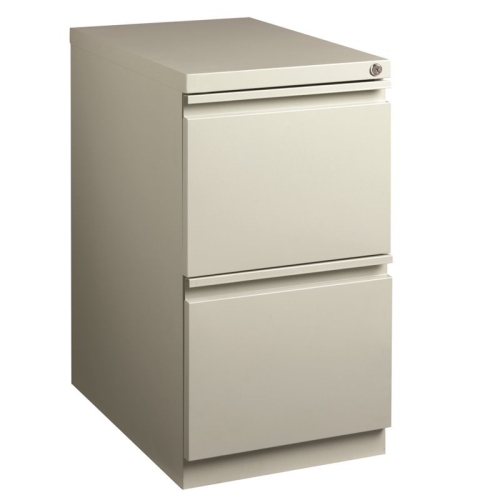
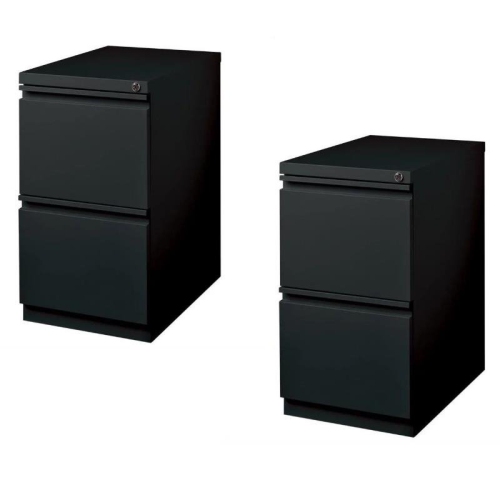
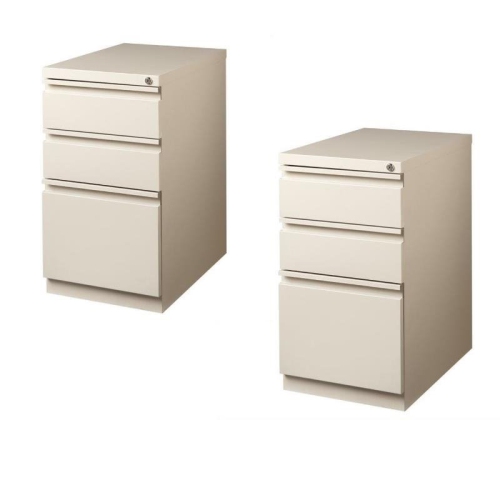
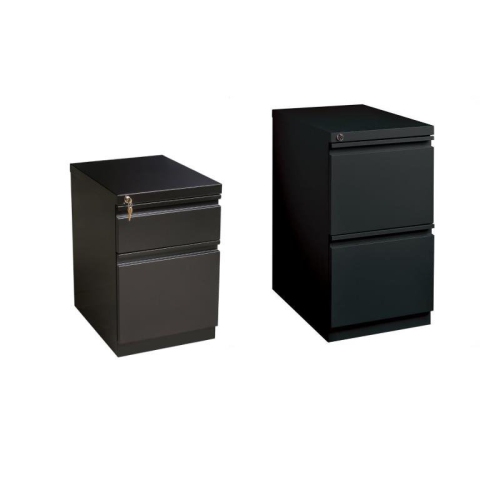
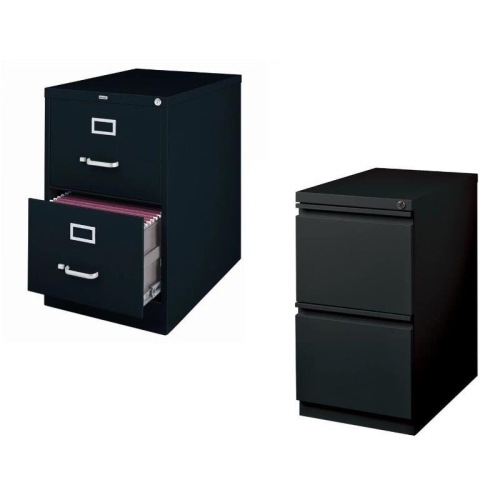
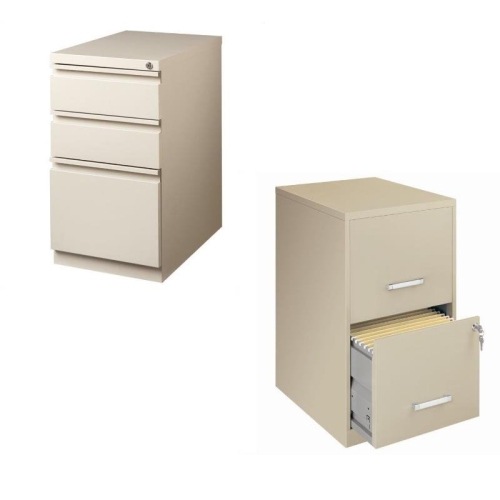
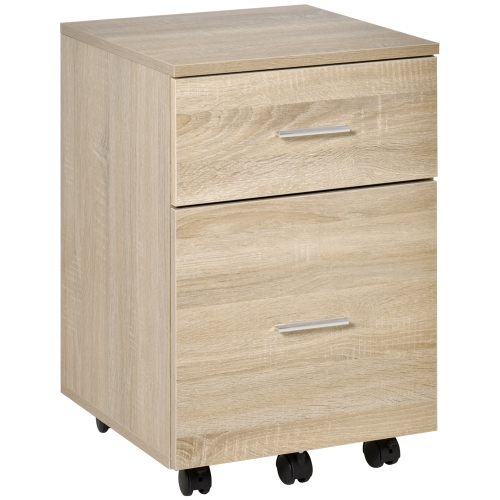
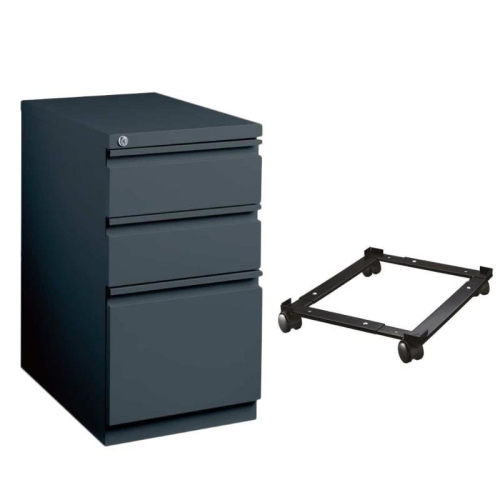
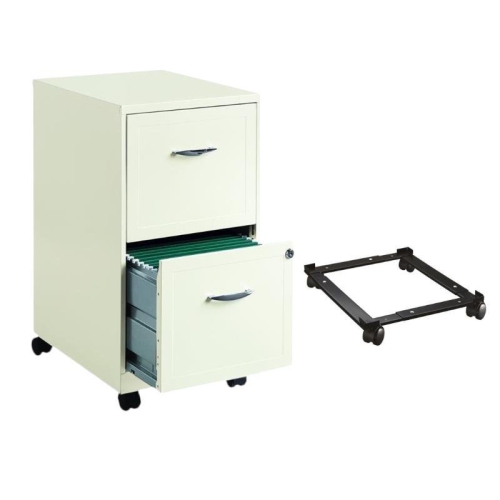

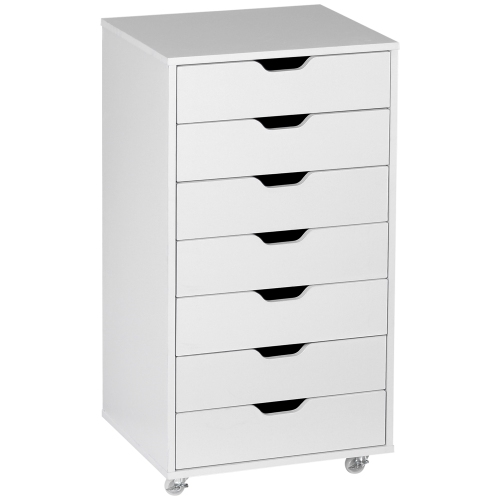
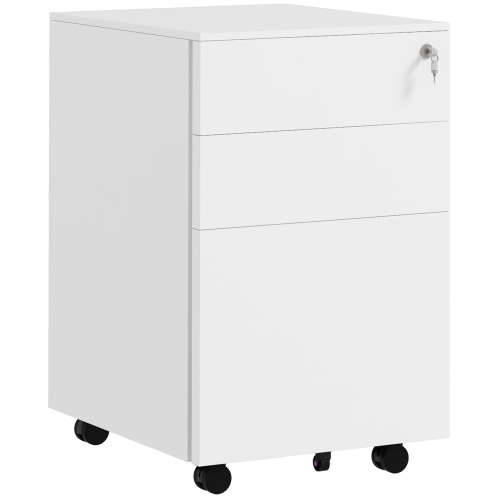
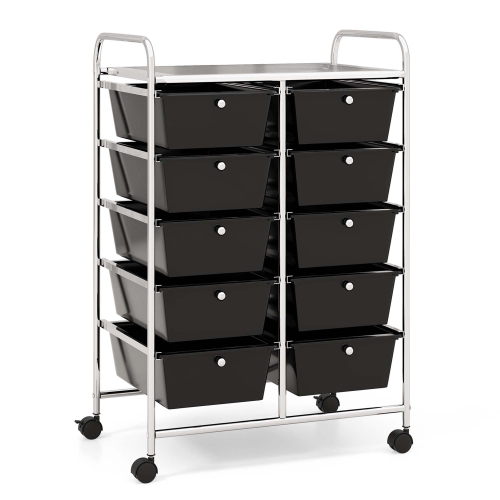

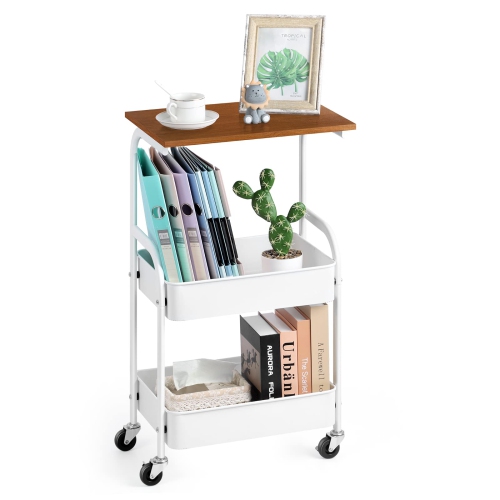
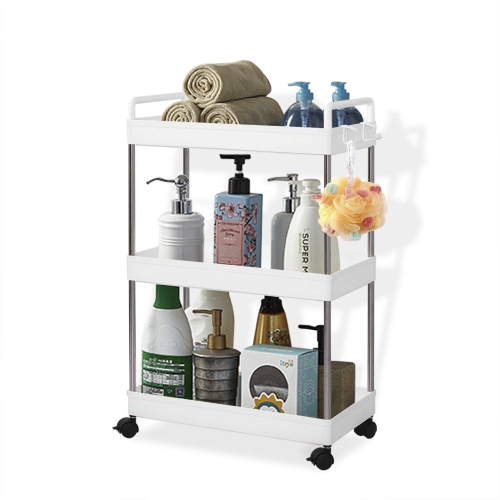
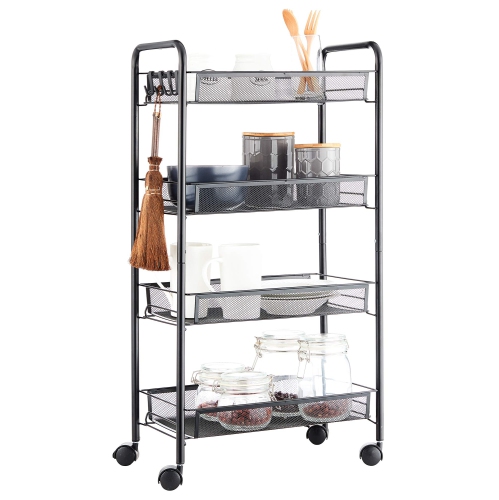

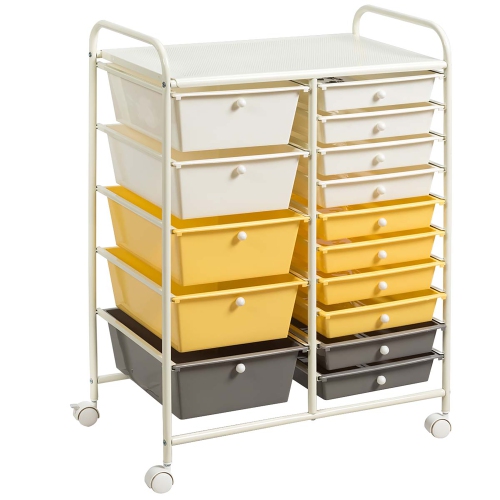
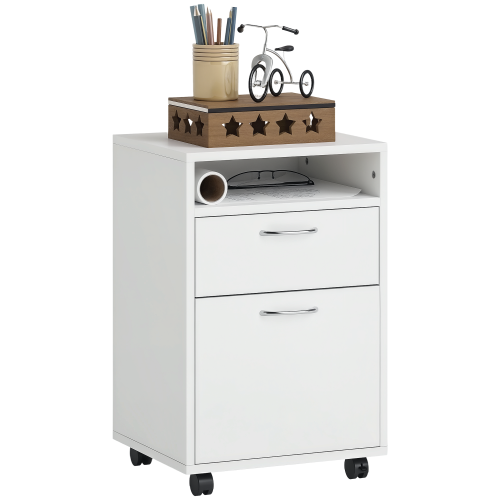
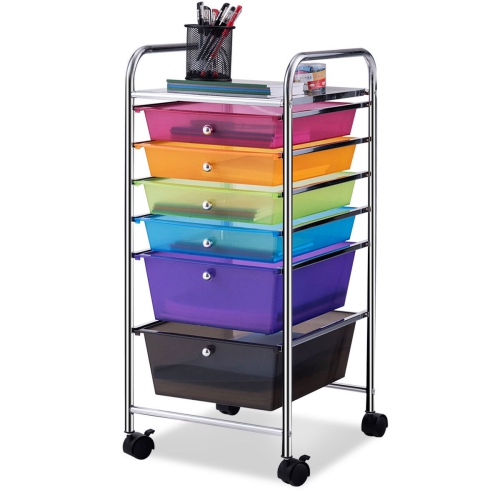
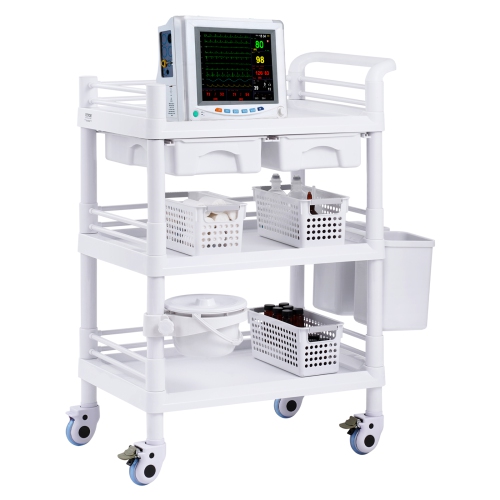
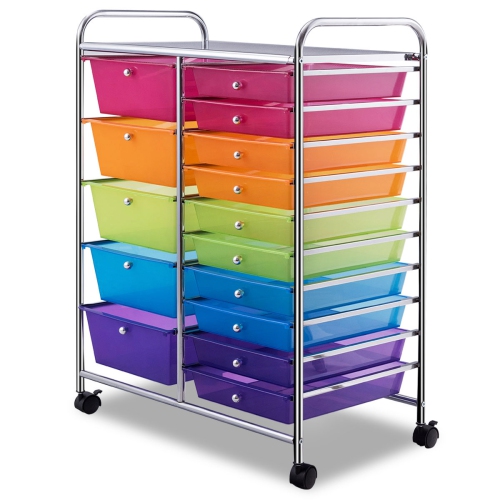
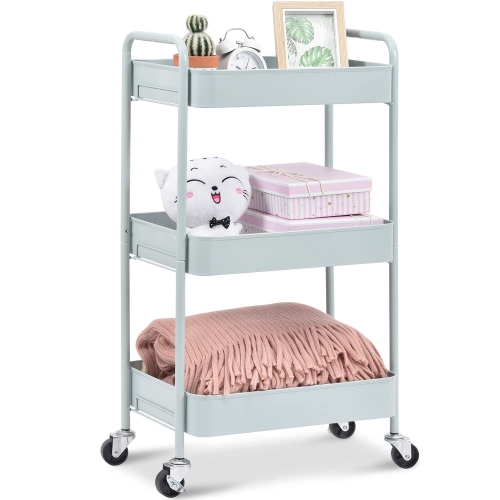
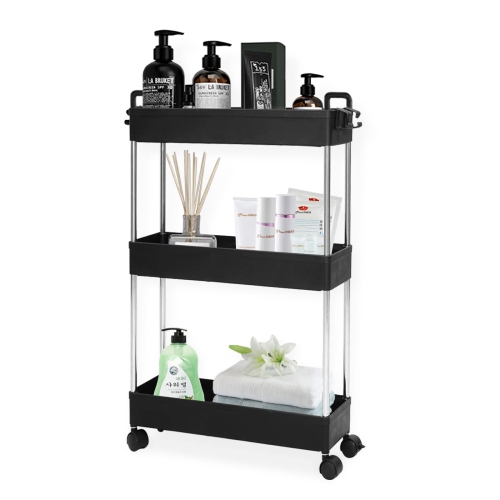

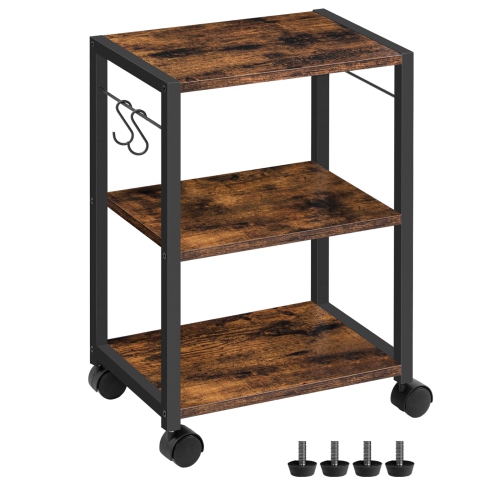
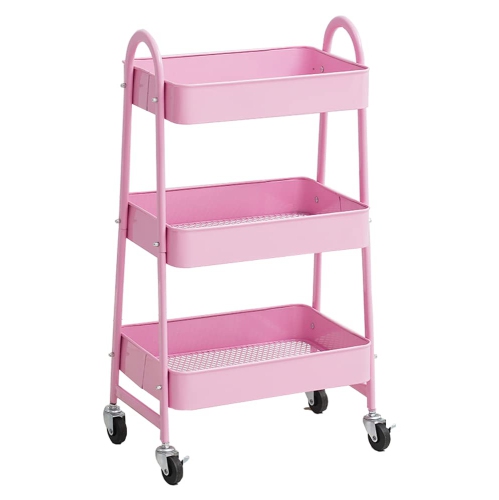
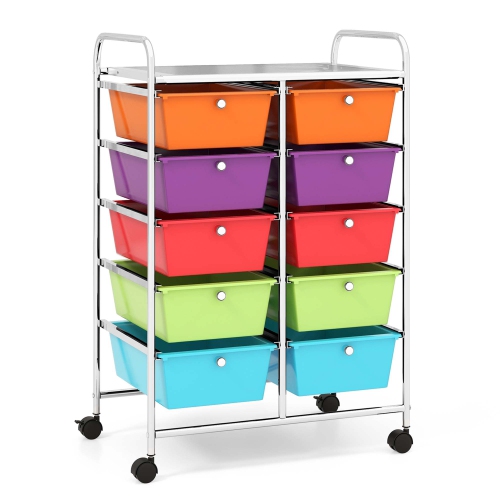
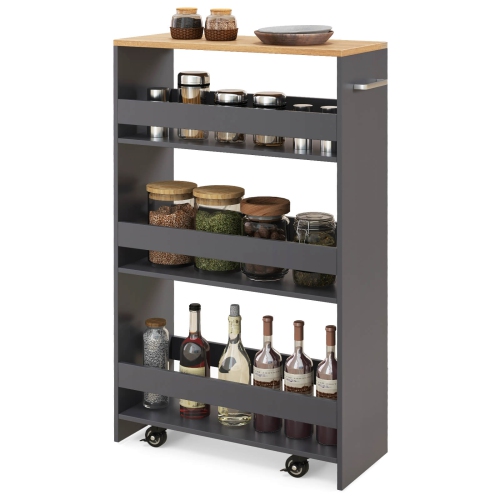
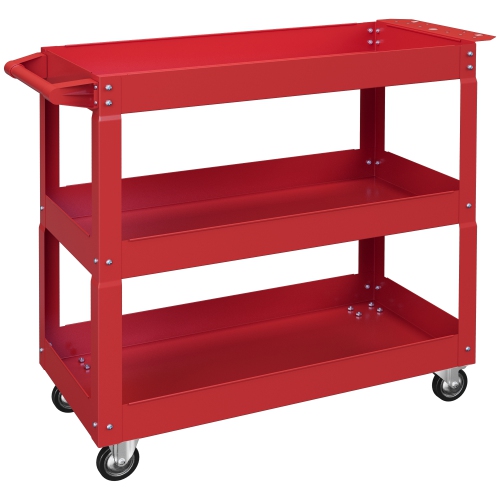
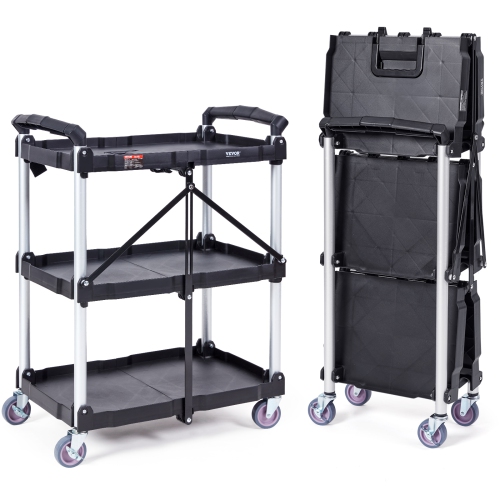

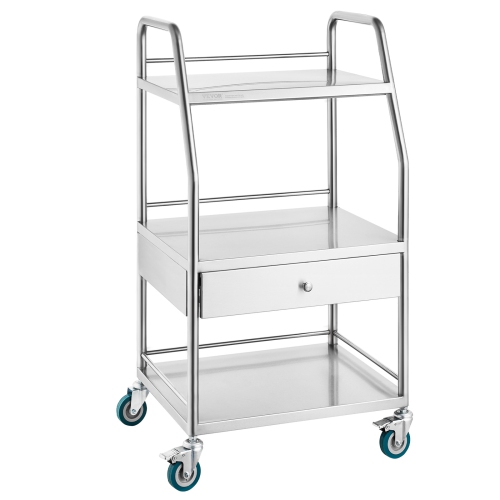
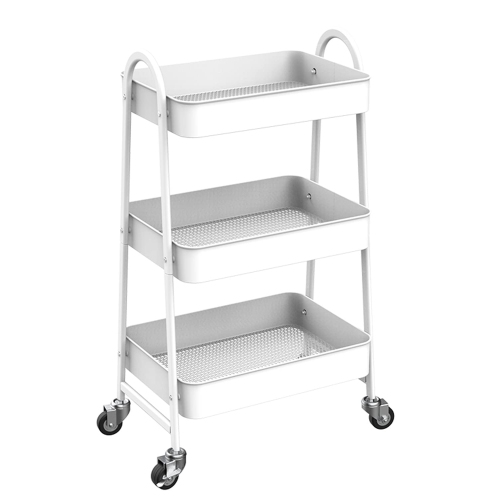
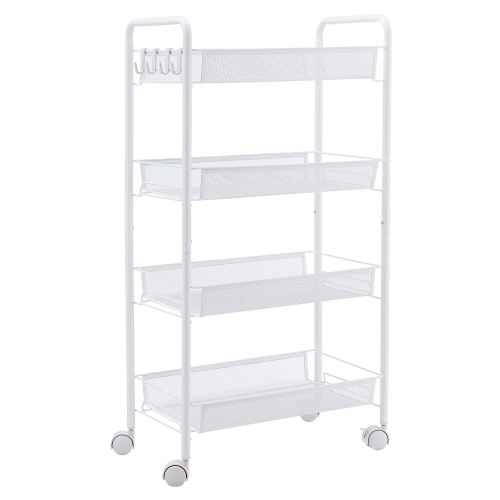
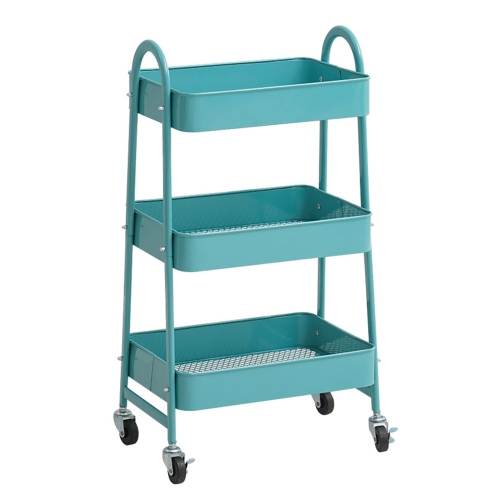
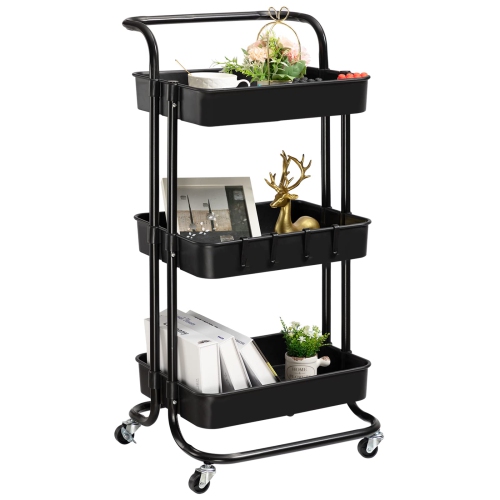
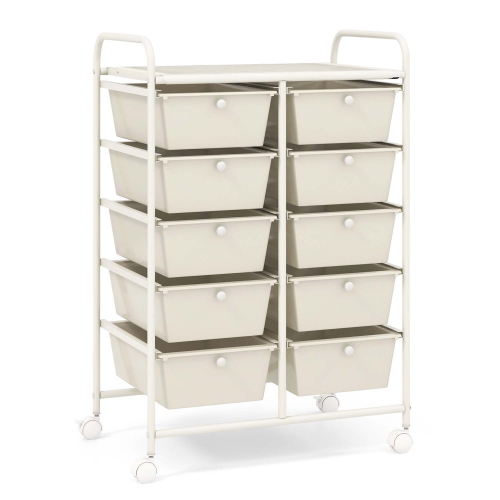
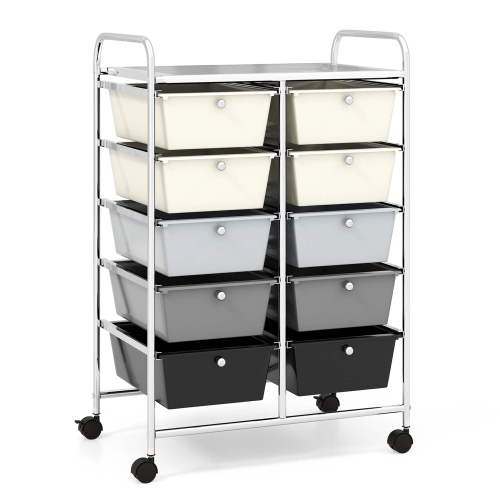
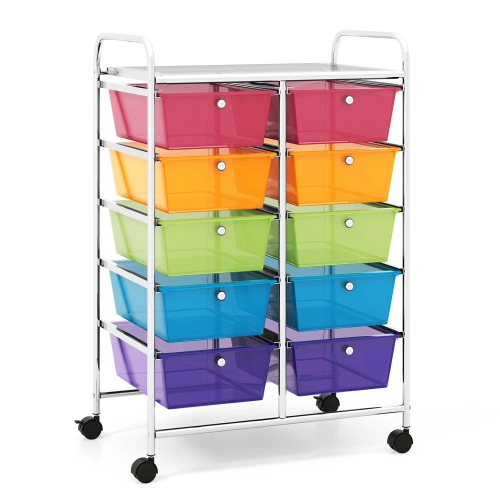
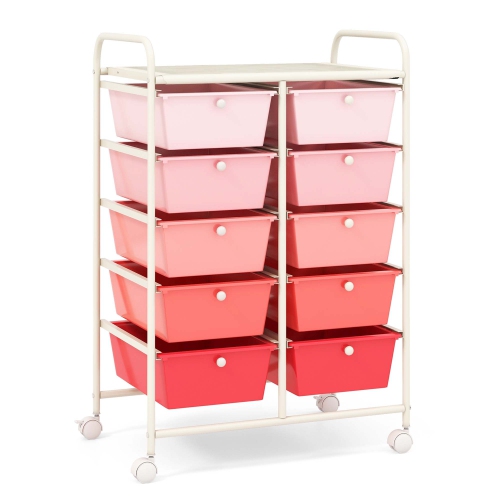
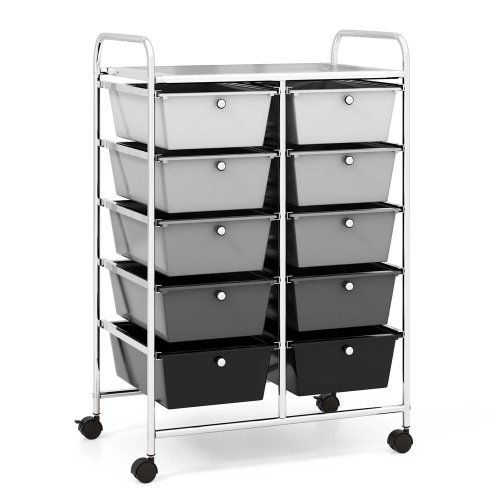
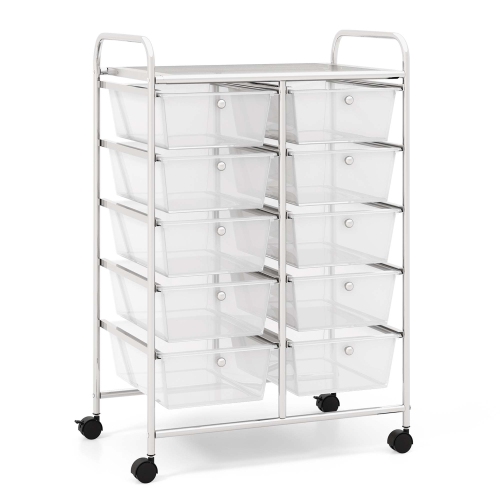
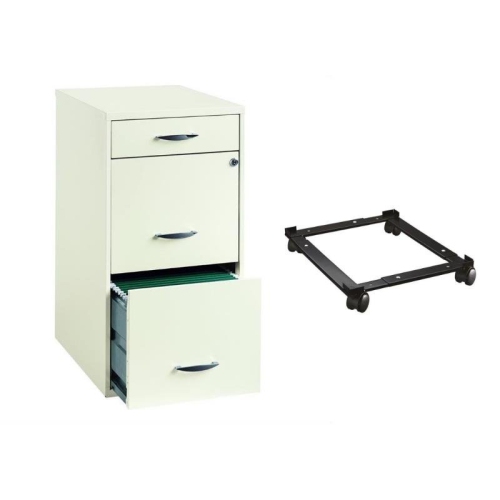
Paperwork within reach without taking over your desk
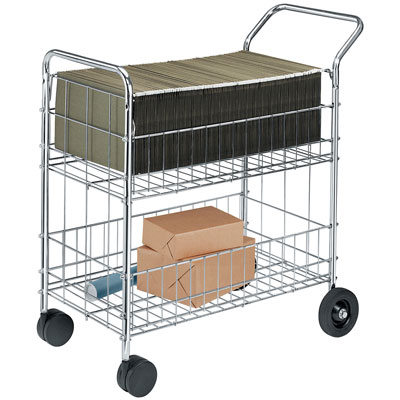
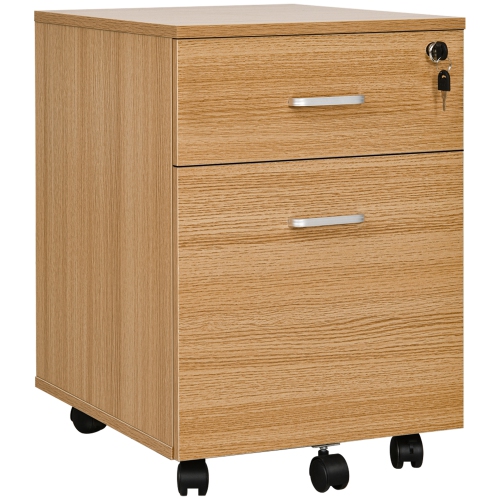
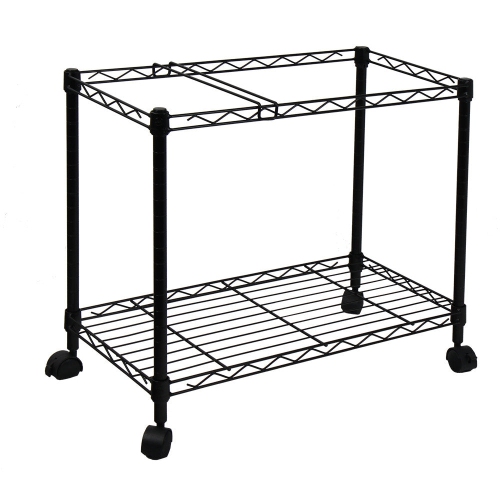
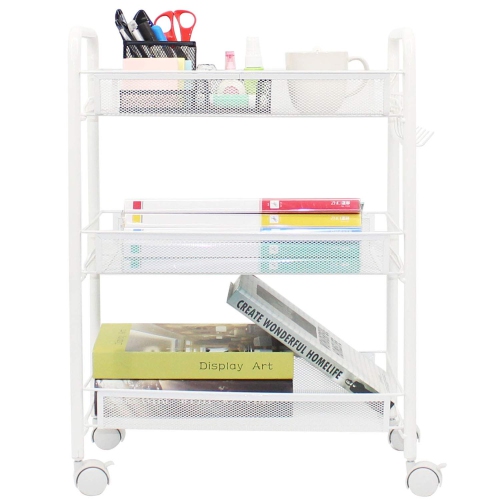
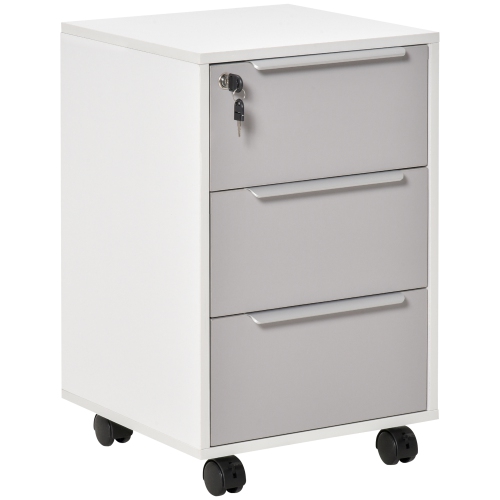
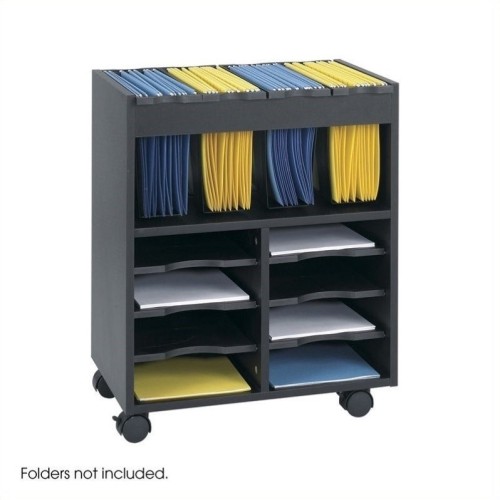
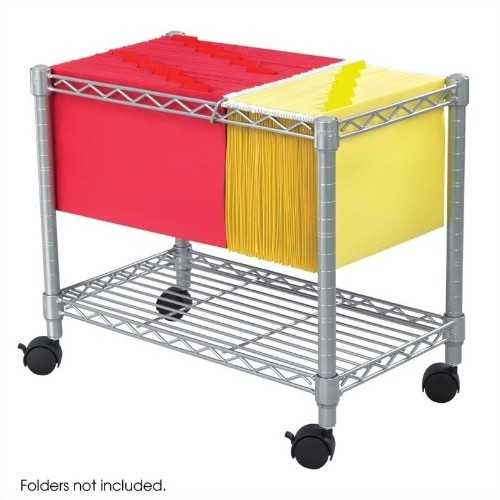
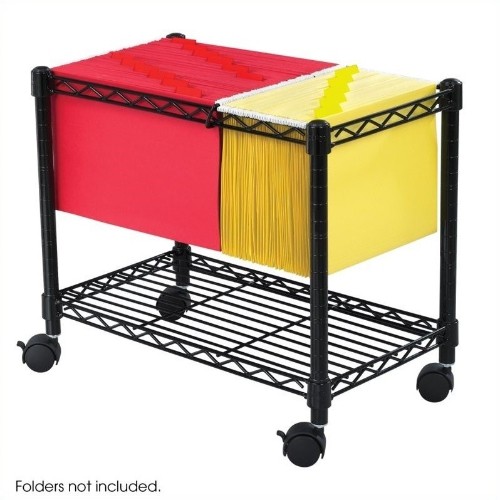
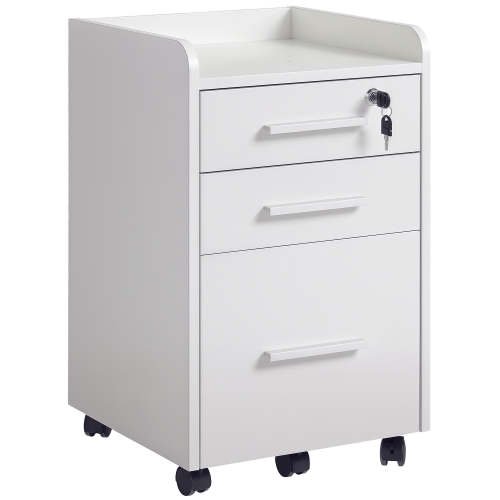
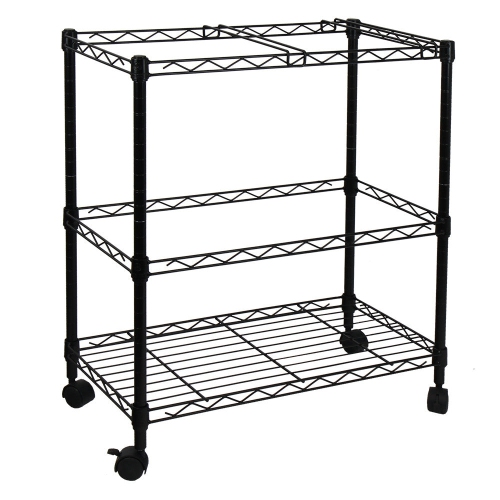
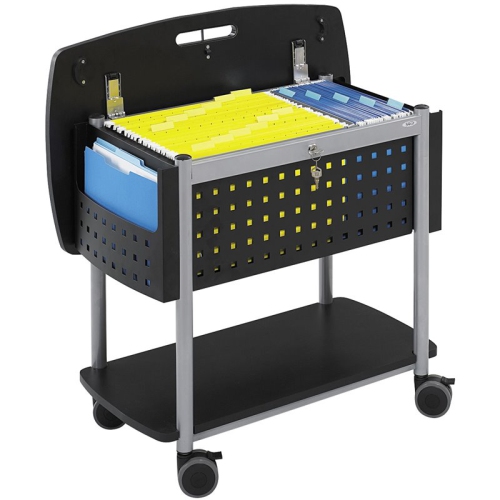
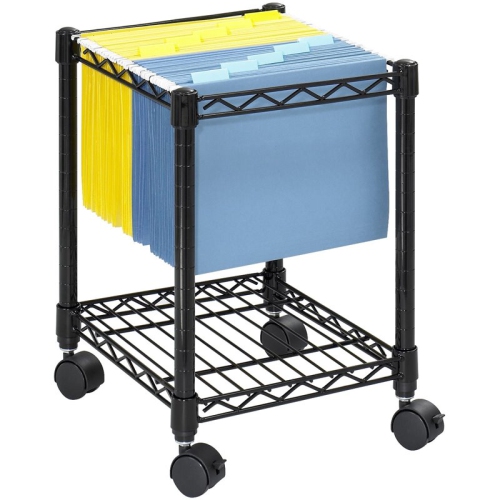
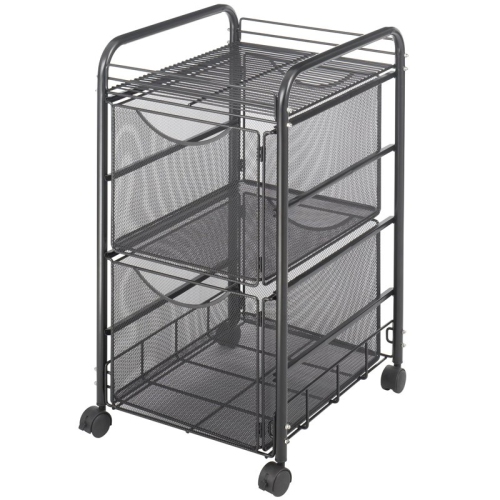
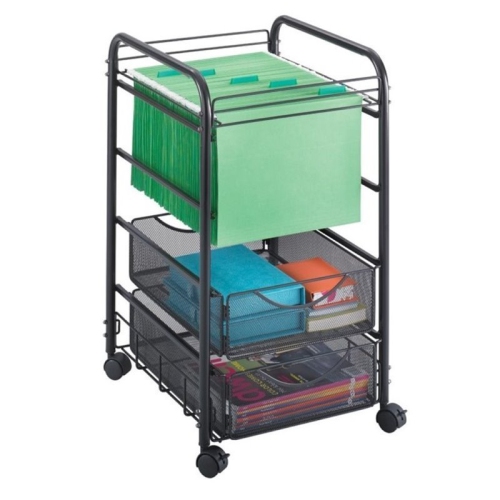
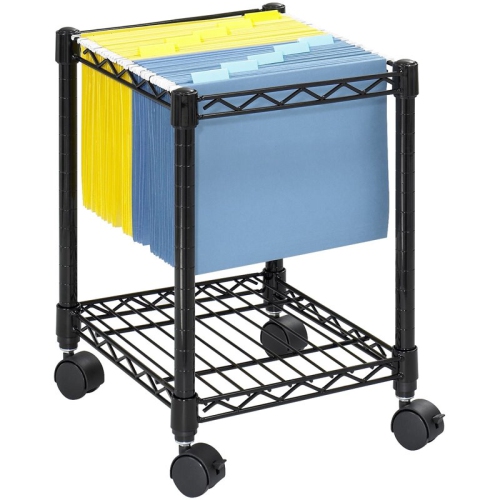
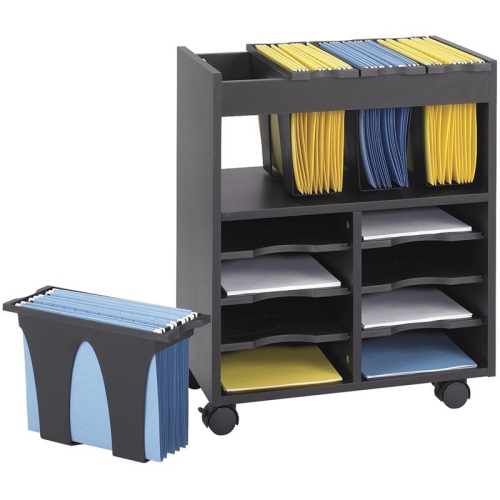
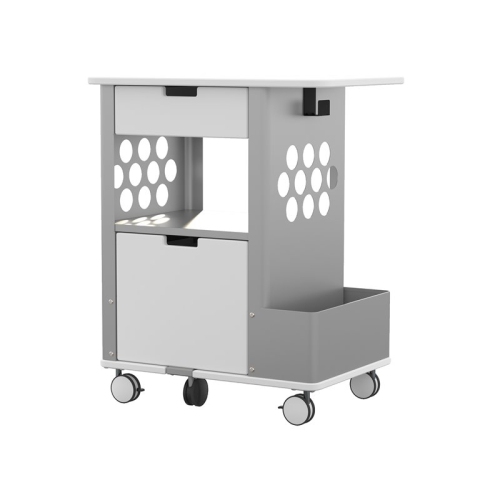
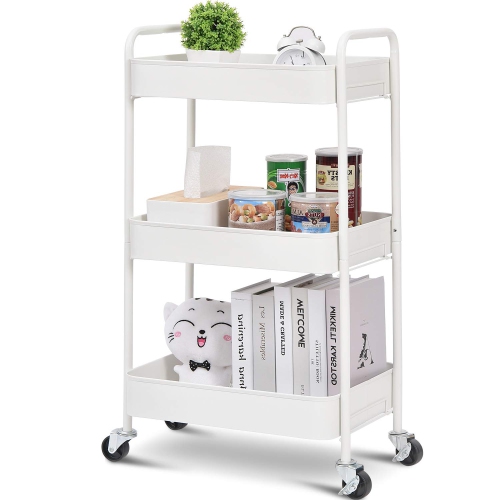
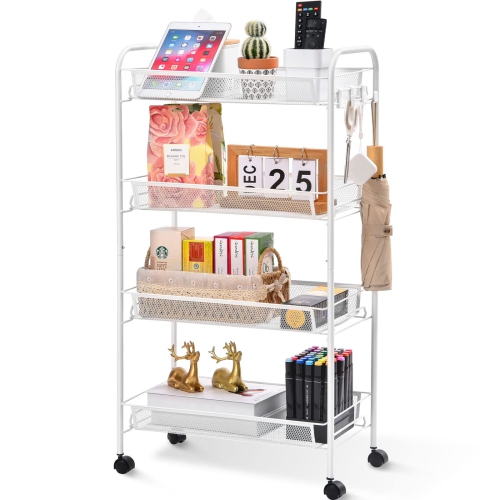
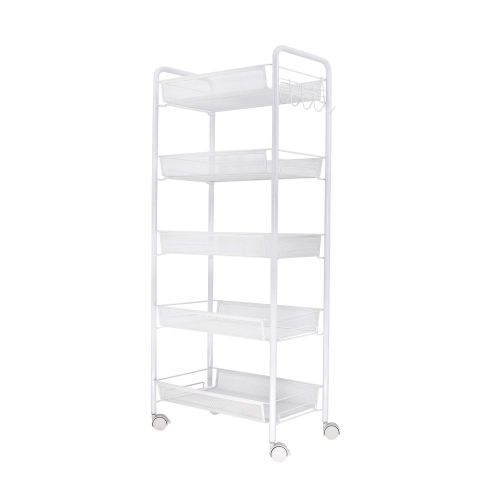
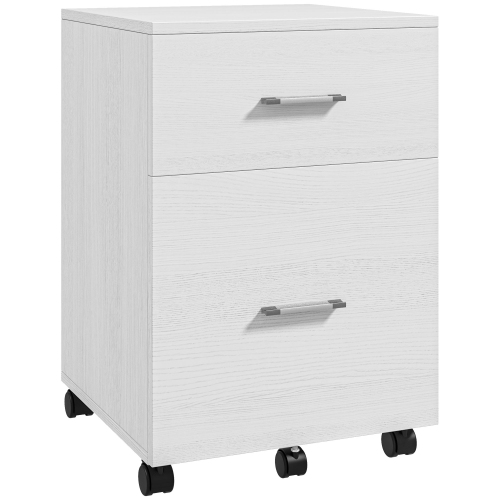
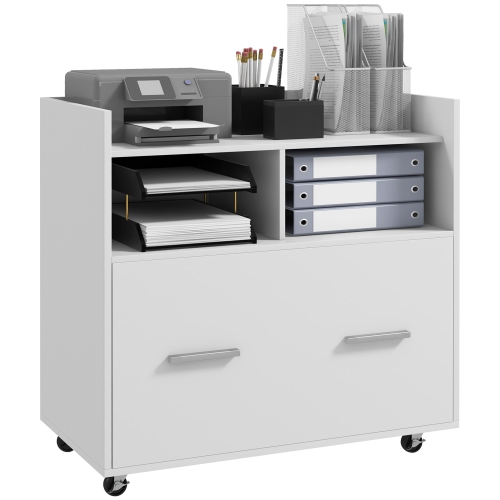
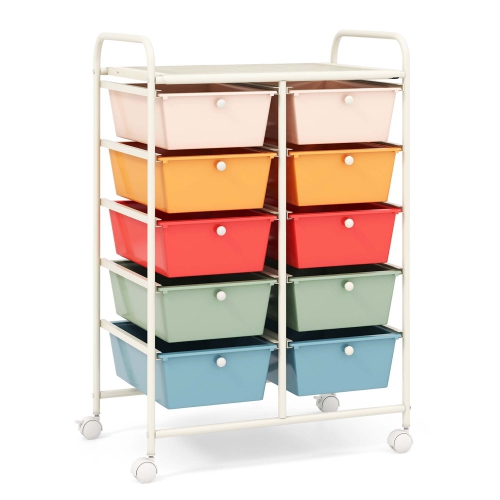
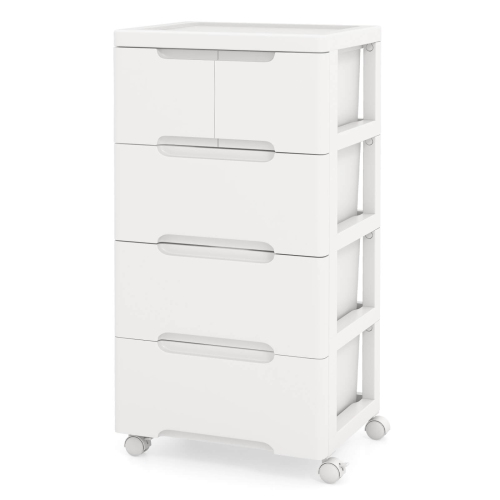
File carts on wheels keep paperwork organized while making it easier to move documents between a desk, a meeting table, and a storage area. Unlike a stationary filing unit, a rolling file cart can bring frequently used folders within reach, then tuck away when the work surface is needed for something else. These carts suit home offices, shared workspaces, classrooms, and small businesses where paper files still play a practical role alongside digital documents. An open hanging-file cart offers a clear view of folder tabs, making it useful for active projects, customer files, lesson plans, or household paperwork. Designs with drawers or enclosed compartments keep contents out of sight, while carts with a lower shelf can accommodate binders, paper supplies, or document boxes within their stated capacity. File size is one of the most important distinctions between designs. Letter-size paper measures 8.5 by 11 inches, while legal-size paper measures 8.5 by 14 inches; the cart’s rails must support the corresponding hanging folders, which extend beyond the paper itself. Some rolling file carts support one format, and others have adjustable rails or separate positions for letter- and legal-size folders. Exterior width alone does not confirm compatibility, so the supported folder format matters more than whether a stack of paper appears to fit. Capacity also involves more than the number of folders that can hang from the frame. Thick project files, instruction manuals, and archived statements take up substantially more space than a few sheets in each folder. A little room between files makes tabs easier to read and folders easier to lift without catching neighbouring documents. For someone handling invoices throughout the day, an open top can simplify sorting and retrieval. For a household organizing tax documents, insurance papers, and school forms, separate sections or drawers can give each category a clear place without spreading paperwork across a dining table.
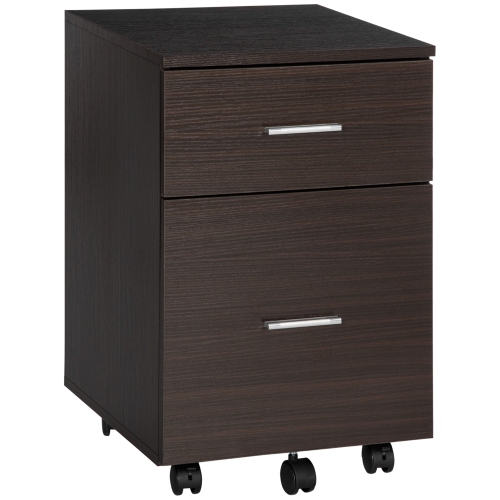
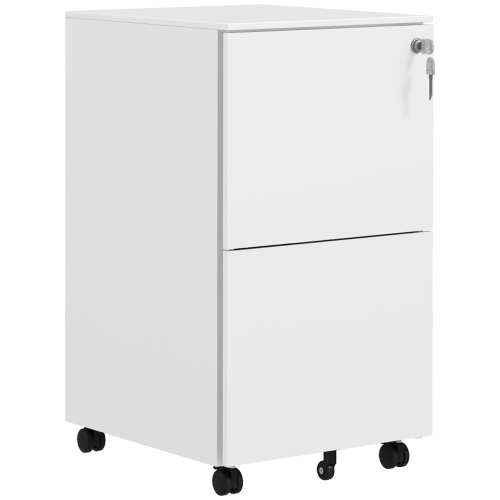
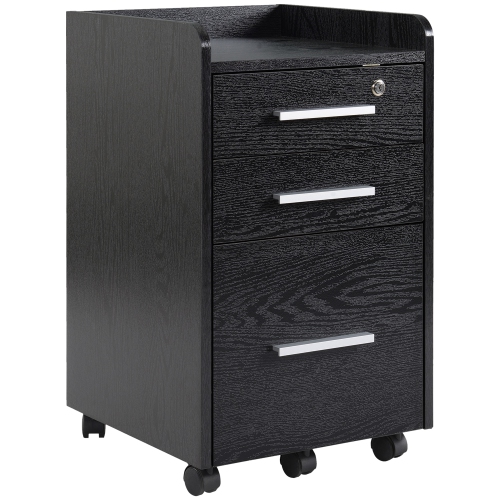
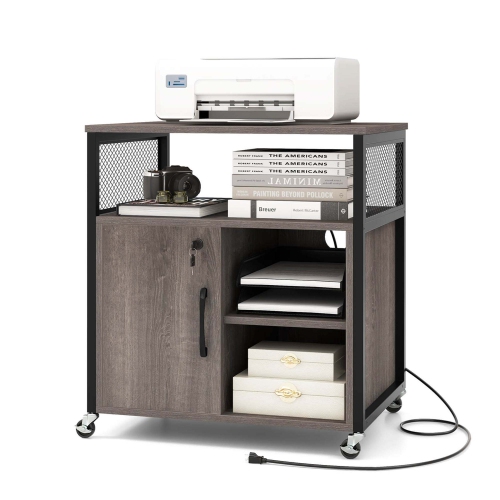
Construction affects how a file cart feels in daily use, how much it can carry, and how easily it fits into a room. Steel frames are common for utility-focused designs, with wire or mesh sections that keep contents visible and help limit the weight of the cart itself. Solid metal panels provide a more enclosed appearance, while wood or engineered-wood surfaces can coordinate with a desk and other office furniture. Plastic components can make a cart lighter to handle, though overall durability depends on the frame, joints, drawer supports, and casters rather than any single material. A smooth finish and well-fitted edges matter wherever folders, sleeves, and hands regularly pass over the same surfaces. For heavier paperwork, the stated total load capacity and any separate shelf or drawer limits are useful measures of suitability. A cart that holds a modest set of active files has a different job from one carrying densely packed folders and several binders. Wheels deserve equal attention because a cart that moves comfortably across a smooth office floor may behave differently on carpet, grout lines, or doorway thresholds. Caster diameter, wheel material, and the weight of the loaded cart all influence movement. Swivel casters help with turns around desk legs, while locking casters, where fitted, help keep the unit in place during filing. A wheel lock is not the same as a drawer lock: one limits movement, while the other restricts access to contents. Under-desk use calls for careful measurements of the complete cart, including its casters, handles, and any raised rails. Desk aprons, crossbars, cable trays, and the space needed for knees can reduce the usable opening. Drawer models also need clearance in front so files can be reached without shifting nearby furniture. In a narrow workspace, the route from the storage spot to the desk matters just as much as the parking space. A cart should pass comfortably through that route without forcing the person moving it to lift a loaded frame over obstacles or squeeze exposed folders against a doorway.
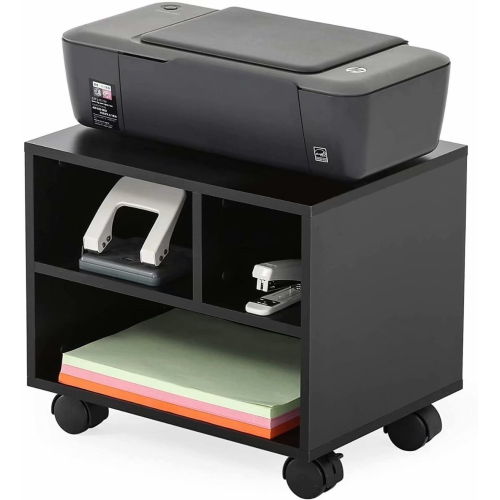
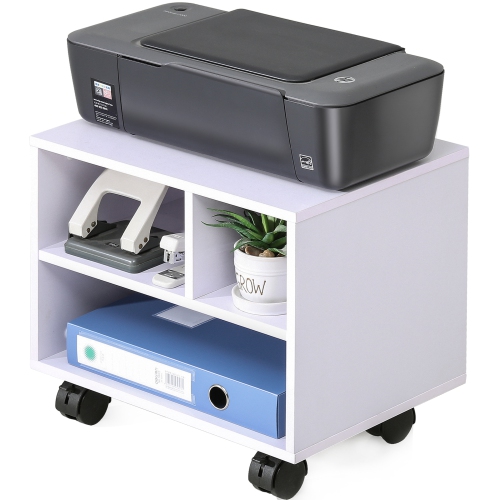
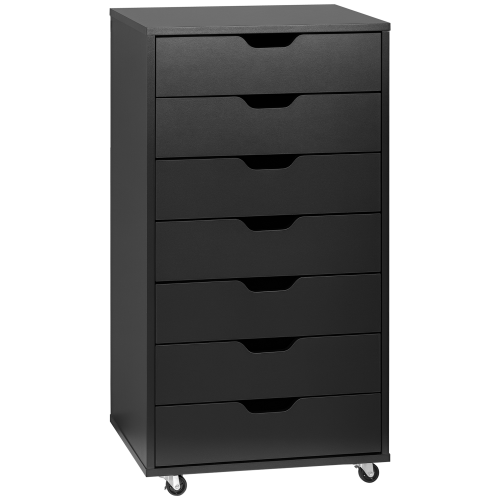
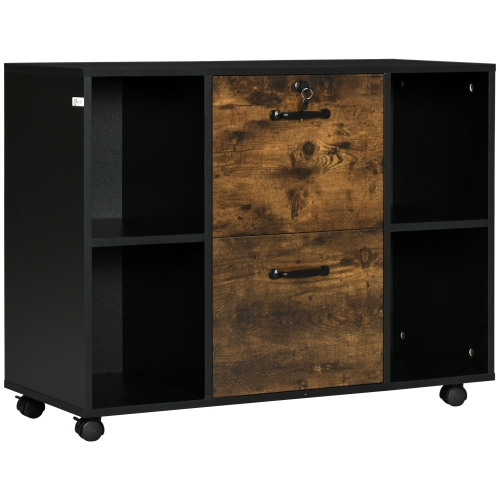
The most useful layout reflects how paperwork moves through the day. A compact rolling file cart beside a desk can hold active folders at the top and spare stationery below, keeping the main work surface clear for writing or a laptop. In a shared office, distinct sections can separate incoming paperwork from completed files awaiting storage. Teachers may use hanging folders for class materials, while a small-business owner might group documents by customer, project, or billing stage. These arrangements work best when the folder labels remain visible and the cart is not filled so tightly that every retrieval becomes a shuffle. Open storage favours quick access, but it leaves documents visible to anyone nearby. For personal or business information that should stay out of sight, enclosed storage may be more suitable; sensitive documents can also require access controls beyond those provided by a basic furniture lock. Filing cabinets with wheels offer a related approach for shoppers who prefer drawer-based storage with mobility. Day-to-day care helps either style remain pleasant to use. Dust can collect along hanging rails, in mesh shelves, and around caster fittings, while hair and loose threads can interfere with wheels. Cleaning methods should suit the materials and the manufacturer’s directions: a soft cloth is generally useful for routine wiping, and wood-based panels should not be left wet. Periodic checks of accessible fasteners, rail connections, and casters can reveal looseness before it affects handling. Files and supplies should stay within the specified load limits, with heavier contents positioned low where the design permits. Drawers should be closed before moving the cart, and loose papers should be secured so they do not slide out along the way. With the right folder format, usable clearance, and storage layout, a file cart on wheels gives paperwork a defined home while keeping it close to the task at hand.
Construction affects how a file cart feels in daily use, how much it can carry, and how easily it fits into a room. Steel frames are common for utility-focused designs, with wire or mesh sections that keep contents visible and help limit the weight of the cart itself. Solid metal panels provide a more enclosed appearance, while wood or engineered-wood surfaces can coordinate with a desk and other office furniture. Plastic components can make a cart lighter to handle, though overall durability depends on the frame, joints, drawer supports, and casters rather than any single material. A smooth finish and well-fitted edges matter wherever folders, sleeves, and hands regularly pass over the same surfaces. For heavier paperwork, the stated total load capacity and any separate shelf or drawer limits are useful measures of suitability. A cart that holds a modest set of active files has a different job from one carrying densely packed folders and several binders. Wheels deserve equal attention because a cart that moves comfortably across a smooth office floor may behave differently on carpet, grout lines, or doorway thresholds. Caster diameter, wheel material, and the weight of the loaded cart all influence movement. Swivel casters help with turns around desk legs, while locking casters, where fitted, help keep the unit in place during filing. A wheel lock is not the same as a drawer lock: one limits movement, while the other restricts access to contents. Under-desk use calls for careful measurements of the complete cart, including its casters, handles, and any raised rails. Desk aprons, crossbars, cable trays, and the space needed for knees can reduce the usable opening. Drawer models also need clearance in front so files can be reached without shifting nearby furniture. In a narrow workspace, the route from the storage spot to the desk matters just as much as the parking space. A cart should pass comfortably through that route without forcing the person moving it to lift a loaded frame over obstacles or squeeze exposed folders against a doorway.
The most useful layout reflects how paperwork moves through the day. A compact rolling file cart beside a desk can hold active folders at the top and spare stationery below, keeping the main work surface clear for writing or a laptop. In a shared office, distinct sections can separate incoming paperwork from completed files awaiting storage. Teachers may use hanging folders for class materials, while a small-business owner might group documents by customer, project, or billing stage. These arrangements work best when the folder labels remain visible and the cart is not filled so tightly that every retrieval becomes a shuffle. Open storage favours quick access, but it leaves documents visible to anyone nearby. For personal or business information that should stay out of sight, enclosed storage may be more suitable; sensitive documents can also require access controls beyond those provided by a basic furniture lock. Filing cabinets with wheels offer a related approach for shoppers who prefer drawer-based storage with mobility. Day-to-day care helps either style remain pleasant to use. Dust can collect along hanging rails, in mesh shelves, and around caster fittings, while hair and loose threads can interfere with wheels. Cleaning methods should suit the materials and the manufacturer’s directions: a soft cloth is generally useful for routine wiping, and wood-based panels should not be left wet. Periodic checks of accessible fasteners, rail connections, and casters can reveal looseness before it affects handling. Files and supplies should stay within the specified load limits, with heavier contents positioned low where the design permits. Drawers should be closed before moving the cart, and loose papers should be secured so they do not slide out along the way. With the right folder format, usable clearance, and storage layout, a file cart on wheels gives paperwork a defined home while keeping it close to the task at hand.
Top selling and popular products
-
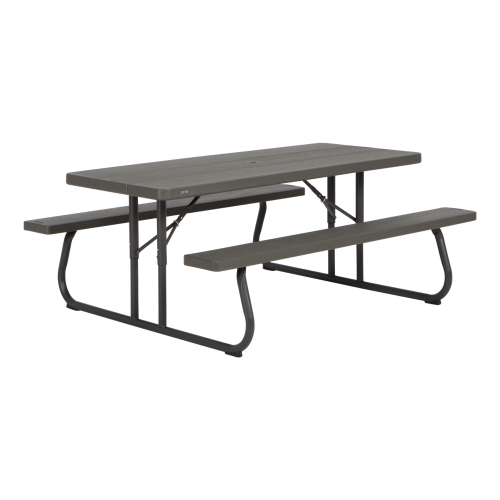 Your price for this item is $369.99
 -
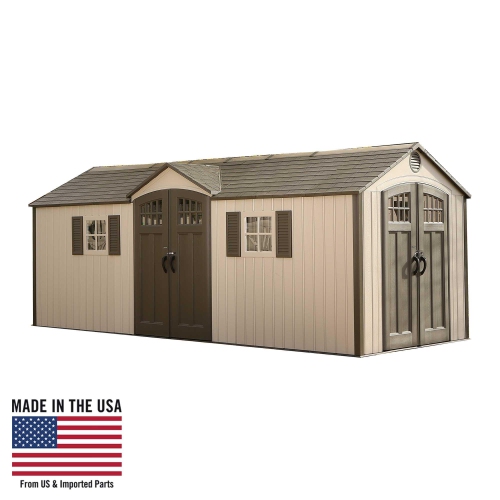 Your price for this item is $5599.99
 -
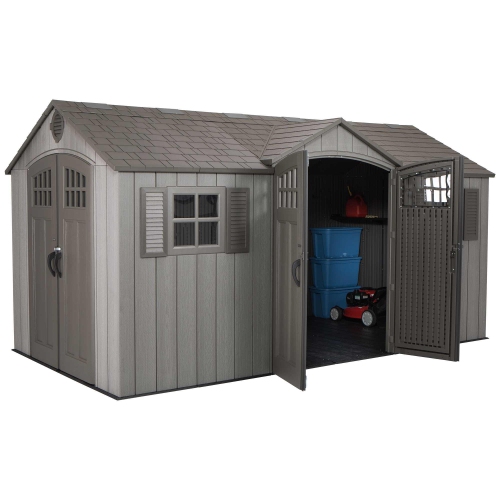 Your price for this item is $4269.99
 -
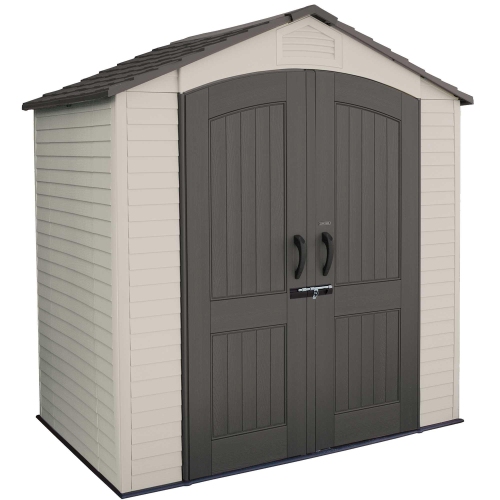 Your price for this item is $1639.99
 -
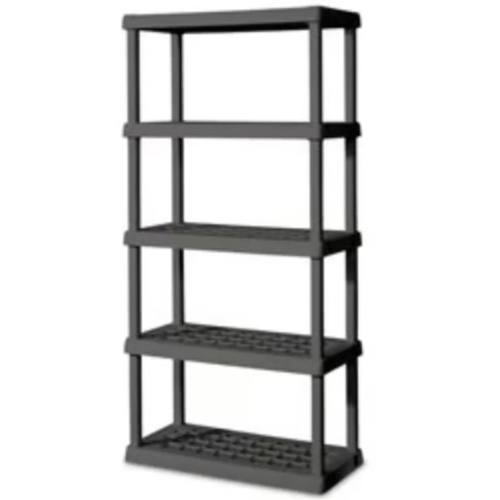 Your price for this item is $967.99
 -
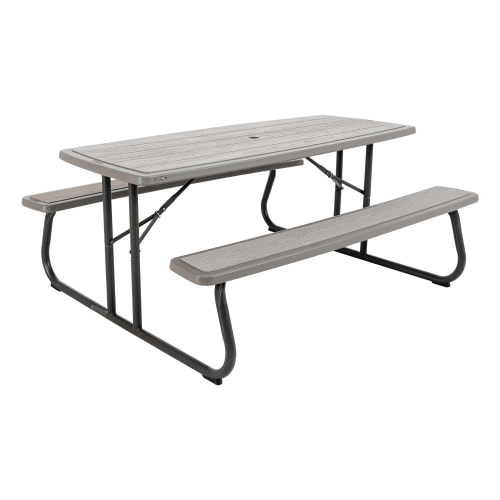 Your price for this item is $369.99
 -
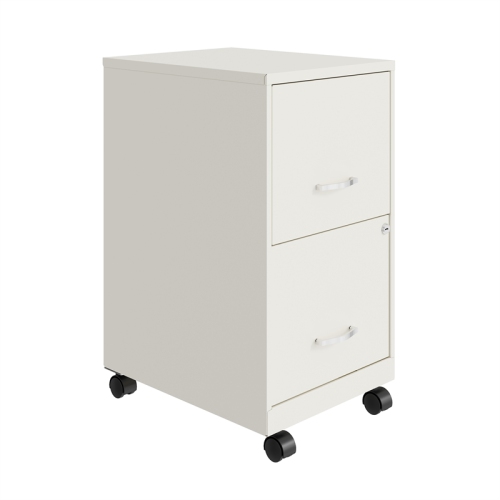 Your price for this item is $399.93
 -
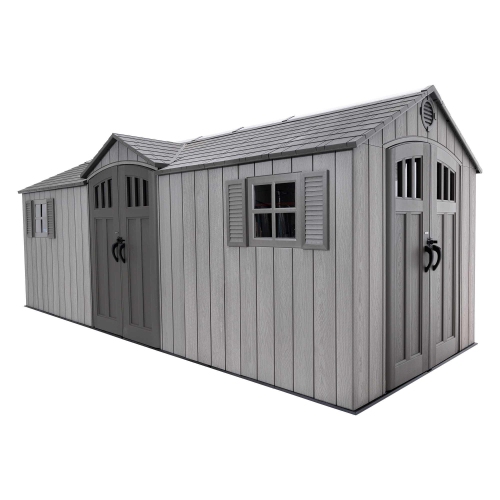 Your price for this item is $5589.99
Discover more categories related to File Carts On Wheels
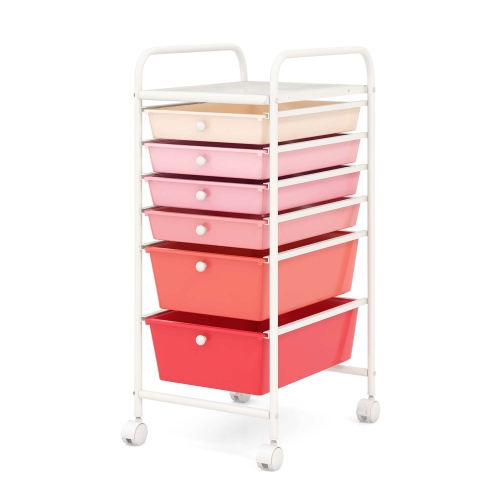
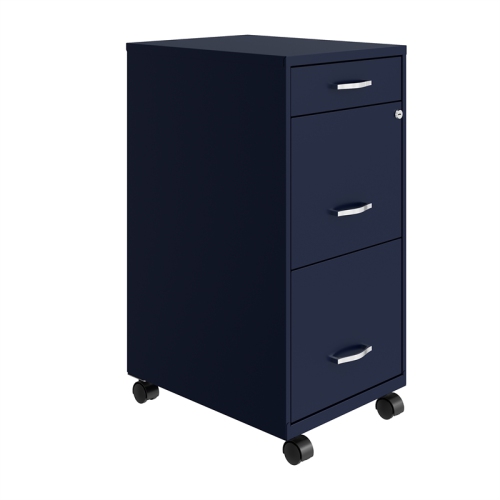
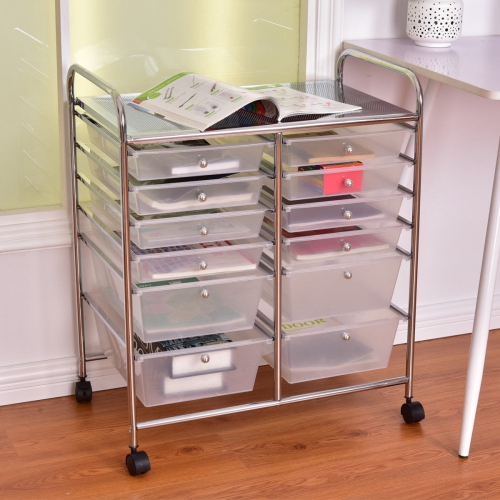
Top Collections:
Pokemon Centers, Kindle Devices, Best Budget Office Chairs, Apple iPhones 16, Best Laptops for Writers, iPhone 15 Apple, Canon G7X Cameras, Refurbished Apple Laptops, Alarm Clock, Motorola Razr Phones
Some products may be subject to Environmental Handling Fees
(EHF) depending on your province.
Learn more about EHFs.