Fireplace Insert
Transform your living space into a cozy retreat with thhis selection of fireplace inserts. Elevate the ambiance of your home while enjoying the warmth and comfort that a fireplace insert brings. Whether you're looking to upgrade your current fireplace or add a new focal point to your room, this range of fireplace inserts offers both style and functionality to enhance any decor. Browse through this collection to find the perfect fit for your home and create a welcoming atmosphere for relaxing nights in or entertaining guests.
Sort
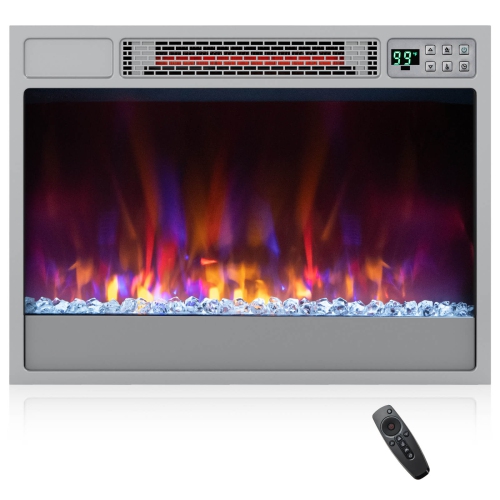
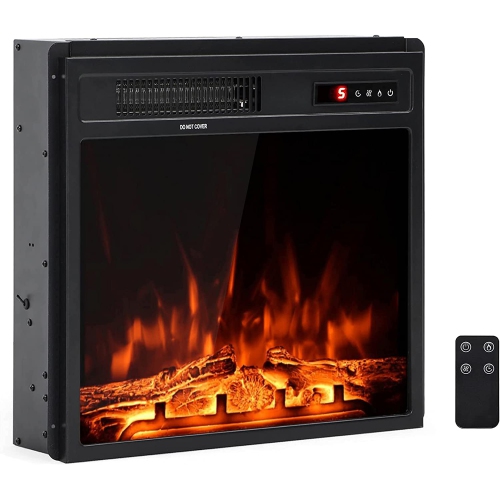
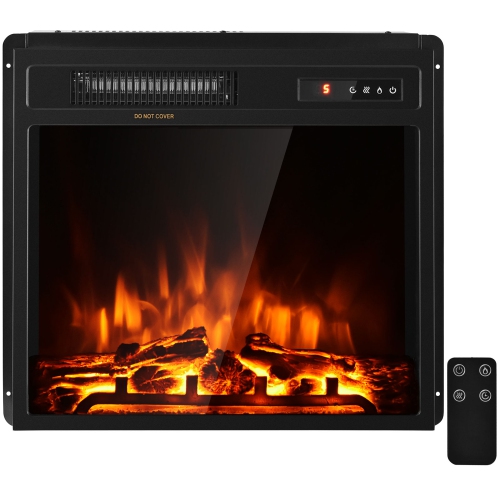
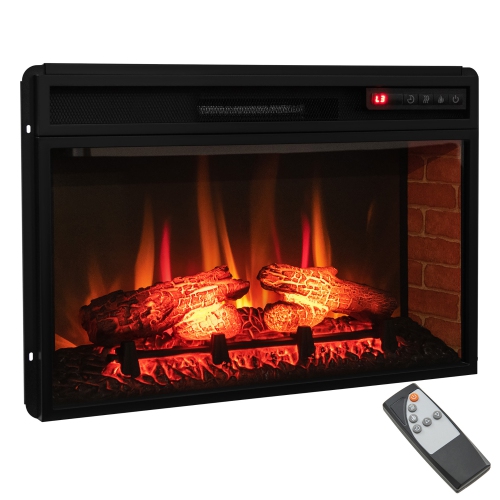
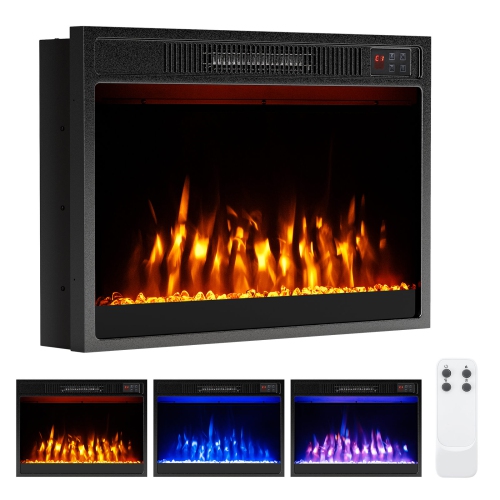
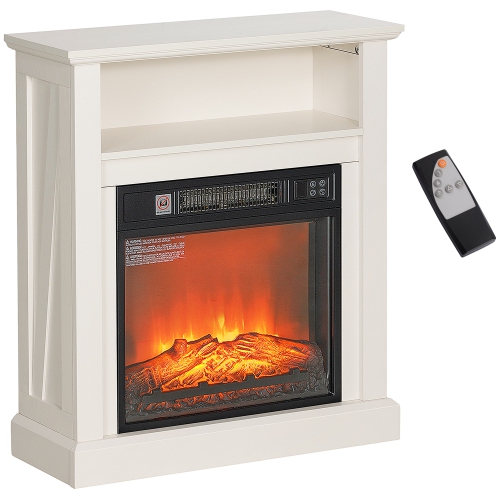
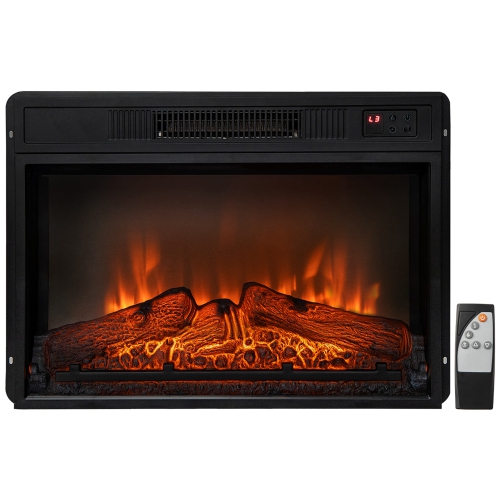
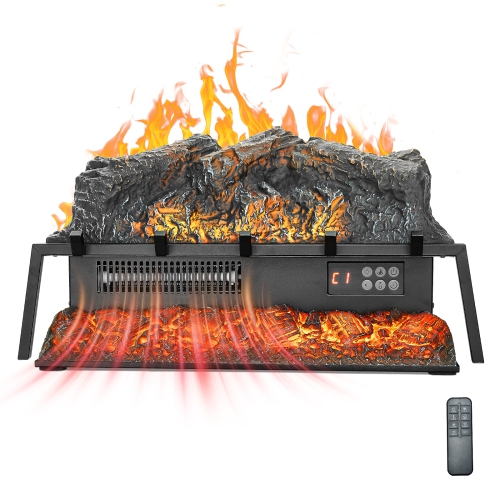


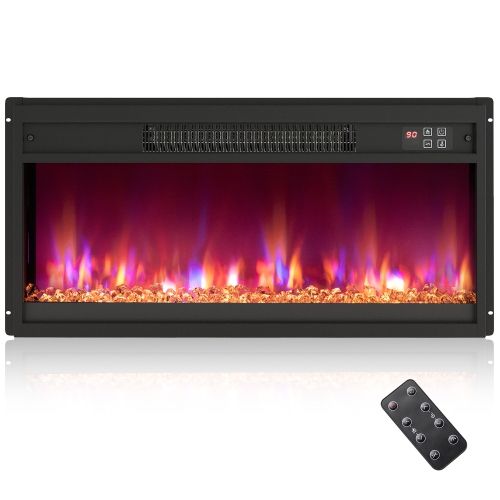
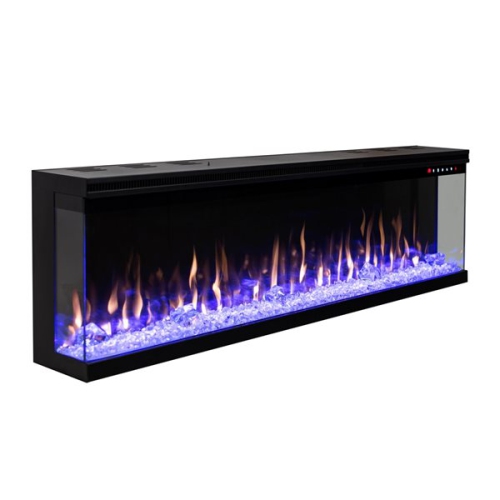
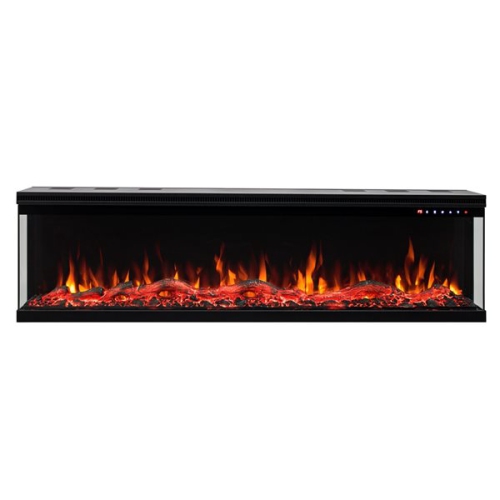
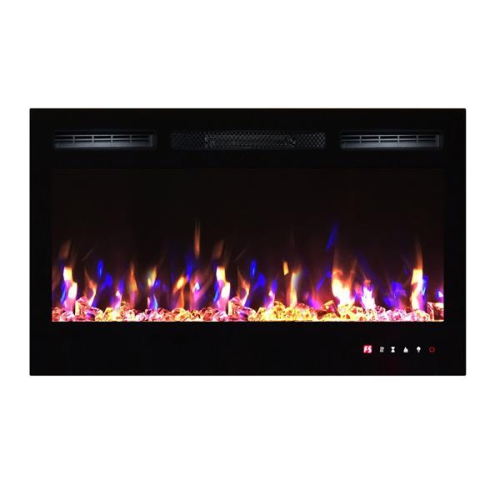
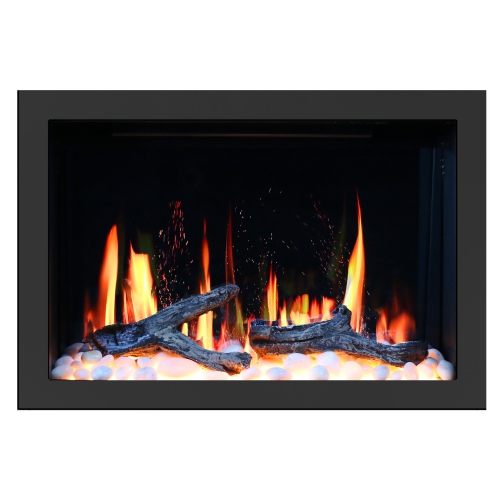
What to know about fit, fuel types, and installation
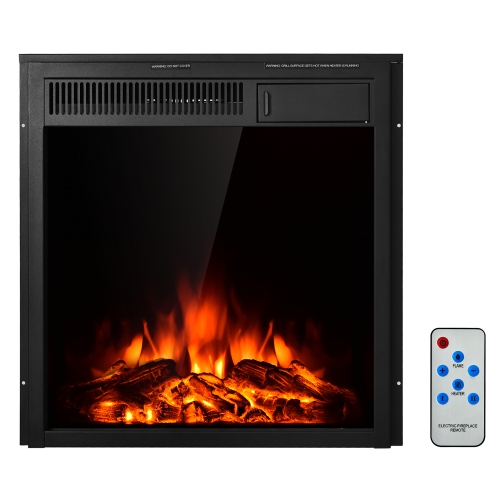
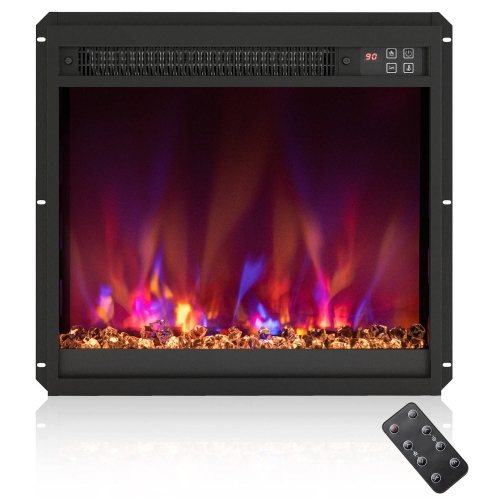
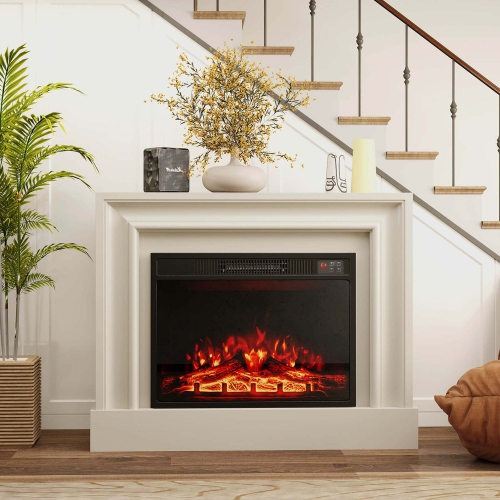
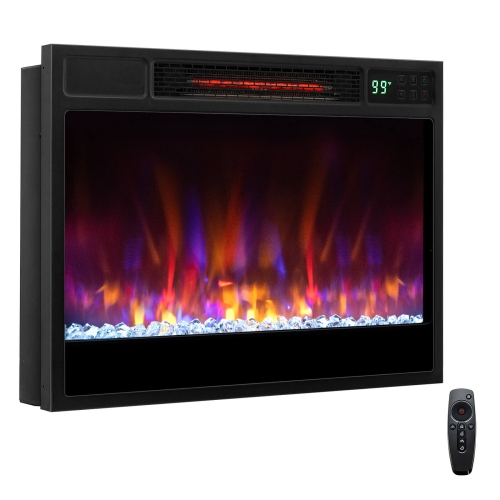
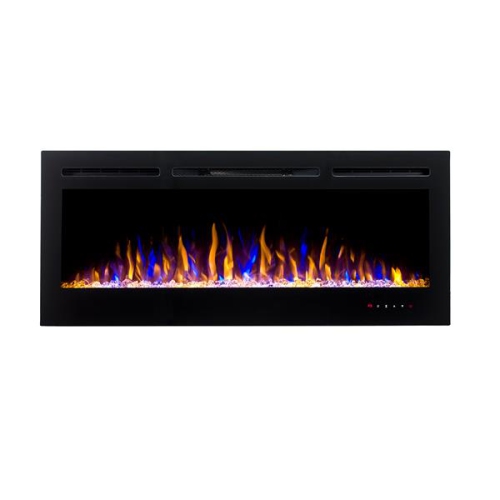
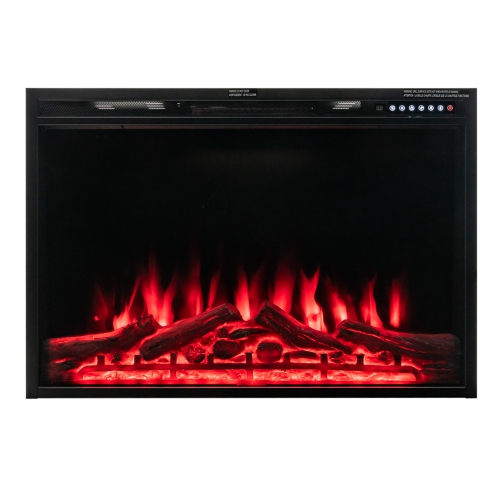
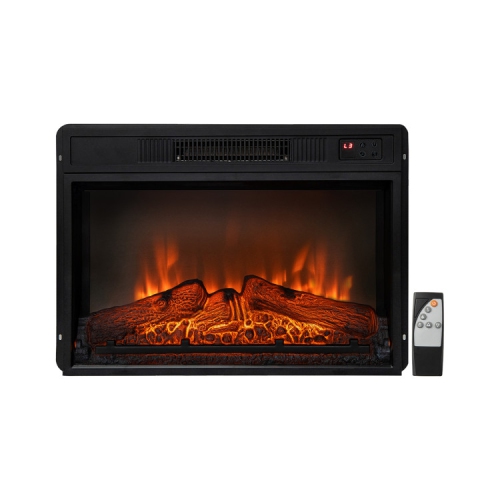
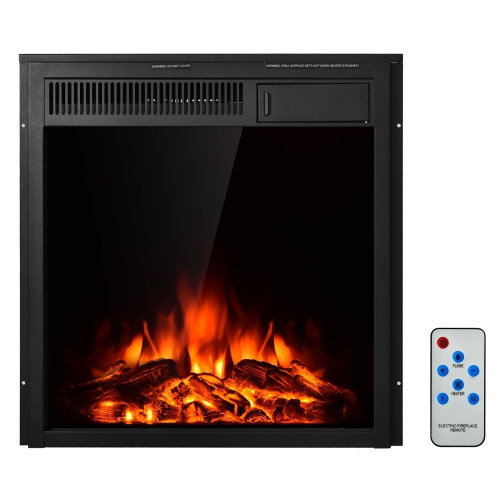
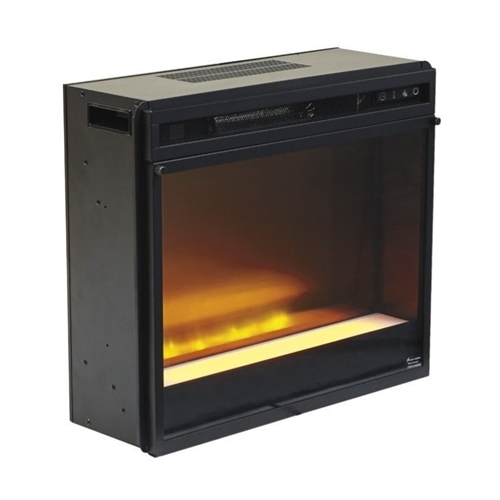
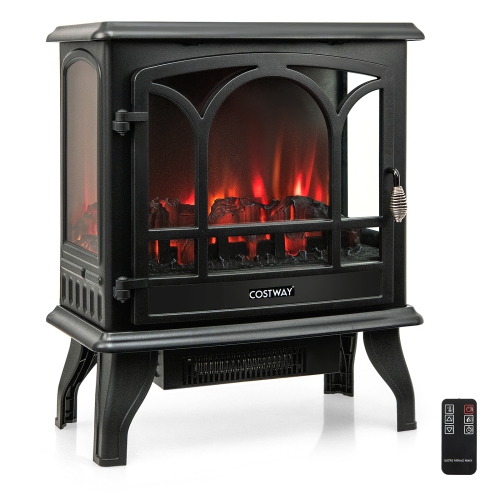
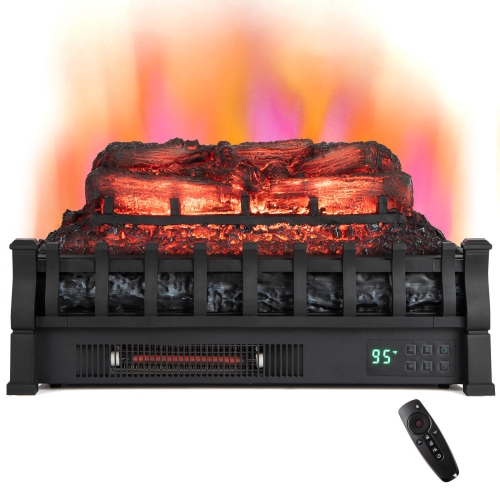
A fireplace insert is a fire-resistant heating unit designed to fit inside an existing masonry or prefabricated fireplace opening. Unlike an open fireplace, which can allow a considerable amount of warm air to escape through the chimney, an insert creates a more enclosed firebox and directs heat back into the room. Many models include a built-in blower or fan to help circulate warmth beyond the area directly in front of the hearth, making the room feel more comfortable during the cooler months. Fireplace inserts are available in several fuel types, including electric, gas, wood-burning, and pellet, so the best choice depends on the existing fireplace, available connections, local installation requirements, and the kind of experience you want at home. Electric inserts are often the simplest option for adding flame effects and supplemental heat without arranging a fuel supply or modifying a chimney. Depending on the model, they may plug into a standard electrical outlet, offer adjustable thermostat controls, and include a remote for changing the flame appearance or heat setting from the sofa. Gas inserts provide the look of a live flame with convenient controls and consistent heat, while wood-burning inserts are designed to make better use of seasoned firewood than an open hearth. Pellet inserts use compressed fuel fed from a hopper and may be a practical alternative for households that prefer an automated fuel system. Exploring the broader selection of Home Fireplaces can also help when comparing inserts with freestanding fireplaces, wall-mounted units, and other ways to create a warm focal point.
Fit is one of the most important considerations when choosing a fireplace insert. Before browsing features, measure the existing opening at the front, back, and top, and record the depth of the firebox, hearth height, and available clearance on each side. Openings that appear similar at a glance can have different dimensions inside, and a surround that is too large or too small may not sit neatly against the face of the fireplace. Check the manufacturer’s listed minimum and maximum dimensions rather than relying on a general size label, and leave room for any trim, power connection, ventilation components, or required clearances. An electric insert may be suitable for a decorative fireplace that has no working chimney, but it still needs a safe electrical connection and enough space around the unit as specified in its instructions. Gas, wood-burning, and pellet inserts involve more detailed preparation. Gas and wood models generally require the correct chimney liner or venting system, and pellet units also need dedicated venting and access to an appropriate power supply for their feed and fan systems. Professional installation is strongly recommended for fuel-burning inserts, since a qualified installer can assess the chimney, confirm clearances, connect venting correctly, and verify that the installation follows local building and fire codes. A carbon monoxide detector and working smoke alarms should be installed as part of a home’s overall safety plan, and combustible items such as curtains, furniture, decorations, and firewood should be kept away from the appliance according to the instructions. For any insert, read the owner’s manual before use, keep air passages clear, and arrange the required inspections or chimney maintenance for the fuel type selected.
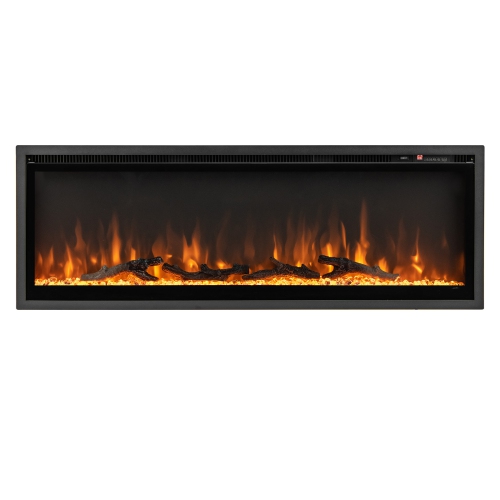
The right fireplace insert can change how a room feels as much as how it is heated. In a family room, a wide viewing window and realistic log or ember effects can add a welcoming glow for quiet evenings, while a compact unit may suit a den, bedroom sitting area, condo, or renovated basement where space is limited. Contemporary linear designs can complement clean-lined furniture, whereas traditional surrounds and brick-style interiors can echo the character of an older home. Look for adjustable flame brightness, heat settings, timers, thermostatic controls, remote operation, and fan settings if convenience is a priority. Some electric models allow the flame effect to be enjoyed with the heat turned off, which can make them useful during transitional weather when a room does not need additional warmth. For gas and wood-burning units, consider the viewing area, door style, ash management, control layout, and the effort involved in storing fuel and maintaining the firebox. Wood models require properly seasoned firewood and regular removal of ash; gas models require access to an approved gas line or fuel source; pellet units need a steady supply of the correct pellets and periodic cleaning of the hopper and burn area. Inserts can be a thoughtful housewarming gift when the recipient already has a suitable fireplace opening and is planning a renovation, but they are usually a more personal purchase because measurements, installation, fuel access, and local requirements all need to be confirmed first. Whether the goal is to update a drafty hearth, add supplemental warmth near a favourite reading chair, or create a more inviting gathering place when the air turns crisp, comparing dimensions, heat output, controls, venting needs, and installation requirements will help you select a fireplace insert that suits both the home and the way the room is used.
Fit is one of the most important considerations when choosing a fireplace insert. Before browsing features, measure the existing opening at the front, back, and top, and record the depth of the firebox, hearth height, and available clearance on each side. Openings that appear similar at a glance can have different dimensions inside, and a surround that is too large or too small may not sit neatly against the face of the fireplace. Check the manufacturer’s listed minimum and maximum dimensions rather than relying on a general size label, and leave room for any trim, power connection, ventilation components, or required clearances. An electric insert may be suitable for a decorative fireplace that has no working chimney, but it still needs a safe electrical connection and enough space around the unit as specified in its instructions. Gas, wood-burning, and pellet inserts involve more detailed preparation. Gas and wood models generally require the correct chimney liner or venting system, and pellet units also need dedicated venting and access to an appropriate power supply for their feed and fan systems. Professional installation is strongly recommended for fuel-burning inserts, since a qualified installer can assess the chimney, confirm clearances, connect venting correctly, and verify that the installation follows local building and fire codes. A carbon monoxide detector and working smoke alarms should be installed as part of a home’s overall safety plan, and combustible items such as curtains, furniture, decorations, and firewood should be kept away from the appliance according to the instructions. For any insert, read the owner’s manual before use, keep air passages clear, and arrange the required inspections or chimney maintenance for the fuel type selected.
The right fireplace insert can change how a room feels as much as how it is heated. In a family room, a wide viewing window and realistic log or ember effects can add a welcoming glow for quiet evenings, while a compact unit may suit a den, bedroom sitting area, condo, or renovated basement where space is limited. Contemporary linear designs can complement clean-lined furniture, whereas traditional surrounds and brick-style interiors can echo the character of an older home. Look for adjustable flame brightness, heat settings, timers, thermostatic controls, remote operation, and fan settings if convenience is a priority. Some electric models allow the flame effect to be enjoyed with the heat turned off, which can make them useful during transitional weather when a room does not need additional warmth. For gas and wood-burning units, consider the viewing area, door style, ash management, control layout, and the effort involved in storing fuel and maintaining the firebox. Wood models require properly seasoned firewood and regular removal of ash; gas models require access to an approved gas line or fuel source; pellet units need a steady supply of the correct pellets and periodic cleaning of the hopper and burn area. Inserts can be a thoughtful housewarming gift when the recipient already has a suitable fireplace opening and is planning a renovation, but they are usually a more personal purchase because measurements, installation, fuel access, and local requirements all need to be confirmed first. Whether the goal is to update a drafty hearth, add supplemental warmth near a favourite reading chair, or create a more inviting gathering place when the air turns crisp, comparing dimensions, heat output, controls, venting needs, and installation requirements will help you select a fireplace insert that suits both the home and the way the room is used.
Top selling and popular products
-
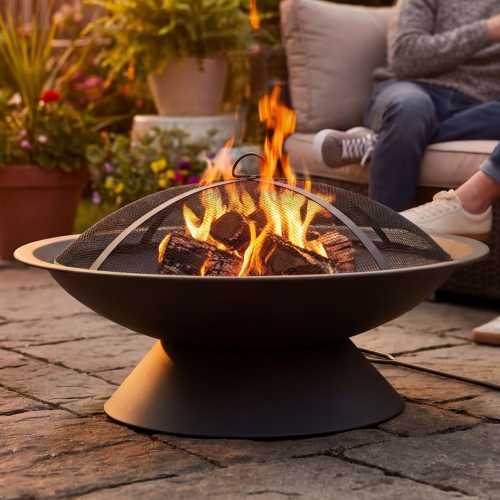 Your price for this item is $220.99
 -
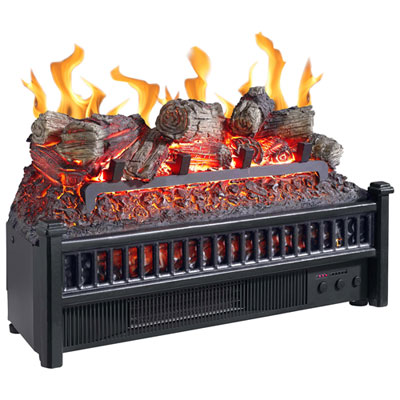 Your price for this item is $249.99
 -
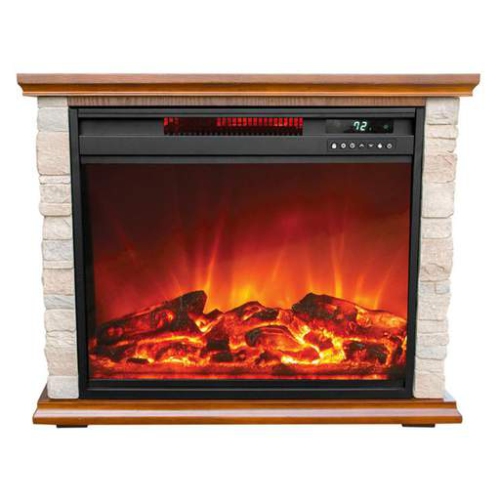 Your price for this item is $705.99
 -
 Your price for this item is $499
 -
 Your price for this item is $196.99
 -
 Your price for this item is $91.99
 -
 Your price for this item is $1599
 -
 Your price for this item is $364.99
Discover more categories related to Fireplace Insert
Top Collections:
Pokemon Centers, Kindle Devices, Best Budget Office Chairs, Apple iPhones 16, Best Laptops for Writers, iPhone 15 Apple, Canon G7X Cameras, Refurbished Apple Laptops, Alarm Clock, Motorola Razr Phones
Some products may be subject to Environmental Handling Fees
(EHF) depending on your province.
Learn more about EHFs.