Flush Mount Lights for Kitchens
Flush Mount Lights for Kitchens offer a sleek and practical way to brighten up your cooking space while enhancing its overall style. These ceiling-mounted fixtures are designed to provide ample illumination without taking up valuable overhead room, making them an ideal choice for kitchens of all sizes. Explore a wide variety of designs and finishes to find the perfect match for your kitchen’s décor and lighting needs. Whether you’re updating your current setup or completing a full renovation, Flush Mount Lights for Kitchens deliver both functionality and visual appeal.
Sort


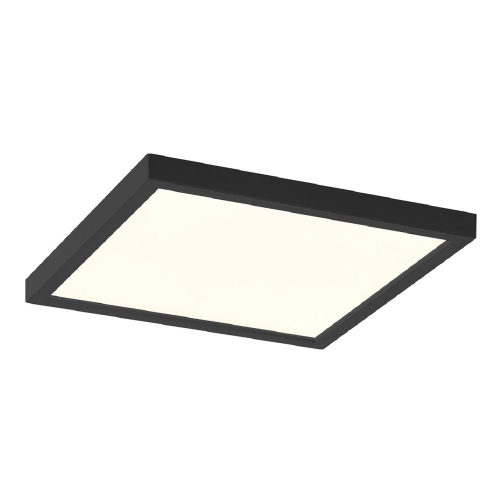
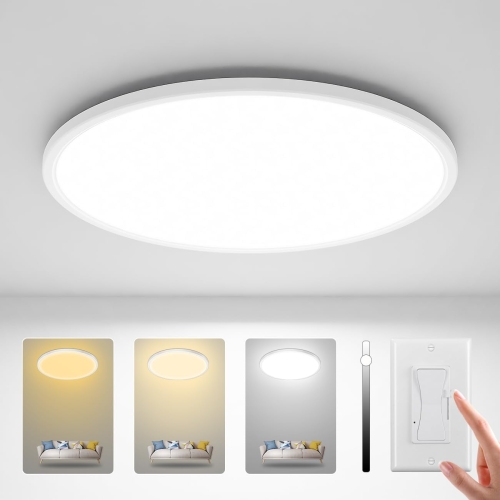


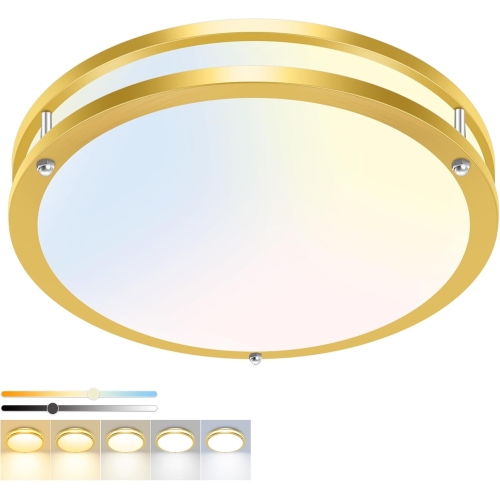
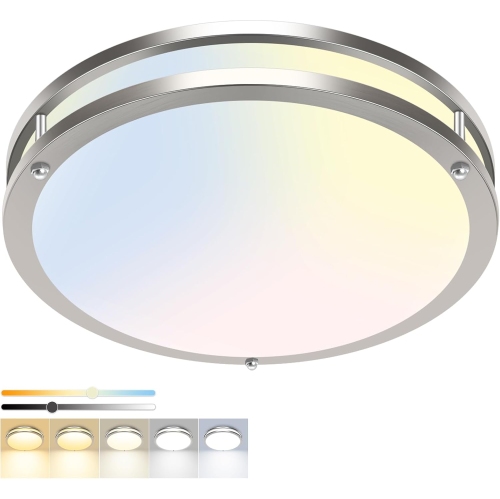


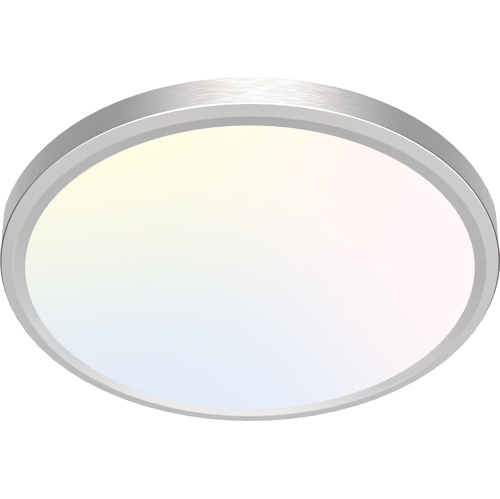
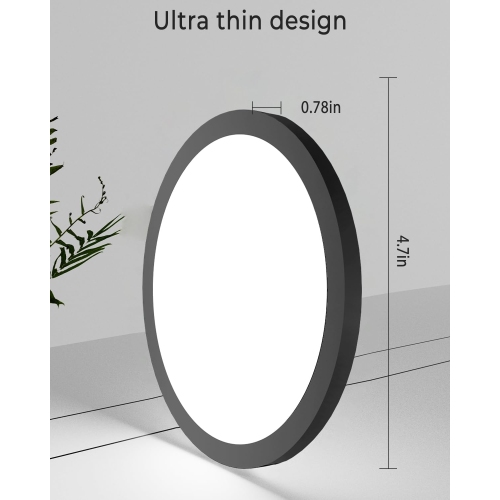
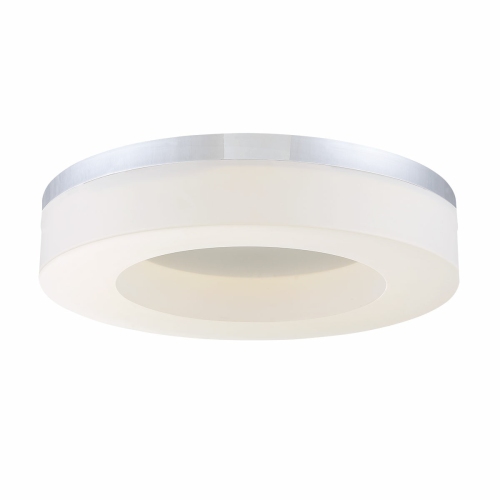
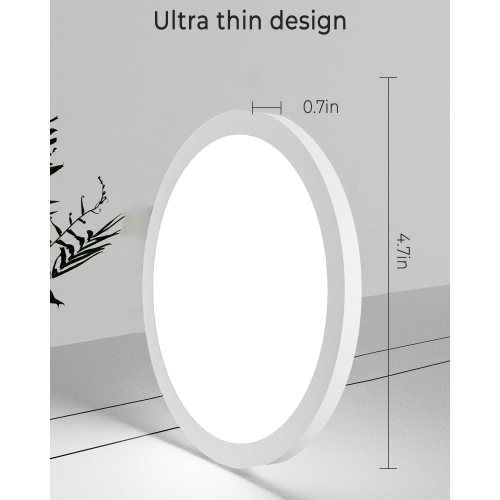
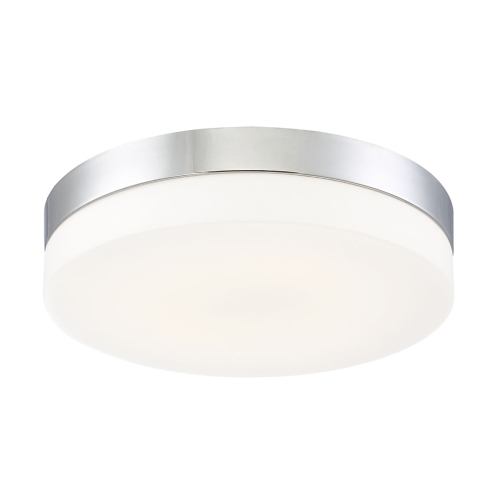
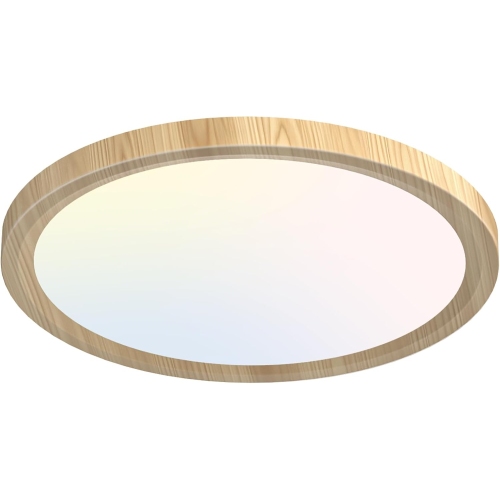

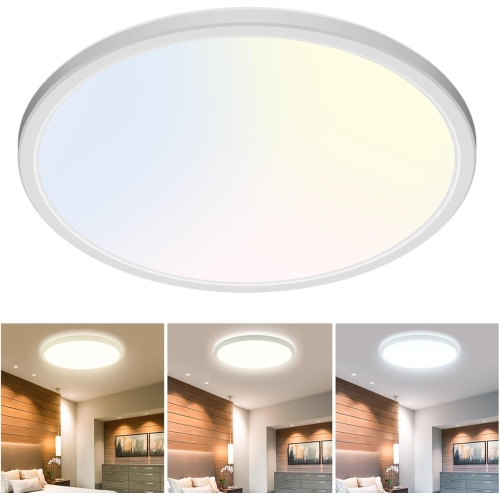


Low-profile lighting that leaves your kitchen feeling open
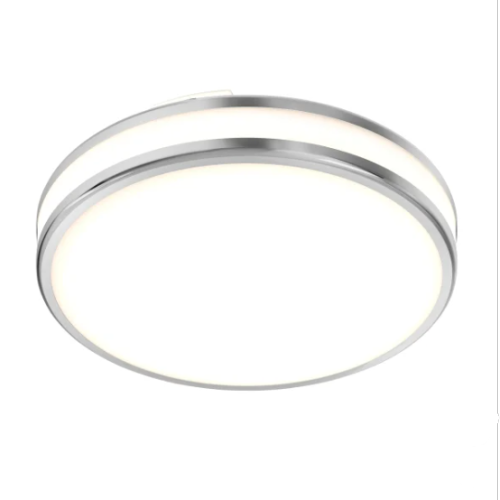
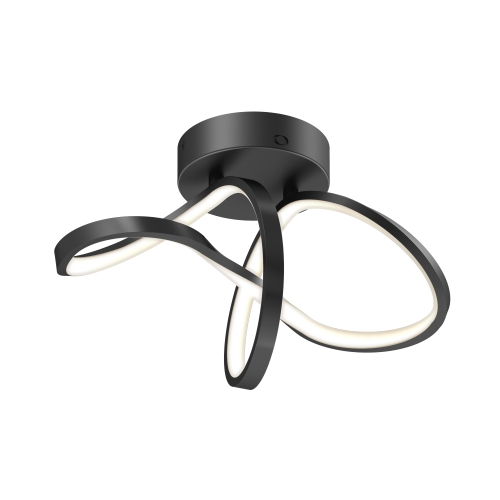
Flush mount lights for kitchens sit directly against, or very close to, the ceiling, providing general illumination without the drop of a pendant or chandelier. Their compact profile makes them a practical choice for kitchens with low or standard-height ceilings, particularly where a hanging fixture would interrupt a sightline or feel crowded above a busy walkway. In a galley kitchen, a shallow ceiling light keeps the space visually open between facing cabinets; in an open-plan layout, it can give the cooking area a quieter appearance beside more decorative dining lights. Flush mounts primarily supply ambient light, helping illuminate floors, cupboards, and the routes between the fridge, sink, and cooker. They work best as part of a layered arrangement rather than as a substitute for every other light in the room. Someone standing at a worktop can cast a shadow over a chopping board even beneath a bright ceiling fixture, so under-cabinet lighting remains useful for detailed tasks. Room shape matters as much as floor area: a single central fixture may suit a compact, square kitchen, while a long room may benefit from multiple ceiling fixtures spaced along its length. Fixture diameter also affects the visual balance. A very small fitting can look lost against a broad ceiling, while an oversized shade may crowd nearby cornices or tall cabinetry. Measuring the fixture’s full width and height, along with the clearance required for cabinet doors, helps establish a comfortable fit. Unlike semi-flush designs, which hang a short distance below the ceiling, true flush mounts keep the gap minimal and usually direct much of their light downwards or outwards through a shade. The broader range of Flush Mount Lights offers a useful reference for comparing these shapes and proportions, whether the kitchen calls for a discreet ceiling disc, a rounded dome, or a more substantial glass-and-metal design.
The shade and finish influence both the character of a kitchen ceiling light and how comfortable it feels in everyday use. Opal or frosted glass helps soften the appearance of the light source, reducing the sharp brightness of visible bulbs while giving a smooth, diffused glow. Clear glass leaves bulbs more exposed and can introduce reflections or patterns across nearby surfaces, making bulb shape and brightness part of the overall look. Ribbed or textured glass adds detail without necessarily requiring a deep fixture, although grooves can take longer to clean than a smooth dome. Acrylic and other polymer diffusers are generally lighter than glass, but their resistance to scratching and discolouration depends on the material and the care they receive. Metal bases provide structure, with painted, plated, or brushed finishes offering different effects beside kitchen hardware. Matte black can outline a fixture against a pale ceiling, brushed nickel brings a restrained metallic detail, and brass-toned finishes add warmth alongside wood cabinetry. Matching every metal exactly is not essential; repeating a finish elsewhere, such as on cupboard handles or a tap, can make the choice feel deliberate. Light output deserves equal attention. Lumens describe the amount of light produced, whereas wattage measures electrical power use, so wattage alone is not a reliable way to compare brightness across different lighting technologies. The amount of illumination a kitchen needs depends on its dimensions, ceiling height, surface colours, and supporting lights. Dark cupboards and worktops tend to absorb more light than pale, reflective finishes. Colour temperature affects appearance rather than brightness: around 2700K to 3000K generally gives a warmer look, while around 3500K to 4000K appears more neutral or crisp. Keeping nearby lights reasonably consistent can prevent the worktop from looking noticeably different from the rest of the room. A higher colour rendering index, often expressed as CRI, can also help food, cabinet finishes, and splashback colours appear more natural.
Everyday practicality becomes especially important in a kitchen, where ceiling fixtures can collect dust and a light film from cooking. Smooth, enclosed shades have fewer exposed details to wipe than intricate frames, although any enclosed design still needs occasional cleaning. Following the manufacturer’s care instructions, switching off the power, and allowing the fixture to cool before handling it helps protect both the fitting and its finish. A soft cloth is often suitable for routine dusting; abrasive pads or strong cleaning solutions can scratch diffusers or damage coatings. Removable glass shades may simplify deeper cleaning, but their weight, retaining clips, and access method are worth considering before installation, especially if maintenance means working from a stepladder. Bulb-based and integrated LED fixtures also differ in how they are maintained. A fitting with replaceable bulbs allows the light source to be changed independently, provided the replacement matches the required base, size, and electrical rating. LED bulbs used inside an enclosed shade should be rated for that use. Integrated LED designs contain the light source within the fixture and can support particularly slim profiles, but whether a light module or driver can be replaced depends on the design. Rated operating life is an estimate, not a guarantee that every component will last for the same period. Dimming is another detail that benefits from a compatibility check: the fixture or bulbs must support dimming, and the wall control must be suitable for them. Where supported, adjustable output lets the same kitchen feel bright for measuring ingredients and more subdued when the preparation is finished. Hardwired installation should follow the manufacturer’s directions and applicable local electrical requirements, with a qualified electrician handling the work where required or whenever the wiring is uncertain. For households updating a compact condo kitchen, refreshing an older room, or keeping a family cooking space free of low-hanging fittings, a well-proportioned flush mount offers a straightforward combination of ceiling clearance, useful general light, and a finish that fits the surrounding cabinetry.
Top selling and popular products
-
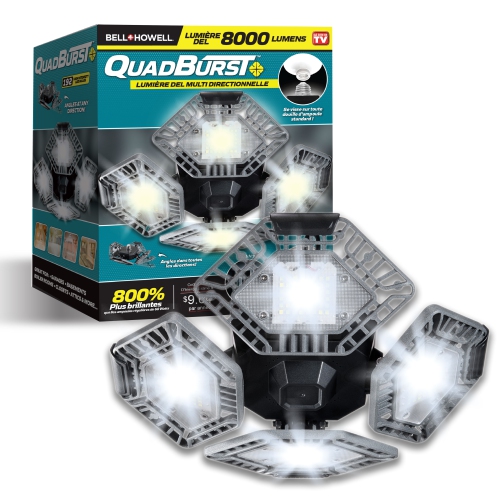 Your price for this item is $49.95
-
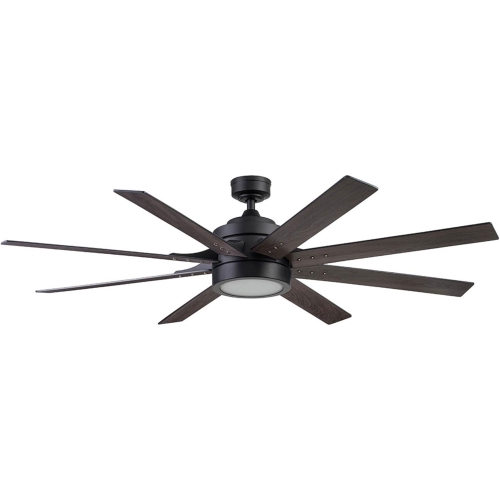 Your price for this item is $385.99
-
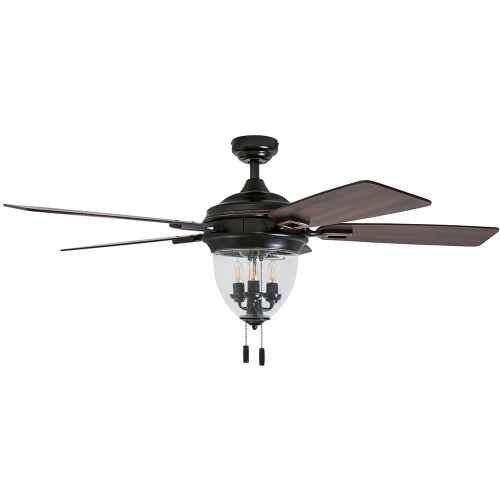 Your price for this item is $287.99
-
 Your price for this item is $187.99
-
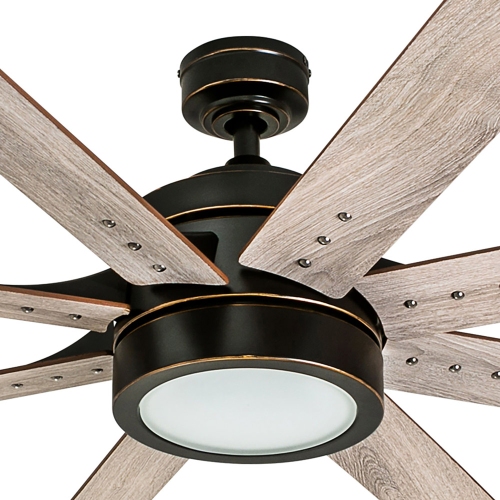 Your price for this item is $427.99
-
 Your price for this item is $174.99
-
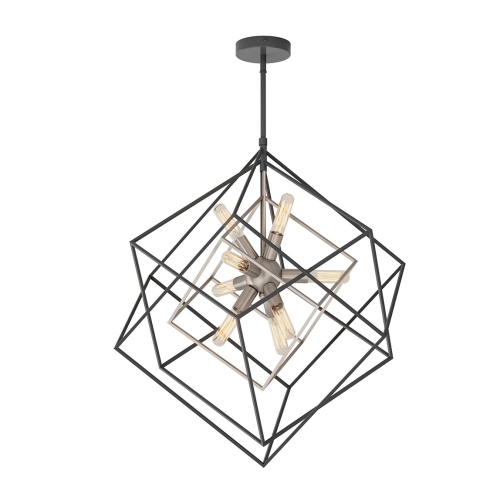 Your price for this item is $299
-
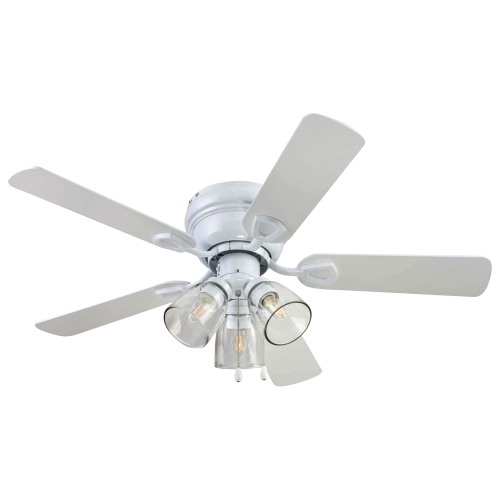 Your price for this item is $166.99
Discover more categories related to Flush Mount Lights for Kitchens

Top Collections:
Pokemon Centers, Kindle Devices, Best Budget Office Chairs, Canon G7X Cameras, Apple iPhones 16, Samsung Galaxy Phones, Refurbished Apple Laptops, Laptops for Students, iPhone 15 Apple, Budget Smartphones
Some products may be subject to Environmental Handling Fees
(EHF) depending on your province.
Learn more about EHFs.