Foldable Chairs
Looking for convenient seating solutions that are easy to store and transport? Our selection of foldable chairs offers the perfect blend of functionality and versatility for any space. Whether you need extra seating for hosting guests, outdoor events, or simply want to maximize your living space, these foldable chairs are designed to meet your needs with style and practicality in mind. Explore our range of foldable chairs to find the perfect option that suits your lifestyle and enhances your home decor effortlessly.
Sort
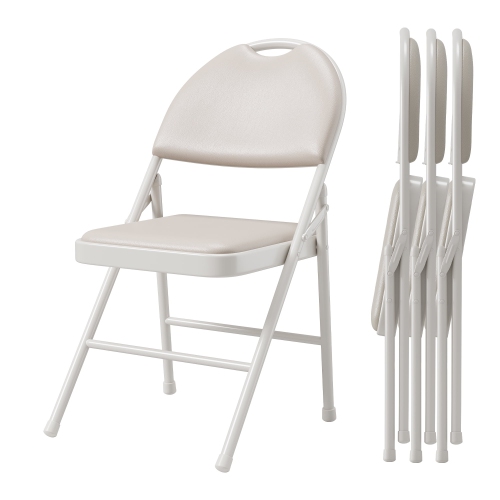
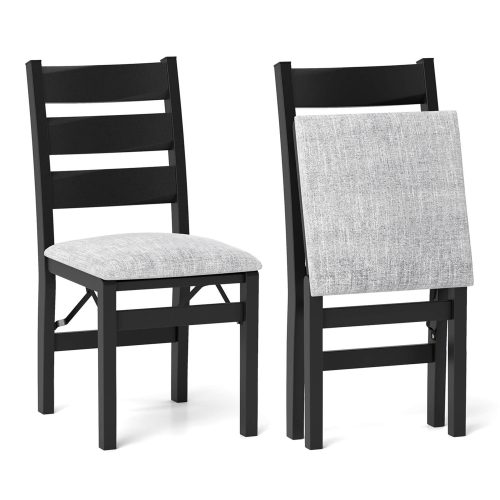
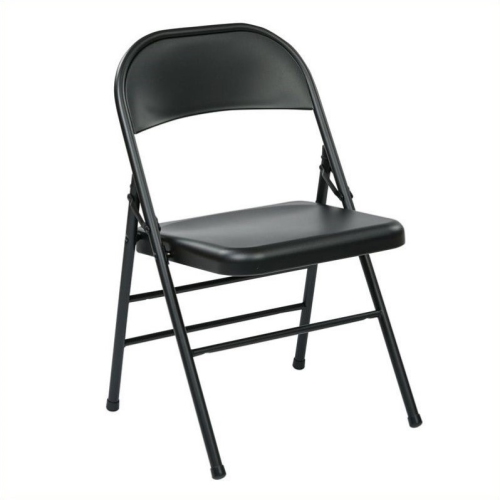
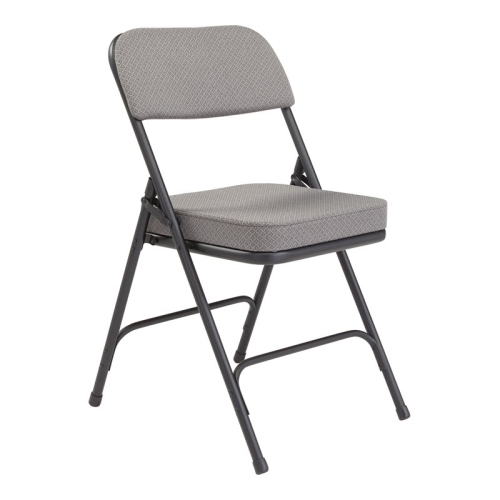
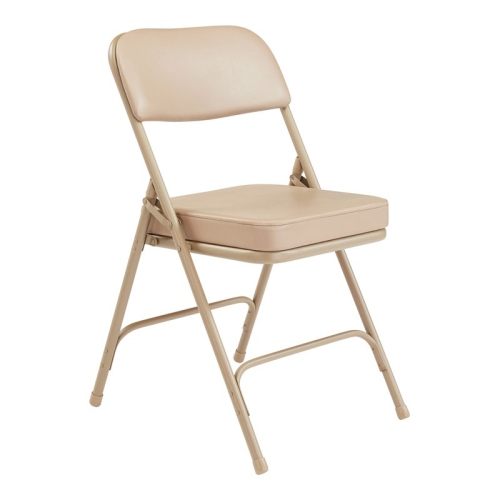
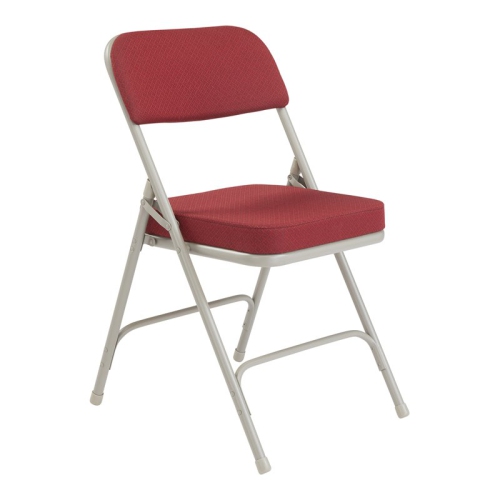
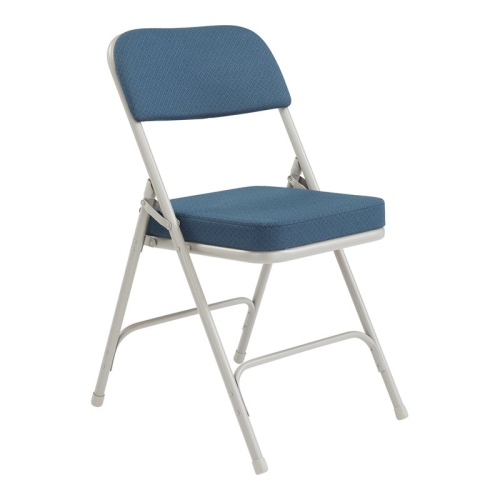
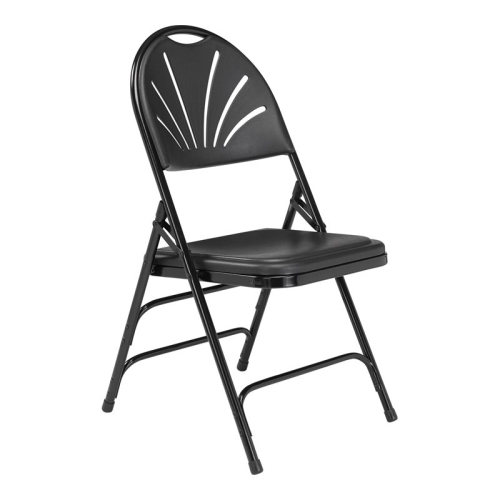
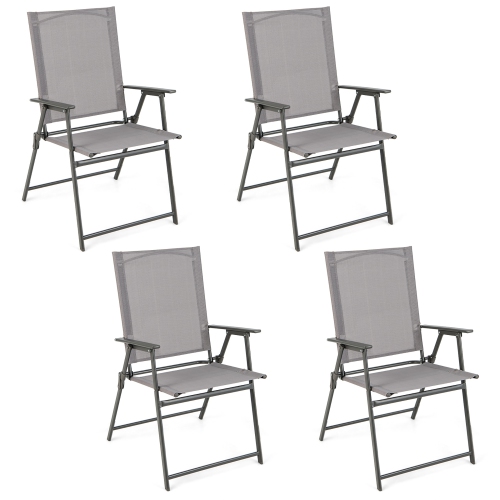

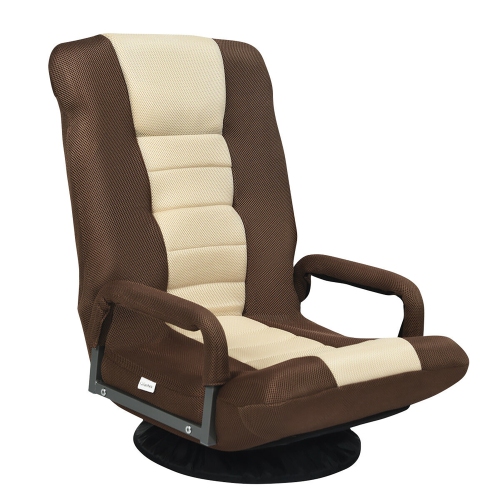
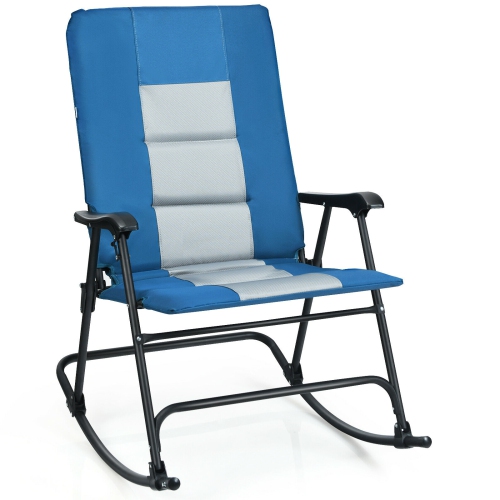
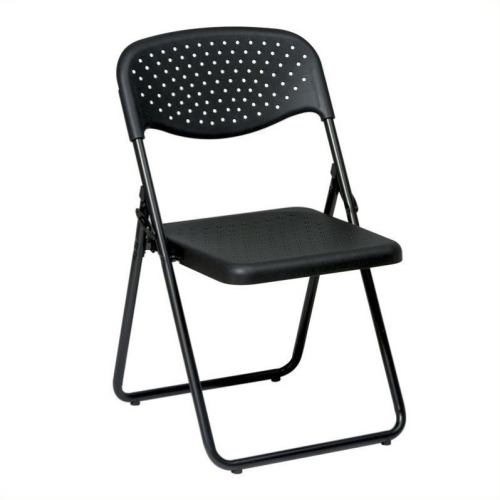
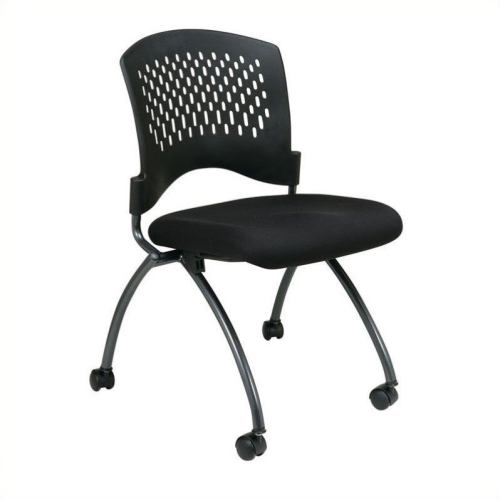
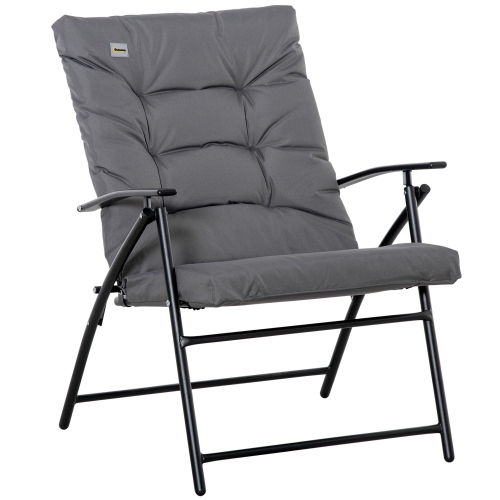
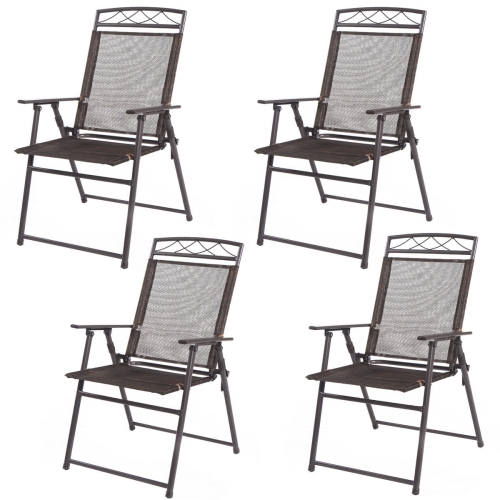
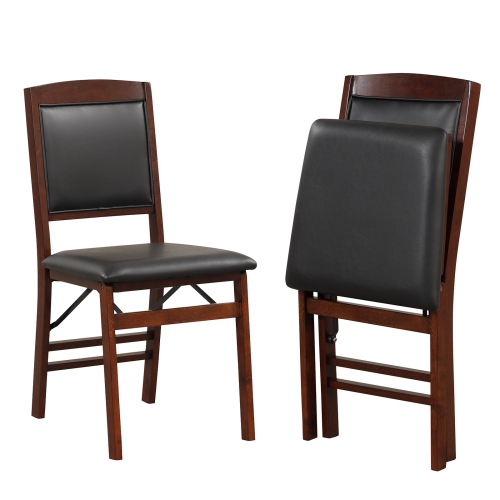
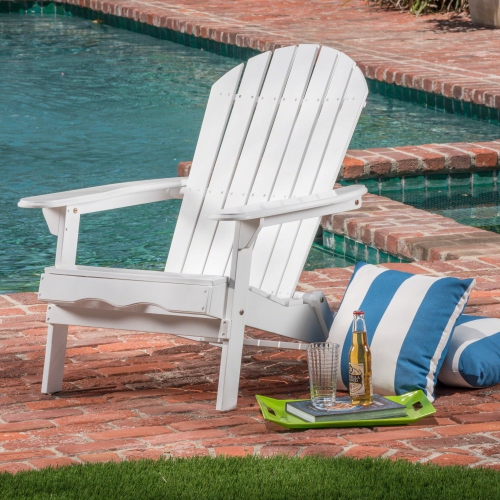
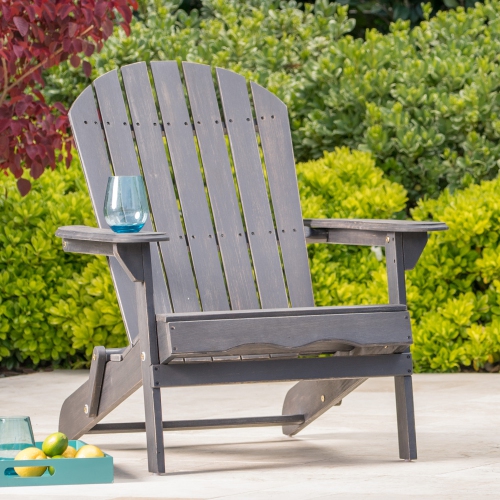
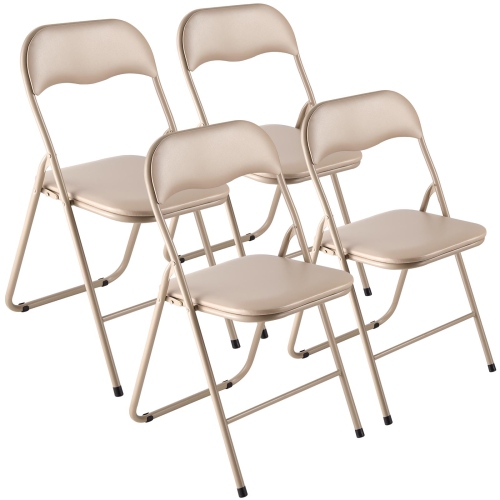
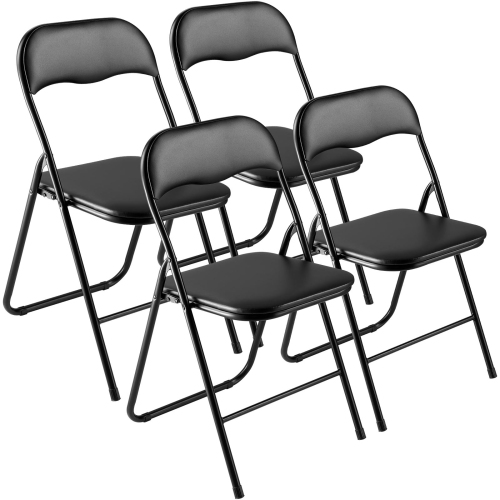
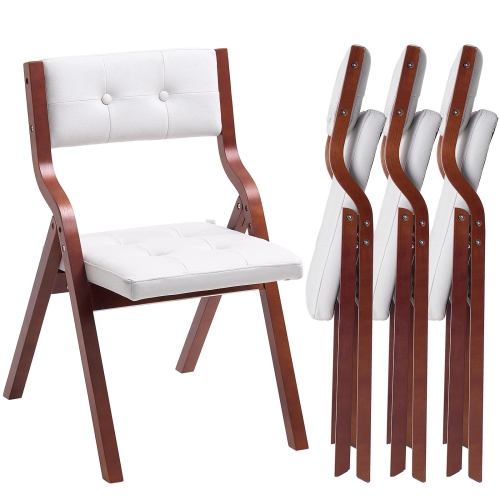
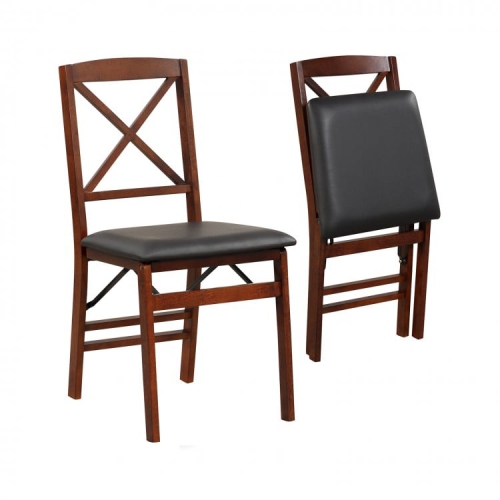
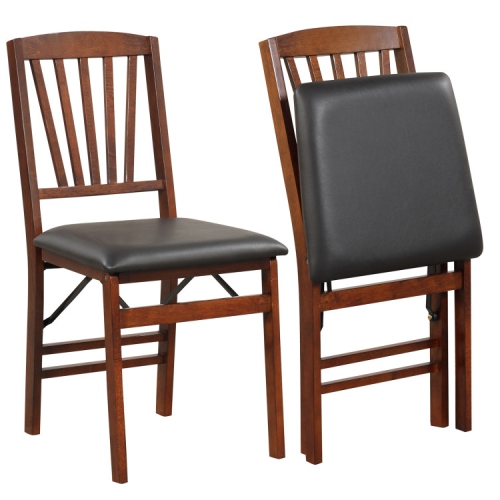
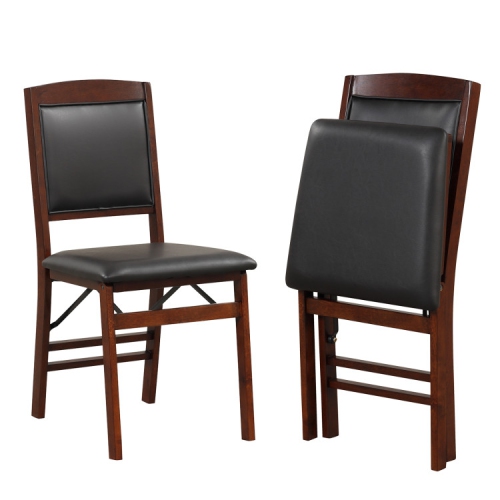
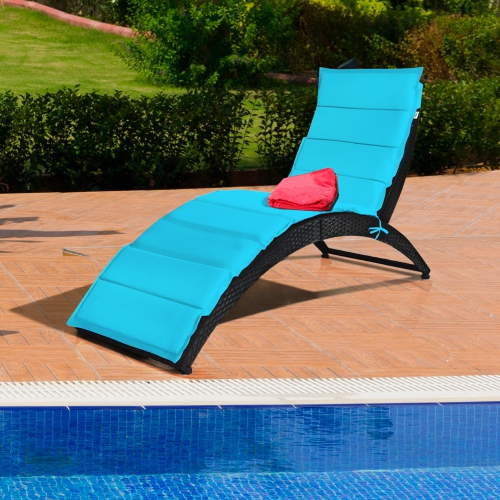
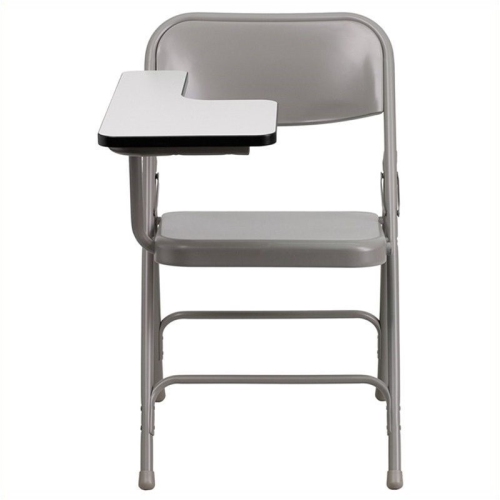
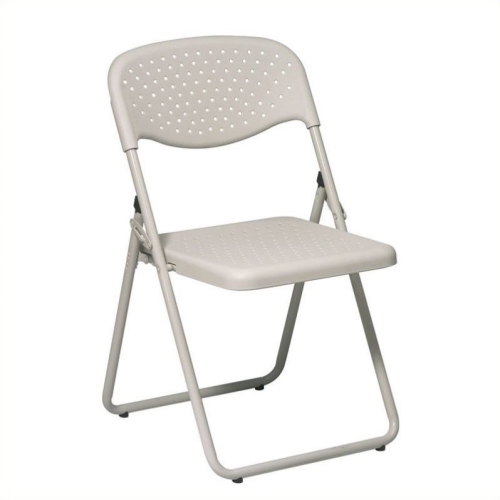
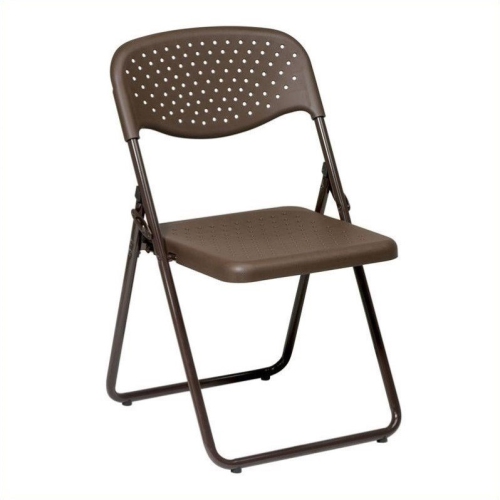
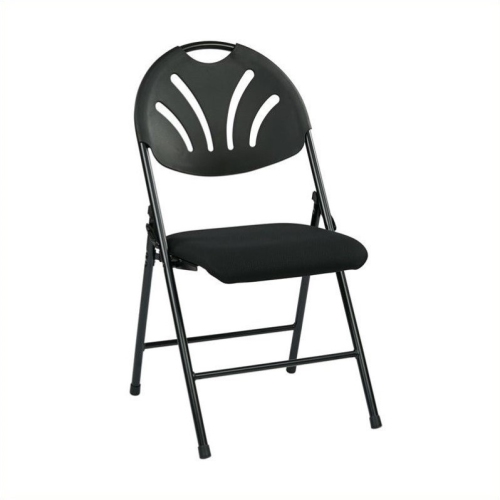
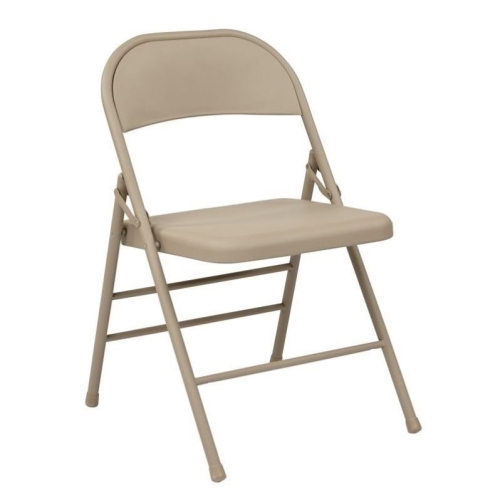
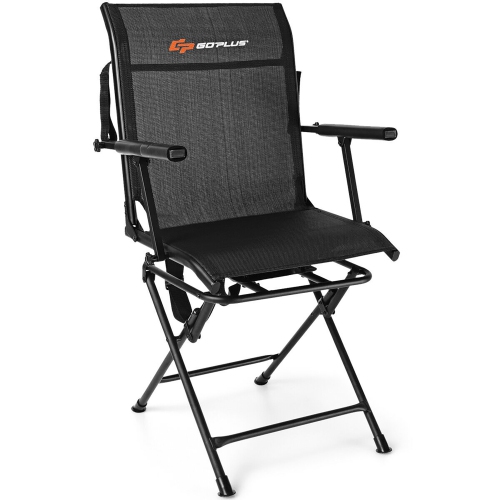
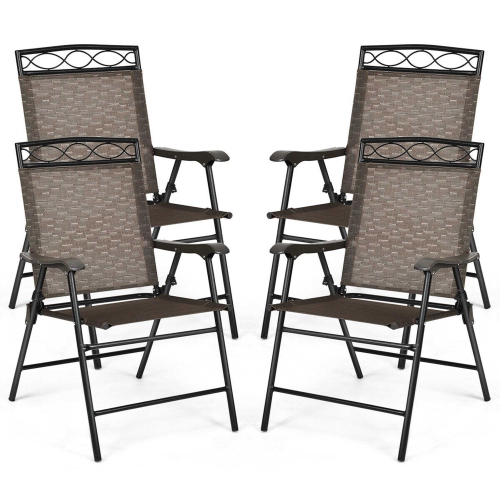
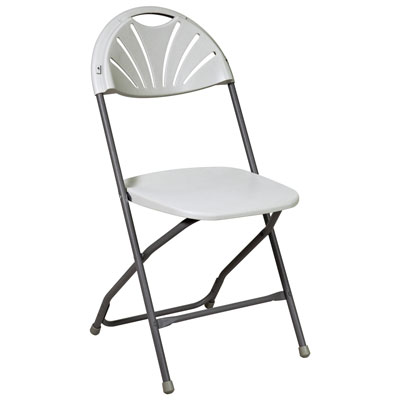
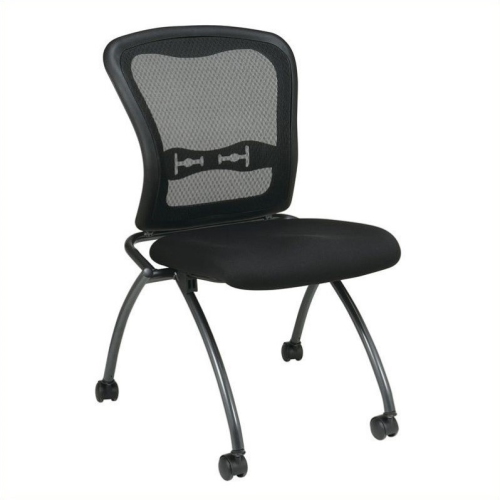
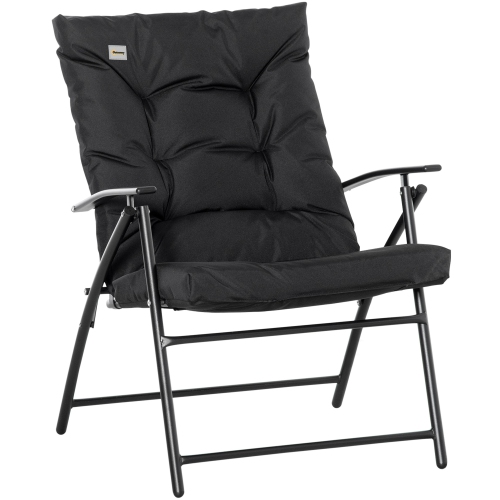
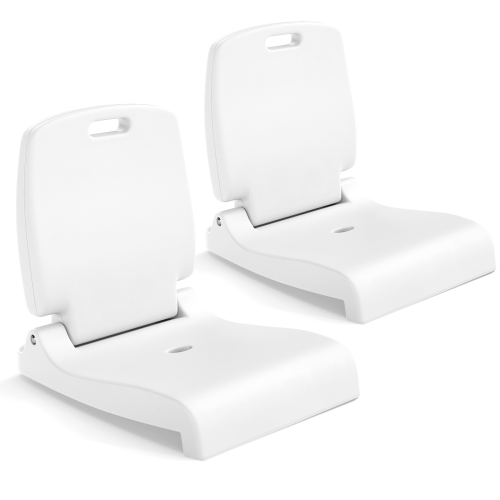
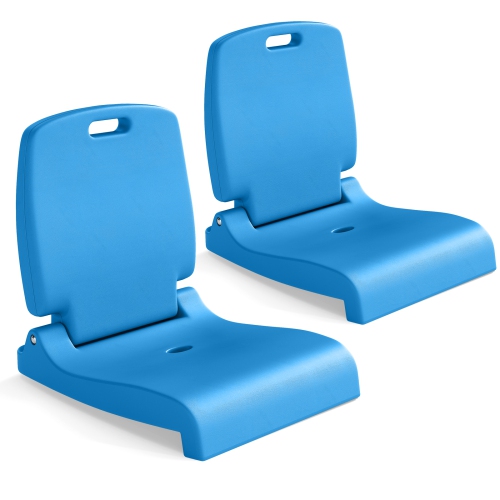
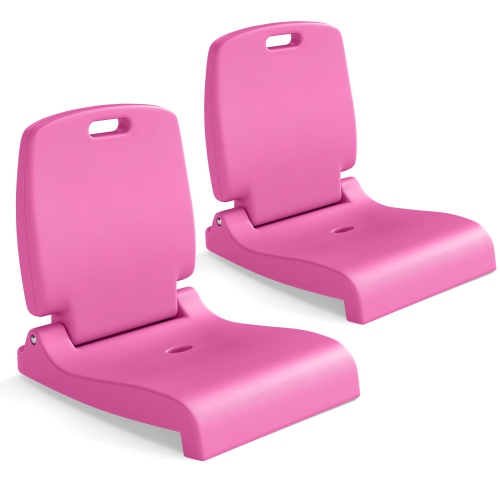
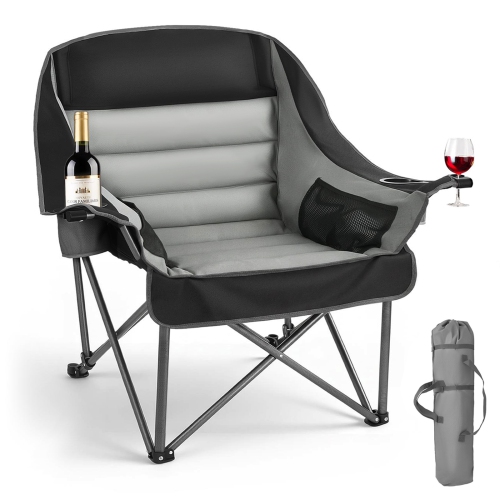
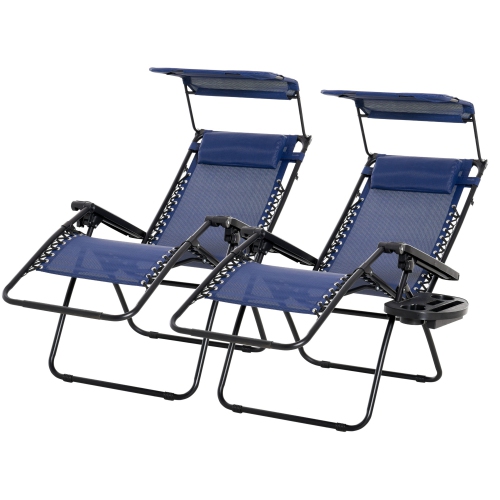
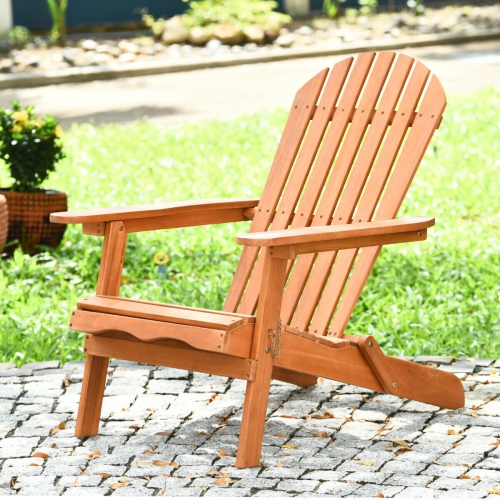
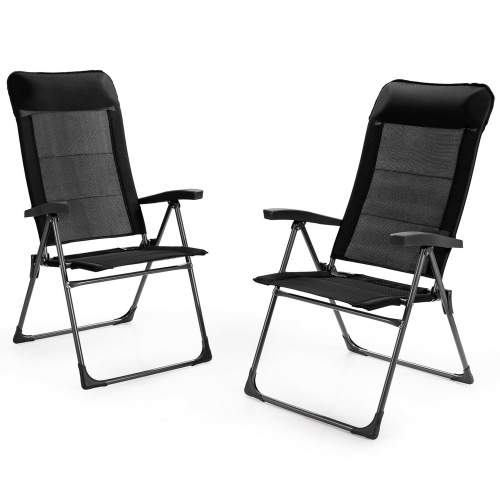
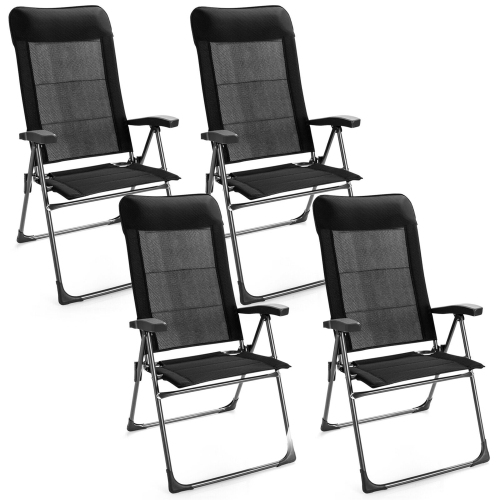
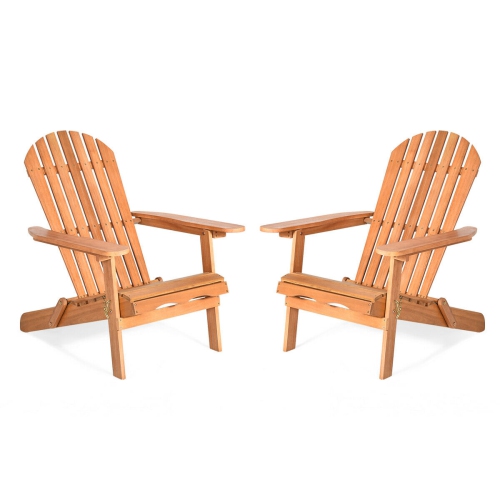
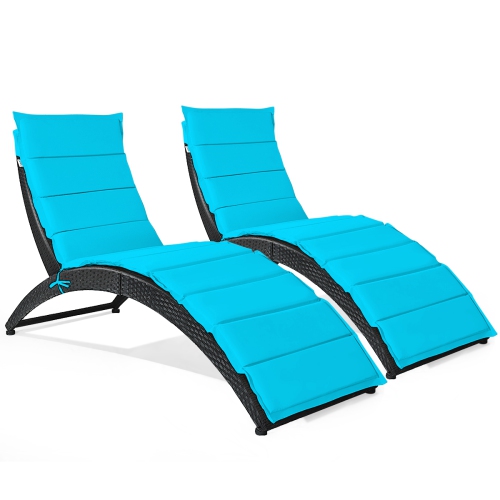
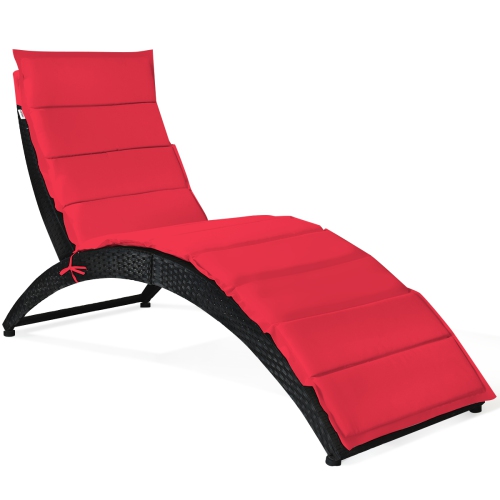
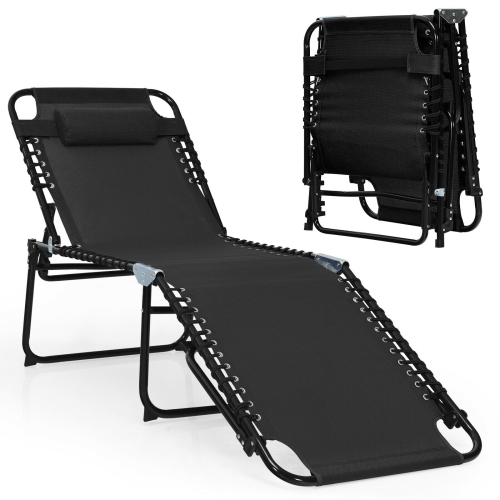
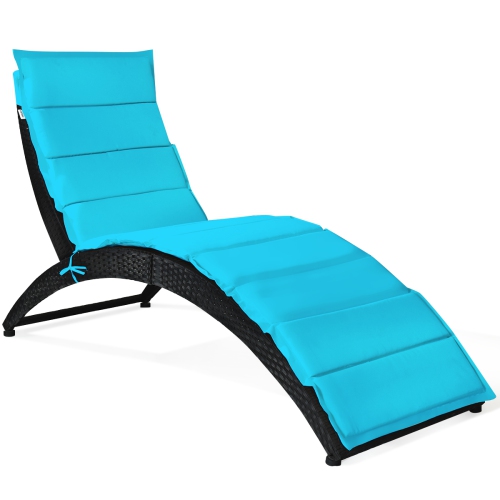
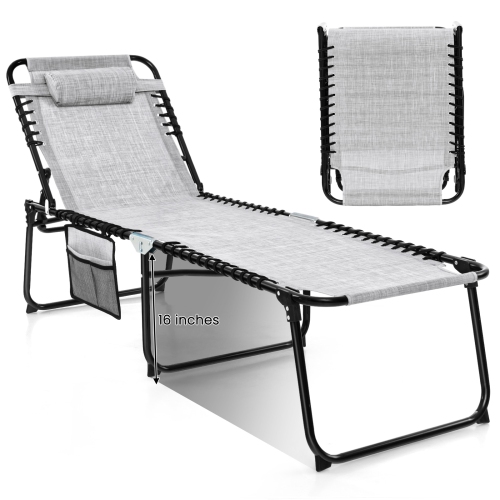
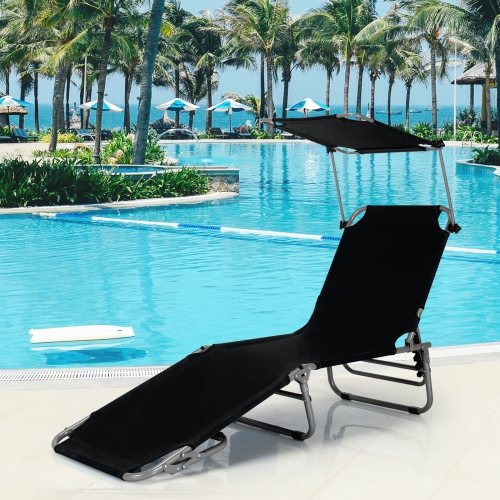
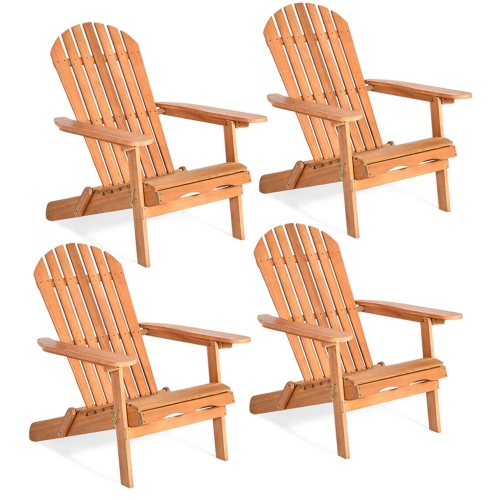
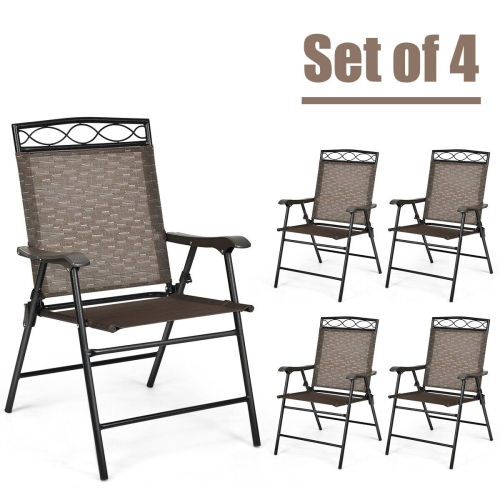
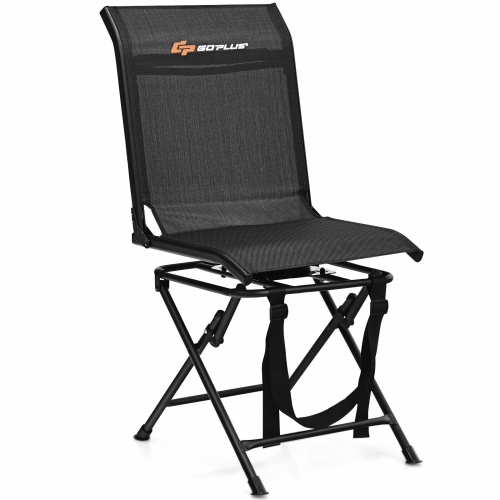
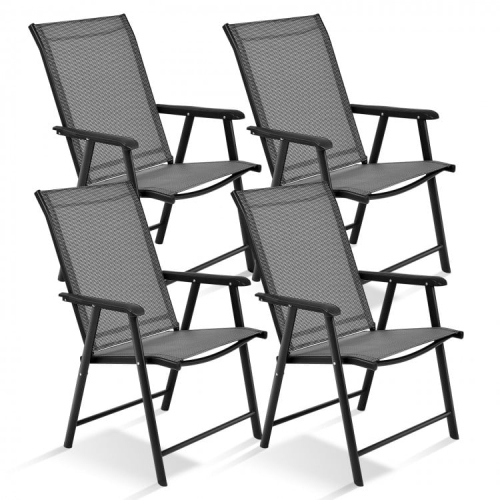
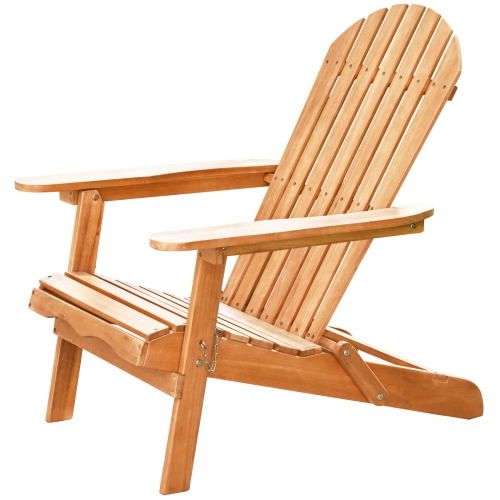
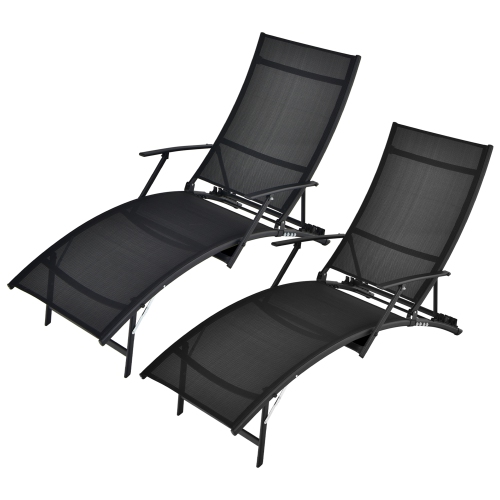
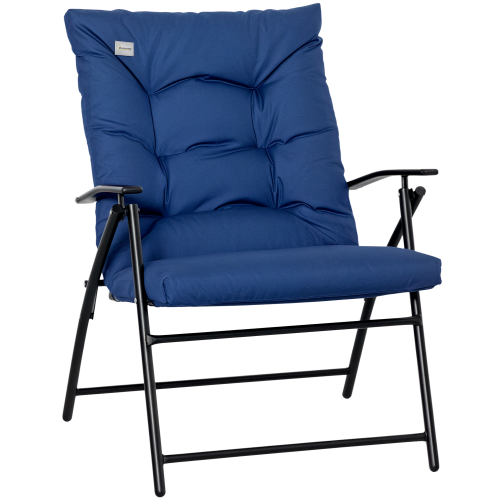
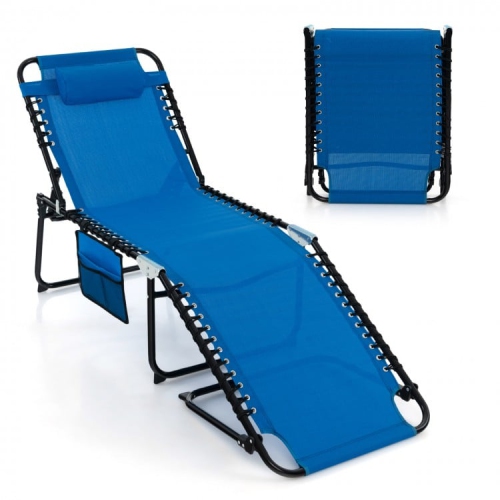
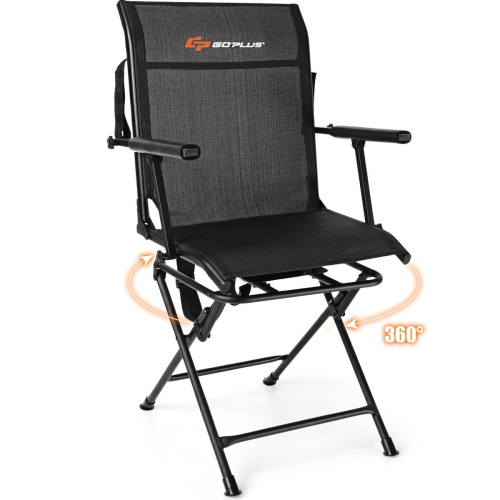
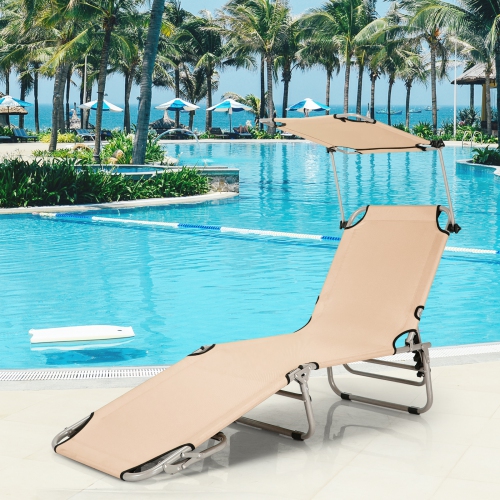
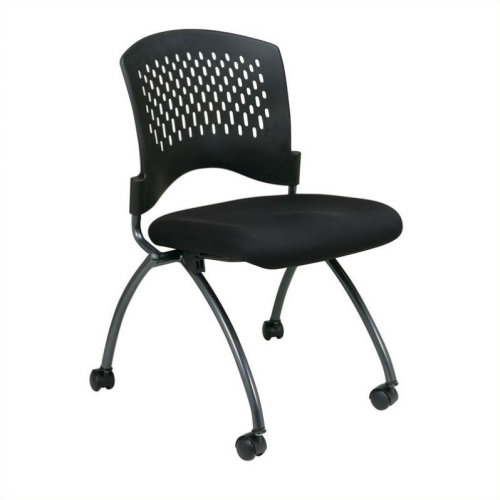
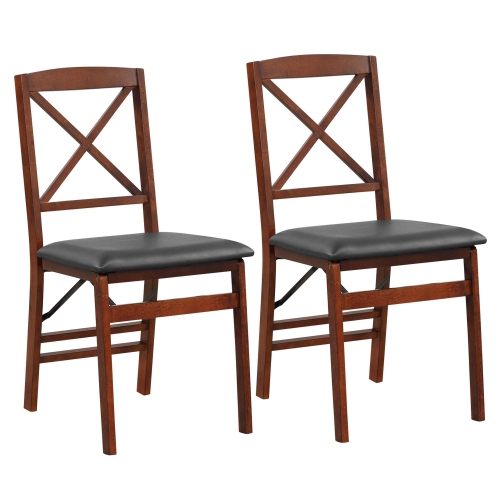
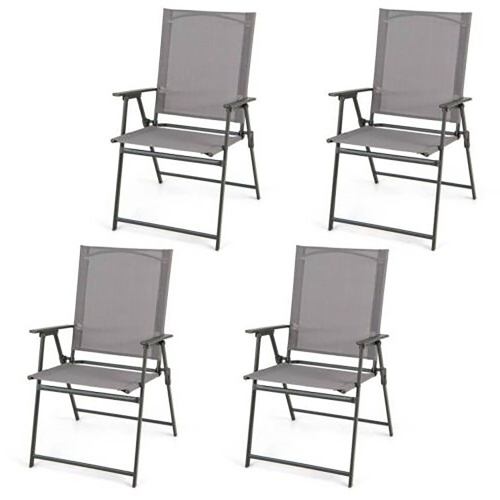
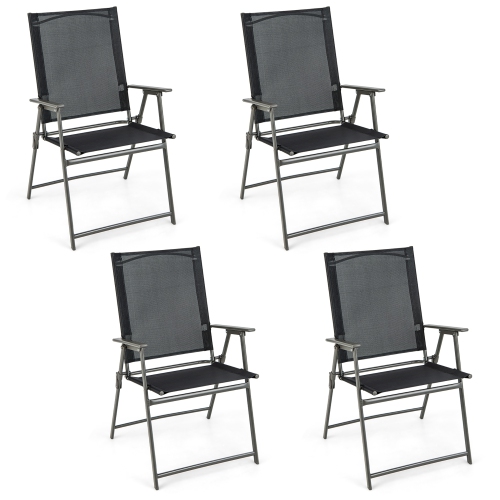
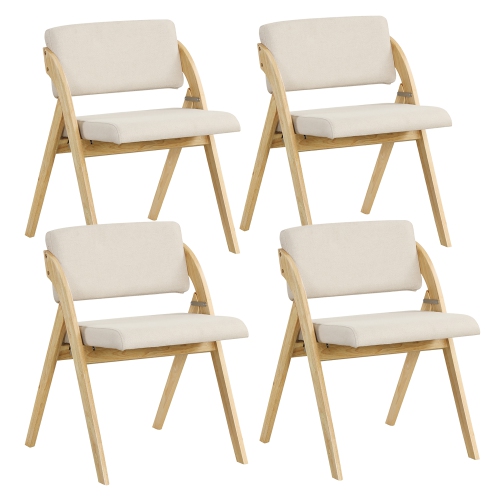
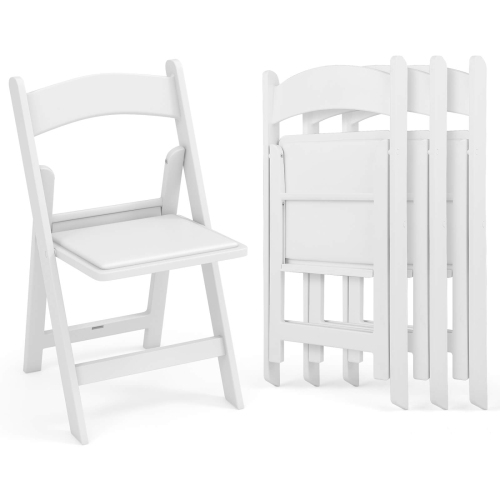
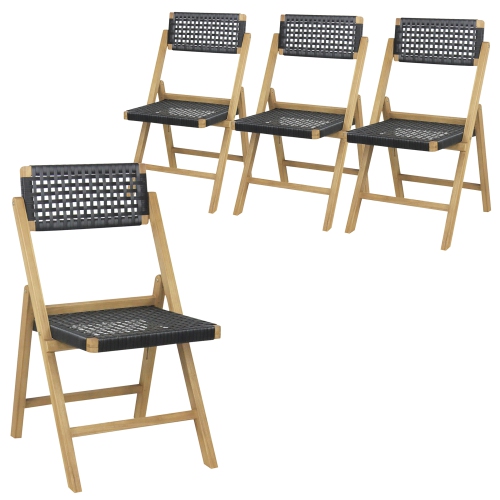
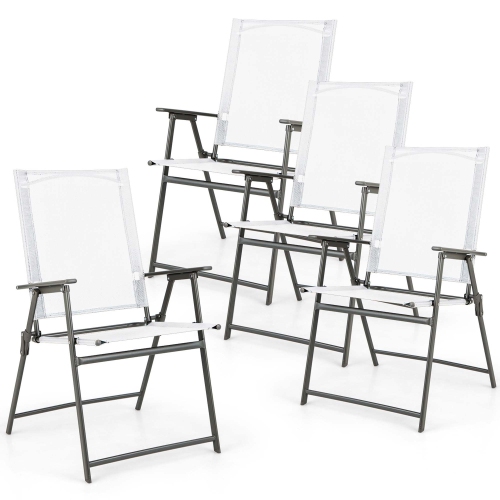
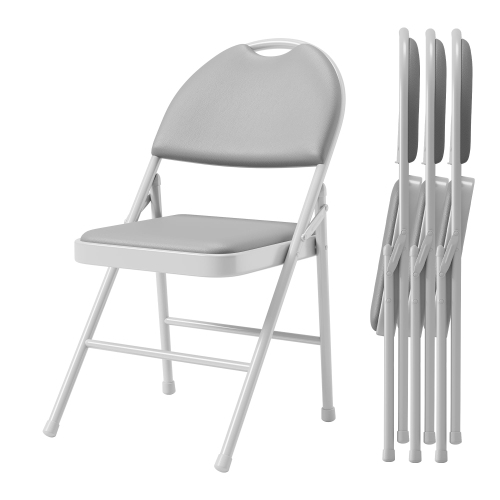
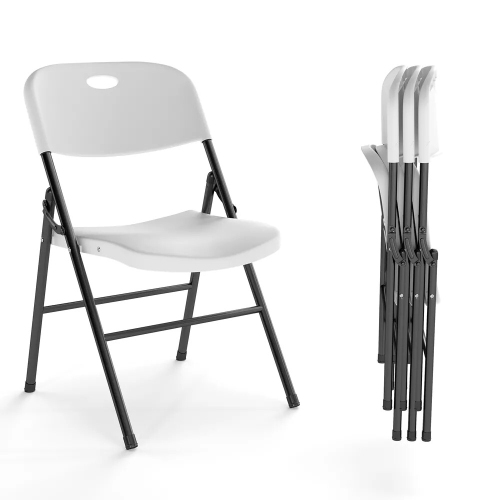
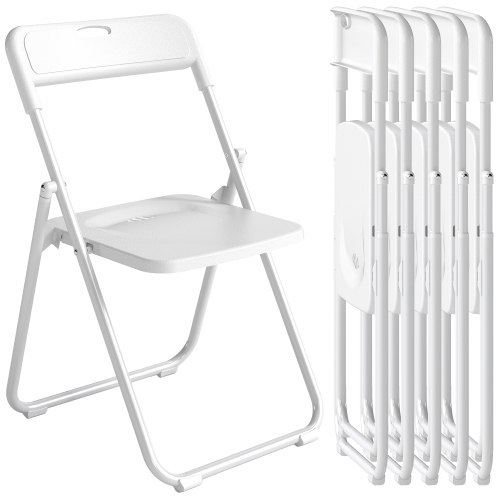
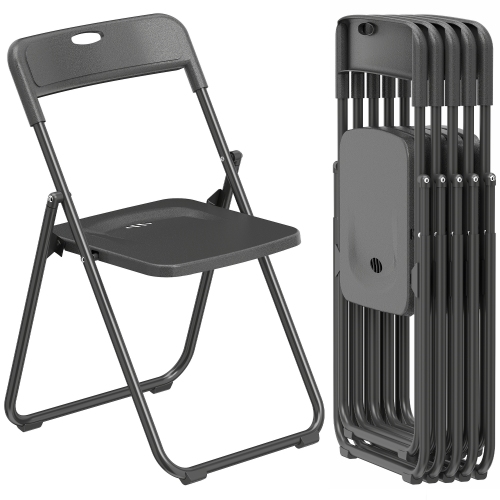
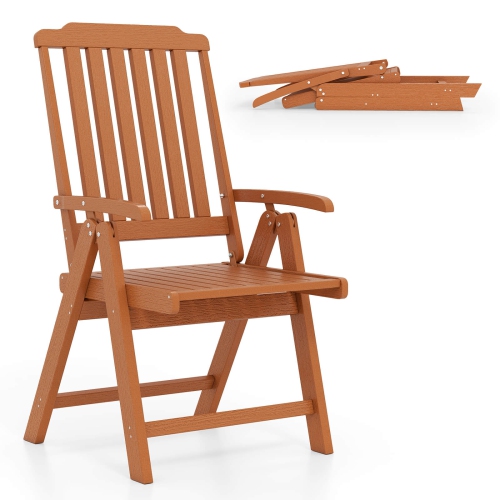
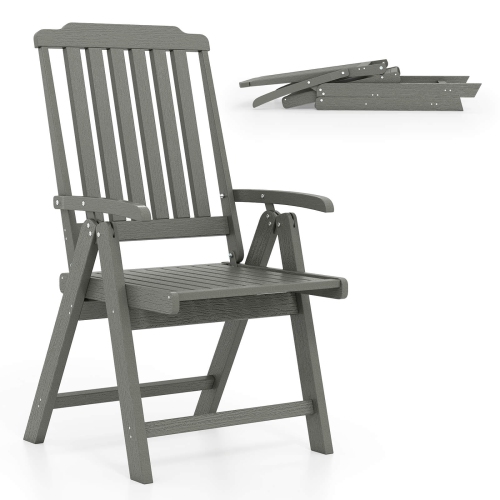
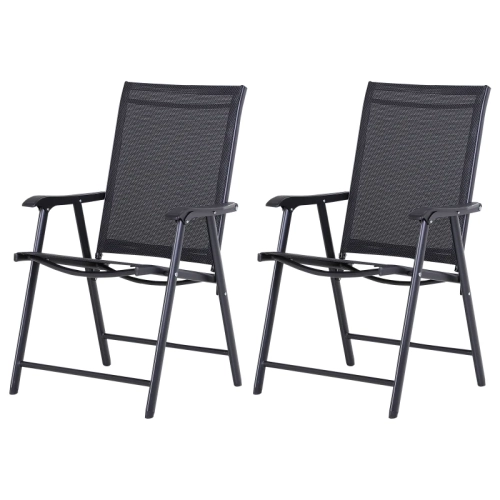
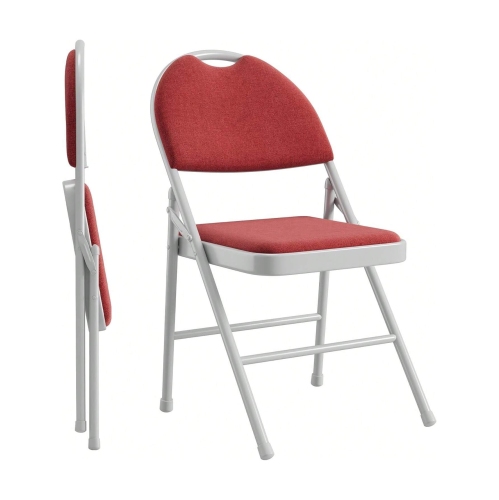
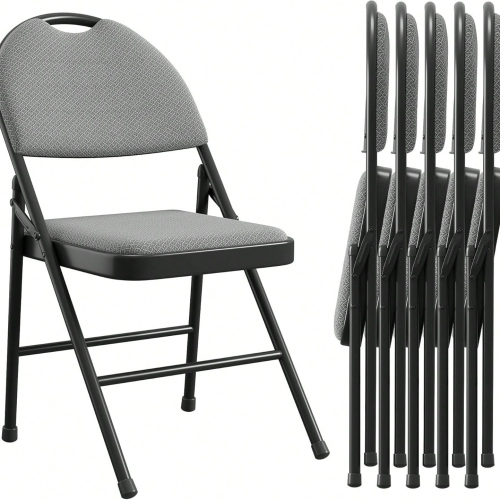
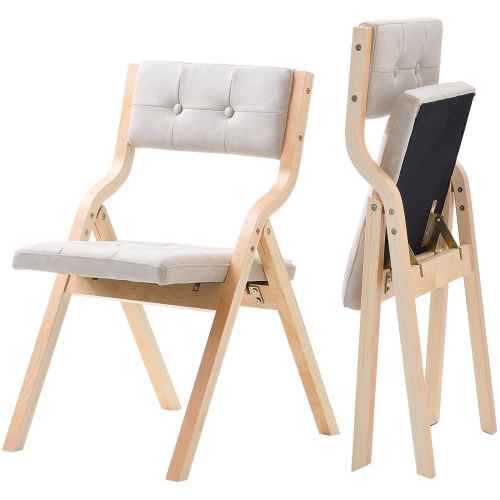
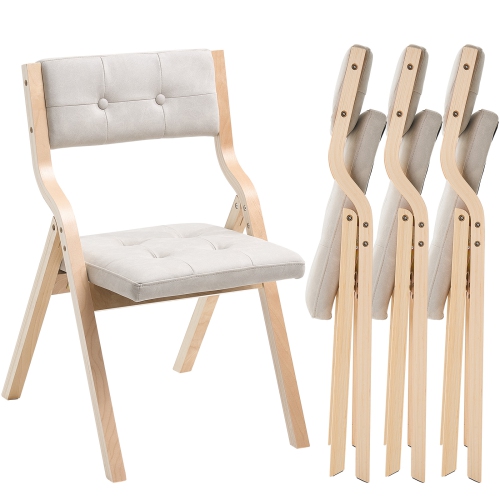
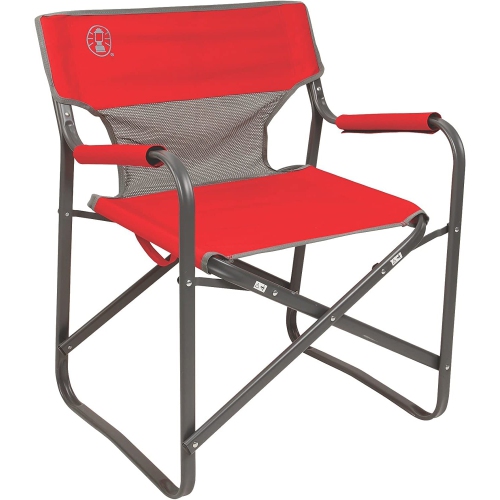
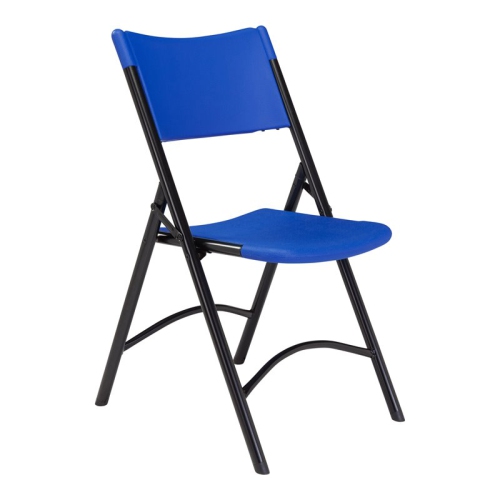
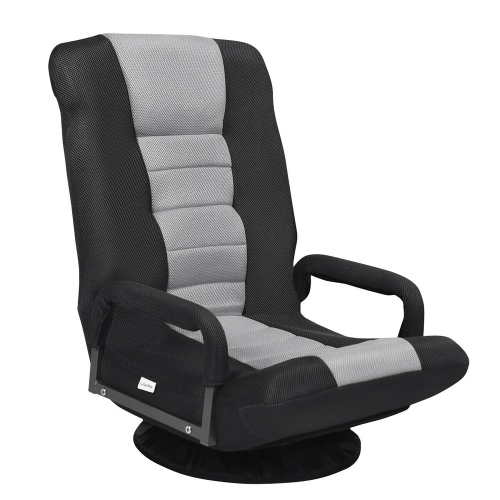
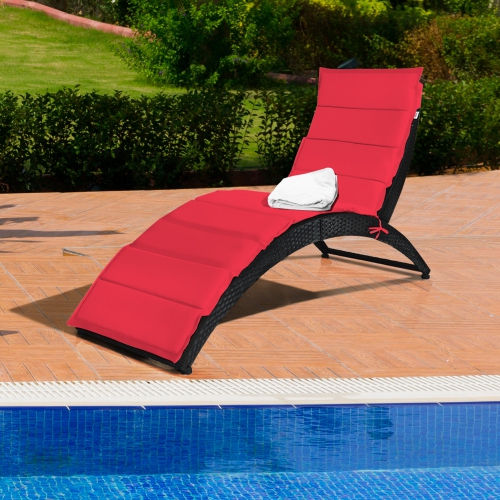
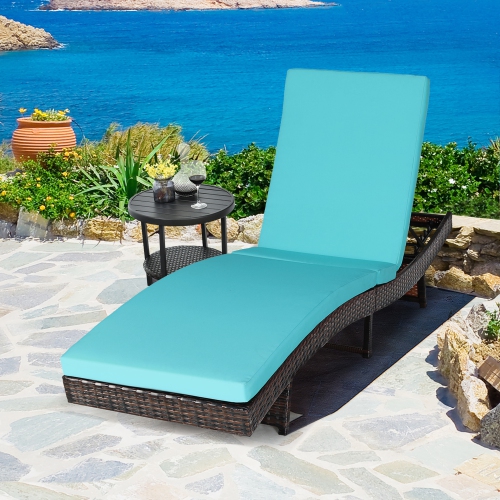
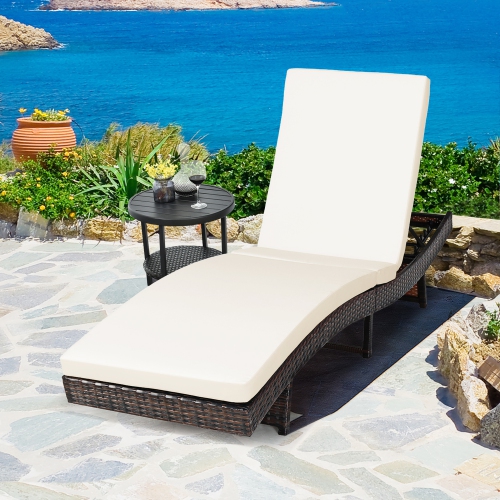
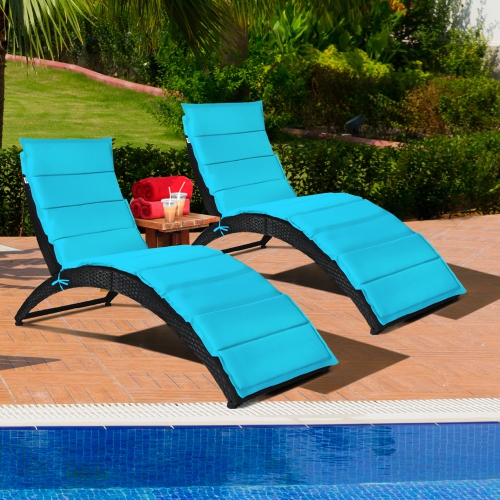
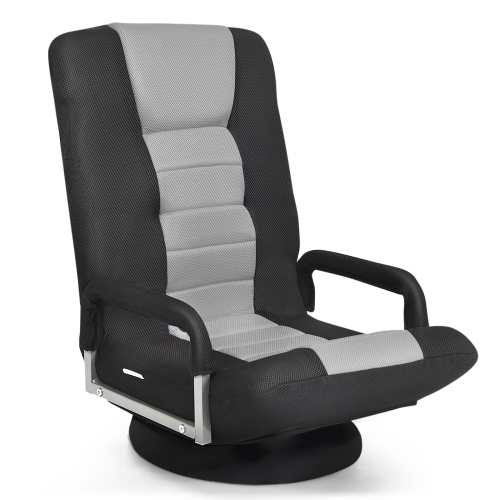
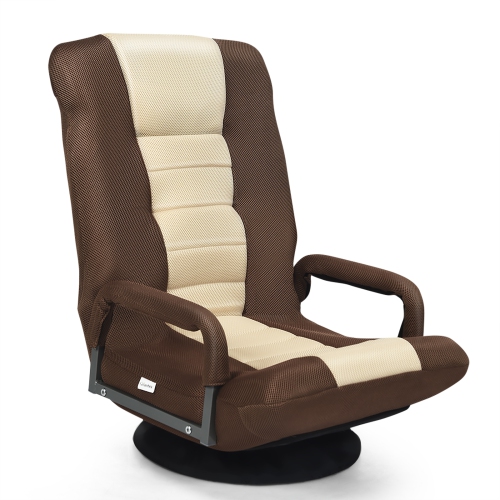
Extra seating that tucks away between gatherings
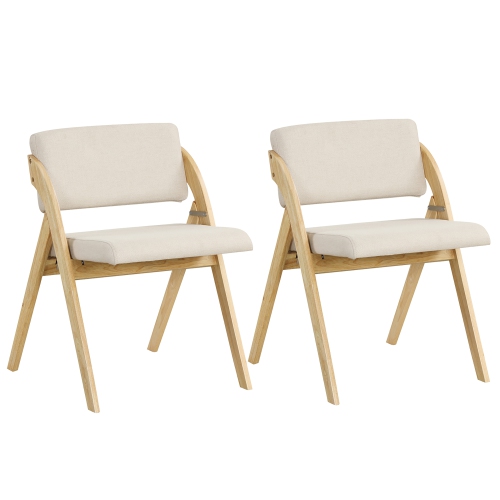
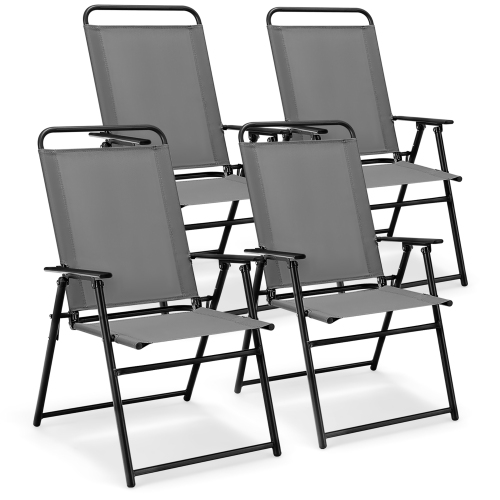
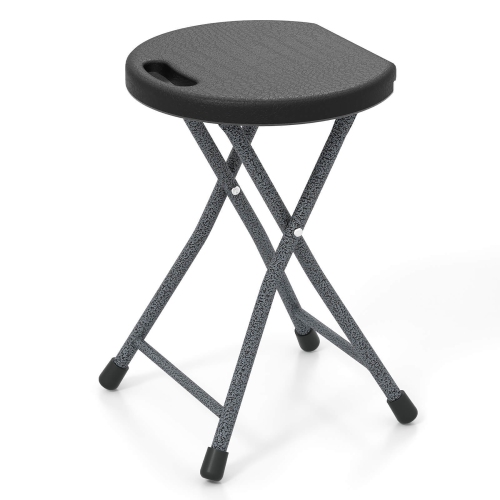
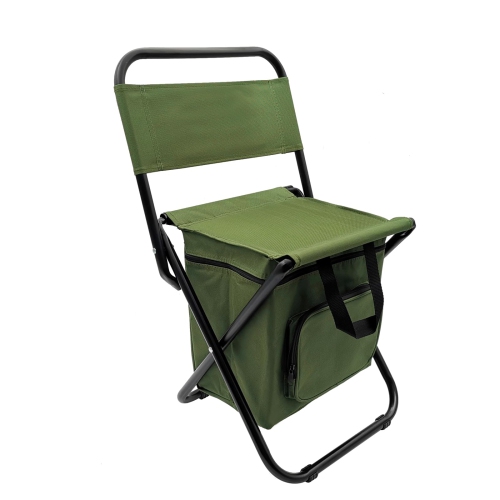
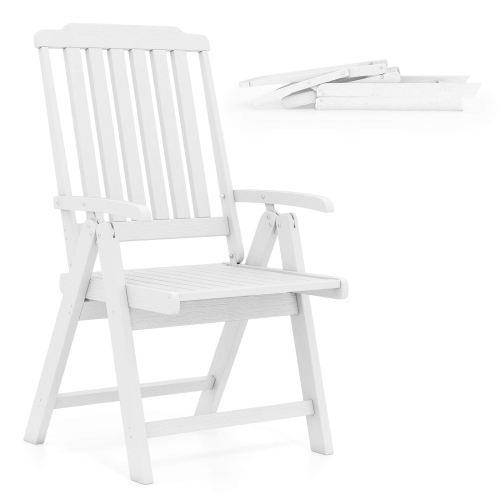
Foldable chairs provide seating that can be opened when needed and tucked away when the room needs to serve another purpose. They suit everything from an extra place at the dining table to a card game in the living room, a community gathering, or a campsite meal. The main differences between styles are the frame material, seat construction, folded dimensions, carrying weight, and intended use. Flat-folding chairs typically have a firm seat and back supported by a hinged frame, making them practical for dining, meetings, and other activities that call for upright seating. Collapsible fabric chairs often draw inward into a narrow bundle, which can be easier to carry to a picnic area or pack alongside travel gear. Neither design is automatically more comfortable or more durable; the fit and construction matter more than the folding method alone. For occasional guests, a straightforward chair with a supportive back may be enough. For longer conversations, board games, or events, padding, a contoured seat, and a backrest that supports a natural sitting position can make a noticeable difference. In a condo or apartment, the appeal is often the ability to keep a small dining area open between visits. In a shared activity room, matching chairs that fold to a consistent shape can simplify setup and storage. Outdoor seating has its own requirements, so chairs intended for a garden, balcony, or patio should be identified by the manufacturer as suitable for that use. For seating focused on those spaces, Foldable Garden Chairs offer a more specific category to explore. A chair carried regularly between a vehicle and a gathering spot benefits from manageable weight and a comfortable handle or carrying bag, while one kept near the dining table may place greater emphasis on appearance, seat height, and floor protection. Thinking about that everyday journey helps distinguish a chair that is simply compact from one that is genuinely convenient to use.
Materials affect how foldable chairs feel, how much they weigh, and how they respond to repeated handling. Steel frames can provide a sturdy structure, though overall weight varies with the design and thickness of the tubing. Aluminium is often used where portability matters, but a lighter frame should still be assessed against the stated weight capacity and intended purpose. Wood brings a furniture-like appearance that can blend with a dining room or multipurpose space; its finish and joints need care appropriate to the material. Moulded plastic seats are generally straightforward to wipe down, while upholstered seats add cushioning and texture but may require more attention after spills. Fabric sling seats conform differently to the body than rigid seats, and a deeper seat can feel relaxing while making it harder for some people to stand up. Seat height deserves particular attention when a folding chair will share a table with regular dining chairs. The seated person should have enough legroom beneath the tabletop, with feet resting comfortably on the floor rather than dangling or being pushed too far forward. Armrests may offer welcome support, but their height and width can prevent a chair from sliding beneath a table. The usable seat width matters as well: the distance between frame rails or armrests is more informative than the overall outside measurement. For taller users, seat depth and backrest height can influence comfort; for anyone who finds low seating difficult, a firmer, higher seat may be easier to use. Always follow the manufacturer’s stated weight limit rather than judging strength by appearance. Reinforced joints, cross-bracing, secure fasteners, and a positive locking mechanism are useful construction details to examine, although no single feature establishes a chair’s capacity. For shared spaces, repeated setup and takedown can place different demands on hinges and finishes than occasional household use. Floor-contact points also deserve a look, especially on hardwood or tile, where suitable non-marking feet can help reduce scuffs and noise. A wide footprint may improve stability, but it also occupies more room around a crowded table.
Storage and care are part of choosing foldable chairs, particularly when several need to fit into a narrow cupboard or utility room. Folded height, width, and thickness determine whether a chair will slide behind a door, stand inside a closet, or fit in a vehicle’s cargo area. A chair described as foldable is not necessarily designed to stack securely, so stacking and storage directions should be checked separately. For a household that brings out several chairs for meals, the combined storage footprint matters more than the dimensions of just one. Carrying weight also adds up quickly when moving a group of chairs between rooms or loading them for an event. Before each use, open the frame fully and confirm that any locks or braces are properly engaged. Keep fingers clear of hinges and folding joints, and place the chair on a stable, level surface with all feet supported. Chairs are seating, not substitutes for a step stool, and leaning back on two legs can strain the frame or cause a fall. Routine cleaning usually starts with removing loose debris and addressing spills promptly, followed by the method recommended for the seat and frame materials. Upholstery may need spot cleaning, removable covers should be washed only as directed, and abrasive cleaners can damage some finishes. Let cleaned chairs dry fully before folding or covering them, and avoid storage arrangements that place unnecessary pressure on fabric or moving parts. Periodic checks for loose fasteners, worn feet, damaged stitching, or stiff hinges help identify problems before the next gathering. Where replacement parts or adjustments are permitted, follow the manufacturer’s instructions rather than improvising repairs to load-bearing components. Foldable chairs can also make a practical housewarming gift for someone furnishing a first apartment or welcoming guests into a smaller home, provided their storage space and seating needs are known. Whether used daily at a compact table or brought out for company, the most useful design balances comfortable proportions, dependable construction, manageable handling, and a folded shape that fits its place in the home.
Materials affect how foldable chairs feel, how much they weigh, and how they respond to repeated handling. Steel frames can provide a sturdy structure, though overall weight varies with the design and thickness of the tubing. Aluminium is often used where portability matters, but a lighter frame should still be assessed against the stated weight capacity and intended purpose. Wood brings a furniture-like appearance that can blend with a dining room or multipurpose space; its finish and joints need care appropriate to the material. Moulded plastic seats are generally straightforward to wipe down, while upholstered seats add cushioning and texture but may require more attention after spills. Fabric sling seats conform differently to the body than rigid seats, and a deeper seat can feel relaxing while making it harder for some people to stand up. Seat height deserves particular attention when a folding chair will share a table with regular dining chairs. The seated person should have enough legroom beneath the tabletop, with feet resting comfortably on the floor rather than dangling or being pushed too far forward. Armrests may offer welcome support, but their height and width can prevent a chair from sliding beneath a table. The usable seat width matters as well: the distance between frame rails or armrests is more informative than the overall outside measurement. For taller users, seat depth and backrest height can influence comfort; for anyone who finds low seating difficult, a firmer, higher seat may be easier to use. Always follow the manufacturer’s stated weight limit rather than judging strength by appearance. Reinforced joints, cross-bracing, secure fasteners, and a positive locking mechanism are useful construction details to examine, although no single feature establishes a chair’s capacity. For shared spaces, repeated setup and takedown can place different demands on hinges and finishes than occasional household use. Floor-contact points also deserve a look, especially on hardwood or tile, where suitable non-marking feet can help reduce scuffs and noise. A wide footprint may improve stability, but it also occupies more room around a crowded table.
Storage and care are part of choosing foldable chairs, particularly when several need to fit into a narrow cupboard or utility room. Folded height, width, and thickness determine whether a chair will slide behind a door, stand inside a closet, or fit in a vehicle’s cargo area. A chair described as foldable is not necessarily designed to stack securely, so stacking and storage directions should be checked separately. For a household that brings out several chairs for meals, the combined storage footprint matters more than the dimensions of just one. Carrying weight also adds up quickly when moving a group of chairs between rooms or loading them for an event. Before each use, open the frame fully and confirm that any locks or braces are properly engaged. Keep fingers clear of hinges and folding joints, and place the chair on a stable, level surface with all feet supported. Chairs are seating, not substitutes for a step stool, and leaning back on two legs can strain the frame or cause a fall. Routine cleaning usually starts with removing loose debris and addressing spills promptly, followed by the method recommended for the seat and frame materials. Upholstery may need spot cleaning, removable covers should be washed only as directed, and abrasive cleaners can damage some finishes. Let cleaned chairs dry fully before folding or covering them, and avoid storage arrangements that place unnecessary pressure on fabric or moving parts. Periodic checks for loose fasteners, worn feet, damaged stitching, or stiff hinges help identify problems before the next gathering. Where replacement parts or adjustments are permitted, follow the manufacturer’s instructions rather than improvising repairs to load-bearing components. Foldable chairs can also make a practical housewarming gift for someone furnishing a first apartment or welcoming guests into a smaller home, provided their storage space and seating needs are known. Whether used daily at a compact table or brought out for company, the most useful design balances comfortable proportions, dependable construction, manageable handling, and a folded shape that fits its place in the home.
Top selling and popular products
-
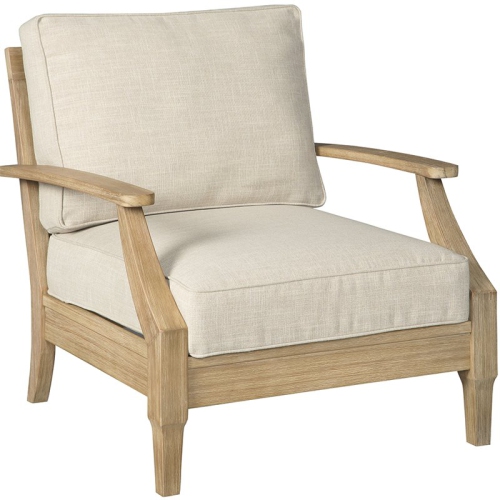 Your price for this item is $1227.67
 -
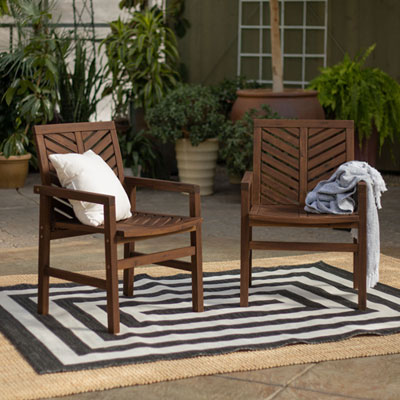 Your price for this item is $604.99
 -
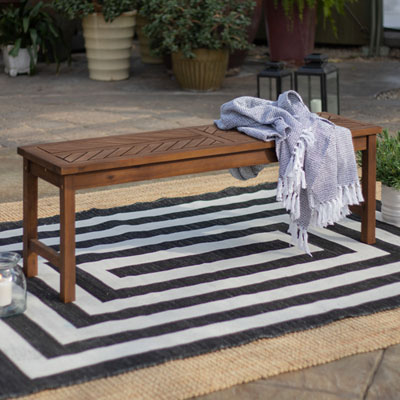 Your price for this item is $371.99
 -
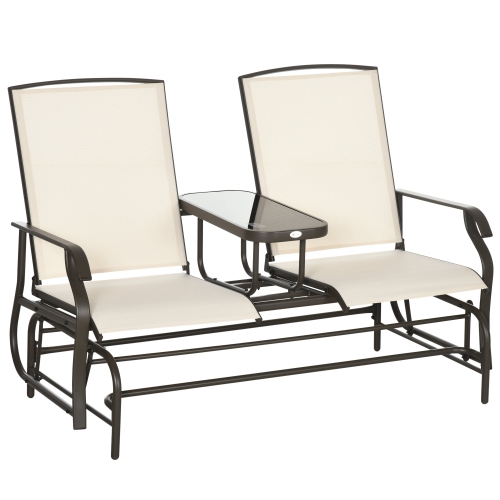 Your price for this item is $189.99
 -
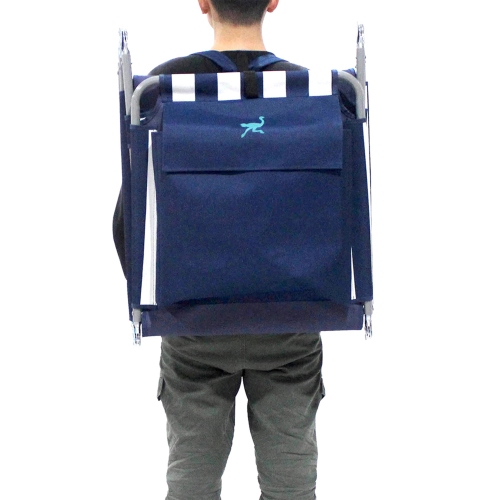 Your price for this item is $204.99
 -
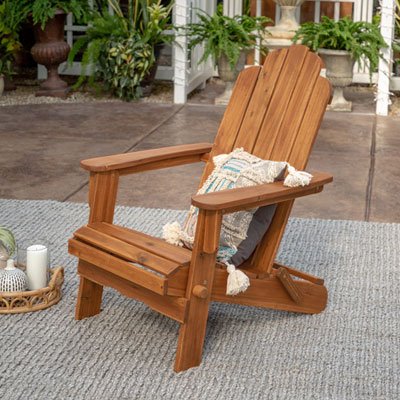 Your price for this item is $461.99
 -
 Your price for this item is $170.99
 -
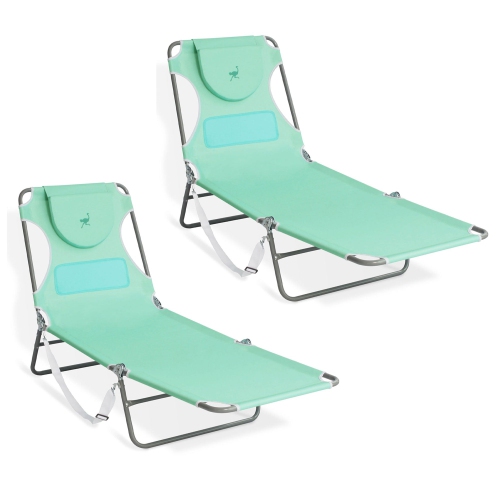 Your price for this item is $392.99
Discover more categories related to Foldable Chairs
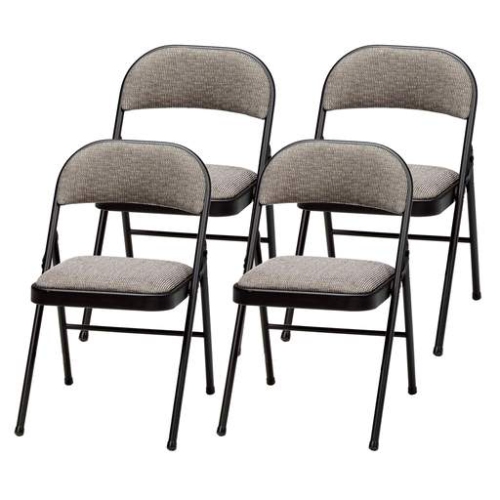
Top Collections:
Pokemon Centers, Kindle Devices, Best Budget Office Chairs, Apple iPhones 16, Best Laptops for Writers, iPhone 15 Apple, Canon G7X Cameras, Refurbished Apple Laptops, Alarm Clock, Motorola Razr Phones
Some products may be subject to Environmental Handling Fees
(EHF) depending on your province.
Learn more about EHFs.