Folding Beds for Small Spaces
Folding Beds for Small Spaces offer a practical solution for maximizing room in apartments, guest rooms, dormitories, and other compact areas. These versatile beds are designed to provide comfort and convenience without taking up valuable floor space when not in use. Whether you need an extra sleep surface for visitors or a flexible option for multi-purpose rooms, folding beds make it easy to create a cozy sleeping area wherever you need it. Explore a wide selection of styles and sizes to find the perfect fit for your home.
Sort

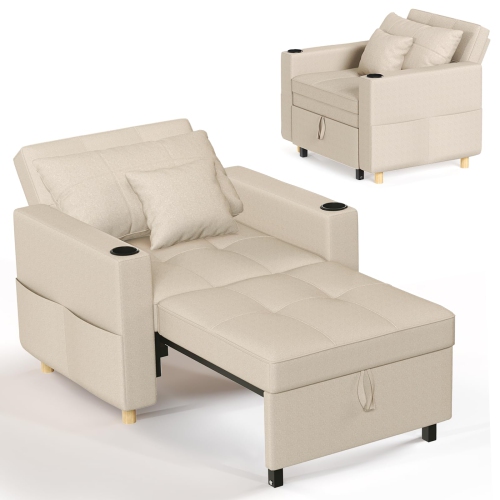
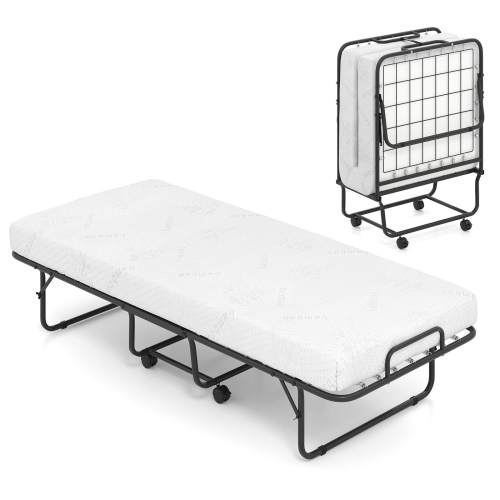
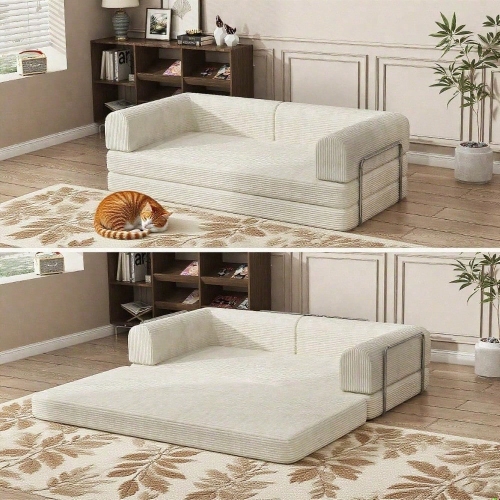
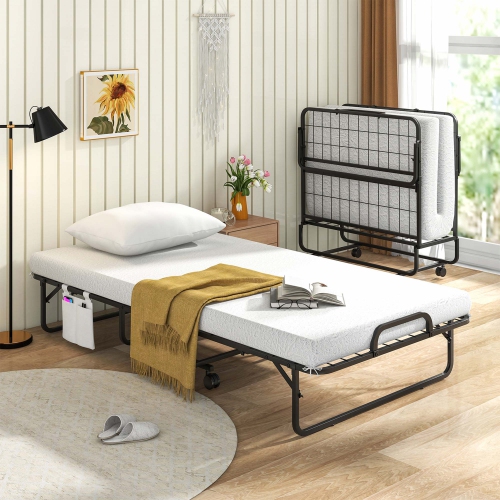
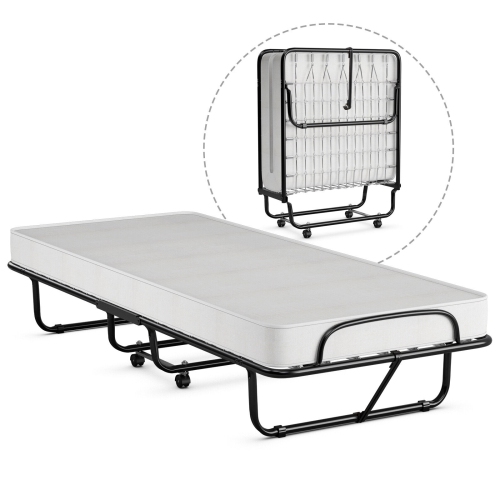
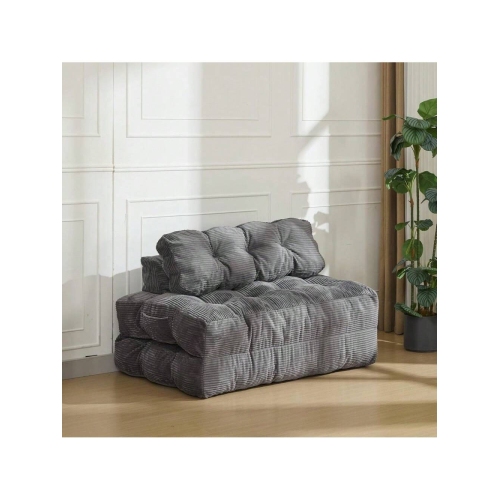
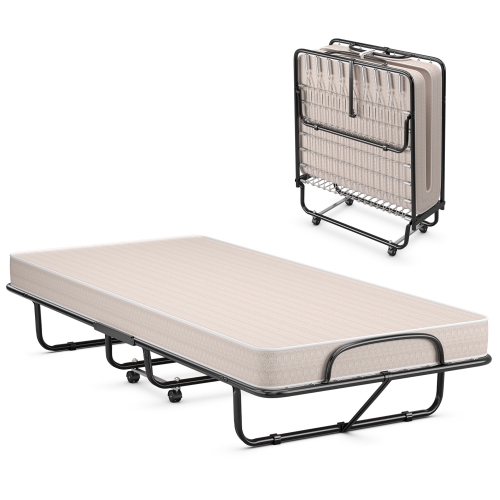
A guest bed that leaves room for everyday life
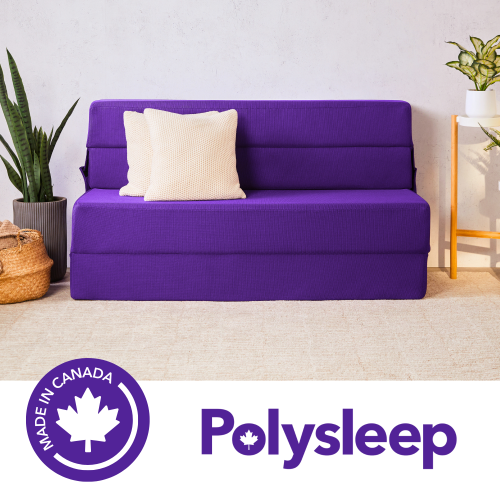
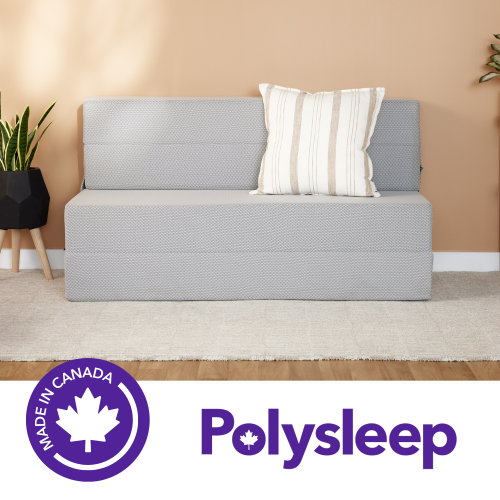
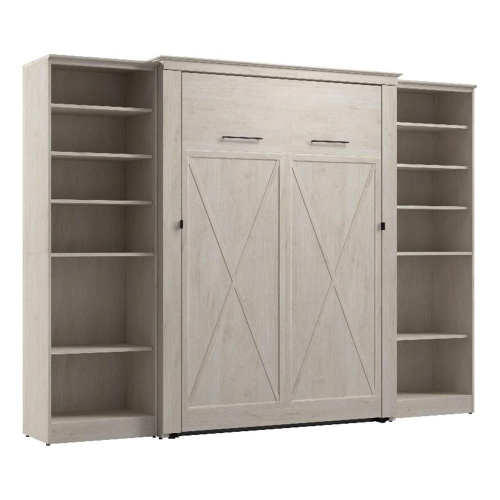
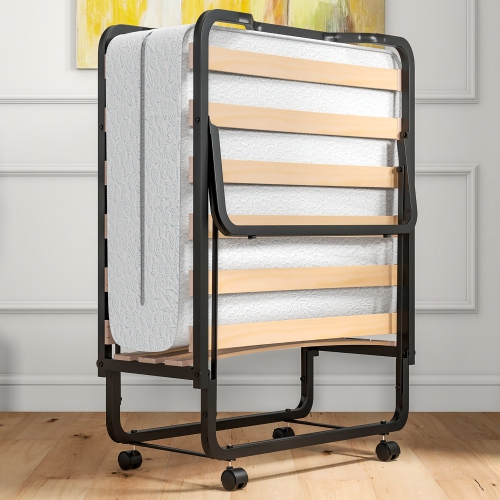
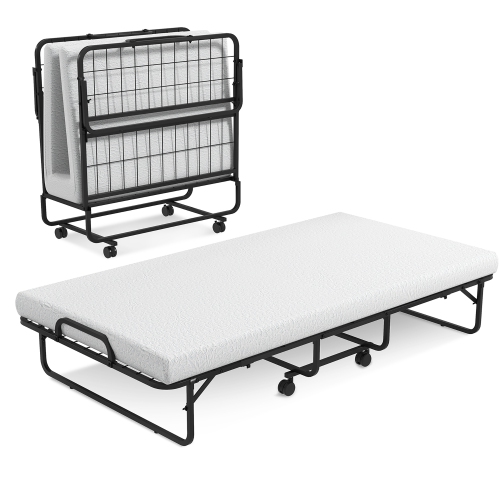
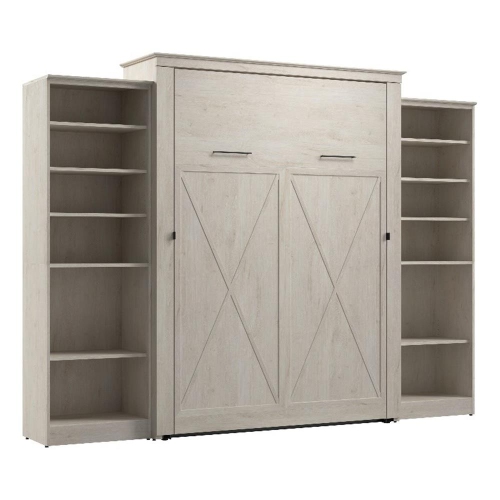
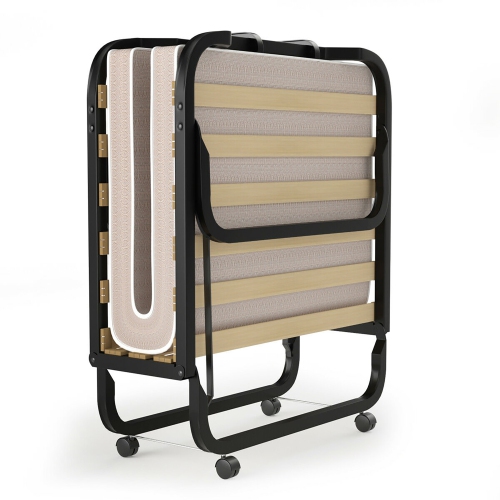
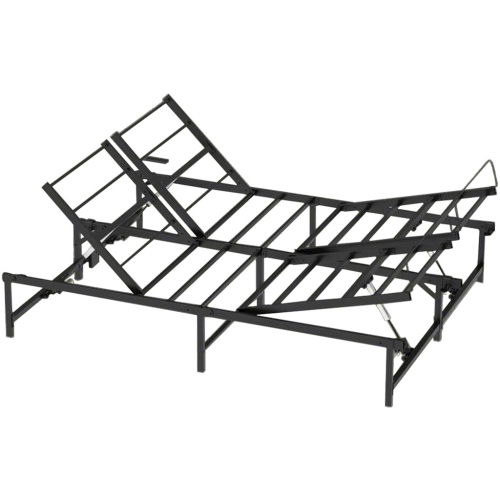
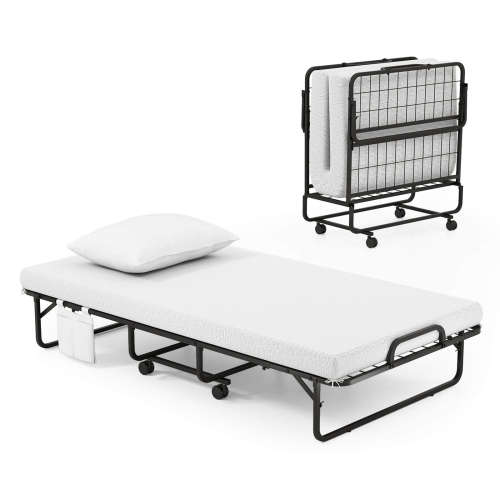
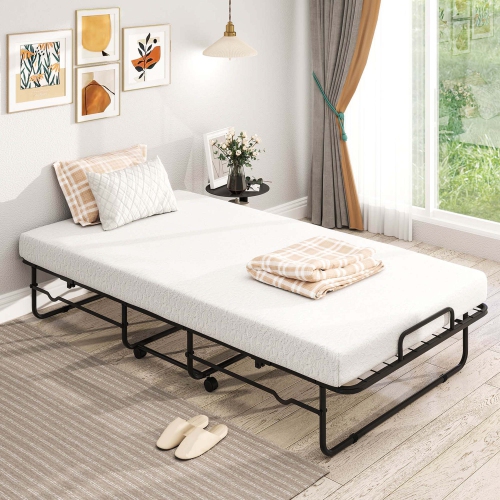
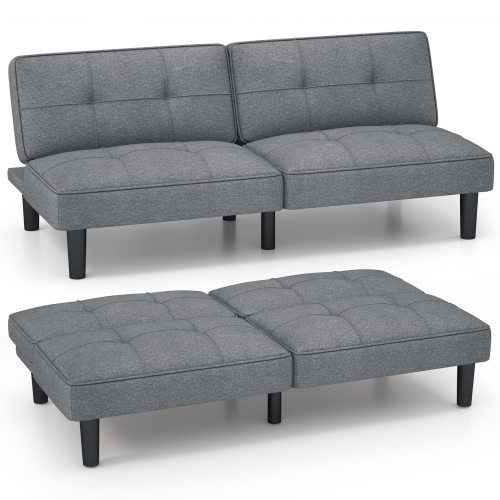
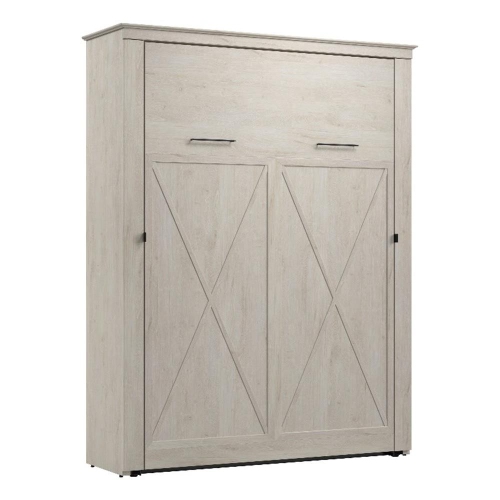
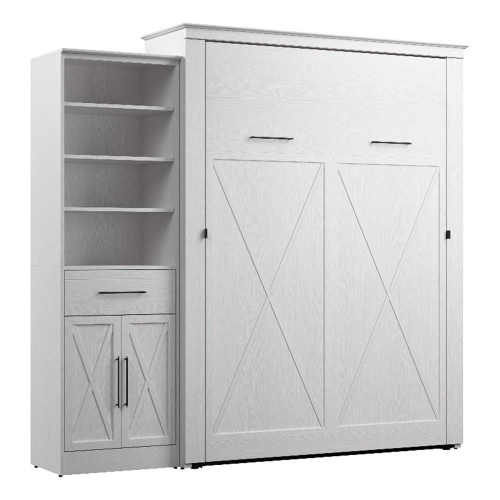
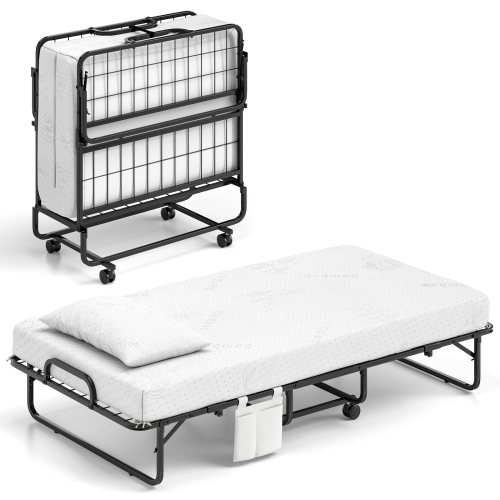
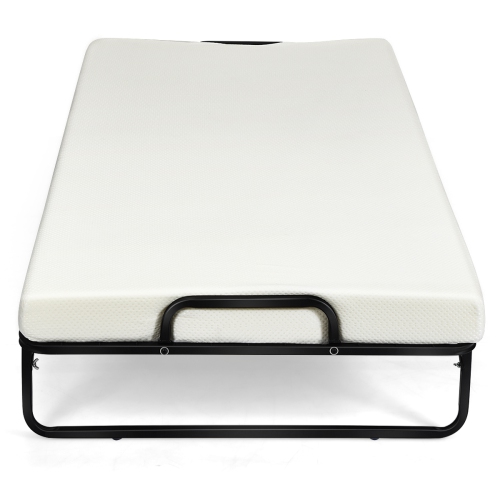
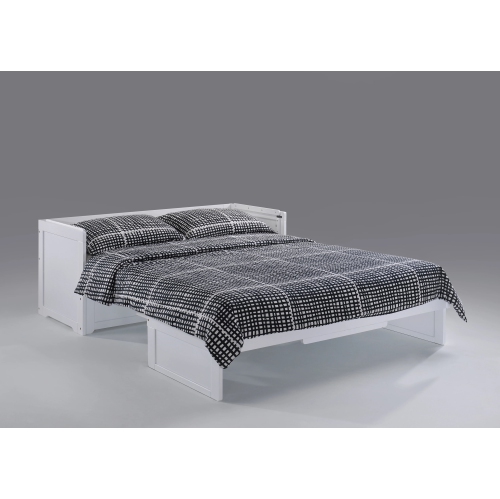
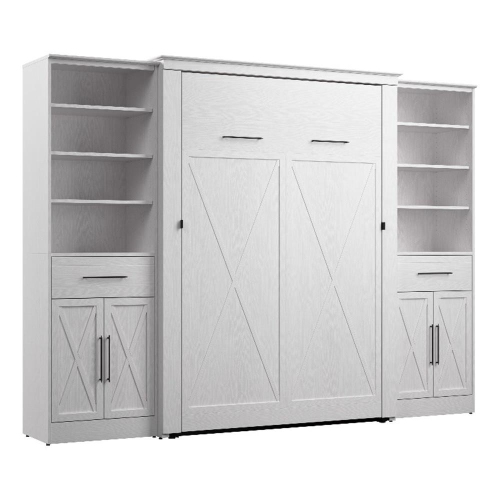
Folding beds for small spaces provide a sleeping surface that can be put away when the room is needed for something else. In a studio apartment, that might mean keeping the floor clear beside a sofa; in a home office, it can mean making room for an overnight guest without permanently giving up space around a desk. The main styles include rollaway beds with folding frames, foldable foam mattresses, and cabinet or wall beds that conceal the sleeping surface within furniture. Each uses space differently. A rollaway bed typically folds through the middle and moves on castors, making it useful when a sleeping setup needs to travel between a storage area and another room. A tri-fold mattress has foam sections that stack together without a separate frame, offering a low sleeping surface that can be tucked into a suitable cupboard when not needed. Cabinet beds fold into a furniture-style enclosure, while Murphy beds pivot into a wall-mounted or freestanding housing, depending on their design and installation requirements. These larger systems can suit a room that regularly switches between sleeping and daytime use, although their permanent footprint still needs consideration. For occasional adult guests, visiting relatives, or someone furnishing a compact apartment, the most useful format depends as much on storage habits as on sleeping comfort. A bed that folds neatly but is difficult to move may be less convenient than one that stays in the room behind closed cabinet doors. Equally, a lightweight folding mattress may suit short visits but offer a different feel and sleeping height from a raised frame. Folding beds are not all intended for nightly use, so the stated purpose matters. Designs made for occasional accommodation should not automatically be treated as substitutes for an everyday bed. The distinction is especially relevant when a small bedroom needs a permanent sleeping solution rather than an extra place for a guest to spend a night or two.
The fit of a folding bed involves three measurements: its sleeping footprint, its folded dimensions, and the space needed to open and close it. A standard twin mattress is commonly about 38 inches wide by 75 inches long, but folding beds may use narrower cot sizes or other dimensions, and the surrounding frame adds to the overall footprint. Mattress measurements alone therefore do not show how much floor space the complete bed will occupy. In a narrow office, the open bed needs to coexist with the desk, door swing, and a clear route out of the room. In an apartment with limited storage, the folded depth can determine whether a rollaway fits inside a cupboard or projects into a walkway. Handles, wheels, retaining straps, and cabinet doors can also affect clearance. Moving the bed from storage to its sleeping position introduces another practical detail: a frame that fits comfortably in both locations may still be awkward to turn through a tight doorway. Weight and manoeuvrability matter for anyone who will set it up alone, while stairs can make a wheeled design much less convenient. Comfort depends on the mattress construction and the support beneath it, not simply on how thick the mattress looks. Foam mattresses may use a single material or combine a firmer support layer with a softer upper layer; memory foam can provide a more contouring feel. Slats, mesh, and other frame supports influence how that mattress feels under a sleeper. Taller guests may need more sleeping length, and anyone who finds low seating difficult may prefer a raised sleeping surface. The stated weight capacity should suit the intended sleeper, and it applies only under the conditions specified for that bed. Bedding fit also deserves attention, since a narrow folding mattress may not hold a standard fitted sheet securely. Foldable furniture elsewhere in the room, including Folding Tables for Small Spaces, can make it easier to clear a work or dining area before opening the bed.
Materials, construction, and care shape how well a folding bed handles repeated setup and storage. Steel frames are common in rollaway designs, while cabinet and wall-bed housings may use solid wood, engineered wood, or a combination of materials. Frame material alone does not establish durability: joints, hinges, support legs, and locking mechanisms all contribute to stability. A dependable setup rests evenly on a level floor, with its legs fully extended and its intended locks engaged. Castors help with movement, but the bed still needs to remain secure in its sleeping position according to its design. Wall beds require particular attention to installation because the housing and lifting mechanism must be secured as specified by the manufacturer; professional installation may be appropriate where anchoring or assembly is complex. Their opening path also needs to stay clear of ceiling fixtures, shelves, and surrounding furniture. For any folding format, bedding should be removed or secured as directed before closing, rather than forced between hinges or compressed into a cabinet that was not designed to hold it. Mattress care varies by cover fabric and foam construction. Some covers are removable and washable, while others require spot cleaning, so the care label is the best reference for cleaning methods and drying requirements. A compatible mattress protector can help manage everyday spills without changing the folding function, provided it is removed when required. Mattresses should be clean and thoroughly dry before storage, particularly when placed inside an enclosed cupboard. Floor-level folding mattresses also need attention to the surface underneath and any airing instructions supplied with them. Regular checks for loose fasteners, damaged slats, worn fabric, or stiff hinges help keep a frequently moved bed ready for use. In a compact home, these details make a noticeable difference: smooth movement, straightforward folding, suitable support, and a defined storage spot allow an extra bed to serve its purpose without taking over the room. The right match balances the sleeper’s needs with the everyday layout, leaving useful space for both overnight stays and ordinary routines.
The fit of a folding bed involves three measurements: its sleeping footprint, its folded dimensions, and the space needed to open and close it. A standard twin mattress is commonly about 38 inches wide by 75 inches long, but folding beds may use narrower cot sizes or other dimensions, and the surrounding frame adds to the overall footprint. Mattress measurements alone therefore do not show how much floor space the complete bed will occupy. In a narrow office, the open bed needs to coexist with the desk, door swing, and a clear route out of the room. In an apartment with limited storage, the folded depth can determine whether a rollaway fits inside a cupboard or projects into a walkway. Handles, wheels, retaining straps, and cabinet doors can also affect clearance. Moving the bed from storage to its sleeping position introduces another practical detail: a frame that fits comfortably in both locations may still be awkward to turn through a tight doorway. Weight and manoeuvrability matter for anyone who will set it up alone, while stairs can make a wheeled design much less convenient. Comfort depends on the mattress construction and the support beneath it, not simply on how thick the mattress looks. Foam mattresses may use a single material or combine a firmer support layer with a softer upper layer; memory foam can provide a more contouring feel. Slats, mesh, and other frame supports influence how that mattress feels under a sleeper. Taller guests may need more sleeping length, and anyone who finds low seating difficult may prefer a raised sleeping surface. The stated weight capacity should suit the intended sleeper, and it applies only under the conditions specified for that bed. Bedding fit also deserves attention, since a narrow folding mattress may not hold a standard fitted sheet securely. Foldable furniture elsewhere in the room, including Folding Tables for Small Spaces, can make it easier to clear a work or dining area before opening the bed.
Materials, construction, and care shape how well a folding bed handles repeated setup and storage. Steel frames are common in rollaway designs, while cabinet and wall-bed housings may use solid wood, engineered wood, or a combination of materials. Frame material alone does not establish durability: joints, hinges, support legs, and locking mechanisms all contribute to stability. A dependable setup rests evenly on a level floor, with its legs fully extended and its intended locks engaged. Castors help with movement, but the bed still needs to remain secure in its sleeping position according to its design. Wall beds require particular attention to installation because the housing and lifting mechanism must be secured as specified by the manufacturer; professional installation may be appropriate where anchoring or assembly is complex. Their opening path also needs to stay clear of ceiling fixtures, shelves, and surrounding furniture. For any folding format, bedding should be removed or secured as directed before closing, rather than forced between hinges or compressed into a cabinet that was not designed to hold it. Mattress care varies by cover fabric and foam construction. Some covers are removable and washable, while others require spot cleaning, so the care label is the best reference for cleaning methods and drying requirements. A compatible mattress protector can help manage everyday spills without changing the folding function, provided it is removed when required. Mattresses should be clean and thoroughly dry before storage, particularly when placed inside an enclosed cupboard. Floor-level folding mattresses also need attention to the surface underneath and any airing instructions supplied with them. Regular checks for loose fasteners, damaged slats, worn fabric, or stiff hinges help keep a frequently moved bed ready for use. In a compact home, these details make a noticeable difference: smooth movement, straightforward folding, suitable support, and a defined storage spot allow an extra bed to serve its purpose without taking over the room. The right match balances the sleeper’s needs with the everyday layout, leaving useful space for both overnight stays and ordinary routines.
Top selling and popular products
-
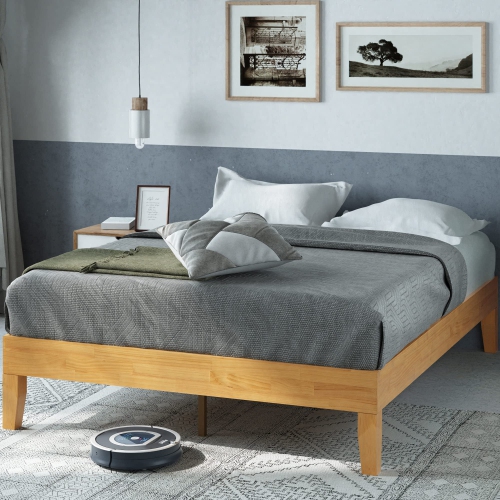 Your price for this item is $493.52
 -
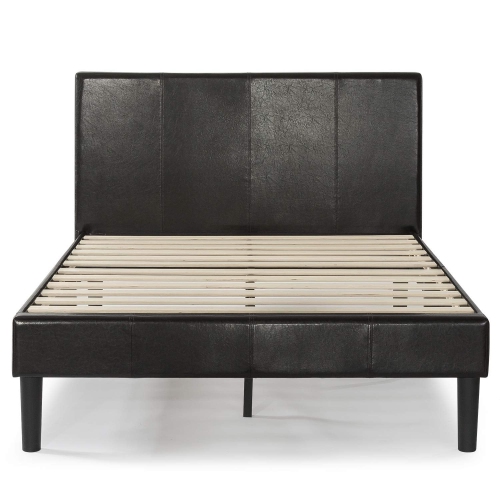 Your price for this item is $611.85
 -
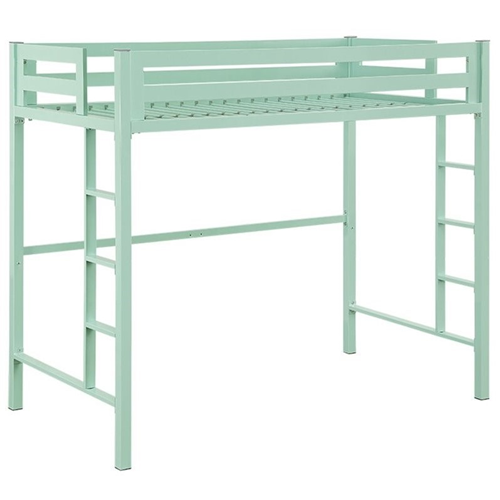 Your price for this item is $824.18
 -
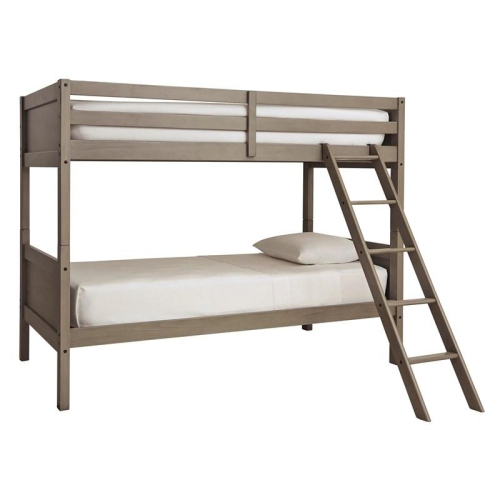 Your price for this item is $799.99
 -
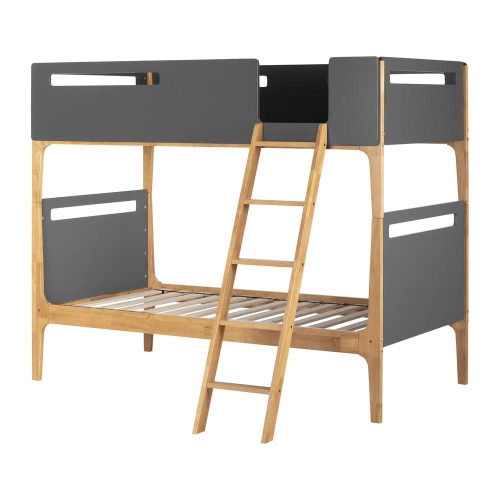 Your price for this item is $985.42
 -
 Your price for this item is $157.99
 -
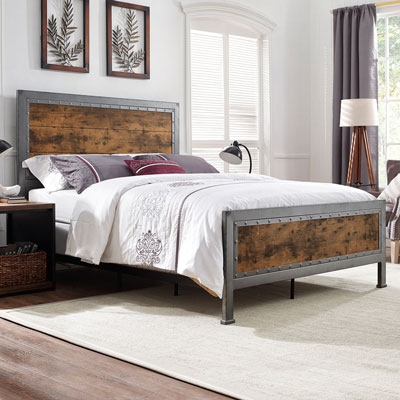 Your price for this item is $862.99
 -
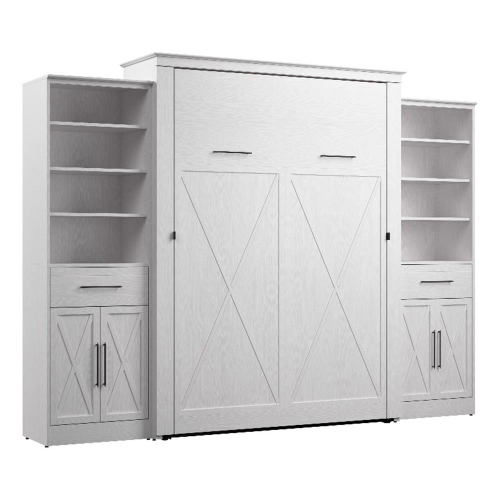 Your price for this item is $3519.99
Discover more categories related to Folding Beds for Small Spaces
Top Collections:
Pokemon Centers, Kindle Devices, Best Budget Office Chairs, Apple iPhones 16, Best Laptops for Writers, iPhone 15 Apple, Canon G7X Cameras, Refurbished Apple Laptops, Alarm Clock, Motorola Razr Phones
Some products may be subject to Environmental Handling Fees
(EHF) depending on your province.
Learn more about EHFs.