Front Door Entryway Benches
For many people, the front door is the first thing they see when they come home. It's also a major entryway into your home, so it's important to make that first impression count. One way to do that is with a well-designed bench. A bench can be used for extra seating, as a place to sit, and put on shoes, or as an attractive accent piece. Here are some great options on the market.
Sort
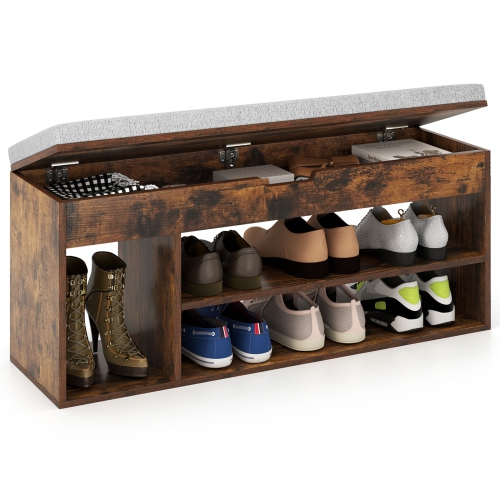
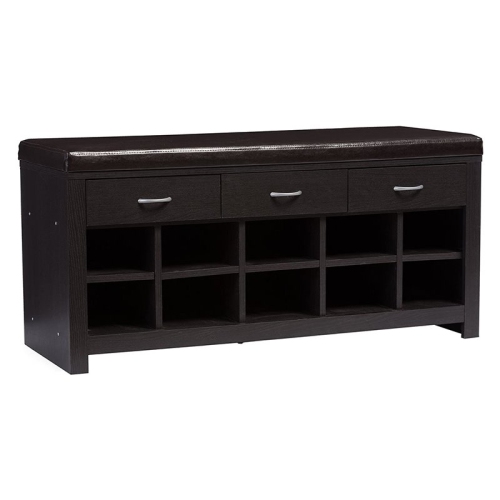
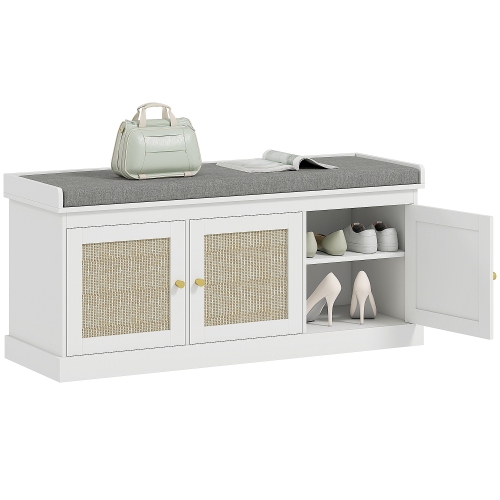
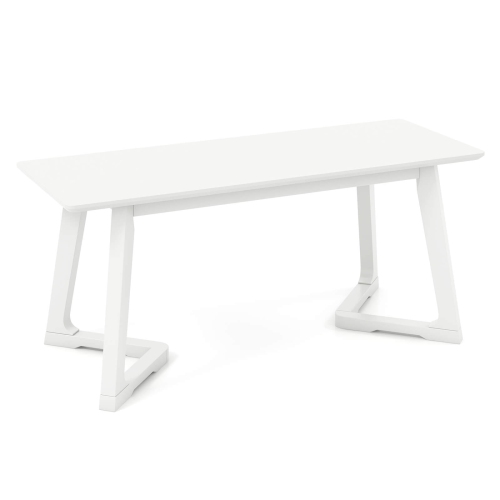
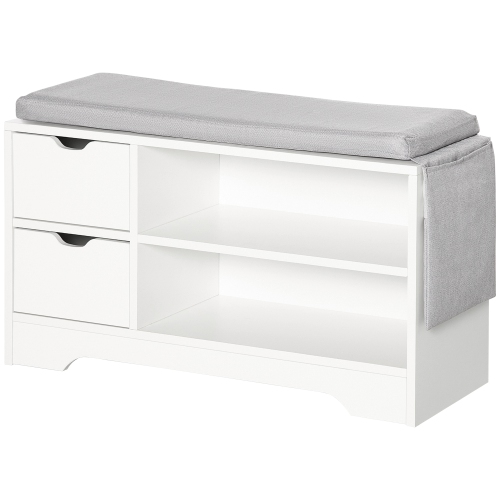
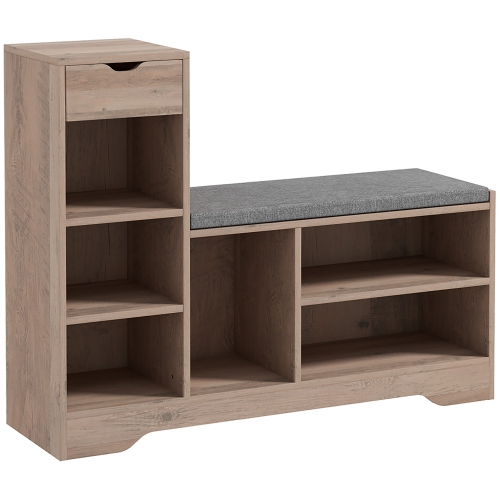
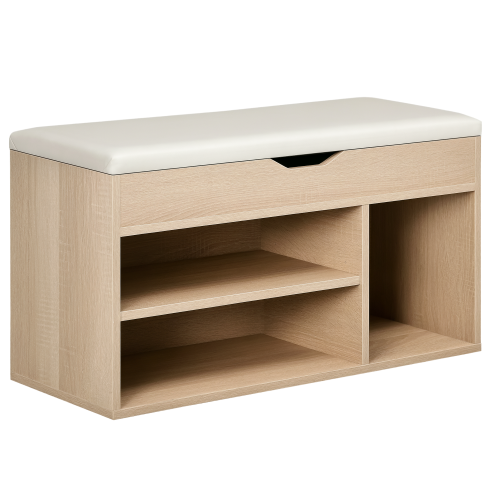
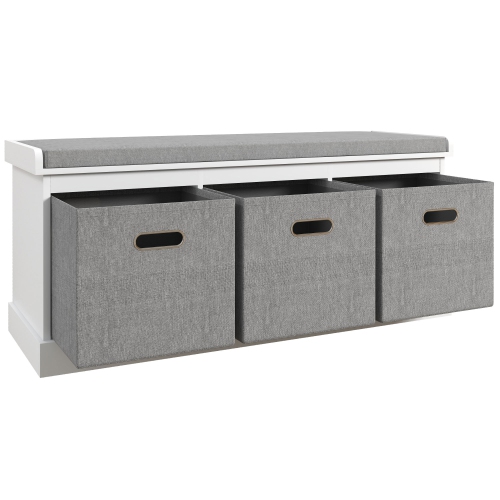
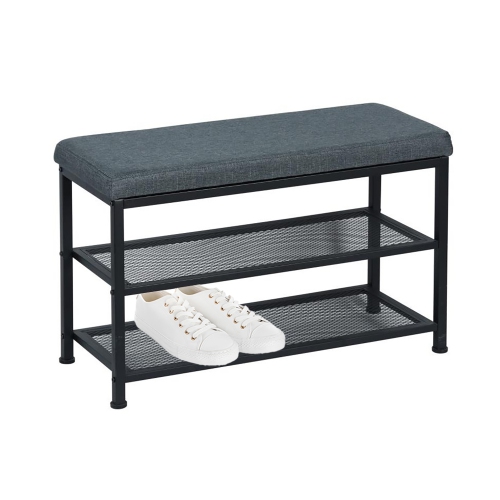
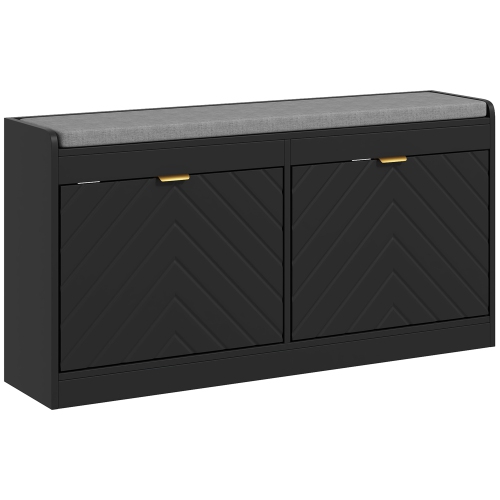
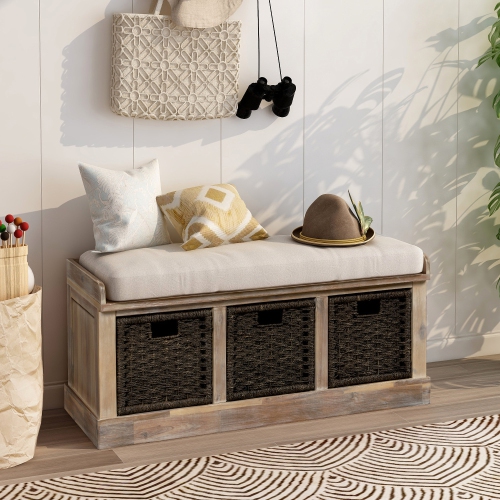
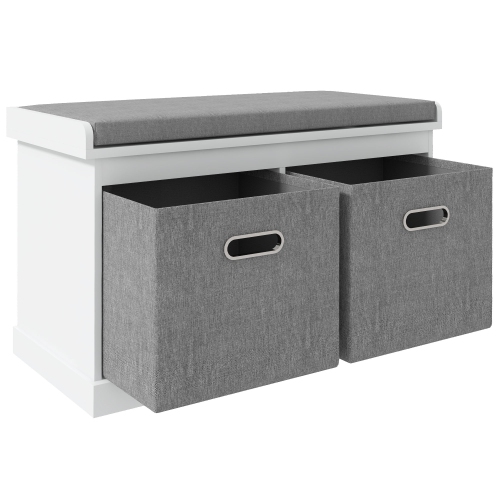
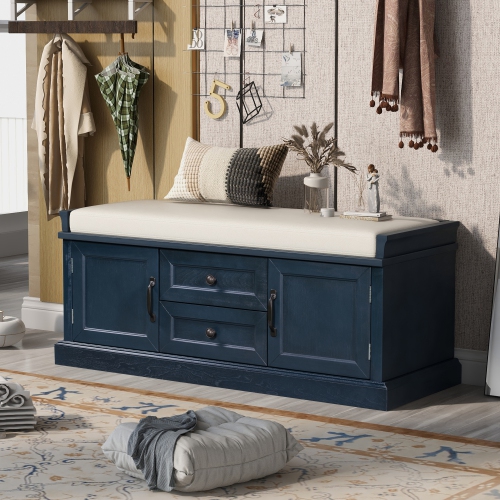
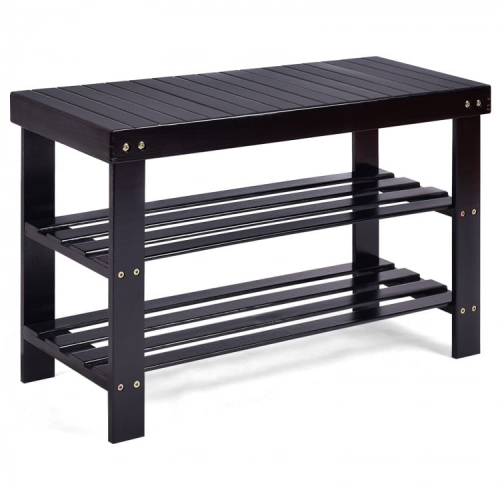
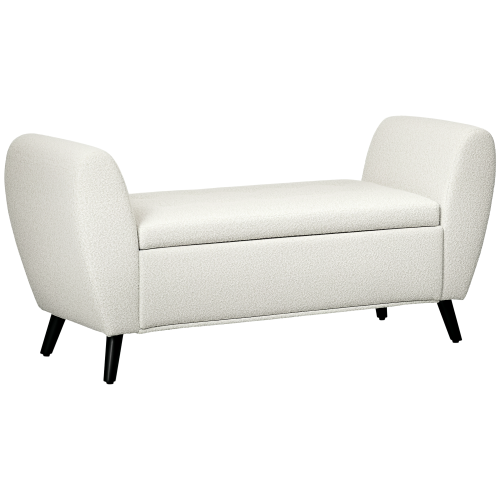
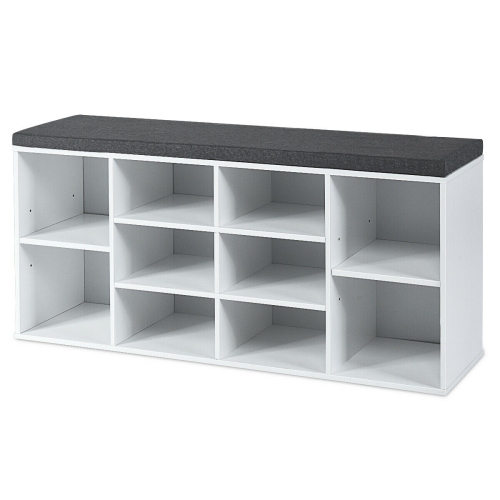
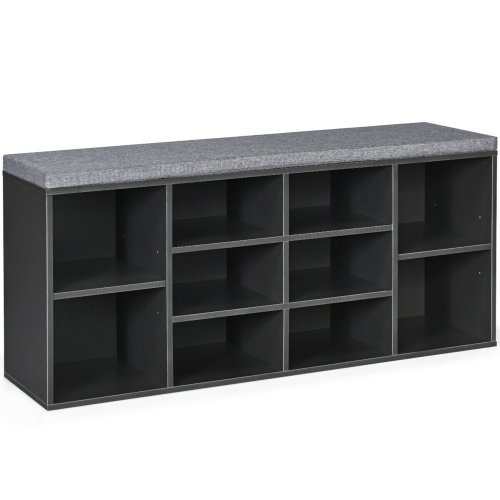
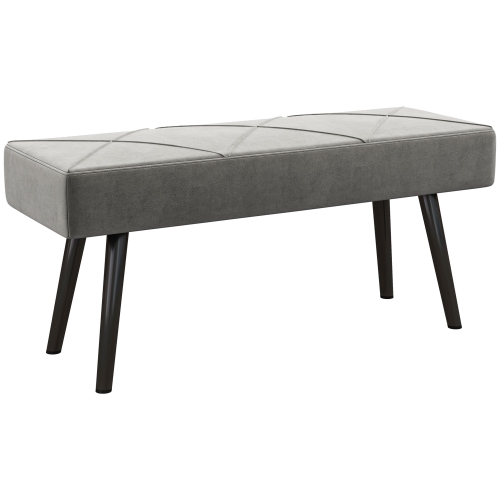
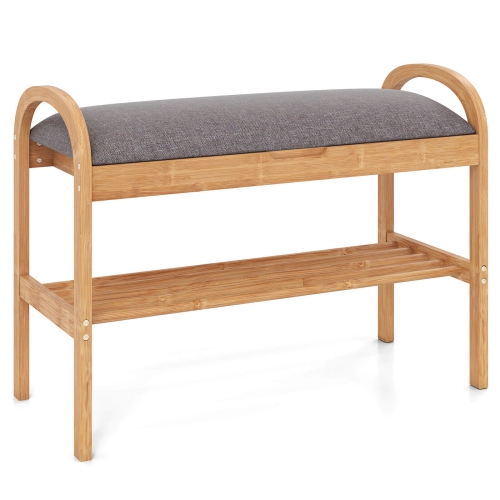
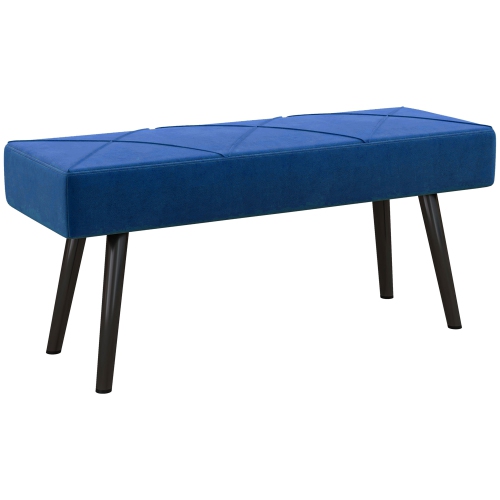
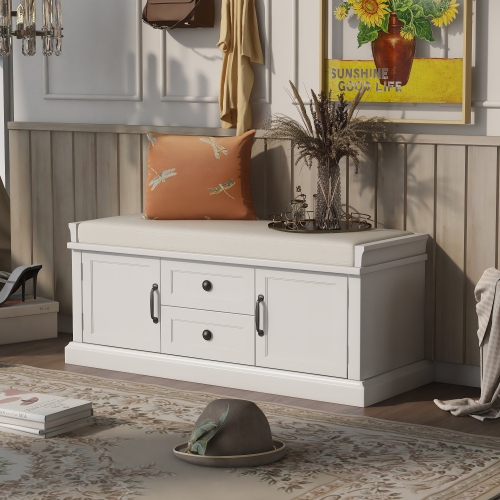
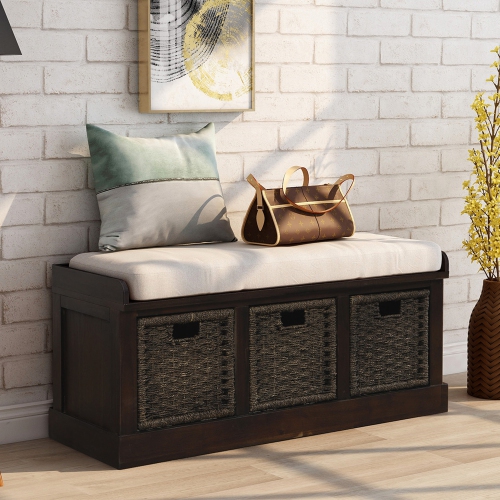
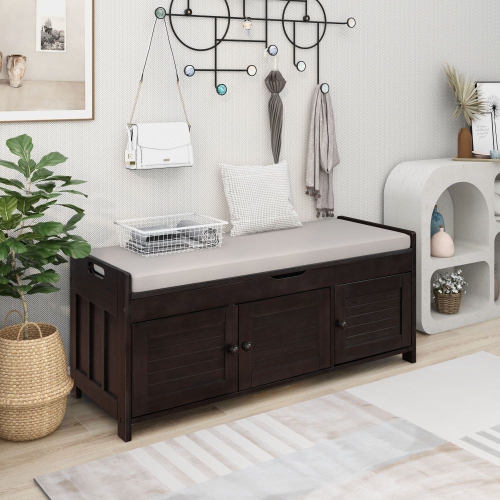
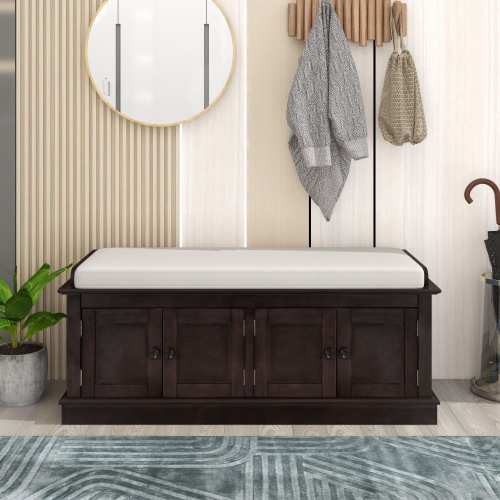
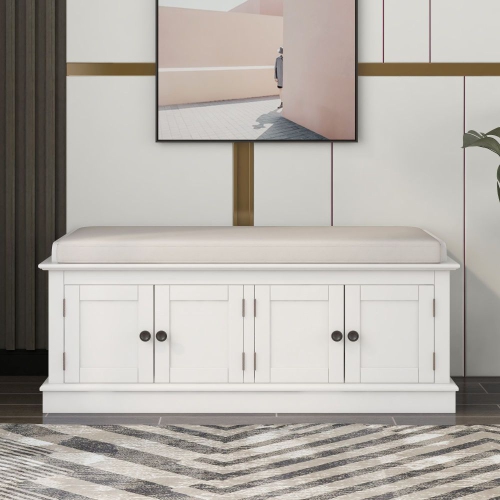

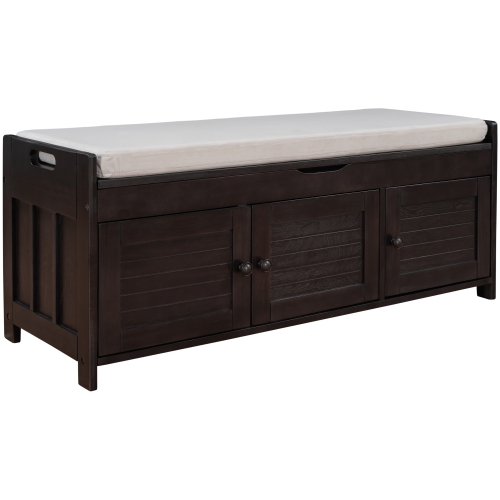
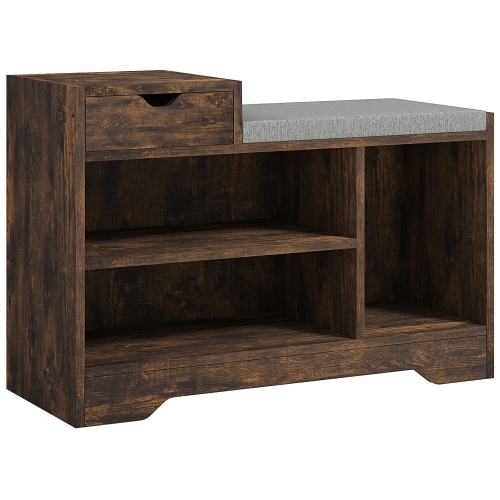
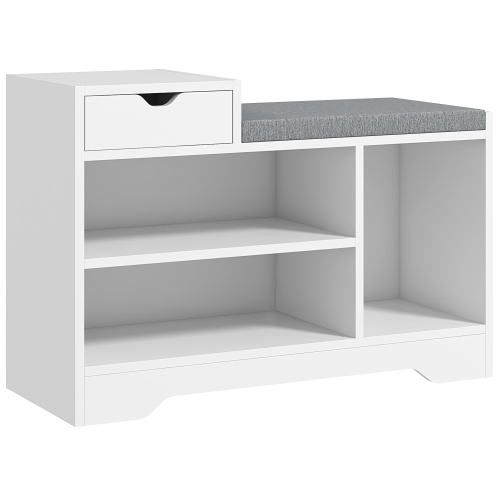
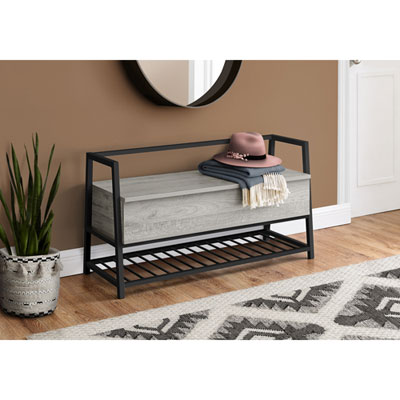
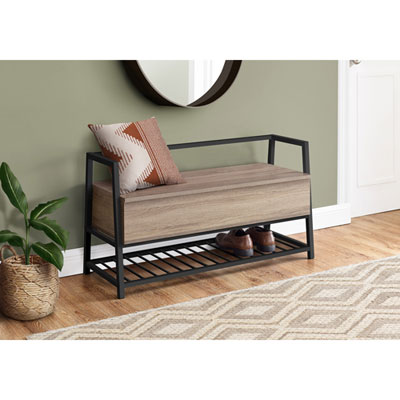
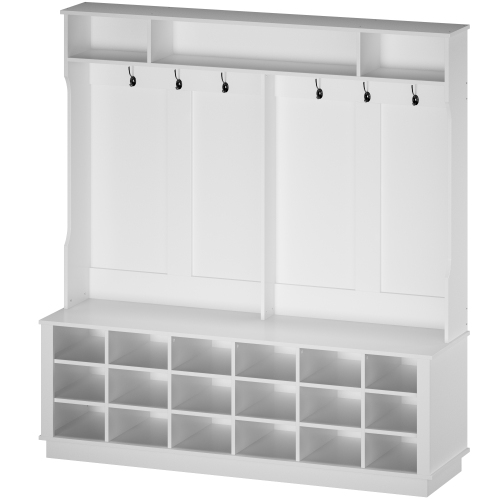
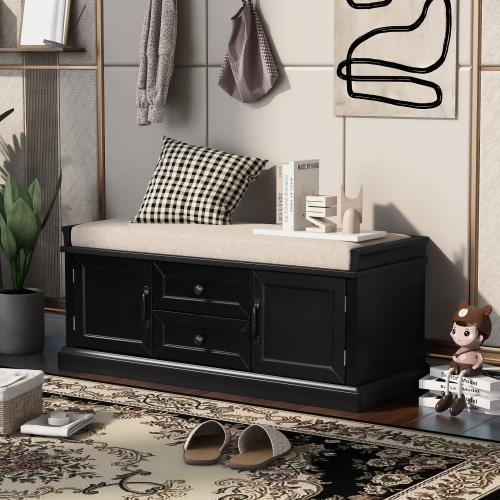
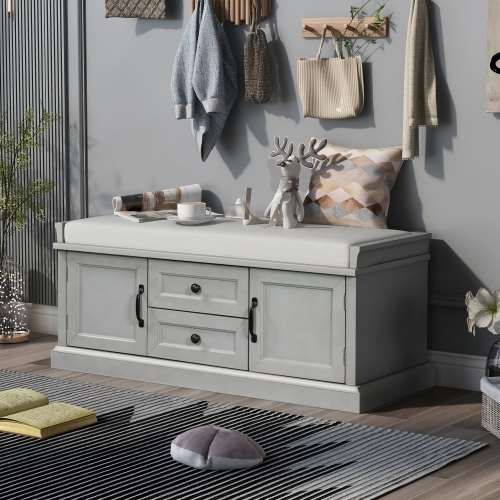
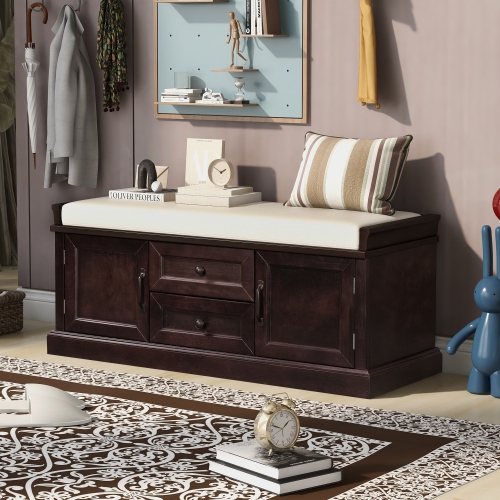
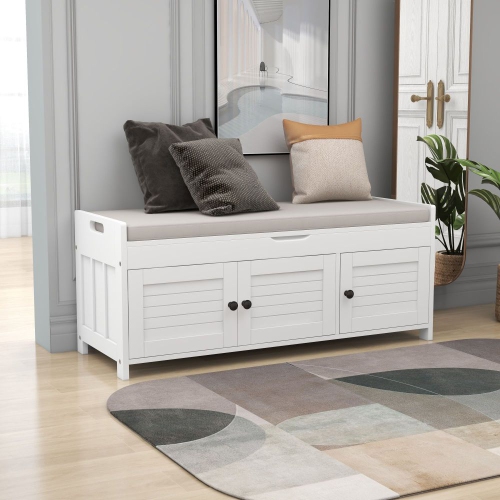
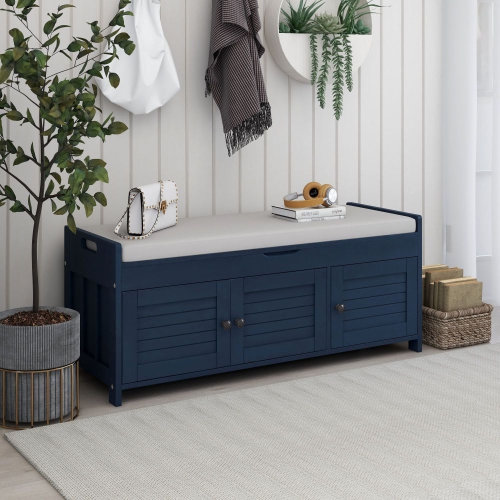
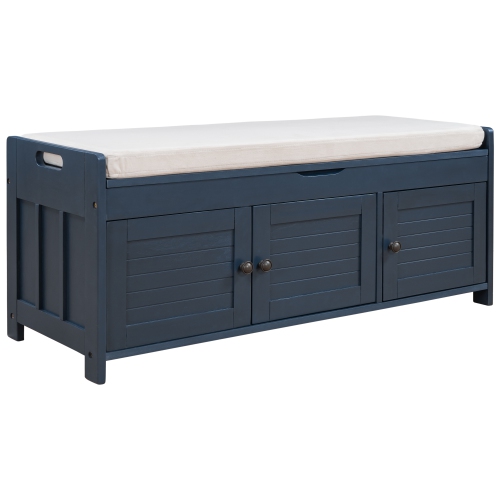
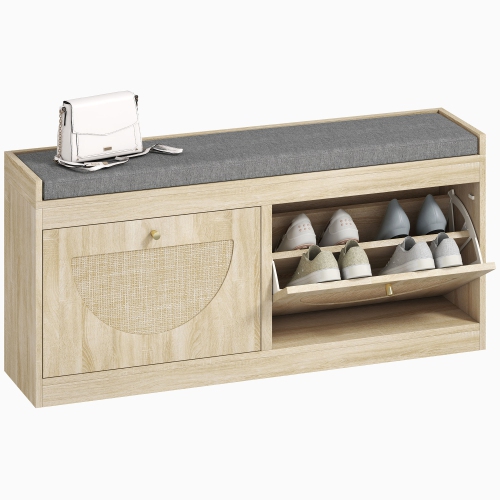
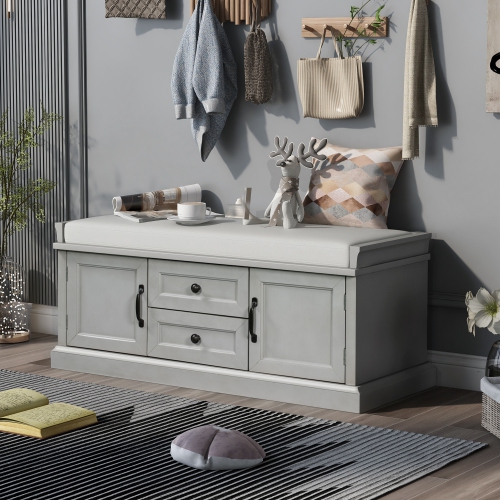
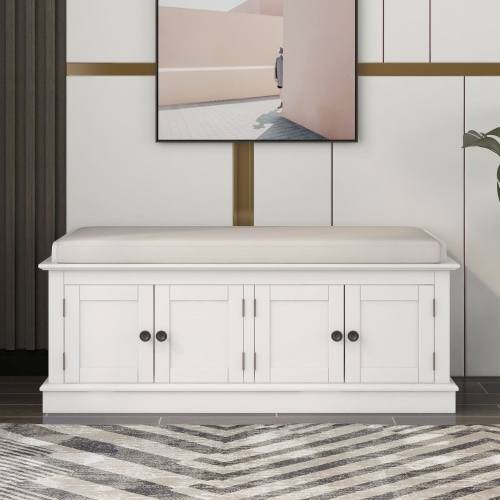
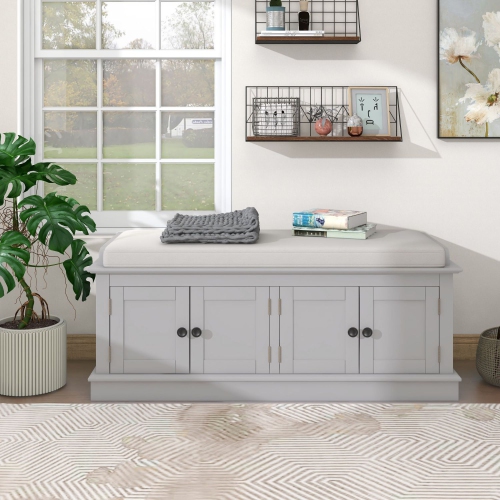
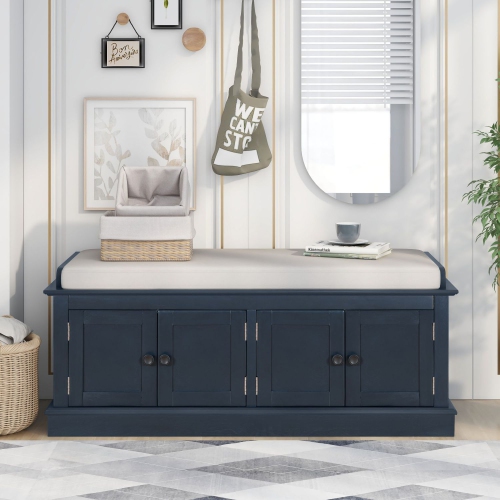
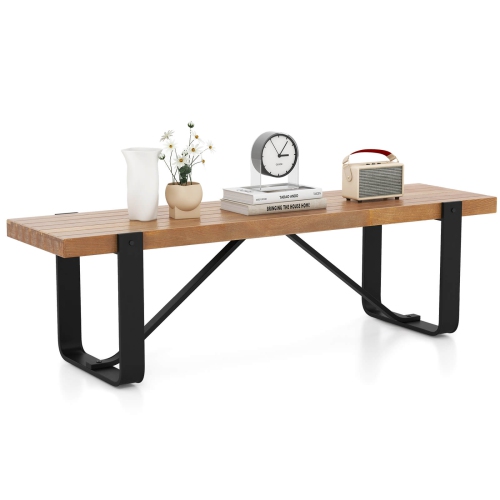
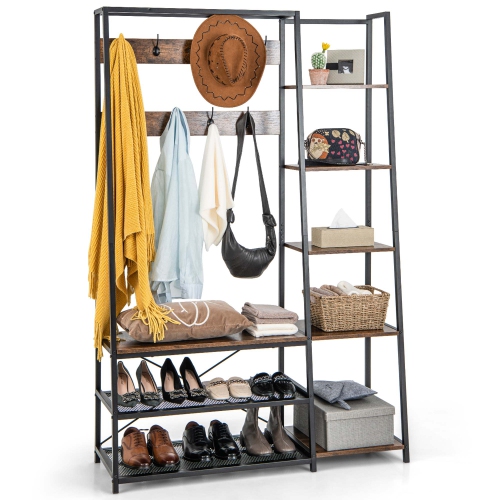
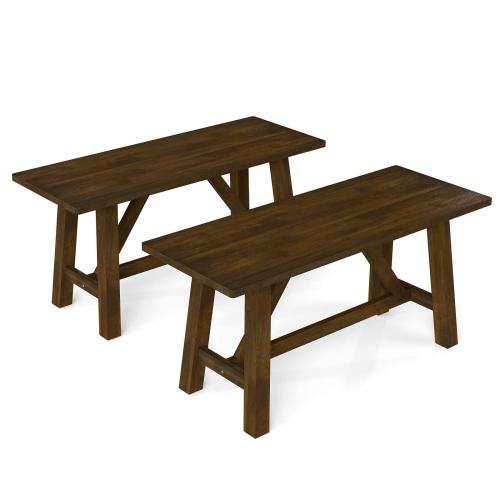
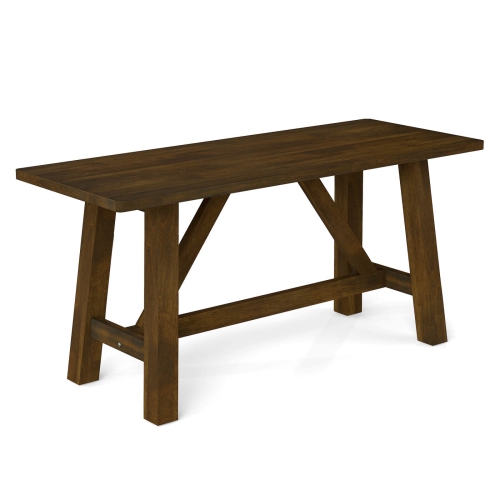
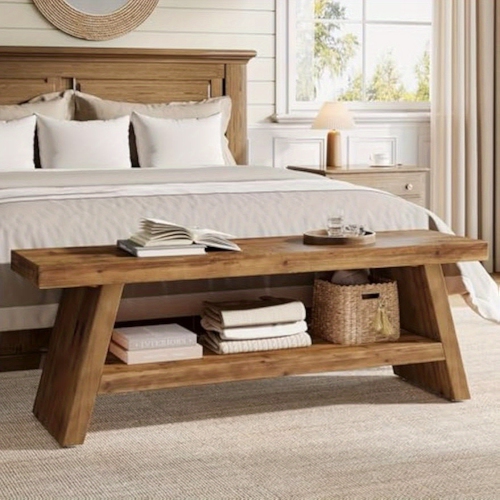
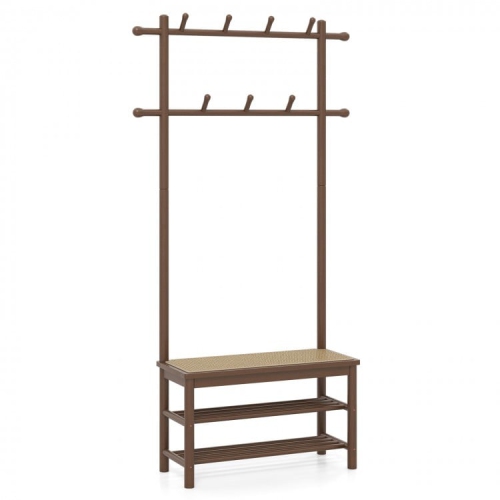
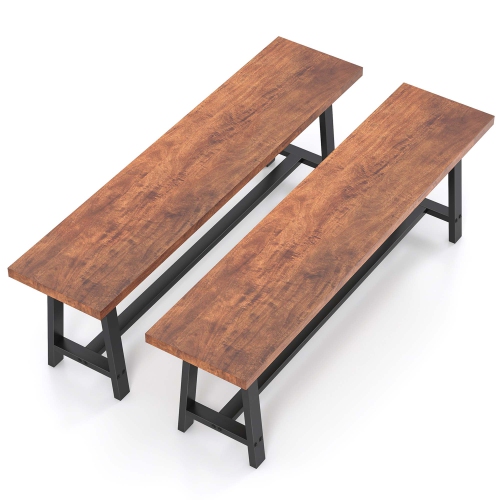
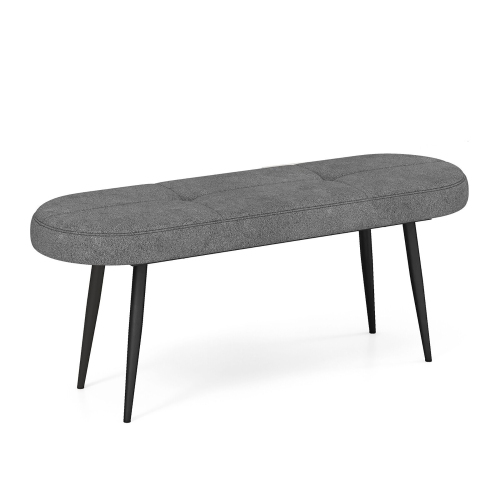
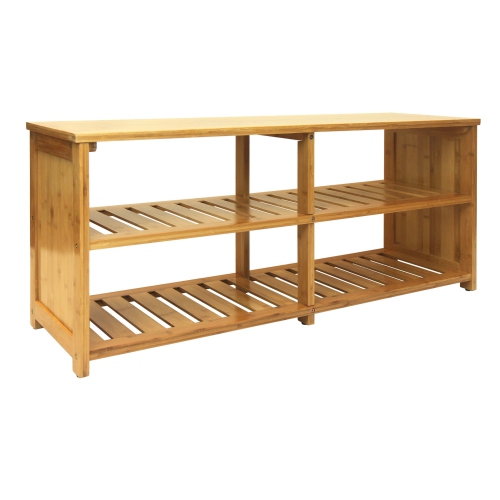
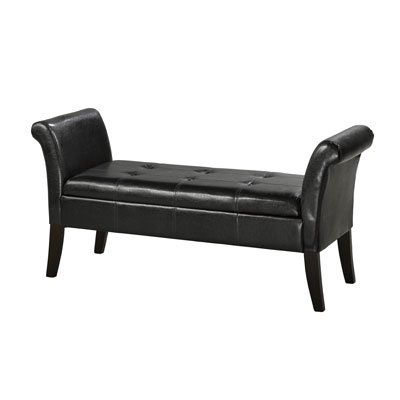
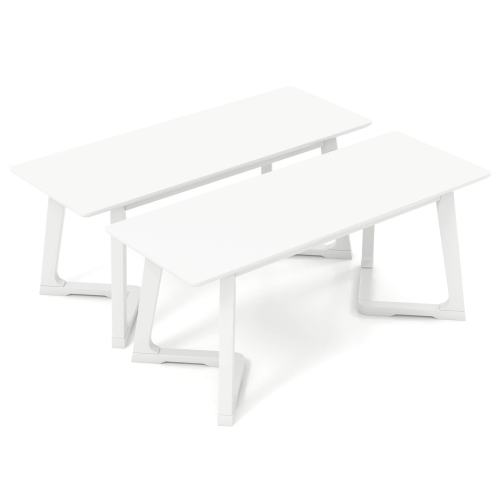
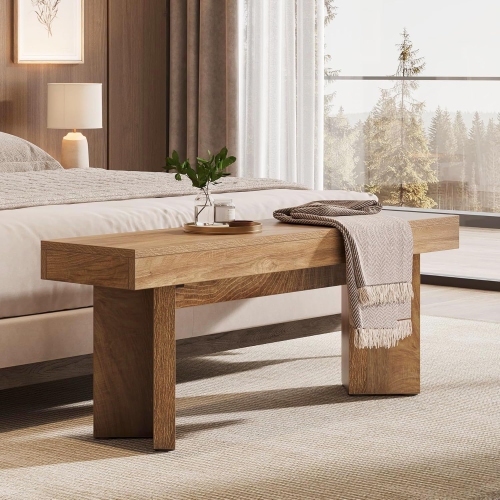
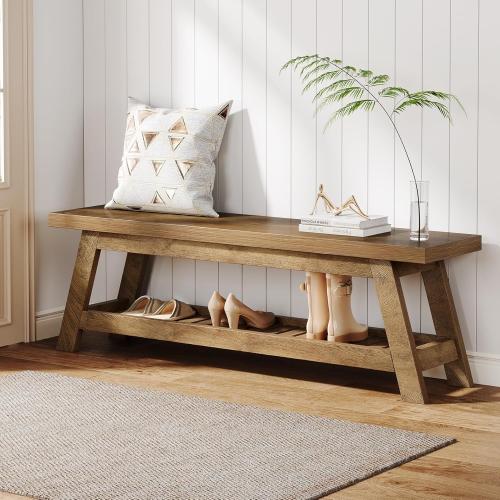
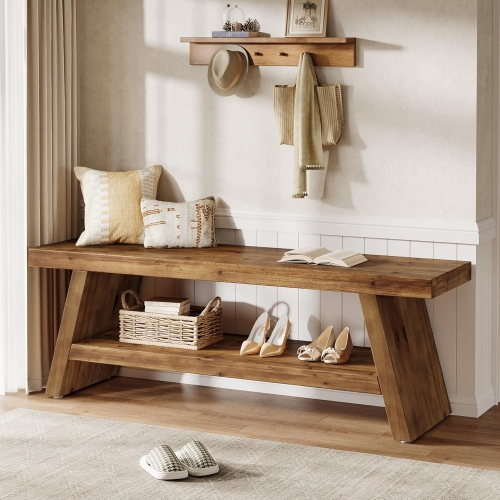
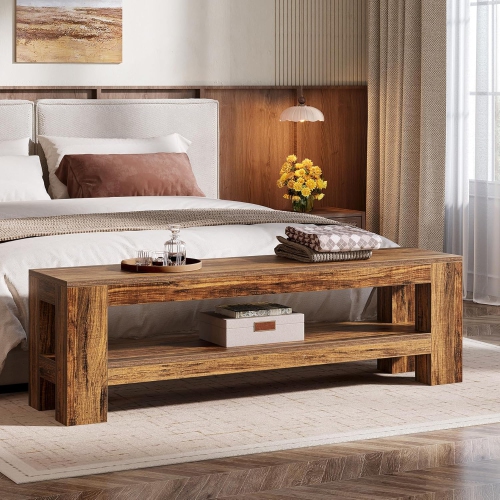
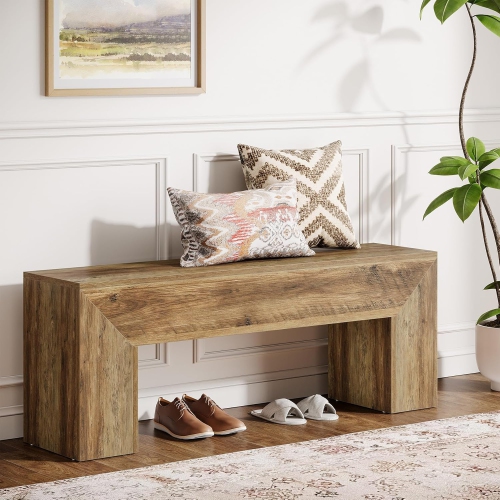
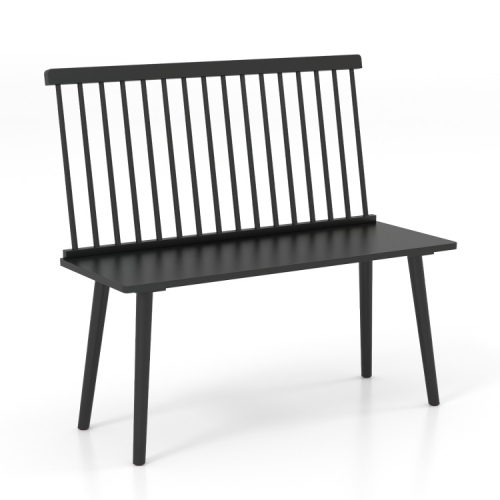
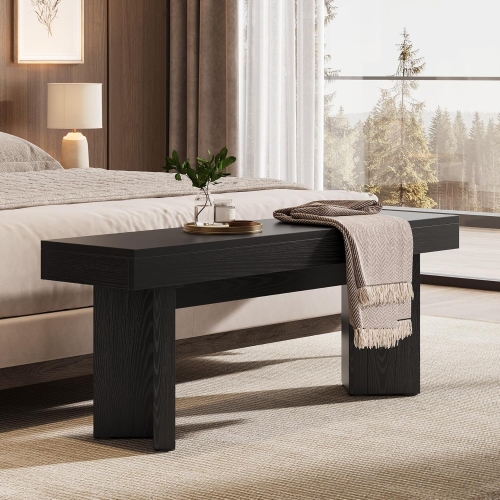
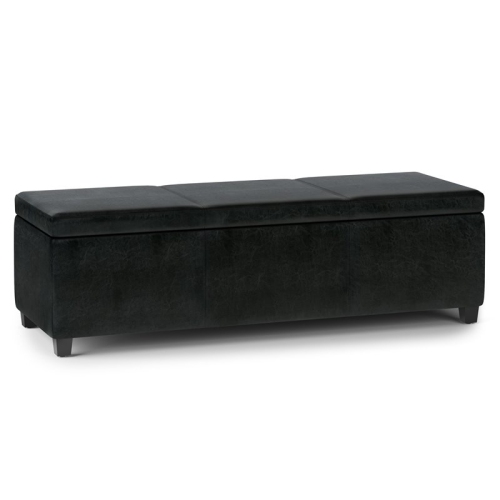
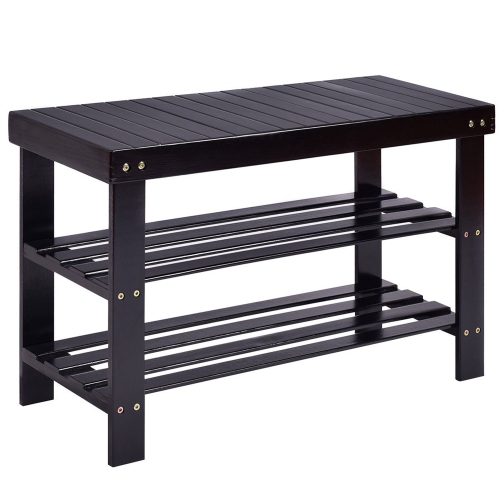
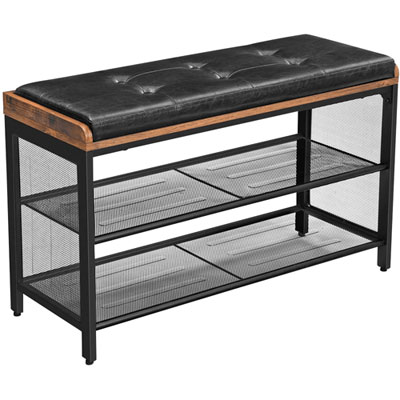
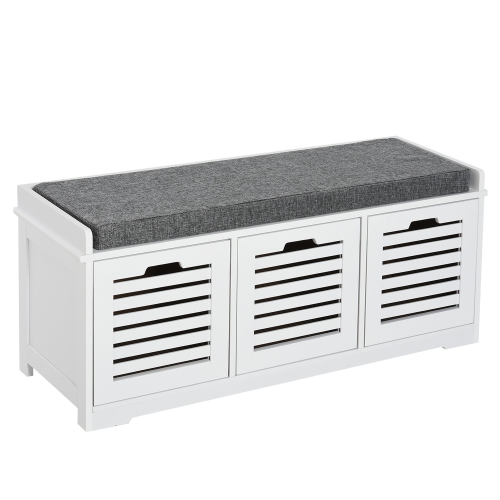
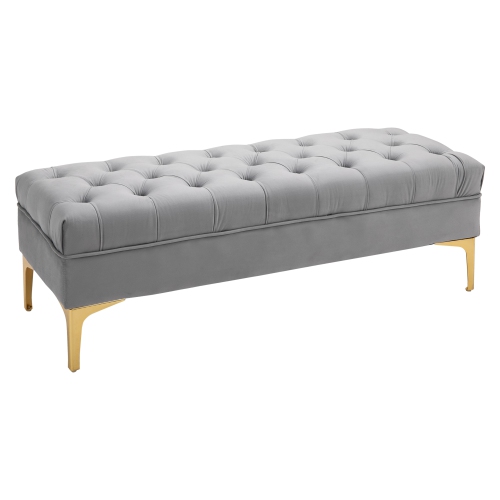
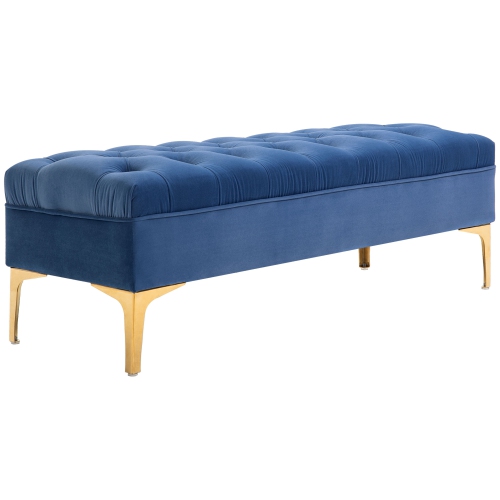
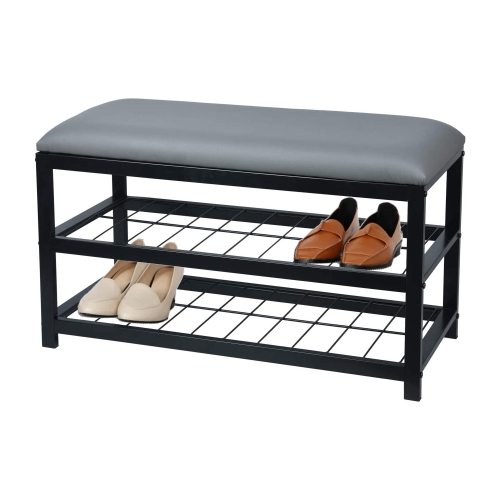
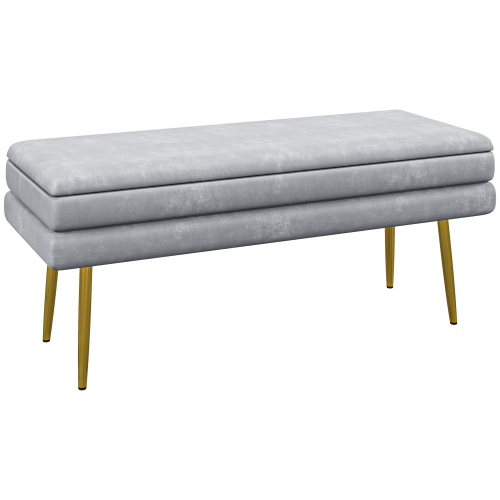
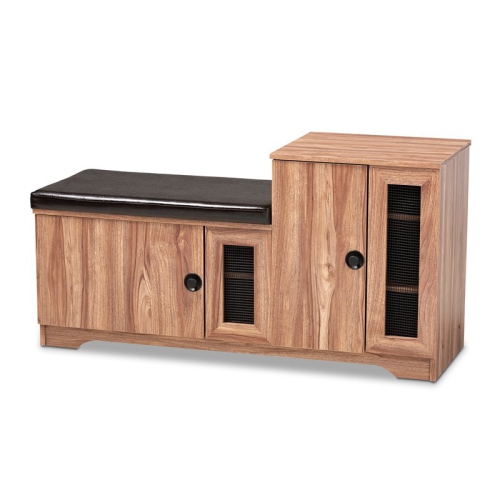
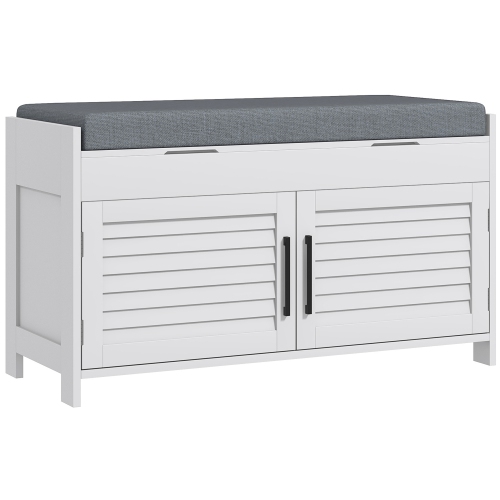
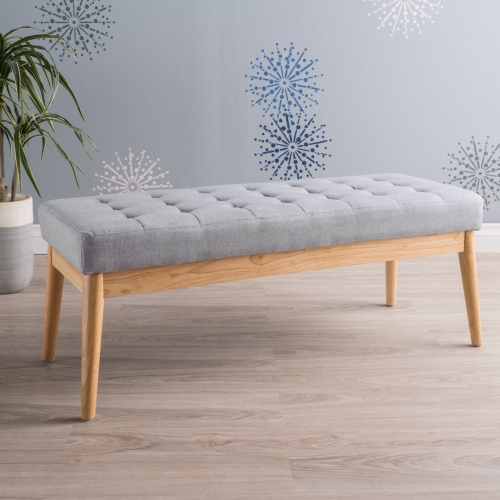

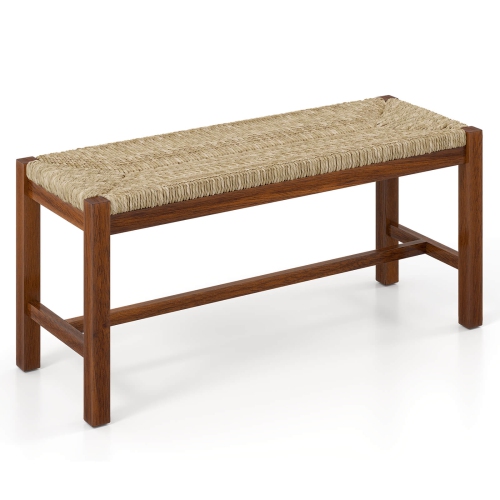
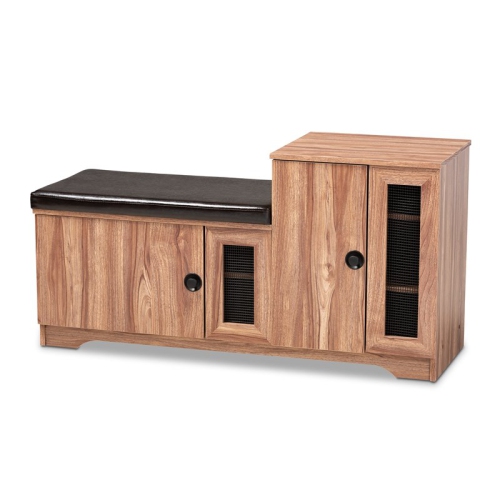
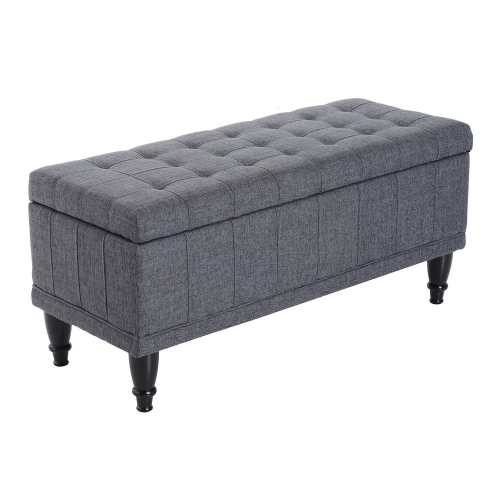
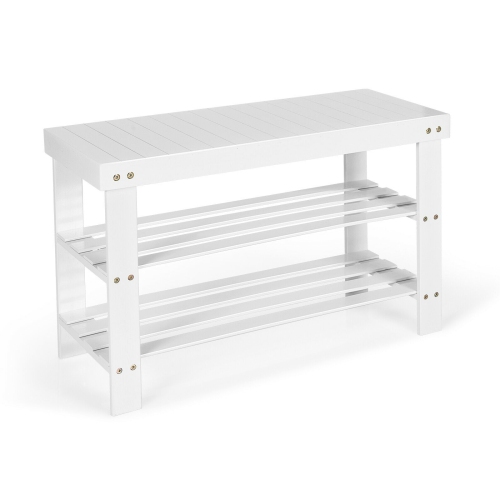
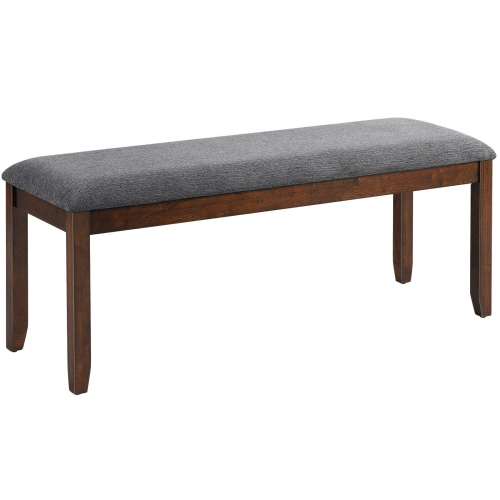
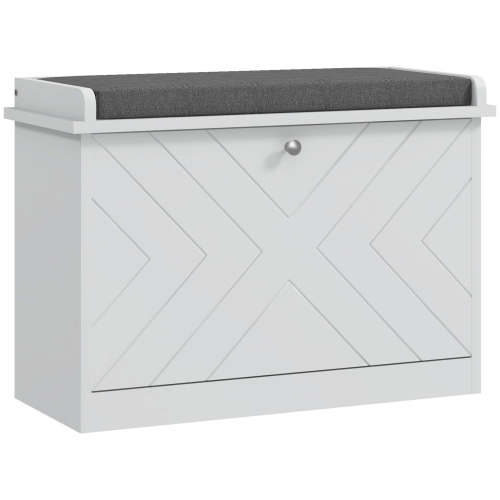
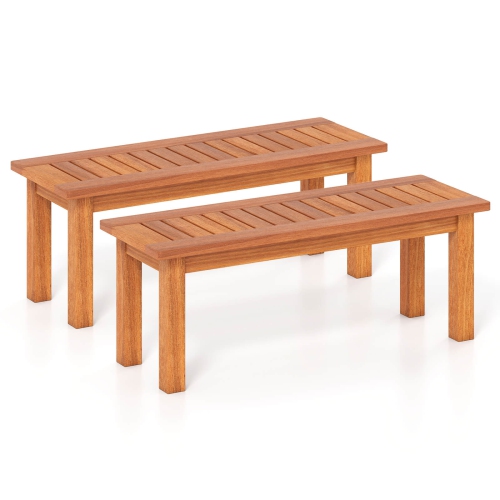
Seating and storage for calmer, more organized entrances
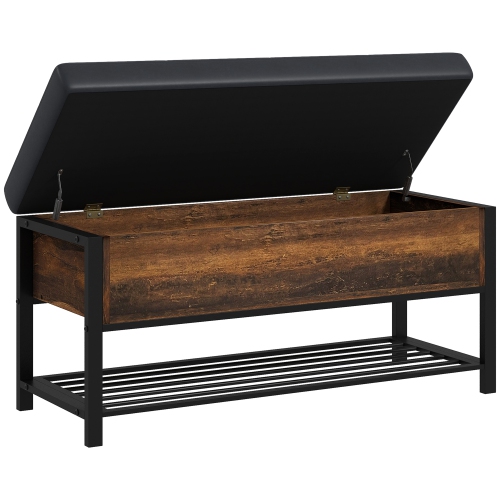
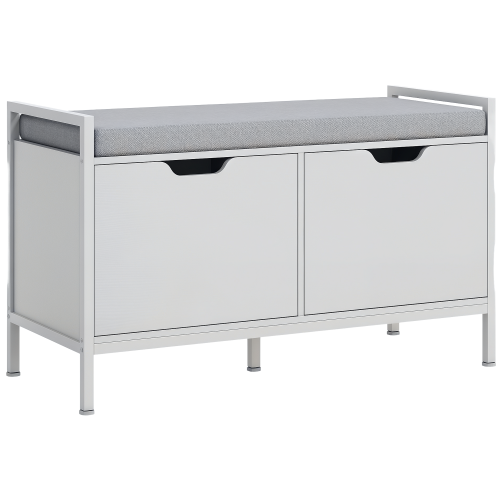
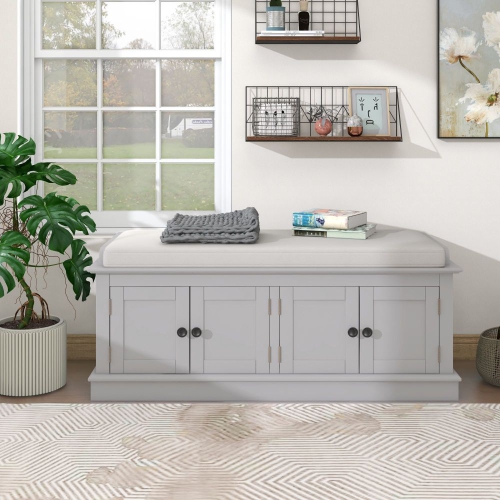
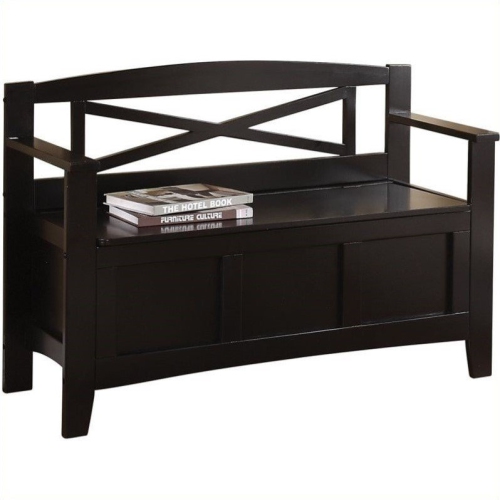
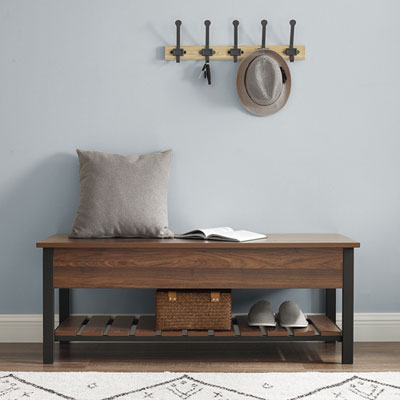
Front door entryway benches bring together two of the most useful features in a busy home: a comfortable place to sit and a practical way to keep the area near the door organized. They make it easier to put on or remove shoes without balancing against a wall, hopping on one foot, or carrying outdoor footwear farther into the house. A bench can also create a natural landing spot for bags, hats, scarves, and other items that tend to collect by the entrance. In a narrow hallway, a streamlined seat with an open lower shelf can keep everyday footwear visible and easy to reach while maintaining a tidy appearance. In a larger foyer, a wider bench with drawers, doors, or built-in compartments can provide more concealed storage for accessories and seasonal essentials. Browse the selection of Front Door Benches to find seating and storage options suited to different entryway layouts, decorating styles, and household routines.
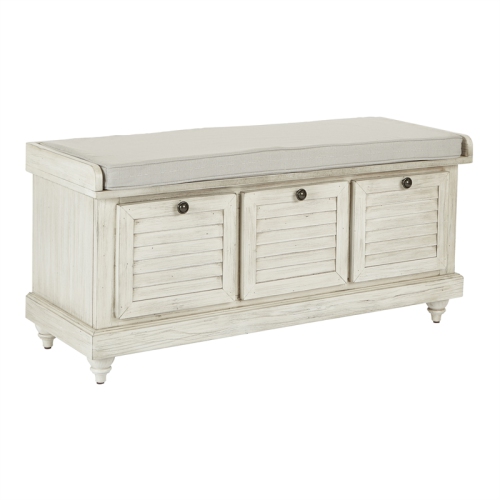
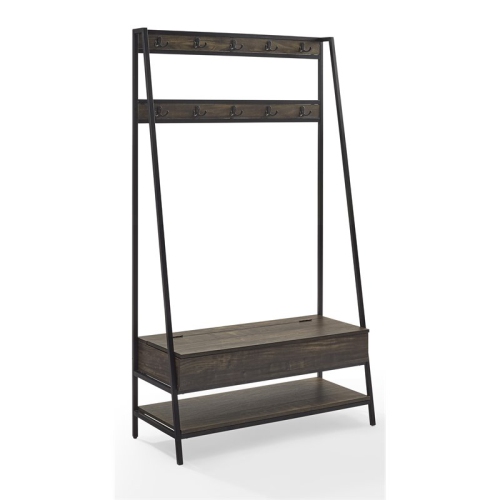
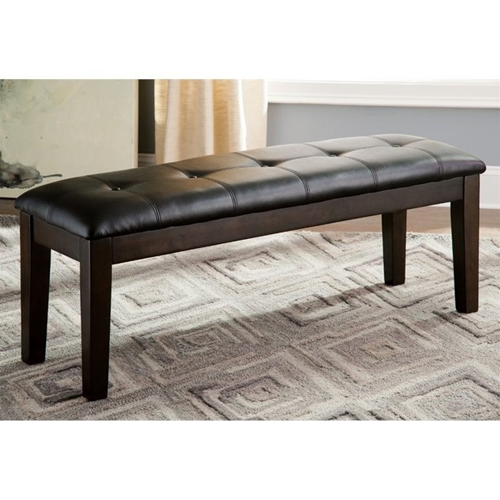
Before choosing a front door entryway bench, measure the available width and depth carefully, including the space needed to open the door, closet, or nearby cabinet. Slim designs measuring approximately 12 to 14 inches deep can work well in compact corridors where every inch matters, while deeper models may be a better fit for a spacious foyer or mudroom-style entrance. Consider how many people will use the bench at once and whether it needs to support children, adults, or heavier winter footwear and bags. Product weight capacities commonly fall around 220 to 250 pounds, although the exact limit varies by construction and should be checked before purchase. Materials also influence the look, feel, and everyday care of the bench. Solid wood can bring warmth and a substantial feel to a traditional or rustic space, while engineered wood can offer clean lines and a coordinated finish. Metal accents may suit an industrial interior, and upholstered seats in linen-look fabric, woven materials, or faux leather can make longer shoe-changing routines more comfortable. An open rack allows shoes to breathe and remain visible, which is helpful for frequently worn pairs; drawers, lift-up seats, and cabinet compartments provide a more discreet place to store slippers, accessories, or items that would otherwise remain scattered near the door.
The right bench can make a noticeable difference during the changing seasons, when entryways often handle a mix of sandals, sneakers, boots, umbrellas, and extra layers. As the weather warms, an open shelf may hold lightweight shoes and reusable shopping bags, while during the cooler months, enclosed storage can help contain scarves, gloves, hats, and other small accessories. A cushioned seat is especially useful in a family home, where children may need a stable spot to fasten shoes before heading out, or for anyone who prefers to sit while managing laces and buckles. It can also be a thoughtful housewarming gift for someone settling into a new home, particularly when the bench combines useful storage with an attractive finish. Look for a design that complements the existing entryway rather than competing with it: light finishes can help a small hallway feel more open, darker tones can add definition to a large foyer, and natural wood details can soften a modern space. Pay attention to assembly requirements, shelf clearance, cushion construction, and whether the storage is sized for the items you actually keep by the door. With the right proportions and layout, a front door entryway bench becomes part of the daily rhythm of leaving and returning home, helping the entrance feel calmer, more comfortable, and easier to maintain.
Before choosing a front door entryway bench, measure the available width and depth carefully, including the space needed to open the door, closet, or nearby cabinet. Slim designs measuring approximately 12 to 14 inches deep can work well in compact corridors where every inch matters, while deeper models may be a better fit for a spacious foyer or mudroom-style entrance. Consider how many people will use the bench at once and whether it needs to support children, adults, or heavier winter footwear and bags. Product weight capacities commonly fall around 220 to 250 pounds, although the exact limit varies by construction and should be checked before purchase. Materials also influence the look, feel, and everyday care of the bench. Solid wood can bring warmth and a substantial feel to a traditional or rustic space, while engineered wood can offer clean lines and a coordinated finish. Metal accents may suit an industrial interior, and upholstered seats in linen-look fabric, woven materials, or faux leather can make longer shoe-changing routines more comfortable. An open rack allows shoes to breathe and remain visible, which is helpful for frequently worn pairs; drawers, lift-up seats, and cabinet compartments provide a more discreet place to store slippers, accessories, or items that would otherwise remain scattered near the door.
The right bench can make a noticeable difference during the changing seasons, when entryways often handle a mix of sandals, sneakers, boots, umbrellas, and extra layers. As the weather warms, an open shelf may hold lightweight shoes and reusable shopping bags, while during the cooler months, enclosed storage can help contain scarves, gloves, hats, and other small accessories. A cushioned seat is especially useful in a family home, where children may need a stable spot to fasten shoes before heading out, or for anyone who prefers to sit while managing laces and buckles. It can also be a thoughtful housewarming gift for someone settling into a new home, particularly when the bench combines useful storage with an attractive finish. Look for a design that complements the existing entryway rather than competing with it: light finishes can help a small hallway feel more open, darker tones can add definition to a large foyer, and natural wood details can soften a modern space. Pay attention to assembly requirements, shelf clearance, cushion construction, and whether the storage is sized for the items you actually keep by the door. With the right proportions and layout, a front door entryway bench becomes part of the daily rhythm of leaving and returning home, helping the entrance feel calmer, more comfortable, and easier to maintain.
Top selling and popular products
-
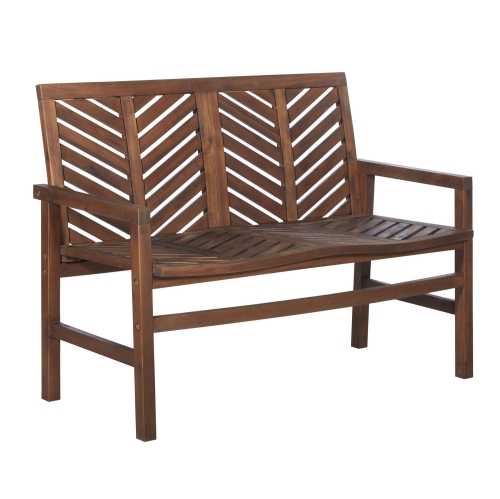 Your price for this item is $404.9
 -
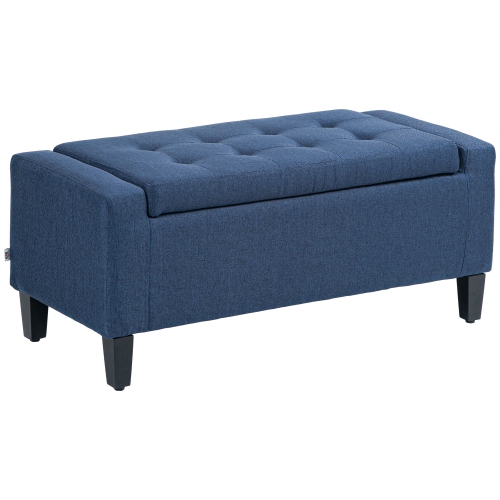 Your price for this item is $139.99
 -
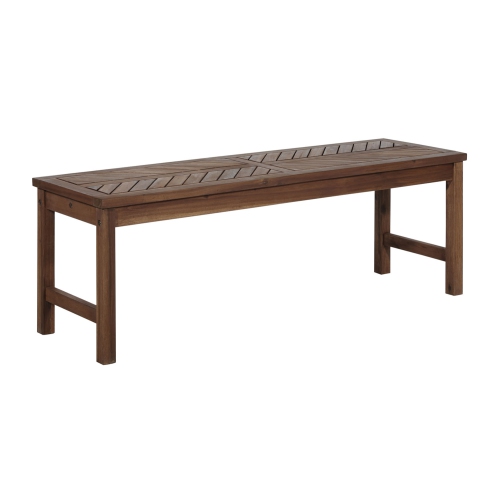 Your price for this item is $365.47
 -
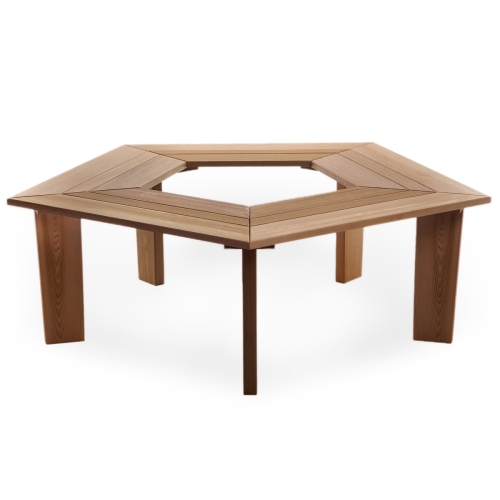 Your price for this item is $893.99
 -
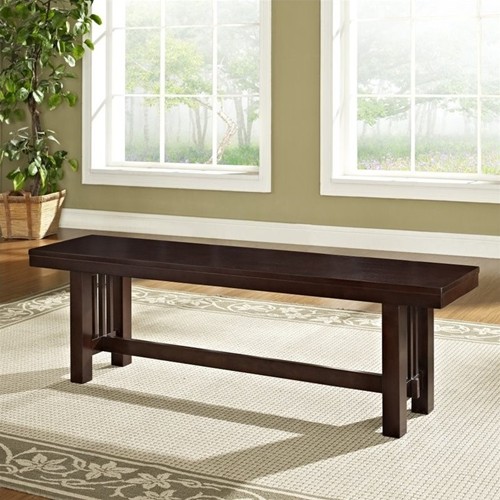 Your price for this item is $292.72
 -
 Your price for this item is $507.08
 -
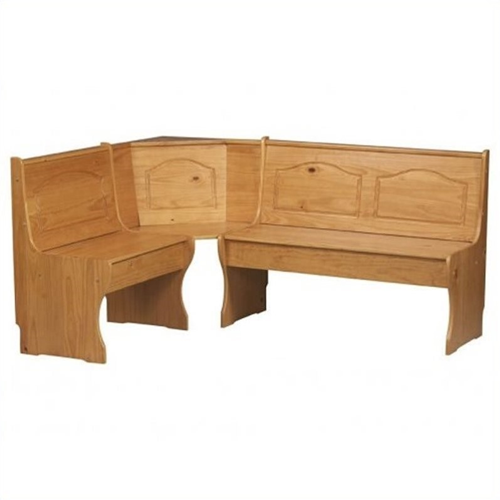 Your price for this item is $908.26
 -
 Your price for this item is $339.99
Discover more categories related to Front Door Entryway Benches
Top Collections:
Pokemon Centers, Kindle Devices, Best Budget Office Chairs, Apple iPhones 16, Best Laptops for Writers, iPhone 15 Apple, Canon G7X Cameras, Refurbished Apple Laptops, Alarm Clock, Motorola Razr Phones
Some products may be subject to Environmental Handling Fees
(EHF) depending on your province.
Learn more about EHFs.