Full Size Mirrors
Enhance your space with a full-size mirror that not only adds functionality but also elevates the aesthetic appeal of any room. Perfect for checking your outfit before heading out, creating the illusion of a larger space, or simply adding a decorative touch, a full-size mirror is a versatile piece that can complement various decor styles. Whether you're looking for a sleek and modern design or a vintage-inspired frame, this collection offers a range of options to suit your needs.
Sort

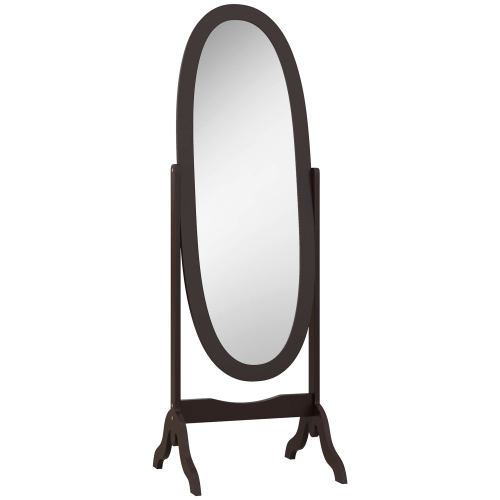
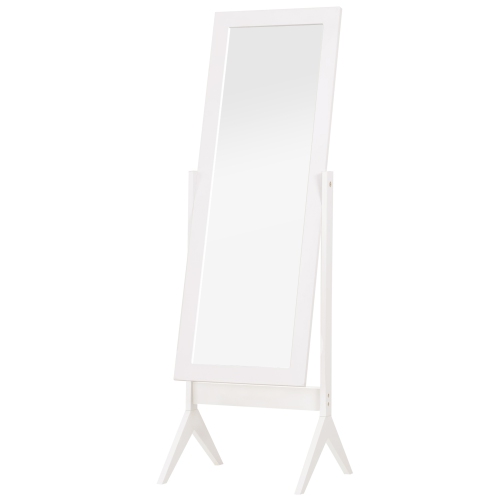
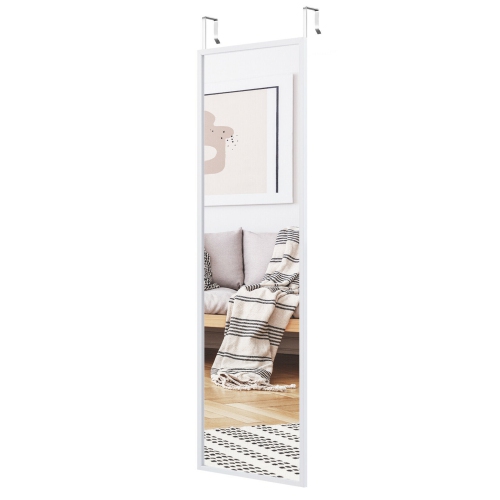
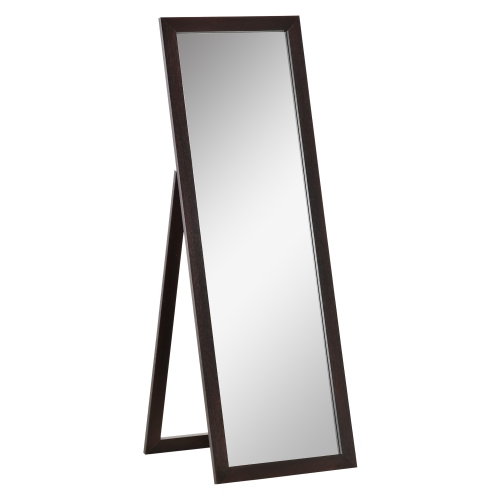
How mirror placement shapes your view and your room
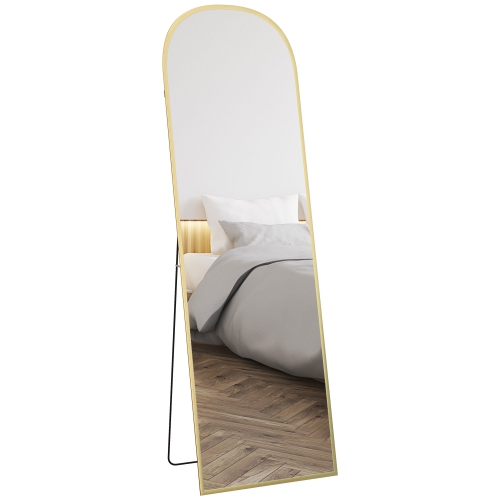
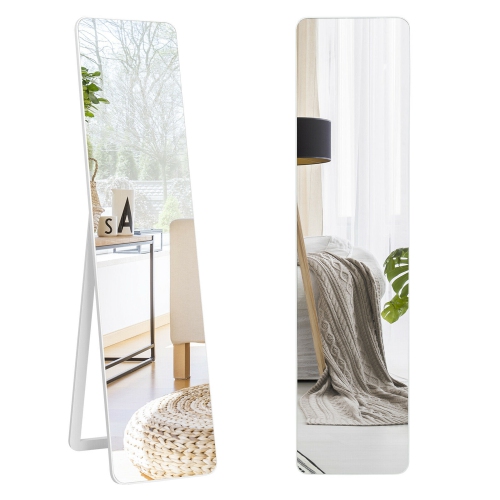
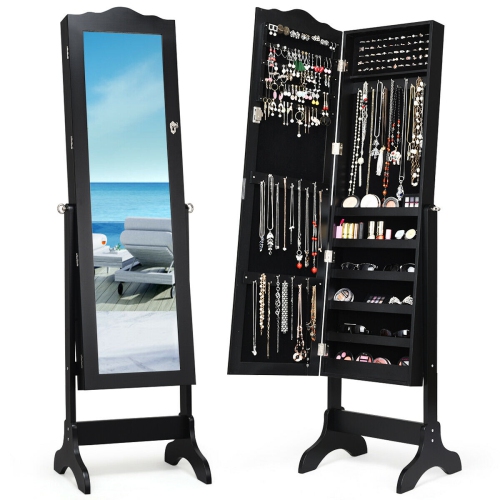
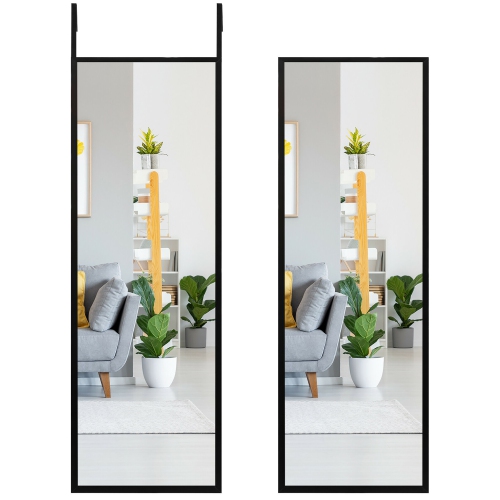
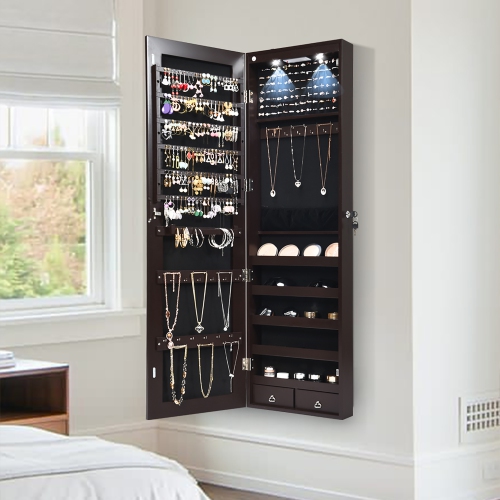
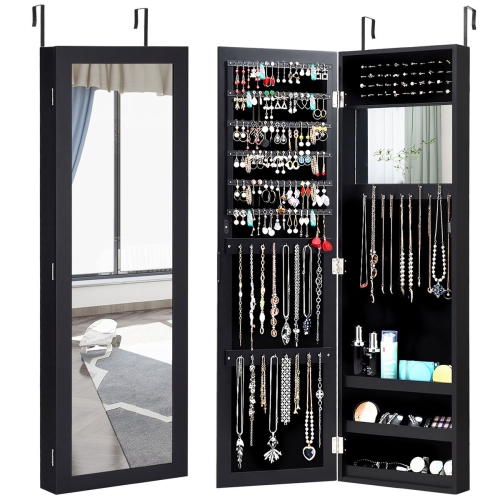
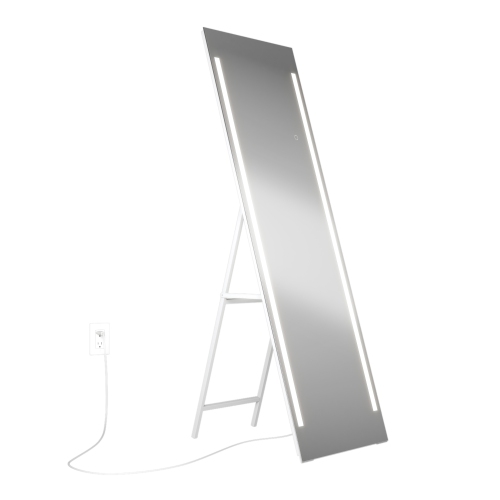
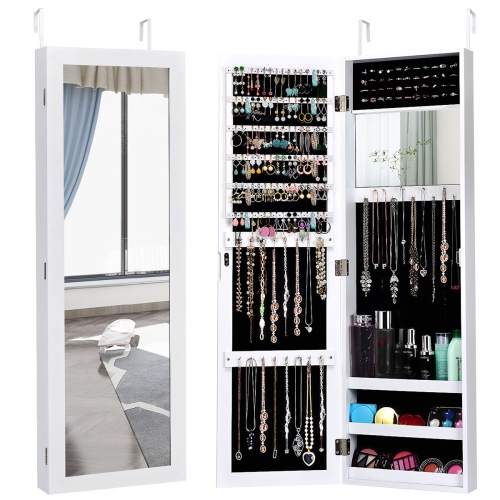
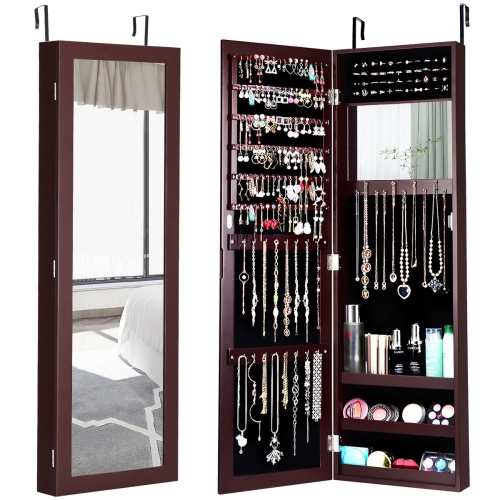
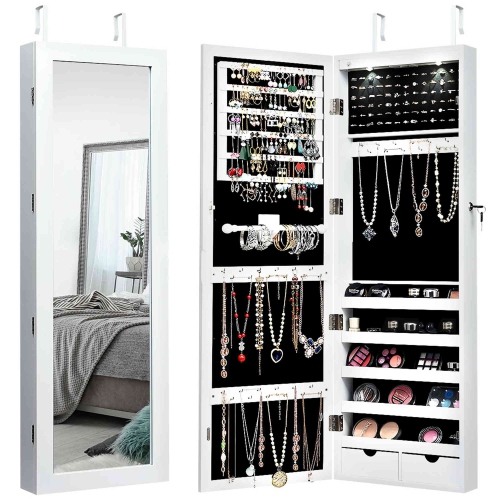
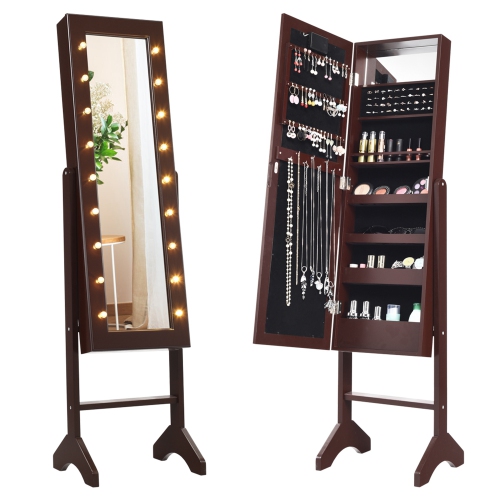
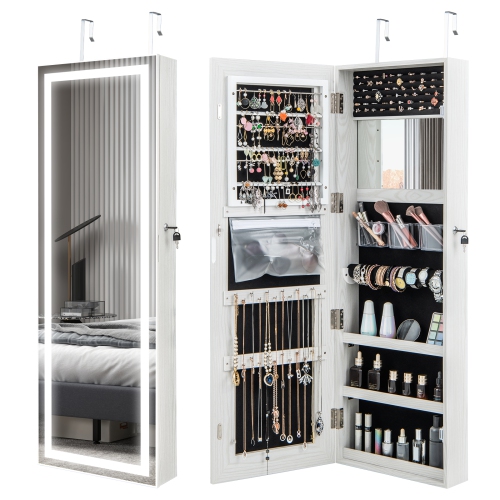
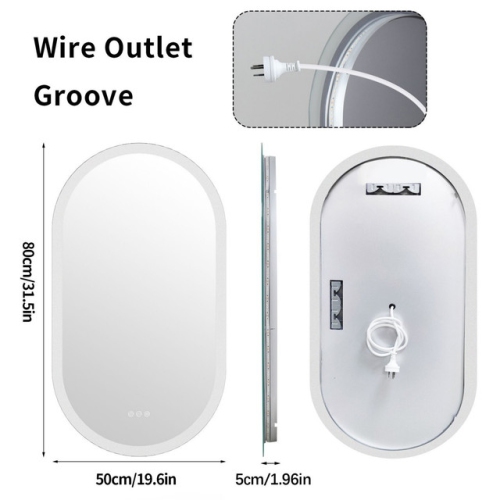
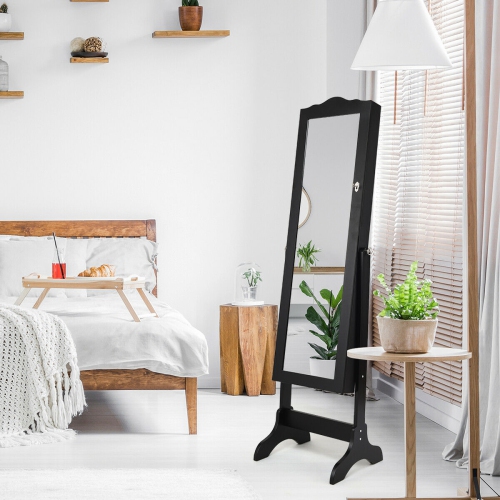
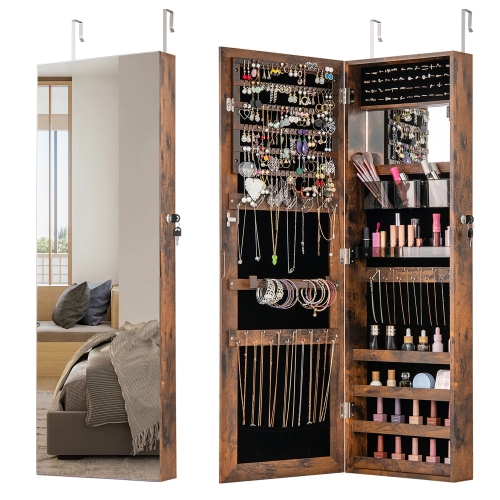
Full-size mirrors provide a head-to-toe view that makes everyday dressing easier while adding light and visual depth to a room. Often called full-length mirrors, they are commonly around 50 to 70 inches tall, although dimensions vary and taller designs offer additional coverage. A useful fit depends on more than height alone: the width of the reflective surface, its position, and the space available to stand back all affect how much of an outfit is visible. A narrow mirror beside a wardrobe can suit a quick check before leaving home, while a wider floor mirror gives a more generous view of a jacket’s fit, a dress’s hemline, or the proportions of a layered outfit. Bedrooms and dressing areas are natural settings, but these mirrors also work in entryways, walk-in closets, guest rooms, and home exercise spaces. In a compact apartment, a full-length mirror can serve a practical purpose without requiring another piece of furniture, especially when mounted on a wall or fitted over a suitable door. In a larger room, an oversized design can anchor an otherwise bare wall and balance the scale of a bed, dresser, or seating area. Rectangular mirrors offer straight lines that sit comfortably alongside doorways and cabinetry; arched mirrors introduce a softer outline above the reflection. Rounded corners and curved frames bring a different character without changing the mirror’s everyday function. Placement also shapes the effect. A mirror positioned to reflect a window or a well-lit section of the room can help the space feel brighter, whereas one facing a crowded shelf repeats that visual clutter. For dressing, even light falling towards the person generally gives a clearer view than a bright source directly behind them. A full-size mirror is both a useful household fixture and a visible part of a room’s design, so its shape, scale, and surroundings deserve equal attention.
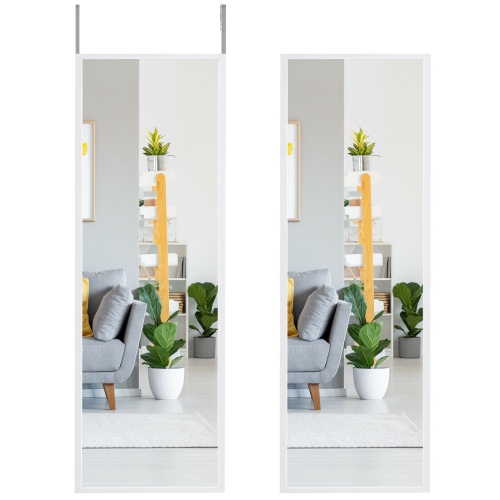
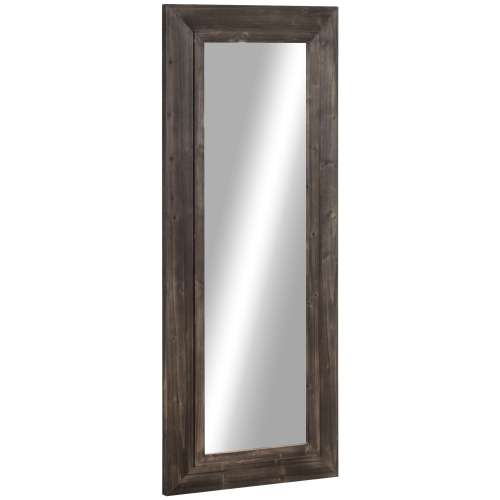
Frame materials and finishes give full-size mirrors much of their character, from the warmth of wood to the crisp outline of metal. Wood frames can complement bedside tables, wardrobes, and other furniture, with grain and finish contributing subtle texture. Solid wood and engineered wood differ in construction, weight, and care requirements, so the material description matters more than appearance alone. Metal frames often have a slim profile that leaves more of the overall width for the reflective surface. Black finishes create a defined border, while metallic tones can connect with drawer pulls, light fixtures, or other small accents. White frames offer a lighter visual outline against pale walls and a distinct contrast against deeper paint colours. For rooms with light furniture or painted trim, Large White Mirrors offer a related look that can coordinate with those details. Frameless designs place greater emphasis on the reflection itself, with polished or bevelled edges adding definition without a separate border. Frame width is worth noting because two mirrors with the same outer dimensions may provide quite different viewing areas. Glass quality, backing, and frame construction also influence long-term satisfaction. A clear, consistent reflection is particularly useful when checking clothing fit; visible waviness can distort proportions. Protective backing or safety film may help hold fragments together if glass breaks, but those features do not make a mirror unbreakable. Secure corners, a properly supported panel, and mounting components suited to the mirror’s weight all contribute to durability. In a busy household, the frame may need to withstand occasional bumps from a vacuum or laundry basket, while a mirror close to a doorway needs enough clearance to avoid contact with handles. Decorative edges and textured finishes add detail, though they can also collect dust. The most suitable construction balances the desired appearance with the level of handling and cleaning the mirror will receive.
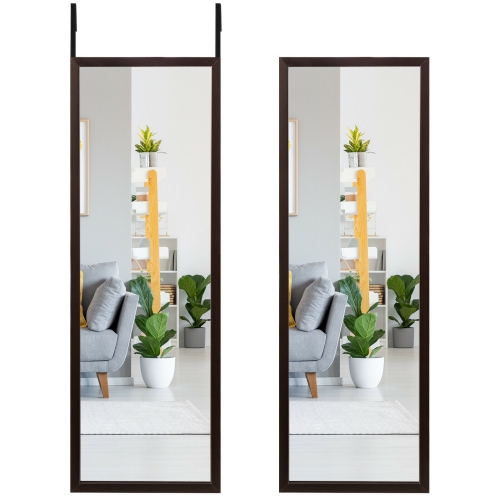
Wall-mounted, over-the-door, freestanding, and leaning mirrors each make different use of the same room. Wall-mounted full-length mirrors leave the floor clear, which can be especially helpful beside a narrow walkway or in a small bedroom. Their installation depends on the wall material, mirror weight, and specified mounting hardware; a heavy mirror needs suitable support rather than an improvised hook. Over-the-door mirrors use space that might otherwise go unused, but compatibility depends on the door’s thickness, the hanger design, and the clearance needed for the door to close properly. They also need to remain stable as the door moves. Freestanding mirrors with an integrated support can be convenient where a wall-mounted arrangement is unsuitable, although the stand adds depth beyond the frame itself. That footprint matters beside a bed or wardrobe, where there still needs to be room for drawers and doors to open. Leaning mirrors create a relaxed look, but leaning does not mean unsecured: designs intended for this placement should use the restraints specified by the manufacturer. This is particularly important in homes with children or pets. Not every mirror supports every installation method, so its intended orientation and placement should match the room. For shared households, a position that accommodates people of different heights makes the mirror more useful, while a seated user may benefit from a lower placement and an unobstructed approach. Day-to-day care is usually straightforward. A soft, lint-free cloth helps remove fingerprints without scratching the surface, and glass cleaner applied to the cloth rather than sprayed heavily onto the mirror reduces liquid collecting around the edges. Frames should be cleaned according to their material and finish, avoiding abrasive pads and excess moisture. Bathrooms and other damp areas require mirrors specifically suited to those conditions. As a housewarming gift or a practical addition to a first apartment, a full-size mirror can be useful for years, provided its dimensions, mounting needs, and style suit the recipient’s space. A thoughtful fit makes it a natural part of getting dressed, organizing a room, and making everyday surroundings feel more complete.
Frame materials and finishes give full-size mirrors much of their character, from the warmth of wood to the crisp outline of metal. Wood frames can complement bedside tables, wardrobes, and other furniture, with grain and finish contributing subtle texture. Solid wood and engineered wood differ in construction, weight, and care requirements, so the material description matters more than appearance alone. Metal frames often have a slim profile that leaves more of the overall width for the reflective surface. Black finishes create a defined border, while metallic tones can connect with drawer pulls, light fixtures, or other small accents. White frames offer a lighter visual outline against pale walls and a distinct contrast against deeper paint colours. For rooms with light furniture or painted trim, Large White Mirrors offer a related look that can coordinate with those details. Frameless designs place greater emphasis on the reflection itself, with polished or bevelled edges adding definition without a separate border. Frame width is worth noting because two mirrors with the same outer dimensions may provide quite different viewing areas. Glass quality, backing, and frame construction also influence long-term satisfaction. A clear, consistent reflection is particularly useful when checking clothing fit; visible waviness can distort proportions. Protective backing or safety film may help hold fragments together if glass breaks, but those features do not make a mirror unbreakable. Secure corners, a properly supported panel, and mounting components suited to the mirror’s weight all contribute to durability. In a busy household, the frame may need to withstand occasional bumps from a vacuum or laundry basket, while a mirror close to a doorway needs enough clearance to avoid contact with handles. Decorative edges and textured finishes add detail, though they can also collect dust. The most suitable construction balances the desired appearance with the level of handling and cleaning the mirror will receive.
Wall-mounted, over-the-door, freestanding, and leaning mirrors each make different use of the same room. Wall-mounted full-length mirrors leave the floor clear, which can be especially helpful beside a narrow walkway or in a small bedroom. Their installation depends on the wall material, mirror weight, and specified mounting hardware; a heavy mirror needs suitable support rather than an improvised hook. Over-the-door mirrors use space that might otherwise go unused, but compatibility depends on the door’s thickness, the hanger design, and the clearance needed for the door to close properly. They also need to remain stable as the door moves. Freestanding mirrors with an integrated support can be convenient where a wall-mounted arrangement is unsuitable, although the stand adds depth beyond the frame itself. That footprint matters beside a bed or wardrobe, where there still needs to be room for drawers and doors to open. Leaning mirrors create a relaxed look, but leaning does not mean unsecured: designs intended for this placement should use the restraints specified by the manufacturer. This is particularly important in homes with children or pets. Not every mirror supports every installation method, so its intended orientation and placement should match the room. For shared households, a position that accommodates people of different heights makes the mirror more useful, while a seated user may benefit from a lower placement and an unobstructed approach. Day-to-day care is usually straightforward. A soft, lint-free cloth helps remove fingerprints without scratching the surface, and glass cleaner applied to the cloth rather than sprayed heavily onto the mirror reduces liquid collecting around the edges. Frames should be cleaned according to their material and finish, avoiding abrasive pads and excess moisture. Bathrooms and other damp areas require mirrors specifically suited to those conditions. As a housewarming gift or a practical addition to a first apartment, a full-size mirror can be useful for years, provided its dimensions, mounting needs, and style suit the recipient’s space. A thoughtful fit makes it a natural part of getting dressed, organizing a room, and making everyday surroundings feel more complete.
Top selling and popular products
-
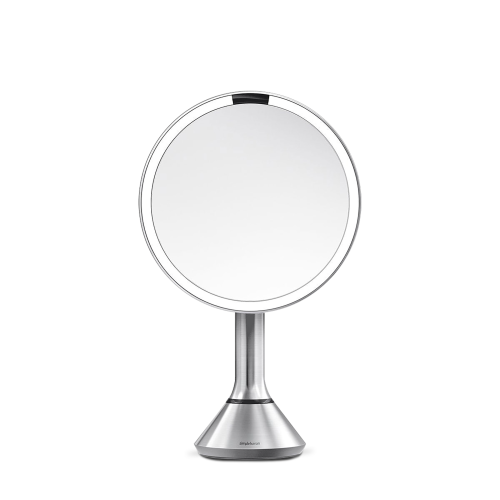 Your price for this item is $270
 -
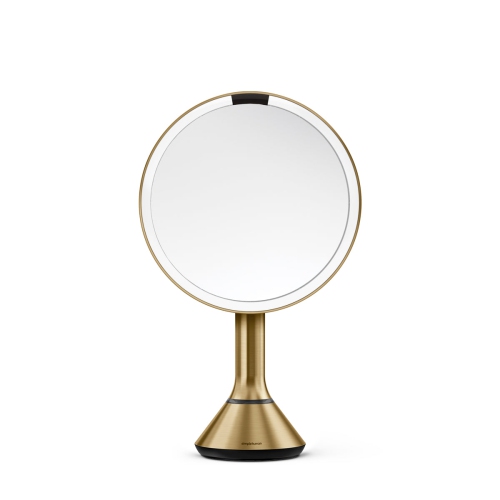 Your price for this item is $270
 -
 Your price for this item is $270
 -
 Your price for this item is $450
 -
 Your price for this item is $158.98
 -
 Your price for this item is $149.99
 -
 Your price for this item is $400
 -
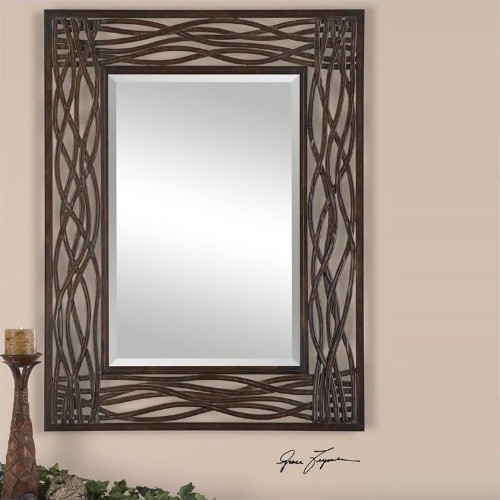 Your price for this item is $833.35
Discover more categories related to Full Size Mirrors
Top Collections:
Pokemon Centers, Kindle Devices, Best Budget Office Chairs, Apple iPhones 16, Best Laptops for Writers, iPhone 15 Apple, Canon G7X Cameras, Refurbished Apple Laptops, Alarm Clock, Motorola Razr Phones
Some products may be subject to Environmental Handling Fees
(EHF) depending on your province.
Learn more about EHFs.