Furniture Carts
Transform your living space with ease and efficiency using furniture carts. These versatile tools are perfect for anyone looking to rearrange their home or office without the hassle of heavy lifting. Whether you're moving a sofa, a bookshelf, or an entire room's worth of decor, furniture carts provide a practical solution for transporting items with minimal effort. Discover how these handy helpers can streamline your moving process and protect your floors while adding convenience to your daily life. Explore our selection to find the ideal furniture cart for your needs and make every move smooth and stress-free.
Sort
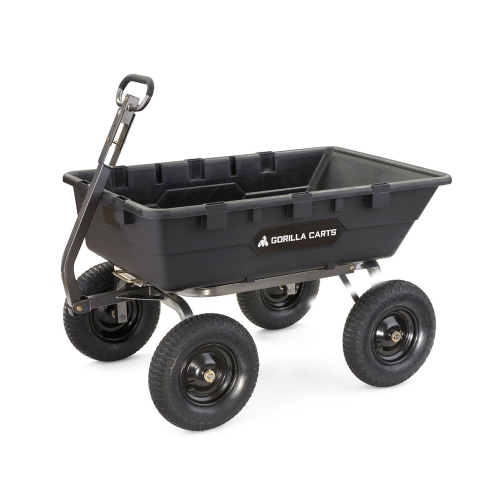
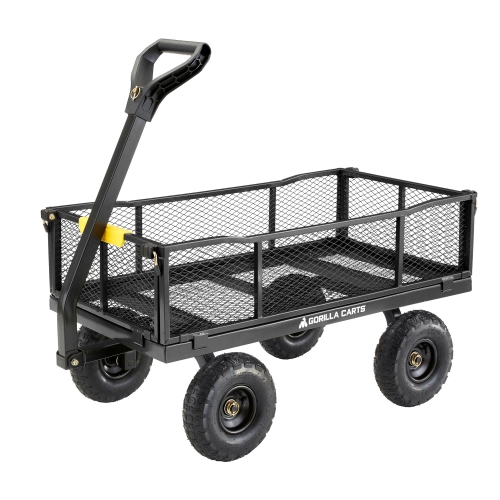
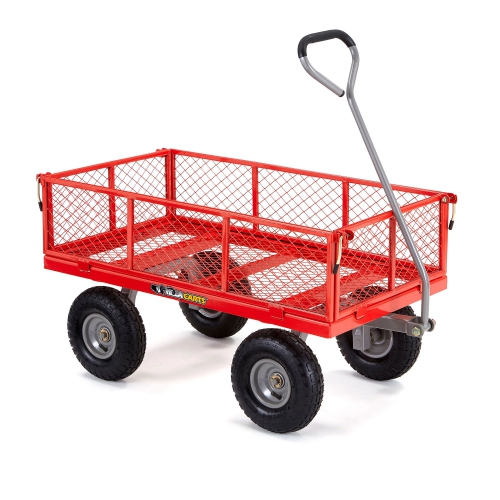
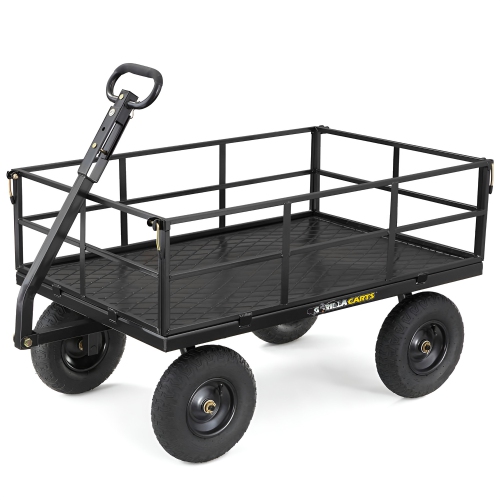
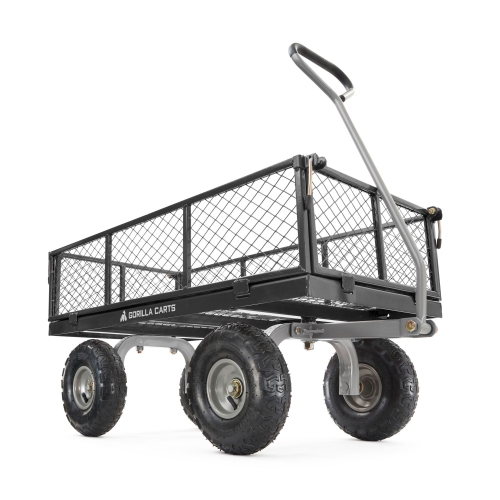

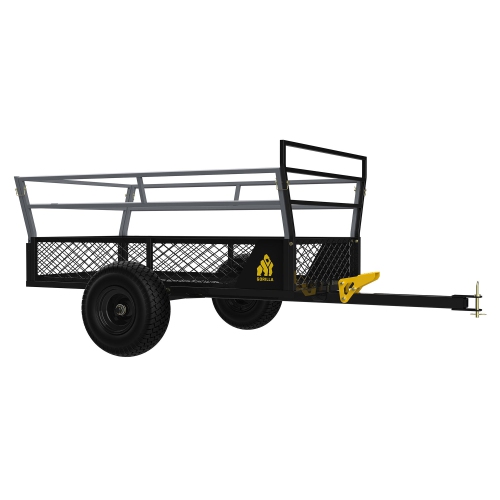
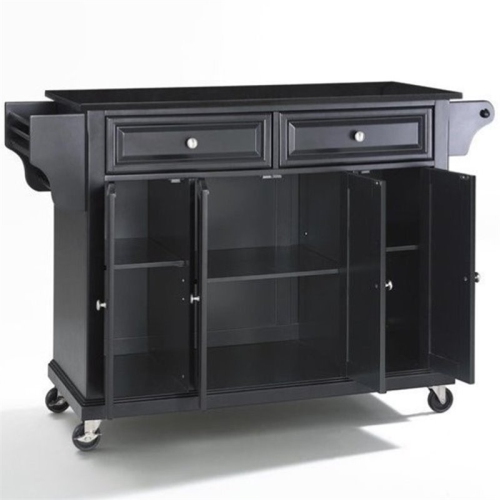
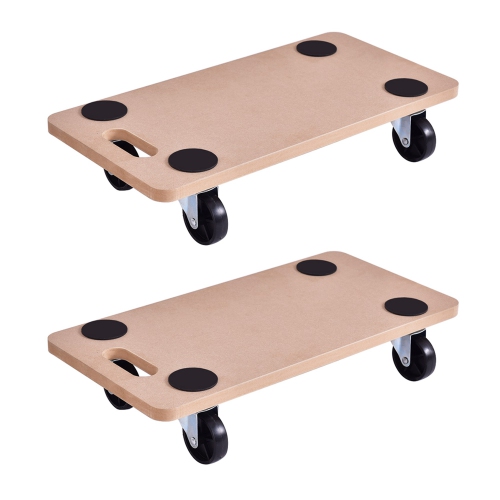
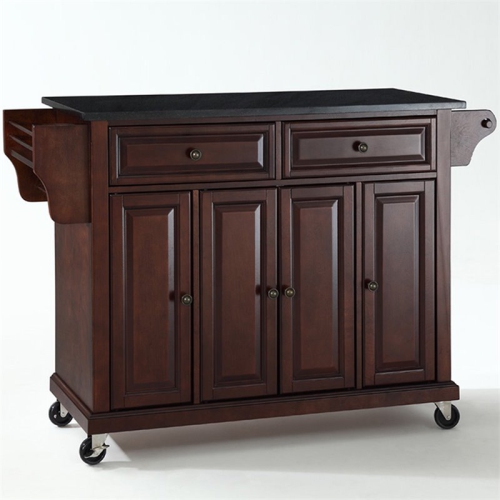
Practical guidance for moving bulky loads with control
Furniture carts, also called furniture dollies, are practical tools for moving heavy, bulky items with less lifting and better control. They typically use a flat platform, a sturdy frame, or a vertical hand-truck design with wheels that help distribute weight as an item is repositioned. A standard four-wheel furniture dolly is useful for boxes, small cabinets, storage units, ottomans, tables, and other items with a reasonably stable base. For larger pieces such as sofas, desks, appliances, or packed moving cartons, a wider platform can provide more support and reduce the chance of the load tipping. Appliance and hand-truck styles are shaped differently, with a two-wheel upright frame, a toe plate, and a strap to secure tall items while they are being moved. Specialty carts may be designed for folding tables, stacked chairs, or other equipment that needs to be transported repeatedly in a home, office, classroom, event space, or workshop. Expandable and multi-wheel designs can offer additional balance for extra-heavy loads, especially when the item has an unusual shape or its weight is spread unevenly. When comparing furniture carts, start with the item you expect to move most often, including its approximate weight, width, depth, and centre of gravity. A cart that looks compact and convenient may not have enough capacity for a solid wood cabinet or large appliance, while a heavy-duty model may be unnecessarily difficult to store if it is only needed for occasional light-duty tasks. Check the listed weight capacity and leave a comfortable margin rather than choosing a cart that is rated exactly for the load. Remember to include the weight of drawers, contents, packaging, or accessories that may remain inside the furniture during transport. A broad platform can be helpful for bulky pieces, but it should not extend so far beyond the load that it catches on door frames or creates an unstable overhang.
Wheel design is another important consideration because the right cart can feel completely different on smooth flooring, thick carpet, tile, concrete, or uneven outdoor surfaces. Swivel casters allow the cart to turn in tight spaces and are useful when navigating around tables, counters, shelving, and doorways. Fixed wheels tend to track in a straighter line, which can make them easier to control over longer distances. Rubber or polyurethane wheels can absorb some vibration and may be gentler on indoor floors, while harder wheels can roll easily across firm, even surfaces. For rough concrete, garage floors, loading areas, or thresholds, look for wheels with enough diameter and durability to pass over small changes in height without stopping abruptly. The platform should also help keep the load in place. Non-slip rubber pads, textured surfaces, carpeted ends, raised edges, and tie-down points can all add stability, particularly when moving polished furniture, boxes, or appliances. Straps are especially valuable for upright loads, but they should be tightened firmly without crushing doors, handles, cushions, or delicate finishes. Before placing anything on the cart, clear the route and measure narrow doorways, elevator entrances, hallways, and turns. Remove loose rugs, open doors fully, and secure drawers or cabinet doors so they cannot slide out while the item is moving. If possible, empty furniture first and protect corners with moving blankets or padding. Keep the load centred over the wheels, move slowly, and use a second person to guide the front or watch for obstacles. A cart is intended to reduce strain, not eliminate the need for safe handling; lifting should be shared, and loads that are too tall, too heavy, or difficult to control should be handled with suitable equipment or professional assistance. Carts should never be treated as a substitute for a stair-climbing device, and extra care is needed around stairs, ramps, slopes, wet floors, and uneven ground. Locking casters or wheel brakes can help when loading and unloading, but they are not a replacement for a secure grip or proper support.
Furniture carts can be useful for homeowners setting up a new room, renters rearranging a space, students moving between residences, and families preparing for renovations, deep cleaning, or a change in layout. They are also practical in offices, retail spaces, studios, workshops, schools, community halls, and event venues where tables, chairs, storage units, and equipment need to be moved regularly. A compact dolly can be kept in a utility room or garage for occasional tasks, while a larger cart may be worthwhile for people who frequently reorganize furniture, manage a workspace, or transport bulky items for work. As a gift, a furniture cart can be a thoughtful choice for someone moving into a first home, outfitting a new apartment, opening a small business, or completing a renovation, particularly when paired with protective pads or cargo straps. Buyers who enjoy hosting may also appreciate a convenient way to reposition serving stations, storage pieces, or entertaining furniture; those comparing options for a dedicated hosting area can explore Bar Carts as another type of mobile furniture. During the warmer parts of the year, a cart can make it easier to move furnishings between indoor rooms, garages, patios, and storage areas, while during the cooler months it can help with reorganizing rooms, bringing seasonal storage indoors, or preparing a workspace for more time inside. Storage is worth considering before choosing a size: measure the available closet, garage, basement, or utility-room space, and check whether the handle or frame folds down if the cart will not remain in use. Also review assembly requirements, wheel replacement options, platform dimensions, and the condition of the floor where the cart will be used most often. The best choice combines enough capacity for the intended load with wheels and construction suited to the route, plus features that make the cart comfortable to control. With the right match, moving a heavy cabinet across a room or repositioning a table for cleaning becomes a steadier, more manageable task rather than a stressful lifting job.
Wheel design is another important consideration because the right cart can feel completely different on smooth flooring, thick carpet, tile, concrete, or uneven outdoor surfaces. Swivel casters allow the cart to turn in tight spaces and are useful when navigating around tables, counters, shelving, and doorways. Fixed wheels tend to track in a straighter line, which can make them easier to control over longer distances. Rubber or polyurethane wheels can absorb some vibration and may be gentler on indoor floors, while harder wheels can roll easily across firm, even surfaces. For rough concrete, garage floors, loading areas, or thresholds, look for wheels with enough diameter and durability to pass over small changes in height without stopping abruptly. The platform should also help keep the load in place. Non-slip rubber pads, textured surfaces, carpeted ends, raised edges, and tie-down points can all add stability, particularly when moving polished furniture, boxes, or appliances. Straps are especially valuable for upright loads, but they should be tightened firmly without crushing doors, handles, cushions, or delicate finishes. Before placing anything on the cart, clear the route and measure narrow doorways, elevator entrances, hallways, and turns. Remove loose rugs, open doors fully, and secure drawers or cabinet doors so they cannot slide out while the item is moving. If possible, empty furniture first and protect corners with moving blankets or padding. Keep the load centred over the wheels, move slowly, and use a second person to guide the front or watch for obstacles. A cart is intended to reduce strain, not eliminate the need for safe handling; lifting should be shared, and loads that are too tall, too heavy, or difficult to control should be handled with suitable equipment or professional assistance. Carts should never be treated as a substitute for a stair-climbing device, and extra care is needed around stairs, ramps, slopes, wet floors, and uneven ground. Locking casters or wheel brakes can help when loading and unloading, but they are not a replacement for a secure grip or proper support.
Furniture carts can be useful for homeowners setting up a new room, renters rearranging a space, students moving between residences, and families preparing for renovations, deep cleaning, or a change in layout. They are also practical in offices, retail spaces, studios, workshops, schools, community halls, and event venues where tables, chairs, storage units, and equipment need to be moved regularly. A compact dolly can be kept in a utility room or garage for occasional tasks, while a larger cart may be worthwhile for people who frequently reorganize furniture, manage a workspace, or transport bulky items for work. As a gift, a furniture cart can be a thoughtful choice for someone moving into a first home, outfitting a new apartment, opening a small business, or completing a renovation, particularly when paired with protective pads or cargo straps. Buyers who enjoy hosting may also appreciate a convenient way to reposition serving stations, storage pieces, or entertaining furniture; those comparing options for a dedicated hosting area can explore Bar Carts as another type of mobile furniture. During the warmer parts of the year, a cart can make it easier to move furnishings between indoor rooms, garages, patios, and storage areas, while during the cooler months it can help with reorganizing rooms, bringing seasonal storage indoors, or preparing a workspace for more time inside. Storage is worth considering before choosing a size: measure the available closet, garage, basement, or utility-room space, and check whether the handle or frame folds down if the cart will not remain in use. Also review assembly requirements, wheel replacement options, platform dimensions, and the condition of the floor where the cart will be used most often. The best choice combines enough capacity for the intended load with wheels and construction suited to the route, plus features that make the cart comfortable to control. With the right match, moving a heavy cabinet across a room or repositioning a table for cleaning becomes a steadier, more manageable task rather than a stressful lifting job.
Top selling and popular products
-
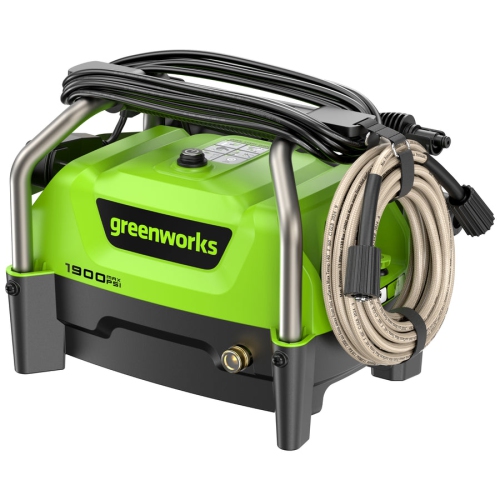 Your price for this item is $169.99
 -
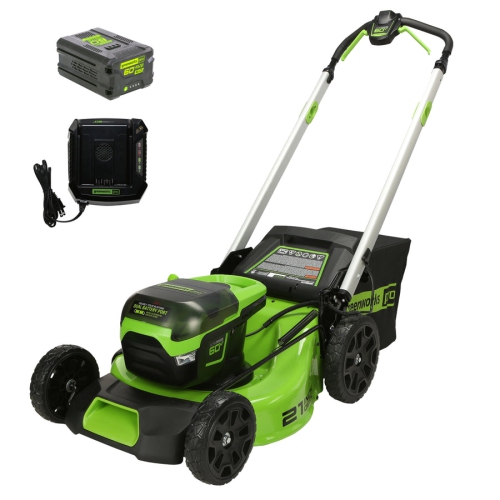 Your price for this item is $554.39
 -
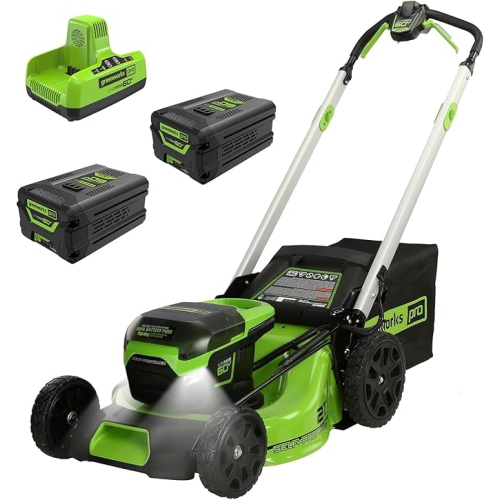 Your price for this item is $879.99
 -
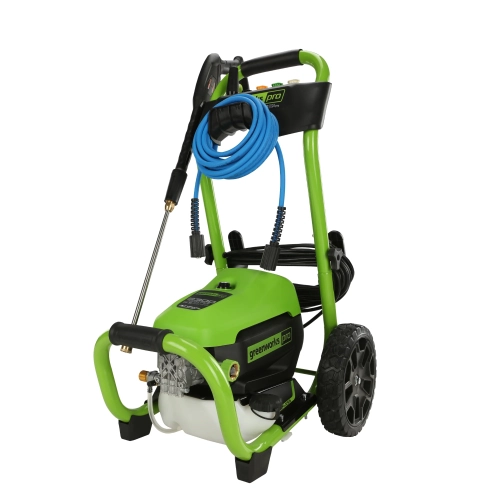 Your price for this item is $439.99
 -
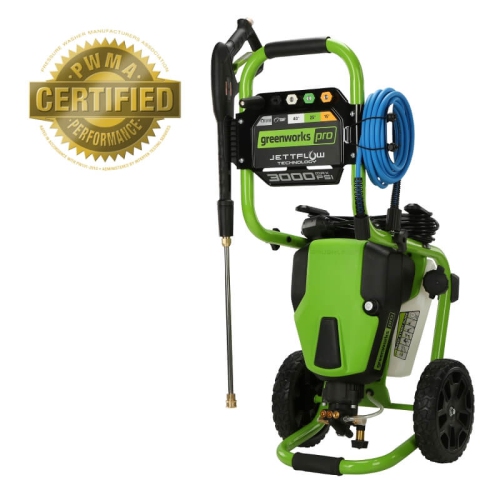 Your price for this item is $499
 -
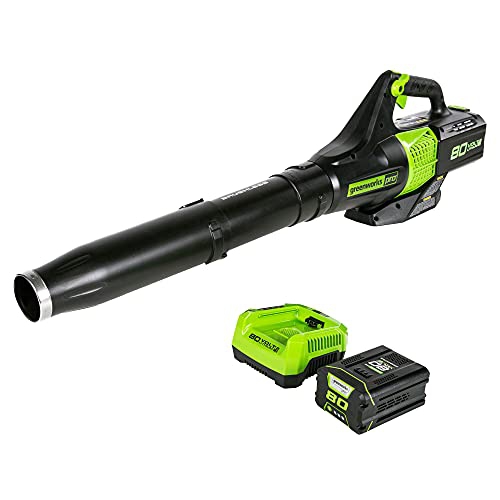 Your price for this item is $255
 -
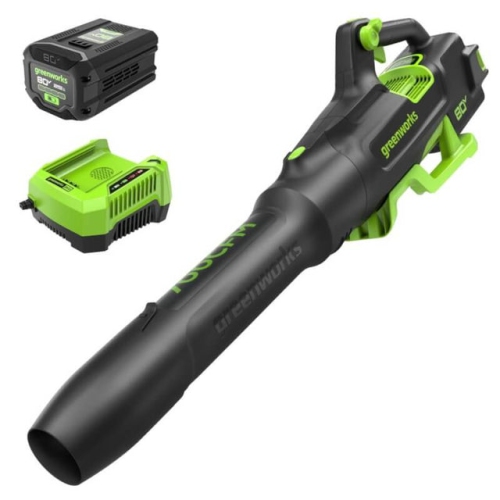 Your price for this item is $272
 -
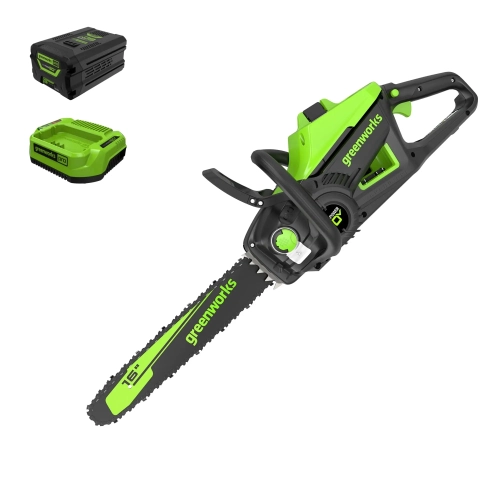 Your price for this item is $329.99
Discover more categories related to Furniture Carts
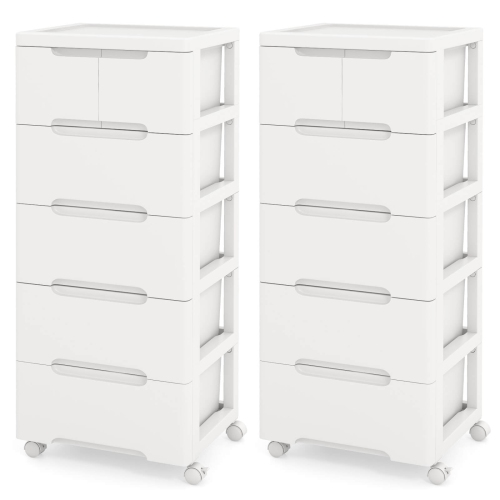
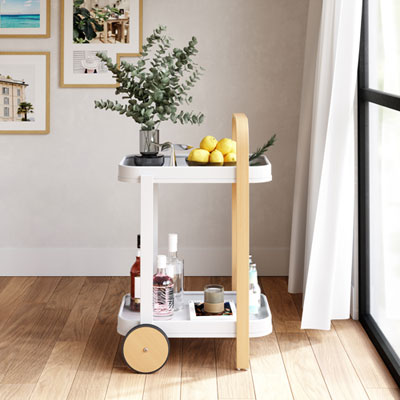
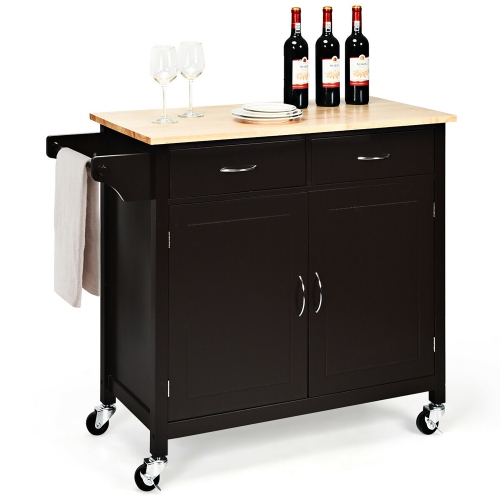
Top Collections:
Pokemon Centers, Kindle Devices, Best Budget Office Chairs, Apple iPhones 16, Best Laptops for Writers, iPhone 15 Apple, Canon G7X Cameras, Refurbished Apple Laptops, Alarm Clock, Motorola Razr Phones
Some products may be subject to Environmental Handling Fees
(EHF) depending on your province.
Learn more about EHFs.