Furniture Shelves
Organize your space with style and functionality using our collection of furniture shelves. Whether you're looking to display your favorite decor pieces, store books, or keep your essentials within reach, our versatile shelves are designed to meet your storage needs while adding a touch of sophistication to any room. From sleek modern designs to rustic charm, find the perfect shelving solution to elevate your home decor and keep your belongings neatly organized.
Sort


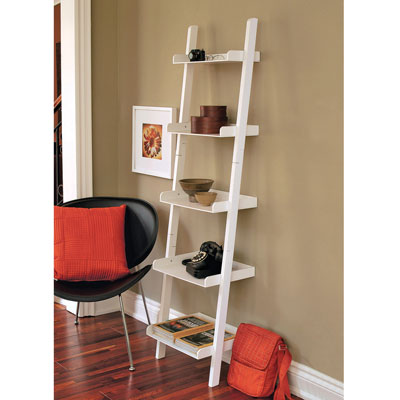
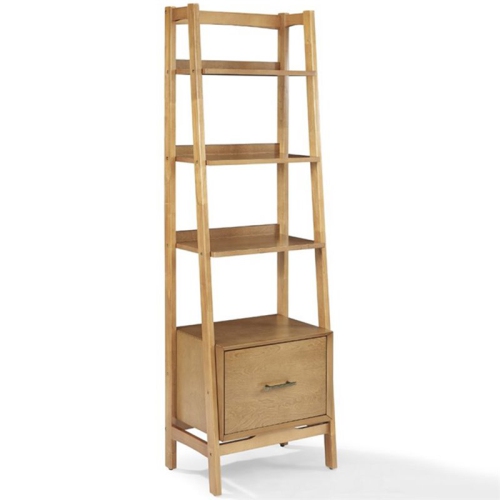
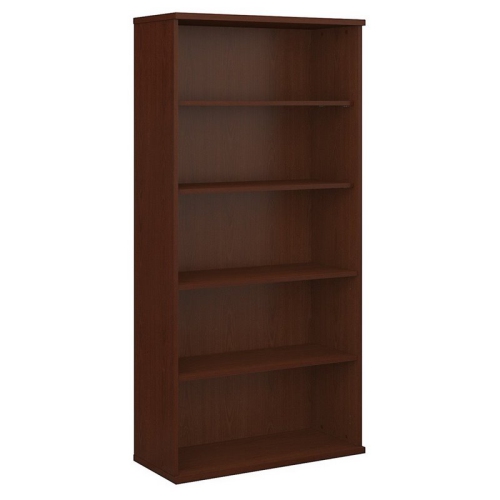
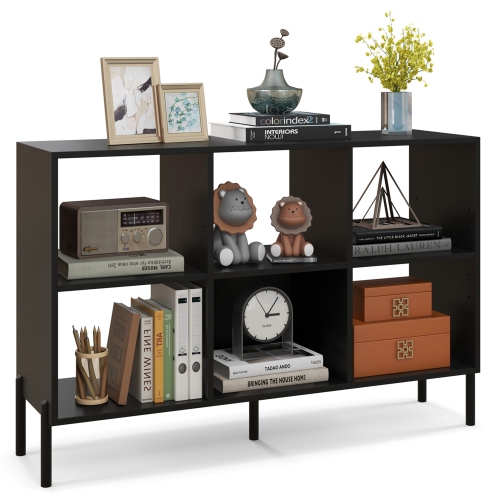
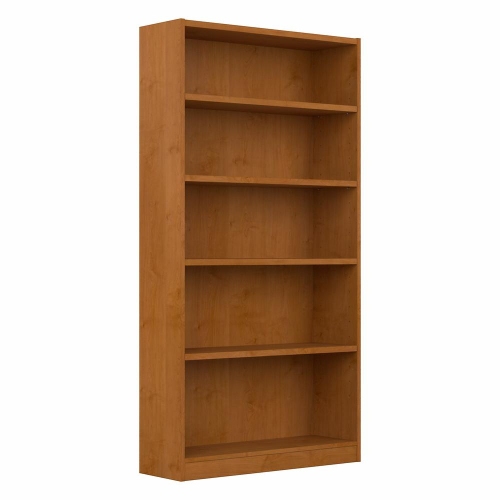
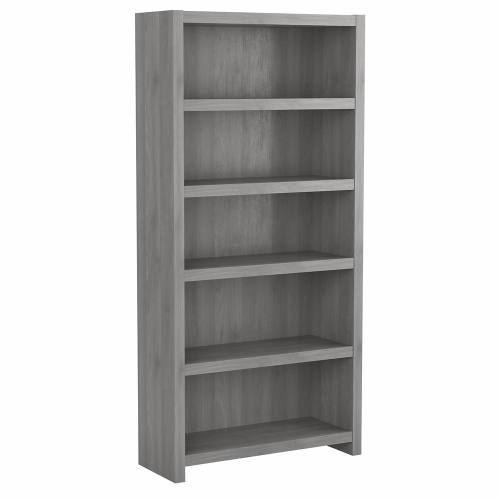
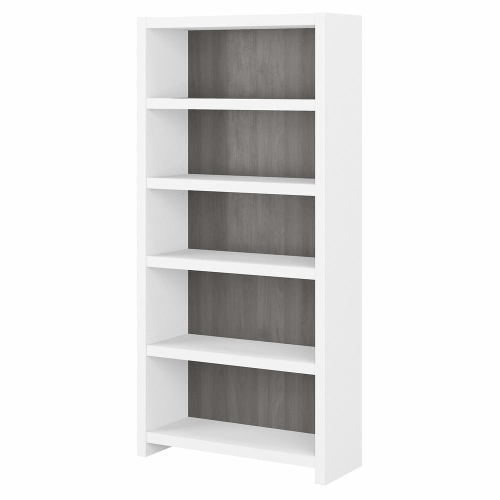
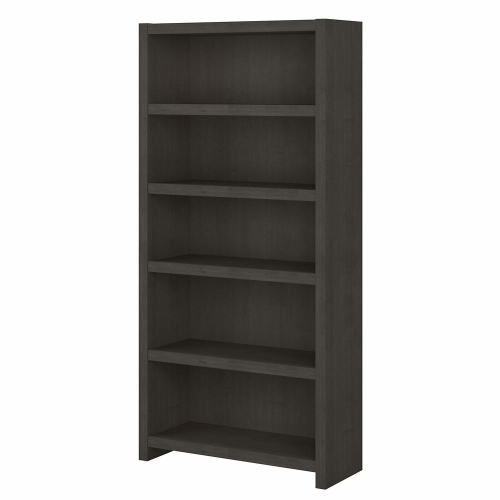


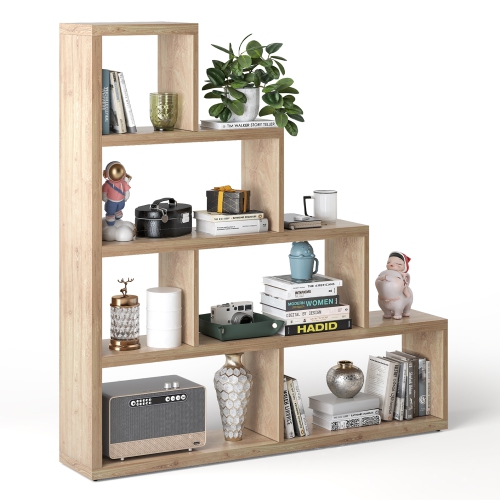

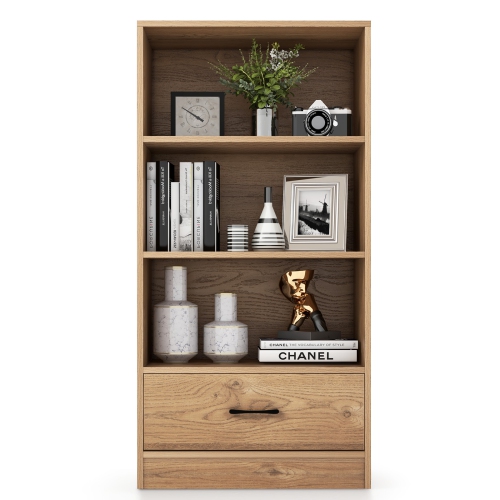

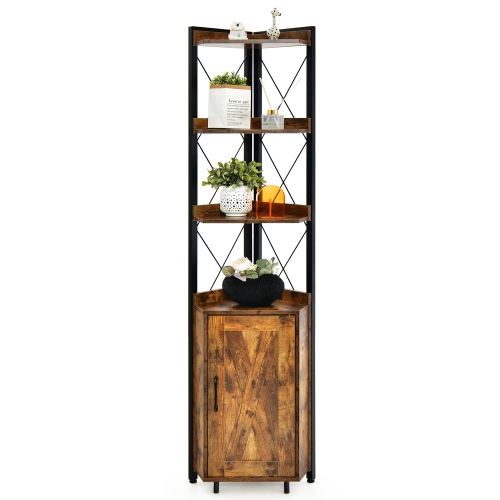
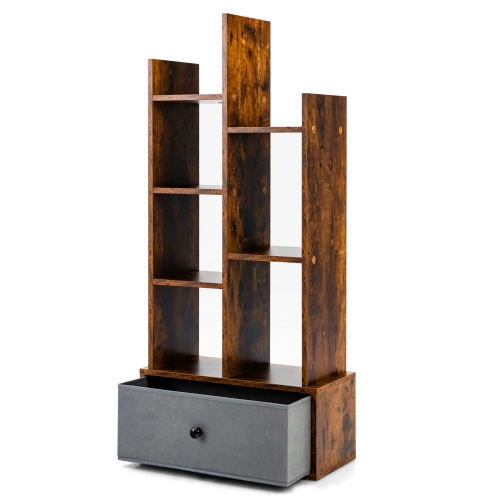
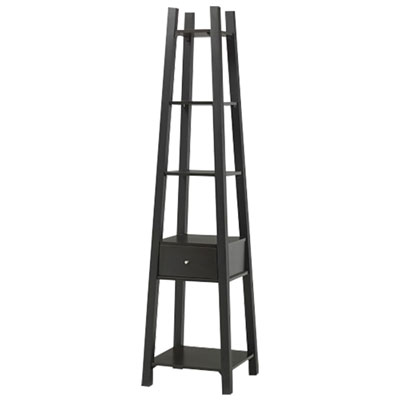
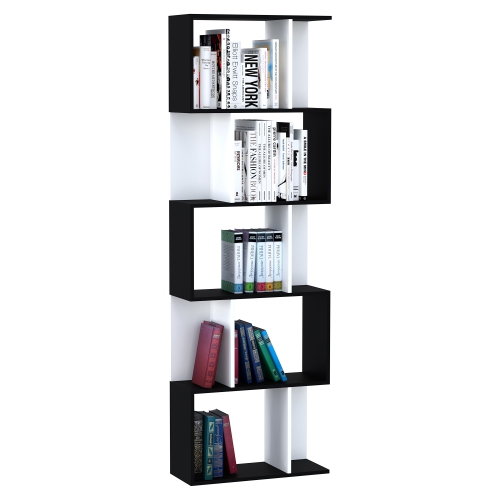
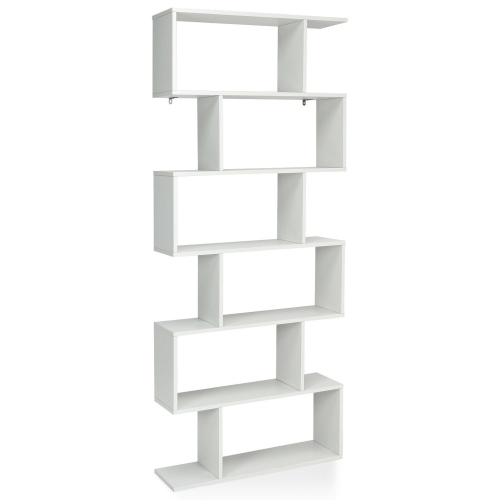
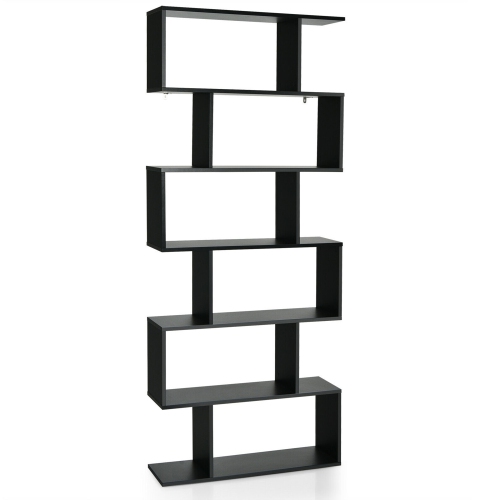
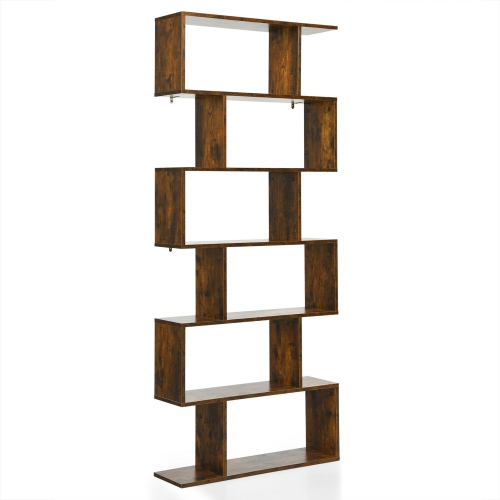
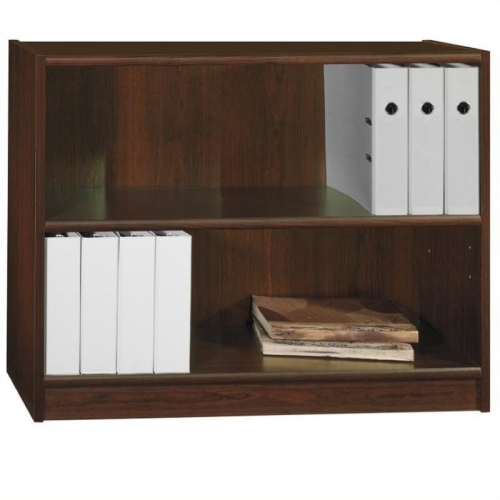
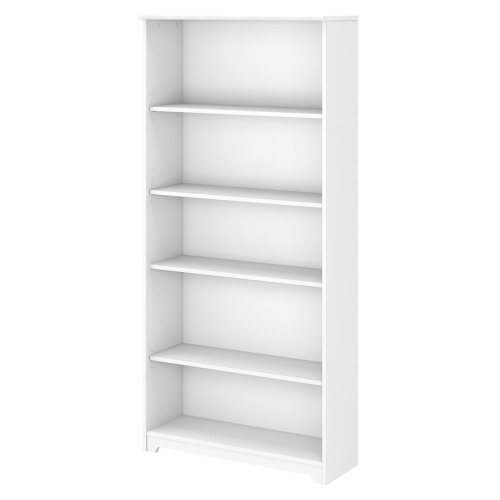
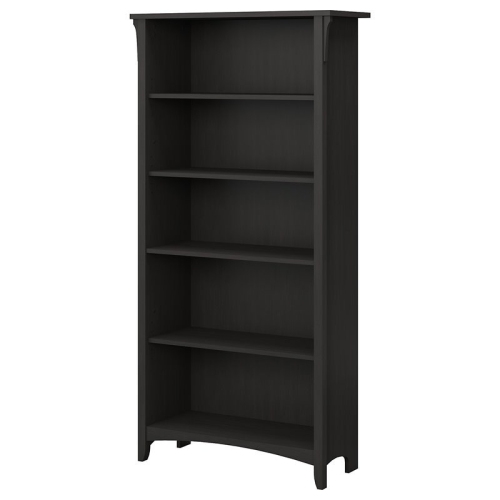
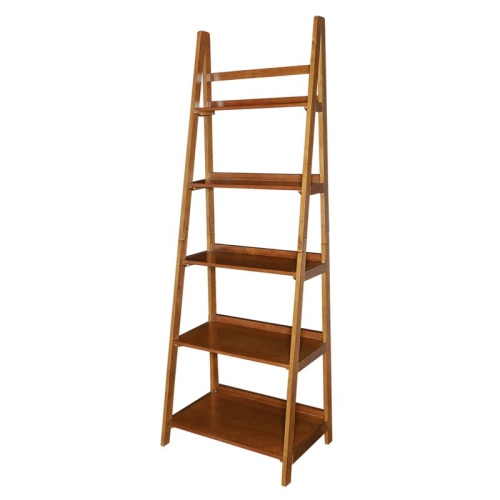
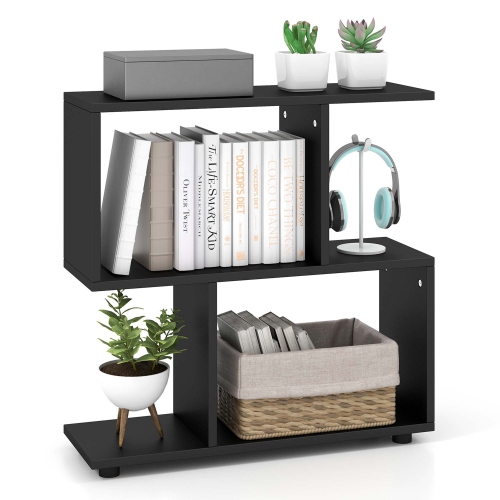
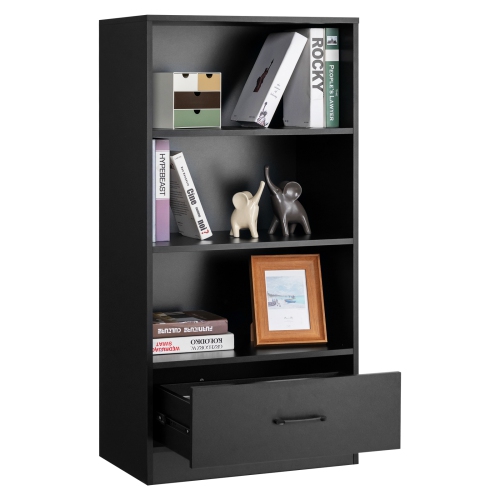
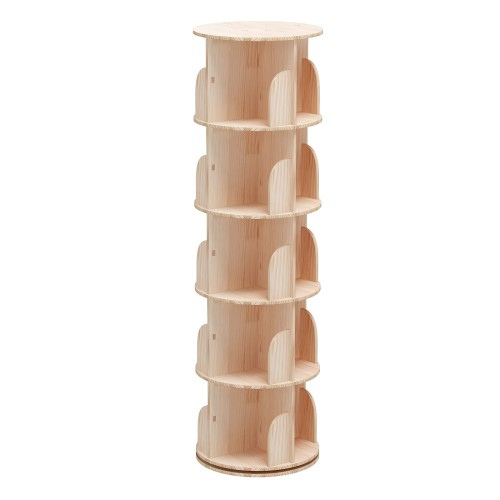
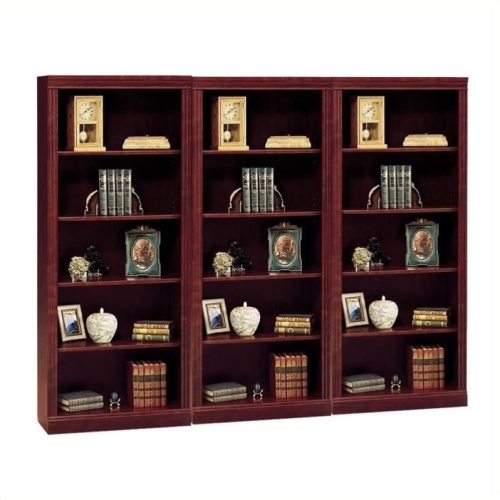
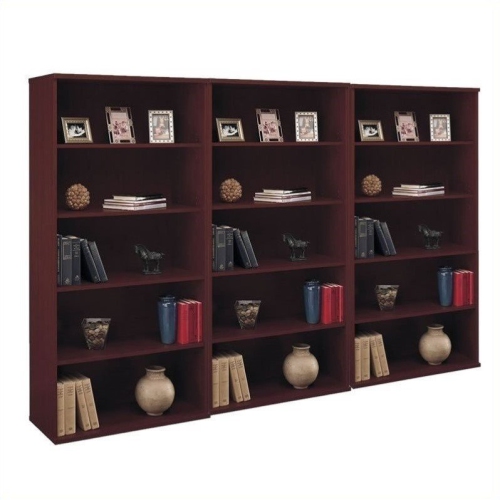
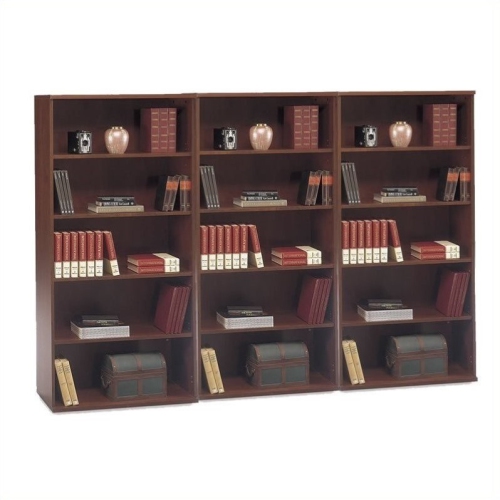
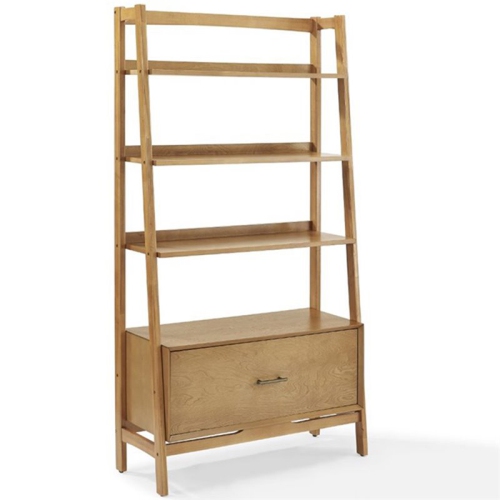


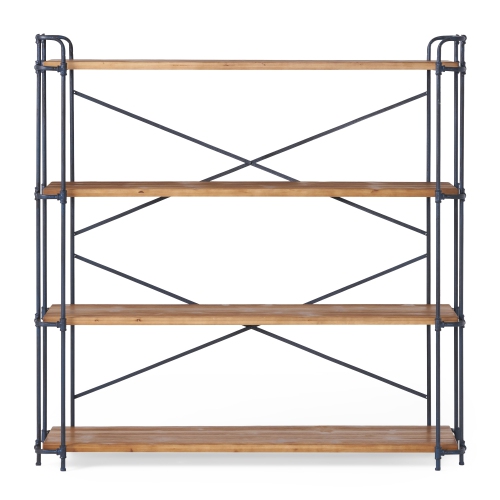
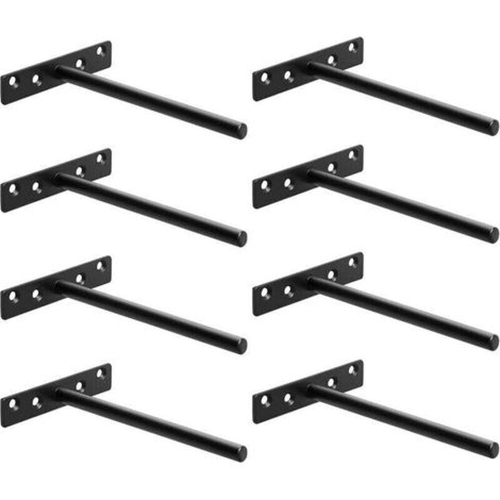
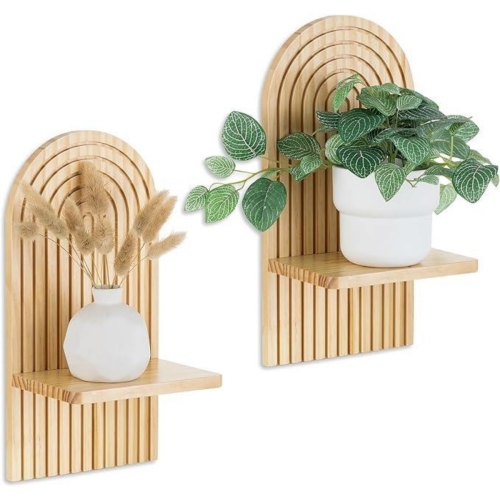
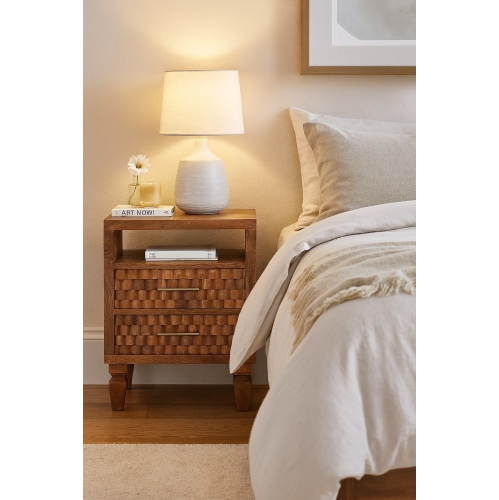
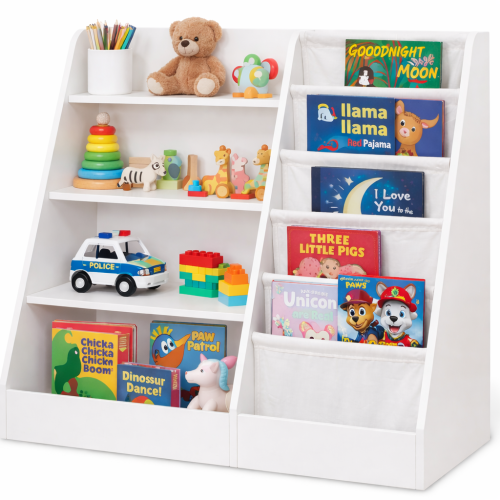
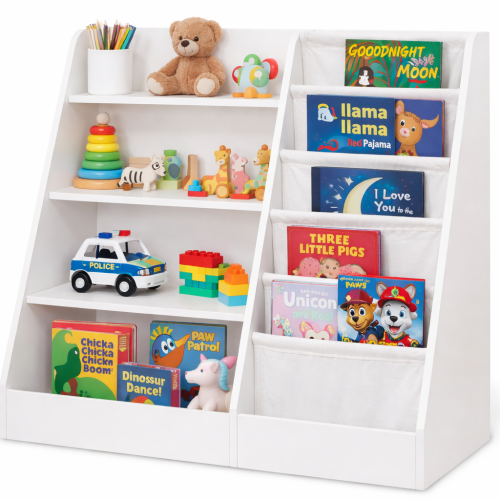
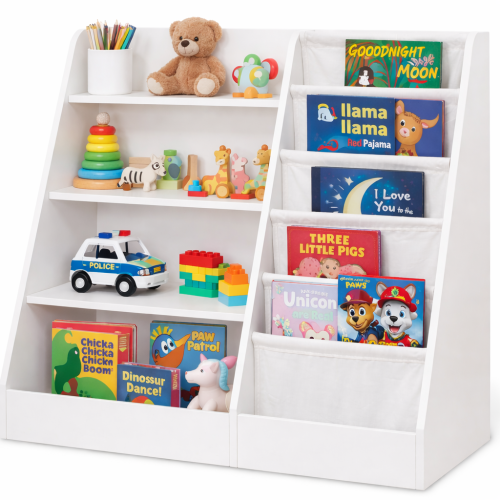

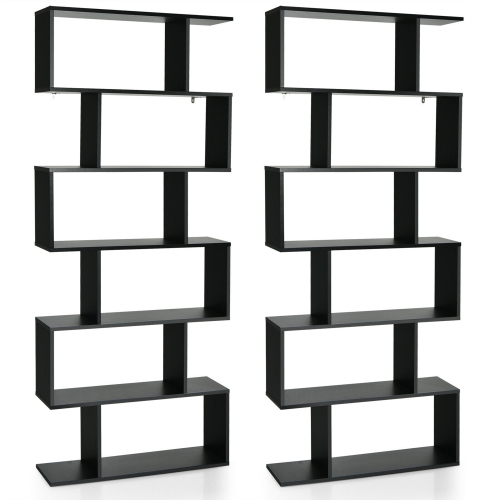
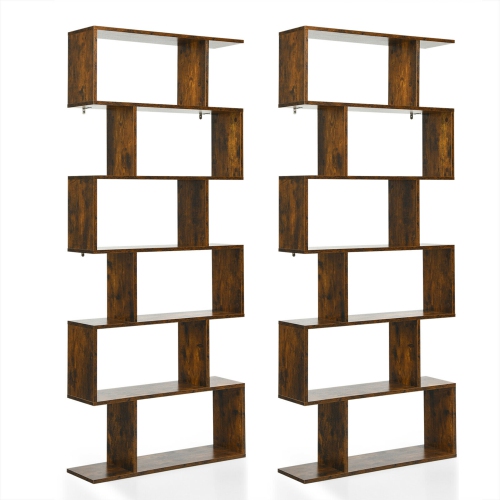
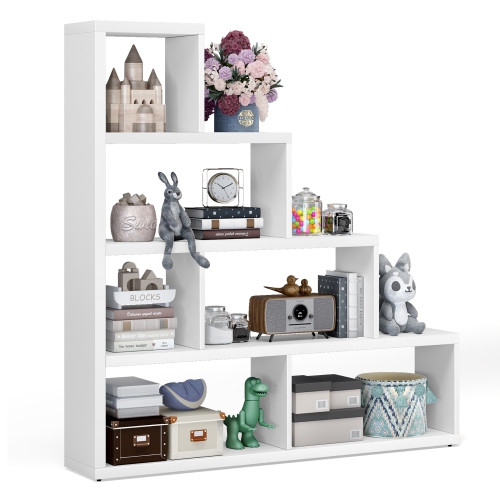
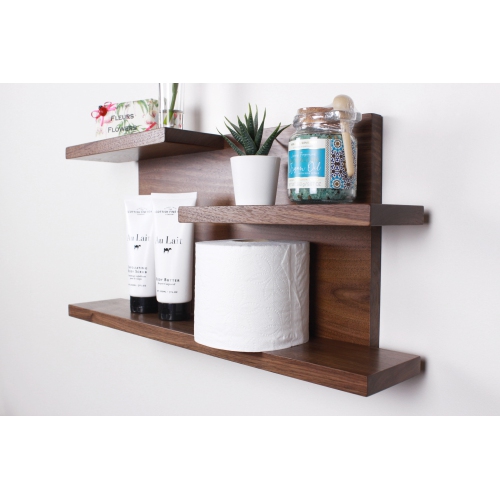
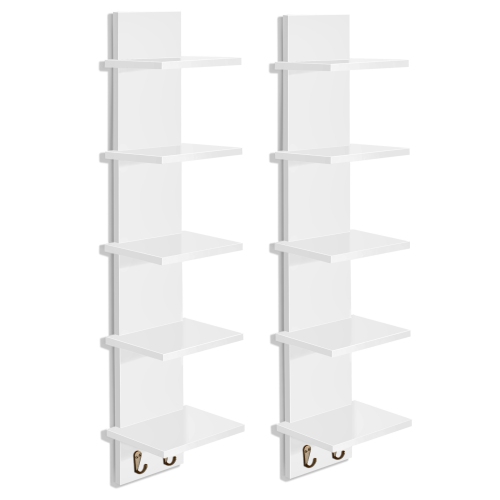

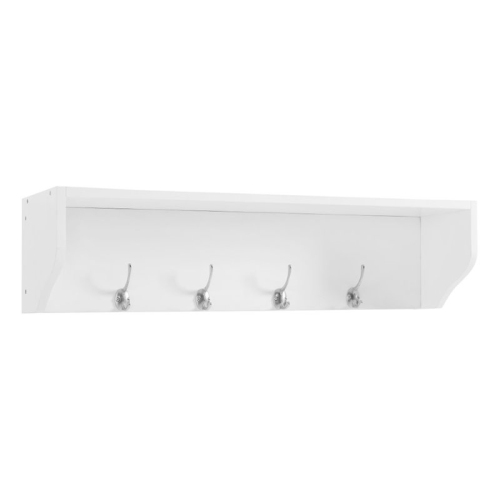
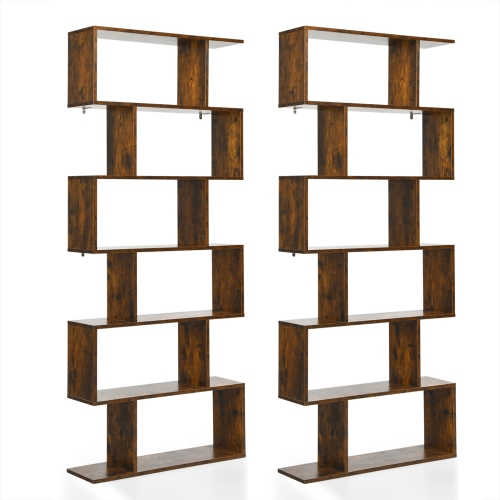
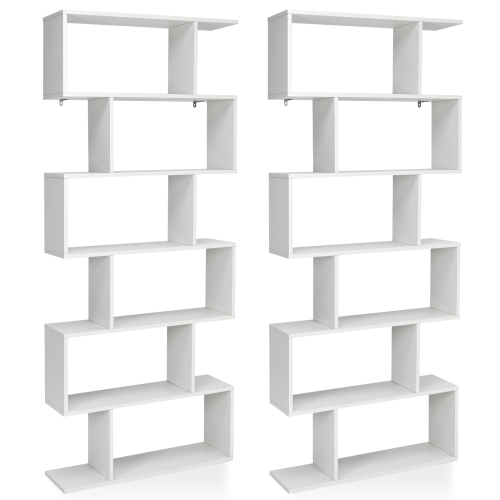
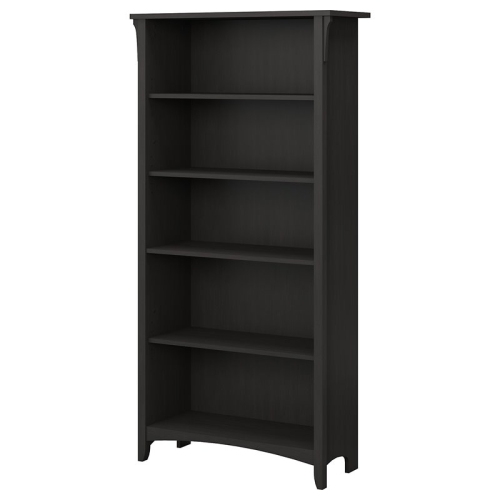
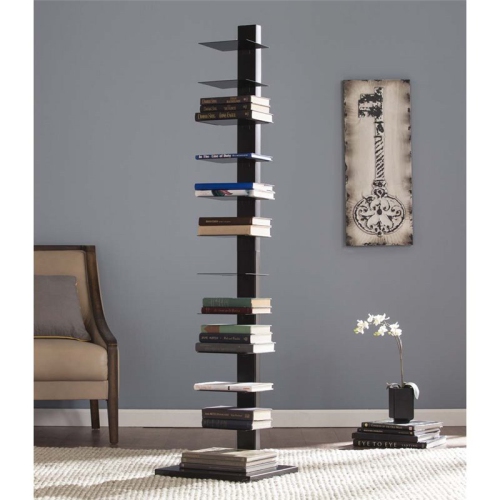
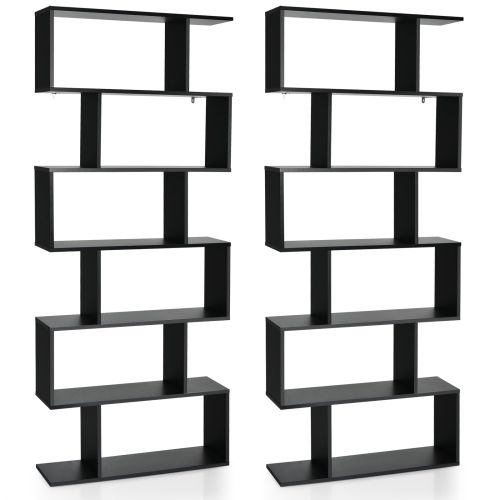
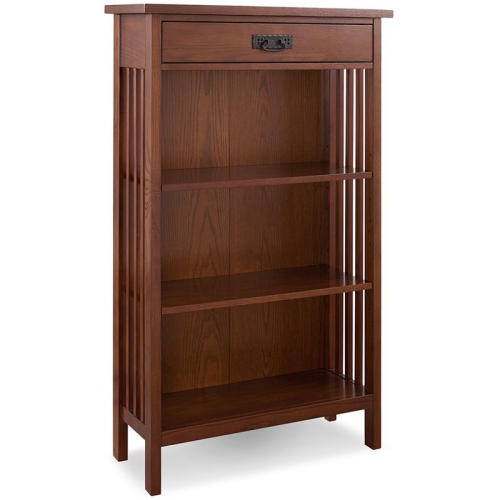
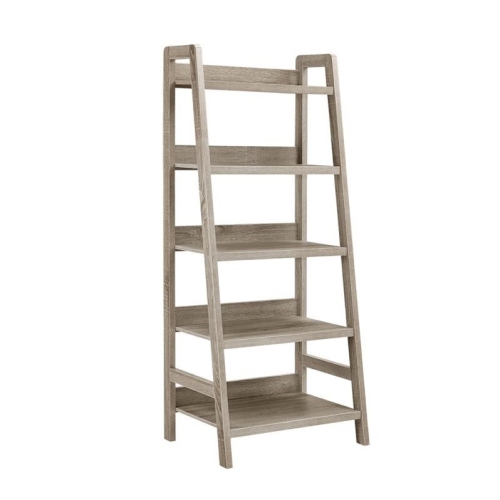
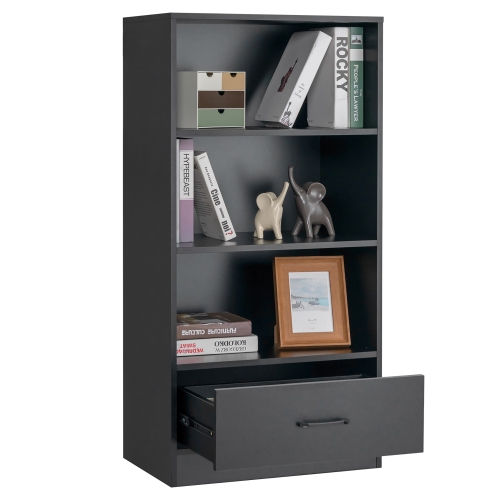
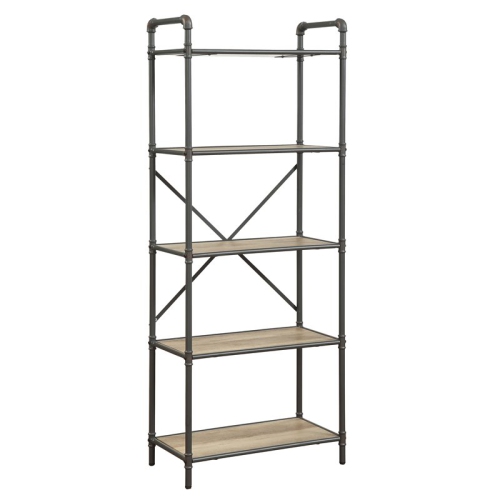
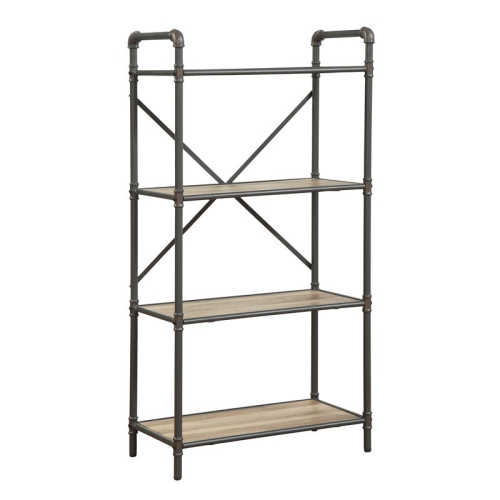
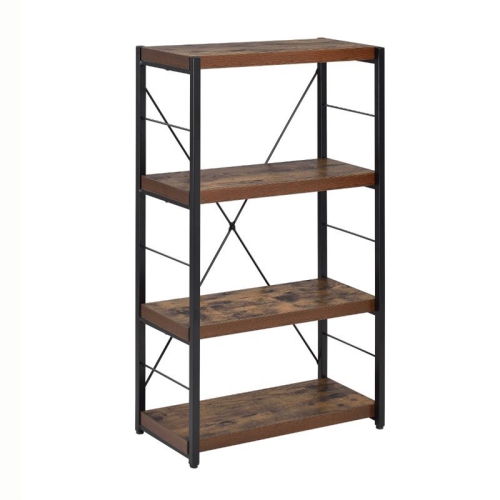
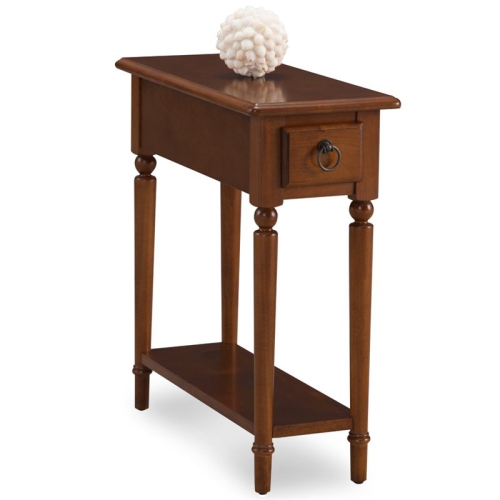
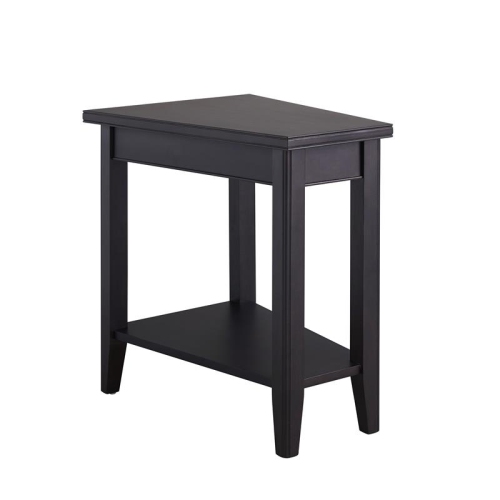
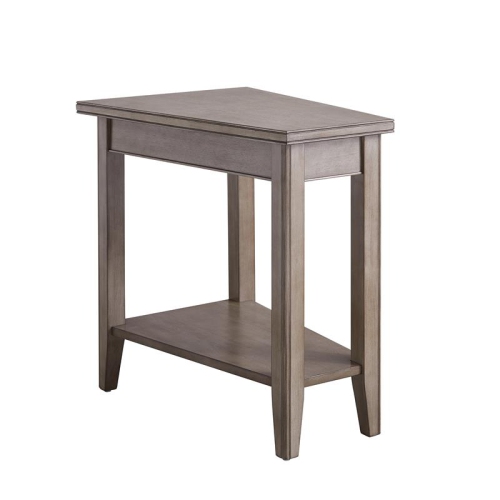
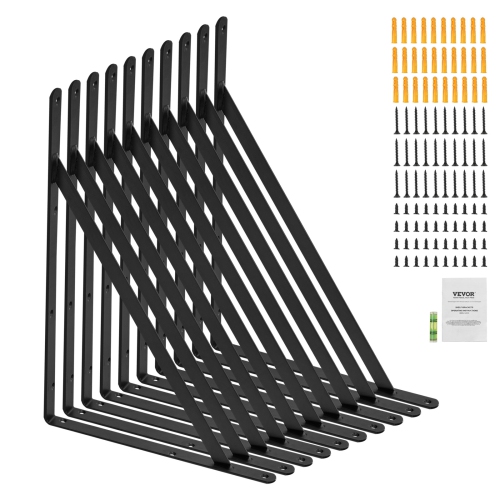

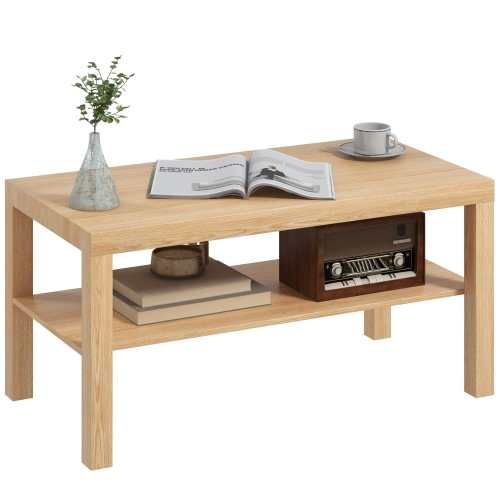
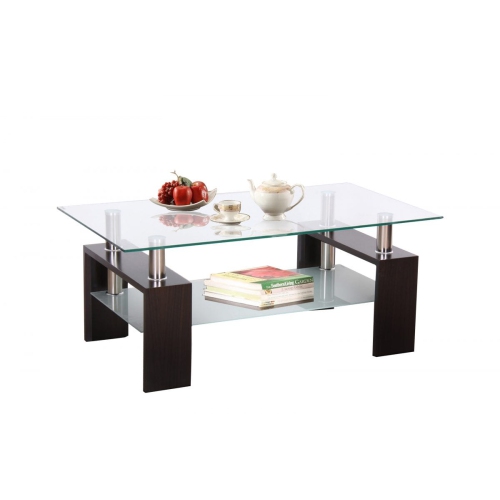
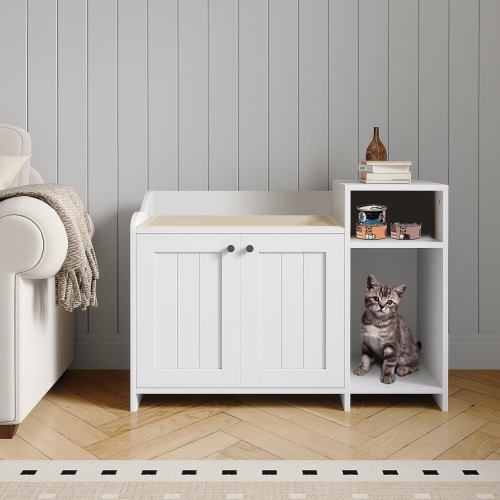
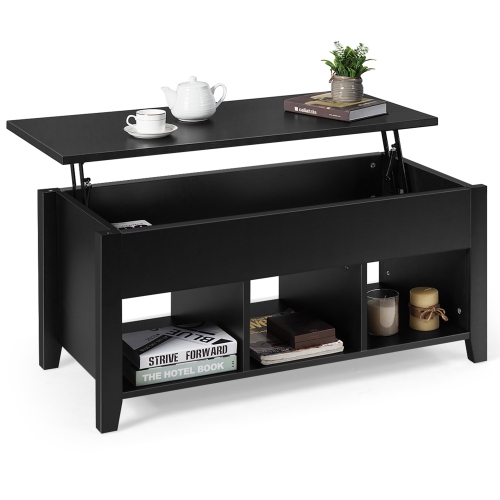
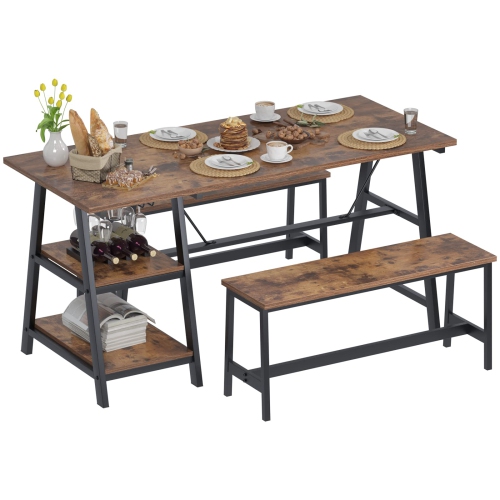
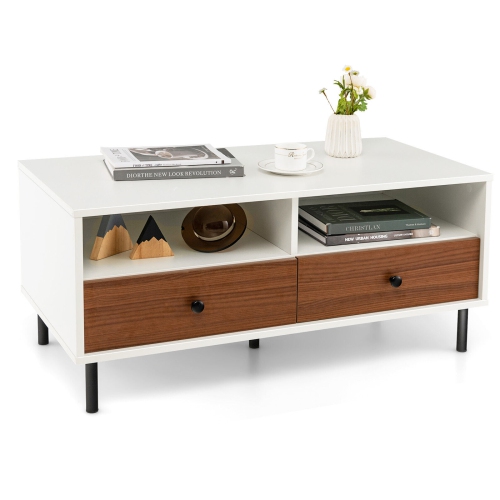
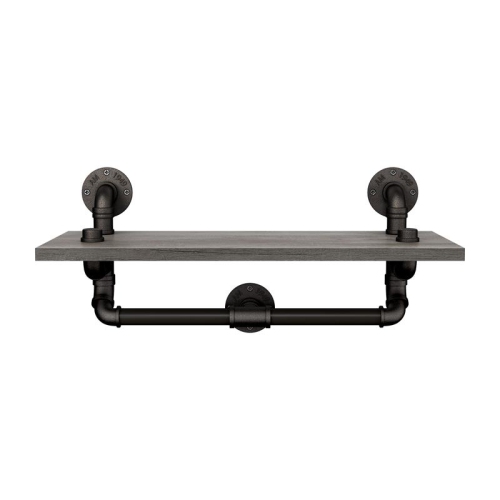
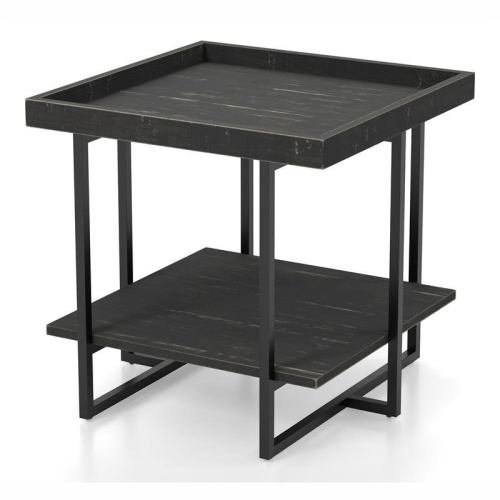
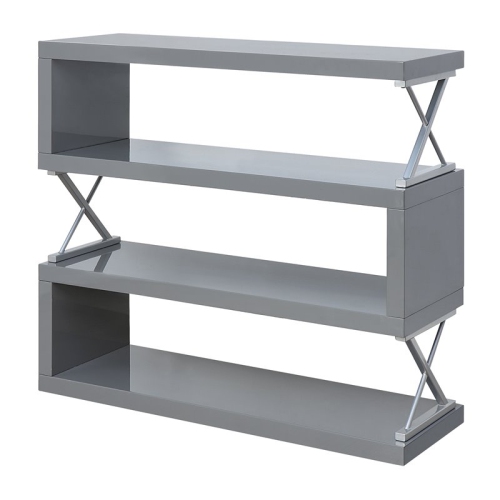
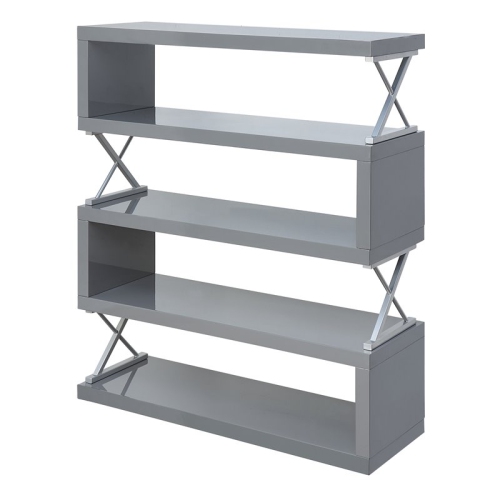
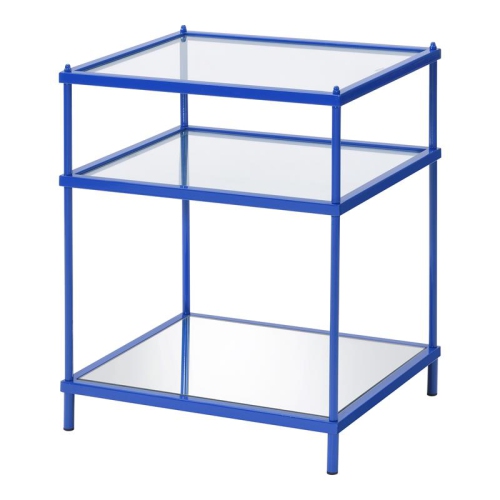
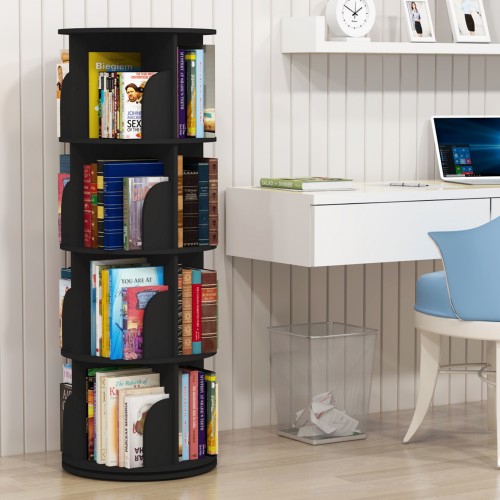
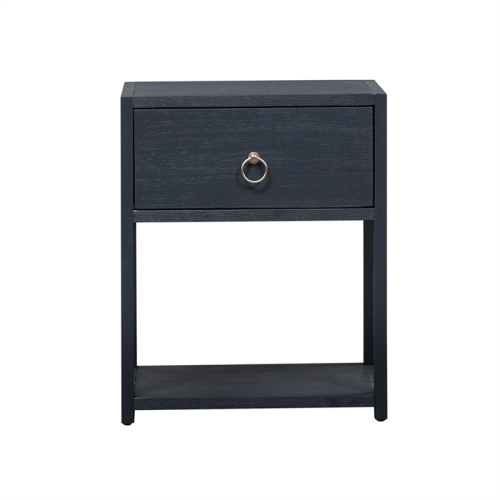
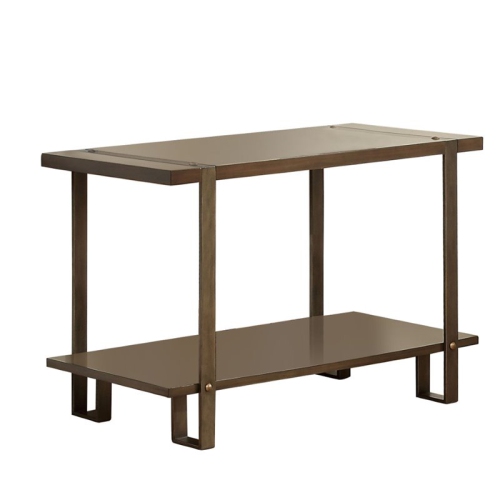
Open storage that fits your space and daily routines
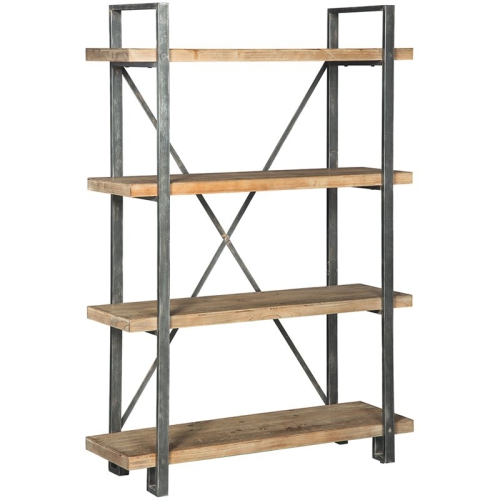
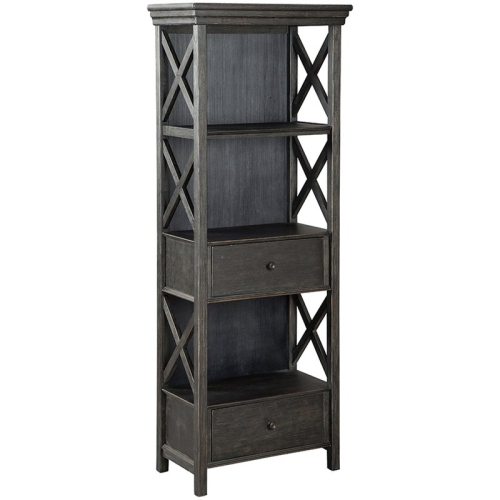
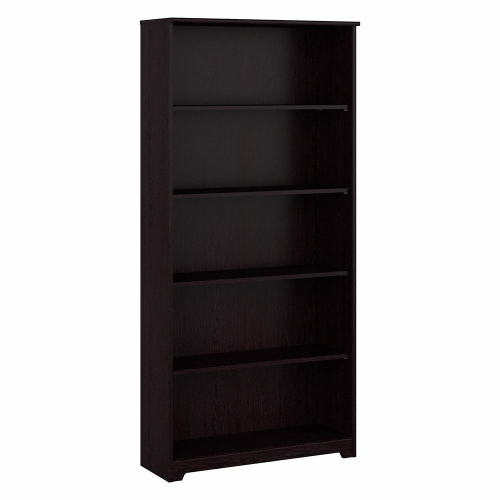
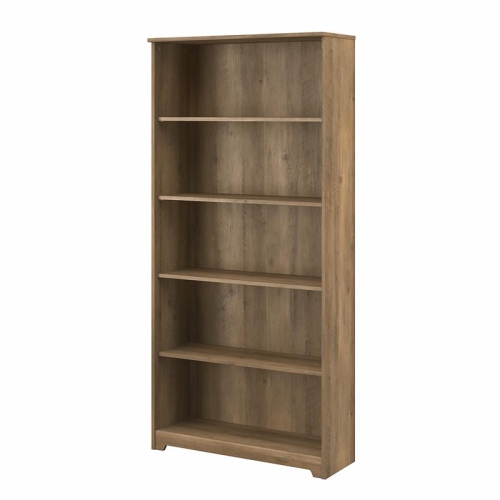
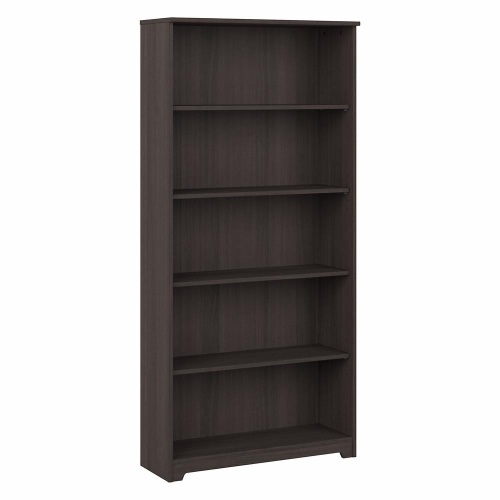
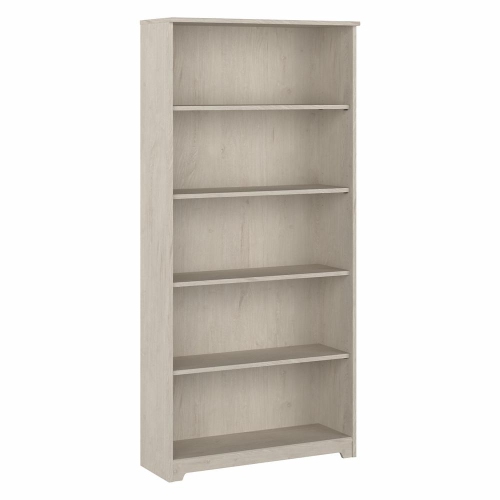
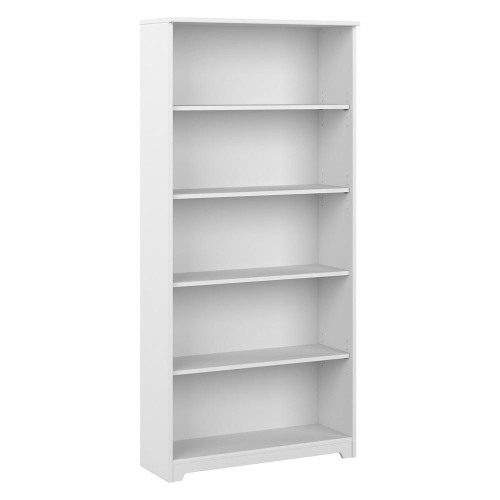
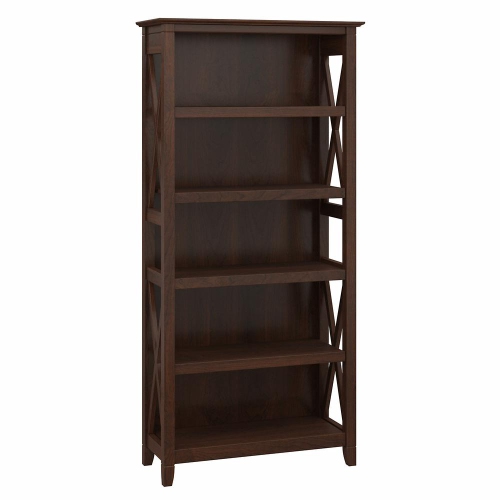
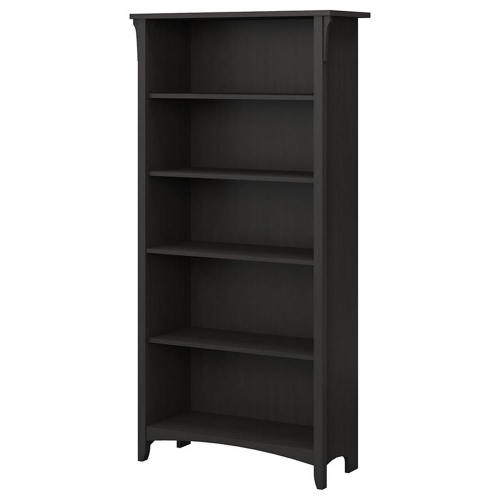
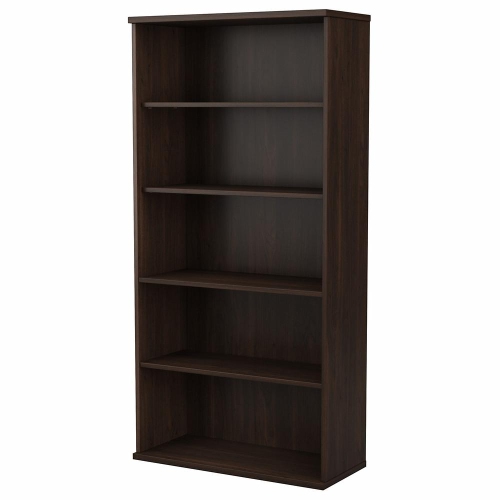
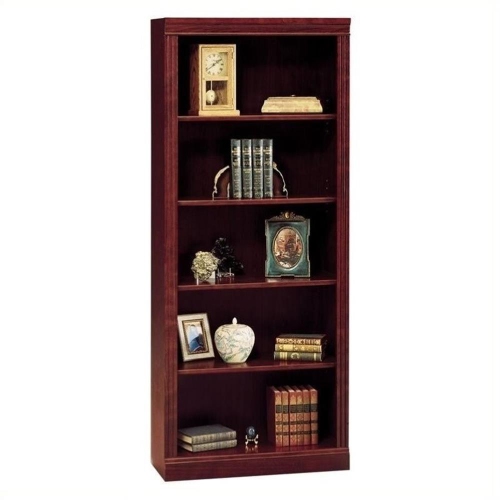
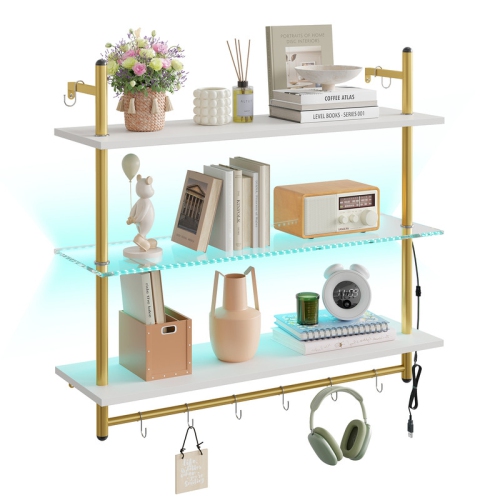
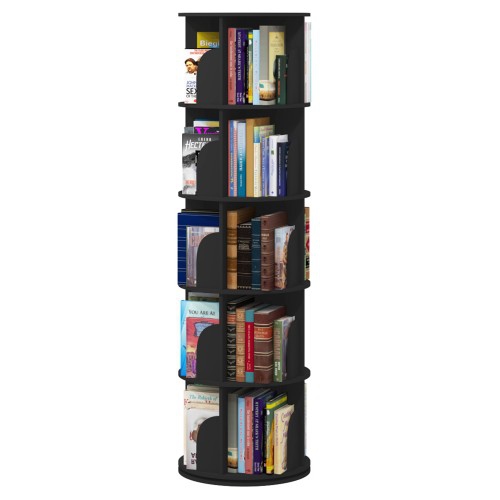
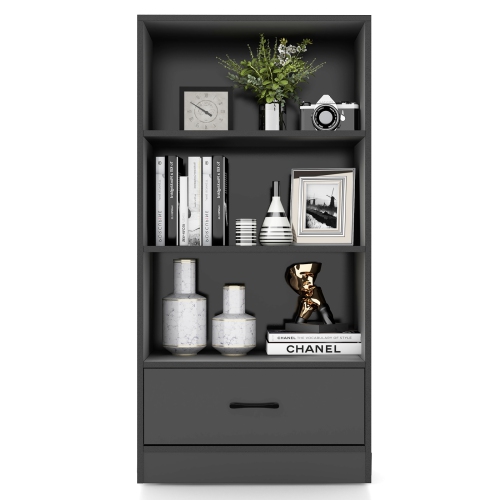
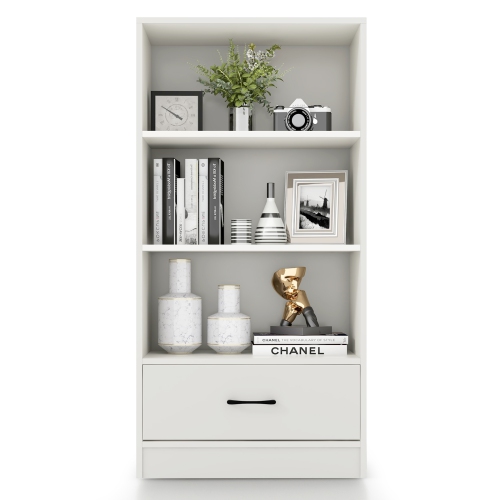
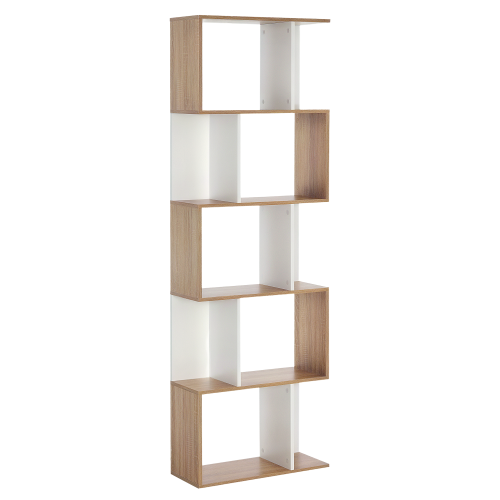
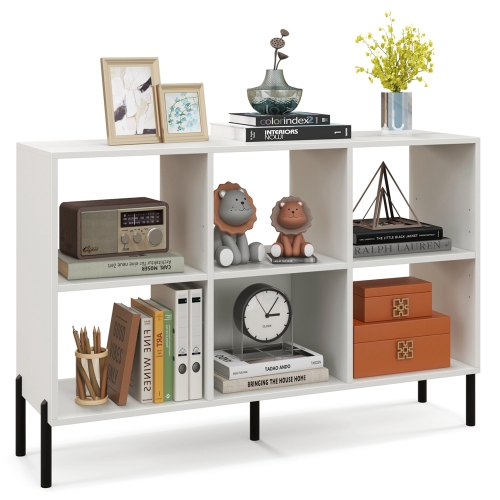
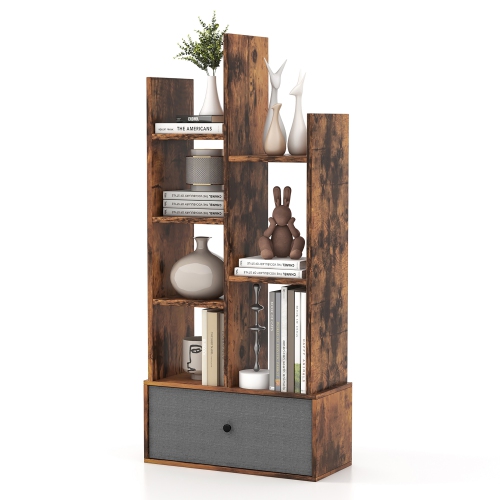
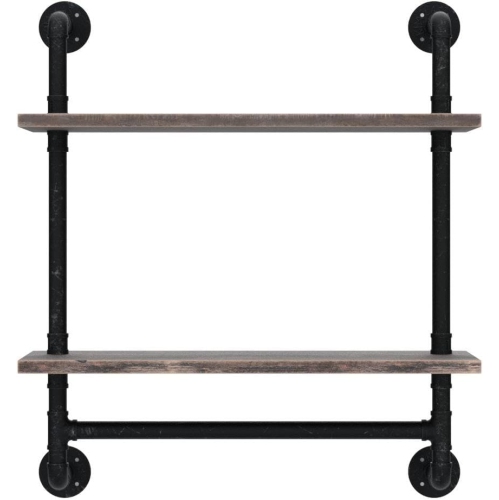
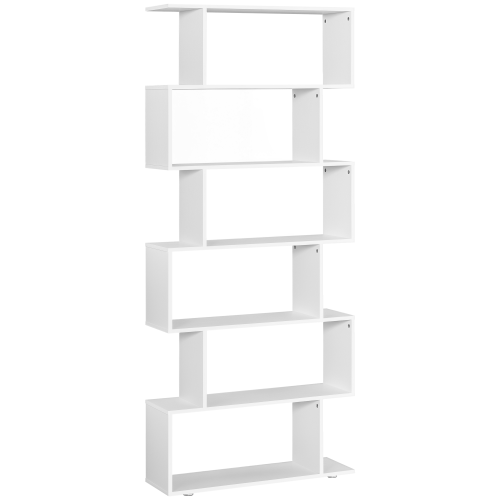
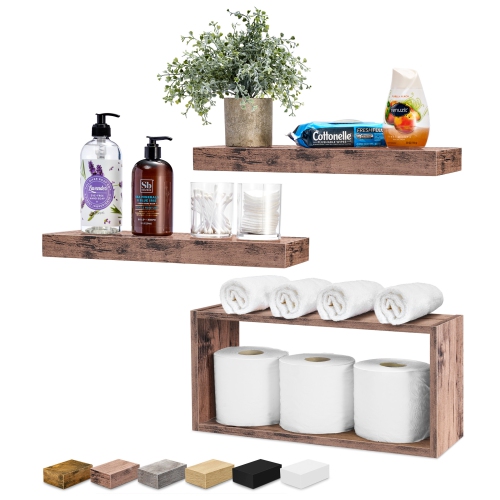
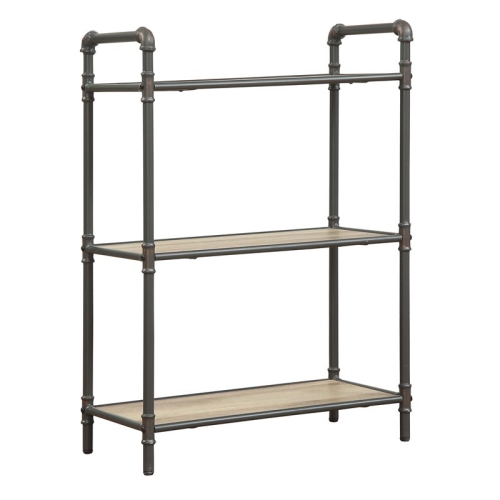
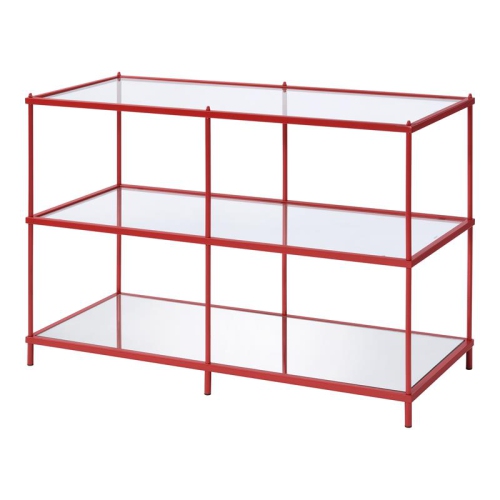
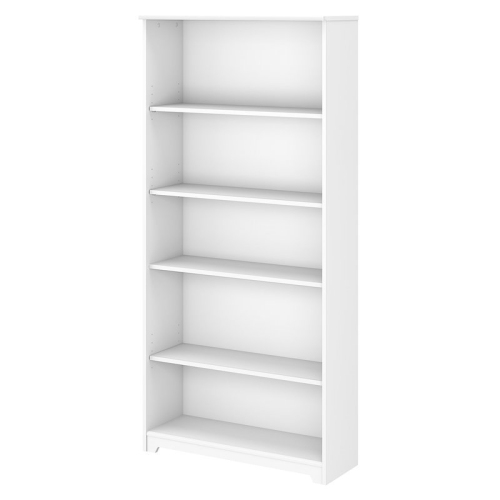
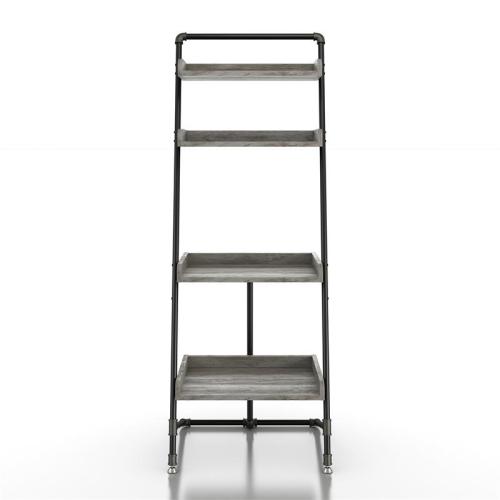
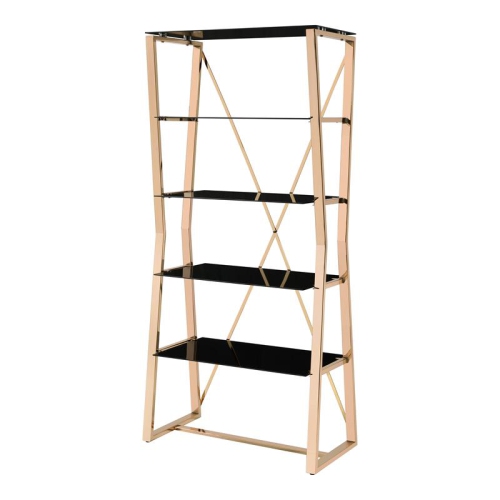
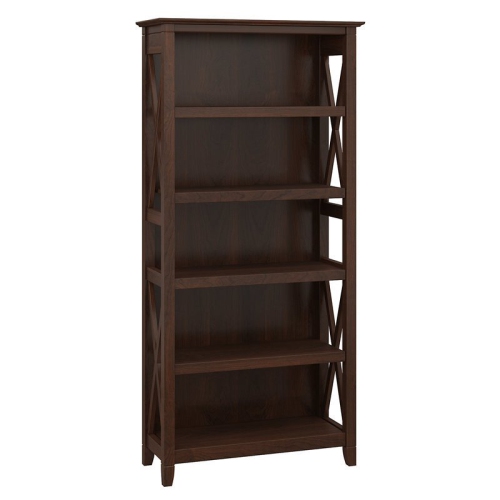
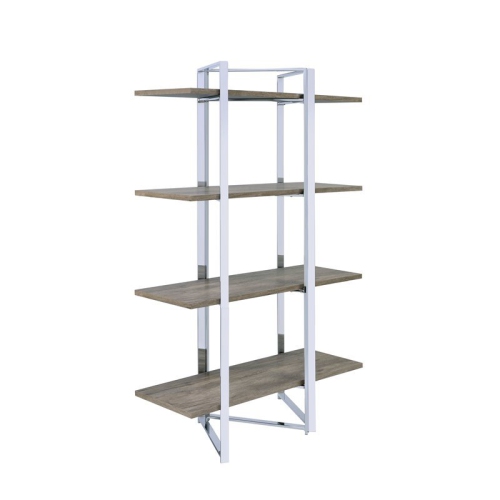
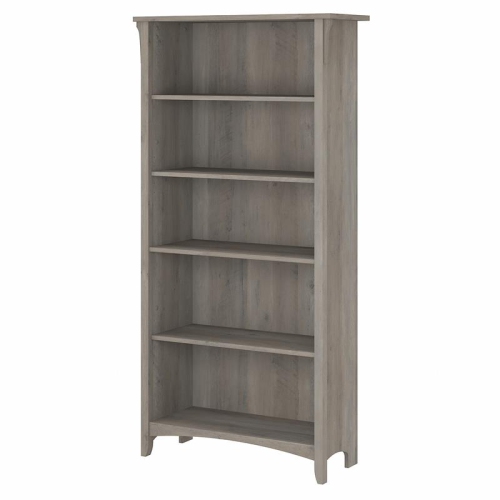
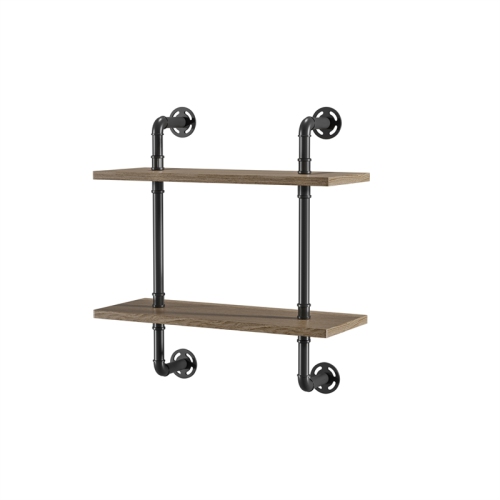
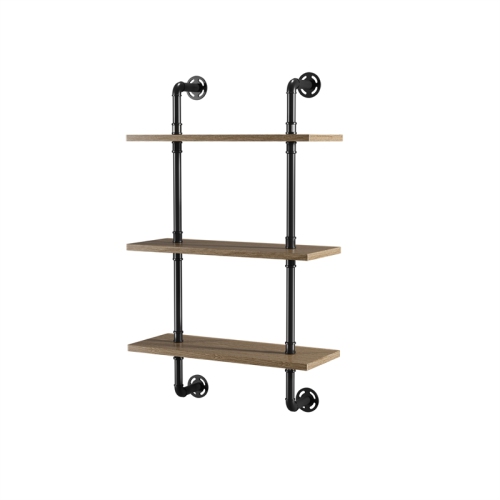
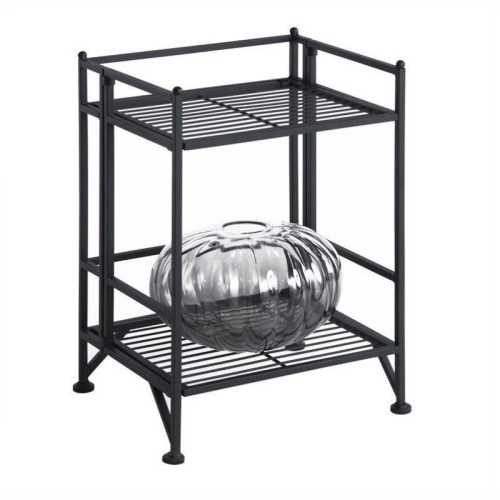
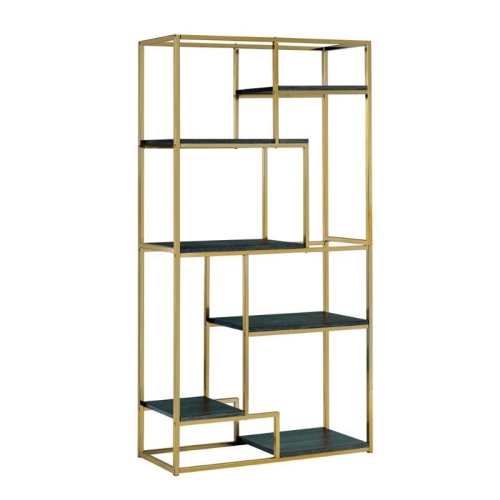
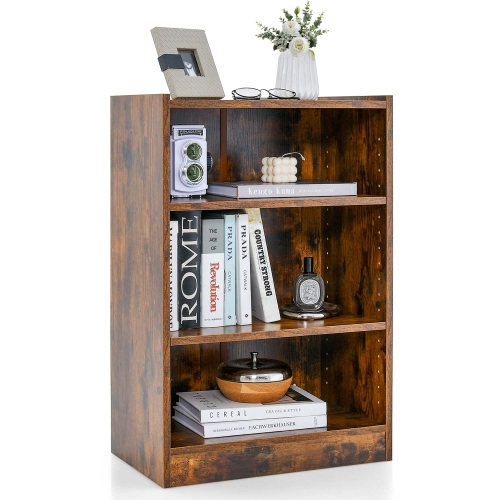
Furniture shelves provide open storage and display space for books, baskets, framed photographs, and everyday essentials, bringing organization to living rooms, bedrooms, home offices, and entryways. The category includes freestanding bookcases, cube organizers, ladder-style units, wall-mounted shelves, and modular shelving, each with a different balance of storage capacity and visual weight. A tall, narrow bookcase can make use of a small footprint beside a desk, while a low, wide unit leaves wall space above it for artwork and keeps frequently used belongings within easy reach. Open-backed shelving lets the wall behind it remain visible, giving a room a lighter appearance; a closed back creates a more defined backdrop and helps keep belongings from slipping behind the unit. Cube shelves divide storage into separate compartments, making them useful for households that need distinct places for reading materials, craft supplies, or fabric bins. In a living room, a mix of books and a few carefully spaced objects can feel more settled than a shelf filled edge to edge. In a home office, adjustable shelves make room for binders, reference books, and storage boxes without wasting the space above shorter contents. For a reading corner or a larger book collection, Bookshelf Shelves offer a focused starting point for organizing different book sizes and arranging accessible rows. Shelving can also help define separate areas in an open-plan room, although a unit used away from a wall needs to be designed for that placement and secured as its manufacturer requires. Finished sides and backs matter when the furniture is visible from several angles. The best fit depends on how the space is used: someone working from a compact apartment may need books and office supplies within arm’s reach, while a family room may benefit from lower compartments for shared activities and upper shelves for display. Matching the layout to those routines makes storage easier to maintain rather than simply adding another surface to fill.
Size and construction determine how comfortably furniture shelves fit a room and what they can safely hold. Overall height, width, and depth are only part of the picture; usable shelf dimensions, the distance between shelves, and the thickness of the frame affect storage capacity too. A shelf depth of about 10 to 12 inches accommodates many ordinary books, but large art books, albums, and deeper baskets may need more space. Storage bins need clearance around their handles, and upright binders need enough room to be lifted out without catching on the shelf above. Measuring the intended contents alongside the room helps avoid awkward gaps or shelves that are too shallow for their purpose. Door swings, baseboards, nearby outlets, and walking routes also influence placement, especially in a narrow hallway or beside a bed. Tall furniture needs adequate ceiling clearance for assembly, and the route through doorways or stairwells matters when moving it into place. Materials contribute to both appearance and performance. Solid wood brings natural grain and can develop small marks with everyday use; its strength depends on the wood species, shelf thickness, span, and joinery. Engineered wood can provide a smooth, consistent finish, with laminate or veneer surfaces offering different looks and care needs. Metal frames often have a slim profile and can suit workspaces or interiors with an industrial style, but their load capacity still depends on the complete design. Glass shelves create a light, open appearance and need careful handling, particularly around edges and corners. No material alone guarantees that a shelf will support a heavy collection. The manufacturer’s load rating, including any separate limits for individual shelves and the whole unit, is the more useful measure. A tightly packed row of large hardcovers can weigh considerably more than a few framed prints. Shorter spans, suitable supports, and evenly distributed weight help shelving perform as intended, while adjustable shelf positions allow the arrangement to change as storage needs grow.
Finishes, details, and routine care make a noticeable difference to how shelving works in daily life. A pale wood finish can sit comfortably alongside woven baskets and neutral upholstery, while darker wood creates a stronger outline against a light wall. White shelving can blend with painted trim, and a black metal frame can connect visually with desk legs, lighting, or cabinet hardware. Matching every finish is not necessary; repeating a colour or material elsewhere in the room often gives mixed furniture a sense of continuity. Practical details deserve equal attention. Raised edges can help contain small belongings, doors or drawers can keep loose supplies out of sight, and accessible lower shelves can make daily tidying easier. In a child’s room, reachable compartments suit books and toys, but shelving should never become a climbing surface. Follow the manufacturer’s anchoring instructions, use fixings appropriate to the wall construction, and keep heavier contents on lower shelves without exceeding stated load limits. Wall-mounted shelves also require a mounting method suited to both the wall and the expected load; drywall alone should not be assumed to provide sufficient support. Freestanding units need a stable, level position, with levelling feet adjusted where provided. For care, a soft cloth and a cleaner approved for the finish are generally preferable to abrasive pads or harsh chemicals. Wipe spills promptly, avoid leaving moisture along panel edges, and protect surfaces beneath plant pots or other containers that may leave rings. Glass benefits from gentle cleaning that does not soak adjacent wood or metal parts. Periodically checking fasteners and shelf supports is worthwhile, particularly after moving furniture or rearranging a heavy collection. Students, readers, remote workers, and households sharing a busy living space can all benefit from shelving arranged around the belongings they actually use. Leaving a little open space makes it easier to return a book, lift out a basket, or add something new. Well-proportioned shelves bring those small conveniences together, offering useful storage while giving familiar possessions a clear place in the room.
Size and construction determine how comfortably furniture shelves fit a room and what they can safely hold. Overall height, width, and depth are only part of the picture; usable shelf dimensions, the distance between shelves, and the thickness of the frame affect storage capacity too. A shelf depth of about 10 to 12 inches accommodates many ordinary books, but large art books, albums, and deeper baskets may need more space. Storage bins need clearance around their handles, and upright binders need enough room to be lifted out without catching on the shelf above. Measuring the intended contents alongside the room helps avoid awkward gaps or shelves that are too shallow for their purpose. Door swings, baseboards, nearby outlets, and walking routes also influence placement, especially in a narrow hallway or beside a bed. Tall furniture needs adequate ceiling clearance for assembly, and the route through doorways or stairwells matters when moving it into place. Materials contribute to both appearance and performance. Solid wood brings natural grain and can develop small marks with everyday use; its strength depends on the wood species, shelf thickness, span, and joinery. Engineered wood can provide a smooth, consistent finish, with laminate or veneer surfaces offering different looks and care needs. Metal frames often have a slim profile and can suit workspaces or interiors with an industrial style, but their load capacity still depends on the complete design. Glass shelves create a light, open appearance and need careful handling, particularly around edges and corners. No material alone guarantees that a shelf will support a heavy collection. The manufacturer’s load rating, including any separate limits for individual shelves and the whole unit, is the more useful measure. A tightly packed row of large hardcovers can weigh considerably more than a few framed prints. Shorter spans, suitable supports, and evenly distributed weight help shelving perform as intended, while adjustable shelf positions allow the arrangement to change as storage needs grow.
Finishes, details, and routine care make a noticeable difference to how shelving works in daily life. A pale wood finish can sit comfortably alongside woven baskets and neutral upholstery, while darker wood creates a stronger outline against a light wall. White shelving can blend with painted trim, and a black metal frame can connect visually with desk legs, lighting, or cabinet hardware. Matching every finish is not necessary; repeating a colour or material elsewhere in the room often gives mixed furniture a sense of continuity. Practical details deserve equal attention. Raised edges can help contain small belongings, doors or drawers can keep loose supplies out of sight, and accessible lower shelves can make daily tidying easier. In a child’s room, reachable compartments suit books and toys, but shelving should never become a climbing surface. Follow the manufacturer’s anchoring instructions, use fixings appropriate to the wall construction, and keep heavier contents on lower shelves without exceeding stated load limits. Wall-mounted shelves also require a mounting method suited to both the wall and the expected load; drywall alone should not be assumed to provide sufficient support. Freestanding units need a stable, level position, with levelling feet adjusted where provided. For care, a soft cloth and a cleaner approved for the finish are generally preferable to abrasive pads or harsh chemicals. Wipe spills promptly, avoid leaving moisture along panel edges, and protect surfaces beneath plant pots or other containers that may leave rings. Glass benefits from gentle cleaning that does not soak adjacent wood or metal parts. Periodically checking fasteners and shelf supports is worthwhile, particularly after moving furniture or rearranging a heavy collection. Students, readers, remote workers, and households sharing a busy living space can all benefit from shelving arranged around the belongings they actually use. Leaving a little open space makes it easier to return a book, lift out a basket, or add something new. Well-proportioned shelves bring those small conveniences together, offering useful storage while giving familiar possessions a clear place in the room.
Top selling and popular products
-
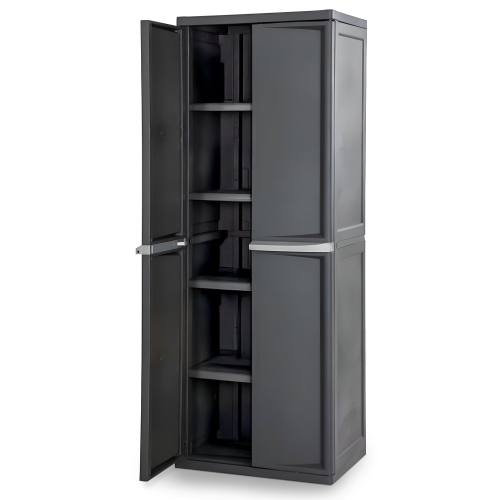 Your price for this item is $772.99
 -
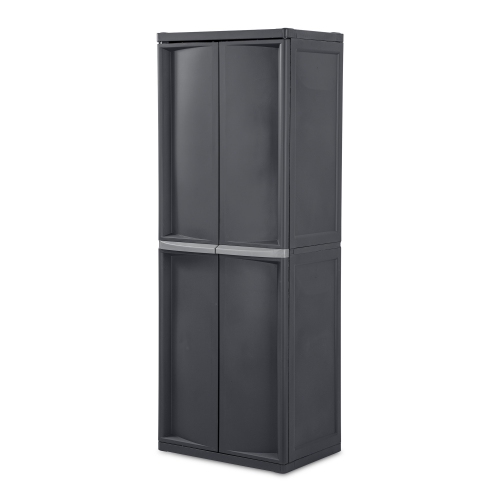 Your price for this item is $1522.99
 -
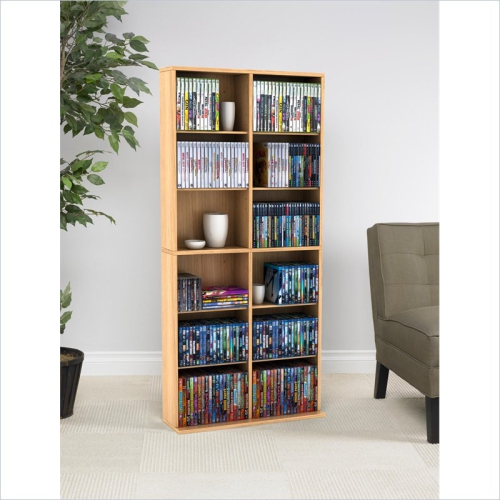 Your price for this item is $234.68
 -
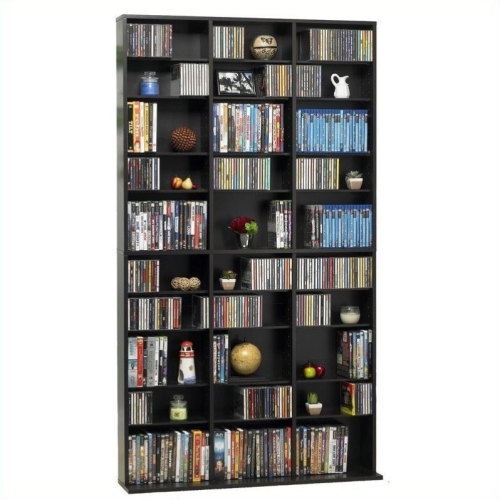 Your price for this item is $365.38
 -
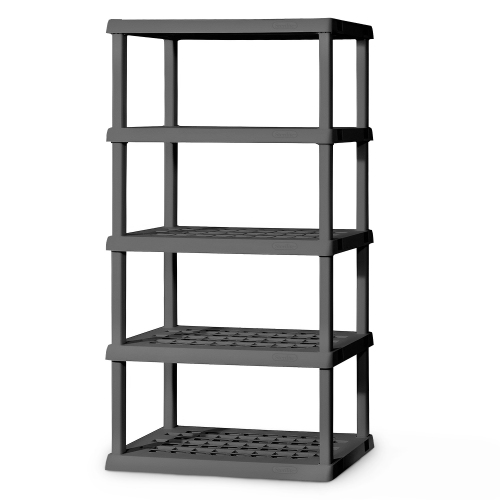 Your price for this item is $468.99
 -
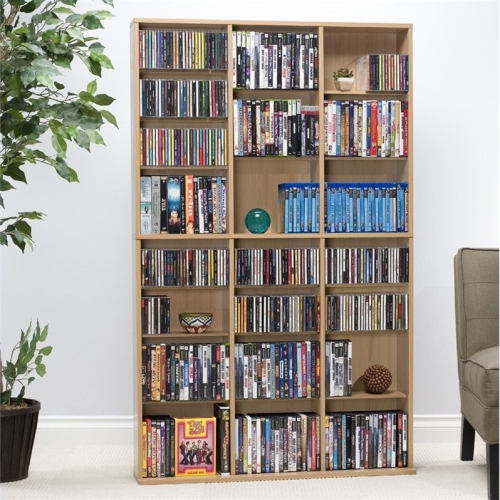 Your price for this item is $295.84
 -
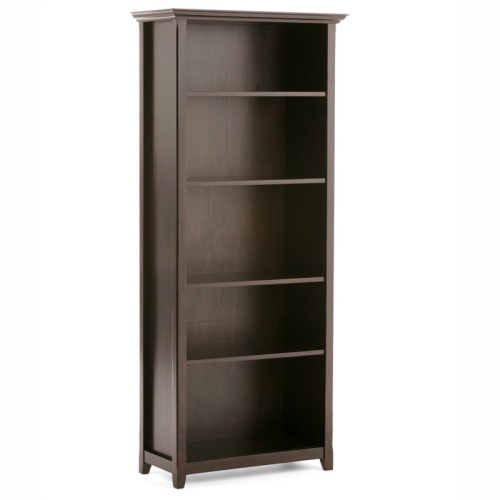 Your price for this item is $999.77
 -
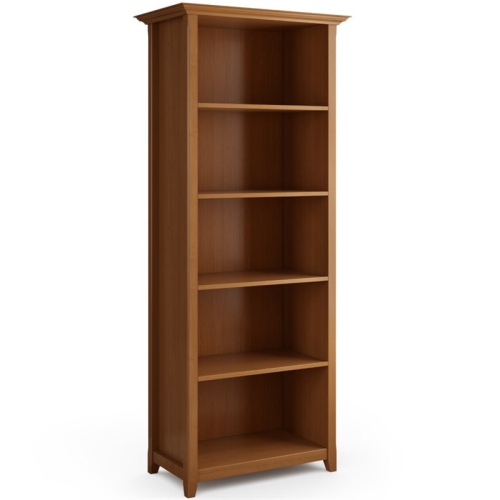 Your price for this item is $998.43
Discover more categories related to Furniture Shelves
Top Collections:
Pokemon Centers, Kindle Devices, Best Budget Office Chairs, Apple iPhones 16, Best Laptops for Writers, iPhone 15 Apple, Canon G7X Cameras, Refurbished Apple Laptops, Alarm Clock, Motorola Razr Phones
Some products may be subject to Environmental Handling Fees
(EHF) depending on your province.
Learn more about EHFs.