Gaming Cockpits
Transform your gaming experience with our collection of gaming cockpits designed to take your gameplay to the next level. Whether you're a casual gamer looking for comfort and immersion or a serious competitor seeking optimal performance, our range of gaming cockpits offers a variety of features to enhance your gaming setup. From adjustable seats and ergonomic design to compatibility with various gaming accessories, these cockpits are built to provide the ultimate gaming experience for enthusiasts of all levels. Explore our selection and elevate your gaming experience today!
Sort

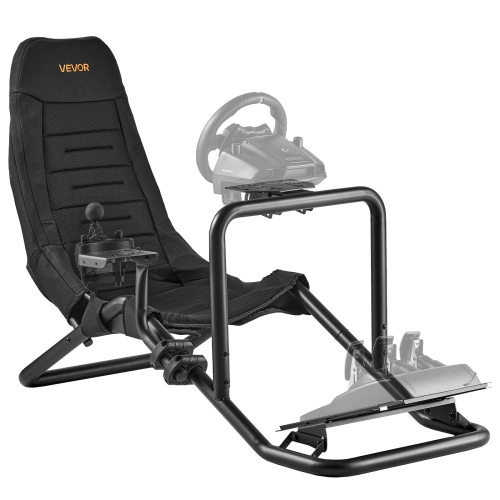
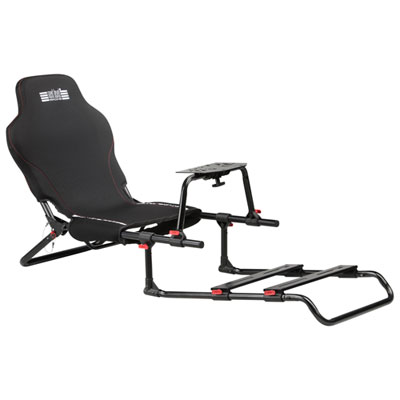
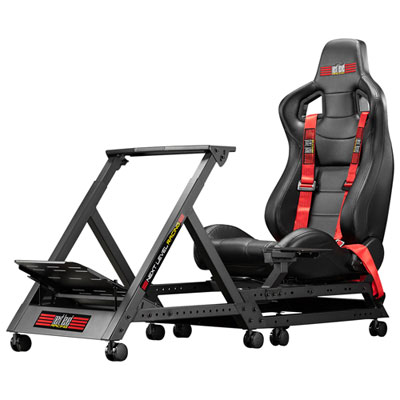
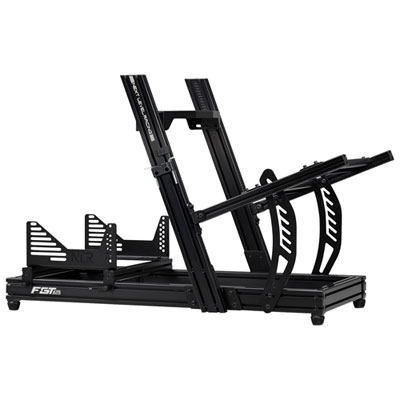




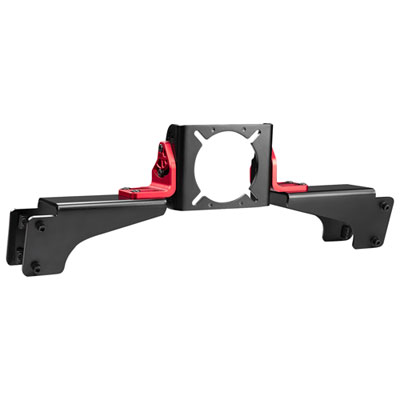
A steadier foundation for more connected sim racing
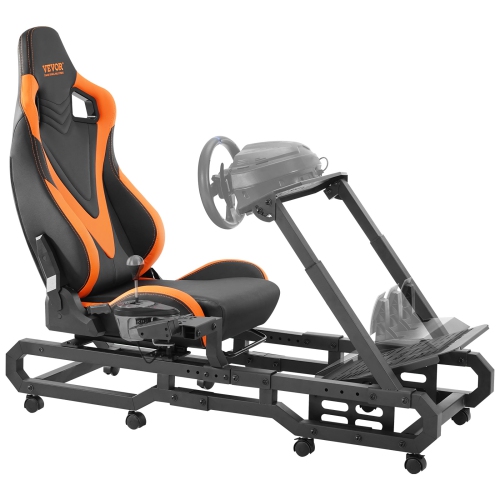
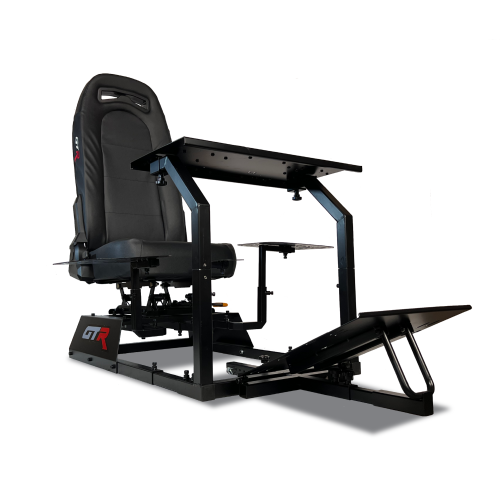
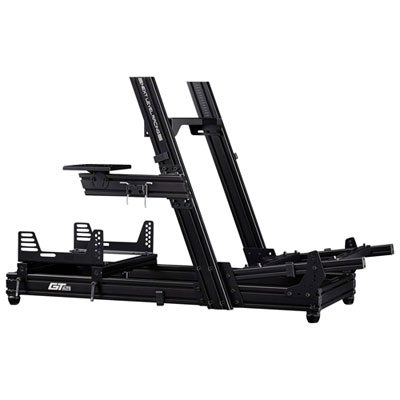
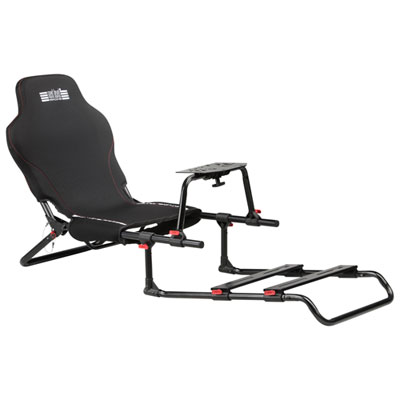
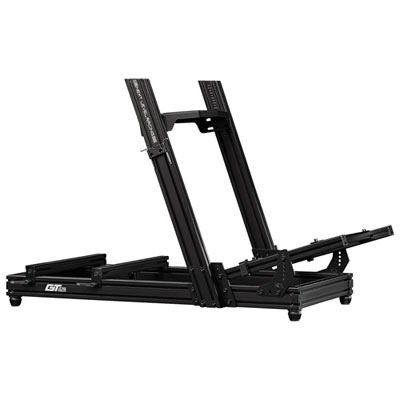
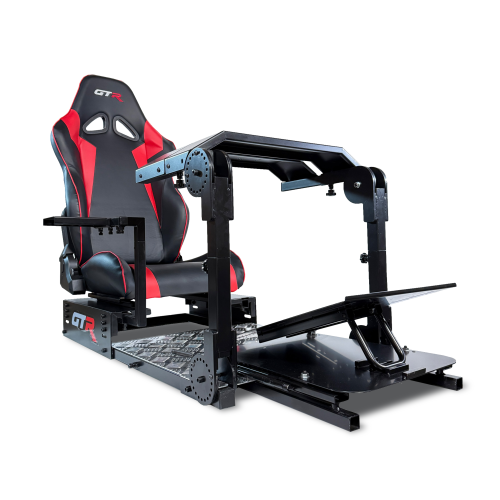
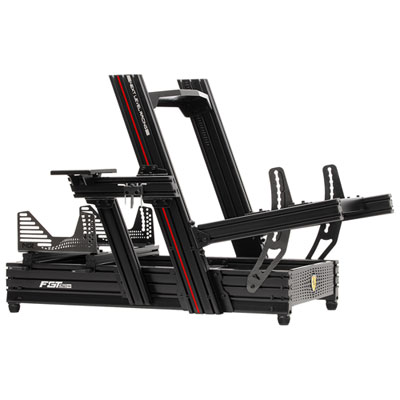
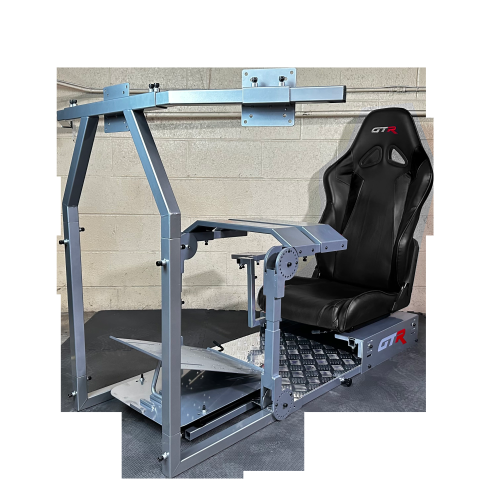
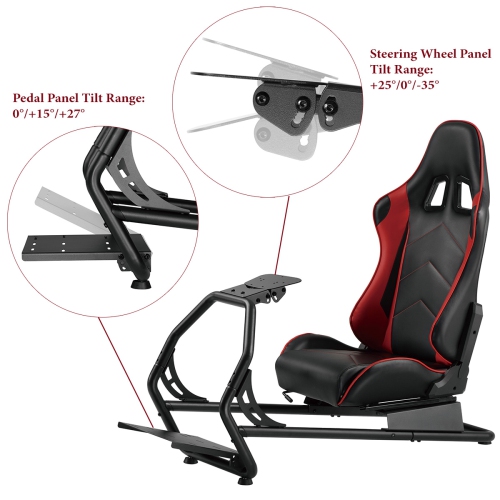
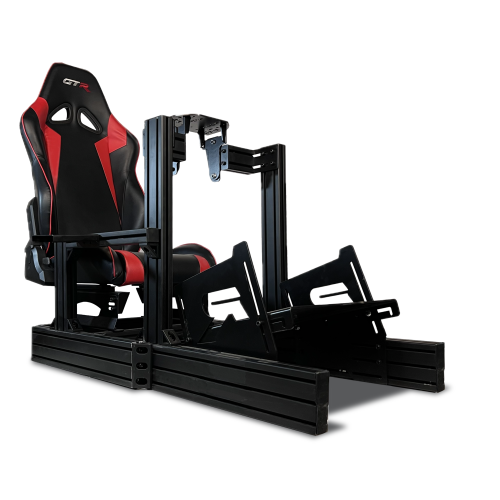
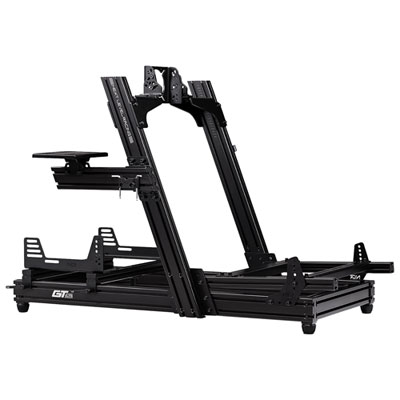
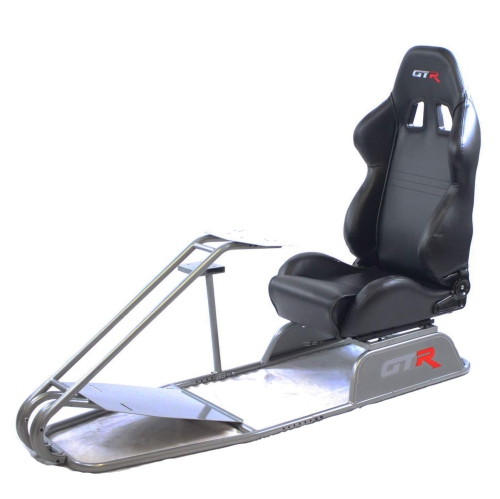
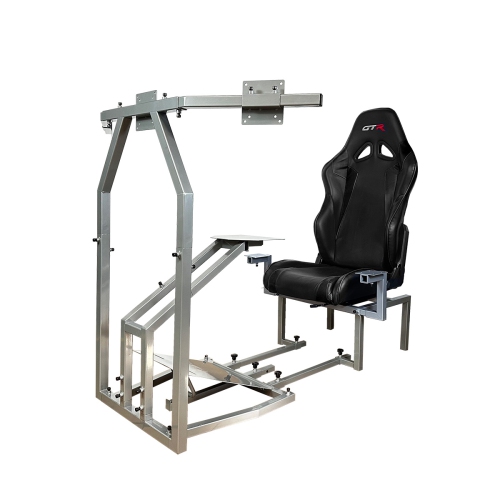
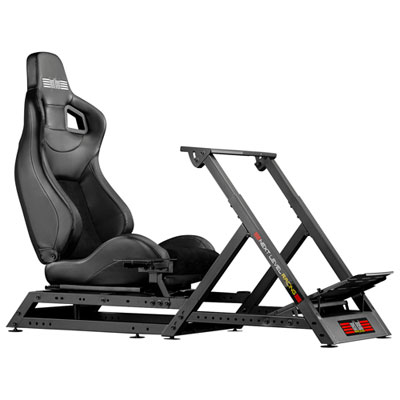
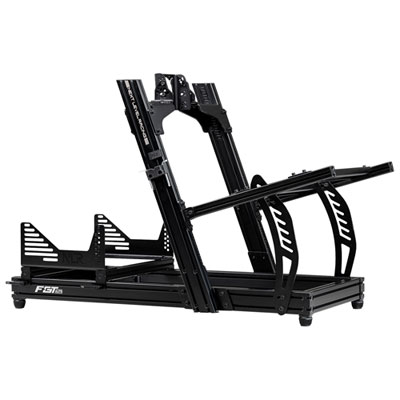
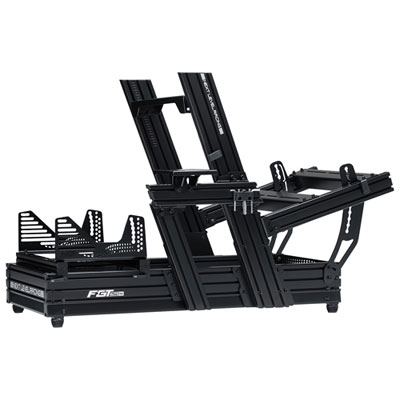
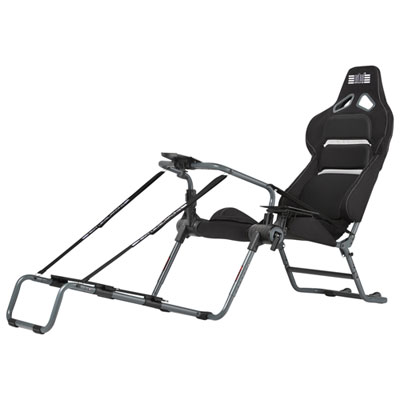
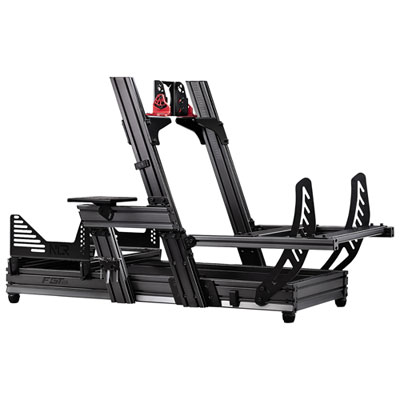
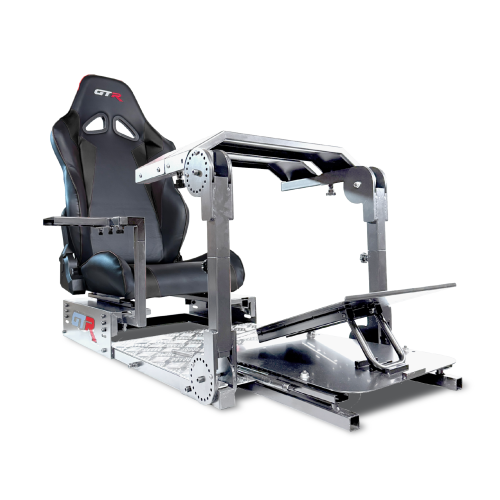
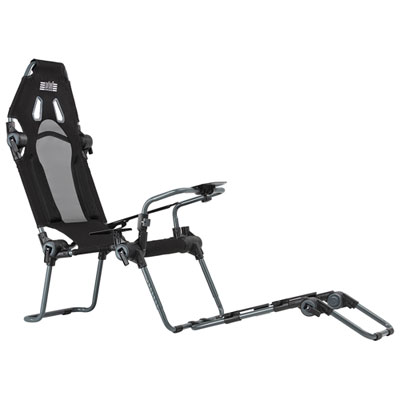
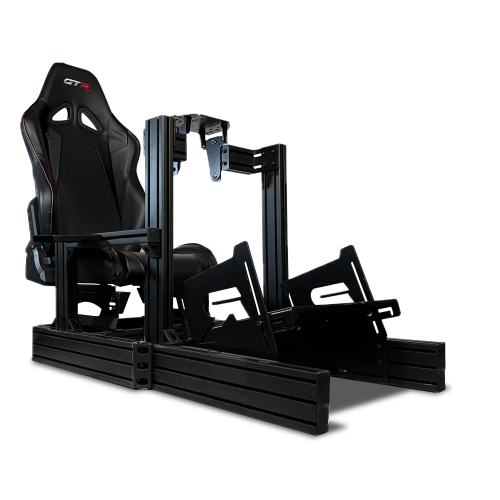
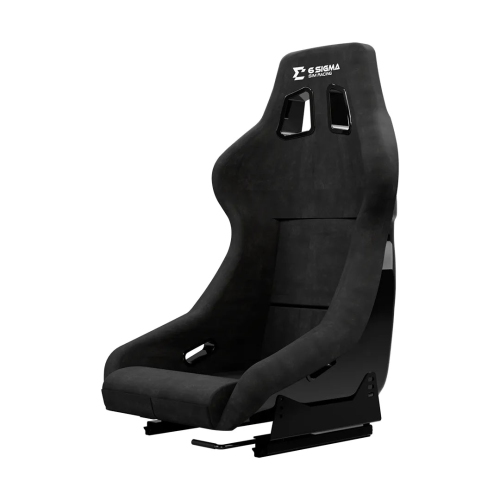
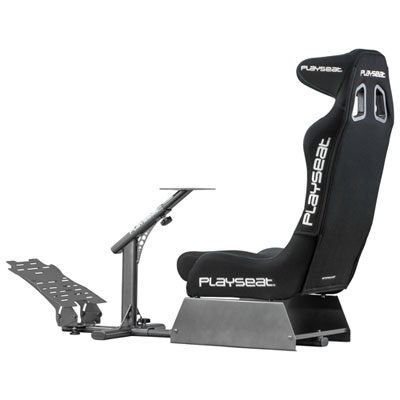
Gaming cockpits are dedicated simulator rigs that position a seat, steering wheel, and pedals around a stable frame, creating a driving setup that feels more connected than a controller or a wheel clamped to a desk. Depending on the design, a cockpit may include an integrated seat or provide mounting points for a separately selected seat, with additional supports for a gear shifter, handbrake, or display. The frame holds the controls in a consistent relationship to the driver, so hard braking does not send the pedals sliding across the floor and steering inputs do not depend on the edge of a table. That consistency is useful for everything from relaxed laps around a familiar circuit to competitive sim racing. Foldable cockpits generally suit shared rooms and setups that need to move out of the way between sessions, while fixed steel frames and aluminium profile rigs provide a more permanent foundation. Tubular designs often have a streamlined shape, whereas slotted aluminium profiles allow compatible brackets and accessories to be positioned along the frame. Rigidity matters most as steering forces and pedal resistance increase: a powerful direct-drive wheelbase and a firm brake pedal place different demands on a cockpit than lighter controls. Frame construction, mounting hardware, and the manufacturer’s stated limits all affect suitability. Seating position also changes the experience. A GT-style layout places the driver in a relatively upright position similar to a road car, while a formula-style layout uses a more reclined seat with raised pedals. Some cockpits support more than one position, although the adjustment range and conversion process vary. Unlike a standard gaming chair, a cockpit brings the seat and controls together as one coordinated setup. For shoppers interested specifically in racing layouts, Driving Simulator Cockpits offers a closely related category centred on that dedicated driving arrangement.
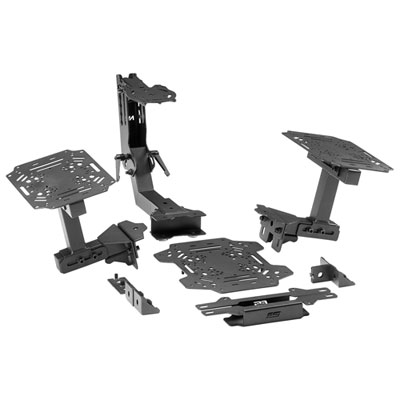
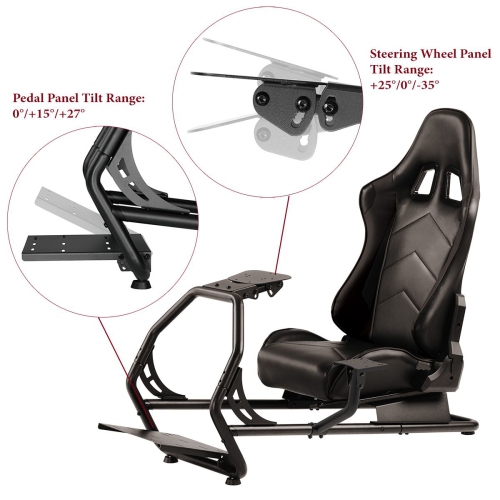
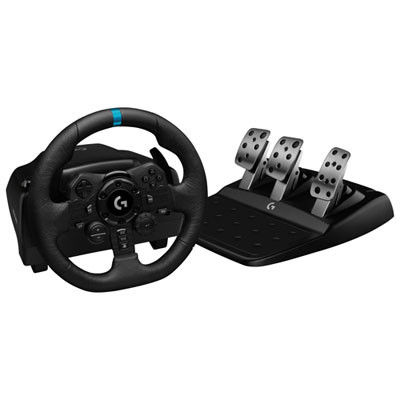
A comfortable fit depends on more than seat cushioning. The distance between the seat and pedals, the height and angle of the wheel deck, and the available knee clearance all influence how naturally a driver can settle into position. With the shoulders resting against the seat, the wheel should be within comfortable reach without requiring the arms to stay straight; at the pedals, the legs need room to press through their travel without locking the knees. Seat sliders can make a shared cockpit more practical when drivers of different heights take turns, while adjustable pedal plates and backrests offer further flexibility. Published dimensions and adjustment ranges are more useful than appearance alone, especially for taller drivers or anyone who needs a wider seat. Deep side bolsters can create a snug, racing-inspired fit, but they also affect how easily someone can get in and out. Material choices bring their own trade-offs. Powder-coated steel provides a protective surface over a strong frame, while aluminium profile construction lends itself to repositioning compatible mounts and adding accessories. Fabric upholstery has a textured feel, and synthetic leather often allows straightforward surface wiping; either material benefits from care that follows the manufacturer’s directions. Seams, seat padding, exposed fasteners, and adjustment mechanisms are worth considering as parts that see regular contact and movement. Hardware compatibility is equally important. Wheelbases, pedals, shifters, and handbrakes use different mounting patterns, and a plate with several mounting holes is not automatically compatible with every control set. Some combinations require a separate bracket or adapter. The cockpit itself usually serves as a physical support rather than an electronic interface, so console or computer compatibility depends largely on the connected controls and software. Clear distinctions between the frame, seat, electronics, and optional mounts help establish what makes up a complete setup, since a cockpit does not necessarily include the wheel, pedals, screen, or gaming system shown alongside it.
The space around a gaming cockpit matters almost as much as its frame dimensions. A permanent setup needs room for the seat to slide, the driver to enter from the side, and any shifter or handbrake mount to extend beyond the main structure. A foldable design can be easier to accommodate in a multipurpose room, but its stored dimensions, weight, and folding method determine how practical that flexibility will be. Some designs fold with certain controls attached, while others need components removed or repositioned; the complete setup can also be considerably heavier than the empty frame. In a dedicated gaming area, a fixed cockpit makes it possible to leave the driving position set between sessions. Display placement then becomes part of the layout. An integrated monitor mount moves with the rig, while a freestanding display support can be positioned separately, provided the screen remains at a comfortable viewing height and distance. Larger screens and multi-monitor arrangements need appropriate mounting capacity and additional room. Cable routing deserves attention too, particularly near moving seat rails, folding joints, and pedal adjustments. Enough slack for movement, without loose loops underfoot, helps keep the setup tidy and accessible. Protective feet or a suitable floor mat can help reduce scuffing, though neither replaces proper assembly on a level surface. Routine care is straightforward: dust can be removed from the frame, upholstery cleaned as directed, and accessible fasteners inspected periodically in line with the assembly instructions. For a racing-game enthusiast, a cockpit can be a thoughtful gift that turns existing controls into a more purposeful setup. The strongest match depends on the recipient’s equipment, preferred driving position, body fit, and available space rather than racing-inspired styling alone. From casual driving sessions to regular league racing, a well-matched cockpit gives the controls a dedicated home and makes the experience easier to return to without rebuilding the setup each time.
A comfortable fit depends on more than seat cushioning. The distance between the seat and pedals, the height and angle of the wheel deck, and the available knee clearance all influence how naturally a driver can settle into position. With the shoulders resting against the seat, the wheel should be within comfortable reach without requiring the arms to stay straight; at the pedals, the legs need room to press through their travel without locking the knees. Seat sliders can make a shared cockpit more practical when drivers of different heights take turns, while adjustable pedal plates and backrests offer further flexibility. Published dimensions and adjustment ranges are more useful than appearance alone, especially for taller drivers or anyone who needs a wider seat. Deep side bolsters can create a snug, racing-inspired fit, but they also affect how easily someone can get in and out. Material choices bring their own trade-offs. Powder-coated steel provides a protective surface over a strong frame, while aluminium profile construction lends itself to repositioning compatible mounts and adding accessories. Fabric upholstery has a textured feel, and synthetic leather often allows straightforward surface wiping; either material benefits from care that follows the manufacturer’s directions. Seams, seat padding, exposed fasteners, and adjustment mechanisms are worth considering as parts that see regular contact and movement. Hardware compatibility is equally important. Wheelbases, pedals, shifters, and handbrakes use different mounting patterns, and a plate with several mounting holes is not automatically compatible with every control set. Some combinations require a separate bracket or adapter. The cockpit itself usually serves as a physical support rather than an electronic interface, so console or computer compatibility depends largely on the connected controls and software. Clear distinctions between the frame, seat, electronics, and optional mounts help establish what makes up a complete setup, since a cockpit does not necessarily include the wheel, pedals, screen, or gaming system shown alongside it.
The space around a gaming cockpit matters almost as much as its frame dimensions. A permanent setup needs room for the seat to slide, the driver to enter from the side, and any shifter or handbrake mount to extend beyond the main structure. A foldable design can be easier to accommodate in a multipurpose room, but its stored dimensions, weight, and folding method determine how practical that flexibility will be. Some designs fold with certain controls attached, while others need components removed or repositioned; the complete setup can also be considerably heavier than the empty frame. In a dedicated gaming area, a fixed cockpit makes it possible to leave the driving position set between sessions. Display placement then becomes part of the layout. An integrated monitor mount moves with the rig, while a freestanding display support can be positioned separately, provided the screen remains at a comfortable viewing height and distance. Larger screens and multi-monitor arrangements need appropriate mounting capacity and additional room. Cable routing deserves attention too, particularly near moving seat rails, folding joints, and pedal adjustments. Enough slack for movement, without loose loops underfoot, helps keep the setup tidy and accessible. Protective feet or a suitable floor mat can help reduce scuffing, though neither replaces proper assembly on a level surface. Routine care is straightforward: dust can be removed from the frame, upholstery cleaned as directed, and accessible fasteners inspected periodically in line with the assembly instructions. For a racing-game enthusiast, a cockpit can be a thoughtful gift that turns existing controls into a more purposeful setup. The strongest match depends on the recipient’s equipment, preferred driving position, body fit, and available space rather than racing-inspired styling alone. From casual driving sessions to regular league racing, a well-matched cockpit gives the controls a dedicated home and makes the experience easier to return to without rebuilding the setup each time.
Top selling and popular products
-
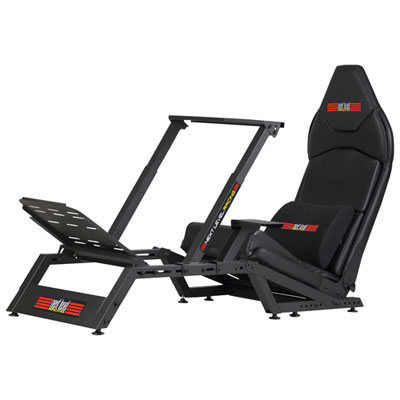 Your price for this item is $649.98
 -
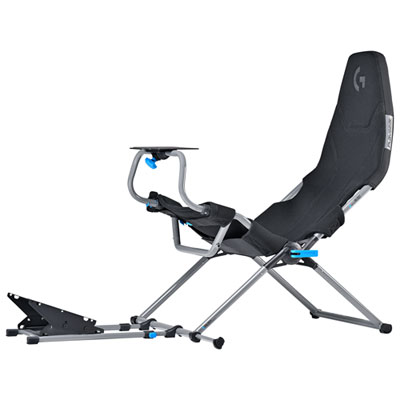 Your price for this item is $399.98
 -
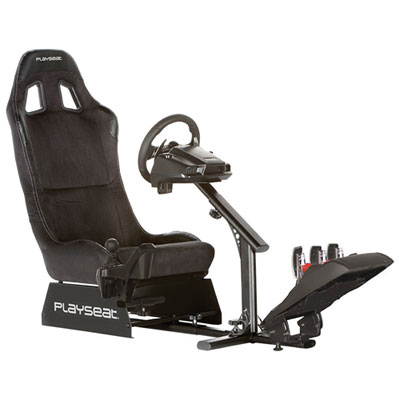 Your price for this item is $429.99
 -
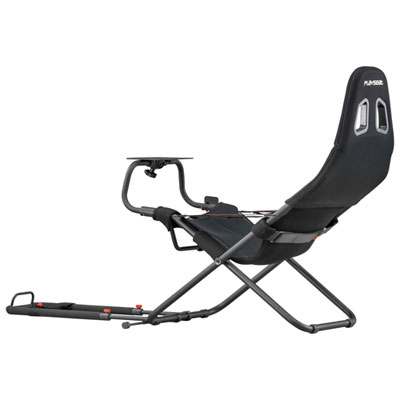 Your price for this item is $318.98
 -
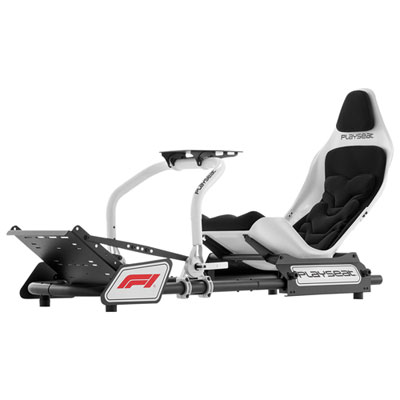 Your price for this item is $799.99
 -
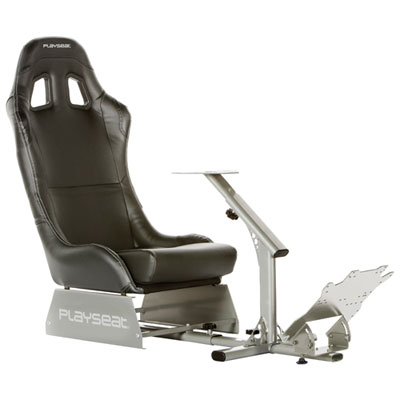 Your price for this item is $399.99
 -
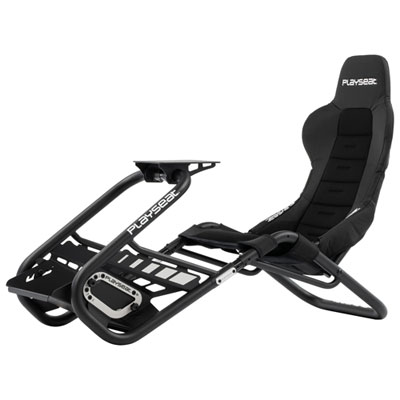 Your price for this item is $799.99
 -
 Your price for this item is $469.99
Discover more categories related to Gaming Cockpits

Top Collections:
Pokemon Centers, Kindle Devices, Best Budget Office Chairs, Apple iPhones 16, Samsung Galaxy Phones, Canon G7X Cameras, iPhone 15 Apple, Flip Phones, Best Laptops for Writers, Alarm Clock
Some products may be subject to Environmental Handling Fees
(EHF) depending on your province.
Learn more about EHFs.