Garden Arbour
Create a peaceful oasis in your outdoor space with a charming garden arbour. Whether you're looking to add a touch of elegance to your garden or create a cozy spot to relax and unwind, a garden arbour is the perfect addition. With its stylish design and sturdy construction, a garden arbour provides both beauty and functionality to your outdoor living area. Explore this selection of garden arbours to find the ideal piece that complements your style and enhances your outdoor retreat.
Sort
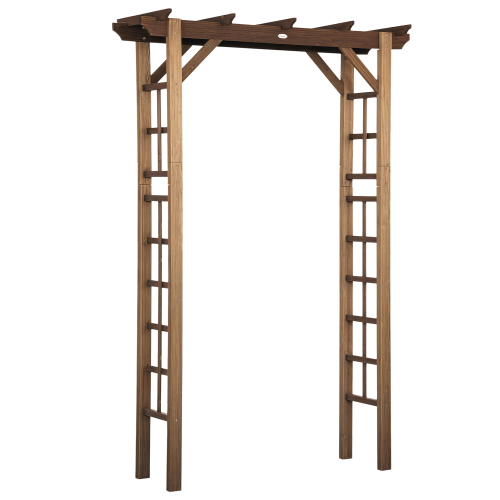
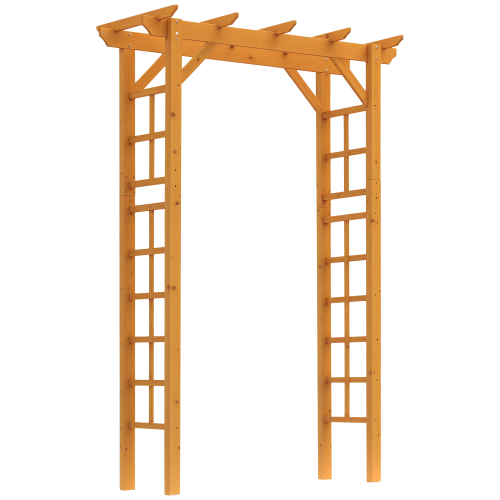
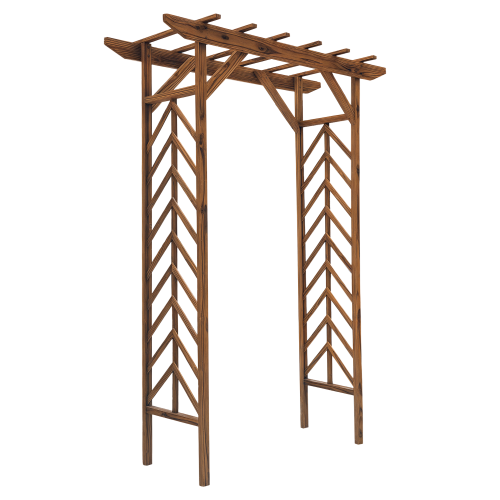
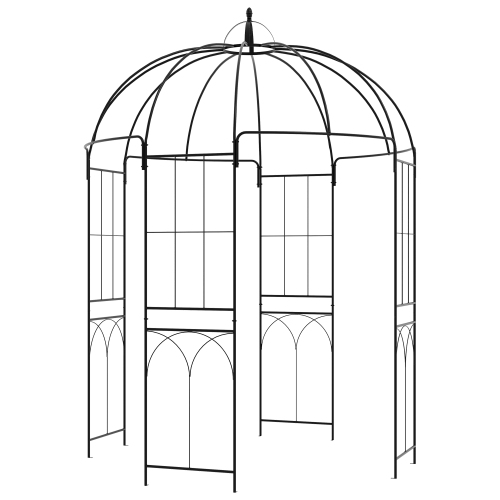
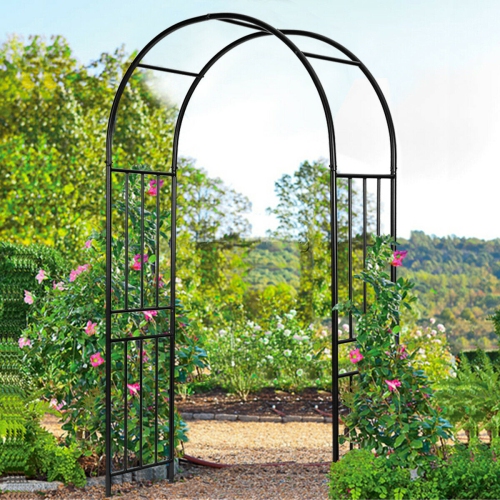
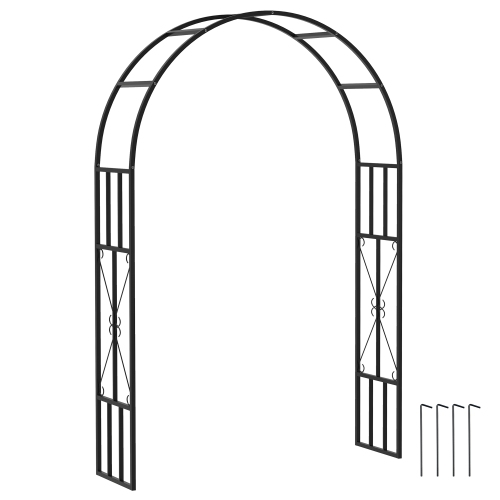
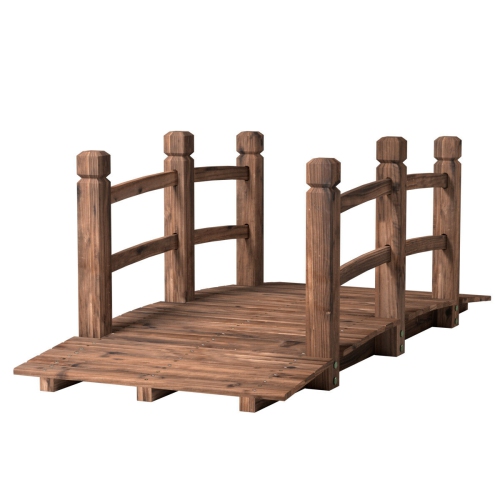
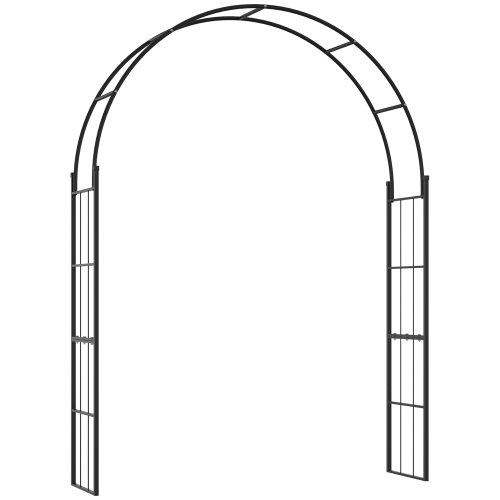
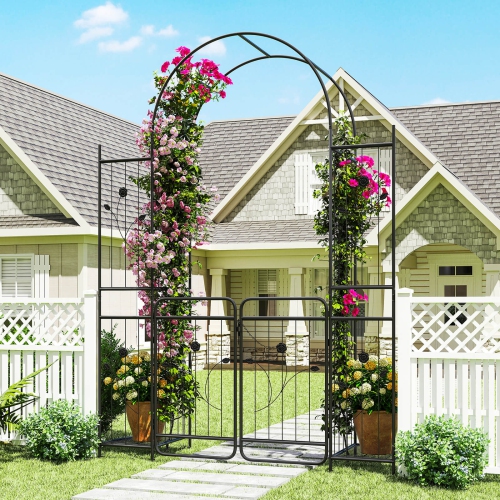
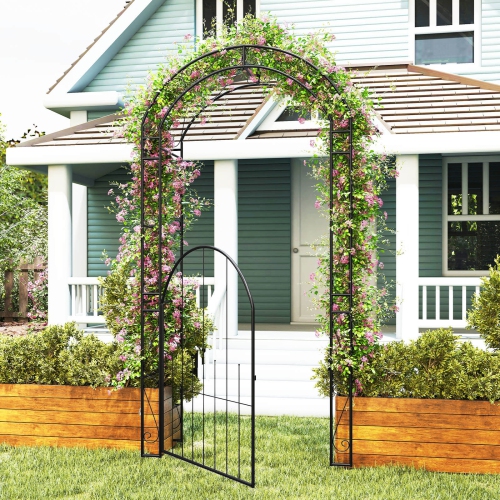
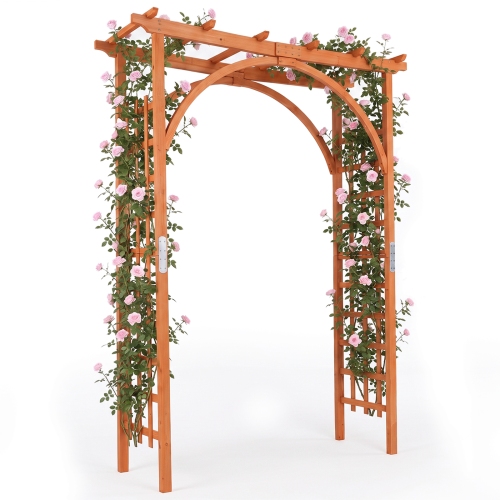

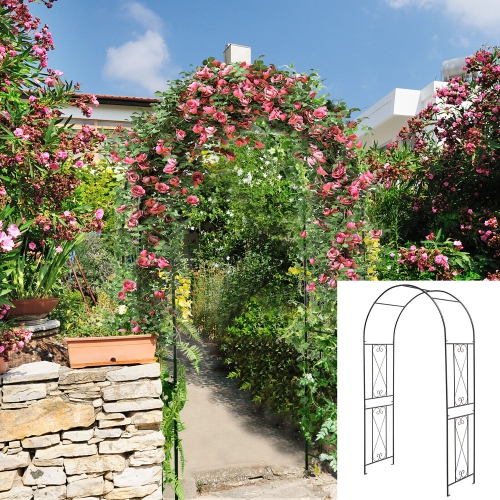
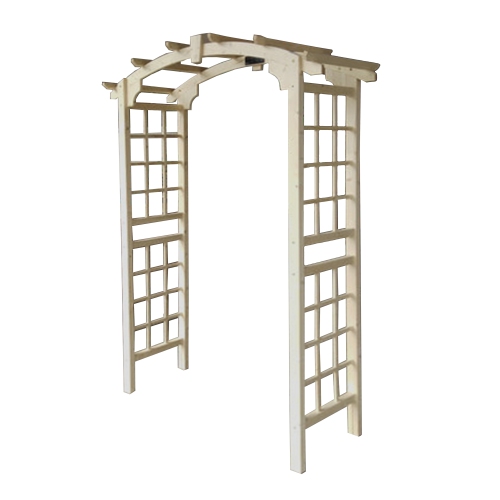
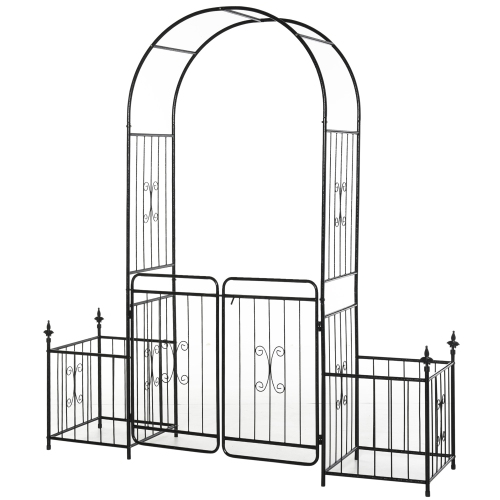
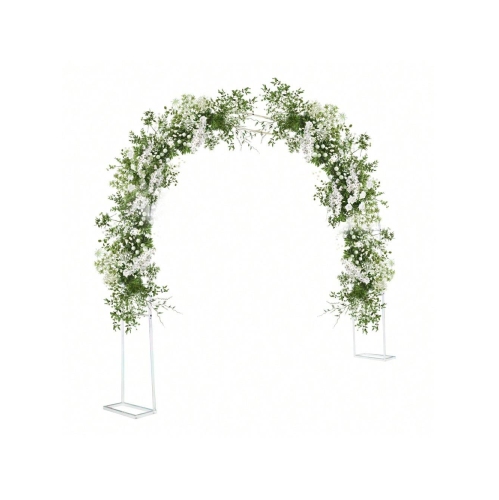

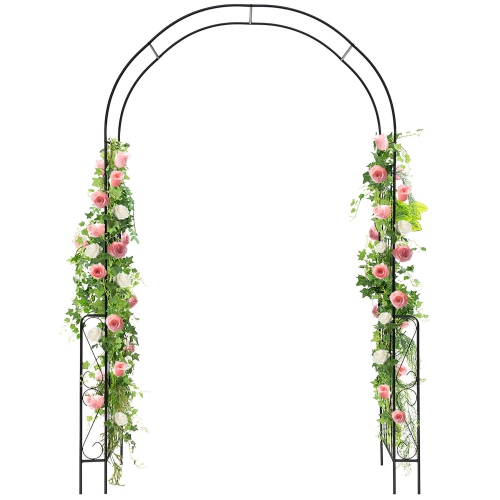
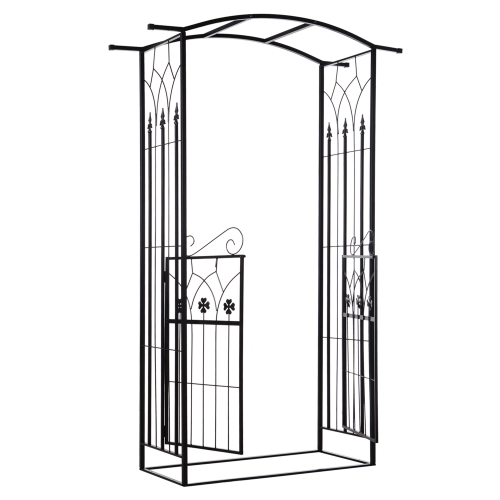
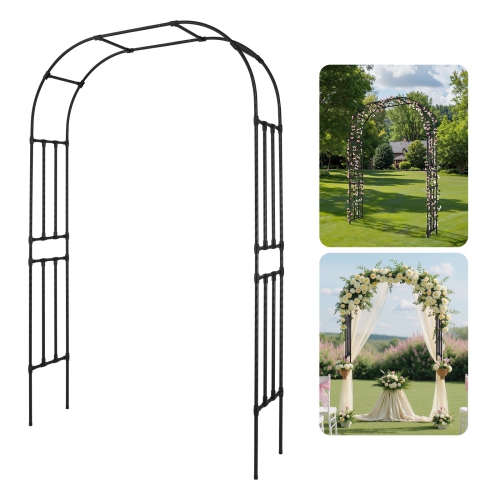
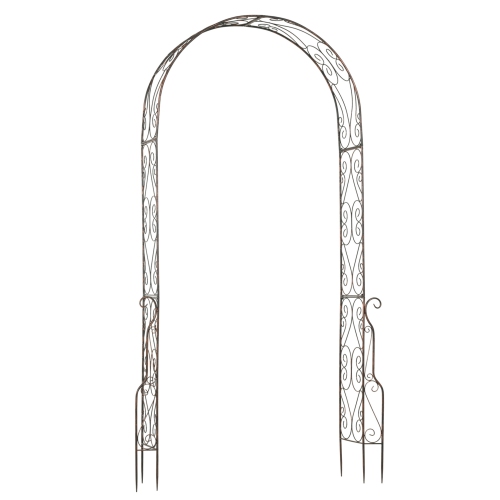
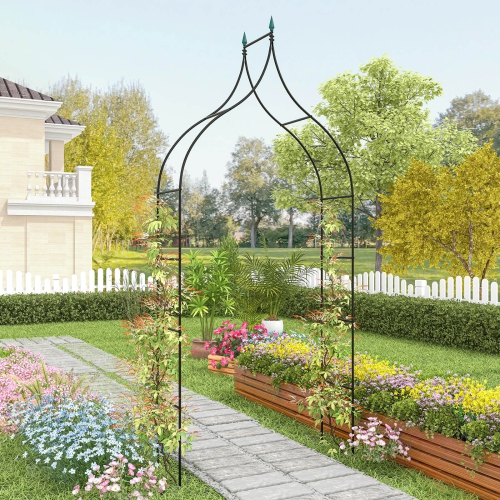
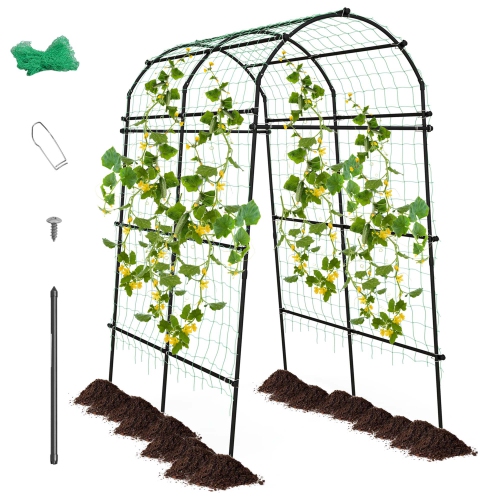
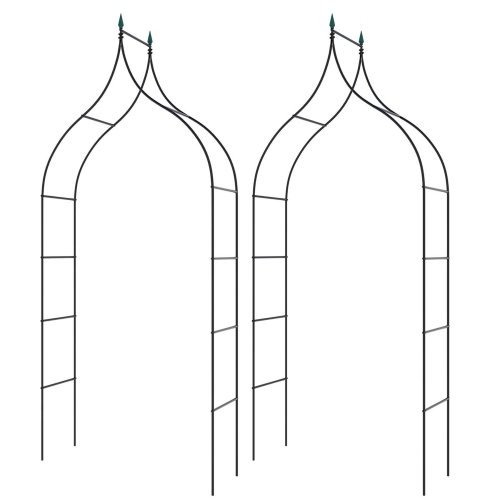
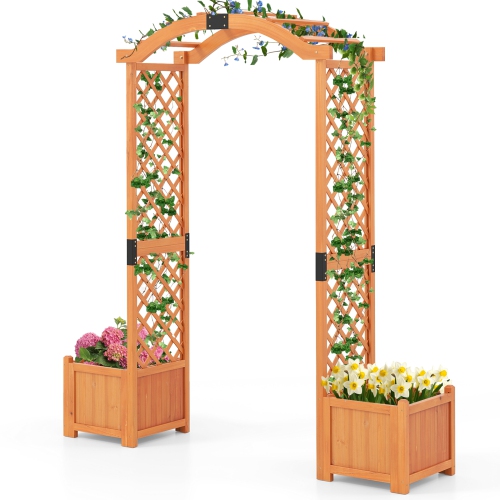
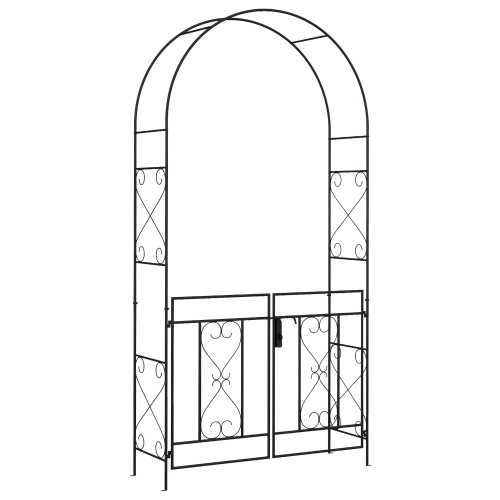
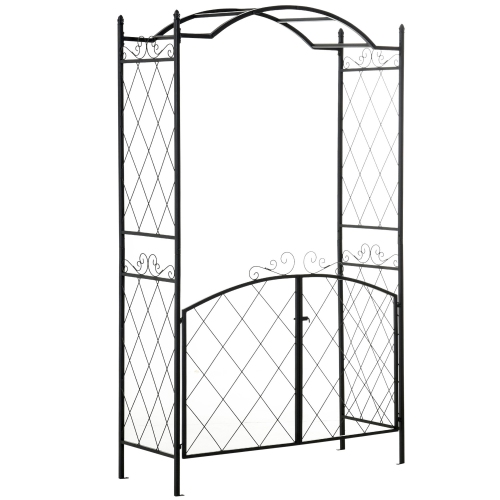
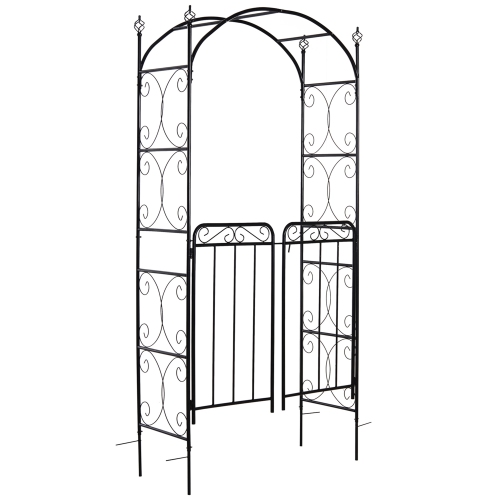
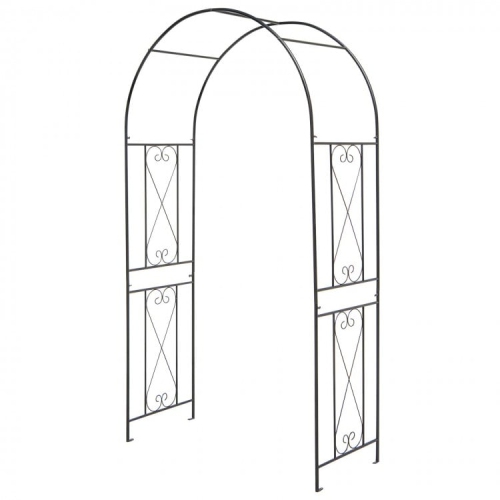
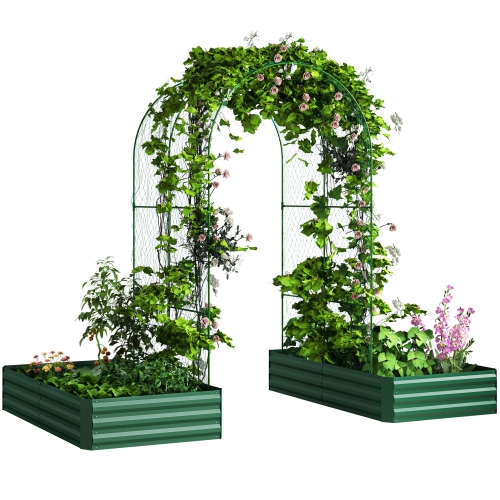
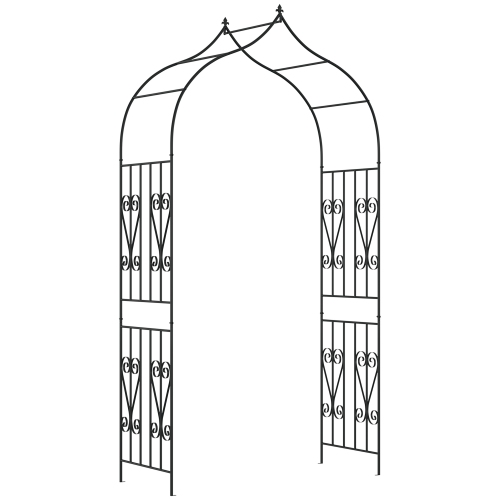
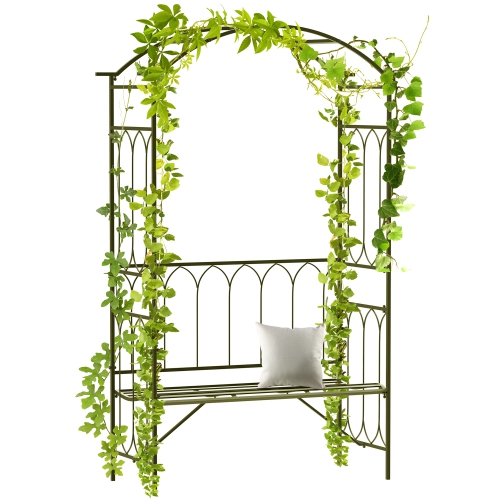
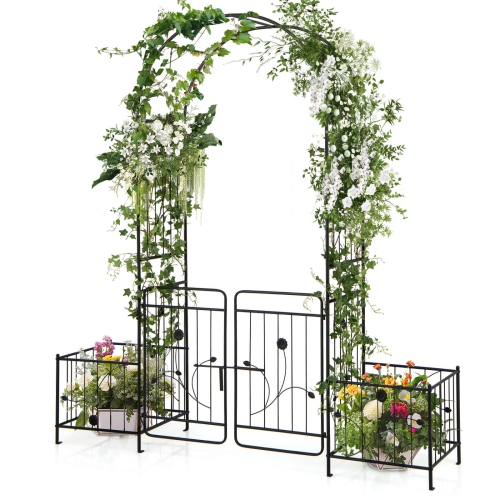
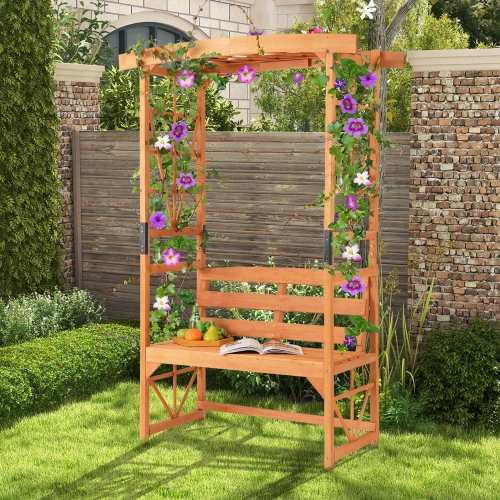
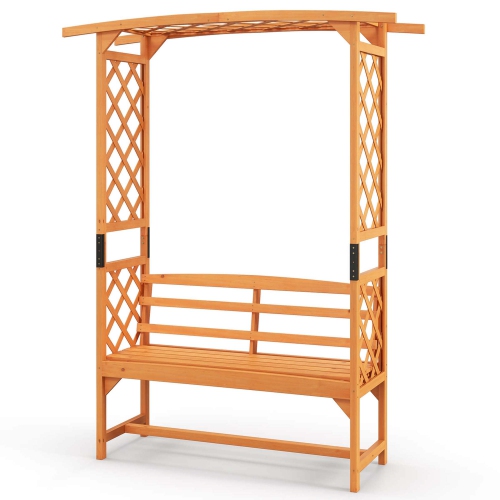
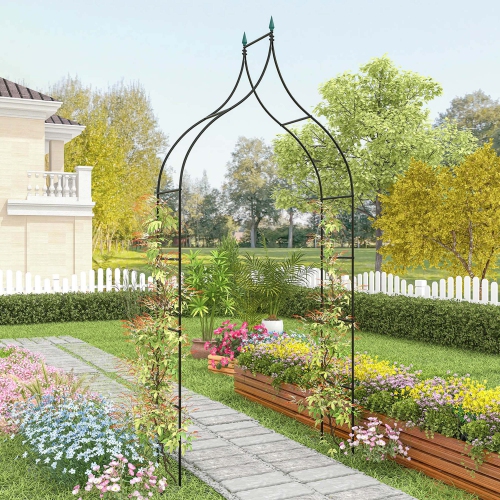
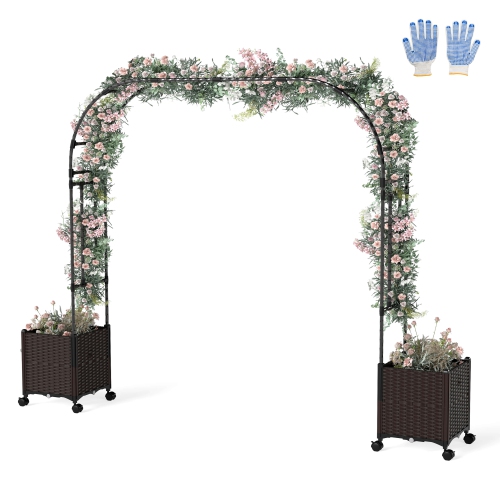
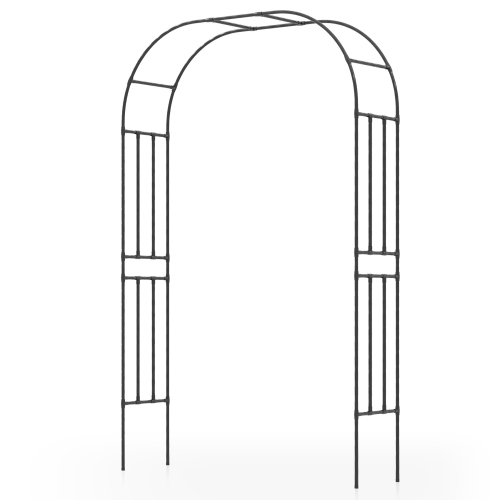
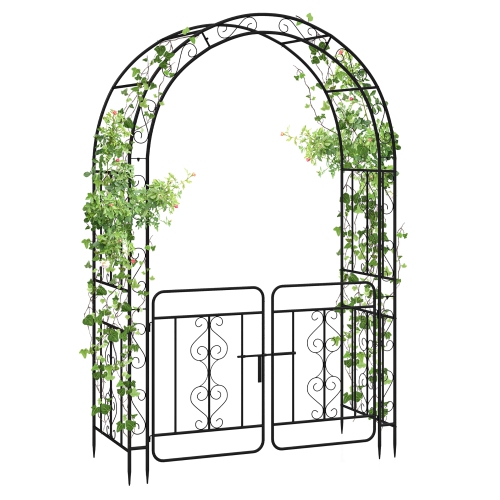
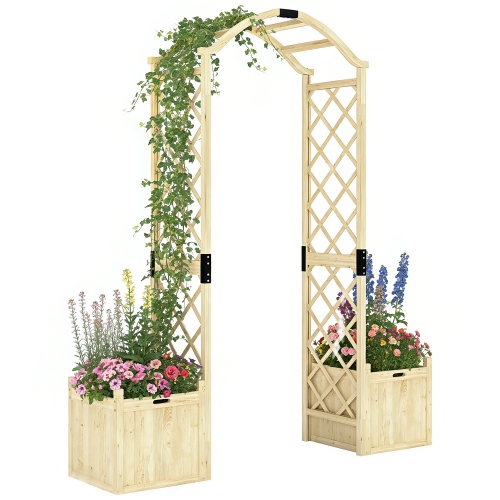
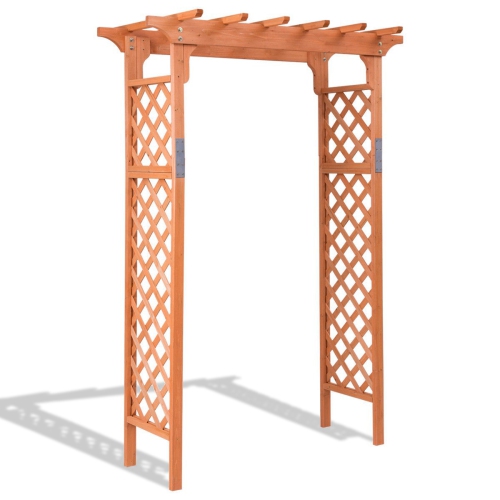
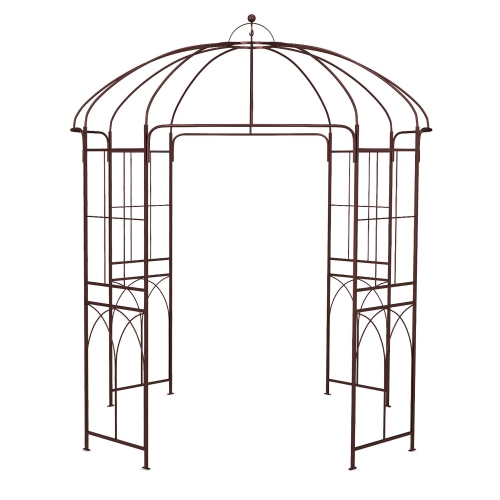
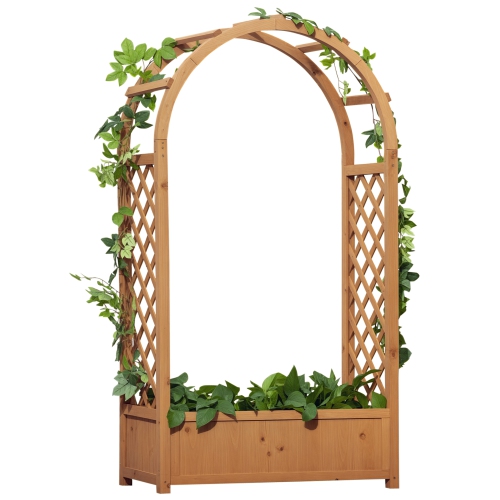
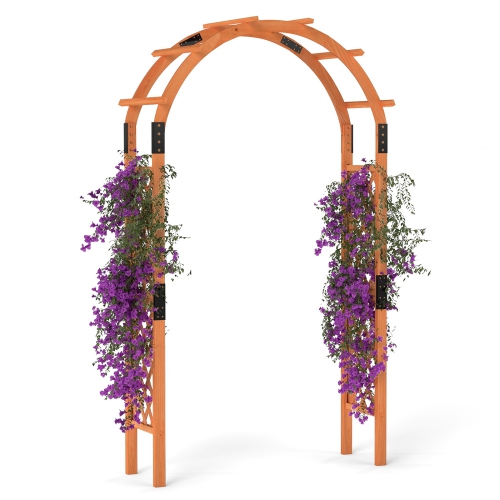
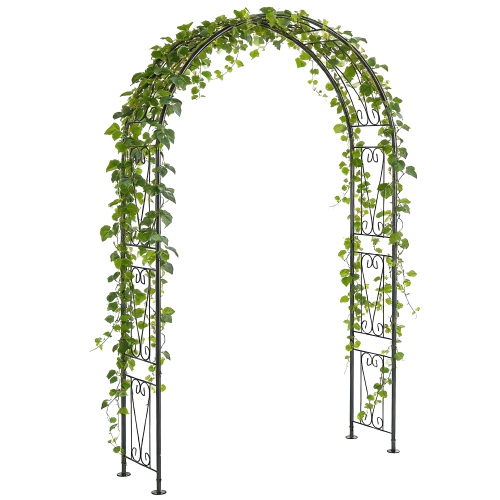
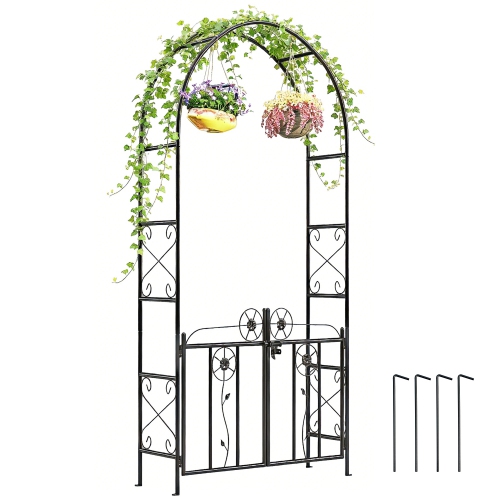
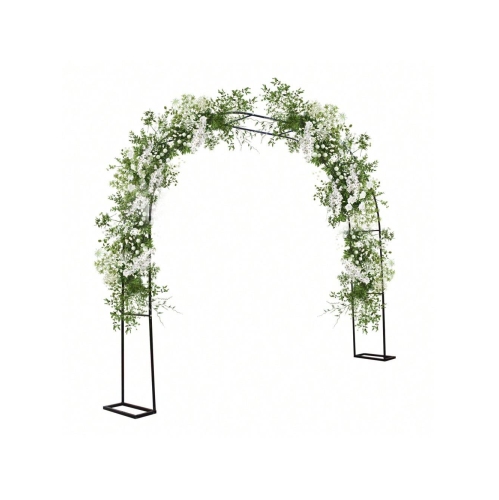
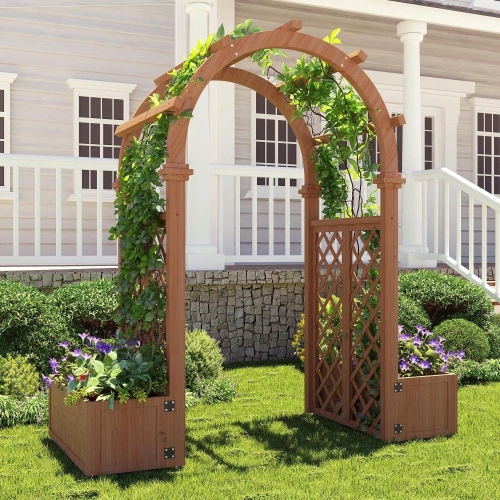
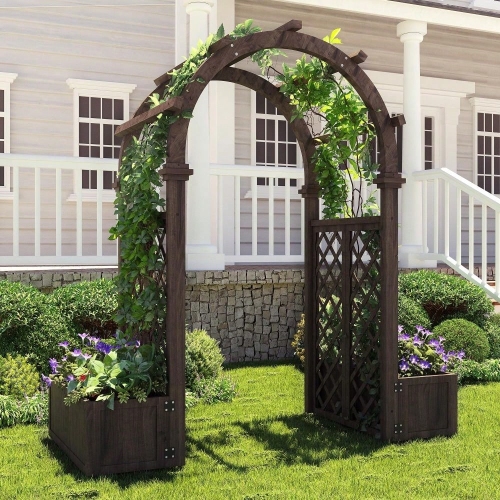
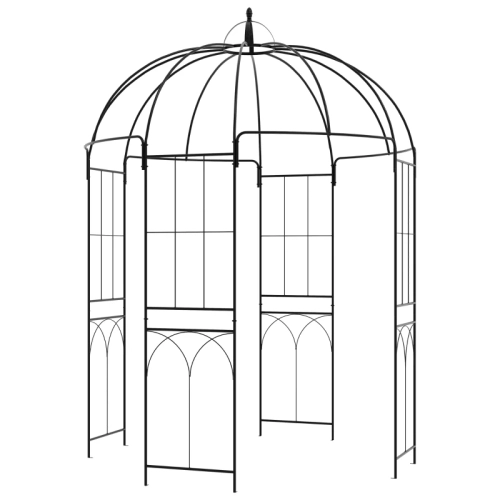
A defined garden entrance without closing off the view
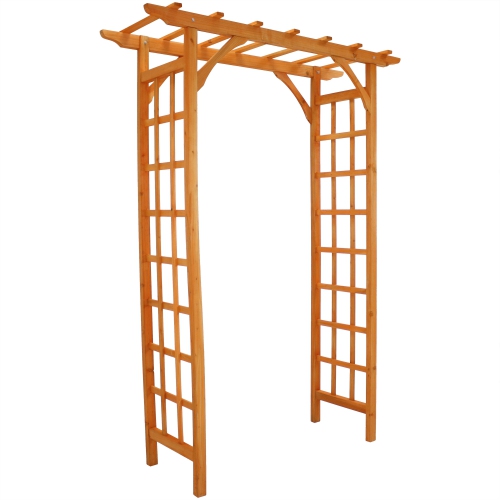
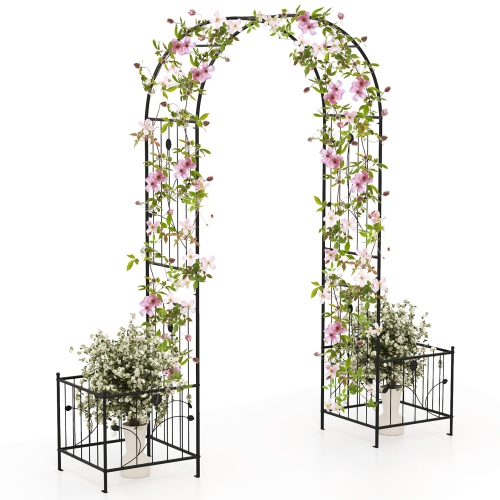
A garden arbour is an outdoor structure with two supporting sides and an arched, peaked, or flat top, often used to frame a walkway, mark an entrance, or support climbing plants. It adds height and definition without enclosing a space, making it useful in both compact yards and larger gardens. Positioned at the start of a path, an arbour creates a clear invitation to enter; placed between a patio and planting beds, it gives each area a distinct identity while keeping the view open. Lattice sides provide a framework for trailing stems and foliage, while simpler upright designs keep the focus on the structure’s shape. An arbour is generally smaller than a pergola, which typically extends over a seating or dining area, and more architectural than a single-panel trellis. There is also overlap with garden arches, particularly designs with a curved top that frame a passage through flowers or greenery. The right shape depends on the setting: a rounded arch softens straight paving lines, a flat top echoes the horizontal lines of a fence, and a peaked roof brings a cottage-garden character to an entrance. Beyond appearance, an arbour can make a garden easier to navigate by highlighting the route to a bench, lawn, or side gate. For someone who enjoys growing climbers, it also provides a place to train plants upward rather than letting stems spread across nearby beds. A modest structure can suit a narrow side yard, while a wider design gives a generous path a more balanced frame. Open sides preserve sightlines, whereas closely spaced lattice creates a stronger visual boundary even before plants fill in. Choosing between these looks is partly a matter of how much separation the space needs. An arbour can suggest a private retreat without functioning as a fence, and its open framework allows neighbouring planting, paving, and outdoor furniture to remain part of the overall view.
Materials influence an arbour’s appearance, upkeep, and ability to support its intended planting. Wood offers visible grain and a substantial feel that works well beside planted borders, gravel paths, and timber fencing. Cedar has natural resistance to decay, but no wood should be treated as maintenance-free; construction quality, drainage, finish, and contact with the ground all affect its service life. Fir and other woods may rely more heavily on a suitable protective treatment, so the manufacturer’s finishing and installation directions matter. Where a wood finish is used, periodic cleaning and reapplication may be needed to maintain its appearance and protection. Vinyl offers a smooth, uniform surface that can usually be cleaned with mild soap and water, although its strength depends on the design and any internal reinforcement. Metal arbours can have slender profiles that leave more of the planting visible. Powder-coated steel combines a protective finish with a rigid frame, but scratches and exposed joints need attention because damaged coatings can leave steel vulnerable to rust. Aluminium is lighter and resists rust, though secure anchoring is still essential. Across materials, look beyond the main posts to the quality of joints, fasteners, lattice connections, and base fittings. A frame supporting a small flowering vine has different demands from one carrying an established woody climber. Wisteria, for example, can become heavy and place considerable strain on a structure, so it needs support expressly suited to that load. Climbing roses generally need tying in, while some other climbers require fine supports their stems or tendrils can grip. Lattice spacing and bar thickness therefore affect planting choices as well as appearance. Leaving room to reach both sides makes pruning, tying stems, and inspecting the frame easier. Routine care includes clearing plant debris from joints, checking that fasteners remain tight, and using cleaning methods appropriate to the finish. These small tasks help keep the arbour tidy and make wear easier to spot before it affects stability.
Fit begins with the usable opening rather than the overall width printed in the dimensions. Posts, side panels, and a gate can reduce the clear passage, while an overhanging top may extend beyond the footprint. For a single garden path, a clear opening of roughly 3 to 4 feet can be a useful starting point; a passage intended for two people walking side by side may need around 5 to 6 feet, depending on the layout. Neither range replaces measuring the actual route and considering who uses it. A wheelbarrow, lawn mower, mobility aid, or garden trolley may need extra clearance, particularly where a turn leads directly into the opening. Height deserves the same attention: allow for the lowest crosspiece and for stems or flowers that may eventually hang beneath it. Measuring the path, nearby beds, and overhead space helps avoid a structure that crowds planting or feels out of scale. Installation is equally important. Some arbours use ground stakes or anchors, while others require posts or bases secured to suitable footings; the correct approach depends on the structure, surface, and manufacturer’s requirements. A freestanding shape does not necessarily mean an arbour can safely stand without anchoring. Soil, paving, and decking call for different fixing methods, and installation on a hard surface may require additional hardware or professional help. Before digging, arrange to have underground utilities located and check any applicable property or local requirements. For a gated arbour, include space for the gate to swing without catching on edging or nearby plants. For a planted entrance, leave adequate growing space beside the posts rather than squeezing roots into a narrow gap against paving. Assembly access also matters, especially when long top sections must pass through a side entrance. An arbour can be a thoughtful gift for a keen gardener or a new homeowner with outdoor space, but dimensions, preferred materials, and installation plans are worth agreeing on first. Matched to its setting and maintained according to its construction, it provides a lasting framework for planting and a welcoming threshold within the garden.
Materials influence an arbour’s appearance, upkeep, and ability to support its intended planting. Wood offers visible grain and a substantial feel that works well beside planted borders, gravel paths, and timber fencing. Cedar has natural resistance to decay, but no wood should be treated as maintenance-free; construction quality, drainage, finish, and contact with the ground all affect its service life. Fir and other woods may rely more heavily on a suitable protective treatment, so the manufacturer’s finishing and installation directions matter. Where a wood finish is used, periodic cleaning and reapplication may be needed to maintain its appearance and protection. Vinyl offers a smooth, uniform surface that can usually be cleaned with mild soap and water, although its strength depends on the design and any internal reinforcement. Metal arbours can have slender profiles that leave more of the planting visible. Powder-coated steel combines a protective finish with a rigid frame, but scratches and exposed joints need attention because damaged coatings can leave steel vulnerable to rust. Aluminium is lighter and resists rust, though secure anchoring is still essential. Across materials, look beyond the main posts to the quality of joints, fasteners, lattice connections, and base fittings. A frame supporting a small flowering vine has different demands from one carrying an established woody climber. Wisteria, for example, can become heavy and place considerable strain on a structure, so it needs support expressly suited to that load. Climbing roses generally need tying in, while some other climbers require fine supports their stems or tendrils can grip. Lattice spacing and bar thickness therefore affect planting choices as well as appearance. Leaving room to reach both sides makes pruning, tying stems, and inspecting the frame easier. Routine care includes clearing plant debris from joints, checking that fasteners remain tight, and using cleaning methods appropriate to the finish. These small tasks help keep the arbour tidy and make wear easier to spot before it affects stability.
Fit begins with the usable opening rather than the overall width printed in the dimensions. Posts, side panels, and a gate can reduce the clear passage, while an overhanging top may extend beyond the footprint. For a single garden path, a clear opening of roughly 3 to 4 feet can be a useful starting point; a passage intended for two people walking side by side may need around 5 to 6 feet, depending on the layout. Neither range replaces measuring the actual route and considering who uses it. A wheelbarrow, lawn mower, mobility aid, or garden trolley may need extra clearance, particularly where a turn leads directly into the opening. Height deserves the same attention: allow for the lowest crosspiece and for stems or flowers that may eventually hang beneath it. Measuring the path, nearby beds, and overhead space helps avoid a structure that crowds planting or feels out of scale. Installation is equally important. Some arbours use ground stakes or anchors, while others require posts or bases secured to suitable footings; the correct approach depends on the structure, surface, and manufacturer’s requirements. A freestanding shape does not necessarily mean an arbour can safely stand without anchoring. Soil, paving, and decking call for different fixing methods, and installation on a hard surface may require additional hardware or professional help. Before digging, arrange to have underground utilities located and check any applicable property or local requirements. For a gated arbour, include space for the gate to swing without catching on edging or nearby plants. For a planted entrance, leave adequate growing space beside the posts rather than squeezing roots into a narrow gap against paving. Assembly access also matters, especially when long top sections must pass through a side entrance. An arbour can be a thoughtful gift for a keen gardener or a new homeowner with outdoor space, but dimensions, preferred materials, and installation plans are worth agreeing on first. Matched to its setting and maintained according to its construction, it provides a lasting framework for planting and a welcoming threshold within the garden.
Top selling and popular products
-
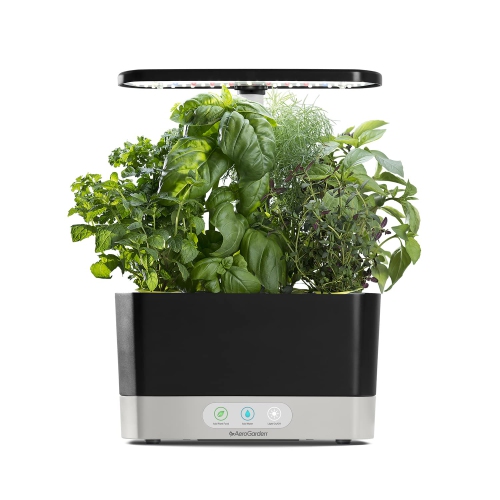 Your price for this item is $199
 -
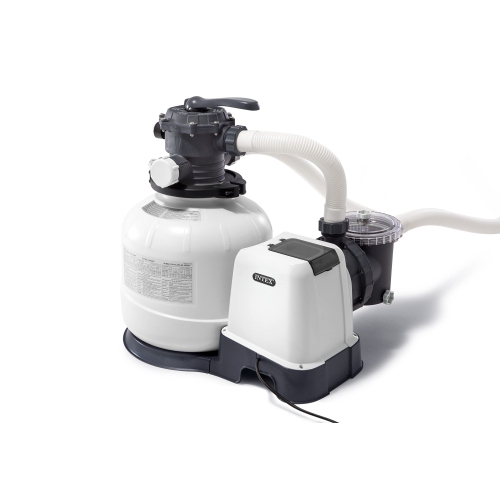 Your price for this item is $418.99
 -
 Your price for this item is $481.99
 -
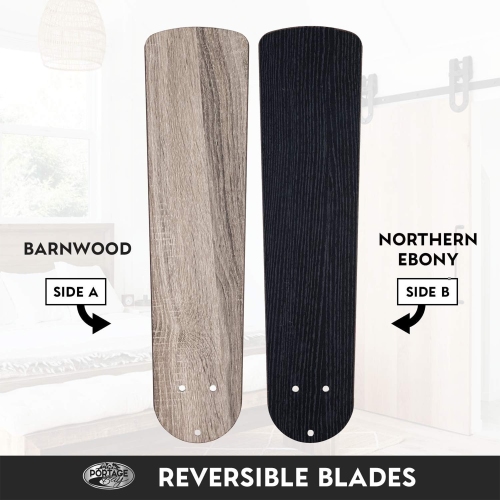 Your price for this item is $224.99
 -
 Your price for this item is $132.99
 -
 Your price for this item is $69.45
 -
 Your price for this item is $562.99
 -
 Your price for this item is $26.99
Discover more categories related to Garden Arbour
Top Collections:
Pokemon Centers, Kindle Devices, Best Budget Office Chairs, Apple iPhones 16, Canon G7X Cameras, iPhone 15 Apple, Alarm Clock, Refurbished Apple Laptops, Flip Phones, Best Laptops for Writers
Some products may be subject to Environmental Handling Fees
(EHF) depending on your province.
Learn more about EHFs.