Garden Fence Panels
Enhance the beauty and security of your outdoor space with our selection of garden fence panels. Whether you're looking to create a safe enclosure for your furry friends or add a stylish touch to your garden, we have a variety of options to suit your needs. From classic wooden panels to modern metal designs, our collection offers durability and style to elevate your outdoor living experience. Explore our range of garden fence panels to find the perfect solution for enhancing your home's exterior aesthetic.
Sort
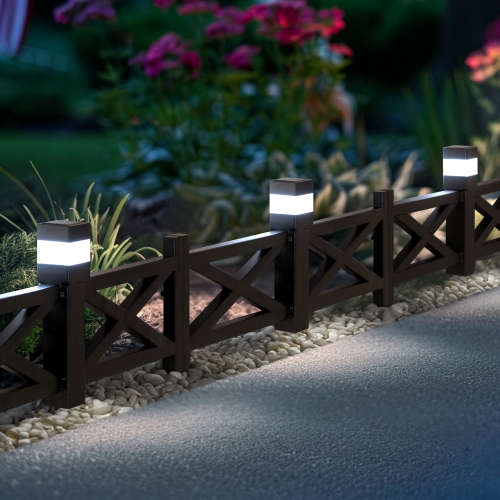
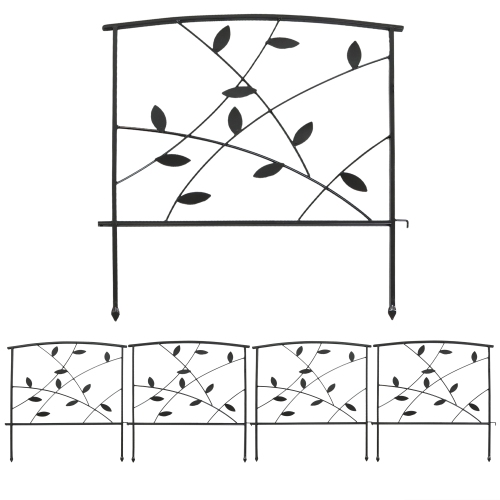
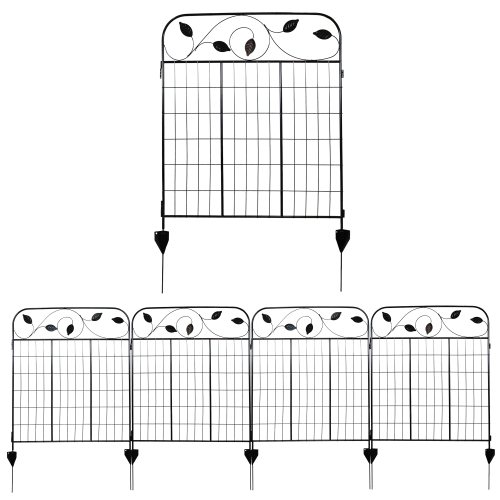
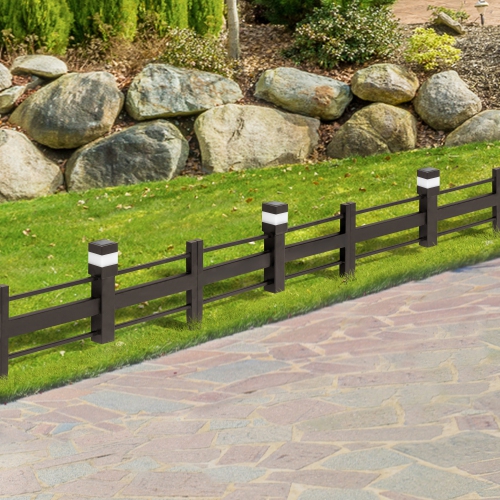
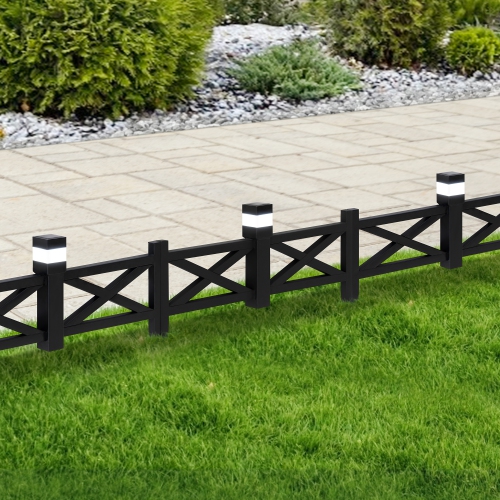
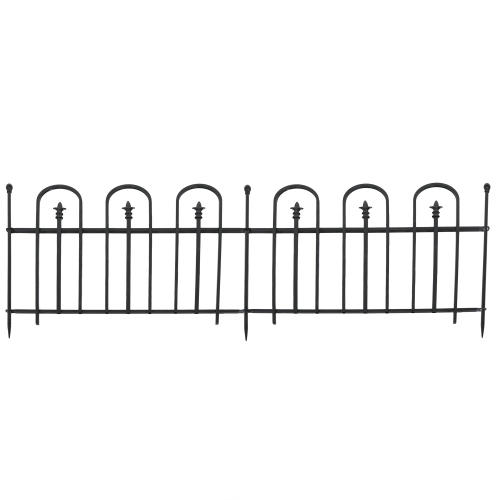
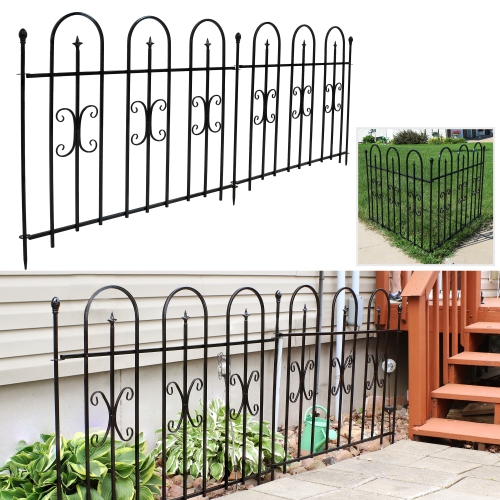

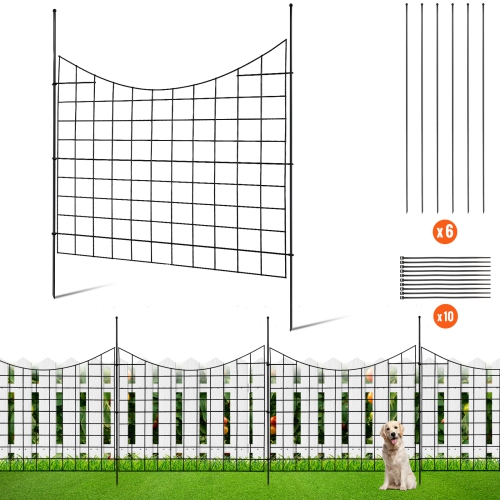
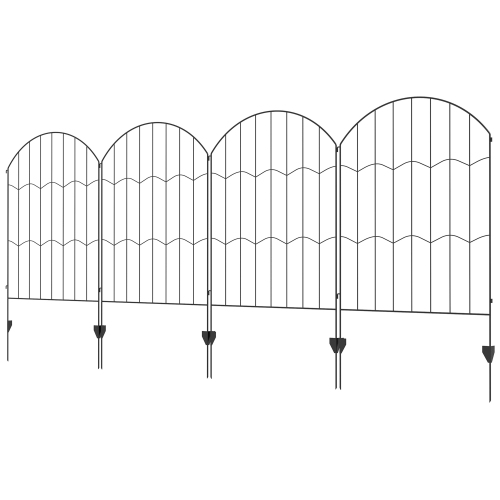
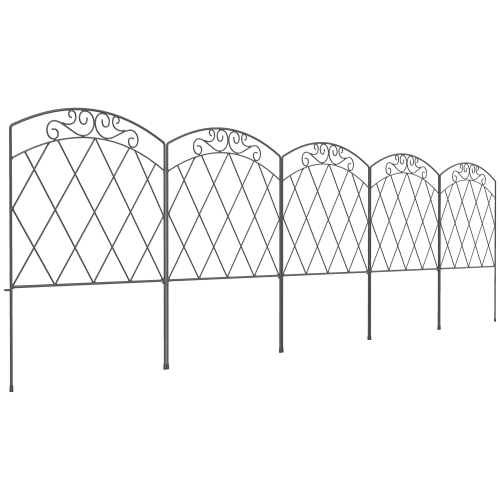
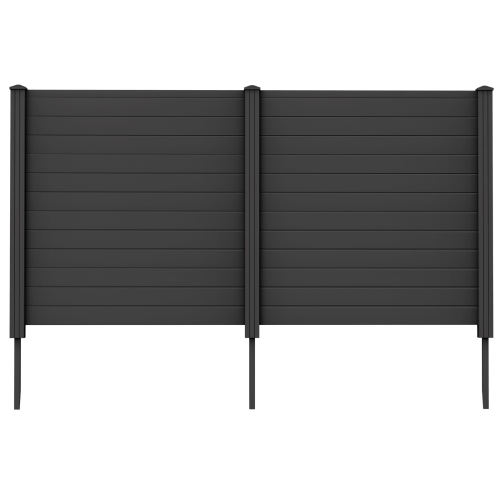
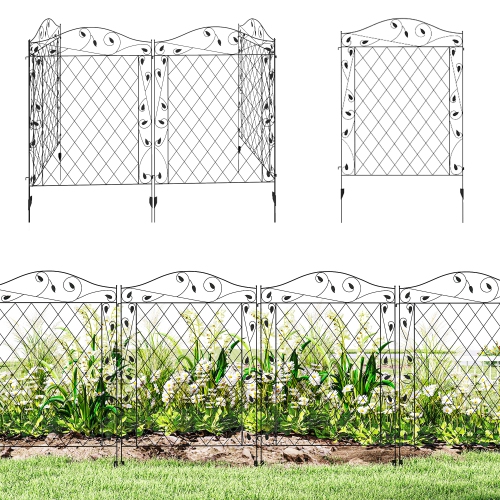
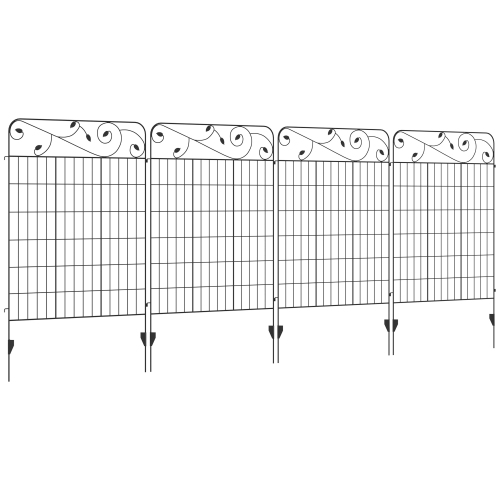
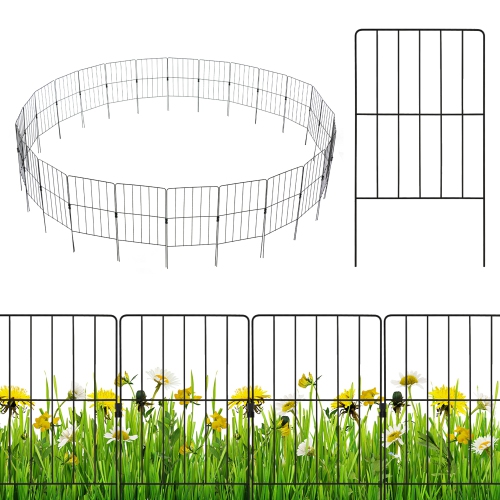
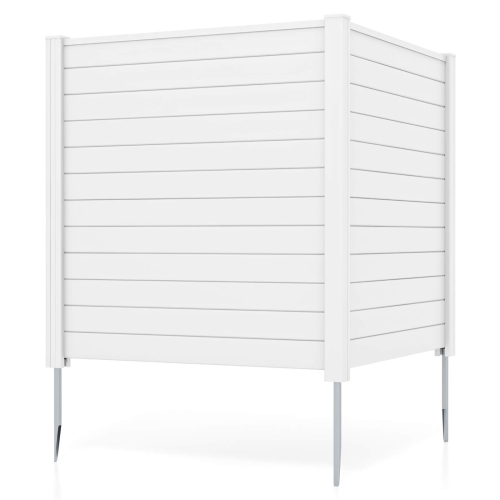
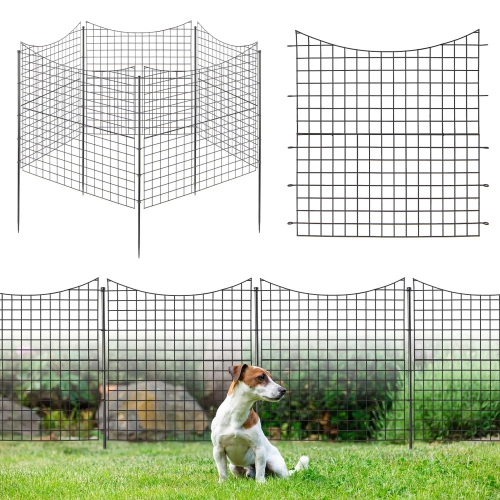
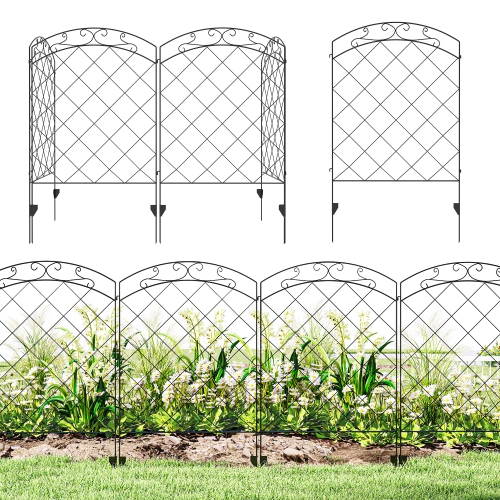
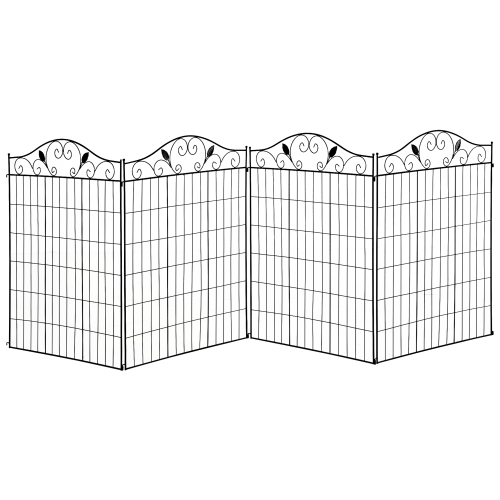
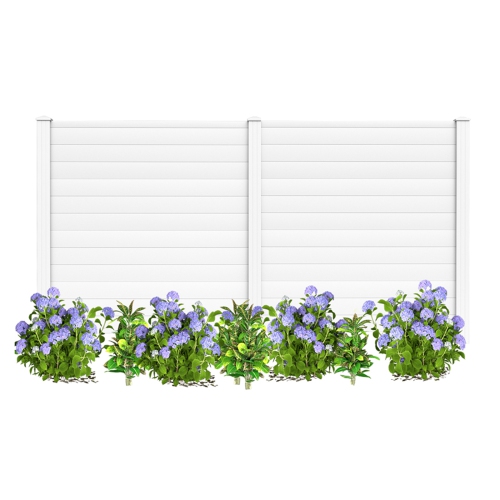
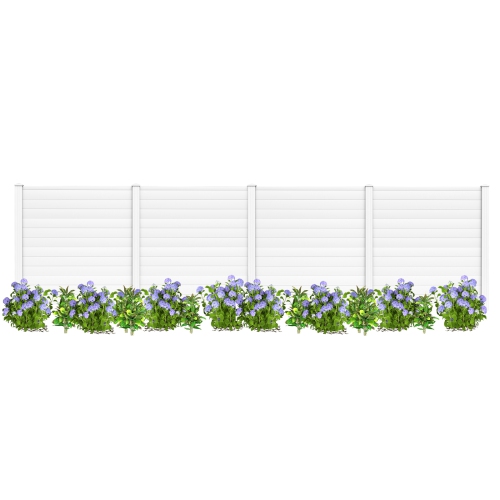
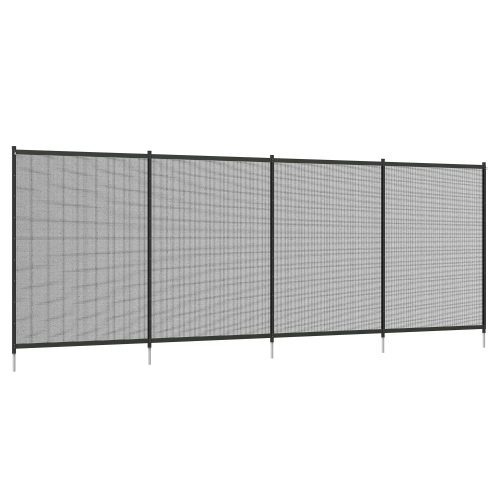
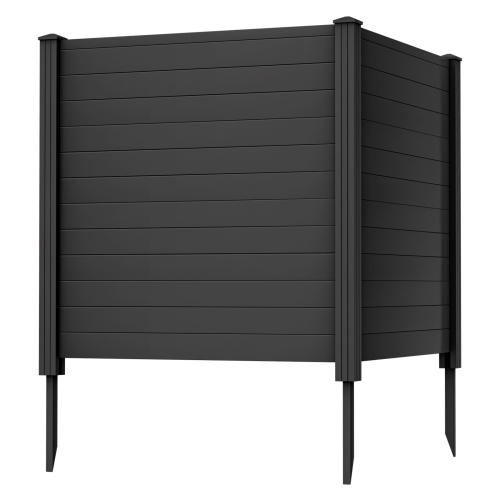
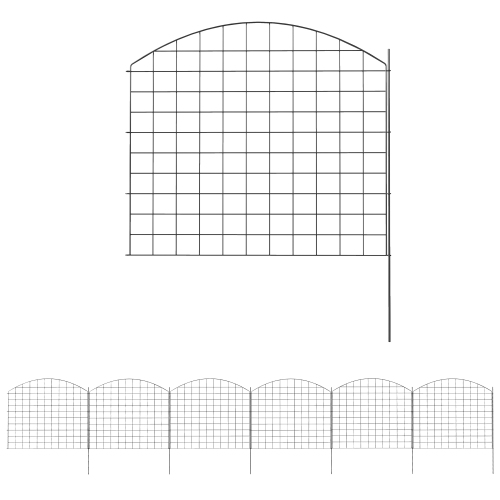
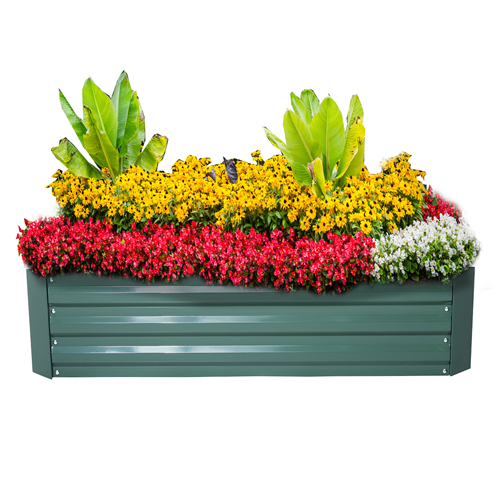
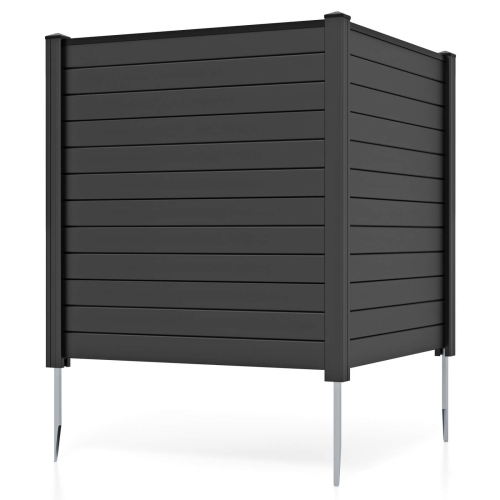
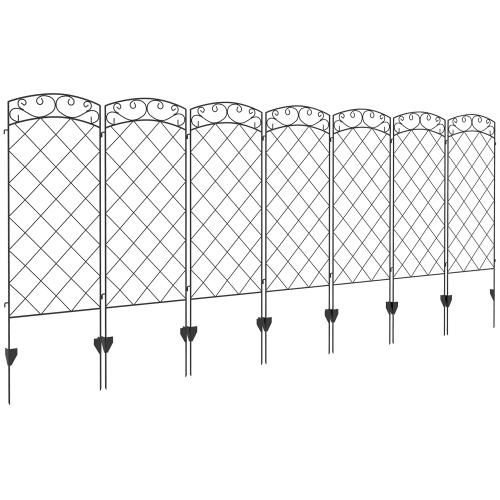
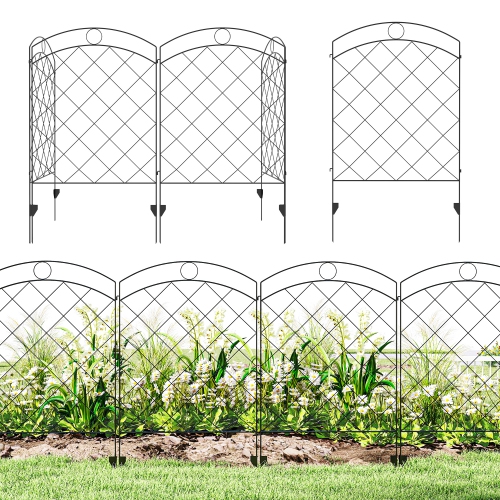
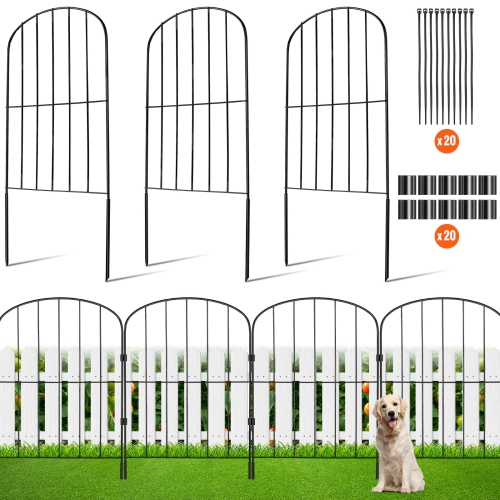
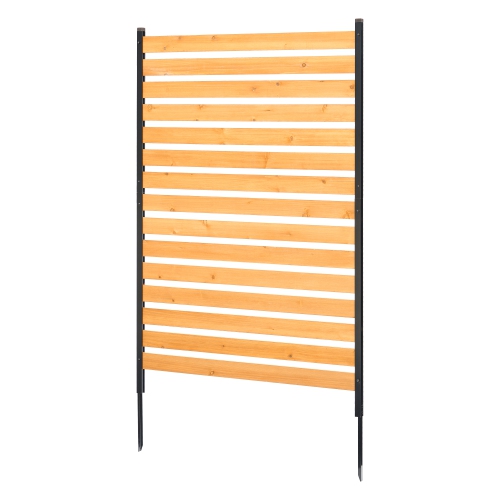
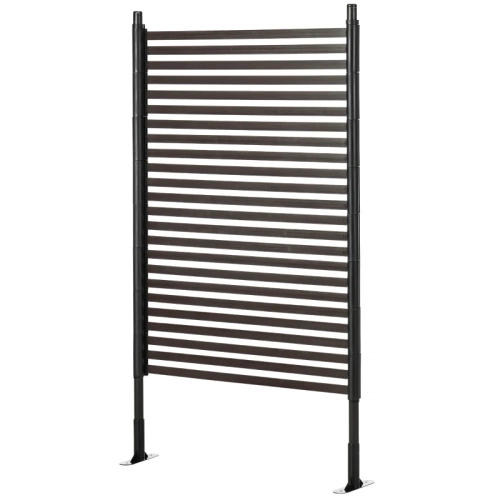
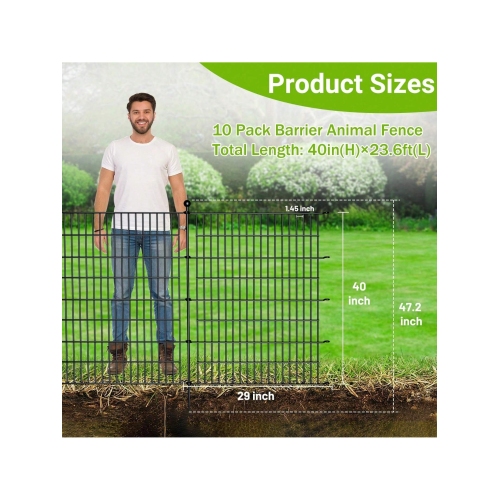
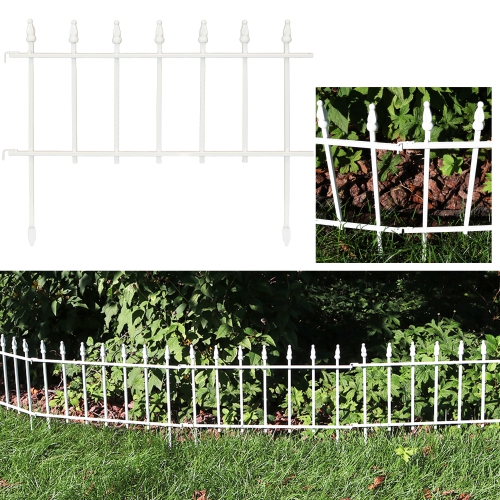
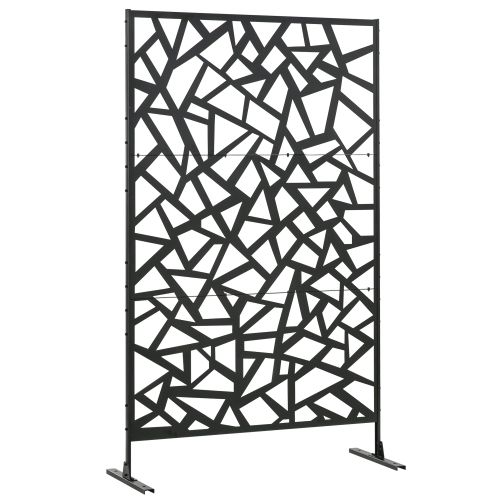
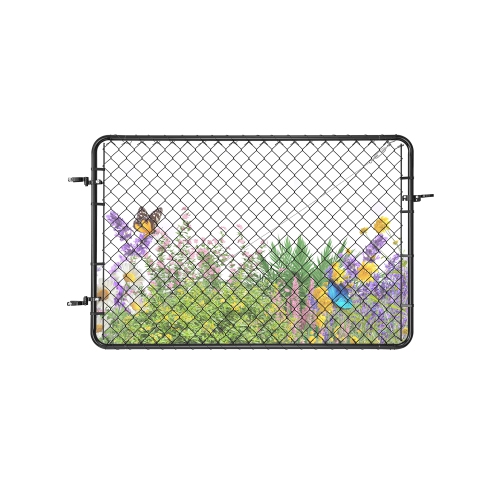



Low borders frame planting beds without hiding the view
Garden fence panels give outdoor spaces a clear sense of shape, whether they trace the edge of a flower bed, separate a vegetable patch from a lawn, or create a modest boundary beside a patio. Unlike a full-height perimeter fence, a garden border can sit low enough to leave plants in view while helping direct foot traffic away from tender stems and freshly turned soil. Taller panels can add screening around a seating area, although the amount of privacy depends on their height, spacing, and construction. Open pickets, wire grids, and lattice let light and air pass through; closely spaced boards offer more visual separation but may cast deeper shade. The most useful style depends on what the boundary needs to do. A short ornamental border may be enough to mark where a path ends and a planting bed begins, while discouraging a curious pet or visiting wildlife requires closer attention to panel height, openings, and gaps at ground level. No low garden fence should be assumed to contain every animal, and lightweight edging is not a substitute for a secure pet enclosure or a compliant pool barrier. For a small front garden, repeating panels can bring order to a mix of shrubs and seasonal planting without hiding the display. In a larger yard, separate runs can distinguish a kitchen garden, a play space, and a quiet corner for outdoor chairs. Gardeners with raised beds may prefer compact sections that leave room to kneel, weed, and reach across the planting area. Households with narrow side yards often benefit from a layout that preserves access for a mower, wheelbarrow, or snow shovel. Garden borders are one part of the wider range of Fence Panels, with the right scale determined by the space and the purpose. A well-proportioned boundary frames the garden rather than overwhelming it, keeping practical access and the view from nearby windows in balance.
Material choice affects the appearance, weight, care, and long-term performance of garden fencing. Steel panels offer a firm structure and can suit both simple straight-lined borders and curved ornamental designs. A powder-coated finish helps protect the metal, but scratches, exposed joints, and persistent contact with wet soil can leave vulnerable areas where rust may develop. Checking the finish around connecting points and ground stakes is especially useful after installation or seasonal movement. Aluminium is generally lighter and resists rust, although panel thickness and construction still matter when assessing strength. Vinyl and other plastic panels often appeal to gardeners who want a painted-picket look without routine staining. They usually need occasional washing rather than refinishing, but resistance to fading, impact, and cold varies by formulation and design. During the cooler months, some plastics can be more susceptible to cracking if struck or forced into position. Wood brings visible grain and a softer appearance that works well beside planting beds, gravel paths, and traditional patios. Its care needs depend on the species, treatment, finish, and exposure to moisture. Suitable stains or sealants may help manage weathering, while keeping leaves and soil from collecting against the panels can reduce prolonged dampness. Any wood intended to sit in or against soil should be rated for that contact. Across materials, durability depends on more than the main panel surface: sturdy welds, secure connectors, appropriate fasteners, and properly supported posts all contribute to a fence that stays aligned. Wind exposure also matters. An open grid allows more air through than a solid screen, which places greater demands on its supports. Around a sheltered flower bed, a light border may serve its purpose well; beside an exposed patio, a taller screen needs a support system suited to the site. Colour and texture can then refine the look, from dark metal that visually recedes behind foliage to pale pickets that make the edge of a planting area more distinct.
Fit starts with the full layout rather than the width of a single panel. Straight runs, corners, curves, and access openings all affect how many sections a garden boundary needs and whether the connections will suit the space. Usable coverage can differ from the combined stated panel widths when sections overlap or share posts, so assembled dimensions are more helpful than panel measurements alone. Height deserves the same care: some measurements include stakes that sit below ground, leaving less fence visible above the soil. On a slope, rigid rectangular sections may leave triangular gaps beneath them unless the system supports stepping or another suitable arrangement. Hinged sections can follow gentle bends around a bed, but the joints still need to hold the intended shape. No-dig garden fence panels typically use stakes pushed or driven into the ground, making them useful for modest borders and layouts that may change with planting plans. Their stability depends on stake length, soil firmness, panel height, and exposure; loose fill, rocky ground, or frozen soil can make installation difficult or reduce holding strength. Taller or more permanent fencing may need anchored posts, suitable footings, and checks of local requirements. Underground utilities and irrigation lines also need to be located before stakes or posts enter the ground. Once installed, access should remain comfortable: an opening that suits a person carrying a watering can may still be too narrow for a loaded garden cart. Leaving room between the fence and mature plants makes pruning easier and prevents stems from pressing constantly against the panels. Routine care is usually straightforward, with soil splashes rinsed away, trapped leaves removed, and loose connections tightened according to the manufacturer's directions. After strong winds or freeze-thaw cycles, checking for leaning stakes and newly formed ground gaps helps keep the border useful. Removable sections can offer flexibility for garden maintenance or off-season storage where the design allows it. Matching the material, dimensions, and support method to everyday use creates a garden boundary that looks intentional and remains manageable as the planting changes.
Material choice affects the appearance, weight, care, and long-term performance of garden fencing. Steel panels offer a firm structure and can suit both simple straight-lined borders and curved ornamental designs. A powder-coated finish helps protect the metal, but scratches, exposed joints, and persistent contact with wet soil can leave vulnerable areas where rust may develop. Checking the finish around connecting points and ground stakes is especially useful after installation or seasonal movement. Aluminium is generally lighter and resists rust, although panel thickness and construction still matter when assessing strength. Vinyl and other plastic panels often appeal to gardeners who want a painted-picket look without routine staining. They usually need occasional washing rather than refinishing, but resistance to fading, impact, and cold varies by formulation and design. During the cooler months, some plastics can be more susceptible to cracking if struck or forced into position. Wood brings visible grain and a softer appearance that works well beside planting beds, gravel paths, and traditional patios. Its care needs depend on the species, treatment, finish, and exposure to moisture. Suitable stains or sealants may help manage weathering, while keeping leaves and soil from collecting against the panels can reduce prolonged dampness. Any wood intended to sit in or against soil should be rated for that contact. Across materials, durability depends on more than the main panel surface: sturdy welds, secure connectors, appropriate fasteners, and properly supported posts all contribute to a fence that stays aligned. Wind exposure also matters. An open grid allows more air through than a solid screen, which places greater demands on its supports. Around a sheltered flower bed, a light border may serve its purpose well; beside an exposed patio, a taller screen needs a support system suited to the site. Colour and texture can then refine the look, from dark metal that visually recedes behind foliage to pale pickets that make the edge of a planting area more distinct.
Fit starts with the full layout rather than the width of a single panel. Straight runs, corners, curves, and access openings all affect how many sections a garden boundary needs and whether the connections will suit the space. Usable coverage can differ from the combined stated panel widths when sections overlap or share posts, so assembled dimensions are more helpful than panel measurements alone. Height deserves the same care: some measurements include stakes that sit below ground, leaving less fence visible above the soil. On a slope, rigid rectangular sections may leave triangular gaps beneath them unless the system supports stepping or another suitable arrangement. Hinged sections can follow gentle bends around a bed, but the joints still need to hold the intended shape. No-dig garden fence panels typically use stakes pushed or driven into the ground, making them useful for modest borders and layouts that may change with planting plans. Their stability depends on stake length, soil firmness, panel height, and exposure; loose fill, rocky ground, or frozen soil can make installation difficult or reduce holding strength. Taller or more permanent fencing may need anchored posts, suitable footings, and checks of local requirements. Underground utilities and irrigation lines also need to be located before stakes or posts enter the ground. Once installed, access should remain comfortable: an opening that suits a person carrying a watering can may still be too narrow for a loaded garden cart. Leaving room between the fence and mature plants makes pruning easier and prevents stems from pressing constantly against the panels. Routine care is usually straightforward, with soil splashes rinsed away, trapped leaves removed, and loose connections tightened according to the manufacturer's directions. After strong winds or freeze-thaw cycles, checking for leaning stakes and newly formed ground gaps helps keep the border useful. Removable sections can offer flexibility for garden maintenance or off-season storage where the design allows it. Matching the material, dimensions, and support method to everyday use creates a garden boundary that looks intentional and remains manageable as the planting changes.
Top selling and popular products
-
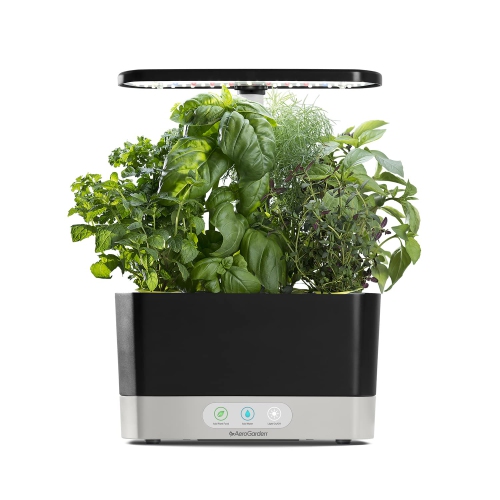 Your price for this item is $199
 -
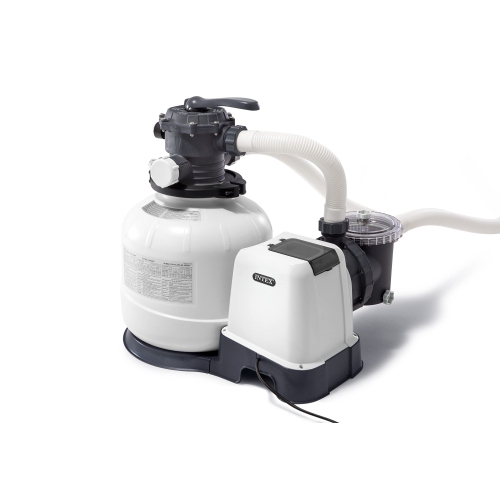 Your price for this item is $418.99
 -
 Your price for this item is $481.99
 -
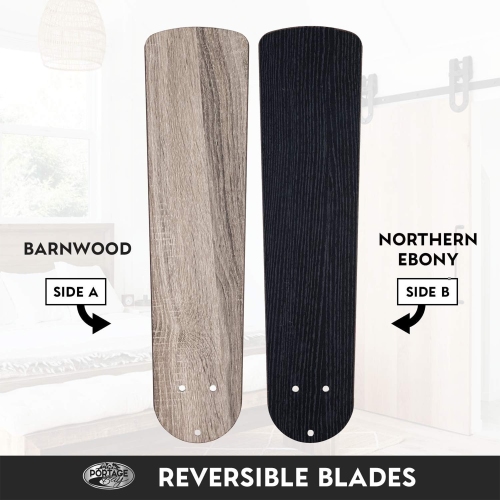 Your price for this item is $224.99
 -
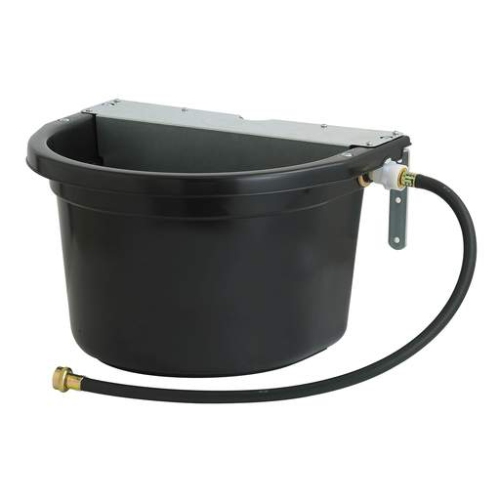 Your price for this item is $132.99
 -
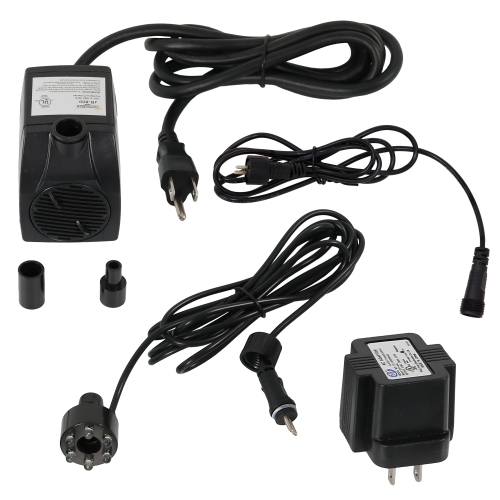 Your price for this item is $69.45
 -
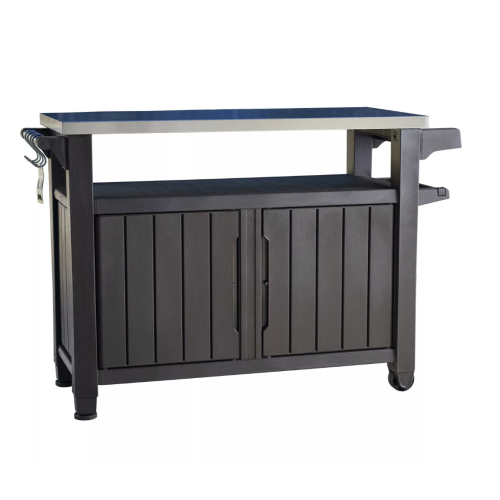 Your price for this item is $562.99
 -
 Your price for this item is $26.99
Discover more categories related to Garden Fence Panels
Top Collections:
Pokemon Centers, Kindle Devices, Best Budget Office Chairs, Apple iPhones 16, Canon G7X Cameras, iPhone 15 Apple, Alarm Clock, Refurbished Apple Laptops, Flip Phones, Best Laptops for Writers
Some products may be subject to Environmental Handling Fees
(EHF) depending on your province.
Learn more about EHFs.