Glass And Gold Dining Tables
Elevate your dining experience with a touch of elegance and sophistication with our stunning collection of glass and gold dining tables. Whether you're hosting a formal dinner party or enjoying a casual family meal, our glass and gold dining tables are sure to impress your guests and elevate your dining space to new heights of refinement.
Sort
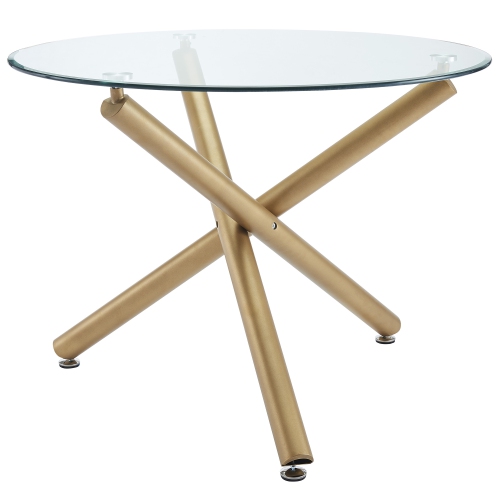
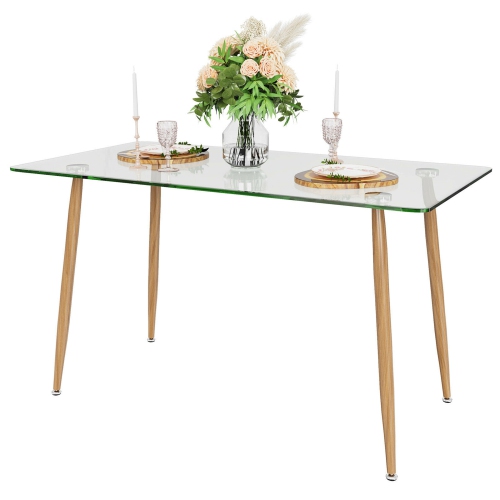
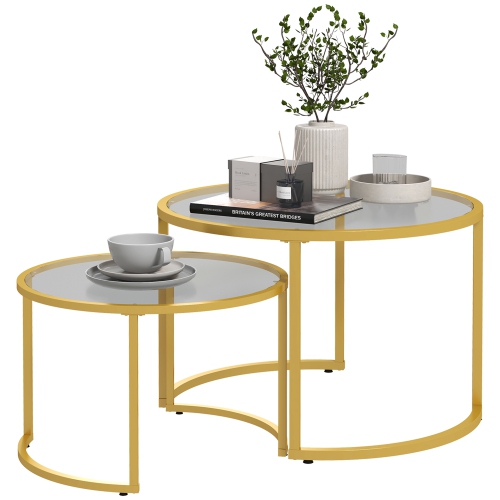
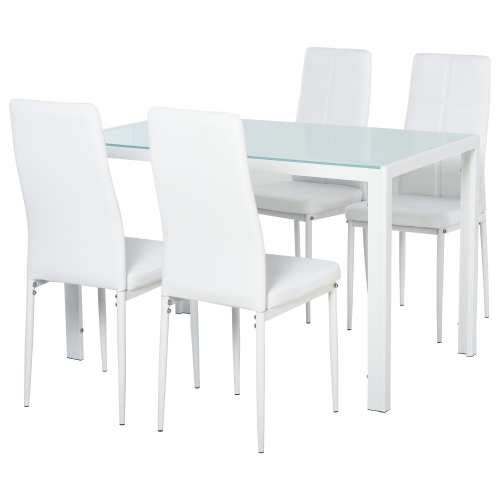
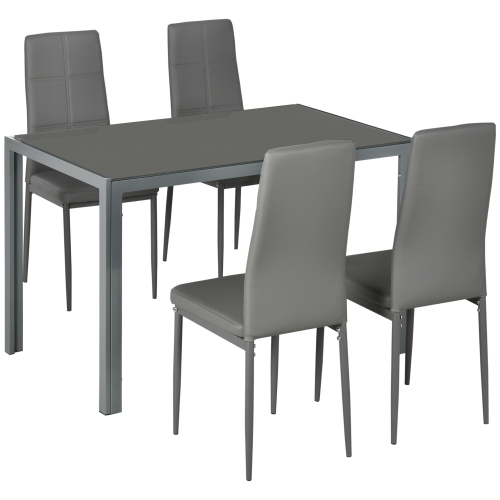
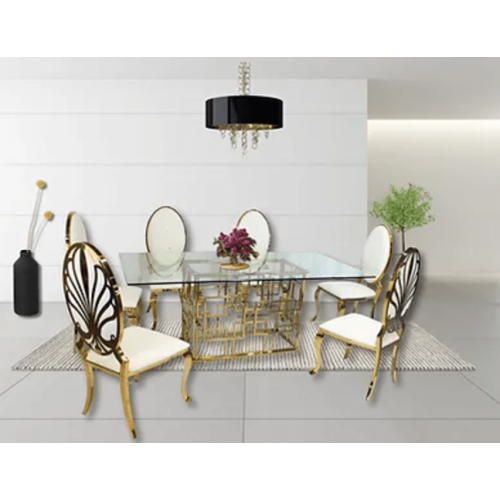
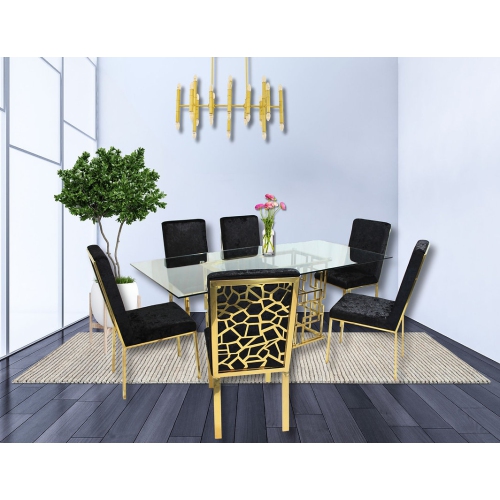
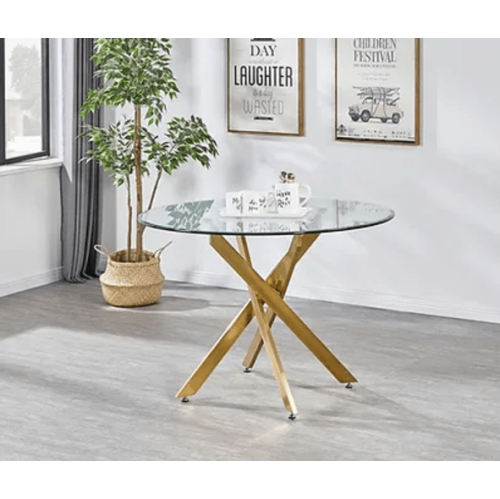
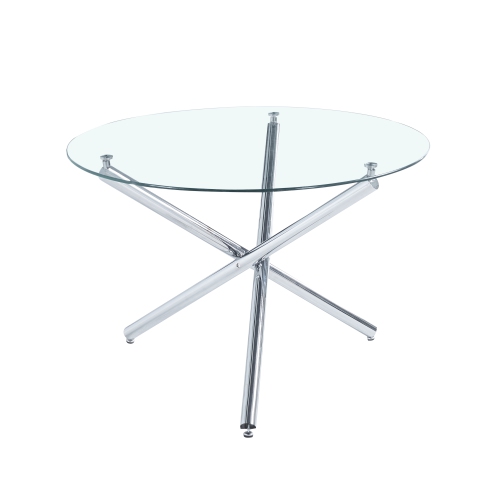
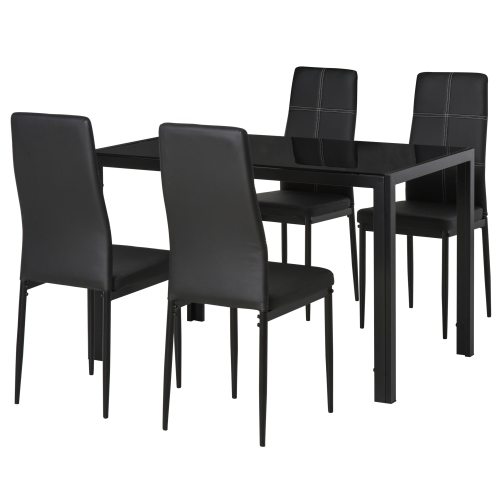
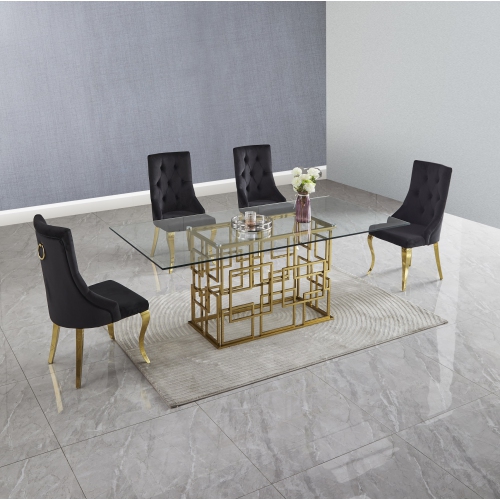
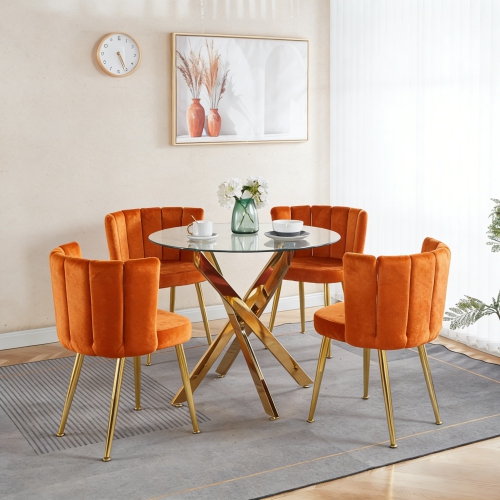
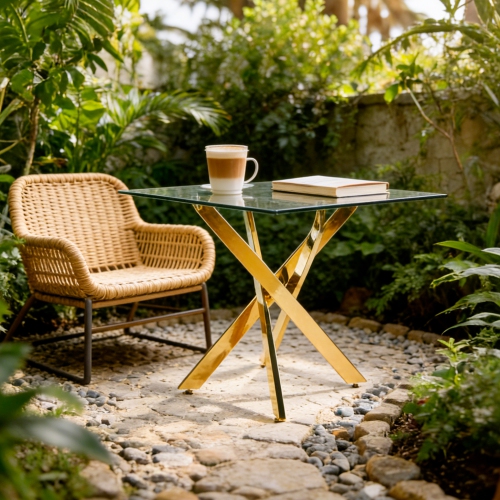
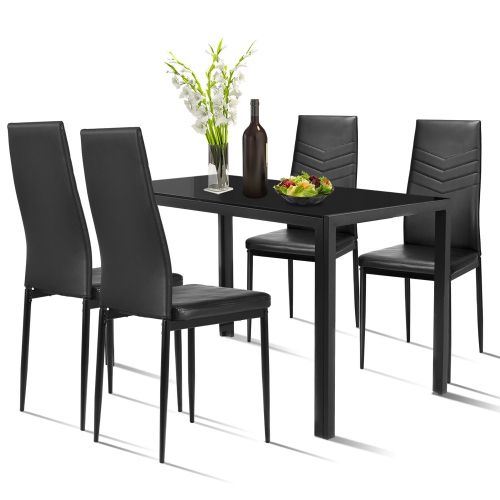

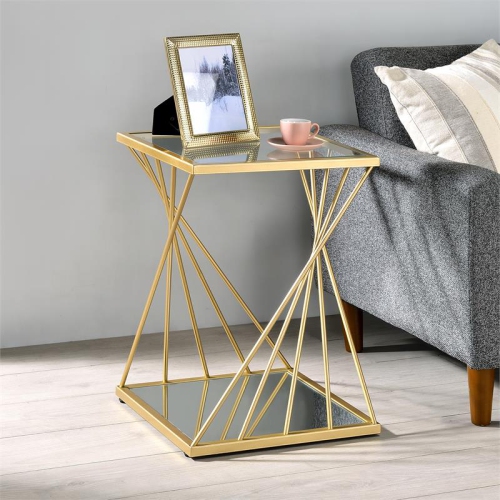
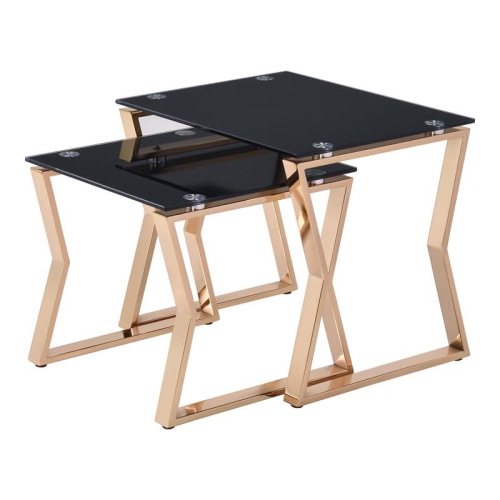
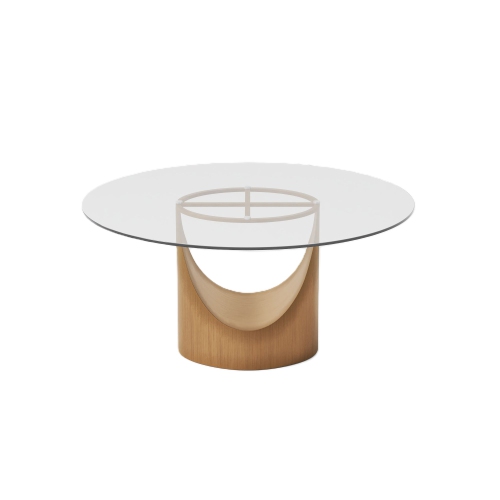
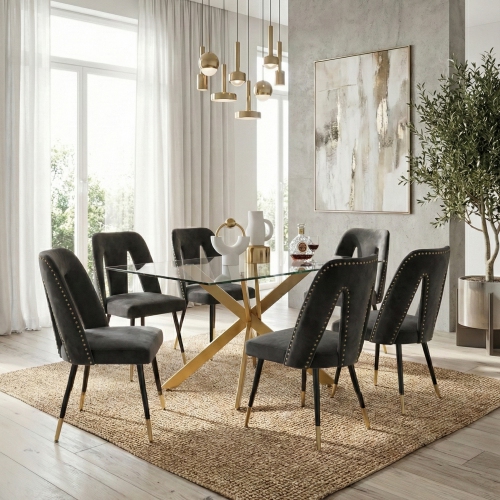
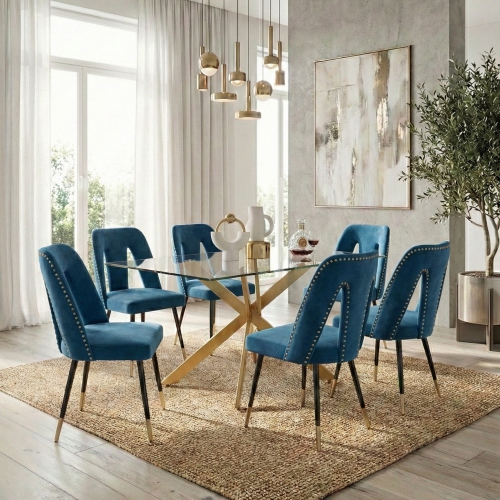
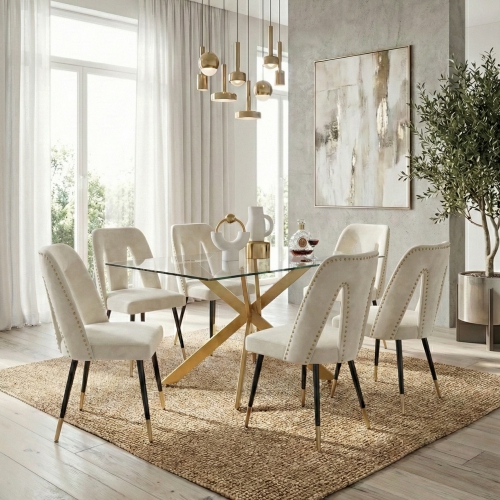
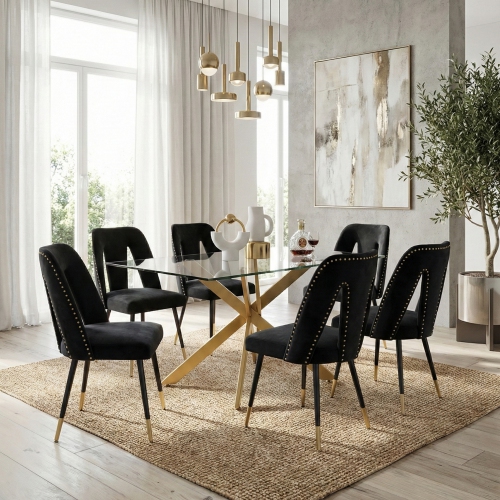
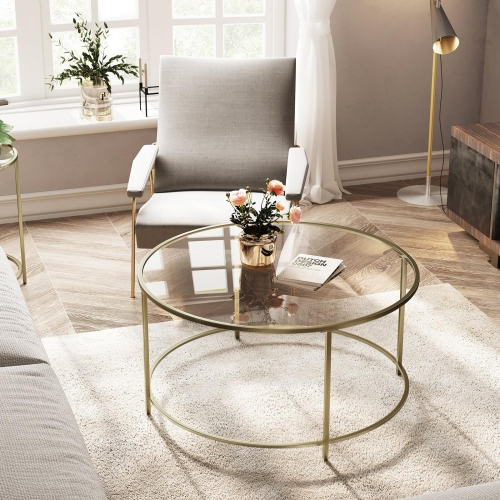
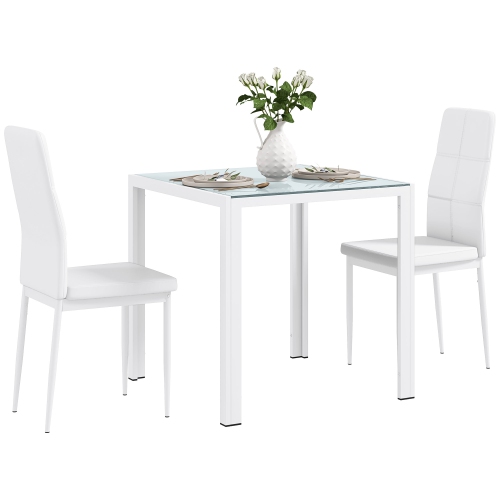
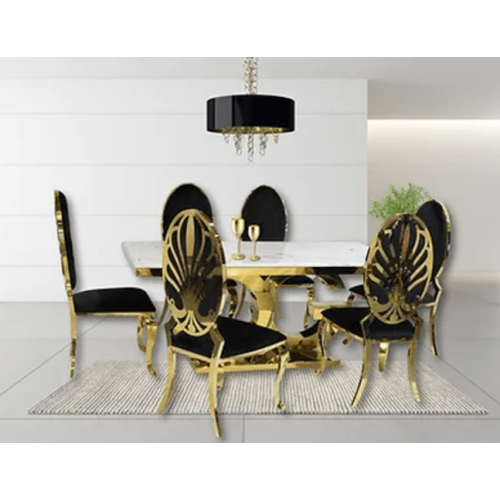
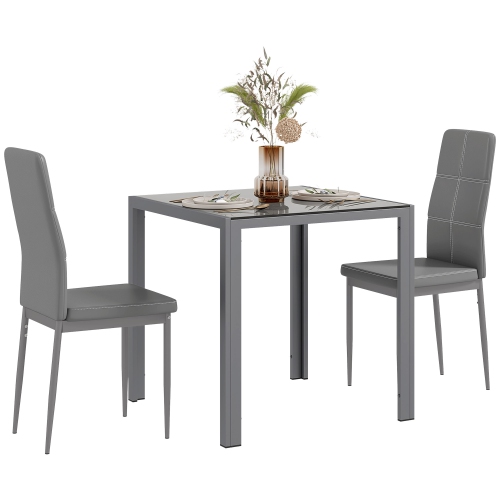
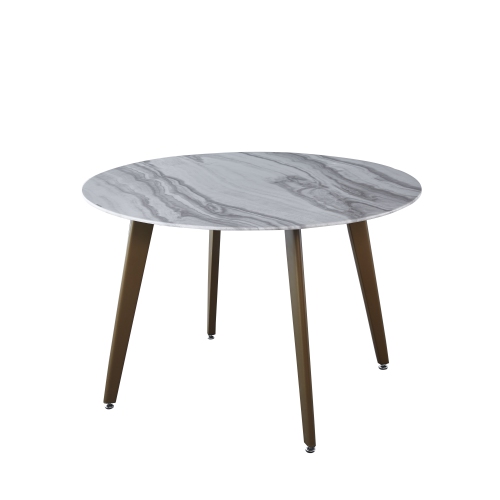
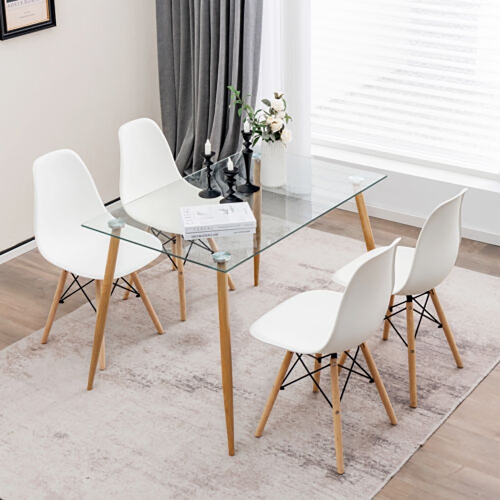
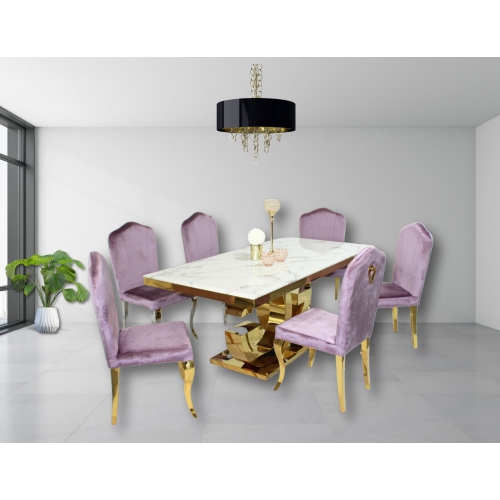
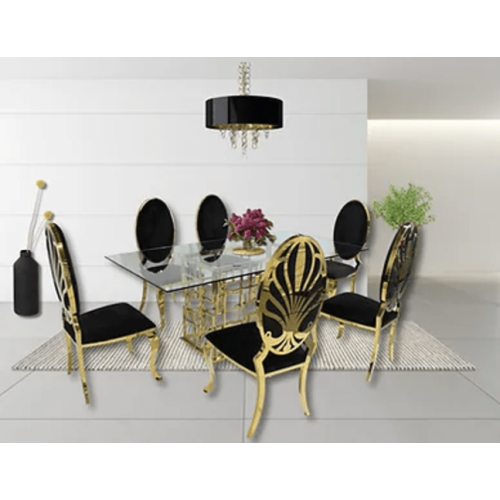
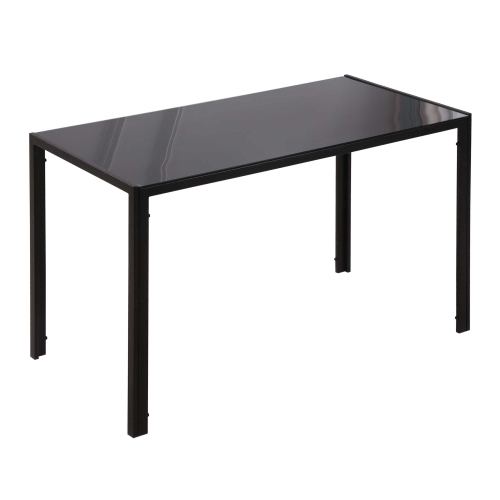
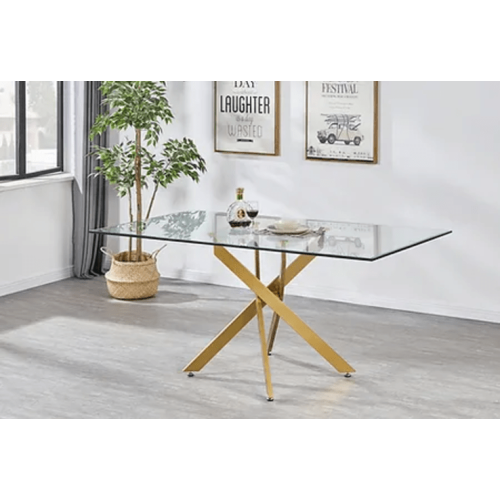
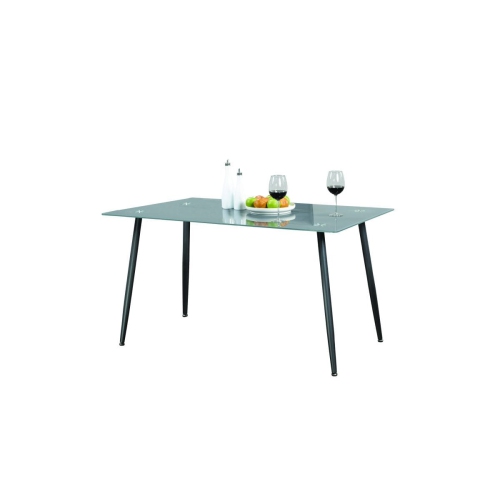
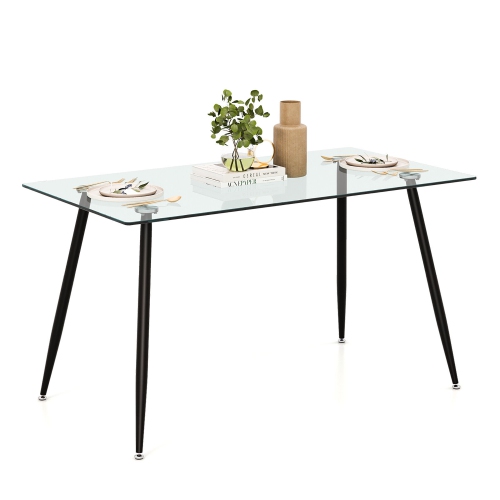
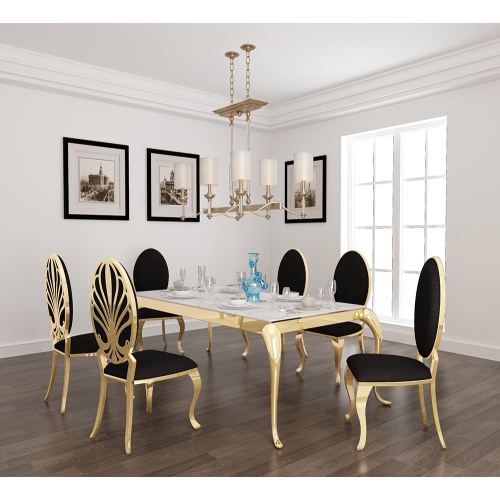
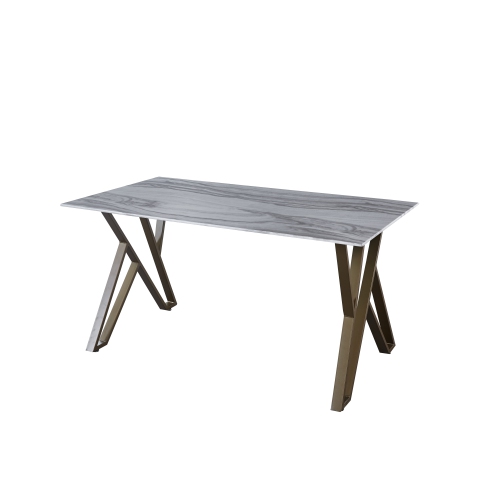
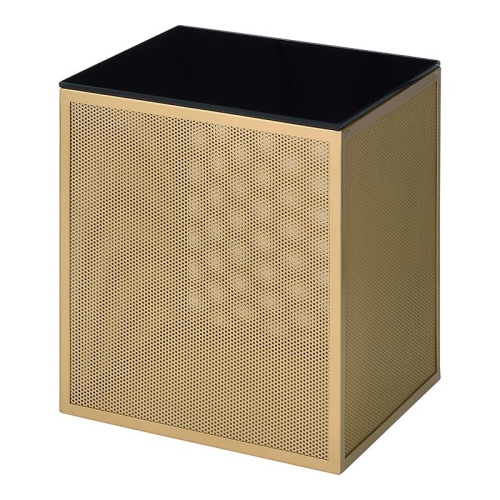
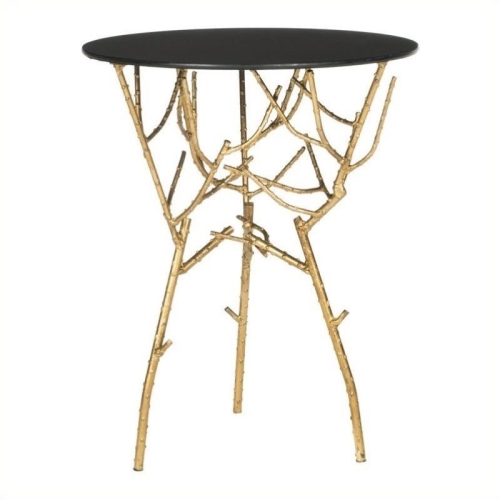
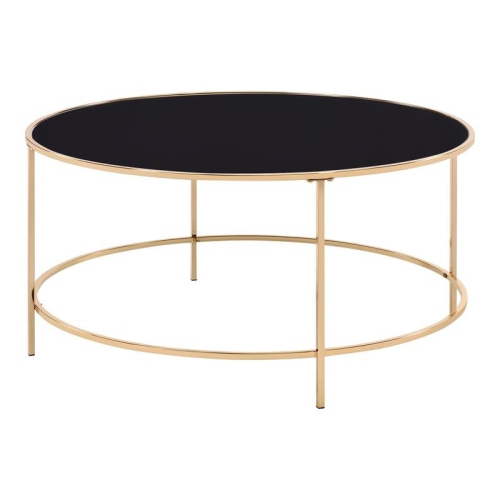
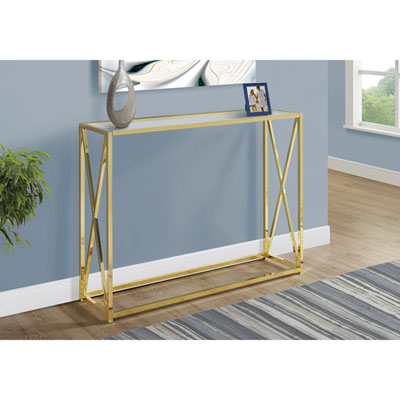
Transparent tops let sculptural gold bases stand out
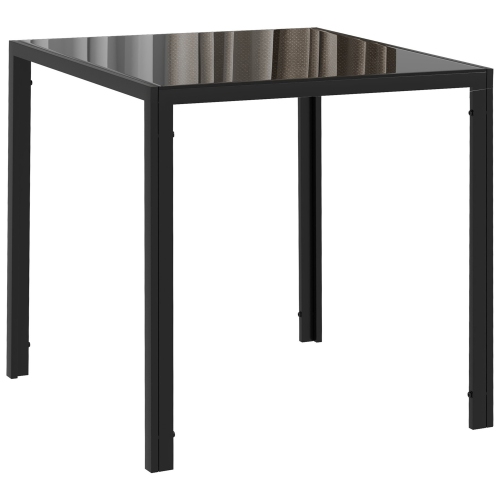
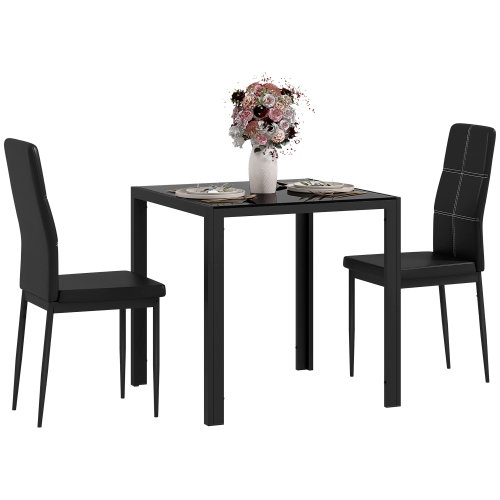
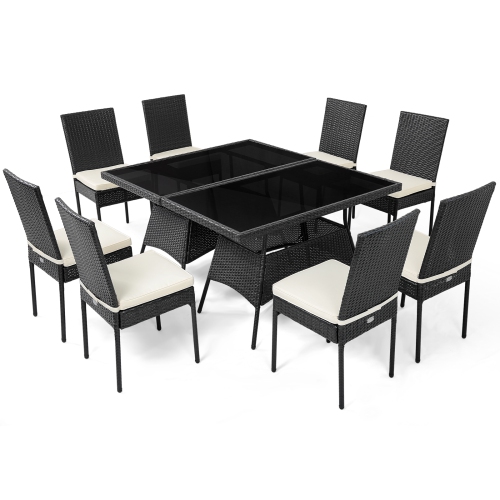
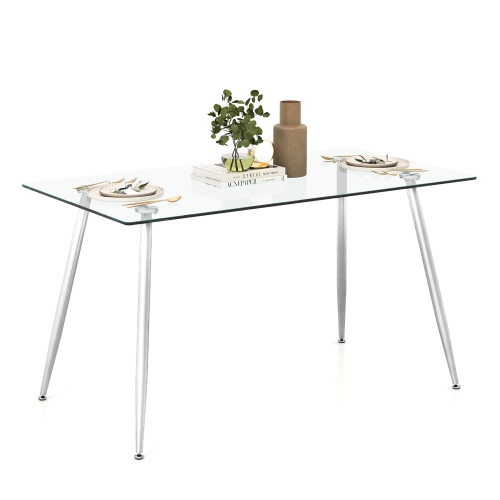
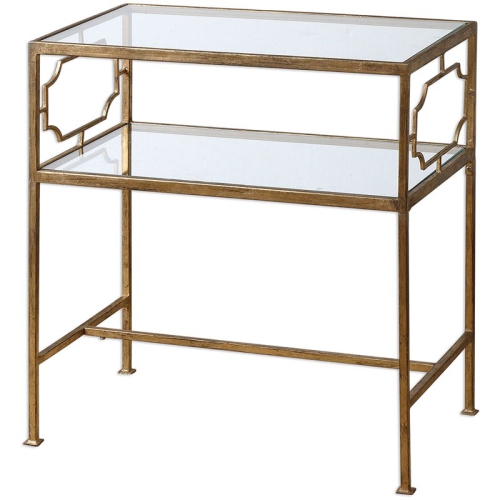
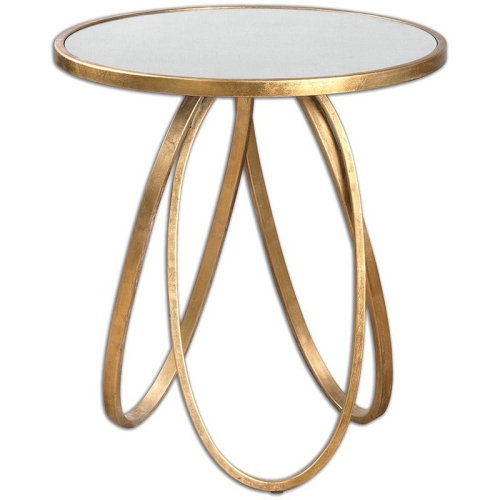
Glass and gold dining tables pair a transparent or tinted glass top with a gold-toned base, creating a dining surface that feels visually light while giving the room a distinct focal point. The glass allows flooring, rugs, and chair details to remain visible, which can help a compact dining area feel less crowded than it might with a solid, opaque tabletop. Gold finishes add warmth and range from softly brushed tones to bright, reflective surfaces. A polished base has a more pronounced presence under pendant lighting, while a satin or brushed finish offers a quieter contrast against the glass. The combination works naturally in contemporary interiors, but the shape of the base often determines the overall character: slim, straight legs feel restrained, curved supports soften the silhouette, and intersecting metal frames bring a sculptural element to the room. Clear glass highlights those details most directly, while smoked or tinted glass can create a deeper contrast; the effect depends on the tint and the surrounding colours. In an open-plan condo, a glass dining table can preserve sightlines between the kitchen and living area without making the dining zone feel unfinished. In a separate dining room, it can balance upholstered chairs, substantial cabinetry, or a patterned rug without adding another large block of colour. These tables suit everyday meals, relaxed gatherings, and rooms that need to serve more than one purpose. A dining nook might also become a place for paperwork or a laptop between meals, provided the surface is protected from abrasive objects and equipment is used within the table’s stated load limits. The tabletop’s transparency also makes chair placement and the base more noticeable, so the whole arrangement matters. Upholstered seats introduce softness, wood adds texture, and simple metal frames can keep the setting streamlined without requiring every finish in the room to match exactly.
Size and base placement have as much influence on everyday comfort as the tabletop’s shape. Round glass and gold dining tables can work well in breakfast nooks and smaller dining spaces, encouraging conversation without assigning a head of the table. A central pedestal may offer flexible chair placement, although a wide foot or projecting support can still reduce room for feet. Rectangular tables often suit longer rooms and dining areas arranged beside a kitchen island, while oval tops offer a similar elongated footprint with curved ends. Seating capacity depends on usable edge space, chair width, and where the legs or supports sit, rather than on tabletop length alone. As a general planning allowance, about 24 inches of table edge per person gives diners room for a place setting, though wider chairs or generous elbow room call for more space. Leave roughly 36 inches between the table edge and nearby walls or furniture where possible so chairs can be pulled out; a busy passage behind seated diners benefits from more clearance. Measuring with chairs in their pulled-out position is especially useful in a condo, where the route to a balcony door or kitchen may pass directly behind the dining area. Armchairs need enough clearance beneath the tabletop and any supporting frame, and a broad pedestal should not force diners to sit farther from their plates. Materials deserve the same attention. A gold appearance usually comes from a finish applied to another material, such as steel or stainless steel, rather than solid gold. The underlying construction, joints, levelling feet, and attachment points all affect stability. Tempered glass is heat-treated for greater strength than ordinary glass and, if it breaks, generally fragments into small pieces rather than long, sharp shards. It is not unbreakable or scratch-proof, however, and its edges still need protection from impacts. Glass thickness alone does not establish a table’s load capacity; the complete design and manufacturer’s specifications are more useful measures of suitability.
Day-to-day care helps preserve both the clarity of the glass and the appearance of the gold finish. Fingerprints, crumbs, and streaks are easy to spot on a transparent surface, especially where daylight falls across it, so a soft microfibre cloth is useful for routine wiping. Remove loose grit before cleaning rather than dragging it over the top, and use a cleaner approved for the glass and any surface coating. Applying cleaner to the cloth instead of spraying broadly can help keep residue away from joints and metal finishes. The base may need a different approach from the tabletop: abrasive pads, harsh chemicals, and metal polish can damage some gold-toned coatings, so the care instructions should determine what is suitable. Drying cleaned areas with a soft cloth helps limit streaks and water marks. Placemats, coasters, and suitable heat-resistant trivets provide a buffer against gritty ceramics, condensation, and hot serving dishes; cookware should not go directly from the stove or oven onto the glass. For households with children, rounded tabletop edges can reduce exposure to sharp corners, but they do not replace stable construction and sensible placement away from active play routes. No one should sit, stand, or climb on a glass dining table, and heavy objects should remain within its stated limits. Assembly and moving also deserve care because a glass top can be heavier than its light appearance suggests; follow the lifting and fastening instructions rather than using the tabletop as a handle. Once in place, the table can be styled simply, with a low centrepiece that leaves conversation unobstructed and place settings that allow some glass to show. A rug can define the dining area, provided it is large enough to keep chair legs supported when seats are pulled back. In a connected living space, gold and glass end tables can repeat the material pairing without requiring identical furniture shapes. The result feels most comfortable when the reflective surfaces are balanced with fabric, wood, or other tactile details that suit the way the room is used.
Size and base placement have as much influence on everyday comfort as the tabletop’s shape. Round glass and gold dining tables can work well in breakfast nooks and smaller dining spaces, encouraging conversation without assigning a head of the table. A central pedestal may offer flexible chair placement, although a wide foot or projecting support can still reduce room for feet. Rectangular tables often suit longer rooms and dining areas arranged beside a kitchen island, while oval tops offer a similar elongated footprint with curved ends. Seating capacity depends on usable edge space, chair width, and where the legs or supports sit, rather than on tabletop length alone. As a general planning allowance, about 24 inches of table edge per person gives diners room for a place setting, though wider chairs or generous elbow room call for more space. Leave roughly 36 inches between the table edge and nearby walls or furniture where possible so chairs can be pulled out; a busy passage behind seated diners benefits from more clearance. Measuring with chairs in their pulled-out position is especially useful in a condo, where the route to a balcony door or kitchen may pass directly behind the dining area. Armchairs need enough clearance beneath the tabletop and any supporting frame, and a broad pedestal should not force diners to sit farther from their plates. Materials deserve the same attention. A gold appearance usually comes from a finish applied to another material, such as steel or stainless steel, rather than solid gold. The underlying construction, joints, levelling feet, and attachment points all affect stability. Tempered glass is heat-treated for greater strength than ordinary glass and, if it breaks, generally fragments into small pieces rather than long, sharp shards. It is not unbreakable or scratch-proof, however, and its edges still need protection from impacts. Glass thickness alone does not establish a table’s load capacity; the complete design and manufacturer’s specifications are more useful measures of suitability.
Day-to-day care helps preserve both the clarity of the glass and the appearance of the gold finish. Fingerprints, crumbs, and streaks are easy to spot on a transparent surface, especially where daylight falls across it, so a soft microfibre cloth is useful for routine wiping. Remove loose grit before cleaning rather than dragging it over the top, and use a cleaner approved for the glass and any surface coating. Applying cleaner to the cloth instead of spraying broadly can help keep residue away from joints and metal finishes. The base may need a different approach from the tabletop: abrasive pads, harsh chemicals, and metal polish can damage some gold-toned coatings, so the care instructions should determine what is suitable. Drying cleaned areas with a soft cloth helps limit streaks and water marks. Placemats, coasters, and suitable heat-resistant trivets provide a buffer against gritty ceramics, condensation, and hot serving dishes; cookware should not go directly from the stove or oven onto the glass. For households with children, rounded tabletop edges can reduce exposure to sharp corners, but they do not replace stable construction and sensible placement away from active play routes. No one should sit, stand, or climb on a glass dining table, and heavy objects should remain within its stated limits. Assembly and moving also deserve care because a glass top can be heavier than its light appearance suggests; follow the lifting and fastening instructions rather than using the tabletop as a handle. Once in place, the table can be styled simply, with a low centrepiece that leaves conversation unobstructed and place settings that allow some glass to show. A rug can define the dining area, provided it is large enough to keep chair legs supported when seats are pulled back. In a connected living space, gold and glass end tables can repeat the material pairing without requiring identical furniture shapes. The result feels most comfortable when the reflective surfaces are balanced with fabric, wood, or other tactile details that suit the way the room is used.
Top selling and popular products
-
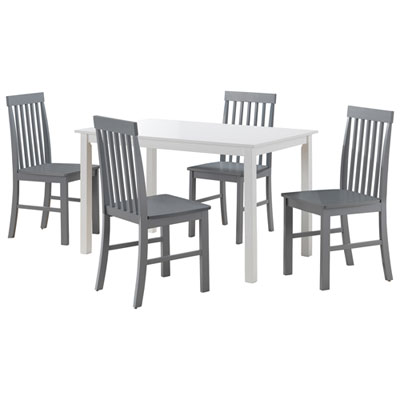 Your price for this item is $872.99
 -
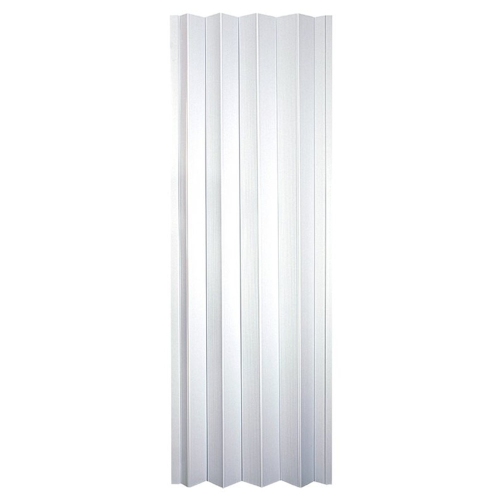 Your price for this item is $198.99
 -
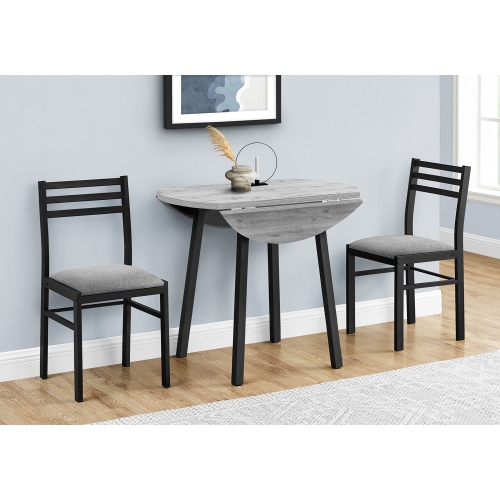 Your price for this item is $219.97
 -
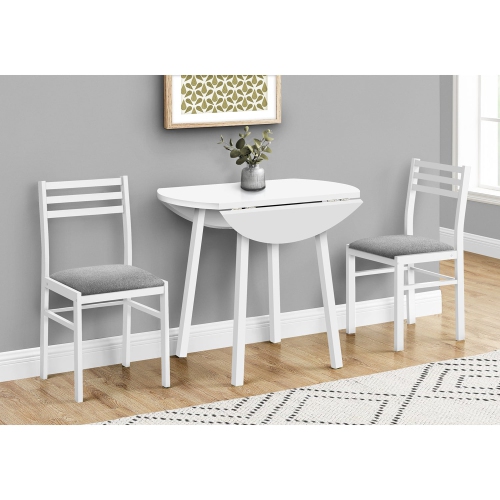 Your price for this item is $219.97
 -
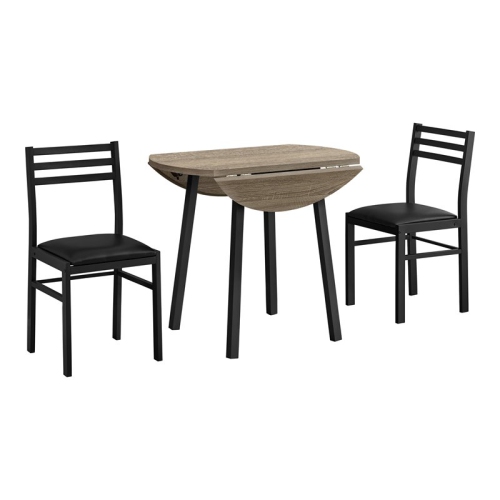 Your price for this item is $219.97
 -
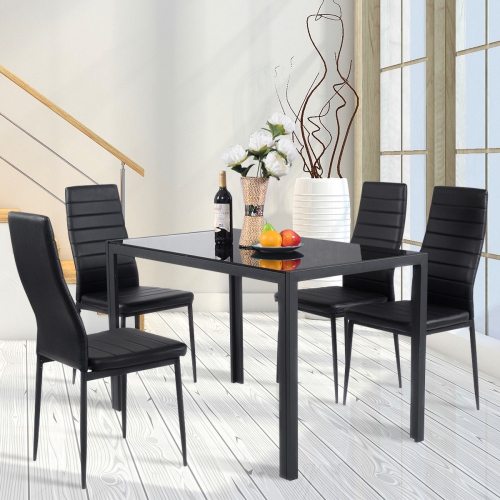 Your price for this item is $325.99
 -
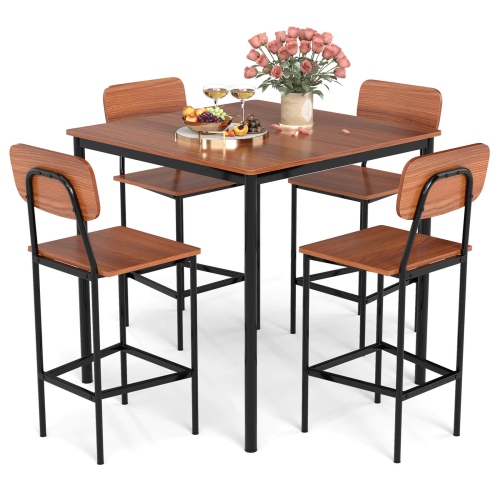 Your price for this item is $265.99
 -
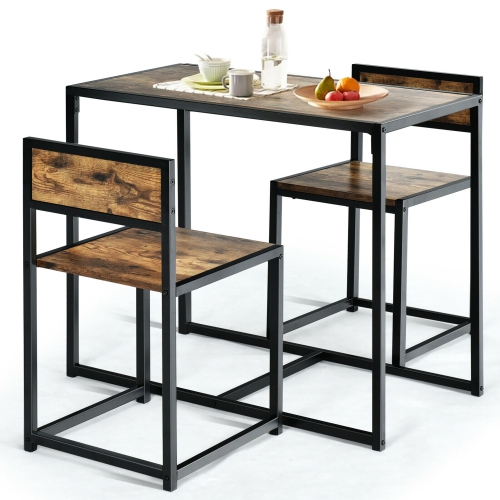 Your price for this item is $149.99
Discover more categories related to Glass And Gold Dining Tables
Top Collections:
Pokemon Centers, Kindle Devices, Best Budget Office Chairs, Apple iPhones 16, Canon G7X Cameras, iPhone 15 Apple, Alarm Clock, Refurbished Apple Laptops, Flip Phones, Best Laptops for Writers
Some products may be subject to Environmental Handling Fees
(EHF) depending on your province.
Learn more about EHFs.