Glass Gazing Domes
Transform your outdoor space into a serene retreat or a captivating focal point with glass gazing domes. These elegant accents bring a unique touch to gardens, patios, and indoor settings alike, reflecting light and adding a sense of wonder to any environment. Whether you're looking to enhance your landscaping or introduce a decorative element to your home, glass gazing domes offer versatile style options to suit every taste. Explore the possibilities and find the perfect addition to complement your personal aesthetic.
Sort

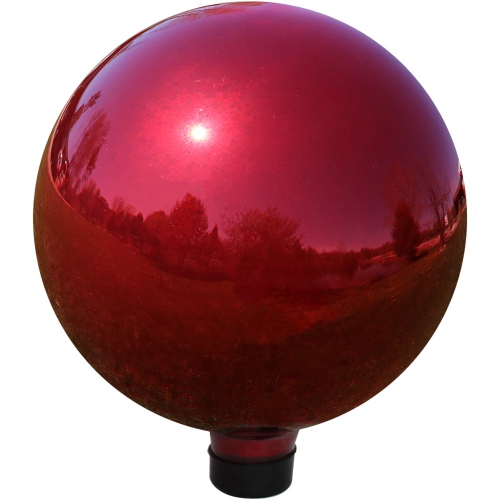
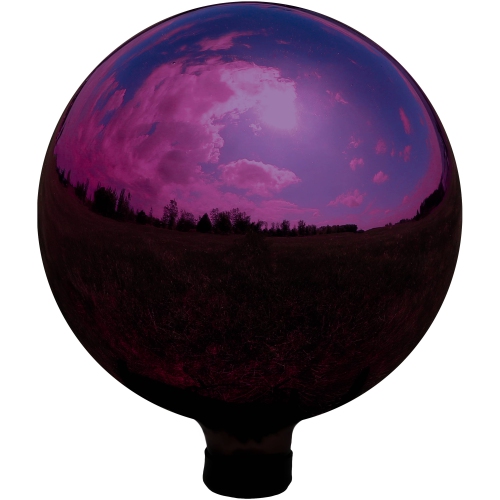
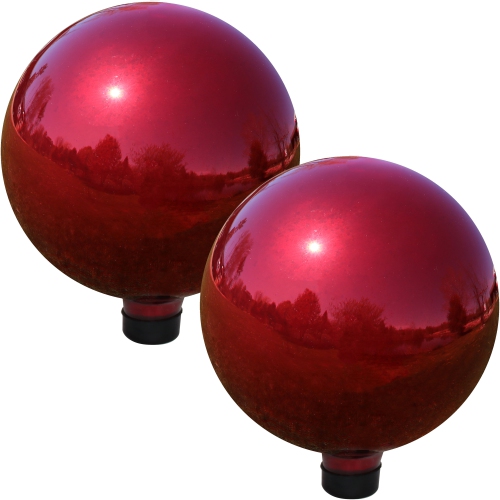
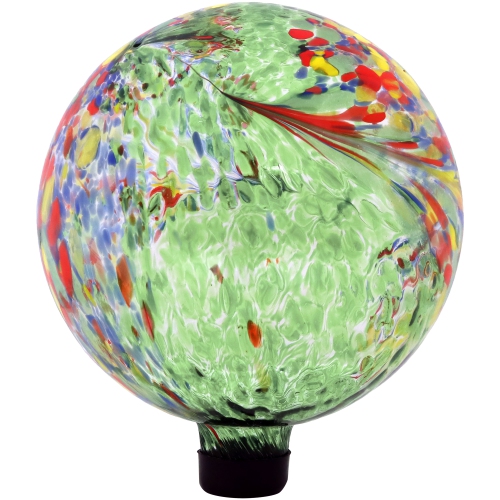
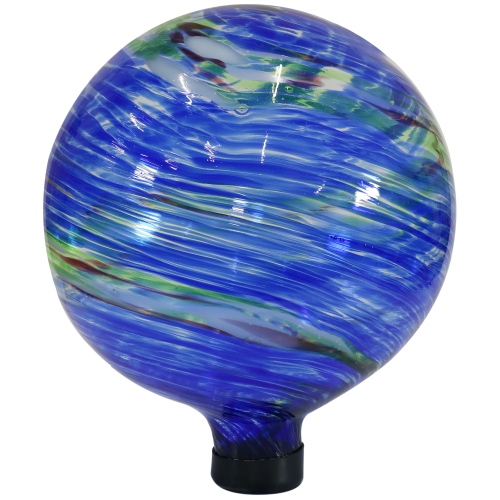
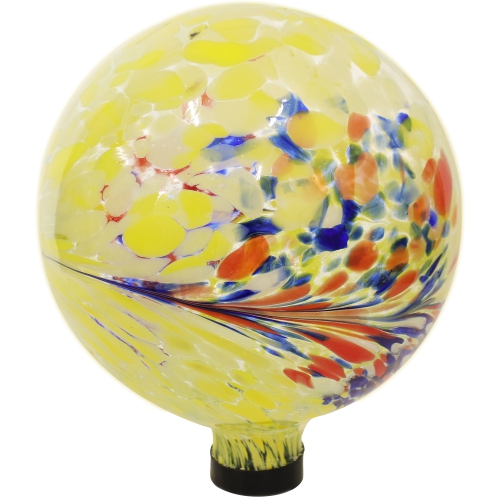
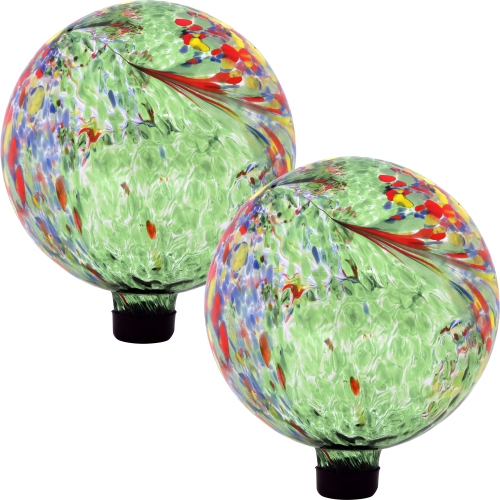
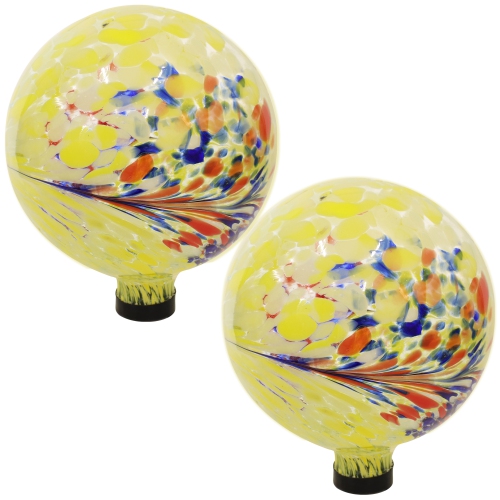

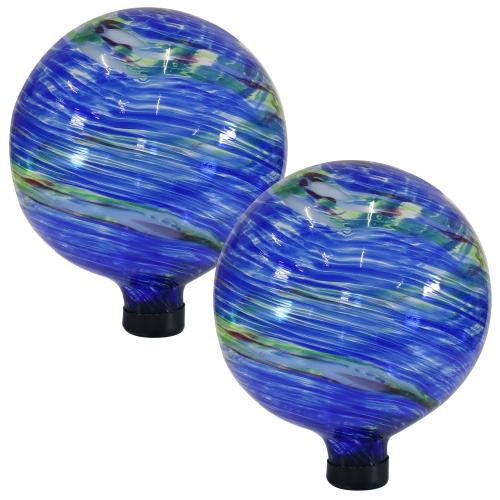
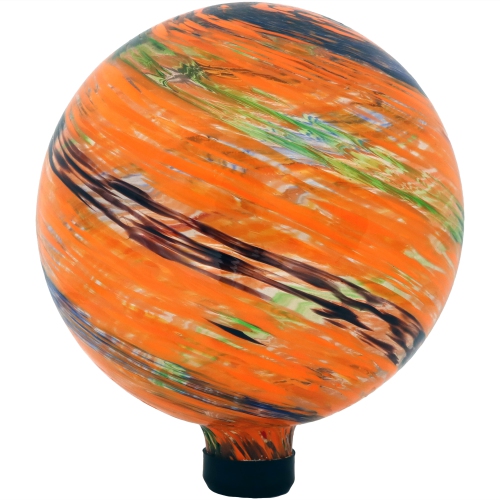
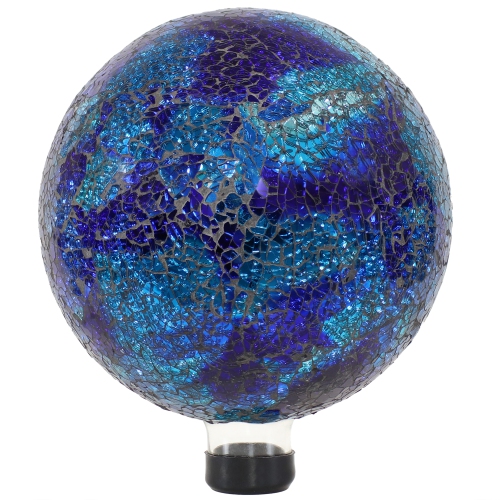
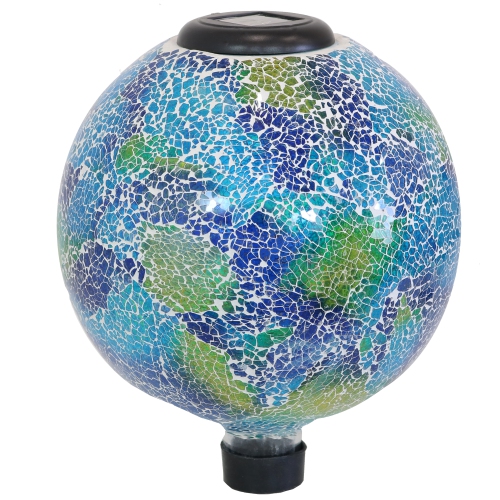

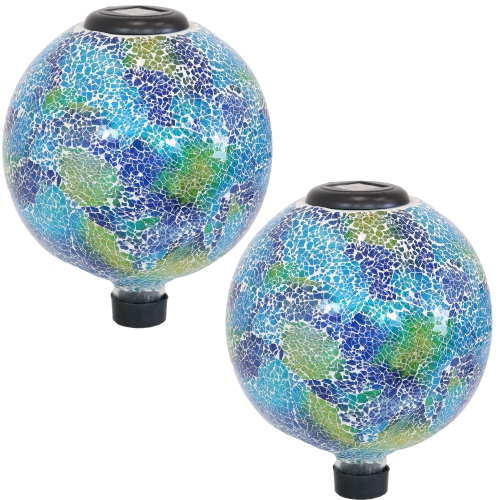
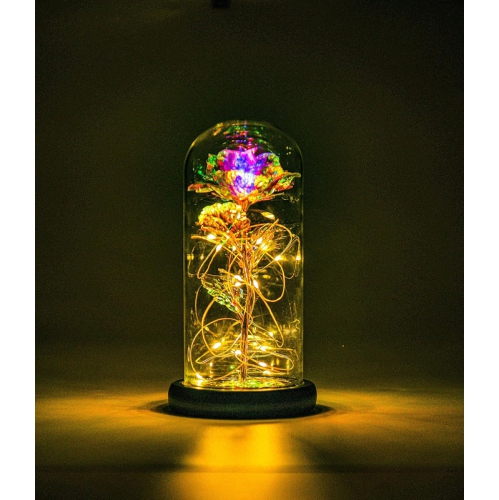
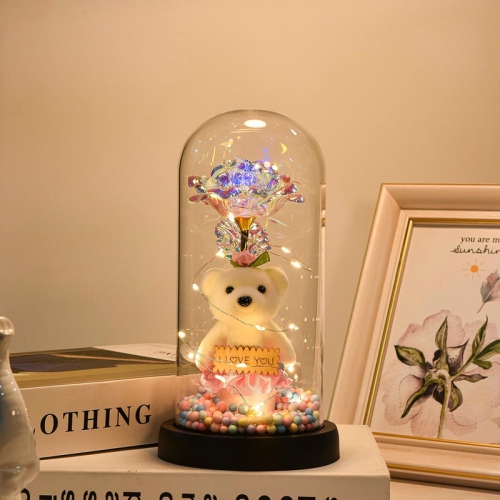
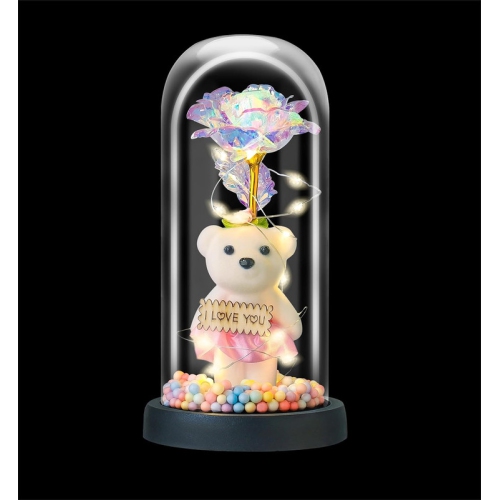
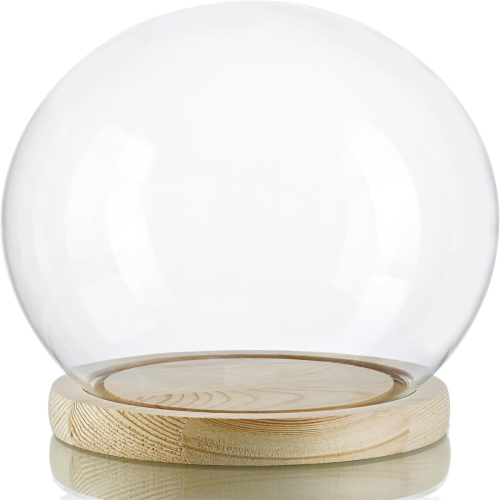
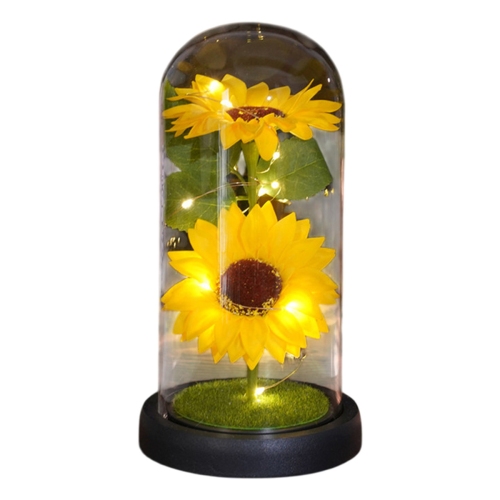
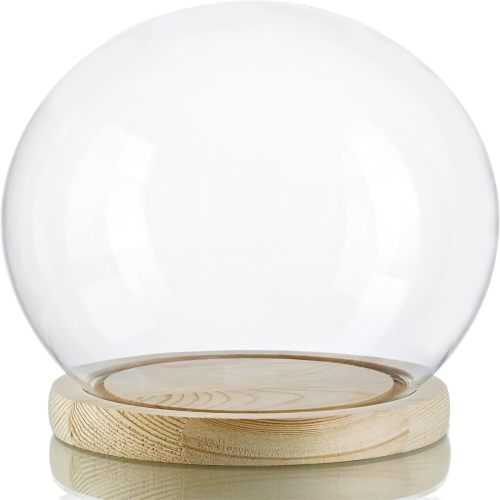
Clear domes frame keepsakes while globes reflect their surroundings
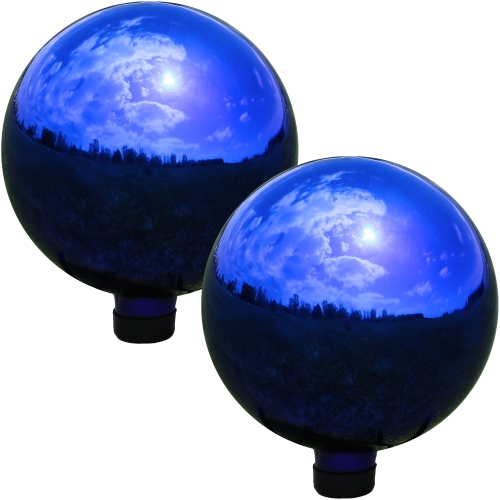
Glass gazing domes are decorative glass accents valued for their curved shapes, reflective surfaces, and ability to bring a focal point to a room or garden. The term can describe different forms, so the distinction between a display dome and a gazing globe is useful: a display dome is typically an open-bottomed glass cover placed over an arrangement, while a gazing globe is a rounded ornament intended to be viewed on its own. Clear domes frame objects beneath them, drawing attention to the texture of a dried flower, the edges of a mineral specimen, or the fine details of a small sculpture. Gazing globes create a different effect, reflecting their surroundings through mirrored, coloured, crackled, or mosaic surfaces. A polished mirrored finish produces a more continuous reflection, while small mosaic pieces break light into a patchwork of colour. Transparent and translucent glass allow more light through, giving the shape a lighter visual presence than an opaque finish. These differences matter when placing an accent among other furnishings. A clear dome on a bookcase can give a keepsake its own defined space without hiding the books behind it; a richly coloured globe can stand out against simple furniture or leafy planting. Shape also changes the impression. Tall, narrow covers emphasize height and suit upright arrangements, while broad, low domes leave more room around flatter objects. Spherical forms provide a rounded contrast to straight shelf edges, paving, and rectangular planters. For indoor use, the most successful placement usually leaves enough open space around the glass for its outline to remain visible. On a crowded console, one dome with a carefully chosen object beneath it can feel more deliberate than several competing accents. Outdoors, a globe can serve as a visual marker beside a path or within a planting bed, provided its construction and finish are rated for that use. Neither a decorative dome nor a gazing globe should be assumed to function as a lamp, a protective safety cover, or a sealed vessel unless its specifications identify that purpose.
Materials, dimensions, and support details help determine how comfortably glass gazing domes fit into a space. Glass thickness, overall weight, and the quality of the rim all deserve attention, but heavier glass is not automatically shatterproof or suitable for outdoor placement. Handcrafted glass may show small bubbles, slight variations in colour, or subtle differences in shape; these can contribute to its character, though chips, sharp edges, and spreading cracks are signs of damage rather than decorative variation. For a display dome, usable interior height and width are more informative than exterior measurements alone. An arrangement needs clearance at the top and sides so the cover can be lifted away without catching a petal, scraping a painted surface, or knocking a delicate piece off balance. The base should provide a level seat for the glass, and any raised lip or recessed channel needs to match the dome’s opening. Wood can give a display a warm, furniture-like finish, metal can create a sharper contrast, and stone can lend visual weight; each base material has its own cleaning and placement requirements. With gazing globes, the support arrangement is equally important. Some designs rest in a cradle, while others have a stem or neck that fits into a stand. The globe’s diameter alone does not establish compatibility, so the connection dimensions and the stand’s weight capacity matter as well. A secure fit is especially valuable near a walkway, where an unstable ornament could be brushed by a bag or bumped during routine maintenance. For garden placement, check that the glass, surface treatment, and stand are all intended for outdoor exposure. Rain resistance does not necessarily mean a piece can tolerate freezing conditions, and water trapped inside an opening or support can cause problems. A sheltered position and storage in line with the manufacturer’s directions can help protect decorative finishes. Indoors, a stable surface away from shelf edges, active play areas, and frequently opened doors reduces the chance of accidental contact. Felt or other suitable protective pads beneath a base may help prevent scratches on furniture, provided they do not make the display uneven.
Care is generally straightforward, but the finish should guide the method. Clear, undecorated glass often responds well to a soft, lint-free cloth, with a small amount of mild cleaning solution when permitted by the care instructions. Mirrored coatings, painted details, adhesive-backed mosaics, and decorative grout may need gentler treatment; abrasive pads and harsh cleaners can dull or damage these surfaces. Applying cleaner to a cloth rather than spraying the whole piece helps limit moisture around joins and bases. Support the glass securely while cleaning, and lift a dome by its body rather than assuming a decorative top knob is designed to bear its weight. When moving an arrangement, carry the cover and base separately unless they are specifically made to fasten together. A dome can reduce dust settling on the objects beneath it, but it is not necessarily airtight and does not guarantee protection against fading or moisture. Keep sensitive keepsakes away from direct sunlight, and avoid positions where curved glass could concentrate sunlight onto nearby materials. Plant displays need additional thought because an enclosed cover changes airflow and moisture around foliage. A Glass Terrarium offers a related approach to displaying plants, with the vessel’s opening and drainage setup helping determine which planting arrangements are appropriate. Decorative domes are also well suited to people who enjoy changing small displays without rearranging an entire room. A collector might use one to frame a miniature, while someone interested in floral arranging might create a composition of dried stems with enough room to appreciate each silhouette. Gazing globes appeal to gardeners and anyone who enjoys sculptural accents, particularly where a rounded form can contrast with foliage or architectural lines. As gifts, these pieces work best when their size, colour, and intended placement reflect the recipient’s space. A compact display for a narrow shelf has different practical needs from a garden ornament requiring a separate stand. Thoughtful proportions, a dependable base, and a finish that suits the setting give glass accents their lasting appeal.
Materials, dimensions, and support details help determine how comfortably glass gazing domes fit into a space. Glass thickness, overall weight, and the quality of the rim all deserve attention, but heavier glass is not automatically shatterproof or suitable for outdoor placement. Handcrafted glass may show small bubbles, slight variations in colour, or subtle differences in shape; these can contribute to its character, though chips, sharp edges, and spreading cracks are signs of damage rather than decorative variation. For a display dome, usable interior height and width are more informative than exterior measurements alone. An arrangement needs clearance at the top and sides so the cover can be lifted away without catching a petal, scraping a painted surface, or knocking a delicate piece off balance. The base should provide a level seat for the glass, and any raised lip or recessed channel needs to match the dome’s opening. Wood can give a display a warm, furniture-like finish, metal can create a sharper contrast, and stone can lend visual weight; each base material has its own cleaning and placement requirements. With gazing globes, the support arrangement is equally important. Some designs rest in a cradle, while others have a stem or neck that fits into a stand. The globe’s diameter alone does not establish compatibility, so the connection dimensions and the stand’s weight capacity matter as well. A secure fit is especially valuable near a walkway, where an unstable ornament could be brushed by a bag or bumped during routine maintenance. For garden placement, check that the glass, surface treatment, and stand are all intended for outdoor exposure. Rain resistance does not necessarily mean a piece can tolerate freezing conditions, and water trapped inside an opening or support can cause problems. A sheltered position and storage in line with the manufacturer’s directions can help protect decorative finishes. Indoors, a stable surface away from shelf edges, active play areas, and frequently opened doors reduces the chance of accidental contact. Felt or other suitable protective pads beneath a base may help prevent scratches on furniture, provided they do not make the display uneven.
Care is generally straightforward, but the finish should guide the method. Clear, undecorated glass often responds well to a soft, lint-free cloth, with a small amount of mild cleaning solution when permitted by the care instructions. Mirrored coatings, painted details, adhesive-backed mosaics, and decorative grout may need gentler treatment; abrasive pads and harsh cleaners can dull or damage these surfaces. Applying cleaner to a cloth rather than spraying the whole piece helps limit moisture around joins and bases. Support the glass securely while cleaning, and lift a dome by its body rather than assuming a decorative top knob is designed to bear its weight. When moving an arrangement, carry the cover and base separately unless they are specifically made to fasten together. A dome can reduce dust settling on the objects beneath it, but it is not necessarily airtight and does not guarantee protection against fading or moisture. Keep sensitive keepsakes away from direct sunlight, and avoid positions where curved glass could concentrate sunlight onto nearby materials. Plant displays need additional thought because an enclosed cover changes airflow and moisture around foliage. A Glass Terrarium offers a related approach to displaying plants, with the vessel’s opening and drainage setup helping determine which planting arrangements are appropriate. Decorative domes are also well suited to people who enjoy changing small displays without rearranging an entire room. A collector might use one to frame a miniature, while someone interested in floral arranging might create a composition of dried stems with enough room to appreciate each silhouette. Gazing globes appeal to gardeners and anyone who enjoys sculptural accents, particularly where a rounded form can contrast with foliage or architectural lines. As gifts, these pieces work best when their size, colour, and intended placement reflect the recipient’s space. A compact display for a narrow shelf has different practical needs from a garden ornament requiring a separate stand. Thoughtful proportions, a dependable base, and a finish that suits the setting give glass accents their lasting appeal.
Top selling and popular products
-
 Your price for this item is $74.99
 -
 Your price for this item is $99.99
 -
 Your price for this item is $77.99
 -
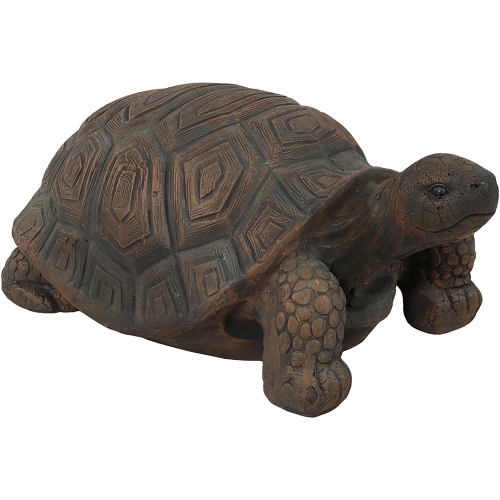 Your price for this item is $217.05
 -
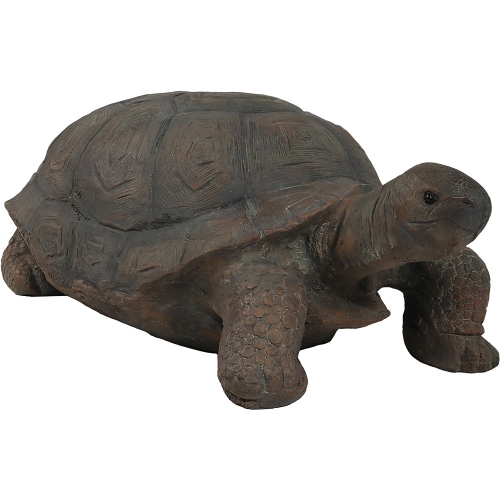 Your price for this item is $340.25
 -
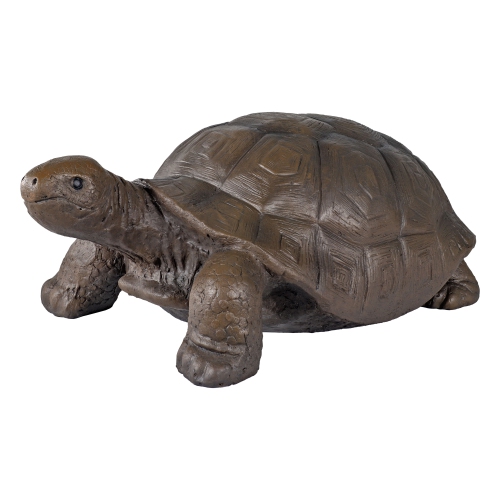 Your price for this item is $340.25
 -
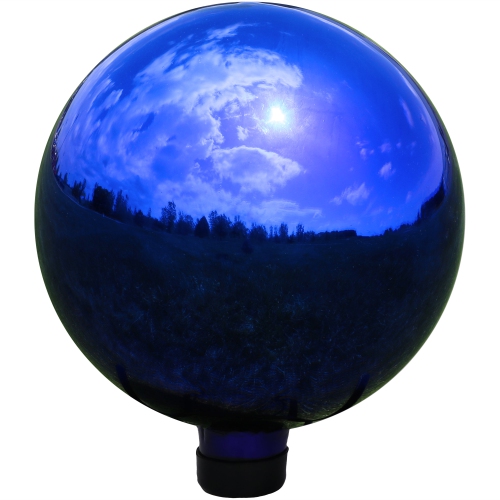 Your price for this item is $90.65
 -
 Your price for this item is $124.25
Discover more categories related to Glass Gazing Domes
Top Collections:
Pokemon Centers, Kindle Devices, Best Budget Office Chairs, Apple iPhones 16, Best Laptops for Writers, iPhone 15 Apple, Canon G7X Cameras, Refurbished Apple Laptops, Alarm Clock, Motorola Razr Phones
Some products may be subject to Environmental Handling Fees
(EHF) depending on your province.
Learn more about EHFs.