Globe Decors
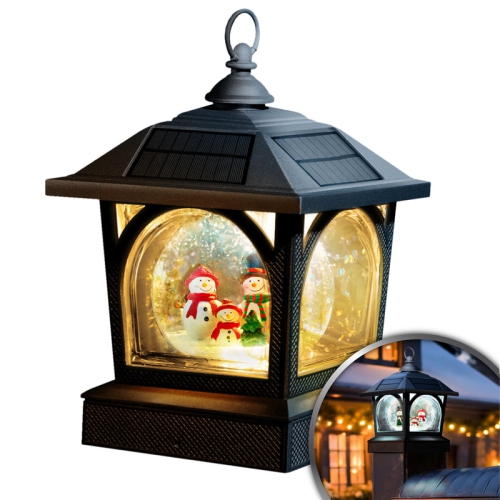
Transform your living space into a serene oasis with the enchanting allure of water globes. These captivating decorative pieces bring a touch of whimsy and tranquility to any room, making them an ideal addition to your home or office decor. Whether you're drawn to their mesmerizing swirling snowflakes or the gentle sound of flowing water, water globes offer a unique blend of art and relaxation. Perfect as gifts or personal treasures, they capture moments in time and evoke cherished memories. Explore a diverse selection that caters to every taste and occasion, ensuring you find the perfect piece to complement your style and ambiance.
Sort
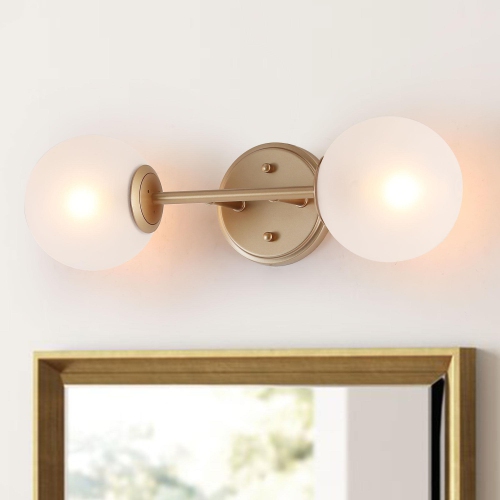
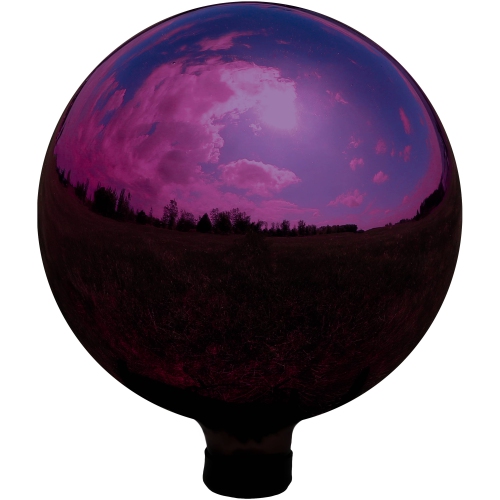
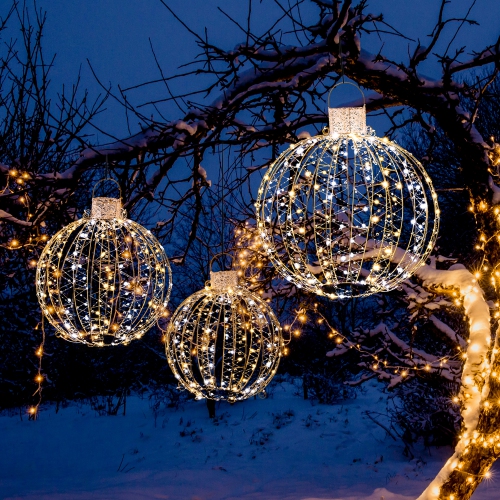
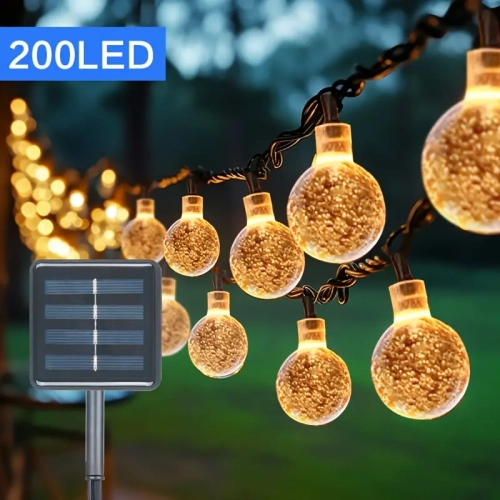


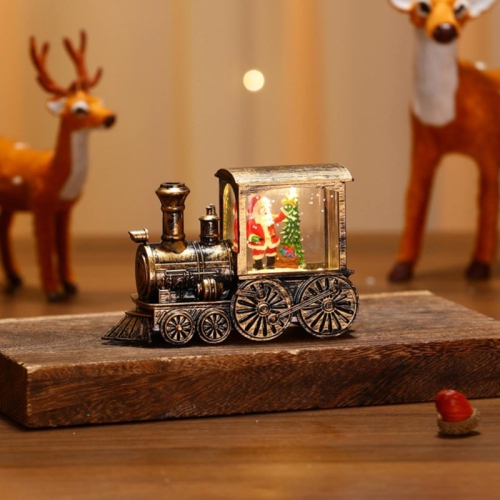
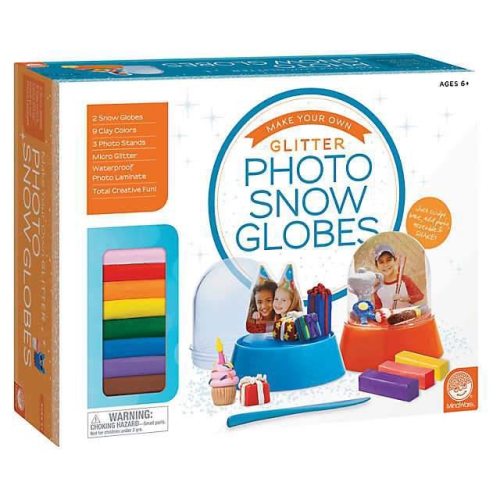
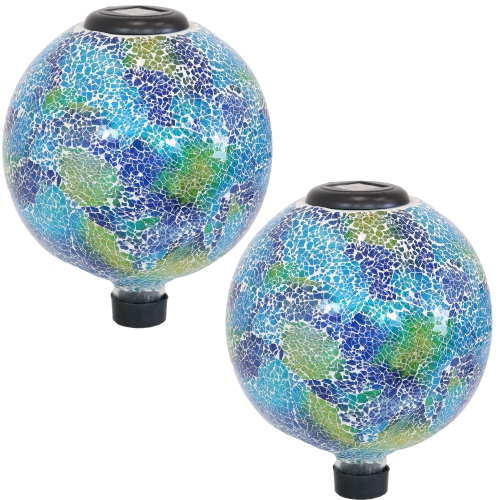
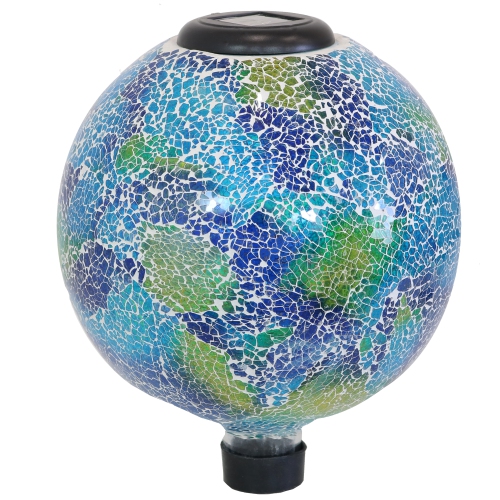
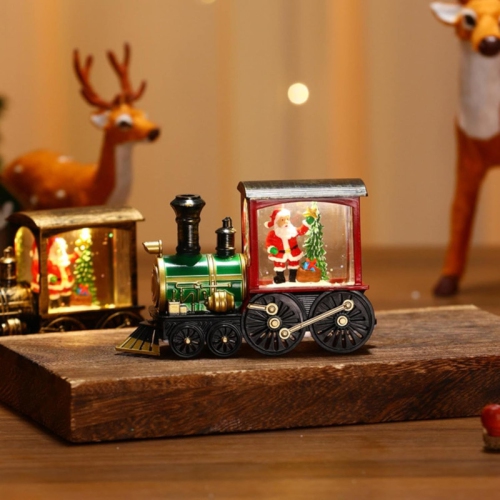
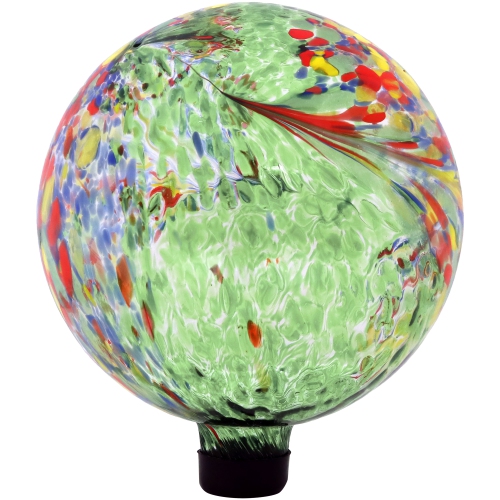
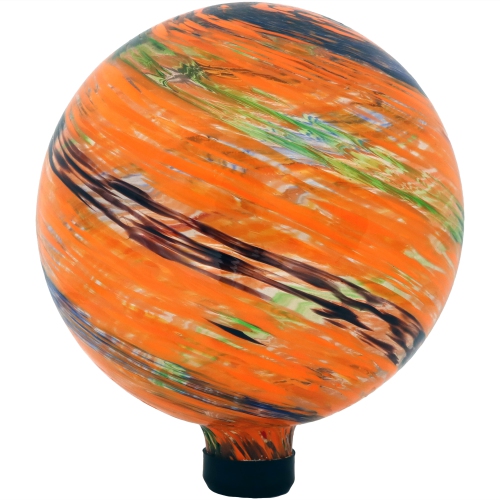
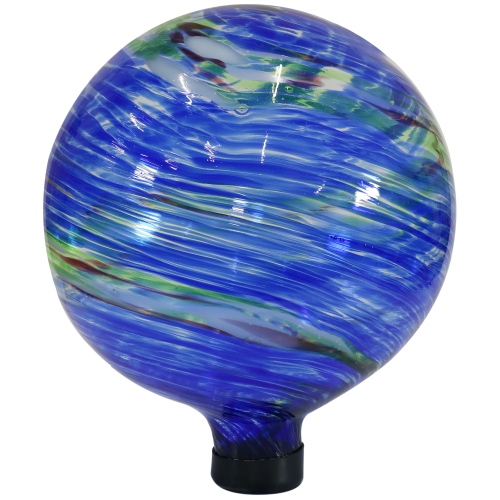
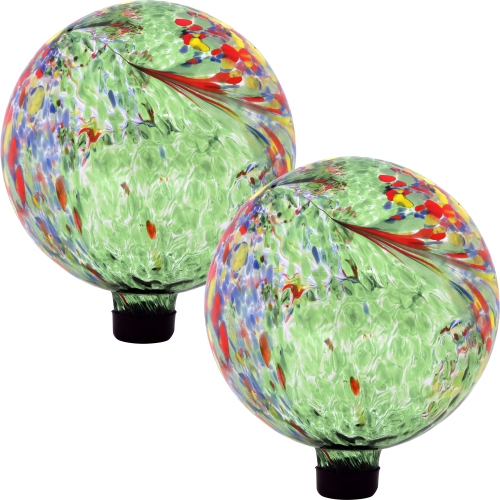
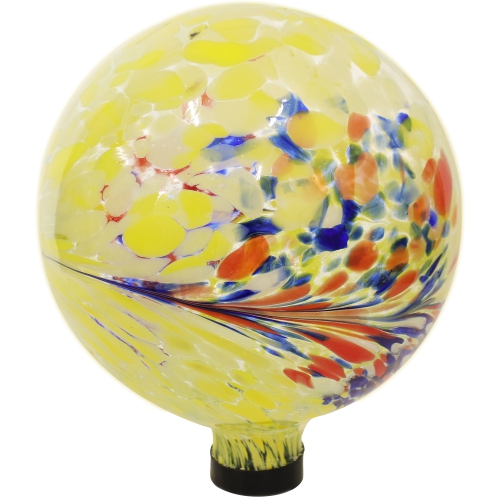
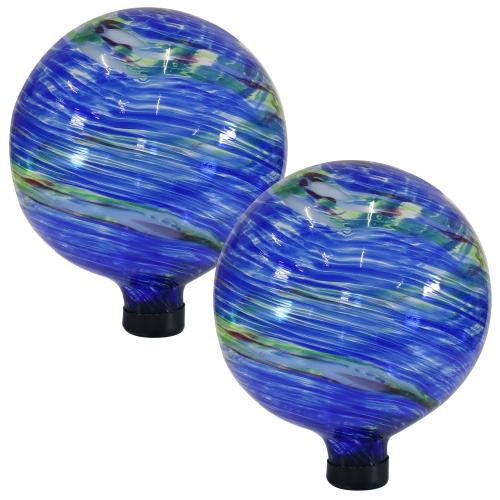
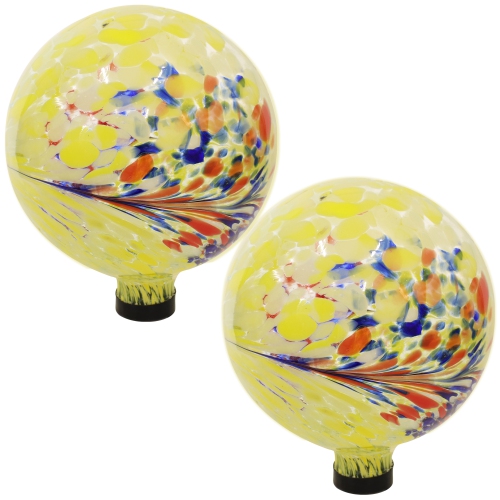

Where map details meet sculptural style
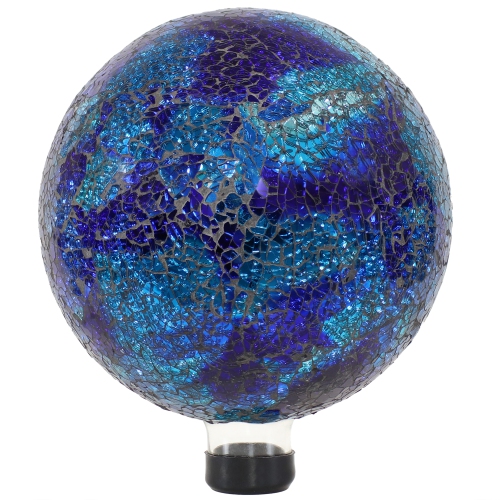
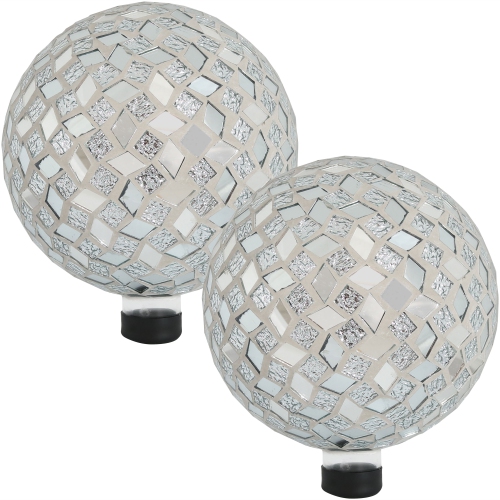
Globe décor brings the shape of the world into everyday spaces, combining the familiar detail of a map with the sculptural appeal of a sphere. These ornamental accents range from terrestrial globes showing continents and oceans to celestial globes depicting stars and constellations, as well as artistic spheres that put colour, texture, and form ahead of geographic detail. On a bookshelf, a globe breaks up straight rows of books; on a desk, it creates a point of interest without needing wall space. A traditional map with muted blue seas and warm brown landmasses suits wood furniture and leather accents, while a monochrome globe on a slim metal stand can sit comfortably beside a monitor in a modern home office. Vintage-style designs often use aged-looking maps, serif lettering, and brass-toned details to suggest the character of an old study. Those historical references are part of their visual appeal, but the maps may not reflect present-day borders or place names. For a household where children will trace travel routes or look up countries, legible labels and an up-to-date map matter more than an antique finish. Celestial designs offer a different focus, turning the sphere into a display of the night sky; their usefulness for learning depends on the clarity of the constellation names and the information included. Abstract globe accents may have no mapping at all, relying instead on polished surfaces, open frameworks, or patterned finishes. Together, these styles make globe décor suitable for living rooms, studies, reception areas, and classrooms, with the right choice depending on whether the main purpose is display, learning, or a little of both. A globe placed beside travel journals feels personal and lived-in, while one displayed alone on a console lets its shape and stand become the focal point. Its rounded outline also pairs naturally with other 3D Decor, adding depth to an arrangement without requiring every accent to share the same subject.
Materials influence both the appearance of a globe and how comfortably it fits into daily life. Metal and alloy stands can provide firm support and crisp detailing, with finishes ranging from brushed silver tones to darker painted surfaces. A metal frame may feel substantial, but resistance to scratches or tarnishing depends on its finish and care requirements rather than the material name alone. Wood bases introduce visible grain and warmth, pairing easily with bookcases, sideboards, and traditional desks. Lightweight plastic spheres are easier to lift and reposition, while glass and crystal-style accents catch light beautifully but need secure placement away from busy edges. Some mapped globes use printed paper applied to a shaped core, making the surface more sensitive to moisture, rubbing, and prolonged direct sunlight. The overall footprint matters as much as the sphere’s diameter: a wide base, tilted axis, or surrounding meridian ring can take up more shelf space than expected. Inside a bookcase, there should be clearance above and beside the globe so it does not look wedged between shelves or brush against nearby objects when turned. On a working desk, enough room should remain for a keyboard, paperwork, and a comfortable reach across the surface. A larger globe can anchor a spacious console, whereas a smaller one is better suited to a narrow shelf or a shared workstation. Stability deserves particular attention in homes with children or pets. A level surface, a balanced base, and placement away from trailing cables help reduce the chance of a fall. Where the globe rotates, smooth movement and a secure attachment to the stand support regular handling. Care is usually gentlest with a soft, dry cloth, though the maker’s directions should determine the cleaning method. Spraying cleaner directly onto map surfaces, soaking wood, or using abrasive cloths on polished finishes can damage the very details that make the piece attractive.
Illuminated and moving globes add another dimension to a display, but their practical needs differ from those of a stationary ornament. An illuminated globe may make map details easier to see or create a soft accent light on a side table, depending on its construction and brightness. Some designs reveal additional information when lit, while others simply highlight the sphere’s colours and contours. This glow is best treated as accent lighting unless the stated light output supports another use; it should not automatically be counted on for reading or detailed desk work. Access to a power outlet, cable placement, switch position, and any battery requirements all affect where a lighted globe can sit comfortably. Rotating designs also vary: some turn by hand, while certain kinetic globes use ambient light and a magnetic mechanism to produce gentle movement. Required light levels and setup conditions depend on the design, so a dim shelf may not suit every moving display. In a living room, subtle motion can bring interest to a quiet corner; in a workspace, a still globe may be preferable if movement feels distracting beside a screen. Intended use is equally important when a globe is given as a gift. A travel enthusiast may appreciate clearly marked destinations, a student may benefit from readable geography, and someone furnishing a first office may enjoy a restrained design that complements existing furniture. Graduation, a new role, or a move into a new home can all be fitting occasions, particularly when the style reflects the recipient’s interests rather than simply filling an empty surface. For children, an ornamental globe is not necessarily a toy, and age suitability, breakable parts, and electrical components deserve attention. For adults, thoughtful placement often makes the strongest impression: a globe beside a framed travel photograph, a stack of atlases, or a favourite reading chair gives the display a connection to everyday life. With suitable proportions, clear purpose, and care appropriate to its materials, globe décor can remain an engaging part of a room long after the surrounding accents change.
Materials influence both the appearance of a globe and how comfortably it fits into daily life. Metal and alloy stands can provide firm support and crisp detailing, with finishes ranging from brushed silver tones to darker painted surfaces. A metal frame may feel substantial, but resistance to scratches or tarnishing depends on its finish and care requirements rather than the material name alone. Wood bases introduce visible grain and warmth, pairing easily with bookcases, sideboards, and traditional desks. Lightweight plastic spheres are easier to lift and reposition, while glass and crystal-style accents catch light beautifully but need secure placement away from busy edges. Some mapped globes use printed paper applied to a shaped core, making the surface more sensitive to moisture, rubbing, and prolonged direct sunlight. The overall footprint matters as much as the sphere’s diameter: a wide base, tilted axis, or surrounding meridian ring can take up more shelf space than expected. Inside a bookcase, there should be clearance above and beside the globe so it does not look wedged between shelves or brush against nearby objects when turned. On a working desk, enough room should remain for a keyboard, paperwork, and a comfortable reach across the surface. A larger globe can anchor a spacious console, whereas a smaller one is better suited to a narrow shelf or a shared workstation. Stability deserves particular attention in homes with children or pets. A level surface, a balanced base, and placement away from trailing cables help reduce the chance of a fall. Where the globe rotates, smooth movement and a secure attachment to the stand support regular handling. Care is usually gentlest with a soft, dry cloth, though the maker’s directions should determine the cleaning method. Spraying cleaner directly onto map surfaces, soaking wood, or using abrasive cloths on polished finishes can damage the very details that make the piece attractive.
Illuminated and moving globes add another dimension to a display, but their practical needs differ from those of a stationary ornament. An illuminated globe may make map details easier to see or create a soft accent light on a side table, depending on its construction and brightness. Some designs reveal additional information when lit, while others simply highlight the sphere’s colours and contours. This glow is best treated as accent lighting unless the stated light output supports another use; it should not automatically be counted on for reading or detailed desk work. Access to a power outlet, cable placement, switch position, and any battery requirements all affect where a lighted globe can sit comfortably. Rotating designs also vary: some turn by hand, while certain kinetic globes use ambient light and a magnetic mechanism to produce gentle movement. Required light levels and setup conditions depend on the design, so a dim shelf may not suit every moving display. In a living room, subtle motion can bring interest to a quiet corner; in a workspace, a still globe may be preferable if movement feels distracting beside a screen. Intended use is equally important when a globe is given as a gift. A travel enthusiast may appreciate clearly marked destinations, a student may benefit from readable geography, and someone furnishing a first office may enjoy a restrained design that complements existing furniture. Graduation, a new role, or a move into a new home can all be fitting occasions, particularly when the style reflects the recipient’s interests rather than simply filling an empty surface. For children, an ornamental globe is not necessarily a toy, and age suitability, breakable parts, and electrical components deserve attention. For adults, thoughtful placement often makes the strongest impression: a globe beside a framed travel photograph, a stack of atlases, or a favourite reading chair gives the display a connection to everyday life. With suitable proportions, clear purpose, and care appropriate to its materials, globe décor can remain an engaging part of a room long after the surrounding accents change.
Top selling and popular products
-
 Your price for this item is $74.99
 -
 Your price for this item is $99.99
 -
 Your price for this item is $79.99
 -
 Your price for this item is $217.05
 -
 Your price for this item is $340.25
 -
 Your price for this item is $340.25
 -
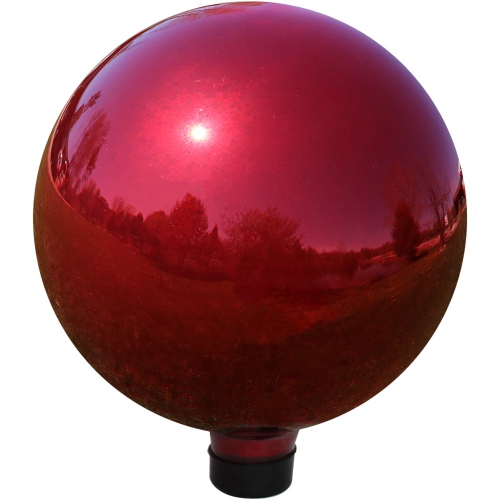 Your price for this item is $90.65
 -
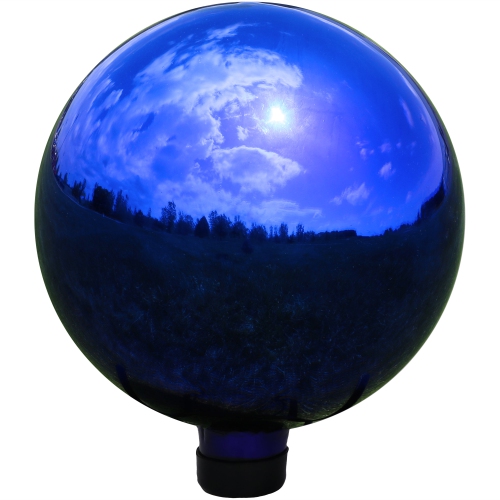 Your price for this item is $90.65
Discover more categories related to Globe Decors
Top Collections:
Pokemon Centers, Budget 4K TVs, Best Budget Office Chairs, Kindle Devices, Canon G7X Cameras, Apple iPhones 16, iPhone 15 Apple, Laptops for Business Work, Xiaomi Phones, Flip Phones
Some products may be subject to Environmental Handling Fees
(EHF) depending on your province.
Learn more about EHFs.