Gray Ottoman Benches
Looking to add a touch of style and functionality to your living space? Look no further than our collection of gray ottoman benches. These versatile pieces of furniture not only provide extra seating or a place to prop up your feet, but they also serve as stylish storage solutions. Whether you're looking for a sleek and modern design or a more traditional look, gray ottoman benches offer endless possibilities to enhance the aesthetic of almost any room. Here are some great options available.
Sort
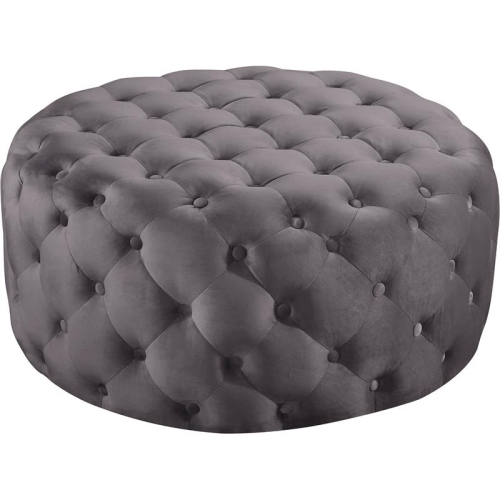

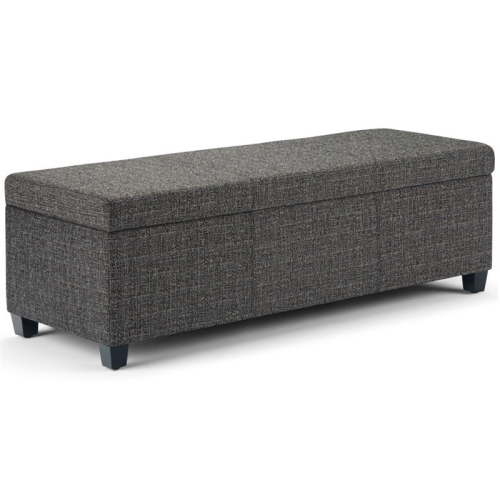
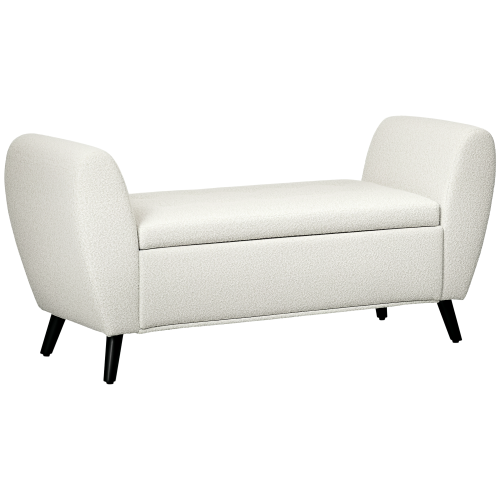
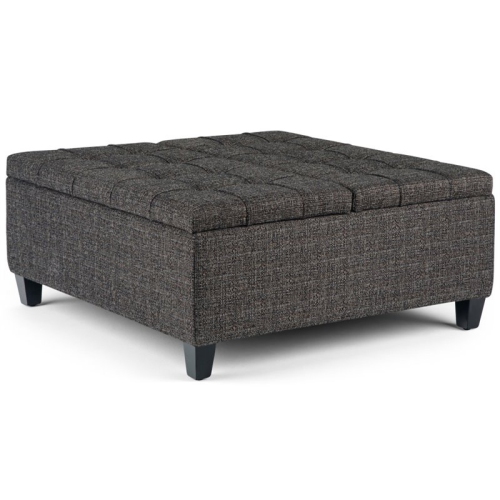
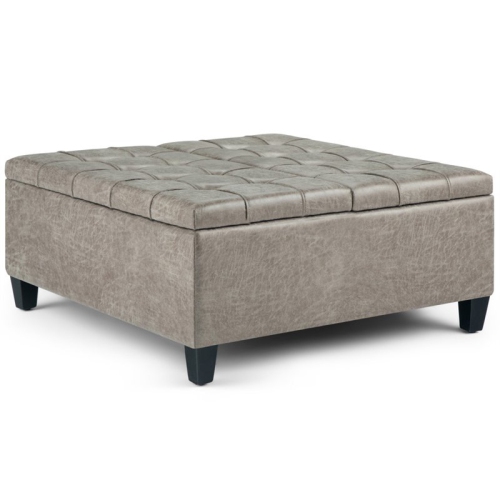
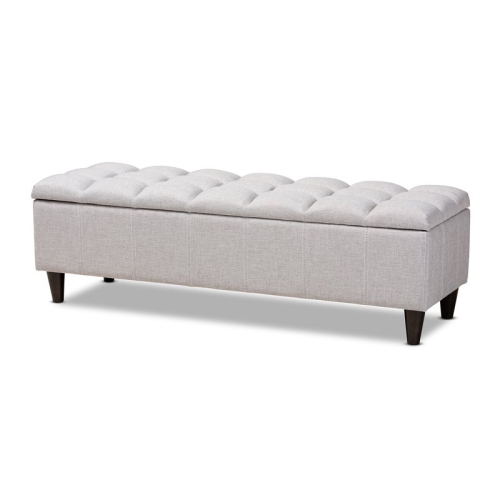
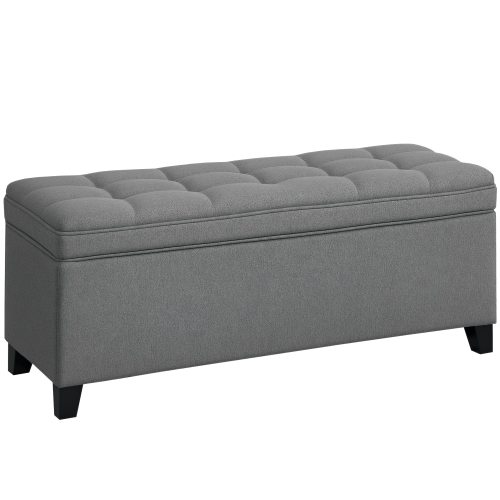
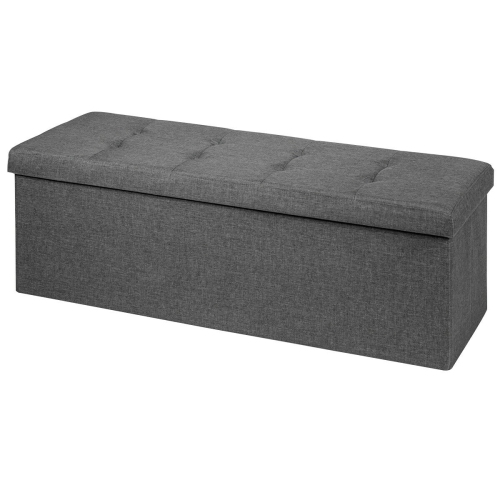
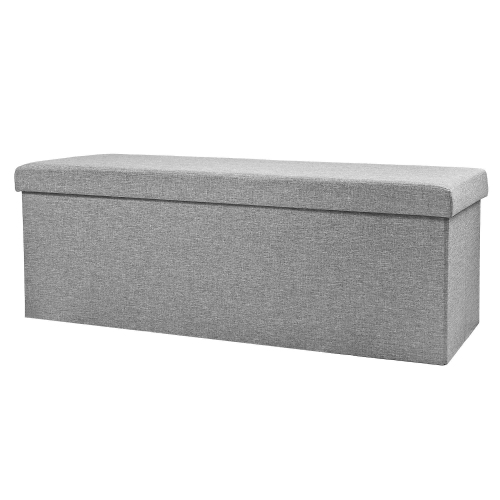
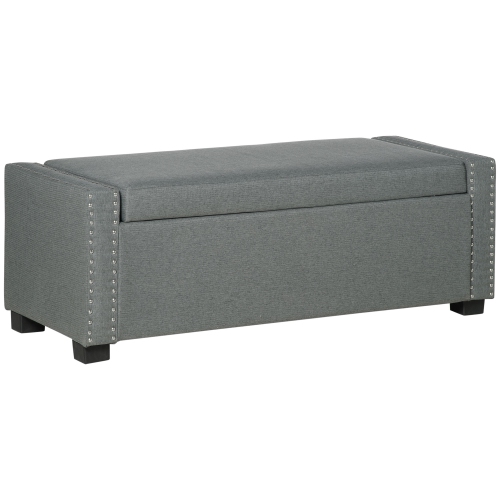
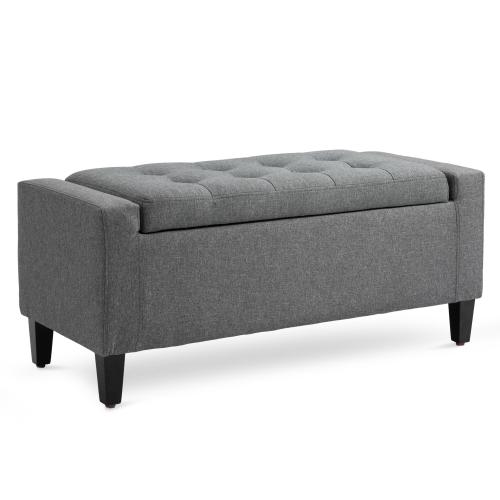
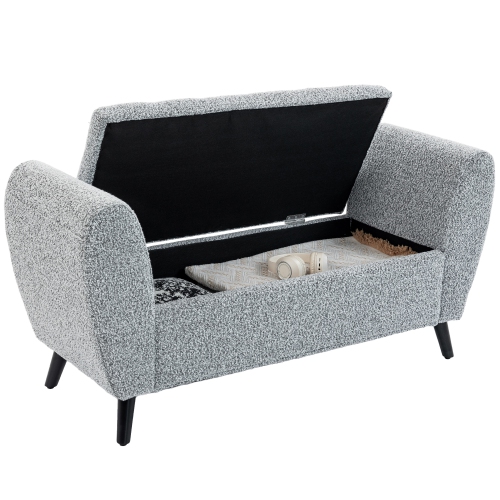
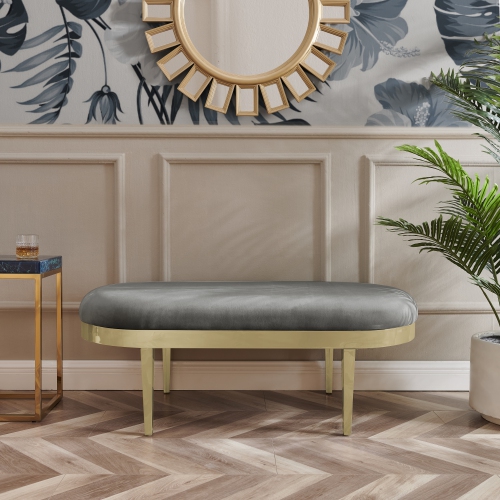
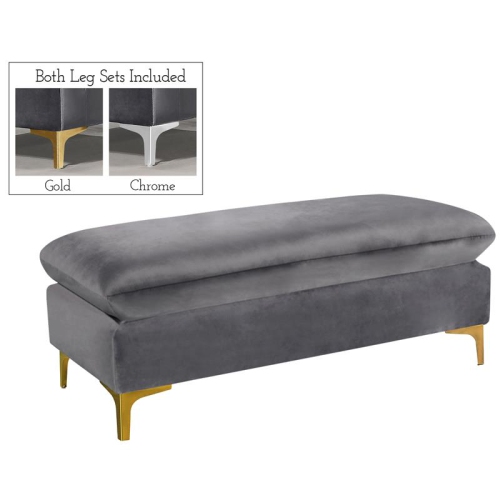
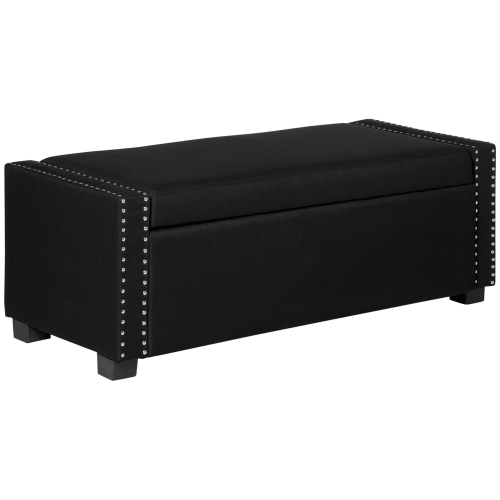
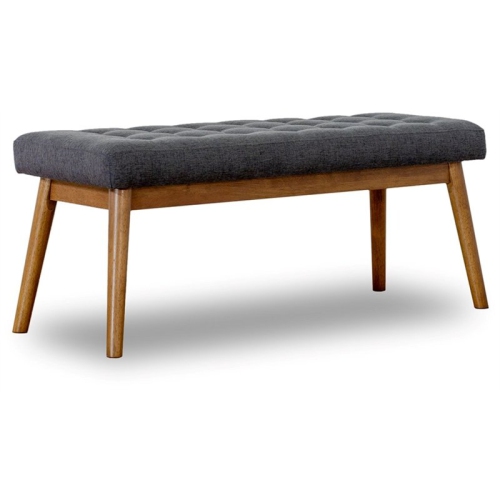
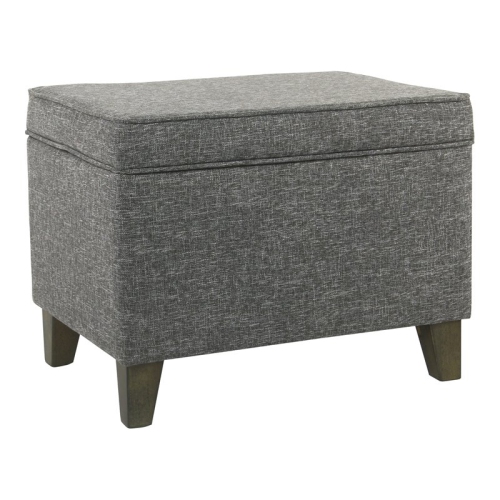
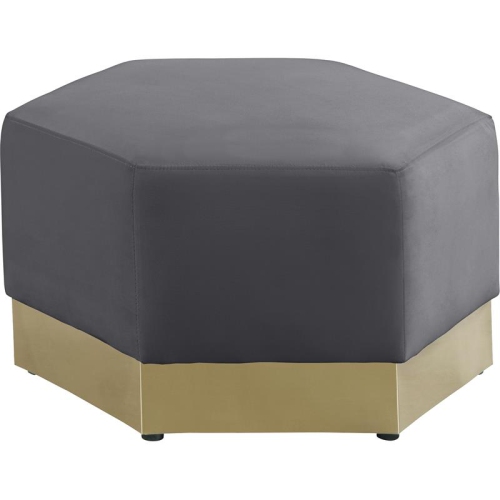
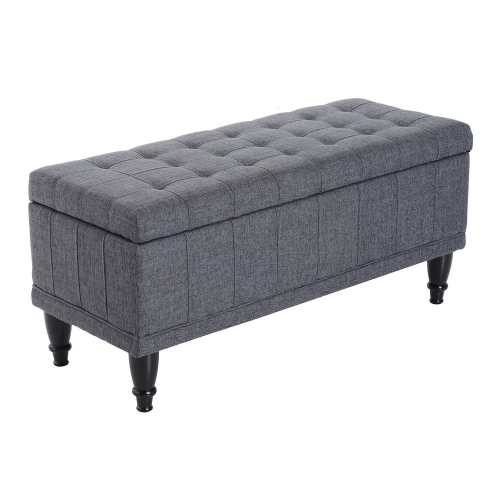
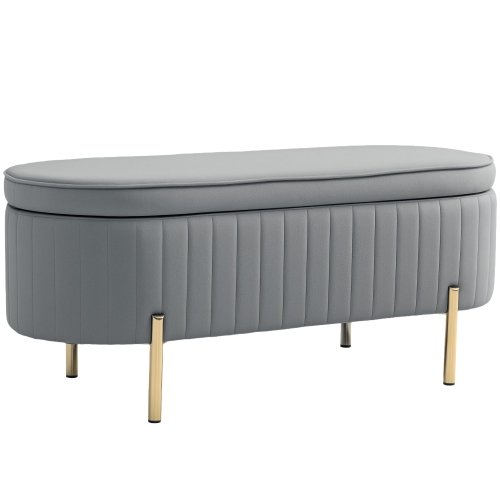
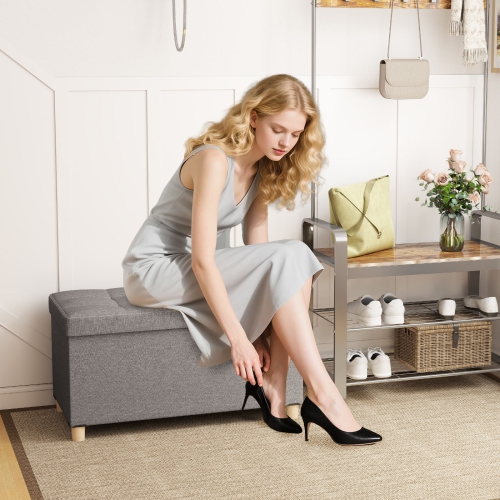
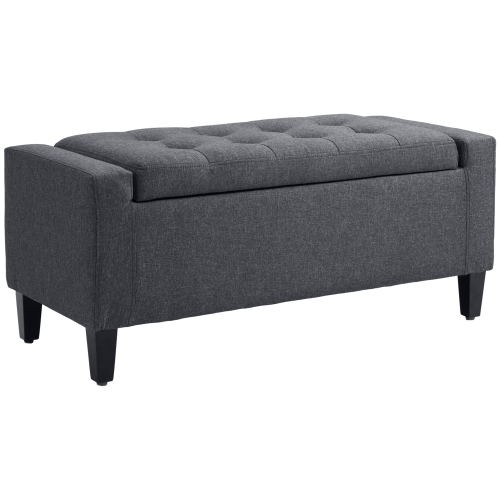
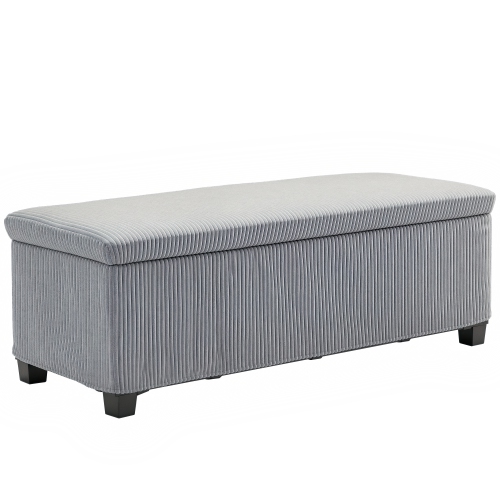
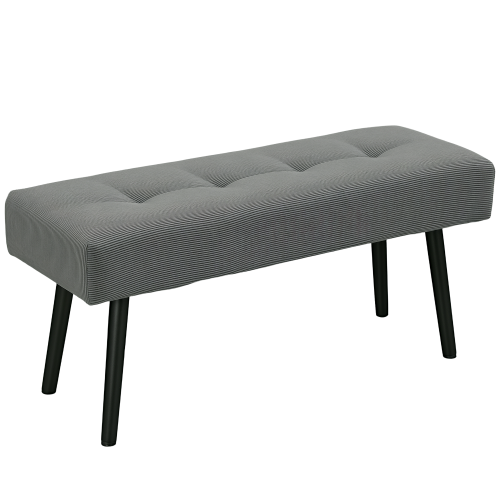
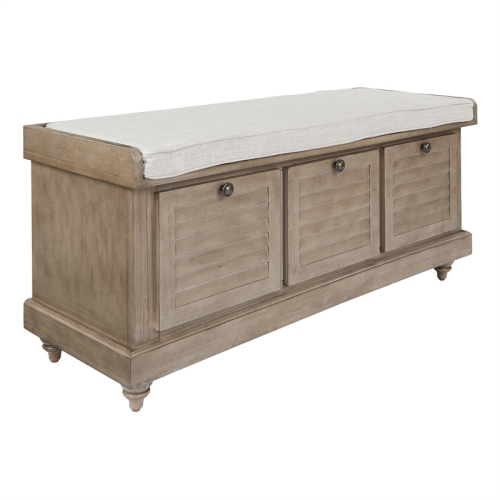
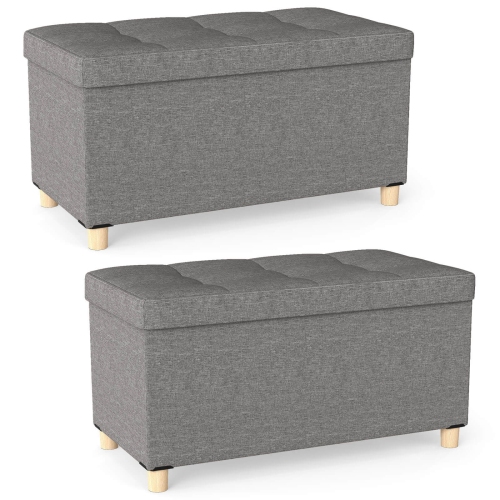
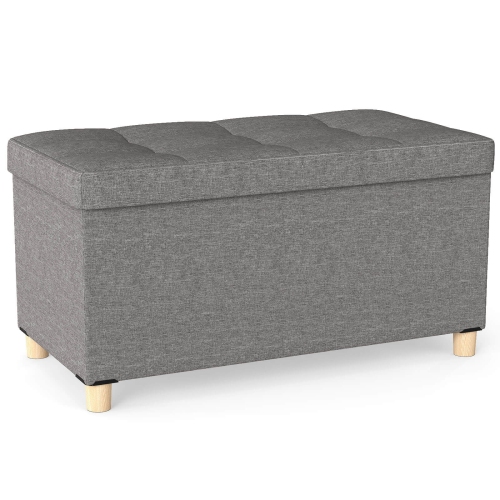
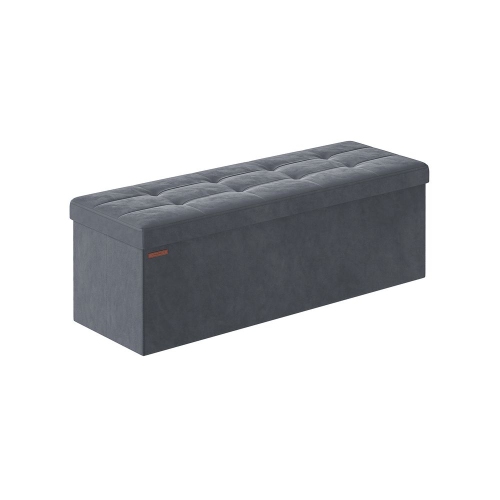
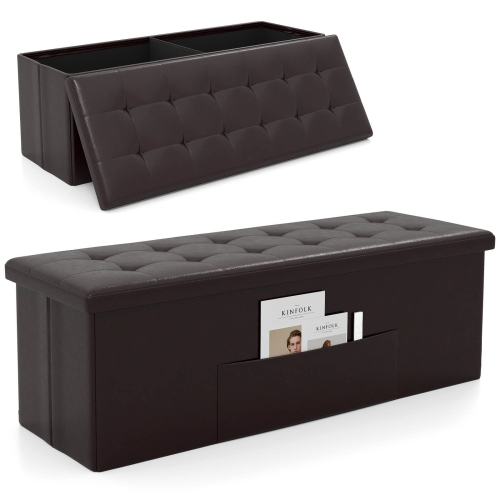
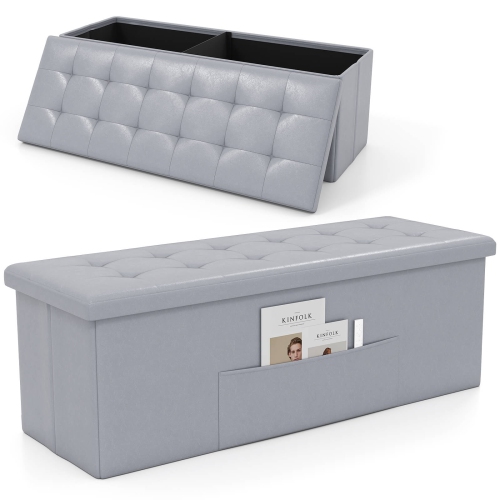
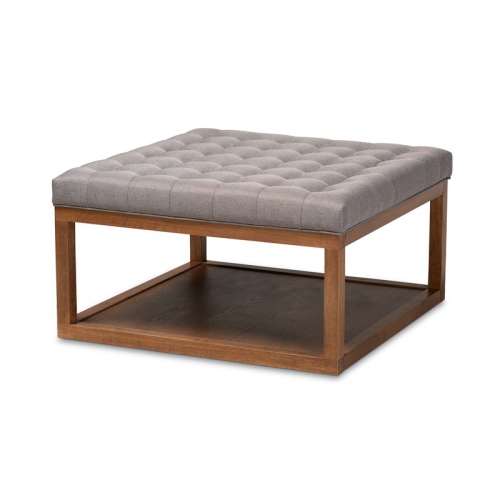
Soft upholstery meets the practicality of a bench
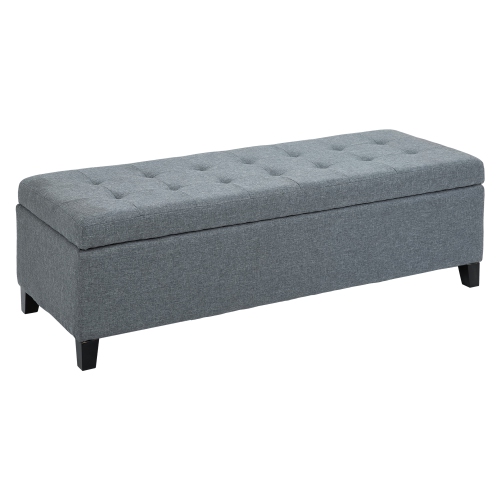
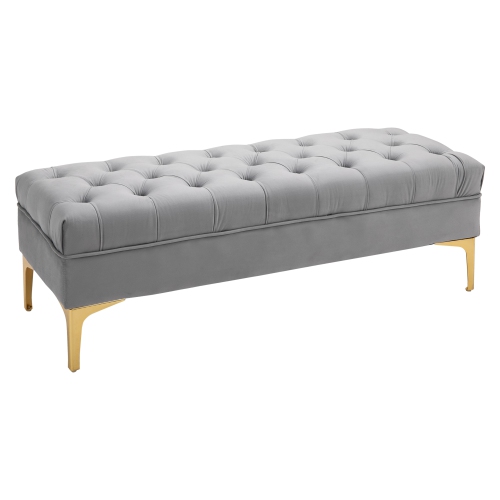
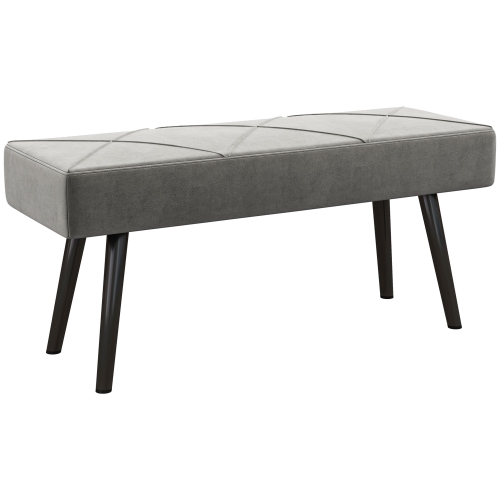
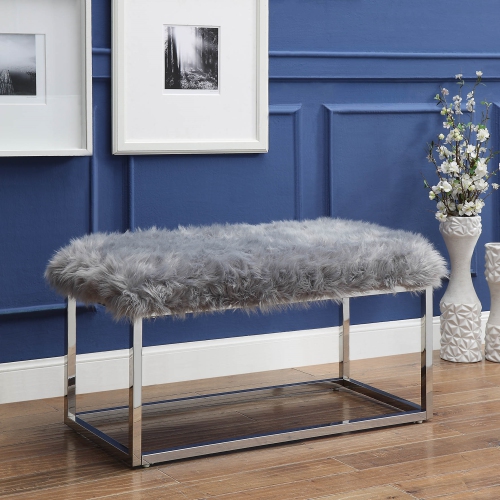
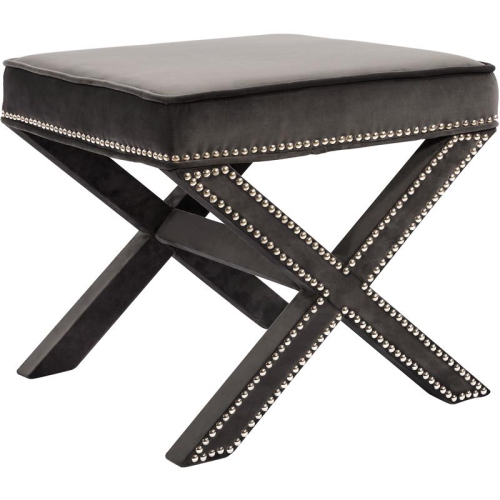
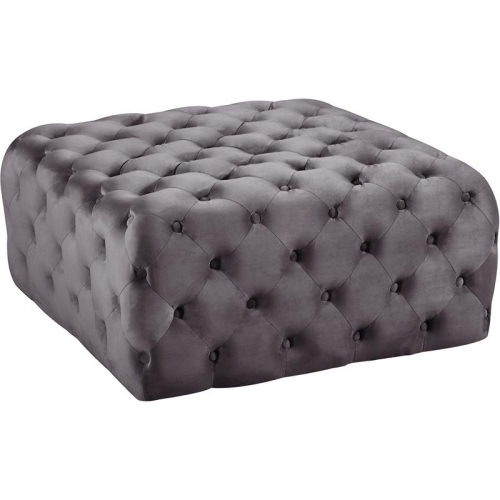
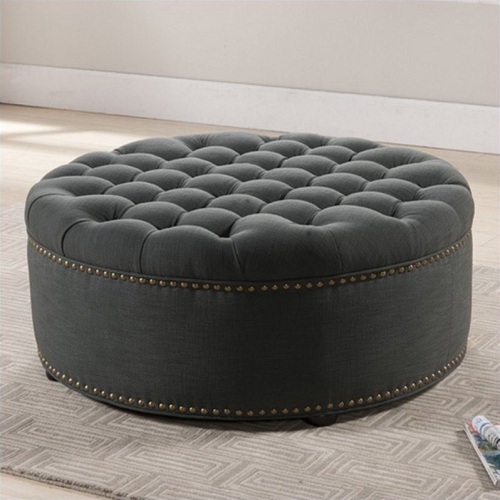
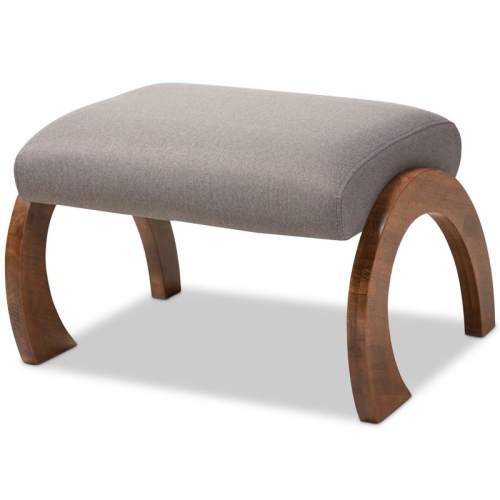
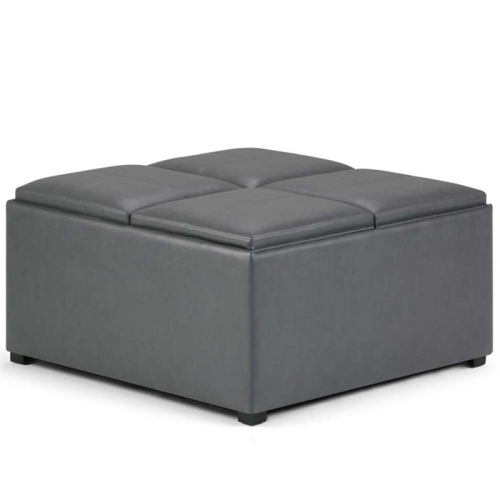
Grey ottoman benches combine an upholstered top with an elongated shape, offering a place to rest your feet, sit briefly, or keep everyday belongings tucked away when storage is built into the base. Their bench proportions make them especially useful at the foot of a bed, along an entryway wall, or opposite a sofa, where a compact piece of furniture can serve more than one purpose. Unlike a traditional bench with a backrest, an ottoman bench usually has a low, open profile that keeps sightlines clear and fits comfortably into rooms with other substantial furniture. Storage versions may have a hinged lid, a removable top, or separate compartments, while non-storage designs focus on cushioning, shape, and an exposed base. Grey upholstery ranges from pale silver and soft dove grey to deeper charcoal, with warm or cool undertones that affect how the fabric looks beside flooring, bedding, and wall colours. A warm grey can sit naturally alongside cream textiles and oak furniture, while a cooler grey pairs well with crisp white bedding, black metal details, and blue accents. Fabric texture matters as much as shade: linen-look weaves offer a relaxed finish, velvet brings a soft sheen, and textured upholstery adds visual depth without relying on a bold pattern. Button tufting, stitched channels, piping, and smooth cushion tops each create a different impression. Tufted surfaces add detail to a simple room, while an unbroken top offers a flatter place for a tray, provided the tray sits securely. Wooden legs can give the bench a lighter appearance, metal bases introduce a sharper outline, and upholstered sides extending close to the floor create a more substantial look. For living rooms, bedrooms, and smaller homes, the appeal is practical as well as visual: one piece can provide a footrest, occasional seating when rated for that use, and a designated home for blankets that might otherwise gather on a chair.
The right fit depends on both the bench dimensions and the space needed to use it comfortably. At the foot of a bed, a bench that is narrower than the mattress generally leaves a more balanced outline, but the surrounding walkway matters more than matching proportions precisely. Allow enough room to pass without turning sideways, open nearby drawers, and lift a storage lid without catching the bedding. In a living room, compare the bench height with the sofa seat; a top around the same height or slightly lower is often comfortable for resting feet. An entryway bench needs enough depth for a supported seated position without projecting too far into the route between the door and the rest of the home. Door swings, closet access, and the width of a narrow hallway can all affect placement. Overall dimensions do not reveal usable storage space, so interior measurements are important for folded quilts, spare pillows, board games, or a collection of scarves and mittens. A divided interior keeps smaller belongings from disappearing beneath bulkier textiles, while a single open compartment is easier to fill with bedding. Hinged lids keep the top attached, but their opening clearance and support mechanism deserve attention; removable lids need somewhere to rest while the compartment is in use. Folding designs can be useful where furniture occasionally needs to be packed away, though their construction and permitted uses may differ from rigid framed benches. Durability comes from the complete structure rather than upholstery thickness alone. Frame materials, corner joints, base panels, leg attachments, and hinges all influence how a bench handles repeated use. Solid wood, engineered wood, and metal each appear in ottoman construction, often in combination. Check the stated weight capacity and whether the bench is intended for sitting, foot support, or both, rather than judging strength by appearance. A cushioned lid should also sit securely on its base, and the bench should feel stable on the floor. In homes with young children, lid supports, pinch points, and access to the storage compartment warrant particular care.
Upholstery choice is closely tied to how the bench will be used and maintained. A bedroom bench that mainly holds a folded throw has different demands from an entryway seat used daily beside outdoor shoes and damp coats. Tightly woven fabric can offer a relatively smooth surface for routine vacuuming, while raised textures and deep tufting may hold crumbs, lint, and pet hair in their recesses. Velvet has a directional pile, so changes in shading or light pressure marks can be part of its appearance rather than a stain. Faux leather provides a smooth surface that may be wiped clean according to its care instructions, but it still needs protection from sharp objects, excessive heat, and unsuitable cleaning solutions. Removable upholstery covers should only be washed if the care label specifically permits it; a removable cushion does not necessarily mean its cover is washable. For most upholstered benches, regular gentle vacuuming with an appropriate attachment helps prevent dust from settling into the fabric. Blot spills promptly rather than rubbing them across the surface, and follow the manufacturer’s cleaning directions before applying any treatment. Grey can soften the appearance of everyday wear, but pale fabrics may show muddy marks and deeper charcoal shades can make light pet hair more noticeable. Keeping wet boots on a separate mat and allowing damp accessories to dry before storing them helps protect both the upholstery and the contents. During the cooler months, a storage bench near the sofa can keep throws within reach without leaving them draped over every seat. In a guest room, it offers a convenient place for folded clothing, while in an entryway, a seating-rated design gives visitors somewhere to sit while changing shoes. Protective pads suited to the flooring can help limit scratches beneath the legs, and moving the bench by lifting rather than dragging helps avoid strain on its frame. For spaces that may suit a different shape, Gray Ottomans offer a broader category to consider alongside elongated benches. Whether the priority is hidden storage, a comfortable footrest, or a neatly finished bedroom, the most useful bench is one whose proportions, upholstery, and construction suit the daily routine of the room.
The right fit depends on both the bench dimensions and the space needed to use it comfortably. At the foot of a bed, a bench that is narrower than the mattress generally leaves a more balanced outline, but the surrounding walkway matters more than matching proportions precisely. Allow enough room to pass without turning sideways, open nearby drawers, and lift a storage lid without catching the bedding. In a living room, compare the bench height with the sofa seat; a top around the same height or slightly lower is often comfortable for resting feet. An entryway bench needs enough depth for a supported seated position without projecting too far into the route between the door and the rest of the home. Door swings, closet access, and the width of a narrow hallway can all affect placement. Overall dimensions do not reveal usable storage space, so interior measurements are important for folded quilts, spare pillows, board games, or a collection of scarves and mittens. A divided interior keeps smaller belongings from disappearing beneath bulkier textiles, while a single open compartment is easier to fill with bedding. Hinged lids keep the top attached, but their opening clearance and support mechanism deserve attention; removable lids need somewhere to rest while the compartment is in use. Folding designs can be useful where furniture occasionally needs to be packed away, though their construction and permitted uses may differ from rigid framed benches. Durability comes from the complete structure rather than upholstery thickness alone. Frame materials, corner joints, base panels, leg attachments, and hinges all influence how a bench handles repeated use. Solid wood, engineered wood, and metal each appear in ottoman construction, often in combination. Check the stated weight capacity and whether the bench is intended for sitting, foot support, or both, rather than judging strength by appearance. A cushioned lid should also sit securely on its base, and the bench should feel stable on the floor. In homes with young children, lid supports, pinch points, and access to the storage compartment warrant particular care.
Upholstery choice is closely tied to how the bench will be used and maintained. A bedroom bench that mainly holds a folded throw has different demands from an entryway seat used daily beside outdoor shoes and damp coats. Tightly woven fabric can offer a relatively smooth surface for routine vacuuming, while raised textures and deep tufting may hold crumbs, lint, and pet hair in their recesses. Velvet has a directional pile, so changes in shading or light pressure marks can be part of its appearance rather than a stain. Faux leather provides a smooth surface that may be wiped clean according to its care instructions, but it still needs protection from sharp objects, excessive heat, and unsuitable cleaning solutions. Removable upholstery covers should only be washed if the care label specifically permits it; a removable cushion does not necessarily mean its cover is washable. For most upholstered benches, regular gentle vacuuming with an appropriate attachment helps prevent dust from settling into the fabric. Blot spills promptly rather than rubbing them across the surface, and follow the manufacturer’s cleaning directions before applying any treatment. Grey can soften the appearance of everyday wear, but pale fabrics may show muddy marks and deeper charcoal shades can make light pet hair more noticeable. Keeping wet boots on a separate mat and allowing damp accessories to dry before storing them helps protect both the upholstery and the contents. During the cooler months, a storage bench near the sofa can keep throws within reach without leaving them draped over every seat. In a guest room, it offers a convenient place for folded clothing, while in an entryway, a seating-rated design gives visitors somewhere to sit while changing shoes. Protective pads suited to the flooring can help limit scratches beneath the legs, and moving the bench by lifting rather than dragging helps avoid strain on its frame. For spaces that may suit a different shape, Gray Ottomans offer a broader category to consider alongside elongated benches. Whether the priority is hidden storage, a comfortable footrest, or a neatly finished bedroom, the most useful bench is one whose proportions, upholstery, and construction suit the daily routine of the room.
Top selling and popular products
-
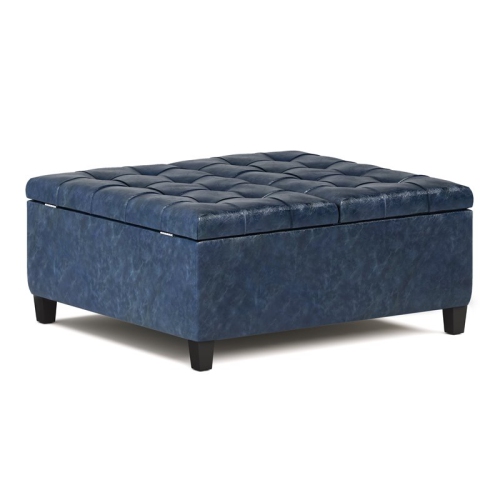 Your price for this item is $1013.33
 -
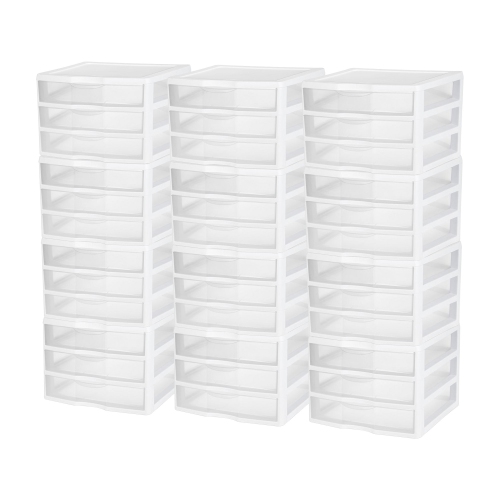 Your price for this item is $530.99
 -
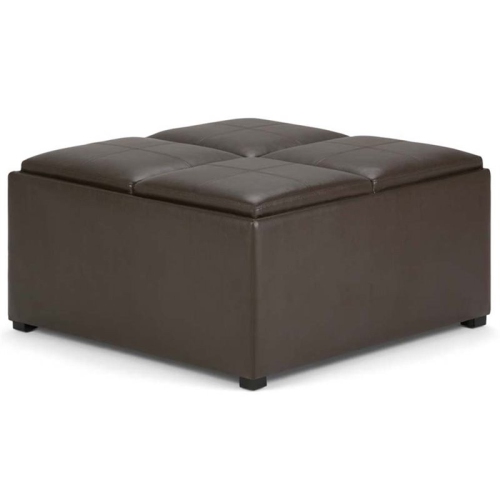 Your price for this item is $969.58
 -
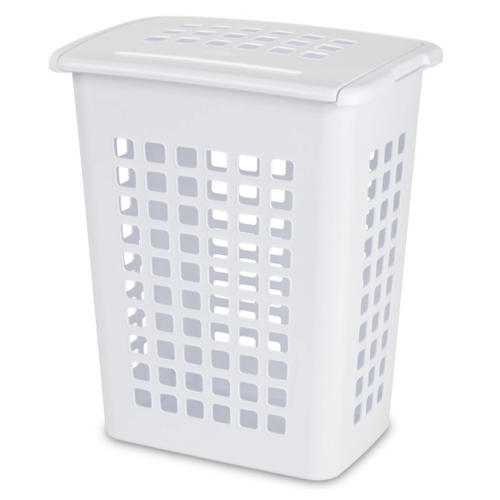 Your price for this item is $1377.99
 -
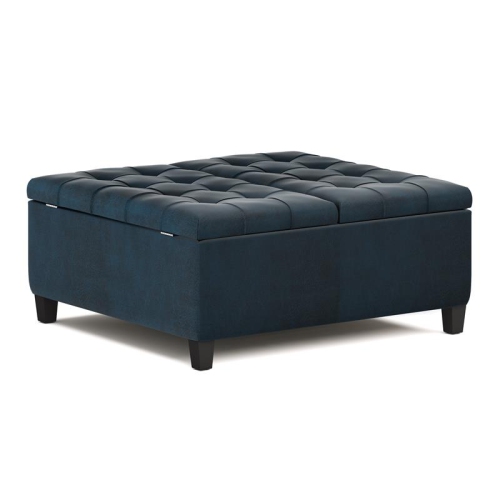 Your price for this item is $982.91
 -
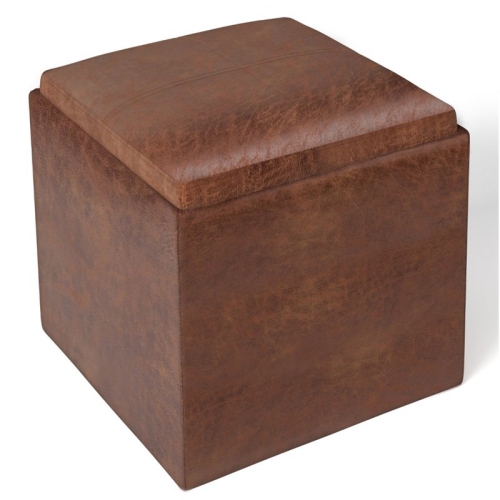 Your price for this item is $339.24
 -
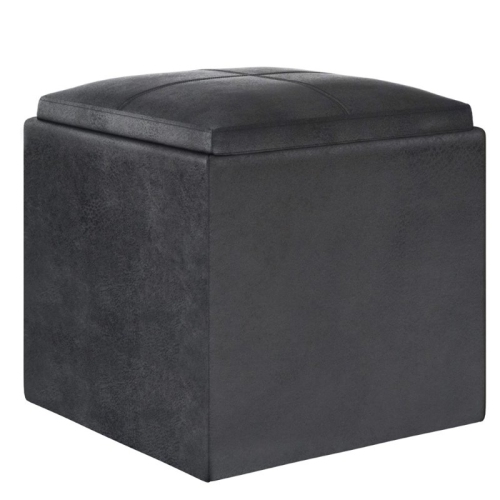 Your price for this item is $346.6
 -
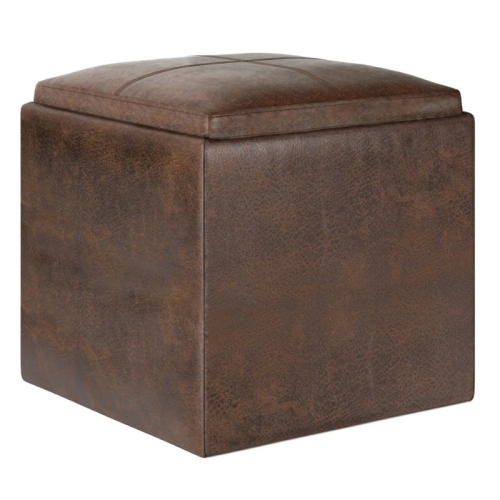 Your price for this item is $318.93
Discover more categories related to Gray Ottoman Benches
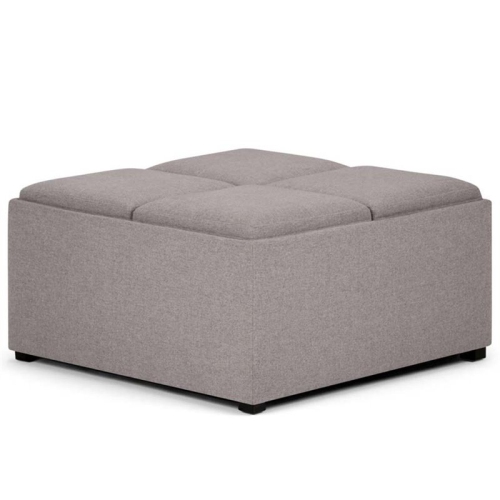
Top Collections:
Pokemon Centers, Budget 4K TVs, Best Budget Office Chairs, Kindle Devices, Canon G7X Cameras, Apple iPhones 16, iPhone 15 Apple, Laptops for Business Work, Xiaomi Phones, Flip Phones
Some products may be subject to Environmental Handling Fees
(EHF) depending on your province.
Learn more about EHFs.