Gray Wood Ottomans
Looking to add a touch of sophistication and functionality to your living space? Look no further than our collection of gray wood ottomans. These versatile pieces are the perfect addition to almost any room, providing both style and practicality. Whether you're looking for extra seating, a place to rest your feet, or a stylish storage solution, gray wood ottomans are the perfect choice. Here are some great options available.
Sort
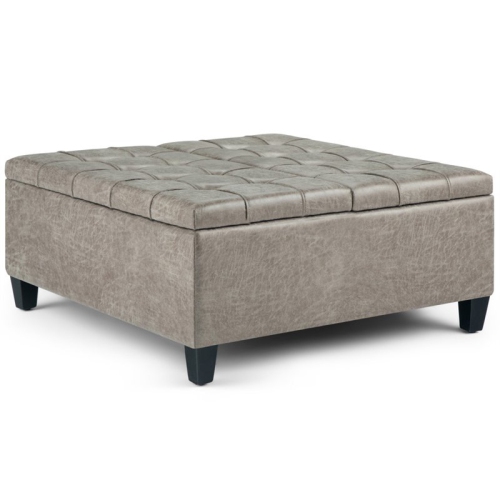
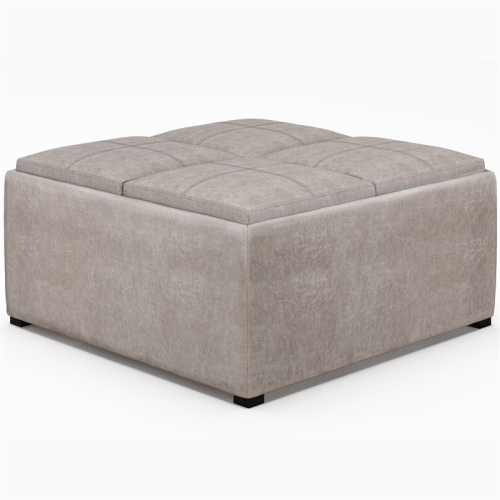

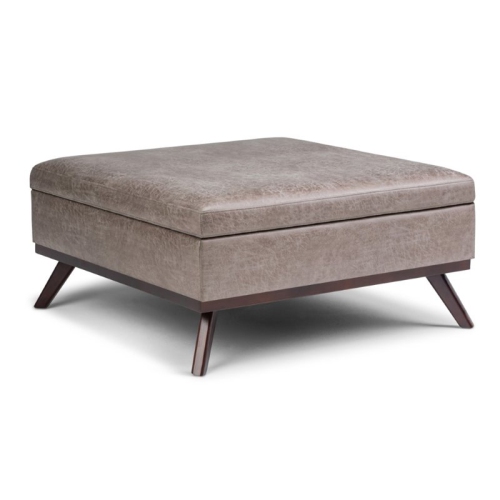
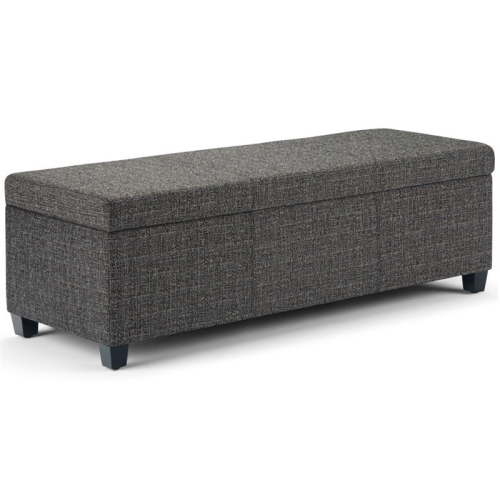
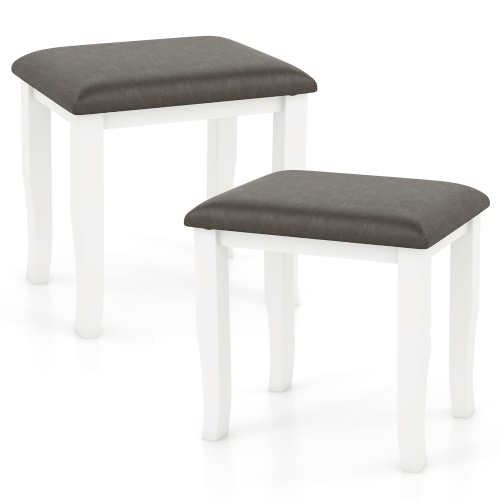
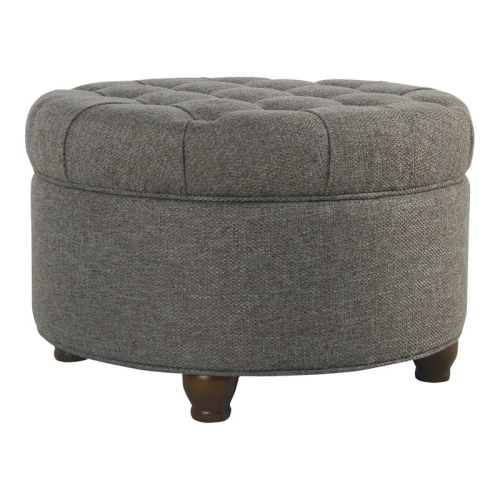
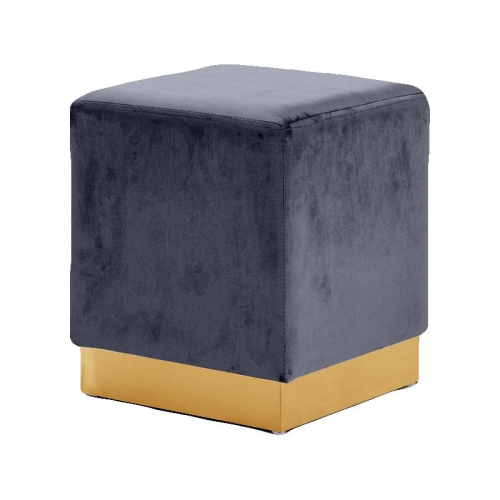
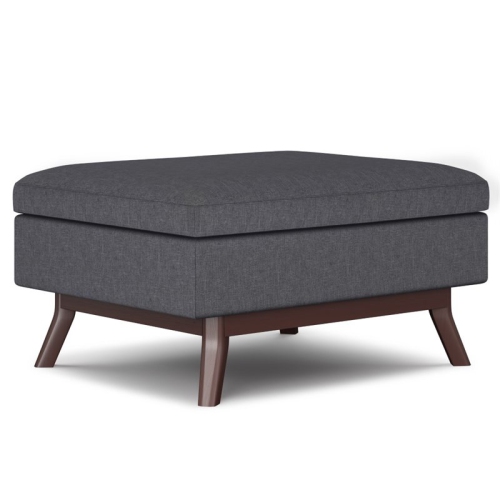
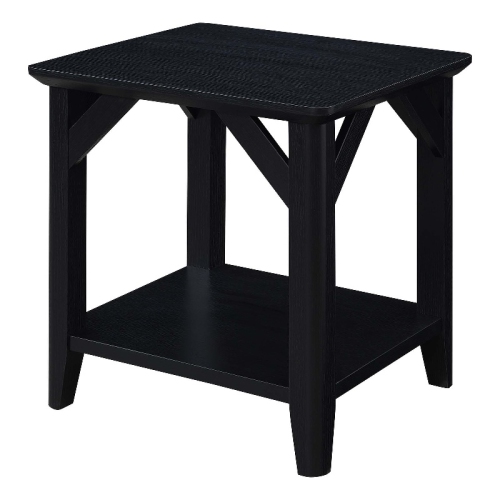
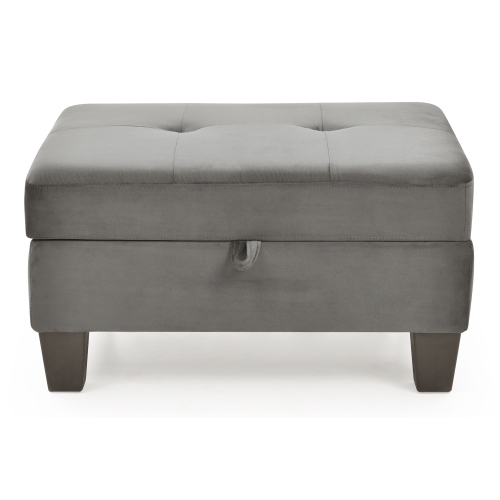
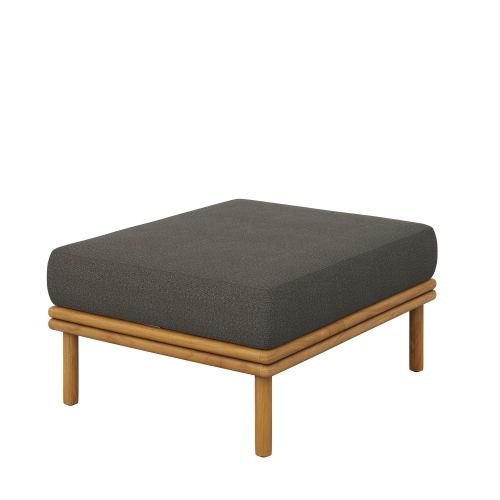
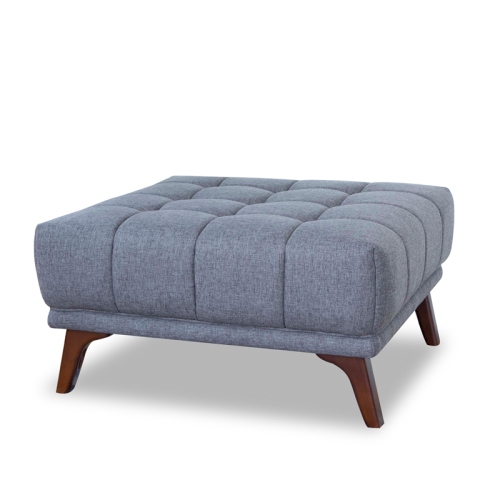
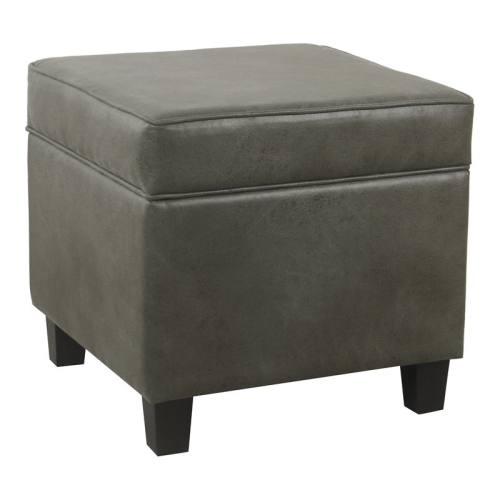
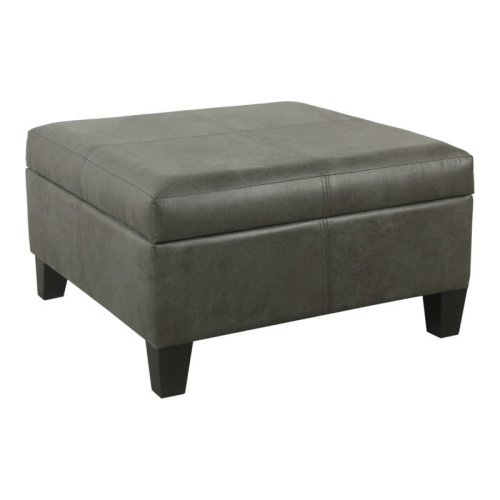
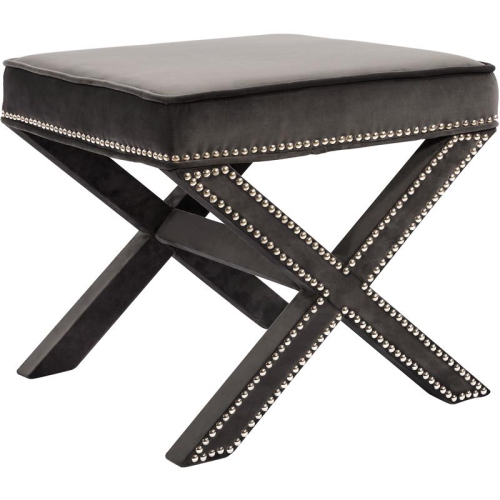
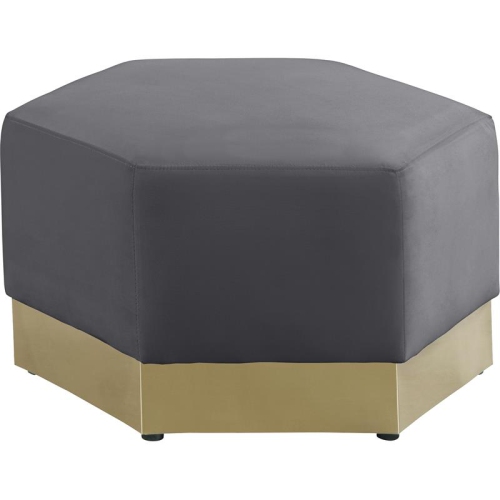


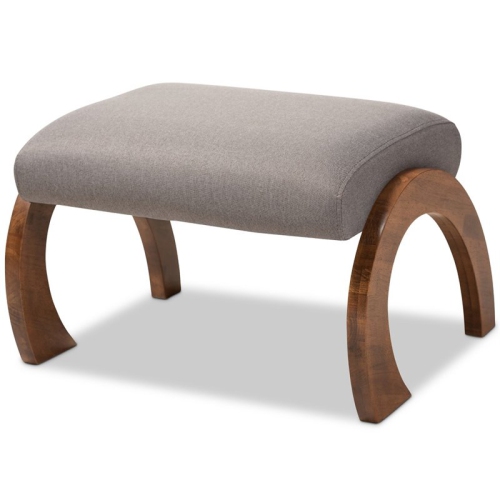
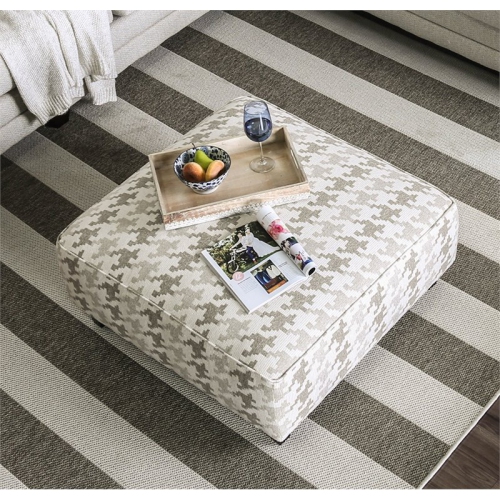
How grey tones and wooden details pull rooms together
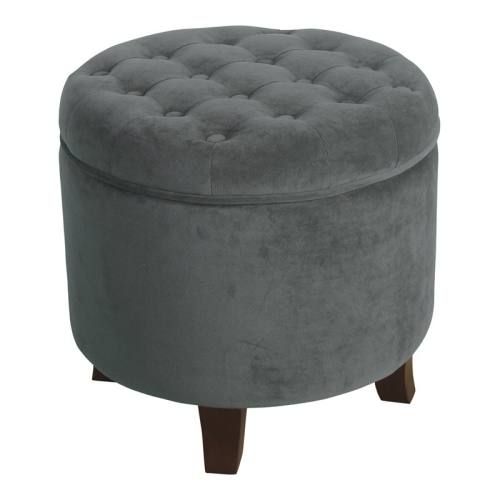
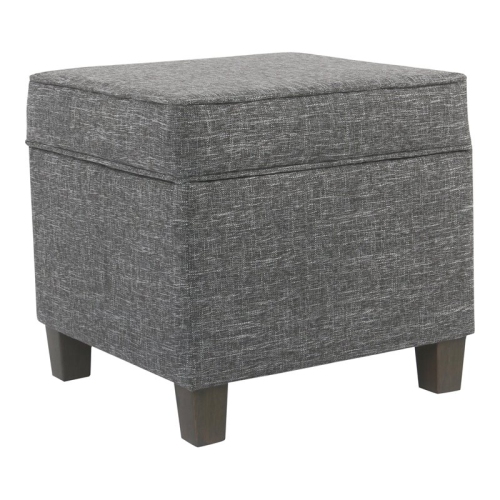
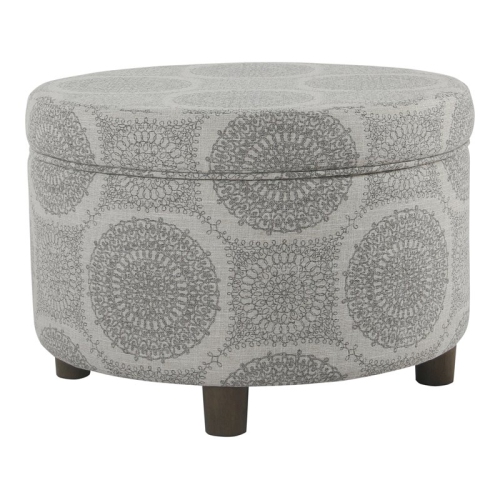
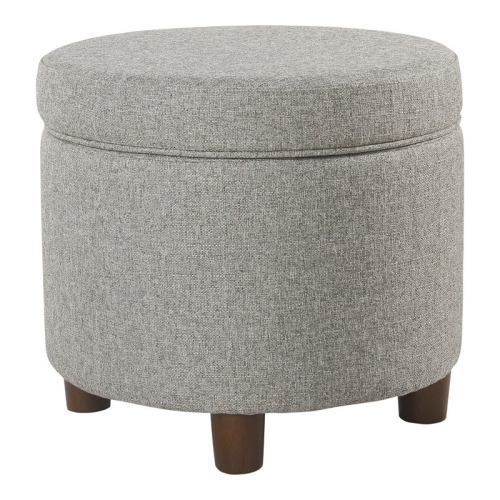
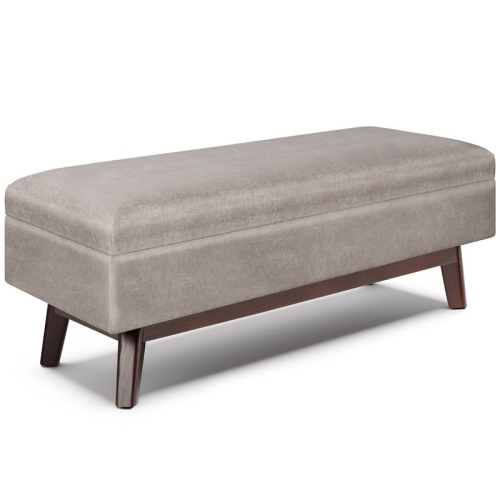
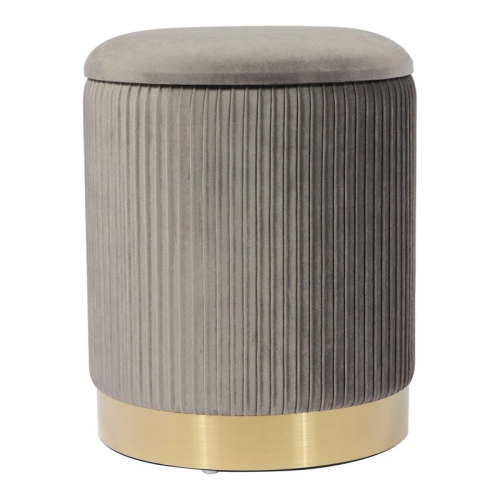
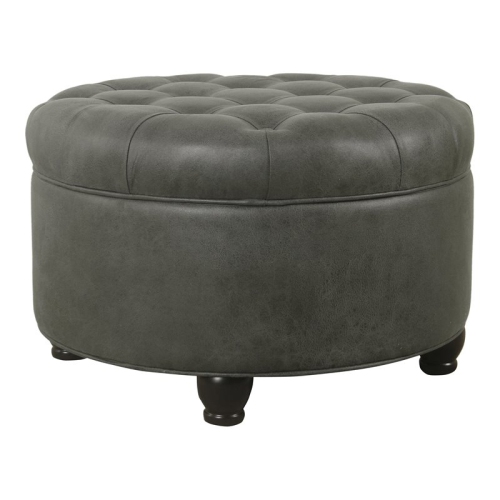
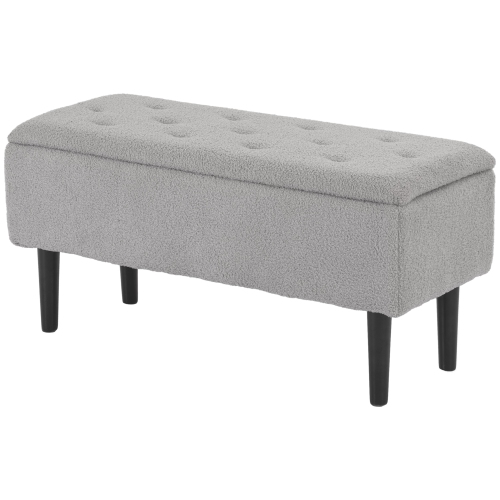
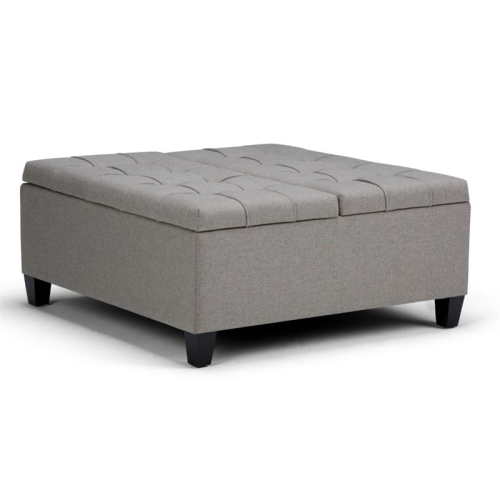
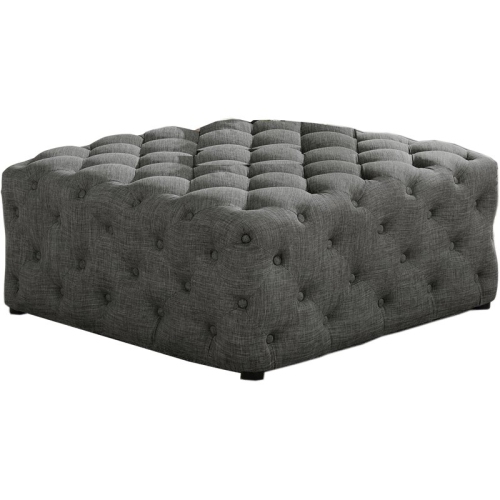
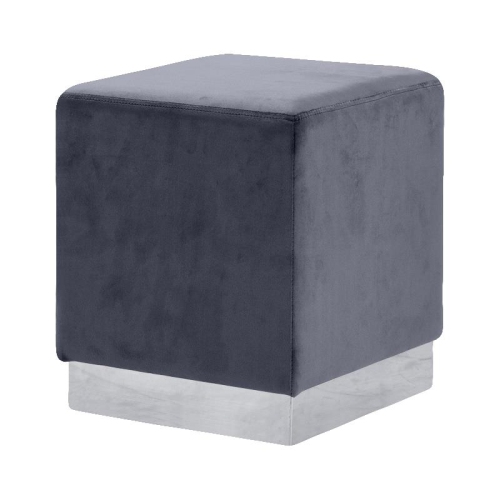
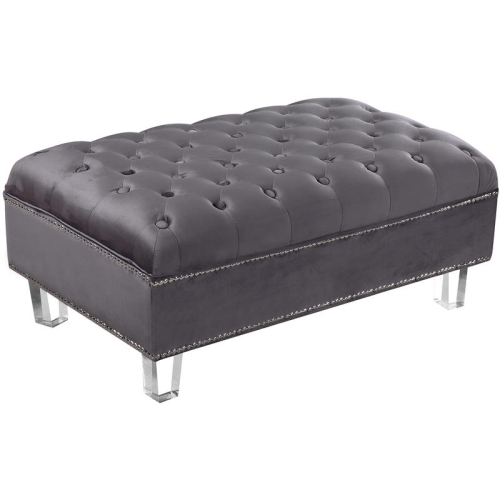
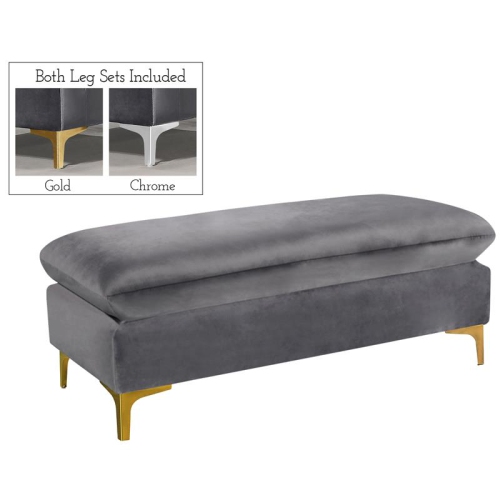
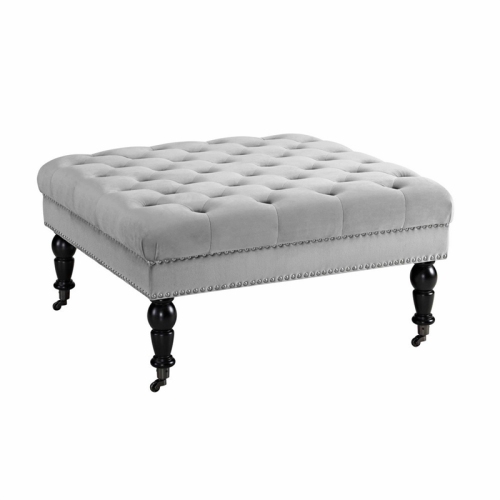
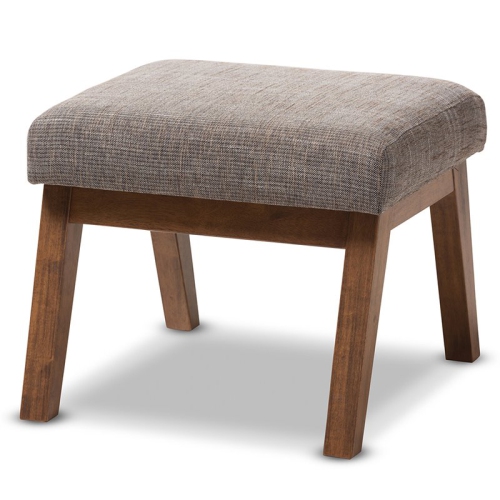
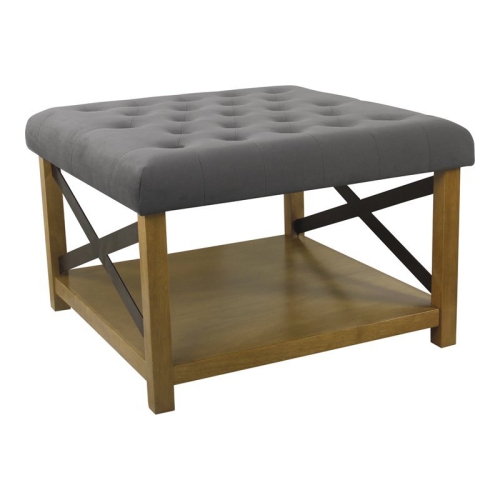
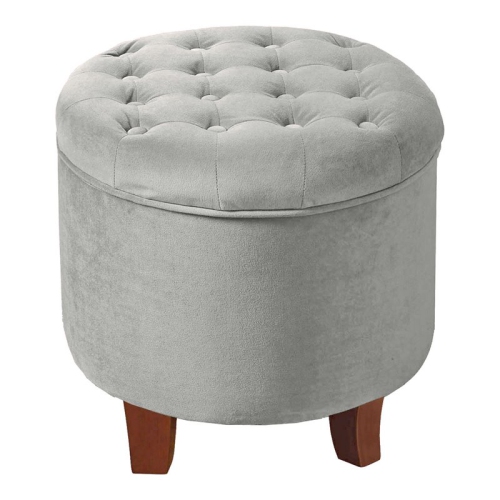
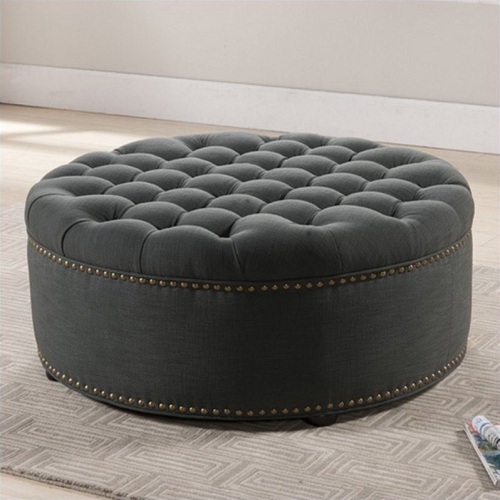
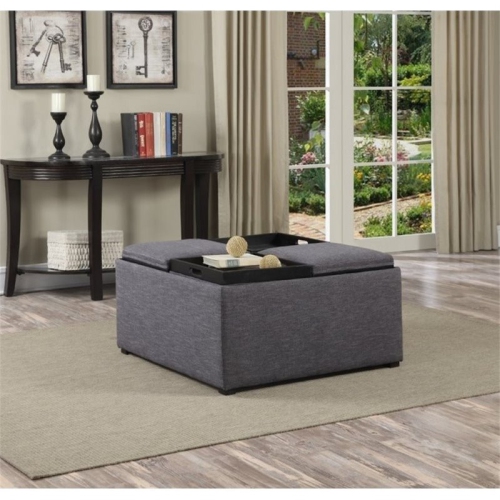
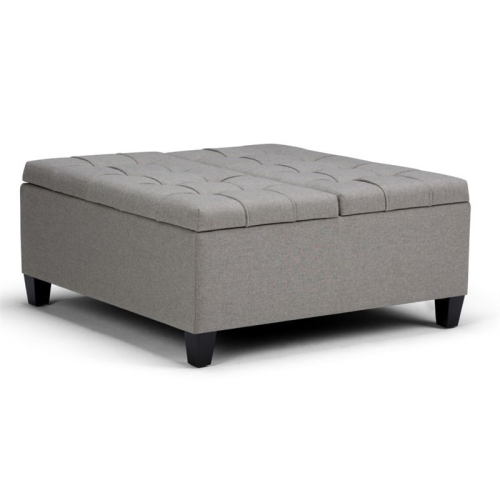
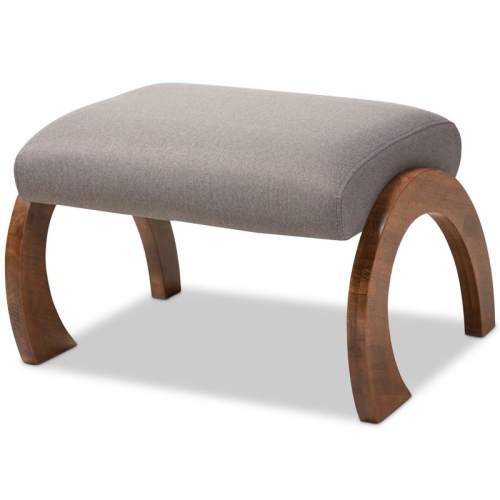
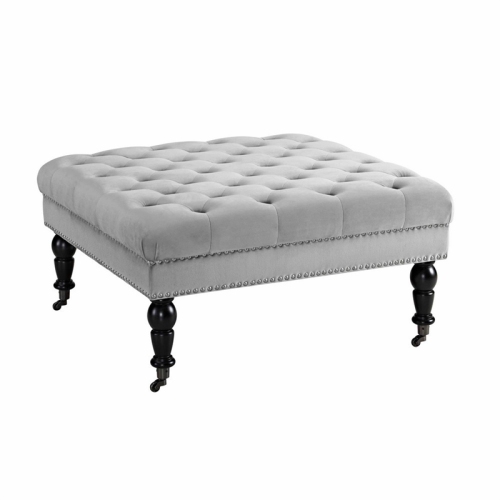
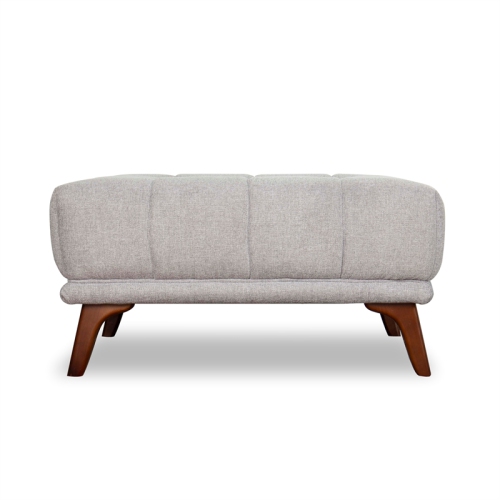
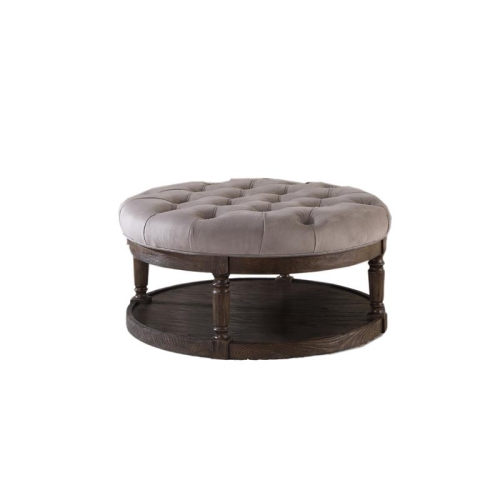
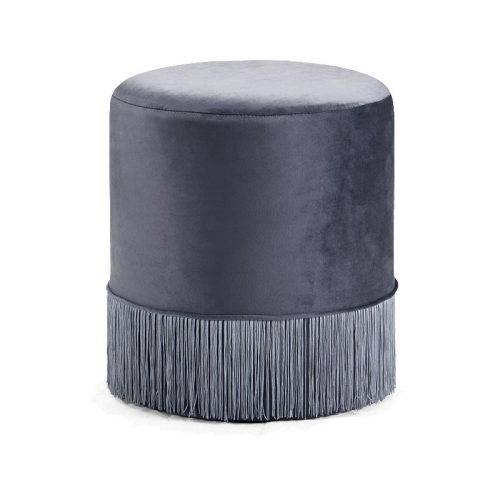
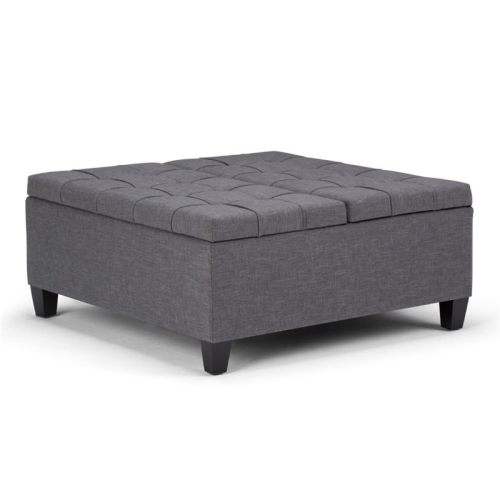
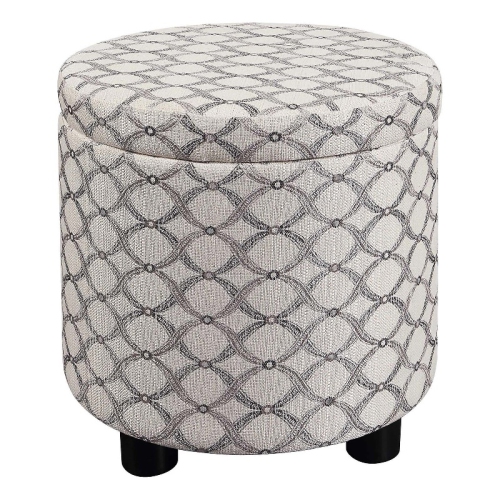
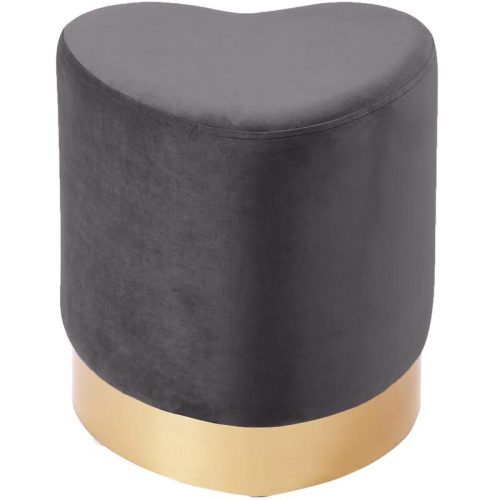
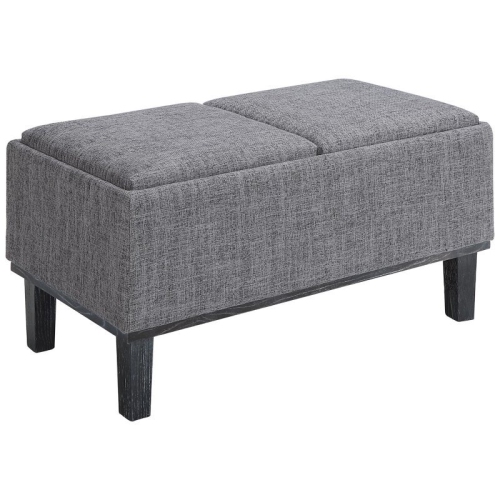
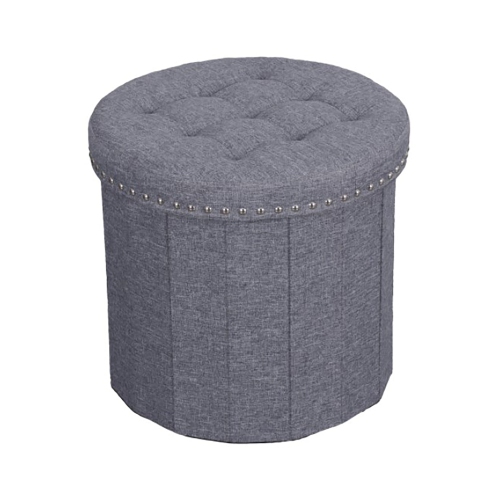
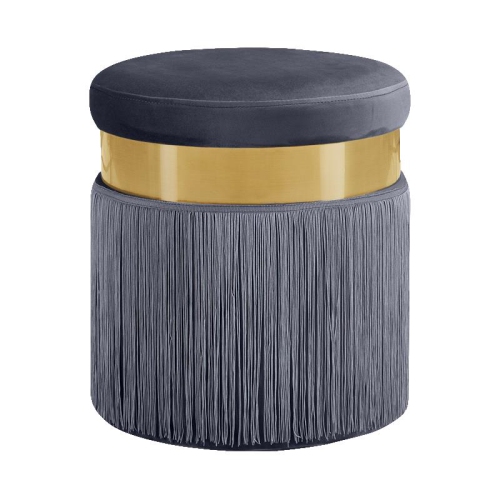
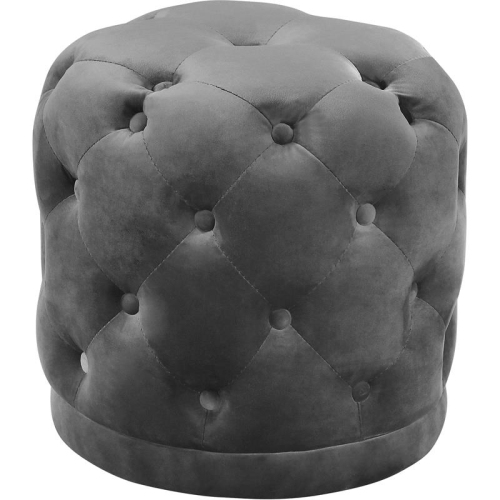
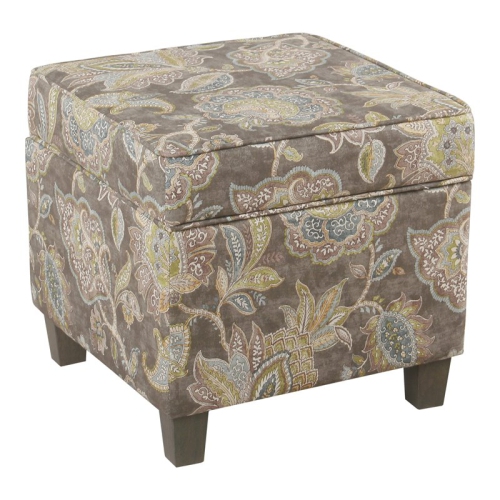
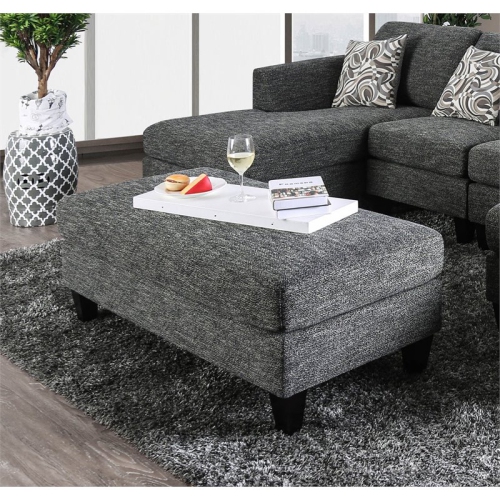
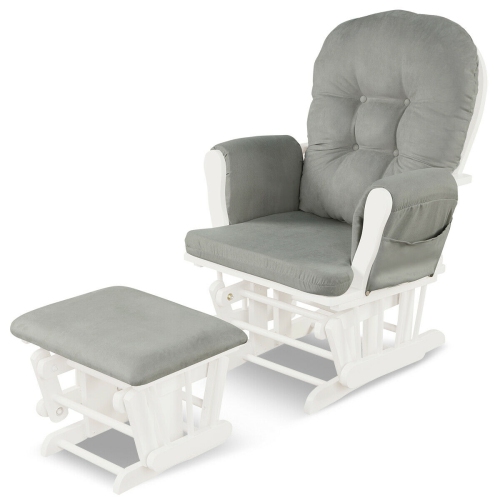
Grey wood ottomans combine the structure of a wooden frame, base, or legs with a neutral finish or upholstered surface that works comfortably alongside sofas and accent chairs. The description can refer to an ottoman with grey-finished wood, grey upholstery supported by natural-toned wood, or a combination of both, so the placement of the colour matters as much as the overall shape. An exposed wooden base gives the piece a more defined outline, while a generously padded top softens its appearance and provides a comfortable place to rest your feet. These ottomans suit living rooms, bedrooms, reading corners, and other spaces where a compact piece of furniture can serve more than one purpose. A small square ottoman can sit beside an armchair without taking over the room; a longer rectangular shape can balance the width of a sofa or sit at the foot of a bed. Larger upholstered designs can anchor a seating arrangement, with a suitable tray providing a level surface for a book or remote. Grey is particularly versatile because its undertones can connect different finishes already in a room. A warm grey with a hint of beige often sits naturally beside oak, cream upholstery, and woven rugs, while a cooler charcoal can complement dark wood, blue fabrics, and black metal accents. Pale grey brings a quieter contrast to richly coloured seating, whereas a deeper shade creates a stronger visual outline against a light floor. Wood grain adds variation that keeps the neutral palette from feeling flat. Tapered legs lend a lighter profile, broad block feet suggest a more substantial piece, and a visible lower shelf adds another horizontal line to the furniture arrangement. The result can feel relaxed, tailored, or traditional depending on the upholstery, wood finish, and details such as tufting, piping, or stitched panels.
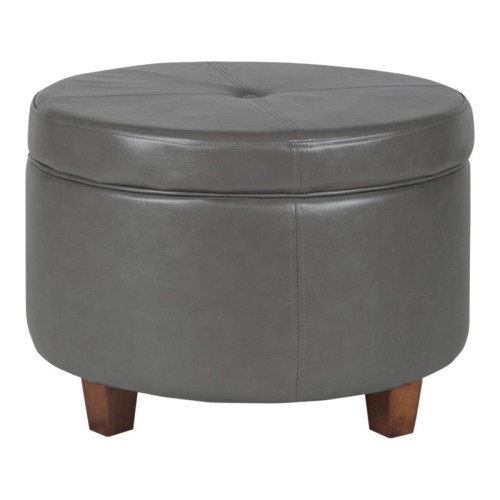
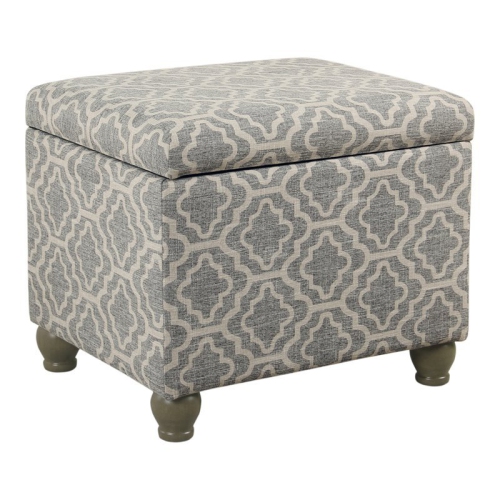
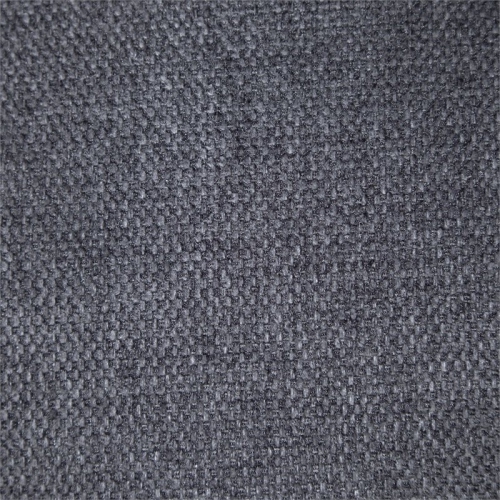
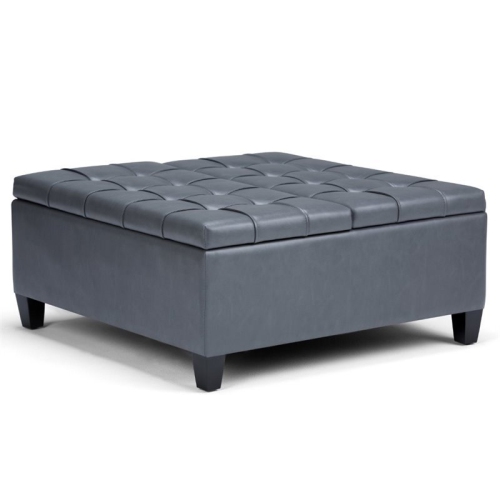
Materials and construction influence how a grey wood ottoman feels in everyday use, particularly when it doubles as a footrest and occasional seat. Solid wood, plywood, and other engineered wood components may appear in different parts of the same frame, each serving a structural or finishing role. A wood veneer is a thin layer of real wood over a supporting core, so a visible grain pattern alone does not establish that the entire piece is solid wood. Secure joints, firmly attached legs, and a stable base matter more than appearance alone when the ottoman will be moved or used frequently. Seating suitability also depends on the intended use and stated weight capacity; a padded top does not automatically mean that a footrest is designed to hold a seated adult. Cushion construction affects comfort in a different way. A firmer top offers steadier support when sitting briefly to put on shoes, while softer padding may feel more inviting beneath tired feet. Foam density and firmness describe different properties, so density alone does not tell the whole story of how a cushion will feel. Upholstery brings its own practical considerations. Tightly woven fabric generally offers a smoother surface, while textured weaves introduce depth and can make small variations in shade less noticeable. Raised loops may catch on pet claws, and deeply tufted tops have creases that need extra attention during cleaning. Smooth leather or synthetic upholstery has a different feel and care routine from woven fabric, with cleaning requirements that depend on the specific finish. In a household with children or pets, securely fitted upholstery, stable construction, and accessible cleaning instructions are useful details to compare. Storage designs add another layer of function: an enclosed compartment can hold throws or spare cushion covers, while an open wooden shelf keeps reading material within reach. Lift-top versions also need enough clearance to open fully, and lid supports deserve attention wherever small hands may be nearby.
Fit is about the relationship between the ottoman, the surrounding seating, and the routes through the room, not simply whether its dimensions fit an empty patch of floor. For use as a footrest, a top that sits close to or slightly below the chair’s seat height often feels more natural than one that lifts the feet noticeably higher. Cushion compression can affect that relationship, especially when pairing a soft sofa with a firm ottoman. Width and depth influence how easily someone can sit down, stand up, and walk past without turning sideways. Marking the footprint on the floor with removable tape makes it easier to picture a broad square design in front of a sectional or a narrow bench-style ottoman near a bed. Rounded shapes soften the outline of a seating area and avoid projecting corners, though they still need clear walking space. For a curved profile in the same colour family, Grey Round Ottomans offer a related direction for coordinating with compact chairs or balancing furniture with straight edges. The way an ottoman will be used also affects its placement. A frequently used footrest belongs within comfortable reach of the seat, while an occasional seat should be easy to access without moving several other pieces. Where the top serves as a casual table, a broad, stable tray can help contain small objects, but soft padding is not equivalent to a rigid tabletop. Routine care helps preserve both fabric and wood: vacuum upholstery with an appropriate attachment, blot spills promptly rather than rubbing, and follow the care label before applying any cleaner. Dust exposed wood with a soft cloth and avoid leaving moisture on the finish. Felt pads suited to the flooring can reduce scuffs, while lifting rather than dragging helps protect legs and joints. For a housewarming gift or a shared living space, a modest footprint and a grey tone that complements existing furniture can make an ottoman a thoughtful, useful addition without requiring a complete room refresh.
Materials and construction influence how a grey wood ottoman feels in everyday use, particularly when it doubles as a footrest and occasional seat. Solid wood, plywood, and other engineered wood components may appear in different parts of the same frame, each serving a structural or finishing role. A wood veneer is a thin layer of real wood over a supporting core, so a visible grain pattern alone does not establish that the entire piece is solid wood. Secure joints, firmly attached legs, and a stable base matter more than appearance alone when the ottoman will be moved or used frequently. Seating suitability also depends on the intended use and stated weight capacity; a padded top does not automatically mean that a footrest is designed to hold a seated adult. Cushion construction affects comfort in a different way. A firmer top offers steadier support when sitting briefly to put on shoes, while softer padding may feel more inviting beneath tired feet. Foam density and firmness describe different properties, so density alone does not tell the whole story of how a cushion will feel. Upholstery brings its own practical considerations. Tightly woven fabric generally offers a smoother surface, while textured weaves introduce depth and can make small variations in shade less noticeable. Raised loops may catch on pet claws, and deeply tufted tops have creases that need extra attention during cleaning. Smooth leather or synthetic upholstery has a different feel and care routine from woven fabric, with cleaning requirements that depend on the specific finish. In a household with children or pets, securely fitted upholstery, stable construction, and accessible cleaning instructions are useful details to compare. Storage designs add another layer of function: an enclosed compartment can hold throws or spare cushion covers, while an open wooden shelf keeps reading material within reach. Lift-top versions also need enough clearance to open fully, and lid supports deserve attention wherever small hands may be nearby.
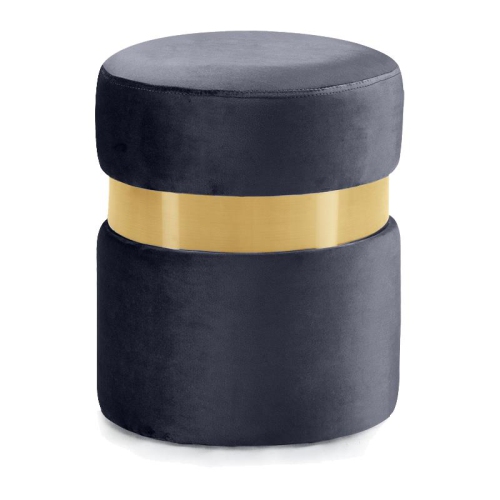
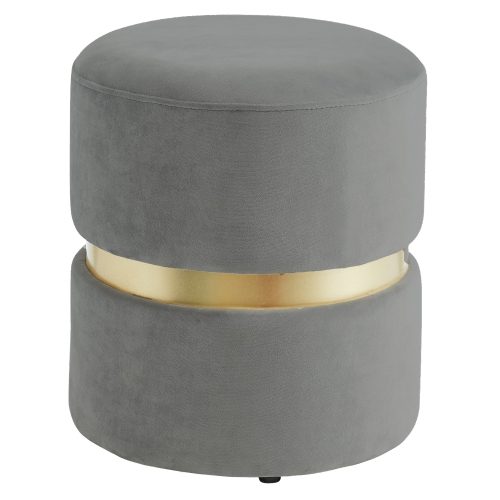
Fit is about the relationship between the ottoman, the surrounding seating, and the routes through the room, not simply whether its dimensions fit an empty patch of floor. For use as a footrest, a top that sits close to or slightly below the chair’s seat height often feels more natural than one that lifts the feet noticeably higher. Cushion compression can affect that relationship, especially when pairing a soft sofa with a firm ottoman. Width and depth influence how easily someone can sit down, stand up, and walk past without turning sideways. Marking the footprint on the floor with removable tape makes it easier to picture a broad square design in front of a sectional or a narrow bench-style ottoman near a bed. Rounded shapes soften the outline of a seating area and avoid projecting corners, though they still need clear walking space. For a curved profile in the same colour family, Grey Round Ottomans offer a related direction for coordinating with compact chairs or balancing furniture with straight edges. The way an ottoman will be used also affects its placement. A frequently used footrest belongs within comfortable reach of the seat, while an occasional seat should be easy to access without moving several other pieces. Where the top serves as a casual table, a broad, stable tray can help contain small objects, but soft padding is not equivalent to a rigid tabletop. Routine care helps preserve both fabric and wood: vacuum upholstery with an appropriate attachment, blot spills promptly rather than rubbing, and follow the care label before applying any cleaner. Dust exposed wood with a soft cloth and avoid leaving moisture on the finish. Felt pads suited to the flooring can reduce scuffs, while lifting rather than dragging helps protect legs and joints. For a housewarming gift or a shared living space, a modest footprint and a grey tone that complements existing furniture can make an ottoman a thoughtful, useful addition without requiring a complete room refresh.
Top selling and popular products
-
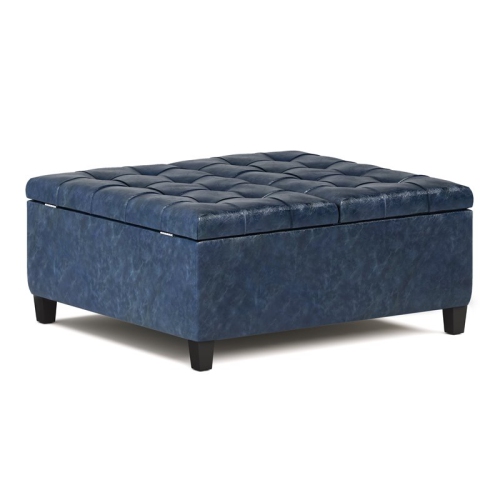 Your price for this item is $1017.95
 -
 Your price for this item is $529.99
 -
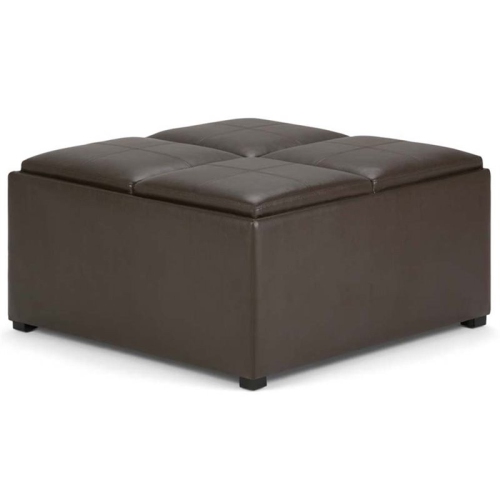 Your price for this item is $1110.04
 -
 Your price for this item is $1399.99
 -
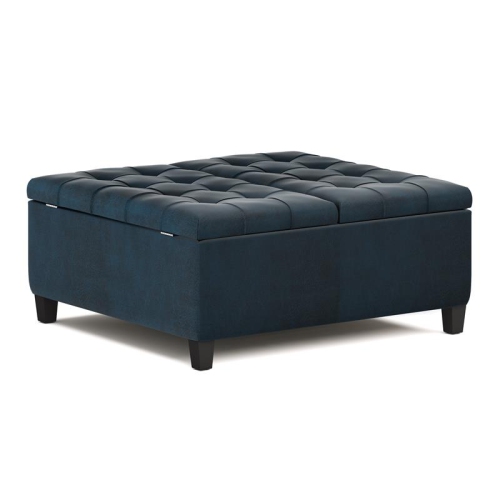 Your price for this item is $1020.01
 -
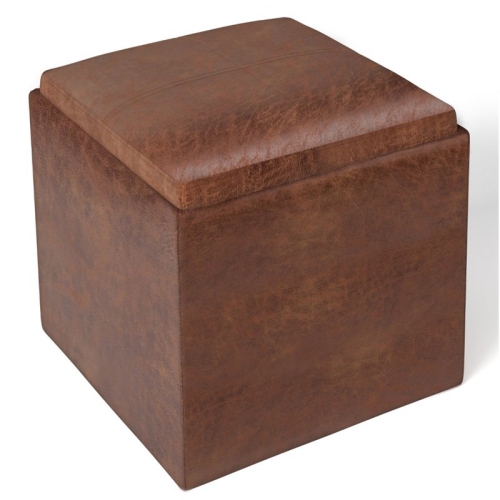 Your price for this item is $339.24
 -
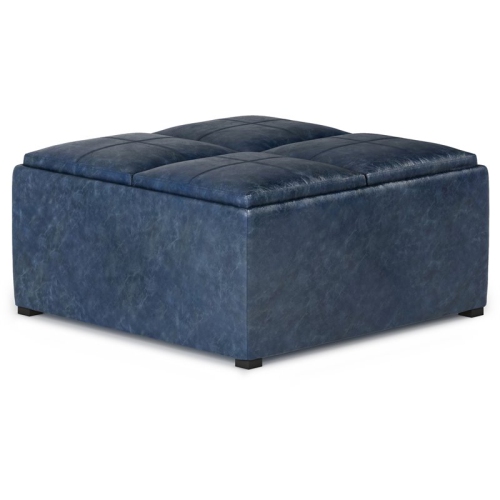 Your price for this item is $1174.3
 -
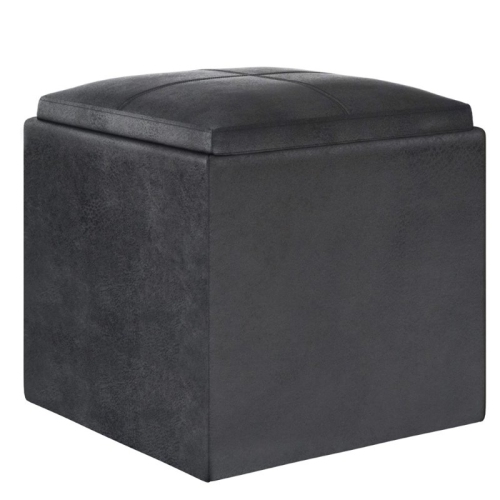 Your price for this item is $346.6
Discover more categories related to Gray Wood Ottomans
Top Collections:
Pokemon Centers, Kindle Devices, Best Budget Office Chairs, Apple iPhones 16, Canon G7X Cameras, iPhone 15 Apple, Alarm Clock, Refurbished Apple Laptops, Flip Phones, Best Laptops for Writers
Some products may be subject to Environmental Handling Fees
(EHF) depending on your province.
Learn more about EHFs.