Green Recliner Chairs
Looking to add a touch of relaxation and style to your living space? Our collection of green recliner chairs offers the perfect blend of comfort and design. Whether you're looking for a cozy spot to unwind after a long day or a stylish addition to your home decor, these recliners are sure to meet your needs. With a variety of shades of green to choose from, you can find the perfect chair to complement your existing furniture and reflect your personal style. Explore our selection of green recliner chairs today and elevate both the comfort and aesthetic appeal of your home.
Sort
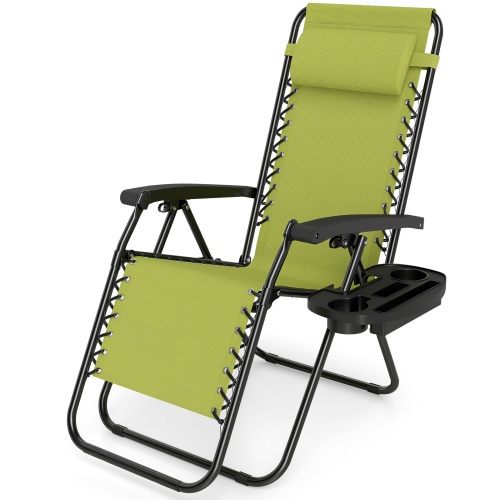
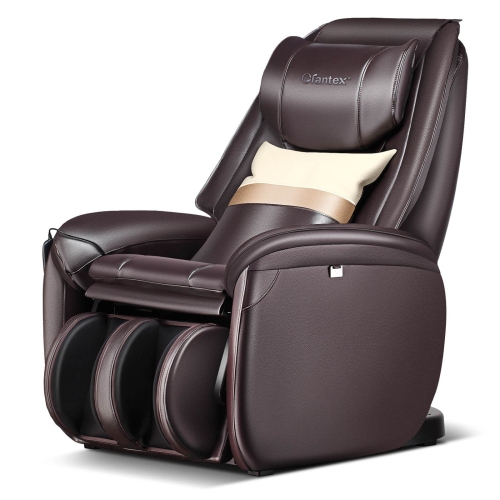
How green upholstery shapes your recliner’s look and feel
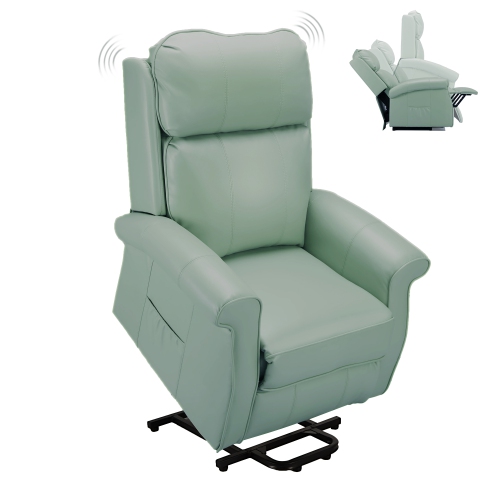
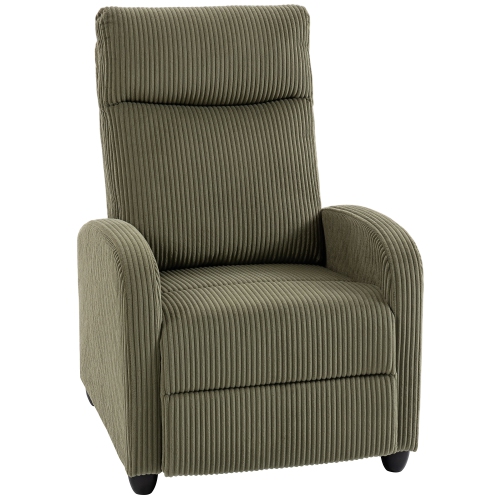
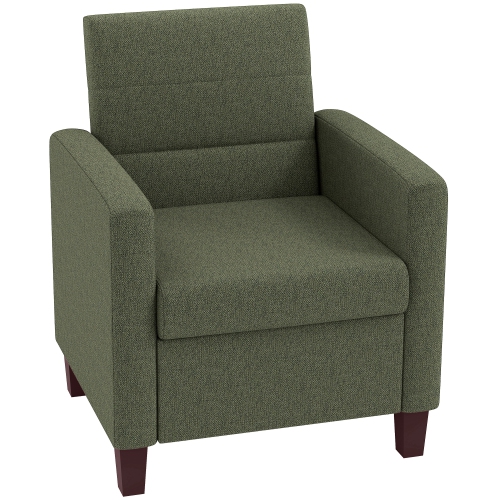
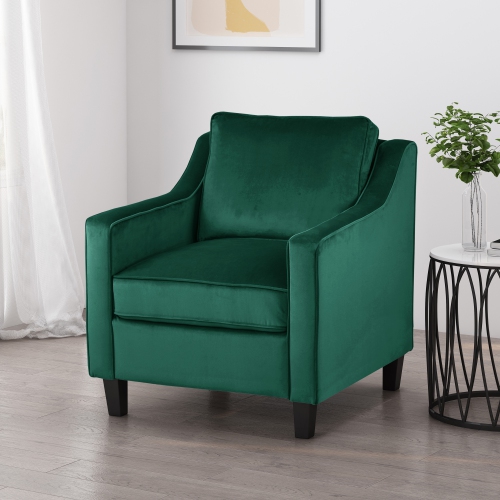
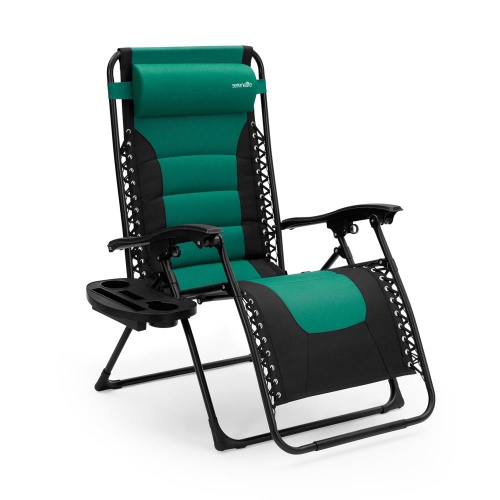
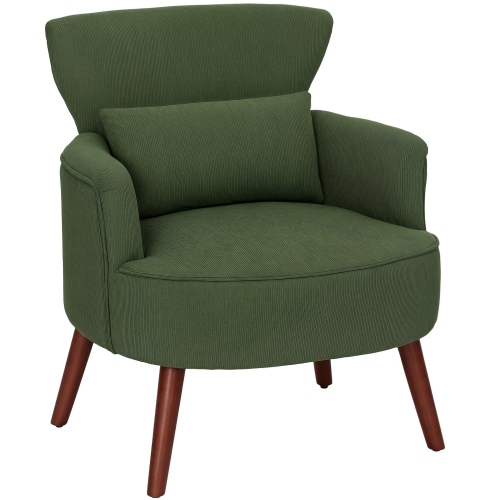
Green recliner chairs bring a distinctive colour to one of the most comfortable seats in the home, whether the aim is a quiet reading corner or a living room arranged for conversation and films. The shade makes a considerable difference to the overall look. Sage and muted olive tend to sit easily alongside pale wood, cream upholstery, and woven textures, while forest green and emerald create a richer focal point against light walls or darker furniture. A moss-green chair beside an oak bookcase has a different character from a jewel-toned recliner paired with brass accents, even when their shapes are similar. Upholstery also affects how the colour appears: velvet can look lighter or darker as its pile catches the light, while a textured woven fabric may give green a softer, more varied finish. Leather and leather-look surfaces often offer a smoother appearance, with seams and padded sections adding definition. Room lighting matters, too, so upholstery images or samples are most useful when considered alongside the flooring, curtains, and sofa the chair will join. Green does not need to match every other furnishing; repeating a similar tone in a cushion, print, or rug can make the chair feel connected to the room without making the space look overly coordinated. For a shared seating area, Grey Recliner Chairs can provide a neutral counterpart that lets green remain the main colour accent. Shape is just as important as shade. Slim arms and visible legs tend to give a chair a lighter visual presence, whereas a broad back, deep cushioning, and generously padded arms create a more substantial lounge seat. A green recliner can suit an apartment living room, a bedroom sitting area, or a dedicated media room, provided its proportions leave enough space for everyday movement. The best fit balances that visual appeal with the way the chair will actually be used, from brief coffee breaks to an evening spent with a novel.
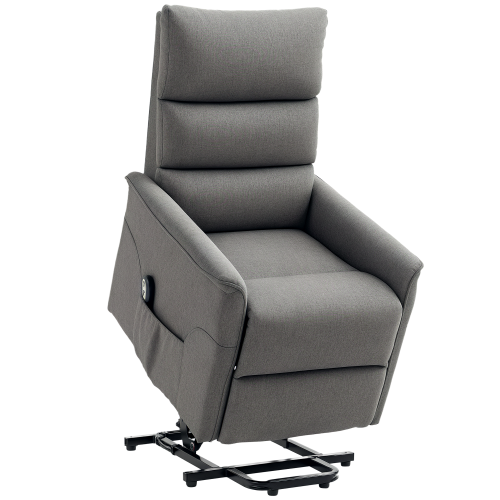
Comfort depends on more than how soft a recliner feels at first. Seat height, depth, and width affect whether someone can sit with their back supported and their feet resting comfortably on the floor when the chair is upright. A deep seat may appeal to a taller person but leave a shorter person needing an extra cushion behind their back. Broad armrests provide room to rest the forearms, though they also increase the chair’s overall width without necessarily increasing usable seating space. Backrest height and head support matter for watching television or reading, especially when the chair is partly reclined rather than fully extended. Firmer cushioning can feel more supportive when sitting upright, while softer padding offers a more enveloping feel; neither is automatically the better choice for every person. Manual recliners typically use a lever, handle, or push-back action, and the effort required varies by design. Power recliners use controls to adjust the seating position, which may be helpful for someone who prefers not to operate a manual mechanism. Some designs allow separate adjustments for the headrest or other sections, but these functions should be confirmed in the chair’s details rather than assumed. A powered chair also needs a suitable electrical connection, with the cord positioned away from walkways and moving parts. Room measurements should account for the fully reclined footprint, not just the upright dimensions. The extending footrest needs space in front, and the back may need clearance from the wall; even a wall-hugging design has its own placement requirements. In a smaller room, a coffee table that looks comfortably spaced when the chair is closed may interfere with the footrest once it opens. Doorways, hallways, stair turns, and lift dimensions also deserve attention before bringing a large chair home. For a shared household, the chair’s stated weight capacity and adjustment range help establish whether it suits its intended users. A recliner chosen as a gift for a parent, partner, or new homeowner is most likely to be appreciated when their seating preferences and room dimensions are known, rather than guessed from colour alone.
Materials and construction influence both everyday comfort and how a green recliner holds up to repeated use. Woven upholstery offers texture, but its weave, fibre content, and cleaning requirements vary considerably. Tightly woven fabrics may be easier to maintain in a busy family room than loose, highly textured surfaces that can catch on jewellery or pet claws. Velvet brings depth to green upholstery and can show pressure marks or changes in pile direction, so its appearance may shift with regular sitting and brushing. Genuine leather develops wear characteristics that depend on its finish and care, while faux leather has different maintenance needs and should not automatically be treated with leather conditioners. For any upholstery, the manufacturer’s cleaning instructions are the starting point. Regular vacuuming with an appropriate attachment helps remove crumbs and dust from seams and cushion edges, and spills are generally best addressed promptly by blotting rather than rubbing, using only approved cleaning methods. Testing an approved cleaner on a concealed area can help reveal an unwanted colour or texture change before a larger surface is treated. Placement away from prolonged direct sunlight and strong heat sources can help limit fading or material damage. Beneath the upholstery, frame construction, joint quality, cushioning, and the reclining mechanism all contribute to durability. A stable chair with smooth movement and evenly finished seams offers useful signs of careful construction, though product specifications and warranty terms give a fuller picture than appearance alone. Moving parts need unobstructed space, and children and pets should be kept clear while the chair is being adjusted. The footrest should be used as intended rather than treated as an extra seat. In a reading corner, a nearby lamp and a side table within comfortable reach can make the recliner more useful without crowding its movement. In a media room, positioning the chair to face the screen helps avoid spending long periods with the neck turned. These practical details allow the colour, upholstery, and reclining function to work together, creating a seat that feels at home in the room and comfortable in everyday use.
Comfort depends on more than how soft a recliner feels at first. Seat height, depth, and width affect whether someone can sit with their back supported and their feet resting comfortably on the floor when the chair is upright. A deep seat may appeal to a taller person but leave a shorter person needing an extra cushion behind their back. Broad armrests provide room to rest the forearms, though they also increase the chair’s overall width without necessarily increasing usable seating space. Backrest height and head support matter for watching television or reading, especially when the chair is partly reclined rather than fully extended. Firmer cushioning can feel more supportive when sitting upright, while softer padding offers a more enveloping feel; neither is automatically the better choice for every person. Manual recliners typically use a lever, handle, or push-back action, and the effort required varies by design. Power recliners use controls to adjust the seating position, which may be helpful for someone who prefers not to operate a manual mechanism. Some designs allow separate adjustments for the headrest or other sections, but these functions should be confirmed in the chair’s details rather than assumed. A powered chair also needs a suitable electrical connection, with the cord positioned away from walkways and moving parts. Room measurements should account for the fully reclined footprint, not just the upright dimensions. The extending footrest needs space in front, and the back may need clearance from the wall; even a wall-hugging design has its own placement requirements. In a smaller room, a coffee table that looks comfortably spaced when the chair is closed may interfere with the footrest once it opens. Doorways, hallways, stair turns, and lift dimensions also deserve attention before bringing a large chair home. For a shared household, the chair’s stated weight capacity and adjustment range help establish whether it suits its intended users. A recliner chosen as a gift for a parent, partner, or new homeowner is most likely to be appreciated when their seating preferences and room dimensions are known, rather than guessed from colour alone.
Materials and construction influence both everyday comfort and how a green recliner holds up to repeated use. Woven upholstery offers texture, but its weave, fibre content, and cleaning requirements vary considerably. Tightly woven fabrics may be easier to maintain in a busy family room than loose, highly textured surfaces that can catch on jewellery or pet claws. Velvet brings depth to green upholstery and can show pressure marks or changes in pile direction, so its appearance may shift with regular sitting and brushing. Genuine leather develops wear characteristics that depend on its finish and care, while faux leather has different maintenance needs and should not automatically be treated with leather conditioners. For any upholstery, the manufacturer’s cleaning instructions are the starting point. Regular vacuuming with an appropriate attachment helps remove crumbs and dust from seams and cushion edges, and spills are generally best addressed promptly by blotting rather than rubbing, using only approved cleaning methods. Testing an approved cleaner on a concealed area can help reveal an unwanted colour or texture change before a larger surface is treated. Placement away from prolonged direct sunlight and strong heat sources can help limit fading or material damage. Beneath the upholstery, frame construction, joint quality, cushioning, and the reclining mechanism all contribute to durability. A stable chair with smooth movement and evenly finished seams offers useful signs of careful construction, though product specifications and warranty terms give a fuller picture than appearance alone. Moving parts need unobstructed space, and children and pets should be kept clear while the chair is being adjusted. The footrest should be used as intended rather than treated as an extra seat. In a reading corner, a nearby lamp and a side table within comfortable reach can make the recliner more useful without crowding its movement. In a media room, positioning the chair to face the screen helps avoid spending long periods with the neck turned. These practical details allow the colour, upholstery, and reclining function to work together, creating a seat that feels at home in the room and comfortable in everyday use.
Top selling and popular products
-
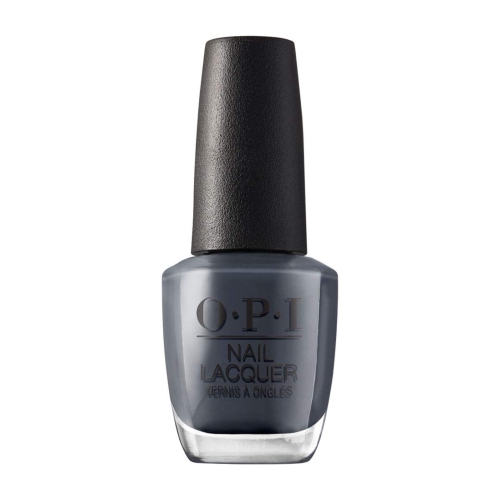 Your price for this item is $13.3
 -
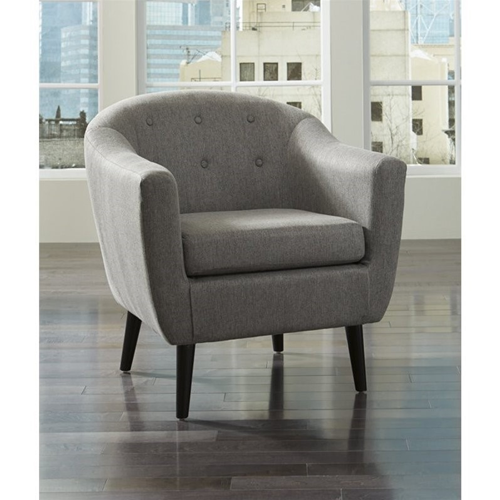 Your price for this item is $544.85
 -
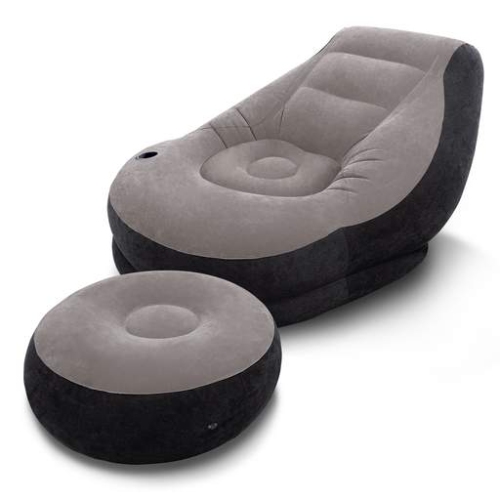 Your price for this item is $276.99
 -
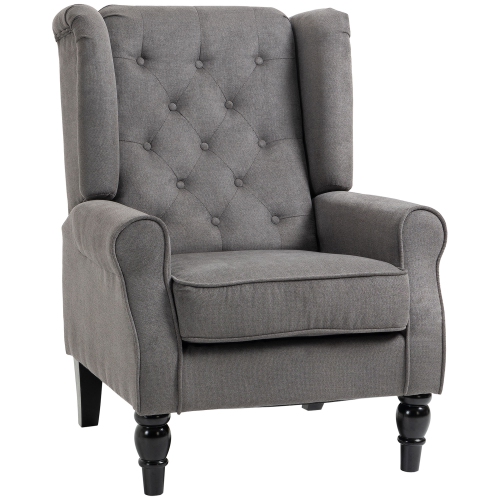 Your price for this item is $259.99
 -
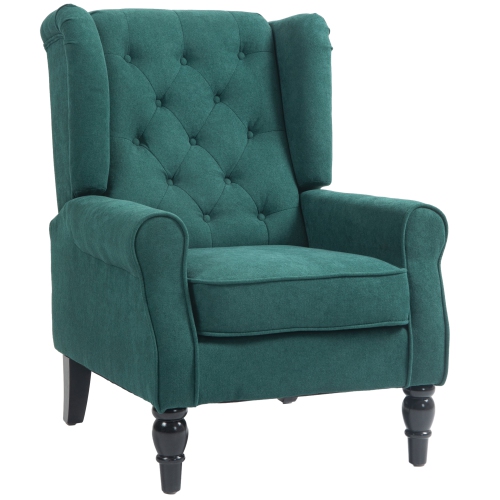 Your price for this item is $219.99
 -
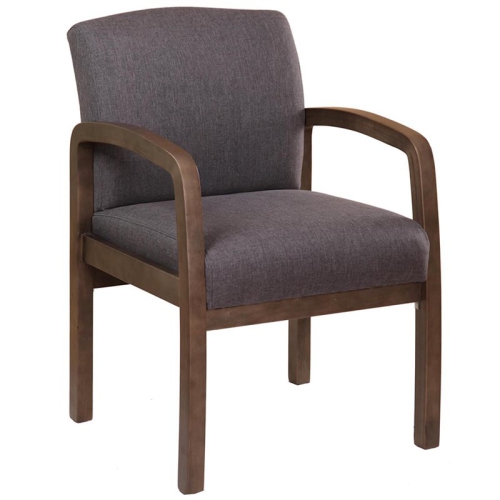 Your price for this item is $626.48
 -
 Your price for this item is $492.5
 -
 Your price for this item is $515.4
Discover more categories related to Green Recliner Chairs

Top Collections:
Pokemon Centers, Kindle Devices, Best Budget Office Chairs, Apple iPhones 16, Best Laptops for Writers, iPhone 15 Apple, Canon G7X Cameras, Refurbished Apple Laptops, Alarm Clock, Motorola Razr Phones
Some products may be subject to Environmental Handling Fees
(EHF) depending on your province.
Learn more about EHFs.