Greenworks Hedge Trimmers
Looking to keep your hedges perfectly manicured all year round? Look no further than our selection of top-quality hedge trimmers. These powerful tools are designed to make trimming and shaping your hedges a breeze, whether you're a seasoned gardener or just getting started with your outdoor maintenance routine. With features like precision blades, ergonomic handles, and long-lasting battery life, our hedge trimmers are sure to help you achieve a professional-looking finish with ease. Say goodbye to unruly hedges and hello to a beautifully landscaped yard with the help of our range of hedge trimmers.
Sort


The right trimmer starts with the hedge itself
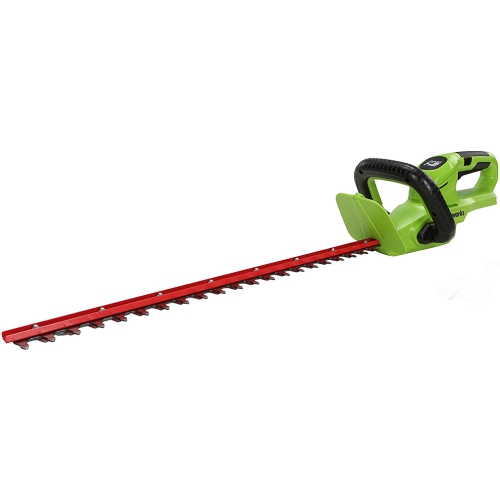
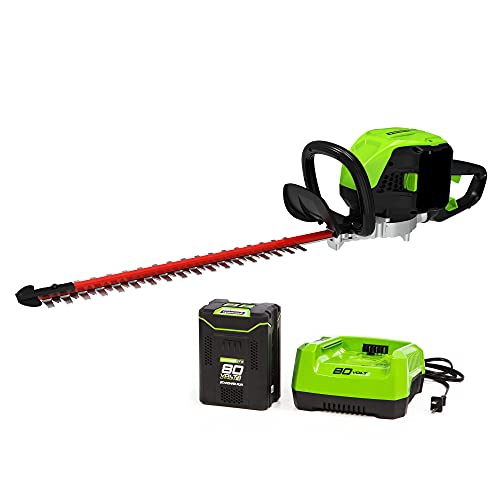
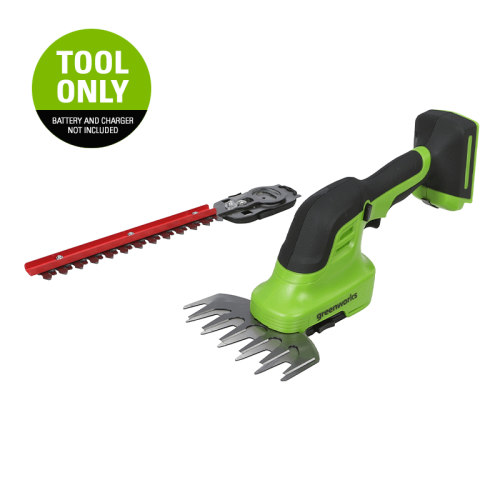
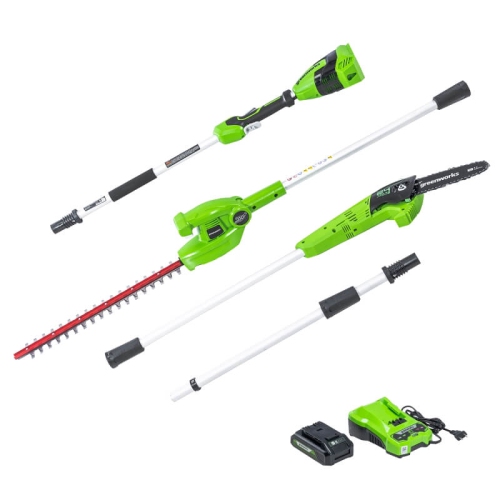
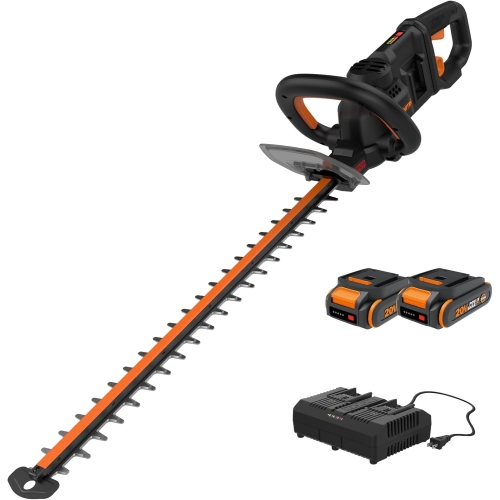
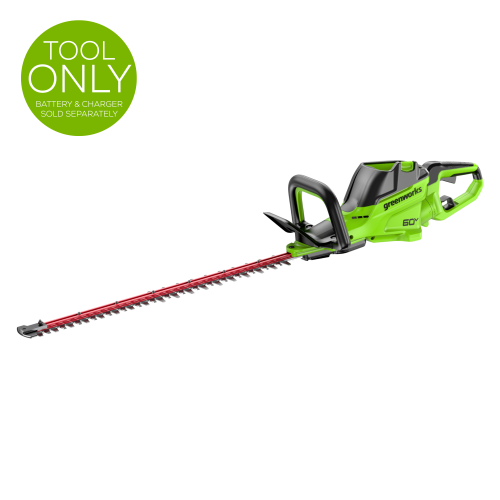
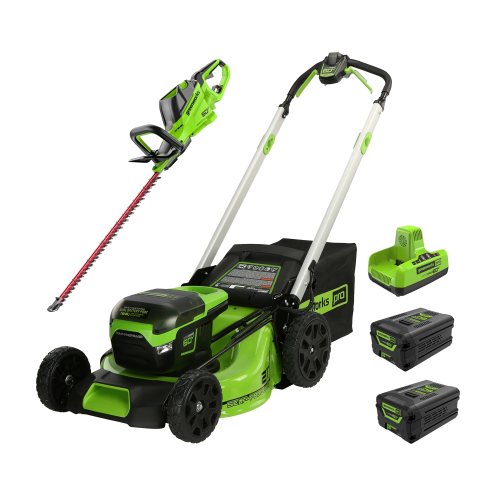
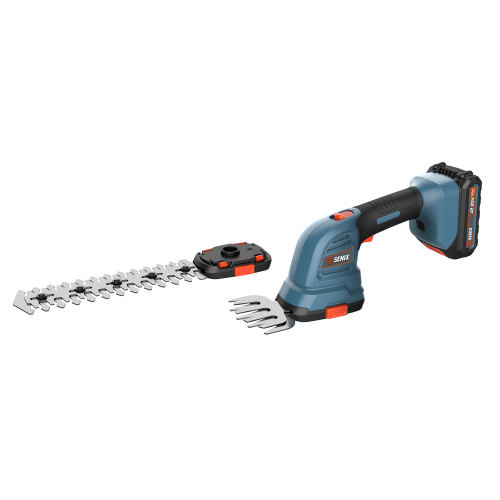
Electric hedge trimmers are designed to shape hedges, tidy shrubs, and maintain the leafy boundaries that frame paths, patios, and lawns. Their reciprocating teeth shear suitable stems along a cutting bar, helping create an even face across dense growth without cutting every shoot individually. They are particularly useful for routine shaping: keeping a low border below a window, narrowing a hedge that has started to crowd a walkway, or smoothing the sides of an established privacy screen. Corded and cordless designs suit different layouts and working habits. A corded trimmer draws power from an electrical outlet, making it a practical choice for work within safe reach of a suitable outdoor extension cord. Cord placement matters, especially when moving around corners or trimming both sides of a hedge; the cable needs to stay clear of the cutting path throughout the job. A cordless trimmer uses a rechargeable battery and allows movement between separate planting beds without trailing a power cord. Its running time depends on factors such as battery capacity, stem thickness, cutting load, and tool design, rather than a single specification alone. Battery voltage identifies an important part of the tool’s power system, but it does not, by itself, establish cutting performance or compatibility. For households with other battery-powered yard tools, compatibility should be confirmed for the exact battery platform and charger, not assumed from a matching voltage. Package contents also matter, since a bare tool and a kit with a battery and charger serve different needs. The broader range of Electric Hedge Trimmers provides context for comparing these power arrangements with the reach, handling, and cutting capacity a property requires. For either type, the best match starts with the hedge itself: its height, depth, density, and distance from an outlet all influence how comfortably the work can be completed.
Blade length and cutting capacity describe different aspects of a hedge trimmer’s intended use. A longer cutting bar can cover more hedge surface with each pass and help maintain a continuous line across broad sections. A shorter bar can feel more manageable around compact shrubs, tight corners, and smaller planting beds where careful positioning matters more than coverage. Cutting capacity refers to the stem diameter the tool is designed to handle; a long blade does not necessarily mean it can cut thicker branches. Established woody stems may require pruning shears, loppers, or another suitable pruning tool rather than repeated passes with a trimmer. Steel cutting blades need an appropriate balance of hardness, edge retention, and resistance to wear, while blade alignment and clean cutting surfaces contribute to consistent results. Some designs use dual-action blades, with two moving cutting edges, to help limit vibration during use. Other features, such as a rotating rear handle, can make it easier to move between horizontal tops and vertical faces while maintaining a controlled grip. These details are worth considering alongside total working weight, including the battery on a cordless tool. A trimmer that feels manageable briefly may become tiring during a long pass across a shoulder-height hedge. Balance, handle spacing, grip shape, and access to the controls all affect how naturally the tool fits the person using it. Protective gloves should still allow secure handling and proper operation of the switches. For taller growth, an extended-reach design may provide access from the ground, although its additional reach changes the balance and effort required. Hedge height should never encourage overreaching or using a powered trimmer from an unstable support. A clear working area and secure footing help keep attention on the blade’s position, particularly beside fences, garden edging, and other surfaces that can be damaged by accidental contact.
Regular care helps preserve cutting quality and makes a hedge trimmer easier to inspect before each use. Plant sap and small clippings can collect around the teeth, increasing friction and making the blade harder to clean if residue is left in place. Before cleaning, clearing a blockage, or examining the cutting assembly, the tool should be switched off and disconnected from its power source by unplugging it or removing the battery, as applicable. Cleaning methods and blade lubrication should follow the manufacturer’s instructions, including the specified lubricant and any restrictions on water or cleaning solutions. A blade cover protects the cutting edges during storage and transport, but it is not a substitute for keeping the tool somewhere secure and out of children’s reach. Dry storage, sound electrical connections, and attention to loose fasteners or damaged guards all support dependable use. Corded tools also need checks for cable damage, while cordless tools require battery and charger care consistent with their manuals. A bent blade, unusual vibration, or noticeably uneven cutting deserves inspection rather than extra pressure against the hedge. Durability depends on appropriate use as much as construction: avoiding wire, hidden fencing, stones, and stems beyond the stated capacity reduces unnecessary stress on the cutting mechanism. Before starting, checking the hedge for obstructions and nesting wildlife can prevent harm and interruptions. Eye protection, sturdy footwear, suitable gloves, and hearing protection where required belong alongside the tool in a practical yard-care setup. These trimmers can suit homeowners maintaining formal borders, gardeners shaping ornamental shrubs, or family members sharing routine property upkeep. As a gift for someone who enjoys keeping a tidy garden, a well-matched trimmer is most useful when its weight, reach, and power system fit the recipient’s existing equipment and physical comfort. Whether the task is a short run of shrubs beside a front step or a longer boundary hedge, thoughtful matching of blade size, power source, and handling features makes routine trimming more controlled and manageable.
Blade length and cutting capacity describe different aspects of a hedge trimmer’s intended use. A longer cutting bar can cover more hedge surface with each pass and help maintain a continuous line across broad sections. A shorter bar can feel more manageable around compact shrubs, tight corners, and smaller planting beds where careful positioning matters more than coverage. Cutting capacity refers to the stem diameter the tool is designed to handle; a long blade does not necessarily mean it can cut thicker branches. Established woody stems may require pruning shears, loppers, or another suitable pruning tool rather than repeated passes with a trimmer. Steel cutting blades need an appropriate balance of hardness, edge retention, and resistance to wear, while blade alignment and clean cutting surfaces contribute to consistent results. Some designs use dual-action blades, with two moving cutting edges, to help limit vibration during use. Other features, such as a rotating rear handle, can make it easier to move between horizontal tops and vertical faces while maintaining a controlled grip. These details are worth considering alongside total working weight, including the battery on a cordless tool. A trimmer that feels manageable briefly may become tiring during a long pass across a shoulder-height hedge. Balance, handle spacing, grip shape, and access to the controls all affect how naturally the tool fits the person using it. Protective gloves should still allow secure handling and proper operation of the switches. For taller growth, an extended-reach design may provide access from the ground, although its additional reach changes the balance and effort required. Hedge height should never encourage overreaching or using a powered trimmer from an unstable support. A clear working area and secure footing help keep attention on the blade’s position, particularly beside fences, garden edging, and other surfaces that can be damaged by accidental contact.
Regular care helps preserve cutting quality and makes a hedge trimmer easier to inspect before each use. Plant sap and small clippings can collect around the teeth, increasing friction and making the blade harder to clean if residue is left in place. Before cleaning, clearing a blockage, or examining the cutting assembly, the tool should be switched off and disconnected from its power source by unplugging it or removing the battery, as applicable. Cleaning methods and blade lubrication should follow the manufacturer’s instructions, including the specified lubricant and any restrictions on water or cleaning solutions. A blade cover protects the cutting edges during storage and transport, but it is not a substitute for keeping the tool somewhere secure and out of children’s reach. Dry storage, sound electrical connections, and attention to loose fasteners or damaged guards all support dependable use. Corded tools also need checks for cable damage, while cordless tools require battery and charger care consistent with their manuals. A bent blade, unusual vibration, or noticeably uneven cutting deserves inspection rather than extra pressure against the hedge. Durability depends on appropriate use as much as construction: avoiding wire, hidden fencing, stones, and stems beyond the stated capacity reduces unnecessary stress on the cutting mechanism. Before starting, checking the hedge for obstructions and nesting wildlife can prevent harm and interruptions. Eye protection, sturdy footwear, suitable gloves, and hearing protection where required belong alongside the tool in a practical yard-care setup. These trimmers can suit homeowners maintaining formal borders, gardeners shaping ornamental shrubs, or family members sharing routine property upkeep. As a gift for someone who enjoys keeping a tidy garden, a well-matched trimmer is most useful when its weight, reach, and power system fit the recipient’s existing equipment and physical comfort. Whether the task is a short run of shrubs beside a front step or a longer boundary hedge, thoughtful matching of blade size, power source, and handling features makes routine trimming more controlled and manageable.
Top selling and popular products
-
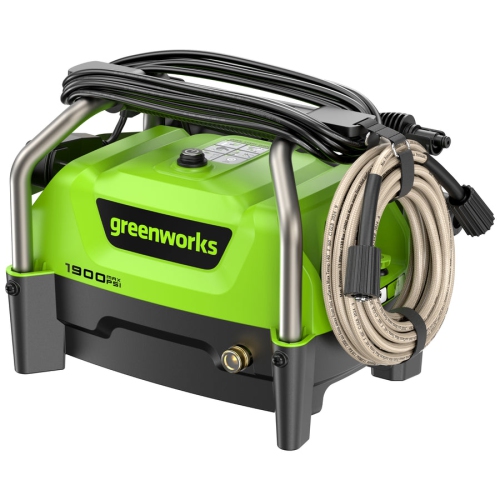 Your price for this item is $169.99
 -
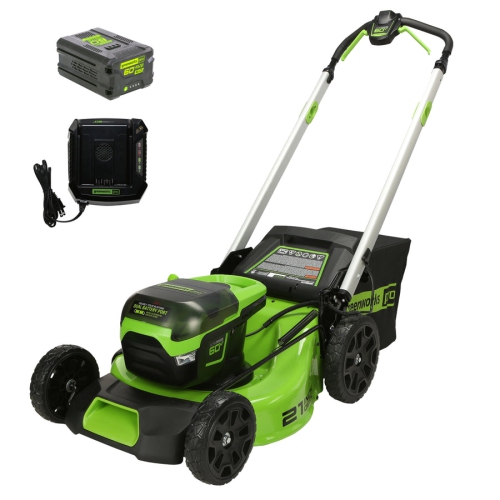 Your price for this item is $554.39
 -
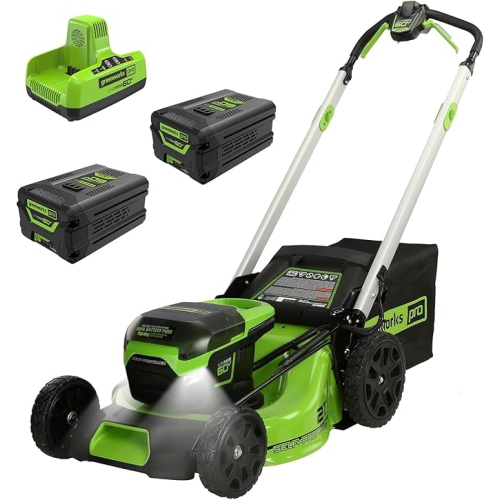 Your price for this item is $879.99
 -
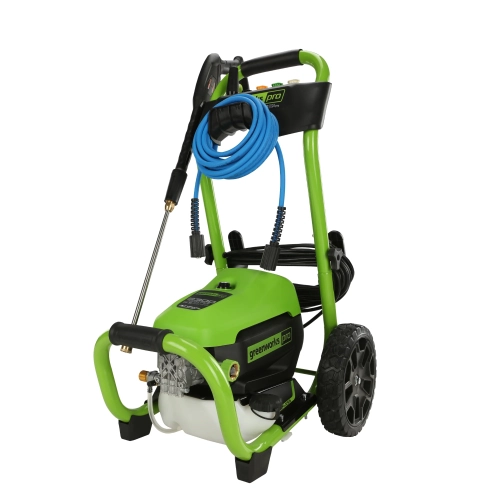 Your price for this item is $439.99
 -
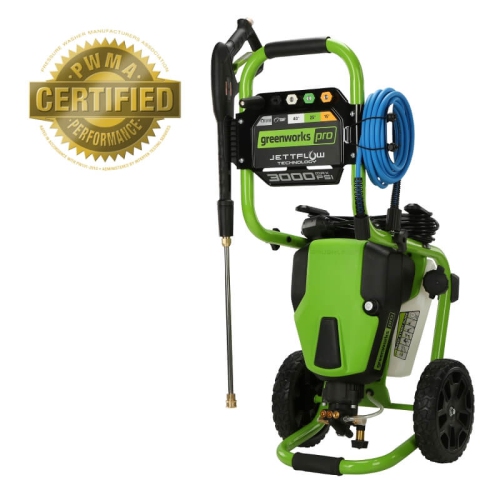 Your price for this item is $499
 -
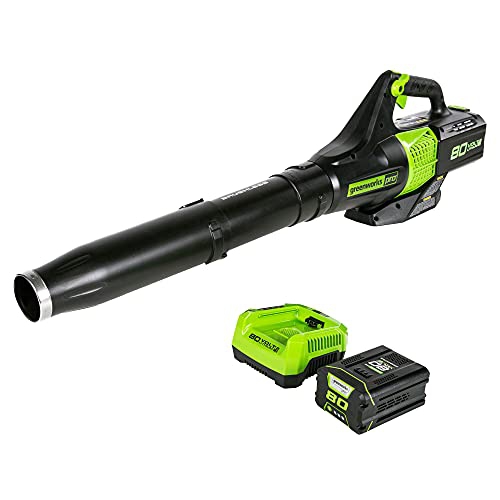 Your price for this item is $255
 -
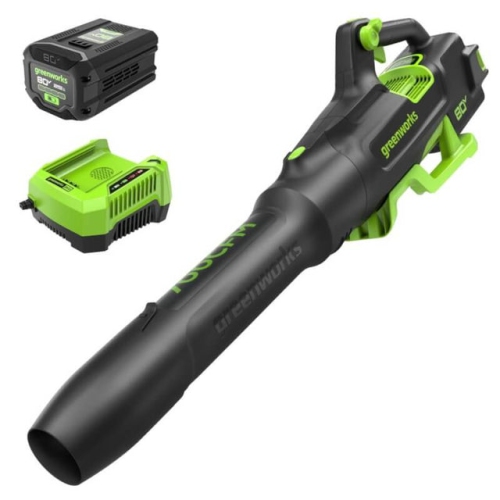 Your price for this item is $272
 -
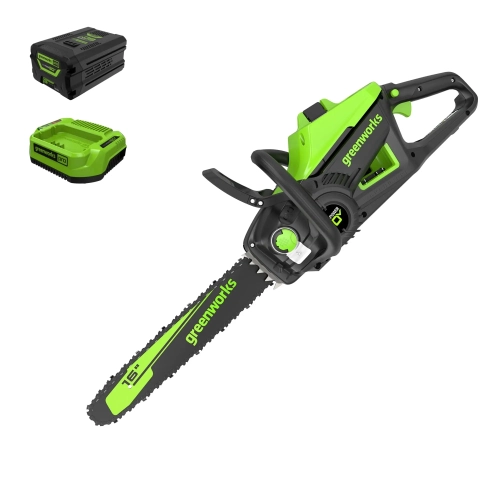 Your price for this item is $329.99
Discover more categories related to Greenworks Hedge Trimmers
Top Collections:
Pokemon Centers, Kindle Devices, Best Budget Office Chairs, Apple iPhones 16, Best Laptops for Writers, iPhone 15 Apple, Canon G7X Cameras, Refurbished Apple Laptops, Alarm Clock, Motorola Razr Phones
Some products may be subject to Environmental Handling Fees
(EHF) depending on your province.
Learn more about EHFs.