Grey Upholstered Beds
Create a serene and stylish retreat in your bedroom with our selection of grey upholstered beds. The timeless elegance of a grey fabric bed frame effortlessly complements almost any decor style, whether you prefer a modern, minimalist look or a more traditional aesthetic. Designed to provide both comfort and sophistication, our range of grey upholstered beds offers a variety of sizes and designs to suit your personal taste.
Sort

How fabric texture and grey tones shape your bedroom
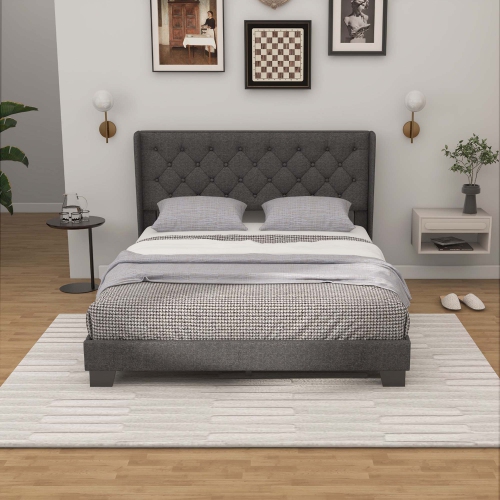
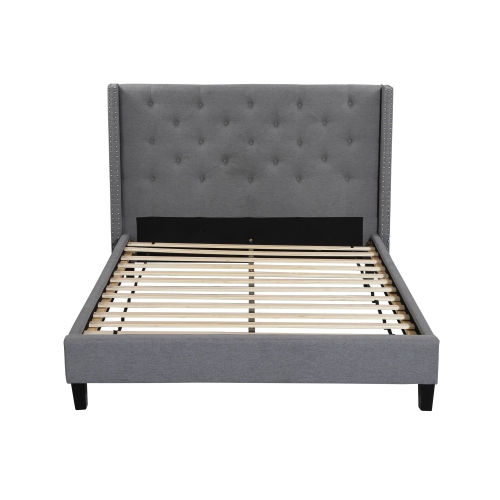
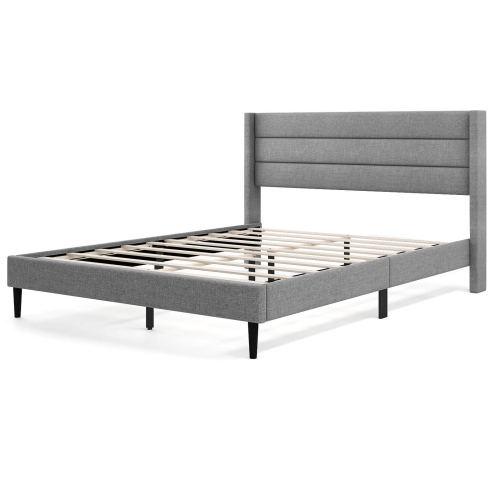
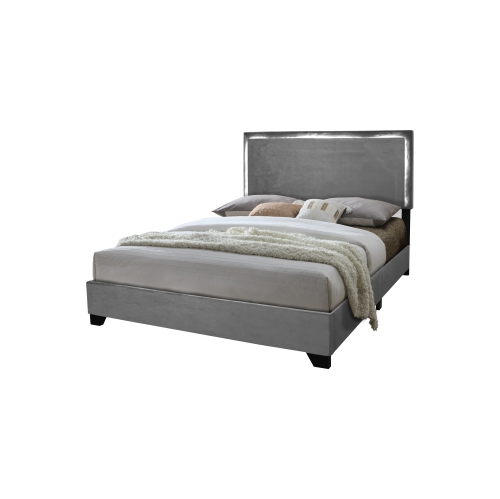
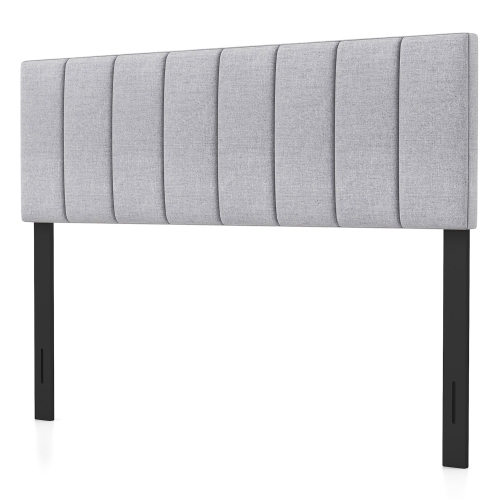
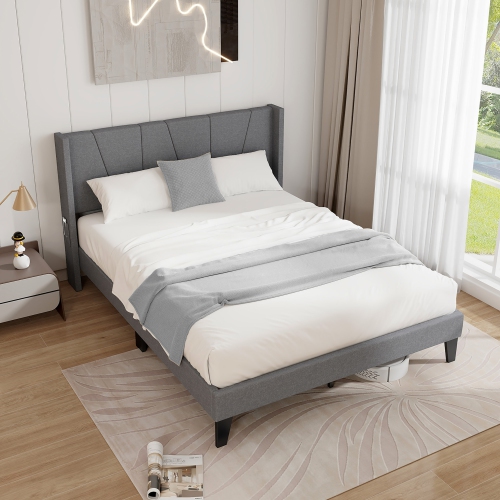
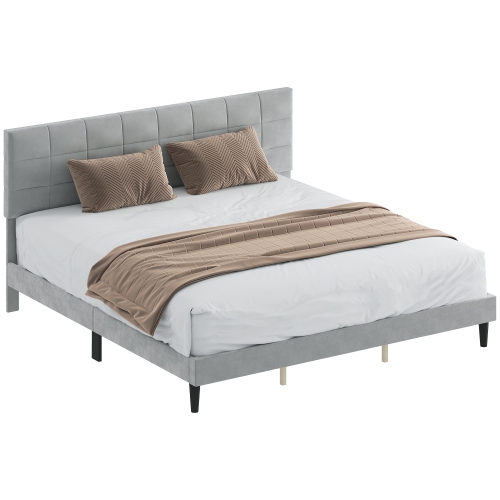
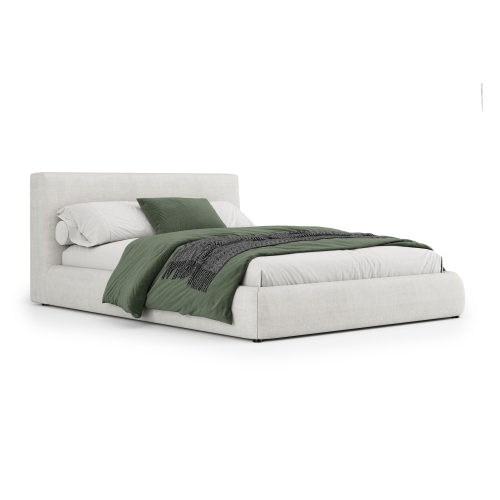
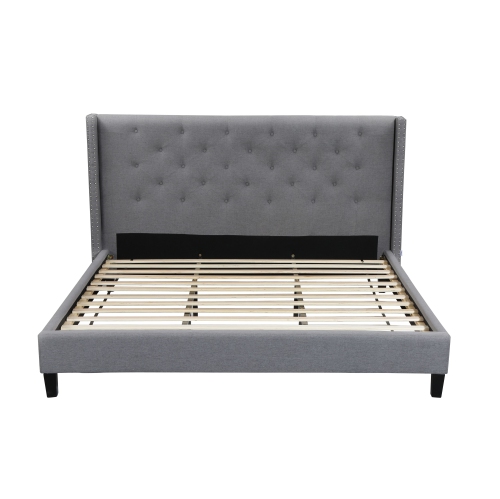
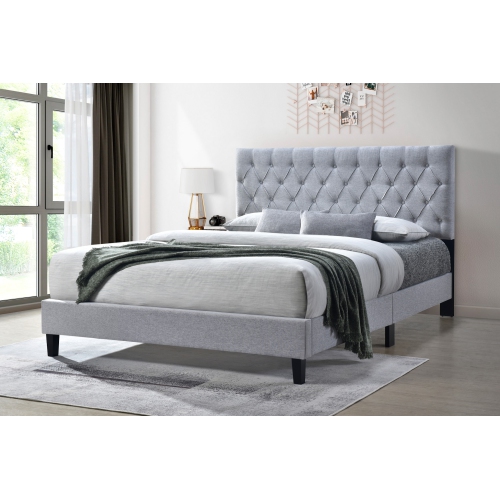
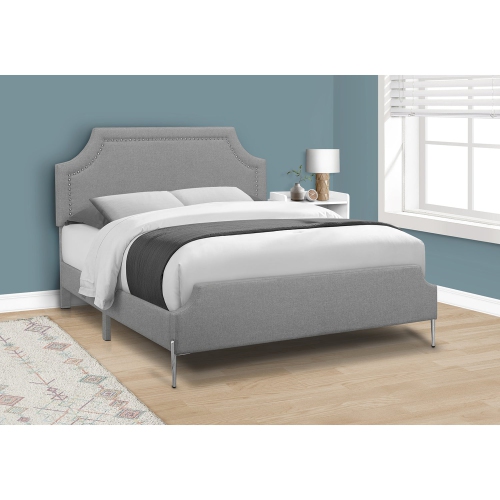
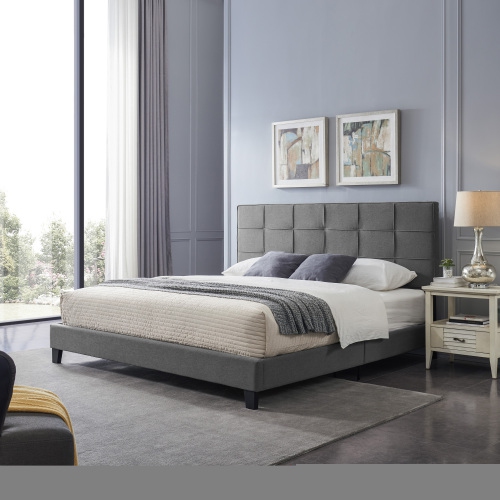
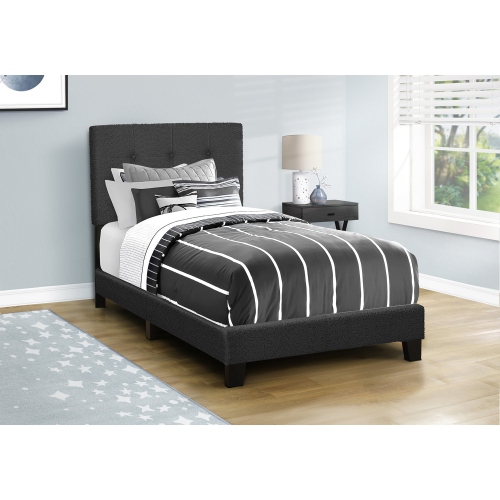
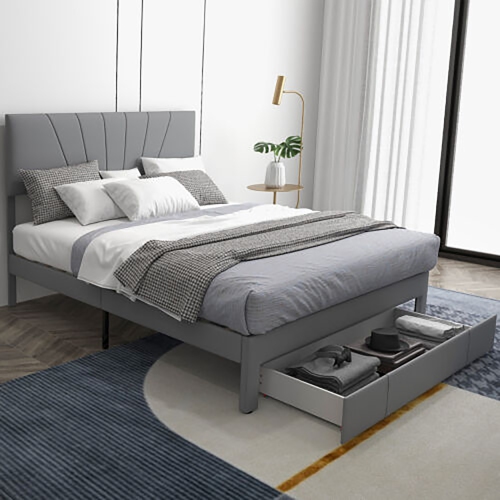
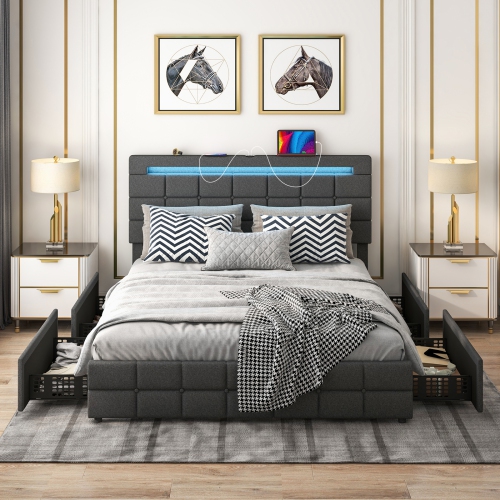
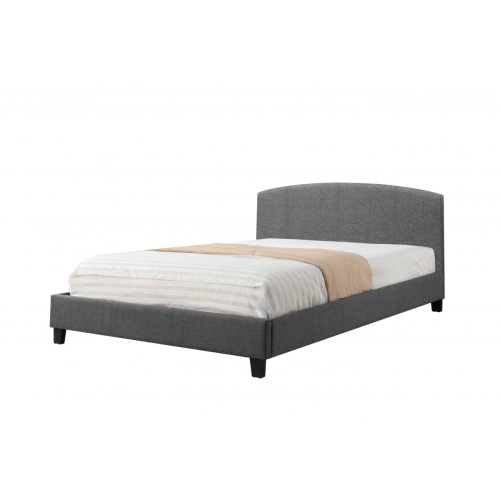
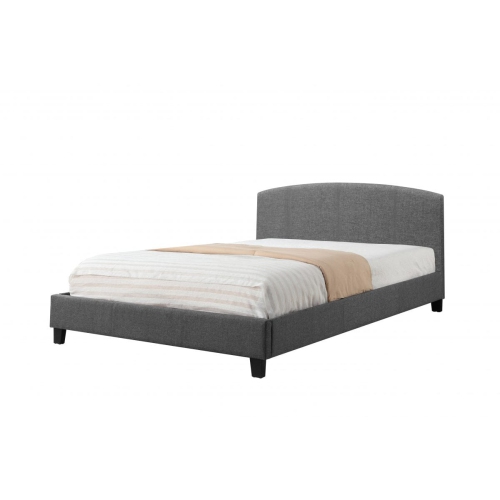
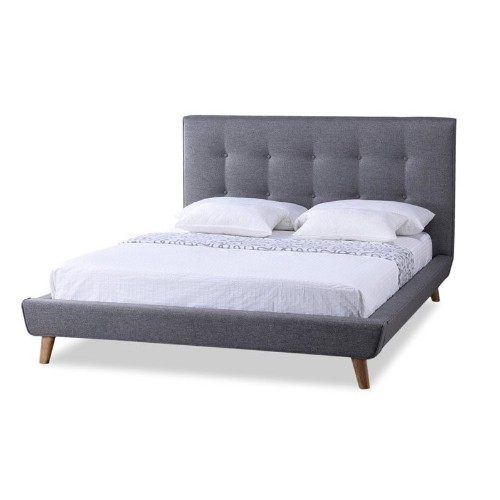
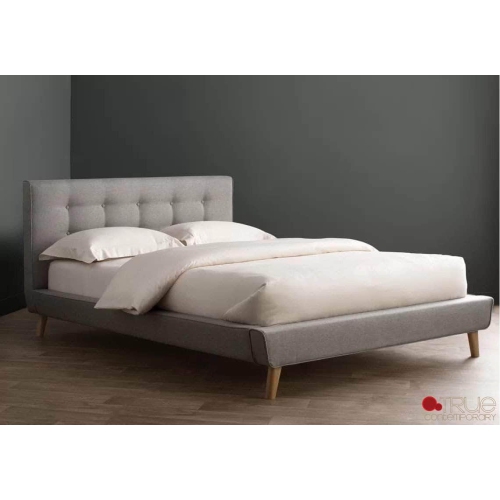
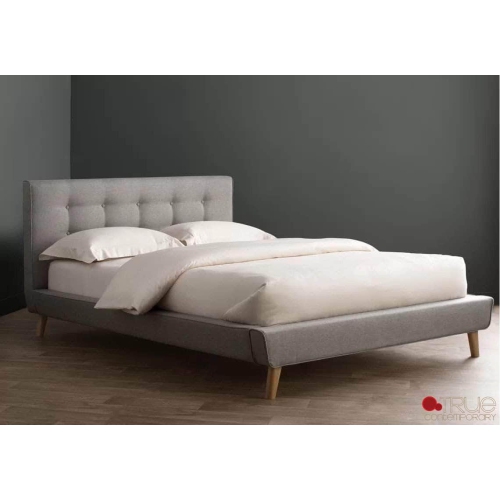
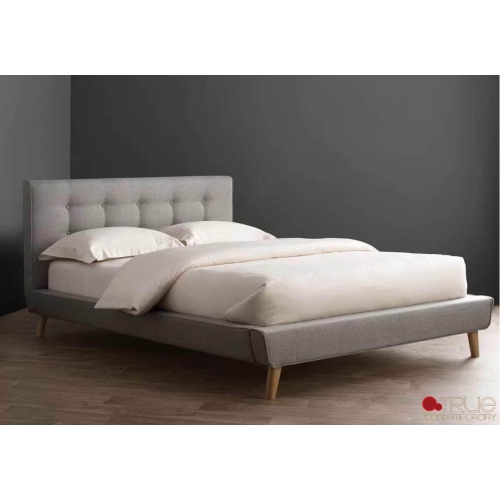
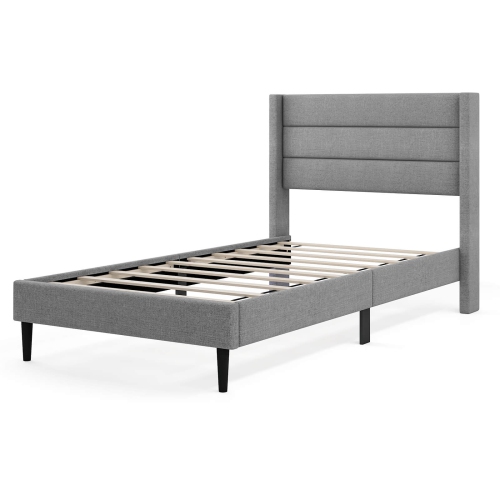
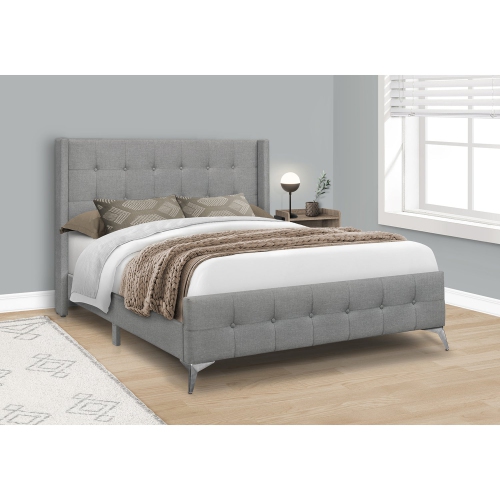
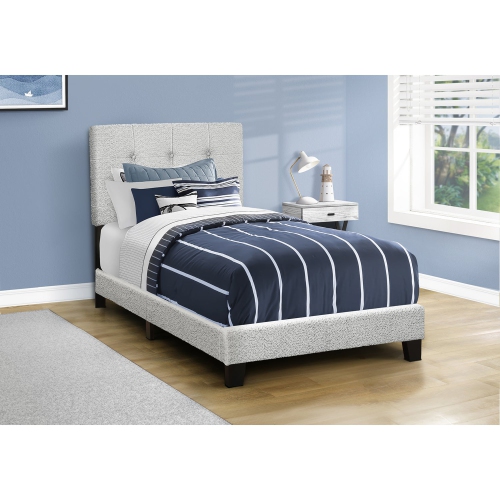
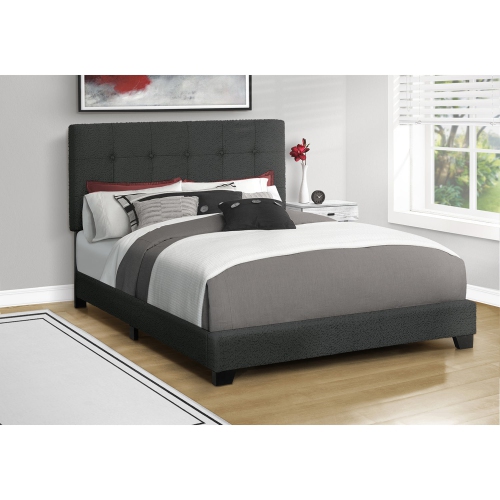
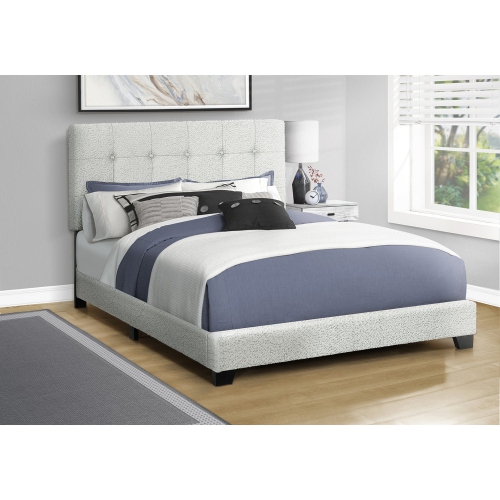
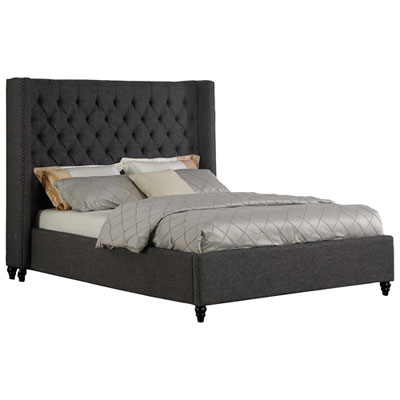
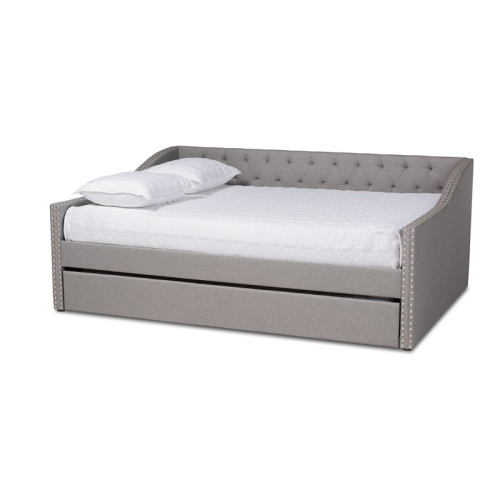
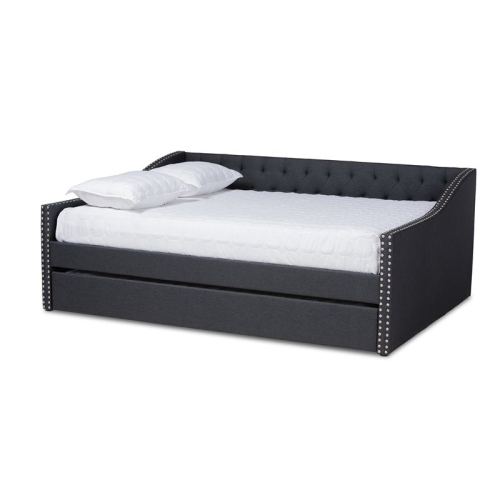
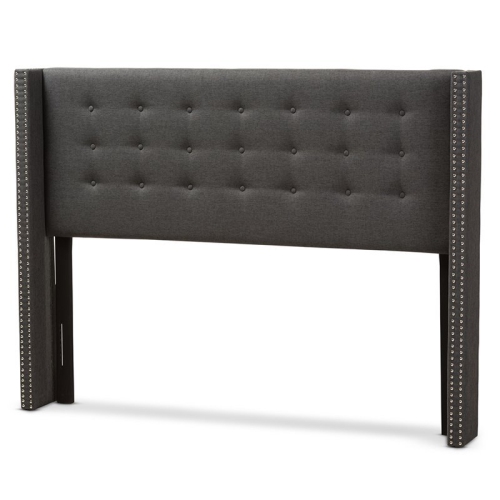
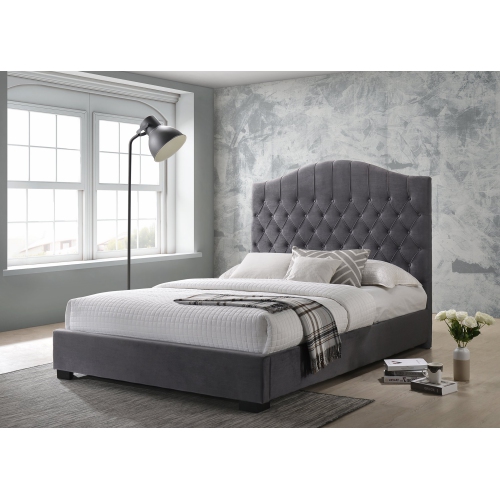
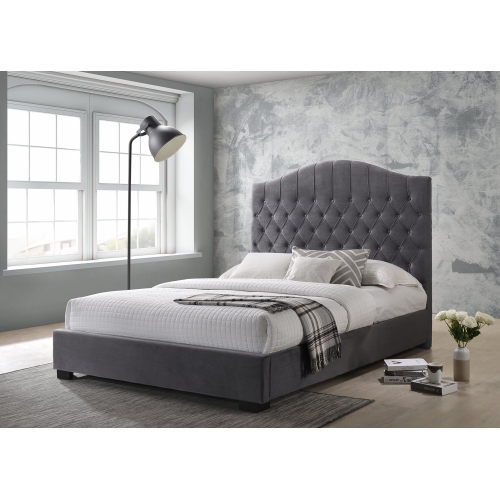
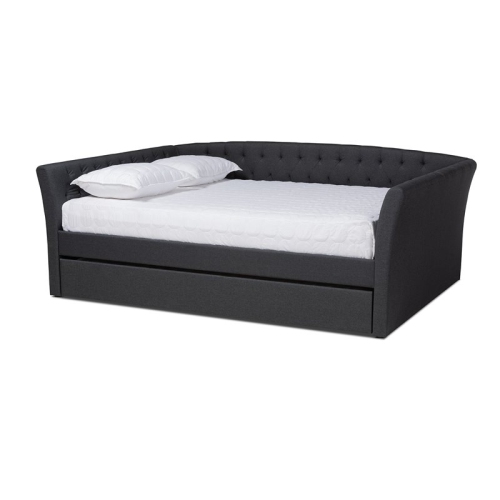
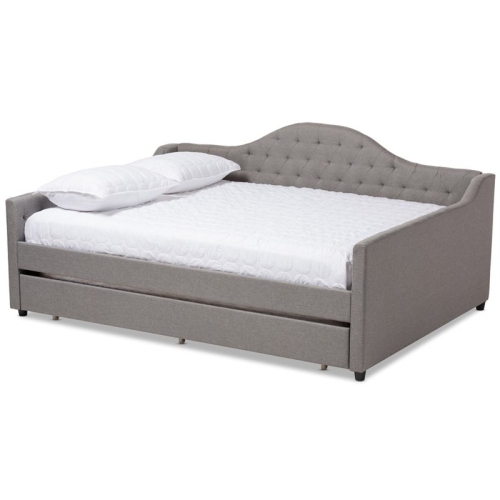
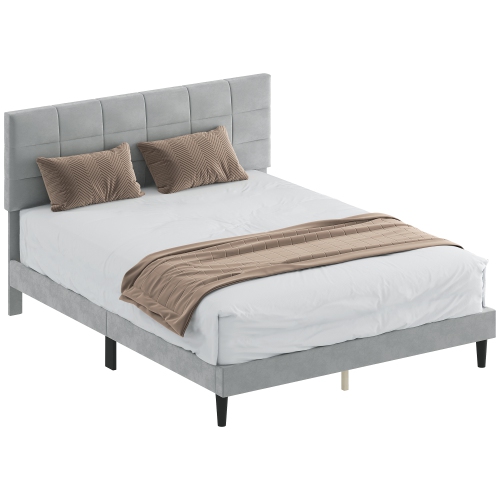
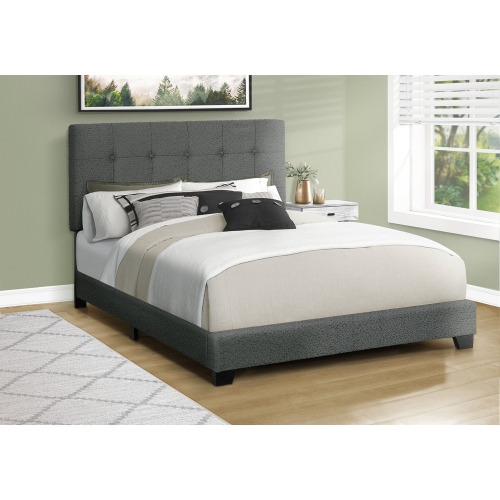
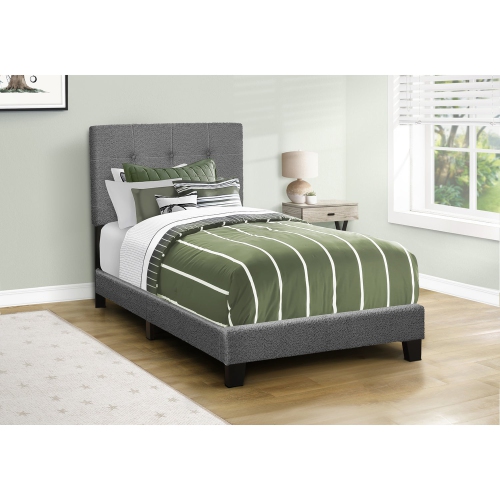
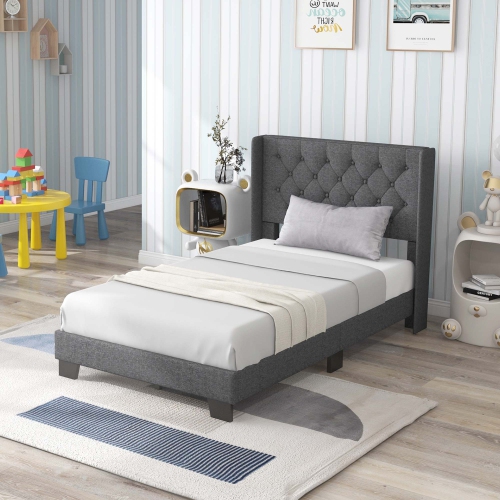
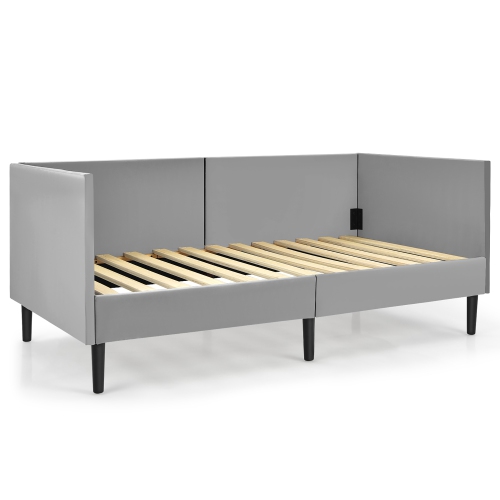
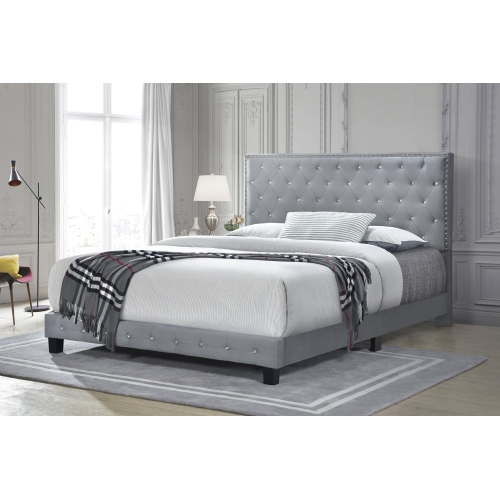
Grey upholstered beds pair a fabric-covered frame or headboard with a neutral colour that works across a wide range of bedroom styles. The upholstery softens the bed’s appearance, while a padded headboard can provide a more comfortable surface for sitting up with a book or watching television, depending on its cushioning and shape. Grey is especially versatile because its undertones can lean warm or cool: a soft dove grey may sit comfortably beside cream bedding and pale oak furniture, while a charcoal shade creates stronger contrast against white walls. Fabric texture matters as much as colour. Linen-look upholstery often has a visible weave that gives a simple frame depth without a bold pattern. Polyester blends vary in texture and care requirements, so fibre content alone does not tell the whole story. Velvet brings a smoother, more lustrous finish, with a surface that can appear lighter or darker as the pile catches the light. Chenille has a plush, textured feel that suits bedrooms where tactile fabrics are part of the appeal. Headboard shapes further define the look. Button tufting creates a traditional, tailored effect, vertical channels introduce a more linear pattern, and plain rectangular panels keep the silhouette understated. A wingback headboard adds depth at either side, while a curved outline gives the bed a gentler profile. These details influence how substantial the bed feels in the room, even when the mattress size stays the same. A light grey frame can blend into a quiet palette of white, beige, and natural wood; deeper tones can anchor colourful bedding or patterned rugs. For a stronger neutral focal point, dark grey beds bring visual weight without the sharp contrast of a black frame. Matching every grey surface is not necessary: differences in weave, finish, and shade can make a bedroom feel more layered, especially when bedding and nearby furniture repeat one or two complementary colours.
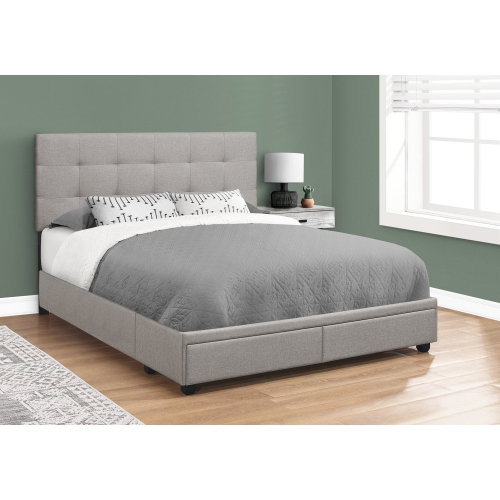
The fit of a grey upholstered bed depends on more than whether it takes a twin, double, queen, or king mattress. Upholstered side rails, a thick headboard, and wingback details can extend beyond the mattress footprint, making the frame’s full exterior dimensions important in a compact bedroom. A queen mattress may suit two sleepers, but the surrounding frame still needs to leave practical space for walking, opening a wardrobe, and reaching bedside tables. In a guest room that also serves as a home office, a lower-profile frame can keep the sleeping area from visually dominating the room. Taller headboards make a more prominent backdrop, though their placement needs to account for windows, shelves, and sloped ceilings. Mattress thickness also changes the finished appearance: a deep mattress can hide much of a short headboard, while a thinner mattress may expose a gap beneath the upholstered panel. Adjustable headboards can offer flexibility, but their adjustment range and intended mattress fit vary. Under the upholstery, the support system determines how the bed works with the mattress. Some platform beds use closely spaced wood or metal slats and are designed to support a mattress without a box spring; others require a separate foundation. The bed specifications and mattress manufacturer’s support requirements should agree, particularly where slat spacing, centre support, or an adjustable base is concerned. Weight limits also matter and should be read with attention to whether they include the mattress and other bedding. Storage designs add another practical distinction. Pull-out drawers provide accessible space for spare sheets or clothing but need clearance beside or at the foot of the bed. Lift-up storage can make use of the space beneath the mattress without that drawer clearance, although the lifting mechanism must be suitable for the mattress weight and operated as directed. These differences help distinguish a bed intended mainly as a simple sleeping platform from one that also takes on some of the work of a dresser or linen cupboard.
Everyday durability comes from the combination of upholstery, internal construction, and properly assembled hardware rather than from the fabric’s appearance alone. A tightly woven cover, neat seams, secure slats, and a well-supported frame all contribute to how a bed stands up to regular use. Solid wood, engineered wood, and metal may appear in different parts of the same structure, each serving a different purpose; the overall design and joinery matter alongside the material names. Upholstery is most likely to show contact along the headboard, side rails, and corners, particularly where someone regularly leans back or brushes past the frame. In a busy household, textured mid-grey fabric may make small marks less conspicuous than a very pale, smooth surface, but colour does not make fabric stain-resistant. Any protective treatment or special cleaning claim needs to be confirmed in the care information. Routine care usually centres on removing dust with a suitable soft vacuum attachment and addressing spills promptly according to the manufacturer’s instructions. Gentle blotting is generally preferable to rubbing, which can spread a mark or disturb the fabric’s surface. Cleaning products should only be used when permitted for the upholstery, with a test on a concealed area before broader use. Velvet and other pile fabrics may need particular handling to maintain an even appearance, and removable-looking covers should not be assumed to be washable. Keeping sharp objects away from the side rails and discouraging pets from scratching the corners can help preserve the finish. Assembly and access deserve similar attention: large headboard sections need to pass through doorways and stairwells, and storage mechanisms need to be installed correctly. Once assembled, periodic checks for loose fasteners can help keep the frame steady. For a primary bedroom, a teenager’s room, or a guest space, a grey upholstered bed offers a balance of softness and structure. Its neutral finish leaves room for personal touches, from crisp cotton sheets and a patterned quilt to colourful cushions, while its size, support, and storage determine how comfortably it fits into daily life.
The fit of a grey upholstered bed depends on more than whether it takes a twin, double, queen, or king mattress. Upholstered side rails, a thick headboard, and wingback details can extend beyond the mattress footprint, making the frame’s full exterior dimensions important in a compact bedroom. A queen mattress may suit two sleepers, but the surrounding frame still needs to leave practical space for walking, opening a wardrobe, and reaching bedside tables. In a guest room that also serves as a home office, a lower-profile frame can keep the sleeping area from visually dominating the room. Taller headboards make a more prominent backdrop, though their placement needs to account for windows, shelves, and sloped ceilings. Mattress thickness also changes the finished appearance: a deep mattress can hide much of a short headboard, while a thinner mattress may expose a gap beneath the upholstered panel. Adjustable headboards can offer flexibility, but their adjustment range and intended mattress fit vary. Under the upholstery, the support system determines how the bed works with the mattress. Some platform beds use closely spaced wood or metal slats and are designed to support a mattress without a box spring; others require a separate foundation. The bed specifications and mattress manufacturer’s support requirements should agree, particularly where slat spacing, centre support, or an adjustable base is concerned. Weight limits also matter and should be read with attention to whether they include the mattress and other bedding. Storage designs add another practical distinction. Pull-out drawers provide accessible space for spare sheets or clothing but need clearance beside or at the foot of the bed. Lift-up storage can make use of the space beneath the mattress without that drawer clearance, although the lifting mechanism must be suitable for the mattress weight and operated as directed. These differences help distinguish a bed intended mainly as a simple sleeping platform from one that also takes on some of the work of a dresser or linen cupboard.
Everyday durability comes from the combination of upholstery, internal construction, and properly assembled hardware rather than from the fabric’s appearance alone. A tightly woven cover, neat seams, secure slats, and a well-supported frame all contribute to how a bed stands up to regular use. Solid wood, engineered wood, and metal may appear in different parts of the same structure, each serving a different purpose; the overall design and joinery matter alongside the material names. Upholstery is most likely to show contact along the headboard, side rails, and corners, particularly where someone regularly leans back or brushes past the frame. In a busy household, textured mid-grey fabric may make small marks less conspicuous than a very pale, smooth surface, but colour does not make fabric stain-resistant. Any protective treatment or special cleaning claim needs to be confirmed in the care information. Routine care usually centres on removing dust with a suitable soft vacuum attachment and addressing spills promptly according to the manufacturer’s instructions. Gentle blotting is generally preferable to rubbing, which can spread a mark or disturb the fabric’s surface. Cleaning products should only be used when permitted for the upholstery, with a test on a concealed area before broader use. Velvet and other pile fabrics may need particular handling to maintain an even appearance, and removable-looking covers should not be assumed to be washable. Keeping sharp objects away from the side rails and discouraging pets from scratching the corners can help preserve the finish. Assembly and access deserve similar attention: large headboard sections need to pass through doorways and stairwells, and storage mechanisms need to be installed correctly. Once assembled, periodic checks for loose fasteners can help keep the frame steady. For a primary bedroom, a teenager’s room, or a guest space, a grey upholstered bed offers a balance of softness and structure. Its neutral finish leaves room for personal touches, from crisp cotton sheets and a patterned quilt to colourful cushions, while its size, support, and storage determine how comfortably it fits into daily life.
Top selling and popular products
-
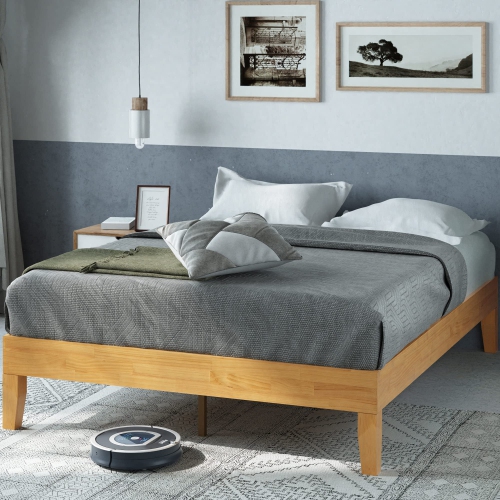 Your price for this item is $493.52
 -
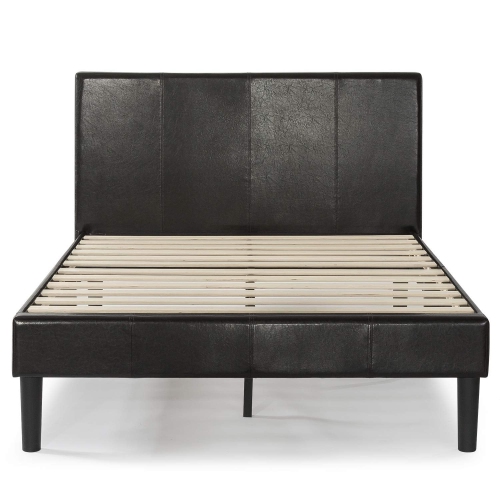 Your price for this item is $611.85
 -
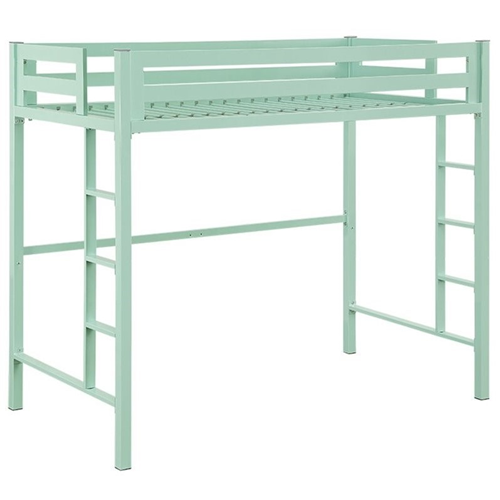 Your price for this item is $825.26
 -
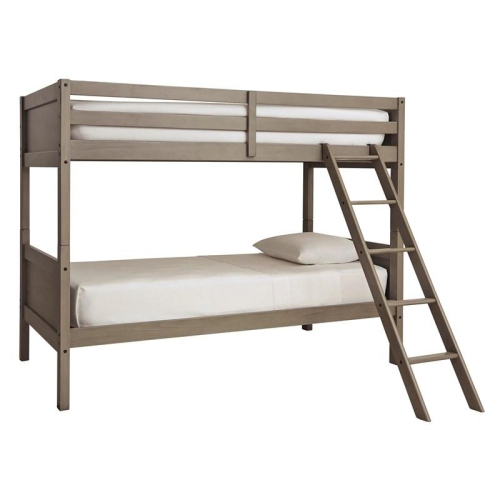 Your price for this item is $799.99
 -
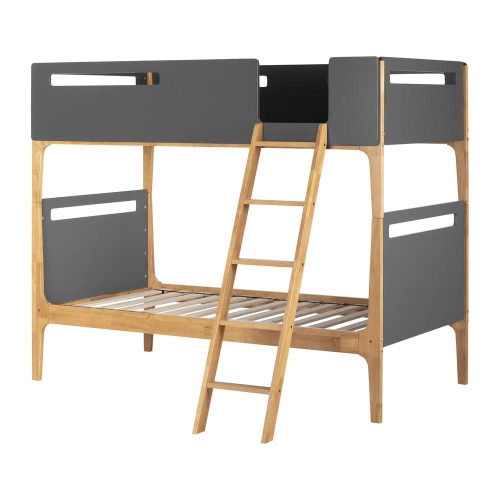 Your price for this item is $985.42
 -
 Your price for this item is $157.99
 -
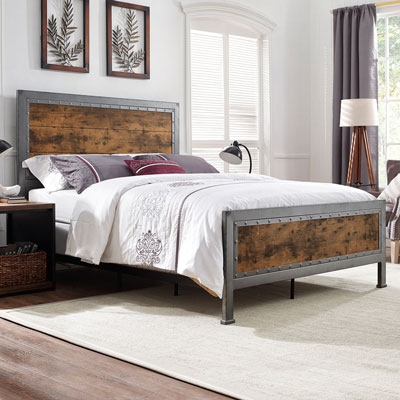 Your price for this item is $862.99
 -
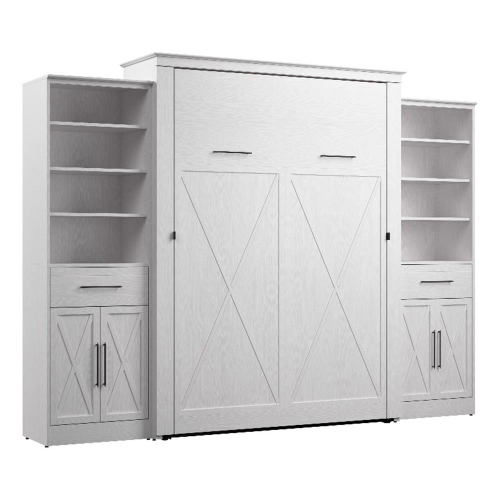 Your price for this item is $3519.99
Discover more categories related to Grey Upholstered Beds
Top Collections:
Pokemon Centers, Kindle Devices, Best Budget Office Chairs, Apple iPhones 16, Canon G7X Cameras, iPhone 15 Apple, Alarm Clock, Refurbished Apple Laptops, Flip Phones, Best Laptops for Writers
Some products may be subject to Environmental Handling Fees
(EHF) depending on your province.
Learn more about EHFs.