Grill Burner Replacements
If you're looking to keep your grill in top shape for the upcoming barbecue season, finding the right burner replacements is key. Whether you're a seasoned griller or just starting out, having efficient and reliable burners is essential for achieving that perfect sear on your favorite cuts of meat and veggies. Explore our selection of high-quality grill burner replacements to ensure your outdoor cooking experience is nothing short of exceptional.
Sort


















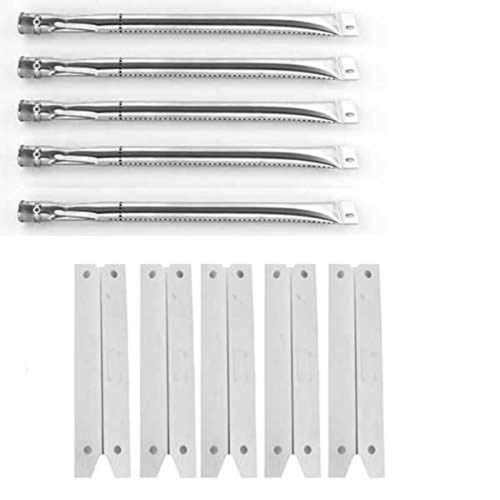


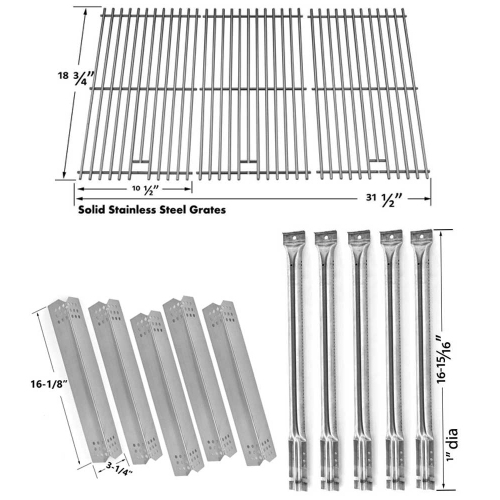

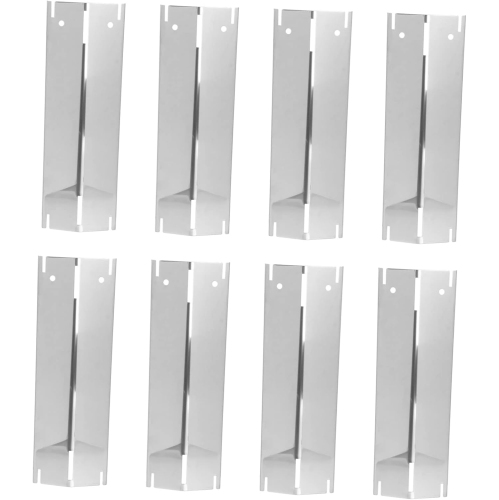
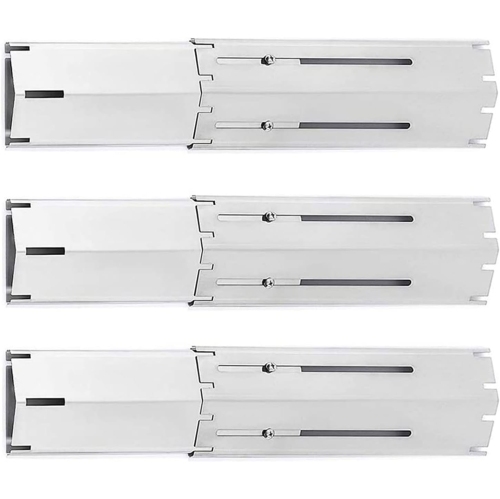


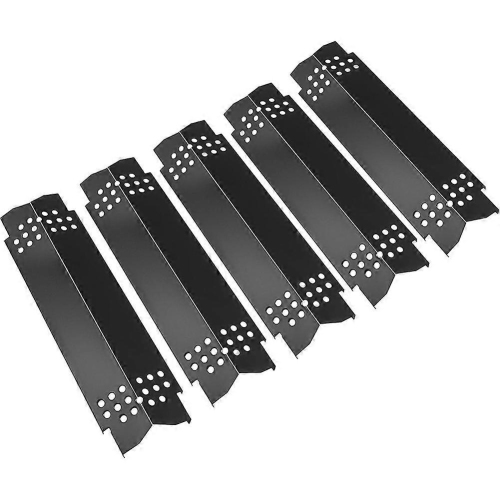


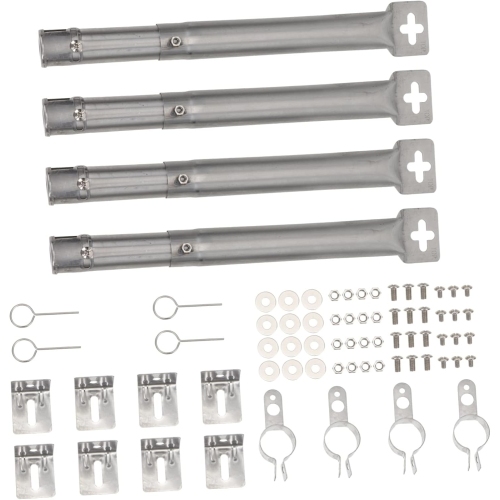


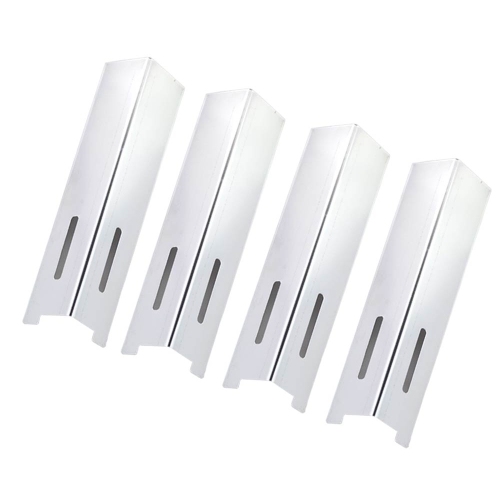


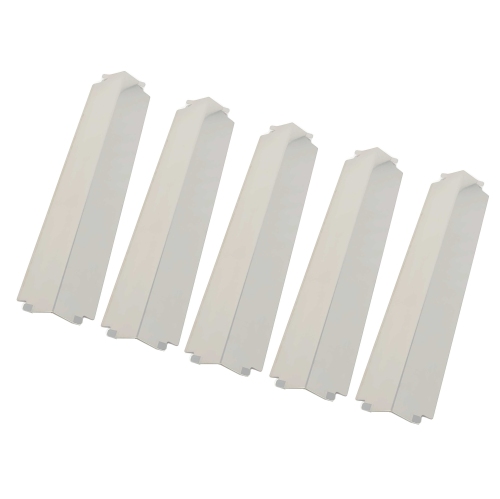


Why burner fit matters more than appearance
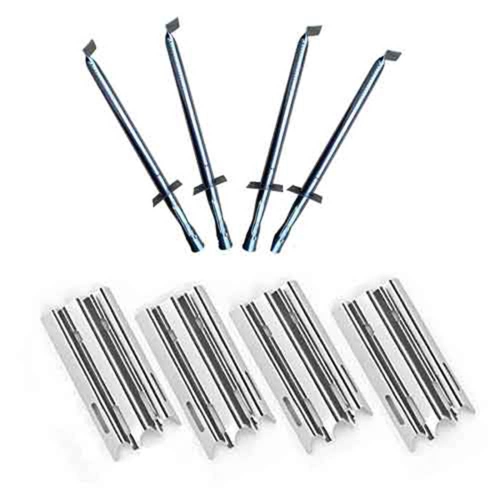
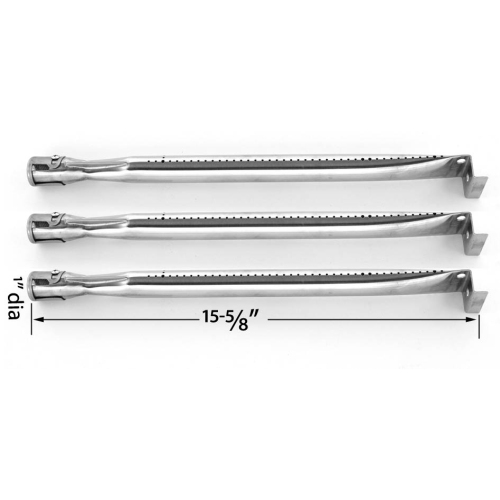
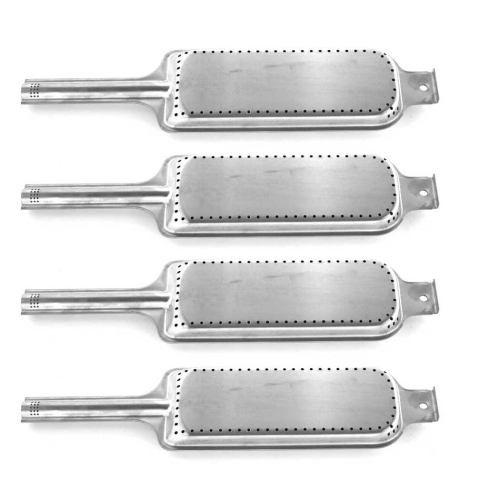
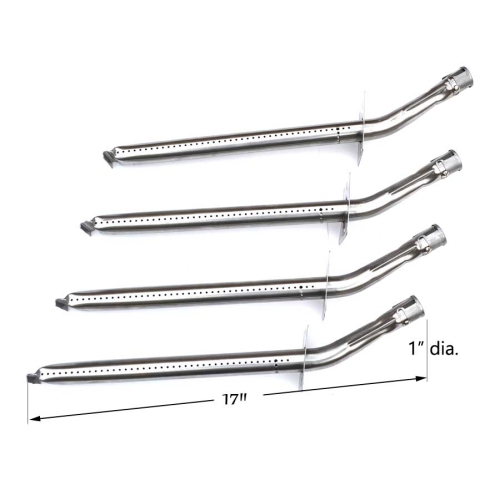
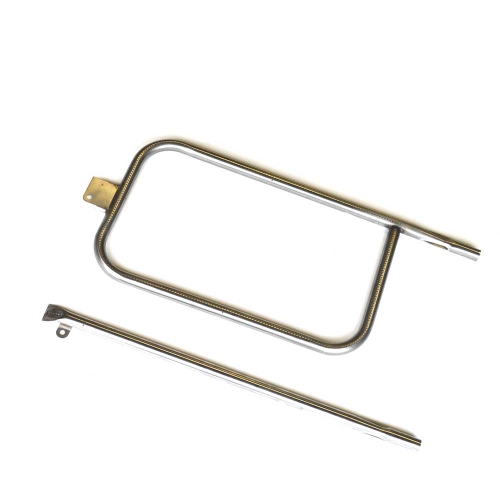
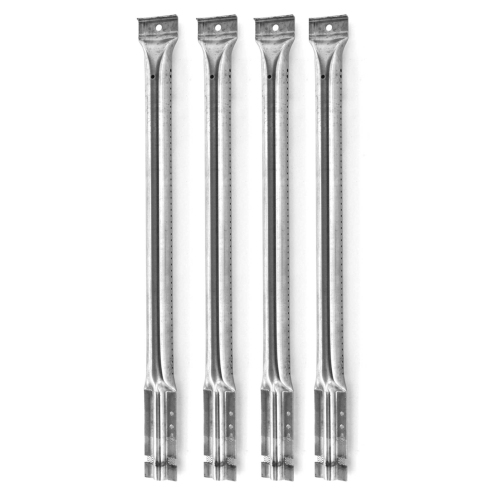
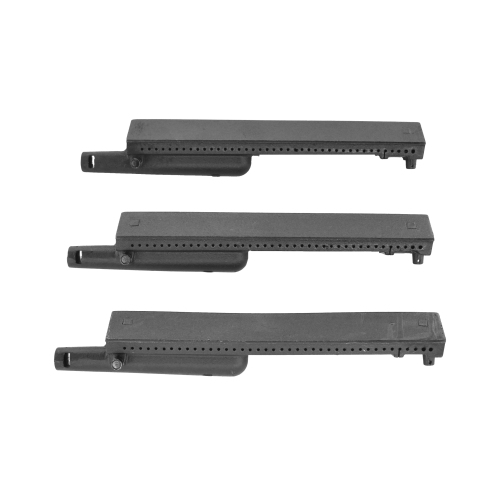
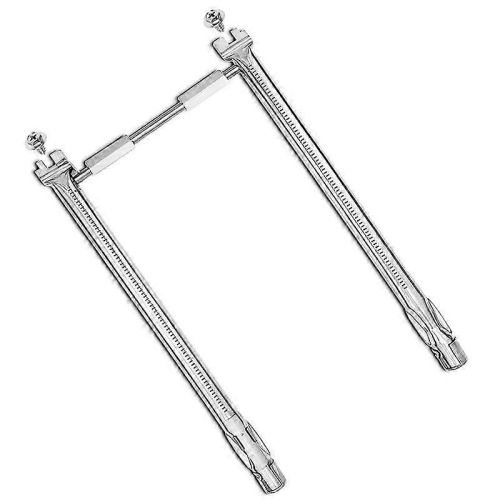
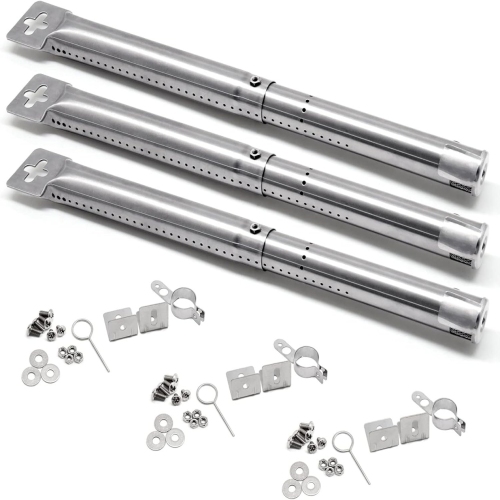
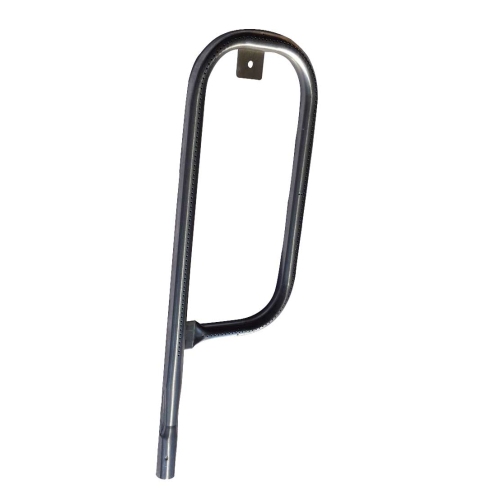
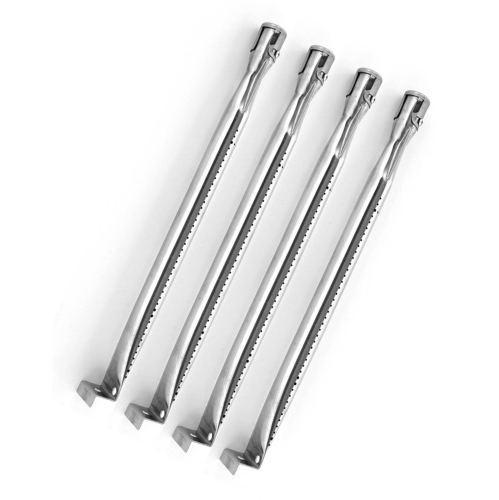
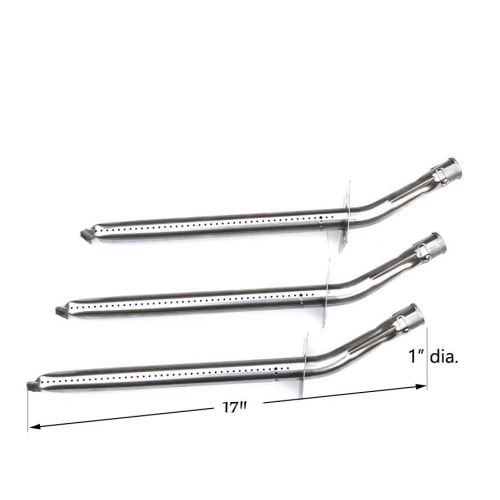
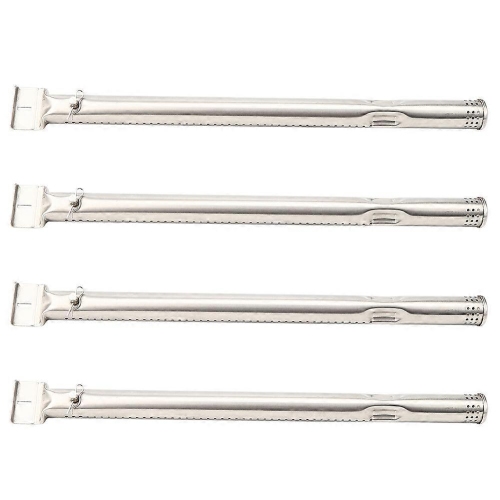
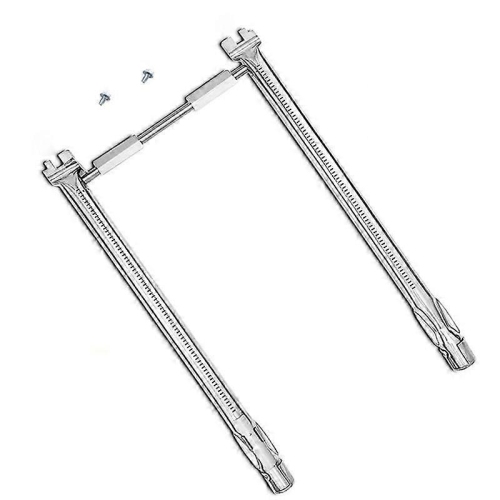
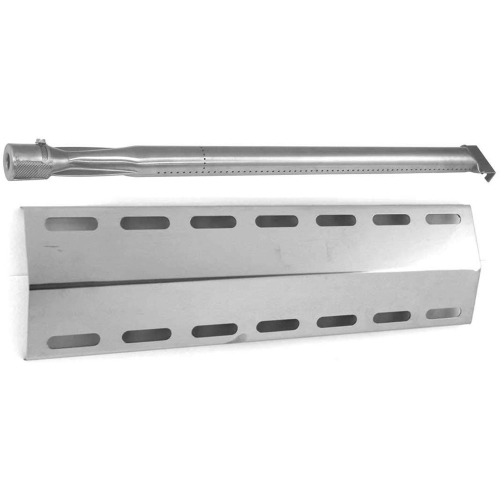
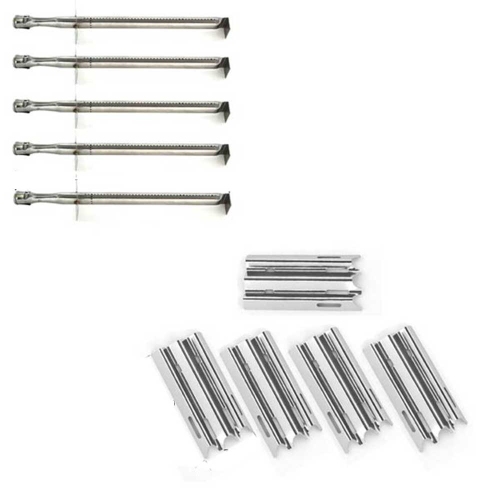
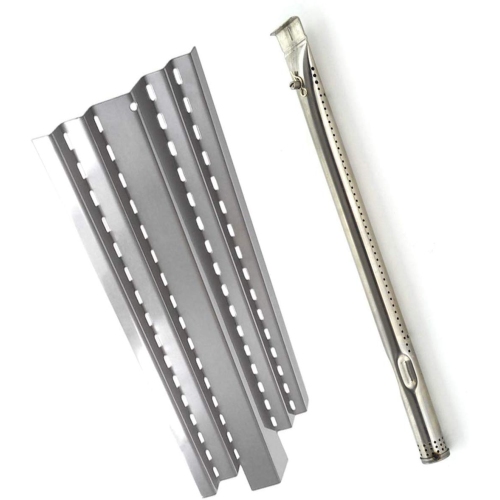
Grill burner replacements are the gas-distributing components that sit beneath a barbecue’s cooking surface and produce the flames used for grilling. Finding a suitable replacement depends on the grill’s model number, fuel type, burner shape, dimensions, and mounting arrangement—not simply the number of burners inside the firebox. A burner that looks similar may still have a different inlet position or fastening point, so compatibility with the exact grill model is the most useful starting point. Common designs include straight burner tubes, H-shaped burners, oval burners, and dual-tube configurations, each intended for a particular layout. Straight tubes often run alongside one another beneath individual heat shields, while an H-shaped burner spreads its flame across a broader section of the firebox. Some replacement burners are designed for a specific model or series; others have adjustable sections intended to fit several compatible grills. A universal designation does not mean a burner will fit every barbecue, and its stated adjustment range is only one part of the fit. Overall length, width, inlet diameter, mounting tabs, and the position of ignition or crossover components can all matter. For example, two tubes with matching lengths may attach differently at the back of the firebox or place the ignition point at different distances from the electrode. Measurements are most useful when checked against the original part specifications and the grill manufacturer’s documentation, especially if the old burner has warped or deteriorated. Propane and natural gas compatibility also needs to match the appliance’s approved configuration; replacing a burner is not a fuel-conversion method. Main cooking burners, side burners, and rear rotisserie burners perform different jobs and are not interchangeable unless the manufacturer explicitly specifies that compatibility. This attention to fit helps distinguish a suitable barbecue burner replacement from a part that merely resembles the original, whether the grill is used for quick weekday suppers or longer sessions cooking for family and friends.
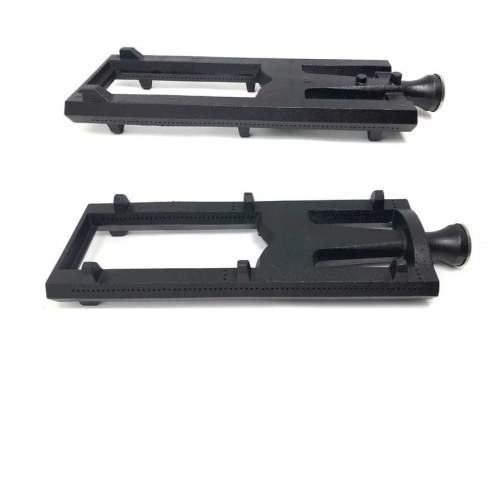
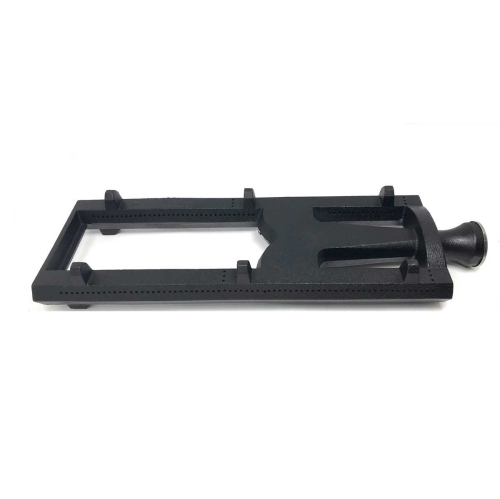
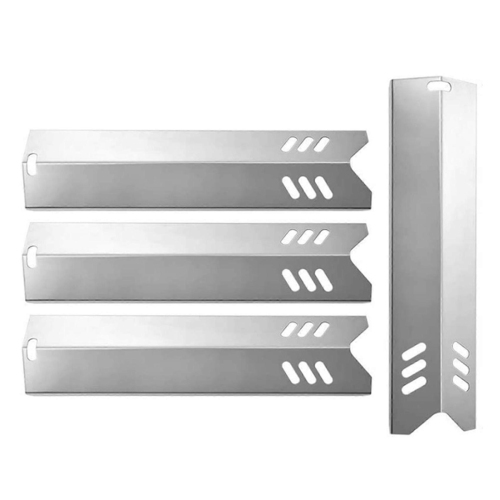
Materials and construction influence how replacement grill burners handle repeated heating, cooling, and exposure to cooking residue. Stainless steel is a common choice because it offers corrosion resistance without the weight of cast iron, although its performance still depends on the alloy, thickness, construction, and care. It is not immune to deterioration, particularly where moisture and salty drippings remain on the surface. Cast iron burners are heavier and retain heat well, but they require the care specified for their design to limit rust. Neither material alone guarantees a longer service life: a well-fitting burner with sound seams and suitable wall thickness is more useful than an incompatible part selected solely for its material. The small openings along a burner, often called ports, distribute the gas that forms the flame. Their size, spacing, and orientation work with the rest of the grill’s design, including its valves, heat shields, and cooking grates. Consistent flame distribution supports more predictable cooking, whether that means browning a row of burgers or maintaining a gentler zone beside a hot searing area. Dual-tube designs may use an inner passage to help distribute gas along the burner, but any benefit depends on the intended grill configuration rather than the design name alone. Burners should also be distinguished from the angled plates or tents positioned above them. Those heat shields help manage drippings and heat distribution, but replacing a shield does not repair a damaged burner underneath. Replacement sets may contain several burner tubes, while other packages may contain only a burner without fasteners, crossover pieces, or ignition components. The stated contents therefore matter as much as the main component’s dimensions. Where several original burners have experienced the same years of use, assessing their condition together can help clarify the scope of the repair. A new burner can address deterioration in that component, but it cannot correct unrelated problems with a regulator, valve, igniter, or weakened firebox.
For a household that grills regularly, suitable replacement burners can help restore dependable use to an otherwise serviceable barbecue. The difference matters in familiar situations: chicken pieces cooking across the grate, vegetables needing a steady medium heat, or a thicker cut finishing over indirect heat while another burner remains lit. Independent cooking zones depend on the grill’s controls and layout as well as the condition of its burners. Shoppers comparing that layout with a complete barbecue can also explore 3 Burner Grills, while keeping replacement-part compatibility tied to the appliance they already own. Visible cracks, holes caused by corrosion, severe distortion, or crumbling metal are reasons to stop using a damaged burner and have the grill assessed. Uneven flames or difficult ignition can have several causes, including blocked ports or faults elsewhere in the gas system, so those symptoms do not establish that a replacement burner is the only repair needed. Care is generally centred on keeping the burner passages clear and limiting the buildup of grease and debris, always using the methods specified by the grill manufacturer. Cleaning should not enlarge the ports or alter their shape, and any inspection or maintenance requires a fully cooled grill with the gas supply shut off and the appliance isolated as directed in its manual. Burner installation also needs to preserve the correct relationship between the burner inlet and gas valve; uncertain fit or damaged gas components warrant attention from a qualified gas technician. During the cooler months, moisture control remains important, especially when a barbecue sits unused between meals. A suitable cover applied after the grill has cooled, along with storage practices that allow moisture to escape, can help protect its components. Gas grills remain outdoor appliances and should never be operated in a garage or enclosed space. For owners who value a familiar cooking setup, a correctly matched burner replacement supports practical upkeep without changing how the barbecue is intended to work. The strongest match brings together verified fit, suitable construction, compatible supporting parts, and a grill whose remaining structure and gas system are safe to use.
Top selling and popular products
-
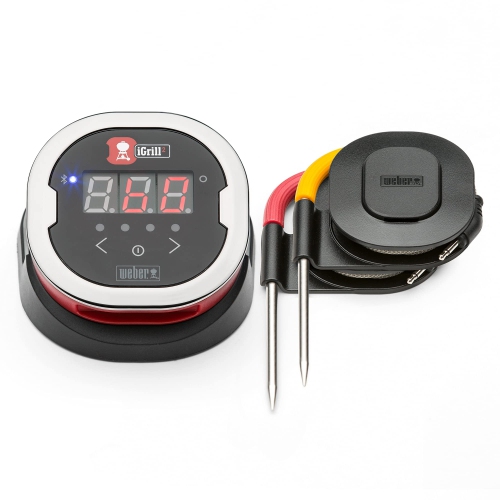 Your price for this item is $124.99
-
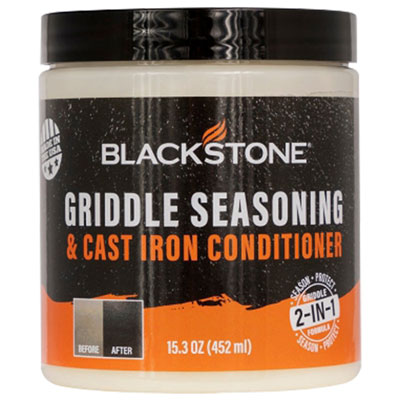 Your price for this item is $49.99
-
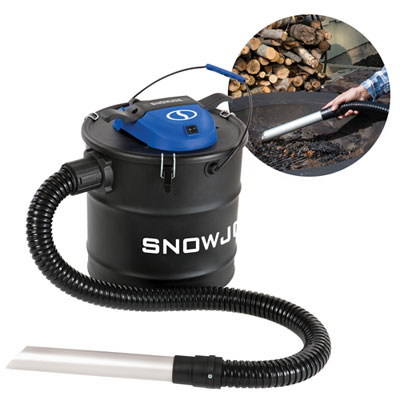 Your price for this item is $96.98
-
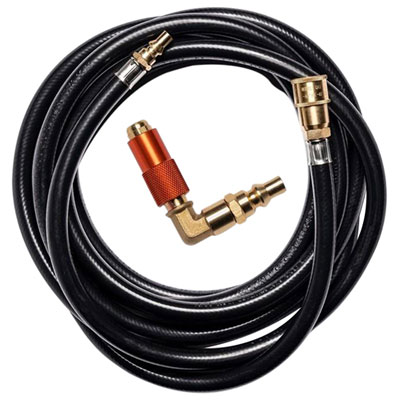 Your price for this item is $119.99
-
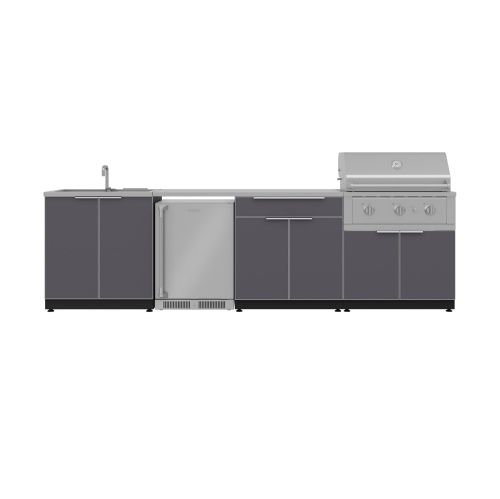 Your price for this item is $7979.99
-
 Your price for this item is $34.99
-
 Your price for this item is $59.99
-
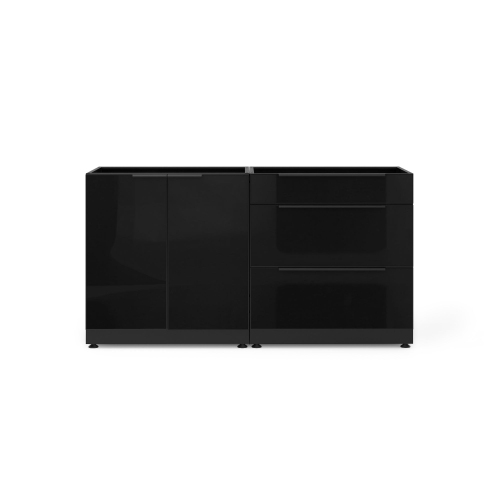 Your price for this item is $2889.99
Discover more categories related to Grill Burner Replacements


Top Collections:
Pokemon Centers, Kindle Devices, Best Cameras for Sports Photography, Best Budget Office Chairs, Pokémon 30th Celebration Cards, Apple iPhones 16, Canon G7X Cameras, iPhone 15 Apple, Flip Phones, Samsung Galaxy Phones
Some products may be subject to Environmental Handling Fees
(EHF) depending on your province.
Learn more about EHFs.