Hair Salon Towels
Upgrade your hair salon with the essential accessory every stylist needs - salon towels. Our collection of high-quality salon towels is designed to meet the demands of a busy salon environment while providing comfort for your clients. From soft and absorbent materials to durable construction, these salon towels are perfect for drying, styling, and colouring hair with ease. Explore our range of salon towels to find the perfect blend of functionality and style for your salon today.
Sort
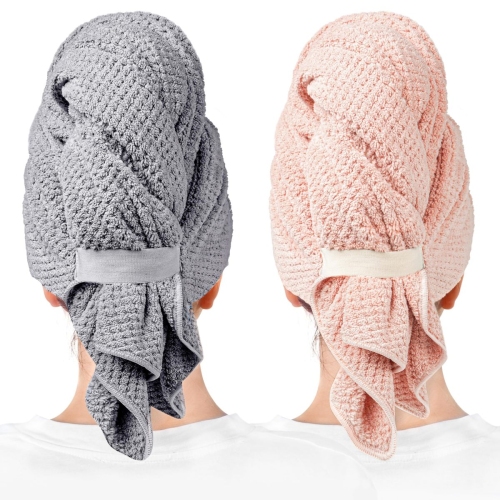
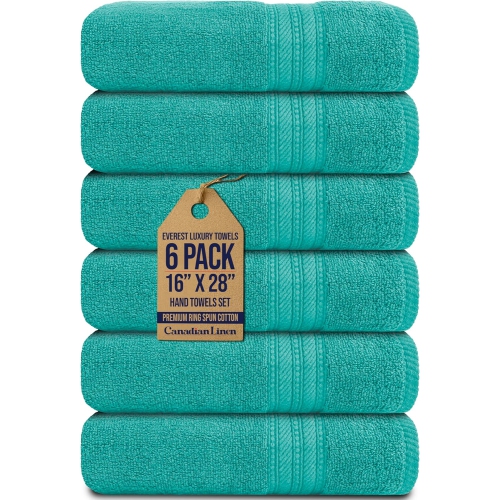
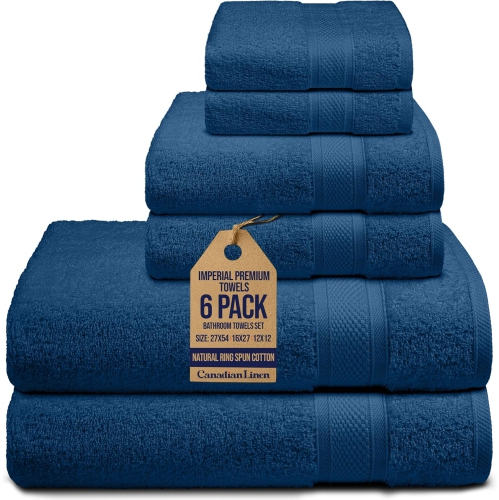
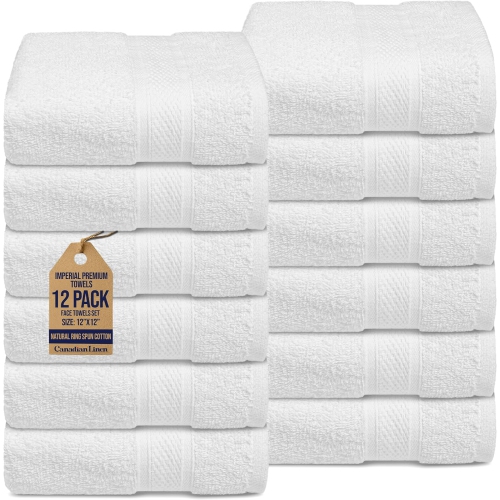
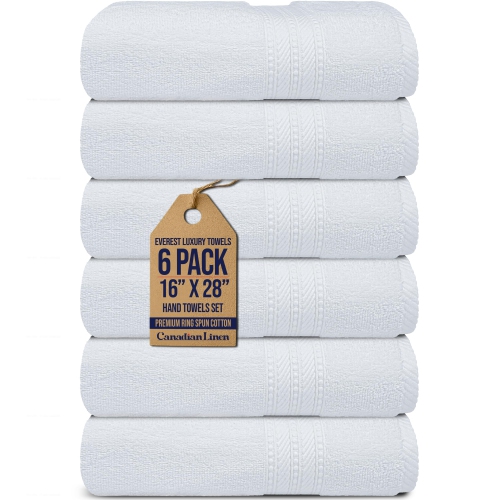
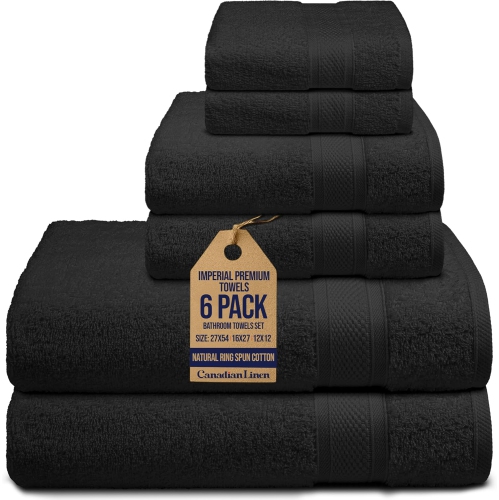
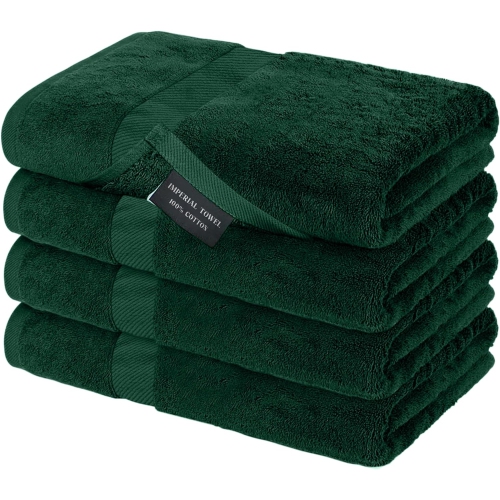

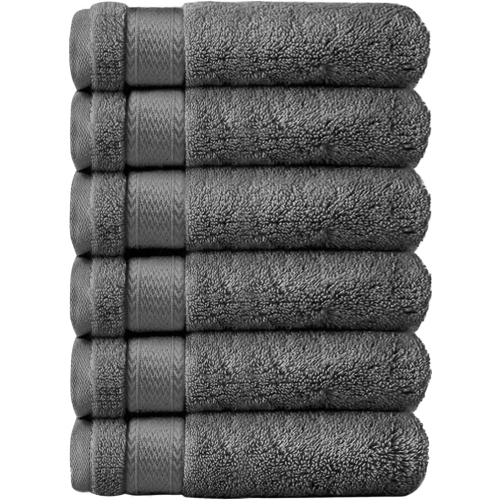
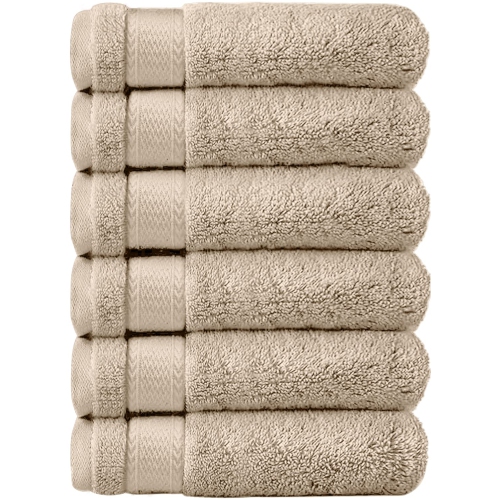
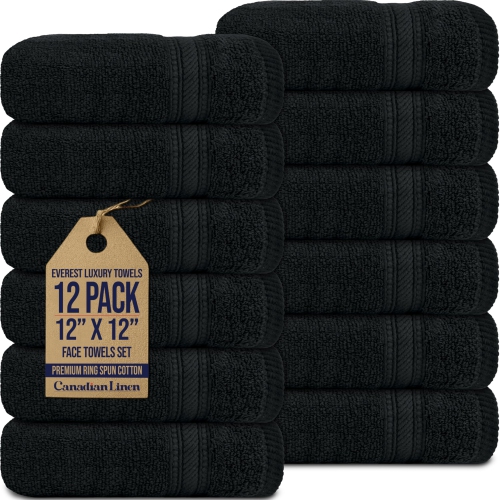
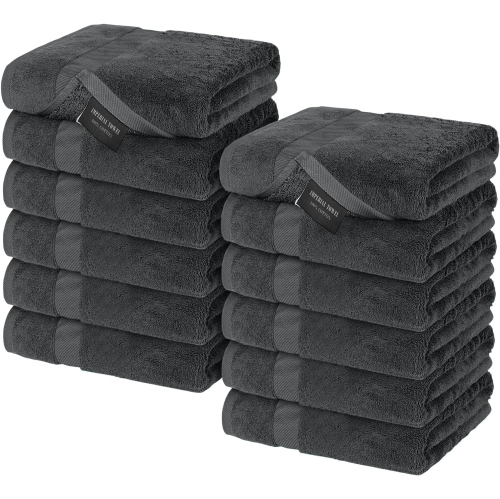


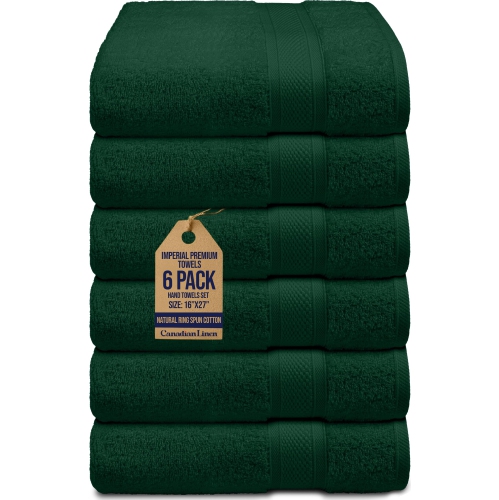
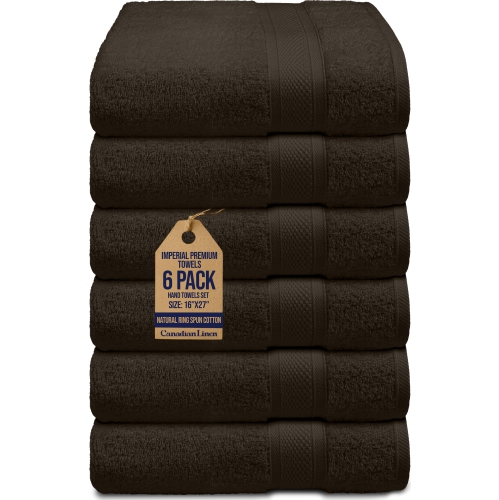
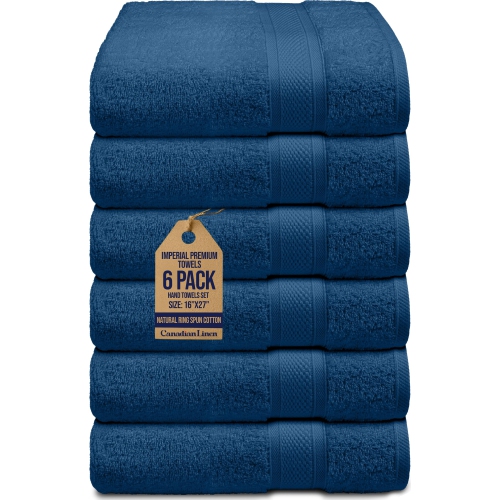
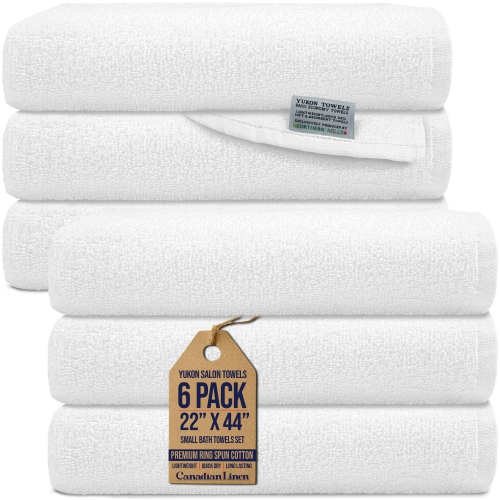
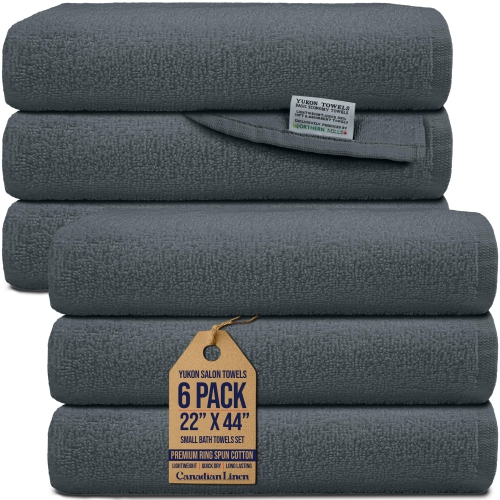

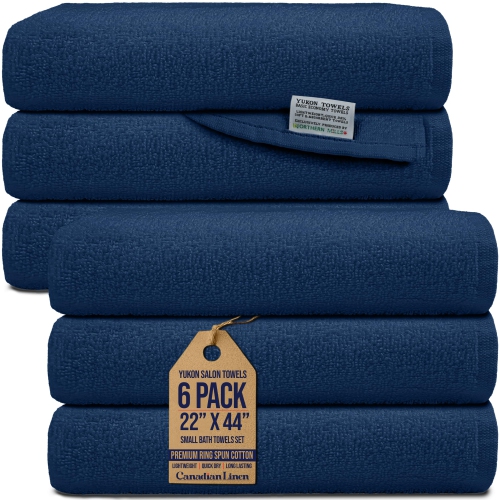
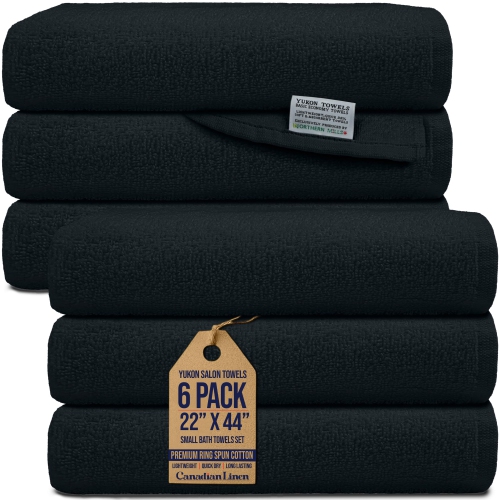
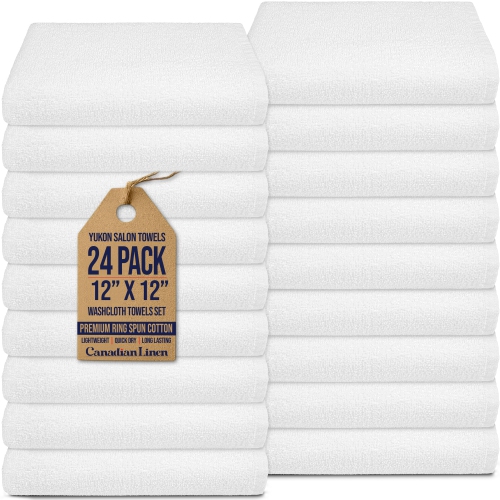
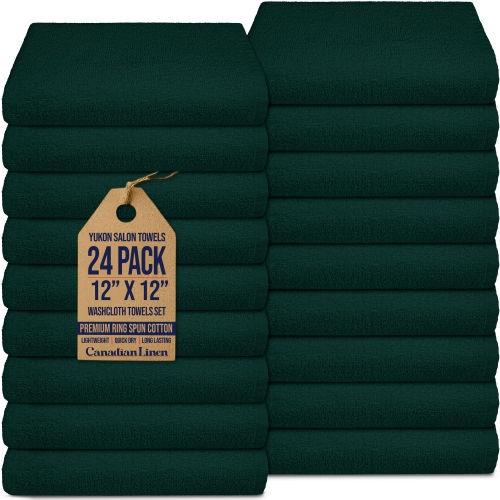
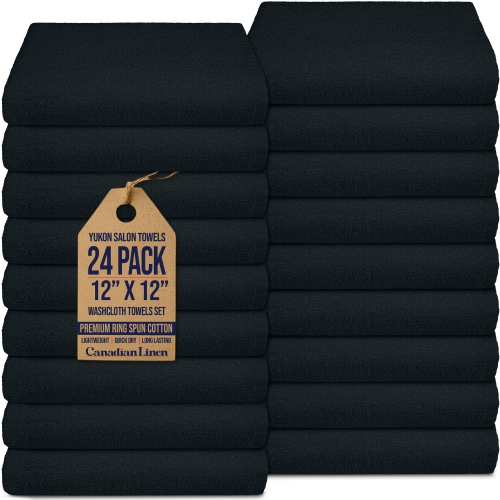
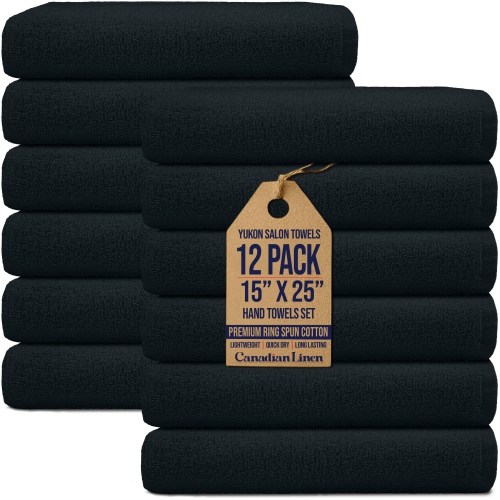
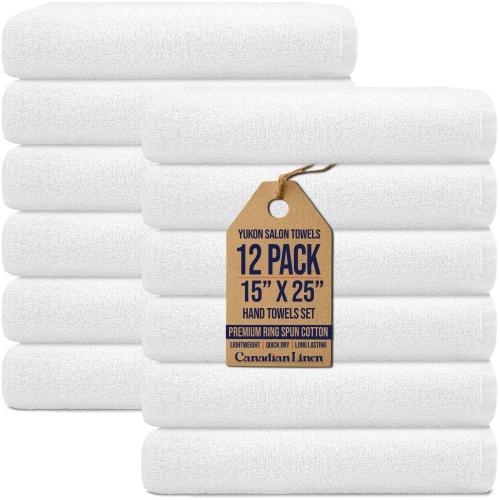
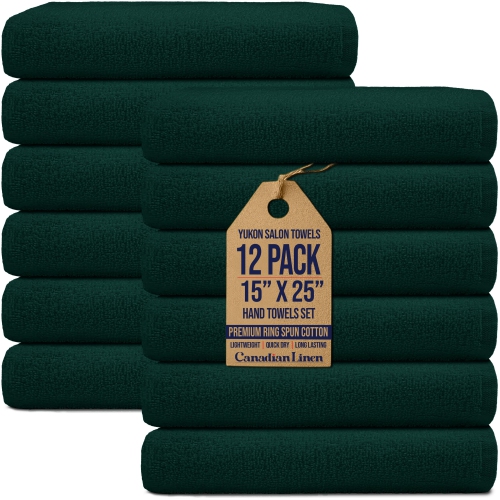

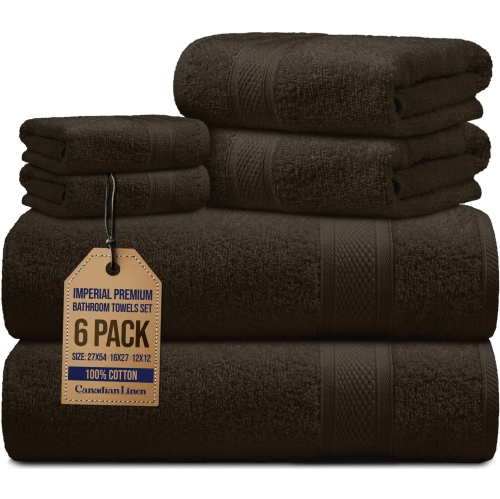
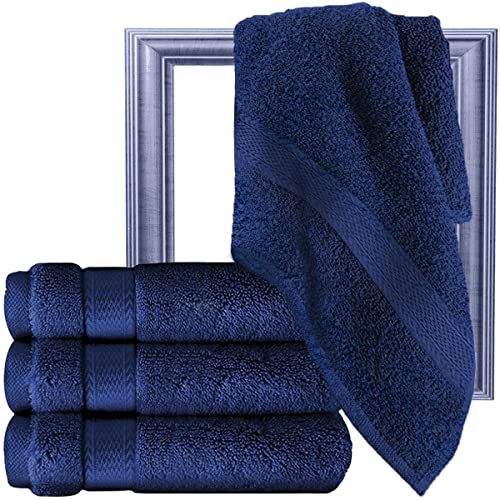
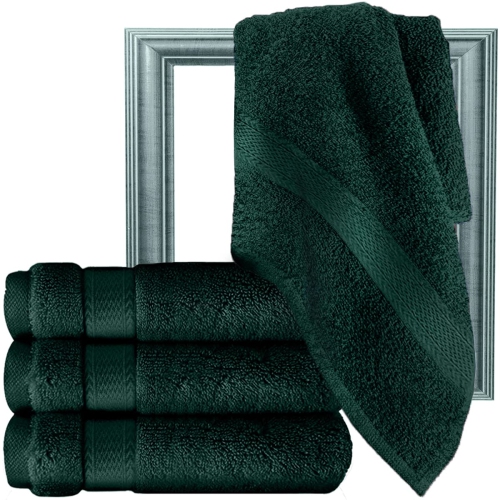
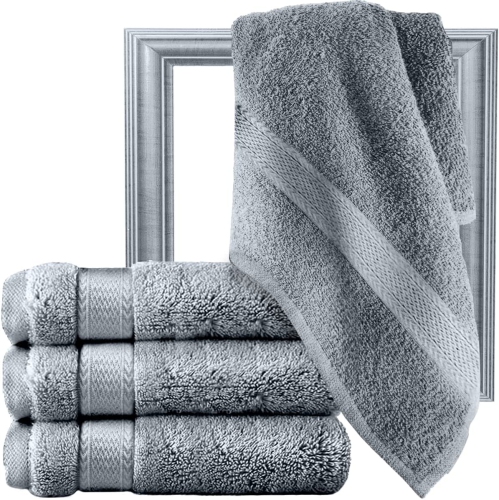
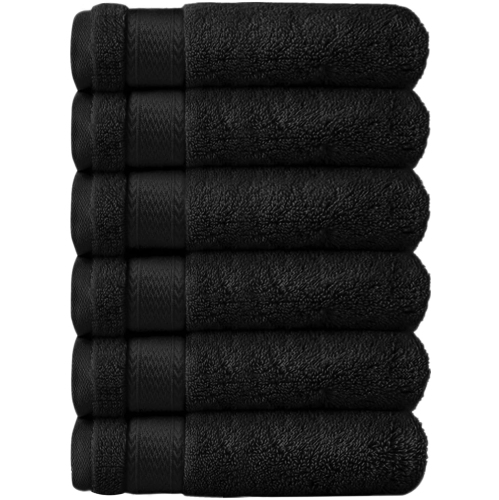
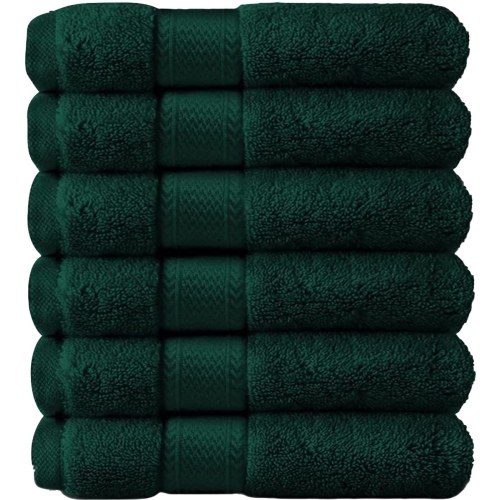
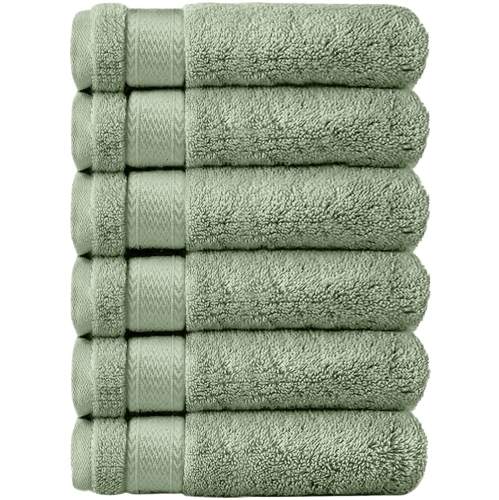

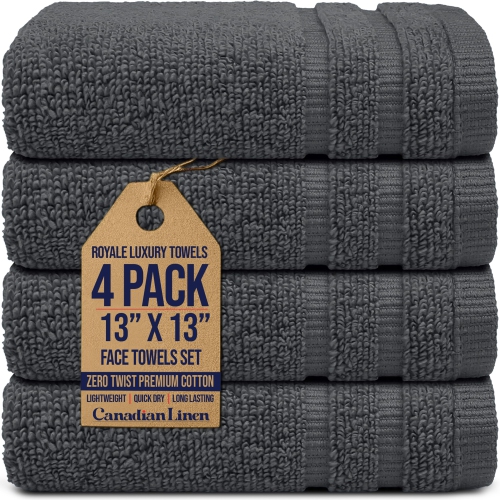

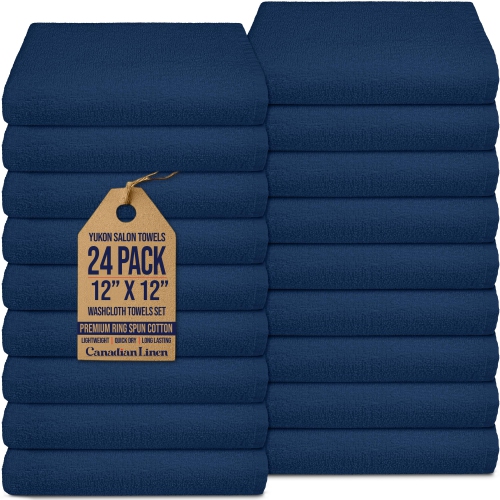
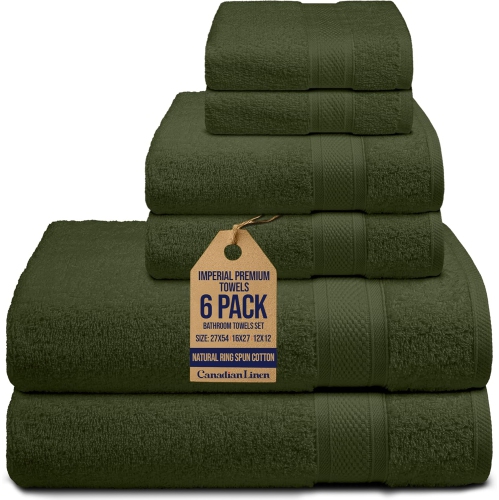
Soft coverage without the bulk of a bath towel
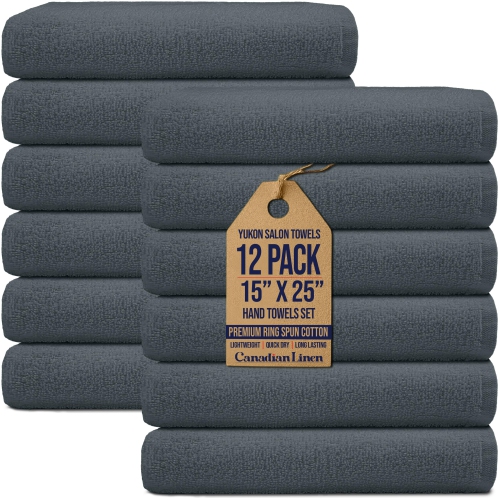
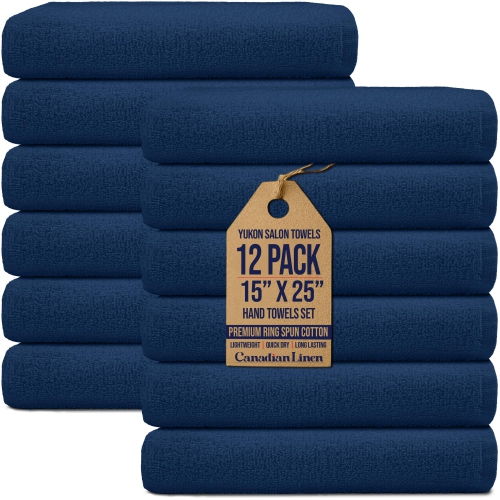
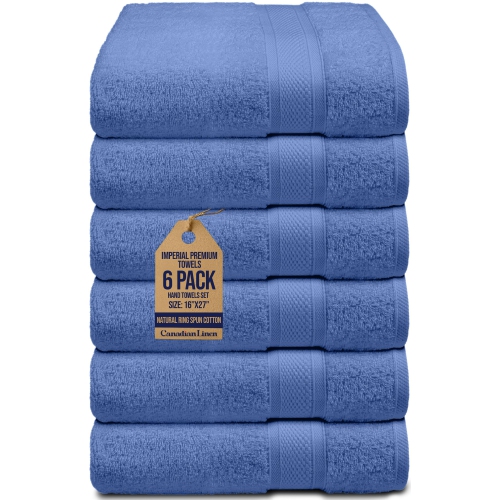
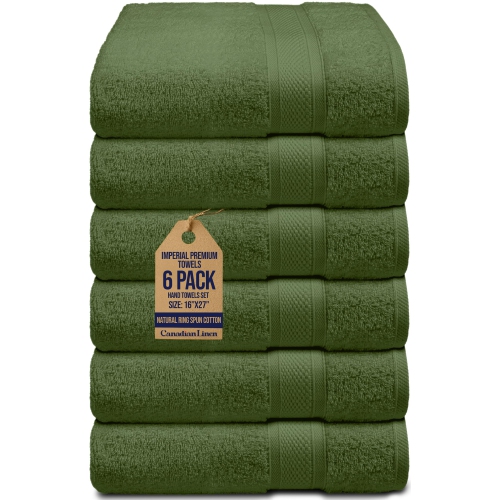
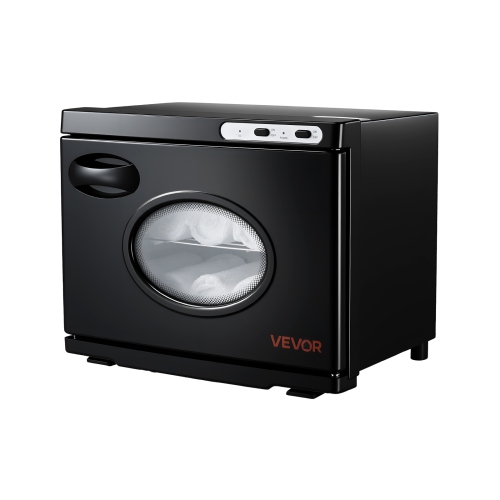
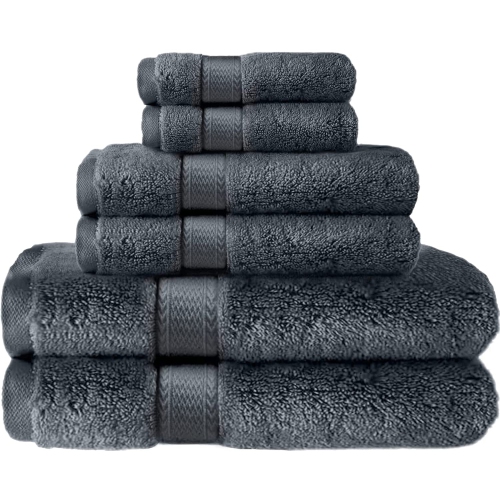
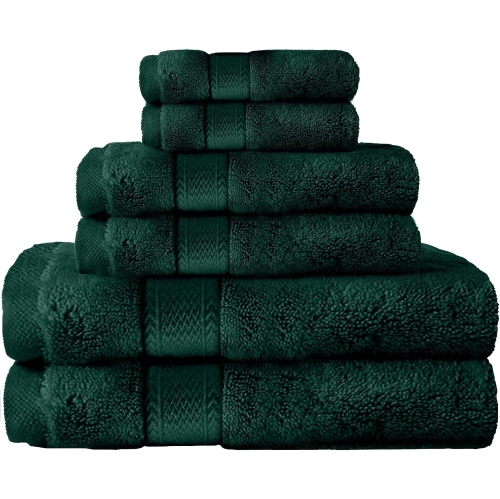
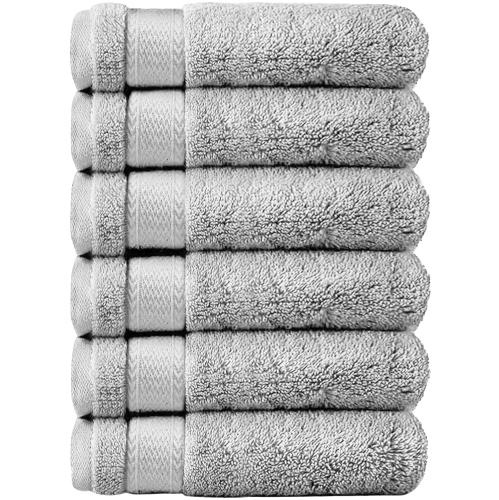
Hair salon towels are designed for the repeated wetting, wrapping, blotting, and laundering that come with washing and styling hair. Their practical role is simple: absorb excess water, help keep drips off clothing, and provide a soft layer around the shoulders or beneath wet hair at the shampoo basin. Compared with a full-size bath towel, a salon towel is generally easier to fold around the neckline, drape over a cape, or wrap around the head without creating a heavy bundle. Common salon towel dimensions include 15 by 25 inch and 16 by 27 inch formats for drying hair and covering shoulders, while a 12 by 12 inch cloth suits smaller tasks and a 22 by 44 inch towel offers broader coverage. Dimensions vary, so the actual measurements matter more than labels such as hand towel or salon towel. A compact rectangle may work well for a short haircut, but long, dense hair often needs more fabric to gather the lengths comfortably. The towel should sit securely without pulling at the hairline or placing unnecessary weight on the neck. For a stylist moving between the basin and a cutting station, a manageable size also makes it easier to replace a damp towel with a fresh one before the haircut begins. These towels suit professional hair salons, barbershops, mobile hairstylists, training spaces, and home hair-care routines. They can also make a practical addition to a gift for a hairstyling student or someone setting up a dedicated space for washing and styling hair at home. The most useful choice depends on how the towel will be handled: quick blotting after a rinse, cushioning around the shoulders, gathering curls before styling, or absorbing water from longer lengths. Softness is important, but it works best alongside sufficient coverage, reliable absorbency, and a shape that stays manageable when wet.
Material and construction influence how hair salon towels feel, absorb moisture, and stand up to daily use. Cotton terry has a familiar looped surface that holds water and offers a cushioned feel against the skin. Ring-spun cotton describes a yarn-making process that can produce smoother, stronger yarn, although the finished towel’s performance also depends on the weave, fabric weight, and stitching. A plush cotton towel may feel substantial at the basin, while a lighter construction can be easier to wrap, fold, and wash in larger loads. Microfibre salon towels, commonly made from polyester and polyamide blends, offer another texture and handling experience. Their fine fibres can absorb water effectively, and many lightweight designs dry faster than heavier cotton terry, though results depend on the fabric and drying conditions. A smooth, low-lint surface can be helpful when blotting wet hair, particularly when loose fibres would interfere with a clean styling finish. For curls, waves, or hair that tangles easily, gently squeezing sections or pressing the towel against the lengths generally creates less friction than vigorous rubbing. No fabric alone guarantees less frizz or prevents damage; the drying technique and condition of the hair also matter. Fabric weight, often expressed in grams per square metre, gives an indication of density rather than a complete measure of quality. Heavier is not automatically better for a towel that needs to remain comfortable around the neck. Closely finished hems, even stitching, and loops that resist snagging are useful details where towels are washed frequently or stored near clips and styling tools. Colour is another practical consideration. Dark shades can create a coordinated appearance across styling stations, but they are not automatically resistant to lightening agents. Towels labelled bleach-resistant or bleach-proof may be designed to resist certain colour changes under specified conditions; that wording does not mean they can tolerate every hair-colour formula, disinfectant, or laundry treatment. Colourfastness during ordinary washing is also different from resistance to salon chemicals, making the stated care instructions especially important for colour-service use.
Caring for salon towels starts with matching the laundry routine to the fabric rather than assuming every towel can withstand the same treatment. Washing before first use, when directed, helps remove manufacturing residues and loose fibres. After use, damp towels belong in a designated laundry area rather than folded into a clean stack, and each client should receive a freshly laundered towel. Towels do not replace a suitable cape or other protection required for a hair-colour service. Residue from conditioners, styling creams, and oils can build up in fibres, affecting their feel and absorbency over time. Using the recommended amount of detergent and allowing a thorough rinse helps avoid a coated texture, while fabric softener can reduce absorbency and is often unsuitable for microfibre. Wash temperature, stain treatment, and drying settings should follow the towel label as well as any applicable workplace hygiene requirements. High dryer heat may damage some synthetic fabrics, and chlorine bleach should only be used when the manufacturer permits it. Keeping hook-and-loop fasteners and other snagging surfaces away from towel loads can help preserve the fabric. Drying towels fully before storing them helps prevent musty odours, and neatly folded stacks make fresh linens easy to reach with wet hands. For shared spaces, separating towels by task keeps hair-service linens distinct from cleaning cloths and food-area textiles; Kitchen Towels serve a separate purpose around sinks, dishes, and food preparation. The number of salon towels needed depends on appointment volume, how many fresh towels each service uses, and the time between laundry loads. A colour appointment may involve several towel changes, while a simple wash and cut may require fewer. At home, a small rotation allows one towel to be used while another is being washed and dried. Checking periodically for frayed hems, thinning fabric, persistent residue, and reduced absorbency helps identify when towels are no longer suited to comfortable hair drying. With the right balance of size, material, and care, salon towels support a tidy, comfortable routine from the first rinse to the final styling steps.
Material and construction influence how hair salon towels feel, absorb moisture, and stand up to daily use. Cotton terry has a familiar looped surface that holds water and offers a cushioned feel against the skin. Ring-spun cotton describes a yarn-making process that can produce smoother, stronger yarn, although the finished towel’s performance also depends on the weave, fabric weight, and stitching. A plush cotton towel may feel substantial at the basin, while a lighter construction can be easier to wrap, fold, and wash in larger loads. Microfibre salon towels, commonly made from polyester and polyamide blends, offer another texture and handling experience. Their fine fibres can absorb water effectively, and many lightweight designs dry faster than heavier cotton terry, though results depend on the fabric and drying conditions. A smooth, low-lint surface can be helpful when blotting wet hair, particularly when loose fibres would interfere with a clean styling finish. For curls, waves, or hair that tangles easily, gently squeezing sections or pressing the towel against the lengths generally creates less friction than vigorous rubbing. No fabric alone guarantees less frizz or prevents damage; the drying technique and condition of the hair also matter. Fabric weight, often expressed in grams per square metre, gives an indication of density rather than a complete measure of quality. Heavier is not automatically better for a towel that needs to remain comfortable around the neck. Closely finished hems, even stitching, and loops that resist snagging are useful details where towels are washed frequently or stored near clips and styling tools. Colour is another practical consideration. Dark shades can create a coordinated appearance across styling stations, but they are not automatically resistant to lightening agents. Towels labelled bleach-resistant or bleach-proof may be designed to resist certain colour changes under specified conditions; that wording does not mean they can tolerate every hair-colour formula, disinfectant, or laundry treatment. Colourfastness during ordinary washing is also different from resistance to salon chemicals, making the stated care instructions especially important for colour-service use.
Caring for salon towels starts with matching the laundry routine to the fabric rather than assuming every towel can withstand the same treatment. Washing before first use, when directed, helps remove manufacturing residues and loose fibres. After use, damp towels belong in a designated laundry area rather than folded into a clean stack, and each client should receive a freshly laundered towel. Towels do not replace a suitable cape or other protection required for a hair-colour service. Residue from conditioners, styling creams, and oils can build up in fibres, affecting their feel and absorbency over time. Using the recommended amount of detergent and allowing a thorough rinse helps avoid a coated texture, while fabric softener can reduce absorbency and is often unsuitable for microfibre. Wash temperature, stain treatment, and drying settings should follow the towel label as well as any applicable workplace hygiene requirements. High dryer heat may damage some synthetic fabrics, and chlorine bleach should only be used when the manufacturer permits it. Keeping hook-and-loop fasteners and other snagging surfaces away from towel loads can help preserve the fabric. Drying towels fully before storing them helps prevent musty odours, and neatly folded stacks make fresh linens easy to reach with wet hands. For shared spaces, separating towels by task keeps hair-service linens distinct from cleaning cloths and food-area textiles; Kitchen Towels serve a separate purpose around sinks, dishes, and food preparation. The number of salon towels needed depends on appointment volume, how many fresh towels each service uses, and the time between laundry loads. A colour appointment may involve several towel changes, while a simple wash and cut may require fewer. At home, a small rotation allows one towel to be used while another is being washed and dried. Checking periodically for frayed hems, thinning fabric, persistent residue, and reduced absorbency helps identify when towels are no longer suited to comfortable hair drying. With the right balance of size, material, and care, salon towels support a tidy, comfortable routine from the first rinse to the final styling steps.
Top selling and popular products
-
 Your price for this item is $24.99
 -
 Your price for this item is $229
 -
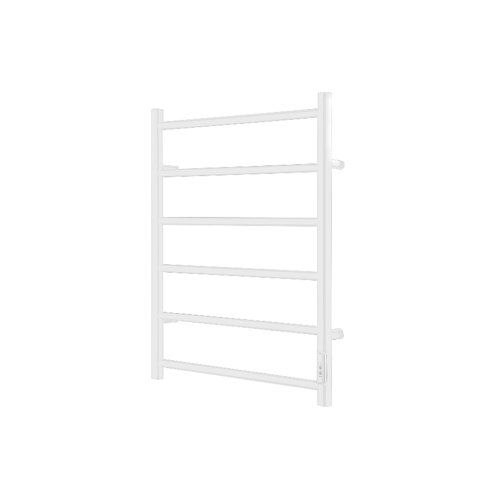 Your price for this item is $259
 -
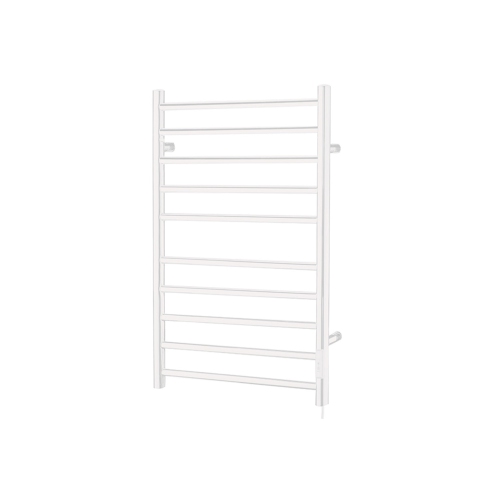 Your price for this item is $419
 -
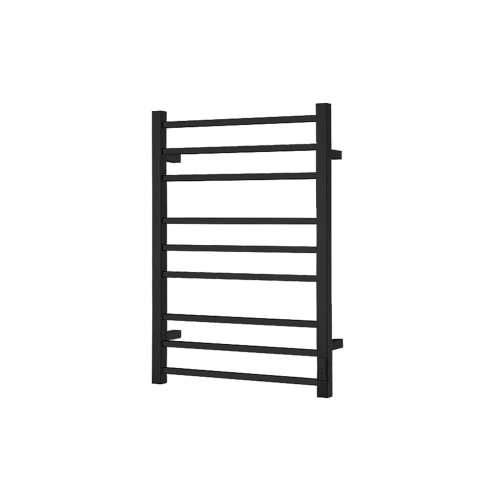 Your price for this item is $419
 -
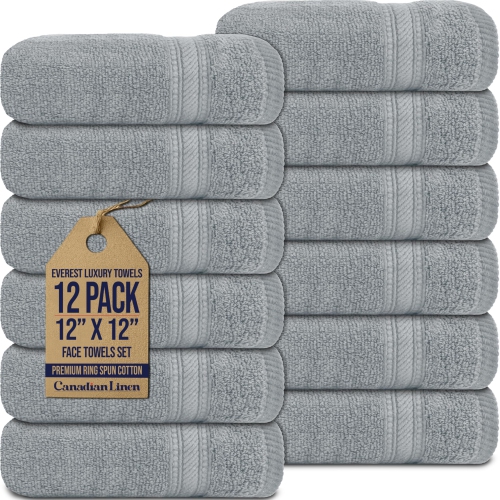 Your price for this item is $29.99
 -
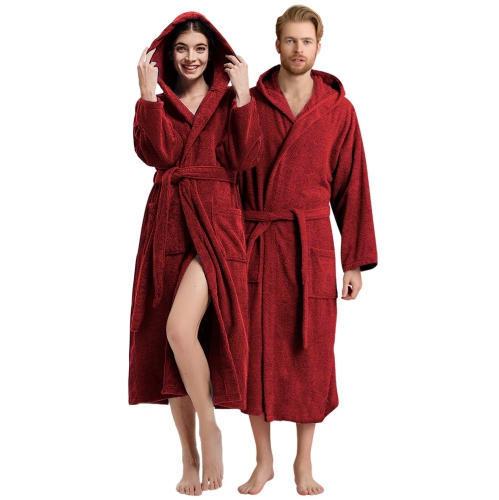 Your price for this item is $69.99
 -
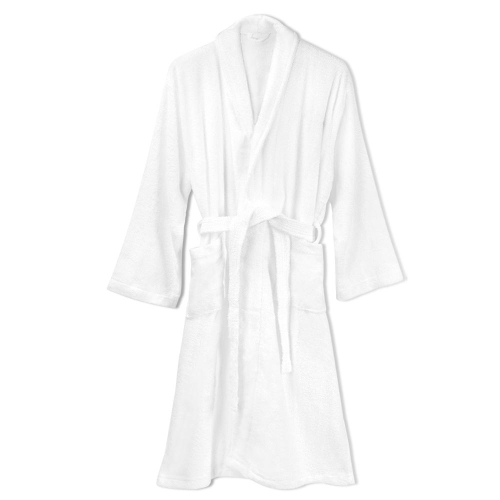 Your price for this item is $45.99
Discover more categories related to Hair Salon Towels
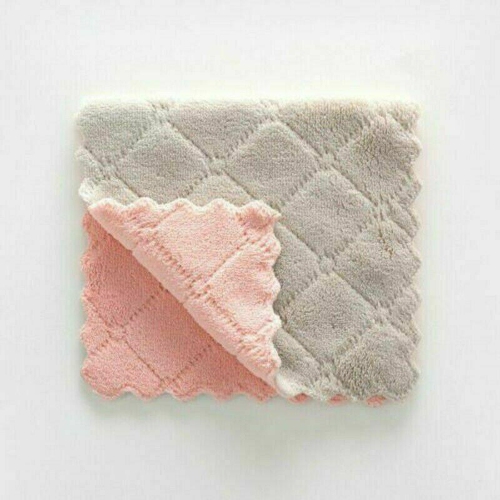
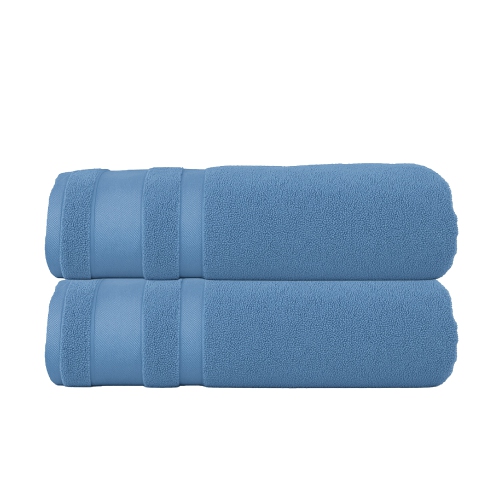
Top Collections:
Pokemon Centers, Kindle Devices, Apple iPhones 16, Canon G7X Cameras, iPhone 15 Apple, Alarm Clock, Flip Phones, Refurbished Apple Laptops, iPhone 14 256GB, Lightweight On-Ear USB-C Headphones
Some products may be subject to Environmental Handling Fees
(EHF) depending on your province.
Learn more about EHFs.