Henckels Knives Canada
Elevate your culinary experience with our exceptional selection of premium knives, designed to bring precision and ease to every slice, dice, and chop. Whether you're a professional chef or a home cook, the right knife can transform your kitchen tasks into an art form. Explore our range of expertly crafted knives that combine innovative design with superior craftsmanship, ensuring durability and performance for all your cooking needs. From preparing fresh vegetables to carving succulent meats, discover the perfect tool to enhance your skills and inspire your culinary creativity.
Sort

Why blade shape matters for everyday meal preparation
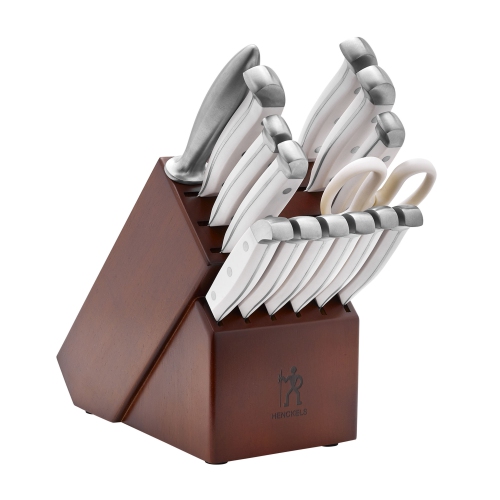
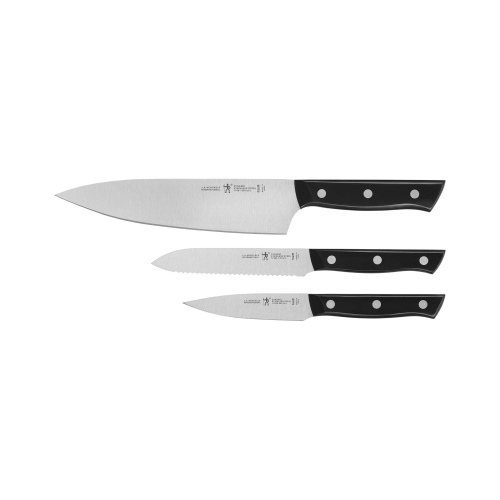
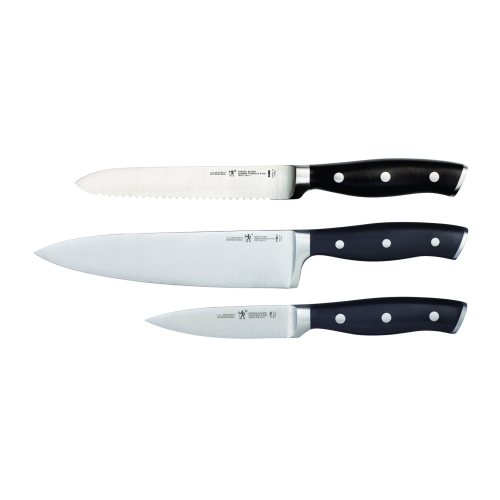
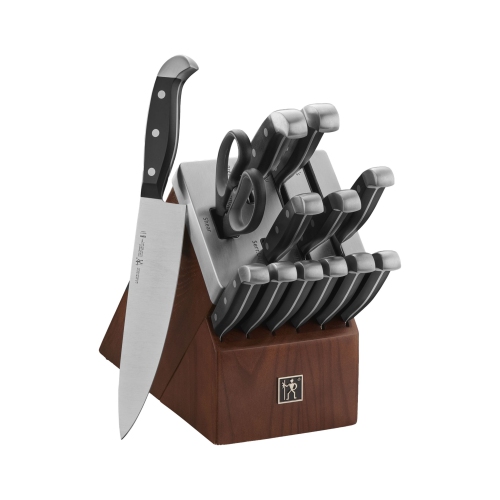
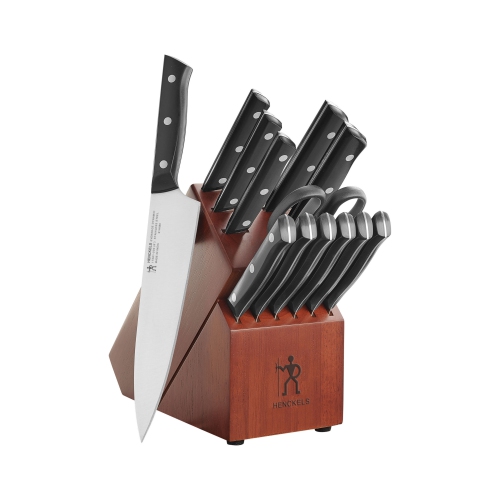
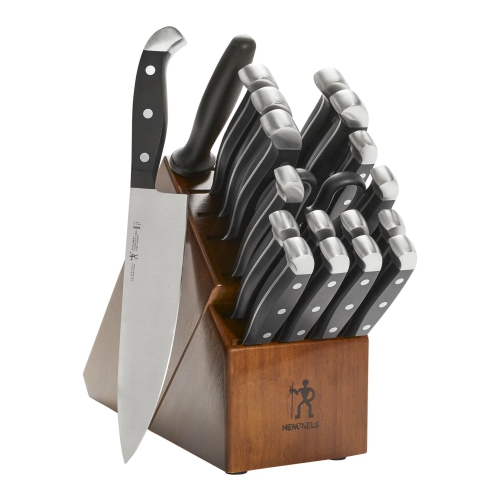
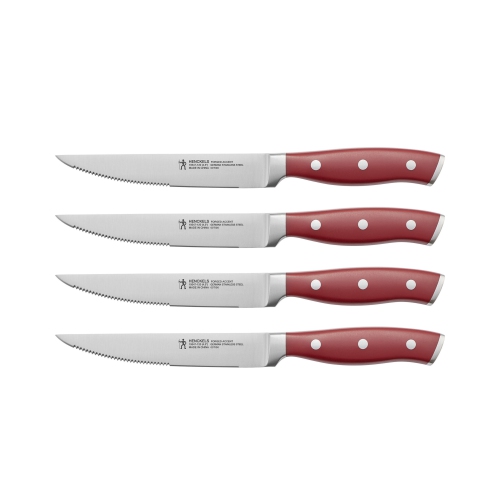
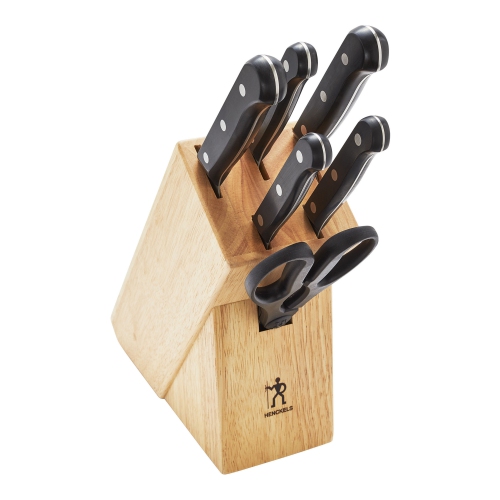
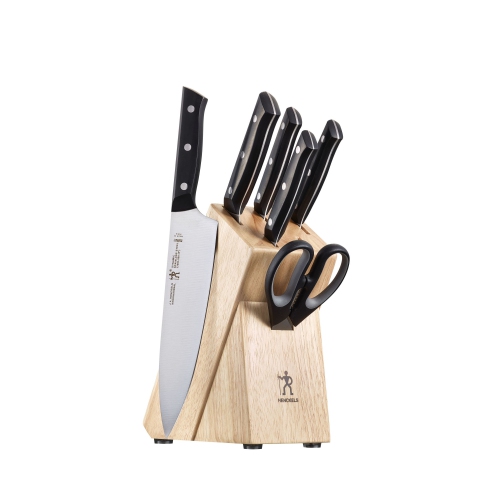
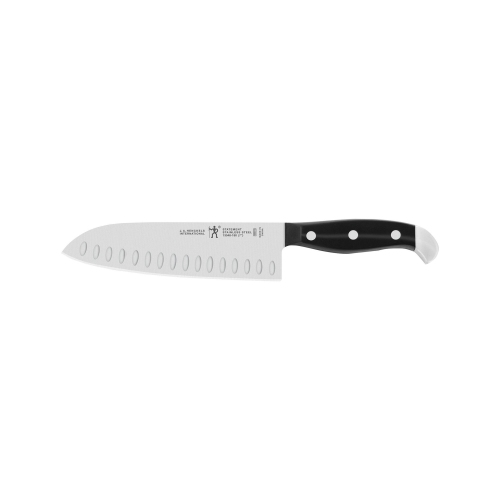
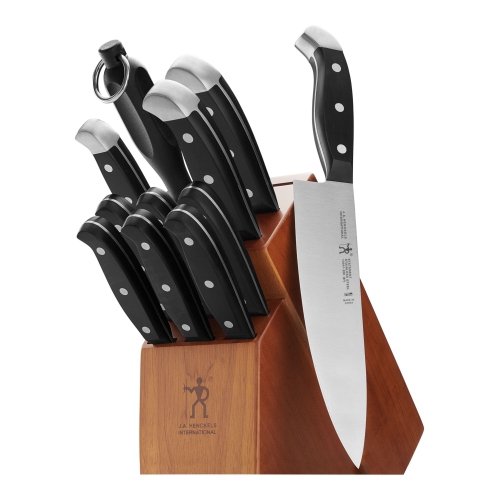
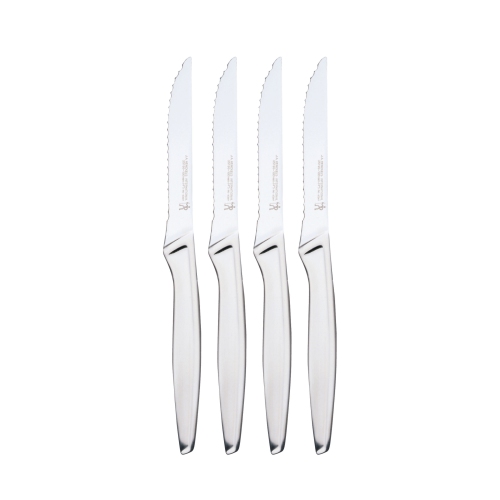
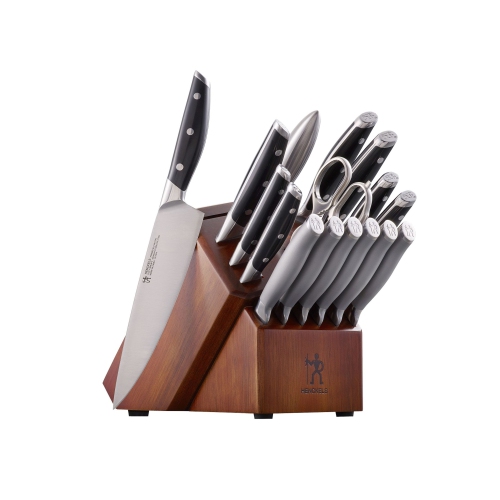
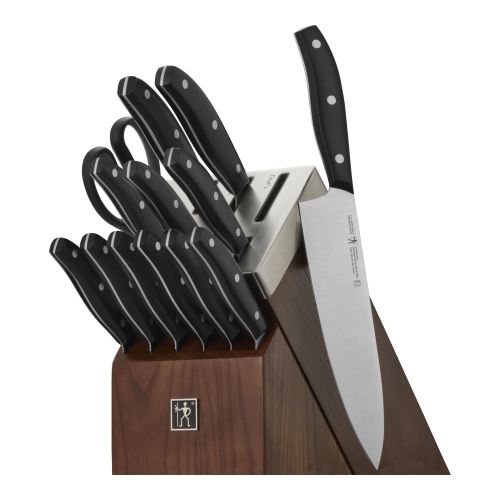
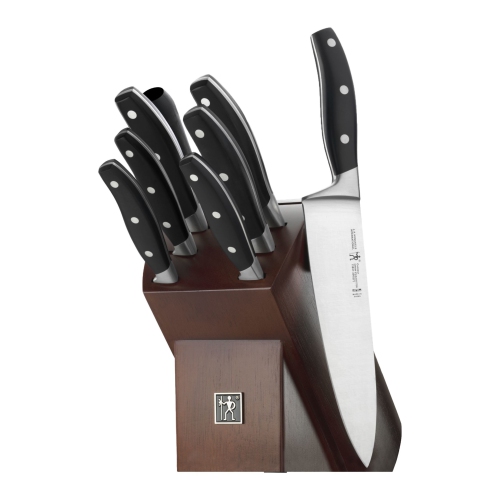
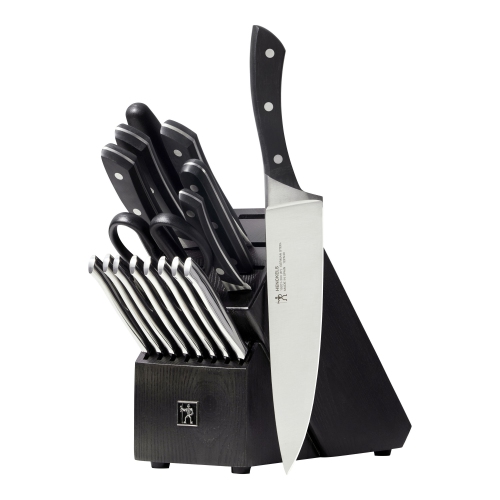
Kitchen knives are among the most frequently used tools in a home, shaping everything from a quick sandwich to a meal prepared for a full table. A blade that suits the task can make the difference between neatly sliced tomatoes and crushed flesh, or between even vegetable pieces and chunks that cook at different rates. For everyday cooking, the most useful assortment usually covers a few distinct jobs: chopping and slicing on a cutting board, trimming smaller ingredients in the hand, and cutting foods with a firm crust or delicate interior. Broad blades provide room for working through onions, cabbage, and bunches of herbs, while narrower profiles offer access around stems, peels, and small contours. Serrated edges are particularly useful for bread and other foods whose outer surface resists the first cut, although the size and shape of the teeth affect the finish of each slice. A long blade can draw through larger ingredients with fewer strokes, while a shorter blade may feel more manageable for precise work. For households building a coordinated kitchen assortment, Henckels Knife Sets bring the focus to combinations of knives rather than individual additions. The practical value of a set depends on how closely its contents match the meals being prepared; several frequently used blade shapes can be more useful than a larger collection with overlapping functions. Someone who regularly prepares vegetables from scratch may put the greatest emphasis on a comfortable all-purpose knife, while a household that serves homemade bread or carved roasts has different cutting needs. Shared kitchens also benefit from clearly defined tools for different tasks, with suitable storage that makes each blade easy to identify. Whether furnishing a first apartment, replacing worn kitchen tools, or choosing a housewarming or wedding gift, knives have an everyday role that extends well beyond their appearance on the counter. Their usefulness comes from the relationship between blade shape, handling, and the cook’s usual routine.
Materials and construction influence how a knife feels in motion and how much attention its edge needs over time. Stainless steel is common in kitchen cutlery because it offers resistance to corrosion, but it is not completely stainproof or immune to damage. Steel composition, heat treatment, blade thickness, and edge geometry all contribute to cutting performance, so a single material description does not tell the whole story. A thinner edge can pass easily through ingredients, while a thicker profile may feel sturdier but create more resistance in dense foods. Harder steel can support good edge retention, though some harder blades are less forgiving of twisting or contact with hard surfaces. Forged and stamped construction describe different manufacturing approaches, rather than a simple division between good and poor quality. Forged knives often have a more substantial feel, while stamped knives can offer lighter handling; the finished design matters more than the label alone. Handle construction deserves equal attention because food preparation often involves repeating the same movement many times. A handle that feels secure when dry should also be easy to clean after working with sticky dough, fruit juice, or raw ingredients. Smooth transitions between the blade and handle leave fewer awkward spaces for residue, while rivets, contours, and surface texture affect comfort in different ways. A full tang means the blade’s metal extends through the length of the handle, but balance and assembly still depend on the complete design. Some cooks prefer weight centred closer to the hand, while others enjoy a blade-forward feel during chopping. Adequate clearance beneath the handle helps keep knuckles from meeting the board, and a grip that feels comfortable during a short task may feel different after a large batch of vegetables. Left-handed users may also want to consider handle symmetry and whether the edge is designed for use in either hand. Blade length, usually expressed in inch measurements, is most meaningful alongside the size of the cutting board and the ingredients being prepared.
Care and storage play a substantial part in keeping kitchen knives pleasant to use. Even a well-made edge gradually loses sharpness through ordinary contact with food and the cutting board, and a dull blade can require extra pressure that makes controlled cutting more difficult. Honing and sharpening serve different purposes: honing can help maintain an edge between sharpening sessions, while sharpening removes metal to restore cutting geometry. The appropriate tool and angle depend on the blade, and serrated edges often need a different approach from straight edges. Manufacturer care directions are especially important when a knife has a specialized edge or handle material. Handwashing with mild dish soap, followed by prompt drying, is generally a gentler routine than leaving knives in a sink or running them through a dishwasher. Extended exposure to moisture, detergent, and movement against other utensils can affect both the edge and the handle. A knife left beneath soapy water also creates a hidden hazard for anyone reaching into the sink. Wood and suitable plastic cutting boards are generally kinder to edges than glass, stone, or ceramic surfaces, and a board that stays firmly in place gives the blade a more predictable working surface. Kitchen knives are designed for cutting food, not opening packaging, prying apart frozen ingredients, or striking bones unless the particular tool is expressly made for that work. Storage should keep edges separated from loose utensils and protect hands when reaching for a blade. Blocks, fitted drawer inserts, blade guards, and securely mounted magnetic holders each suit different spaces, provided they fit the knives properly and remain out of children’s reach. Storage capacity matters as much as the footprint: crowded slots or an overfilled drawer can turn an otherwise practical assortment into a daily frustration. For a gift recipient, manageable care requirements and storage that suits the kitchen can be just as thoughtful as a matching appearance. A well-chosen collection supports the familiar rhythm of preparing meals, from trimming a piece of fruit to slicing a finished dish for serving, with tools suited to the work and comfortable enough to reach for every day.
Materials and construction influence how a knife feels in motion and how much attention its edge needs over time. Stainless steel is common in kitchen cutlery because it offers resistance to corrosion, but it is not completely stainproof or immune to damage. Steel composition, heat treatment, blade thickness, and edge geometry all contribute to cutting performance, so a single material description does not tell the whole story. A thinner edge can pass easily through ingredients, while a thicker profile may feel sturdier but create more resistance in dense foods. Harder steel can support good edge retention, though some harder blades are less forgiving of twisting or contact with hard surfaces. Forged and stamped construction describe different manufacturing approaches, rather than a simple division between good and poor quality. Forged knives often have a more substantial feel, while stamped knives can offer lighter handling; the finished design matters more than the label alone. Handle construction deserves equal attention because food preparation often involves repeating the same movement many times. A handle that feels secure when dry should also be easy to clean after working with sticky dough, fruit juice, or raw ingredients. Smooth transitions between the blade and handle leave fewer awkward spaces for residue, while rivets, contours, and surface texture affect comfort in different ways. A full tang means the blade’s metal extends through the length of the handle, but balance and assembly still depend on the complete design. Some cooks prefer weight centred closer to the hand, while others enjoy a blade-forward feel during chopping. Adequate clearance beneath the handle helps keep knuckles from meeting the board, and a grip that feels comfortable during a short task may feel different after a large batch of vegetables. Left-handed users may also want to consider handle symmetry and whether the edge is designed for use in either hand. Blade length, usually expressed in inch measurements, is most meaningful alongside the size of the cutting board and the ingredients being prepared.
Care and storage play a substantial part in keeping kitchen knives pleasant to use. Even a well-made edge gradually loses sharpness through ordinary contact with food and the cutting board, and a dull blade can require extra pressure that makes controlled cutting more difficult. Honing and sharpening serve different purposes: honing can help maintain an edge between sharpening sessions, while sharpening removes metal to restore cutting geometry. The appropriate tool and angle depend on the blade, and serrated edges often need a different approach from straight edges. Manufacturer care directions are especially important when a knife has a specialized edge or handle material. Handwashing with mild dish soap, followed by prompt drying, is generally a gentler routine than leaving knives in a sink or running them through a dishwasher. Extended exposure to moisture, detergent, and movement against other utensils can affect both the edge and the handle. A knife left beneath soapy water also creates a hidden hazard for anyone reaching into the sink. Wood and suitable plastic cutting boards are generally kinder to edges than glass, stone, or ceramic surfaces, and a board that stays firmly in place gives the blade a more predictable working surface. Kitchen knives are designed for cutting food, not opening packaging, prying apart frozen ingredients, or striking bones unless the particular tool is expressly made for that work. Storage should keep edges separated from loose utensils and protect hands when reaching for a blade. Blocks, fitted drawer inserts, blade guards, and securely mounted magnetic holders each suit different spaces, provided they fit the knives properly and remain out of children’s reach. Storage capacity matters as much as the footprint: crowded slots or an overfilled drawer can turn an otherwise practical assortment into a daily frustration. For a gift recipient, manageable care requirements and storage that suits the kitchen can be just as thoughtful as a matching appearance. A well-chosen collection supports the familiar rhythm of preparing meals, from trimming a piece of fruit to slicing a finished dish for serving, with tools suited to the work and comfortable enough to reach for every day.
Top selling and popular products
-
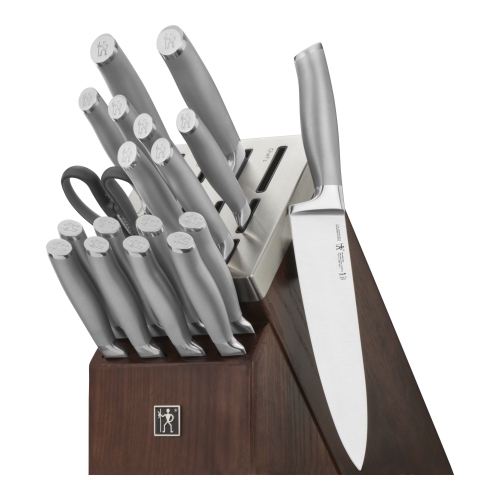 Your price for this item is $489.99
 -
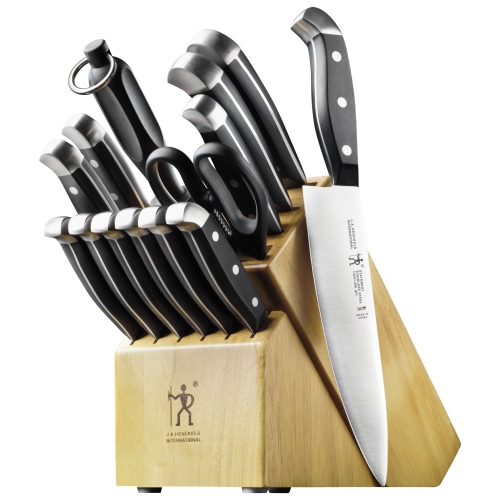 Your price for this item is $239.99
 -
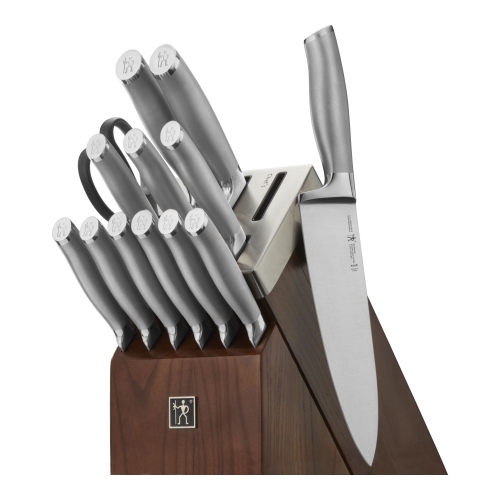 Your price for this item is $299.99
 -
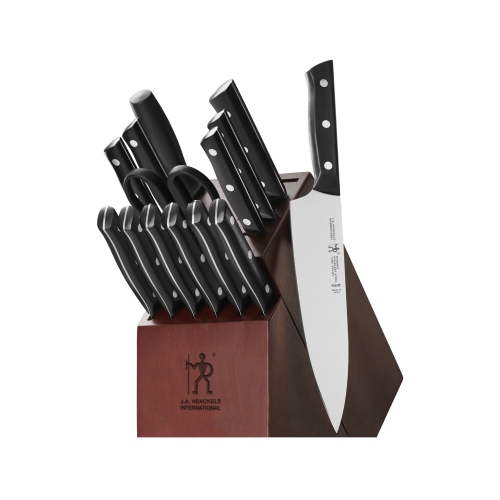 Your price for this item is $214.99
 -
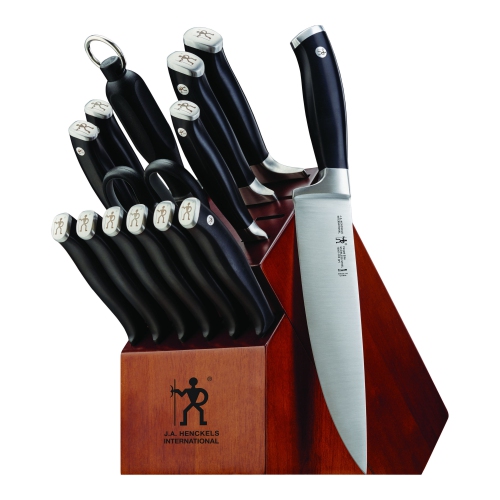 Your price for this item is $289.99
 -
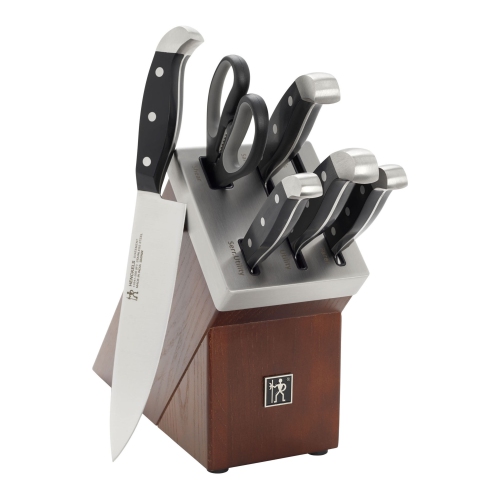 Your price for this item is $179.99
 -
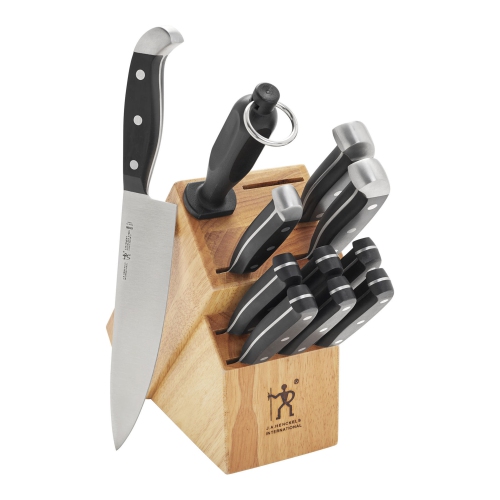 Your price for this item is $179.99
 -
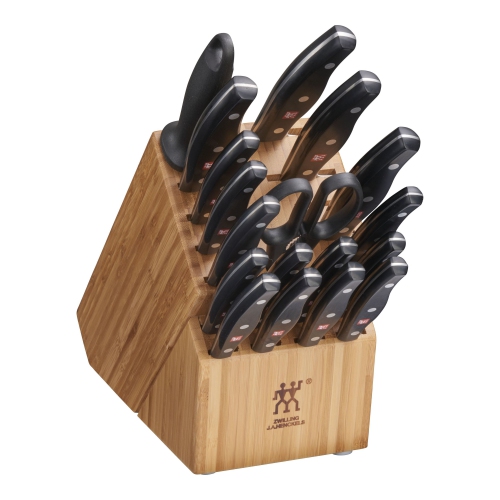 Your price for this item is $899.99
Discover more categories related to Henckels Knives Canada
Top Collections:
Pokemon Centers, Kindle Devices, Best Budget Office Chairs, Apple iPhones 16, Best Laptops for Writers, iPhone 15 Apple, Canon G7X Cameras, Refurbished Apple Laptops, Alarm Clock, Motorola Razr Phones
Some products may be subject to Environmental Handling Fees
(EHF) depending on your province.
Learn more about EHFs.