High Density Foam Cushions
Looking to add a touch of comfort and support to your seating arrangements? Look no further than our collection of high density foam cushions. Designed to provide exceptional cushioning and durability, these foam cushions are perfect for rejuvenating your furniture and enhancing your overall sitting experience. Whether you're looking to revamp your living room sofa, spruce up your dining chairs, or add some extra padding to your outdoor patio furniture, our high density foam cushions offer the ideal solution. Explore our wide range of options and find the perfect fit for your seating needs.
Sort


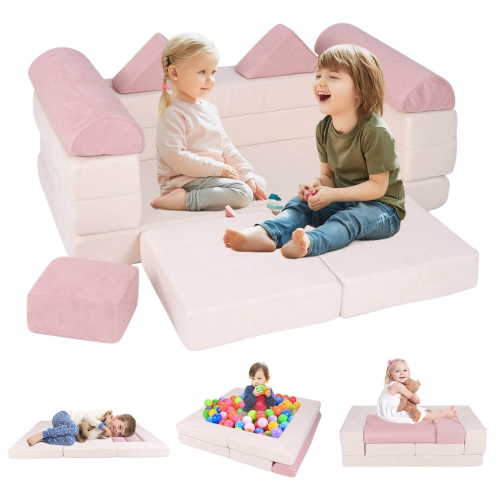
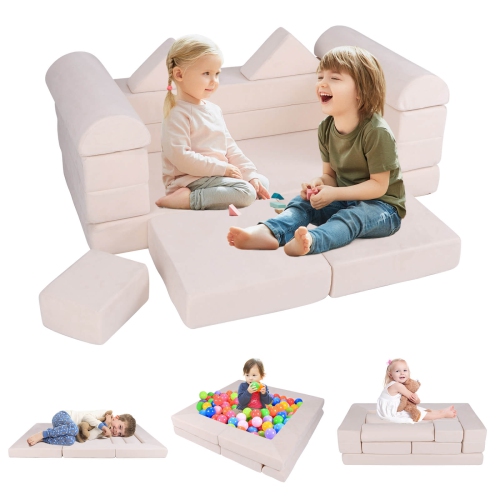
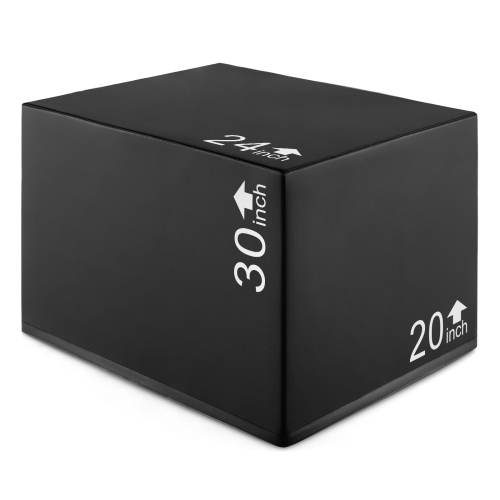
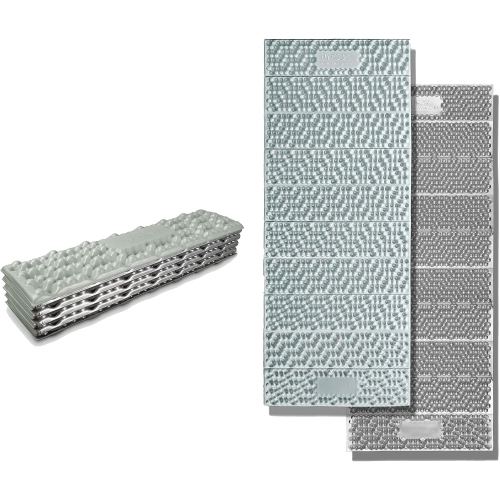
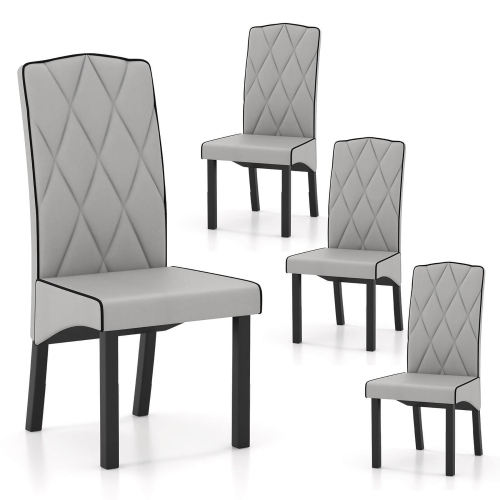
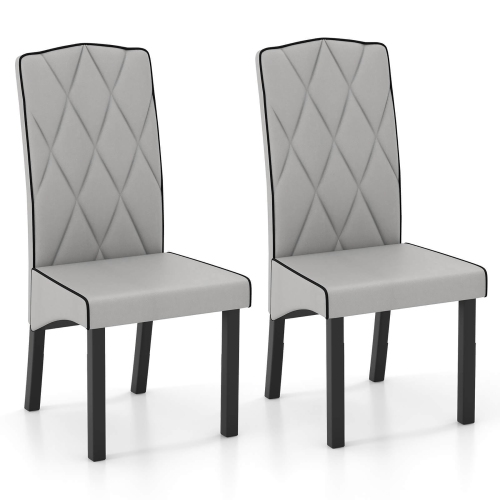
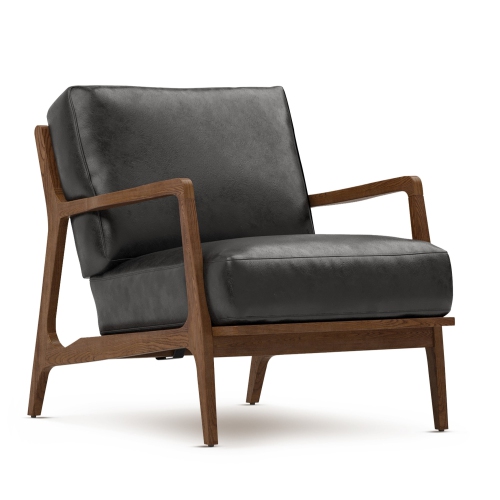
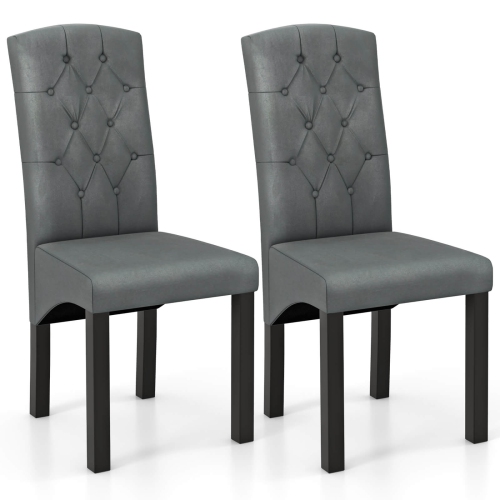


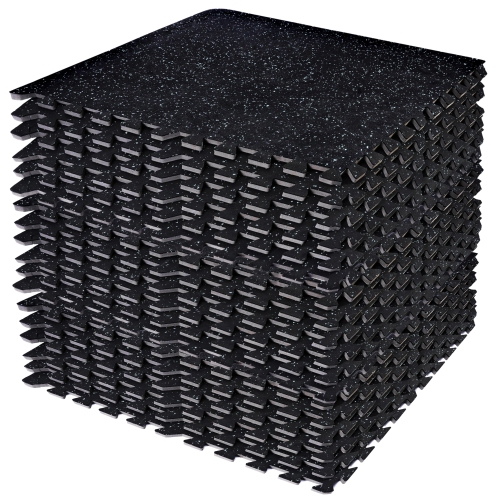
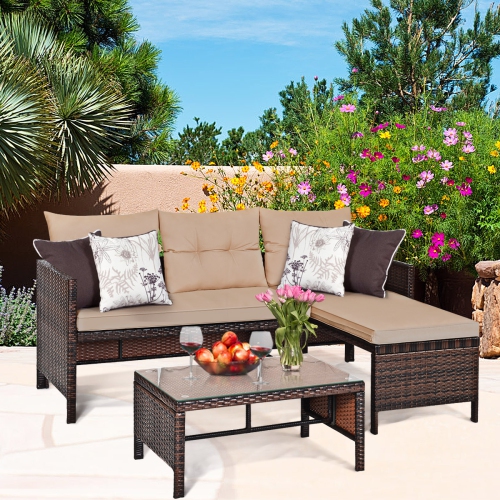
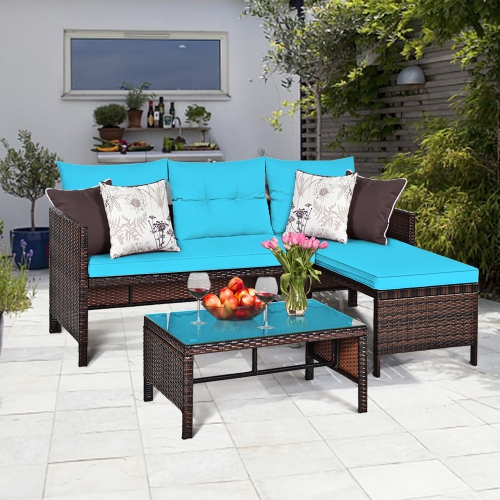
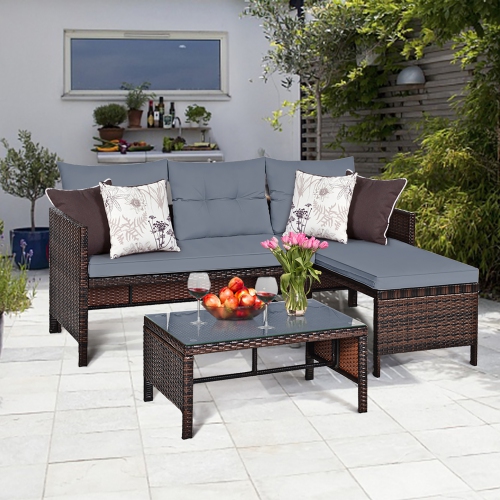
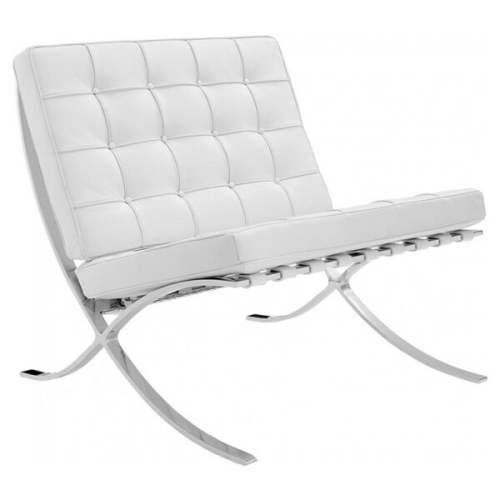
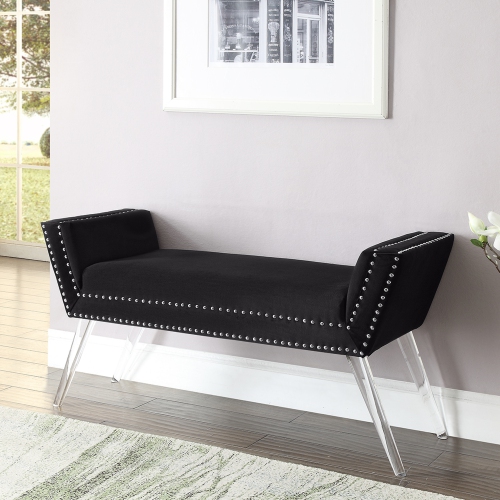
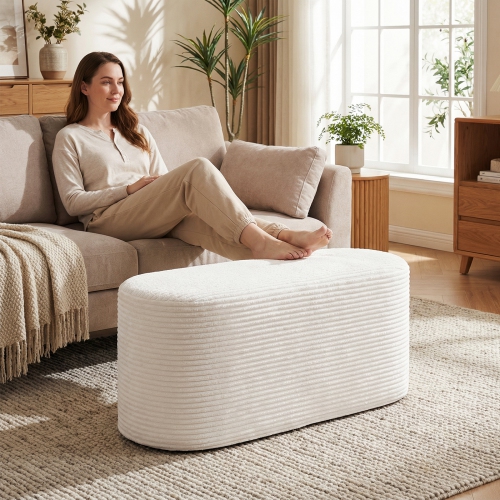
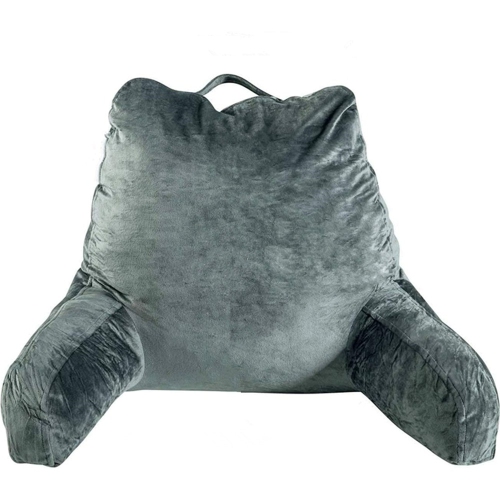
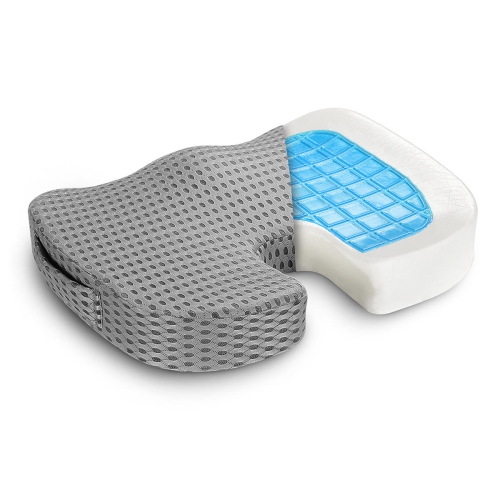
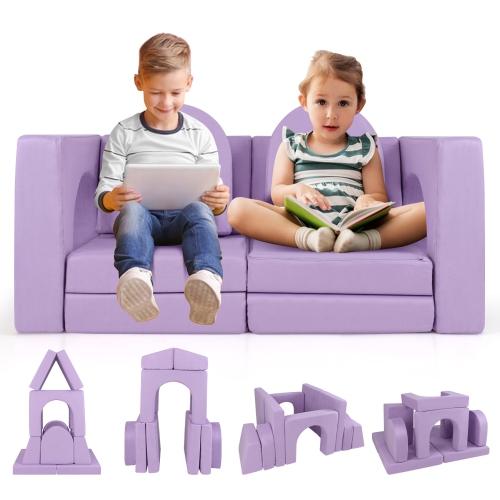
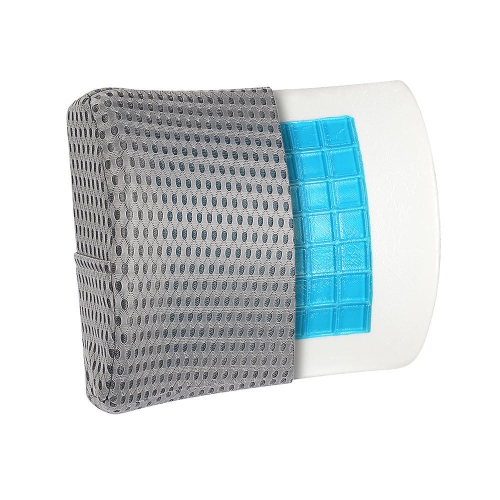
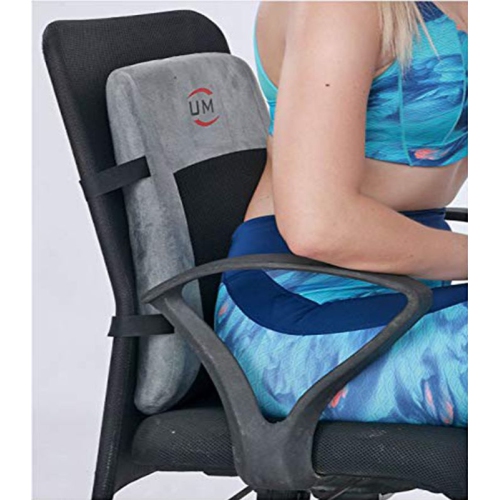

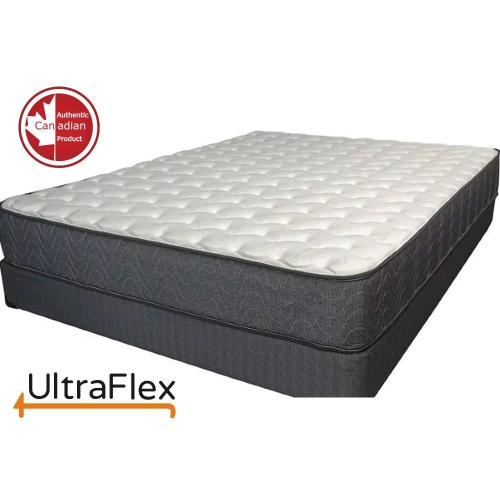
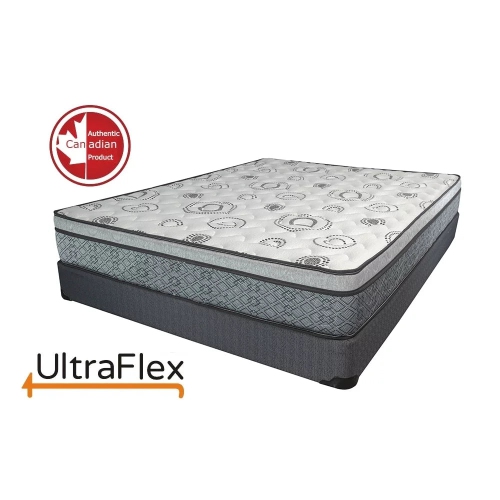
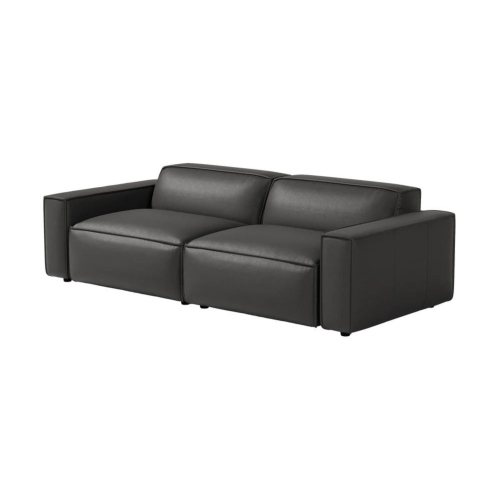
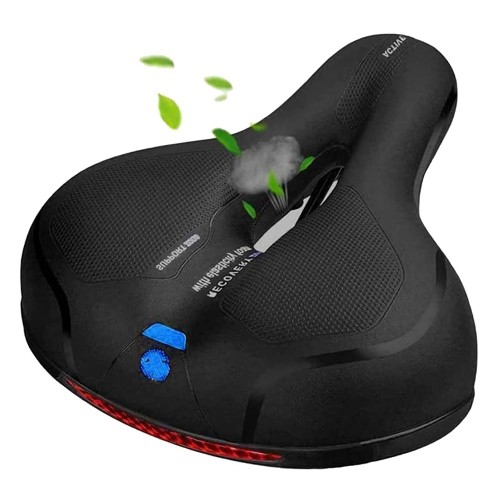
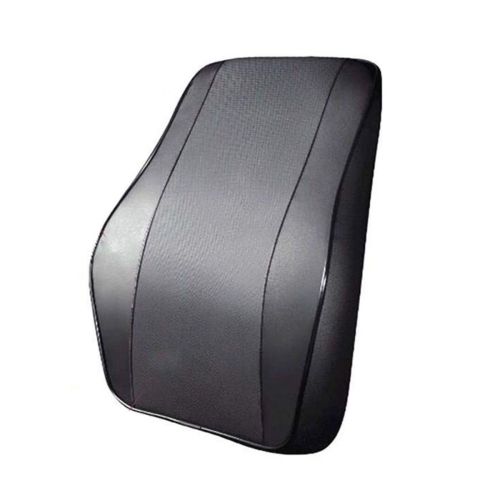
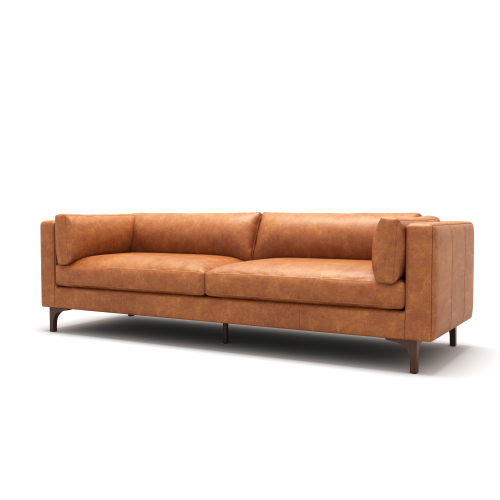
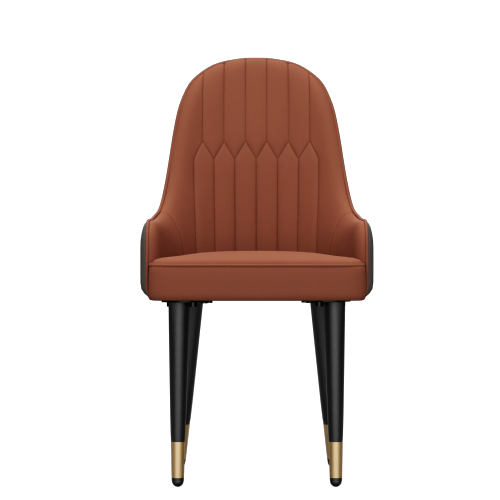
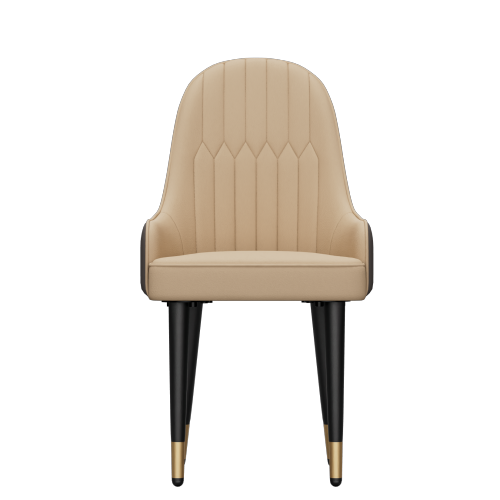
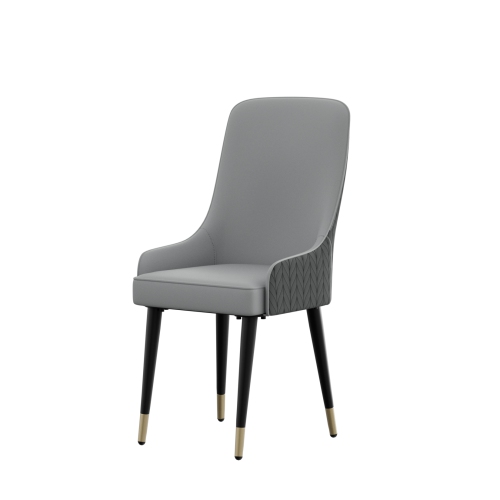
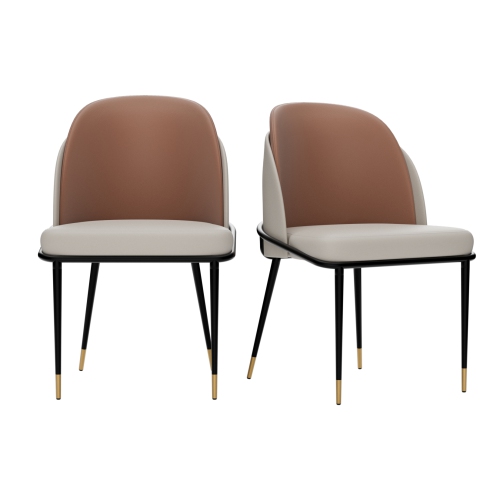
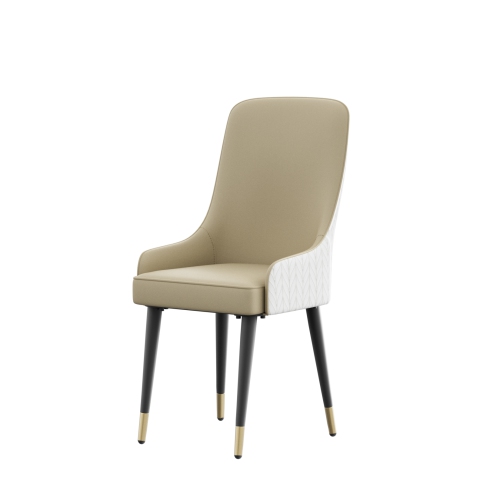
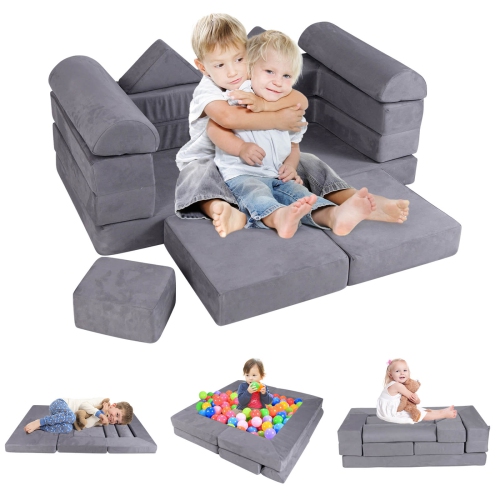
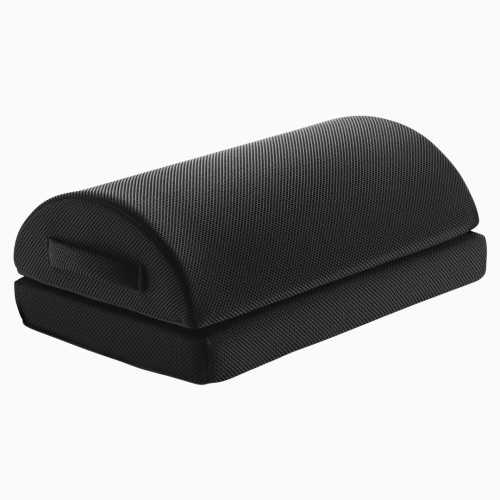
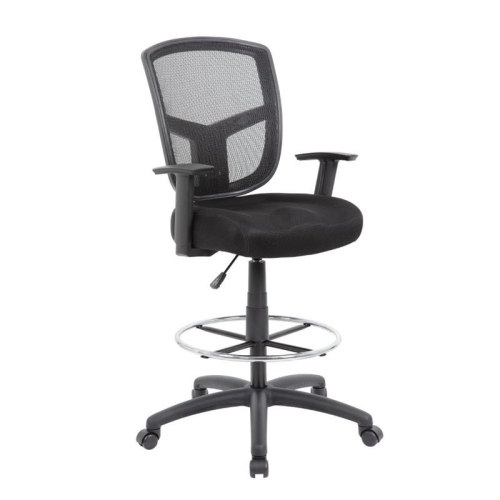

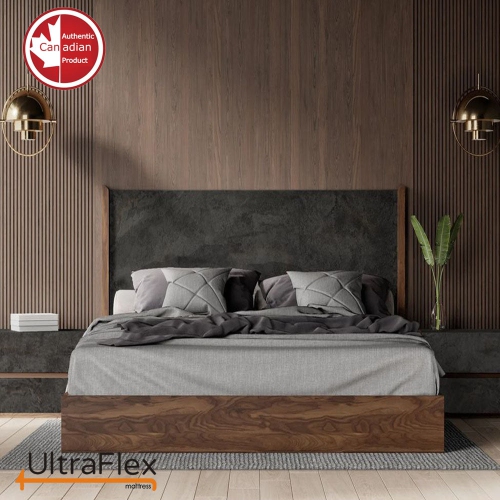
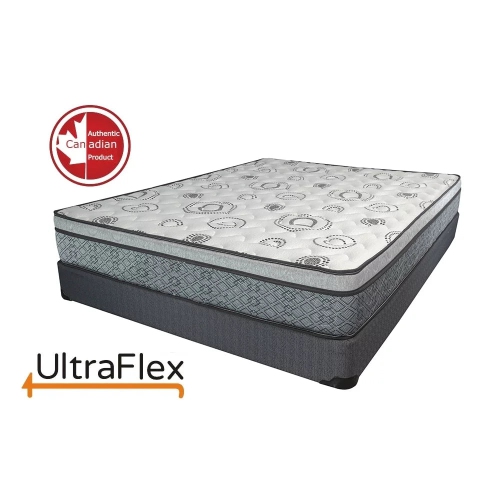
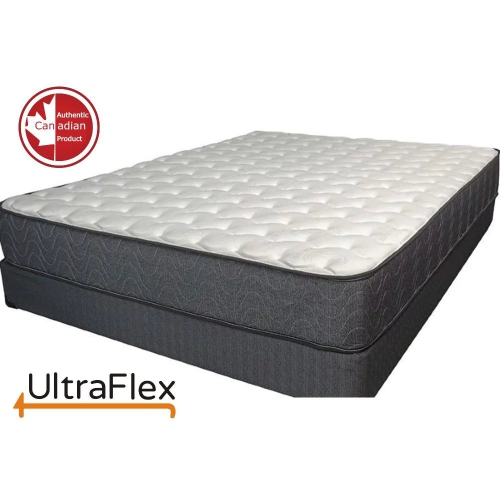
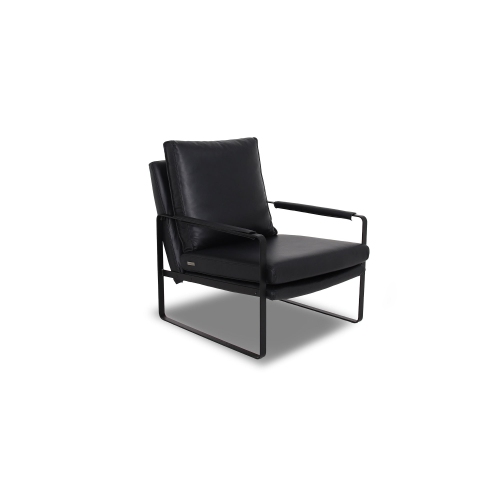
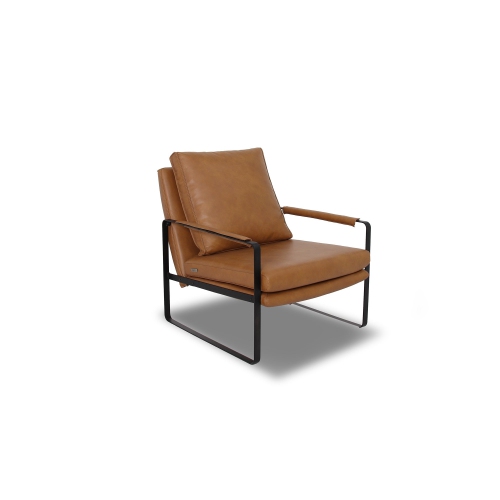
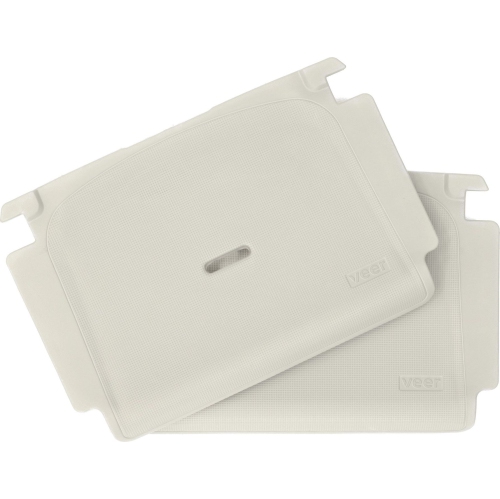
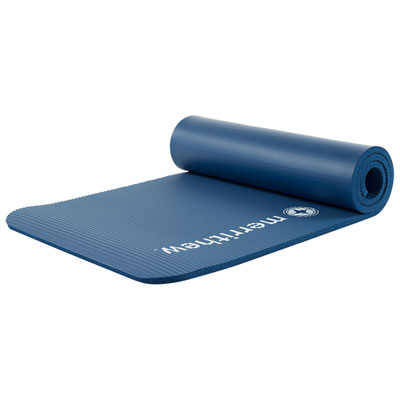
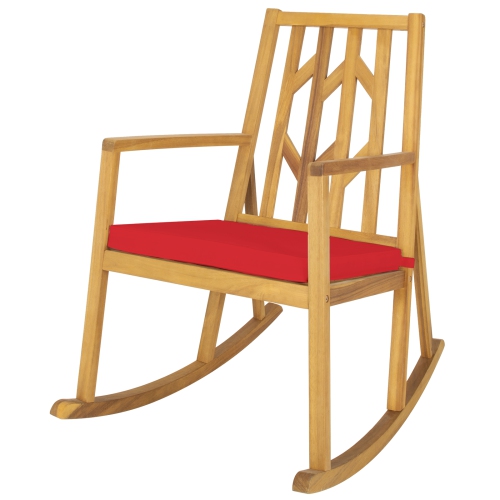
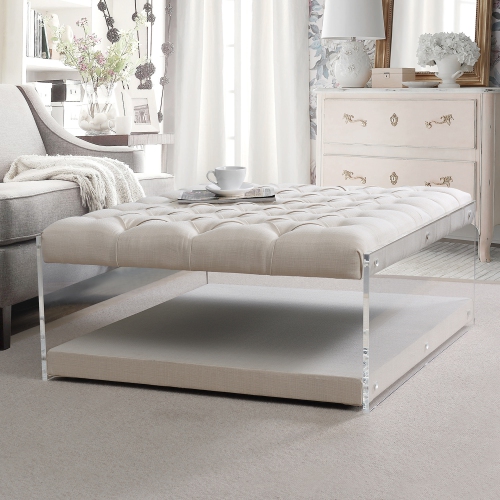
Supportive seating for upholstery updates and everyday comfort
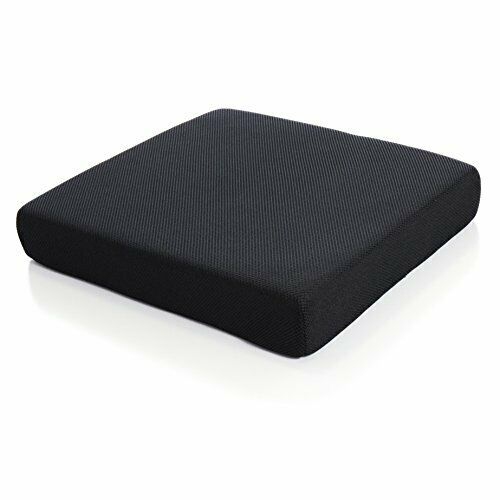
High density foam cushions are a practical way to refresh seating, replace flattened inserts, or add dependable support to a furniture project. They can be used in sofa seats, dining chairs, window seats, benches, reading nooks, RVs, campers and other areas where people sit regularly. Unlike loose-fill materials that can shift or compress unevenly, quality foam provides a stable base that helps distribute weight across the cushion. This makes it a useful choice for busy homes where a favourite chair is used every evening, a kitchen bench sees frequent family meals, or a living room sofa needs to stand up to daily lounging. High density foam is generally designed to retain its shape over extended use, although its performance depends on the foam construction, the cover, the dimensions and the amount of use it receives. Many upholstery foam cushions can remain serviceable for several years when properly sized and protected, making them a practical option for furniture that needs a longer-lasting seating surface. They are also useful for DIY upholstery projects, whether you are updating a vintage chair, making a custom bench cushion or replacing an insert that has become lumpy, sagging or uncomfortable. For a cohesive living room setup, explore High Density Foam Sofas alongside individual cushion options and other seating essentials.
When choosing high density foam cushions, start with the space they need to fill rather than selecting by appearance alone. Measure the length, width and depth of the cushion area, checking more than one point in case the frame or existing cover is slightly uneven. A close fit helps prevent movement and reduces the chance of wrinkles or gaps in the upholstery, while a cushion that is too large can strain the seams or make a cover difficult to close. Thickness also influences comfort and appearance. Cushions around 2 to 3 inches thick may suit lighter chairs, dining seats and shallow benches, while deeper seating often benefits from approximately 4 to 5 inches, depending on the furniture frame and the intended feel. The correct thickness is not simply a matter of adding more foam; the cushion should support the sitter without lifting them too high or interfering with the arms, back or table height. Density and firmness are related but different considerations. Foam density describes how much material is used in a given volume and is often associated with durability, while firmness describes how much pressure is needed to compress the foam. A higher-density cushion can still feel soft, medium or firm, so consider the desired sitting experience as well as the expected frequency of use. A softer feel may be comfortable for a window seat or occasional chair, while a firmer cushion can make sense for a dining bench, office seat or high-traffic sofa. If the cushion will be used by several people, a balanced medium-firm feel can provide a versatile compromise. Pay attention to the cover, too: a removable, well-fitted cover is easier to clean and can help the foam keep its shape, while a non-slip layer or compatible cushion base can help limit sliding on smooth frames.
High density foam cushions can support a wide range of home projects, from a simple comfort upgrade to a more involved upholstery refresh. Place one on a wooden bench to create a more inviting breakfast corner, use a fitted cushion to make a deep window ledge suitable for reading, or add supportive seating to a compact apartment where every surface needs to work harder. They can also be helpful in guest rooms, hobby areas and home offices, particularly when a hard chair is used for long periods. During the cooler months, a cushioned reading spot near a lamp or window can make an underused corner feel warmer and more comfortable, while a well-fitted bench cushion can turn an entryway into a convenient place to sit while putting on boots. For outdoor or semi-outdoor furniture, check the product specifications and use a suitable cover, as not every upholstery foam cushion is made to withstand moisture, direct sunlight or changing temperatures. Regularly rotate or reposition cushions when the design allows, especially if one area receives more weight than another. Vacuum the cover and follow its care instructions, and address spills promptly to help prevent odours and staining. Foam should generally be kept dry and should not be exposed to harsh cleaning methods unless the manufacturer specifically permits them. High density foam cushions can also make a thoughtful housewarming gift for someone setting up a first apartment, renovating a cottage, furnishing a nursery reading corner or restoring a cherished piece of furniture. The most useful gift is one that matches the recipient’s project, so knowing the required measurements, thickness and preferred firmness is valuable before making a selection. With careful measuring and attention to intended use, a high density foam cushion can provide comfortable, supportive seating that feels considered rather than temporary.
When choosing high density foam cushions, start with the space they need to fill rather than selecting by appearance alone. Measure the length, width and depth of the cushion area, checking more than one point in case the frame or existing cover is slightly uneven. A close fit helps prevent movement and reduces the chance of wrinkles or gaps in the upholstery, while a cushion that is too large can strain the seams or make a cover difficult to close. Thickness also influences comfort and appearance. Cushions around 2 to 3 inches thick may suit lighter chairs, dining seats and shallow benches, while deeper seating often benefits from approximately 4 to 5 inches, depending on the furniture frame and the intended feel. The correct thickness is not simply a matter of adding more foam; the cushion should support the sitter without lifting them too high or interfering with the arms, back or table height. Density and firmness are related but different considerations. Foam density describes how much material is used in a given volume and is often associated with durability, while firmness describes how much pressure is needed to compress the foam. A higher-density cushion can still feel soft, medium or firm, so consider the desired sitting experience as well as the expected frequency of use. A softer feel may be comfortable for a window seat or occasional chair, while a firmer cushion can make sense for a dining bench, office seat or high-traffic sofa. If the cushion will be used by several people, a balanced medium-firm feel can provide a versatile compromise. Pay attention to the cover, too: a removable, well-fitted cover is easier to clean and can help the foam keep its shape, while a non-slip layer or compatible cushion base can help limit sliding on smooth frames.
High density foam cushions can support a wide range of home projects, from a simple comfort upgrade to a more involved upholstery refresh. Place one on a wooden bench to create a more inviting breakfast corner, use a fitted cushion to make a deep window ledge suitable for reading, or add supportive seating to a compact apartment where every surface needs to work harder. They can also be helpful in guest rooms, hobby areas and home offices, particularly when a hard chair is used for long periods. During the cooler months, a cushioned reading spot near a lamp or window can make an underused corner feel warmer and more comfortable, while a well-fitted bench cushion can turn an entryway into a convenient place to sit while putting on boots. For outdoor or semi-outdoor furniture, check the product specifications and use a suitable cover, as not every upholstery foam cushion is made to withstand moisture, direct sunlight or changing temperatures. Regularly rotate or reposition cushions when the design allows, especially if one area receives more weight than another. Vacuum the cover and follow its care instructions, and address spills promptly to help prevent odours and staining. Foam should generally be kept dry and should not be exposed to harsh cleaning methods unless the manufacturer specifically permits them. High density foam cushions can also make a thoughtful housewarming gift for someone setting up a first apartment, renovating a cottage, furnishing a nursery reading corner or restoring a cherished piece of furniture. The most useful gift is one that matches the recipient’s project, so knowing the required measurements, thickness and preferred firmness is valuable before making a selection. With careful measuring and attention to intended use, a high density foam cushion can provide comfortable, supportive seating that feels considered rather than temporary.
Top selling and popular products
-
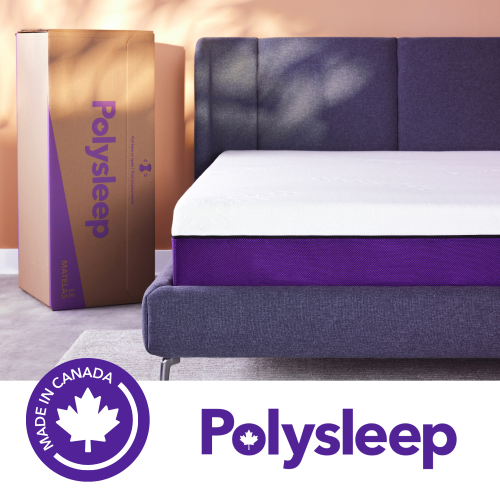 Your price for this item is $1195
 -
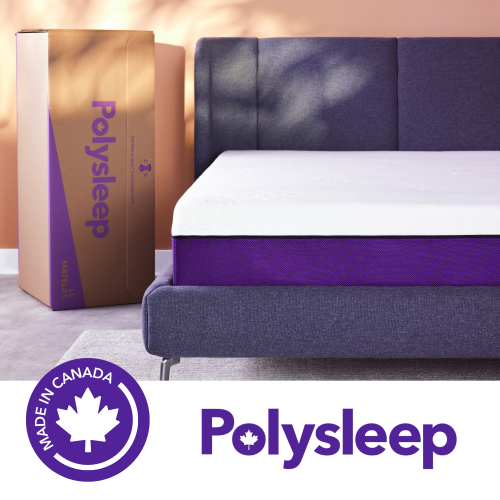 Your price for this item is $1395
 -
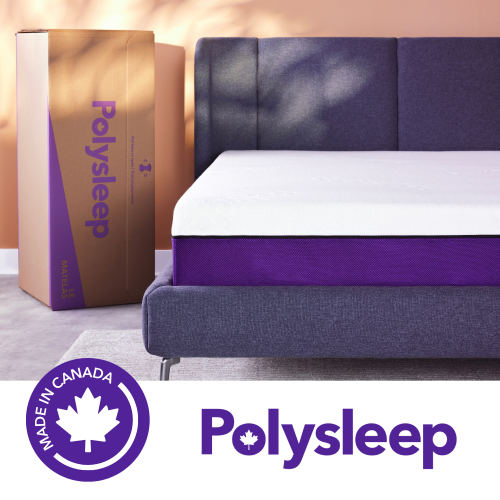 Your price for this item is $945
 -
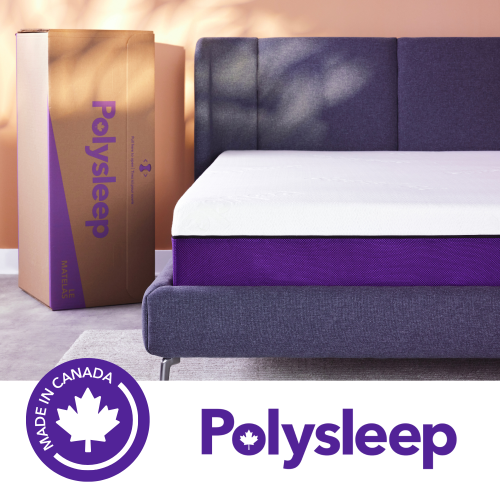 Your price for this item is $1095
 -
 Your price for this item is $1199
 -
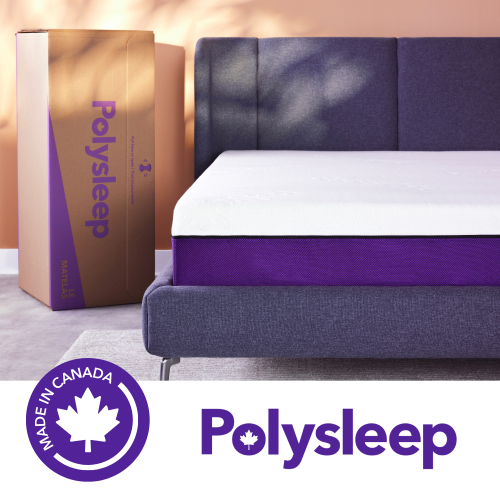 Your price for this item is $1395
 -
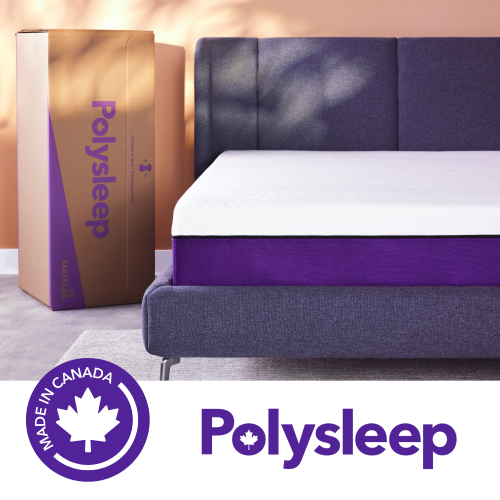 Your price for this item is $895
 -
 Your price for this item is $920
Discover more categories related to High Density Foam Cushions
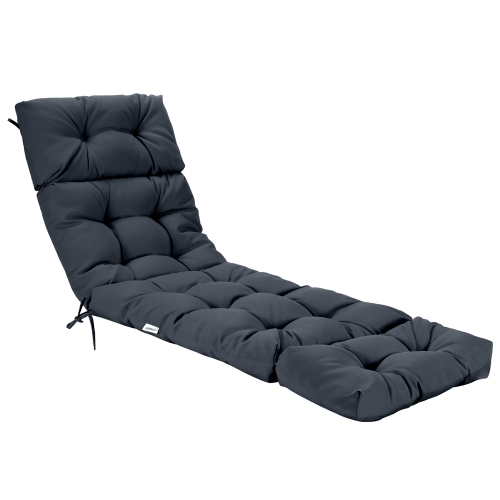
Top Collections:
Pokemon Centers, Kindle Devices, Best Budget Office Chairs, Apple iPhones 16, Canon G7X Cameras, iPhone 15 Apple, Alarm Clock, Refurbished Apple Laptops, Flip Phones, Best Laptops for Writers
Some products may be subject to Environmental Handling Fees
(EHF) depending on your province.
Learn more about EHFs.