High Gloss Cabinet Doors
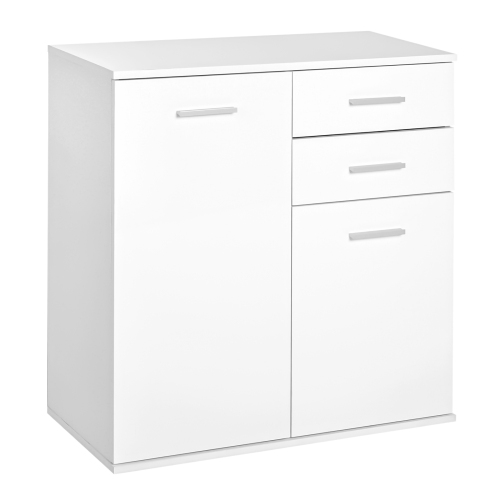
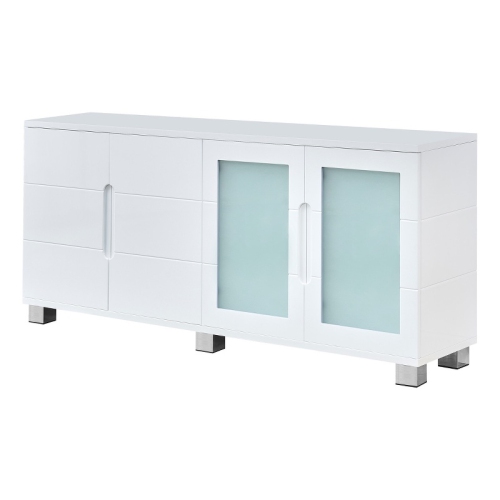
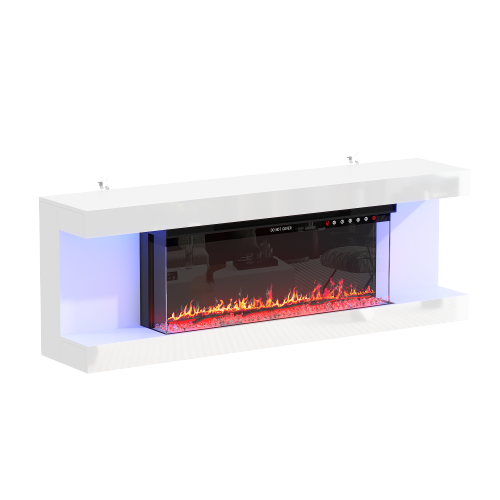
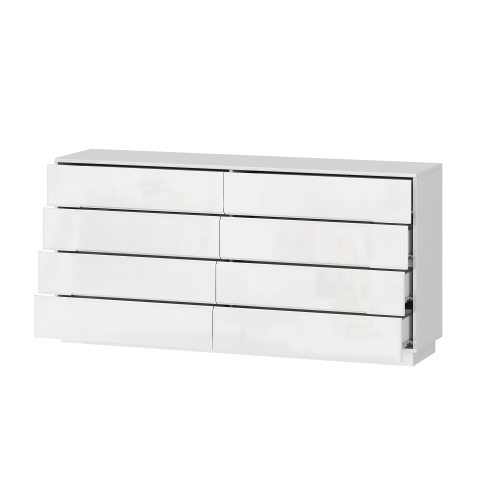
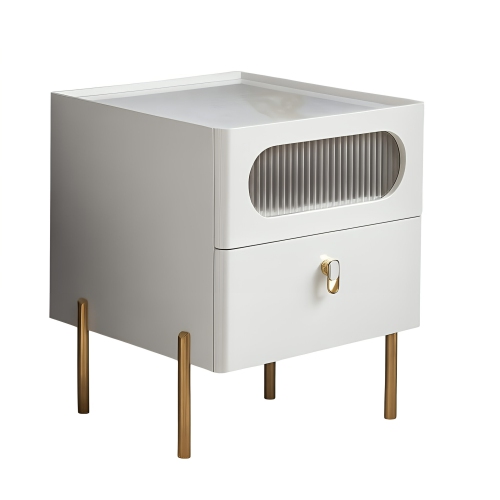
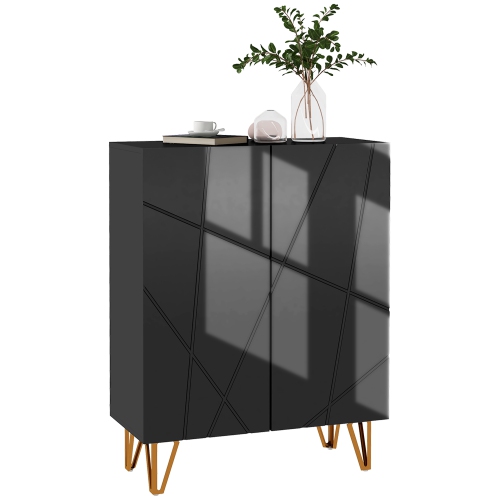
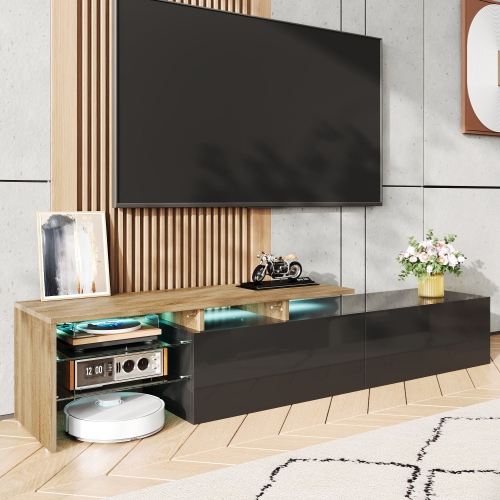
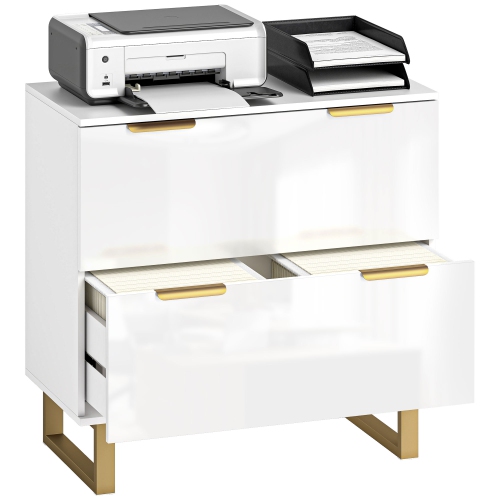
Transform your space with the sleek and modern look of high-gloss cabinet doors. These glossy finishes add a touch of sophistication to almost any room, whether your kitchen, bathroom, or living area. With their reflective surfaces and smooth texture, high-gloss cabinet doors create a sense of depth and light, making your space appear more spacious and vibrant. Here are some great options available.
Sort
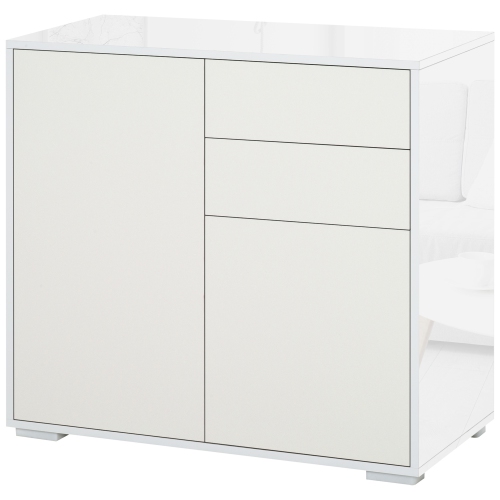
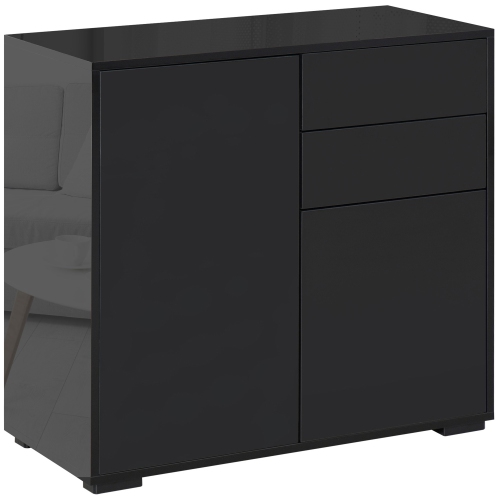

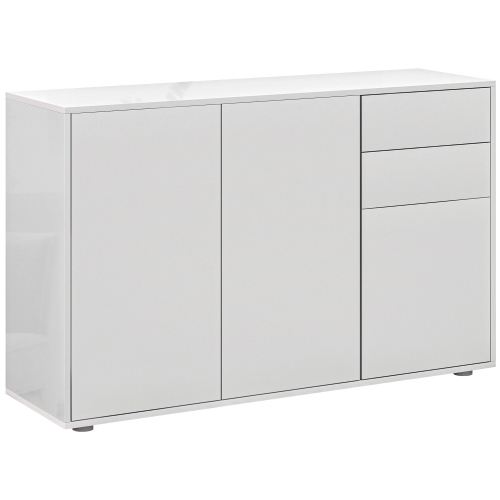
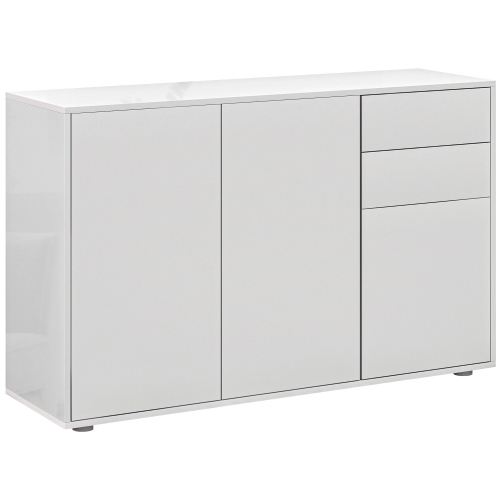
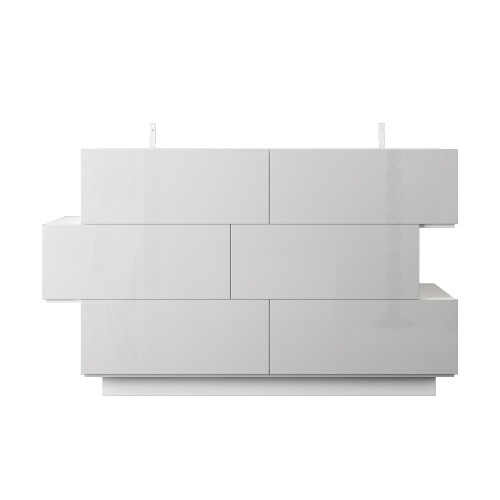
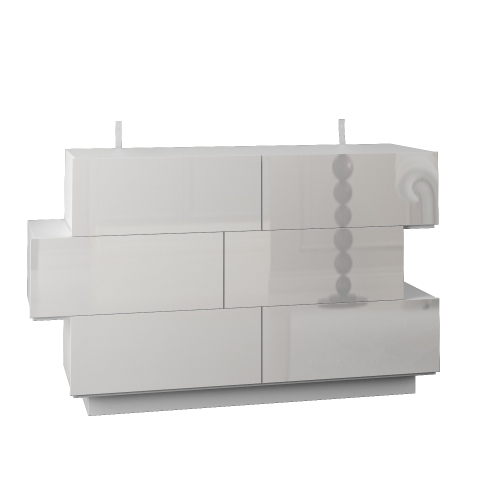
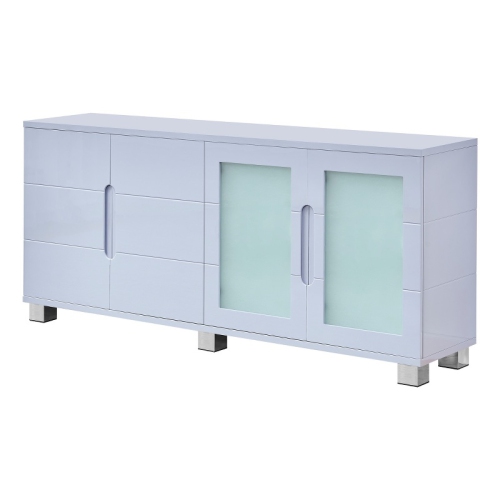
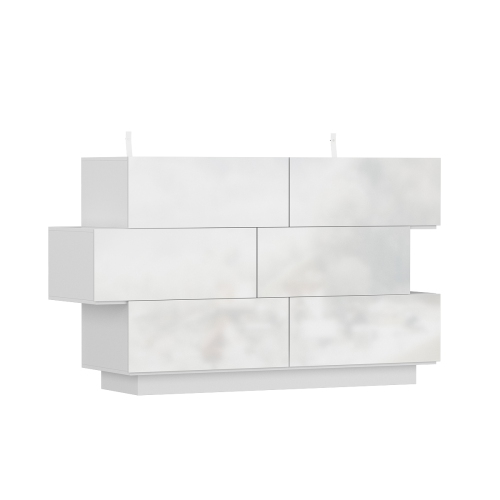
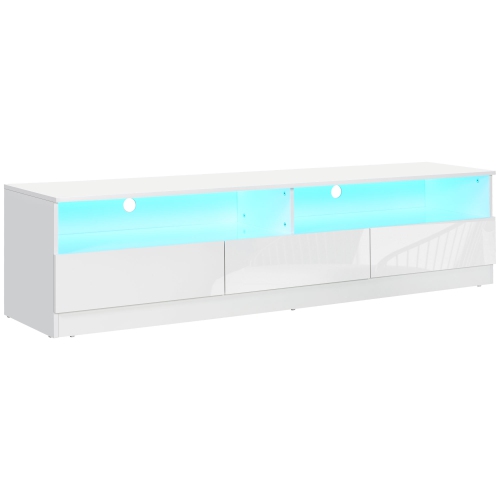

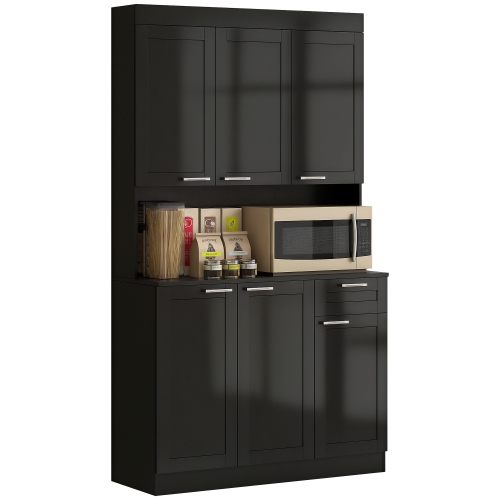
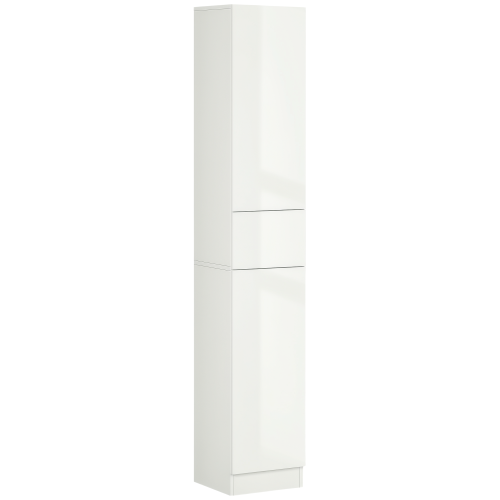


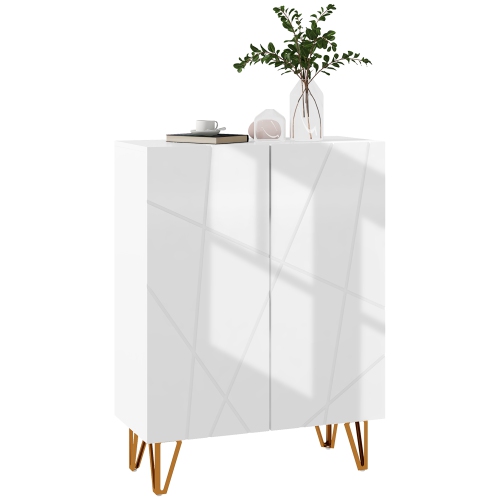


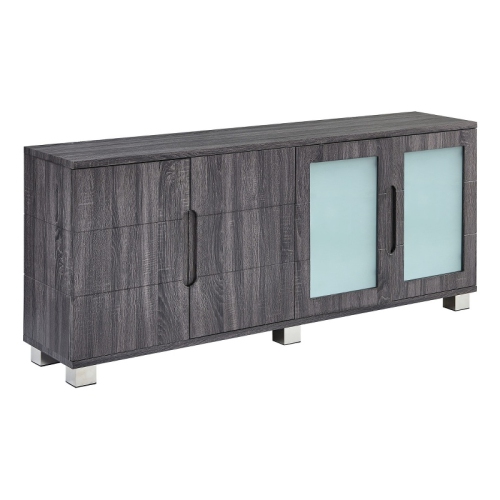
Why glossy cabinet fronts make small spaces feel brighter
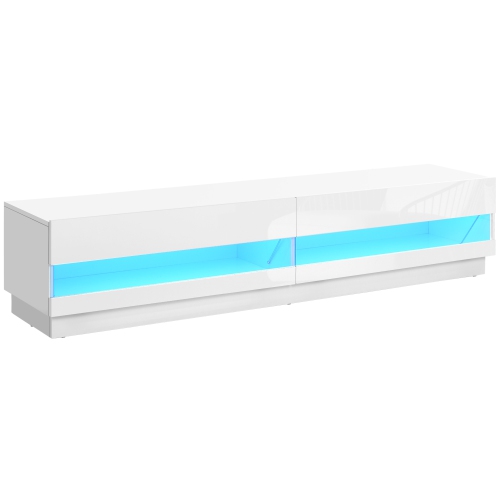
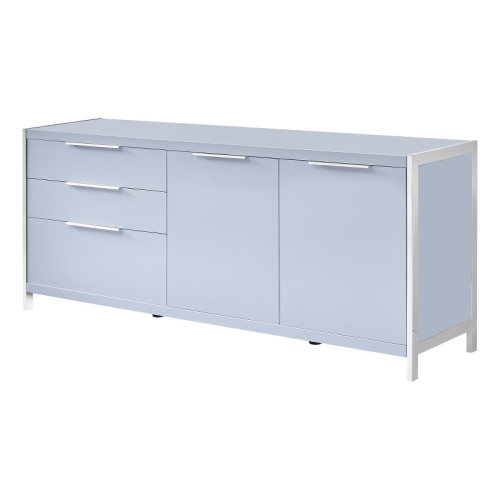
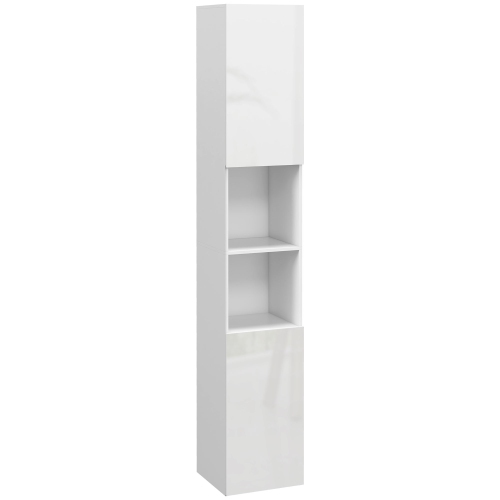
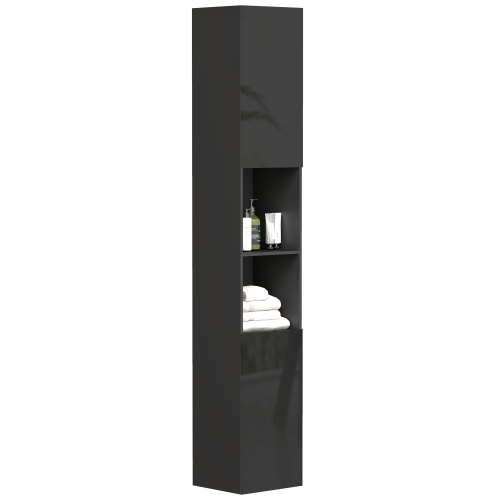
High gloss cabinet doors have a smooth, reflective finish that gives cabinetry a crisp, polished appearance. Their shine catches daylight and room lighting, helping a compact kitchen or narrow storage area feel brighter and more open without changing its actual dimensions. Unlike matte fronts, which scatter light for a softer effect, glossy doors create more distinct reflections and highlights. That difference is especially noticeable across a continuous run of flat cabinet fronts, where the finish becomes a central part of the room’s character. White and pale neutral colours offer an airy look, while charcoal, navy, and other deeper shades create stronger contrasts with surrounding walls and worktops. Darker glossy surfaces also tend to make fingerprints and fine marks easier to see, particularly under direct lighting. In kitchens, a glossy finish can sit comfortably alongside wood shelving, stone-look counters, brushed metal handles, or a textured backsplash; those contrasting surfaces keep the room from feeling uniformly shiny. The same approach works for bathroom vanities, dining room storage, and home office cabinetry, provided the doors are suitable for the intended location. A glossy front on a media cabinet can create a streamlined appearance, although its position relative to a television or window matters if reflected light could be distracting. For a coordinated kitchen look, High Gloss White Kitchen Cabinets bring that bright, reflective character to a broader cabinetry scheme. Door style also influences the result: flat slab fronts emphasize uninterrupted shine, while framed or shaped profiles introduce shadows and more visible detailing. High gloss cabinet doors are particularly well suited to homeowners refreshing sound cabinet boxes, people furnishing contemporary spaces, and households that prefer smooth surfaces with minimal ornamentation. Their appeal is not limited to an entirely modern room; a restrained glossy finish can also provide a clean counterpoint to natural wood grain and traditional architectural details.
The appearance of high gloss cabinet doors comes from both the surface finish and the material beneath it. Many are made with an engineered wood core, such as medium-density fibreboard, commonly called MDF, or particleboard, finished with acrylic, lacquer, laminate, or a glossy foil. MDF provides a smooth base for painted or lacquered finishes and can be shaped into different profiles. Particleboard is often used beneath bonded surface layers, with performance depending on the board quality, facing, and edge treatment. Acrylic-faced doors can produce a clear, even shine, while lacquered doors achieve their appearance through an applied coating system. Glossy foil fronts use a thin surface film formed over the core, and their edges and contours may look different from those of a door with separate edge banding. These constructions should not be treated as interchangeable: scratch resistance, cleaning requirements, edge detailing, and repair options vary by finish and manufacturer. Glass-fronted designs offer another route to a reflective appearance, but their weight, framing, and hardware requirements differ from those of wood-based doors. For replacement cabinet doors, accurate fit is just as important as colour and sheen. Door height, width, thickness, and the spacing between adjacent fronts all affect how neatly the finished cabinetry lines up. Overlay doors cover part or all of the cabinet frame, whereas inset doors sit within the opening; a replacement needs to match the cabinet’s construction rather than simply look similar from the front. Hinge cup diameter, drilling depth, hole position, and mounting plate compatibility also matter, particularly when retaining existing hinges. A tall pantry door may need different hinge support from a short wall cabinet door because its size and weight place different demands on the fittings. Nearby drawers, corner cabinets, walls, and appliance handles need enough clearance for the door to open properly. Matching drawer fronts, finished end panels, and exposed cabinet edges can help the glossy doors look like an integrated part of the room rather than a separate addition.
Everyday use brings out both the convenience and the compromises of a high gloss finish. A smooth face is generally straightforward to wipe down, but fingerprints, water spots, and dust can be more noticeable than they are on a low-sheen surface. Around a frequently used snack cupboard or the cabinet beneath a sink, handles can reduce how often hands touch the door face. Longer pulls may be easier to grasp without brushing the finish, while handleless designs create a cleaner visual line but can require more frequent wiping around the opening point. Soft-close hinges can reduce slamming when they are correctly matched and adjusted, though they do not make the surface resistant to scratches or impacts. For routine care, a clean, soft microfibre cloth lightly dampened with water is often a suitable starting point, followed by gentle drying with another soft cloth. Any cleaning product should be compatible with the particular finish; abrasive powders, scouring pads, and unsuitable solvents can dull or damage a glossy surface. Even a soft cloth can leave marks if it contains grit, so keeping cleaning cloths clean matters. Moisture deserves attention at seams, hinge openings, and exposed edges, where water may reach an engineered wood core if the protective layer is damaged or incomplete. Doors near sinks, dishwashers, ovens, and kettles need the clearances and protections specified for their construction, since repeated steam or heat exposure can affect some adhesives and finishes. Fine scratches may stand out under a bright pendant light or sunlight falling across the fronts, and polishing is not appropriate for every glossy coating. Manufacturer-approved care is preferable to experimenting with furniture polish or scratch-removal compounds. Colour matching also deserves consideration during a partial refresh: two finishes described as white can have different undertones, and differences in sheen may be visible when doors sit side by side. Viewing a finish sample beside the existing worktop, flooring, and cabinet sides can clarify how it will look in the room. With compatible hardware, well-finished edges, and care suited to the surface, high gloss cabinet doors offer a distinctive combination of practical storage access and a clean, light-reflecting appearance.
The appearance of high gloss cabinet doors comes from both the surface finish and the material beneath it. Many are made with an engineered wood core, such as medium-density fibreboard, commonly called MDF, or particleboard, finished with acrylic, lacquer, laminate, or a glossy foil. MDF provides a smooth base for painted or lacquered finishes and can be shaped into different profiles. Particleboard is often used beneath bonded surface layers, with performance depending on the board quality, facing, and edge treatment. Acrylic-faced doors can produce a clear, even shine, while lacquered doors achieve their appearance through an applied coating system. Glossy foil fronts use a thin surface film formed over the core, and their edges and contours may look different from those of a door with separate edge banding. These constructions should not be treated as interchangeable: scratch resistance, cleaning requirements, edge detailing, and repair options vary by finish and manufacturer. Glass-fronted designs offer another route to a reflective appearance, but their weight, framing, and hardware requirements differ from those of wood-based doors. For replacement cabinet doors, accurate fit is just as important as colour and sheen. Door height, width, thickness, and the spacing between adjacent fronts all affect how neatly the finished cabinetry lines up. Overlay doors cover part or all of the cabinet frame, whereas inset doors sit within the opening; a replacement needs to match the cabinet’s construction rather than simply look similar from the front. Hinge cup diameter, drilling depth, hole position, and mounting plate compatibility also matter, particularly when retaining existing hinges. A tall pantry door may need different hinge support from a short wall cabinet door because its size and weight place different demands on the fittings. Nearby drawers, corner cabinets, walls, and appliance handles need enough clearance for the door to open properly. Matching drawer fronts, finished end panels, and exposed cabinet edges can help the glossy doors look like an integrated part of the room rather than a separate addition.
Everyday use brings out both the convenience and the compromises of a high gloss finish. A smooth face is generally straightforward to wipe down, but fingerprints, water spots, and dust can be more noticeable than they are on a low-sheen surface. Around a frequently used snack cupboard or the cabinet beneath a sink, handles can reduce how often hands touch the door face. Longer pulls may be easier to grasp without brushing the finish, while handleless designs create a cleaner visual line but can require more frequent wiping around the opening point. Soft-close hinges can reduce slamming when they are correctly matched and adjusted, though they do not make the surface resistant to scratches or impacts. For routine care, a clean, soft microfibre cloth lightly dampened with water is often a suitable starting point, followed by gentle drying with another soft cloth. Any cleaning product should be compatible with the particular finish; abrasive powders, scouring pads, and unsuitable solvents can dull or damage a glossy surface. Even a soft cloth can leave marks if it contains grit, so keeping cleaning cloths clean matters. Moisture deserves attention at seams, hinge openings, and exposed edges, where water may reach an engineered wood core if the protective layer is damaged or incomplete. Doors near sinks, dishwashers, ovens, and kettles need the clearances and protections specified for their construction, since repeated steam or heat exposure can affect some adhesives and finishes. Fine scratches may stand out under a bright pendant light or sunlight falling across the fronts, and polishing is not appropriate for every glossy coating. Manufacturer-approved care is preferable to experimenting with furniture polish or scratch-removal compounds. Colour matching also deserves consideration during a partial refresh: two finishes described as white can have different undertones, and differences in sheen may be visible when doors sit side by side. Viewing a finish sample beside the existing worktop, flooring, and cabinet sides can clarify how it will look in the room. With compatible hardware, well-finished edges, and care suited to the surface, high gloss cabinet doors offer a distinctive combination of practical storage access and a clean, light-reflecting appearance.
Top selling and popular products
-
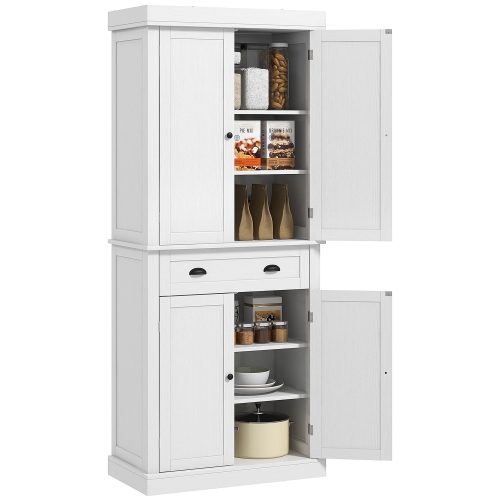 Your price for this item is $267.79
 -
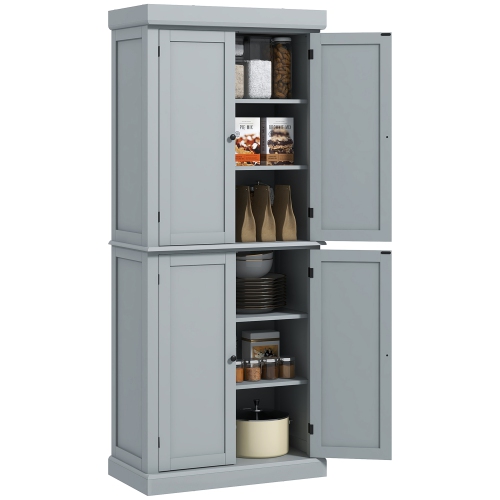 Your price for this item is $299.99
 -
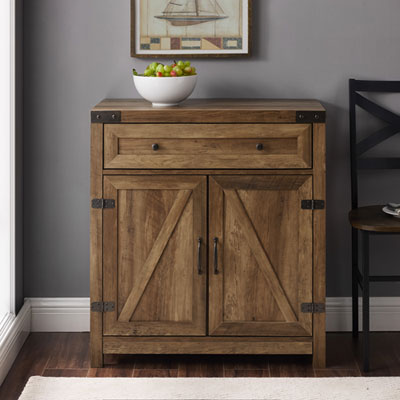 Your price for this item is $401.99
 -
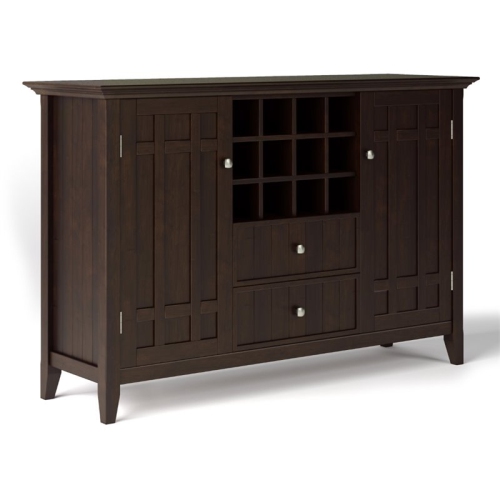 Your price for this item is $1449.04
 -
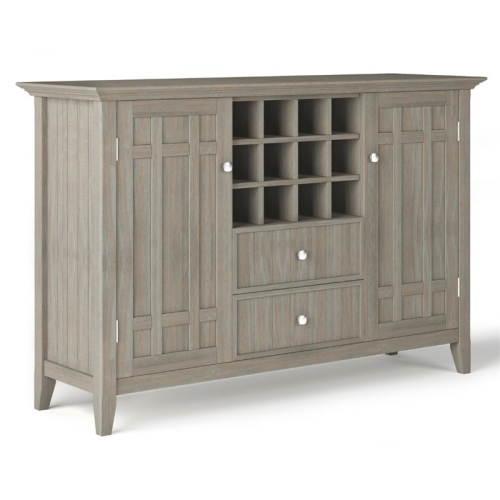 Your price for this item is $1463.19
 -
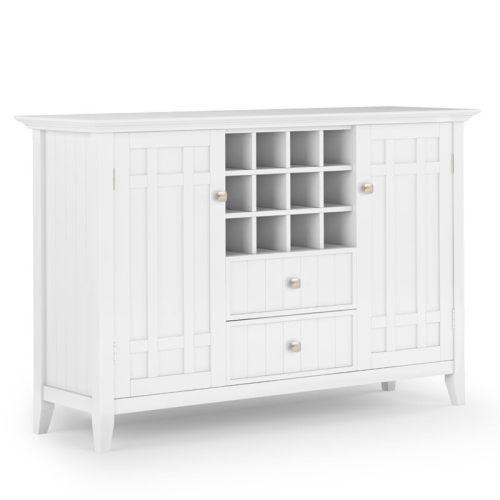 Your price for this item is $1454.75
 -
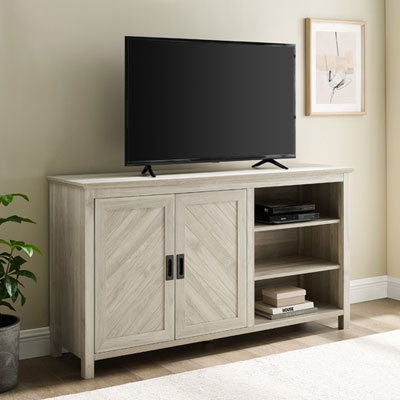 Your price for this item is $593.99
 -
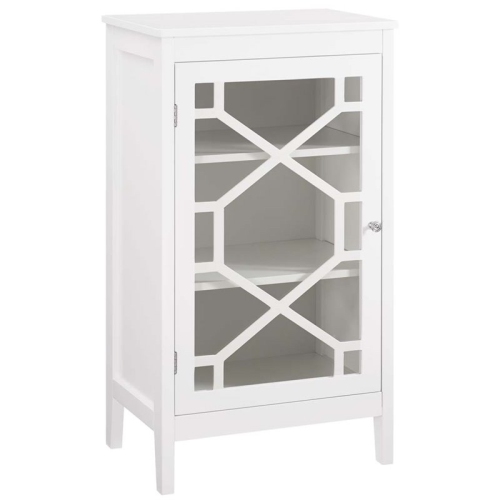 Your price for this item is $382.68
Discover more categories related to High Gloss Cabinet Doors

Top Collections:
Pokemon Centers, Kindle Devices, Best Budget Office Chairs, Apple iPhones 16, Best Laptops for Writers, iPhone 15 Apple, Canon G7X Cameras, Refurbished Apple Laptops, Alarm Clock, Motorola Razr Phones
Some products may be subject to Environmental Handling Fees
(EHF) depending on your province.
Learn more about EHFs.