Home Education Supplies
Explore our comprehensive selection of education supplies designed to support students of all ages and levels. From essential tools like writing implements and notebooks to interactive resources such as educational games and STEM kits, we have everything you need to create a dynamic and engaging learning space right in the comfort of your own home. Whether you're a parent, teacher, or student, our range of educational supplies is curated to promote creativity, critical thinking, and academic success. Dive into our collection and discover the tools that will inspire a love for learning in any setting.
Sort

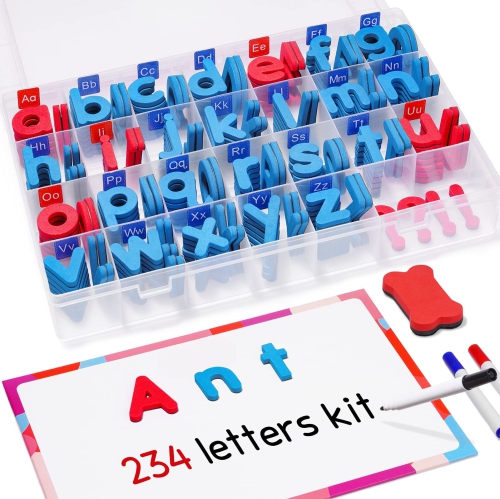
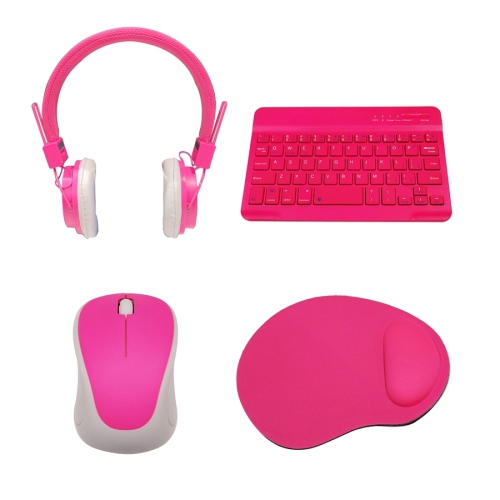
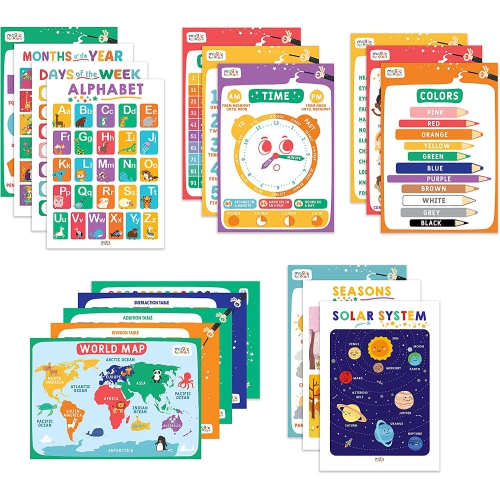
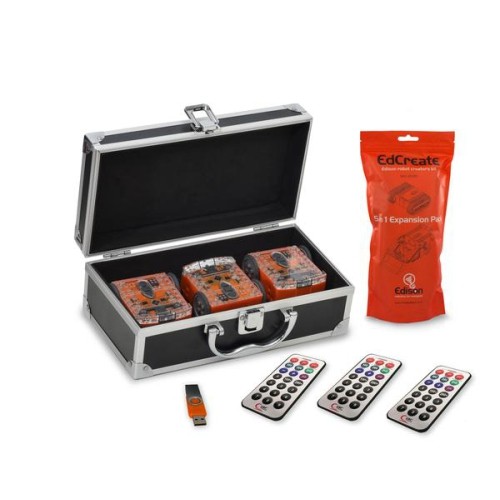
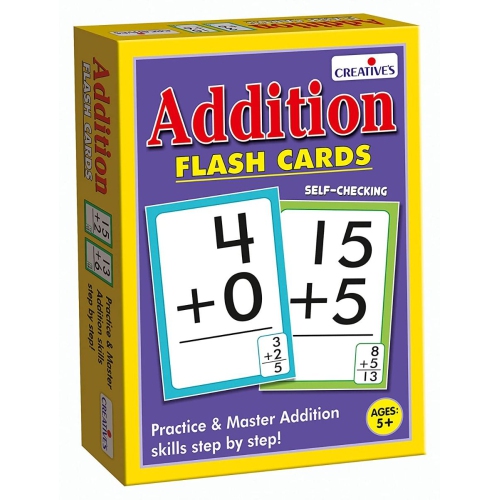
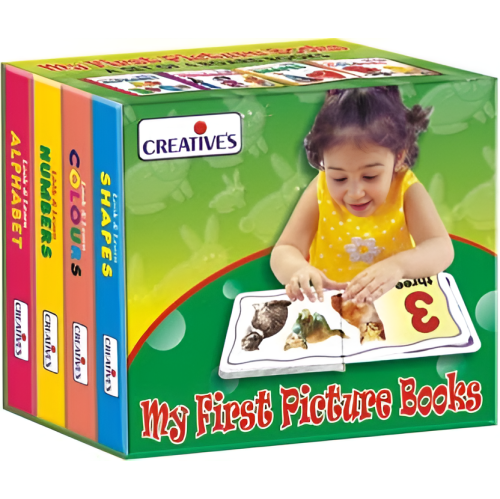
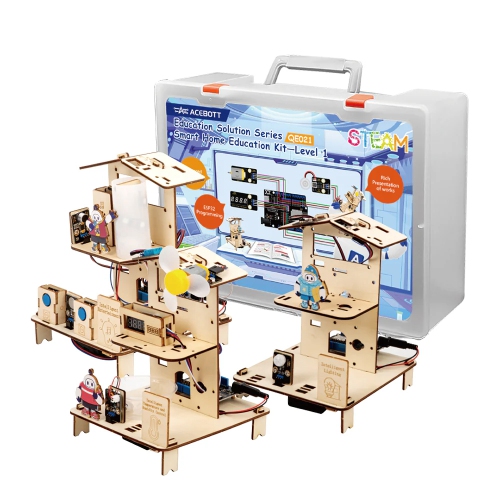
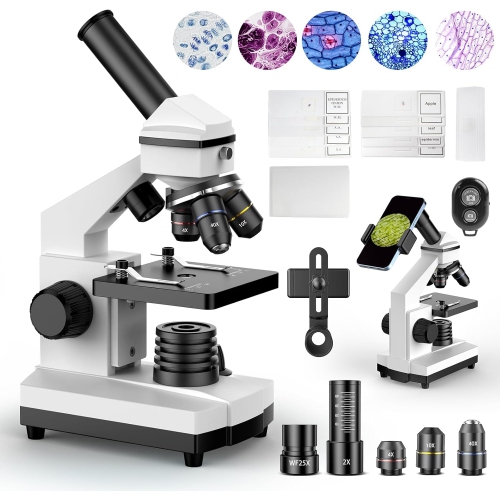




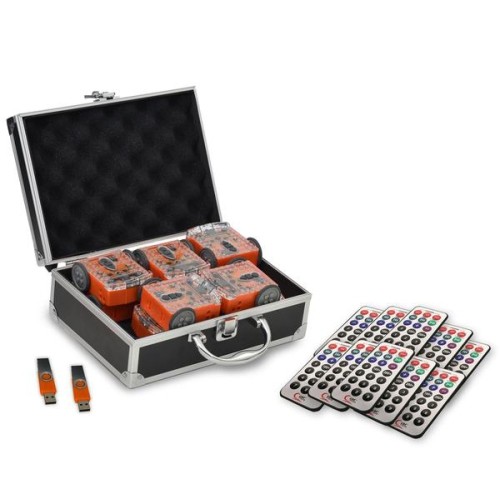
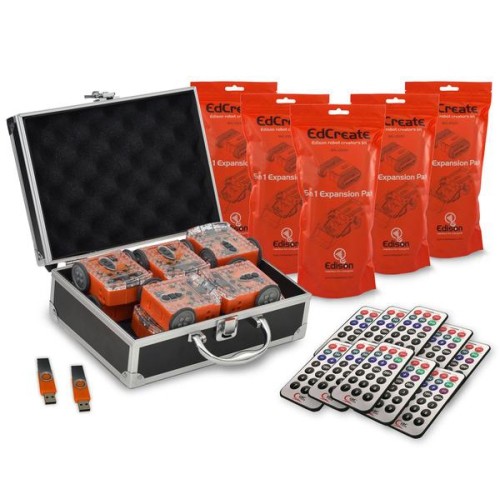
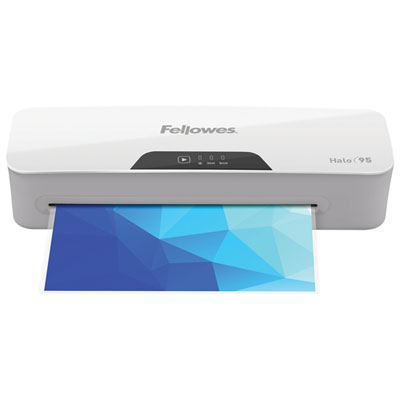
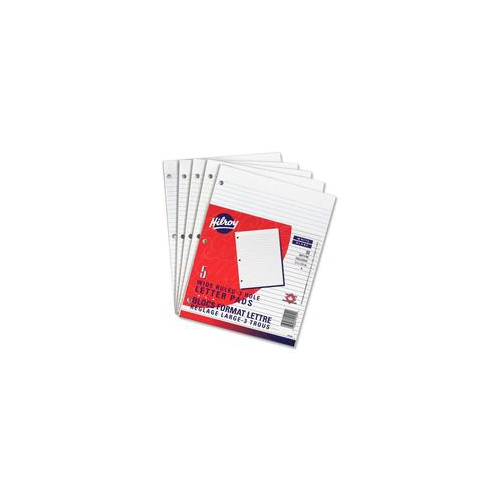
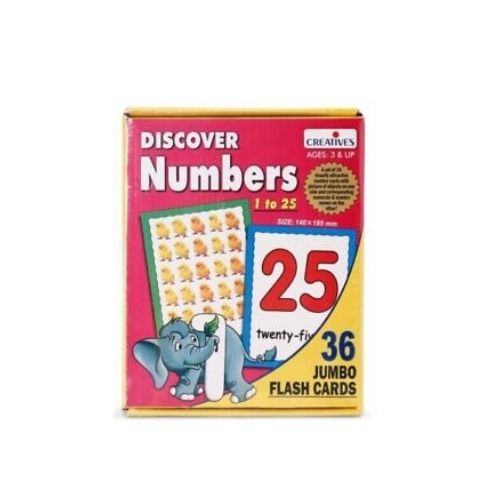
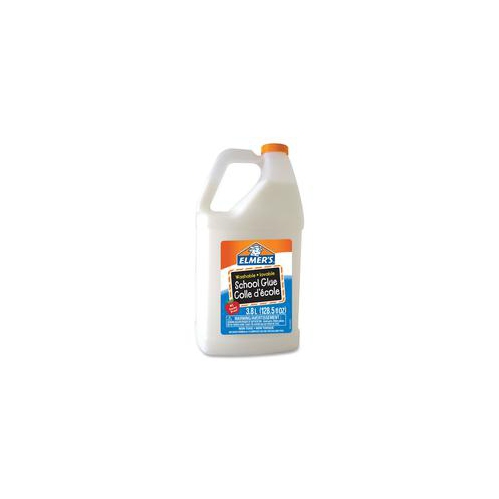
From first letters to fractions at the kitchen table
Home education supplies support the everyday work of learning at home, from practising letter shapes and solving fractions to keeping research notes and building a science project. This broad category brings together writing and drawing materials, paper, organizational storage, planning resources, hands-on learning aids, and technology suited to a learner’s age and coursework. For families who homeschool, these supplies can form part of a full teaching routine; for other households, they support homework, tutoring, independent study, or extra practice after class. The most useful assortment reflects what happens at the table each day rather than trying to recreate an entire classroom. Early learners often need room for large drawings, easy-to-hold writing tools, and objects they can sort, count, and arrange. Older students may work with detailed diagrams, longer written assignments, and several subjects at once, making page layouts, filing space, and reliable digital access more important. Paper weight and surface texture affect how materials perform: smooth sheets suit everyday writing, while heavier paper offers more structure for folded models, painted artwork, and display projects. Wide ruling leaves space for developing handwriting, graph layouts help keep calculations aligned, and blank pages allow diagrams and sketches to sit alongside written observations. Comfortable grips, clear markings, and age-appropriate dimensions matter when a task involves repeated use. A writing tool that feels manageable during a short activity may feel different over a longer lesson, especially for small hands still developing control. Art and craft materials also have distinct intended uses, with washable finishes helpful around shared tables and adhesives needing to suit the surfaces being joined. Labelled age ranges, handling directions, and supervision requirements are important for cutting tools, small components, and experimental activities. Together, these details help distinguish supplies intended for playful exploration from those designed for precise, sustained schoolwork, while leaving room for different learning styles and stages of development.
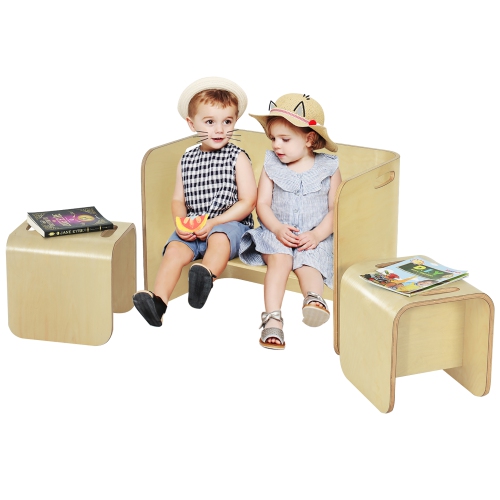
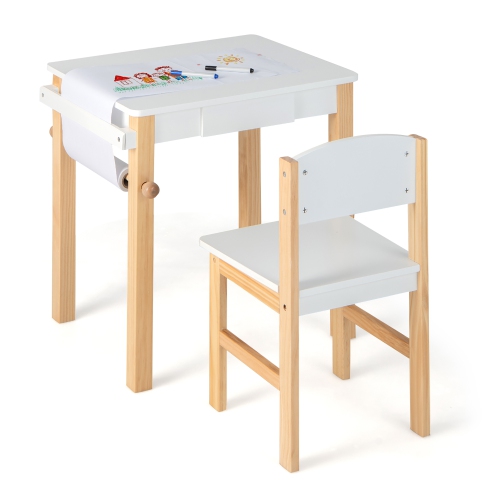
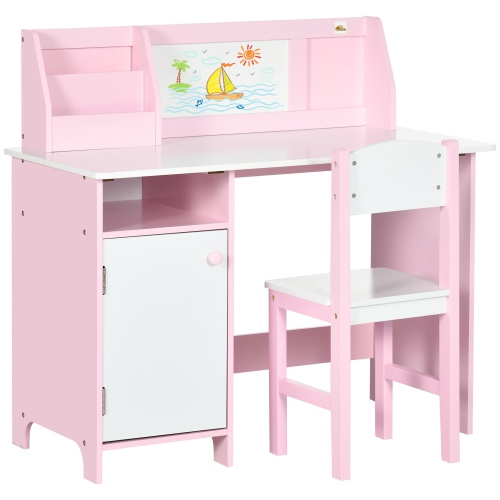
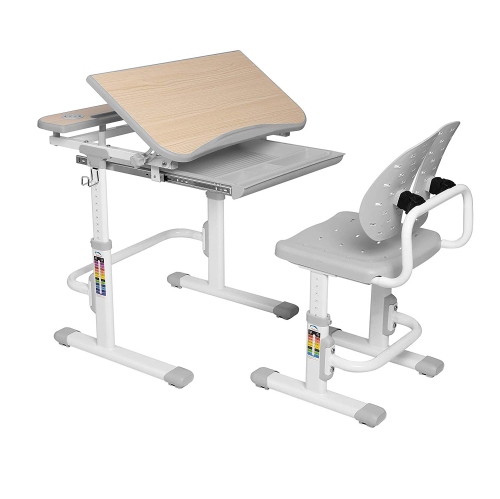
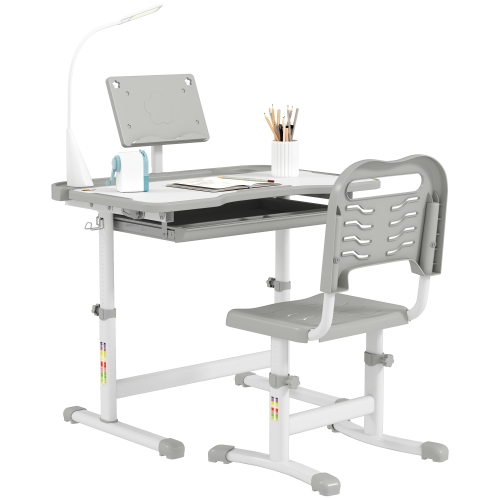
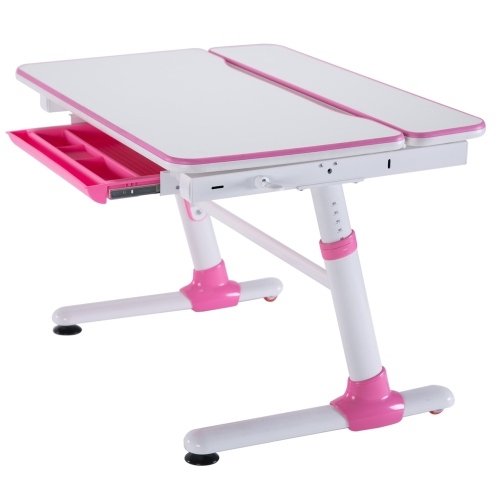
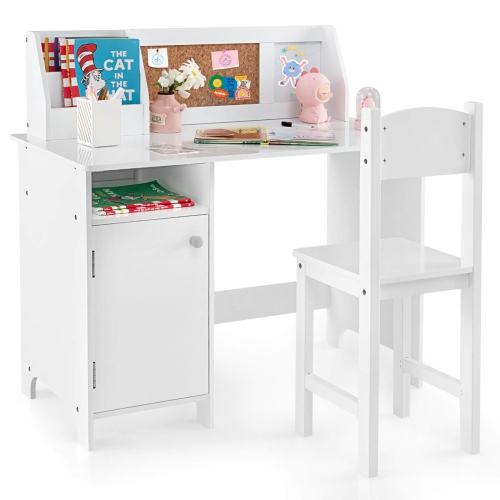
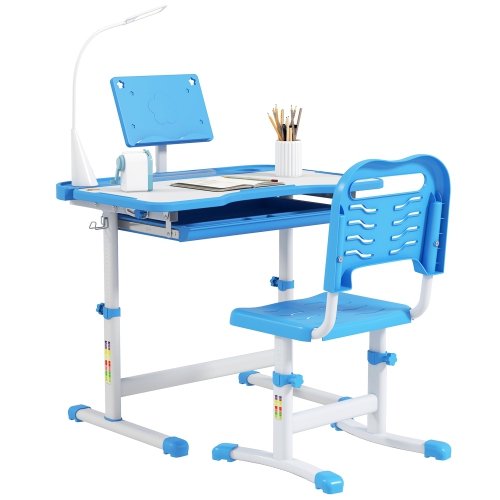
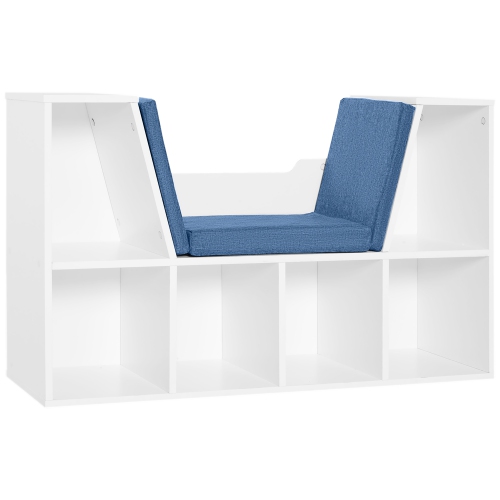
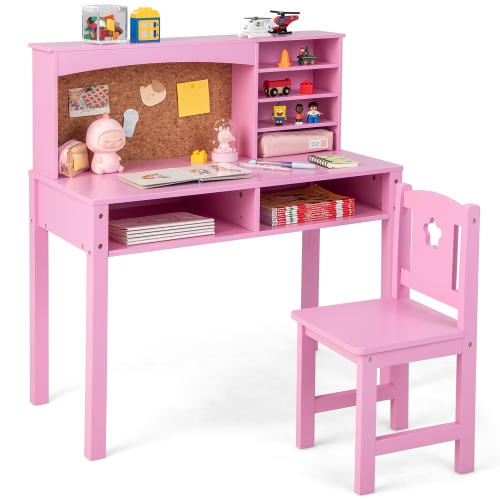
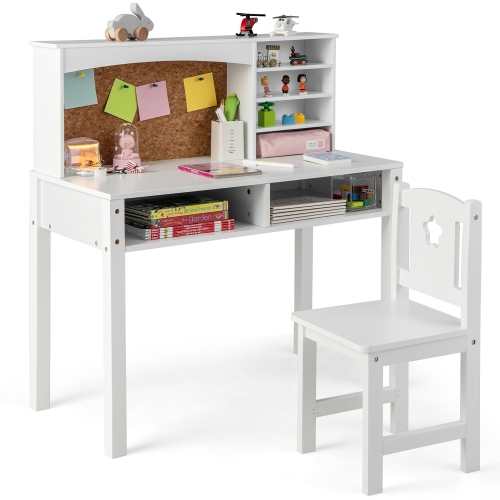
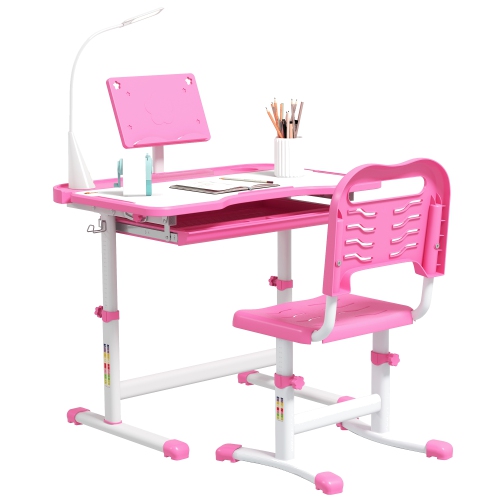
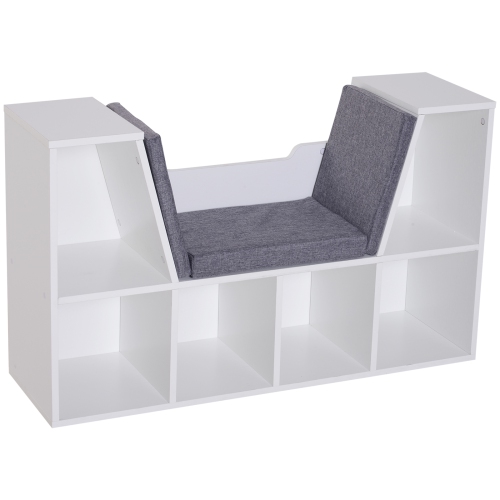
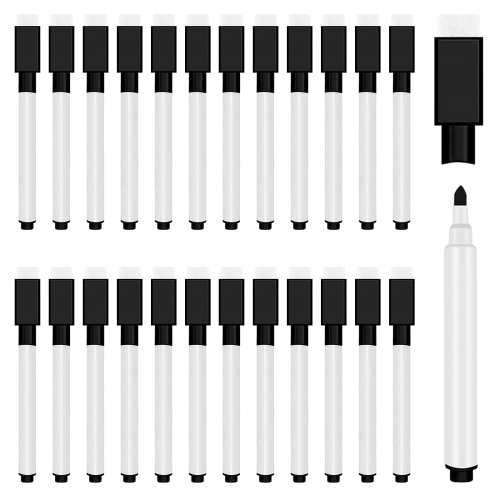
A home learning space might be a dedicated room, a bedroom desk, or one end of the kitchen table, so fit and storage are as important as the materials themselves. In a shared space, supplies that move easily between a shelf and a work surface can make the transition from breakfast to lessons less cumbersome. Open compartments keep frequently used materials visible, while divided trays and labelled folders separate loose pieces, unfinished assignments, and completed work. Closed containers can protect paper from spills and keep smaller components together between activities, although closures should be manageable for the learner who will use them. Storage capacity is most useful when it matches both the contents and the space: a deep bin may hold large craft materials but make a single worksheet difficult to find. Smooth, wipeable surfaces suit frequent handling, and reinforced edges or sturdy bindings help folders and notebooks withstand repeated trips between rooms. Fabric organizers bring flexibility to compact spaces, while rigid containers provide structure for materials that could bend or crush. Care requirements vary by material, so cleaning directions matter, particularly for painted finishes, coated boards, and electronic accessories. Writing surfaces also need compatible markers and suitable cleaning methods to stay readable over time. Where furniture is part of the setup, desk height, chair support, and space beneath the work surface affect how comfortably a learner can sit and move. Feet supported on the floor or an appropriate footrest, space for forearms, and a clear view of the work help create a practical arrangement without crowding the room. Lighting should make print and handwriting easy to see without casting a distracting reflection across a screen. Planning materials serve a different but complementary purpose, giving lessons, reading goals, and project stages a visible place in the day. Flexible layouts accommodate a maths activity that needs another session or a longer experiment with observations recorded over several days. During the cooler months, when more activities may happen indoors, a setup that is easy to clear and reset can help schoolwork share space with the rest of family life.
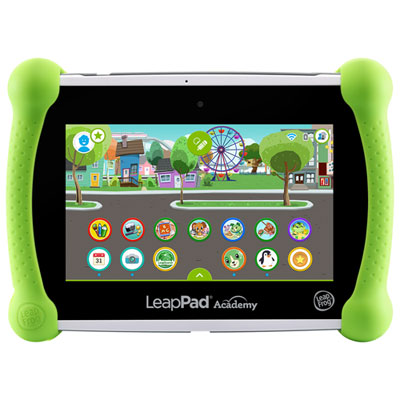
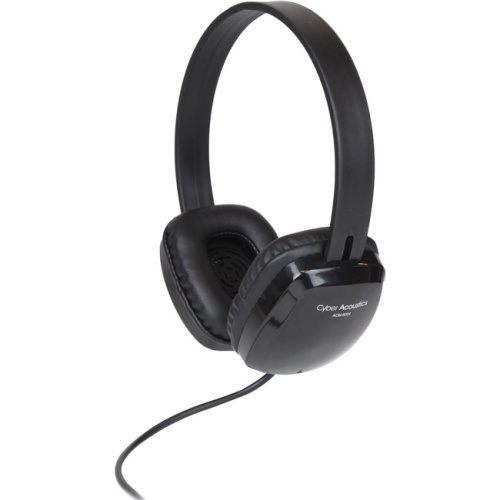
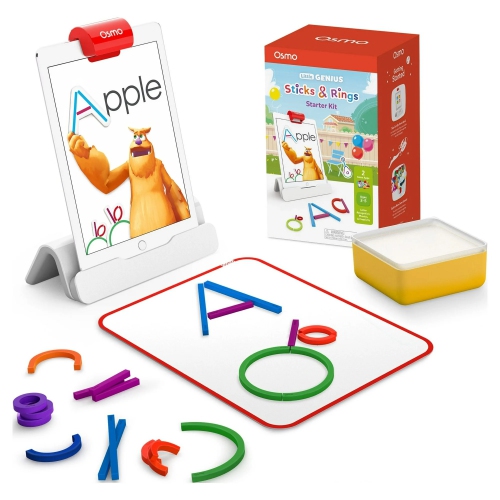
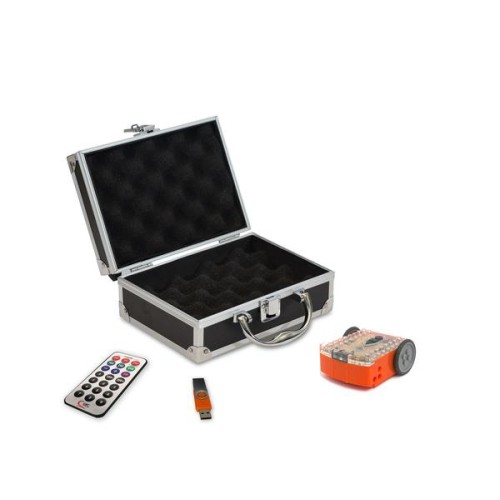
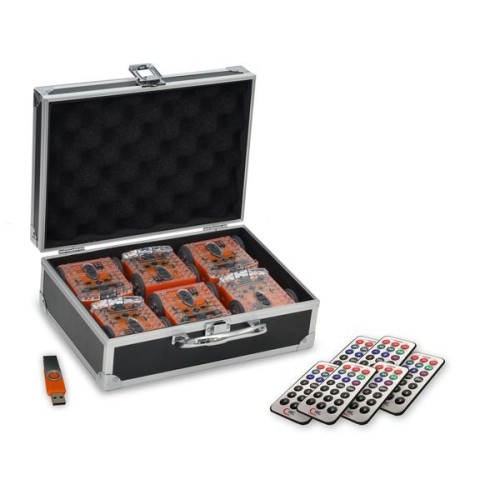
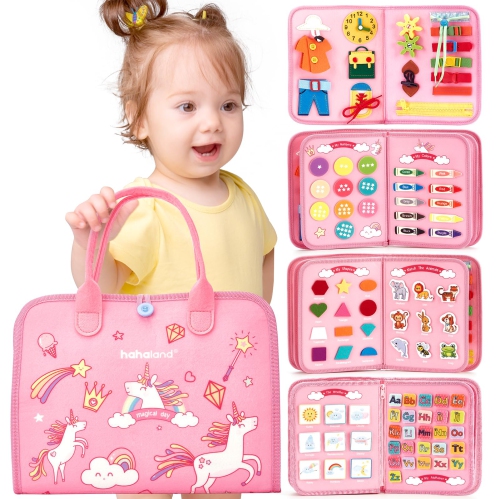
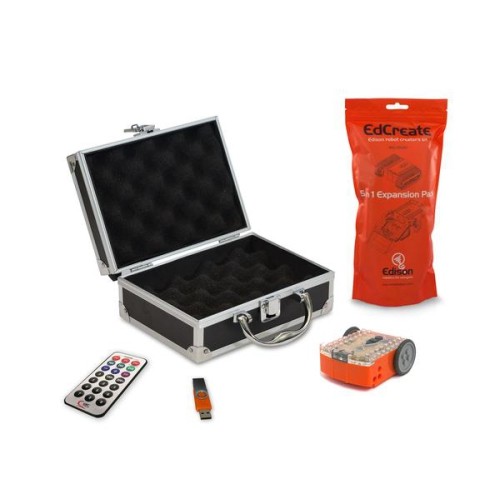
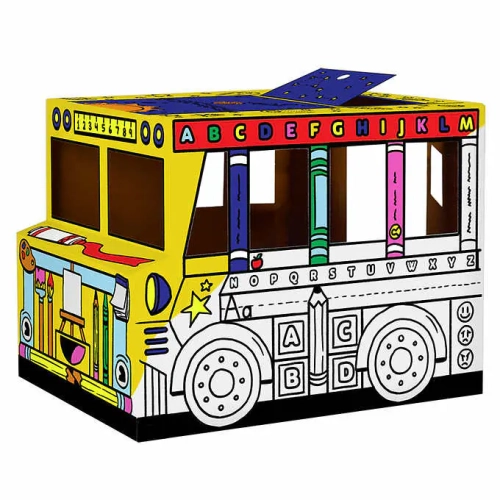
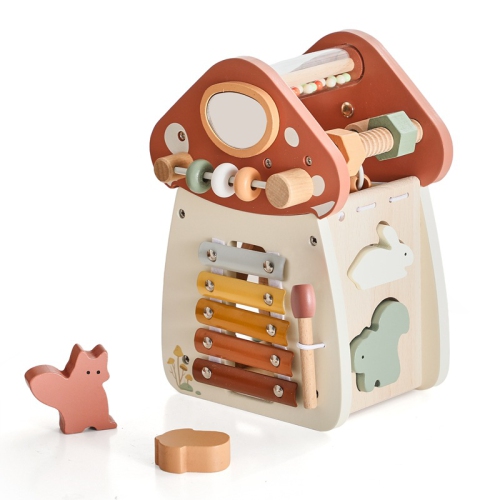
Hands-on home education materials give learners something tangible to connect with an abstract idea. Grouping objects can make addition visible, arranging shapes can reveal a pattern, and measuring a familiar object turns a unit of length into something a child can picture. The value lies in how well the material matches the concept: clearly defined pieces, readable scales, and suitable size make an activity easier to follow. For younger children, larger components may be easier to handle, while older learners often need finer markings and greater precision for measurement or model building. Small parts require particular care in households where children of different ages share a room. Geography resources support conversations about distance, location, and how places relate to one another, while observation materials encourage close attention to details such as leaf shapes, textures, and changes over time. Reference information should be legible and appropriate to the learner’s level, with enough detail to answer a question without overwhelming the task. Digital tools can complement these physical resources through online lessons, written assignments, research, and accessible reading formats. Families exploring this side of their setup can find related options through Tools for Home Schooling. For screen-based learning, practical considerations include compatibility with required software, a comfortable input method, readable text, dependable Wi-Fi connectivity, and enough workspace to keep a notebook open nearby. Audio equipment may help a learner hear a lesson in a shared room, provided the fit is comfortable and listening volume stays appropriate. Accessible features such as adjustable text size, captions, and speech input can also support individual needs when the device and software offer them. These supplies can be useful to parents, caregivers, tutors, and students, and may make thoughtful gifts when matched to a known interest or course of study. A learner who enjoys drawing diagrams may use materials differently from one who prefers constructing models or discussing a reading passage. An effective home education assortment makes room for those differences, combining dependable everyday supplies with materials that invite practice, curiosity, and increasingly independent work.
A home learning space might be a dedicated room, a bedroom desk, or one end of the kitchen table, so fit and storage are as important as the materials themselves. In a shared space, supplies that move easily between a shelf and a work surface can make the transition from breakfast to lessons less cumbersome. Open compartments keep frequently used materials visible, while divided trays and labelled folders separate loose pieces, unfinished assignments, and completed work. Closed containers can protect paper from spills and keep smaller components together between activities, although closures should be manageable for the learner who will use them. Storage capacity is most useful when it matches both the contents and the space: a deep bin may hold large craft materials but make a single worksheet difficult to find. Smooth, wipeable surfaces suit frequent handling, and reinforced edges or sturdy bindings help folders and notebooks withstand repeated trips between rooms. Fabric organizers bring flexibility to compact spaces, while rigid containers provide structure for materials that could bend or crush. Care requirements vary by material, so cleaning directions matter, particularly for painted finishes, coated boards, and electronic accessories. Writing surfaces also need compatible markers and suitable cleaning methods to stay readable over time. Where furniture is part of the setup, desk height, chair support, and space beneath the work surface affect how comfortably a learner can sit and move. Feet supported on the floor or an appropriate footrest, space for forearms, and a clear view of the work help create a practical arrangement without crowding the room. Lighting should make print and handwriting easy to see without casting a distracting reflection across a screen. Planning materials serve a different but complementary purpose, giving lessons, reading goals, and project stages a visible place in the day. Flexible layouts accommodate a maths activity that needs another session or a longer experiment with observations recorded over several days. During the cooler months, when more activities may happen indoors, a setup that is easy to clear and reset can help schoolwork share space with the rest of family life.
Hands-on home education materials give learners something tangible to connect with an abstract idea. Grouping objects can make addition visible, arranging shapes can reveal a pattern, and measuring a familiar object turns a unit of length into something a child can picture. The value lies in how well the material matches the concept: clearly defined pieces, readable scales, and suitable size make an activity easier to follow. For younger children, larger components may be easier to handle, while older learners often need finer markings and greater precision for measurement or model building. Small parts require particular care in households where children of different ages share a room. Geography resources support conversations about distance, location, and how places relate to one another, while observation materials encourage close attention to details such as leaf shapes, textures, and changes over time. Reference information should be legible and appropriate to the learner’s level, with enough detail to answer a question without overwhelming the task. Digital tools can complement these physical resources through online lessons, written assignments, research, and accessible reading formats. Families exploring this side of their setup can find related options through Tools for Home Schooling. For screen-based learning, practical considerations include compatibility with required software, a comfortable input method, readable text, dependable Wi-Fi connectivity, and enough workspace to keep a notebook open nearby. Audio equipment may help a learner hear a lesson in a shared room, provided the fit is comfortable and listening volume stays appropriate. Accessible features such as adjustable text size, captions, and speech input can also support individual needs when the device and software offer them. These supplies can be useful to parents, caregivers, tutors, and students, and may make thoughtful gifts when matched to a known interest or course of study. A learner who enjoys drawing diagrams may use materials differently from one who prefers constructing models or discussing a reading passage. An effective home education assortment makes room for those differences, combining dependable everyday supplies with materials that invite practice, curiosity, and increasingly independent work.
Top selling and popular products
-
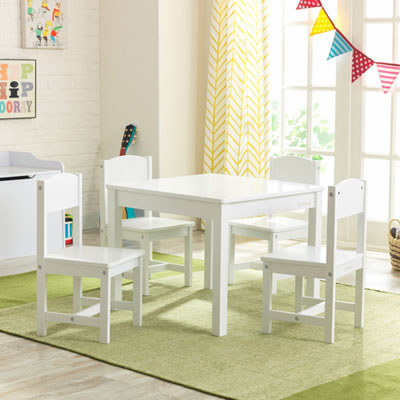 Your price for this item is $199.99
 -
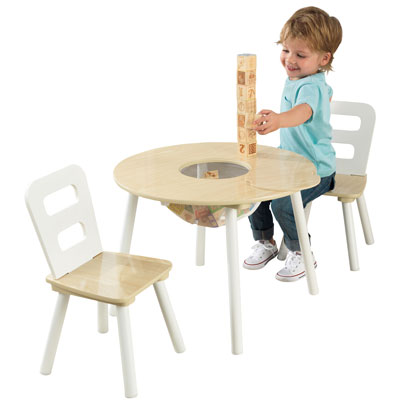 Your price for this item is $109.99
 -
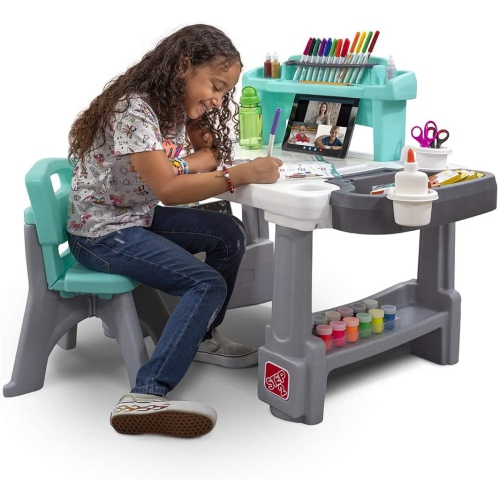 Your price for this item is $362.99
 -
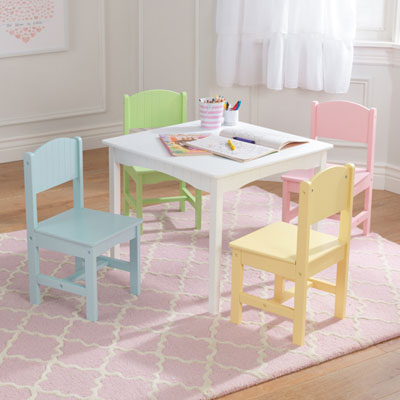 Your price for this item is $165.98
 -
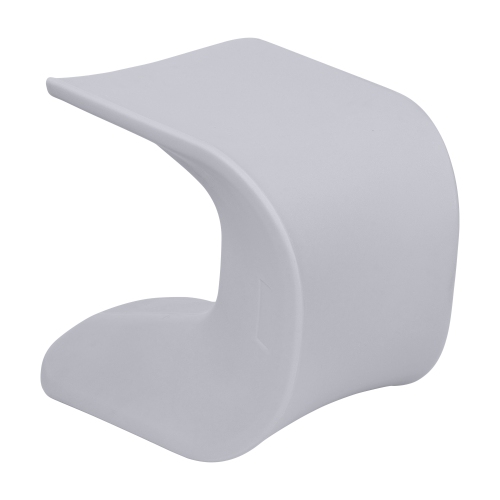 Your price for this item is $174.99
 -
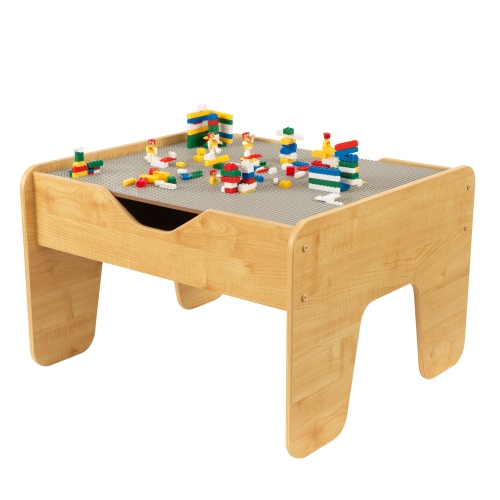 Your price for this item is $89.99
 -
 Your price for this item is $131.99
 -
 Your price for this item is $124.99
Discover more categories related to Home Education Supplies



Top Collections:
Pokemon Centers, Kindle Devices, Best Budget Office Chairs, Apple iPhones 16, Best Laptops for Writers, iPhone 15 Apple, Canon G7X Cameras, Refurbished Apple Laptops, Alarm Clock, Motorola Razr Phones
Some products may be subject to Environmental Handling Fees
(EHF) depending on your province.
Learn more about EHFs.