Indoor Bunny Cages
Looking for the perfect home for your furry friend? Look no further than our selection of indoor bunny cages. These spacious and comfortable enclosures are designed with your bunny's needs in mind, providing them with a safe and secure environment to hop, play, and relax. Whether you have a small or large bunny, we have a variety of cage sizes and styles to suit every need and budget. From multi-level designs to easy-to-clean options, our indoor bunny cages offer the ideal combination of functionality and style. Create a cozy haven for your beloved bunny today! Also check out our selection of other Pet Furniture for even more great pet care options!
Sort
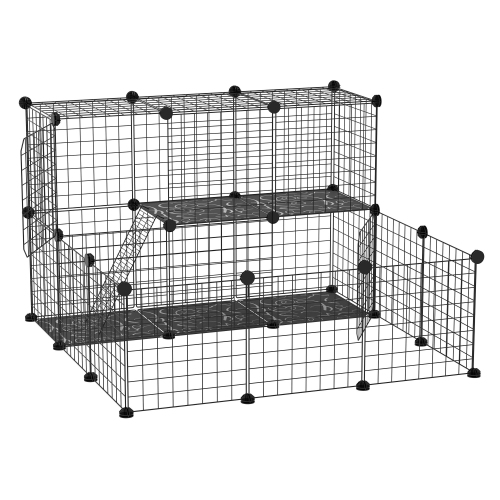
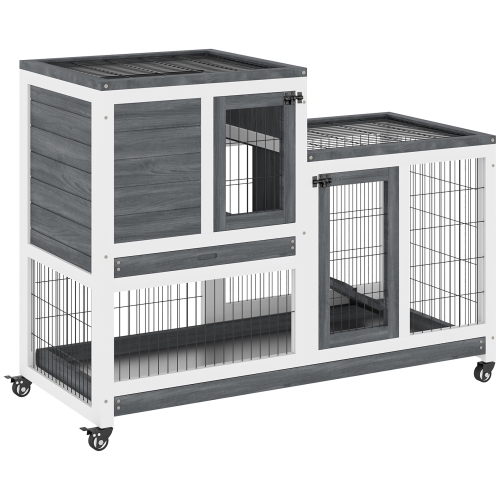
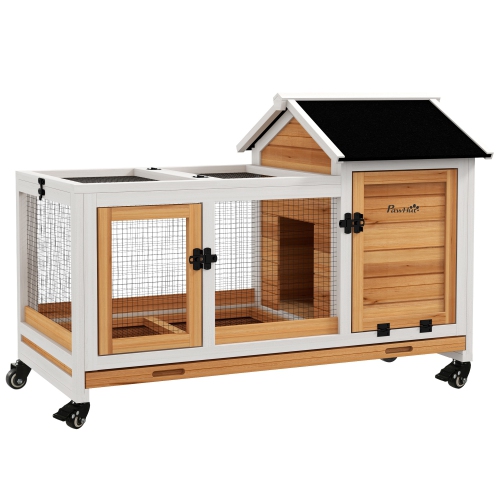
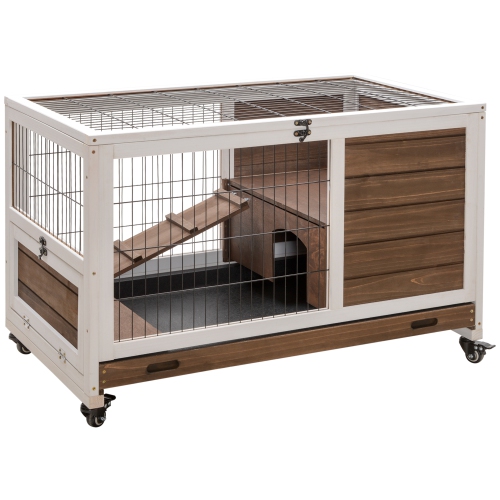
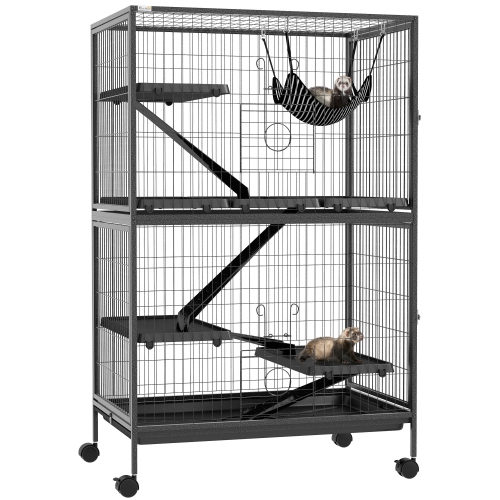
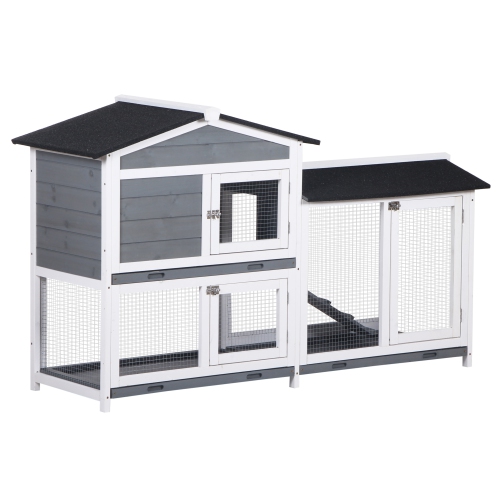
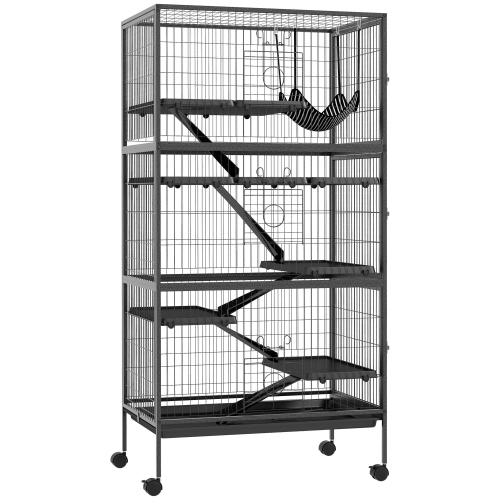
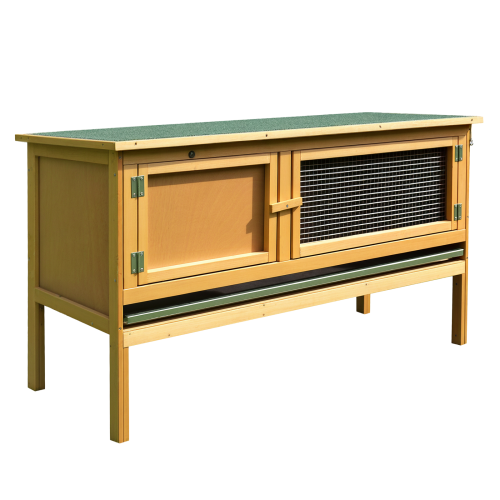
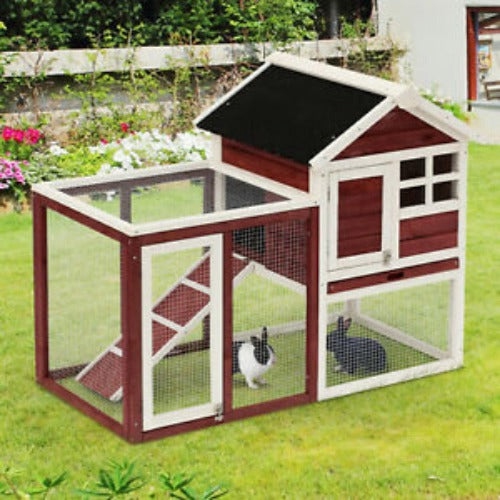
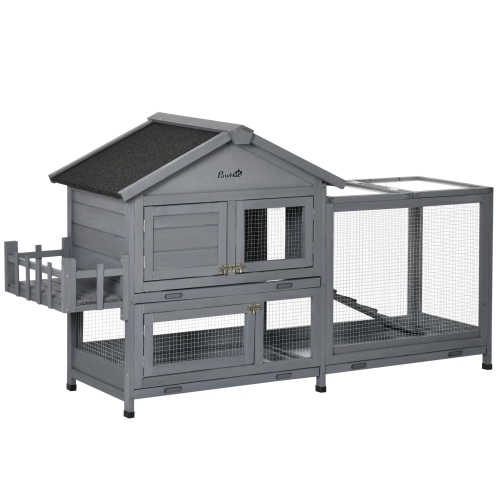
Room to hop and rest supports indoor bunny comfort
Indoor bunny cages provide a dedicated home base for rabbits while helping keep their food, bedding, litter area, and toys organized. The right enclosure should feel like a comfortable room rather than a tight container, especially because rabbits need space to hop, stretch, stand upright, and change direction naturally. For one small-to-medium rabbit, look for at least 8 to 12 square feet of usable floor space, with a minimum footprint of about 2 feet by 4 feet. A larger area of 4 feet by 4 feet or more is strongly preferred when the enclosure will be used as the main living space. Extra room is particularly helpful for bonded pairs, larger breeds, or rabbits that spend extended periods indoors. A tall design should allow your bunny to stand fully on their hind legs without touching the roof, while a wide layout gives them space for a litter box, hay feeder, water bowl, hideaway, and comfortable resting area without blocking their movement. If you are comparing different sizes, styles, and configurations, browsing Large Rabbit Cages can help you find an enclosure with room to grow. Many rabbit owners use an indoor cage as a secure sleeping area and leave the door open for supervised exercise in a bunny-proofed room. Others combine a cage with an attached exercise pen, creating a flexible setup that gives their pet a familiar retreat while providing more room to explore. This arrangement can work well for new rabbit owners, families preparing a home for an adopted bunny, or anyone looking to make an indoor habitat more manageable during the cooler months. An enclosure can also be a thoughtful practical gift for someone welcoming a rabbit, although the rabbit’s owner should always choose the animal and confirm that they have the time, space, and supplies needed for daily care.
Floor construction is one of the most important considerations when choosing indoor bunny cages. Bare wire flooring can place continuous pressure on a rabbit’s feet and may contribute to painful sore hocks, also known as ulcerative pododermatitis. Instead, choose a solid plastic base, a smooth wooden floor with appropriate bedding, or a suitably covered mesh surface that provides stable support. The floor should be level, dry, and free of sharp edges, splinters, gaps, or loose pieces that could catch a paw. A pull-out tray can make everyday cleaning faster by allowing soiled litter and bedding to be removed without dismantling the enclosure, while a deep base helps contain hay and scattered bedding. Check that the tray slides smoothly and can be washed easily, and consider how much room you will have to reach inside for routine tidying. Rabbits are naturally inclined to use a litter box, so a low-entry box placed in one corner can make the habitat cleaner and more comfortable. Fill it with rabbit-safe, non-toxic, paper-based litter and keep fresh timothy hay nearby, since many rabbits like to eat while using the litter area. Avoid cedar or pine shavings, clumping cat litter, and scented materials that can irritate sensitive respiratory systems or create other health concerns. Ventilation matters as well: wire sides or other breathable panels allow air to circulate, while a solid section can provide shelter and help reduce drafts. Any enclosed area should still be easy to see into and access for regular checks. Look for doors that latch securely but open wide enough for cleaning, placing supplies, and safely lifting a rabbit when necessary. Rounded corners, smooth hardware, and sturdy construction are useful details in a busy household where the enclosure may be moved, opened, or cleaned frequently.
A well-planned indoor rabbit habitat should include more than the cage itself. Add a dark, cosy hiding box or covered retreat where your bunny can relax when the room feels busy, along with safe chew toys, a hay rack, a water dish or bottle, and a comfortable resting surface. Rabbits need to chew as part of normal dental care, so inspect wooden components, door edges, and exposed fasteners regularly for damage. If your rabbit is an enthusiastic chewer, select an enclosure with protected edges and avoid finishes, paints, or materials that may flake or splinter. Keep cords, houseplants, small plastic pieces, and other hazards outside the enclosure and any exercise area. Position the habitat in a calm indoor location away from direct heat, strong drafts, loud speakers, and constant foot traffic, while keeping it close enough for regular interaction. As the weather warms, good ventilation and shade from direct sunlight help prevent overheating; during cooler periods, a dry room and insulating bedding can make the resting area more comfortable. Daily spot cleaning, fresh water, hay replenishment, and regular litter changes help control odours and keep the space inviting. A deeper clean should include washing the tray, wiping surfaces with a rabbit-safe cleaner, and checking hinges, flooring, fasteners, and chew guards. The best indoor bunny cages make these routines straightforward while giving rabbits the room, security, and comfort they need. Before choosing, consider your rabbit’s expected adult size, whether the enclosure will be a primary living area or a home base for free-roam time, how many rabbits will share it, and where it will fit in your home. Those details make it easier to choose a safe, spacious setup that supports healthy movement and becomes a familiar part of your rabbit’s daily routine.
Floor construction is one of the most important considerations when choosing indoor bunny cages. Bare wire flooring can place continuous pressure on a rabbit’s feet and may contribute to painful sore hocks, also known as ulcerative pododermatitis. Instead, choose a solid plastic base, a smooth wooden floor with appropriate bedding, or a suitably covered mesh surface that provides stable support. The floor should be level, dry, and free of sharp edges, splinters, gaps, or loose pieces that could catch a paw. A pull-out tray can make everyday cleaning faster by allowing soiled litter and bedding to be removed without dismantling the enclosure, while a deep base helps contain hay and scattered bedding. Check that the tray slides smoothly and can be washed easily, and consider how much room you will have to reach inside for routine tidying. Rabbits are naturally inclined to use a litter box, so a low-entry box placed in one corner can make the habitat cleaner and more comfortable. Fill it with rabbit-safe, non-toxic, paper-based litter and keep fresh timothy hay nearby, since many rabbits like to eat while using the litter area. Avoid cedar or pine shavings, clumping cat litter, and scented materials that can irritate sensitive respiratory systems or create other health concerns. Ventilation matters as well: wire sides or other breathable panels allow air to circulate, while a solid section can provide shelter and help reduce drafts. Any enclosed area should still be easy to see into and access for regular checks. Look for doors that latch securely but open wide enough for cleaning, placing supplies, and safely lifting a rabbit when necessary. Rounded corners, smooth hardware, and sturdy construction are useful details in a busy household where the enclosure may be moved, opened, or cleaned frequently.
A well-planned indoor rabbit habitat should include more than the cage itself. Add a dark, cosy hiding box or covered retreat where your bunny can relax when the room feels busy, along with safe chew toys, a hay rack, a water dish or bottle, and a comfortable resting surface. Rabbits need to chew as part of normal dental care, so inspect wooden components, door edges, and exposed fasteners regularly for damage. If your rabbit is an enthusiastic chewer, select an enclosure with protected edges and avoid finishes, paints, or materials that may flake or splinter. Keep cords, houseplants, small plastic pieces, and other hazards outside the enclosure and any exercise area. Position the habitat in a calm indoor location away from direct heat, strong drafts, loud speakers, and constant foot traffic, while keeping it close enough for regular interaction. As the weather warms, good ventilation and shade from direct sunlight help prevent overheating; during cooler periods, a dry room and insulating bedding can make the resting area more comfortable. Daily spot cleaning, fresh water, hay replenishment, and regular litter changes help control odours and keep the space inviting. A deeper clean should include washing the tray, wiping surfaces with a rabbit-safe cleaner, and checking hinges, flooring, fasteners, and chew guards. The best indoor bunny cages make these routines straightforward while giving rabbits the room, security, and comfort they need. Before choosing, consider your rabbit’s expected adult size, whether the enclosure will be a primary living area or a home base for free-roam time, how many rabbits will share it, and where it will fit in your home. Those details make it easier to choose a safe, spacious setup that supports healthy movement and becomes a familiar part of your rabbit’s daily routine.
Top selling and popular products
-
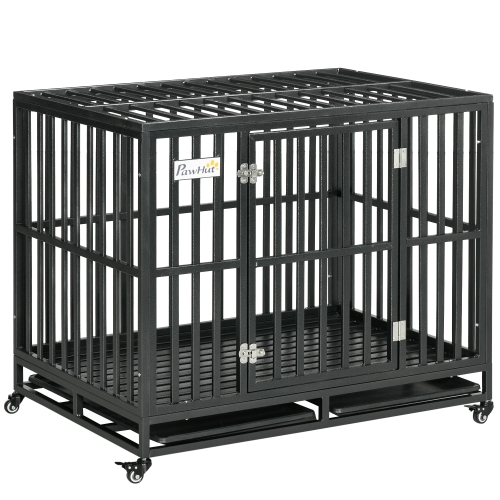 Your price for this item is $229.99
 -
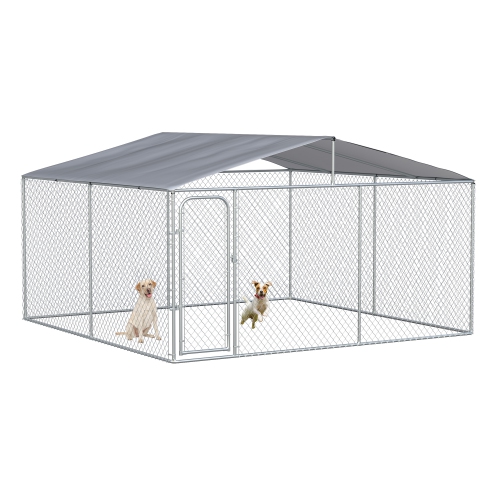 Your price for this item is $519.99
 -
 Your price for this item is $527.99
 -
 Your price for this item is $479.99
 -
 Your price for this item is $236.99
 -
 Your price for this item is $269.99
 -
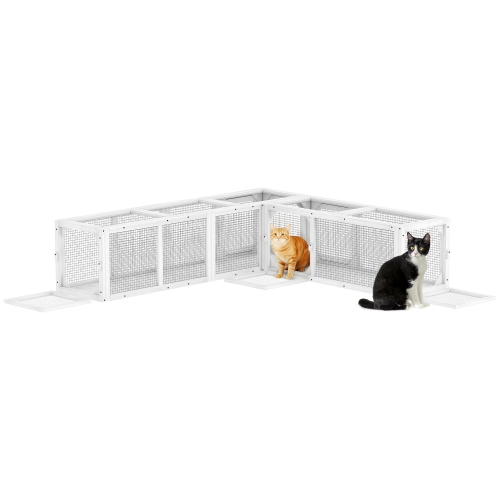 Your price for this item is $174.99
 -
 Your price for this item is $174.99
Discover more categories related to Indoor Bunny Cages
Top Collections:
Pokemon Centers, Kindle Devices, Best Cell Phones Under $500, Alarm Clock, Canon G7X Cameras, iPhone 15 Apple, Apple iPhones 16, Laptops for Students, iPhone 14 256GB, Budget Smartphones
Some products may be subject to Environmental Handling Fees
(EHF) depending on your province.
Learn more about EHFs.