Freestanding Pet Gate
Keep your furry friends safe and secure with a freestanding pet gate. Designed to provide a barrier without the need for installation, these versatile gates are perfect for keeping your pets in designated areas of your home. Whether you want to restrict access to certain rooms or create a safe space for your pet, a freestanding pet gate offers convenience and peace of mind. With a variety of sizes and styles available, finding the perfect gate to suit your needs has never been easier. Browse our selection today and give your pets the freedom they deserve while maintaining a tidy and organized living space.
Sort

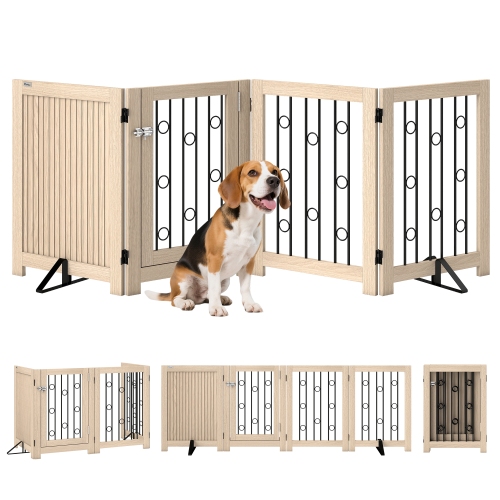


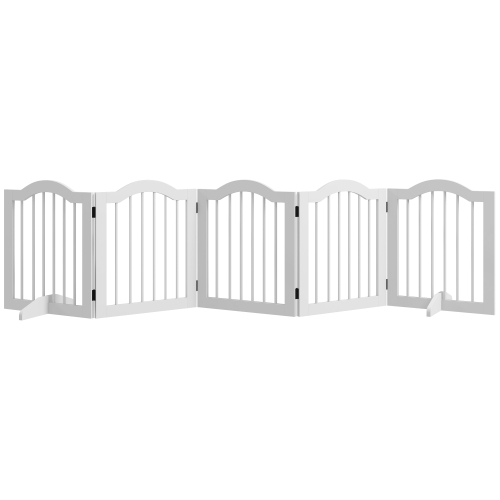
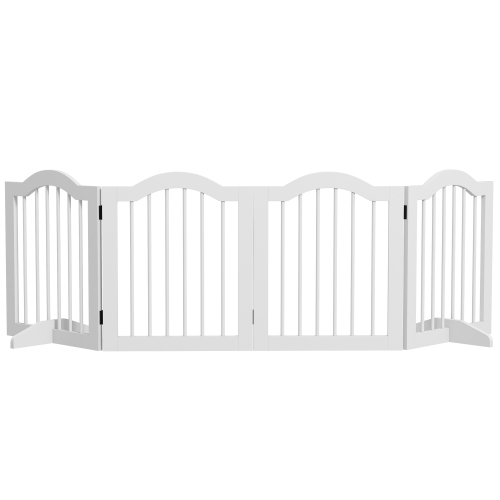


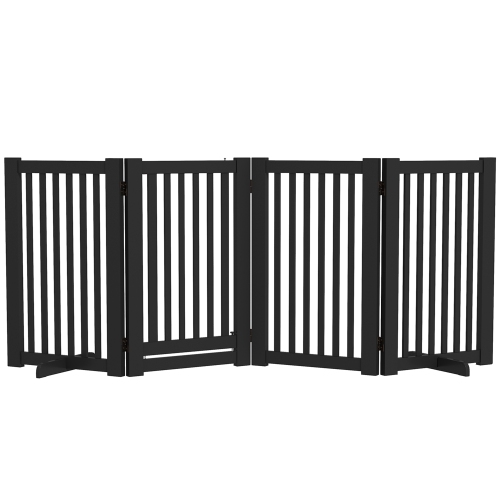

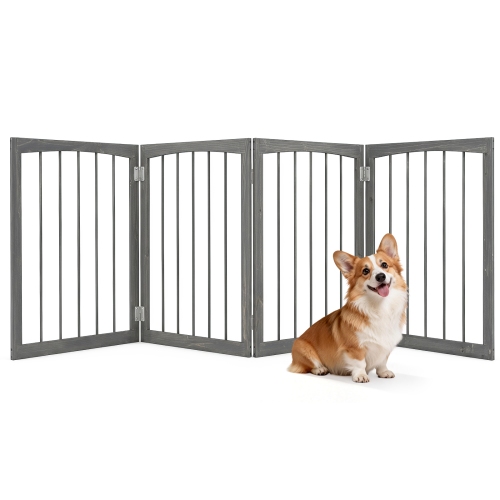
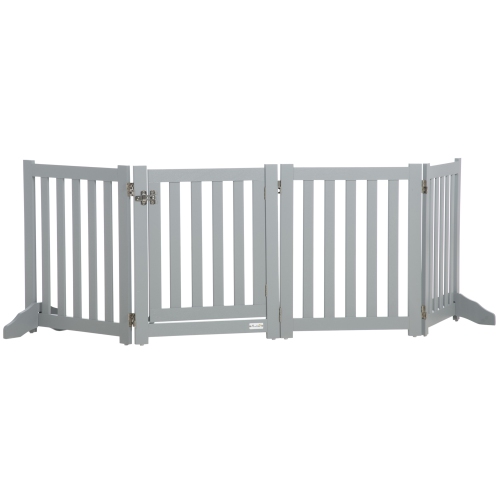

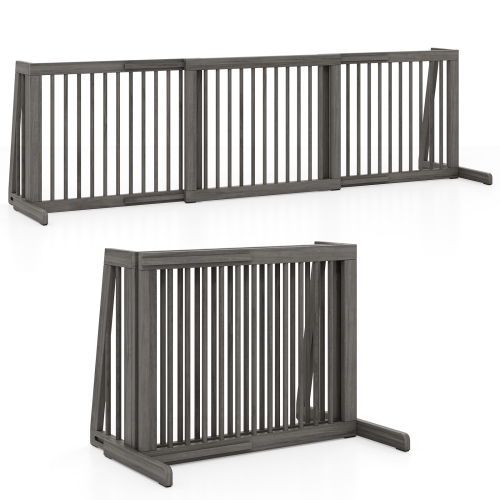
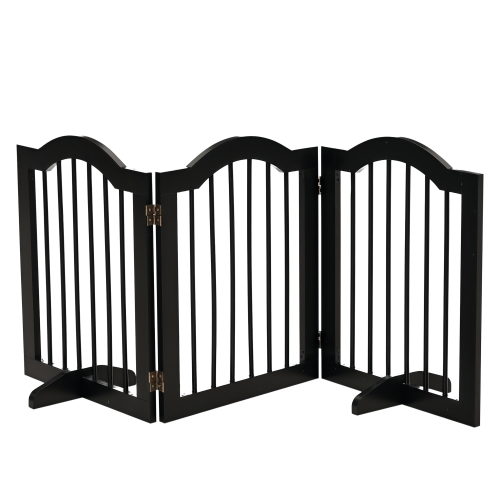








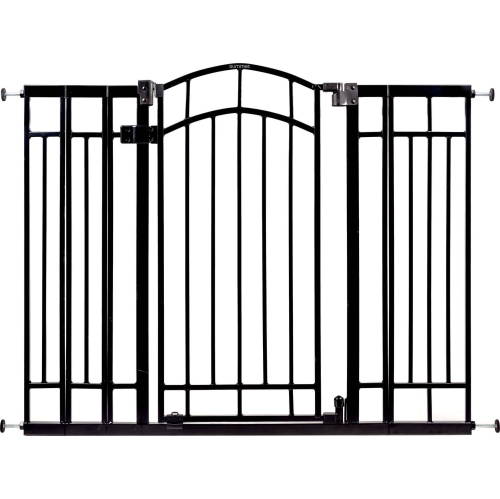

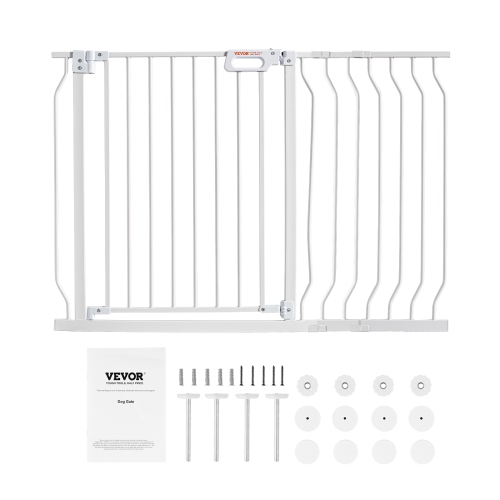

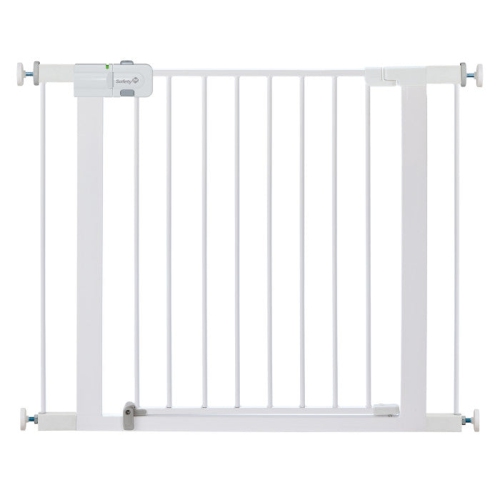
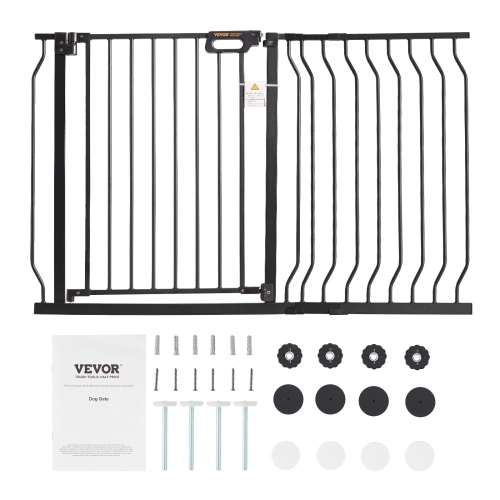

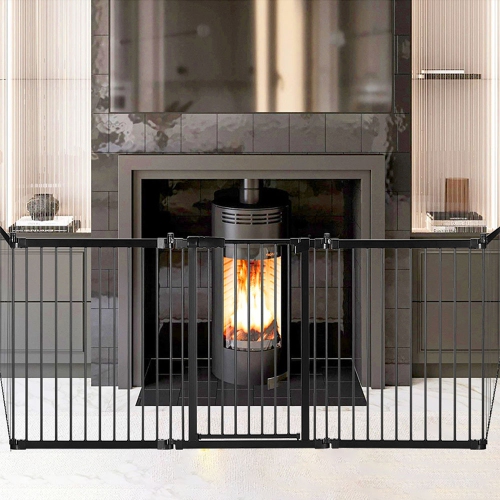
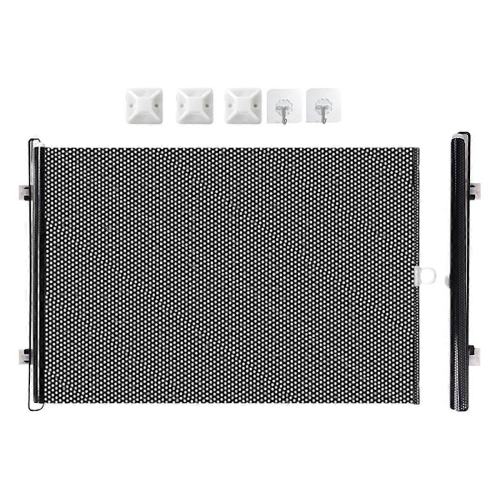

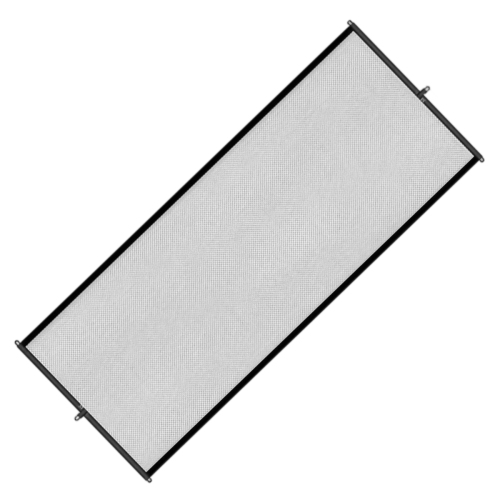


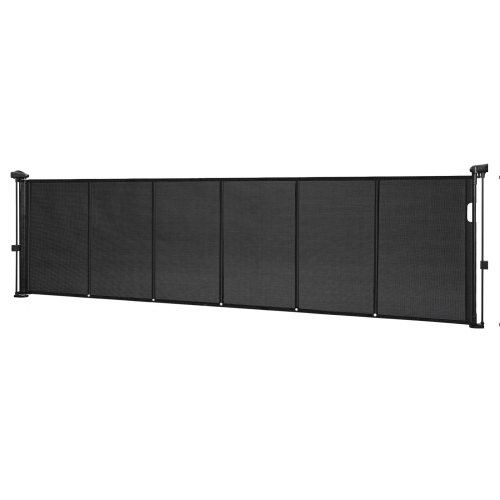
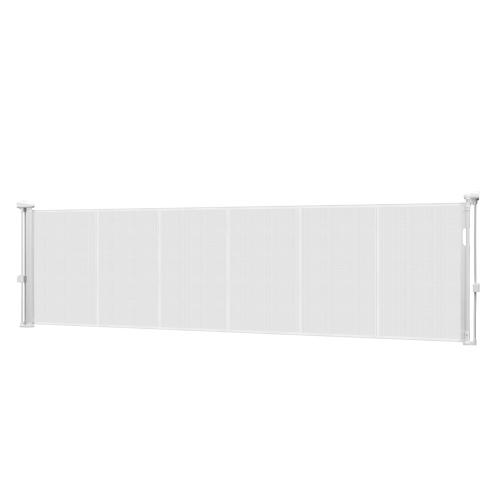
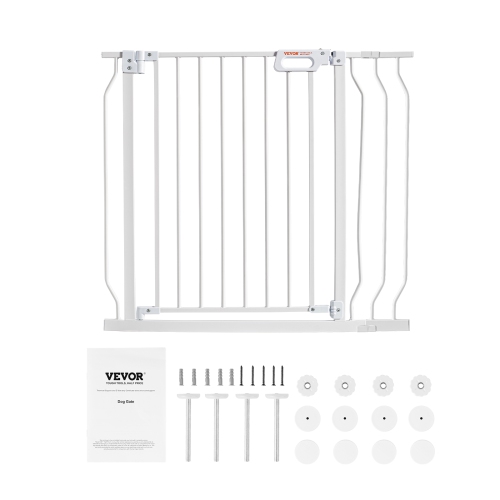


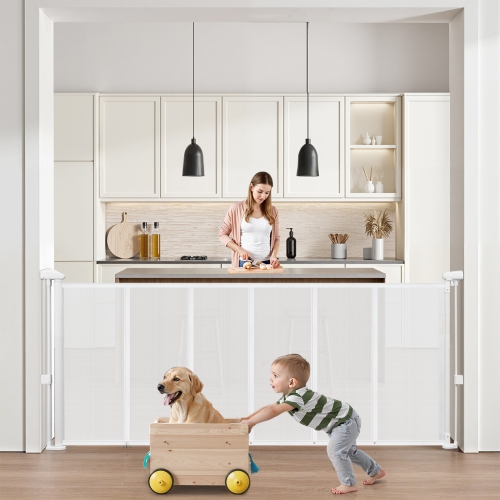
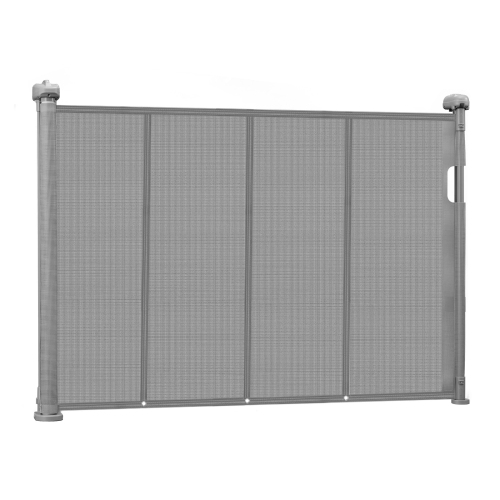
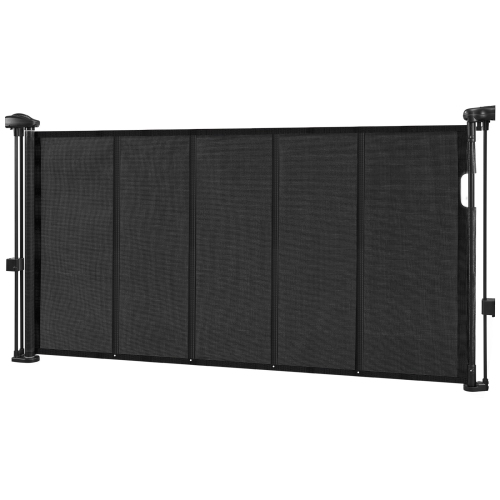

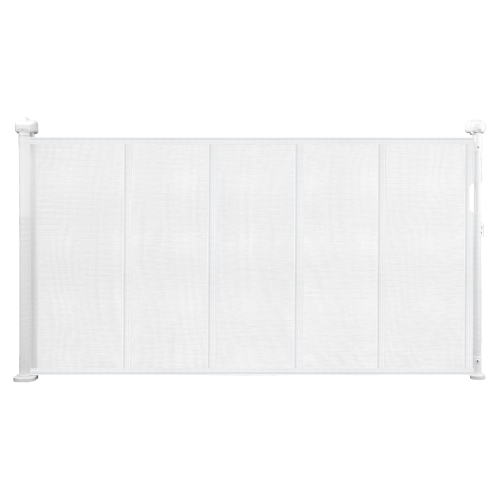


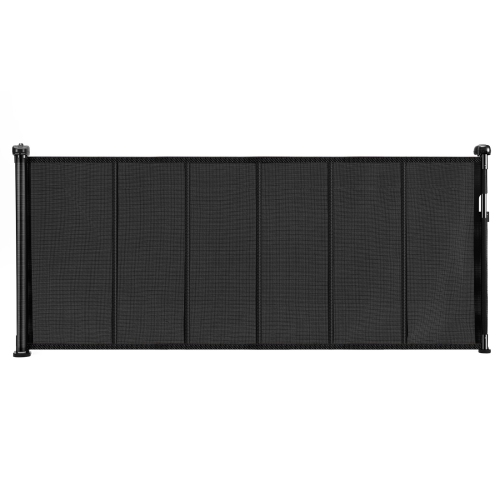

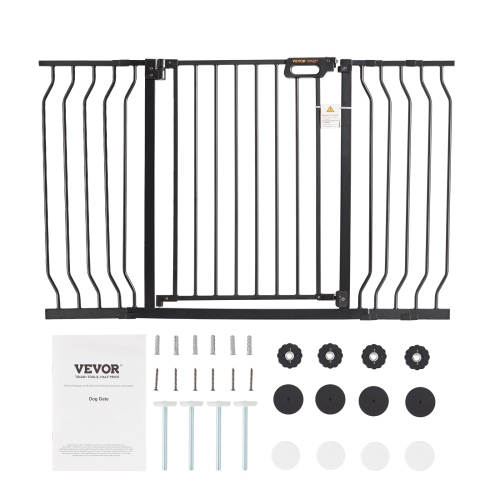


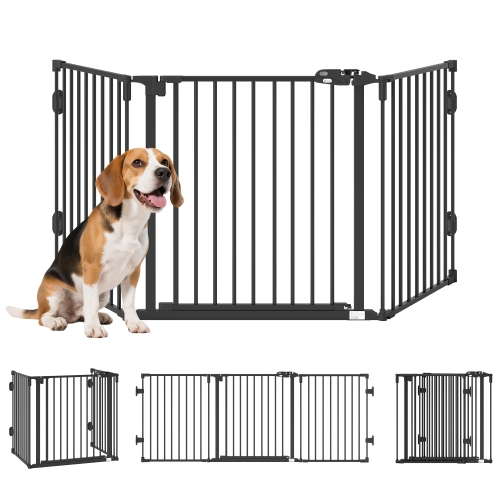


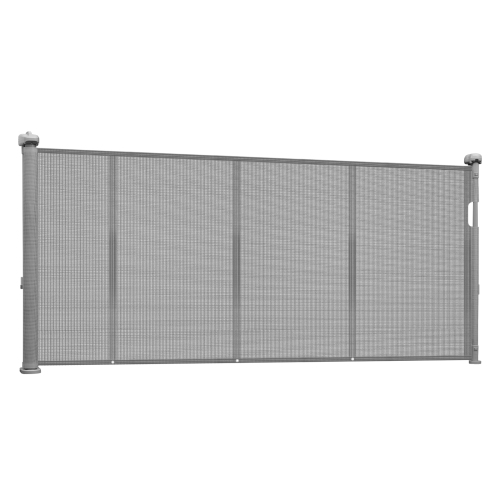


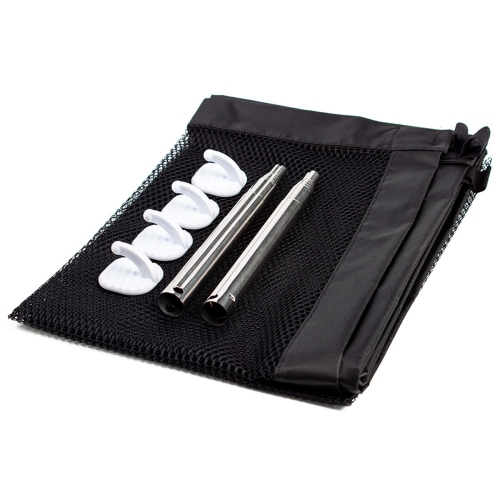
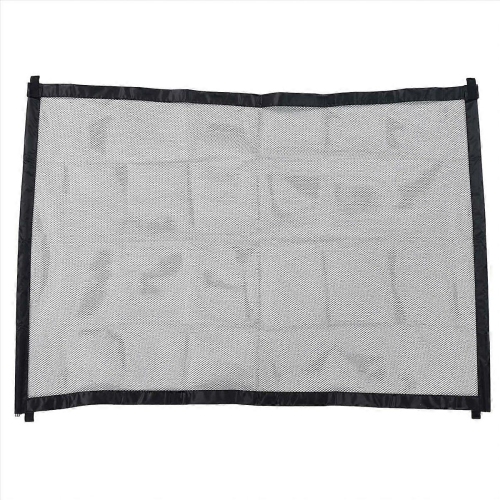
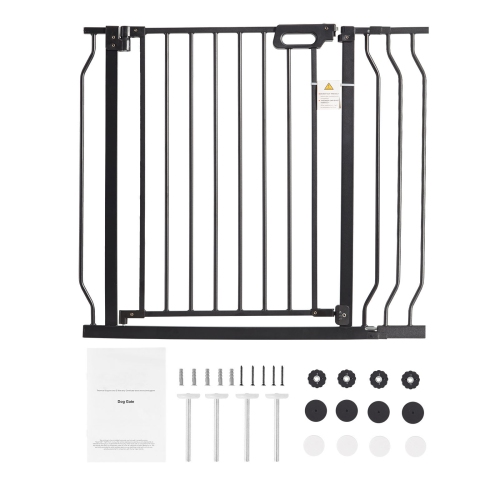

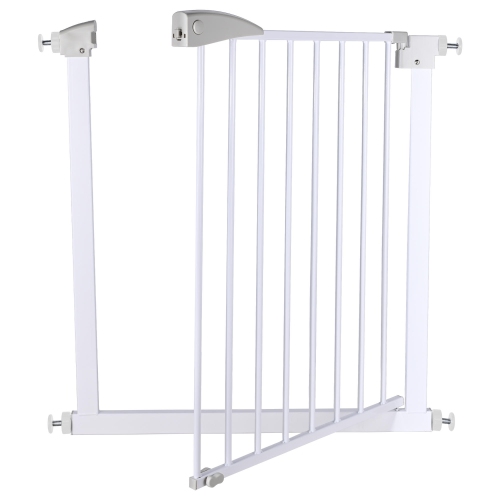
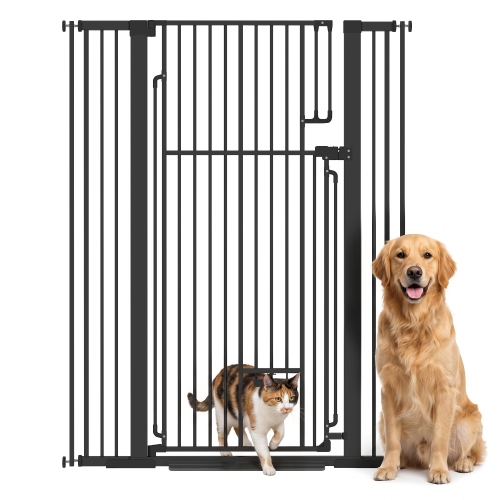
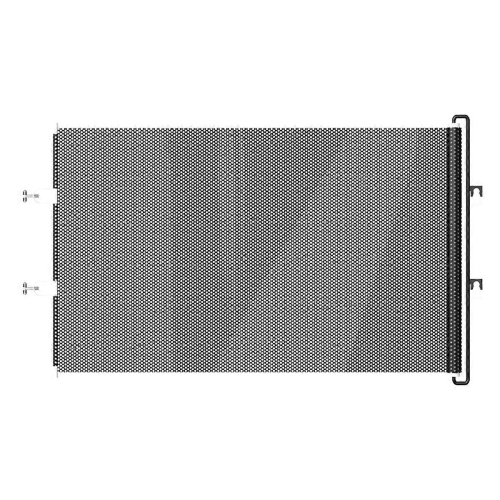
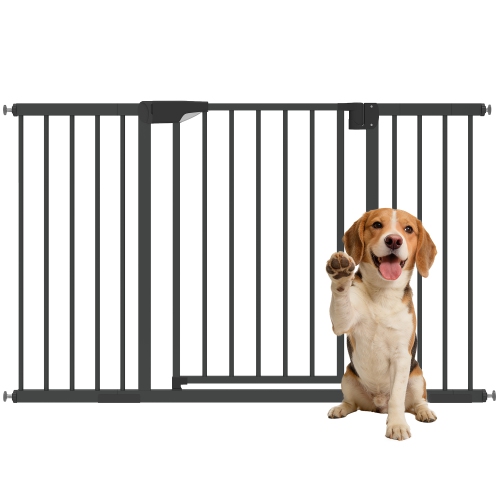
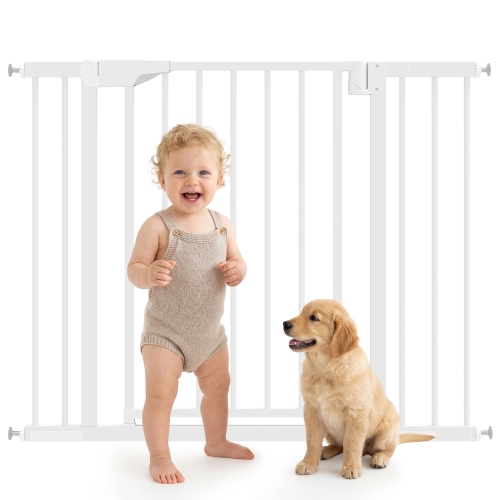
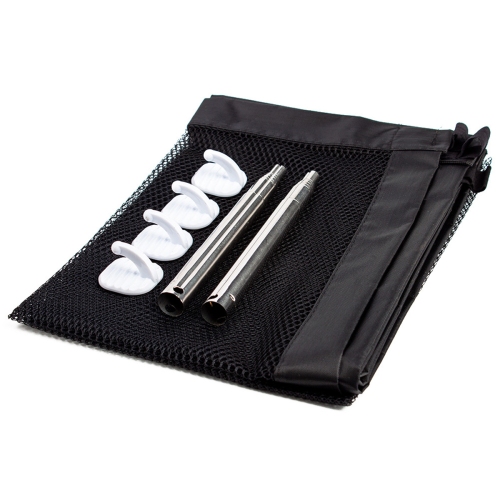
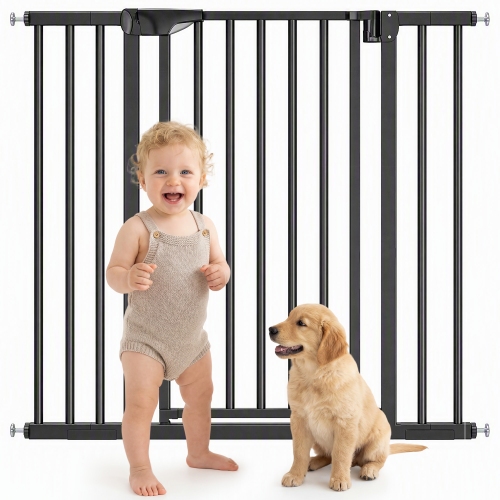
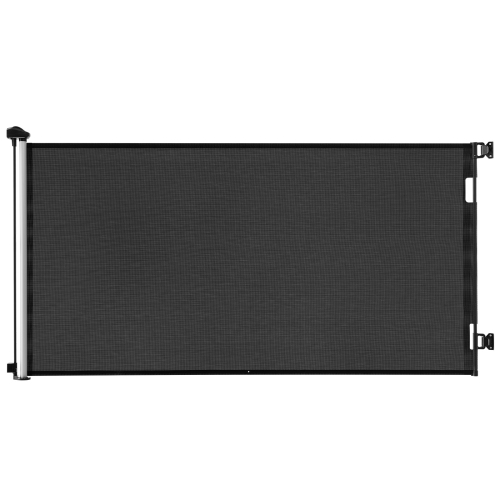
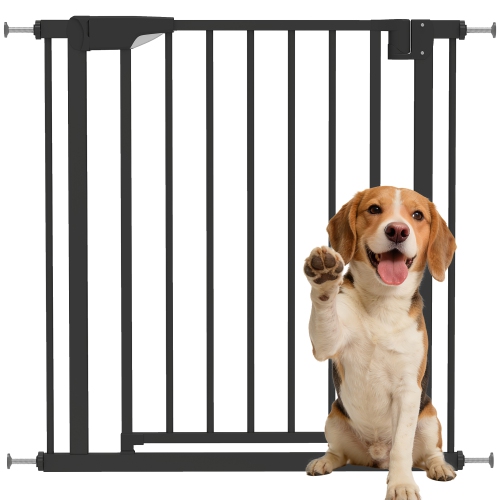
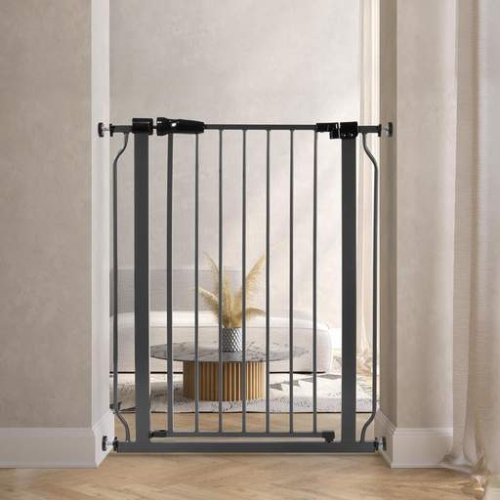

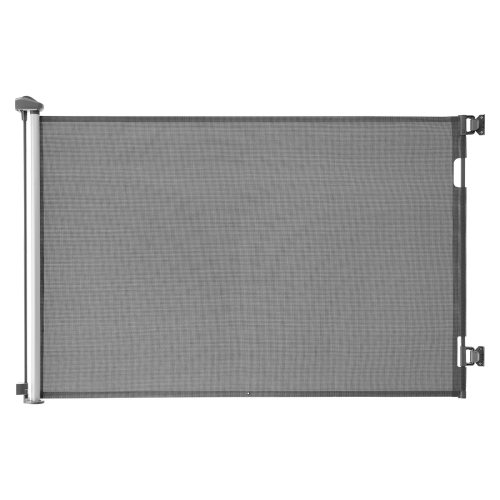
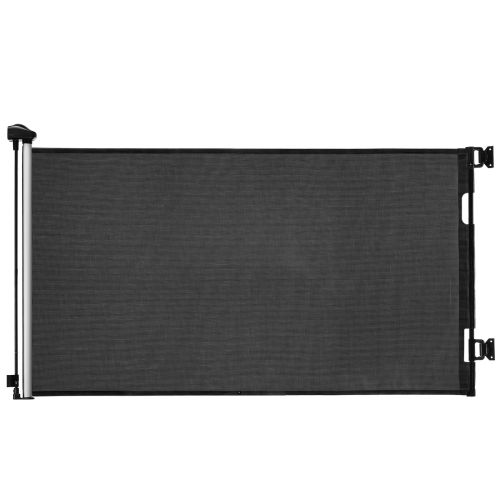
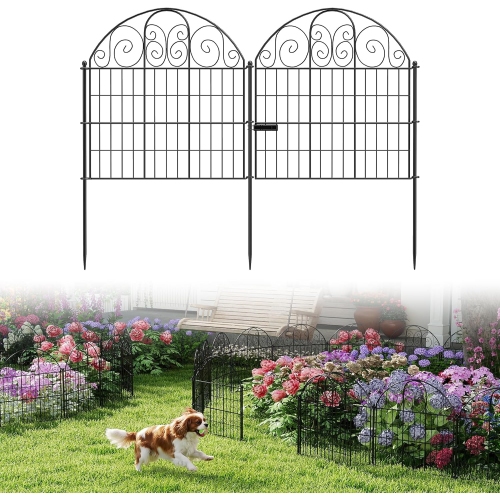
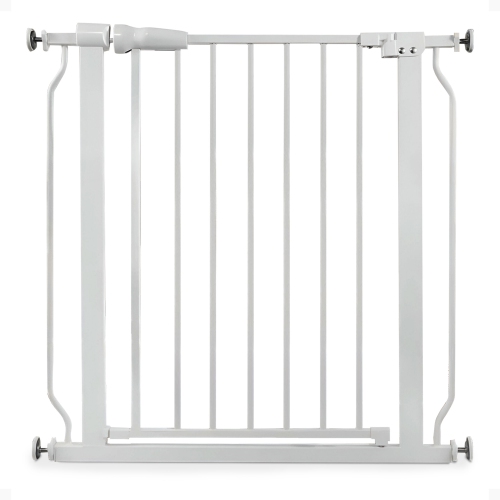
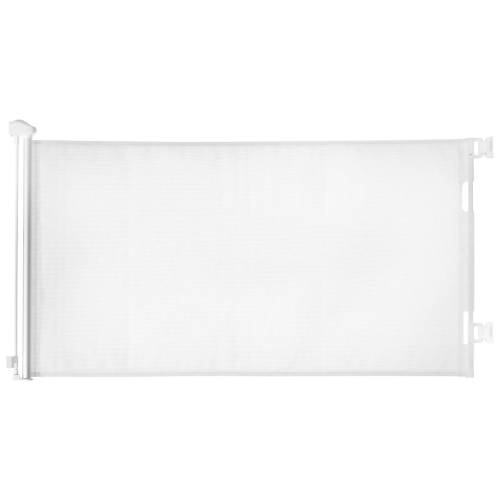


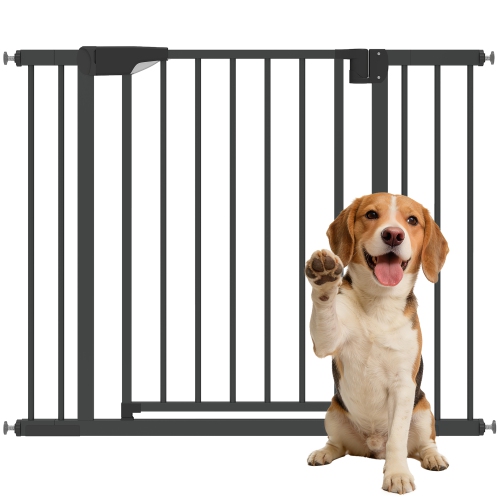
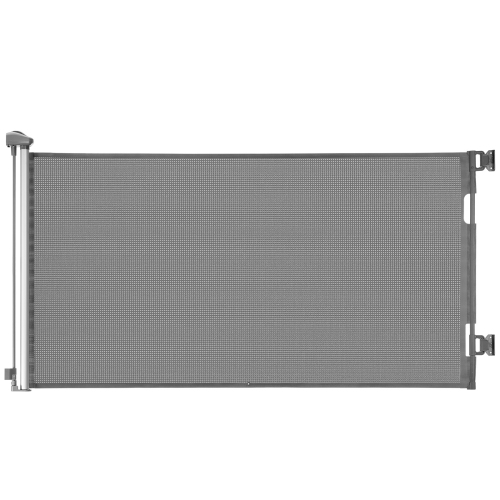

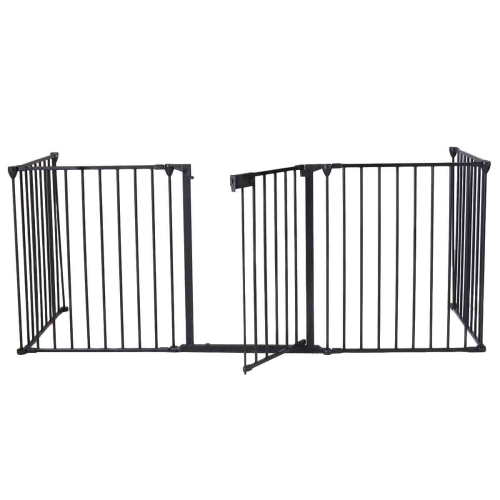

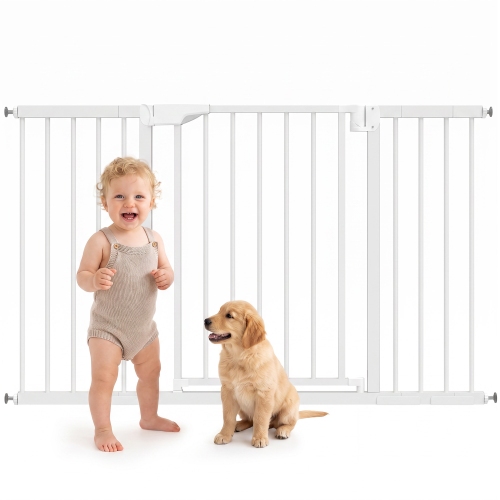
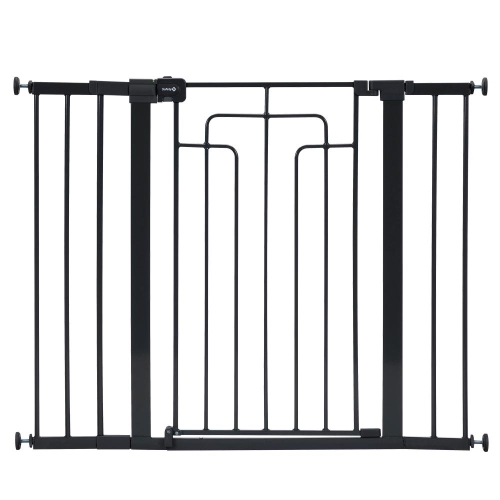
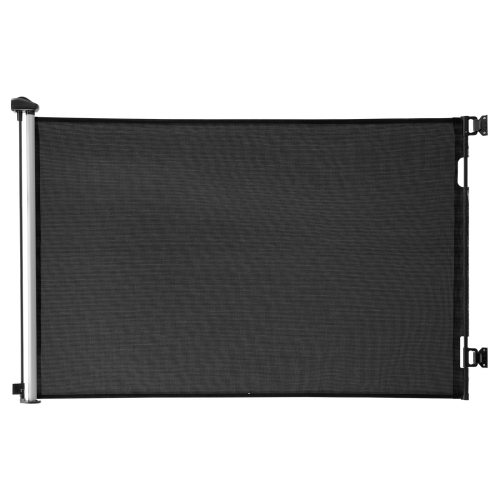
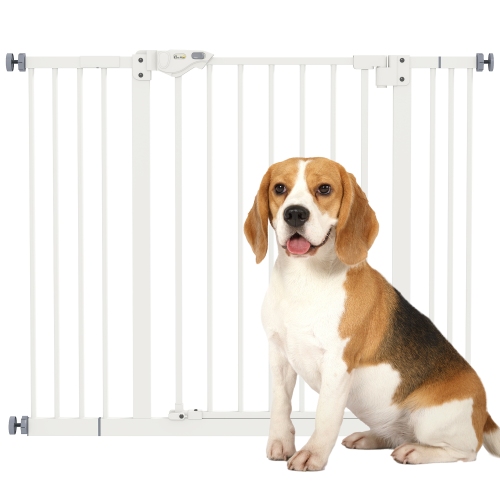

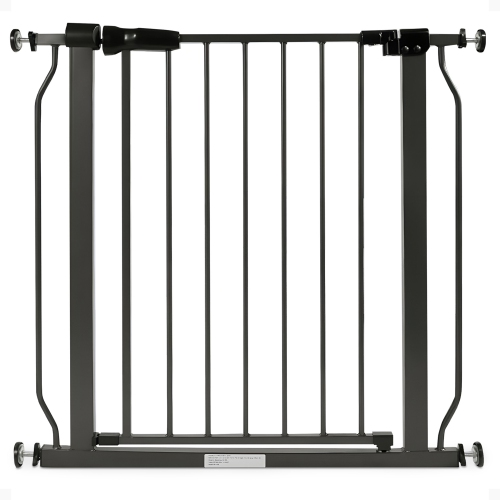
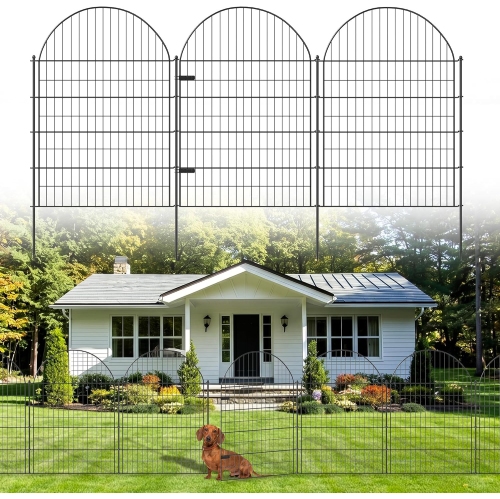


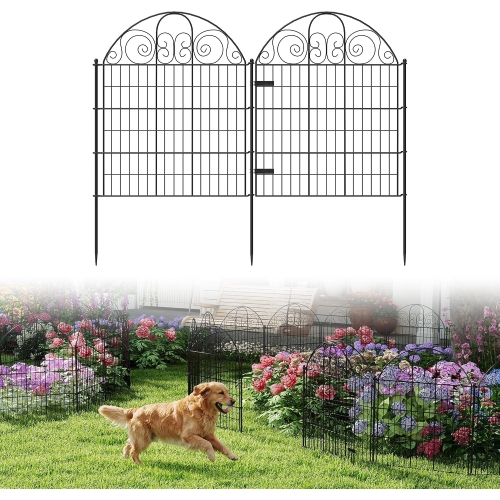
Clear pet boundaries without a permanent doorway installation
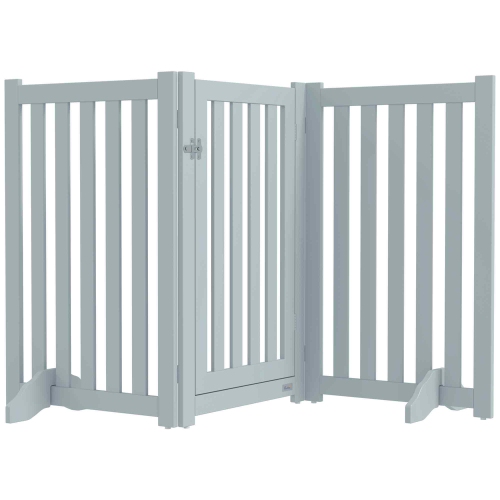
Freestanding pet gates create a clear boundary without turning every doorway into a permanent installation. Designed to stand on their own rather than attach to a door frame, they can help define where a pet spends time while keeping the room open to view. A gate between the kitchen and living room can give a dog a comfortable place to settle away from meal preparation, while one across a home office entrance can keep a curious nose away from cables and paperwork. These barriers are particularly useful in homes where routines change throughout the day: a dining area might need separation during dinner, then become part of the pet’s usual space afterwards. Many designs use hinged panels arranged in a zigzag or angled shape, with the panel positions helping support the gate. Others rely on broad feet or a supporting base. That structure matters as much as the overall width, since a gate usually needs some depth on the floor to remain stable. Freestanding designs tend to suit pets that already respond to boundaries and are unlikely to jump, climb, or push through a barrier. A calm small dog may be content resting behind a modest gate, whereas a larger, determined dog could move even a substantial-looking design. Height alone does not establish suitability, and a taller barrier is not necessarily a match for an agile cat or a dog that climbs. Puppies also need particular consideration because their size, chewing habits, and confidence can change quickly. For households introducing a gate, a familiar bed and a little distance from busy foot traffic can help make the separated area feel like a normal resting spot rather than a punishment. The goal is a practical division of space that works with the pet’s behaviour, not a substitute for supervision, exercise, or training. During the cooler months, that might mean keeping a dog comfortably inside the living area while wet boots and coats are handled near the entrance.
The best fit depends on both the opening and the space surrounding it. The width listed for a folding gate may describe its fully extended length, which can differ from the opening it covers when its panels are angled for support. Usable coverage, recommended panel positions, and the footprint of any feet are therefore worth considering together. In a narrow hallway, projecting supports can interrupt a walking route; beside a wide living room entrance, the same supports may sit neatly out of the way. Baseboards, uneven transitions between flooring surfaces, and thick rugs can also affect how securely a gate rests. A firm, level surface and intact floor-contact pads help the structure sit as intended, although protective pads do not guarantee that every finish will remain unmarked. Panel spacing and the gap beneath the gate matter too, particularly for very small pets that may try to squeeze through. Openings should not allow a pet’s head or limbs to become caught, and the suitability of any spacing depends on the animal’s size. Materials bring different strengths to everyday use. Wood can blend naturally with furniture and offers a substantial appearance, but an enthusiastic chewer may damage edges or leave rough spots. Metal frames and bars can provide a rigid structure, though joints, coatings, and contact points still need attention over time. Plastic designs may be easier to lift and wipe clean, but their weight, stiffness, and resistance to chewing vary. Mesh or fabric panels offer a different look and feel, yet scratching and chewing can make them unsuitable for some animals. Rounded edges, secure hinges, and well-finished surfaces are useful details across materials. A heavier gate may resist light nudges better than a lighter one, but weight should never be treated as proof that a pet cannot shift it. Foldable panels can make storage less awkward, especially in a condo or smaller home, provided there is a safe place to keep the folded gate where it cannot fall onto a pet or child.
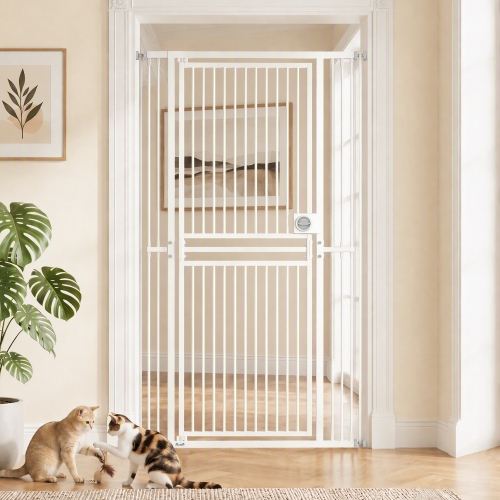
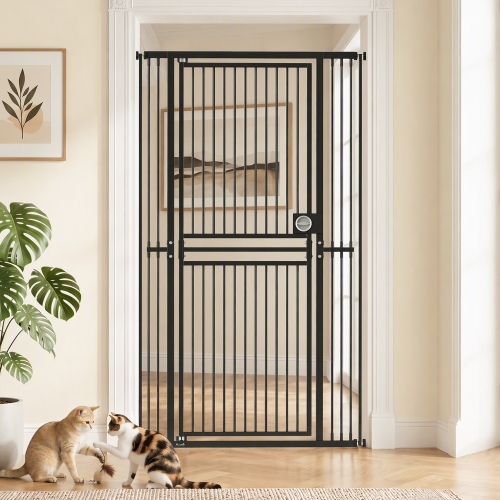
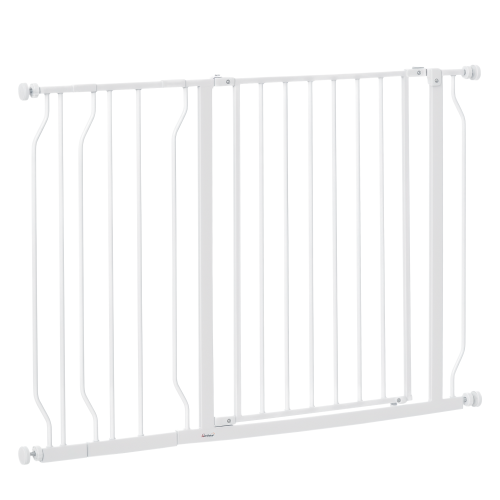
Everyday convenience often comes down to how people move through the space. A simple folding barrier can work well across an opening that is used occasionally, but repeatedly lifting or moving it may become cumbersome on a busy route between rooms. Some freestanding designs include a walk-through section, allowing access without repositioning the whole structure. The opening width, threshold, latch position, and direction of movement all influence how comfortable that arrangement feels when carrying laundry or guiding a pet on a lead. For households comparing different access styles, Auto Close Pet Gates offer another category to consider, with mounting requirements and closing mechanisms that should be assessed separately from a freestanding design. No pet gate should be assumed to provide child safety, and freestanding barriers are not suitable protection at the top of stairs. They are also not secure substitutes for a closed exterior door, a crate where appropriate, or a properly enclosed area when escape would put an animal at risk. Within their intended role, straightforward care helps keep them useful. Fur and dust can collect around feet and hinges, while muddy paws may leave marks along lower rails. Cleaning methods should follow the material and manufacturer’s directions; a soft cloth and suitable cleaner may be sufficient for routine marks, with surfaces dried before the gate is returned to use. Wood and exposed metal joints generally should not be left wet, and abrasive cleaning can damage finishes. Periodic checks can reveal loose fittings, worn pads, splinters, sharp edges, or hinge movement that affects stability. Indoor designs should stay indoors unless they are specifically intended for outdoor use. For someone welcoming a dog or adjusting a shared living space, a pet gate can be a thoughtful practical gift when the pet’s temperament and the room’s measurements are known. The most useful choice feels unobtrusive in daily life: stable in its intended position, manageable to move when needed, and suited to the animal on the other side.
Top selling and popular products
-
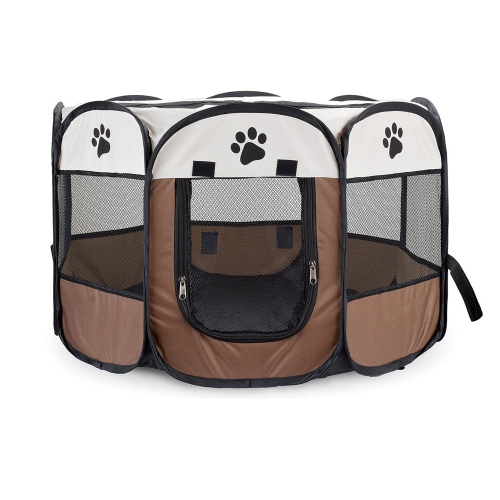 Your price for this item is $25.99
-
 Your price for this item is $139.99
-
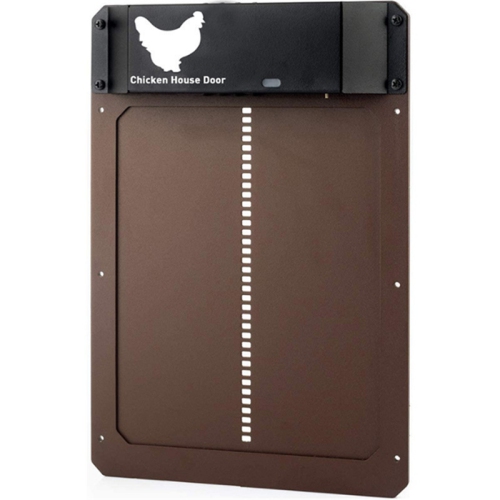 Your price for this item is $75.99
-
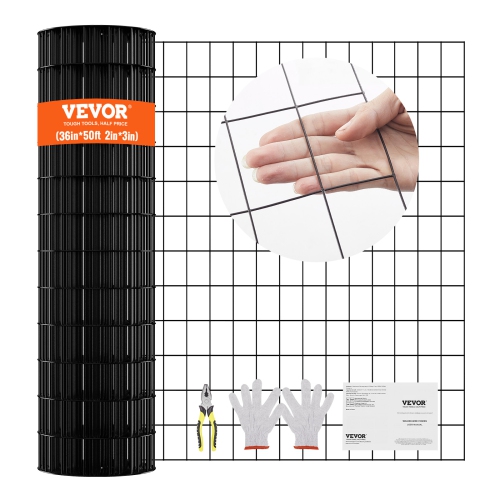 Your price for this item is $65.9
-
 Your price for this item is $31.99
-
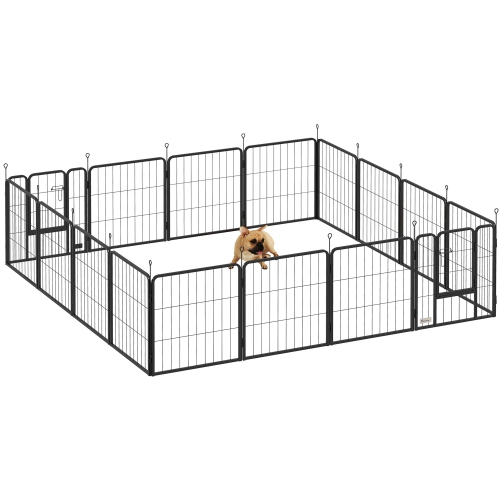 Your price for this item is $156.99
-
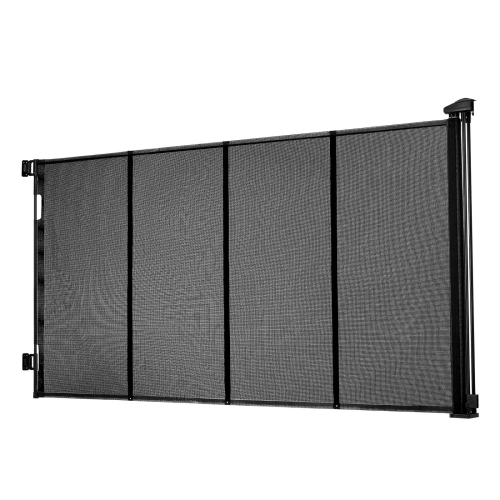 Your price for this item is $69.9
-
 Your price for this item is $84.99
Discover more categories related to Freestanding Pet Gate
Top Collections:
Pokemon Centers, Kindle Devices, Best Budget Office Chairs, Canon G7X Cameras, Apple iPhones 16, Samsung Galaxy Phones, Refurbished Apple Laptops, Laptops for Students, iPhone 15 Apple, Budget Smartphones
Some products may be subject to Environmental Handling Fees
(EHF) depending on your province.
Learn more about EHFs.