Indoor Decorative Trees
Transform your living space into a lush oasis with our collection of indoor decorative trees. These stunning botanical beauties are the perfect way to add a touch of greenery and elegance to any room. Whether you're looking for a statement piece to anchor your space or want to create a serene atmosphere, our selection of indoor decorative trees offers something for every style and preference. From tall and majestic palms to delicate and vibrant ficus trees, discover the perfect addition to your home that will bring nature indoors and create a calming ambiance. Also check out our selection of unique living room furniture for even more great furnishing options!
Sort
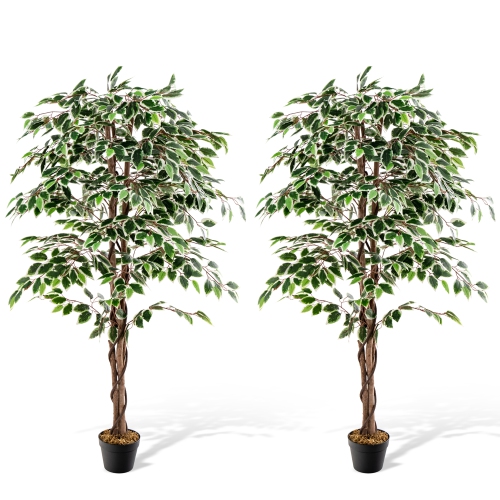
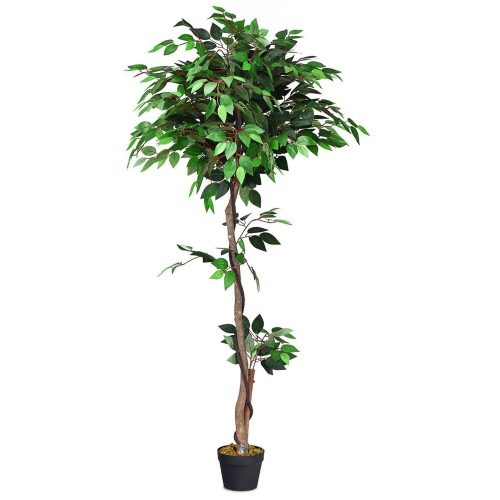
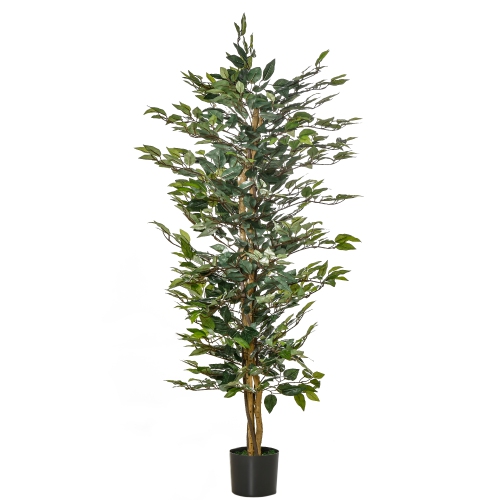
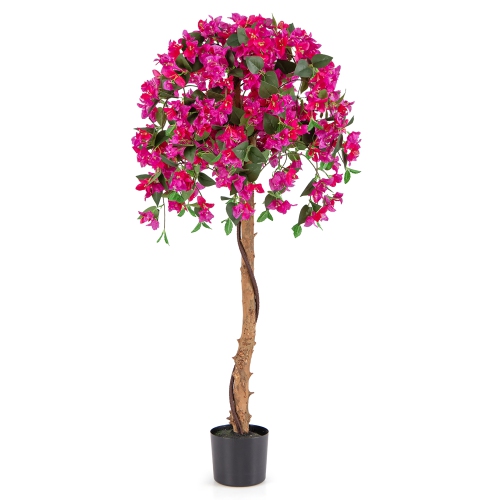
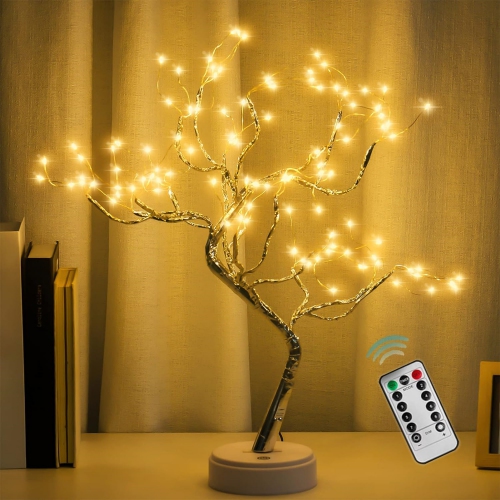
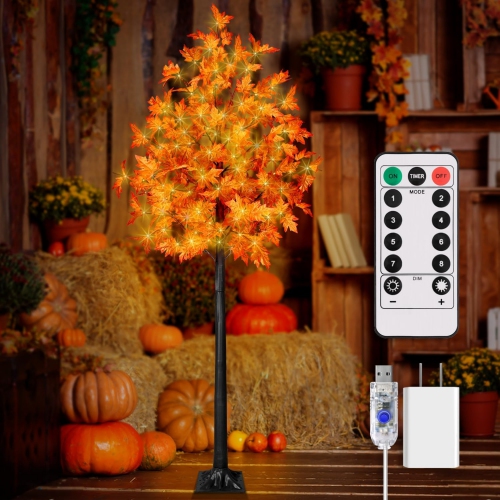

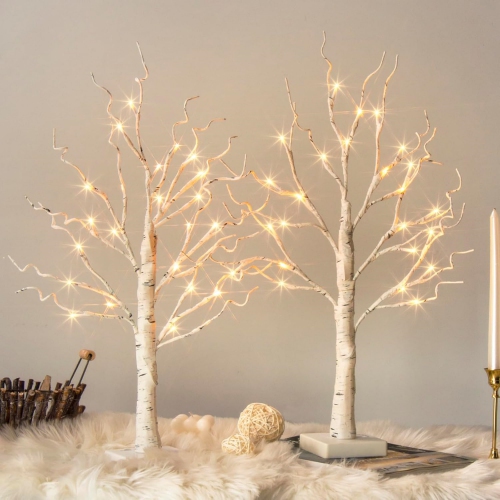
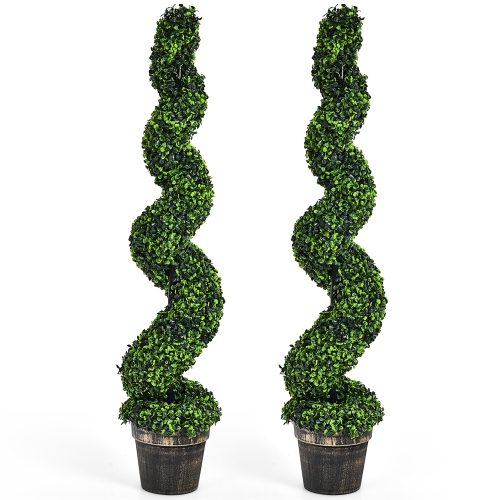
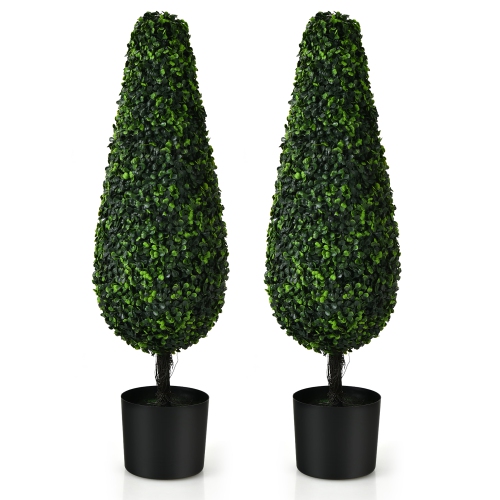
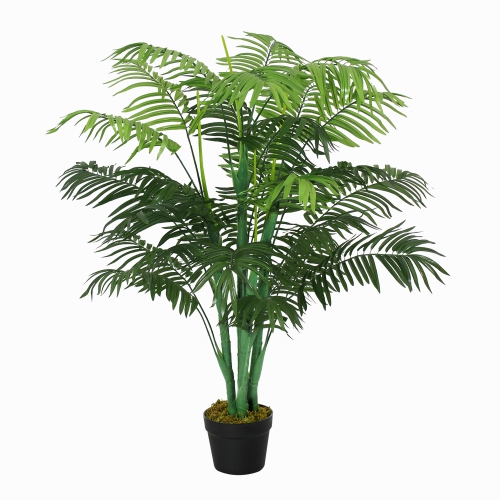
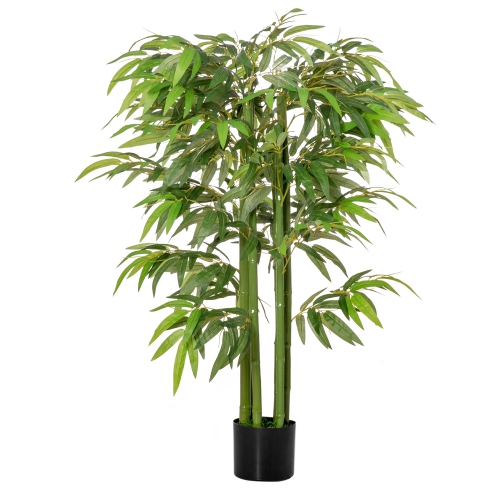
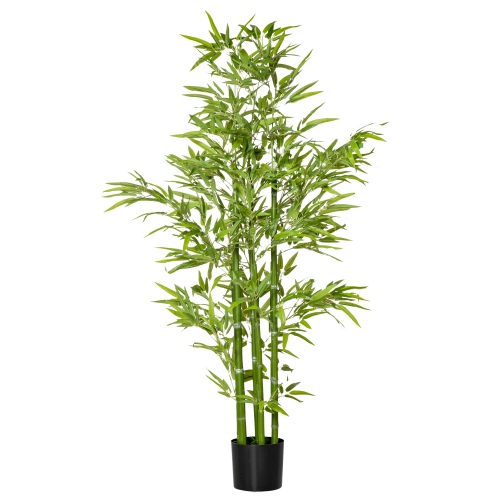
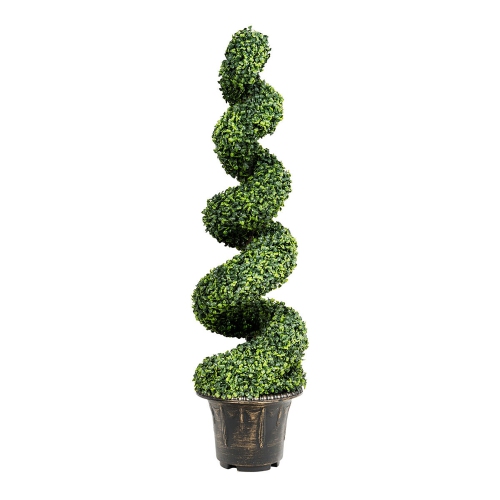
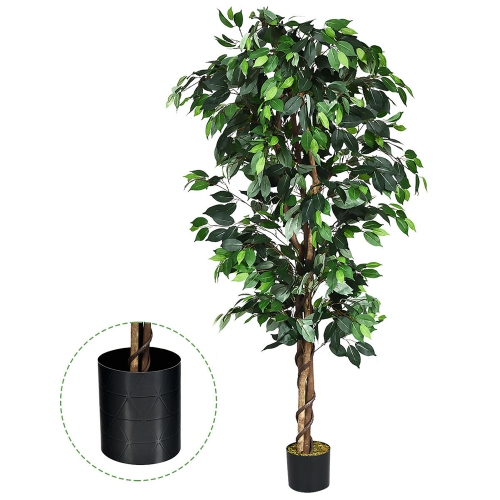
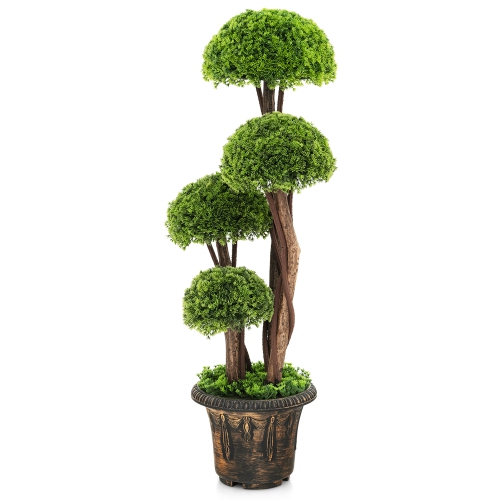
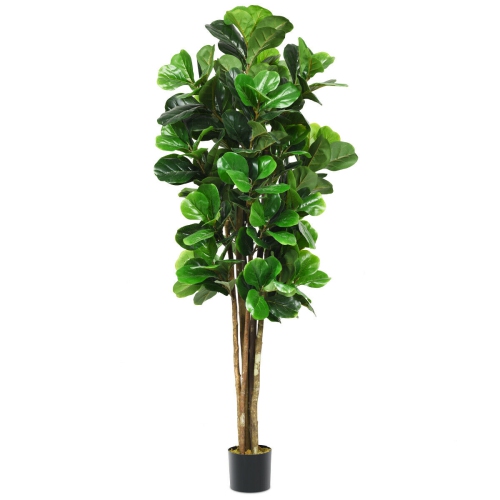
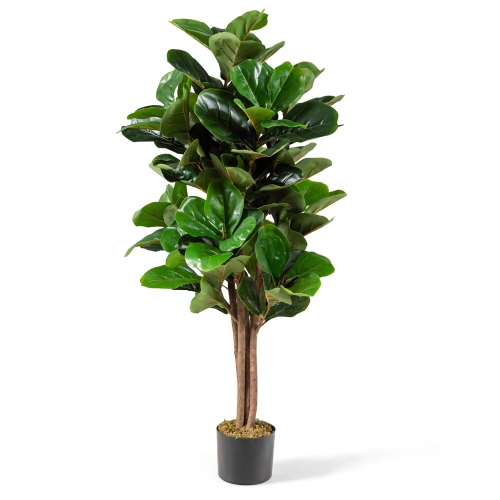
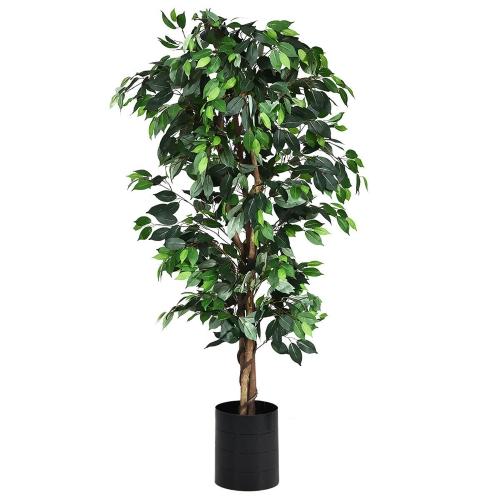

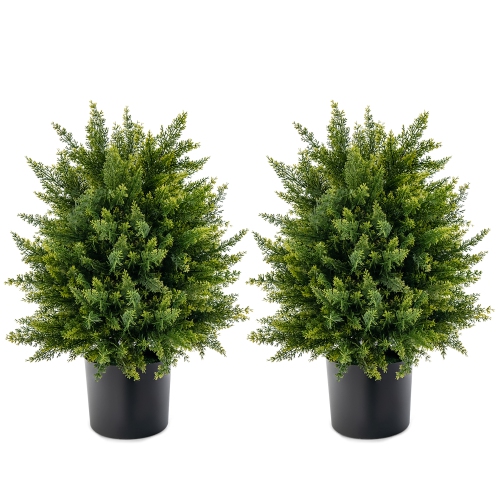
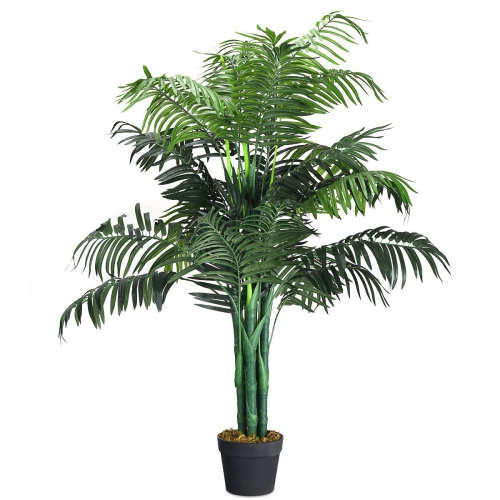
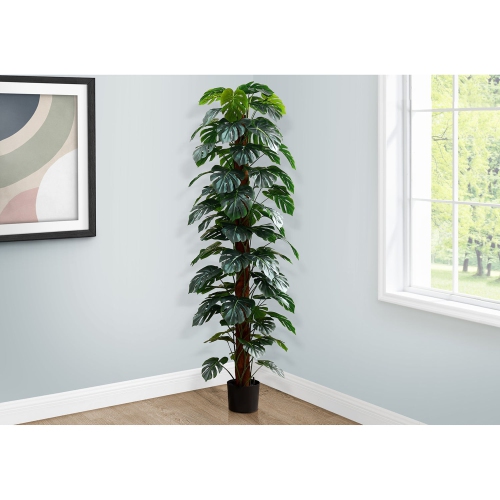
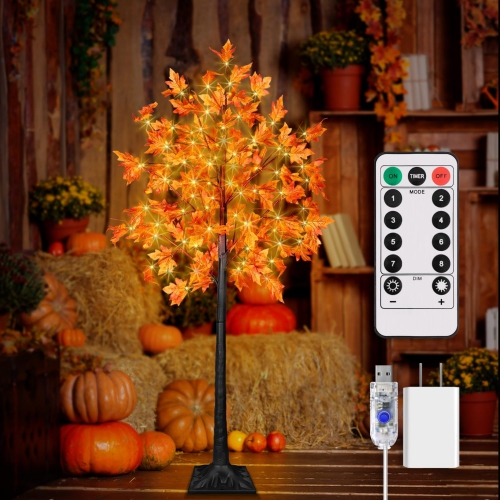
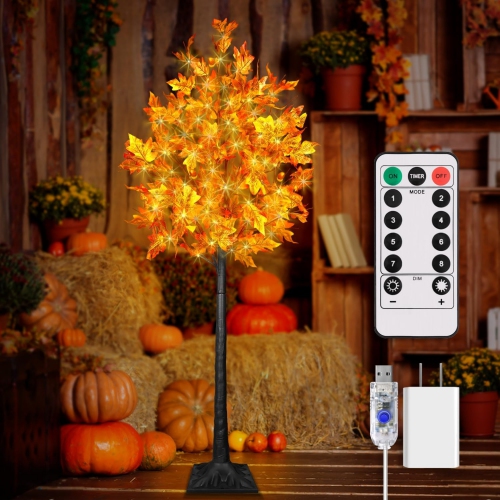
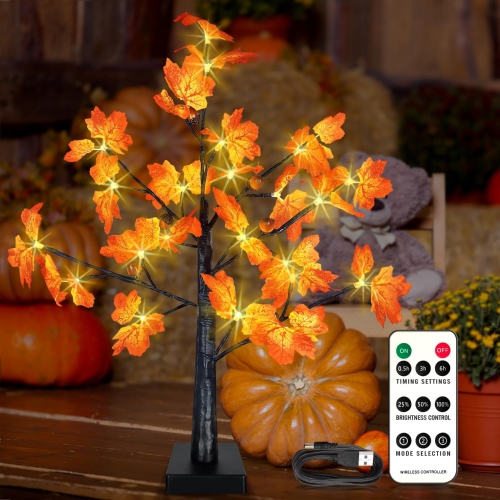
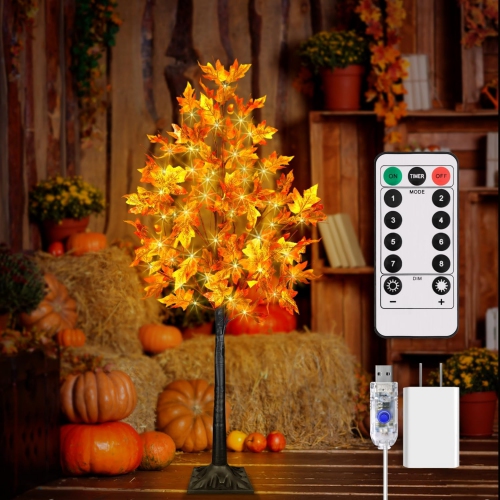
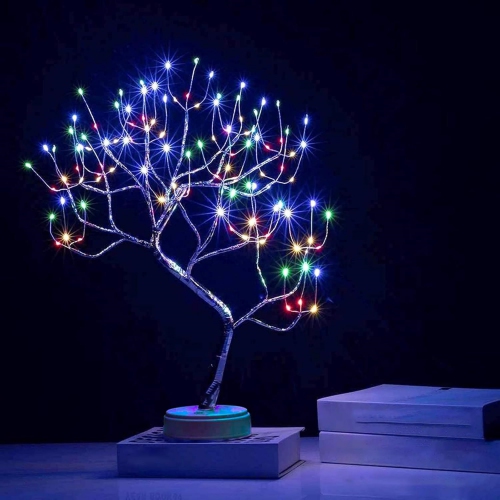
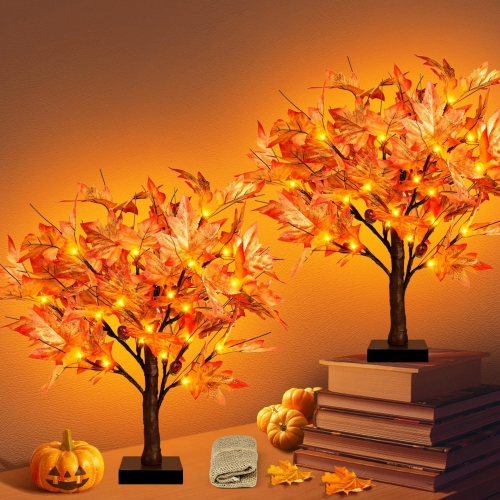

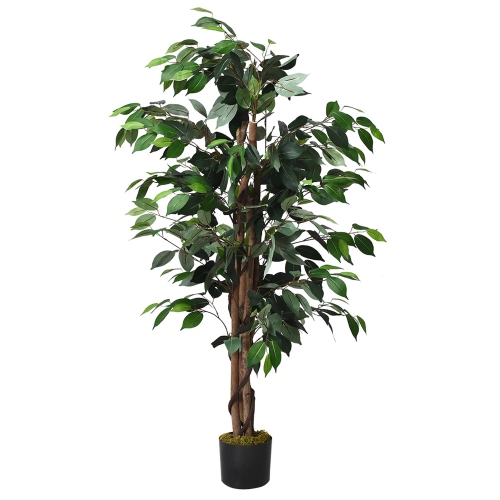
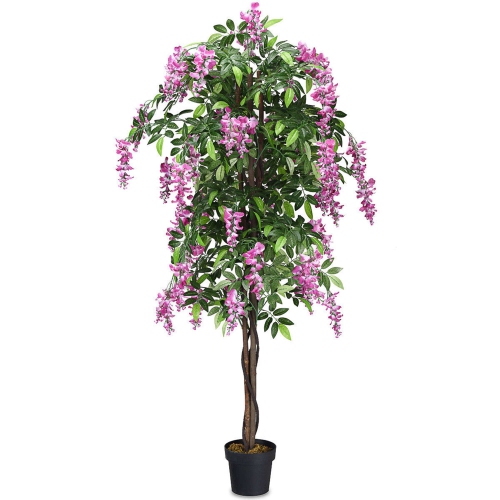
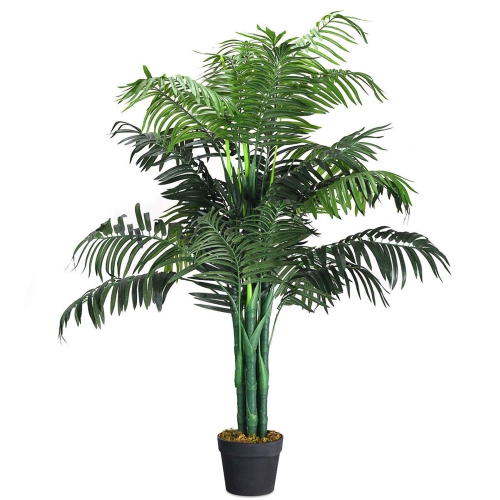
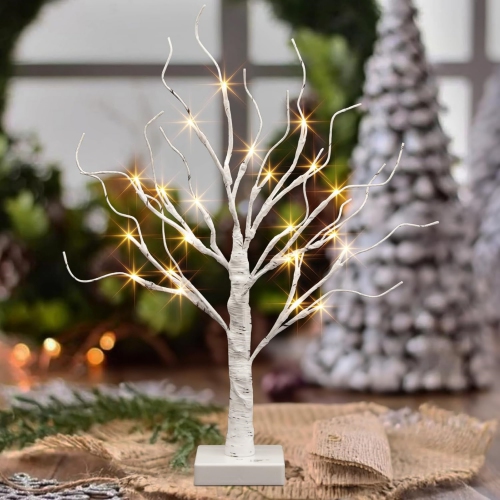
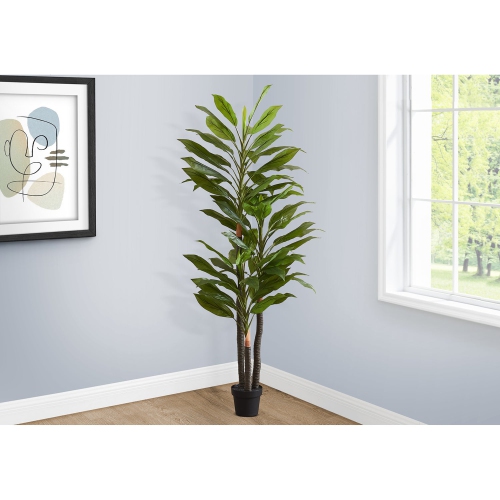
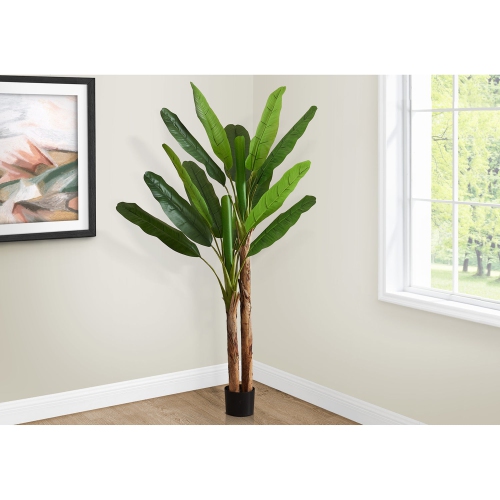
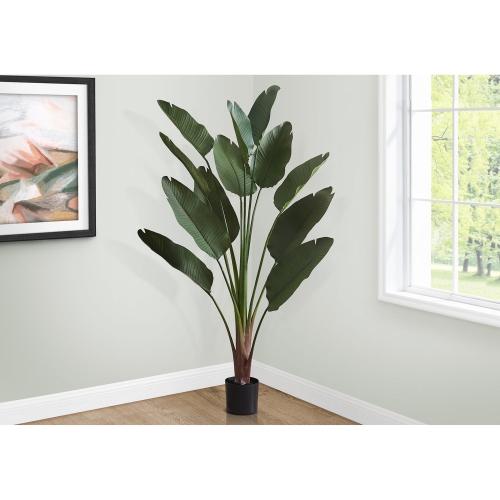
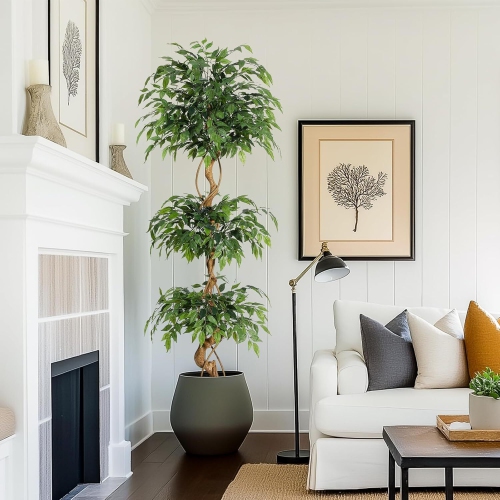
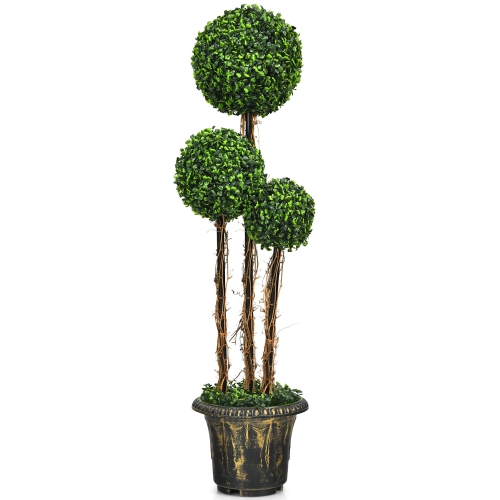
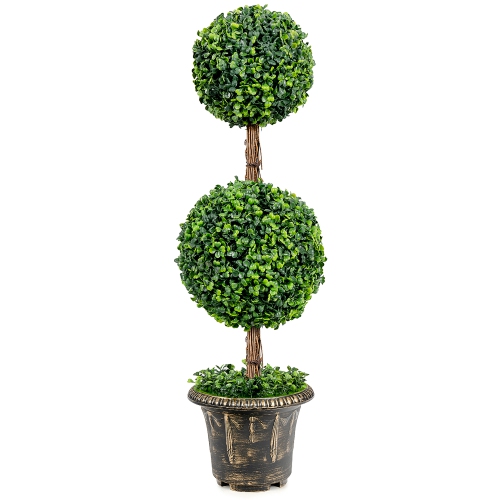
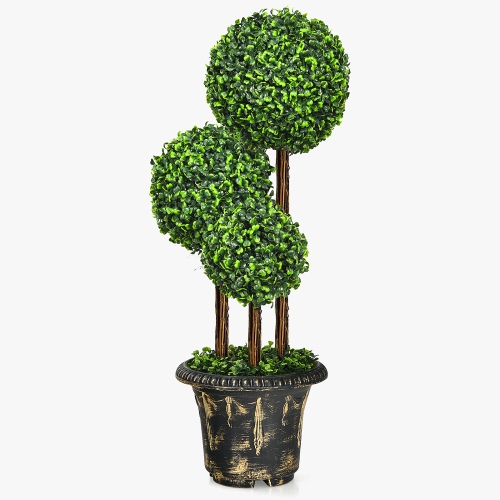
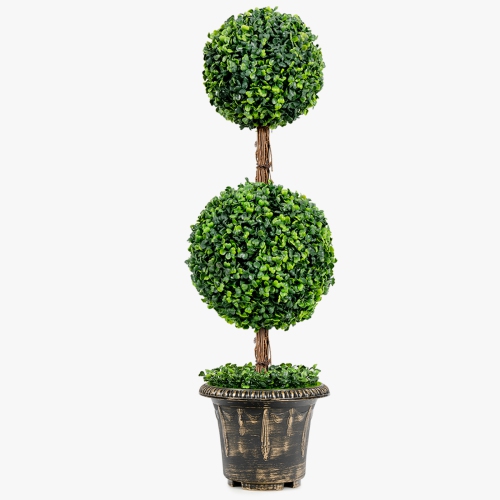
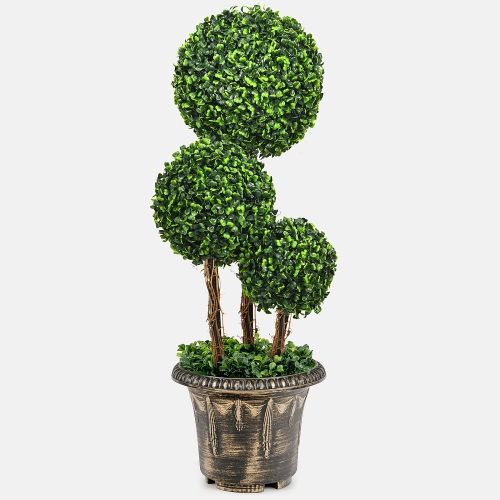
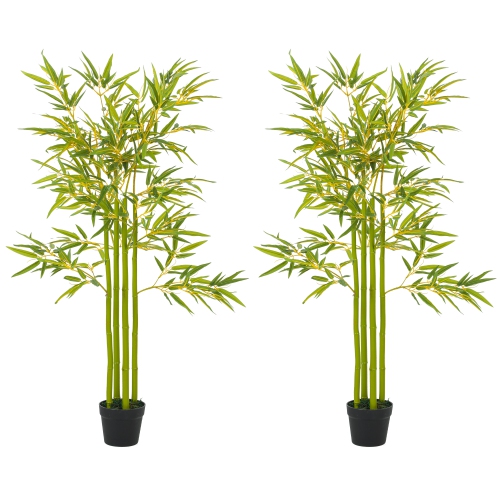
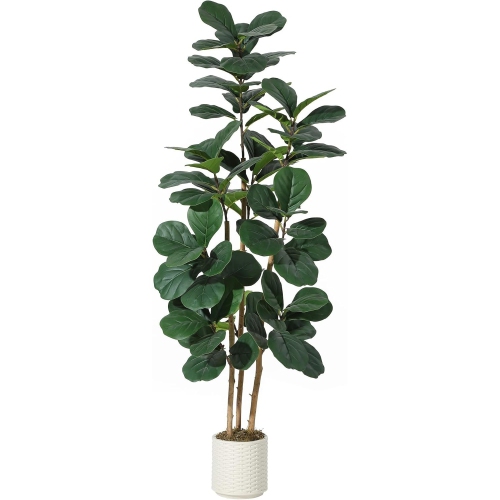
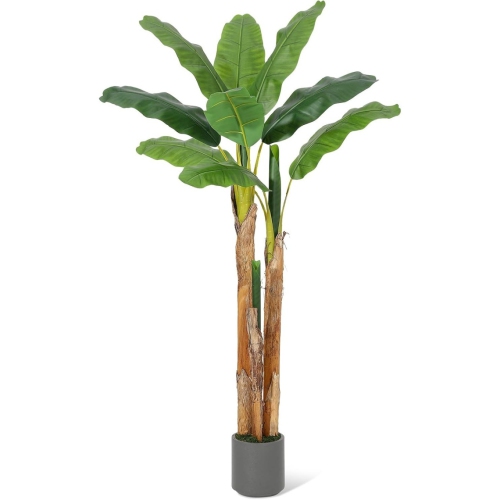
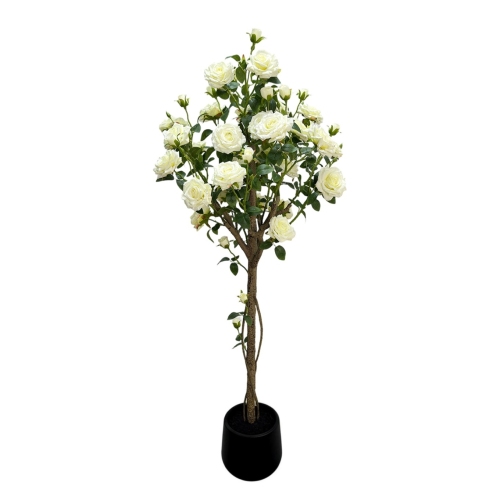
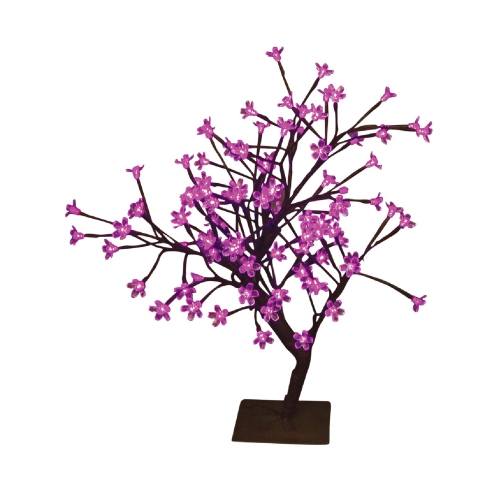
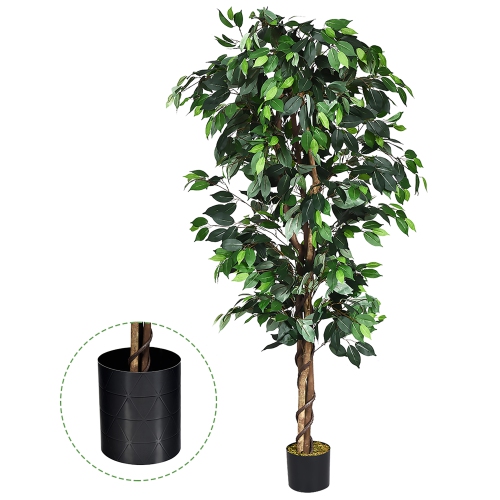

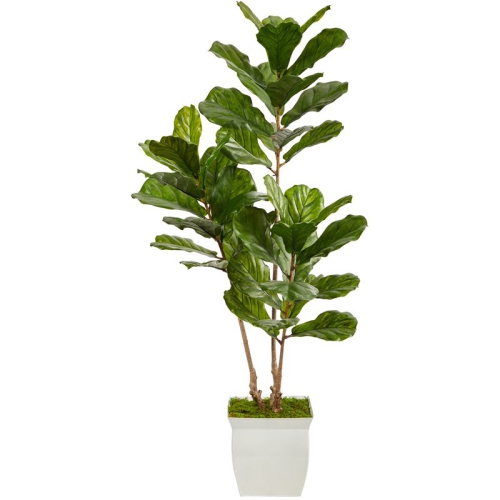
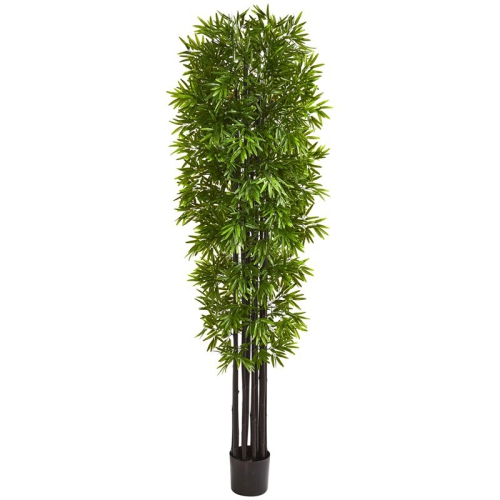
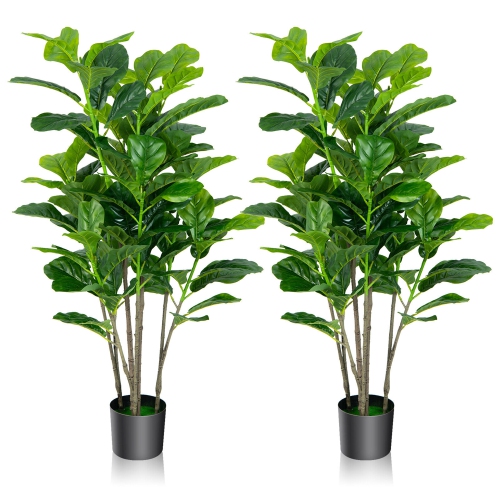
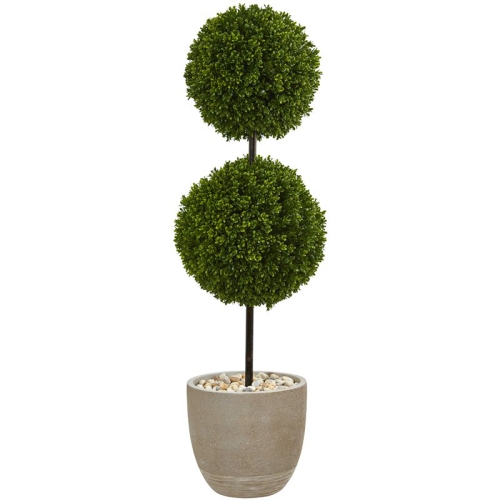
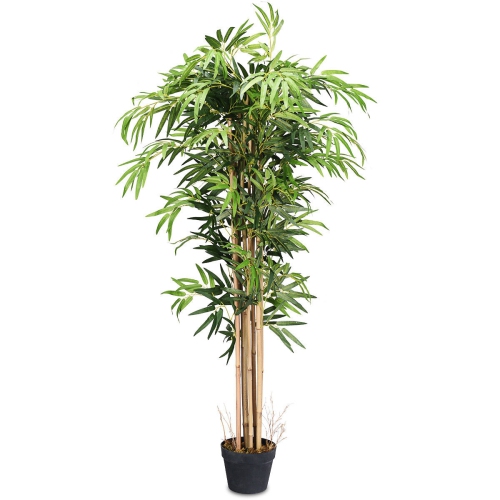
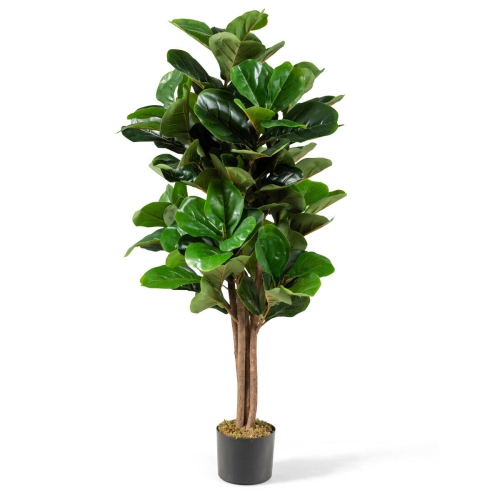
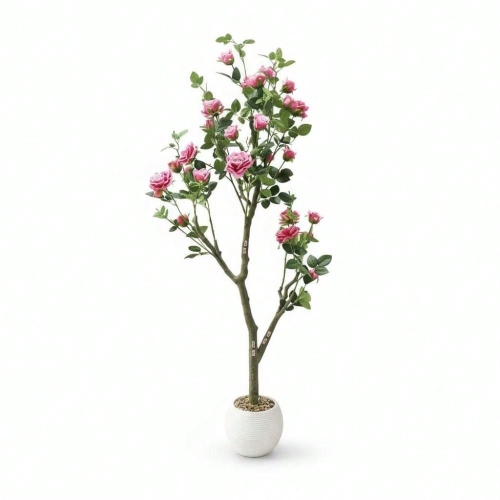
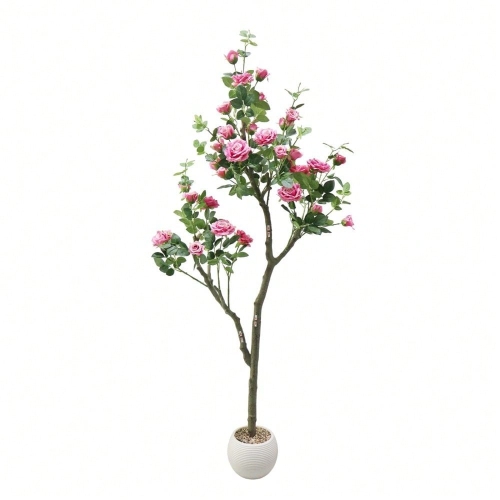
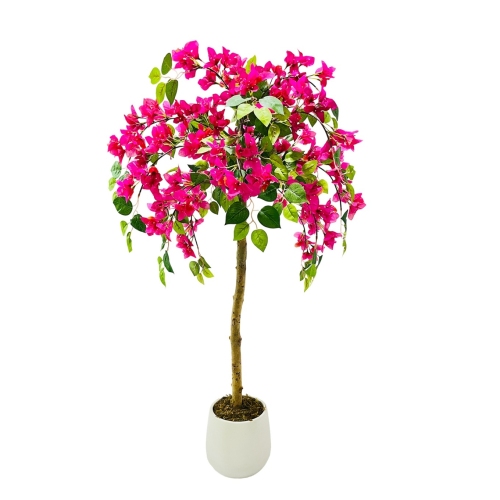
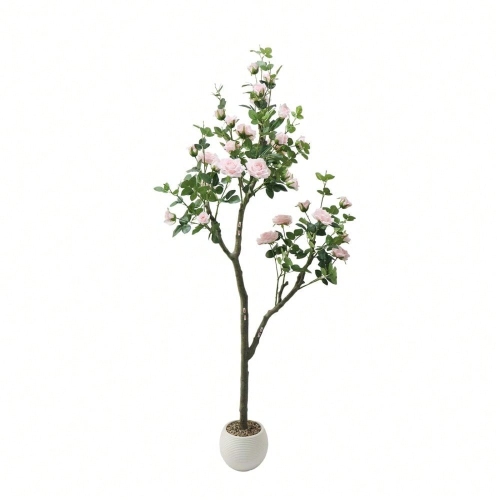


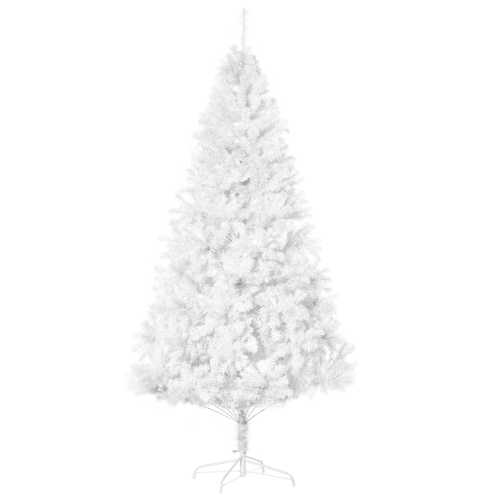
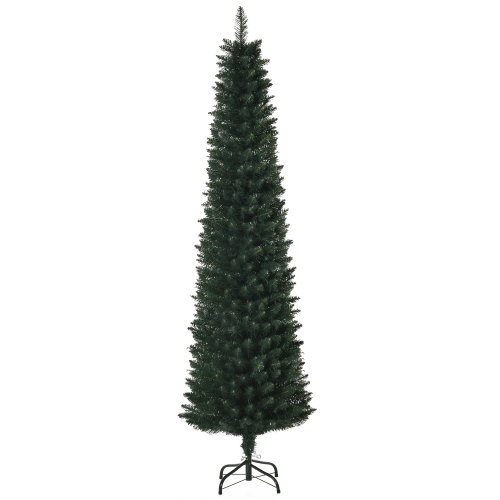
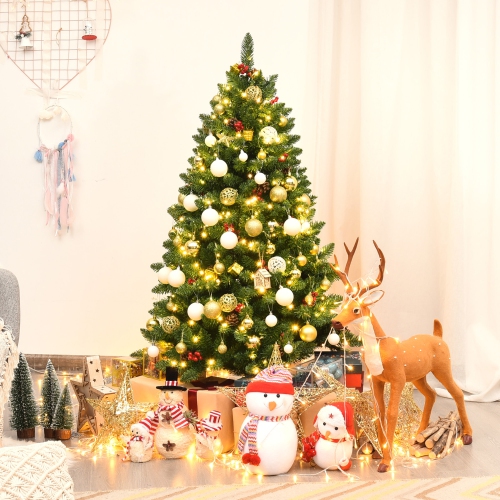

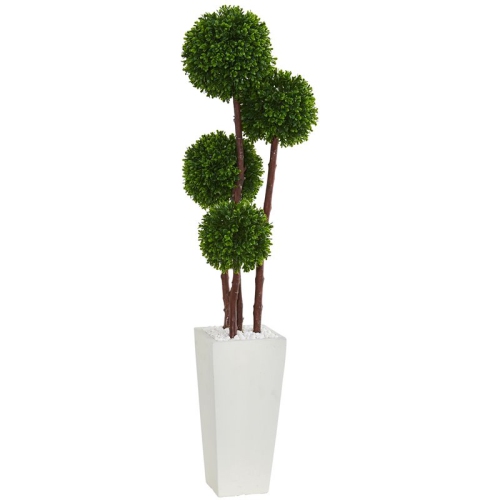
How living and artificial trees fit your space
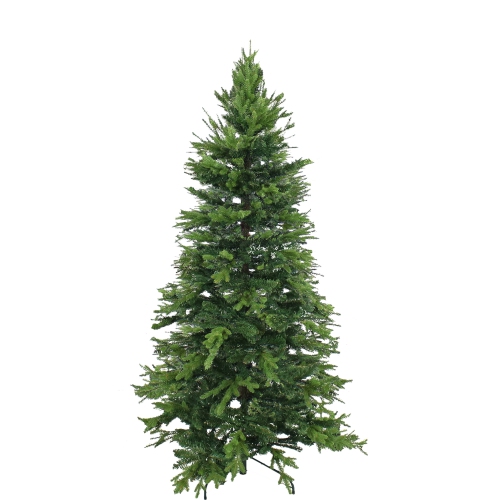
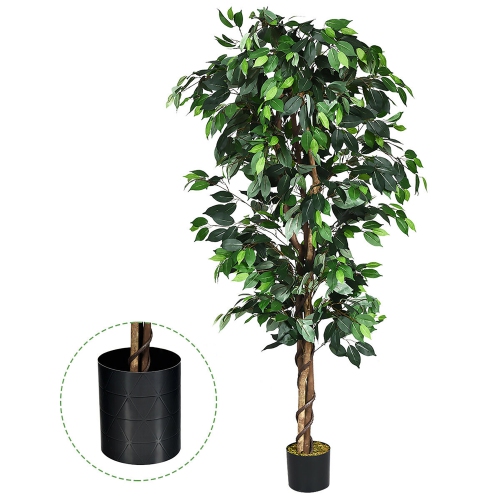
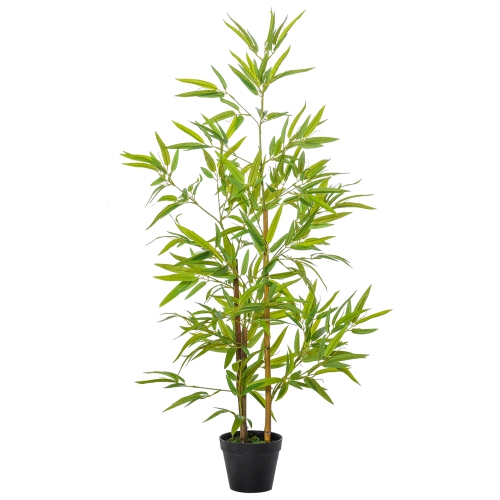
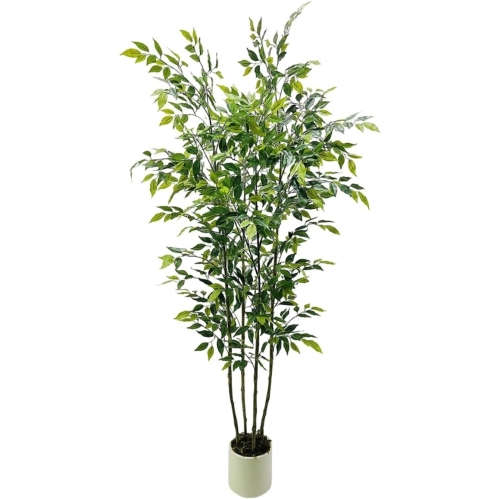
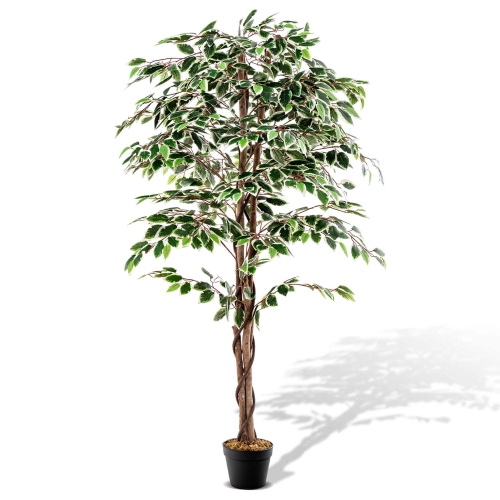
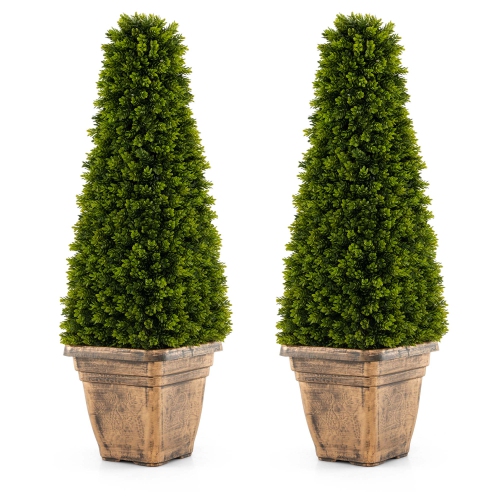
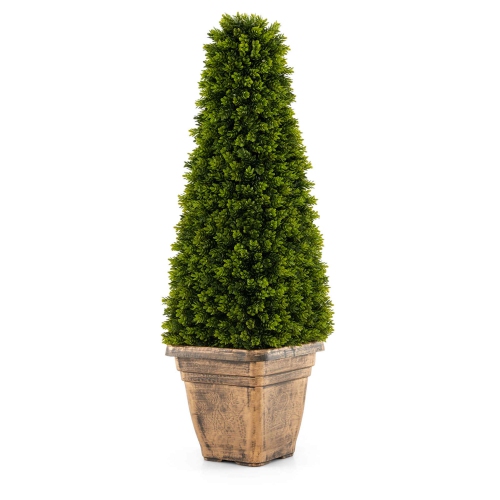
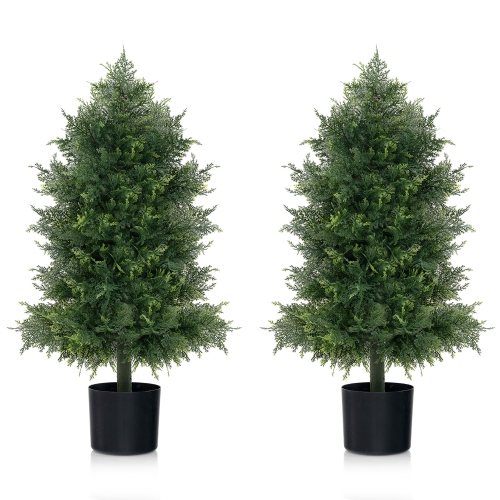
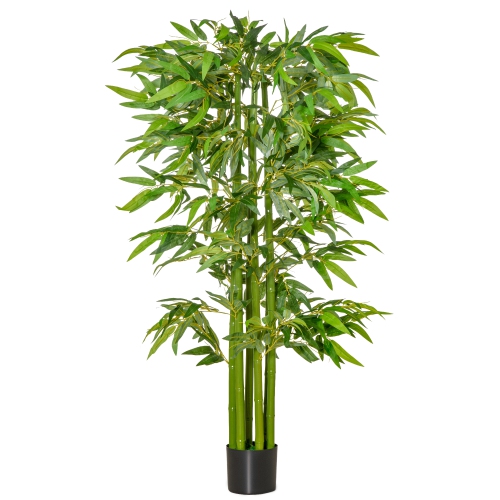
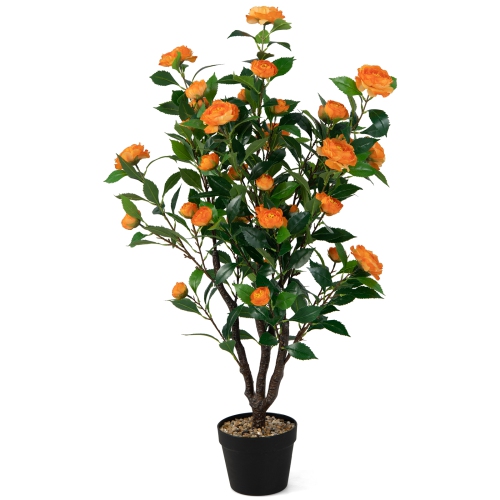
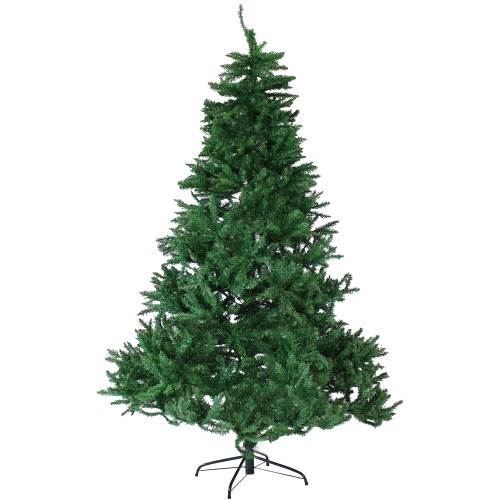
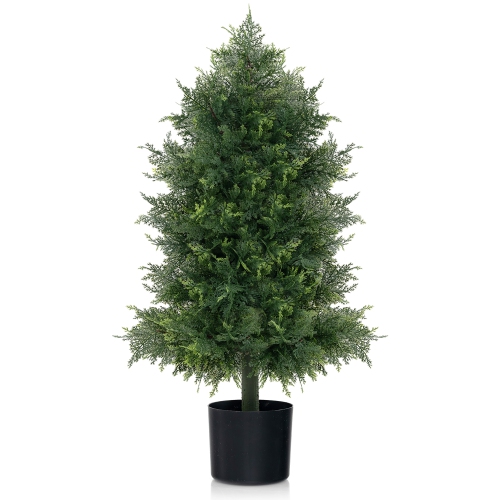
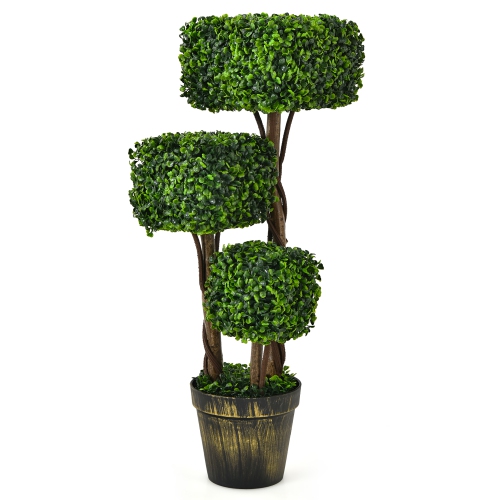
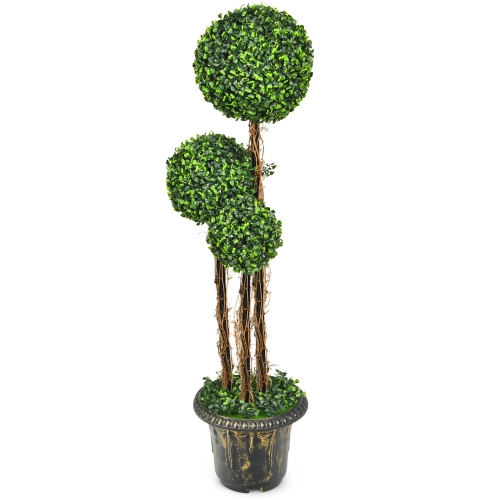
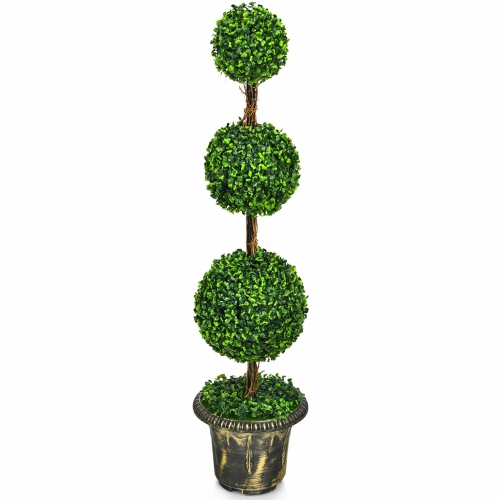
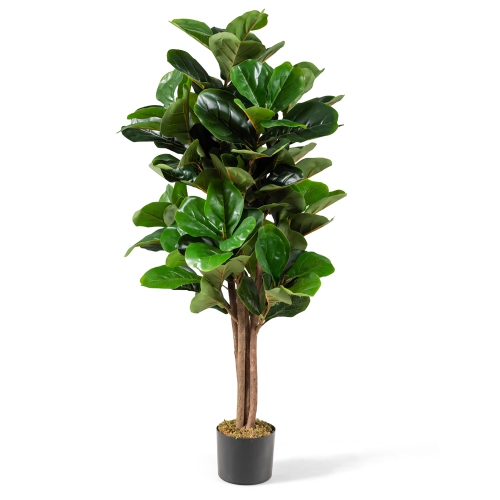
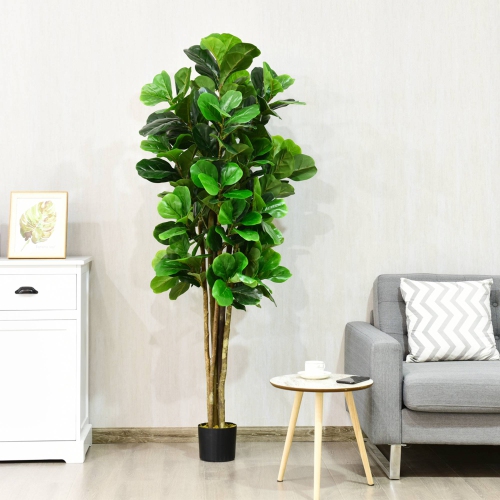
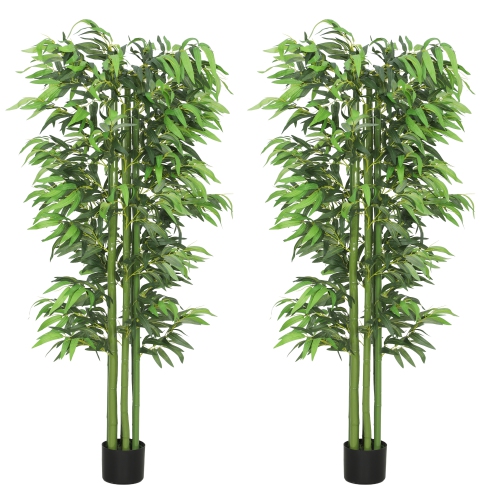
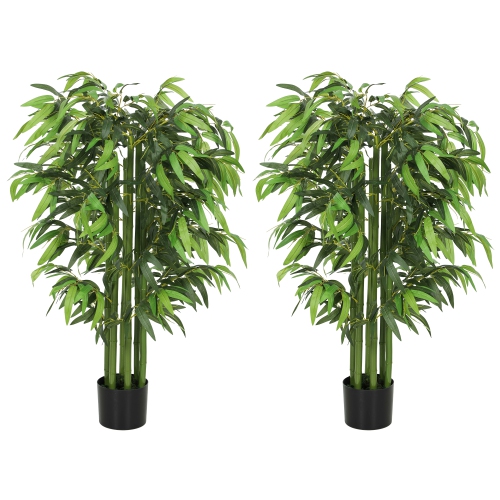
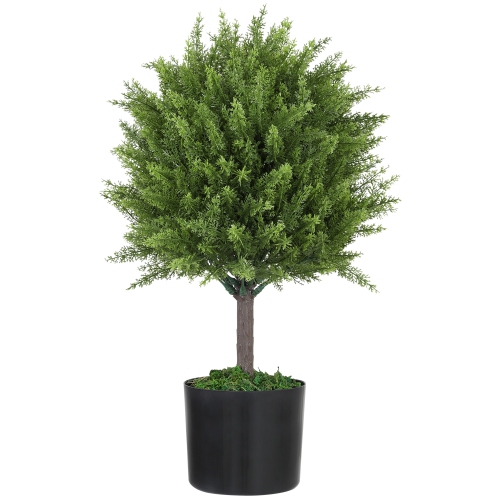
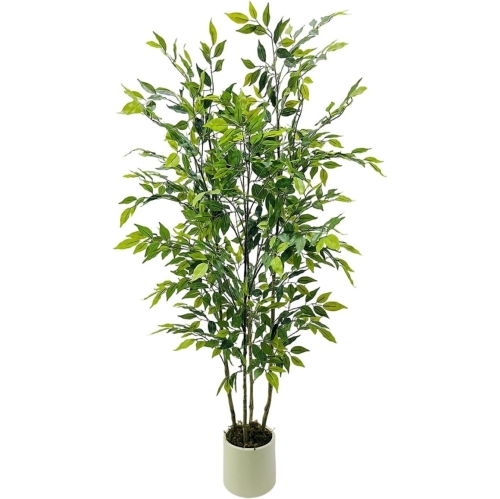
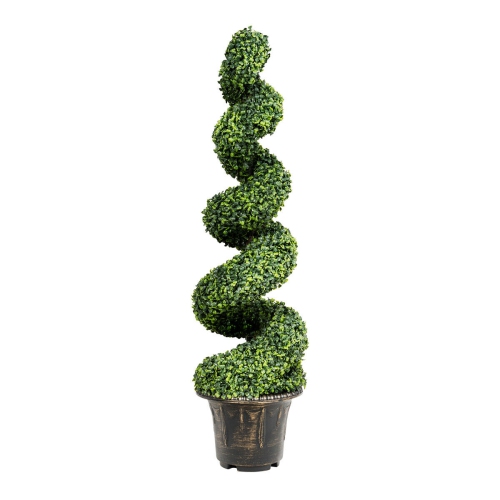
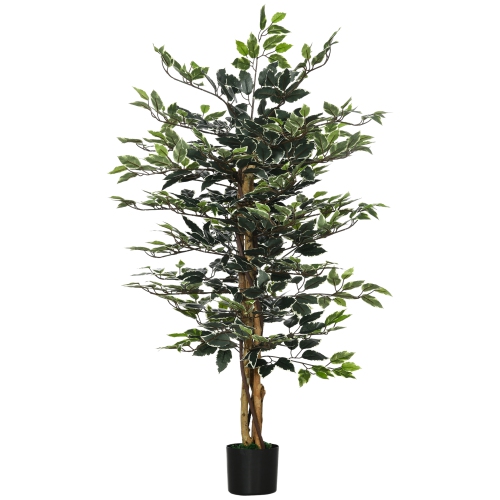
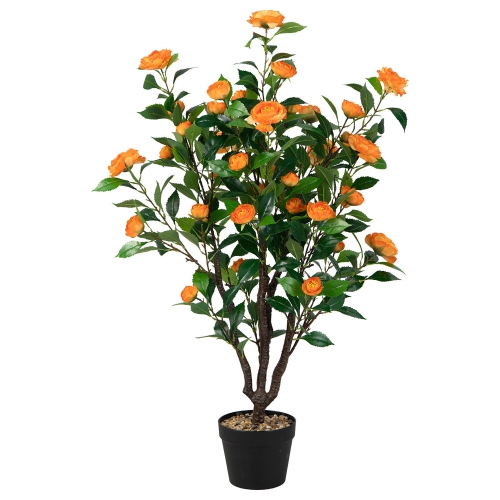
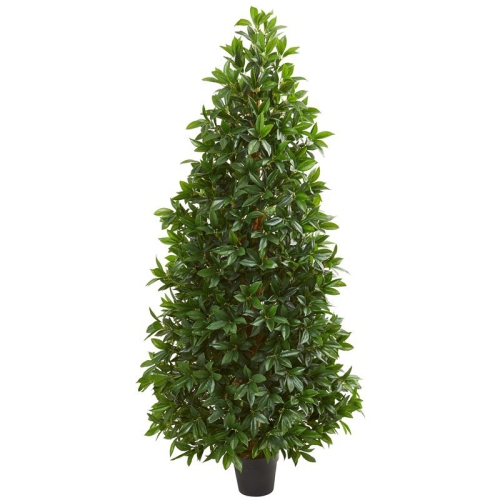
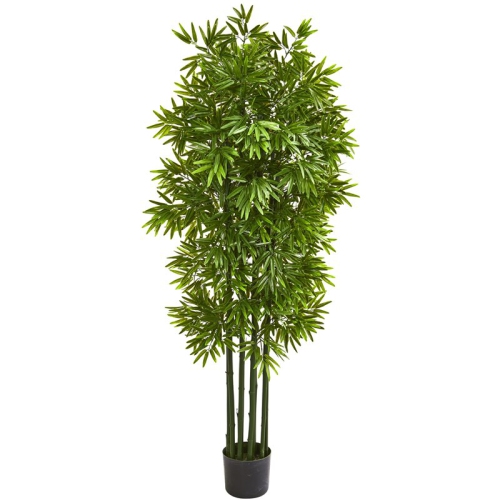
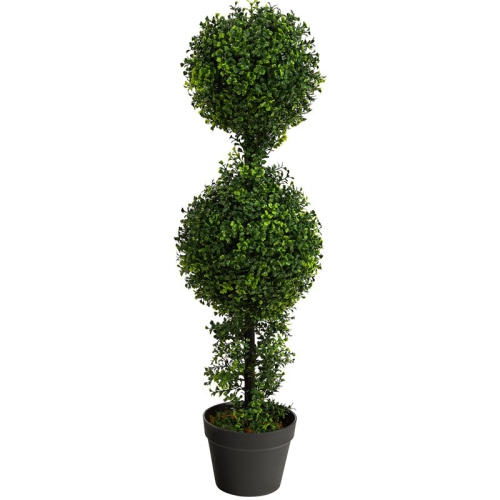
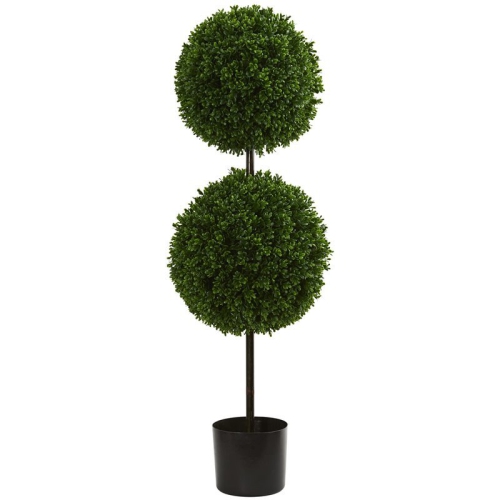
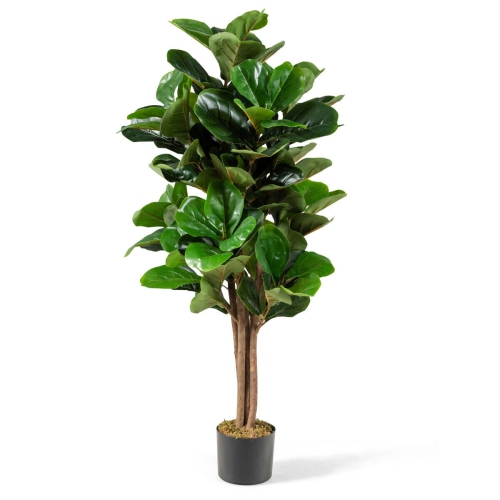
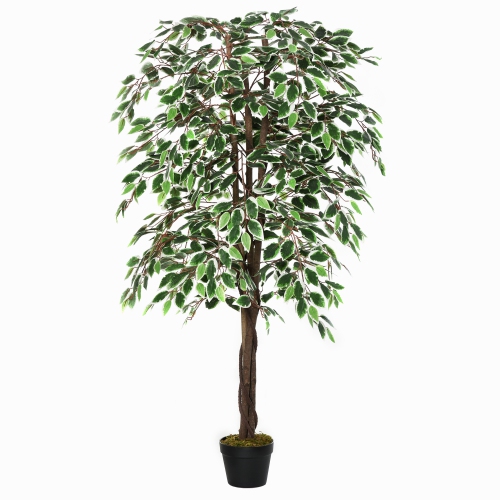
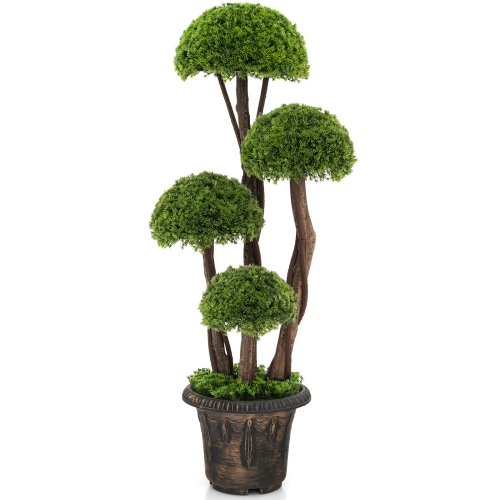
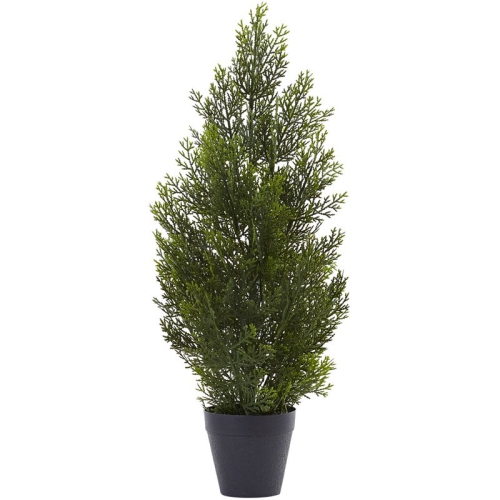
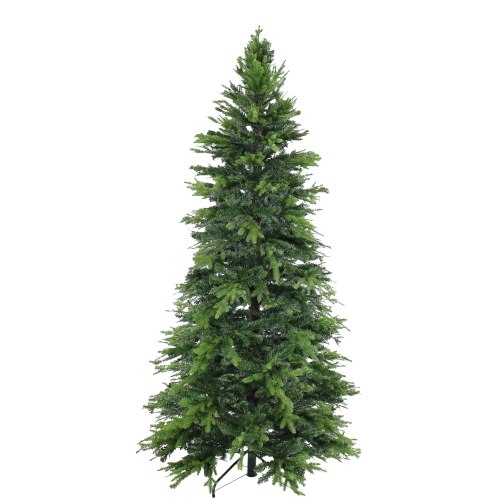
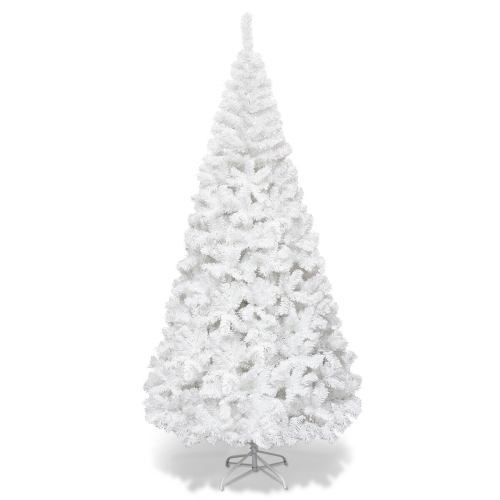
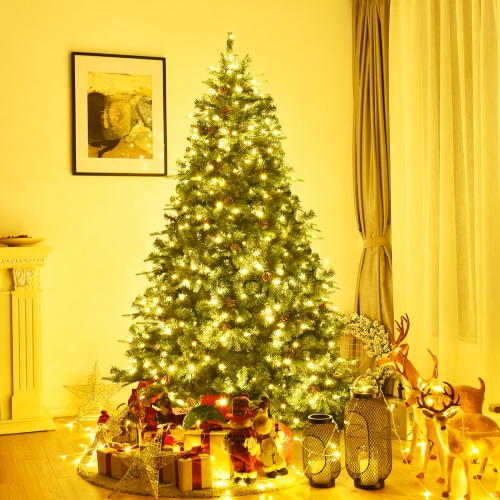
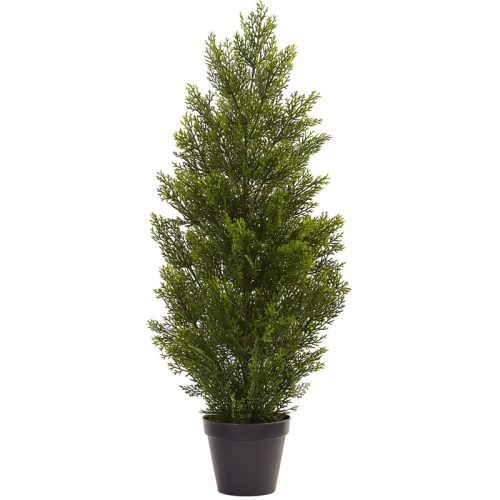
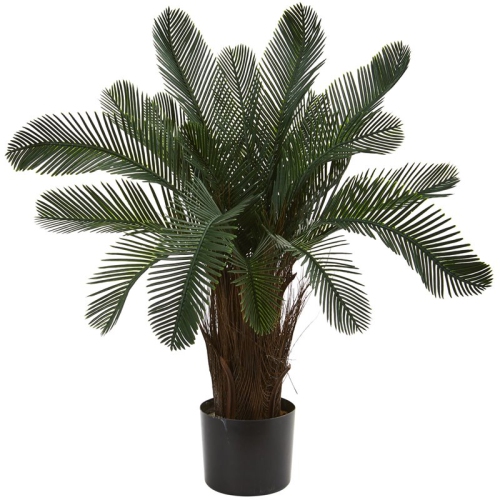
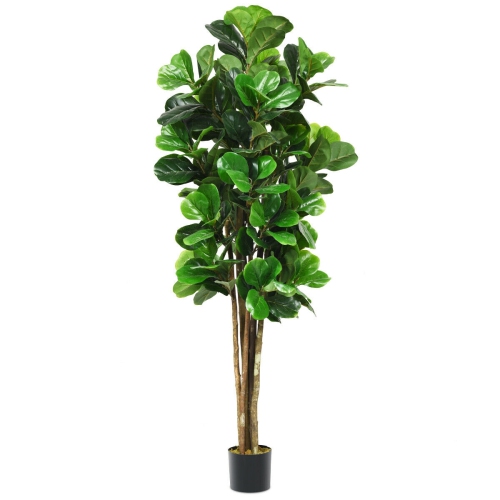
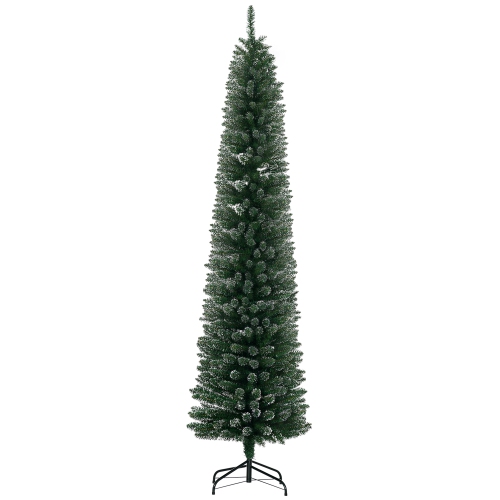
Indoor decorative trees bring height, texture, and a sense of greenery to living rooms, bedrooms, entryways, and workspaces. Their upright shape can soften the straight lines of a bookcase or media console, while a leafy canopy gives an otherwise empty corner a more finished appearance. The main distinction is between living trees, which need suitable light and regular plant care, and artificial trees, which provide a consistent look without watering or pruning. Both can serve as a room’s focal point, but their suitability depends on the space and how it is used. A live tree belongs where its growing requirements can be met; an artificial version offers more flexibility in a dim hallway, a basement family room, or an office away from windows. Different foliage styles also create noticeably different effects. Fiddle-leaf fig forms have broad, violin-shaped leaves that make a strong visual statement beside a simple sofa or low cabinet. Olive-style trees tend to have slender branches and muted grey-green foliage, giving them a lighter silhouette that works well with pale wood and linen textures. Ficus forms offer a fuller canopy for anchoring a spacious corner, while palm shapes introduce arching fronds and a relaxed, airy feel. Rubber tree forms bring larger, darker leaves into the mix, and evergreen shapes provide fine-textured foliage with a more traditional outline. These differences matter as much as height: a narrow trunk with widely spaced branches leaves more of the wall visible, whereas dense leaves create a stronger visual boundary. In an open-plan room, a leafy tree beside a reading chair can help define a sitting area without the solid barrier of a screen. In smaller rooms, a slim profile adds interest without crowding the furniture. For shared homes and offices, the most useful choice is often one that looks balanced from several angles rather than only when viewed straight on.
Size, construction, and the base all influence how comfortably an indoor tree fits into everyday life. Overall height usually includes the supplied pot, although measurement details should be checked, and canopy width can be just as important when placing a tree near a doorway or beside seating. A tree that fits neatly against a wall may still extend into a walking route once its branches are spread. Leaving room around the canopy helps prevent leaves from catching on coats, curtains, or cupboard doors, and keeps the arrangement from feeling squeezed into place. For artificial trees, foliage may be made from moulded plastic, fabric, or a combination of materials, with trunks formed from wood or synthetic components. Moulded leaves can offer defined veins and thickness, while fabric leaves may provide a softer appearance; neither material alone guarantees a convincing finish. Variation in leaf size, subtle colour changes, branch spacing, and trunk texture all contribute to realism. A slightly irregular silhouette often looks more natural than branches arranged in identical layers. Where branches are designed to be shaped, gentle adjustments can give the canopy depth, but fixed joints should not be forced. The planter has an equally practical role. A small weighted base may be intended to sit inside a larger outer container, while a finished pot may need no additional covering. Ceramic and concrete planters add visual weight, and woven baskets introduce texture, though the outer container still needs to hold the base securely. A tall canopy should have a stable footing, especially near children, pets, or busy passageways. For living trees, drainage remains essential even when the nursery pot is hidden inside another container. A waterproof liner or saucer can help protect flooring, but roots should not be left standing in collected water. Loose stones or other surface coverings also need care in homes where children or animals may reach them. A well-proportioned base makes the whole arrangement feel intentional rather than temporarily tucked into a corner.
Care and intended use help determine whether a living or artificial indoor tree will remain a good fit over time. Living trees vary considerably in their needs, so broad labels such as “indoor plant” do not replace species-specific care. Many popular tree-shaped houseplants prefer bright, indirect light, but watering frequency, humidity needs, and tolerance of lower light differ. A location beside a heating vent or a frequently opened exterior door can expose foliage to drying air or temperature changes, particularly during the cooler months. Allowing space for growth and access to the pot makes watering, checking soil moisture, and removing fallen leaves easier. Households with pets should verify the safety of the exact plant species rather than assuming that all indoor greenery is suitable. Artificial trees remove those growing requirements, but they still benefit from occasional attention. Dust can settle on broad leaves and collect where branches meet the trunk, dulling the finish. Gentle dusting with a soft cloth or brush is often appropriate, while damp cleaning should follow the care directions because fabrics, adhesives, and surface treatments respond differently to moisture. Prolonged direct sunlight may fade some artificial foliage, and indoor-only materials should not be treated as suitable for a balcony or exposed porch. For a home office, a restrained canopy can add texture behind a desk without obstructing a monitor or taking over a video-call background. In a bedroom, a compact tree beside a dresser may be more comfortable than wide fronds extending over a walkway. Indoor trees can also make thoughtful housewarming gifts when the recipient’s space, taste, and willingness to care for a living plant are known; an artificial option may better suit someone who travels frequently. Year-round foliage has a different purpose from a seasonal centrepiece, while Indoor Christmas Trees offer a distinct direction for festive arrangements. In either setting, the tree’s shape, the planter’s finish, and the surrounding furniture work together to create a balanced display, with enough open space for the room to remain comfortable and easy to use.
Size, construction, and the base all influence how comfortably an indoor tree fits into everyday life. Overall height usually includes the supplied pot, although measurement details should be checked, and canopy width can be just as important when placing a tree near a doorway or beside seating. A tree that fits neatly against a wall may still extend into a walking route once its branches are spread. Leaving room around the canopy helps prevent leaves from catching on coats, curtains, or cupboard doors, and keeps the arrangement from feeling squeezed into place. For artificial trees, foliage may be made from moulded plastic, fabric, or a combination of materials, with trunks formed from wood or synthetic components. Moulded leaves can offer defined veins and thickness, while fabric leaves may provide a softer appearance; neither material alone guarantees a convincing finish. Variation in leaf size, subtle colour changes, branch spacing, and trunk texture all contribute to realism. A slightly irregular silhouette often looks more natural than branches arranged in identical layers. Where branches are designed to be shaped, gentle adjustments can give the canopy depth, but fixed joints should not be forced. The planter has an equally practical role. A small weighted base may be intended to sit inside a larger outer container, while a finished pot may need no additional covering. Ceramic and concrete planters add visual weight, and woven baskets introduce texture, though the outer container still needs to hold the base securely. A tall canopy should have a stable footing, especially near children, pets, or busy passageways. For living trees, drainage remains essential even when the nursery pot is hidden inside another container. A waterproof liner or saucer can help protect flooring, but roots should not be left standing in collected water. Loose stones or other surface coverings also need care in homes where children or animals may reach them. A well-proportioned base makes the whole arrangement feel intentional rather than temporarily tucked into a corner.
Care and intended use help determine whether a living or artificial indoor tree will remain a good fit over time. Living trees vary considerably in their needs, so broad labels such as “indoor plant” do not replace species-specific care. Many popular tree-shaped houseplants prefer bright, indirect light, but watering frequency, humidity needs, and tolerance of lower light differ. A location beside a heating vent or a frequently opened exterior door can expose foliage to drying air or temperature changes, particularly during the cooler months. Allowing space for growth and access to the pot makes watering, checking soil moisture, and removing fallen leaves easier. Households with pets should verify the safety of the exact plant species rather than assuming that all indoor greenery is suitable. Artificial trees remove those growing requirements, but they still benefit from occasional attention. Dust can settle on broad leaves and collect where branches meet the trunk, dulling the finish. Gentle dusting with a soft cloth or brush is often appropriate, while damp cleaning should follow the care directions because fabrics, adhesives, and surface treatments respond differently to moisture. Prolonged direct sunlight may fade some artificial foliage, and indoor-only materials should not be treated as suitable for a balcony or exposed porch. For a home office, a restrained canopy can add texture behind a desk without obstructing a monitor or taking over a video-call background. In a bedroom, a compact tree beside a dresser may be more comfortable than wide fronds extending over a walkway. Indoor trees can also make thoughtful housewarming gifts when the recipient’s space, taste, and willingness to care for a living plant are known; an artificial option may better suit someone who travels frequently. Year-round foliage has a different purpose from a seasonal centrepiece, while Indoor Christmas Trees offer a distinct direction for festive arrangements. In either setting, the tree’s shape, the planter’s finish, and the surrounding furniture work together to create a balanced display, with enough open space for the room to remain comfortable and easy to use.
Top selling and popular products
-
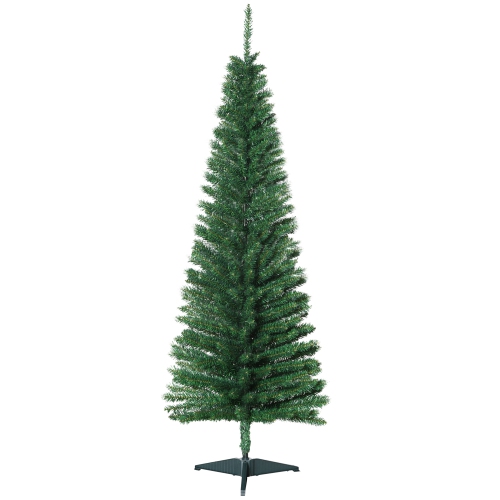 Your price for this item is $49.99
 -
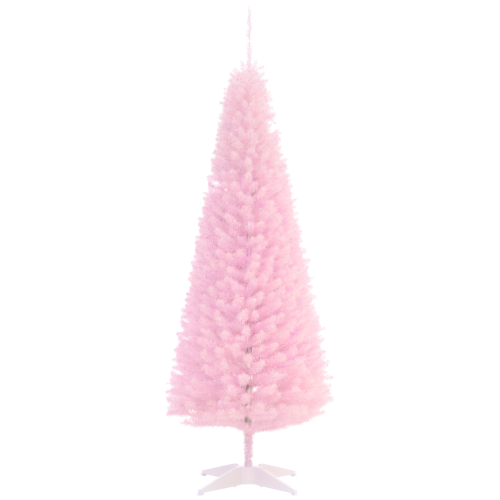 Your price for this item is $44.99
 -
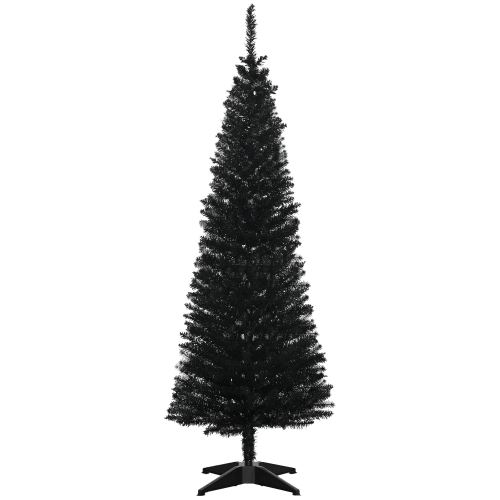 Your price for this item is $54.99
 -
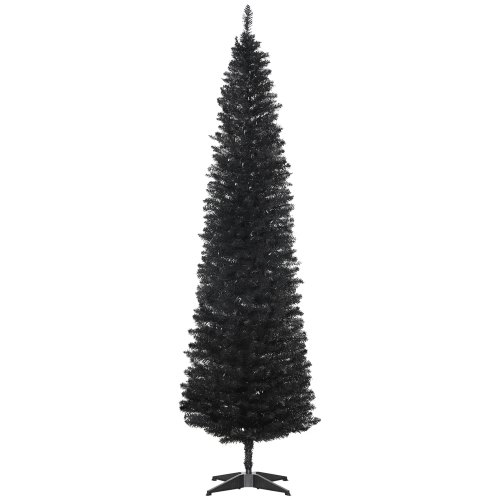 Your price for this item is $79
 -
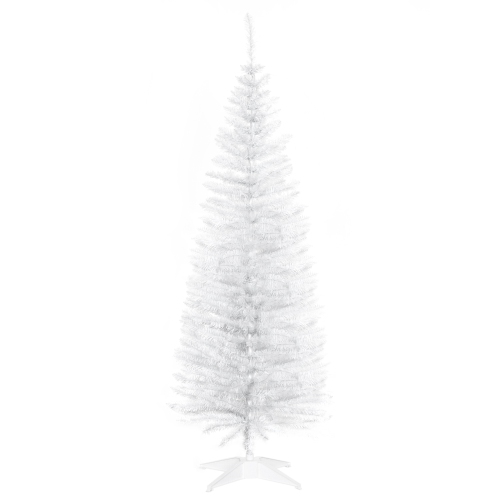 Your price for this item is $49.99
 -
 Your price for this item is $137.99
 -
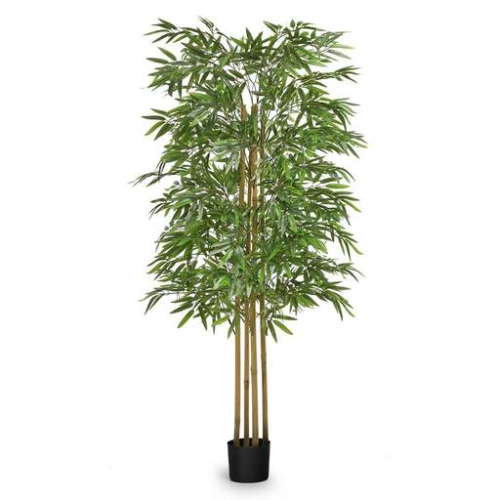 Your price for this item is $135.99
 -
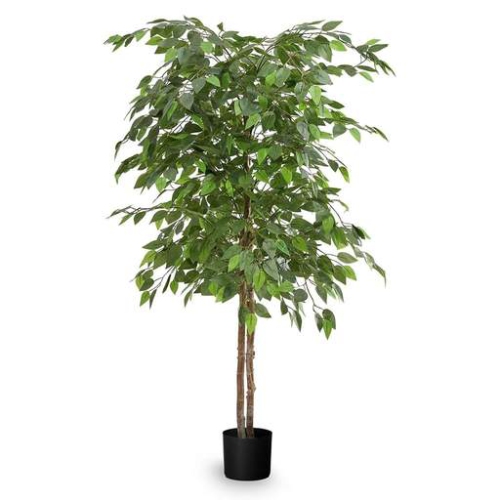 Your price for this item is $114.99
Discover more categories related to Indoor Decorative Trees
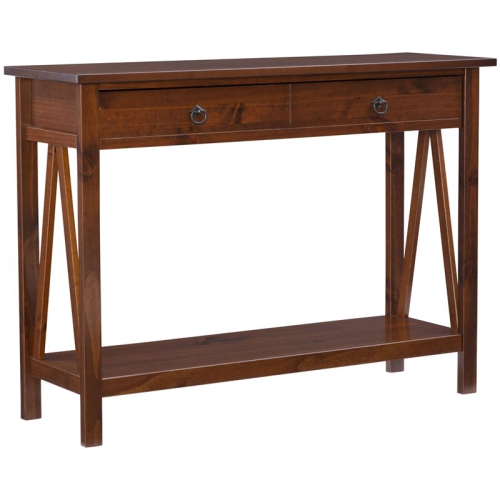
Top Collections:
Pokemon Centers, Kindle Devices, Best Budget Office Chairs, Apple iPhones 16, Best Laptops for Writers, iPhone 15 Apple, Canon G7X Cameras, Refurbished Apple Laptops, Alarm Clock, Motorola Razr Phones
Some products may be subject to Environmental Handling Fees
(EHF) depending on your province.
Learn more about EHFs.