Indoor Hanging Chairs
Create a cozy and stylish retreat within your home with our collection of indoor hanging chairs. Perfect for adding a touch of relaxation and elegance to any space, these suspended seats offer a unique and comfortable seating option that is sure to become a favorite spot for lounging, reading, or simply unwinding after a long day. Whether you're looking to create a cozy nook in your living room, bedroom, or even on your patio, our indoor hanging chairs come in a variety of styles and materials to suit your personal taste and complement any decor. Embrace the ultimate in comfort and style with our range of indoor hanging chairs that are designed to elevate your relaxation experience.
Sort






Why suspended seating feels different from an armchair
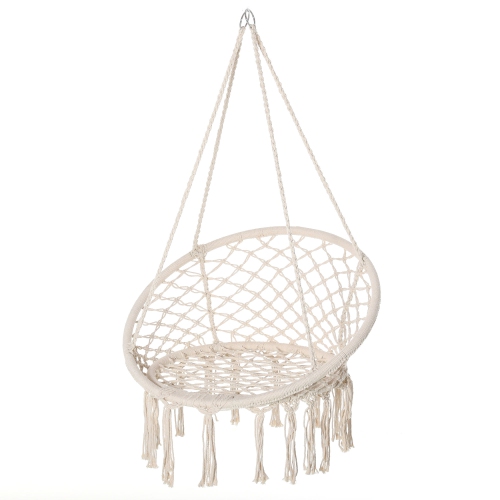
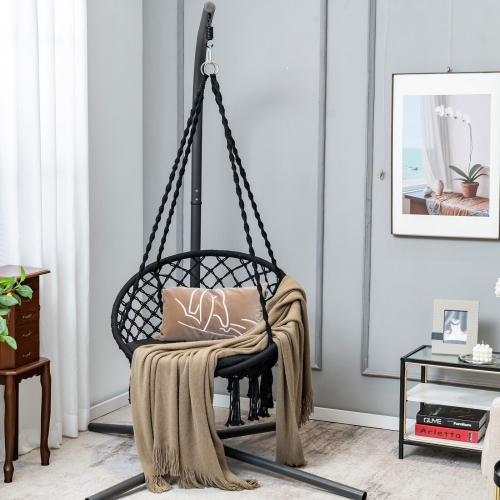
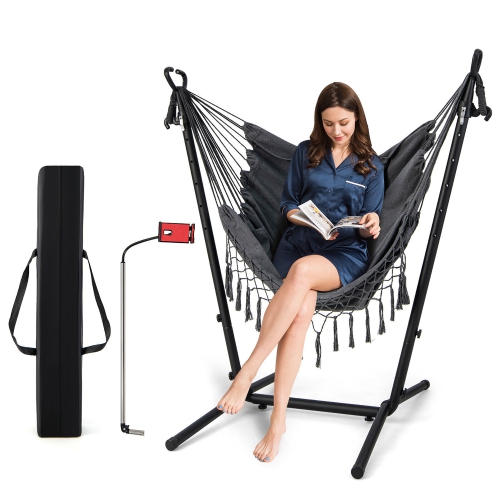
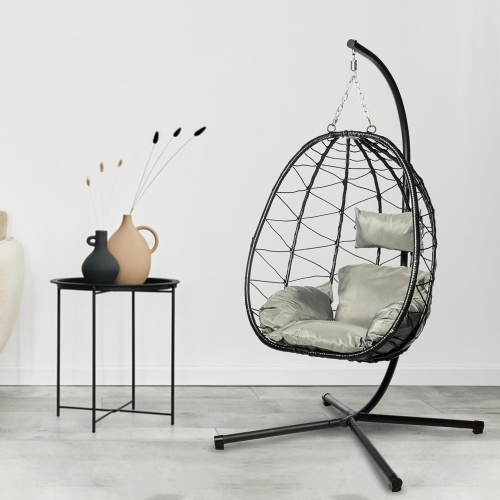
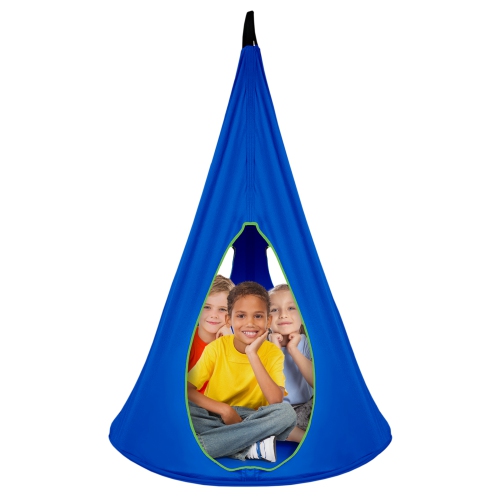
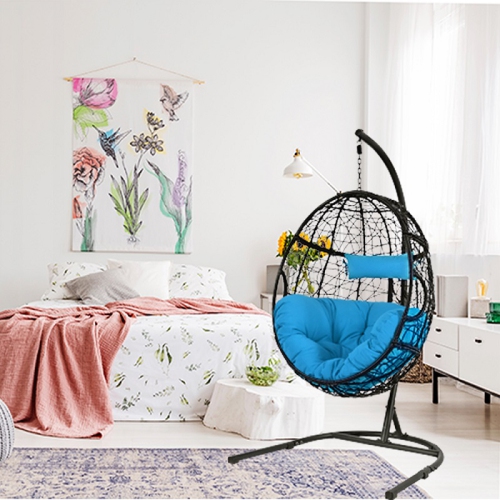
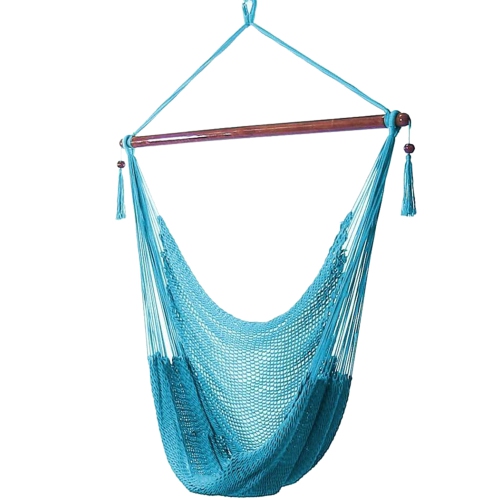
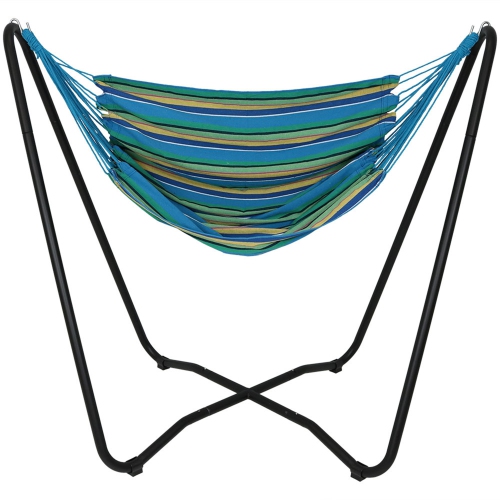
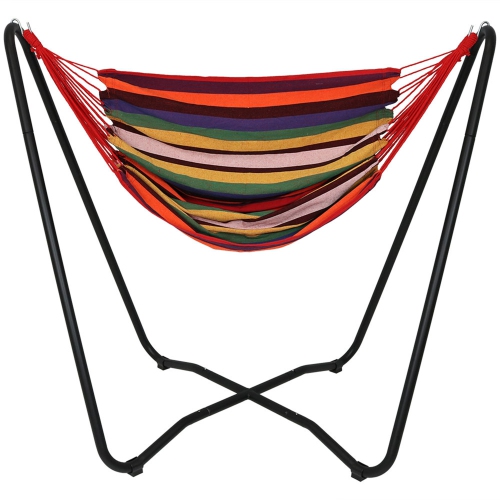
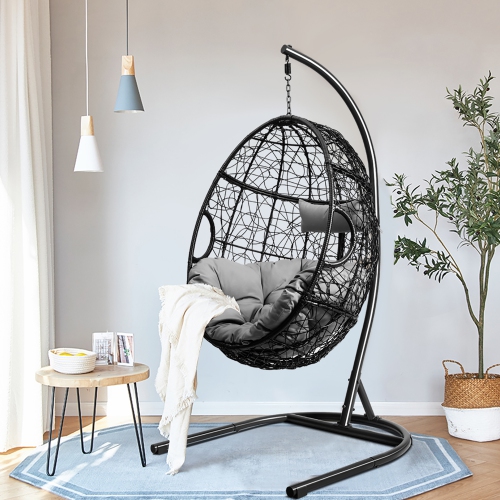
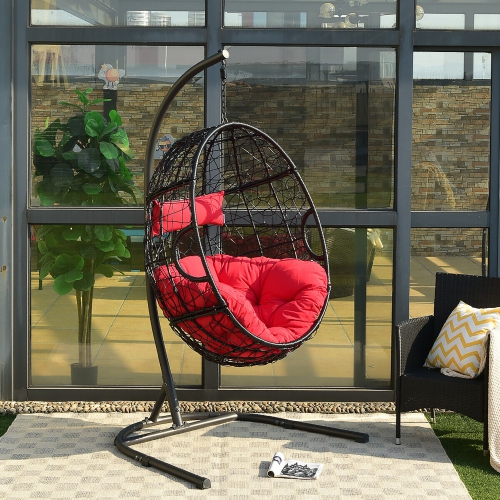
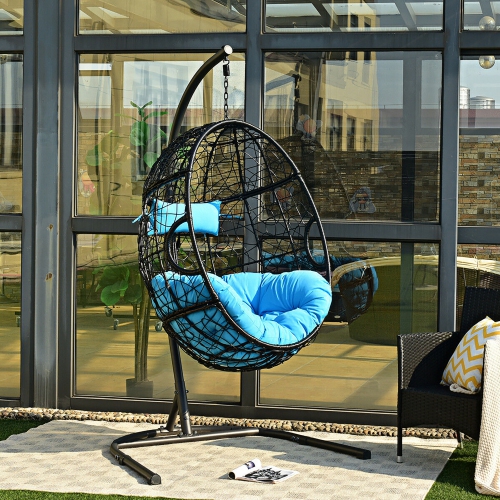
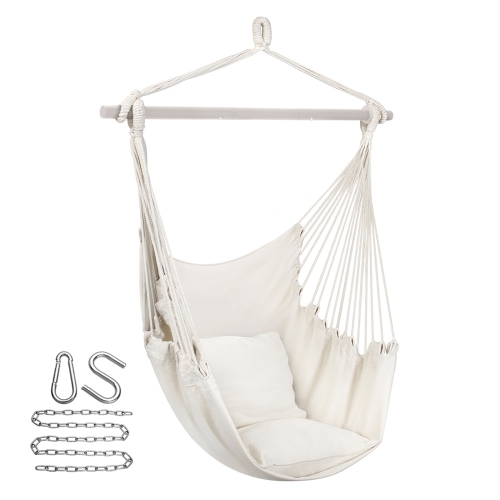
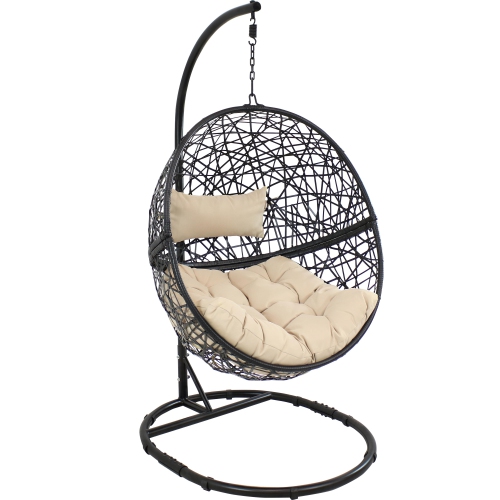
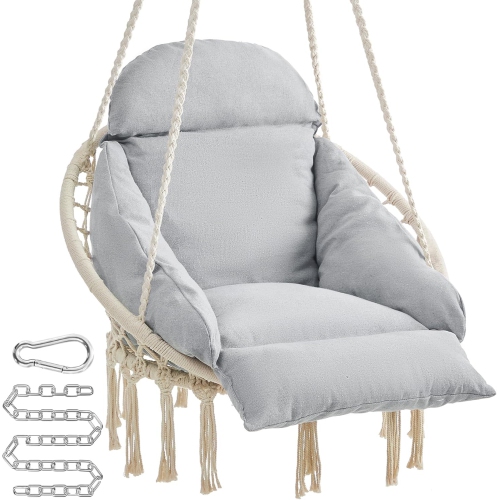
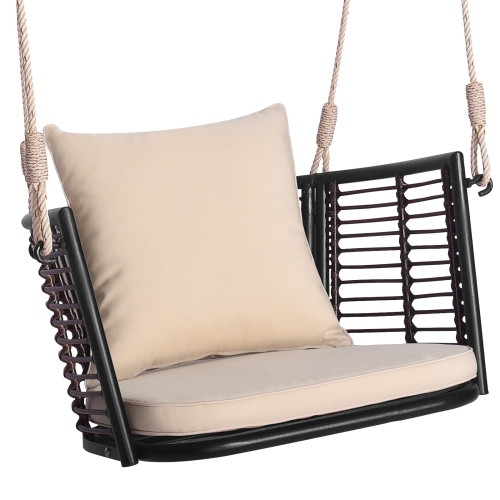
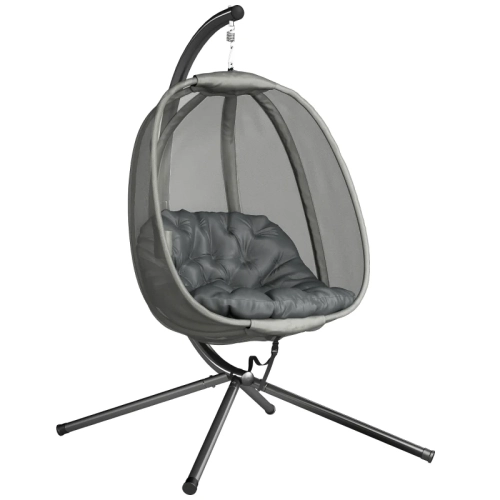
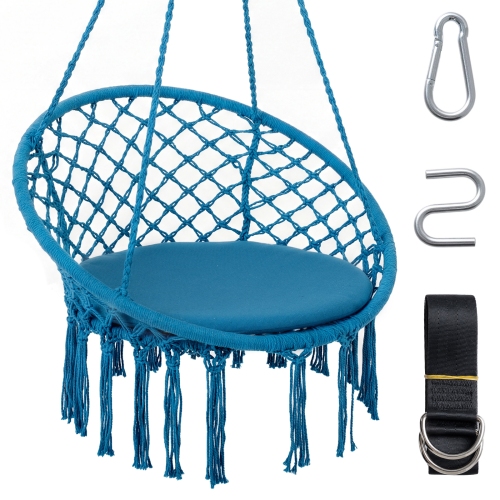
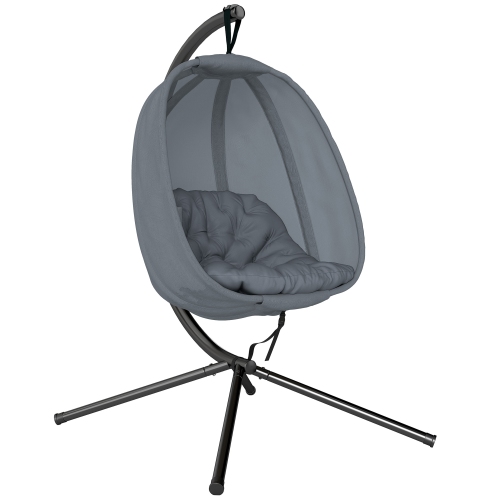
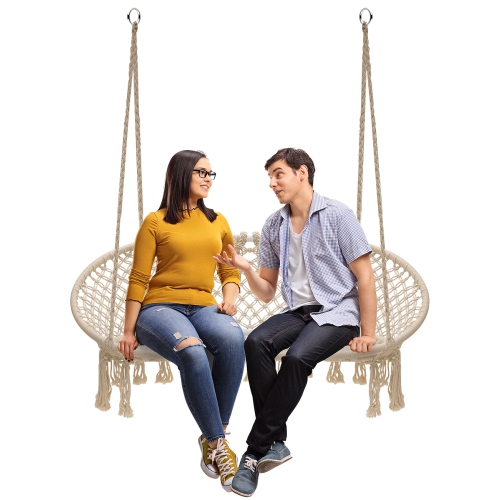
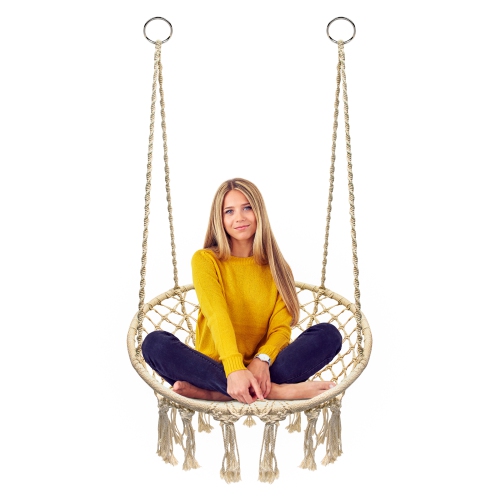
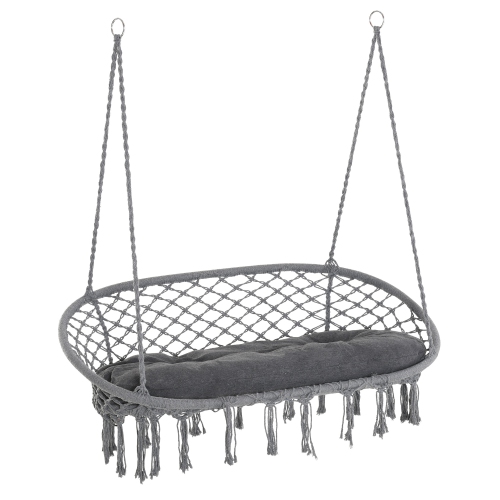
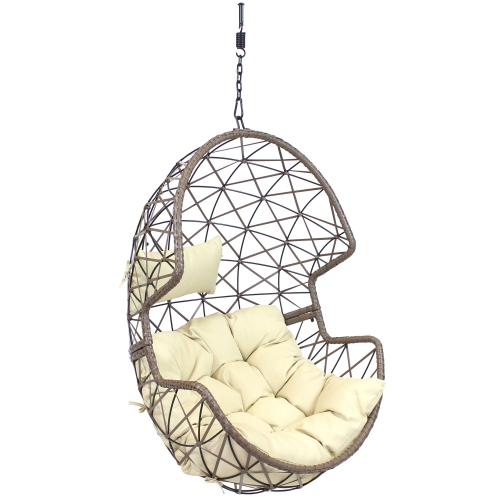
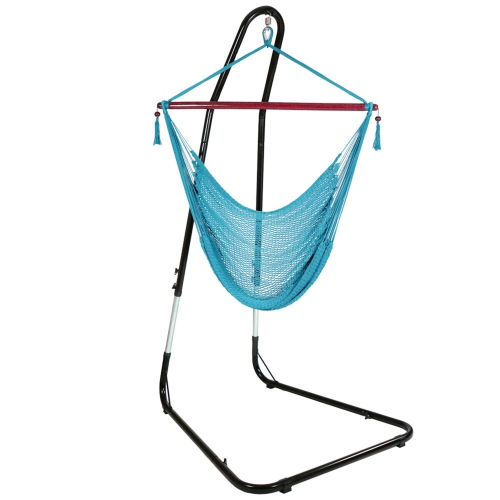
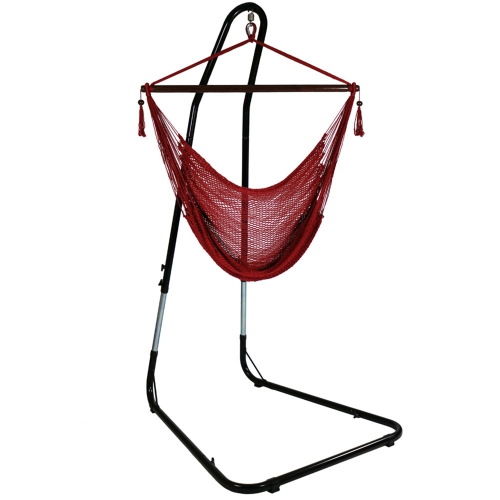
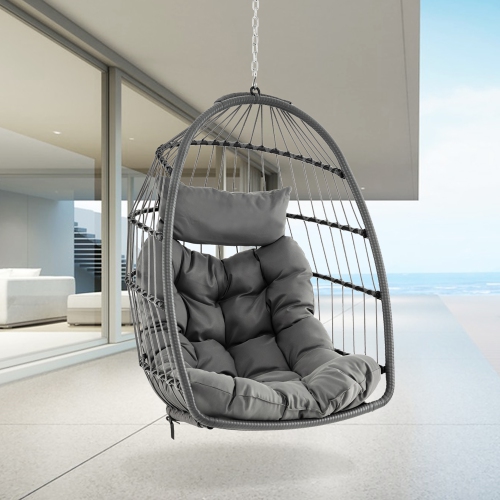
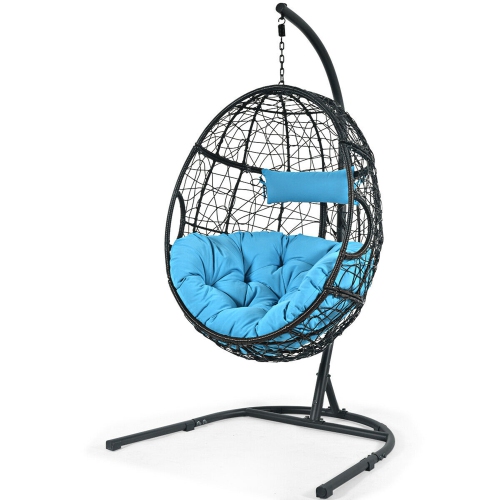
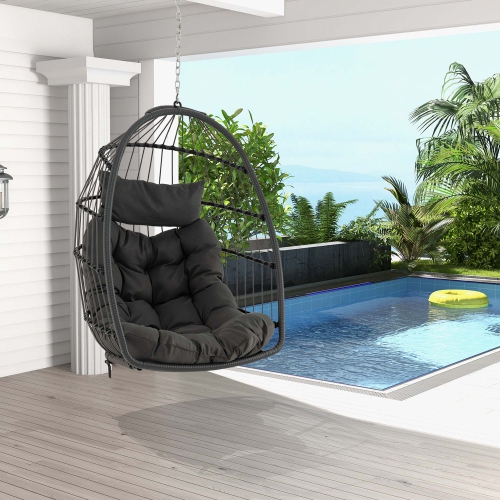
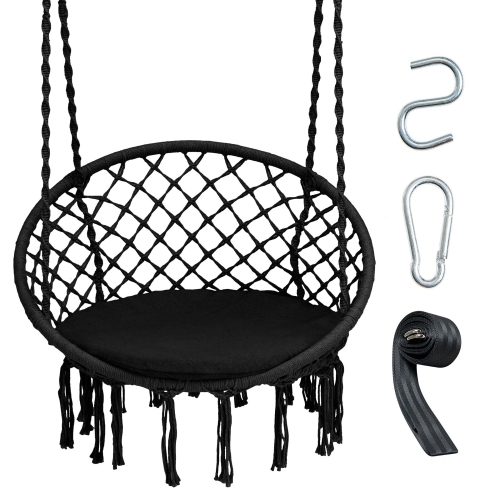
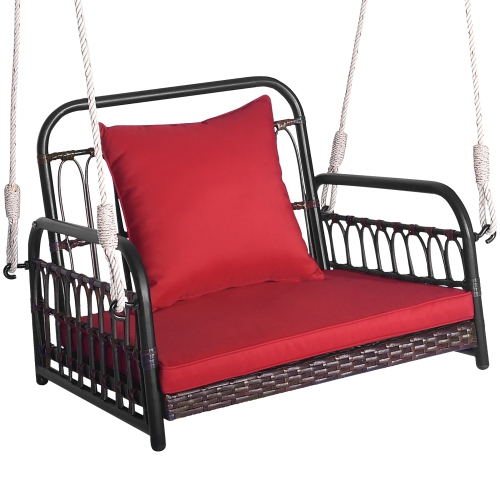
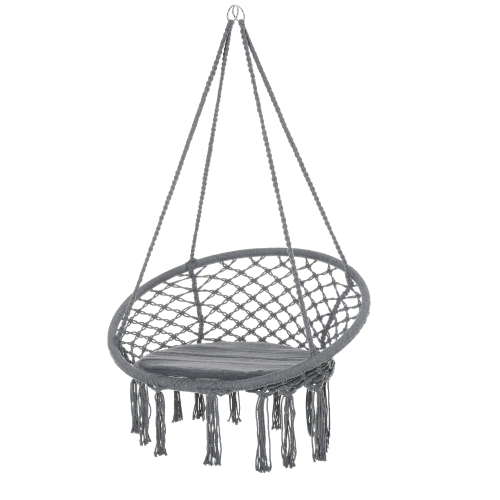
Indoor hanging chairs offer suspended seating for reading, listening to music, or taking a quiet break, with styles ranging from soft fabric hammocks to structured, egg-shaped seats. Unlike a conventional armchair, a hanging chair is supported from above by a suitable ceiling attachment or a compatible freestanding frame, allowing gentle movement within the limits of its design. That distinction affects both the feel of the seat and the space it needs. A cotton hammock chair typically settles around the body, creating a relaxed place to lean back with a book, while a framed basket chair holds a more defined shape and often pairs with a fitted cushion. Macramé styles bring knotted rope, open patterns, and sometimes fringe into the room; woven egg chairs have a more enclosed profile that can make a reading corner feel separate from the rest of an open living area. Wicker describes a weaving technique rather than a single material, so a woven chair may use natural rattan, synthetic fibres, or another material over a supporting frame. Natural rattan offers visible texture and variation, while synthetic wicker can provide a similar woven appearance with different care requirements. Fabric seats may be cotton, polyester, or a blend, each with its own feel and cleaning needs. These choices suit different routines: an upright basket seat may work well for someone who likes to read with their feet resting on the floor, whereas a deeper hammock-style seat may appeal to someone who prefers a more reclined position. Indoor hanging chairs can complement a living room, bedroom, den, or dedicated reading nook without serving as a replacement for every type of seating. Their movement and often low, deep seats make them better suited to casual relaxation than desk work or dining. Within the broader category of Hanging Swing Chairs, indoor designs place particular importance on room clearance, suitable support, and comfortable proportions for everyday use.
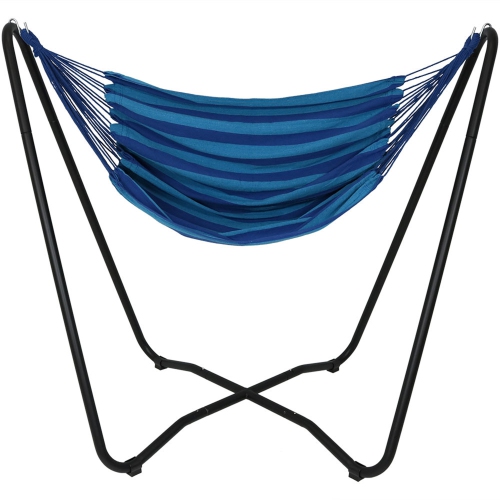
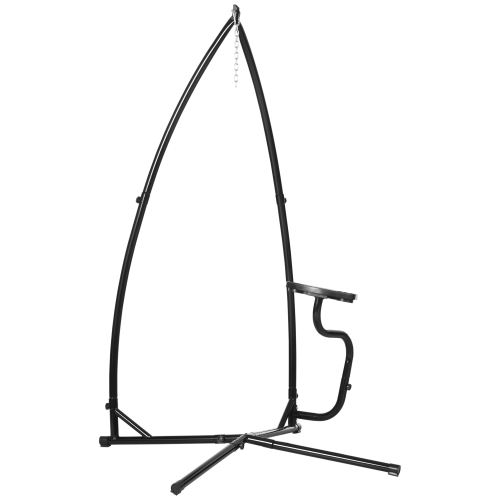
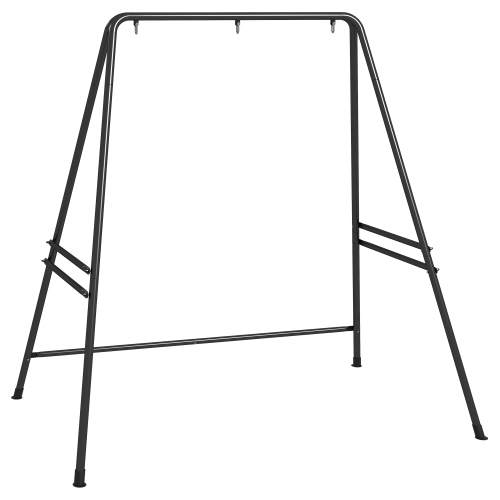
The choice between a ceiling-hung chair and a hanging chair with a stand is as much about the room as it is about appearance. A ceiling-hung design leaves the floor free of a supporting base, but it requires a structural attachment that is appropriate for both the building and the chair. Ceiling finishes, including drywall alone, are not suitable load-bearing supports. The chair, suspension components, mounting hardware, and structural attachment must work together as a rated system, installed according to the manufacturer’s instructions. Movement adds forces beyond a person’s resting weight, so a stated chair capacity does not establish that a ceiling or mounting point can safely support it. A qualified professional can assess the structure and installation requirements, particularly where the ceiling construction is unknown. In a rental home or condominium, permission and building rules may also affect whether ceiling mounting is an option. A freestanding hanging chair avoids a ceiling attachment and can be useful where structural alterations are not practical, although its base may occupy substantially more floor space than the seat suggests. A compatible stand needs a level, stable surface and enough clearance for the chair’s permitted movement without contact with the upright frame. Overall height, base width, seat dimensions, and required clearance all matter when assessing fit. A chair that looks compact in a photograph may have a broad circular base or a curved support that extends behind the basket. In a bedroom corner, that can affect access to a wardrobe; beside a sofa, it can narrow a walking route. There should also be room to sit down and stand up without stepping over the frame or brushing against nearby furniture. Windows, shelves, lamps, and sharp furniture edges need to remain outside the chair’s movement area. Weight limits vary by model and apply alongside any restrictions on the number of occupants and intended use. A spacious-looking seat should not be assumed to accommodate two people, and gentle suspended seating should not be treated as playground equipment.
Comfort depends on details that are easy to overlook when focusing on the shape of an indoor hanging chair. Seat depth, back height, the angle of recline, and cushion placement determine whether the chair supports an afternoon of reading or feels awkward after a short sit. A tall basket may offer support around the shoulders, but its curve still needs to suit the person using it. Softer fabric seats can feel enveloping, while a more defined seat shape may make it easier to shift position. Sitting height matters as well: being able to place feet securely on the floor can help with getting in and out and controlling gentle movement. For anyone with balance concerns or difficulty rising from low seating, a stationary chair may be a more practical choice. Cushions add softness between the body and a woven or metal frame, and their filling affects whether the seat feels plush or firm. Removable, washable covers can be convenient in a frequently used reading nook, but washing and drying instructions vary; some fabrics and cushion inserts require spot cleaning instead. Open weaves and rope knots can collect dust, making regular gentle cleaning useful, while spills are best handled promptly using methods approved for the material. Natural fibres should be allowed to dry thoroughly after any permitted cleaning, and prolonged direct sunlight can fade fabrics or affect some finishes. Durability also depends on the less visible parts of the chair: frame joints, suspension loops, connectors, and the attachment points that carry the load. Regular checks for fraying, loose fittings, cracks, corrosion, or changes in how the chair hangs help identify wear before further use. Replacement cushions, covers, or suspension parts must be suitable for the design rather than chosen on appearance alone. For a reader, a music lover, or someone furnishing a quiet corner in a new home, a hanging chair can be a thoughtful gift when the recipient’s space, comfort preferences, and installation requirements are already understood. The strongest fit is a chair that feels comfortable, leaves the room easy to move through, and suits the way that corner will actually be used.
The choice between a ceiling-hung chair and a hanging chair with a stand is as much about the room as it is about appearance. A ceiling-hung design leaves the floor free of a supporting base, but it requires a structural attachment that is appropriate for both the building and the chair. Ceiling finishes, including drywall alone, are not suitable load-bearing supports. The chair, suspension components, mounting hardware, and structural attachment must work together as a rated system, installed according to the manufacturer’s instructions. Movement adds forces beyond a person’s resting weight, so a stated chair capacity does not establish that a ceiling or mounting point can safely support it. A qualified professional can assess the structure and installation requirements, particularly where the ceiling construction is unknown. In a rental home or condominium, permission and building rules may also affect whether ceiling mounting is an option. A freestanding hanging chair avoids a ceiling attachment and can be useful where structural alterations are not practical, although its base may occupy substantially more floor space than the seat suggests. A compatible stand needs a level, stable surface and enough clearance for the chair’s permitted movement without contact with the upright frame. Overall height, base width, seat dimensions, and required clearance all matter when assessing fit. A chair that looks compact in a photograph may have a broad circular base or a curved support that extends behind the basket. In a bedroom corner, that can affect access to a wardrobe; beside a sofa, it can narrow a walking route. There should also be room to sit down and stand up without stepping over the frame or brushing against nearby furniture. Windows, shelves, lamps, and sharp furniture edges need to remain outside the chair’s movement area. Weight limits vary by model and apply alongside any restrictions on the number of occupants and intended use. A spacious-looking seat should not be assumed to accommodate two people, and gentle suspended seating should not be treated as playground equipment.
Comfort depends on details that are easy to overlook when focusing on the shape of an indoor hanging chair. Seat depth, back height, the angle of recline, and cushion placement determine whether the chair supports an afternoon of reading or feels awkward after a short sit. A tall basket may offer support around the shoulders, but its curve still needs to suit the person using it. Softer fabric seats can feel enveloping, while a more defined seat shape may make it easier to shift position. Sitting height matters as well: being able to place feet securely on the floor can help with getting in and out and controlling gentle movement. For anyone with balance concerns or difficulty rising from low seating, a stationary chair may be a more practical choice. Cushions add softness between the body and a woven or metal frame, and their filling affects whether the seat feels plush or firm. Removable, washable covers can be convenient in a frequently used reading nook, but washing and drying instructions vary; some fabrics and cushion inserts require spot cleaning instead. Open weaves and rope knots can collect dust, making regular gentle cleaning useful, while spills are best handled promptly using methods approved for the material. Natural fibres should be allowed to dry thoroughly after any permitted cleaning, and prolonged direct sunlight can fade fabrics or affect some finishes. Durability also depends on the less visible parts of the chair: frame joints, suspension loops, connectors, and the attachment points that carry the load. Regular checks for fraying, loose fittings, cracks, corrosion, or changes in how the chair hangs help identify wear before further use. Replacement cushions, covers, or suspension parts must be suitable for the design rather than chosen on appearance alone. For a reader, a music lover, or someone furnishing a quiet corner in a new home, a hanging chair can be a thoughtful gift when the recipient’s space, comfort preferences, and installation requirements are already understood. The strongest fit is a chair that feels comfortable, leaves the room easy to move through, and suits the way that corner will actually be used.
Top selling and popular products
-
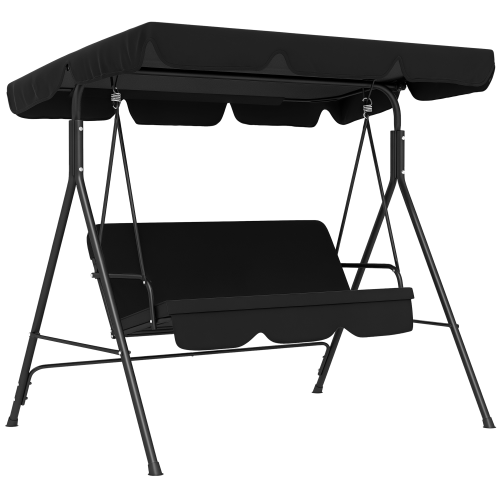 Your price for this item is $133
 -
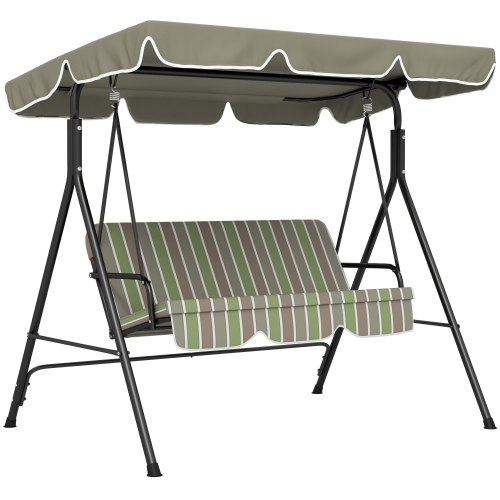 Your price for this item is $154.99
 -
 Your price for this item is $149.99
 -
 Your price for this item is $182.55
 -
 Your price for this item is $182.55
 -
 Your price for this item is $182.55
 -
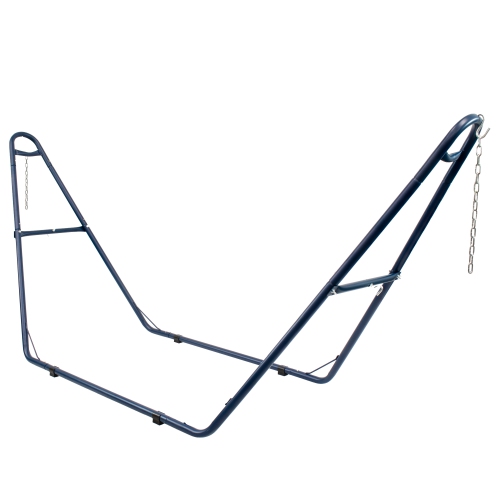 Your price for this item is $182.55
 -
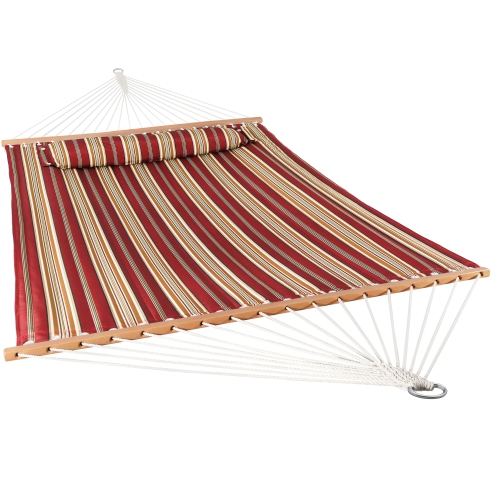 Your price for this item is $139.65
Discover more categories related to Indoor Hanging Chairs
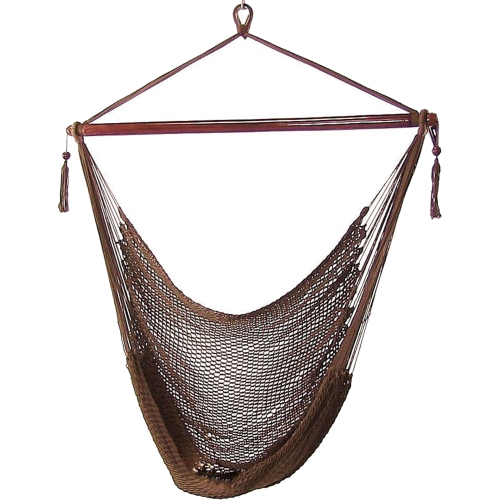
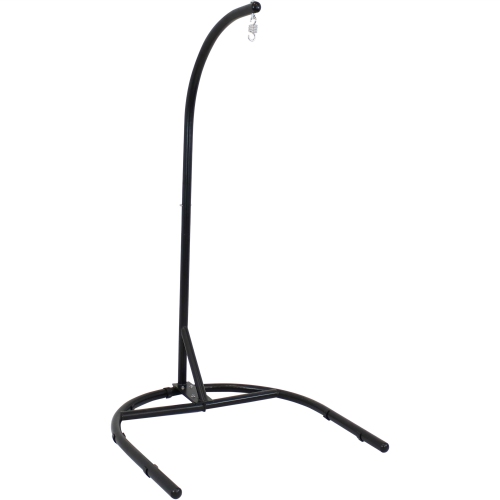
Top Collections:
Pokemon Centers, Kindle Devices, Best Budget Office Chairs, Apple iPhones 16, Best Laptops for Writers, iPhone 15 Apple, Canon G7X Cameras, Refurbished Apple Laptops, Alarm Clock, Motorola Razr Phones
Some products may be subject to Environmental Handling Fees
(EHF) depending on your province.
Learn more about EHFs.