Industrial Casters
Looking for reliable and durable industrial casters to enhance the mobility of your heavy equipment or machinery? Look no further! At Best Buy, we understand the importance of having quality casters that can withstand the demands of industrial environments. Whether you need casters for your manufacturing facility, warehouse, or any other industrial setting, we have a wide range of options to suit your specific needs. From swivel casters to rigid casters, our selection offers exceptional strength, smooth maneuverability, and long-lasting performance. Shop our collection of industrial casters today and take your productivity to new heights!
Sort
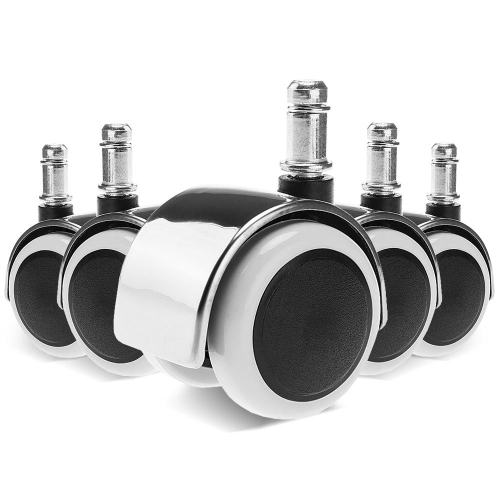
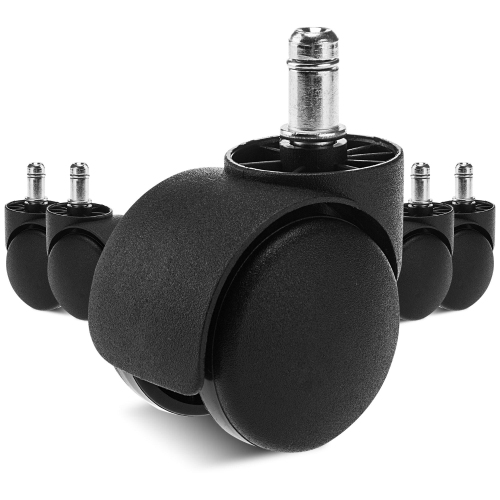
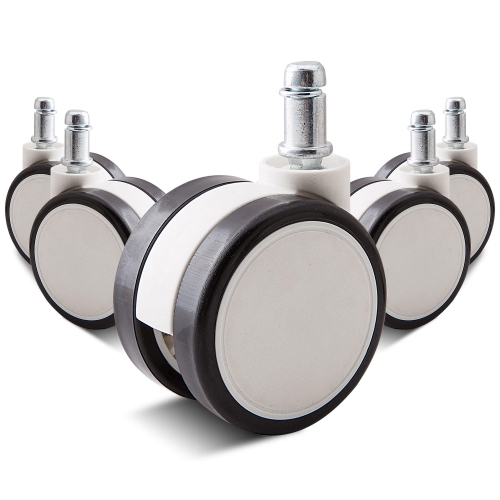

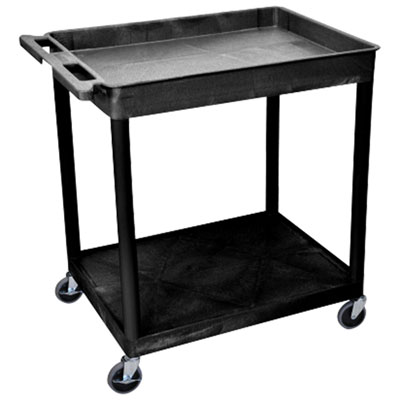
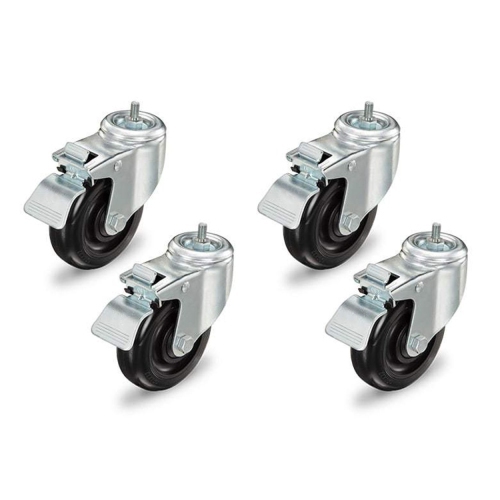
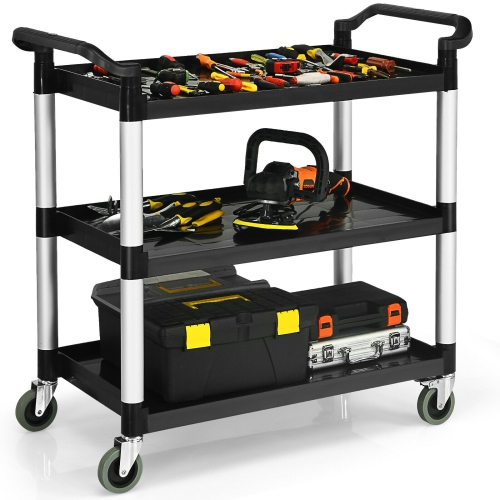
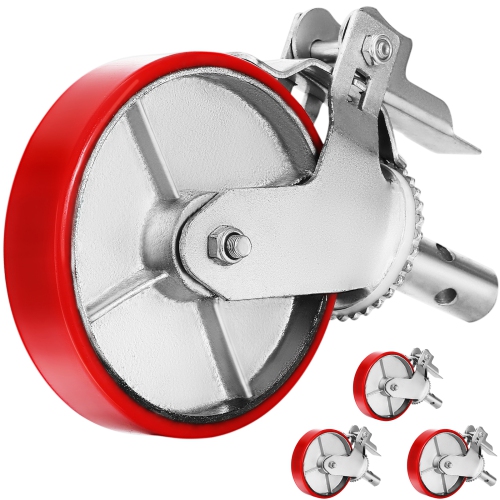
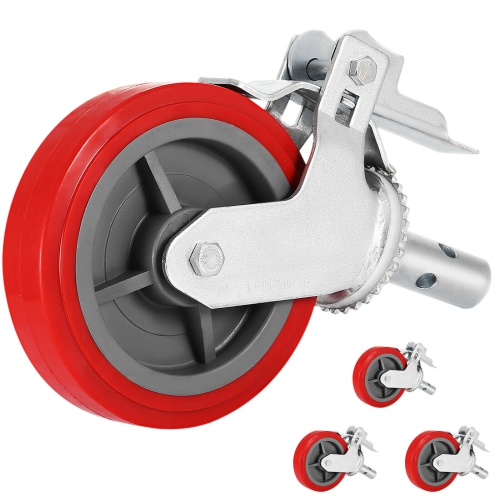
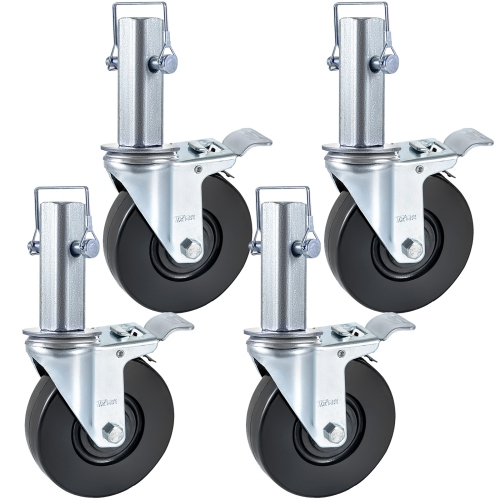
Greater control for moving heavy equipment with confidence
Industrial casters are designed to help move heavy equipment, storage units, worktables, carts, and other large items with less effort and greater control. They are commonly used in workshops, warehouses, garages, retail spaces, offices, restaurants, studios, healthcare environments, and light manufacturing areas where equipment needs to be repositioned regularly. A well-chosen set of casters can make a sturdy cabinet easier to access, allow a workbench to be moved aside when floor space is needed, or help a loaded utility cart travel smoothly between work areas. They can also be useful for home projects, especially in basements, hobby rooms, garages, and home workshops where tools and equipment may need to be shifted as projects change. When exploring industrial casters, consider the total weight they will support, including the contents of the equipment, rather than only the weight of the empty item. Divide that combined weight across the number of casters being installed, then allow additional capacity for uneven floors, sudden stops, thresholds, and the natural movement that occurs when a cart is pushed or pulled. A caster rated for a higher load may provide a more confident, stable experience, particularly for tall shelving, tool storage, machinery, or frequently used carts. It is also important to check mounting dimensions and the available clearance beneath the item. Plate-mounted and stem-mounted designs attach in different ways, so matching the caster to the existing mounting points can make installation much more straightforward. Measure the mounting area carefully, including bolt spacing, stem size, and the height added by the caster, to help ensure doors, drawers, shelves, or nearby surfaces still operate properly after installation.
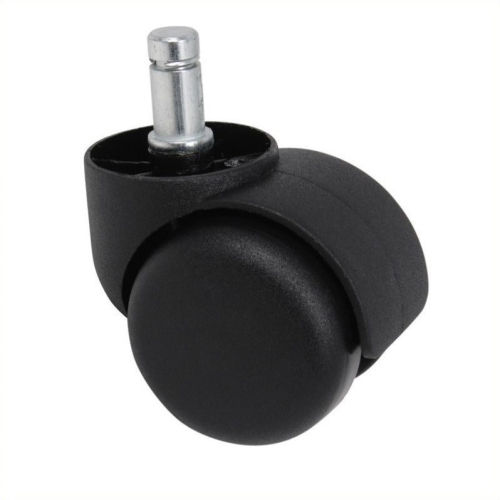
The wheel material and construction have a direct effect on how industrial casters perform in different spaces. Harder wheels can roll efficiently across smooth concrete, sealed floors, and other firm surfaces, while softer wheels may offer quieter movement and help reduce vibration when crossing indoor flooring. If a cart will travel over seams, small thresholds, or slightly uneven workshop floors, a larger wheel diameter can make those transitions easier to manage. Swivel casters rotate in multiple directions and are useful when manoeuvrability is a priority, while rigid casters travel in a straight line and can provide steadier tracking for longer loads. Many rolling units use a combination of both, giving the user a balance of directional control and easy turning. Locking features can add another layer of practicality: a wheel lock can help keep a cart from rolling, while a total-lock design may secure both the wheel and the swivel movement when a more stationary setup is needed. Think about how often the item will be moved, how much precision is required, and whether it will be used by one person or shared among a team. In a busy workshop, quiet rolling and reliable brakes can make daily tasks feel more orderly. In a storage room, swivel movement may be helpful when equipment needs to be guided around shelves or narrow corners. For a mobile work surface, a lower-profile caster can help maintain a comfortable working height, while a heavy-duty option may be better suited to loaded cabinets or machinery. Those looking to compare options for lighter-duty household projects can also browse Wheel Casters for additional choices.
Before choosing industrial casters, consider the environment where they will be installed and the conditions they will encounter throughout the year. Indoor use on clean, dry floors calls for different characteristics than use in a loading area, garage, commercial kitchen, or workshop where dust, moisture, spills, and debris may be present. Check whether the caster components are suited to the expected surroundings and whether the wheel can maintain dependable contact with the floor. Floor protection is another practical consideration: a wheel that is too hard for a delicate surface may leave marks, while a wheel that is too soft for a heavy load may wear more quickly or become difficult to roll. Installation is usually easier when the equipment is emptied first and supported securely, with all mounting hardware tightened evenly. After installation, test the item on a clear surface before returning it to regular service. Push it slowly in several directions, engage the brakes, and confirm that the load remains balanced and that no part of the caster contacts the frame. For taller storage units or top-heavy equipment, keep heavier contents low and avoid overloading shelves, since added mobility does not remove the need for careful weight distribution. Industrial casters can be a practical addition for tradespeople, maintenance teams, warehouse staff, makers, small-business owners, and anyone who regularly rearranges substantial equipment. They may also be a thoughtful gift for someone setting up a workshop or upgrading a garage, particularly when the recipient values tools and accessories that make everyday tasks more efficient. During the cooler months, when indoor work areas often become the centre of home projects and repairs, dependable casters can make it easier to clear space, bring equipment within reach, and keep a busy work area organized.
The wheel material and construction have a direct effect on how industrial casters perform in different spaces. Harder wheels can roll efficiently across smooth concrete, sealed floors, and other firm surfaces, while softer wheels may offer quieter movement and help reduce vibration when crossing indoor flooring. If a cart will travel over seams, small thresholds, or slightly uneven workshop floors, a larger wheel diameter can make those transitions easier to manage. Swivel casters rotate in multiple directions and are useful when manoeuvrability is a priority, while rigid casters travel in a straight line and can provide steadier tracking for longer loads. Many rolling units use a combination of both, giving the user a balance of directional control and easy turning. Locking features can add another layer of practicality: a wheel lock can help keep a cart from rolling, while a total-lock design may secure both the wheel and the swivel movement when a more stationary setup is needed. Think about how often the item will be moved, how much precision is required, and whether it will be used by one person or shared among a team. In a busy workshop, quiet rolling and reliable brakes can make daily tasks feel more orderly. In a storage room, swivel movement may be helpful when equipment needs to be guided around shelves or narrow corners. For a mobile work surface, a lower-profile caster can help maintain a comfortable working height, while a heavy-duty option may be better suited to loaded cabinets or machinery. Those looking to compare options for lighter-duty household projects can also browse Wheel Casters for additional choices.
Before choosing industrial casters, consider the environment where they will be installed and the conditions they will encounter throughout the year. Indoor use on clean, dry floors calls for different characteristics than use in a loading area, garage, commercial kitchen, or workshop where dust, moisture, spills, and debris may be present. Check whether the caster components are suited to the expected surroundings and whether the wheel can maintain dependable contact with the floor. Floor protection is another practical consideration: a wheel that is too hard for a delicate surface may leave marks, while a wheel that is too soft for a heavy load may wear more quickly or become difficult to roll. Installation is usually easier when the equipment is emptied first and supported securely, with all mounting hardware tightened evenly. After installation, test the item on a clear surface before returning it to regular service. Push it slowly in several directions, engage the brakes, and confirm that the load remains balanced and that no part of the caster contacts the frame. For taller storage units or top-heavy equipment, keep heavier contents low and avoid overloading shelves, since added mobility does not remove the need for careful weight distribution. Industrial casters can be a practical addition for tradespeople, maintenance teams, warehouse staff, makers, small-business owners, and anyone who regularly rearranges substantial equipment. They may also be a thoughtful gift for someone setting up a workshop or upgrading a garage, particularly when the recipient values tools and accessories that make everyday tasks more efficient. During the cooler months, when indoor work areas often become the centre of home projects and repairs, dependable casters can make it easier to clear space, bring equipment within reach, and keep a busy work area organized.
Top selling and popular products
-
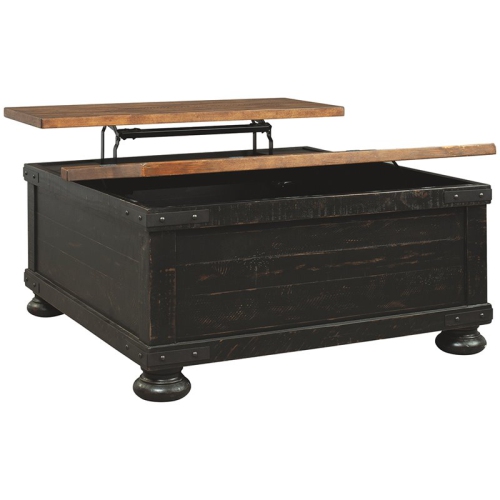 Your price for this item is $916.67
 -
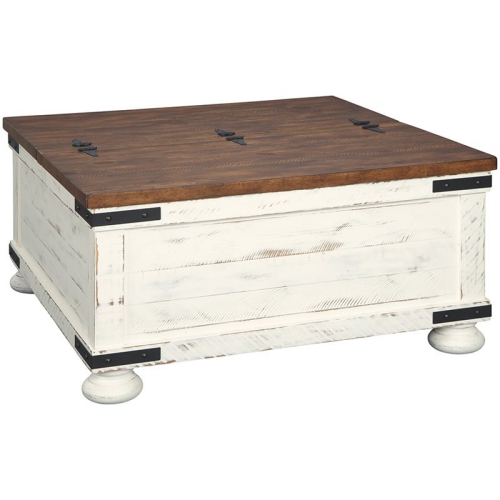 Your price for this item is $896.63
 -
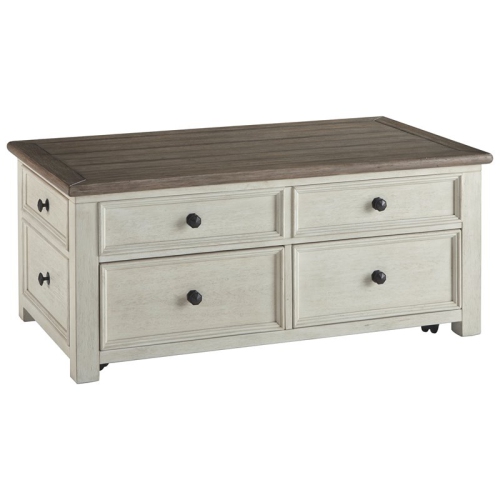 Your price for this item is $949
 -
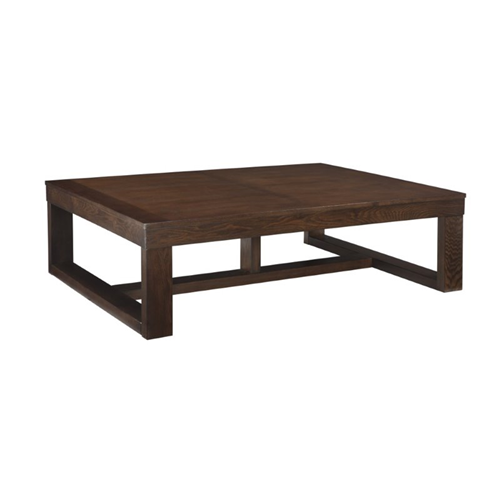 Your price for this item is $449
 -
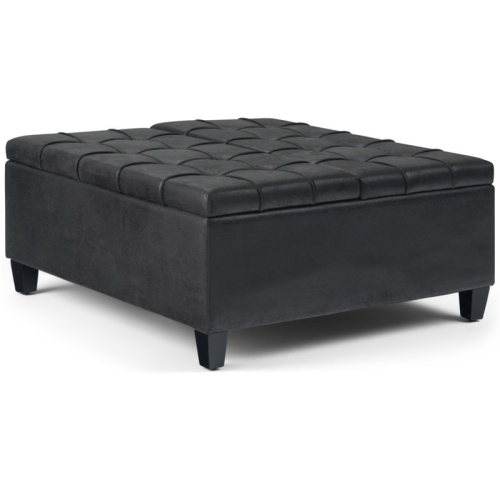 Your price for this item is $854.71
 -
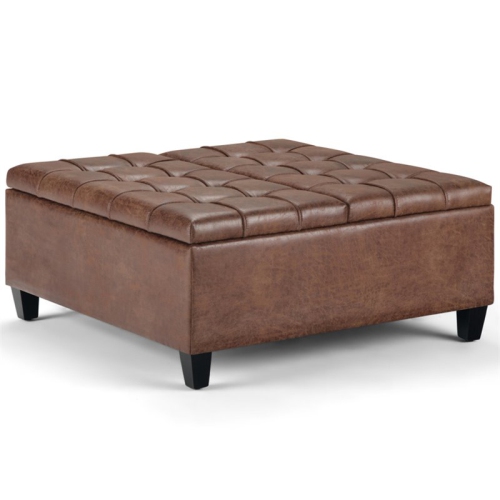 Your price for this item is $952.3
 -
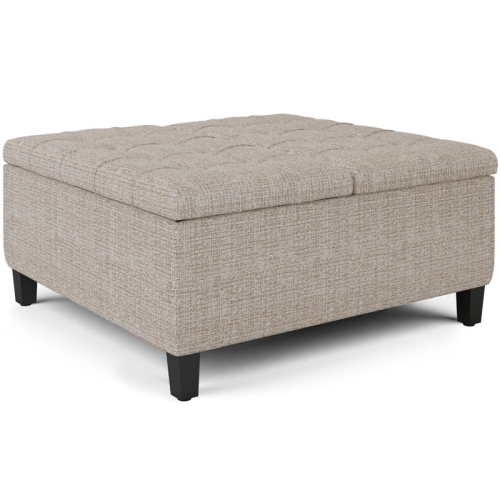 Your price for this item is $880.61
 -
 Your price for this item is $958.92
Discover more categories related to Industrial Casters
Top Collections:
Pokemon Centers, Kindle Devices, Best Cell Phones Under $500, Alarm Clock, Canon G7X Cameras, iPhone 15 Apple, Apple iPhones 16, Laptops for Students, iPhone 14 256GB, Budget Smartphones
Some products may be subject to Environmental Handling Fees
(EHF) depending on your province.
Learn more about EHFs.