Inflatable Water Slide
Get ready for endless hours of fun in the sun with inflatable water slides! These slides offer a great way to get kids outside and active while also providing an exciting and safe environment for them to play. Inflatable water slides are designed to be easy to set up and take down, making them a great addition to almost any outdoor space. Here are some great options available.
Sort
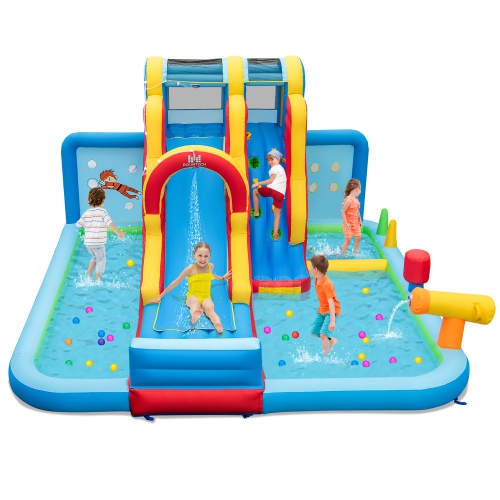
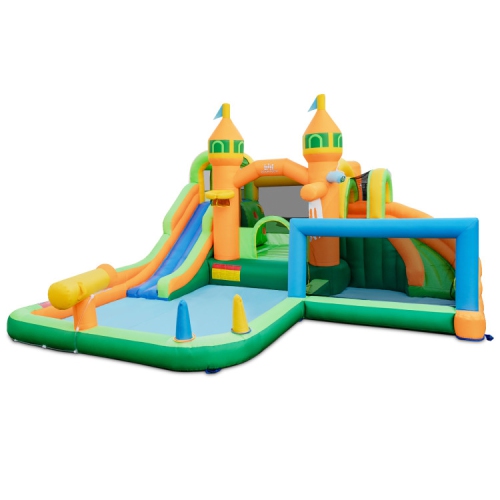
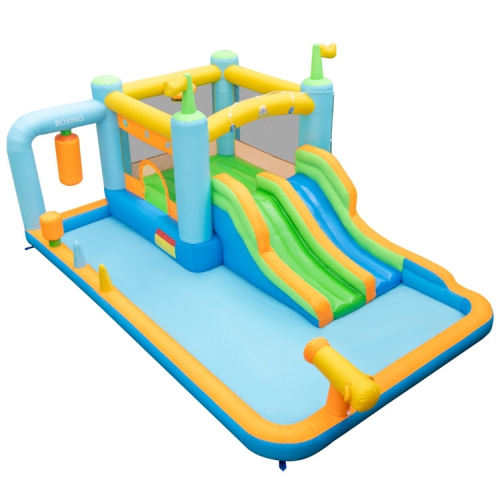
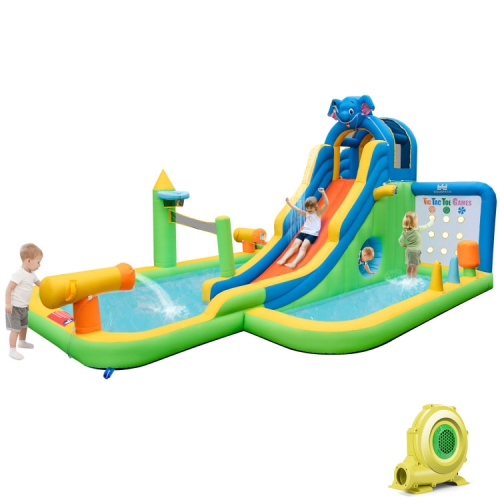






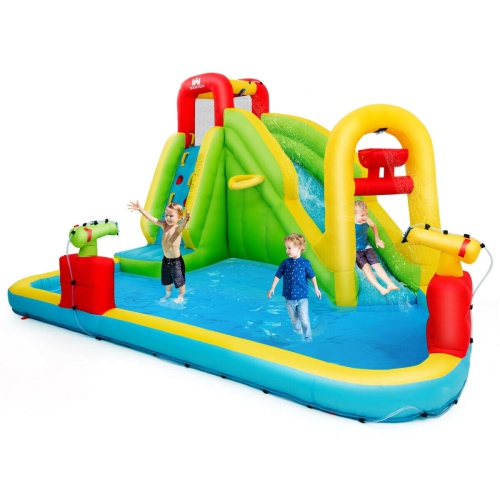
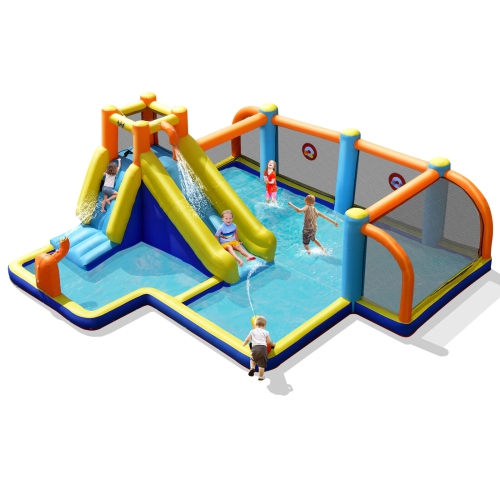
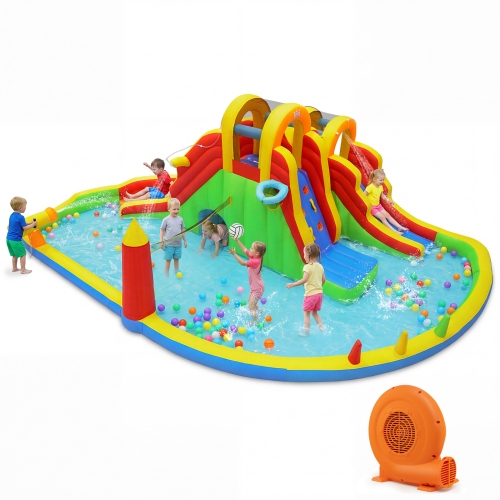
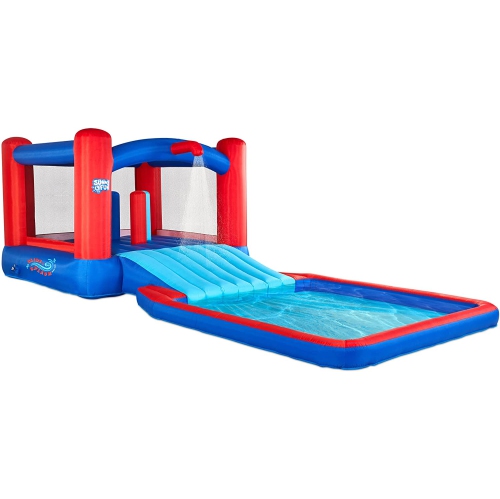
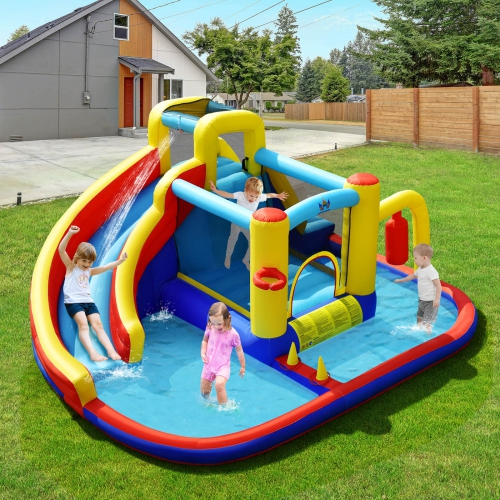
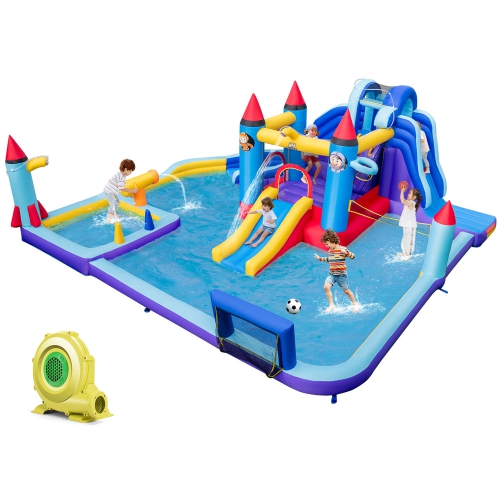
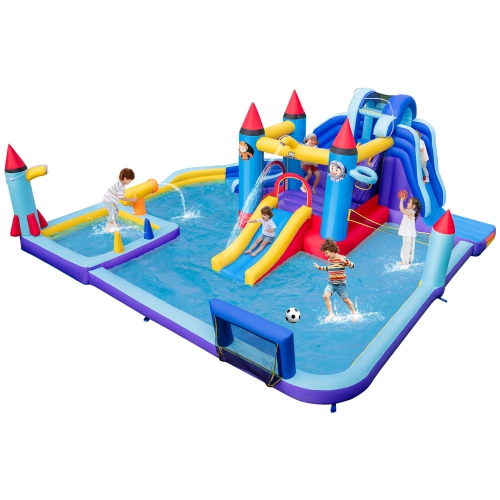
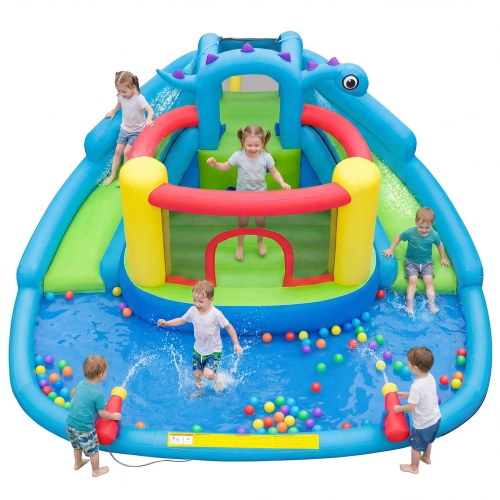
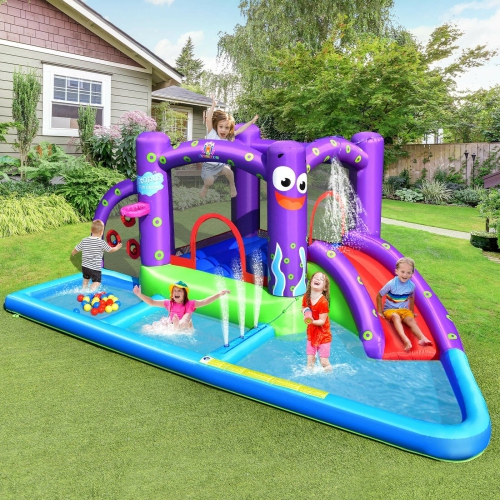
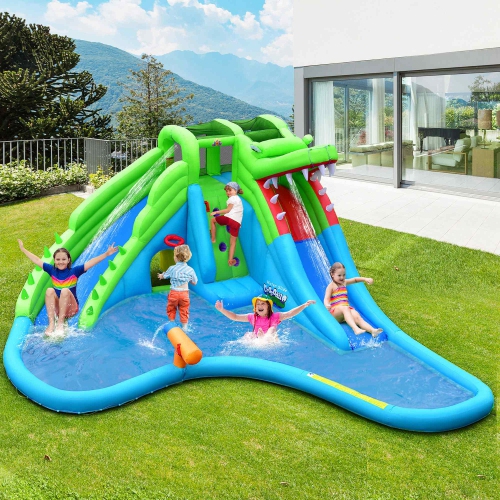
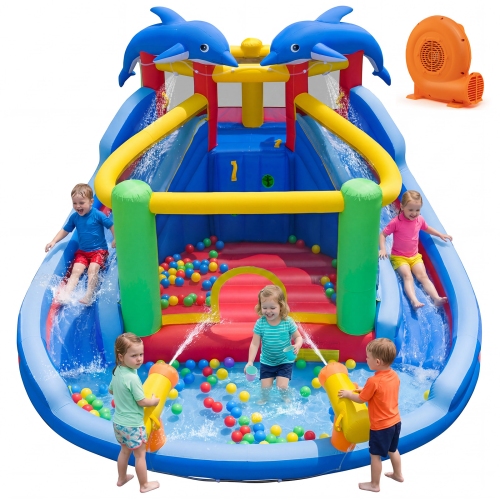
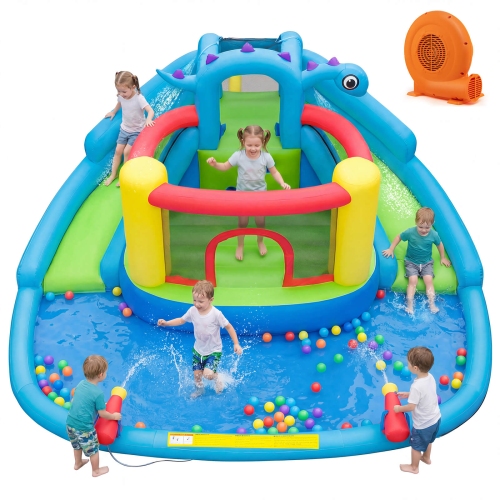


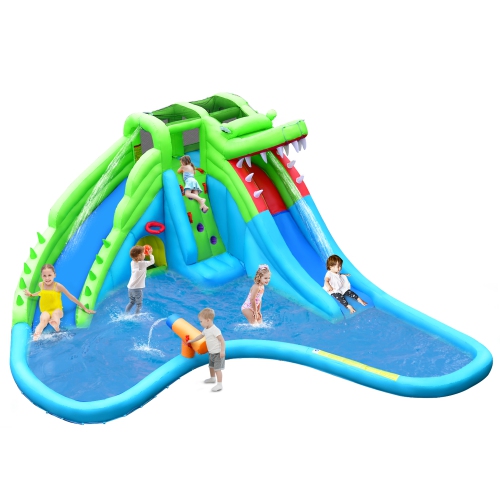
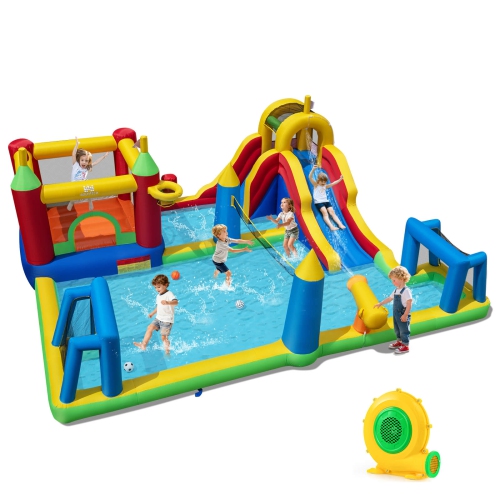

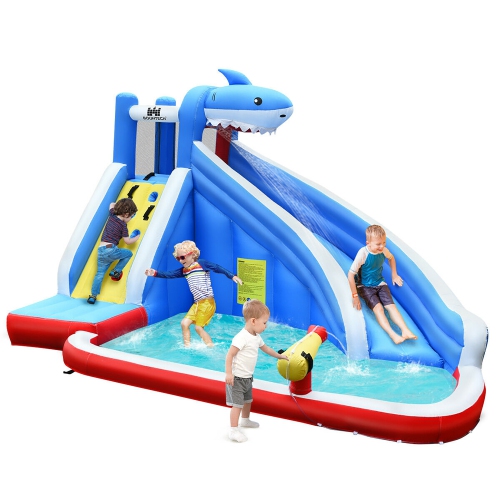
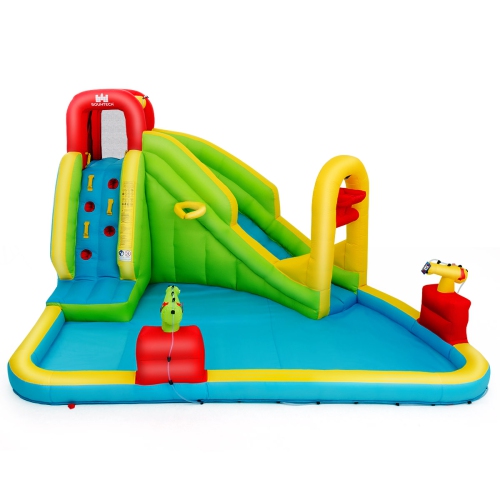
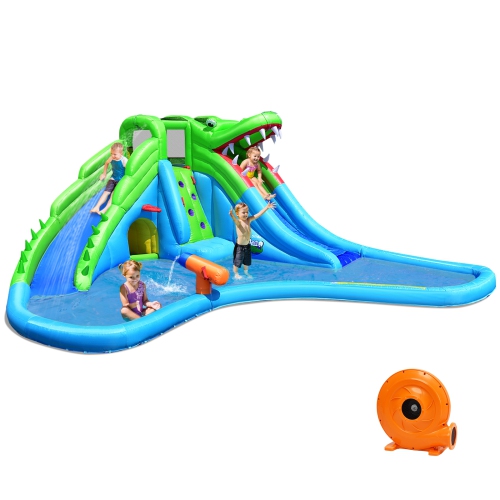
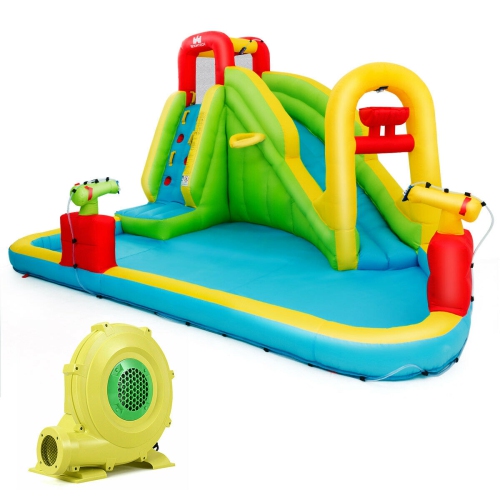
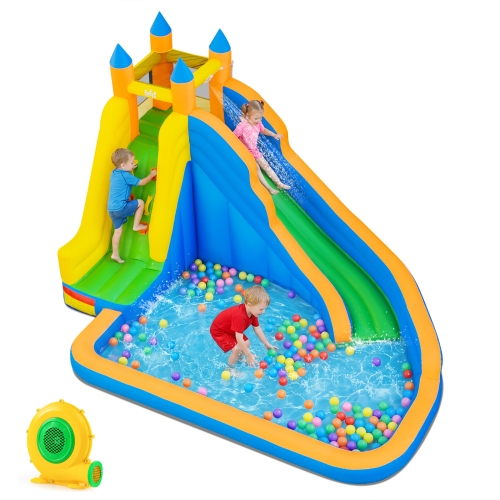
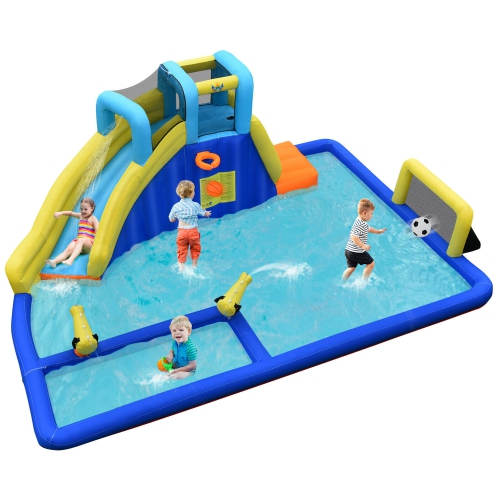
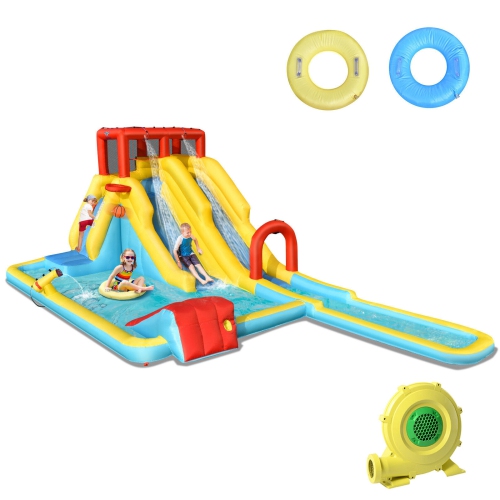
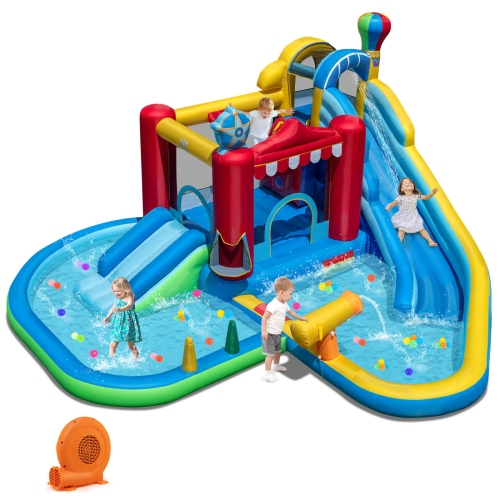
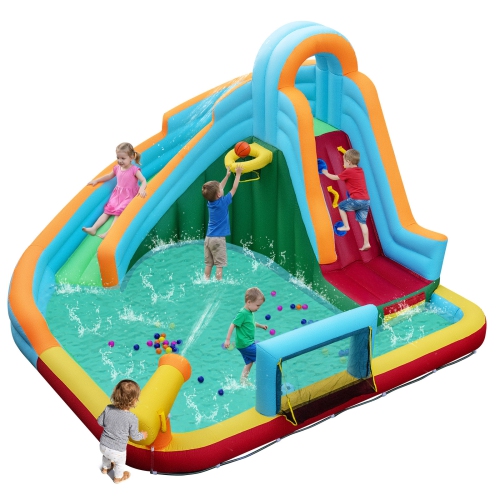
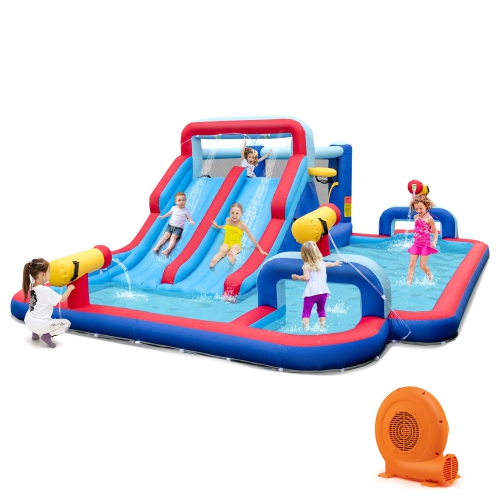
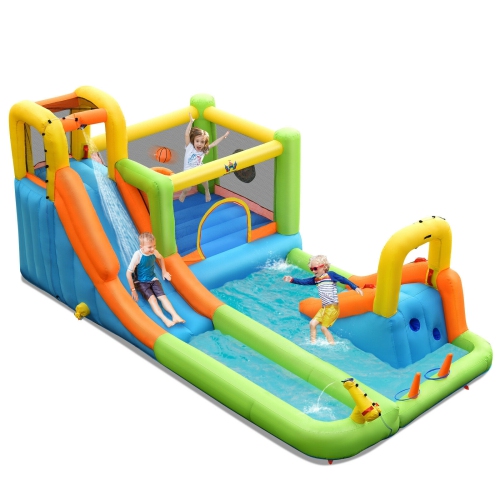
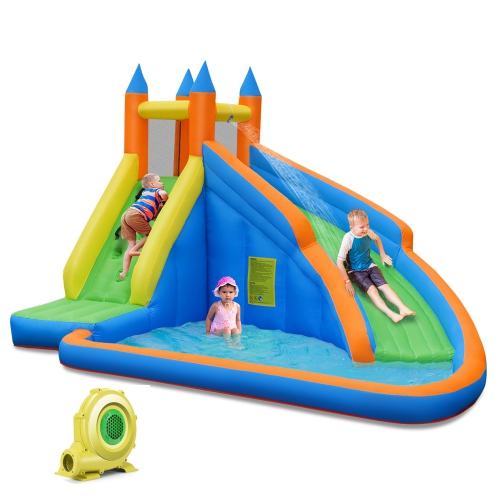
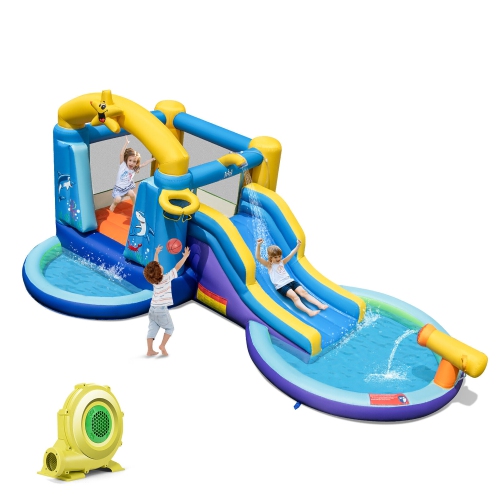
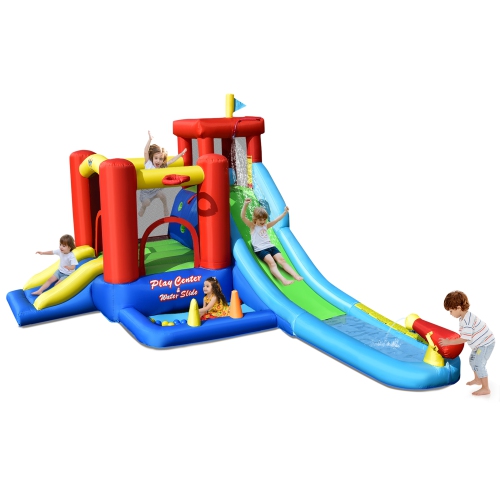
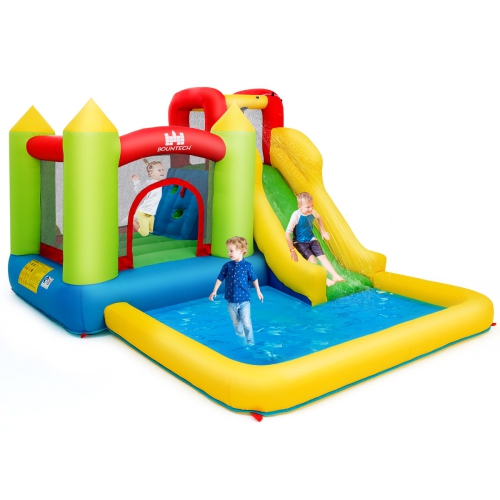
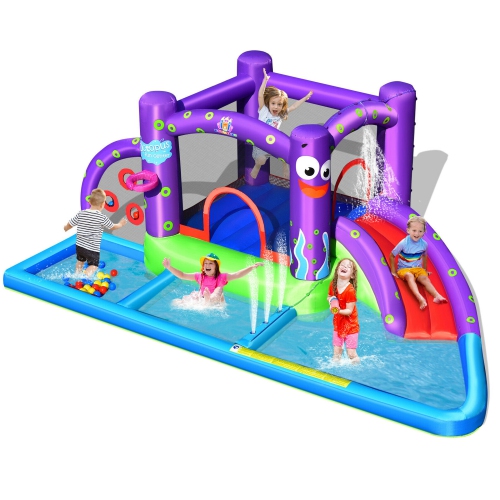

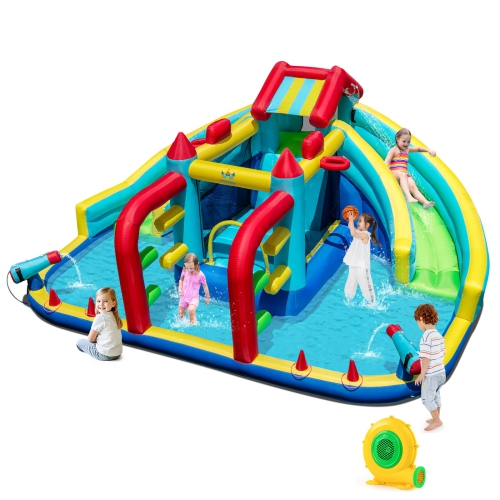
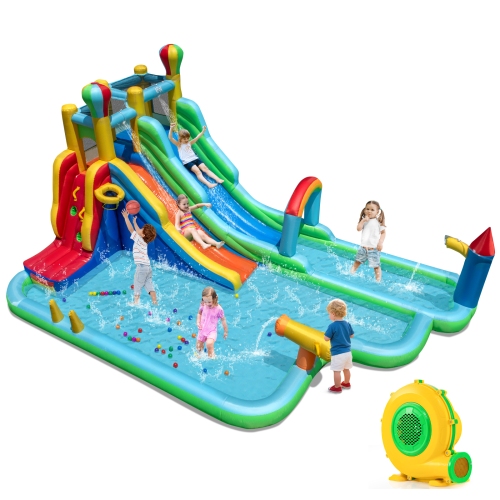
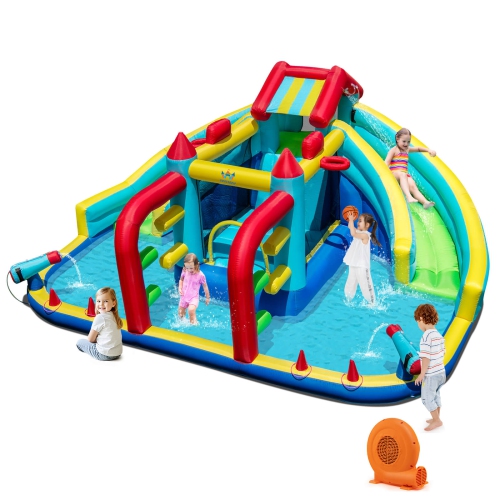
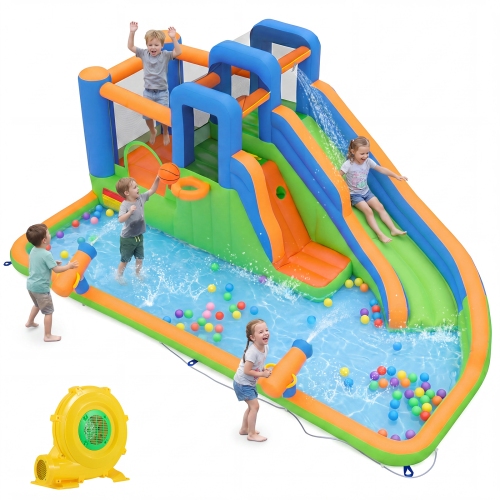
What to consider for safe, splash-filled backyard play
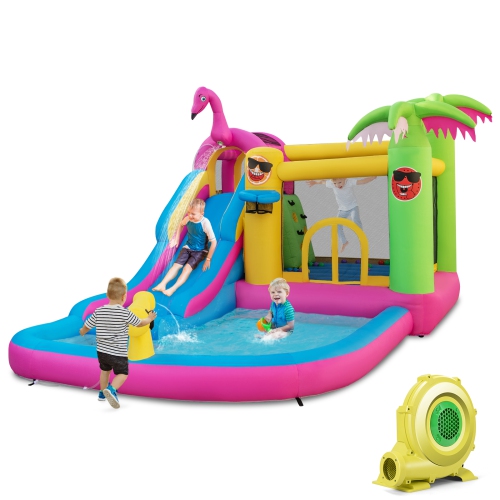
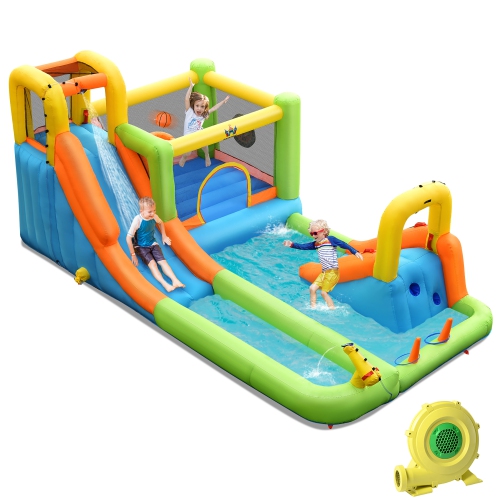
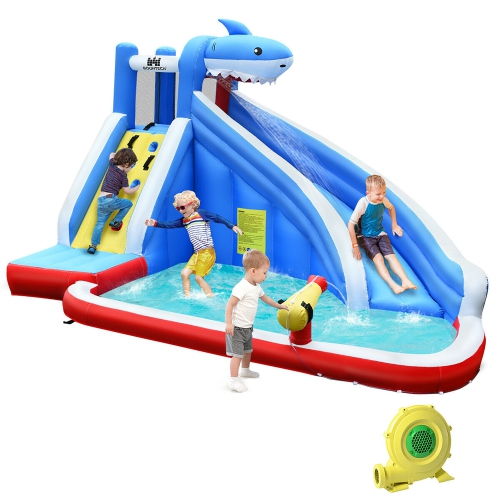
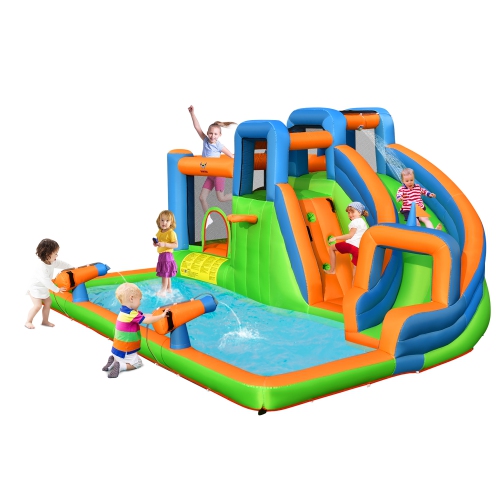
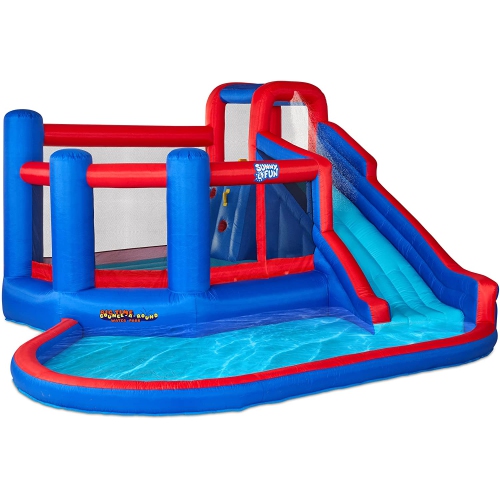
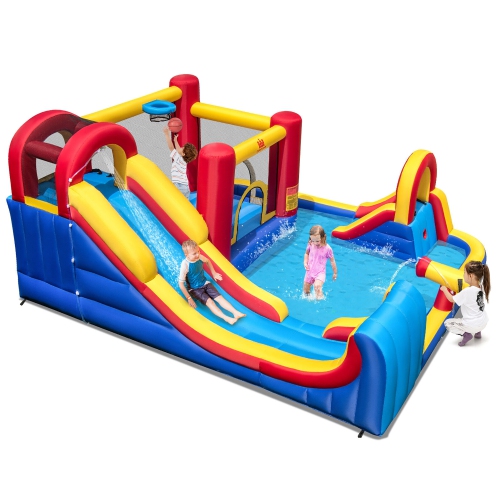
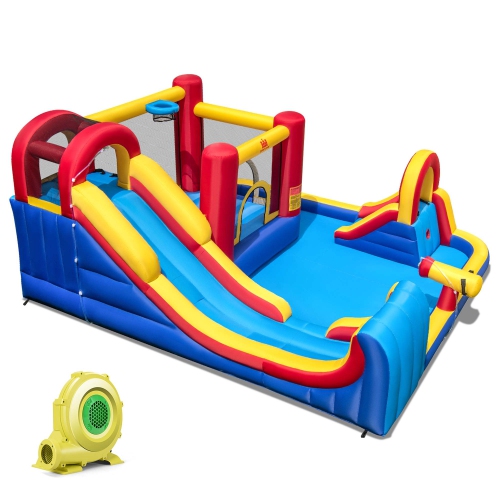
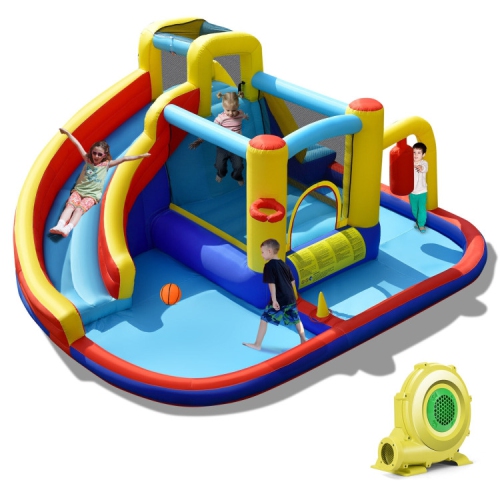
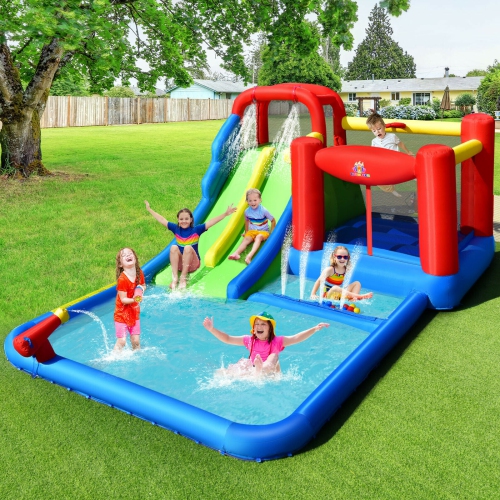
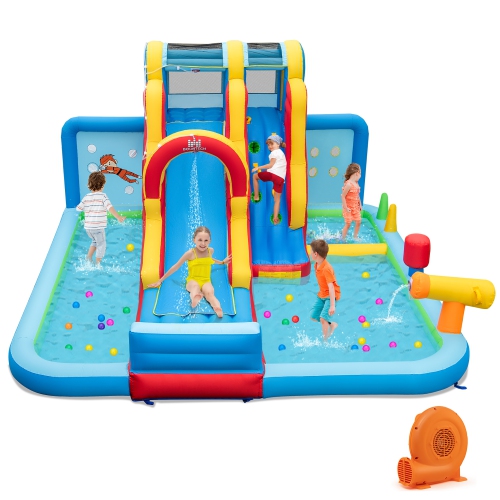
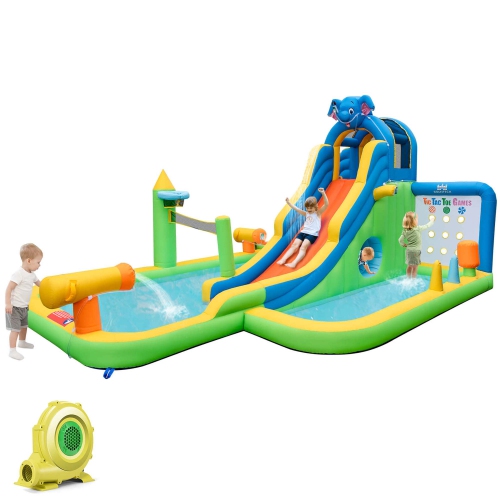
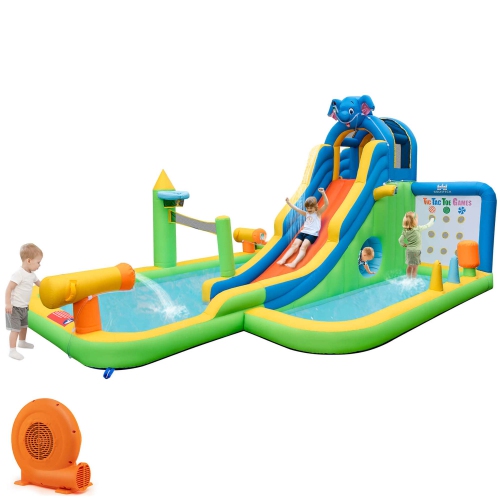
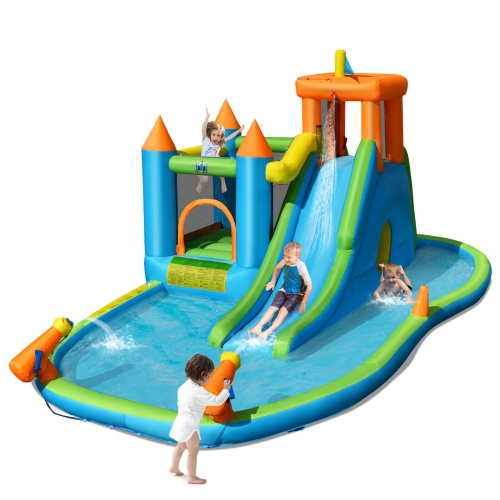
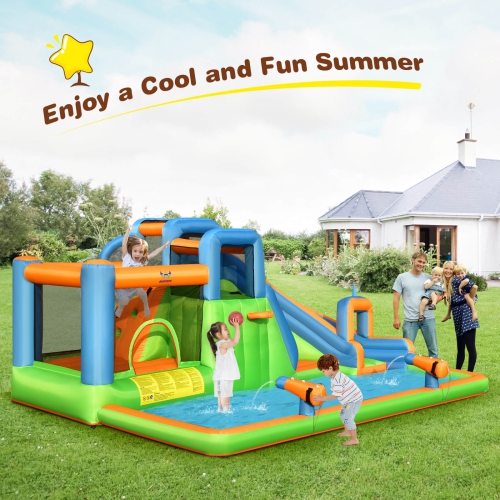
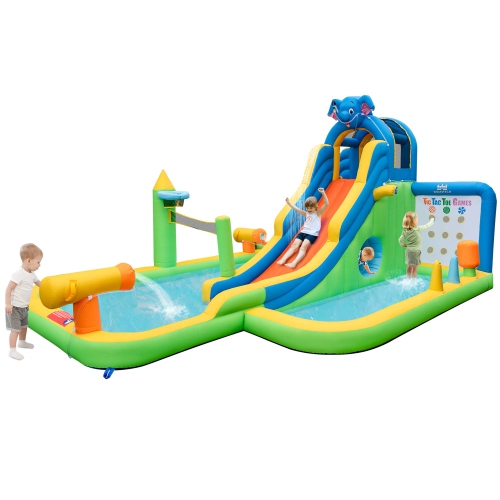
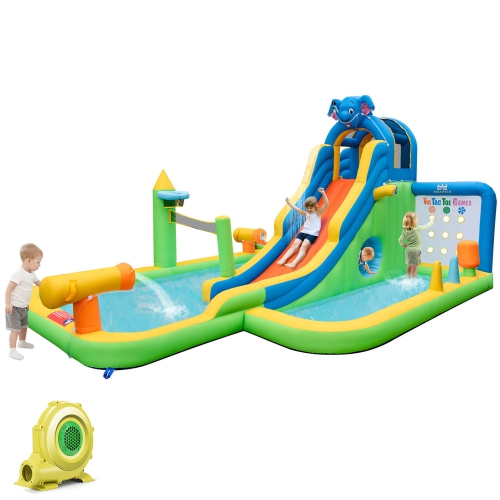
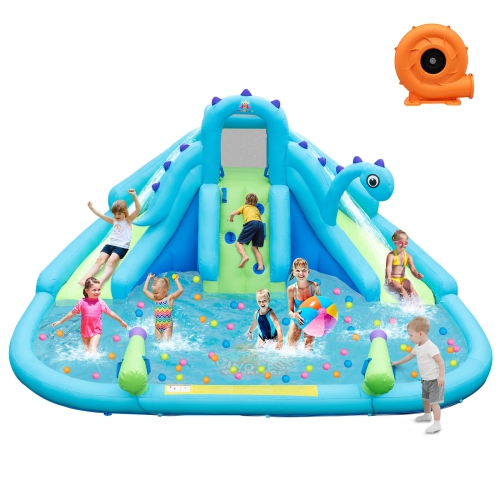
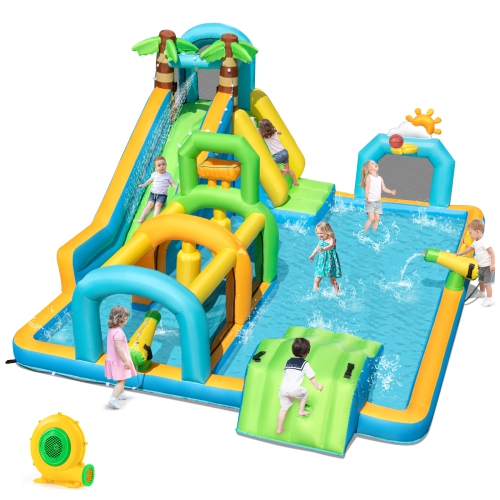
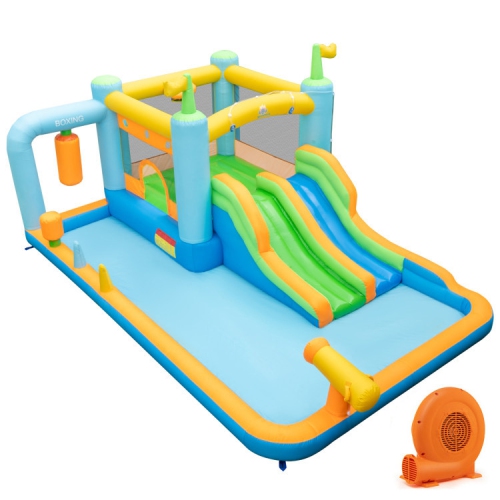
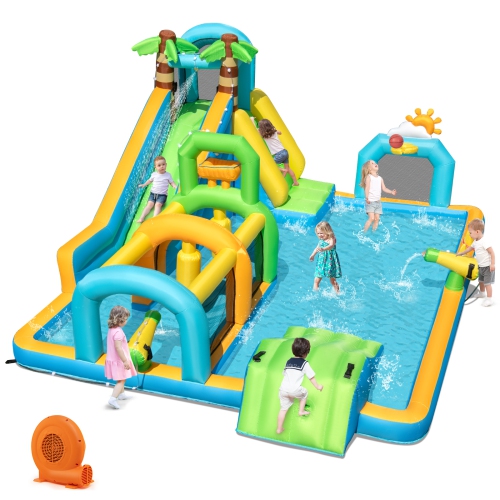
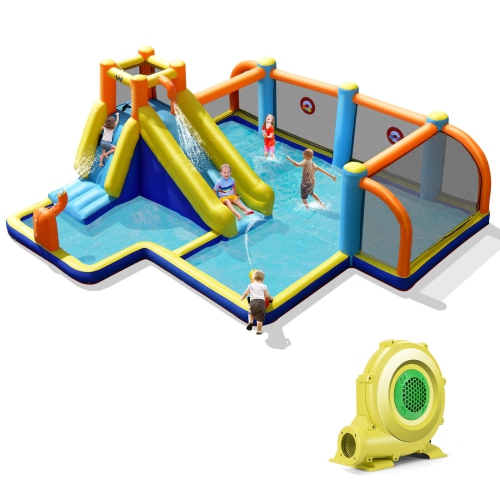
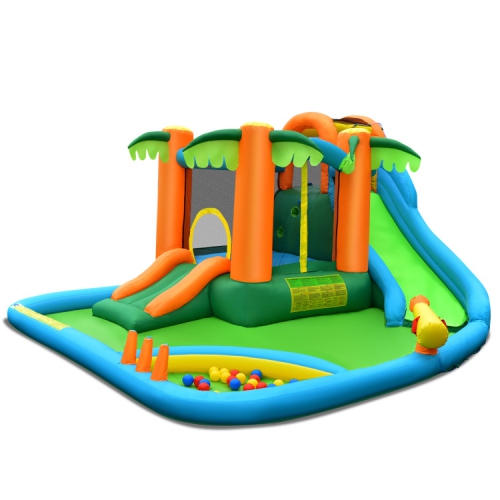
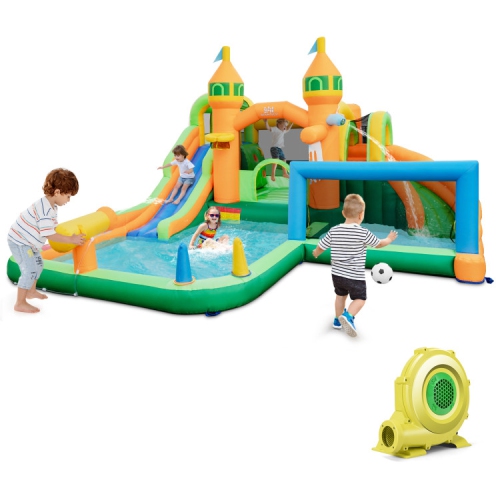
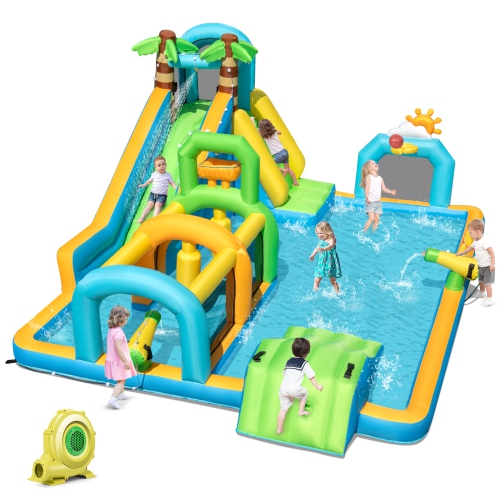
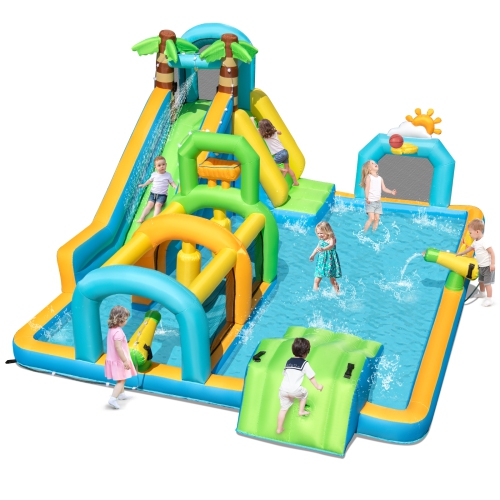
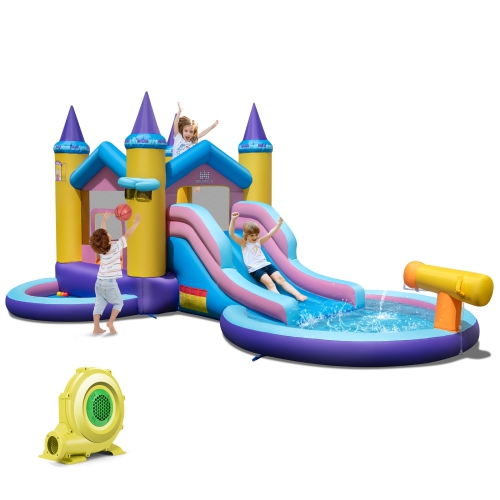
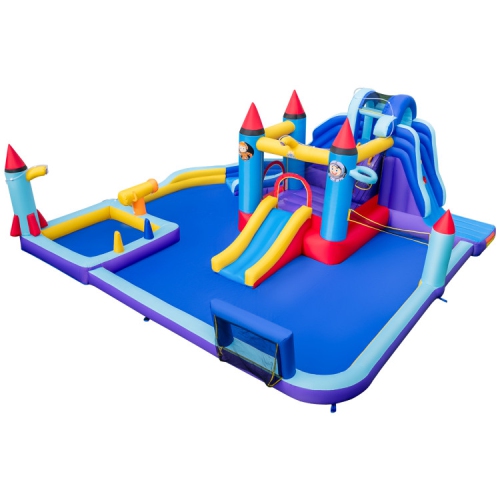
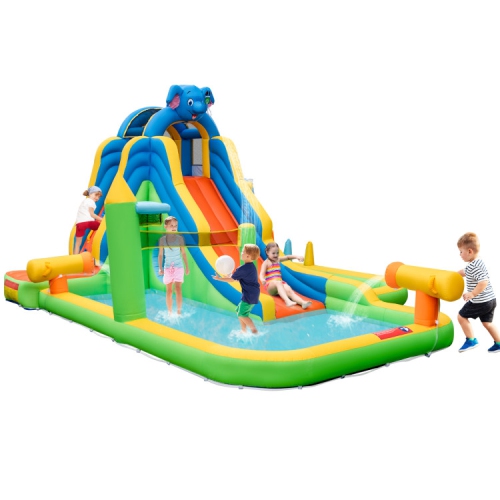
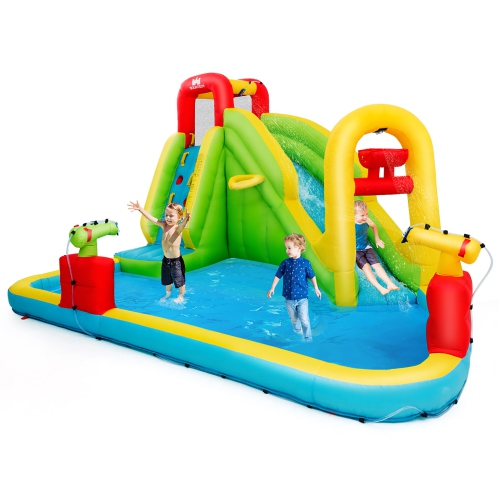
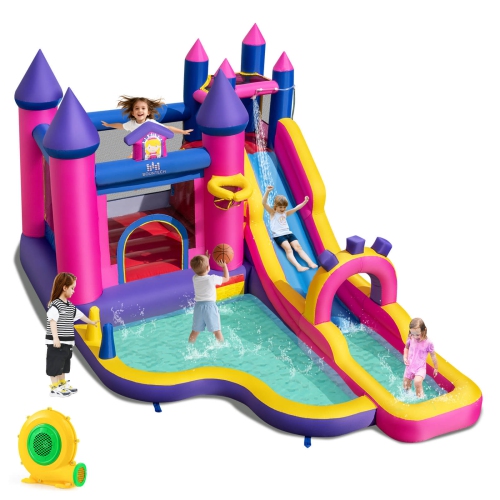
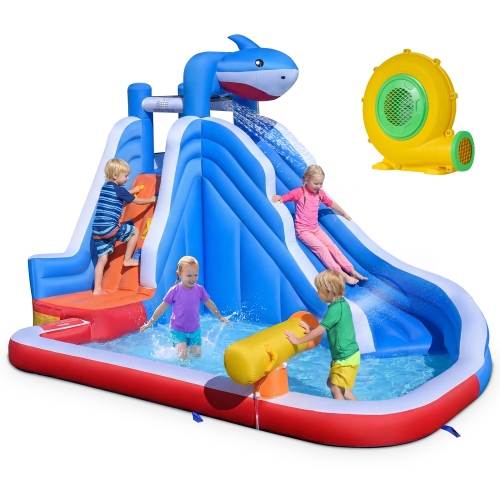
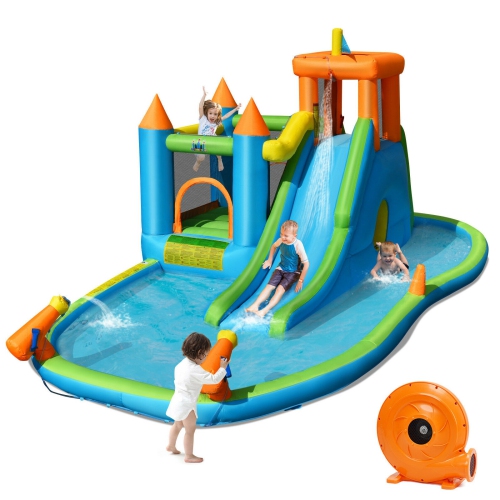
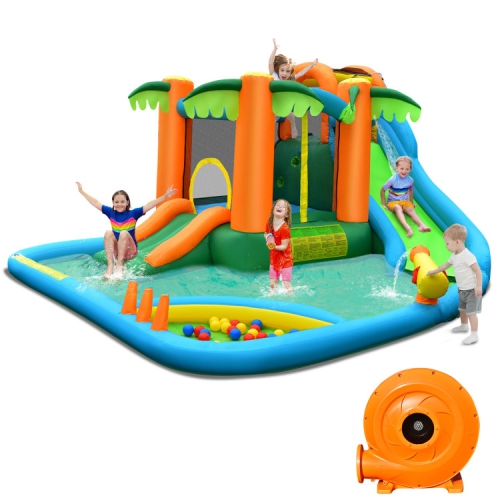
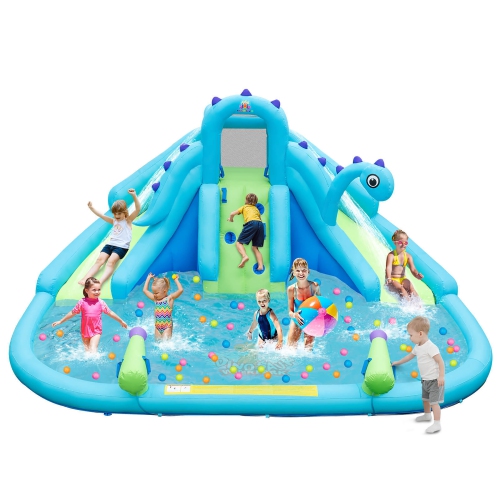
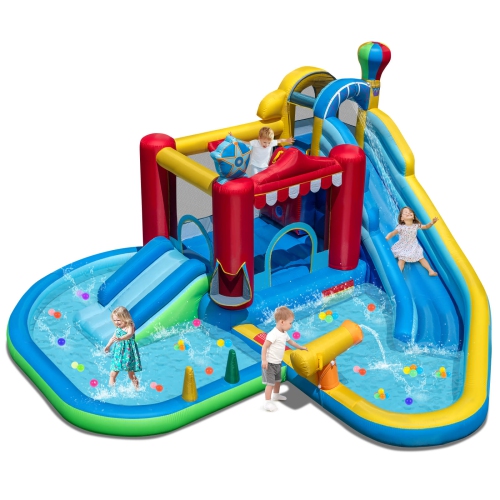
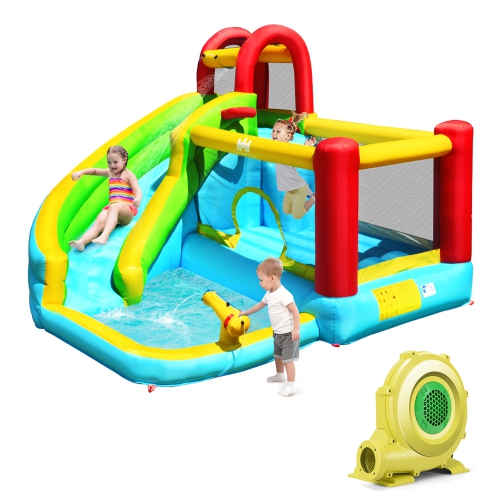
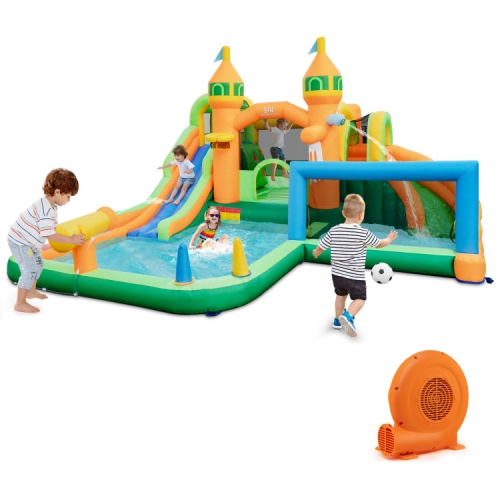
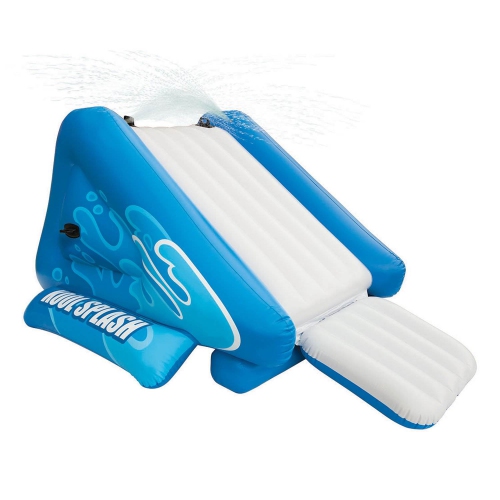
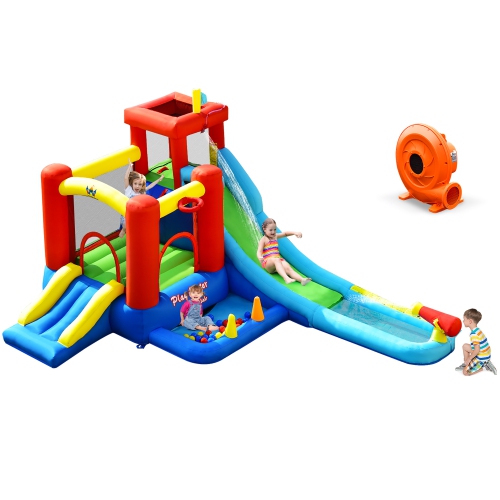
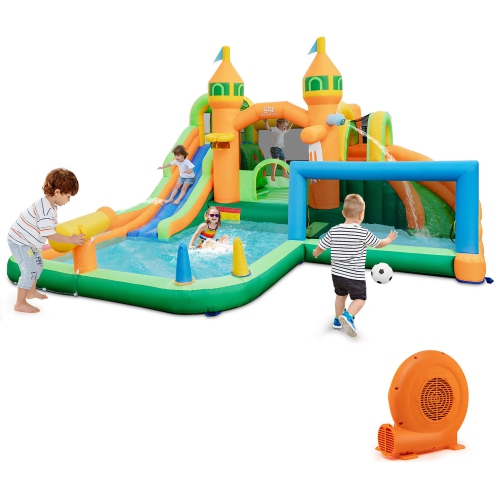
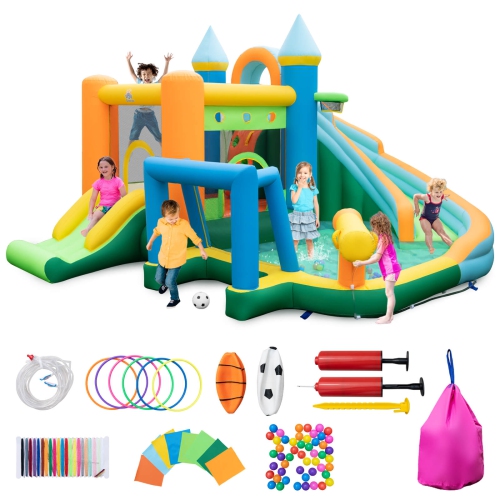
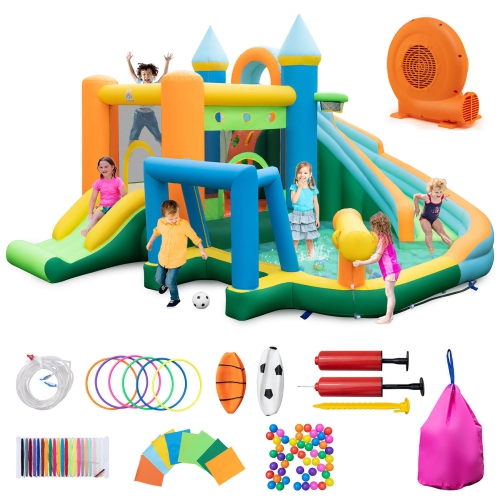
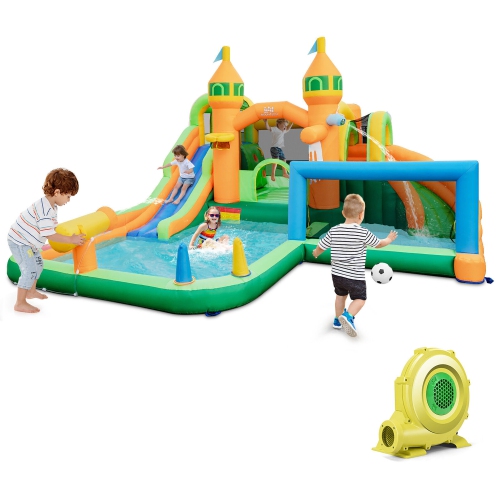
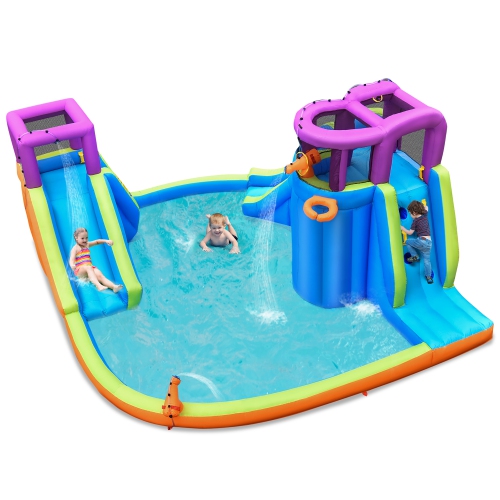
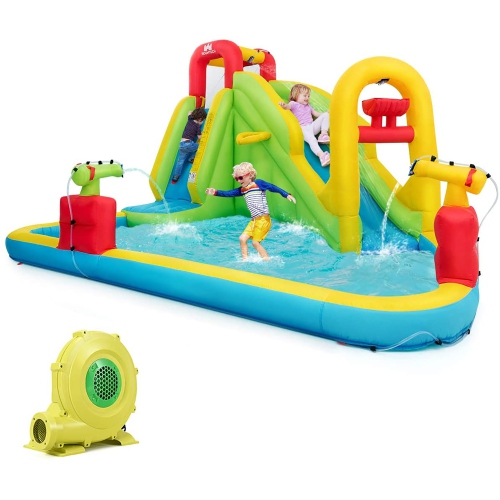
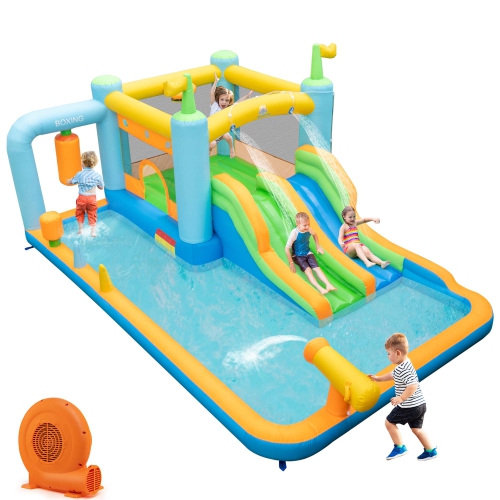
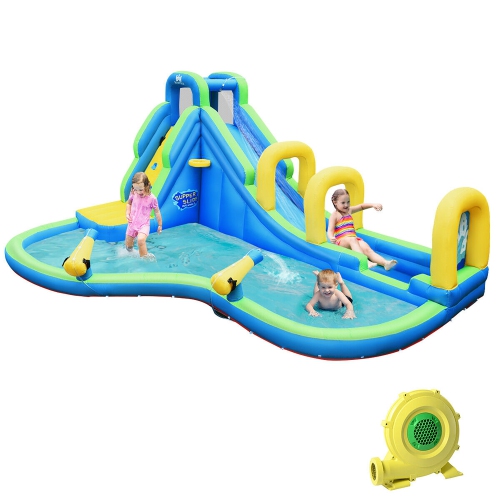
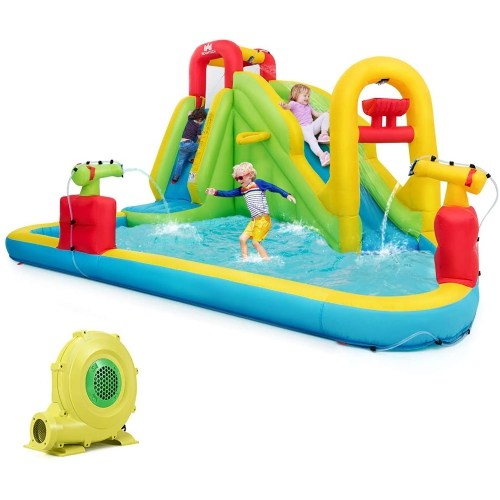
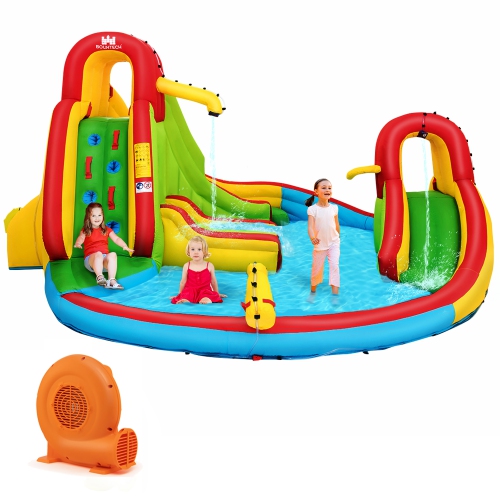
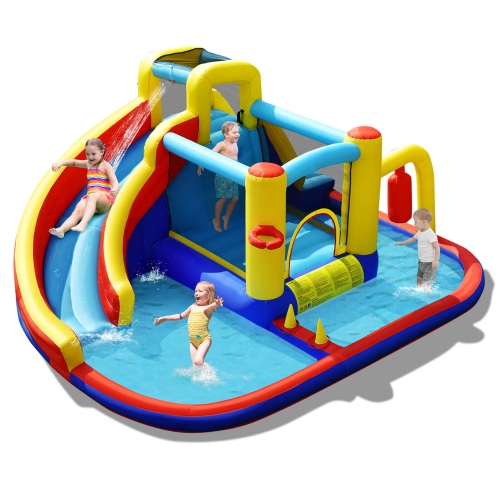
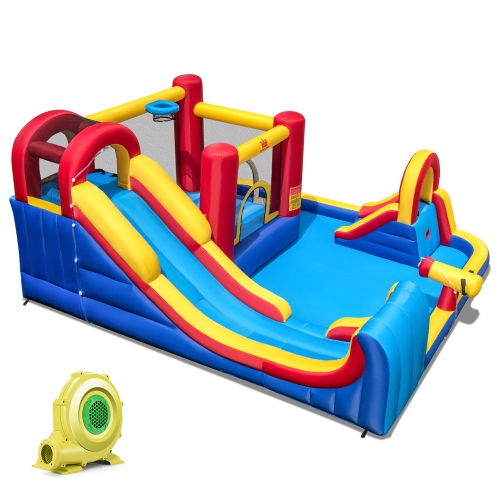
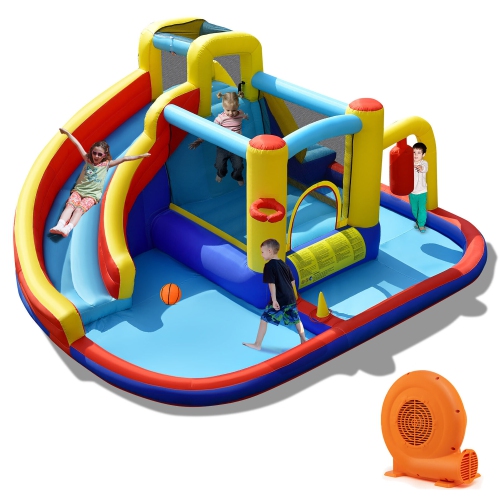
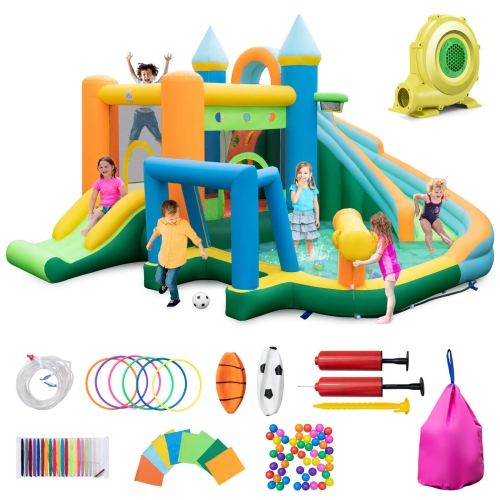
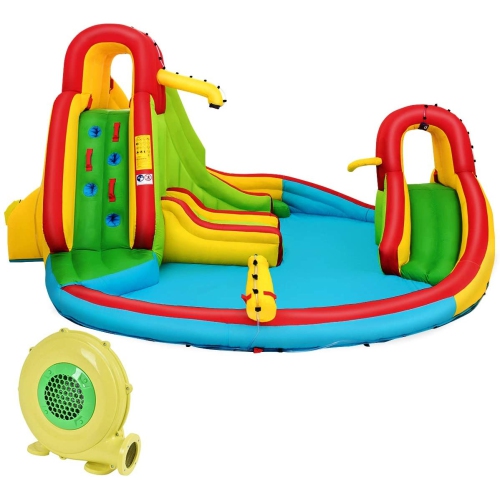
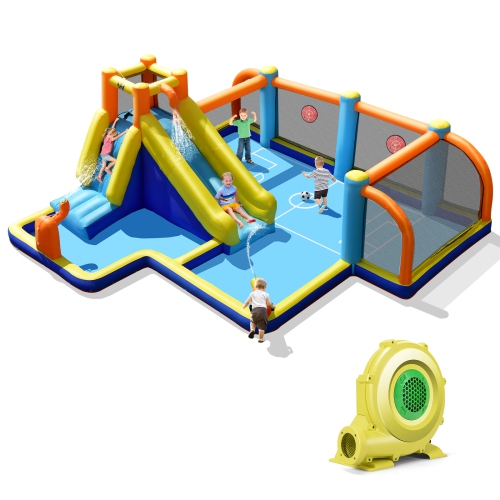
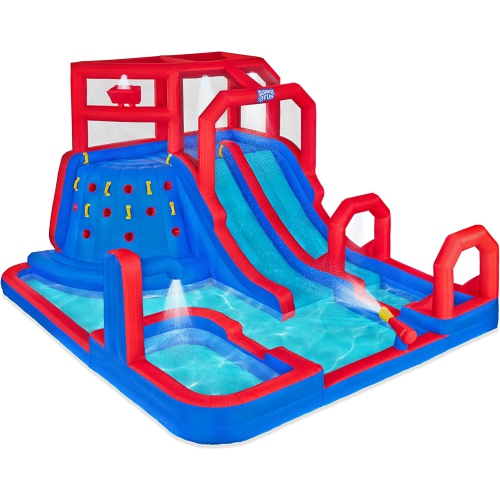
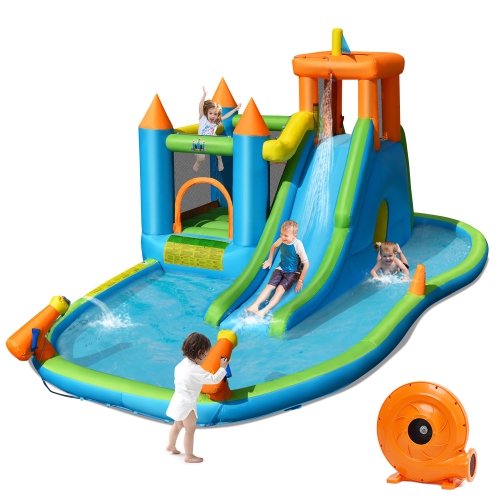
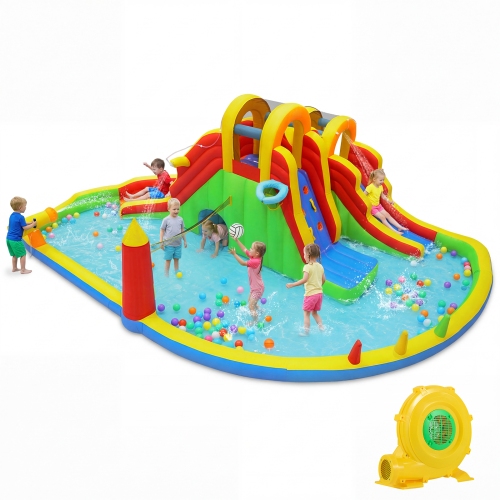
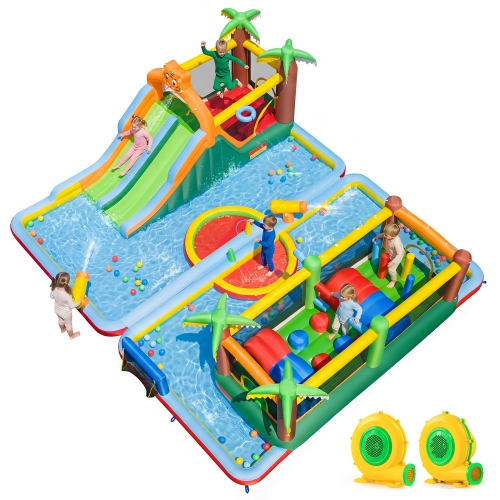
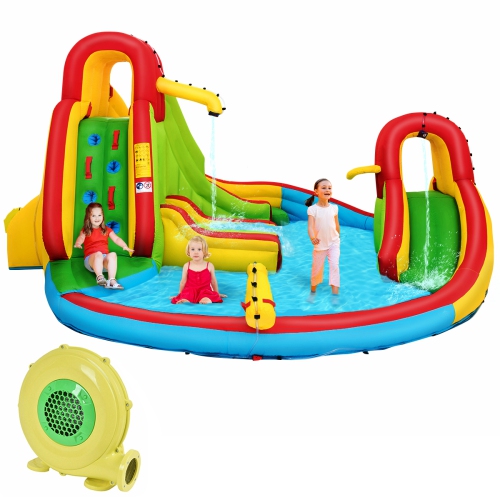
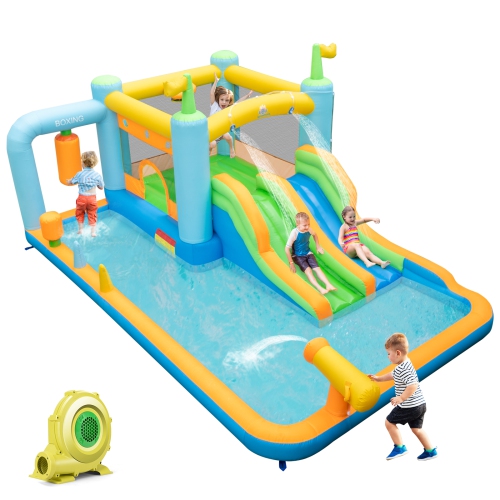
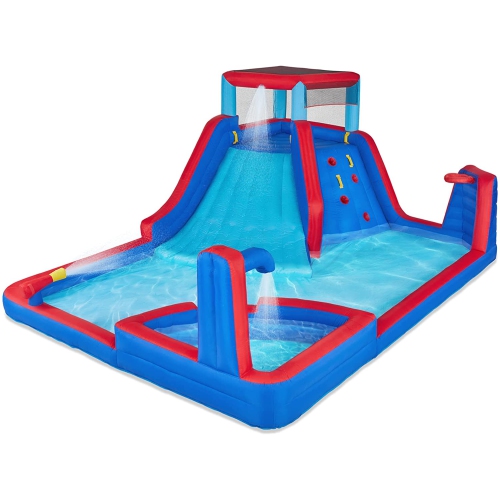
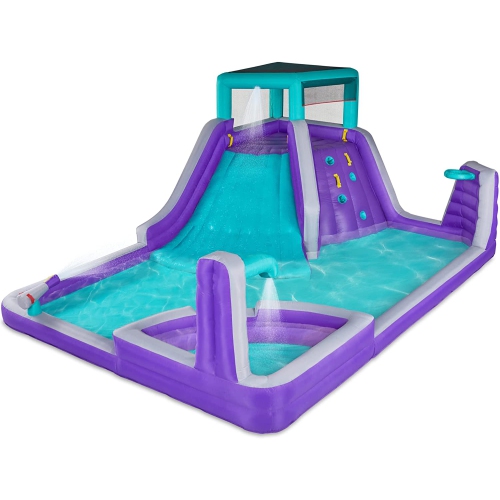
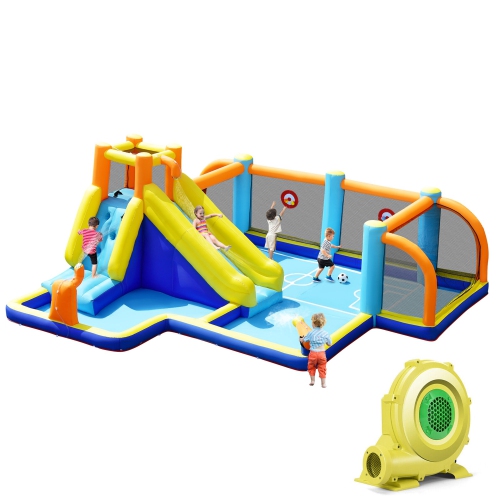
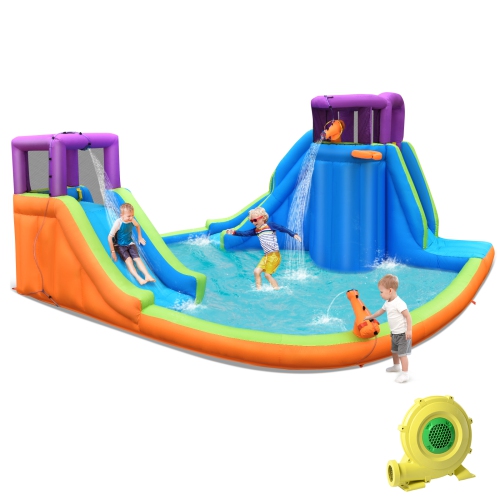
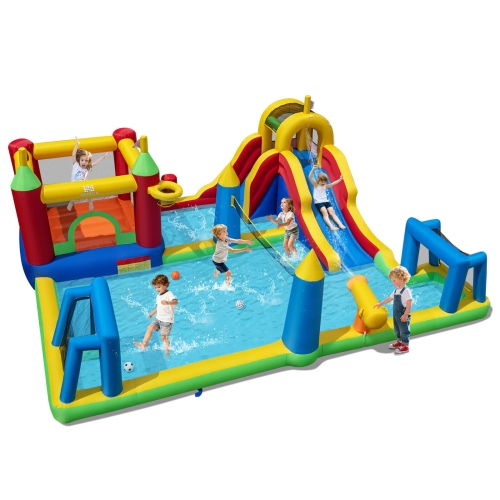
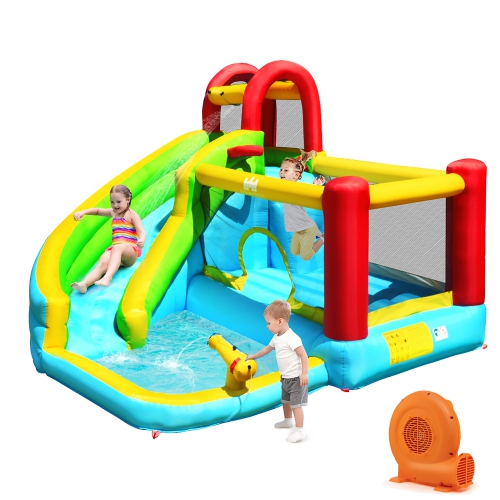
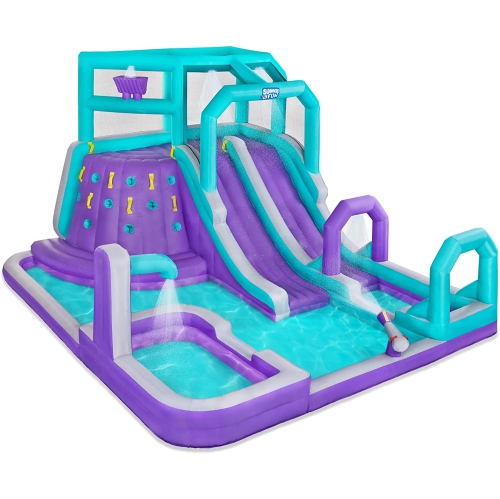
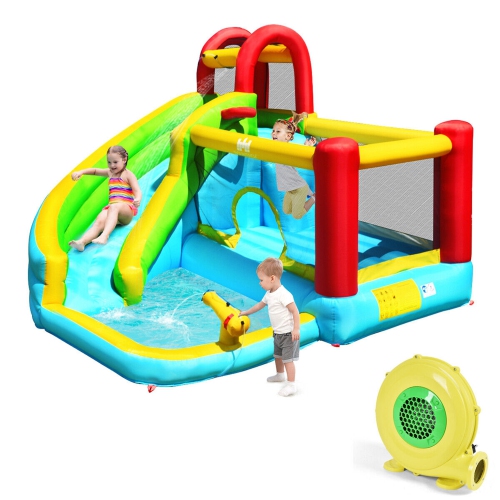
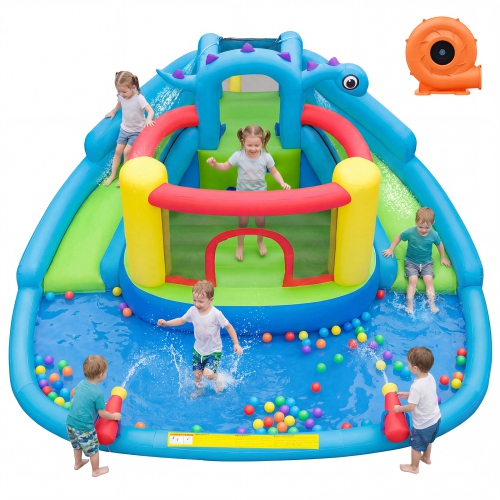
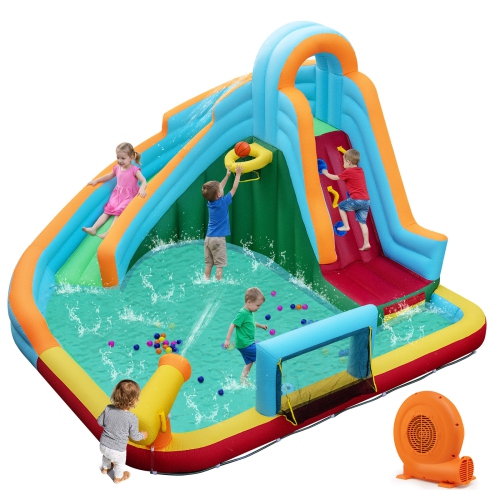
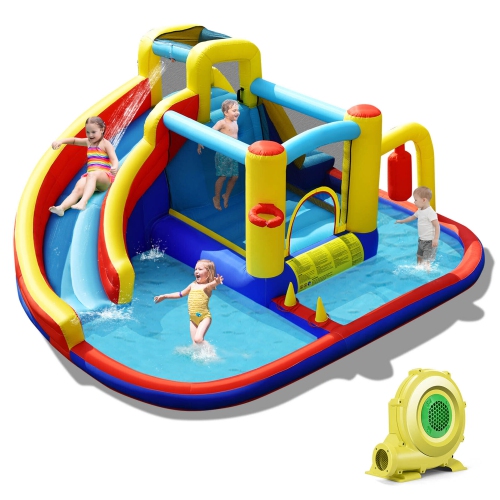
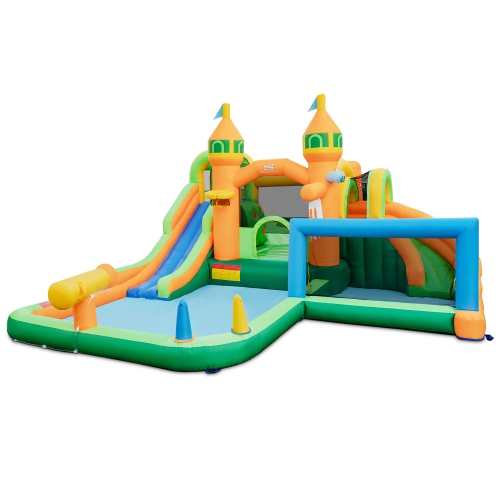
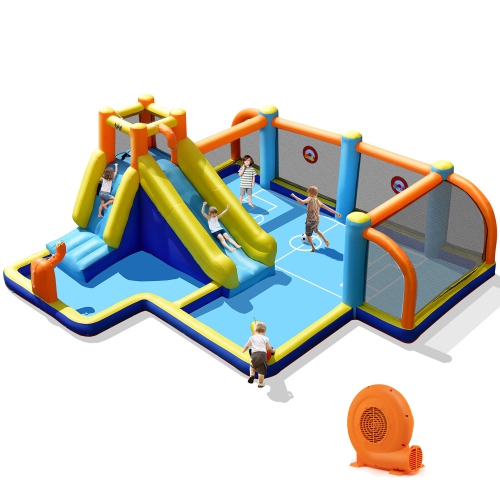
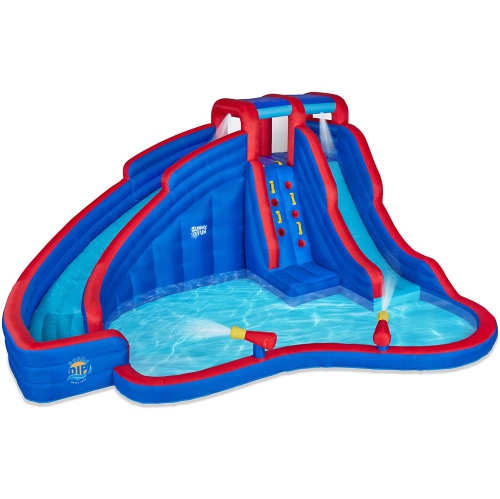
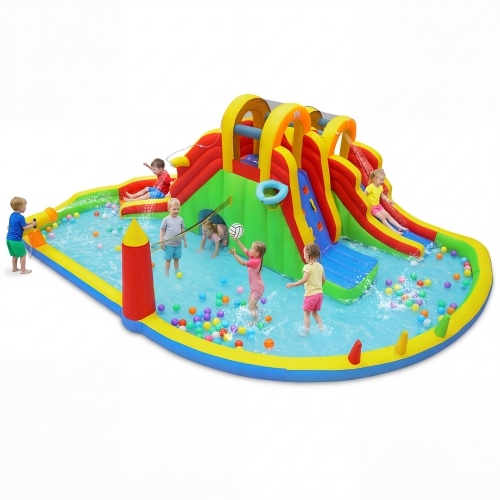
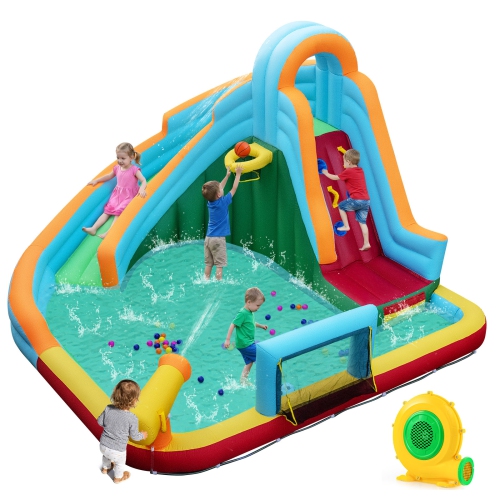
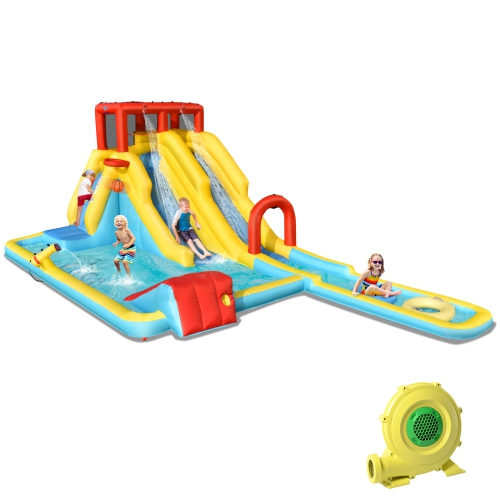
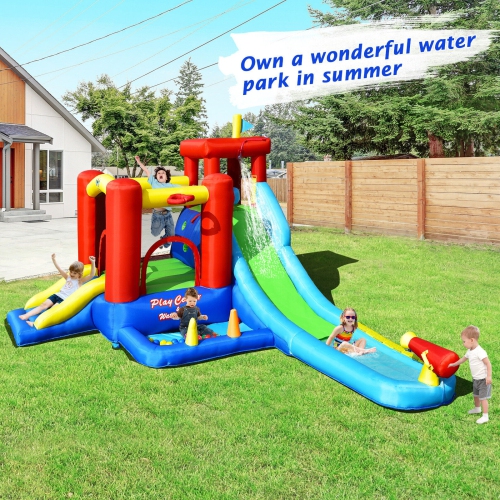
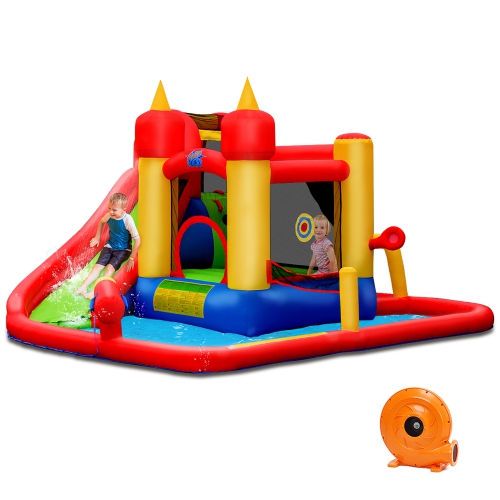
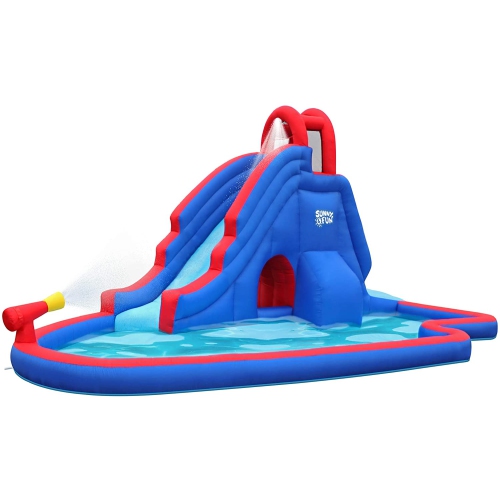
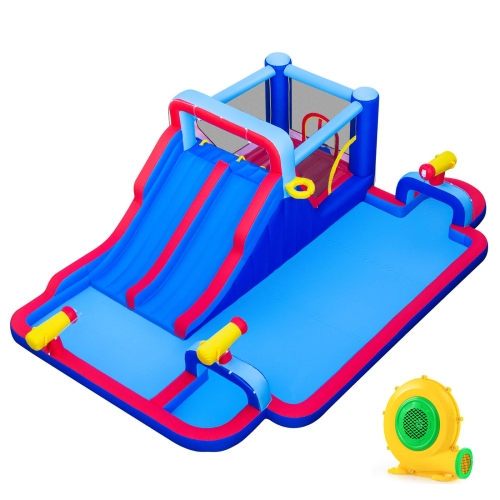
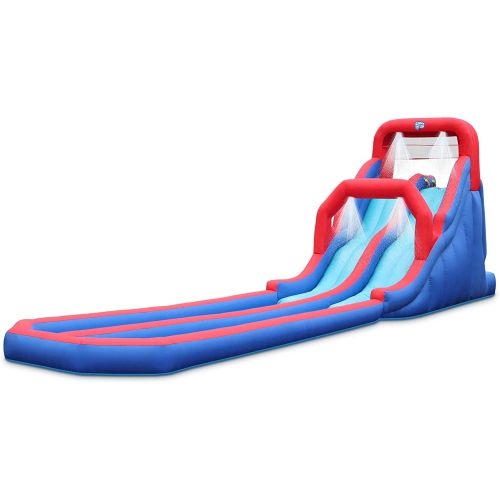
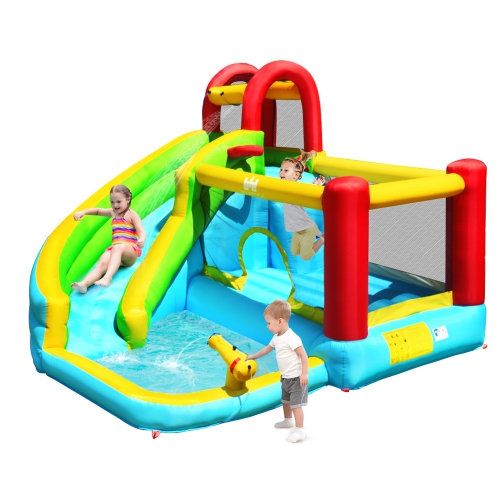
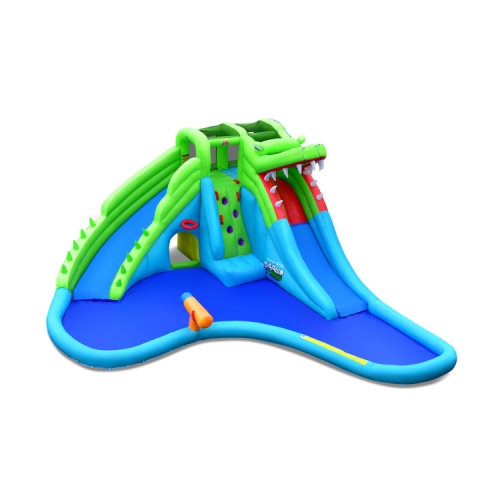
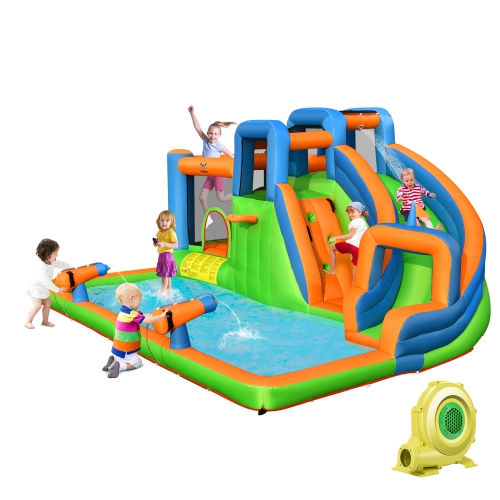
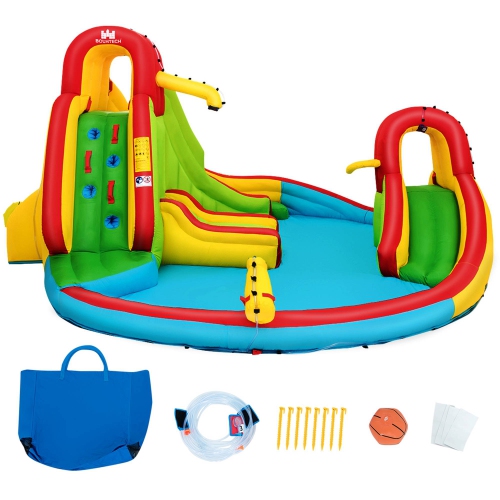
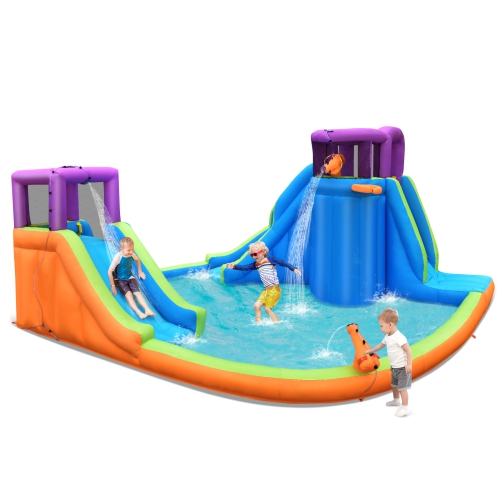
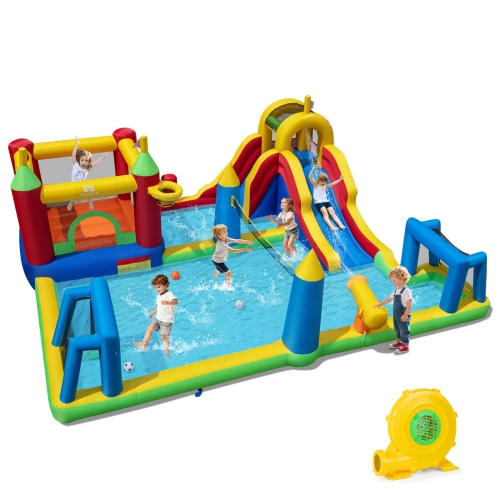
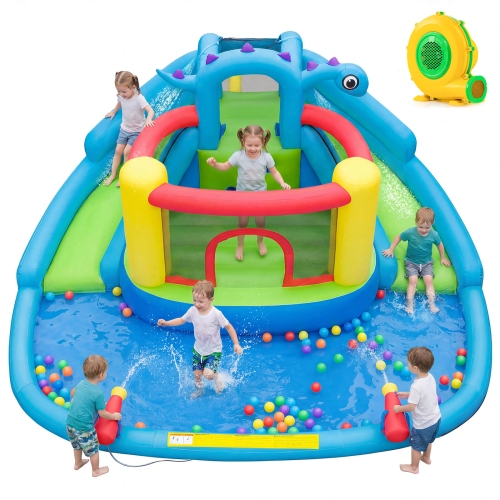
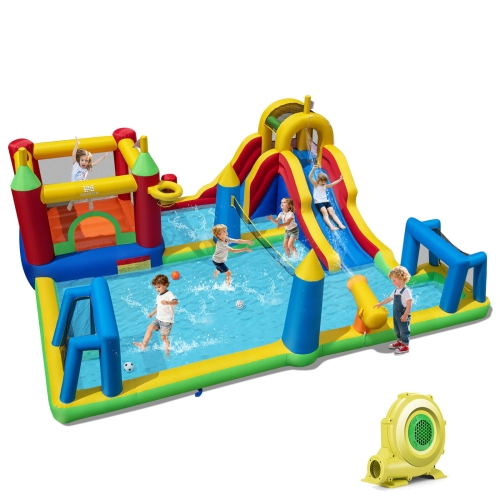
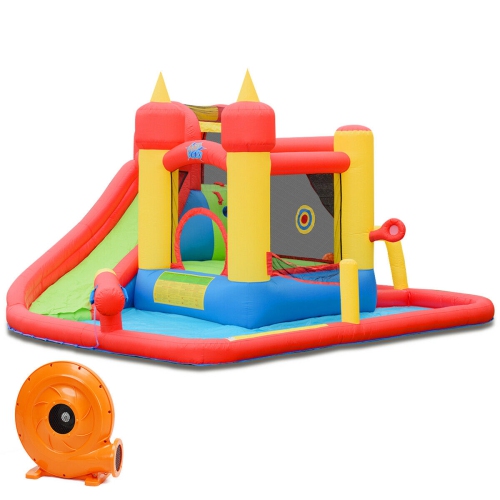
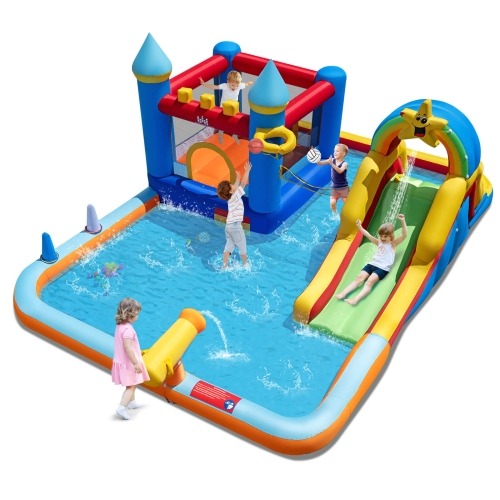
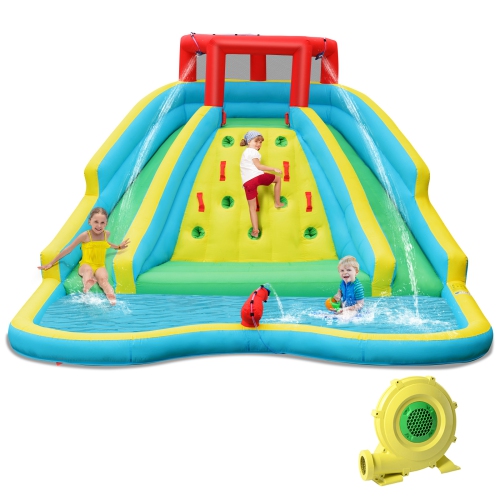
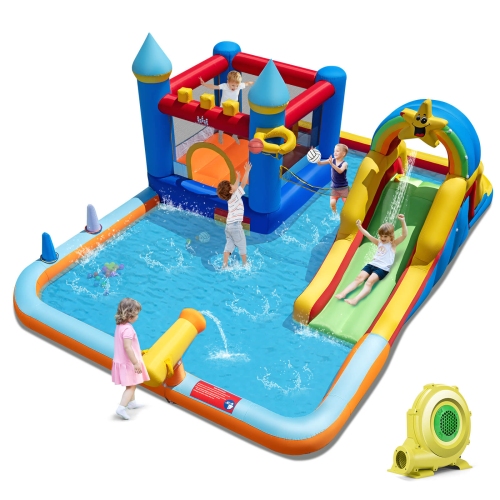
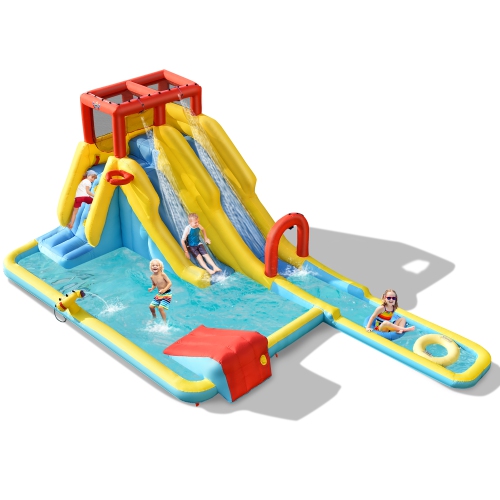
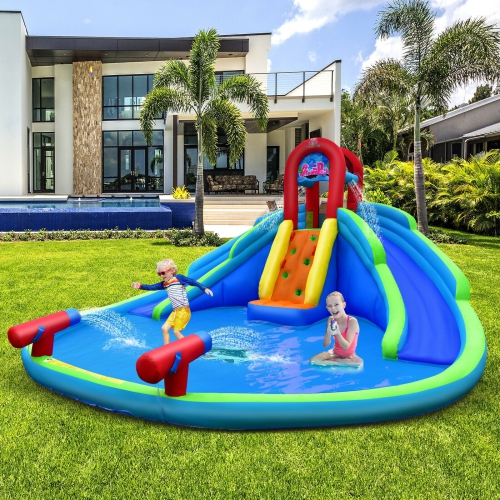
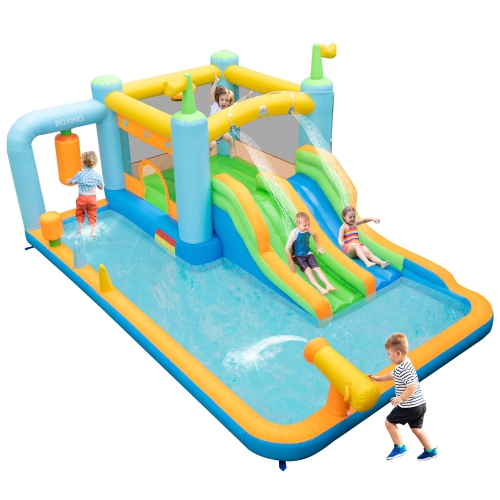
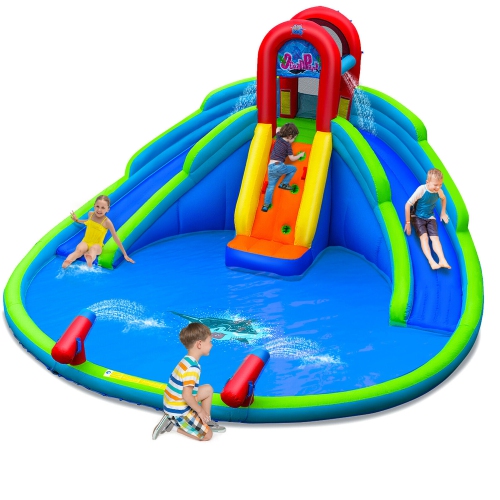
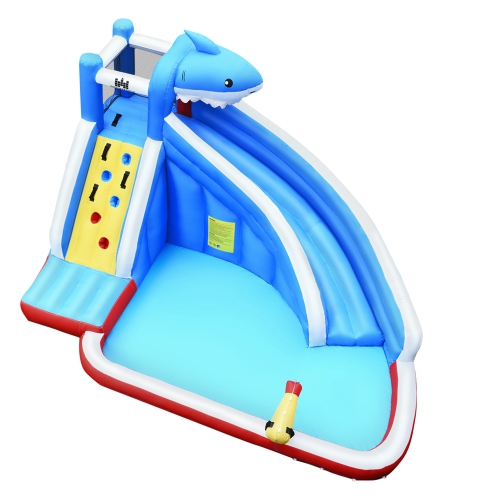
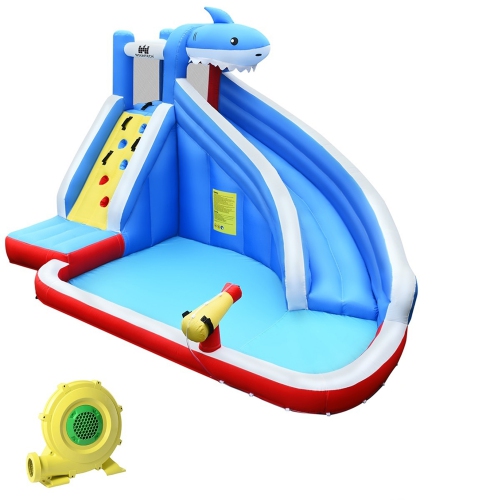
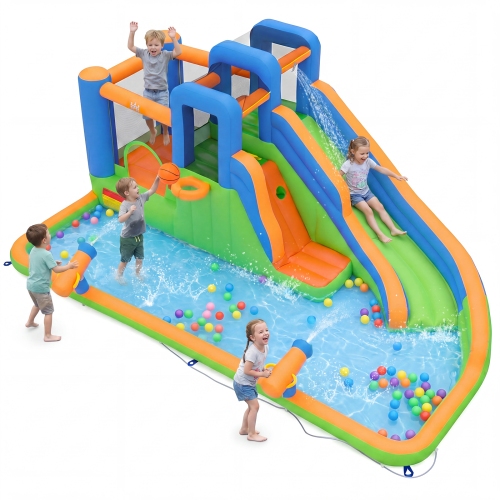
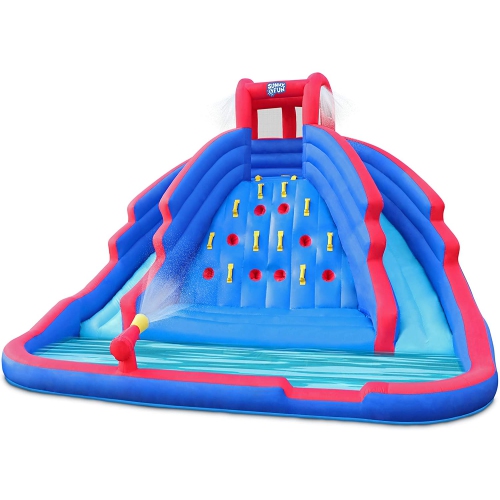
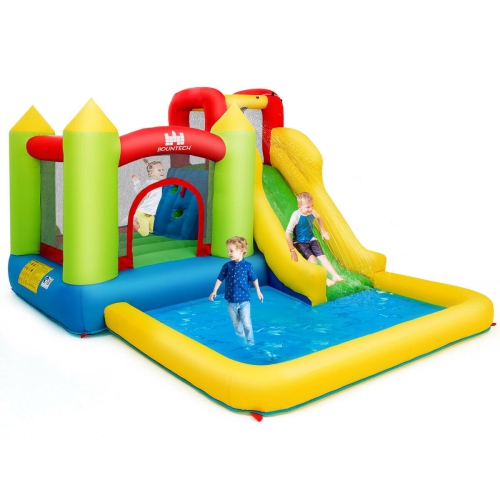
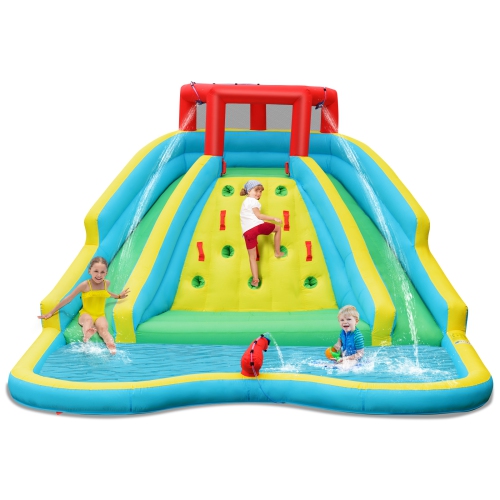
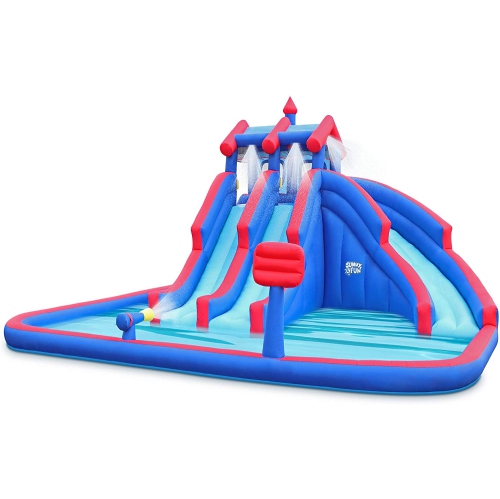
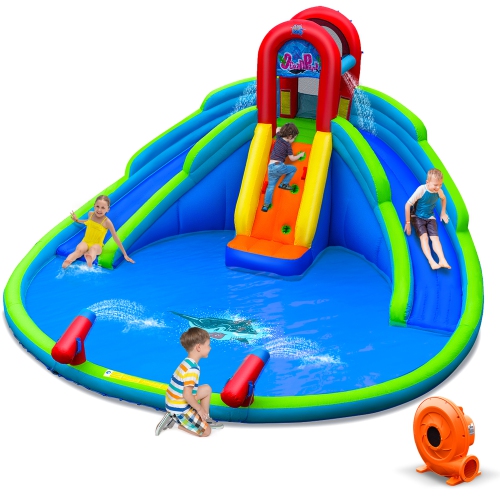
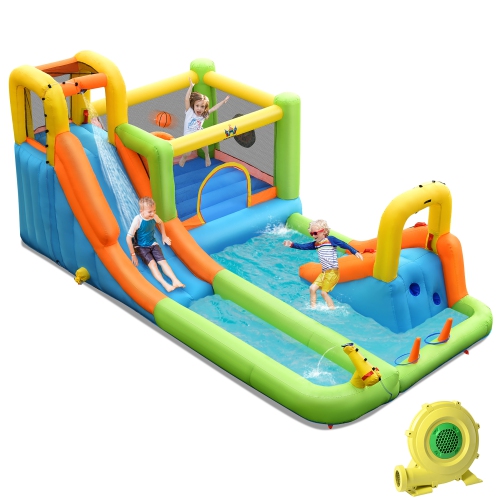
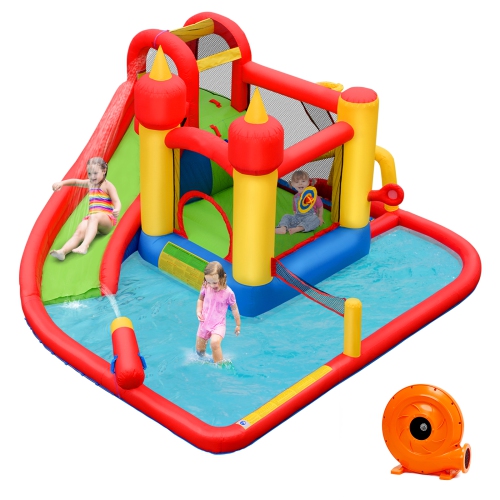
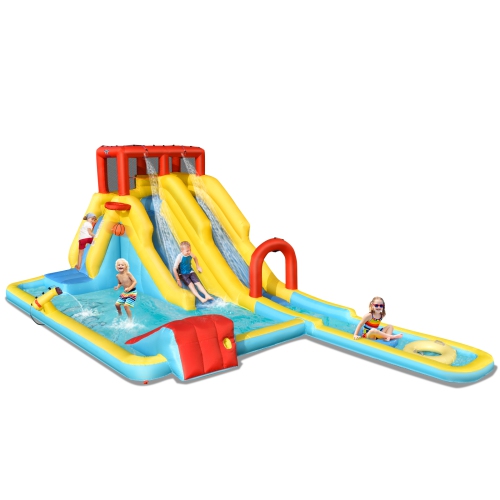
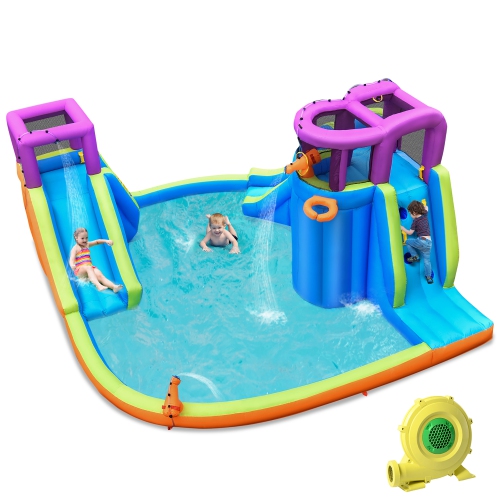
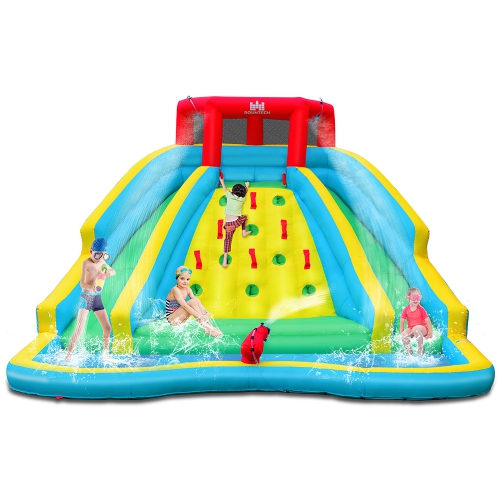
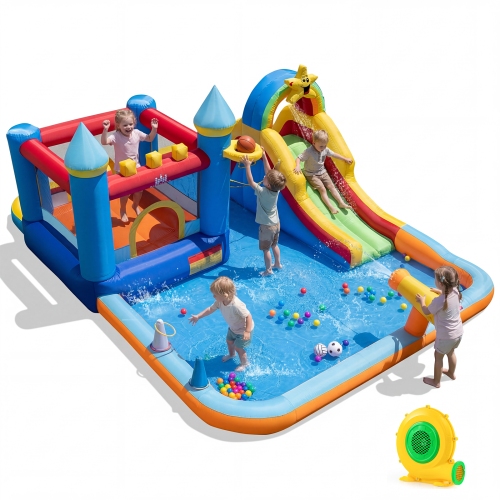
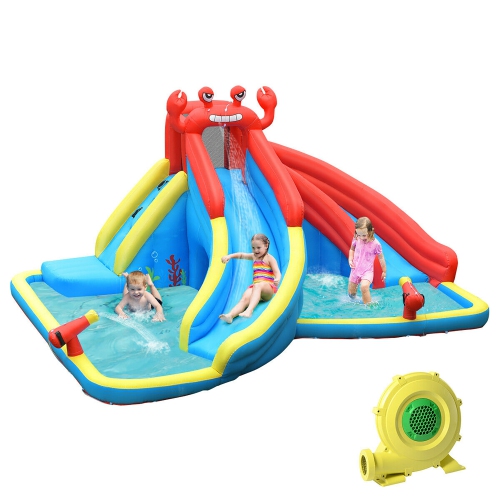
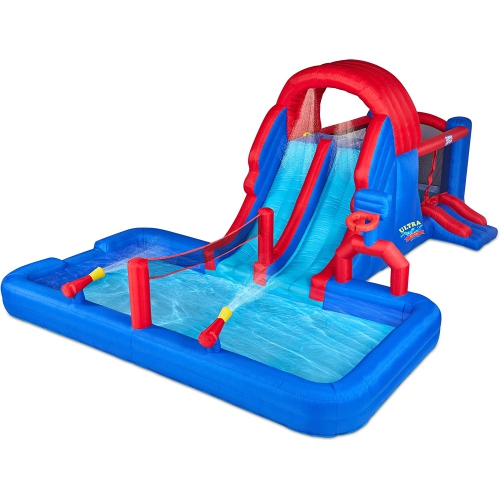
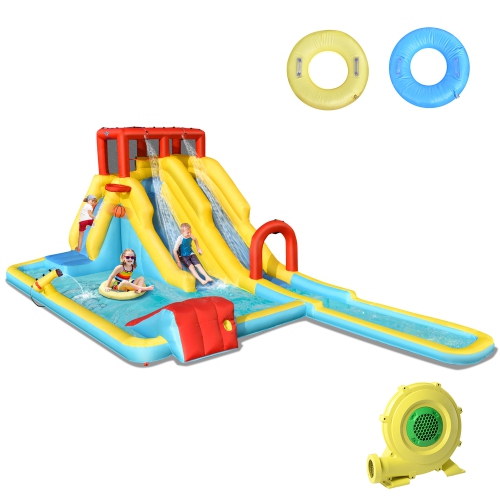
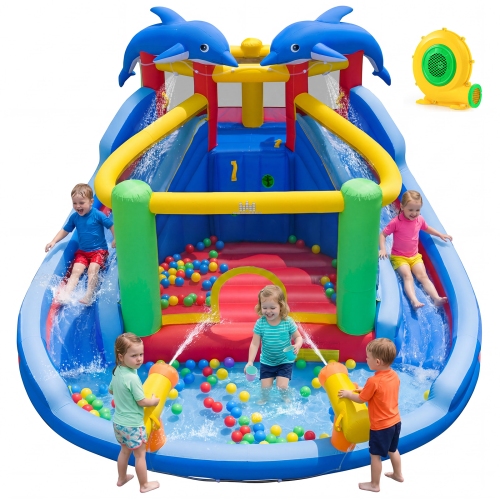
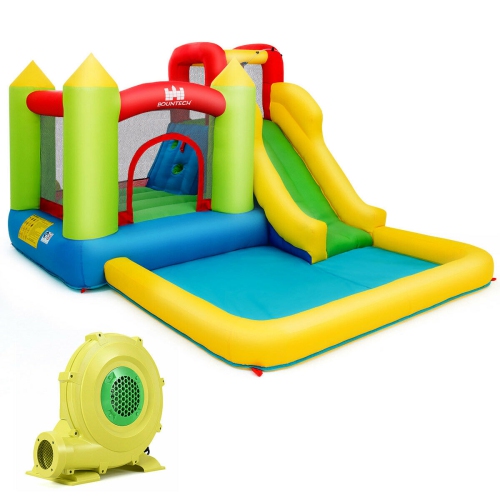
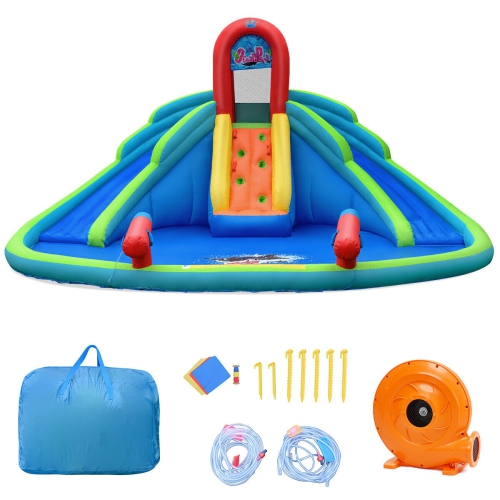
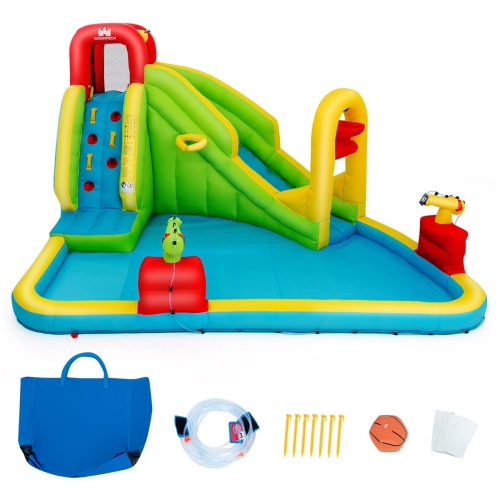
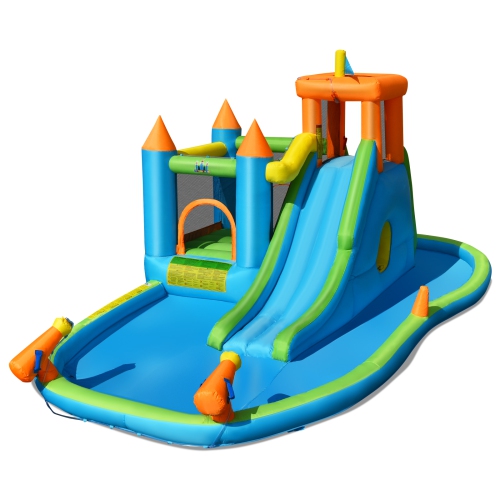
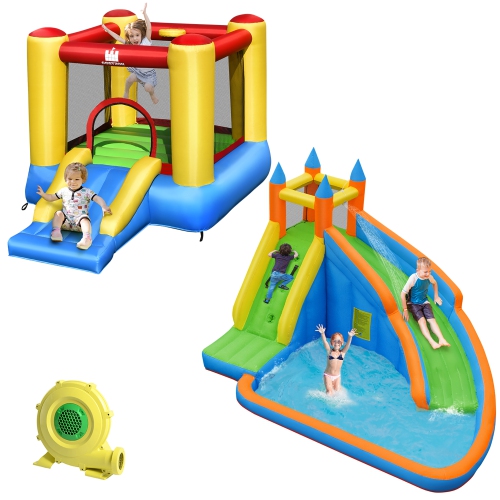
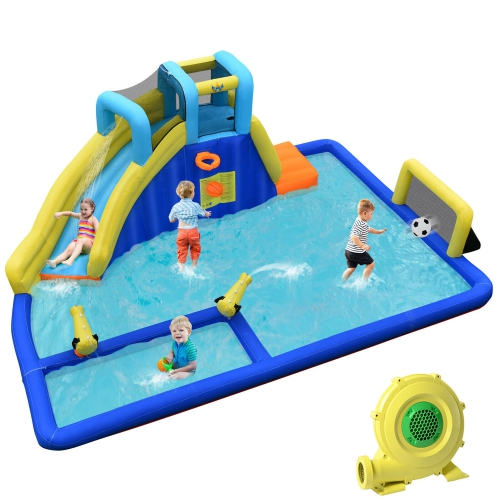
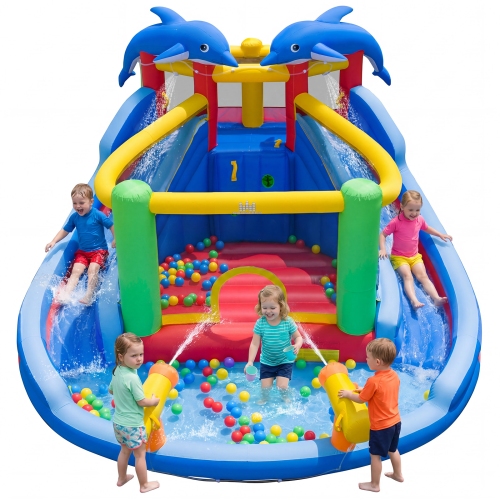
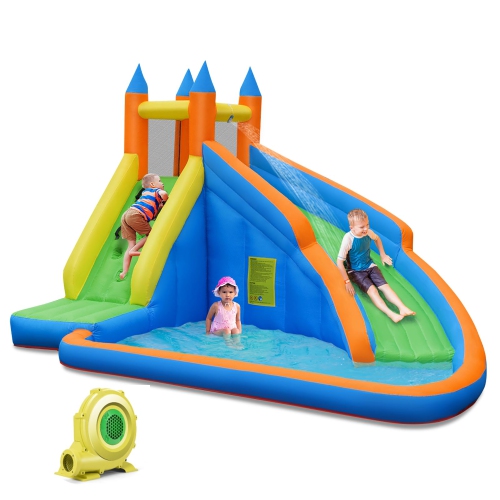
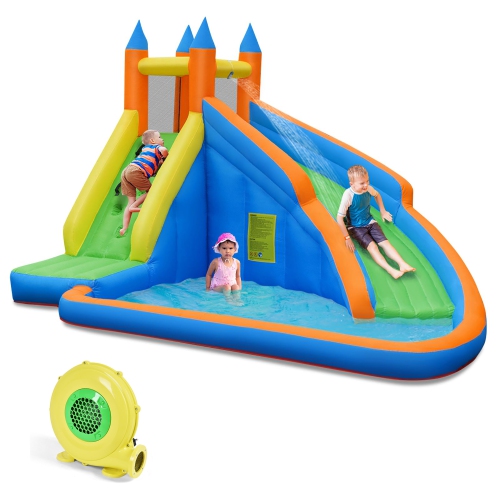
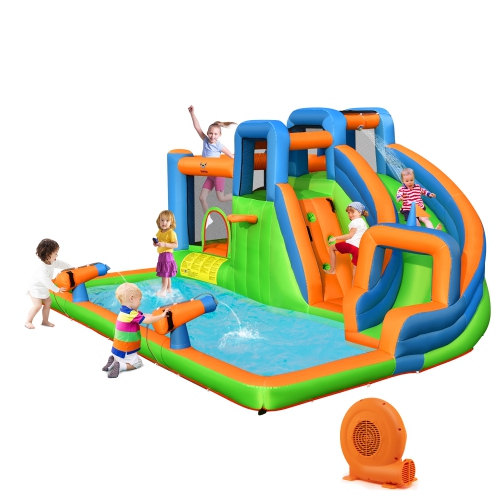
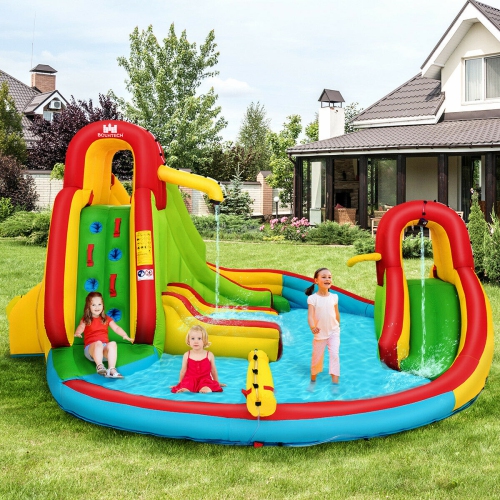
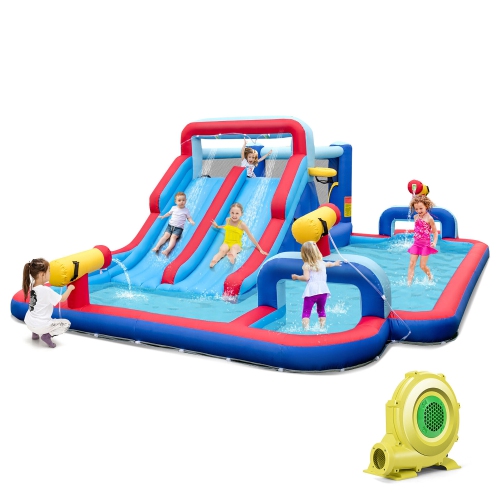
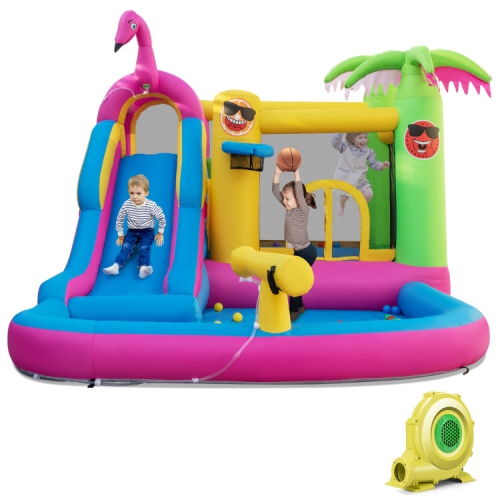
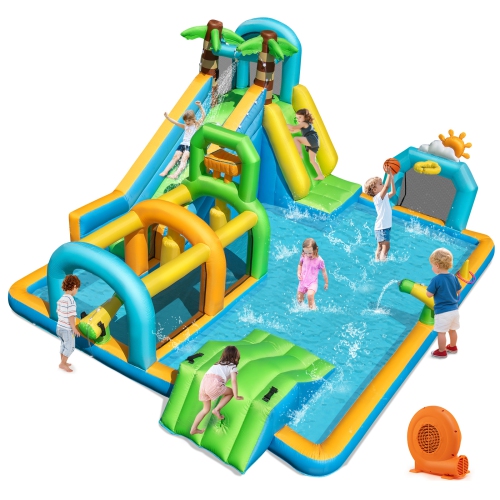
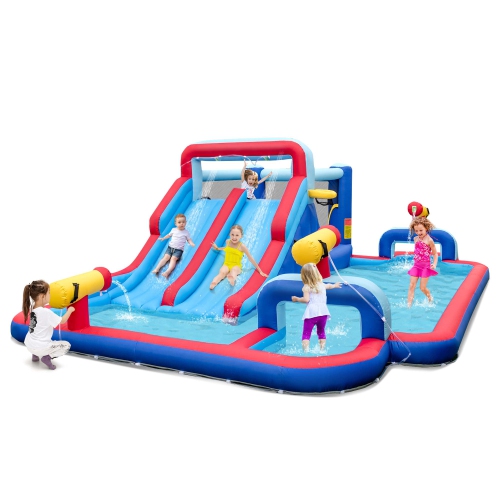
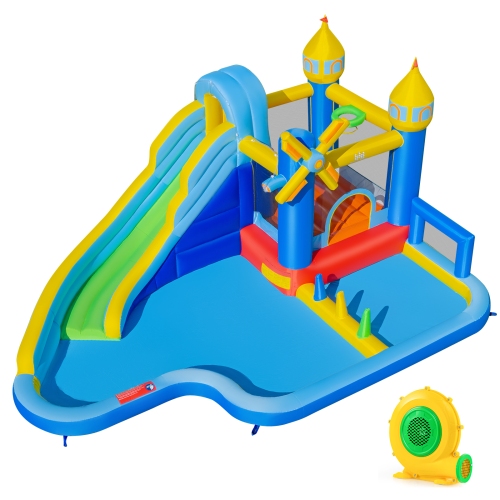
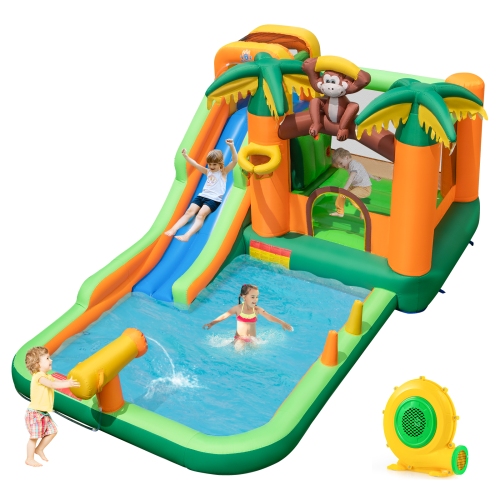
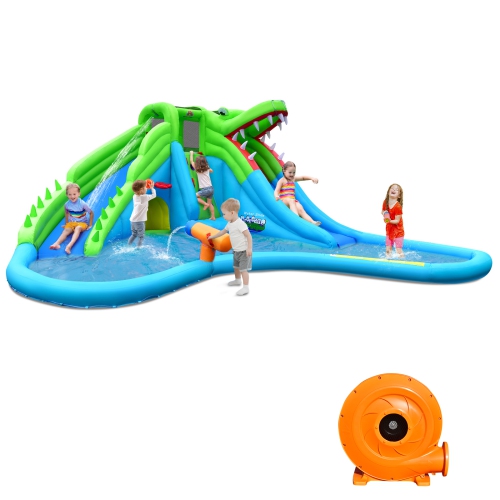
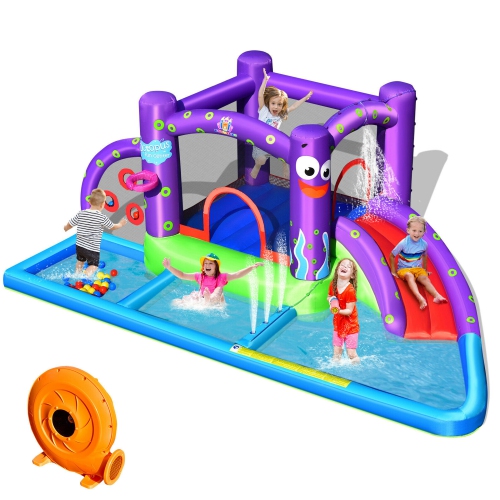
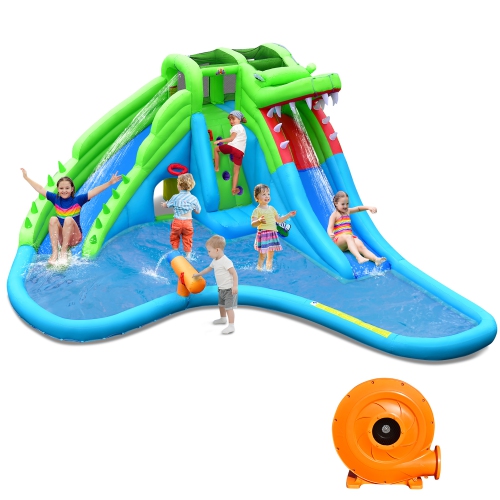
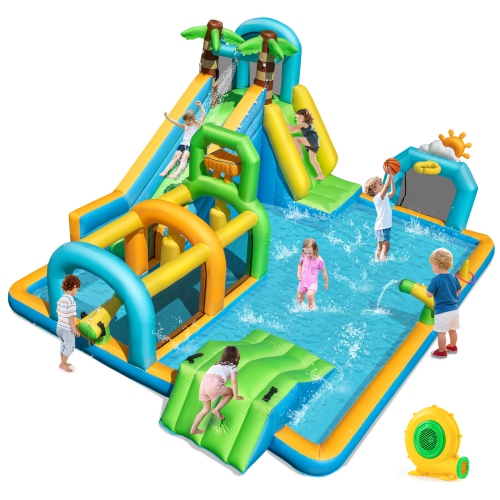
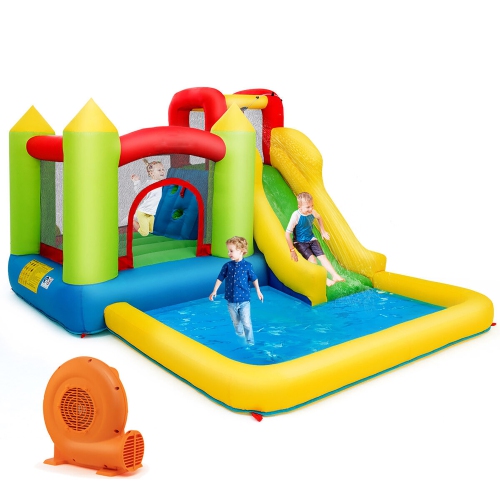
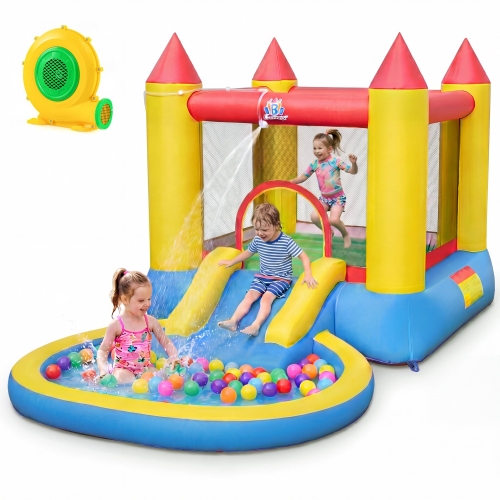
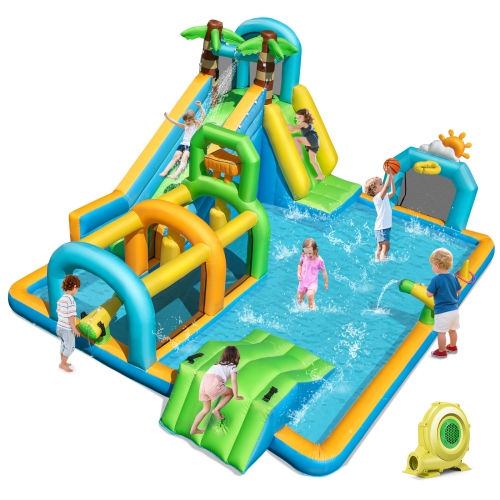
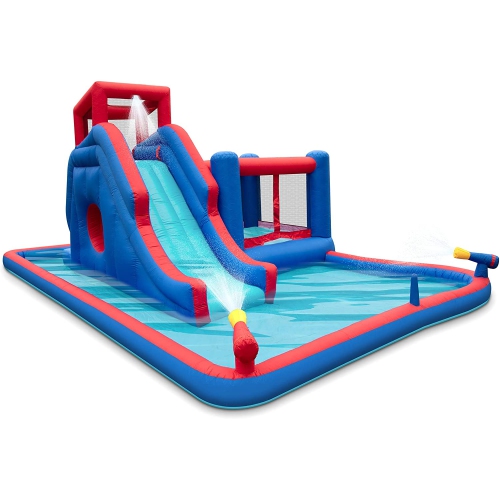
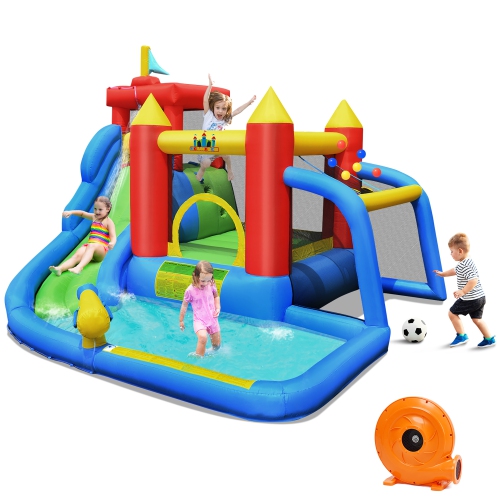
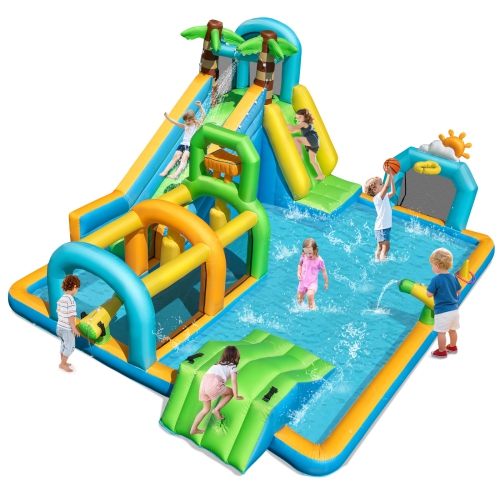
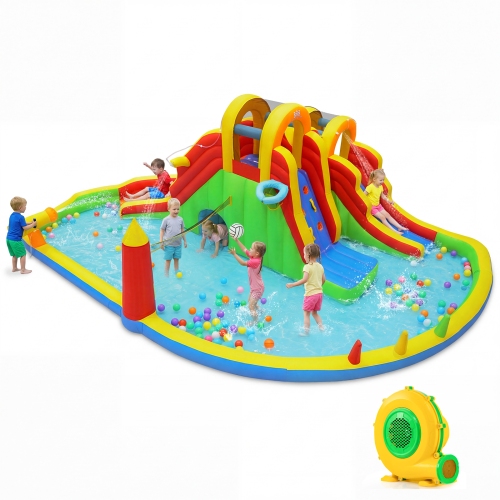
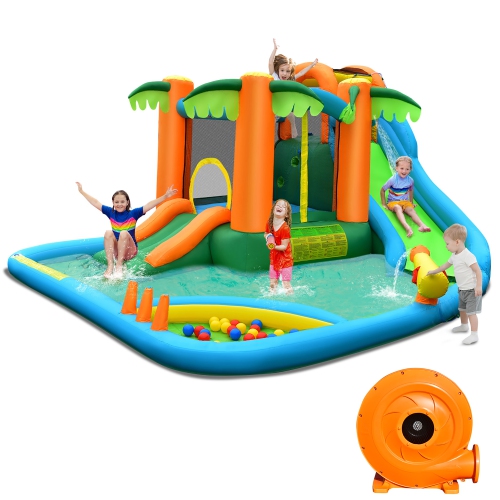
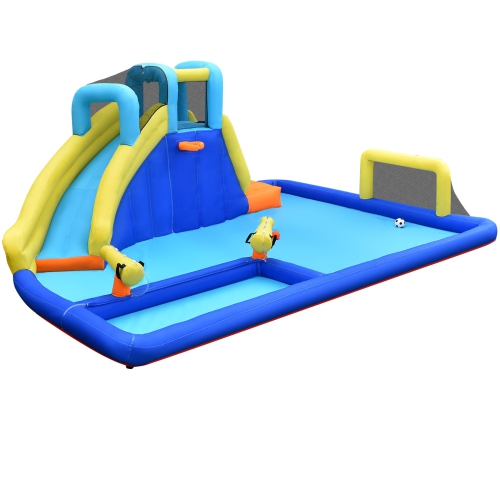
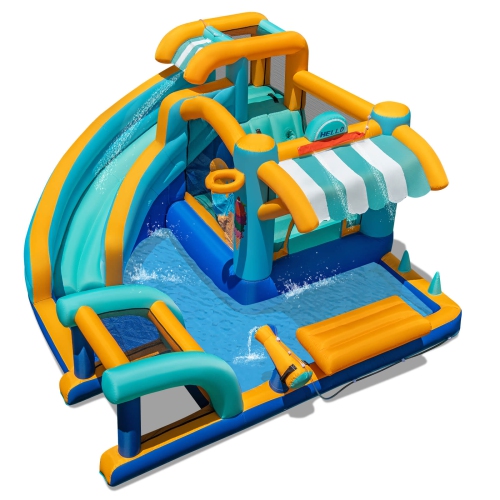
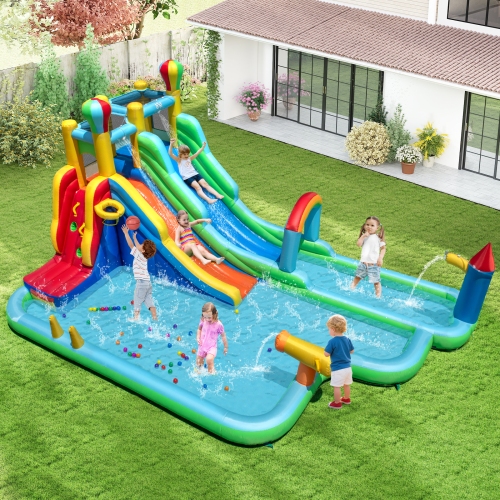
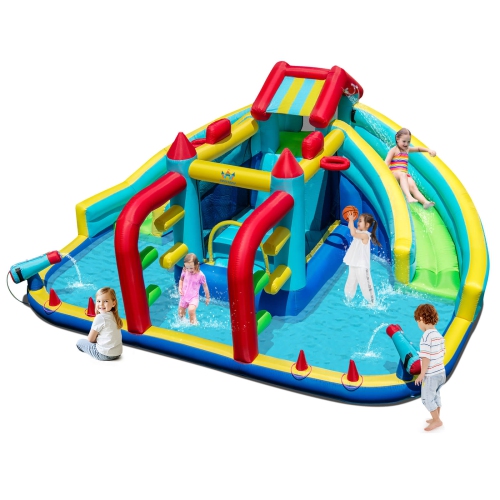
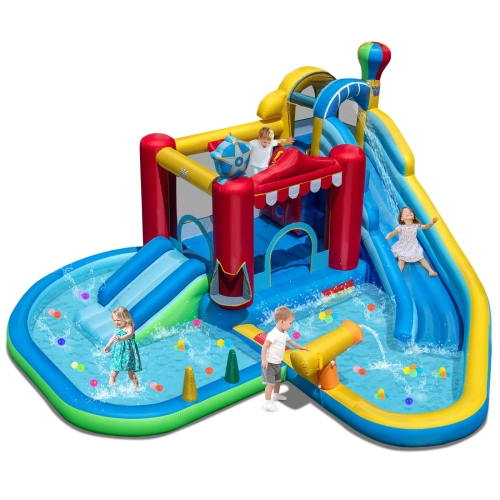
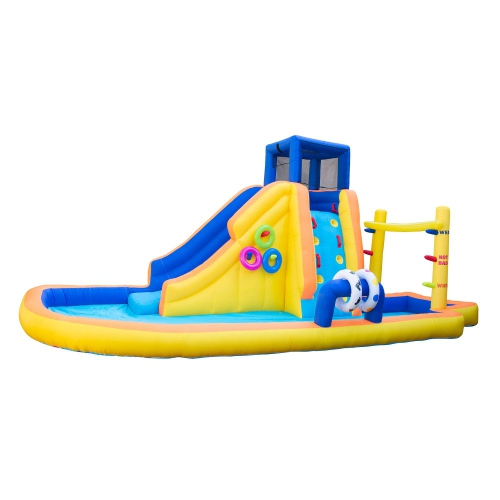
An inflatable water slide can turn a backyard into a lively play area where children climb, splash, race and cool off in one place. These play structures typically use a continuous-air blower to keep the inflatable body firm, while a garden hose supplies water to sprayers that wet the sliding surface and create a smooth ride. Depending on the design, an inflatable water slide may include a climbing wall, splash pool, obstacle section, bounce area or more than one sliding lane. Simpler lawn slides are often long, low-profile designs with built-in sprinklers, while larger inflatable water parks can create a more complete backyard activity zone. Pool-side slides are made for use with compatible in-ground pools and should only be installed according to the manufacturer’s instructions. Exploring the broader selection of Inflatable Slides can help families compare layouts, sizes and features before choosing a setup that suits the available space. These inflatables can be a memorable gift for children who enjoy active outdoor play, and they can also be a practical addition to family gatherings, birthday celebrations, cottage weekends or community events held during the warmer part of the year. A large slide may become the centre of attention at a party, with children taking turns climbing the steps and racing down into a shallow splash area, while a compact model can provide engaging play without taking over the entire yard.
Before choosing an inflatable water slide, consider who will use it, how much room is available and how the structure will be stored between uses. Check the recommended age range, maximum user weight, total capacity and whether children are expected to slide one at a time or share the course. A design with a gentle slope and low climbing section may suit younger children, while older kids may prefer taller slides, dual lanes, climbing walls or obstacle features. Measure the intended setup area carefully, allowing extra clearance around the sides, entry, exit and blower connection. The ground should be flat, level and free of stones, sticks, sharp objects, garden tools and other debris that could damage the material or cause a child to trip. Grass is often a suitable surface when permitted by the instructions, and a protective tarp underneath can help shield the inflatable from rough ground. Avoid placing it near fences, low branches, outdoor furniture, pools or other obstacles. Think about access to a standard electrical outlet and a garden hose as well. The blower should be positioned where its cord and connection will not become a tripping hazard, and the hose should reach the water connection without being stretched across a busy walking path. When comparing options, look for sturdy construction, reinforced seams, handholds, climbing grips, entry steps, splash zones and convenient drainage. A larger model can offer more activities, but it also requires more setup space, water and time to dry. A smaller slide may be easier to inflate, supervise, clean and pack away, which can make it a better choice for an average backyard or occasional family use.
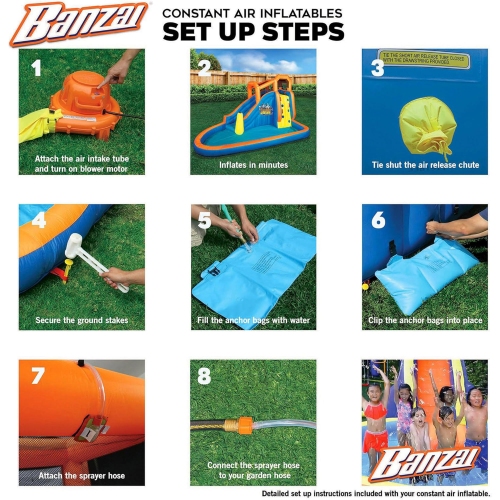
Safe setup and active supervision are essential every time an inflatable water slide is used. Position the structure exactly as directed, secure it with the supplied ground stakes or suitable sandbags where recommended, and confirm that it remains stable before children begin playing. The blower generally needs to run continuously while the inflatable is in use; make sure it is attached securely and protected from water. Connect the hose to the designated inlet, check that the sprayers are distributing water across the sliding surface and look for leaks, loose fittings or areas that are not fully inflated. Children should use the slide in the recommended direction, keep shoes, hard objects and sharp accessories away from the play surface, and wait for the person ahead to clear the landing area. Adult supervision should remain constant, especially when younger children are playing, and children may need to be grouped by similar age or size to reduce collisions. Stop play during thunderstorms, strong winds or other unsafe weather, and follow the instructions for wind limits and water use. After play, turn off the water, allow the inflatable to drain completely, wipe away dirt and let every section dry thoroughly before deflating and storing it. Packing a damp inflatable can lead to odours, staining or material damage, while folding it too tightly around wet areas can make the next setup less pleasant. During cooler months, store the clean, dry inflatable and its accessories in a dry indoor location protected from extreme temperatures, moisture and sharp objects. With the right size, surface, anchoring and supervision, an inflatable water slide can provide energetic outdoor entertainment whenever the weather is suitable, from lively family afternoons to relaxed play during a backyard gathering.
Before choosing an inflatable water slide, consider who will use it, how much room is available and how the structure will be stored between uses. Check the recommended age range, maximum user weight, total capacity and whether children are expected to slide one at a time or share the course. A design with a gentle slope and low climbing section may suit younger children, while older kids may prefer taller slides, dual lanes, climbing walls or obstacle features. Measure the intended setup area carefully, allowing extra clearance around the sides, entry, exit and blower connection. The ground should be flat, level and free of stones, sticks, sharp objects, garden tools and other debris that could damage the material or cause a child to trip. Grass is often a suitable surface when permitted by the instructions, and a protective tarp underneath can help shield the inflatable from rough ground. Avoid placing it near fences, low branches, outdoor furniture, pools or other obstacles. Think about access to a standard electrical outlet and a garden hose as well. The blower should be positioned where its cord and connection will not become a tripping hazard, and the hose should reach the water connection without being stretched across a busy walking path. When comparing options, look for sturdy construction, reinforced seams, handholds, climbing grips, entry steps, splash zones and convenient drainage. A larger model can offer more activities, but it also requires more setup space, water and time to dry. A smaller slide may be easier to inflate, supervise, clean and pack away, which can make it a better choice for an average backyard or occasional family use.
Safe setup and active supervision are essential every time an inflatable water slide is used. Position the structure exactly as directed, secure it with the supplied ground stakes or suitable sandbags where recommended, and confirm that it remains stable before children begin playing. The blower generally needs to run continuously while the inflatable is in use; make sure it is attached securely and protected from water. Connect the hose to the designated inlet, check that the sprayers are distributing water across the sliding surface and look for leaks, loose fittings or areas that are not fully inflated. Children should use the slide in the recommended direction, keep shoes, hard objects and sharp accessories away from the play surface, and wait for the person ahead to clear the landing area. Adult supervision should remain constant, especially when younger children are playing, and children may need to be grouped by similar age or size to reduce collisions. Stop play during thunderstorms, strong winds or other unsafe weather, and follow the instructions for wind limits and water use. After play, turn off the water, allow the inflatable to drain completely, wipe away dirt and let every section dry thoroughly before deflating and storing it. Packing a damp inflatable can lead to odours, staining or material damage, while folding it too tightly around wet areas can make the next setup less pleasant. During cooler months, store the clean, dry inflatable and its accessories in a dry indoor location protected from extreme temperatures, moisture and sharp objects. With the right size, surface, anchoring and supervision, an inflatable water slide can provide energetic outdoor entertainment whenever the weather is suitable, from lively family afternoons to relaxed play during a backyard gathering.
Top selling and popular products
-
 Your price for this item is $398.95
 -
 Your price for this item is $245.99
 -
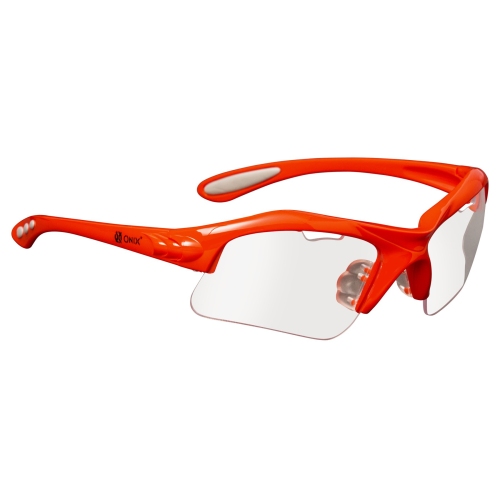 Your price for this item is $44.99
 -
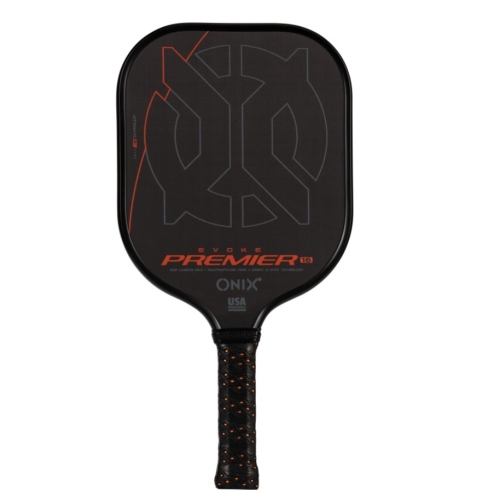 Your price for this item is $139.99
 -
 Your price for this item is $359.99
 -
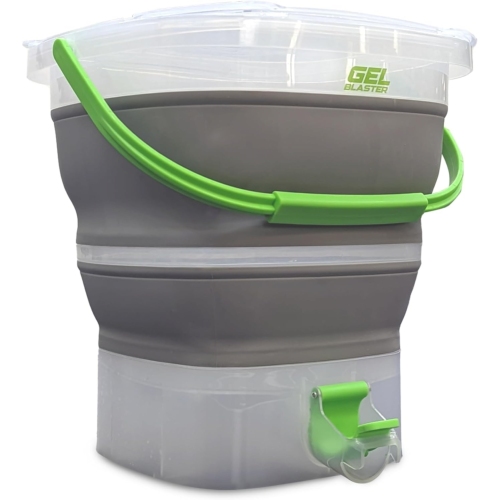 Your price for this item is $34.99
 -
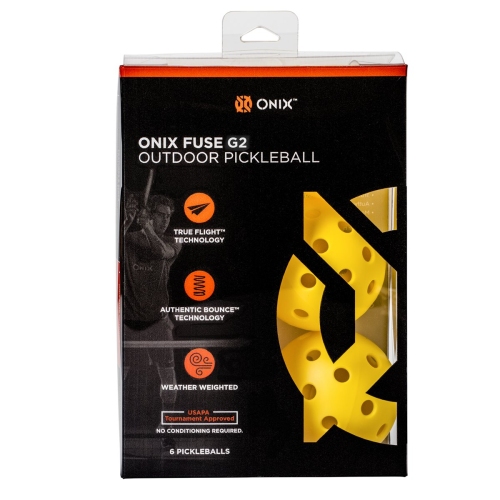 Your price for this item is $28.99
 -
 Your price for this item is $349.99
Discover more categories related to Inflatable Water Slide
Top Collections:
Pokemon Centers, Kindle Devices, Apple iPhones 16, Samsung Galaxy Phones, Canon G7X Cameras, iPhone 15 Apple, Flip Phones, Apple Wired Earphones, Best Budget Office Chairs, Refurbished Apple Laptops
Some products may be subject to Environmental Handling Fees
(EHF) depending on your province.
Learn more about EHFs.