Interior Design Wallpaper
Looking to transform your living space into a stylish and inviting oasis? Look no further than our collection of interior design wallpapers. Whether you're aiming for a modern, minimalist look or prefer the timeless elegance of traditional patterns, our wide selection has something to suit every taste and aesthetic. With an array of colors, textures, and designs to choose from, you'll have no trouble finding the perfect wallpaper to elevate your home's interior design. Here are some great options available.

How wallpaper adds depth and defines a room
Interior design wallpaper gives a room something paint alone cannot always provide: a repeating rhythm, a tactile surface, or a scene that draws the eye across an entire wall. Its role can be quiet or expressive, from a linen-look finish behind a sofa to an oversized botanical print that makes a dining nook feel like a distinct space. The most suitable wallpaper depends on the room’s purpose, the condition of its walls, the amount of light it receives, and how much attention the pattern should command. Small, closely spaced motifs often read as texture from a distance, while broad stripes, architectural shapes, and sweeping florals become part of the room’s visual structure. A large pattern can work beautifully in a compact powder room, although its effect will be more enveloping than understated. In an open-plan living area, a single papered wall can define a seating zone without adding furniture or a physical divider. Colour connects these surfaces to the rest of the interior: a muted blue repeated in upholstery, a soft cream drawn from cabinetry, or a charcoal line that echoes metal light fixtures can make a pattern feel intentional. Existing finishes matter just as much as the wallpaper itself. A crisp white background may look quite different beside honey-coloured wood than it does next to cool grey flooring. Lighting also changes how a design reads throughout the day; metallic details catch light, embossed surfaces create small shadows, and matte papers tend to produce a softer effect. Samples are particularly useful for seeing those differences beside permanent features such as countertops, tile, and trim. Explore Wallpaper for Home with those surrounding finishes in mind, whether the goal is a cohesive palette across several rooms or one distinctive focal point. A successful choice does not need to match every object in the room, but it should leave space for the furniture, artwork, and everyday belongings that make the setting personal.
Wallpaper materials influence both appearance and everyday practicality. Traditional paper wall coverings can deliver crisp printing and fine detail, but their tolerance for moisture and cleaning varies with the surface finish. Non-woven wallpaper, typically made from a blend of fibres, is often designed for dimensional stability, and some versions use a paste-the-wall application method rather than requiring paste on the back of each strip. Vinyl and vinyl-coated wallpapers generally offer a more wipeable surface, making suitable versions worth considering for busy hallways, dining areas, and family spaces where occasional marks are likely. Washable and scrubbable are not interchangeable descriptions, however; the care rating determines how much cleaning a particular finish can tolerate. In kitchens and bathrooms, a moisture-resistant surface may be helpful, but it does not make wallpaper waterproof or suitable for shower walls, persistent dampness, or areas exposed to direct splashing. Ventilation, placement, adhesive compatibility, and the manufacturer’s room-use recommendations remain important. Grasscloth and other natural-fibre wall coverings bring visible strands, subtle colour variation, and depth that printed textures imitate rather than reproduce. Their seams may remain noticeable, and differences between panels are often part of their character. These more absorbent or delicate surfaces are generally better suited to dry, lower-contact settings than areas where spills and fingerprints are common. Peel-and-stick wallpaper uses a self-adhesive backing and can appeal to renters or anyone planning a less permanent update, but removable does not guarantee damage-free removal on every wall. Adhesion and release depend on the finish beneath it, the condition of the paint, and whether the surface meets the stated requirements. Smooth, sound walls are commonly preferred, while textured walls, flaking paint, and some stain-resistant coatings can interfere with the bond. Fresh paint also needs the curing time specified by the paint and wallpaper manufacturers. For a rental home, permission to alter the walls still matters. The right construction balances the desired look with realistic expectations about installation, cleaning, wear, and eventual removal.
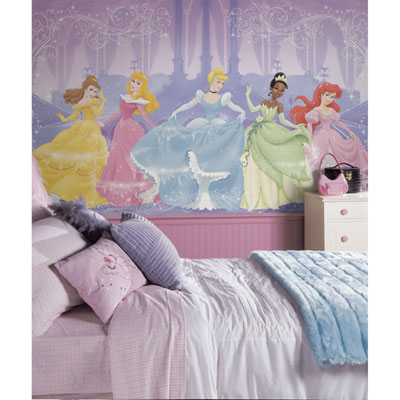
Fit involves more than choosing a roll wide enough for a wall. Wallpaper coverage depends on wall height and width, roll dimensions, and the amount of material needed to align the design. A straight-match pattern lines up at the same height on neighbouring strips, while a drop-match pattern requires an offset; both can create more cutting waste than a random-match texture. A large repeat may also affect where a prominent flower, geometric shape, or scenic detail falls behind a headboard or beside a doorway. Murals have their own proportions, often forming one image across a set of panels, so the position of windows, shelving, and furniture can determine how much of the scene remains visible. Rolls from the same dye lot help reduce unexpected colour differences across a continuous surface. These practical details are especially relevant when wallpaper wraps around a room rather than covering a single accent wall. Intended use helps narrow the visual choices, too. In a home office, a restrained texture can add depth behind a desk without competing with screens or creating a busy video-call background. In a child’s bedroom, an adaptable stripe or small-scale illustrated pattern can sit comfortably beside changing bedding and interests. A bold motif behind a bed can provide definition where there is little room for additional furnishings, while wallpaper inside an alcove can highlight its shape. Cabinet backs and ceilings offer other possibilities, provided the material and adhesive are approved for those surfaces and applications. Long-term appearance depends on care as well as placement: frequent brushing from chairs, strong direct sunlight, and repeated handling can affect different finishes in different ways. Cleaning should follow the stated care instructions, with gentle dusting for suitable delicate surfaces and only approved wiping methods for washable ones. Abrasive pads and harsh cleaners can damage inks, coatings, or raised details. Choosing wallpaper around the way a space is actually used helps its pattern, texture, and finish remain a satisfying part of the room rather than an extra maintenance task.
Wallpaper materials influence both appearance and everyday practicality. Traditional paper wall coverings can deliver crisp printing and fine detail, but their tolerance for moisture and cleaning varies with the surface finish. Non-woven wallpaper, typically made from a blend of fibres, is often designed for dimensional stability, and some versions use a paste-the-wall application method rather than requiring paste on the back of each strip. Vinyl and vinyl-coated wallpapers generally offer a more wipeable surface, making suitable versions worth considering for busy hallways, dining areas, and family spaces where occasional marks are likely. Washable and scrubbable are not interchangeable descriptions, however; the care rating determines how much cleaning a particular finish can tolerate. In kitchens and bathrooms, a moisture-resistant surface may be helpful, but it does not make wallpaper waterproof or suitable for shower walls, persistent dampness, or areas exposed to direct splashing. Ventilation, placement, adhesive compatibility, and the manufacturer’s room-use recommendations remain important. Grasscloth and other natural-fibre wall coverings bring visible strands, subtle colour variation, and depth that printed textures imitate rather than reproduce. Their seams may remain noticeable, and differences between panels are often part of their character. These more absorbent or delicate surfaces are generally better suited to dry, lower-contact settings than areas where spills and fingerprints are common. Peel-and-stick wallpaper uses a self-adhesive backing and can appeal to renters or anyone planning a less permanent update, but removable does not guarantee damage-free removal on every wall. Adhesion and release depend on the finish beneath it, the condition of the paint, and whether the surface meets the stated requirements. Smooth, sound walls are commonly preferred, while textured walls, flaking paint, and some stain-resistant coatings can interfere with the bond. Fresh paint also needs the curing time specified by the paint and wallpaper manufacturers. For a rental home, permission to alter the walls still matters. The right construction balances the desired look with realistic expectations about installation, cleaning, wear, and eventual removal.
Fit involves more than choosing a roll wide enough for a wall. Wallpaper coverage depends on wall height and width, roll dimensions, and the amount of material needed to align the design. A straight-match pattern lines up at the same height on neighbouring strips, while a drop-match pattern requires an offset; both can create more cutting waste than a random-match texture. A large repeat may also affect where a prominent flower, geometric shape, or scenic detail falls behind a headboard or beside a doorway. Murals have their own proportions, often forming one image across a set of panels, so the position of windows, shelving, and furniture can determine how much of the scene remains visible. Rolls from the same dye lot help reduce unexpected colour differences across a continuous surface. These practical details are especially relevant when wallpaper wraps around a room rather than covering a single accent wall. Intended use helps narrow the visual choices, too. In a home office, a restrained texture can add depth behind a desk without competing with screens or creating a busy video-call background. In a child’s bedroom, an adaptable stripe or small-scale illustrated pattern can sit comfortably beside changing bedding and interests. A bold motif behind a bed can provide definition where there is little room for additional furnishings, while wallpaper inside an alcove can highlight its shape. Cabinet backs and ceilings offer other possibilities, provided the material and adhesive are approved for those surfaces and applications. Long-term appearance depends on care as well as placement: frequent brushing from chairs, strong direct sunlight, and repeated handling can affect different finishes in different ways. Cleaning should follow the stated care instructions, with gentle dusting for suitable delicate surfaces and only approved wiping methods for washable ones. Abrasive pads and harsh cleaners can damage inks, coatings, or raised details. Choosing wallpaper around the way a space is actually used helps its pattern, texture, and finish remain a satisfying part of the room rather than an extra maintenance task.
Top selling and popular products
-
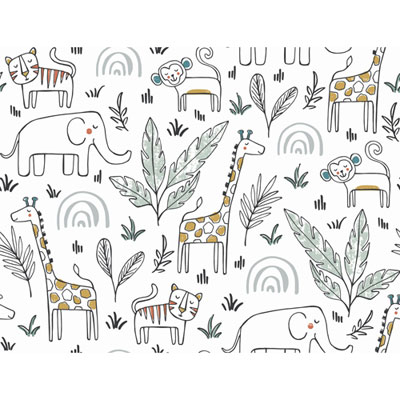 Your price for this item is $28.98
 -
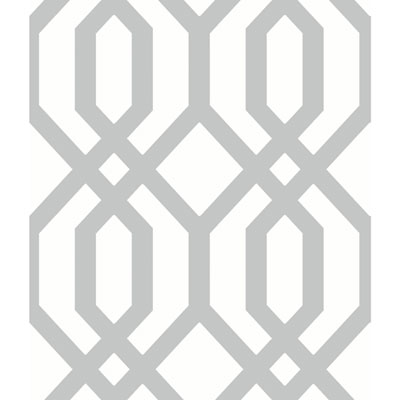 Your price for this item is $34.99
 -
 Your price for this item is $13.99
 -
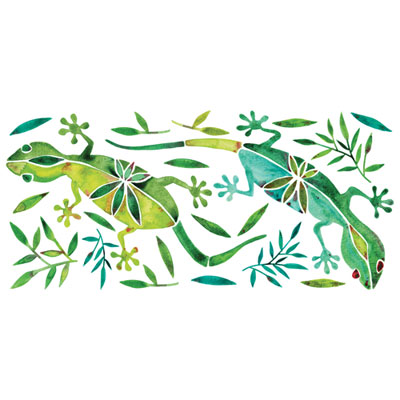 Your price for this item is $17.99
 -
 Your price for this item is $22
 -
 Your price for this item is $13.99
 -
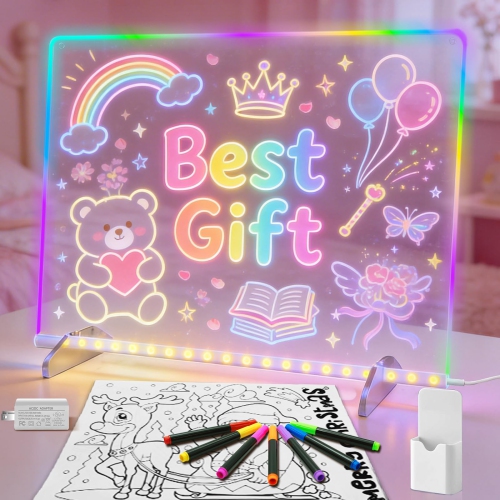 Your price for this item is $72.96
 -
 Your price for this item is $72.96
Discover more categories related to Interior Design Wallpaper

Top Collections:
Pokemon Centers, Kindle Devices, Best Budget Office Chairs, Apple iPhones 16, Canon G7X Cameras, iPhone 15 Apple, Alarm Clock, Refurbished Apple Laptops, Flip Phones, Best Laptops for Writers
Some products may be subject to Environmental Handling Fees
(EHF) depending on your province.
Learn more about EHFs.