Keychain Remotes
Keychain remotes are an incredibly useful tool for those who need to access a variety of areas with the press of a button. These remotes are small and lightweight, making them easy to carry and store. Here are some great options available.
Sort
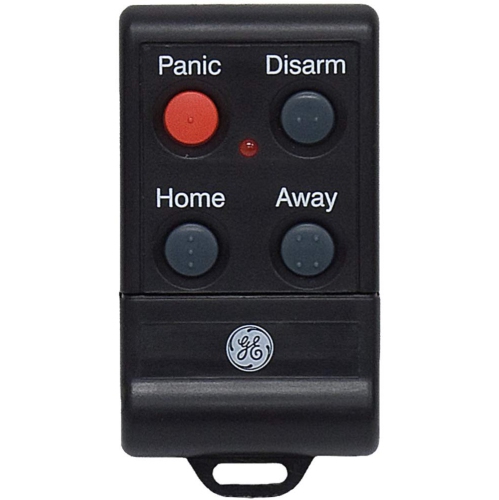
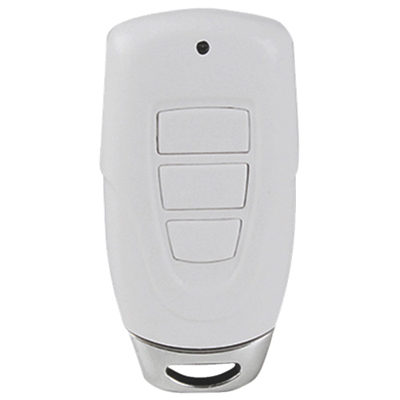
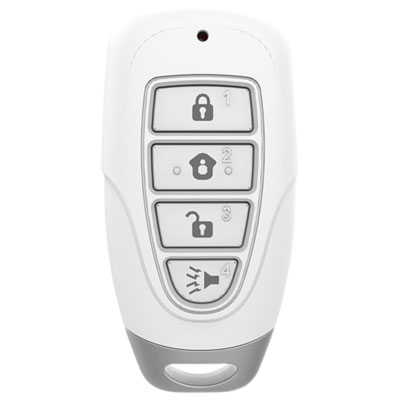
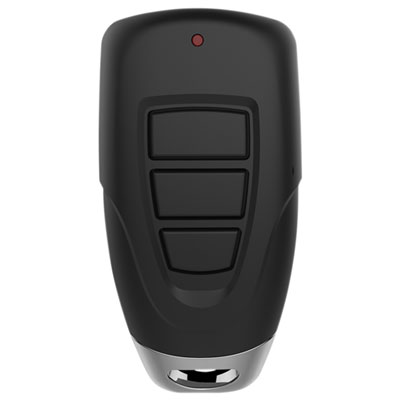
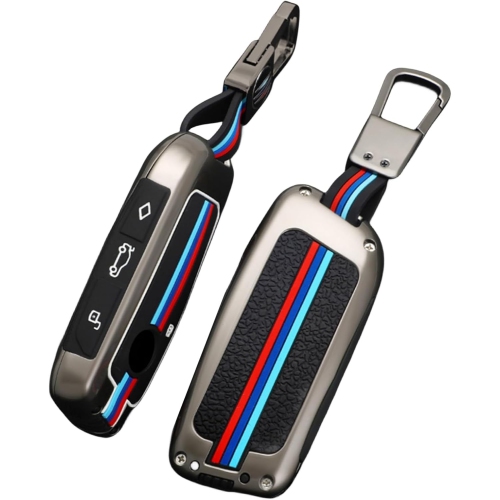
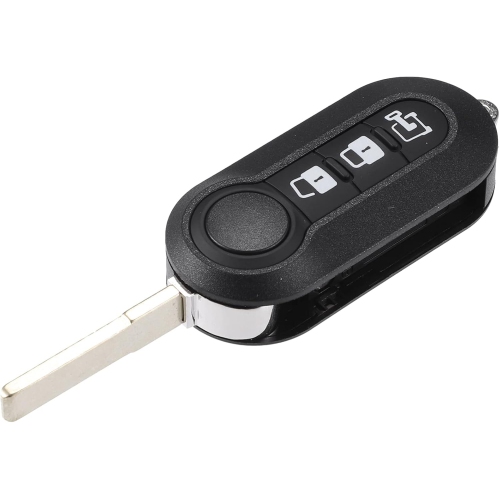

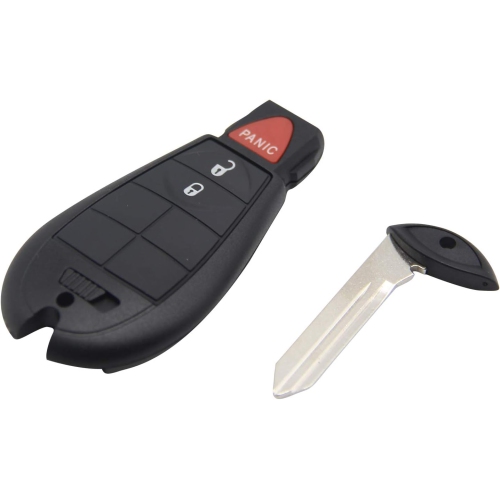
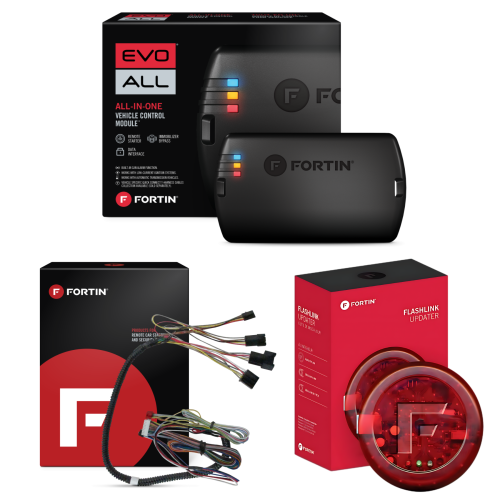
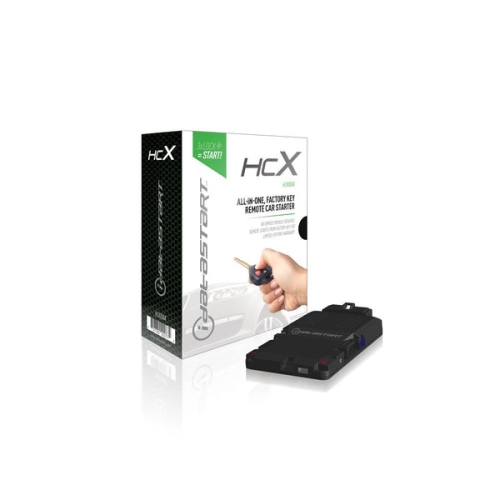
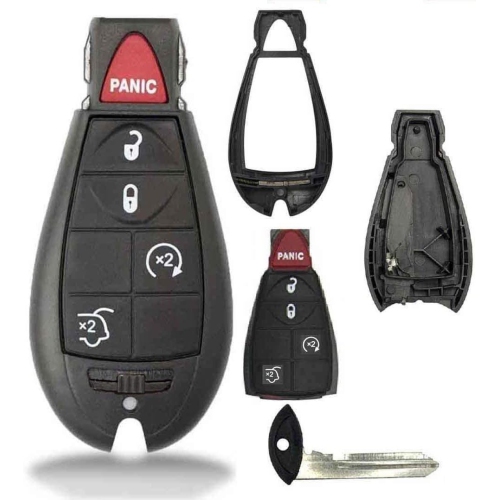
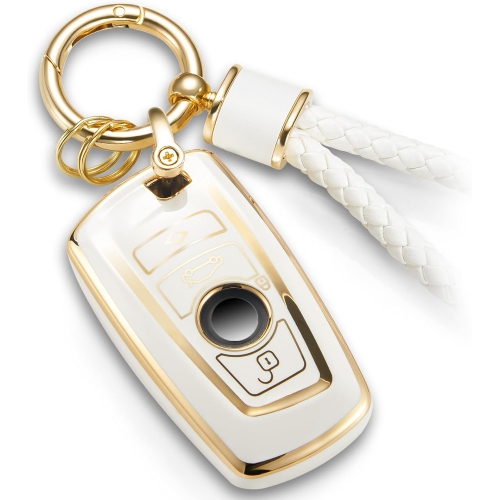
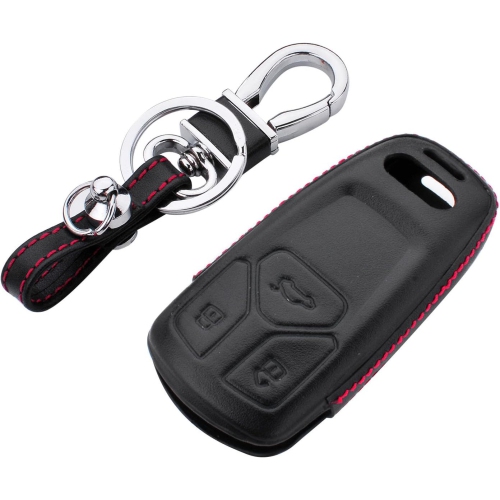
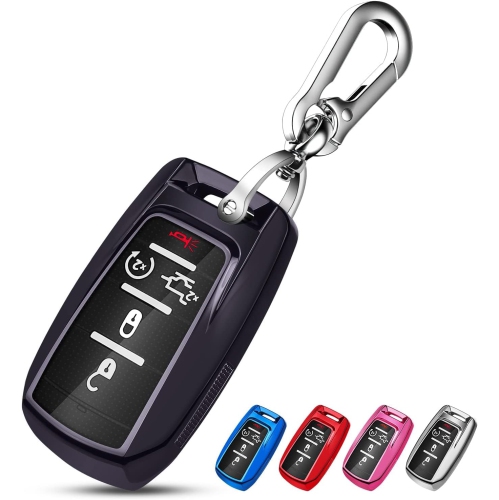
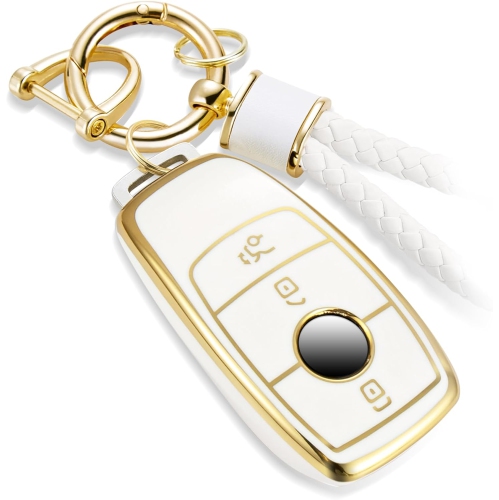
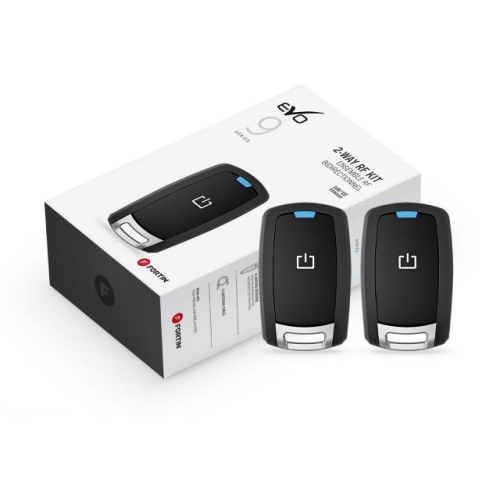
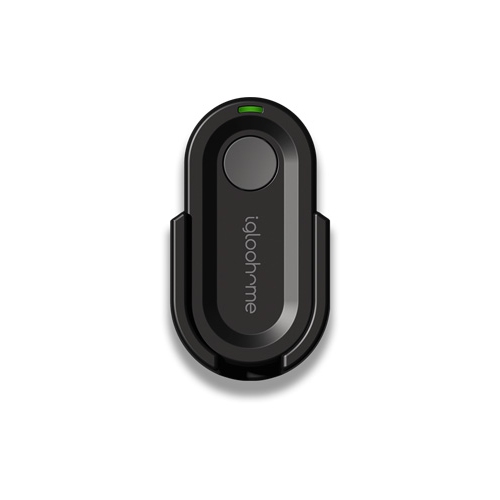
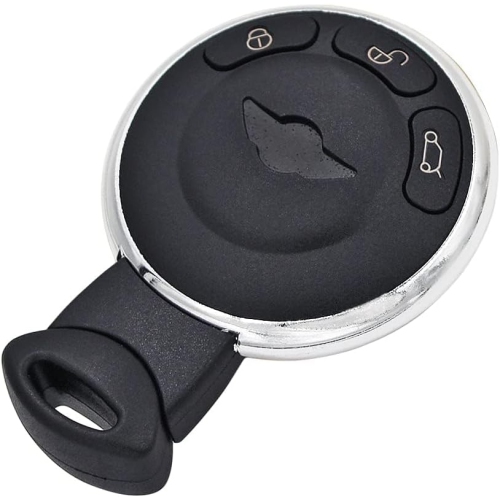
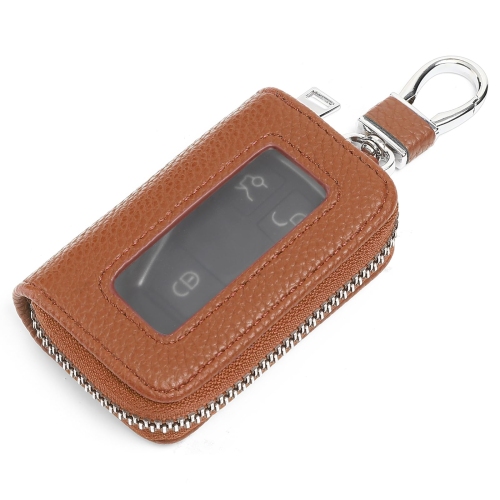
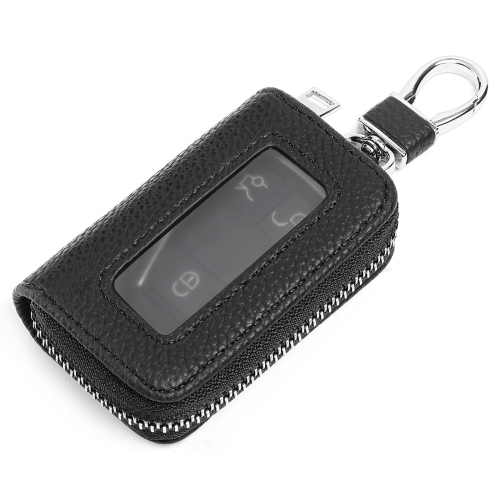
Everyday access starts with a compatible pocket-sized remote
Keychain remotes are compact wireless transmitters that attach to a keyring and send commands to compatible garage door openers, powered gates, or security systems. Their appeal is straightforward: a small, dedicated button can handle an everyday task without opening an app or reaching for a remote clipped inside a vehicle. For someone who enters through a garage on foot, shares access to a driveway gate, or wants an approved way to arm a home alarm, that convenience can make a keychain remote a useful everyday accessory. The remote communicates with a receiver, and both parts must support the same operating frequency and signalling protocol. Matching the frequency alone is not enough; the receiver also needs to recognize the remote’s coding system. Garage door opener compatibility can depend on the manufacturer, model, production date, and receiver technology. A learn button’s colour may help identify compatibility within a particular opener family, but it is not a universal compatibility standard. A remote described as universal still works only with the systems listed in its compatibility information. Likewise, a cloning remote should not be assumed to copy every existing transmitter, especially one using rolling-code security. Some systems use a fixed code, while rolling-code systems change the transmitted access code with successive activations to help resist simple replay attempts. Neither design can be substituted for the other unless the receiver explicitly supports it. These distinctions matter whether the remote is replacing a lost key fob, adding access for another household member, or keeping separate controls together on one keyring. Residents of buildings with shared garages or controlled entry may also need authorization from a property manager, since enrolment can be managed centrally. A compatible transmitter is only one part of access: the system owner may need to register it before it will operate a shared door or gate.
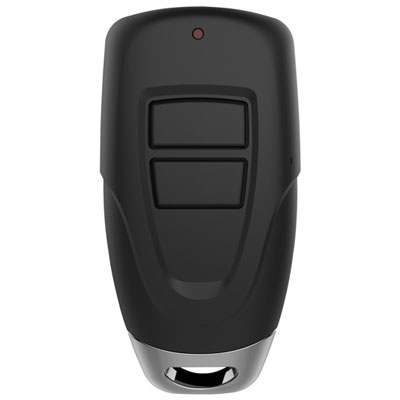
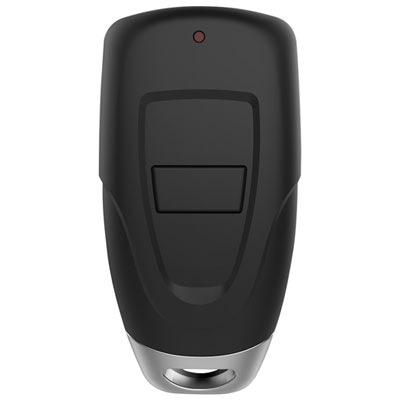
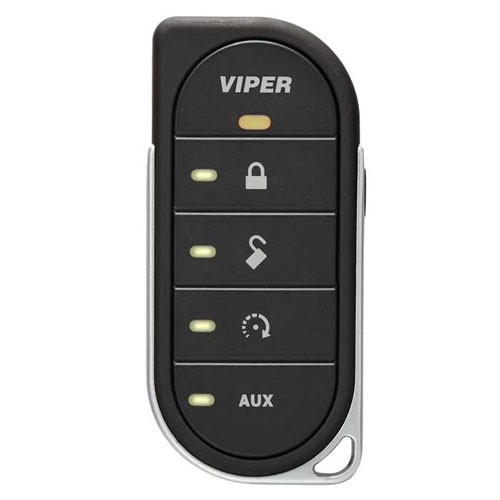
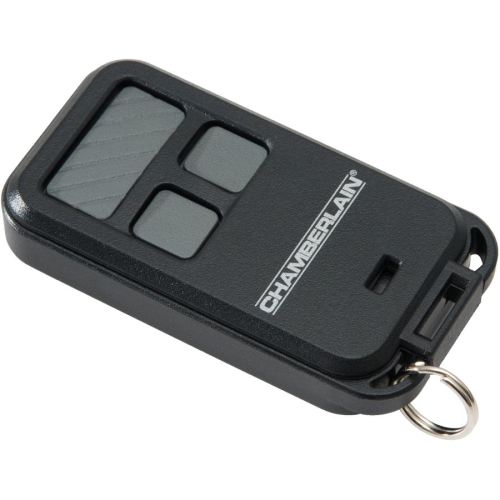
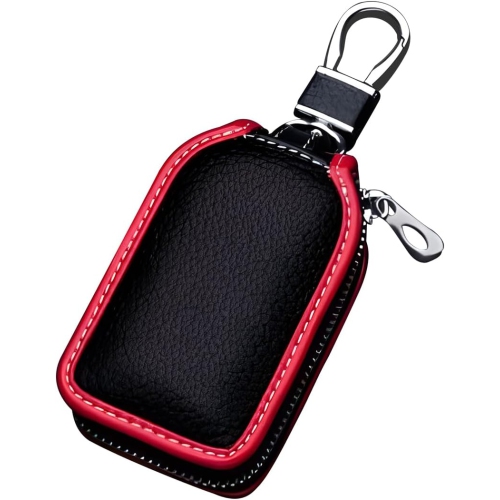
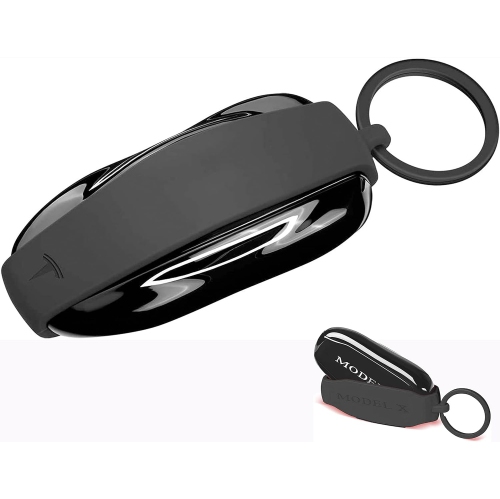
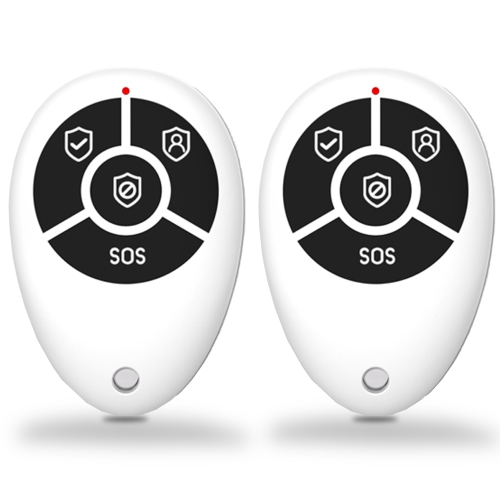
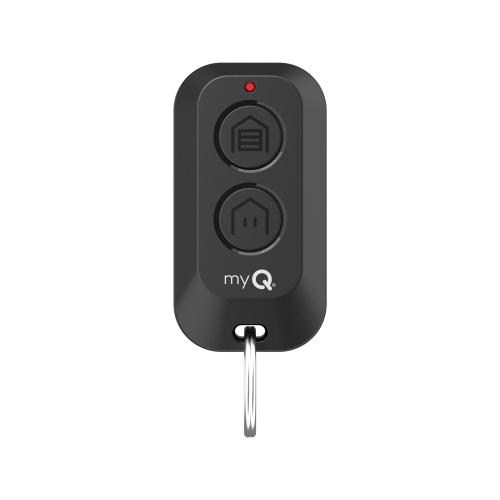
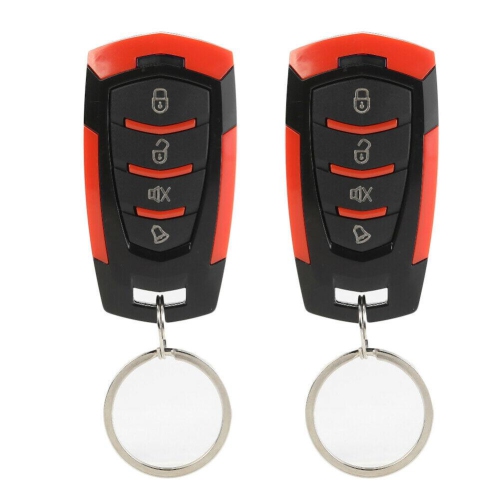
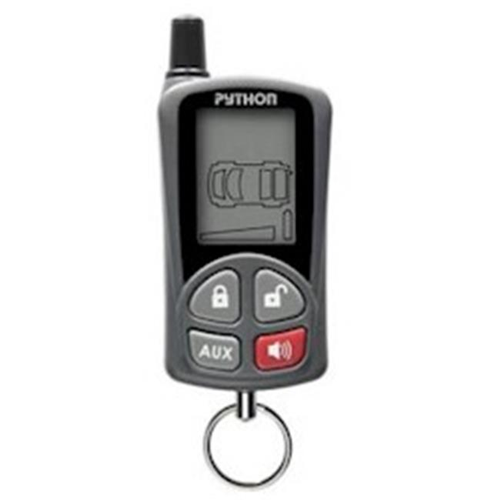
Button layout, size, and attachment design have a noticeable effect on how a keychain remote feels in daily use. A single-button remote keeps operation simple when there is just one garage door or gate to control. Multi-button designs can provide separate commands for more than one compatible receiver, or for supported functions within a security system. Four buttons do not necessarily mean four interchangeable functions; each button’s role depends on the remote and the receiving equipment. Someone with two garage doors may value clearly separated controls, while a household member using an alarm remote may need distinct arm, disarm, and emergency buttons. Raised markings, contrasting symbols, and enough space between buttons can make the right command easier to identify by touch or at a glance. Recessed buttons or protective covers may help reduce accidental presses when keys sit in a pocket or bag. For users with limited hand dexterity, the force needed to press a button and the ease of gripping the housing can matter as much as the overall size. Many keychain remotes use moulded plastic housings to keep weight low, sometimes with metal trim, a reinforced attachment point, or a separate protective sleeve. The keyring loop deserves attention because it takes repeated pulling and rubbing against other keys. A slim remote may fit comfortably beside a vehicle key, but a slightly larger housing can offer more usable button spacing. Dimensions are worth considering alongside the rest of a key set, particularly when the remote will share space with a bulky car fob or several access tags. A secure split ring helps keep the transmitter attached, while an optional clip can make it easier to move between a keyring and a bag. For someone organizing several connected accessories, the Smart Keychain page offers a related category to explore. A key finder or tracking accessory serves a different purpose, however, and should not be assumed to operate a garage door, gate, or alarm receiver.
Reliable everyday performance depends on more than the remote’s stated range. Walls, metal doors, the receiver’s location, nearby radio interference, and battery condition can all affect how consistently a command reaches its destination. Published range figures are typically based on specified test conditions rather than a guarantee for every property. A remote that works well from an open driveway may behave differently inside a vehicle or behind a concrete wall. Keeping a moving garage door or gate in view allows the user to check that the path is clear and confirm that the command has taken effect. An indicator light on the remote often shows that a button was pressed or that the transmitter has power; it does not necessarily confirm whether a door closed or an alarm armed. Confirmation requires a system designed to return that information. Power arrangements also vary, with many compact remotes using replaceable coin or button batteries. The required battery type, access to the battery compartment, and any need to restore programming after replacement are practical details to check in the supplied documentation. Spare and removed coin batteries should be kept away from children and pets, and a battery compartment that no longer closes securely needs attention. For routine care, a soft, dry cloth helps remove fingerprints and dust without forcing moisture into button seams. Unless the housing has an appropriate stated protection rating, water resistance should not be assumed. Repeated drops, cracked button covers, and a worn attachment loop can shorten useful life even when the electronics still function. Keychain remotes can be thoughtful practical gifts for a partner, parent, or other authorized user, provided the receiving system and programming requirements are known beforehand. A spare can also simplify access for a trusted household member without passing a single remote back and forth. If a remote goes missing, deleting its access through the receiver or system administrator is an important security step; on some systems, that process also requires re-enrolling the remotes that remain. With suitable compatibility, comfortable controls, and sensible care, a keychain remote keeps an essential entry function close at hand.
Button layout, size, and attachment design have a noticeable effect on how a keychain remote feels in daily use. A single-button remote keeps operation simple when there is just one garage door or gate to control. Multi-button designs can provide separate commands for more than one compatible receiver, or for supported functions within a security system. Four buttons do not necessarily mean four interchangeable functions; each button’s role depends on the remote and the receiving equipment. Someone with two garage doors may value clearly separated controls, while a household member using an alarm remote may need distinct arm, disarm, and emergency buttons. Raised markings, contrasting symbols, and enough space between buttons can make the right command easier to identify by touch or at a glance. Recessed buttons or protective covers may help reduce accidental presses when keys sit in a pocket or bag. For users with limited hand dexterity, the force needed to press a button and the ease of gripping the housing can matter as much as the overall size. Many keychain remotes use moulded plastic housings to keep weight low, sometimes with metal trim, a reinforced attachment point, or a separate protective sleeve. The keyring loop deserves attention because it takes repeated pulling and rubbing against other keys. A slim remote may fit comfortably beside a vehicle key, but a slightly larger housing can offer more usable button spacing. Dimensions are worth considering alongside the rest of a key set, particularly when the remote will share space with a bulky car fob or several access tags. A secure split ring helps keep the transmitter attached, while an optional clip can make it easier to move between a keyring and a bag. For someone organizing several connected accessories, the Smart Keychain page offers a related category to explore. A key finder or tracking accessory serves a different purpose, however, and should not be assumed to operate a garage door, gate, or alarm receiver.
Reliable everyday performance depends on more than the remote’s stated range. Walls, metal doors, the receiver’s location, nearby radio interference, and battery condition can all affect how consistently a command reaches its destination. Published range figures are typically based on specified test conditions rather than a guarantee for every property. A remote that works well from an open driveway may behave differently inside a vehicle or behind a concrete wall. Keeping a moving garage door or gate in view allows the user to check that the path is clear and confirm that the command has taken effect. An indicator light on the remote often shows that a button was pressed or that the transmitter has power; it does not necessarily confirm whether a door closed or an alarm armed. Confirmation requires a system designed to return that information. Power arrangements also vary, with many compact remotes using replaceable coin or button batteries. The required battery type, access to the battery compartment, and any need to restore programming after replacement are practical details to check in the supplied documentation. Spare and removed coin batteries should be kept away from children and pets, and a battery compartment that no longer closes securely needs attention. For routine care, a soft, dry cloth helps remove fingerprints and dust without forcing moisture into button seams. Unless the housing has an appropriate stated protection rating, water resistance should not be assumed. Repeated drops, cracked button covers, and a worn attachment loop can shorten useful life even when the electronics still function. Keychain remotes can be thoughtful practical gifts for a partner, parent, or other authorized user, provided the receiving system and programming requirements are known beforehand. A spare can also simplify access for a trusted household member without passing a single remote back and forth. If a remote goes missing, deleting its access through the receiver or system administrator is an important security step; on some systems, that process also requires re-enrolling the remotes that remain. With suitable compatibility, comfortable controls, and sensible care, a keychain remote keeps an essential entry function close at hand.
Top selling and popular products
-
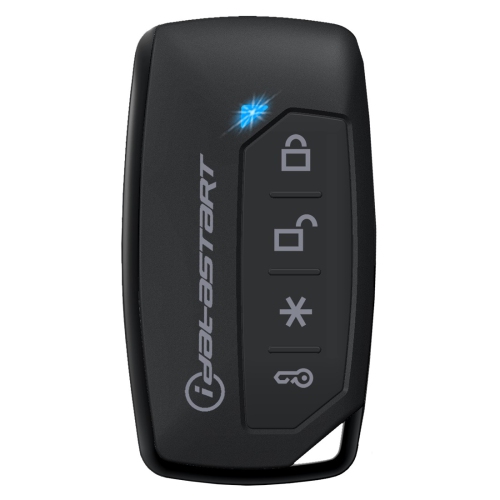 Your price for this item is $45
 -
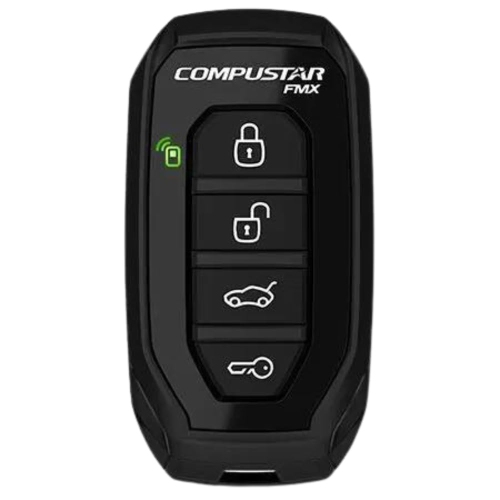 Your price for this item is $116.62
 -
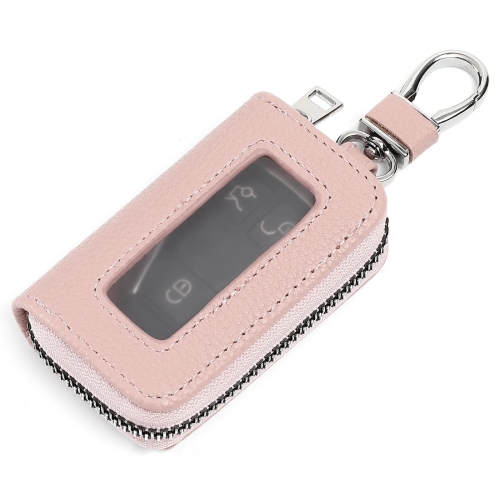 Your price for this item is $46.96
 -
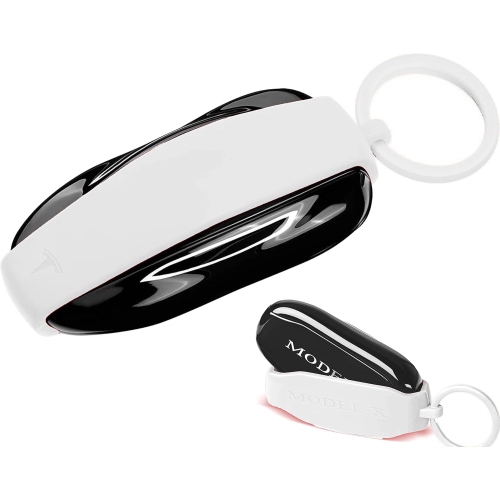 Your price for this item is $22.95
 -
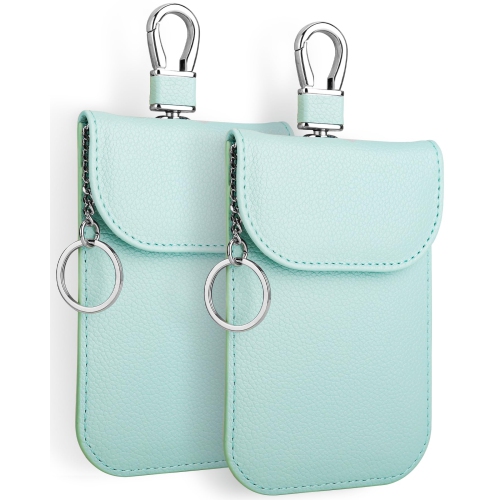 Your price for this item is $32.96
 -
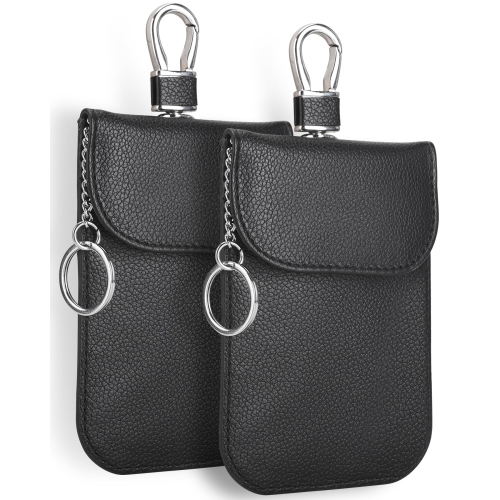 Your price for this item is $32.96
 -
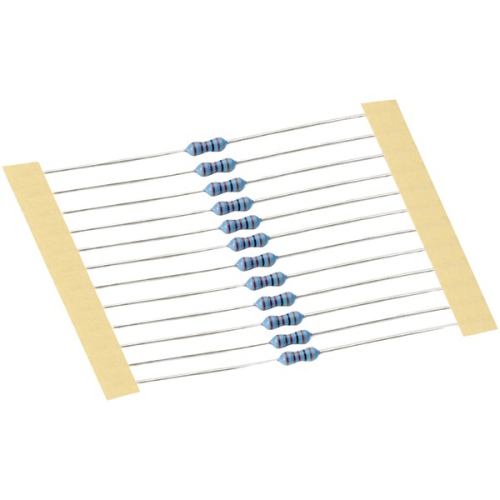 Your price for this item is $30.01
 -
 Your price for this item is $289.99
Discover more categories related to Keychain Remotes

Top Collections:
Pokemon Centers, Kindle Devices, Best Budget Office Chairs, Apple iPhones 16, Best Laptops for Writers, iPhone 15 Apple, Canon G7X Cameras, Refurbished Apple Laptops, Alarm Clock, Motorola Razr Phones
Some products may be subject to Environmental Handling Fees
(EHF) depending on your province.
Learn more about EHFs.