Kids Pool
Transform your backyard into a summer oasis with our selection of kids' pools. Perfect for keeping your little ones entertained and cool on hot days, these pools come in various sizes and designs to suit your space and preferences. From inflatable options to sturdy above-ground models, there's a kids' pools here to make a splash in your outdoor fun. Dive into our collection now and turn your home into the ultimate destination for endless summer enjoyment.
Sort
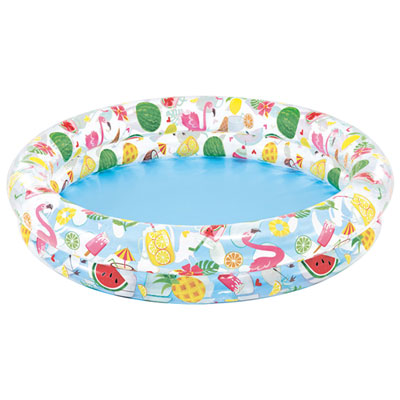
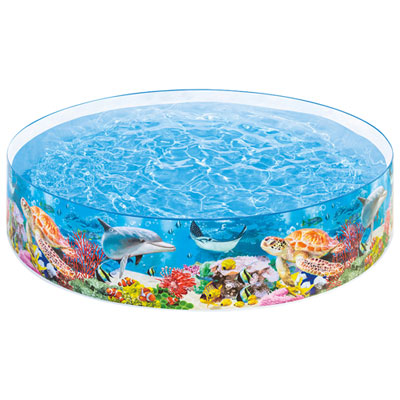
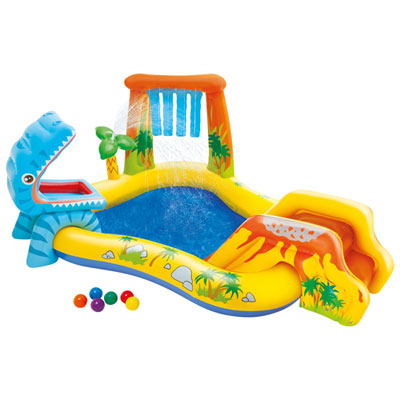
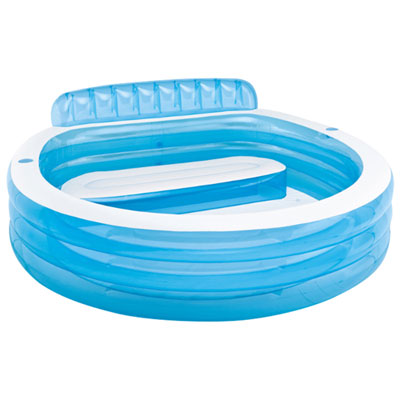
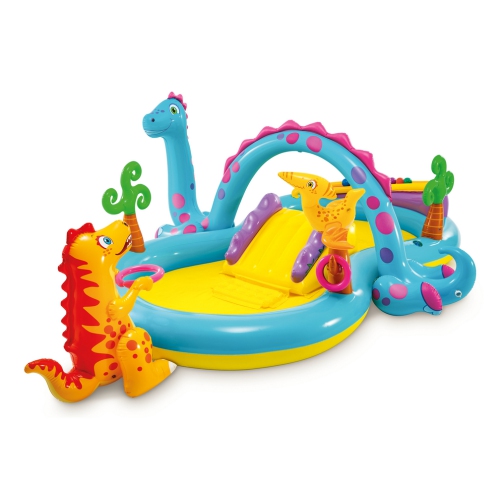
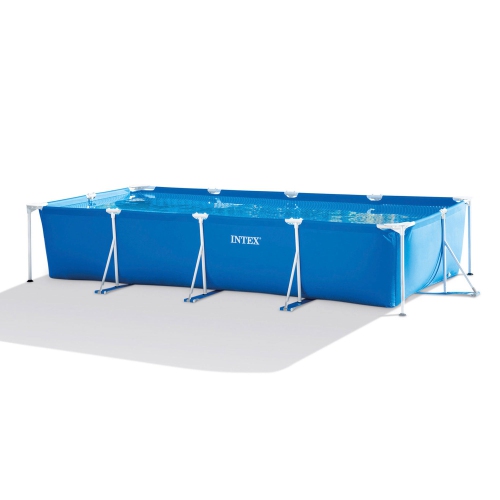
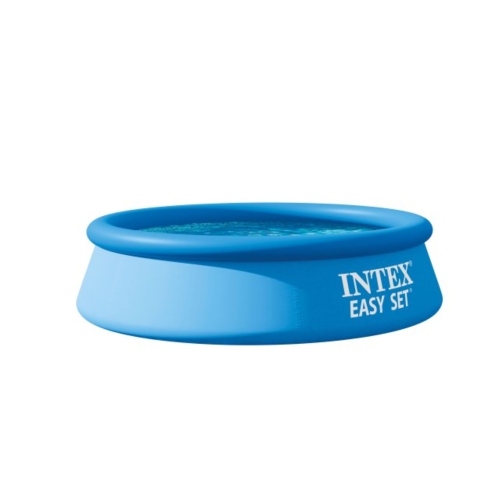

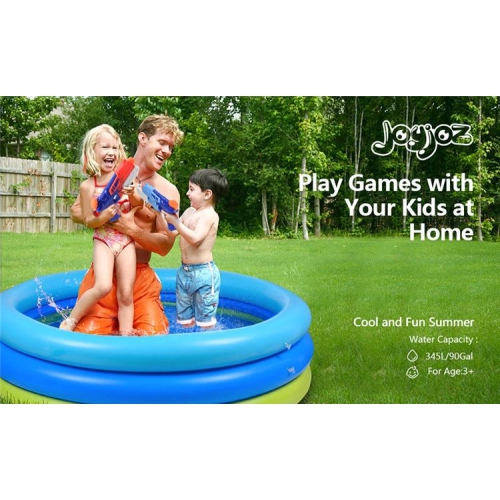
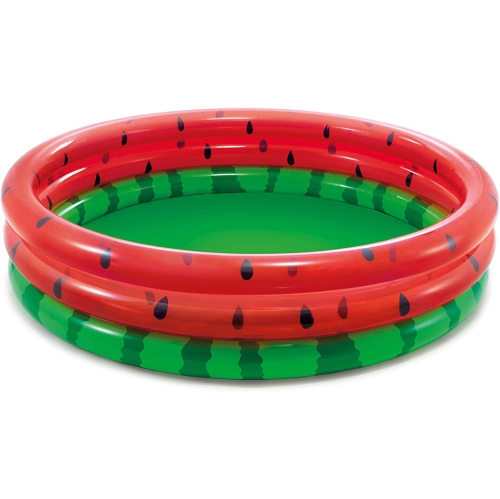
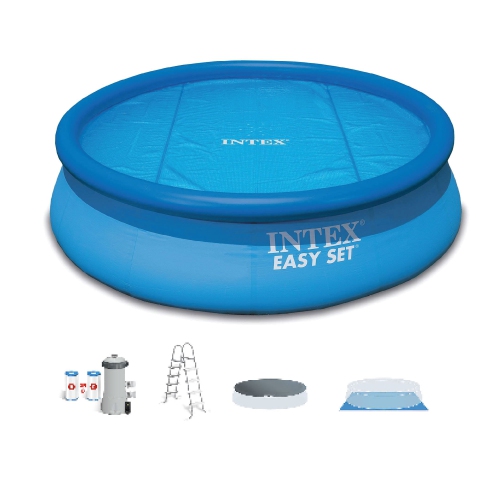
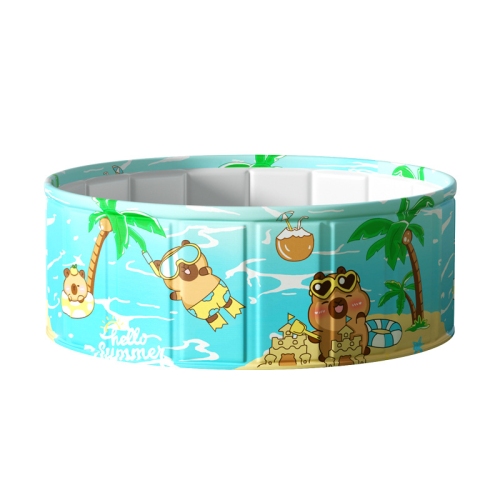
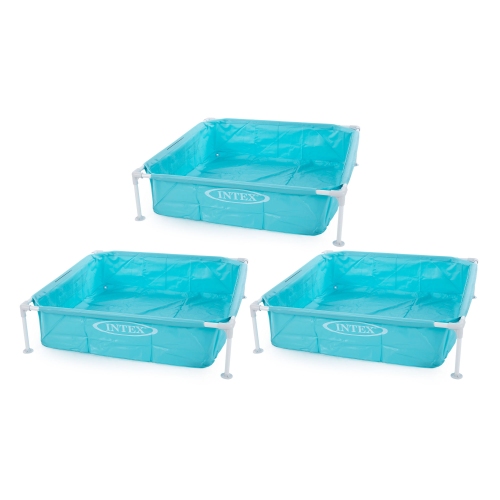
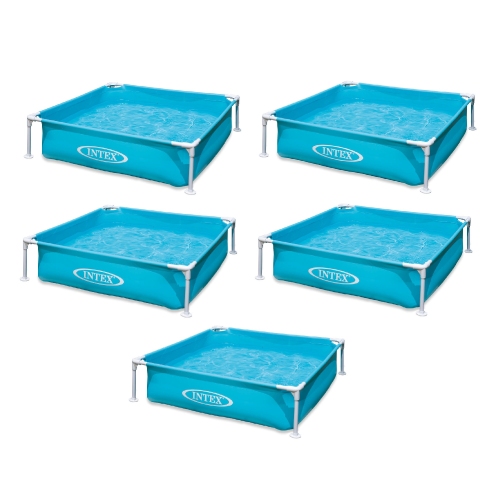
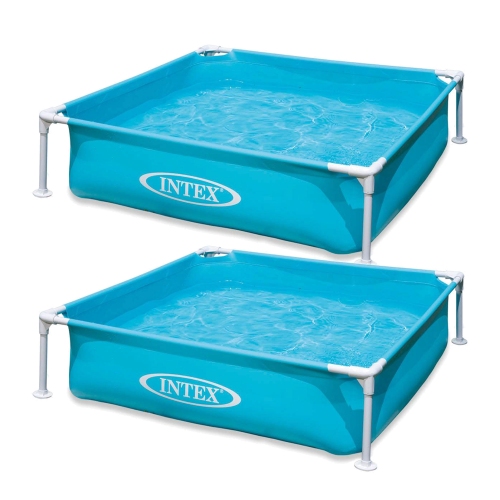
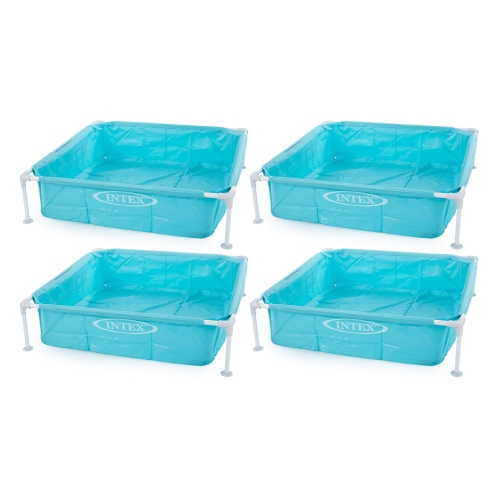

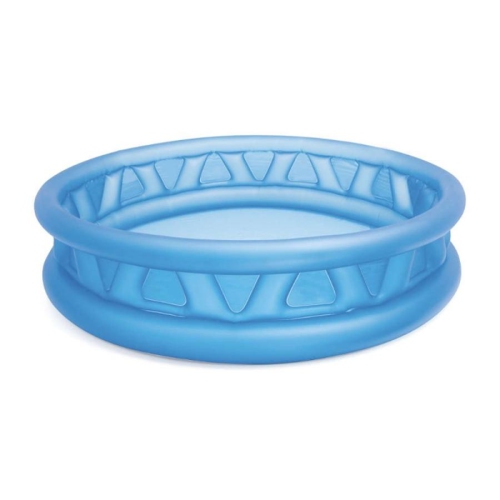
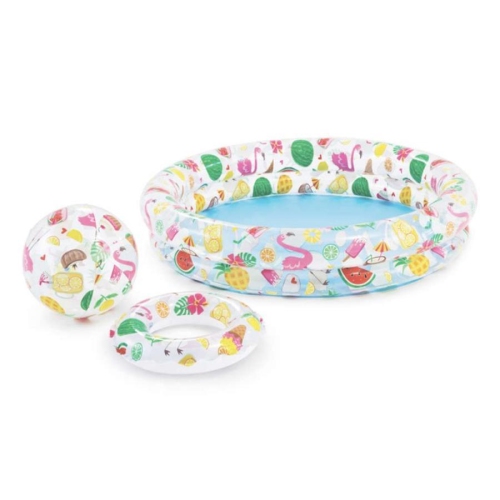
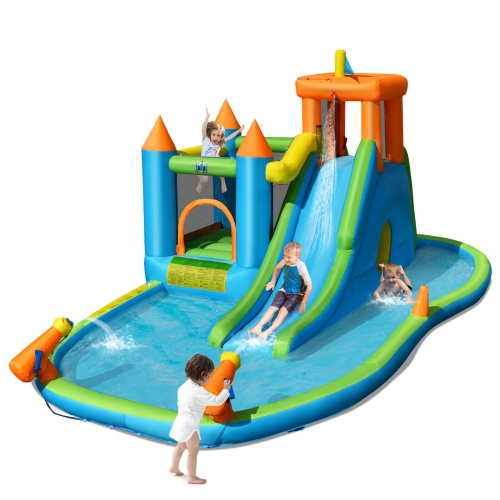
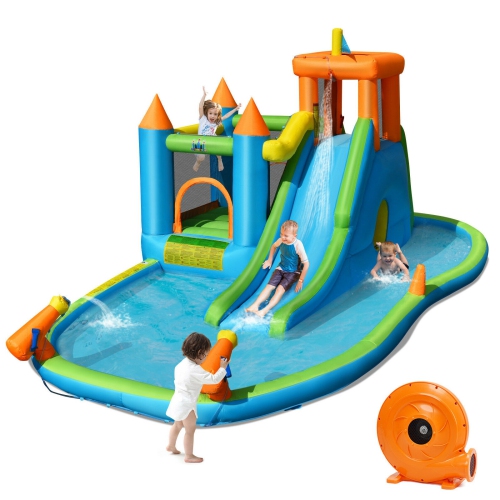
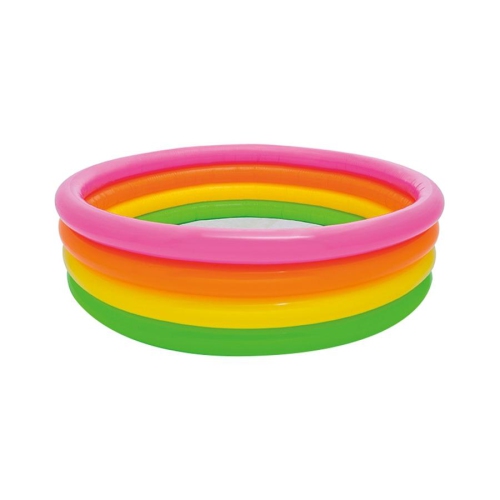
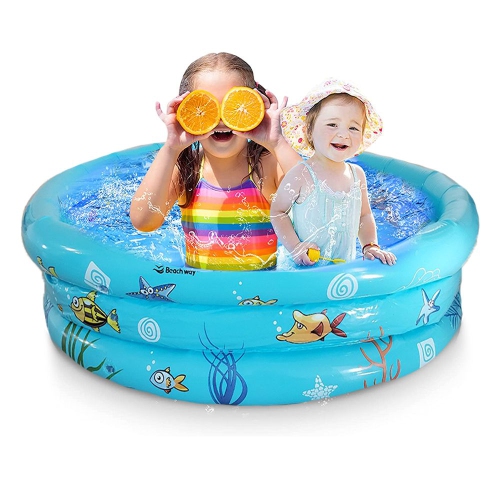
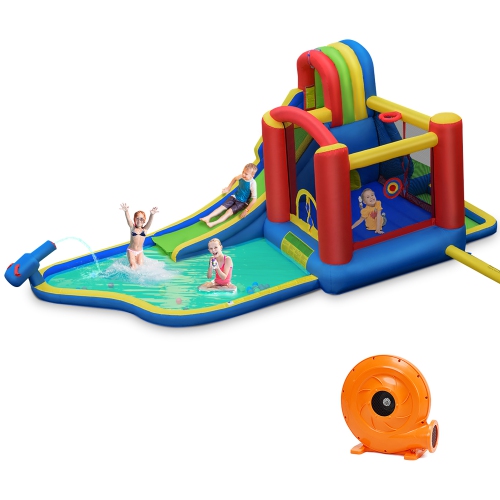
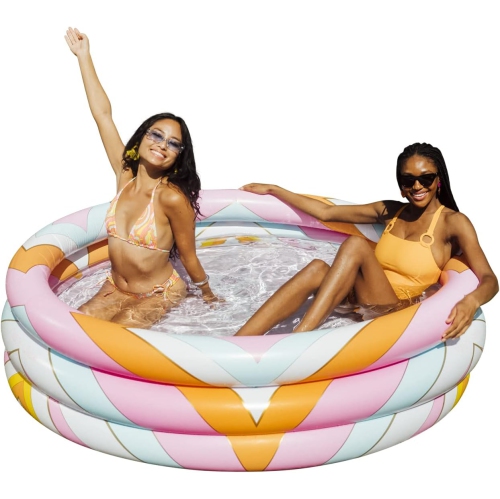
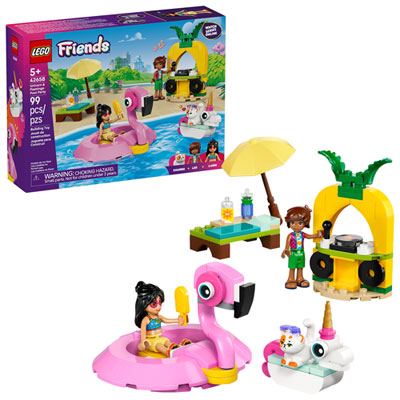

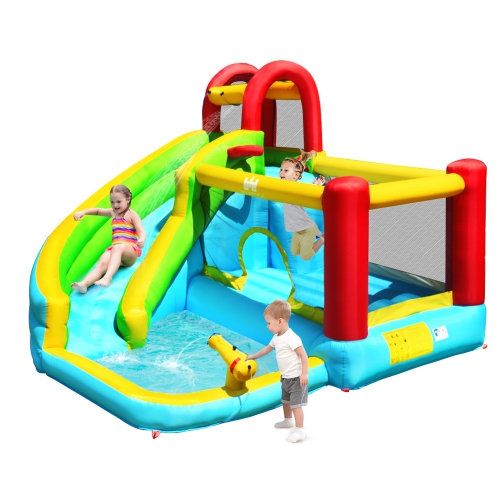
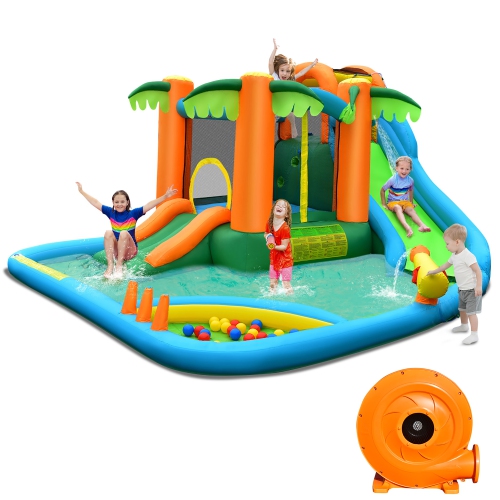
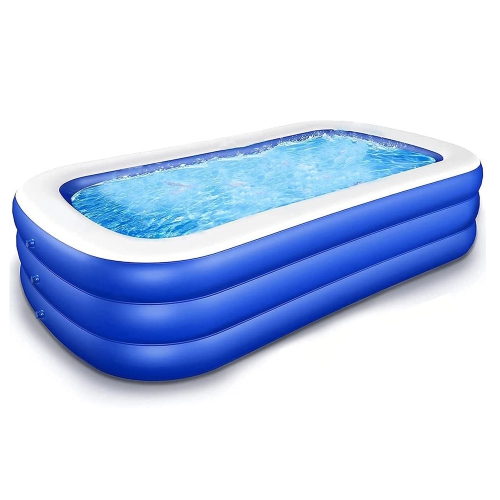
Backyard splashing starts with the right pool fit
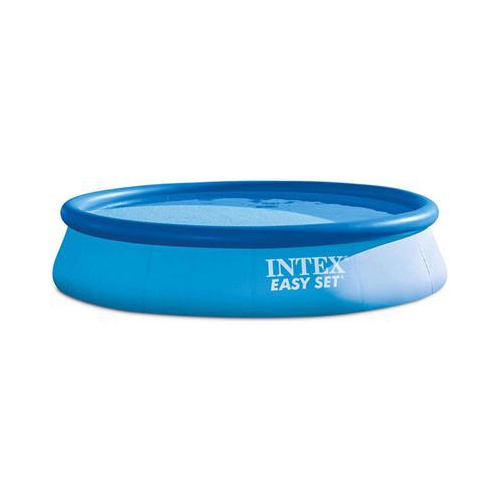
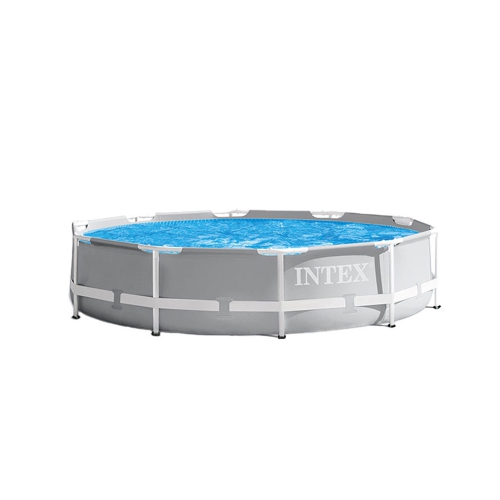
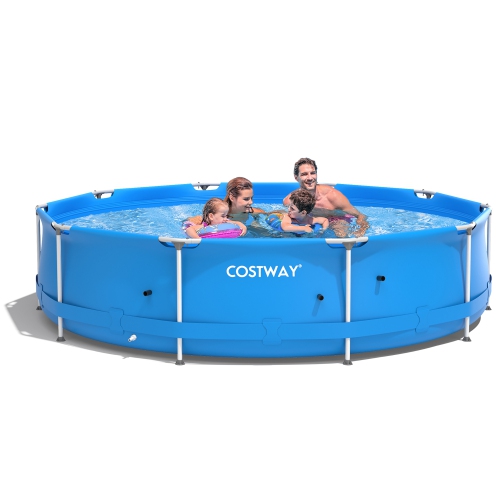
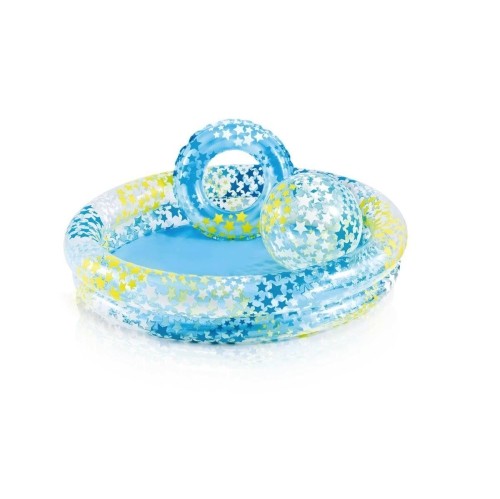
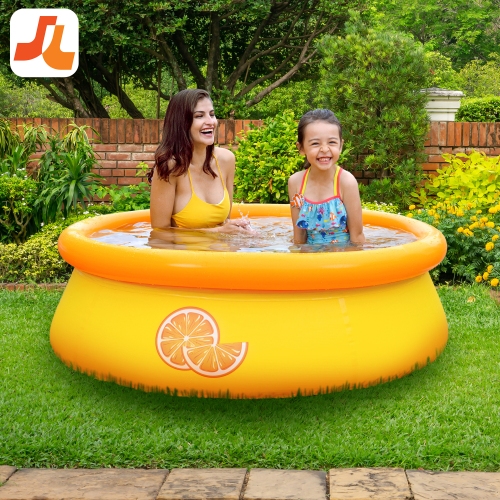
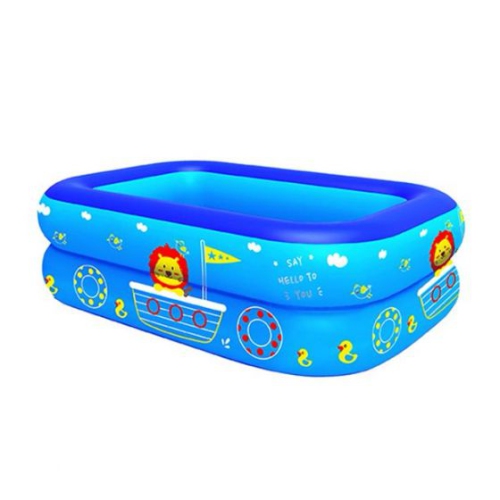
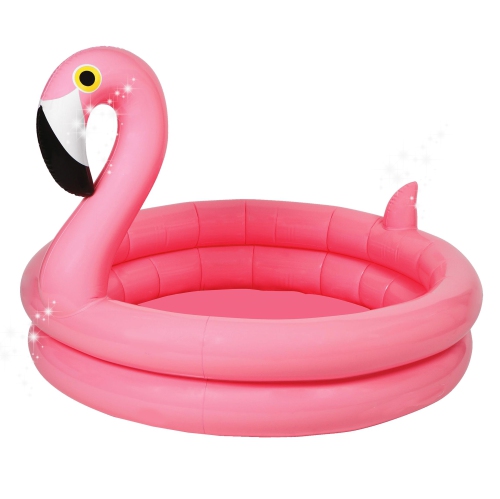
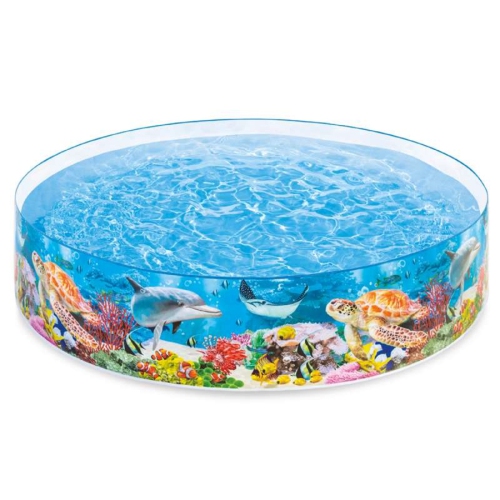
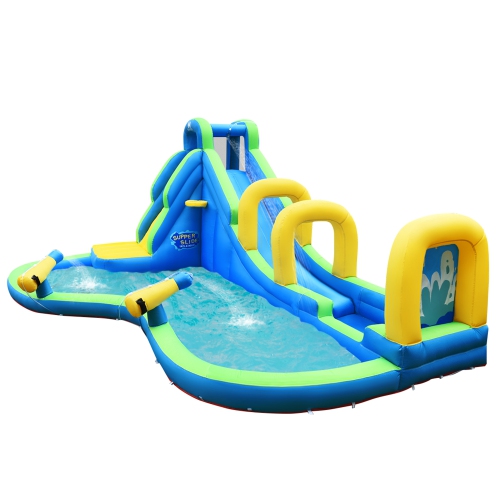
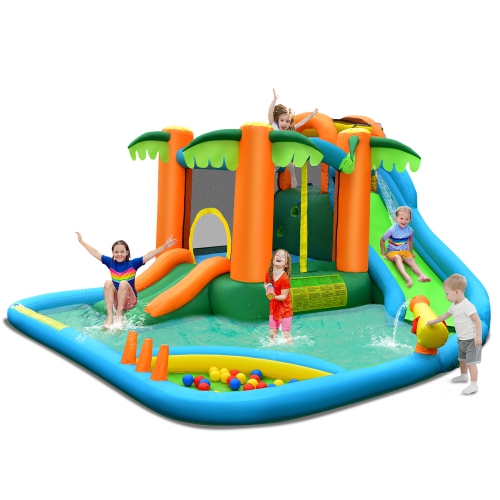
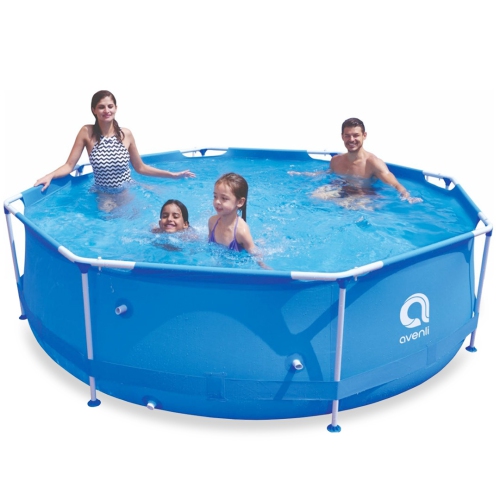
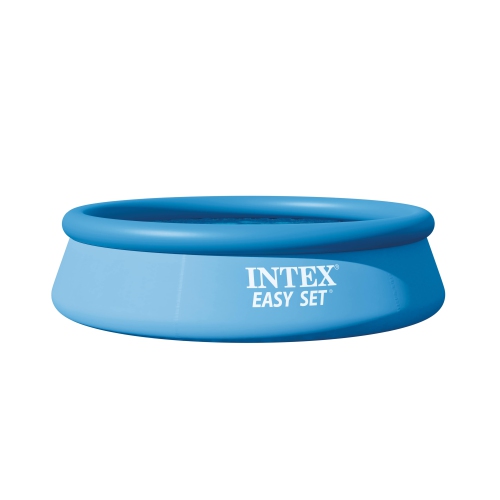
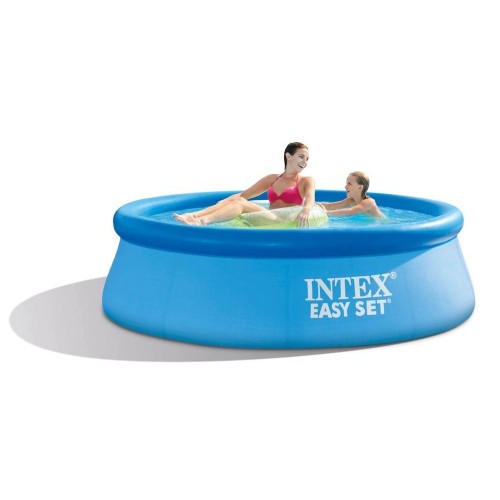
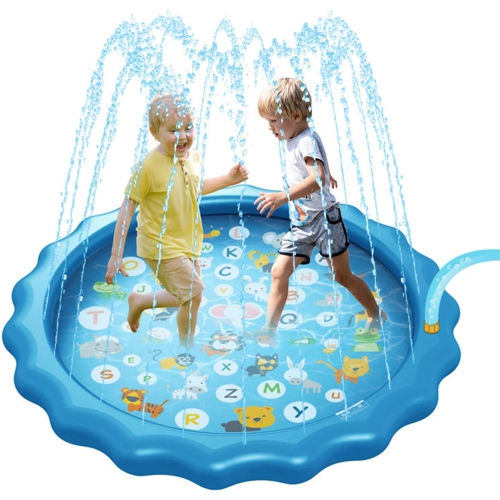
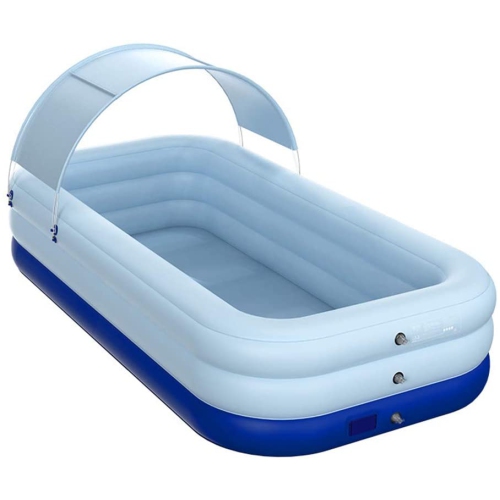
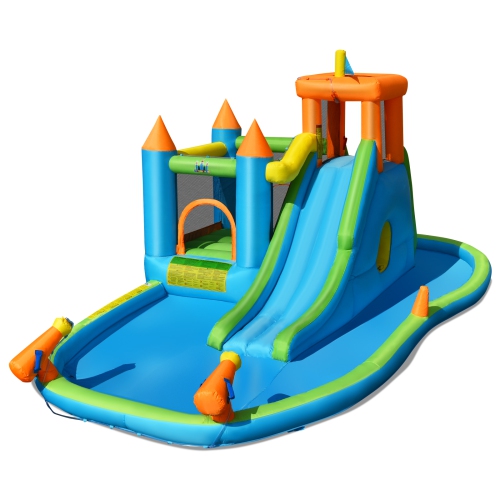
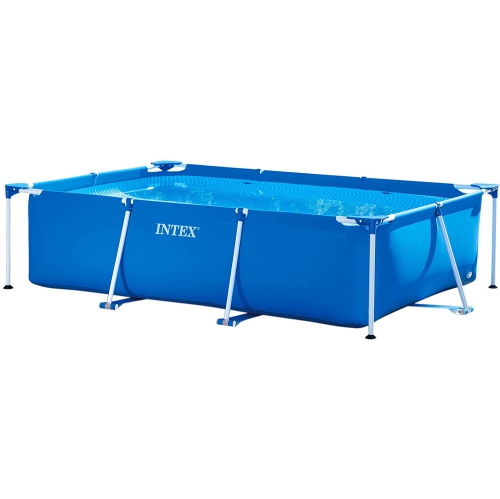
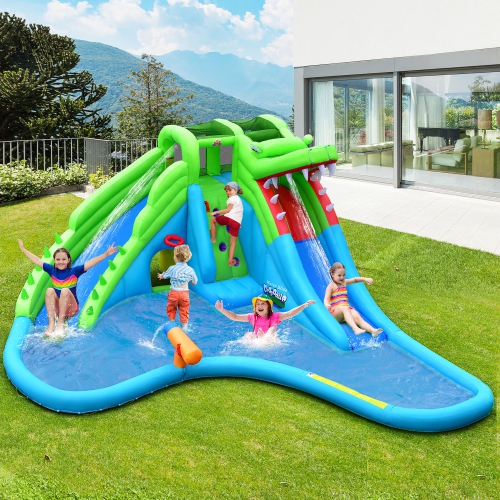
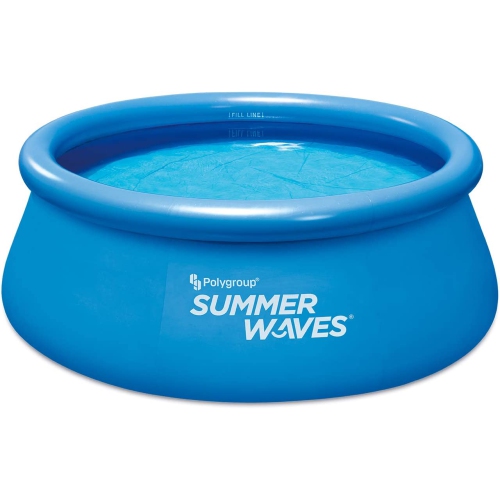
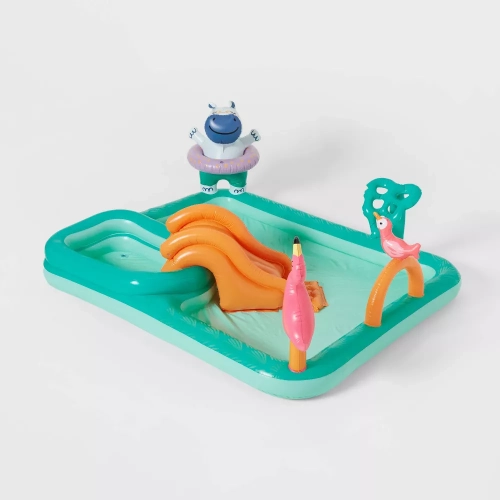
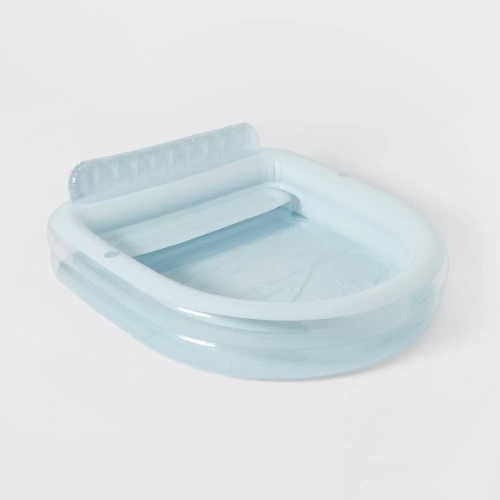
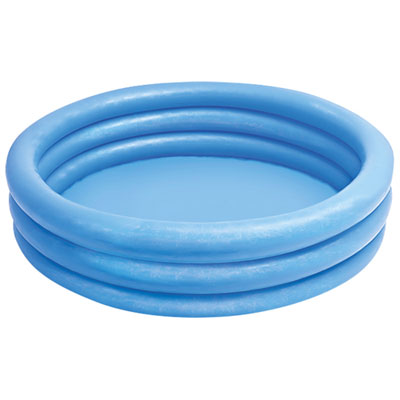
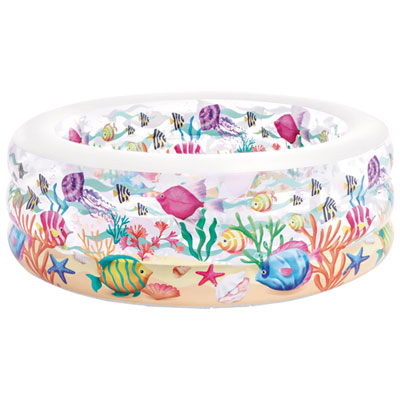
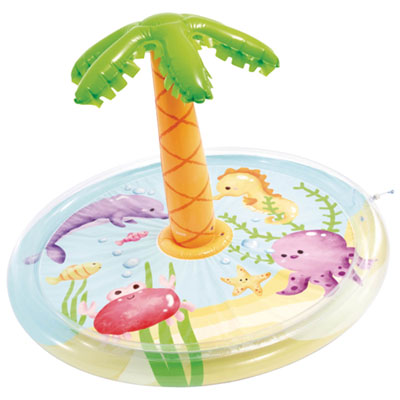
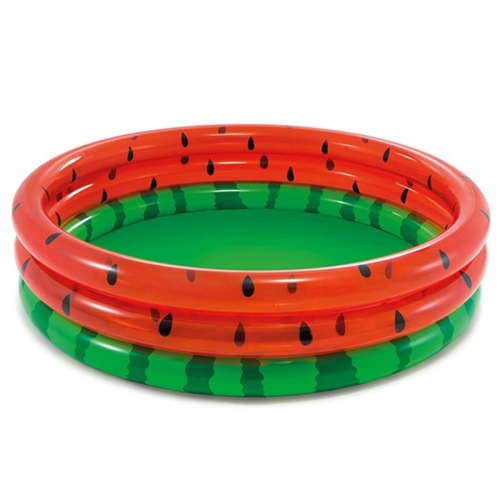
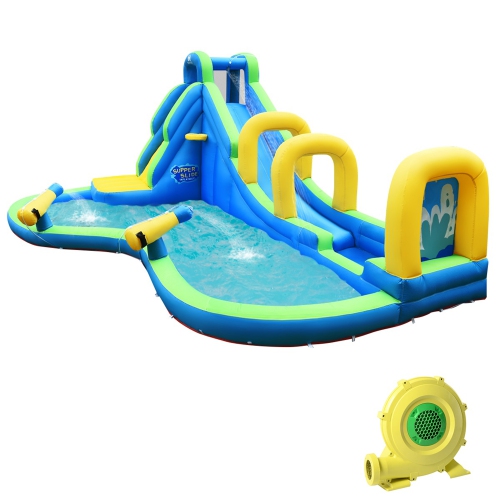
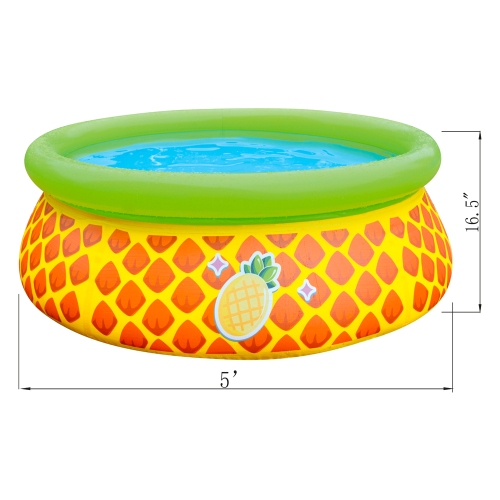
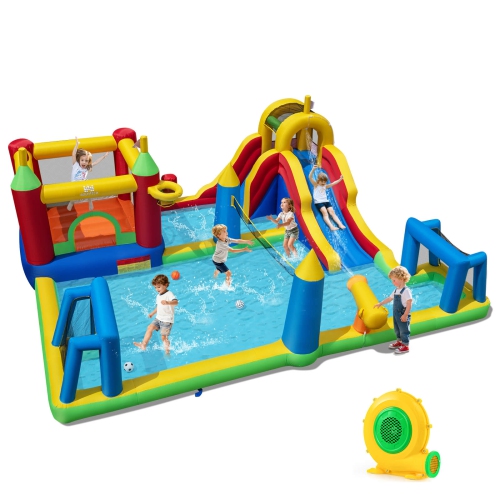
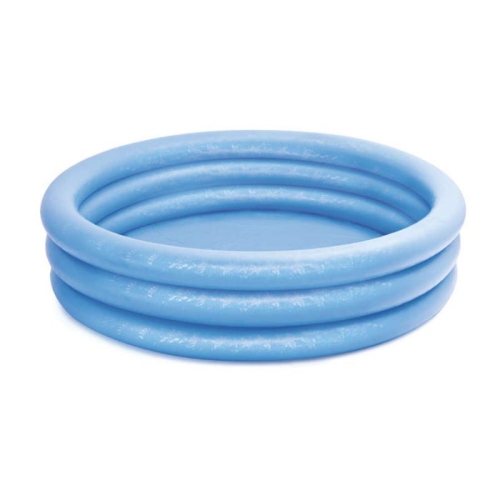
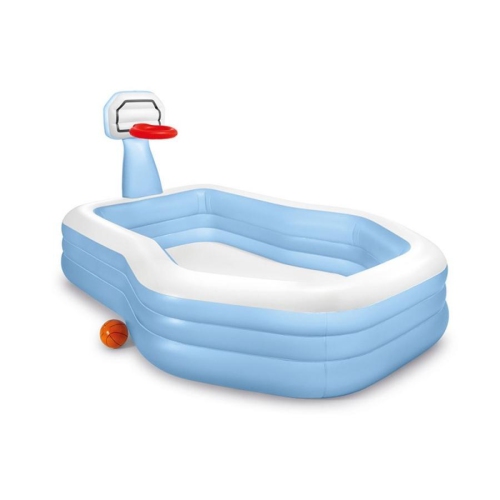
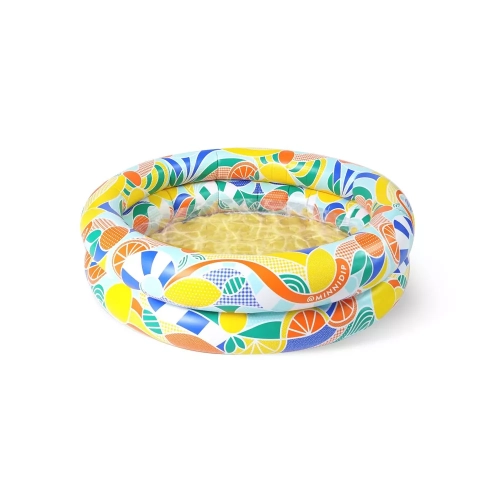
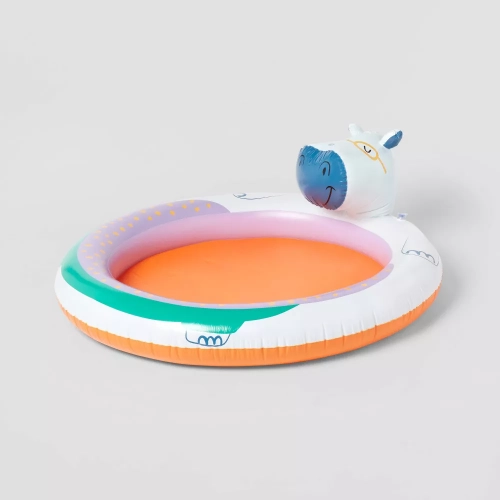
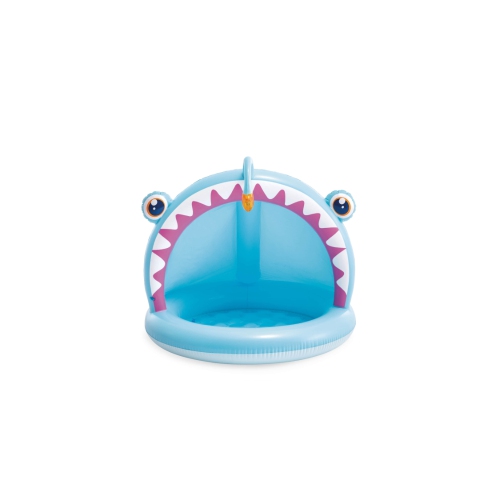
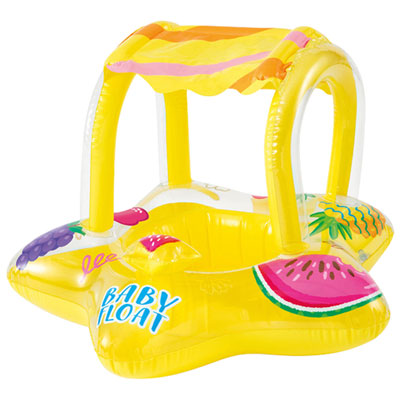
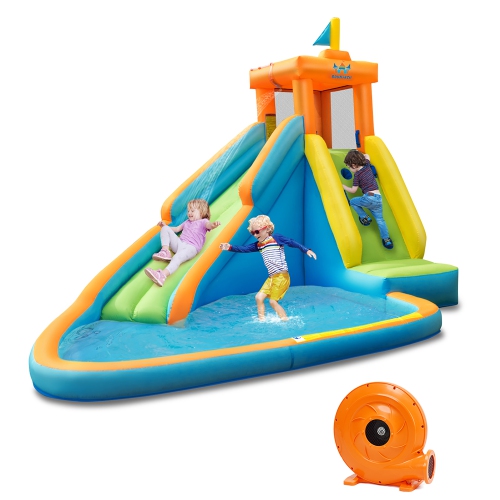
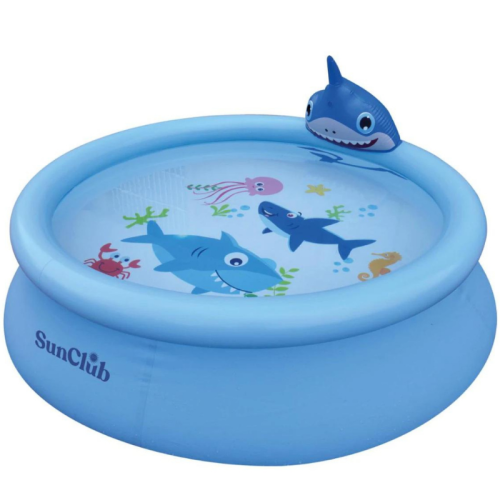
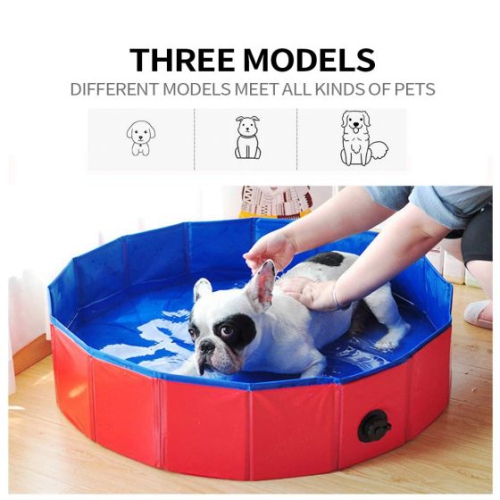
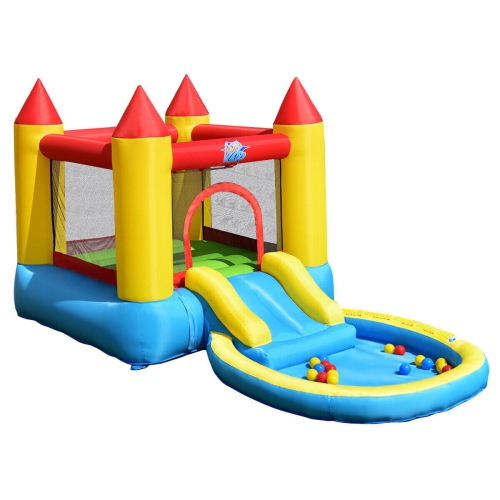
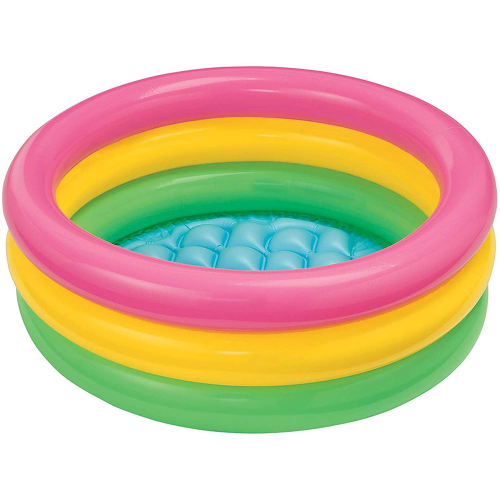
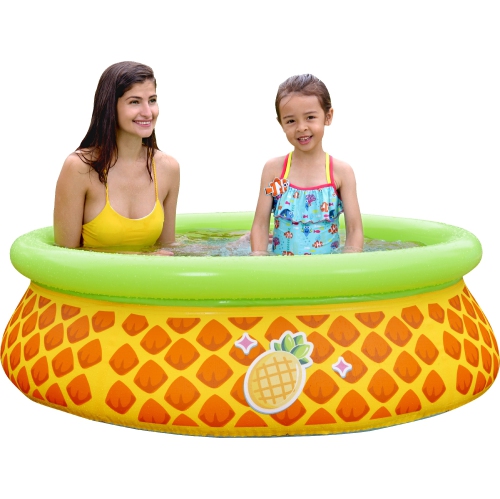
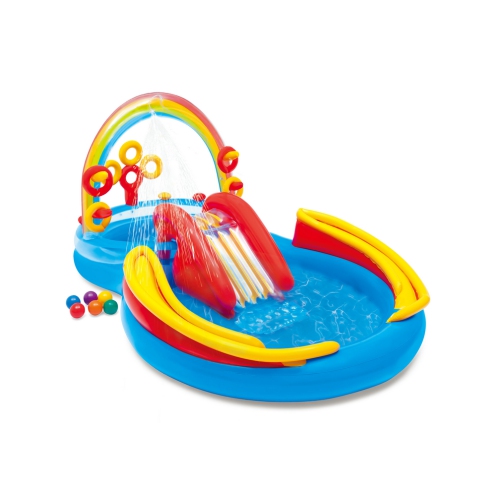
Kids pools are shallow pools designed for children’s supervised water play, most often in a backyard or another suitable outdoor space. Often called kiddie pools or wading pools, they give younger children room to sit, splash, pour water from a cup, and enjoy simple games without the depth or footprint of a full-sized swimming pool. Common styles include inflatable ring pools, rigid plastic pools, and water play centres with features such as small slides, sprayers, or shade canopies. Each style suits a different kind of play and household routine. A simple wading pool creates an uncluttered space for gentle splashing, while a larger play centre can bring several activities together for children whose ages and abilities match its design. Inflatable pools typically have flexible vinyl or PVC walls that pack down for storage, making them practical for homes where outdoor space serves several purposes. Some have inflatable floors for added cushioning, although that does not remove the need for a suitable surface underneath. Rigid moulded plastic pools hold their shape without inflation and can withstand regular handling, but they need more storage room because the shell does not fold flat. Canopy pools add a shaded area over part of the water, with coverage that changes as the sun moves. A canopy does not replace other sun protection, and UV protection should only be assumed when the manufacturer specifies it. For families, grandparents, or caregivers, the appeal is often a familiar play space close to home: a spot for a child to practise scooping and pouring while an adult stays beside them. A kids pool can also be a thoughtful gift for a household with an appropriate outdoor area, provided the adults are comfortable with the setup, cleaning, storage, and supervision involved. These pools are intended for water play rather than swimming lessons, and their shallow design does not make them safe for children to use alone.
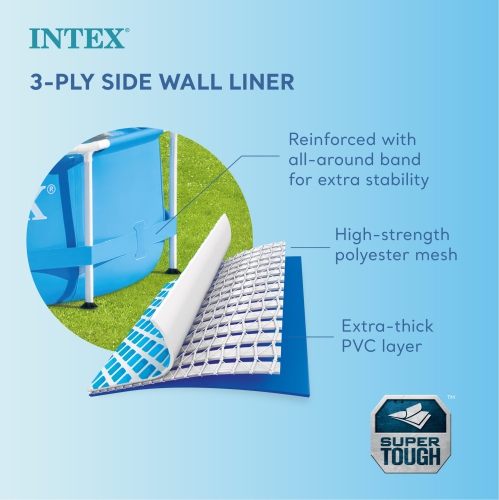
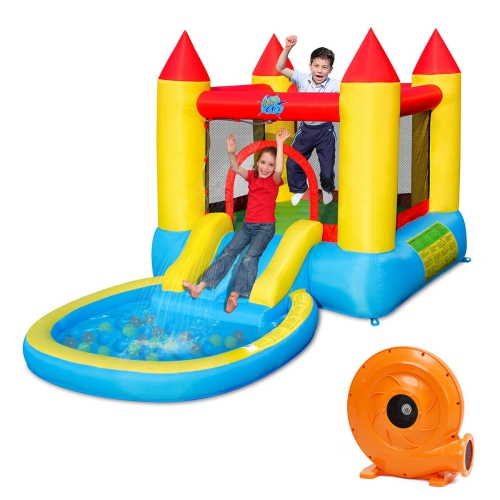
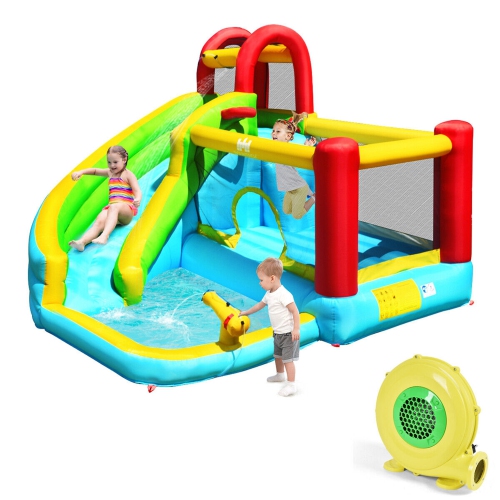
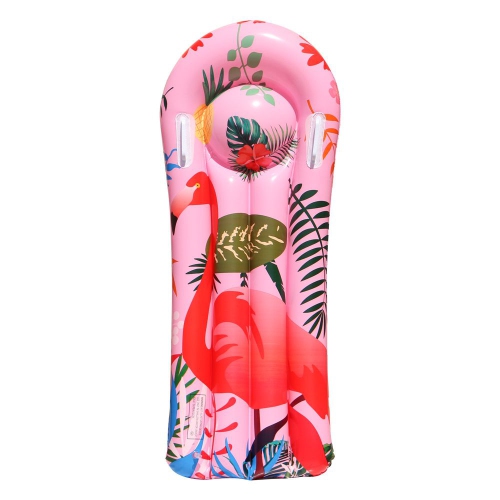
The right fit involves more than whether a kids pool fits on the lawn. Its outside dimensions, wall height, stated water capacity, age range, and maximum number of users all affect how comfortably it works for a household. A compact round pool may suit one young child playing with a few cups, while siblings may need a wider play area so they can move without crowding each other. Extra features also take up space: a slide, inflatable arch, or attached splash area can make the total footprint much larger than the main basin. There needs to be clear access around the pool so an adult can reach every child immediately, rather than stretching across high sides or stepping over toys. A level location and a surface approved by the manufacturer help the pool sit properly; stones, sharp twigs, and uneven ground can damage the base or make the water collect on one side. A protective ground layer may be appropriate if the instructions allow it, but it cannot correct a slope or make an unsuitable location safe. Water-filled pools are heavy, so balconies, raised decks, and other elevated surfaces should not be treated as suitable without confirmation that they can support the load and that the installation is permitted. Materials and construction matter during everyday use as well. Flexible walls are light and convenient to put away, but dragging an inflatable pool across paving can scrape or puncture it. Rigid shells resist some of that wear, yet they can crack if bent, dropped, or left exposed to conditions outside their intended use. For play centres, secure attachments, clearly stated user limits, and slide dimensions suited to the child matter more than the number of activities included. Hose-connected sprayers also need a practical water connection and careful hose placement to keep walking routes clear. Accessories such as Pool Inflatables need to match the pool’s dimensions, water depth, and intended use; large floats can crowd a small basin, and inflatable toys are not safety devices.
Care and supervision are central to making a children’s pool manageable from one use to the next. Young children and weak swimmers need a supervising adult within arm’s reach, with attention on the water rather than a phone, household task, or conversation elsewhere in the yard. When several adults are present, assigning one person to watch helps prevent everyone from assuming someone else is doing it. Even very shallow water poses a drowning risk, and neither inflatable sides nor a child’s familiarity with the pool changes that. The manufacturer’s fill line is the limit, not a target to exceed for older children, and pools are not suitable for diving or jumping from nearby furniture. Before play begins, water should feel comfortable rather than hot or cold; water sitting in a sun-warmed garden hose can be hot and should be checked before it reaches a child. For small wading pools without a filtration system, fresh water for each play session and emptying after use help keep the routine straightforward. Water that looks clear can still contain germs, and a small unfiltered pool should not be treated like a larger swimming pool with a managed treatment system. Cleaning should follow the manufacturer’s directions, including any limits on detergents, brushes, or disinfectants that could damage the material. Rinsing away residue and letting every fold, seam, and underside dry fully before storage helps prevent musty smells and mildew. Drain plugs can make emptying easier, although the drainage route still matters: water should flow away from foundations and neighbouring properties, in keeping with local requirements. Between uses, the pool should be empty and stored so it cannot collect rainwater or become accessible to a child unnoticed. During the cooler months, clean, dry storage away from sharp tools, pests, and damaging temperatures helps protect both flexible liners and rigid shells. Before the next setup, checking valves, seams, plugs, and plastic surfaces for leaks, cracks, or rough edges gives caregivers a clearer picture of whether the pool remains suitable for play.
The right fit involves more than whether a kids pool fits on the lawn. Its outside dimensions, wall height, stated water capacity, age range, and maximum number of users all affect how comfortably it works for a household. A compact round pool may suit one young child playing with a few cups, while siblings may need a wider play area so they can move without crowding each other. Extra features also take up space: a slide, inflatable arch, or attached splash area can make the total footprint much larger than the main basin. There needs to be clear access around the pool so an adult can reach every child immediately, rather than stretching across high sides or stepping over toys. A level location and a surface approved by the manufacturer help the pool sit properly; stones, sharp twigs, and uneven ground can damage the base or make the water collect on one side. A protective ground layer may be appropriate if the instructions allow it, but it cannot correct a slope or make an unsuitable location safe. Water-filled pools are heavy, so balconies, raised decks, and other elevated surfaces should not be treated as suitable without confirmation that they can support the load and that the installation is permitted. Materials and construction matter during everyday use as well. Flexible walls are light and convenient to put away, but dragging an inflatable pool across paving can scrape or puncture it. Rigid shells resist some of that wear, yet they can crack if bent, dropped, or left exposed to conditions outside their intended use. For play centres, secure attachments, clearly stated user limits, and slide dimensions suited to the child matter more than the number of activities included. Hose-connected sprayers also need a practical water connection and careful hose placement to keep walking routes clear. Accessories such as Pool Inflatables need to match the pool’s dimensions, water depth, and intended use; large floats can crowd a small basin, and inflatable toys are not safety devices.
Care and supervision are central to making a children’s pool manageable from one use to the next. Young children and weak swimmers need a supervising adult within arm’s reach, with attention on the water rather than a phone, household task, or conversation elsewhere in the yard. When several adults are present, assigning one person to watch helps prevent everyone from assuming someone else is doing it. Even very shallow water poses a drowning risk, and neither inflatable sides nor a child’s familiarity with the pool changes that. The manufacturer’s fill line is the limit, not a target to exceed for older children, and pools are not suitable for diving or jumping from nearby furniture. Before play begins, water should feel comfortable rather than hot or cold; water sitting in a sun-warmed garden hose can be hot and should be checked before it reaches a child. For small wading pools without a filtration system, fresh water for each play session and emptying after use help keep the routine straightforward. Water that looks clear can still contain germs, and a small unfiltered pool should not be treated like a larger swimming pool with a managed treatment system. Cleaning should follow the manufacturer’s directions, including any limits on detergents, brushes, or disinfectants that could damage the material. Rinsing away residue and letting every fold, seam, and underside dry fully before storage helps prevent musty smells and mildew. Drain plugs can make emptying easier, although the drainage route still matters: water should flow away from foundations and neighbouring properties, in keeping with local requirements. Between uses, the pool should be empty and stored so it cannot collect rainwater or become accessible to a child unnoticed. During the cooler months, clean, dry storage away from sharp tools, pests, and damaging temperatures helps protect both flexible liners and rigid shells. Before the next setup, checking valves, seams, plugs, and plastic surfaces for leaks, cracks, or rough edges gives caregivers a clearer picture of whether the pool remains suitable for play.
Top selling and popular products
-
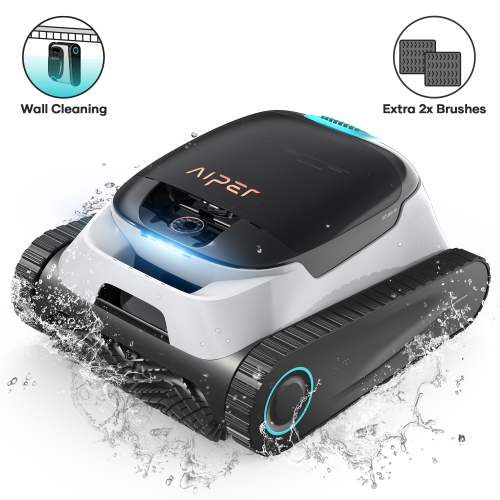 Your price for this item is $679.99
 -
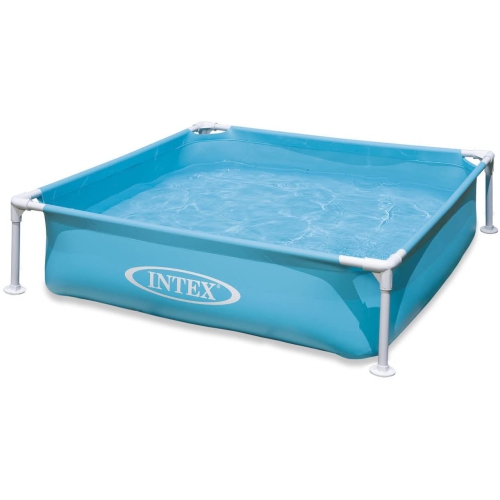 Your price for this item is $75.99
 -
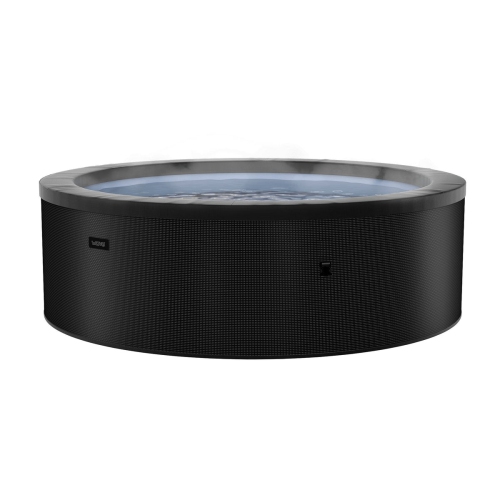 Your price for this item is $3489
 -
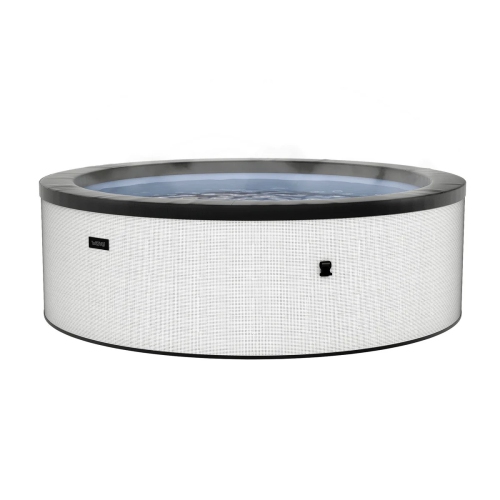 Your price for this item is $3489
 -
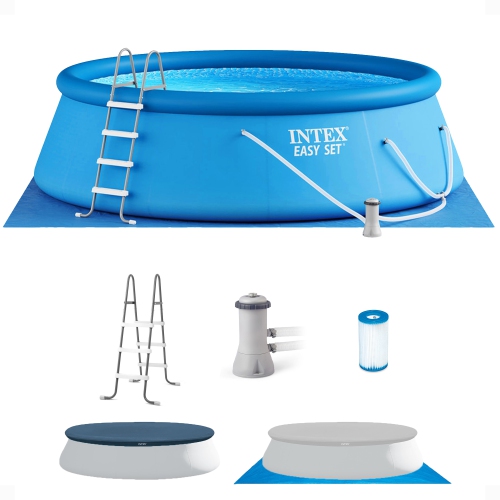 Your price for this item is $542.99
 -
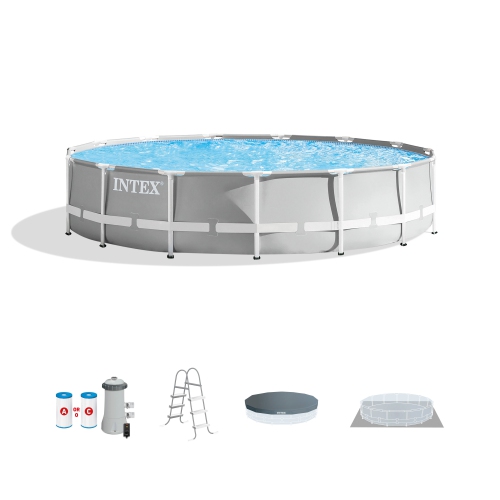 Your price for this item is $1099.99
 -
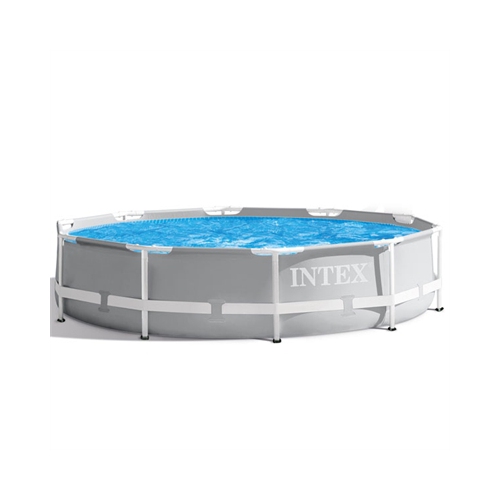 Your price for this item is $285.99
 -
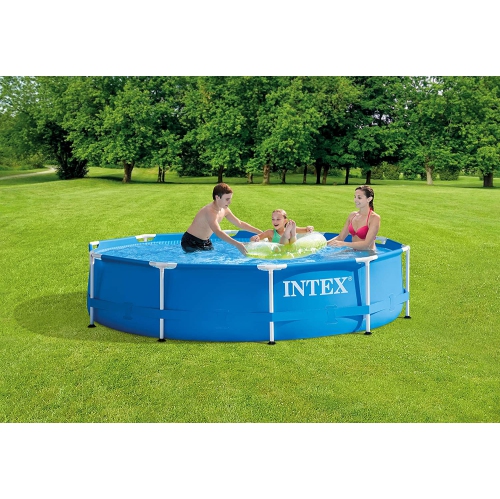 Your price for this item is $258.99
Discover more categories related to Kids Pool
Top Collections:
Pokemon Centers, Kindle Devices, Best Budget Office Chairs, Apple iPhones 16, Best Laptops for Writers, iPhone 15 Apple, Canon G7X Cameras, Refurbished Apple Laptops, Alarm Clock, Motorola Razr Phones
Some products may be subject to Environmental Handling Fees
(EHF) depending on your province.
Learn more about EHFs.