Kitchen Buffet Cabinets
Organize your kitchen with style and functionality using our selection of kitchen buffet cabinets. These versatile storage solutions are designed to enhance the look and feel of your space while providing ample storage for all your kitchen essentials. Whether you need extra space for dishes, cutlery, or small appliances, our range of kitchen buffet cabinets offers a variety of sizes, styles, and finishes to suit any decor. From sleek modern designs to timeless classics, find the perfect cabinet that not only meets your storage needs but also adds a touch of elegance to your culinary haven. Also check out our selection of Kitchen Storage Furniture for even more great options!
Sort


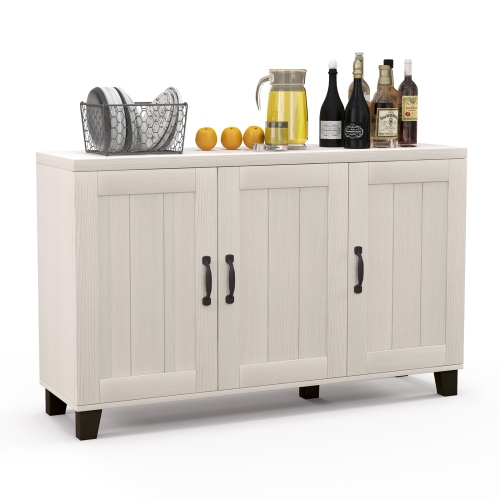
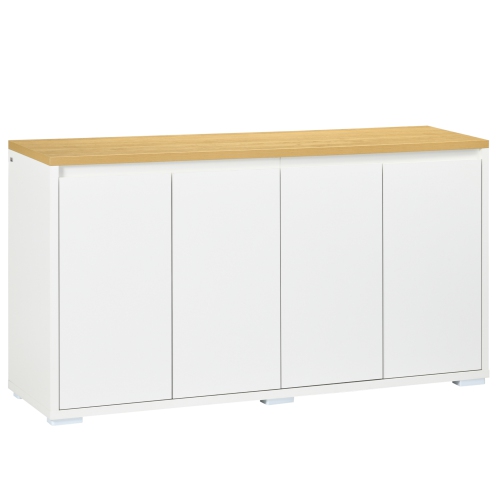
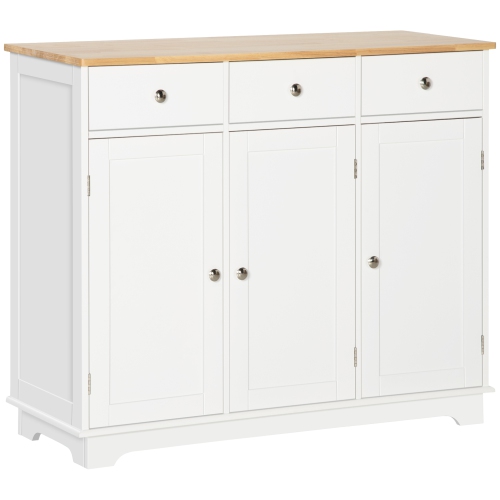
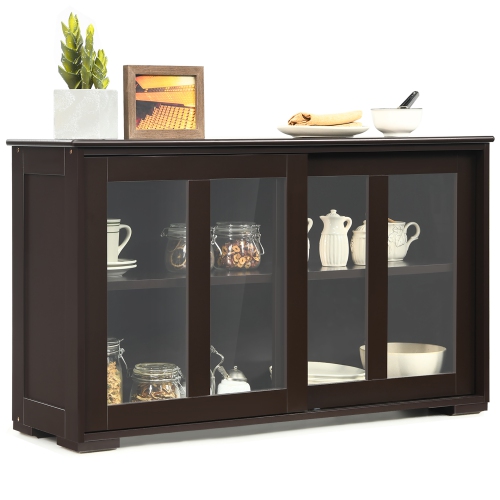
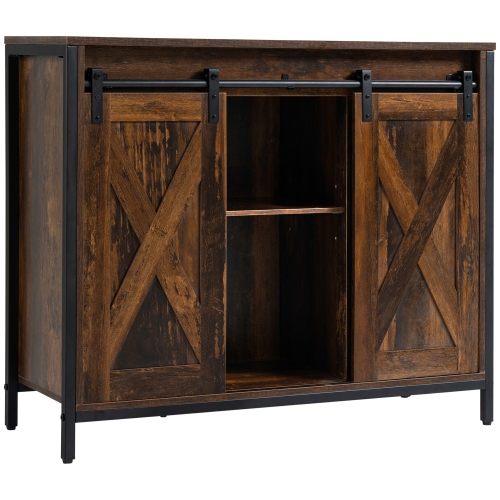

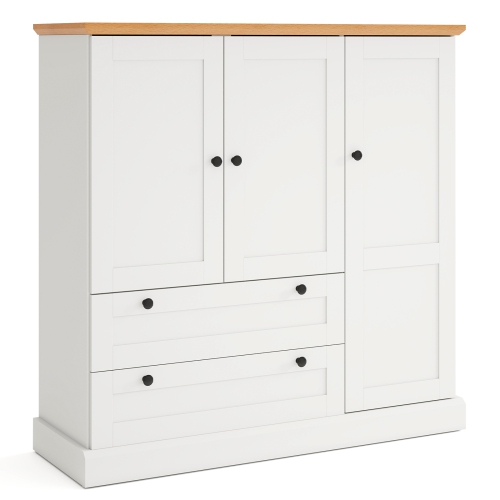
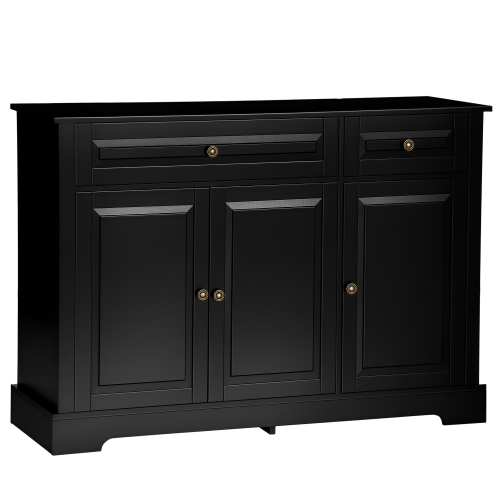
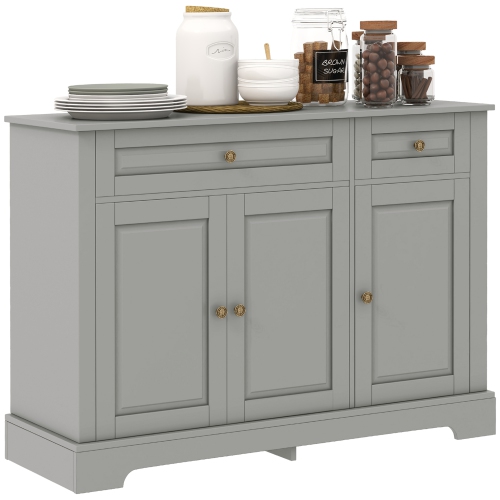
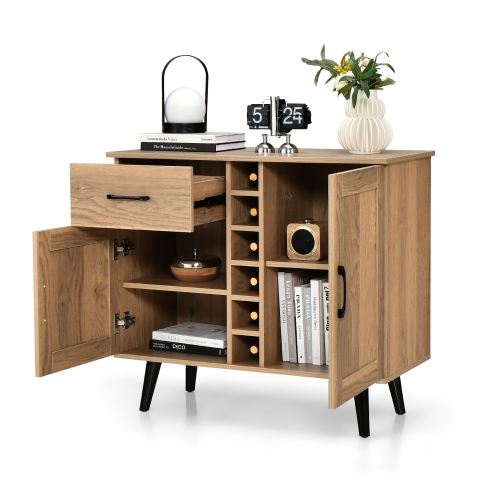
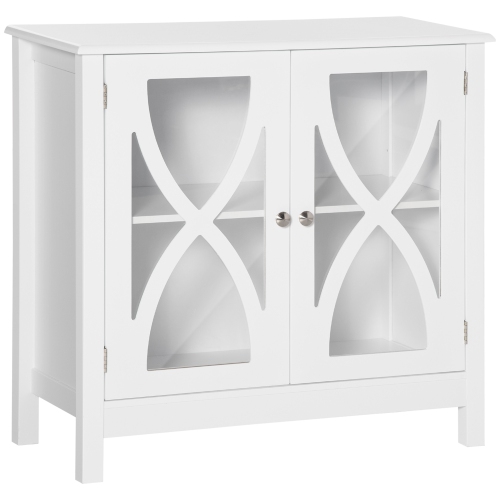
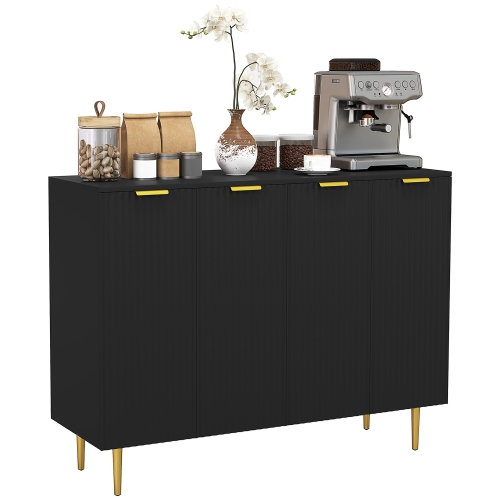
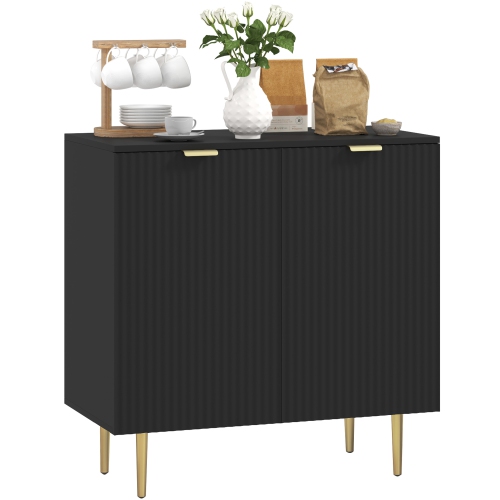
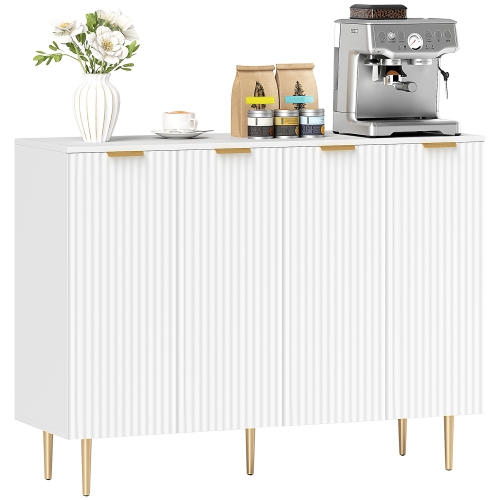
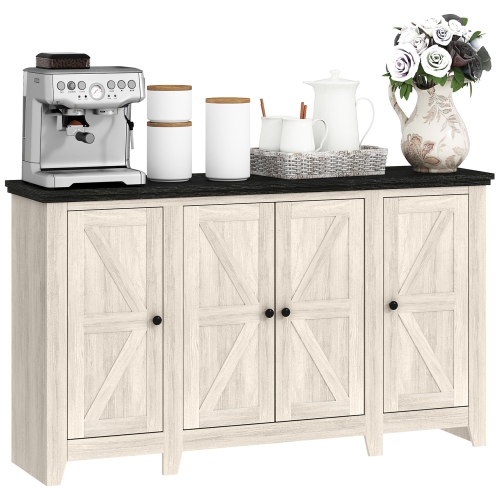
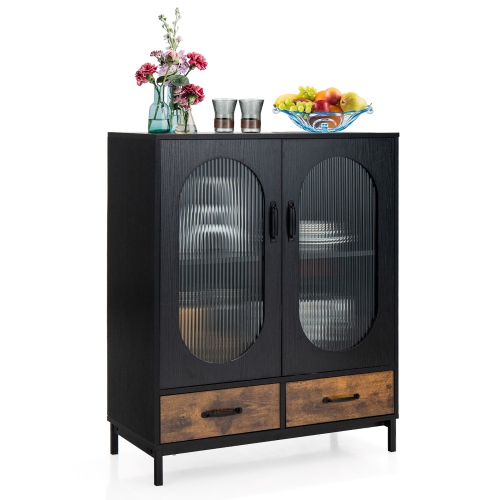
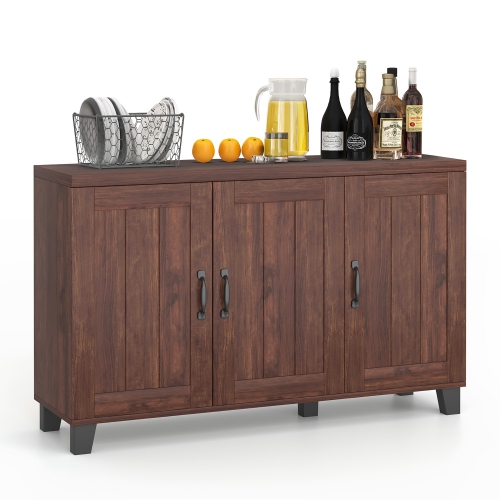
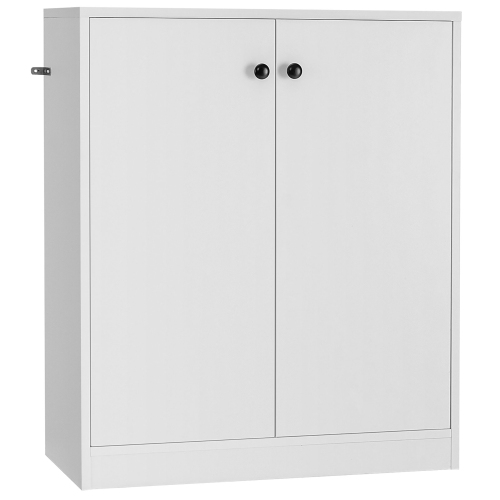
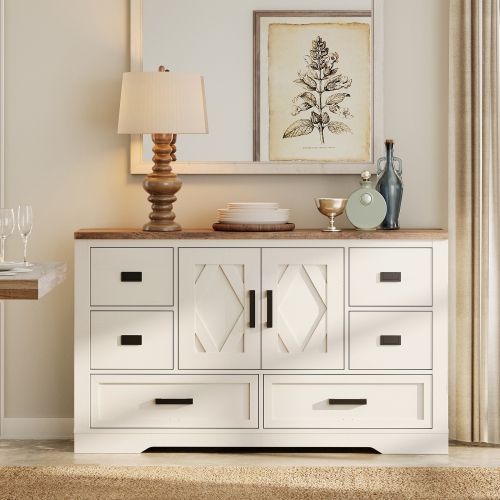
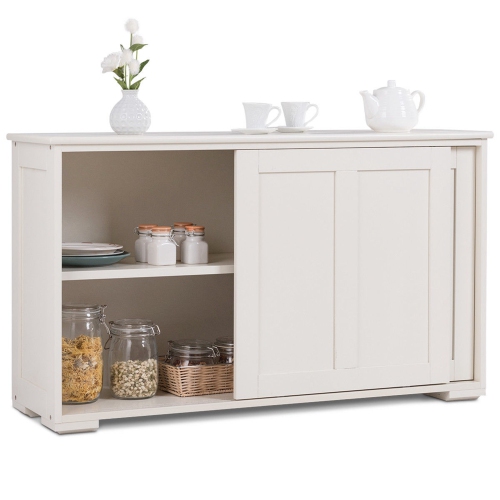
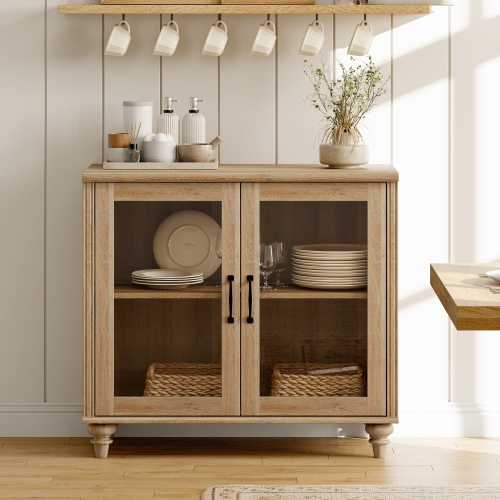

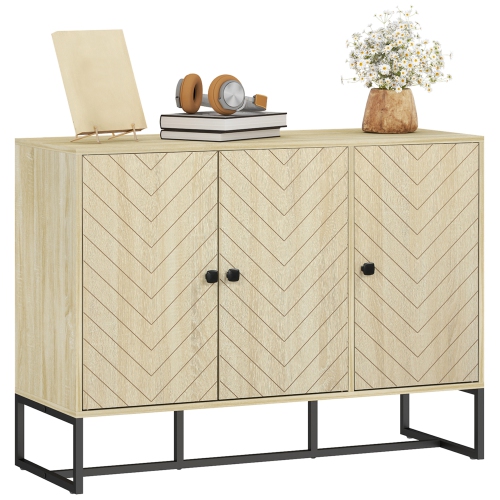
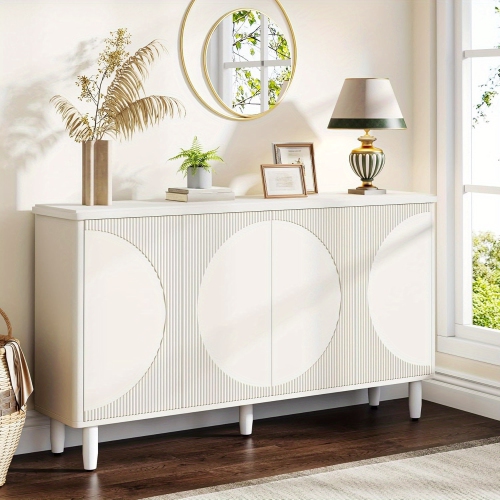
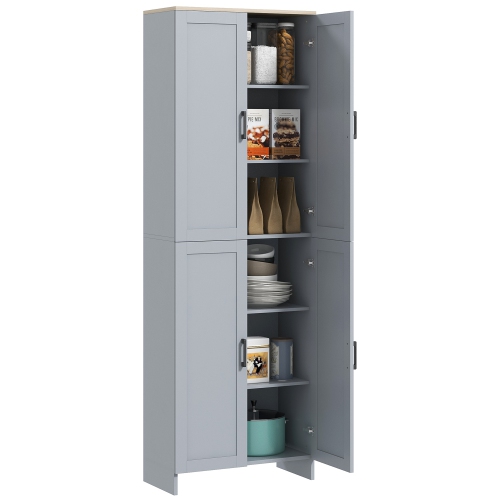
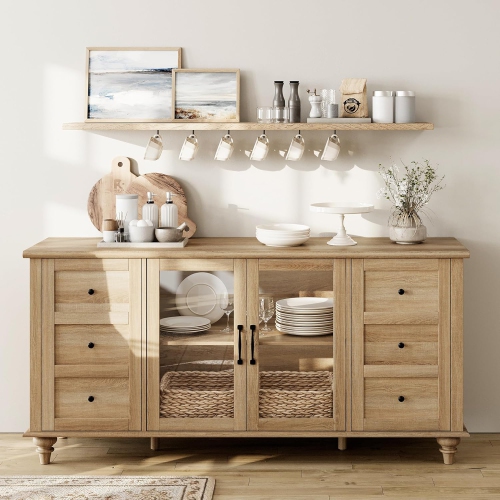
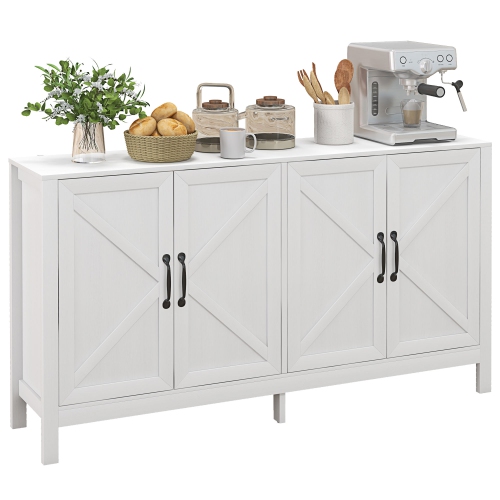
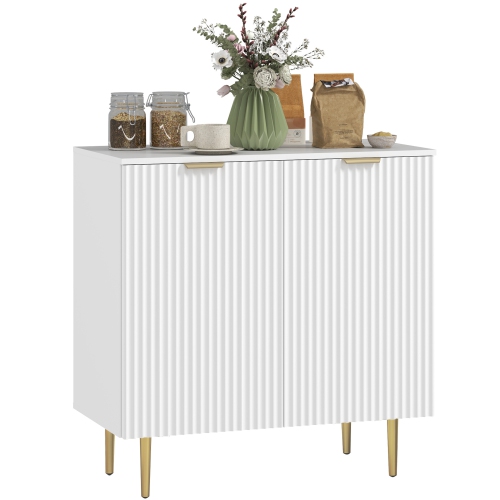
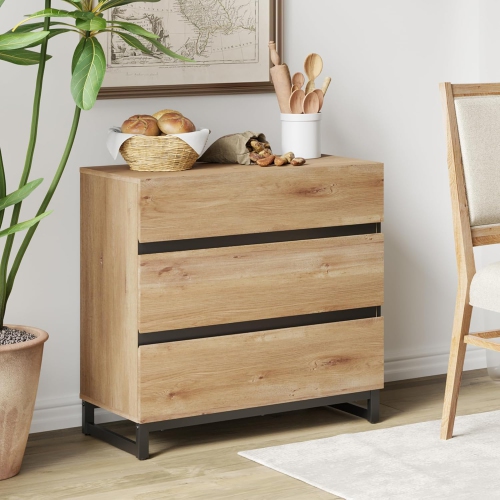
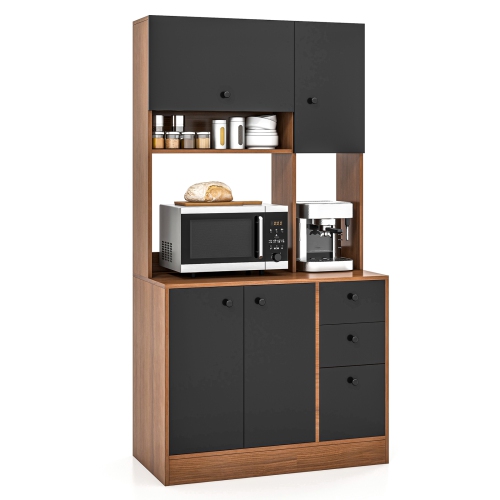
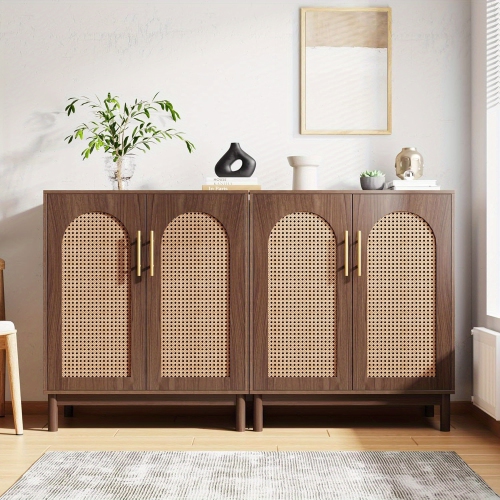
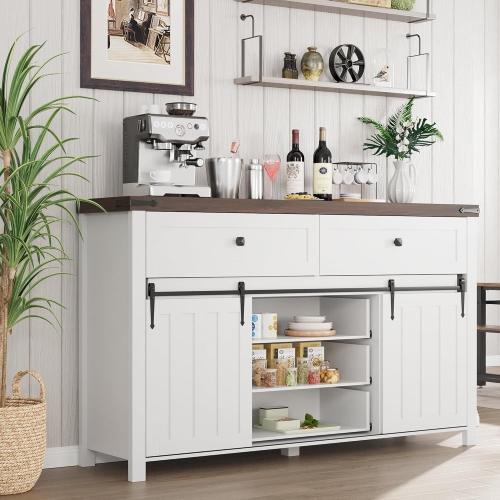
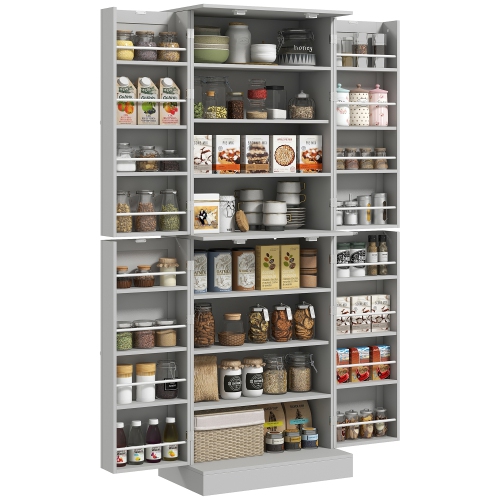

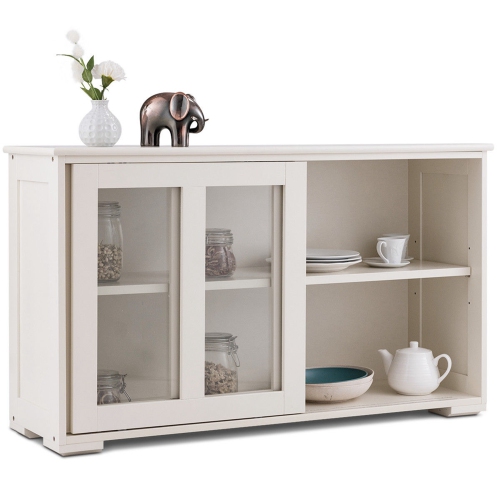

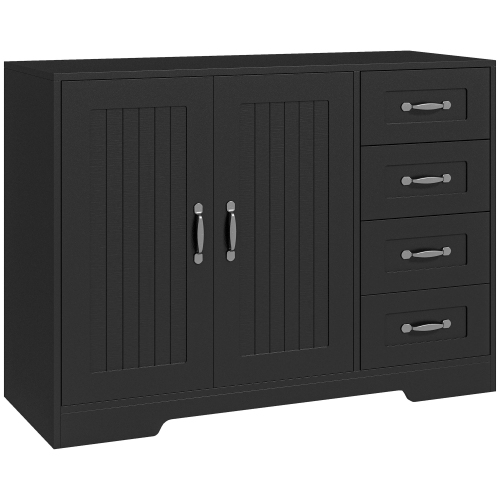
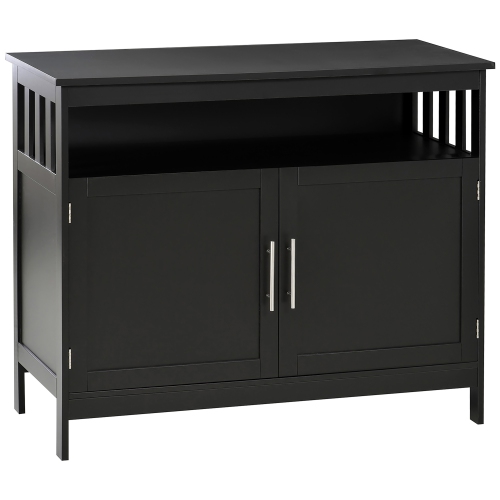
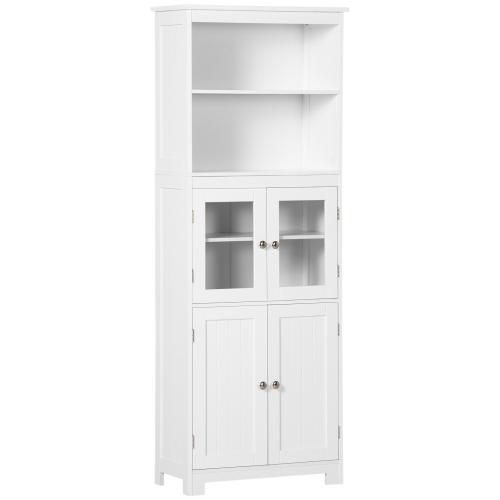
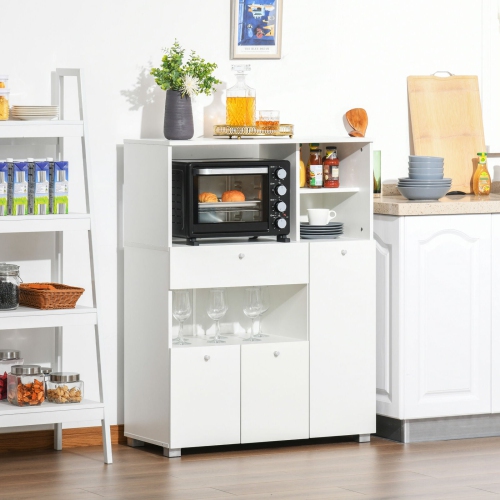
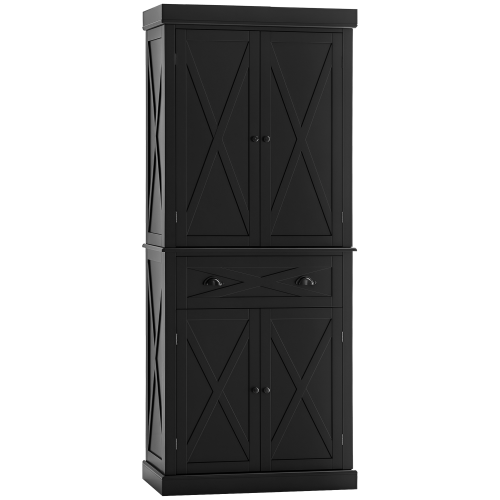
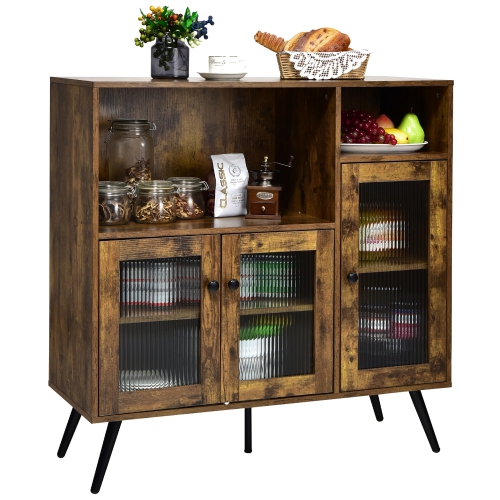
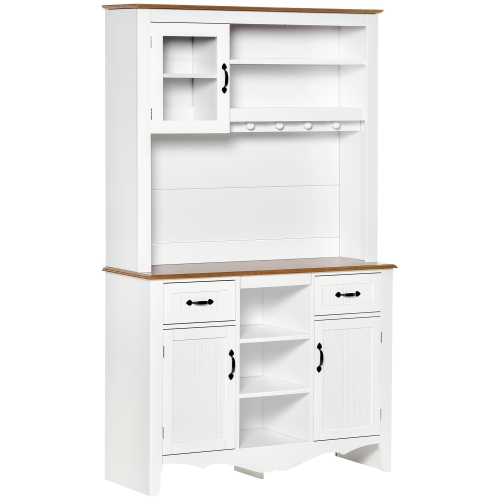
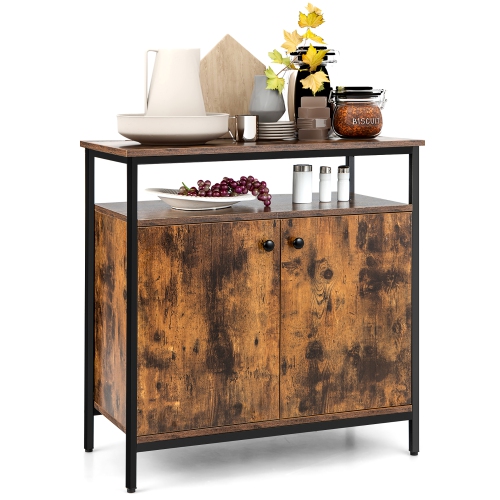
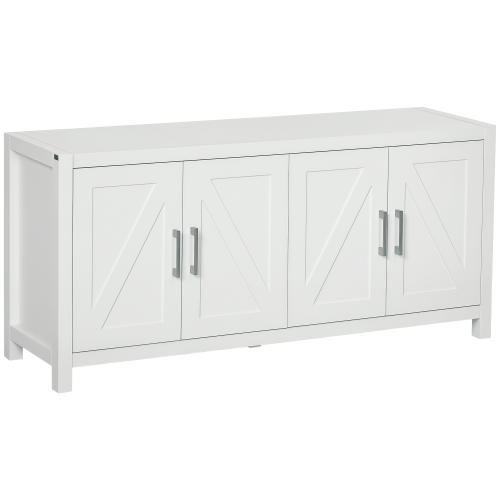
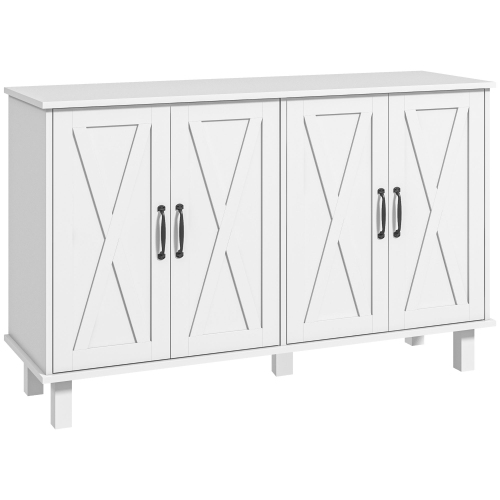
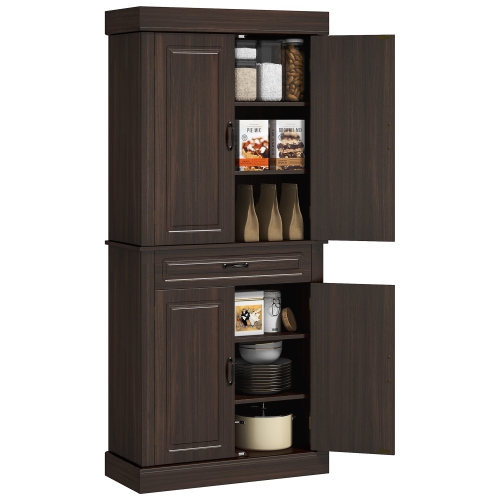
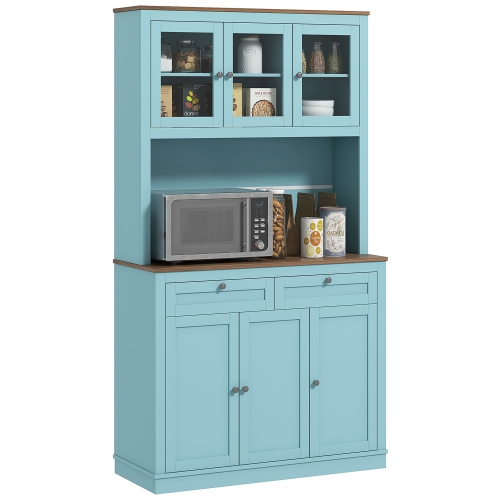
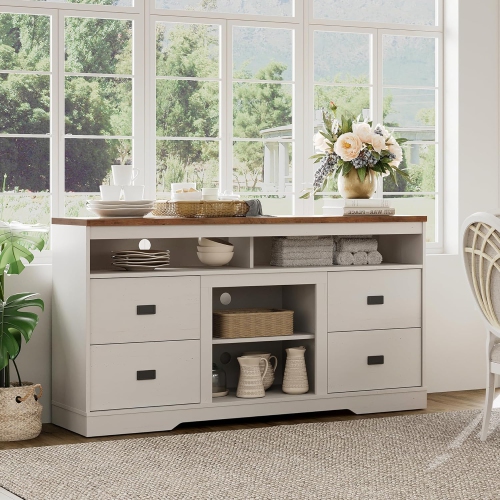
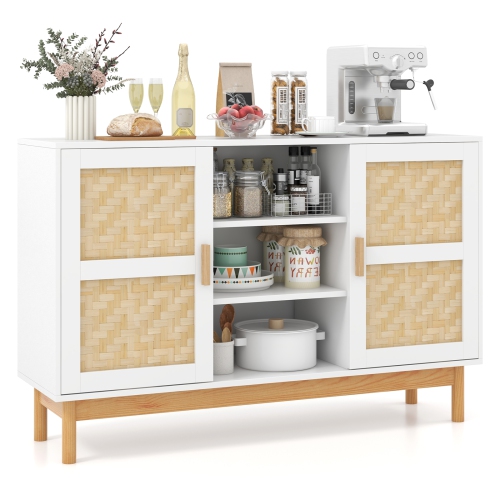
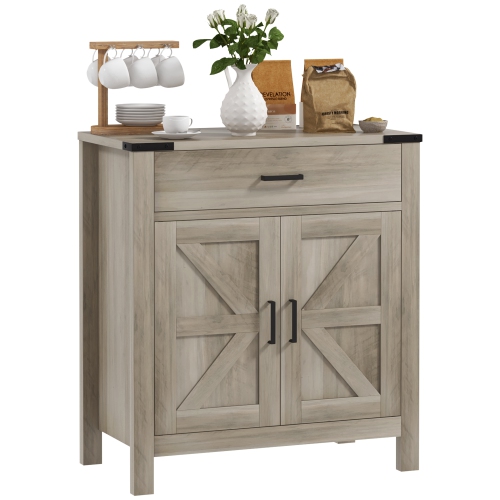
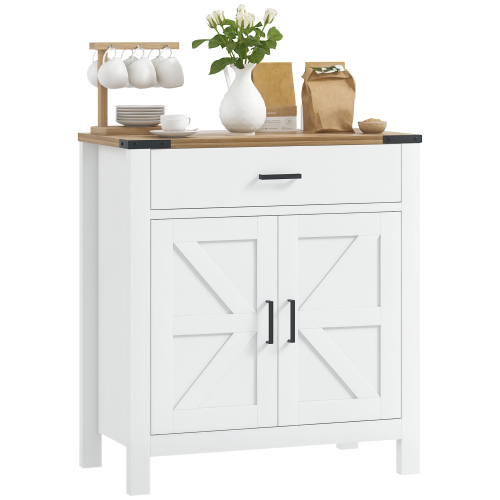
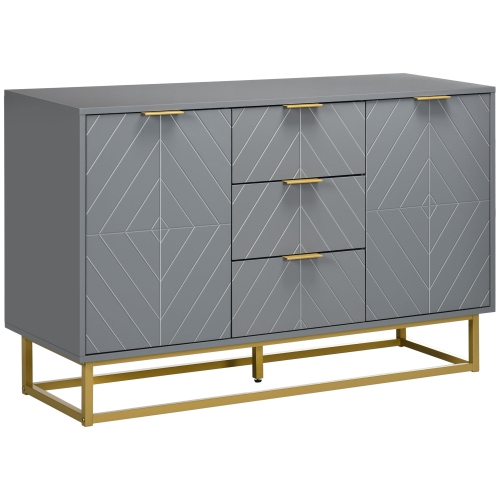
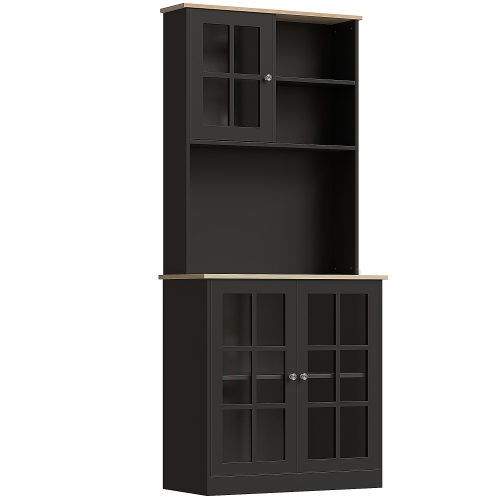
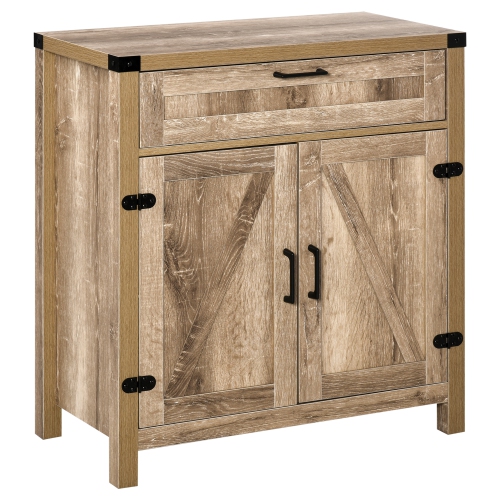
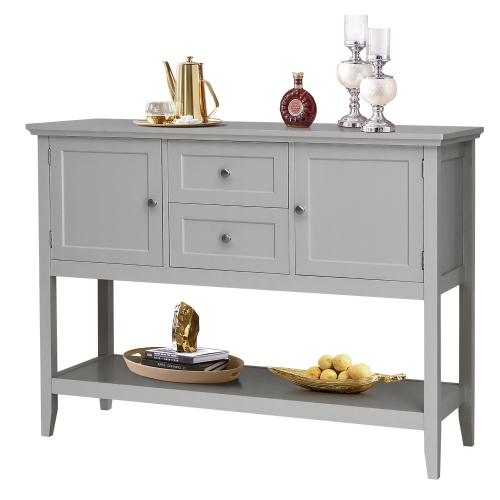
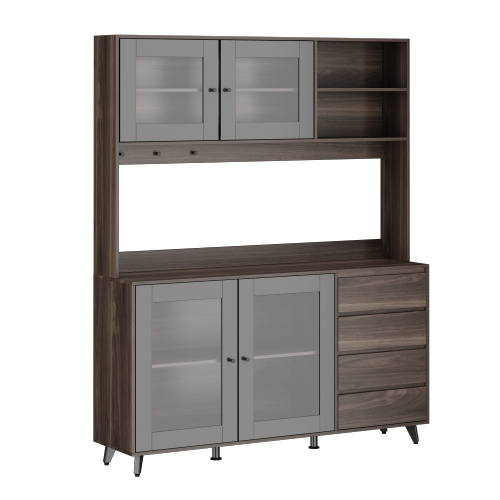
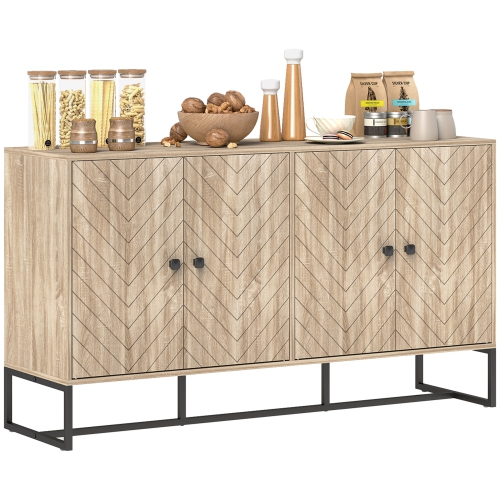
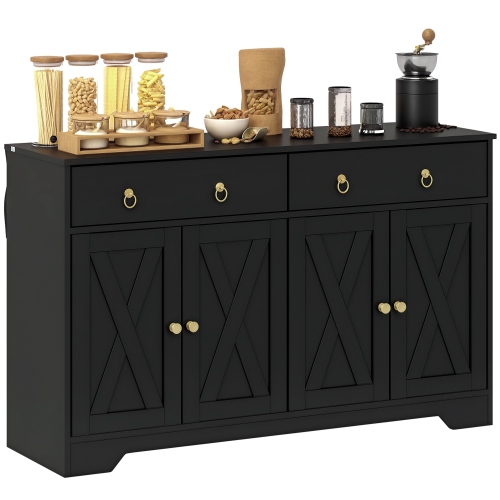
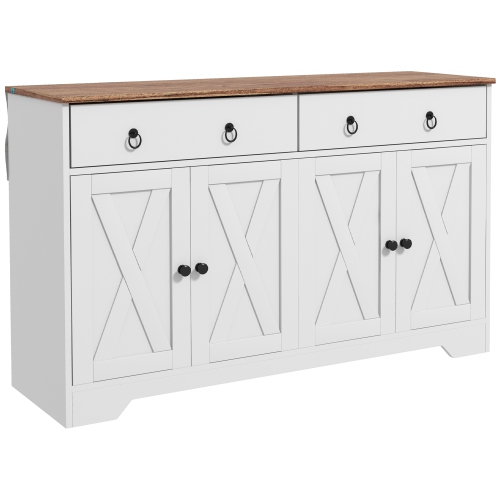
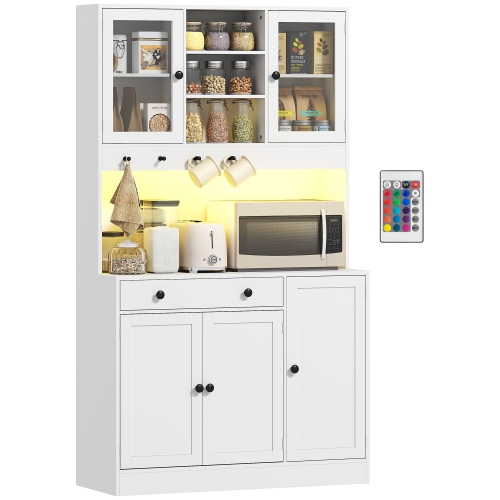
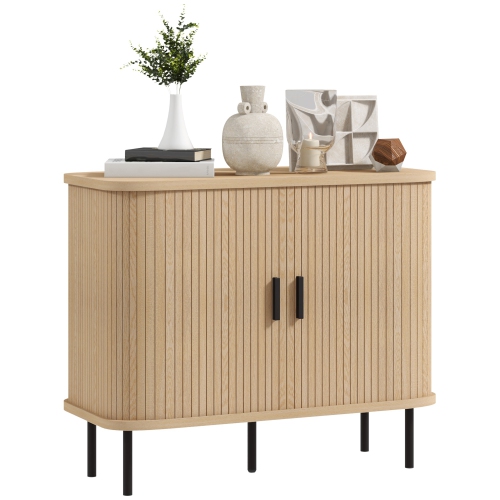
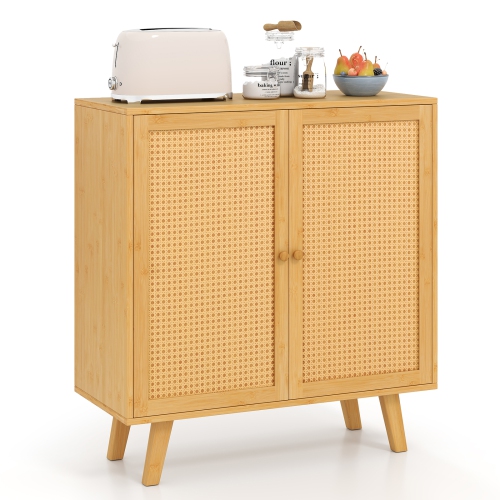
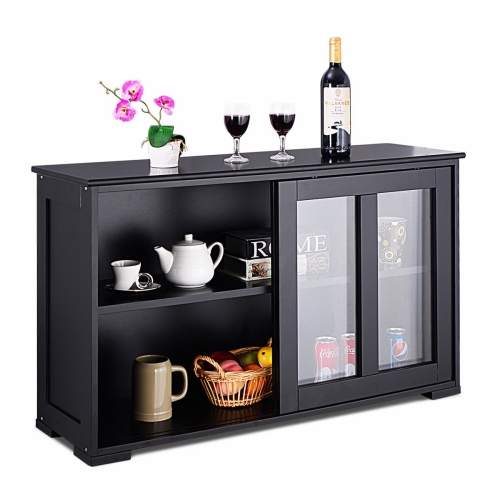
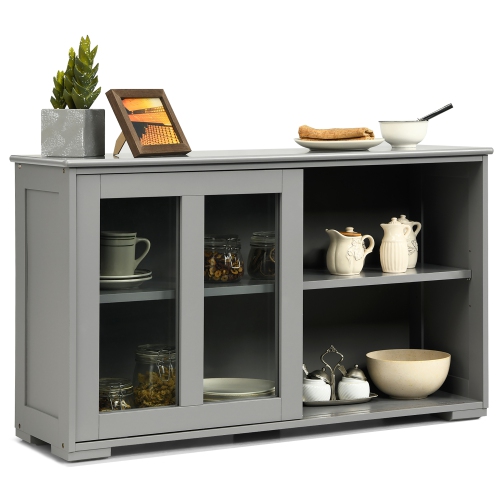
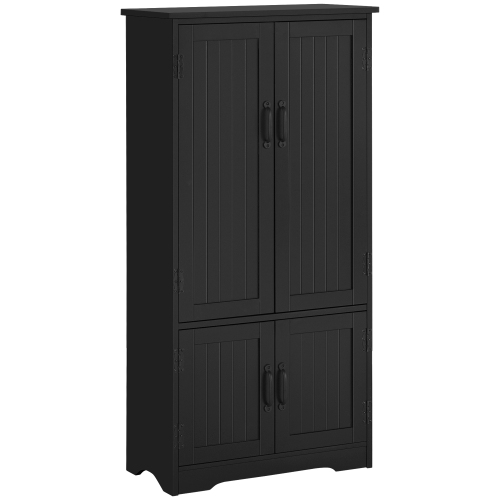

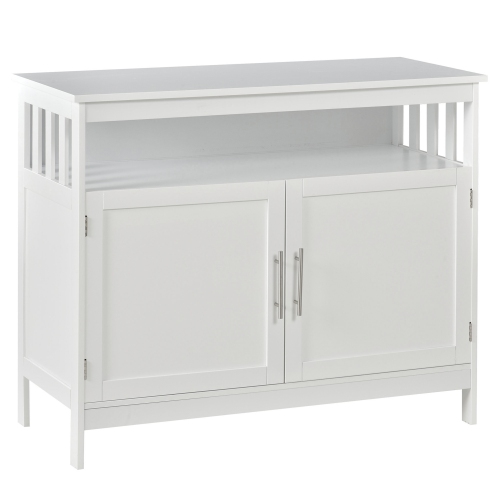
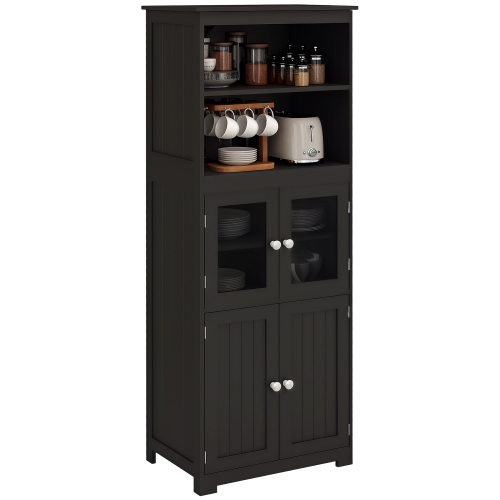
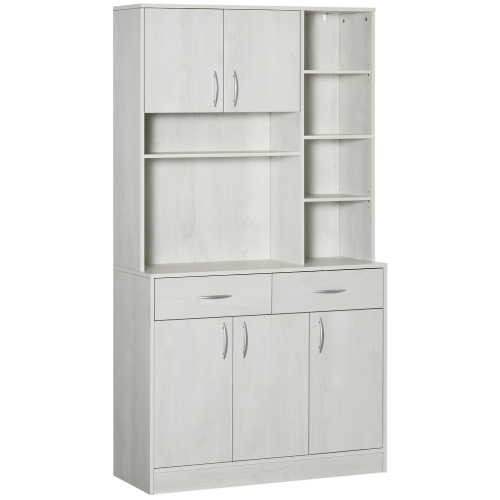
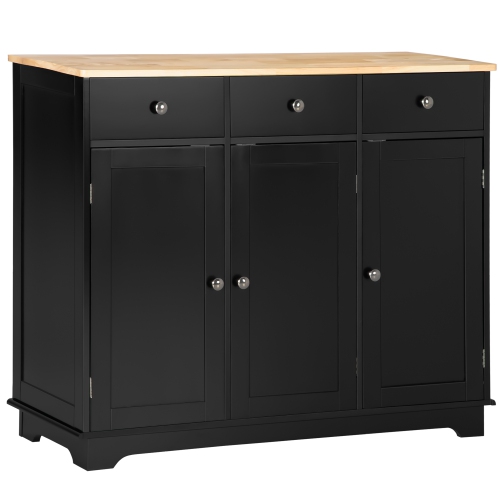
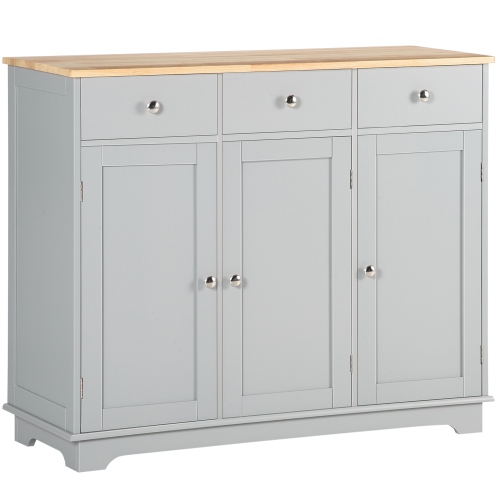
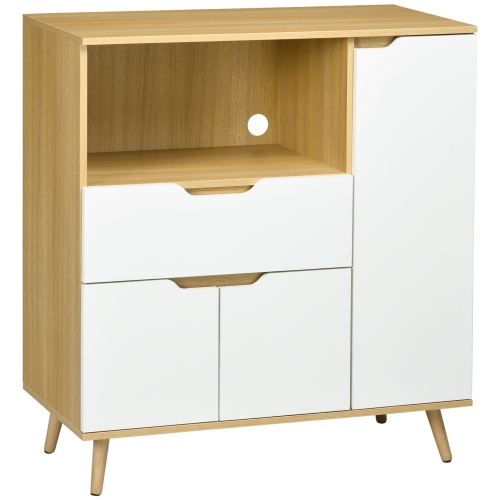

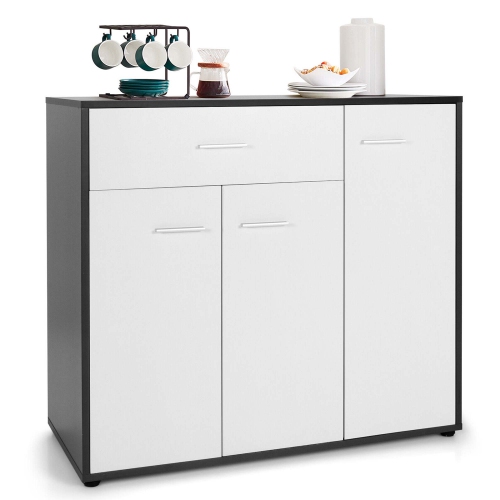
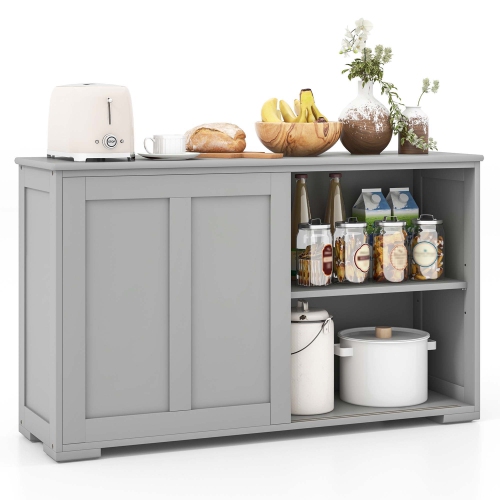
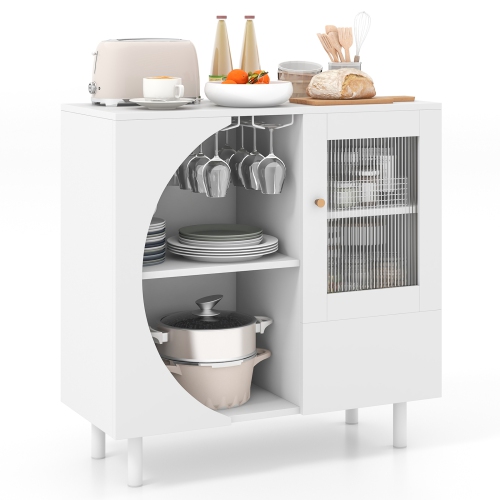

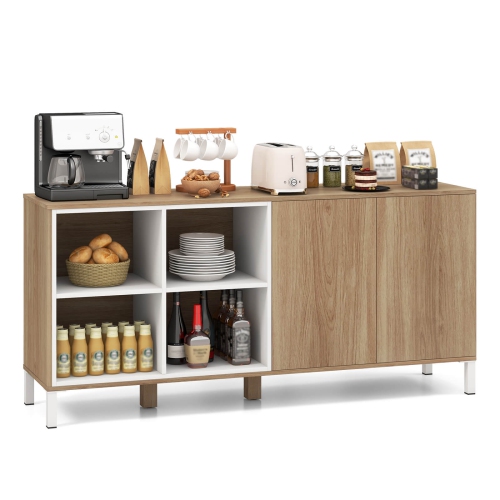
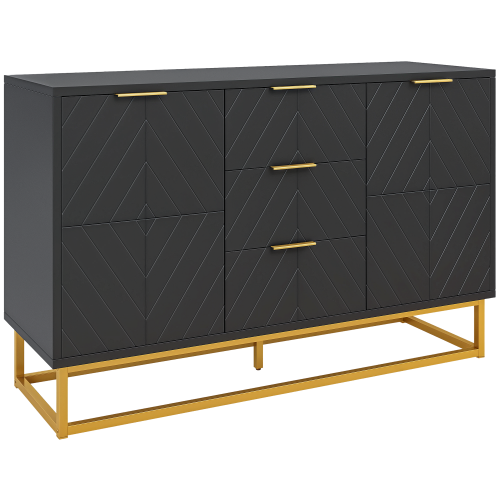
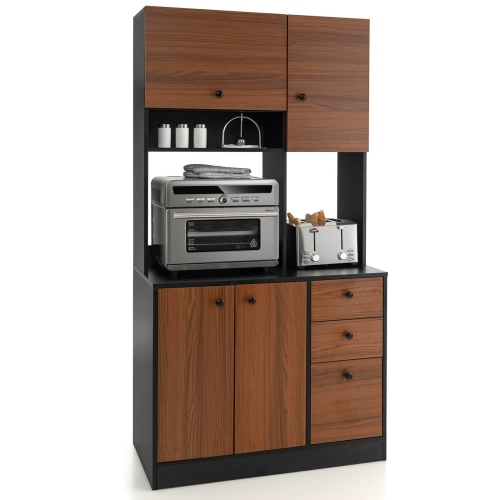
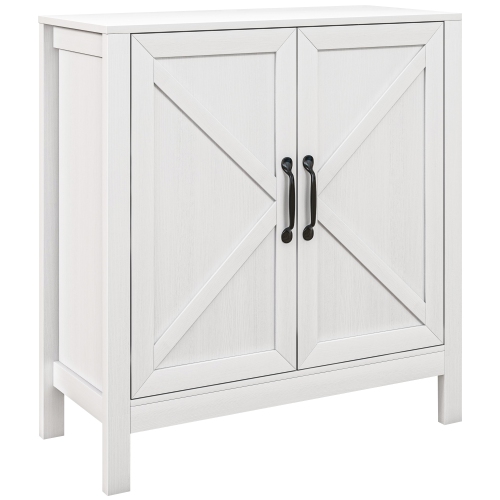
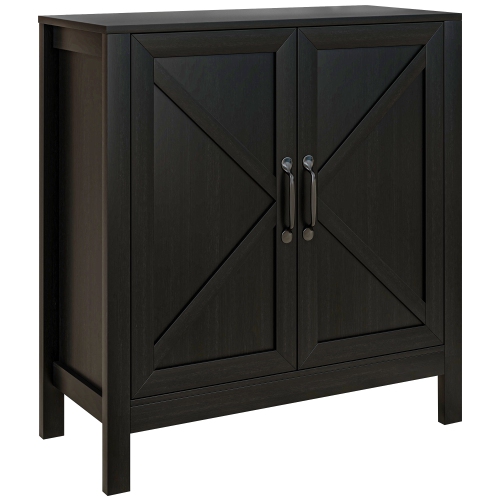
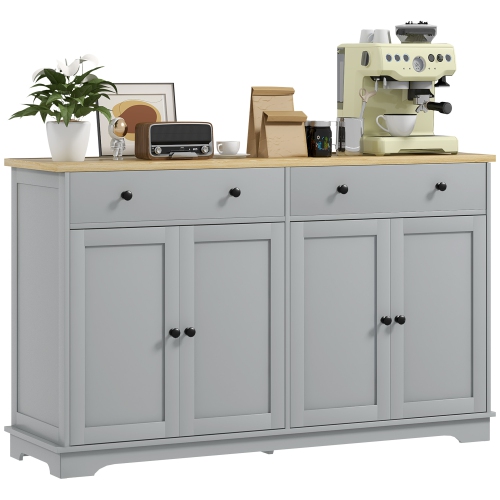
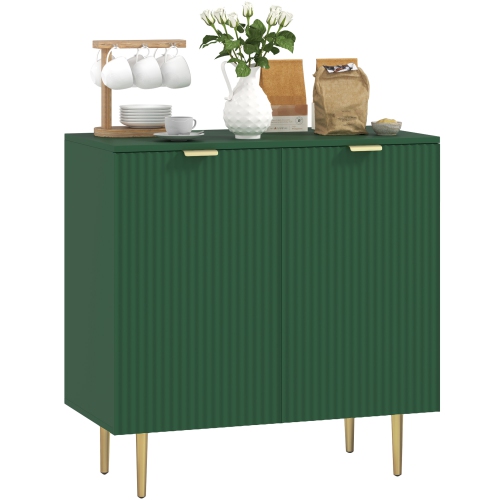
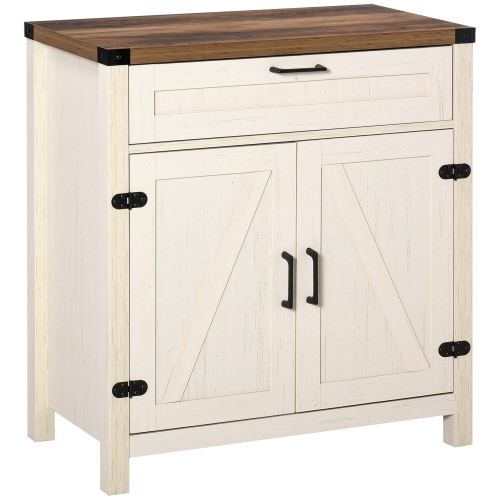
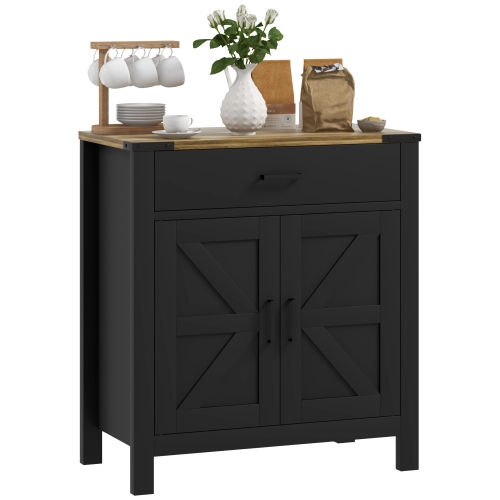
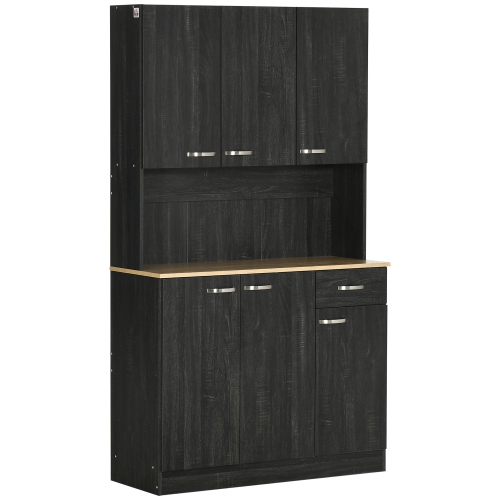
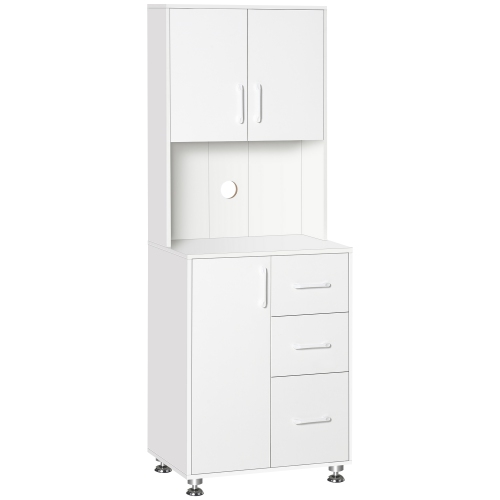
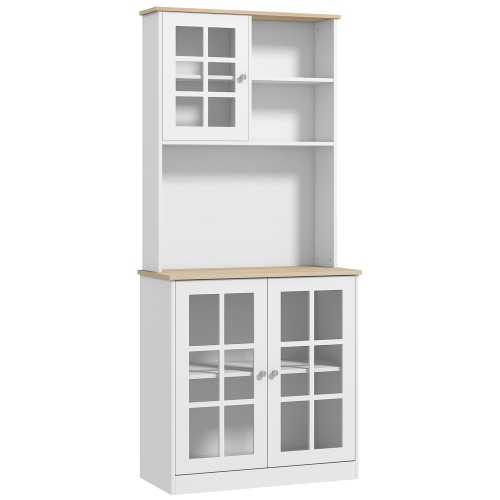
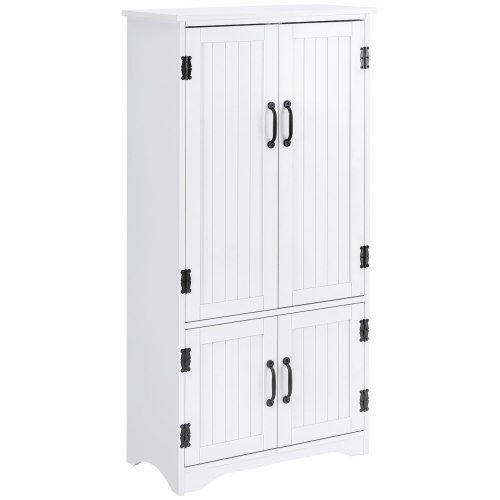
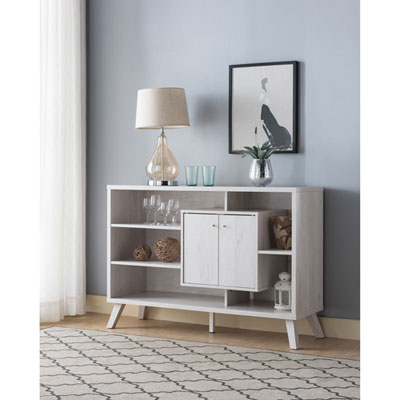

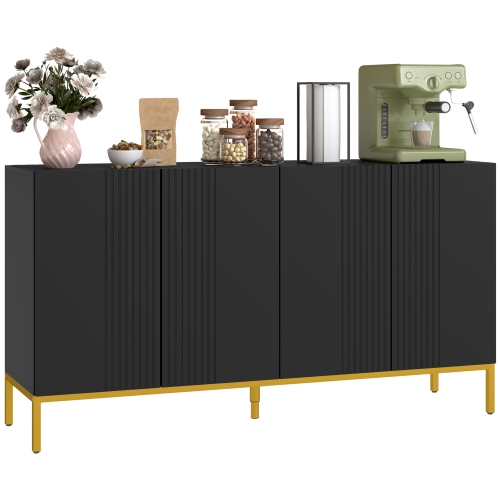
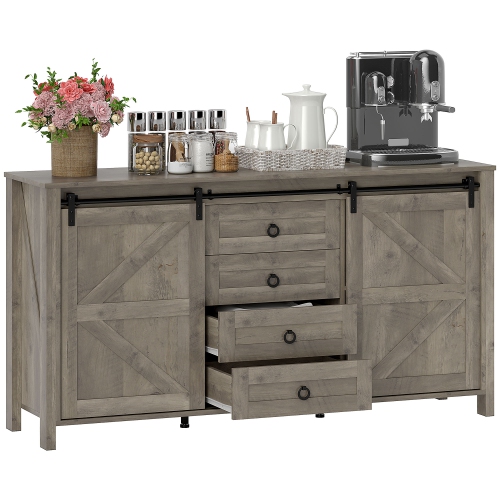
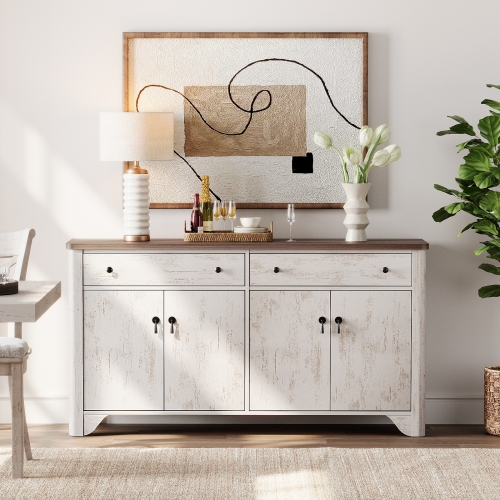

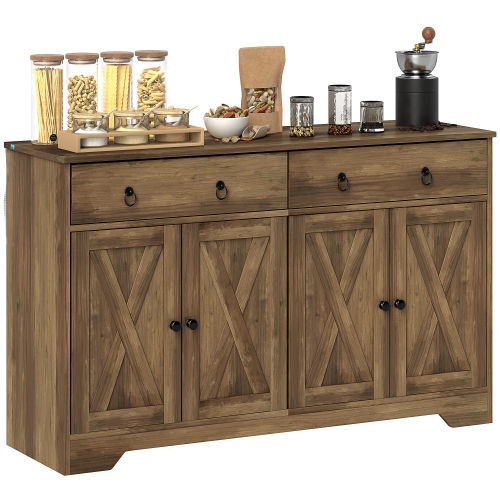
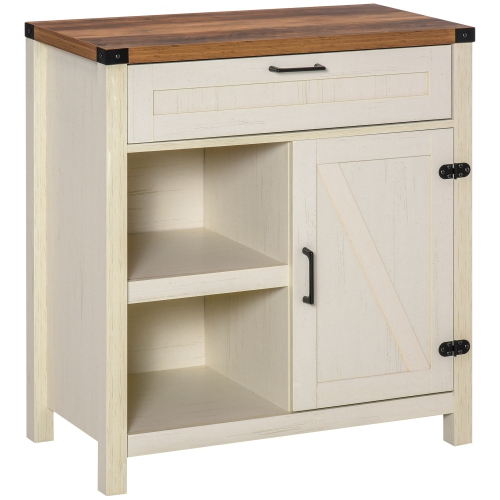
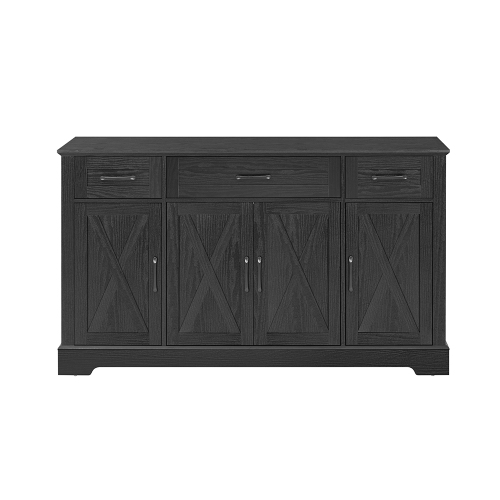
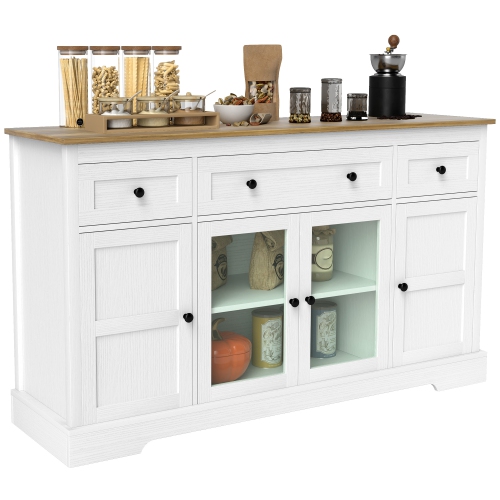
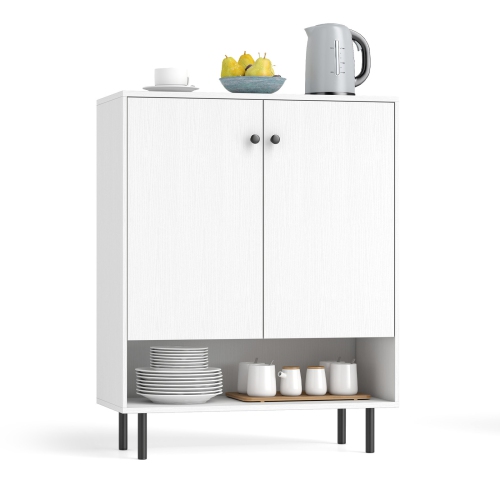
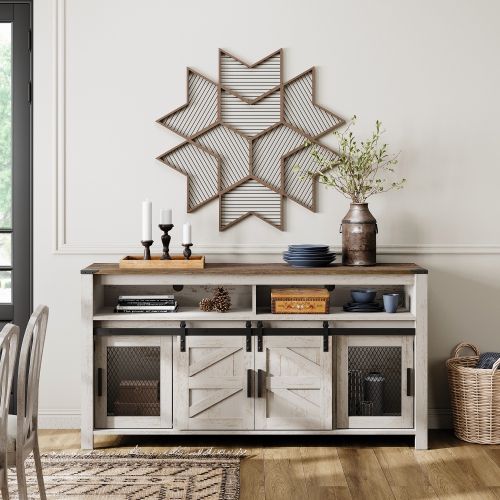
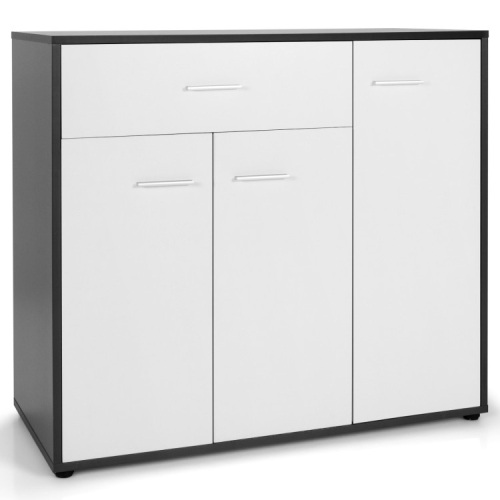
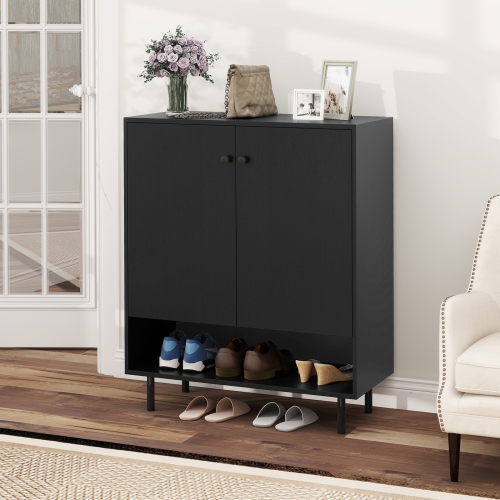
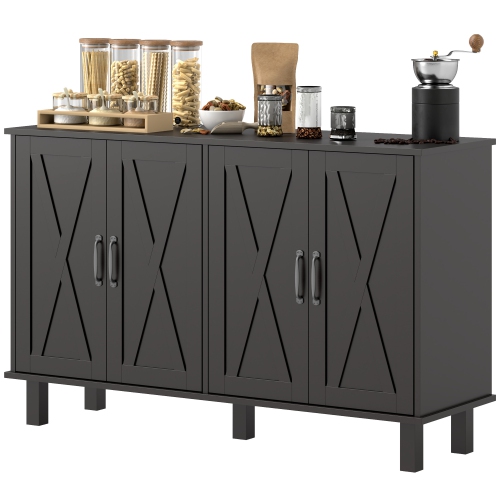
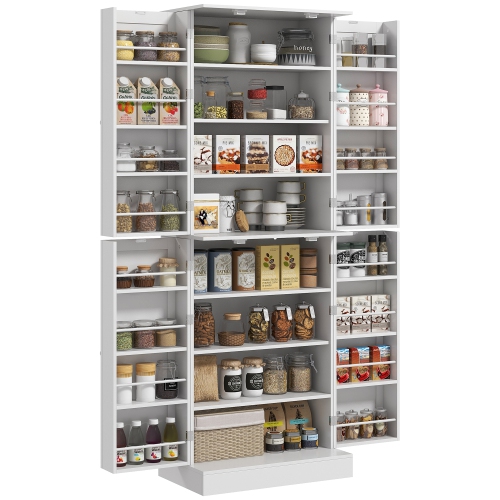
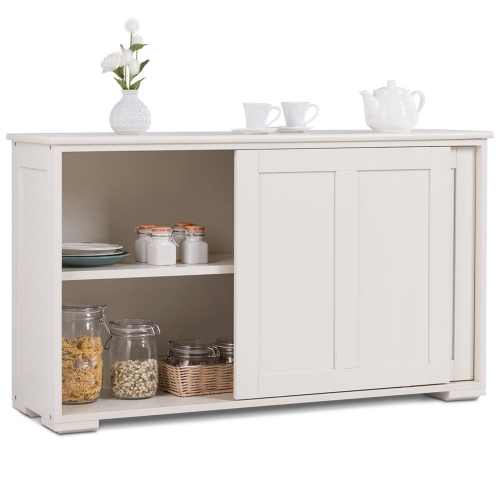
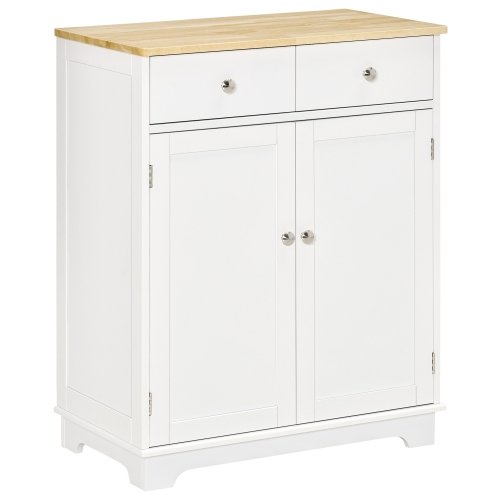
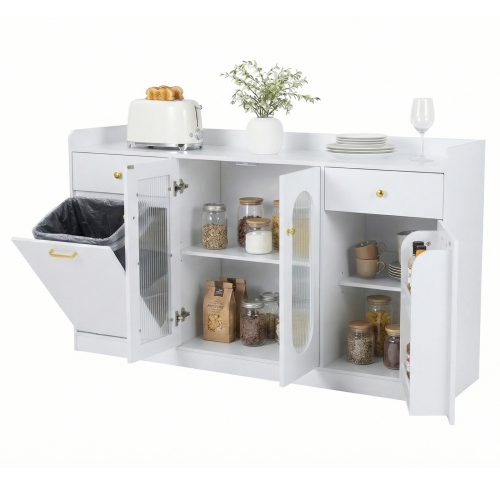
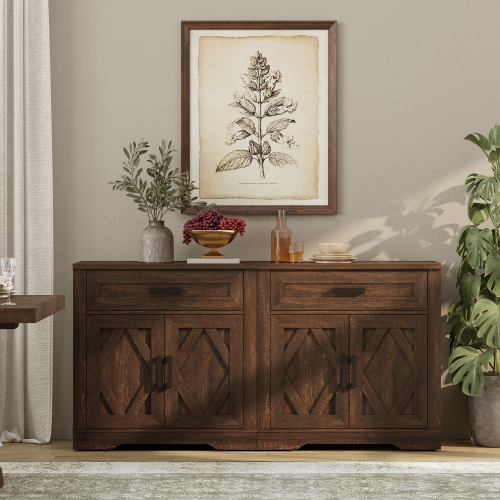
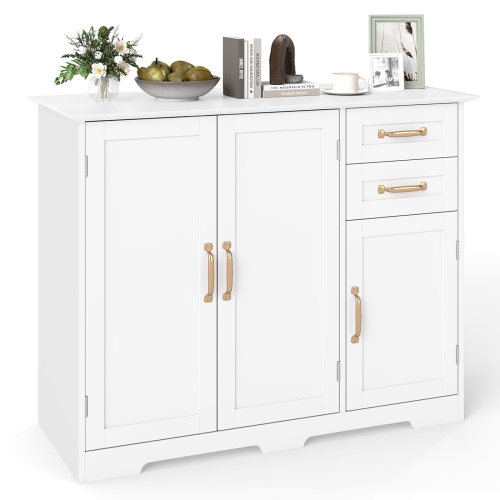
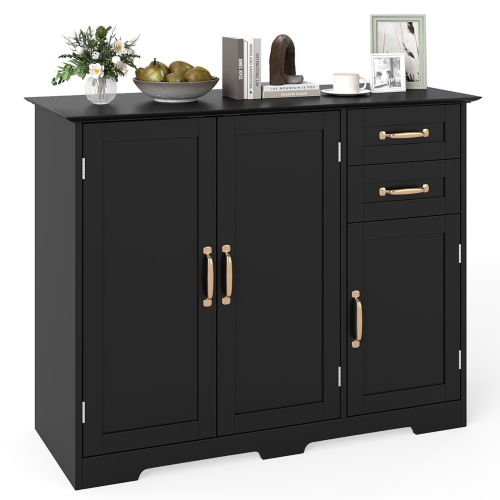
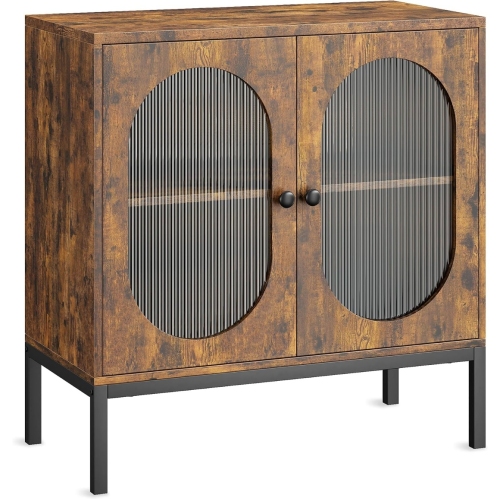
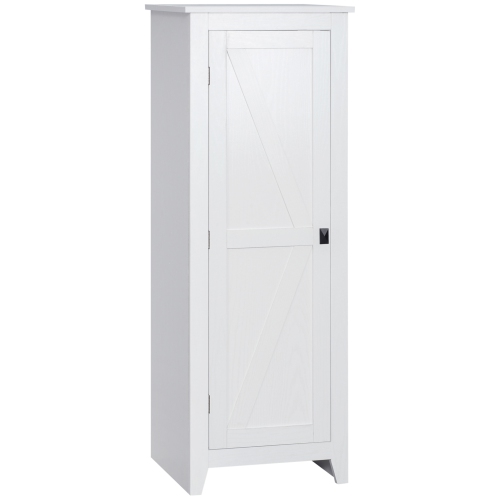
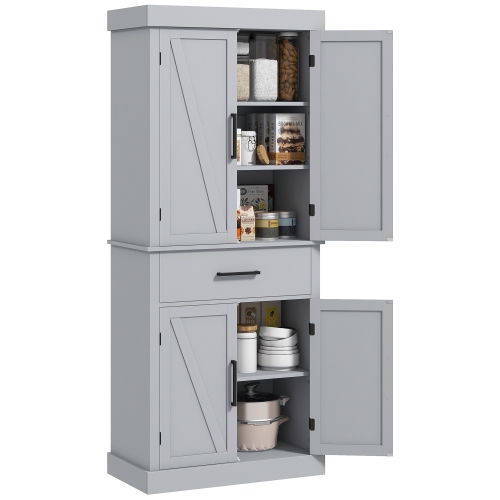
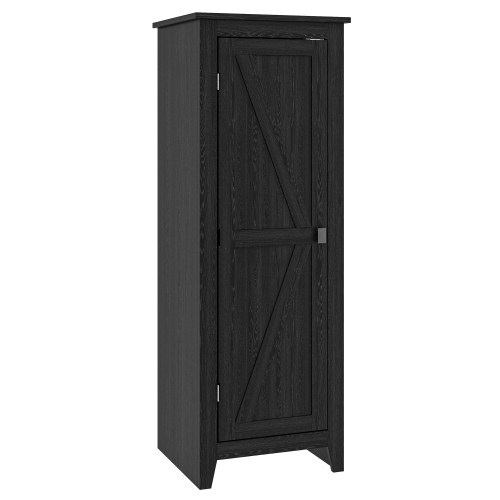
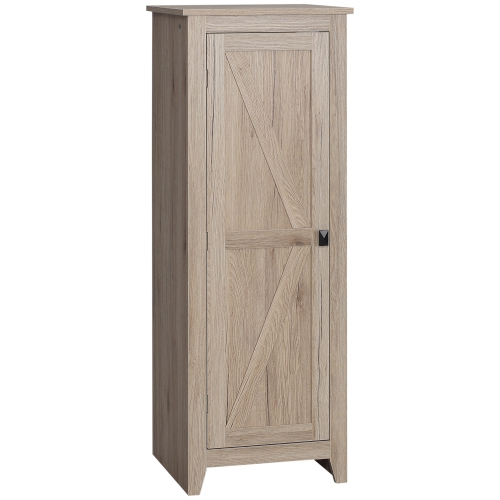
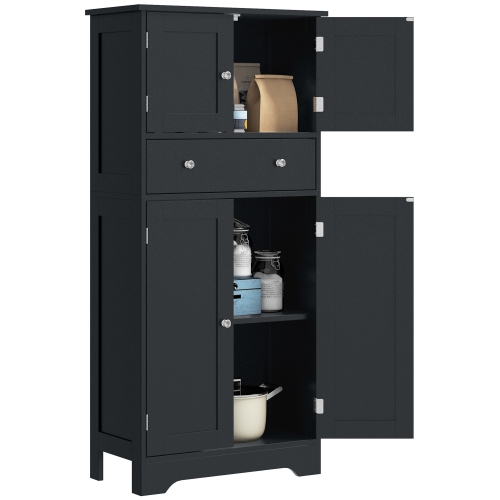
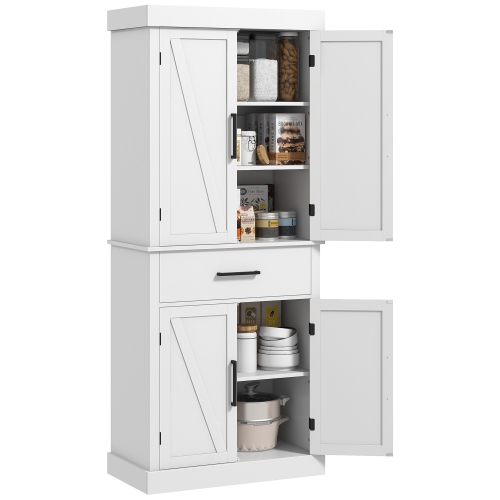
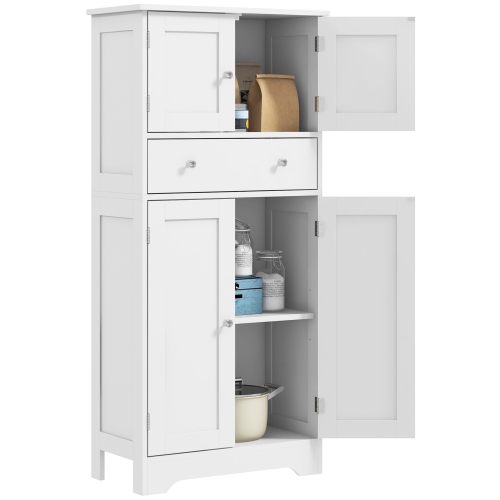
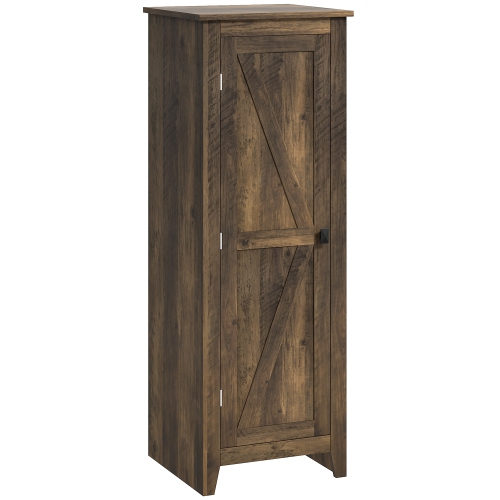
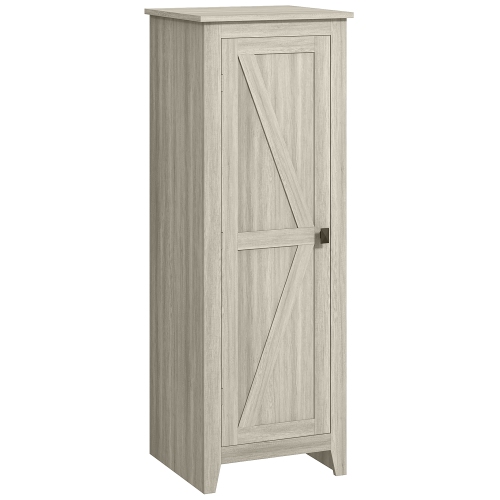
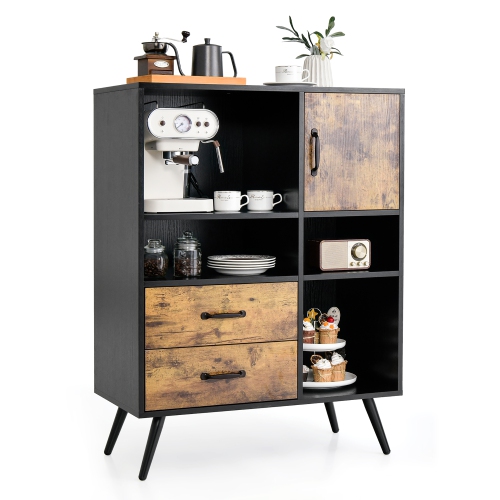
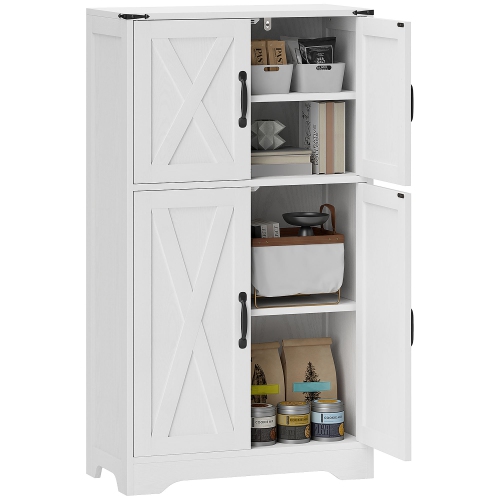
Serving space above and hidden storage below
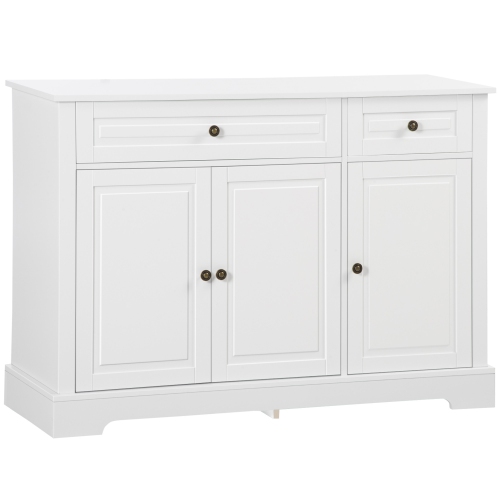
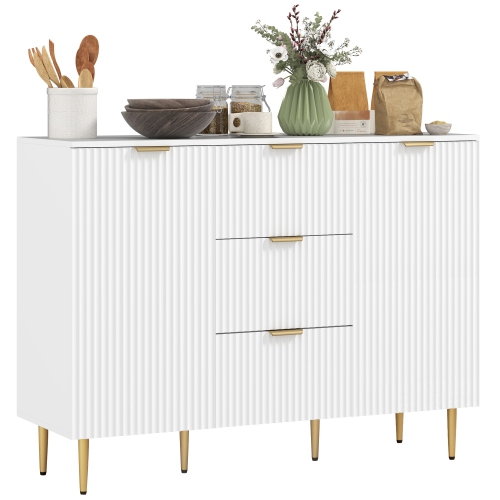
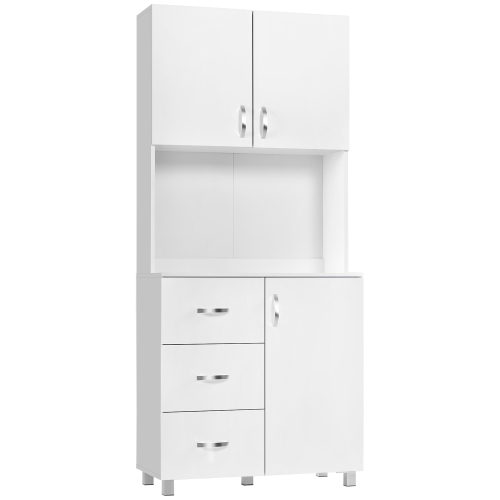
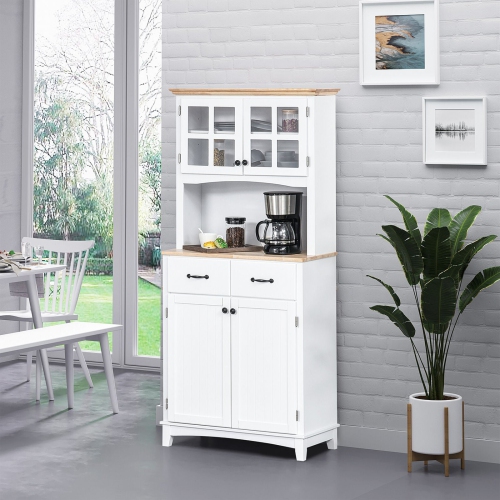
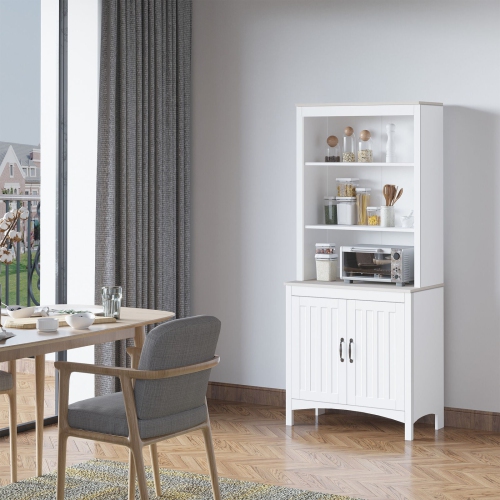
Kitchen buffet cabinets combine enclosed storage with a convenient surface for serving meals, arranging drinkware, or keeping everyday essentials within reach. Often called sideboards, these freestanding furniture pieces sit against a wall in a kitchen, dining room, or adjoining eating area, adding storage without requiring built-in cabinetry. A standard buffet usually has a low, wide profile, with doors concealing shelves and drawers providing space for cutlery, napkins, and smaller utensils. Many designs stand approximately 30 to 36 inches high, although dimensions vary, so the stated measurements matter more than the furniture name. Compact cabinets around 40 to 53 inches wide can suit smaller dining spaces, while wider designs measuring 55 to 70 inches or more offer additional room for serving dishes and table linens. Depth is just as important as width: a shallow cabinet may preserve a walkway but might not accommodate an oversized platter behind closed doors. Buffets with hutches extend storage upward, adding shelves or upper cupboards for cups, glassware, and display pieces. Glass-front doors make contents easy to identify while helping keep dust off stored dishes; solid doors conceal mismatched mugs, food containers, and other practical supplies. Open shelves provide quick access to frequently used pieces, though their contents need more regular dusting. For a household that shares meals at a small kitchen table, a buffet can keep serving bowls nearby without crowding the eating surface. In a larger dining room, it creates a separate place to set down a bread basket, arrange dessert plates, or store the dinnerware used when guests visit. Its usefulness comes from matching the storage layout to daily routines rather than simply adding another cupboard. A cabinet with several shallow drawers serves a different purpose from one with tall, adjustable shelves, even when both occupy the same amount of floor space. Shelf spacing, door openings, and usable interior dimensions help determine which layout will hold the things that otherwise take up valuable kitchen cupboard space.
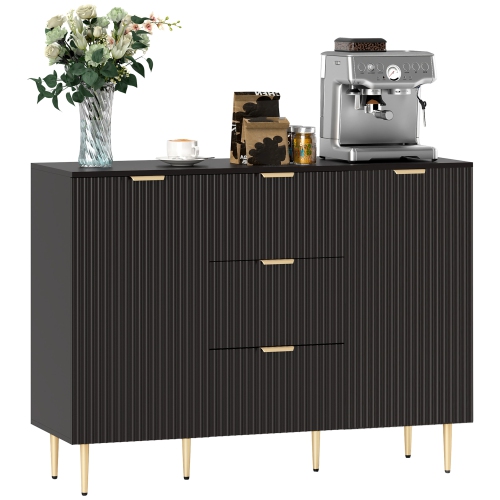
The right kitchen buffet cabinet should fit both the room and the way people move through it. Measuring the intended wall space is only a starting point; baseboards, nearby doorways, floor vents, and electrical outlets can affect placement. Doors and drawers need room to open fully, and dining chairs should pull out without bumping into handles or cabinet corners. Painter’s tape on the floor can help show how a cabinet’s width and depth will sit alongside the table, particularly in an apartment where the kitchen and dining area share one open space. A taller hutch also needs overhead clearance and should not interfere with switches or wall fixtures. For a coffee station, the top needs enough usable depth for the appliance, with room to fill its water tank and open lids beneath any upper shelving. Appliance instructions should determine ventilation and clearance, and steam should not be directed against cabinet panels or shelves. Built-in cable openings can help keep cords organized, but access to a suitable wall outlet remains important. Wine grids and stemware holders offer dedicated storage for bottles and glasses, while a plain adjustable shelf may be more flexible for a household whose storage needs change. Appearance matters too, since a buffet often stands in sight of both the kitchen and living area. Flat-front doors and restrained handles create a clean-lined look, while framed doors, visible wood grain, and turned legs bring more texture and detail. White and light wood finishes can blend with pale cabinetry; darker finishes create a stronger contrast against light walls. Black Buffet Cabinets can coordinate with dark dining chairs, metal lighting, or cabinet hardware without requiring every finish in the room to match. Repeating one colour or material elsewhere in the space often gives the arrangement a cohesive feel. Handles, hinges, and legs also influence the overall effect, making similar-sized cabinets feel either substantial and traditional or lighter and more understated.
Materials and construction affect how a buffet cabinet handles everyday use, from the weight of stacked dinner plates to the occasional spilled drink. Solid wood brings natural grain variation and can offer long service with appropriate care, but its response to moisture makes prompt spill cleanup important. Wood veneer provides a real wood surface over a supporting core; care is needed around edges and corners, and refinishing options depend on the veneer’s thickness. Engineered wood, including MDF and particleboard, is common in painted, laminated, or foil-finished cabinets. Its durability depends on the panel construction, surface finish, edge sealing, and quality of the fittings, rather than the material name alone. Prolonged moisture exposure can damage some panels, especially at seams, so a coffee bar benefits from a protective tray that catches drips before they reach the surface. Metal frames and legs can add support and visual contrast, while glass doors require cleaning suited to both the glass and the surrounding finish. Tempered glass is a useful feature where specified, but glass shelves and doors still need careful handling. For heavy crockery or small appliances, the stated weight limits for the top, drawers, and individual shelves are essential. Adjustable shelves add flexibility, but their supports must be seated securely, and heavier loads belong on lower shelves where practical. Smooth drawer runners, securely attached handles, and doors that align properly all contribute to comfortable daily use. Assembly quality matters as well: a cabinet should sit level, and any supplied wall restraints should be fitted according to the manufacturer’s instructions, especially in homes with children or pets. Routine care is usually straightforward, with a soft cloth, prompt drying after spills, and cleaning products approved for the finish. Coasters, placemats, and trivets help protect the top from rings, scratches, and hot serving dishes; a furniture surface should not be treated as a cutting board or a kitchen worktop unless it is expressly designed for that use. A well-matched buffet keeps familiar essentials close at hand, whether that means breakfast bowls for a busy family, neatly folded linens for frequent hosts, or extra pantry storage in a home with limited cupboards.
The right kitchen buffet cabinet should fit both the room and the way people move through it. Measuring the intended wall space is only a starting point; baseboards, nearby doorways, floor vents, and electrical outlets can affect placement. Doors and drawers need room to open fully, and dining chairs should pull out without bumping into handles or cabinet corners. Painter’s tape on the floor can help show how a cabinet’s width and depth will sit alongside the table, particularly in an apartment where the kitchen and dining area share one open space. A taller hutch also needs overhead clearance and should not interfere with switches or wall fixtures. For a coffee station, the top needs enough usable depth for the appliance, with room to fill its water tank and open lids beneath any upper shelving. Appliance instructions should determine ventilation and clearance, and steam should not be directed against cabinet panels or shelves. Built-in cable openings can help keep cords organized, but access to a suitable wall outlet remains important. Wine grids and stemware holders offer dedicated storage for bottles and glasses, while a plain adjustable shelf may be more flexible for a household whose storage needs change. Appearance matters too, since a buffet often stands in sight of both the kitchen and living area. Flat-front doors and restrained handles create a clean-lined look, while framed doors, visible wood grain, and turned legs bring more texture and detail. White and light wood finishes can blend with pale cabinetry; darker finishes create a stronger contrast against light walls. Black Buffet Cabinets can coordinate with dark dining chairs, metal lighting, or cabinet hardware without requiring every finish in the room to match. Repeating one colour or material elsewhere in the space often gives the arrangement a cohesive feel. Handles, hinges, and legs also influence the overall effect, making similar-sized cabinets feel either substantial and traditional or lighter and more understated.
Materials and construction affect how a buffet cabinet handles everyday use, from the weight of stacked dinner plates to the occasional spilled drink. Solid wood brings natural grain variation and can offer long service with appropriate care, but its response to moisture makes prompt spill cleanup important. Wood veneer provides a real wood surface over a supporting core; care is needed around edges and corners, and refinishing options depend on the veneer’s thickness. Engineered wood, including MDF and particleboard, is common in painted, laminated, or foil-finished cabinets. Its durability depends on the panel construction, surface finish, edge sealing, and quality of the fittings, rather than the material name alone. Prolonged moisture exposure can damage some panels, especially at seams, so a coffee bar benefits from a protective tray that catches drips before they reach the surface. Metal frames and legs can add support and visual contrast, while glass doors require cleaning suited to both the glass and the surrounding finish. Tempered glass is a useful feature where specified, but glass shelves and doors still need careful handling. For heavy crockery or small appliances, the stated weight limits for the top, drawers, and individual shelves are essential. Adjustable shelves add flexibility, but their supports must be seated securely, and heavier loads belong on lower shelves where practical. Smooth drawer runners, securely attached handles, and doors that align properly all contribute to comfortable daily use. Assembly quality matters as well: a cabinet should sit level, and any supplied wall restraints should be fitted according to the manufacturer’s instructions, especially in homes with children or pets. Routine care is usually straightforward, with a soft cloth, prompt drying after spills, and cleaning products approved for the finish. Coasters, placemats, and trivets help protect the top from rings, scratches, and hot serving dishes; a furniture surface should not be treated as a cutting board or a kitchen worktop unless it is expressly designed for that use. A well-matched buffet keeps familiar essentials close at hand, whether that means breakfast bowls for a busy family, neatly folded linens for frequent hosts, or extra pantry storage in a home with limited cupboards.
Top selling and popular products
-
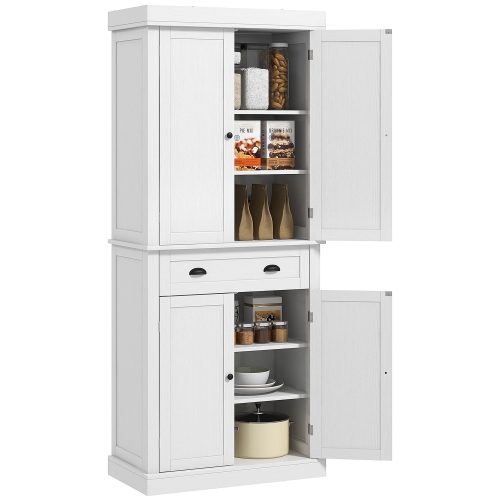 Your price for this item is $269.99
 -
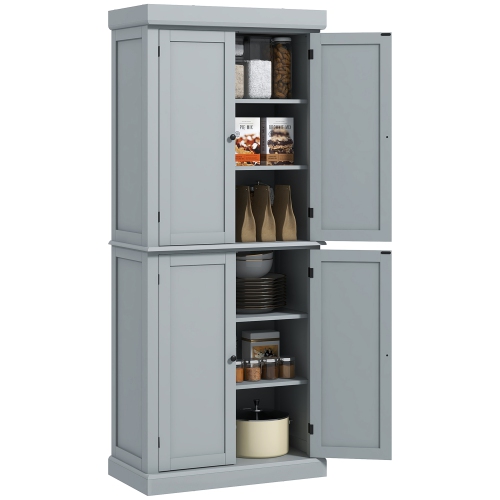 Your price for this item is $299.99
 -
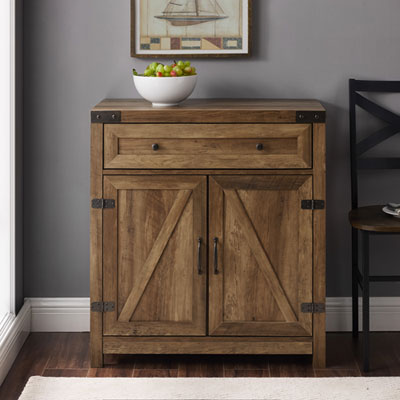 Your price for this item is $401.99
 -
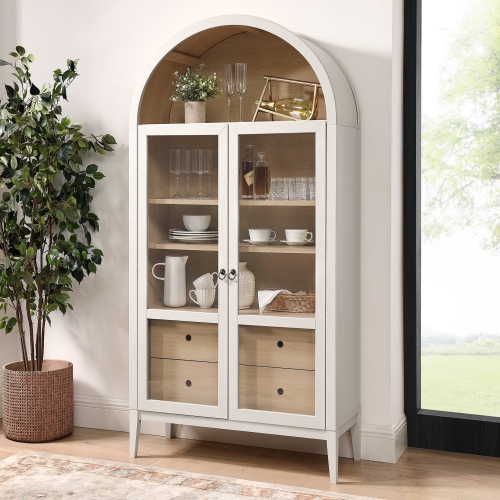 Your price for this item is $1028.59
 -
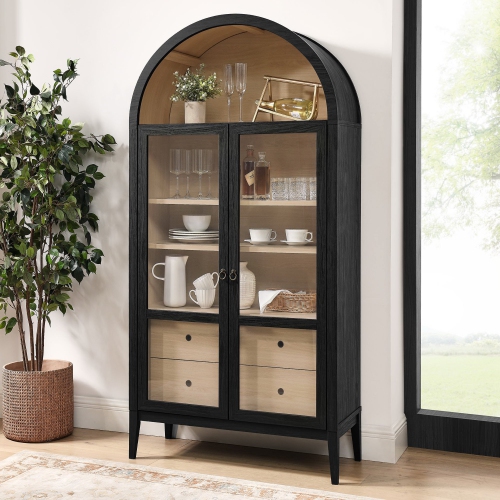 Your price for this item is $1028.59
 -
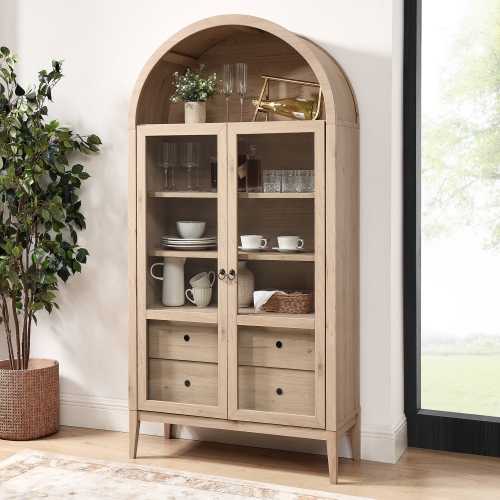 Your price for this item is $1028.59
 -
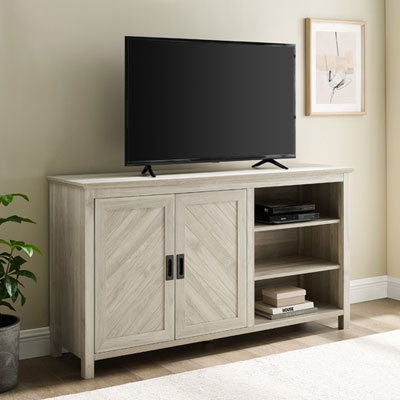 Your price for this item is $593.99
 -
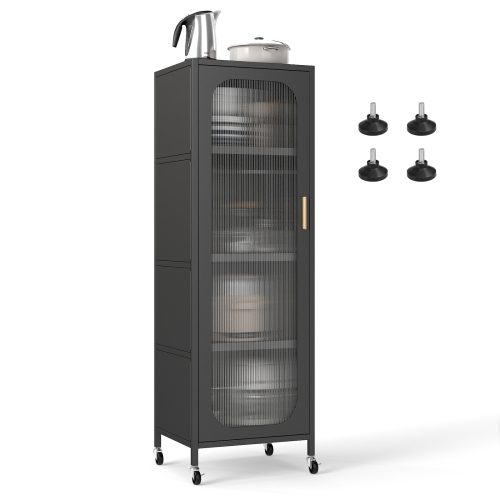
 Your price for this item is $154.99
Discover more categories related to Kitchen Buffet Cabinets
Top Collections:
Pokemon Centers, Kindle Devices, Best Budget Office Chairs, Apple iPhones 16, Samsung Galaxy Phones, Canon G7X Cameras, iPhone 15 Apple, Flip Phones, Best Laptops for Writers, Alarm Clock
Some products may be subject to Environmental Handling Fees
(EHF) depending on your province.
Learn more about EHFs.